Latham Hi-Tech Seeds

(641) 692-3258

  • Home
  • Performance
  • Products
    • Corn
    • Soybeans
    • Soybean Blends
    • Alfalfa
    • Corn Silage
    • Seed Guide
  • Find a Rep
  • Media
    • Blog
    • News
    • Videos
    • Podcasts
    • TECHTalk
  • About Us
    • Company History
    • Our Mission
    • Careers
    • Become a Rep
    • Sowing Seeds of Hope
  • Contact Us
  • Latham Hi‑Tech Seeds

    Summer Fertilizer Increases Alfalfa Winterhardiness

    Alfalfa3
    Corey Headshot PNG
    Core Catt, Forage Product Manager

    With everything from groceries to gas on the rise, we understand the need to question whether expenses are necessary or justifiable. Below is information to support why fertilizing alfalfa in summer and applying fungicide to silage hybrids warrants your attention.

    Fertilizing alfalfa in the summer helps fill the cellular gas tank of the plant’s crown, which helps increase its yield potential for the current growing season, as well as increases its potential for winterhardiness. All alfalfa benefits from in-season fertility, regardless of cutting schedule or strategy.

    Summer seeding is fast approaching. July 20 through August 1 are key seeding dates for Latham Hi‑Tech Seeds’ northern territory, which includes North Dakota, as well as northern Minnesota and northern Wisconsin. August 1-15 is the range of recommended alfalfa seeding dates for southern Minnesota and southern Wisconsin while most alfalfa growers in Iowa typically seed in mid-August. Look at this graph.

    Corey Graph
    Sourced from University of Wisconsin – Extension

    Due to our late spring, many Midwest alfalfa growers have moved seeding alfalfa to this fall. The success of fall seeding depends on moisture. It’s important that alfalfa germinates quickly, develops a crown, and builds enough crown carbohydrates to overwinter.

    Latham® AlfaShieldTM is a great seed treatment to help facilitate quick emergence. Think of AlfaShield as wrapping your alfalfa seed in a sponge. It helps protect the fragile germ of the seed. It also helps draw moisture to the seed, which is particularly important when seeding into moisture-stressed soils. Summers-seeded alfalfa is up against the time clock; approximately four to six weeks of significant growth needed to develop the crown before frost. The 2022 and 2023 Latham product guides include a dry matter (DM) ton advantage of AlfaShield compared to the old industry standard. AlfaShield has a bigger advantage in moisture-stressed soils.

    Summer Considerations for Corn Silage

    When I walk fields and test plots in the fall, I note a hybrid’s stay-green ability. I believe this observation relates to plant health. Healthy plants tend to have a lower probability of developing infection, which can create the environment for molds and mycotoxins to grow.  Fungicide application promotes plant health and can boost yield and corn silage quality. Healthy, dark green, disease-free leaves are like solar panels capturing more sunlight for more photosynthesis. Healthy leaves also build more yield, as well as reduce chances for mold and mycotoxins to develop.

    There are a variety of fungicides to select from, all of which inspire improved plant health. I have the most experience with BASF fungicide corn silage research relating to improved corn silage tonnage and forage quality. Several of the studies have resulted in two to three more tons of corn silage per acre plus the potential of reduced molds and mycotoxins is encouraging. With current commodity prices, that’s around an extra $140 to $210/acre in corn silage tonnage!

    Investing fungicide is worth consideration for livestock producers, who raise their own forages. Molds and mycotoxins can be more challenging to quantify. When fed to livestock, however, they can severely impair animal performance. In severe instances, it can lead to mortality.

    Feel free to contact your local Latham rep with any questions about summer fertilizing or fungicide application. You’re also welcome to email me at coreyc@lathamseeds.com. I’m always happy to visit with Midwest farmers who are interested in raising better meat, milk and eggs!

    Webspec Admin

    July 14, 2022
    Agronomics, Alfalfa, Crop, Disease, Fungicide, General, Seed Treatment, Tech Tuesday
  • Latham Hi‑Tech Seeds

    Tissue Test for Better Yields

    Phil Corn in late June

    Phil Long is in the field this week looking at the rapid growth phase of corn. He also shares what to scout for this time of year and how to send in a proper tissue test. Check out the video or read the article below to learn more.

    With current input and commodity prices, we must get the most from each crop. To help your crop reach its potential, start with fertility. Regular soil tests are great, but the next step is in-season tissue testing.

    Tissue testing supplements your soil test. You shouldn’t take a tissue test without a current soil test in hand. Once you take the tissue test, compare it to your soil test. See where the two tests match. Then make plans to address those needs either this season or next season.

    Tissue testing every two weeks shows how your crop is developing throughout the season. If you only can tissue test once or twice, I recommend pulling a sample early (V4 for corn or soybeans) and before grain fill (R1 for corn and R3 for soybeans). This will give you a good understanding of what needs are not being met during crucial development stages.

    Here are some tips on how to use tissue testing to your advantage this season:

    1. Sample whole plant (above ground) when shorter than eight inches. Once a plant gets to reproduction, use the leaf below and opposite the ear leaf for corn. For soybeans, use the most recently matured leaf (usually the 2nd or 3rd leaf from top of the plant). Take at least 15 leaves/plants per sample.
    2. Take multiple samples to compare locations in the field and to look for consistencies. If you are looking at a trouble spot, be sure to also take a sample from a good spot in the field. Send samples in a breathable bag (not a plastic Ziploc bag), or your results may not be good.
    3. Compare back to your soil test. Keep environmental conditions in mind at the time of sampling. Most labs will categorize the nutrient levels based on what growth stage the plant was in when sampled. Tissue testing is like taking your temperature; the tissue test can reveal consistencies in a field that must be addressed to break that next yield barrier.

    Check out other corn videos and articles on The Field Position.

    Team Latham

    June 29, 2022
    #AskTheAgronomist, Corn, Crop, Disease, From the Field, Growth Stages, Soil, Summer, Tech Tuesday
  • Latham Hi‑Tech Seeds

    Alfalfa Threats

    Alfalfa weevil
    Corey Headshot PNG
    Corey Catt, Forage Product Manager

    Like other crops, high-quality alfalfa is commanding a good price. Strong market prices can change the economic thresholds, making it easier to justify investing in pest control. Below are some charts to help guide you.

    Many insects can damage alfalfa, so it’s important to build a plan that keeps alfalfa healthy. Insects can damage the plant so much that the plant can acquire a disease and die.

    Each alfalfa plant is like a factory. Crop scouting, spraying and fertilizing is like providing critical maintenance to keep the factory operating efficiently, as well as to optimize yield and quality.

    Controlling alfalfa insects generally involves two things: (1) spraying insecticide; and (2) cutting alfalfa early. Check out these two articles for more insight.

    Alfalfa insects: What to look for and how to scout

    Alfalfa Weevil

    Weevil and leafhopper


    Check out other alfalfa articles and videos from our experts.


    Webspec Admin

    June 22, 2022
    Agronomics, Alfalfa, Crop, Disease, Fungicide, General, Growth Stages, Insects, Season, Spring, Summer, Tech Tuesday
  • Latham Hi‑Tech Seeds

    #AsktheAgronomist – Tough Start

    Ask the agronomist tough starte

    It’s been a tough start to the 2022 season with delayed planting and cool weather. Phil Long, precision agronomy advisor, unpacks GDUs across Latham Country and when corn and soybean stands will really take off. Check out more agronomy videos.


    Team Latham

    June 7, 2022
    #AskTheAgronomist, Agronomics, Corn, Crop, Emergence, From the Field, Growth Stages, Soil, Soybeans
  • Latham Hi‑Tech Seeds

    #AsktheAgronomist – Stand Count

    Ask the agronomist stand count

    Team Latham

    May 26, 2022
    #AskTheAgronomist, Agronomics, Crop, Emergence, Growth Stages, Soybeans
  • Latham Hi‑Tech Seeds

    #AsktheAgronomist – Emergence

    Ask the agronomist emergence

    Precision Agronomy Advisor, Phil Long, brings us an update from the field. He shares what to keep an eye on with this late spring and how emergence may be quicker than normal.

    Team Latham

    May 19, 2022
    #AskTheAgronomist, Agronomics, Corn, Crop, Emergence, General, Growth Stages, Season, Soybeans, Spring
  • Latham Hi‑Tech Seeds

    #AsktheAgronomist – Spring Tillage


    Phil Long, precision agronomy advisor, breaks down spring tillage and when to know if the field is ‘fit.’ It’s been a challenging spring, but there is still plenty of time to get the crop in safely and efficiently! Subscribe to Latham’s YouTube Channel today!

    Webspec Admin

    May 12, 2022
    #AskTheAgronomist, Corn, Soil, Soybeans, Spring
  • Latham Hi‑Tech Seeds

    #AsktheAgronomist – Alfalfa Evaluation

    Ask the agronomist alfalfa evaluation

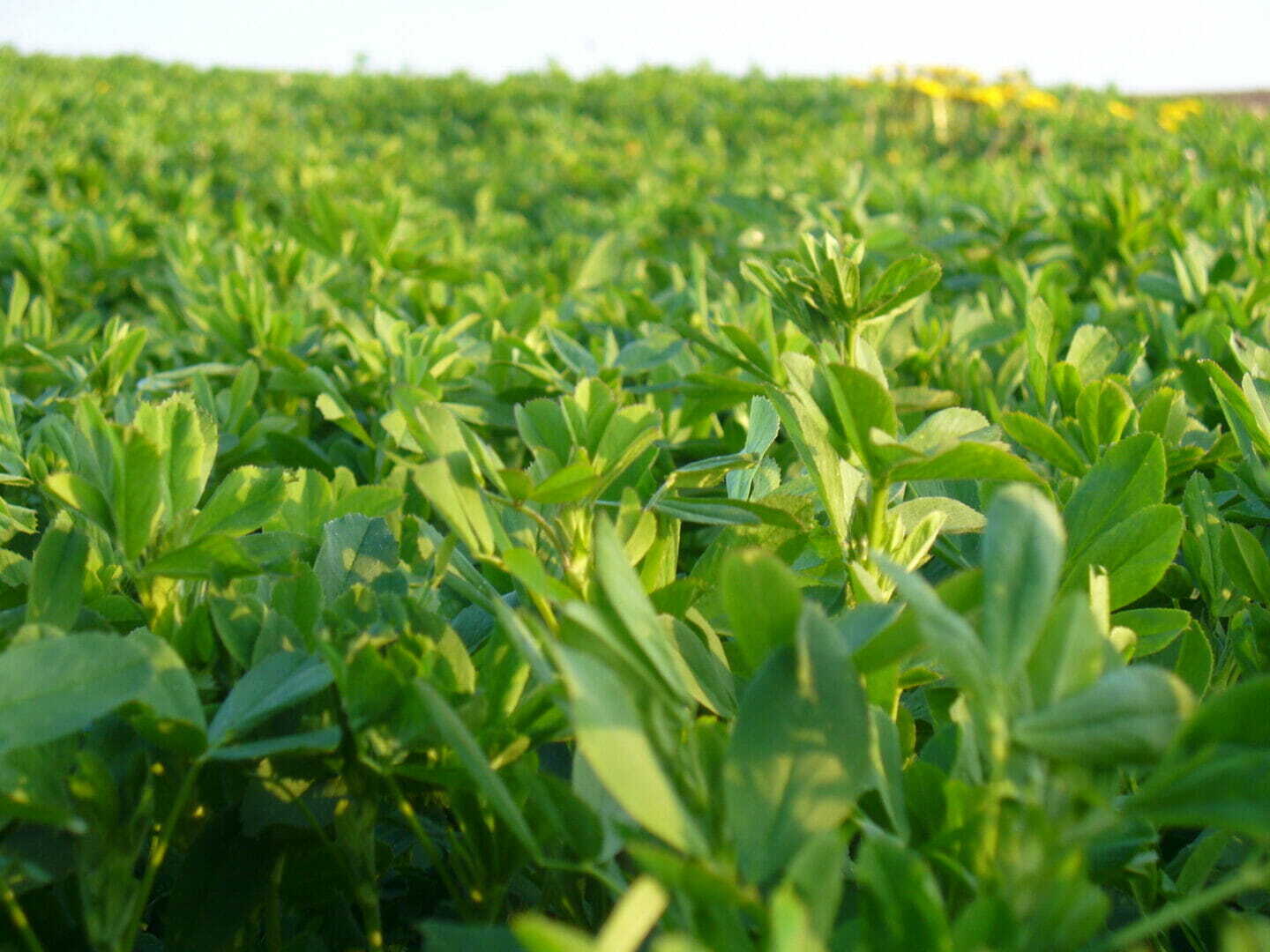
    The rain is causing some planting delays in Latham Country, so we thought we’d take a look at our alfalfa stand! Phil Long, precision agronomy advisor, dives into how to evaluate an alfalfa stand and how to gauge growth. Subscribe to Latham Seed’s YouTube Channel today!


    Webspec Admin

    May 5, 2022
    #AskTheAgronomist, Agronomics, Alfalfa, Crop, From the Field, General, Growth Stages, Season, Spring
  • Latham Hi‑Tech Seeds

    #AsktheAgronomist – Cover Crop Termination

    Ask the agronomist cover crop termination

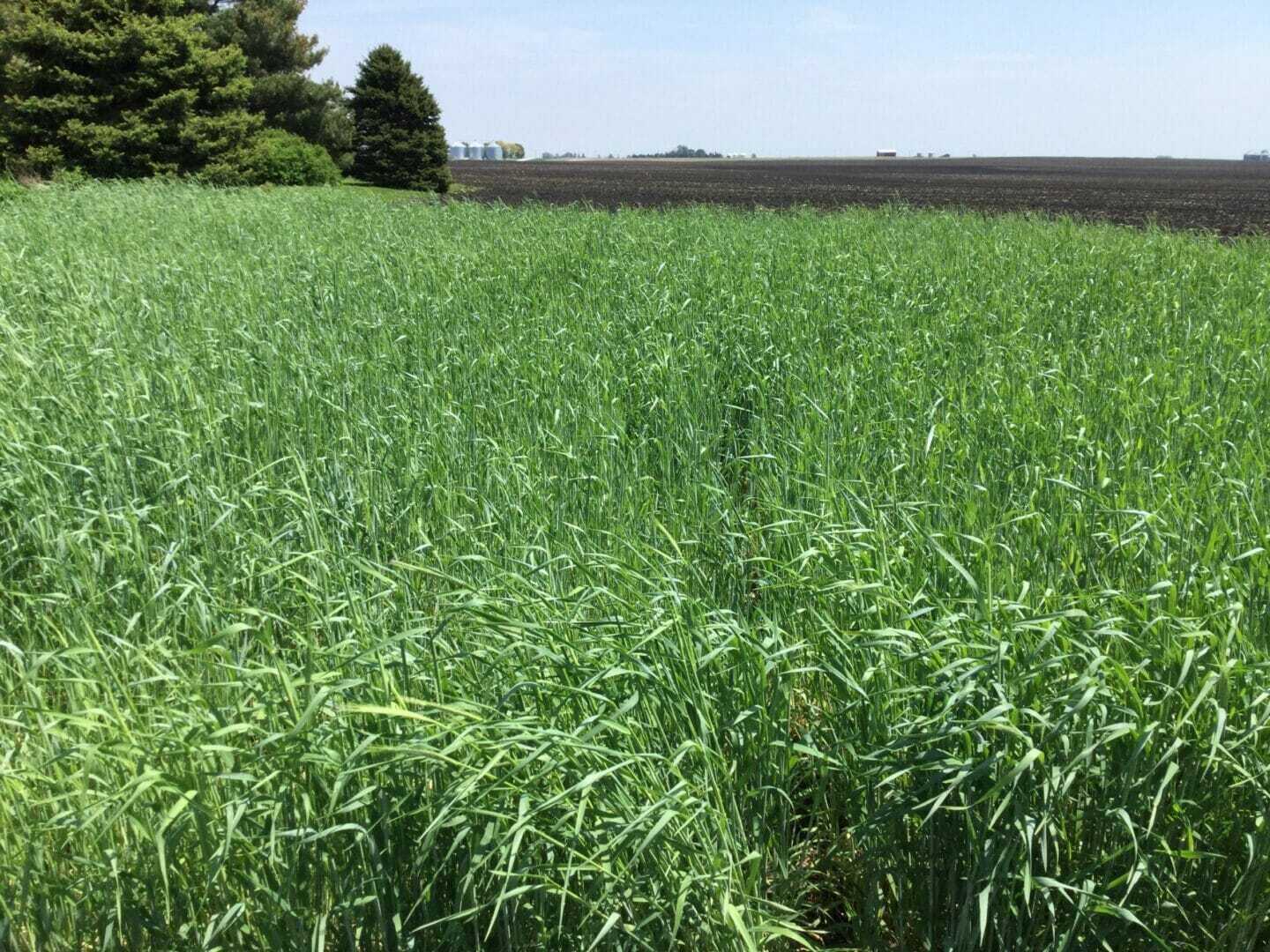
    Phil Long, precision agronomy advisor, battles the wind to bring us a field update! He highlights cereal rye and when it should be terminated.

    Check out The Field Position for more industry and agronomy topics!

    Webspec Admin

    April 26, 2022
    #AskTheAgronomist, #FromTheField Crop Reports, Cover Crops, From the Field, General, Growth Stages, Spring
  • Latham Hi‑Tech Seeds

    Exploring new dishes before returning to family favorites

    Ross and Jen family

    Many cooks enjoy exploring new recipes and styles of cooking, but they usually come back to familiar favorites. The pattern also holds for farm kids. Many like to explore new parts of the country and ways of life but eventually come back to the farm that has been in their families for generations.

    Brothers Ross and Levi Brown of Dell Rapids, South Dakota, didn’t plan to take over the family farm from their parents, Kevin and Renee.

    Ross graduated from Dell Rapids High School in 2005 and then went to basic training and Air Force technical training. In 2006, he started taking classes at South Dakota State University (SDSU) in Brookings where he majored in Aviation Management. He was deployed three times, ranging from two to four months each time.

    After graduating from high school in 2008, Levi had intended to become an engineer. He enrolled in the School of Mines, but it only took him one semester to realize that that college wasn’t the best fit for him. The following semester he transferred to SDSU where he earned a bachelor’s degree by double-majoring in Agricultural Business and Finance with a minor in Economics. Due to Ross’s deployments, he and Levi graduated from SDSU on the same day.

    Levi and Olivia family
    Levi and Olivia Brown and Family

    Levi met his future wife, Olivia, in Brookings. Olivia earned a Bachelor of Science in Nursing (BSN) from SDSU and graduated in August 2019 with a Doctor of Nursing Practice (DNP). She currently practices at Avera Health. After working for a few years for a farmer in Mitchell, Levi and Olivia moved to a farmstead three miles northwest of the home place where they established their home.  They are the proud parents of 5-year-old Cora and 10-month-old Griffin.

    Ross returned to the family farm in 2012 after working a couple of years at Raven Industries. He spent a great deal of time traveling for his job and realized how much time he would be sacrificing away from family if he continued in aviation.

    Ross and his wife, Jen, are the proud parents of nine-year-old Elsa, seven-year-old Joe, five-year-old Arlo, and 1-year-old Rollie. Jen teaches first grade in Sioux Falls and is dedicated to making a difference in her students’ lives. Ross continues to serve in the Air National Guard. His 20th year of service will be 2025. Ross and Jen and their family live across the section to the north from the home place.

    Ross and Jen family
    Ross and Jen Brown and Family

    “Ross and Levi have really embraced technology, and that’s helped the bottom line of the farm,” says Kevin. “Technology adds another level of management, so I’m turning the reins over to them. They order our seed, chemicals and fertilizer because they know the prescriptions for each farm.”

    The Browns farm separately, yet together. They also have a Latham Seed’s dealership. In addition to raising crops, Kevin and Levi each finish feeder cattle. Ross also finishes feeder cattle and calves about 120 cows each spring.

    Today the Browns are sharing a family favorite recipe that promotes the beef they raise.

    Shannon Latham

    April 21, 2022
    Beef, Food & Family, General, Precision Ag, Recipes
Previous Page
1 … 4 5 6 7 8 … 67
Next Page

Latham Hi‑Tech Seeds

131 180th Street | Alexander, IA 50420

(641) 692-3258

SIGNUP FOR OUR NEWSLETTER
  • Contact
  • Legal
  • Dealer Center
  • Seedware Login
  • Latham Gear

© 2025 Latham Hi‑Tech Seeds. All rights reserved. | Iowa Web Design by Webspec | Privacy Policy

Latham® Hi-Tech Seeds is a trademark of M.S. Technologies, L.L.C., 103 Avenue D, West Point, IA 52656.