
Did you enjoy these videos? We want to (TECH)talk with you! Sign up for our newsletter to receive agronomy videos (and delicious recipes) in your inbox! We’ll TALK soon.
-
Latham Hi‑Tech Seeds
#FromtheField – Week of July 3, 2023
-
Latham Hi‑Tech Seeds
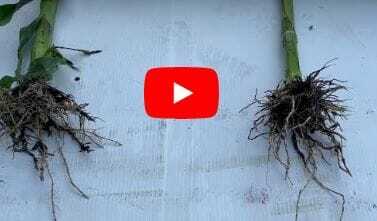
#FromtheField – Week of June 26, 2023
Did you enjoy these videos? We want to (TECH)talk with you! Sign up for our newsletter to receive agronomy videos (and delicious recipes) in your inbox! We’ll TALK soon.
-
Latham Hi‑Tech Seeds
#FromtheField – Week of June 19, 2023
Take a look across Latham Country! We’re coming to you every week.
Did you enjoy these videos? We want to (TECH)talk with you! Sign up for our newsletter to receive agronomy videos (and delicious recipes) in your inbox! We’ll TALK soon.
-
Latham Hi‑Tech Seeds
Early Scouting For Tar Spot
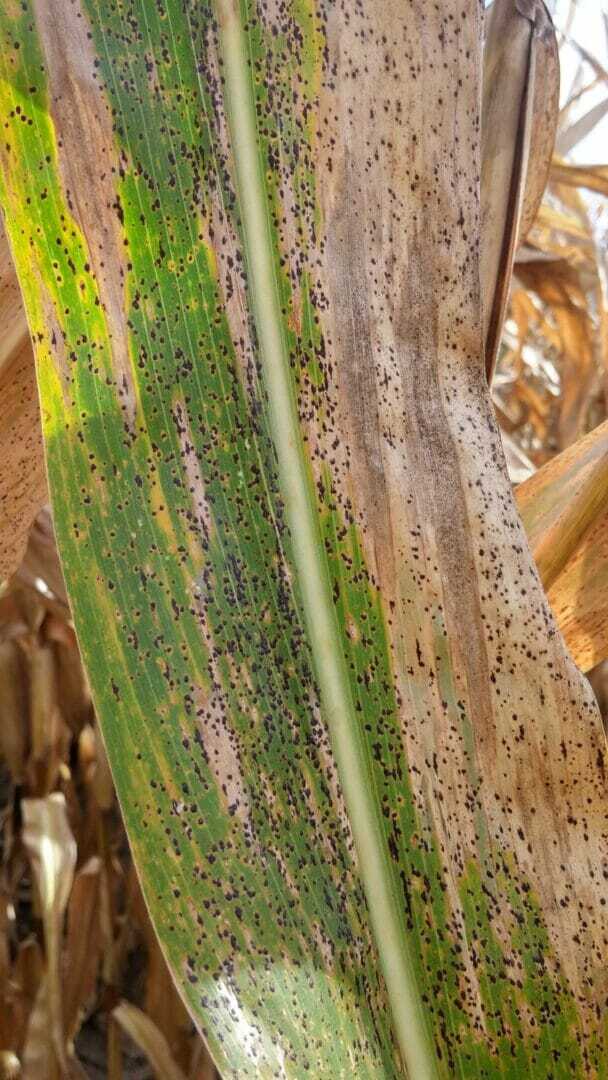
Identifying tar spot can be a challenge, especially in its early stages. The timing of its arrival, along with recent hot, wet and humid weather that promotes the diseases spread, can increase potential damage from tar spot.
Where to start:
- Scout fields where the disease has occurred before and fields where neighboring fields had tar spot.
- Inoculum overwinters in corn residue and can survive extreme temperatures. Spores are dispersed via wind and rain splash.
- Scout susceptible areas in cornfields where tar spot is more likely to be present.
- This includes areas where leaves may stay wet longer due to early morning fog, such as river bottoms, low-lying areas and near windbreaks. Check field edges as well.
- Go low
- Start by checking leaves in the lower part of the canopy and work up. Look for small, raised, irregular-shaped black spots (1/16-3/4 inch) on the top-side of lower leaves.
- Confirm tar spot
- Tar spots are firm, mostly smooth, and do not rub off or break open.
- Not all black spots are tar spot. Turn over the leaf and see if the spot is visible from the underside of the leaf. If it is, it’s more than likely tar-spot.
Tar spot has a 14-day incubation period between infection and symptoms so it’s difficult to spot and know when to spray.
If you or a neighbor had tar spot in the past, scout and spray early with a systemic insecticide and keep scouting in case another application is required.
The best management practice is to select tar spot tolerant hybrids from Latham Hi‑Tech Hybrids. Contact your local RSM to see what hybrids are best in your area.
Did you enjoy this article? We want to (TECH)talk with you! Sign up for our newsletter to receive agronomy videos (and delicious recipes) in your inbox! We’ll TALK soon.
- Scout fields where the disease has occurred before and fields where neighboring fields had tar spot.
-
Latham Hi‑Tech Seeds
Early Scouting For Insects
Many insects can pose a potential threat to seedlings and small crops during the early growing season.
“Early growing season” can be described as planting through the first week in June; however, in reality it has more to do with crop size or stage and degree days than an actual calendar date.
Insect injury can cause stand loss and loss of leaf tissue, both of which can contribute to yield loss. Because insects are small, mobile, and sometimes nocturnal feeders, it may be difficult to actually find the insect. Here are some tips:
- Insects feeding below-ground can cause thin or irregular stands and poor germination. It is important to dig up seeds or seedlings to determine if an insect pest is present. Some insects, such as cutworms, can clip plants at the soil surface
- Some insects may be nocturnal and burrow into the soil during the day, making it difficult to identify the insect. Leaf-feeding is more obvious, and sometimes the insect may be present.
- However, if you see shot-holing you may need to cut the plant open to determine what is feeding in the whorl.
Did you enjoy this article? We want to (TECH)talk with you! Sign up for our newsletter to receive agronomy videos (and delicious recipes) in your inbox! We’ll TALK soon.
-
Latham Hi‑Tech Seeds
#FromtheField – Week of June 12, 2023

Take a look across Latham Country! We’re coming to you every week.
How important is planting depth? Aaron shows us first-hand from the field in Central Iowa.

See the difference! On the left is LH 5034 AA after getting no rain for 35 days in super-hot weather. On the right shows the same hybrid after 1.2” of rain. This product has impressive heat and drought resistance in South Dakota! Learn more about our unmatched lineup: https://lathamseeds.com/products/?crop=377
Did you enjoy these videos? We want to (TECH)talk with you! Sign up for our newsletter to receive agronomy videos (and delicious recipes) in your inbox! We’ll TALK soon.
-
Latham Hi‑Tech Seeds
Early Scouting For Prevention
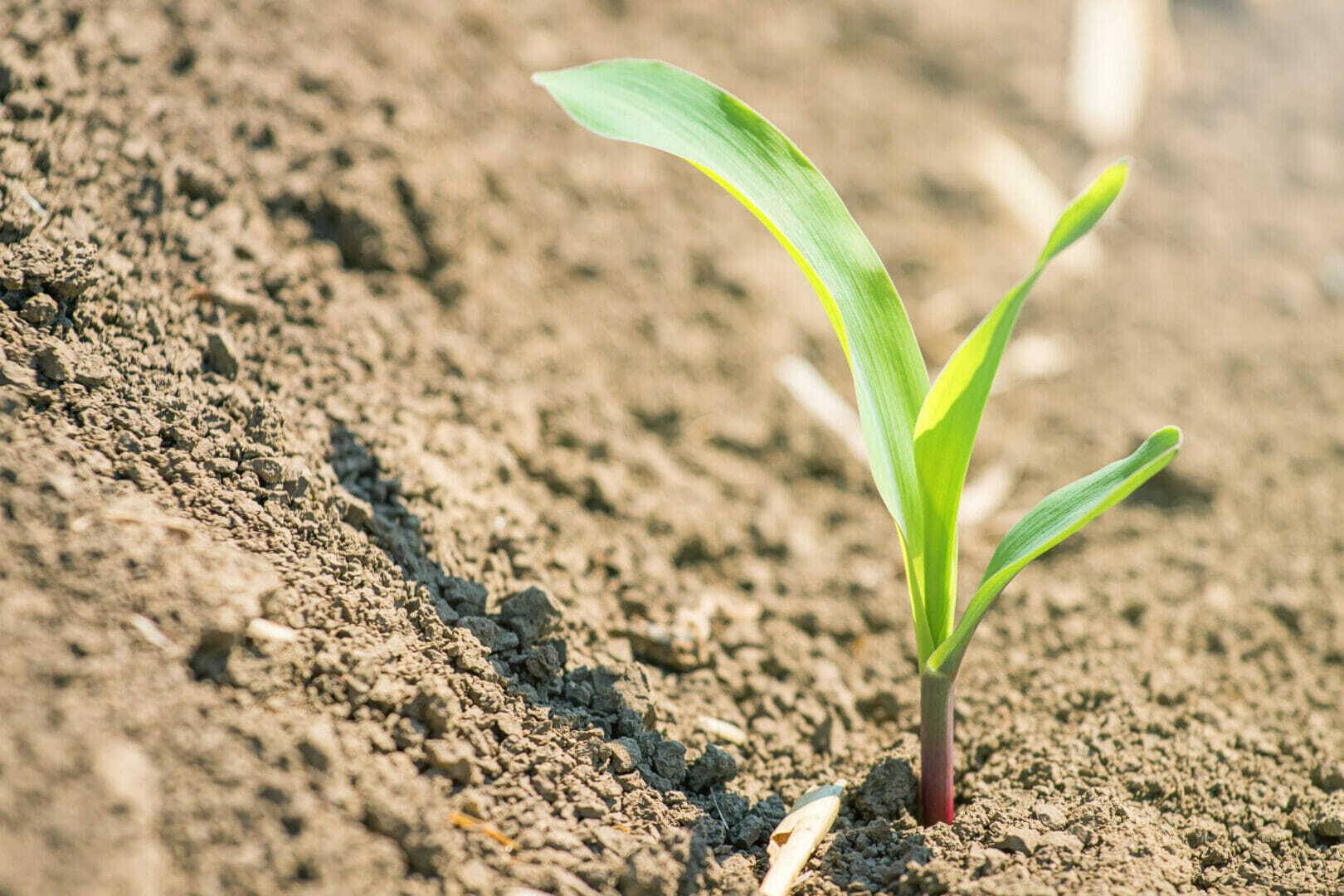
The first principle of crop scouting is to determine what is normal and what is not normal. Knowing what a healthy plant looks like is key to identifying seedling disease. When scouting for seedling diseases, look for yellowing, wilted, stunted, dead or missing plants.
- In corn, look for discolored or rotten mesocotyls, seminal roots and nodal roots.
- In soybeans, look for seedlings that pull easily from the soil, discolored or rotting root tissue, and lesions that form on the taproot or hypocotyl.
Before you head out to the field, there are several tools that are must-haves for early-season crop scouting:
- A tape measure to take stand counts
- A seed digger, trowel, or spade to dig up seeds or plants to evaluate planting depth, seedling diseases and below-ground feeding insects, like seed corn maggots.
Remember that certain weather and soil conditions favor specific pathogens. Cool and wet soils favor Fusarium and Pythium, warm and wet soils favor Phytophthora, and warm and moist soils favor Rhizoctonia.
It should be noted that a lab diagnosis is needed to confirm what pathogen is causing the symptoms. Knowing what disease(s) are present can help you choose hybrids and varieties that have good disease scores in the future and can guide decisions on the use of fungicide treated seed.
Did you enjoy this article? We want to (TECH)talk with you! Sign up for our newsletter to receive agronomy videos (and delicious recipes) in your inbox! We’ll TALK soon.
-
Latham Hi‑Tech Seeds
#FromtheField – Week of June 5, 2023
Take a look across Latham Country! We’re coming to you every week.
Did you enjoy these videos? We want to (TECH)talk with you! Sign up for our newsletter to receive agronomy videos (and delicious recipes) in your inbox! We’ll TALK soon.
-
Latham Hi‑Tech Seeds
Proof Points Podcast – Episode 4

On this week’s Proof Points Podcast, Gary explains how seed treatment is an insurance policy to protect yield within a plant. Because we never know what Mother Nature will bring.
-
Latham Hi‑Tech Seeds
#FromtheField – Week of May 29, 2023

Take a look across Latham Country! We’re coming to you every week.
Did you enjoy these videos? We want to (TECH)talk with you! Sign up for our newsletter to receive agronomy videos (and delicious recipes) in your inbox! We’ll TALK soon.