Latham Hi-Tech Seeds

(641) 692-3258

  • Home
  • Products
    • Corn
    • Soybeans
    • Alfalfa
    • Corn Silage
    • Seed Guide
  • Performance
  • Find a Rep
  • Media
    • Blog
    • News
    • Videos
    • Podcasts
    • TECHTalk
  • About Us
    • Company History
    • Our Mission
    • Careers
    • Become a Rep
    • Sowing Seeds of Hope
  • Contact Us
  • Latham Hi‑Tech Seeds

    Time to Begin Early Spring Crop Scouting

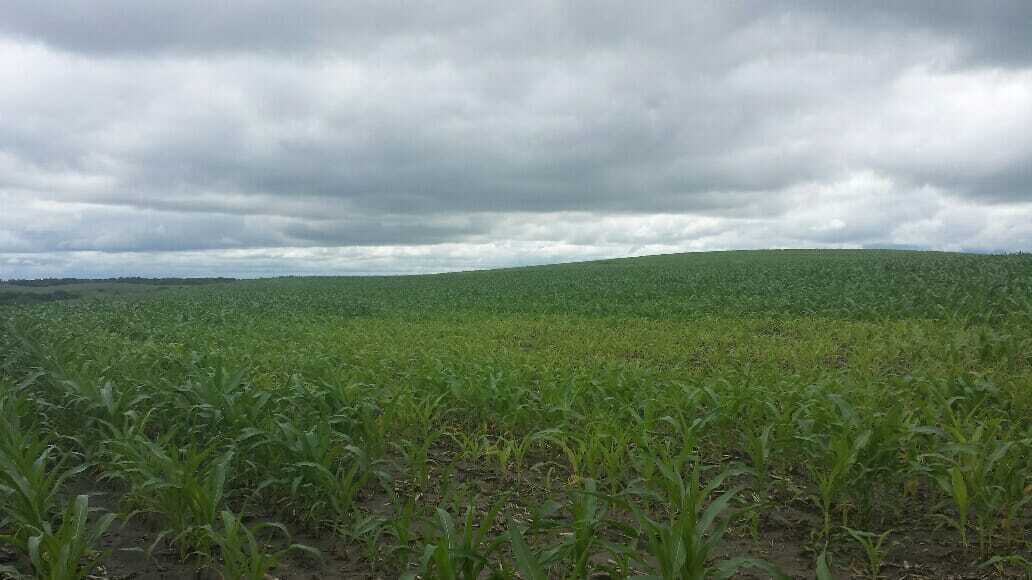
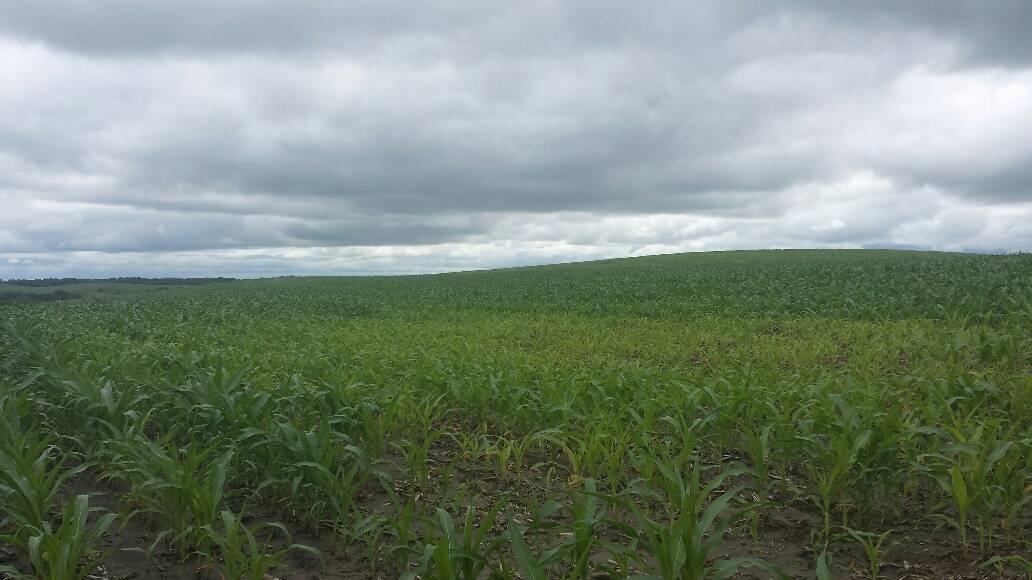
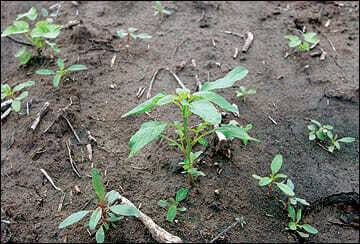
    Water hemp

    Most soil-borne pathogens strike as soon as the seed begins to take on water; others strike seedlings. Because seeds can germinate and emerge within 3 to 5 days, post-planting is an ideal time to begin scouting crops.

     Start taking field notes now on how well each particular hybrid number is emerging. Observe the uniformity of the stand across the field. There may be certain areas that show poor emergence, while the rest of the field will have a good stand.

    You may notice a difference in emergence and stands in early planted fields compared to later planted fields. Soils were warmer in early April than they were during the third week of the month. The magic temperature for corn to germinate is 50 degrees Fahrenheit. The ideal soil temperature for soybean germination is 77 degrees, but it’s usually late May or early June before soils reach those temperatures here. Instead we recommend that farmers wait until soil temperatures are about 60 degrees before planting soybeans.

    The combination of warm temperatures with gentle rains that we have received in North Central Iowa this week are just what the seeds in the ground need. Of course, this also makes ideal growing conditions for weeds! 

    water hempShortly after emergence is a good time to start looking for weeds. Monitor fields weekly through the growing season for the most effective weed management. Dr. Mike Owen, Associate Chair of Iowa State University’s Agronomy Department and Extension Weed Specialist, recommends using a soil-applied residual herbicide on all acres. He advises farmers to know what herbicides they’re using, what those herbicides control – and do not control – plus the potential for crop injury.

    Diversity of tactics is key, says Dr. Owen. Rotating crops, rotating traits and rotating pesticides is the best way to slow down the very natural process whereby pests develop resistance to products that mankind uses to protect crops.

    Today’s seed technologies, such as Genuity® SmartStax®, allow you to rotate modes of action on corn ground. Latham soybean customers this spring planted a record number of LibertyLink soybeans. In fact, farmers like Mike Albertsen produced their best yields ever in 2014 using Latham soybeans with LibertyLink technology.

    Your 2016 crop plan begins with notes taken throughout the growing season. Then talk with your local Latham representative about designing a crop plan that controls weeds and addresses other challenges you see throughout the growing season like insects and disease. For more information, feel free to contact the Latham office at 1-877-GO-LATHAM (1-877-465-2842).


    Webspec Admin

    May 7, 2015
    Agronomics, General, Insects, Weed Control
  • Latham Hi‑Tech Seeds

    Watch for Sudden Death and Stink Bugs in 2015

    Each December researchers from across the Upper Midwest gather at Iowa State University in Ames for the Integrated Crop Management (ICM) conference where they present data and opinions on a wide variety of topics. Information, which I believe is most pertinent to the Midwest states in which we do business, is summarized below.

    SDS: Sudden Death Syndrome (SDS) was severe in many fields in 2014. Many Latham® Ironclad™ Soybeans were put to the test and did an excellent job of handling the disease! Understanding the extent of SDS infection in each field is key to effectively managing the disease. Future management tactics include: reducing soil compaction; planting fields with a history of SDS towards the end of a planting schedule when soils may be warmer and drier; and testing for the presence of Soybean Cyst Nematodes.

    However, the very nature of SDS makes it difficult to predict if and when an outbreak will occur. Dr. Daren Mueller, Iowa State University Extension Plant Pathologist, and his team shared years of extensive research on SDS including:

      • Glyphosate herbicide applications do not adversely affect or enhance the presence of SDS in soybean fields.
      • A side benefit of this study was a look at glyphosate applications versus manganese availability in plants. Fourteen field experiments were conducted in Iowa, Illinois, Indiana, Michigan, Wisconsin and Ontario, Canada. There were no interactions between glyphosate and the total manganese available in soybeans.
      • That same study did include a new treatment called ILeVO™ from Bayer CropScience. It showed significant effectiveness at reducing the severity of the disease, resulting in 2½ to 3 bushels of saved yield on average. Bayer expects full registration for this product soon.

    NEW, INVASIVE INSECT: The Brown Marmorated Stink Bug (BMSB) is a fairly new insect species that has the potential to cause serious crop injury. It is already considered a severe agricultural pest in New England and East Coast states. It was first noticed in Pennsylvania in 1998 and has rapidly spread to 41 states. It was first seen in Iowa in 2012; in 2014, BMSB was confirmed in eight Iowa counties. This particular species has the typical “shield-like” body of other stink bugs. However, BMSB also has rounded shoulders, white and dark bands along the edge of the body and along the antennae plus the marmorated (speckled) appearance on its back.

    This insect will feed on over 100 different species of plants, including many fruits, vegetables and field crops. In corn, BMSB feeds directly on developing kernels right through the husk causing aborted, shrunken and discolored seeds. Similarly, it will feed on soybeans directly through the pods and cause extensive damage to the seeds present. Control can be achieved with several insecticides but residual may not last long enough to prevent the insect from re-infesting the field.

    Webspec Admin

    January 15, 2015
    Agronomics, Crop, Disease, General, Insects, Soybeans
  • Latham Hi‑Tech Seeds

    Late-Season Scouting Leads to Better Seed Decisions

    RootwormPressure
    RootwormPressure
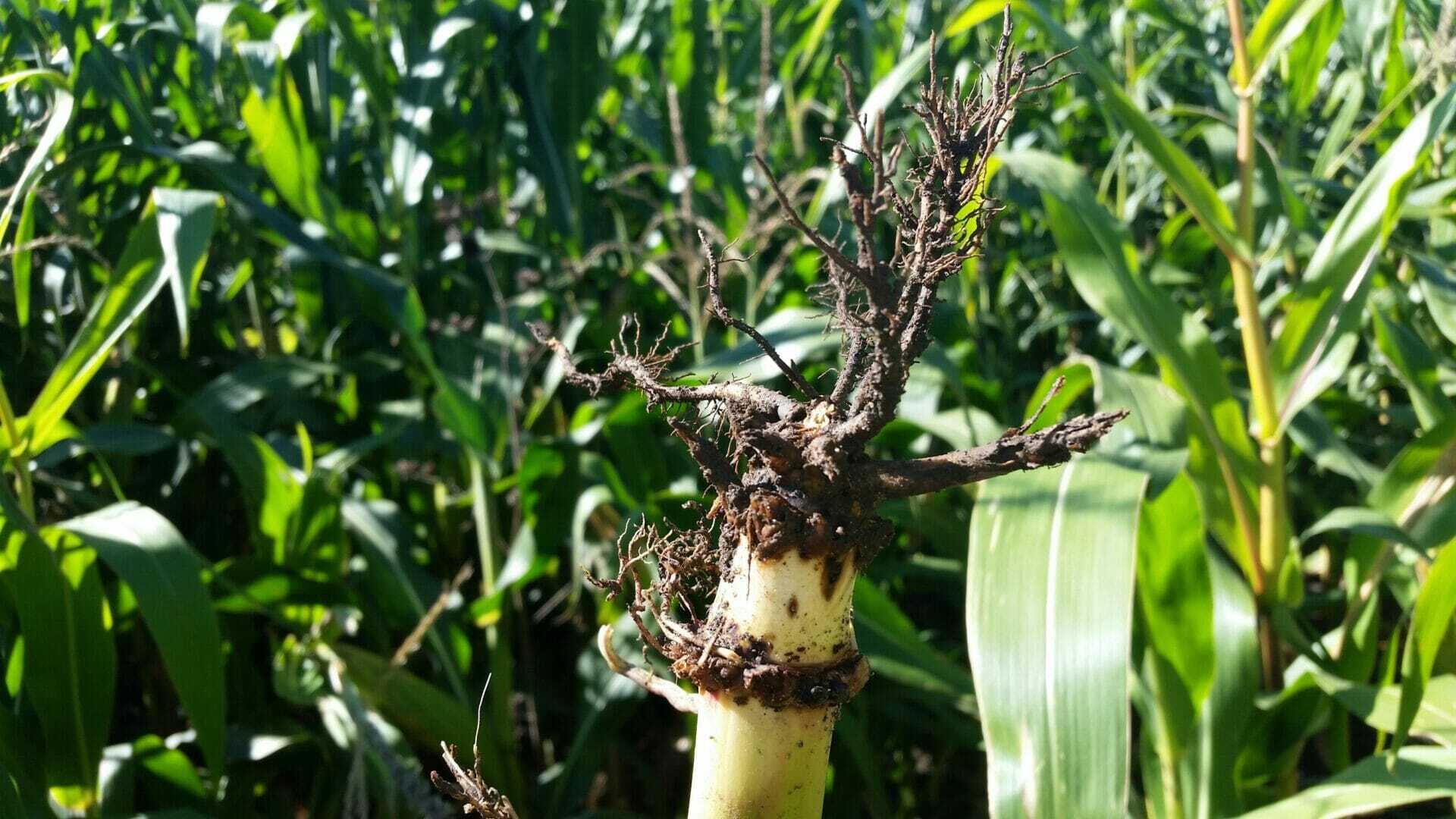
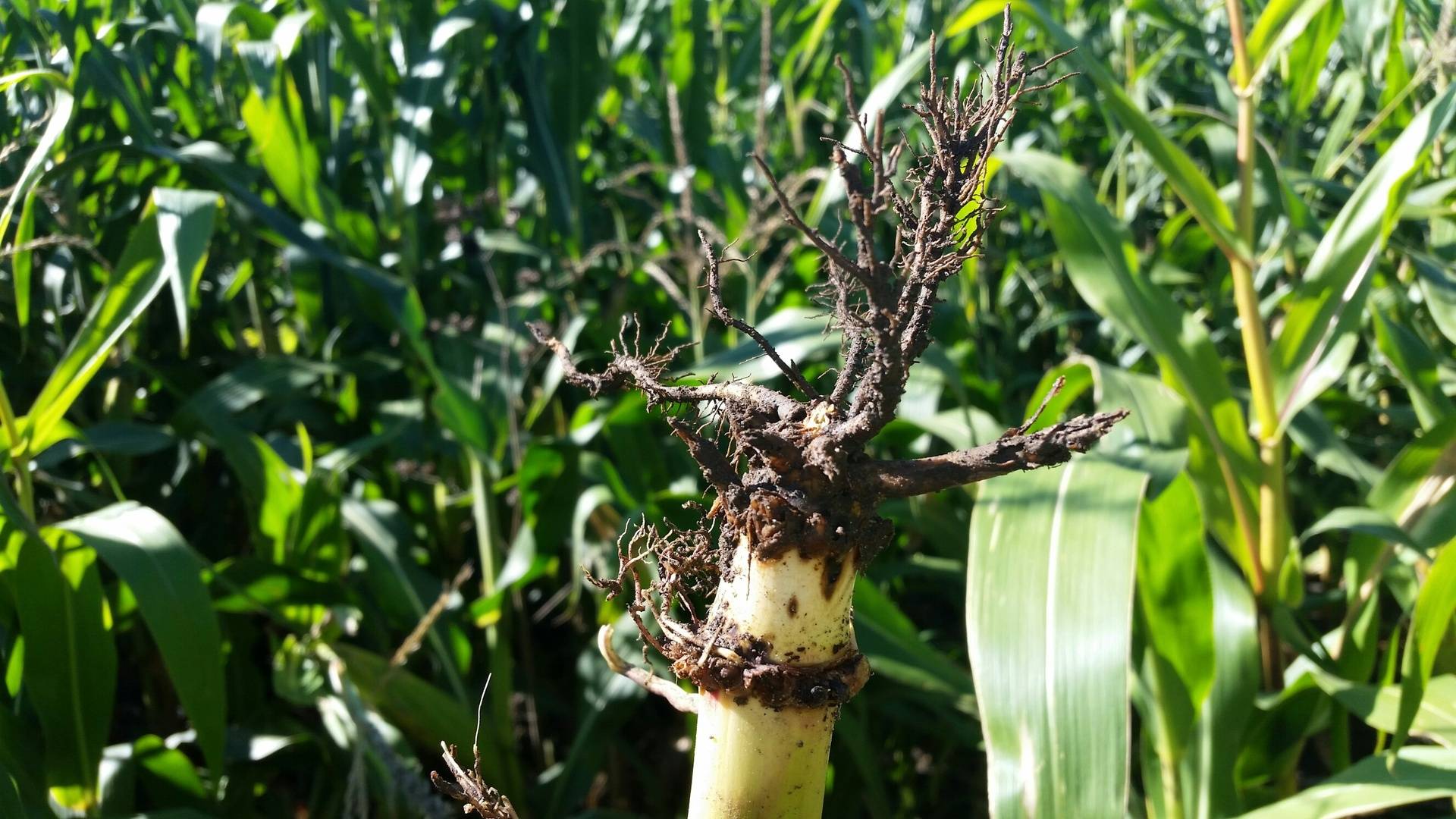
    Rootworm pressure may be low, but it’s present. Latham Corn Specialist Nick Benson (@LathamCornGuy) saw evident this week in a continuous corn field.

    The effects of our wet, cold planting season continue to surface. As one drives the back roads now, you’ll see where Sudden Death Syndrome (SDS) is affecting many soybean fields. You also may notice soybean fields turning yellow, which is a common symptom of Iron Deficiency Chlorosis (IDC).  IDC is a function of the soil type, so it’s most common in poorly-drained soils with higher-than-normal pH values.

    Plants under stress get taken advantage of by pests like Soybean Cyst Nematode (SCN). Doing a “drive by” or even walking through the fields may not be enough to detect SCN. Visual symptoms, such as above-ground stunting and/or yellowing, may not be evident for years. That’s why it’s best to check fields for the presence of SCN during the growing season by digging roots. You can also sample this fall for SCN by gently removing soil from the roots. Look for the egg-filled, round, white SCN females on the roots.

    While your shovel is at the ready, also be sure to conduct a few root digs in your corn fields. Latham Corn Product Specialist Nick Benson dug roots Sept. 2 in Fayette County Iowa, where he found evidence of rootworm feeding. In addition to looking for corn rootworm damage, note signs of sidewall compaction and hard pans. Also look at leaves and ears for signs of disease.

    It’s important to identify late-season corn and soybean diseases, as well as insect damage, so you can better manage them in the future. One way to control corn rootworms, for example, is to rotate rootworm-resistance traits developed by Monsanto, Syngenta and Dow.

    As an independent seed company, Latham Hi‑Tech Seeds has access to traits and technologies from all the major providers. We can work with you to develop a diverse crop plan that include Latham’s GladiatorTM Hybrids, which combine the best genetics and traits available to help maximize yields from corn-on-corn acres.

    To help simplify your soybean seed selection process, our website lists Latham® IRONCLAD™ Soybeans that include exceptional genetics and industry-leading protective traits to battle against yield-robbing threats from pests and diseases. Each IRONCLAD soybean brand must be Soybean Cyst Nematode resistant and carry an Iron Deficiency Chlorosis rating of 2.2 or better.  IRONCLAD brands must protect against either White Mold or Sudden Death Syndrome with a rating of 2.2 or higher.

    White Mold and SDS have both been an issue this season in different parts of our territory, so farmers will want to plant IRONCLAD soybeans on affected acres in the future. Plus, IRONCLAD products have strong defensive ratings against Phytophthora Root Rot and Brown Stem Rot.

    For more information about selecting the right seed for your situation, visit with your local Latham® representative. Also feel free to contact me at 1-877-GO-LATHAM (1.877.465.2842).

    Webspec Admin

    September 4, 2014
    Agronomics, Corn, Crop, Disease, General, Insects, Soybeans, Weed Control
  • Latham Hi‑Tech Seeds

    Intensify Scouting Efforts to Stay Ahead of Aphids

    Soybean Aphids
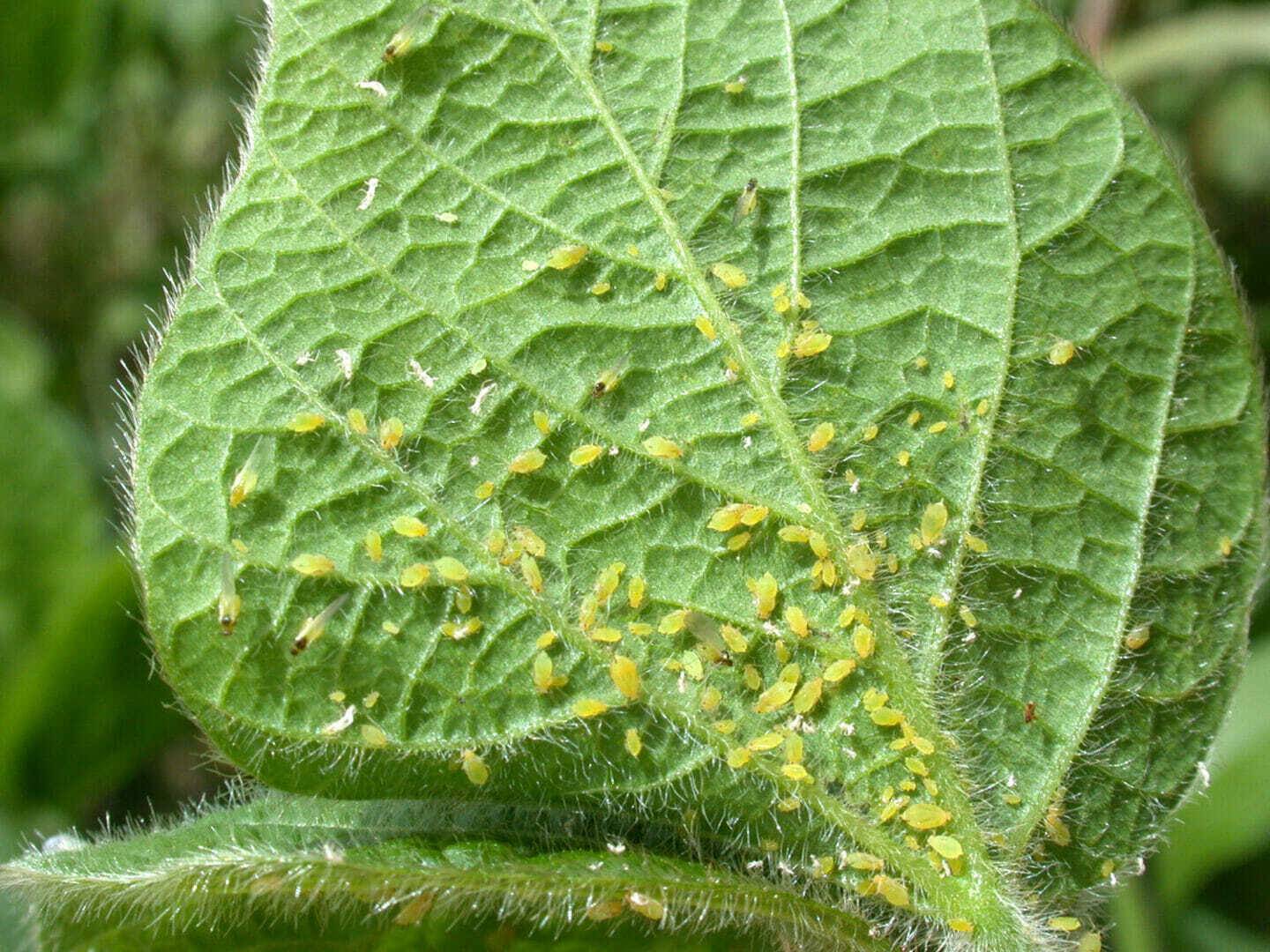
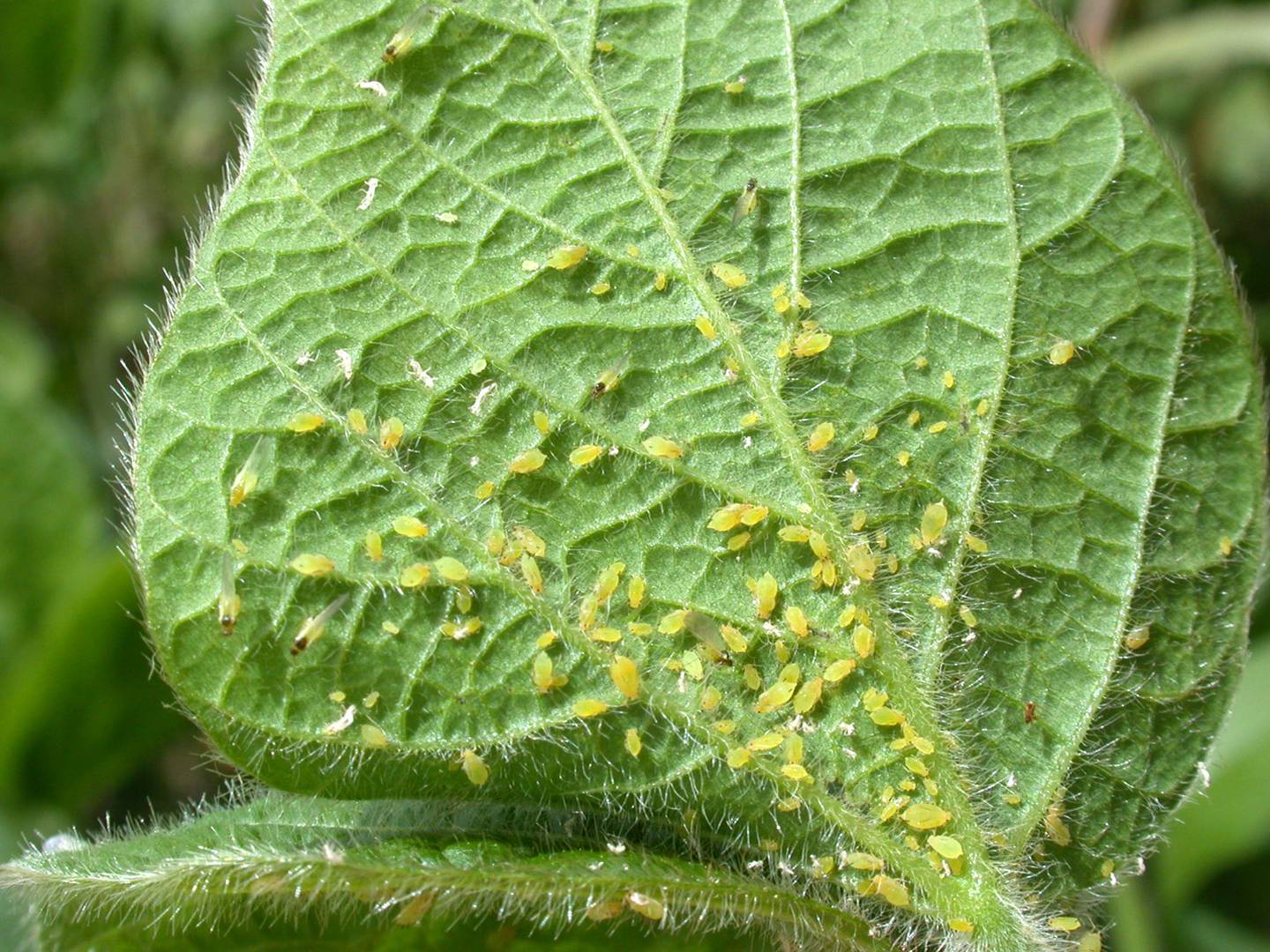
    More than 100 soybean aphids collect on the underside of a soybean leaf. Pest feeding can inhibit the plant's ability to make grain, or kill it outright.
    More than 100 soybean aphids collect on the underside of a soybean leaf. Pest feeding can inhibit the plant’s ability to make grain, or kill it outright.

    There are several yield-determining factors that are beyond a farmer’s control, but insect pressure can often be managed. Soybean fields are entering the critical reproductive stages and yields hang in the balance. Scout every field now to see if there is any type of pressure, and keep a watchful eye to see if conditions warrant treatment.

    With the varying stages of soybean growth and development due to an extended planting season and many late replants, 2019 should prove to be an interesting aphid year. The varying soybean growth stages throughout the state – and even your neighbor’s field – could mean more than one application of insecticide will be necessary. It’s important to continue scouting past your first insecticide application. We recommend applying insecticide at a threshold of 250 aphids per plant. Start scouting at the top of the plant, as aphids gravitate towards new growth. Remember to check fields thoroughly and identify consistency of insect pressure.

    Seed selection and soybean treatment are key to managing soybean aphids in the future. Our experience indicates that soybeans treated with Latham’s combined fungicide and insecticide seed treatment, SOYSHIELDTM PLUS, has experienced lower aphid populations along with delayed infestations.

    Talk with your local Latham® representative for more information about our products and services. Be sure to ask about our hallmark precision ag Seed-2-Soil® program that helps farmers determine the best products to place in their fields, as well as provides agronomic and management tips.


    Webspec Admin

    August 7, 2014
    Agronomics, Crop, Insects, Soybeans
  • Latham Hi‑Tech Seeds

    Quick Tips for Root Digs

    NodeScale

    Walking corn fields is not always enough. Sometimes you just have to do a little digging to discover the root of a problem in your corn field. Conducting root digs may sound like a lot of work, but the results are totally worth the effort.

    Quick tips for conducting a root dig:

      1. While digging roots, note:
        • Insect pressure, in particular rootworm beetle feeding.
        • Disease pressure, paying special attention to the leaves above ear leaf.
        • Runt plants and uneven emergence.
        • Make note of root structure after you wash off roots; notice any compacted zones and if there was any sidewall compaction during planting.
        • Look at plant spacing.
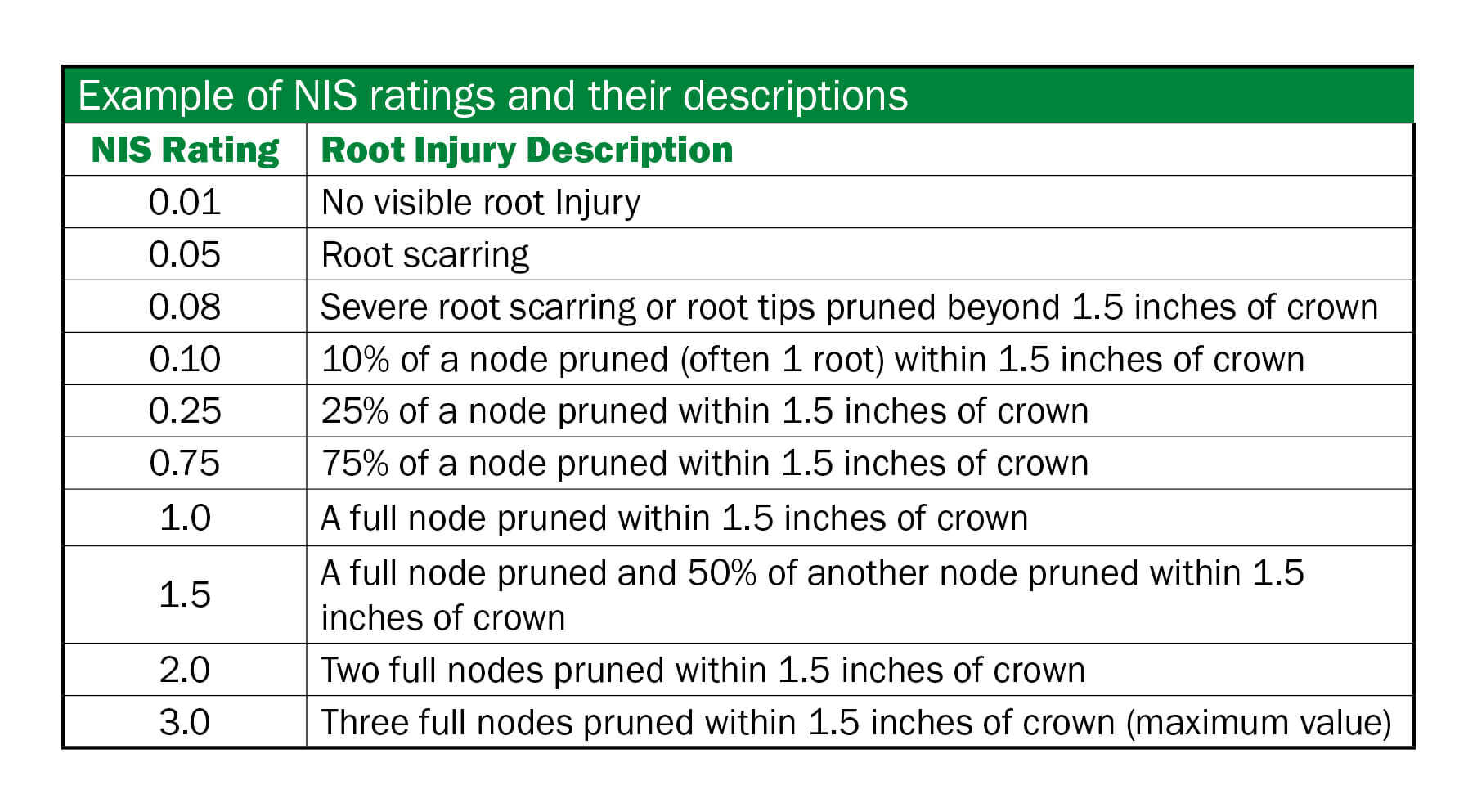
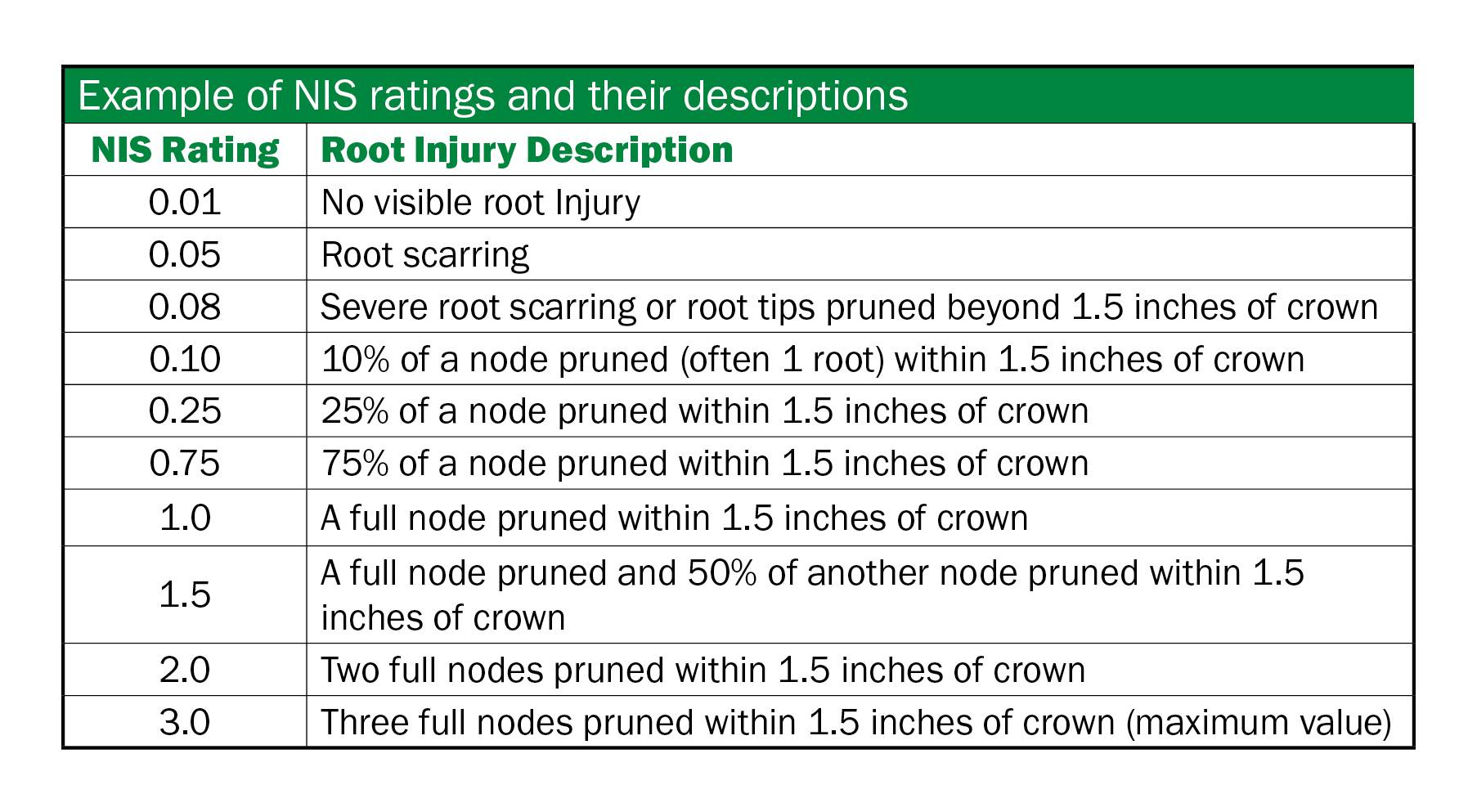
      2. You can’t always see feeding unless you actually wash off the roots. Look for bottle brushing and signs of root regrowth. Look for scarring and nodes that have been chewed. To use the interactive node-injury scale, click here.
      3. Rootworms can have “hot pockets” in the field, so the more locations from which you dig samples, the better.

    While you’re walking through fields, take a close look at leaves and ears for signs of disease. Also be on the lookout for insects like western corn rootworm beetles and Japanese beetles. Under the ground, look for signs of sidewall compaction and hard pans.

    NodeScale


    http://youtu.be/-5xVFhsGRrA

    Webspec Admin

    July 24, 2014
    Agronomics, Corn, Crop, Disease, General, Insects
  • Latham Hi‑Tech Seeds

    Stress Increases Pressure from Pests and Pathogens

    NickB July2 2

    NickB-July2-2Scouting was going to be critical throughout the growing season, even if we hadn’t received record-setting rains or devastating natural events including tornadoes and flooding. That’s because seed corn planted into wet soils is prone to problems throughout the growing season such as: stunted plant growth; slow infiltration of water and/or ponding; high surface runoff; poor root system development, or rootless corn; and even nutrient deficiency.

    Recent rain events “add insult to injury” because plants that are stressed are more susceptible to additional injury from pests and pathogens. Lengthy periods of wet soils increase the likelihood of blight and disease like Crazy Top and Goss’ Wilt.

    Warm, moist soils also are great breeding grounds for weeds. Crops have a better chance of reaching optimal yield when they’re not competing with weeds for sunlight, water and nutrients. The best management practice for achieving weed control is still a diversity of tactics: cultural, mechanical and herbicide. Research shows that weeds represent the most important and economic damaging pest that Iowa corn and soybean farmers face every year!

    Webspec Admin

    July 7, 2014
    Agronomics, Corn, Crop, Fungicide, General, Insects
  • Latham Hi‑Tech Seeds

    Watch for Little Pests Doing big Damage

    CornRW

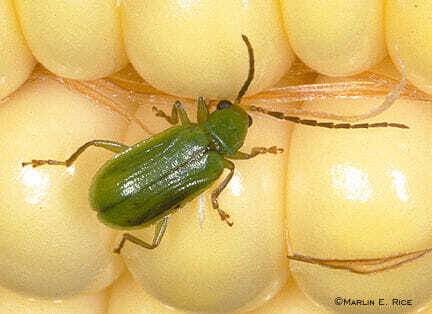
    cornRWCooler spring temperatures mean slower egg maturation in 2014 for corn rootworm.  Last week Iowa State University entomologists reported the corn rootworm hatch is underway.

    Blackcutworm moths migrate from the south in the spring and the moths lay eggs in grassy and broad-leaf weeds. Data from moth flight monitoring traps suggests that cutting activity from black cutworms might be noticeable around May 28 in northeast and north central Iowa.

    Scout now for black cutworm, and be a vigilant scout from the time corn plants emerge until plants reach the 6-leaf stage.Newly hatched larvae will chew small, irregular holes in corn leaves. While this early injury does not damage plants significantly, it should be used as an early warning of possible black cutworm infestations. As larvae grow, they are capable of cutting the stems and stalks of corn plants and significantly reducing the stands.

    Look for plants with wilting, leaf discoloration and damage, and those that are either missing or are cut off at the soil surface. Note areas with suspected damage and return later to assess further damage. A rescue treatment approach is the best strategy for dealing with this pest.

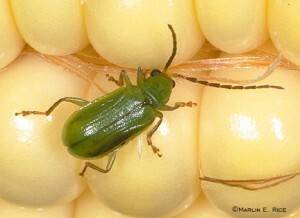
    Another pest of concern is corn rootworm, which has earned the nickname the “billion-dollar bug.” The U.S. Department of Agriculture (USDA) estimates damage caused by this pest and costs associated with controlling it typically total $1 billion annually!

    Best management practices are key to effectively controlling black cutworm and corn rootworm populations: Manage weeds, Respect the refuge, Rotate rootworm-resistant traits and Practice crop rotation.

    Webspec Admin

    June 12, 2014
    Agronomics, Corn, Crop, General, Insects
  • Latham Hi‑Tech Seeds

    Attention Turns to Controlling Weeds & Insects

    Beforehail hit.jpg

    Corn and soybean crops are making excellent progress for the most part now that temperatures have warmed and ample rain has fallen. For a look at local planting progress and crop conditions around our six state territory, click here and select a region from the drop down menu.

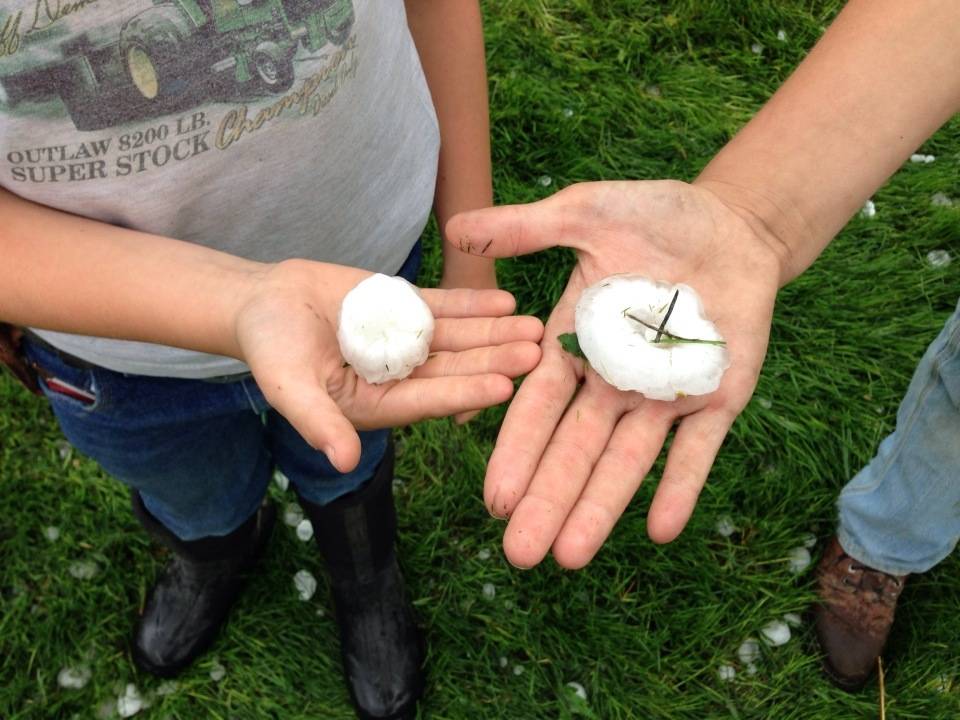
    Iowa’s corn emergence rating of 98% is slightly ahead of the five-year average. Soybean emergence is rated 87 percent, which is just over a week ahead of normal. The exception to this week’s positive crop report is southwest Iowa and eastern Nebraska, which was pounded by hail on June 3.

    hail.jpgHailed fields must be watched closely for weed flushes, although weed pressure is a challenge on all acres this spring. Recent rainfalls is making it difficult for the timely application of post-emergence herbicides in some territories across Latham Country. Crops are developing quickly, and many post-herbicides are limited by growth stage and/or crop height. Be sure to check crop development before entering a field, and carefully read all product labels. Also check weed speed and direction to avoid herbicide drift.

    Team Latham

    June 11, 2014
    Agronomics, General, Insects, Weed Control
  • Latham Hi‑Tech Seeds

    Watch for these Pests in 2014

    There’s a lot of behind-the-scenes work that goes into producing a crop. You take time to choose the right seed products; then wait for fit planting conditions; and do your best to protect yield throughout the growing season. With planting season nearing, today we’d like to remind Midwest farmers to keep an eye out for these yield-robbing pests:

    1. Pythium is a soil-borne fungus present in almost every field in the Upper Midwest. It can cause early-season seed decay and seedling blight in both corn and soybean. There are many species of Pythium. Most favor cool, wet conditions at planting and are often associated with low-lying portions of the field. Good seedbed preparation and the use of a seed-applied fungicide like Latham® SoyShieldTM are the best management tools. At our Latham Research Farm in 2014, we will be conducting trials using a new fungicide component that looks very promising against Pythium spp.
    2. Anthracnose Leaf Blight was noticed last year in fields where corn was planted following corn. It rarely shows up in corn following soybeans. This fungus can survive up to 10 months in crop residue. It’s dispersed by early-season rains when spores, present on the soil surface, splash onto the lower leaves of young corn plants and cause infection.  Most foliar-applied fungicides do a good job controlling this disease.
    3. Brown Spot is a disease that can affect soybeans at an early stage of development. It’s usually found on the lower plant leaves and severity increases with excess moisture in the canopy. Infected leaves turn yellow and drop off the plant. While Brown Spot rarely causes enough damage to warrant a fungicide application by itself; the combination of this disease and other fungal pathogens needs to be considered before using a foliar fungicide.
    4. Bacterial Blight symptoms were very common in 2013 and should be on every soybean farmers “watch list” for 2014. This bacteria infects soybean plants through bruised or damaged areas of the plant caused by wind, rain, hail or other means. Reddish-brown lesions with water-soaked margins will appear on the upper leaves of a soybean plant.  Eventually, these lesions produce large dead areas causing a torn or tattered appearance.  Bacterial Blight is not a fungus, therefore foliar fungicides have no effect on this disease.
    5. Bean Leaf Beetles and Corn Rootworm eggs may be affected by extreme cold weather especially if there is little or no snow cover. A reduction in insect pests would be a silver lining to the harsh winter we just experienced! Keep in mind, best management practices for Corn Rootworm include using multiple tools: rotation, rootworm-traited seed, insecticides at planting to kill the larvae, as well as insecticides later to kill adult beetles.

    It appears our spring planting will be delayed. As eager as we all are to get into the field, remember that soils are not truly fit to work or to plant unless you can make a ball of soil, toss it into the air and have it fall apart when it hits the ground. “Have a ball” this planting season!

    Webspec Admin

    April 9, 2014
    Agronomics, Corn, Crop, Disease, Fungicide, General, Insects, Soybeans
  • Latham Hi‑Tech Seeds

    Systematic, Diverse Approach Needed for RW Management

    CRW beetle

    CRW-beetleA systematic, diverse approach to corn rootworm management is needed if growers are to have successful corn-on-corn acres in the future, said Dr. Aaron Gassmann while presenting last month during the 25th Annual Integrated Crop Management Conference on the Iowa State University campus.

    Since 2009, Dr. Gassmann has studied the use of Bt corn hybrids in Iowa.  He says the number of fields showing severe rootworm injury has increased every year primarily due to the overuse of one specific trait on fields for many consecutive years, lack of refuge compliance, and lack of scouting for both larval rootworm and adult beetles.

    Farms with continuous corn production, and specifically those fields planted to the same Bt event year-after-year, are most at-risk for developing a resistant population. To delay resistance, Dr. Gassman and his colleagues recommend the following IPM approaches:

    • Rotate to soybeans or other crops to break the corn rootworm life cycle between growing seasons.
    • Consider using corn that contains different Bt proteins than ones that may have performed poorly in the past.
    • Consider using pyramided Bt hybrids, which is defined as corn that contains multiple Bt proteins targeting corn rootworm.

    Implementing a long-term integrated approach to corn rootworm management is most important, according to Gassmann. Integration of tactics across seasons is fundamental to prolonging the usefulness of any effective management strategy

    Webspec Admin

    January 30, 2014
    Agronomics, Corn, Crop, General, Insects
Previous Page
1 … 5 6 7 8 9 … 12
Next Page

Latham Hi‑Tech Seeds

131 180th Street | Alexander, IA 50420

(641) 692-3258

SIGNUP FOR OUR NEWSLETTER
  • Contact
  • Legal
  • Dealer Center
  • Seedware Login
  • Latham Gear

© 2025 Latham Hi‑Tech Seeds. All rights reserved. | Iowa Web Design by Webspec | Privacy Policy

Latham® Hi-Tech Seeds is a trademark of M.S. Technologies, L.L.C., 103 Avenue D, West Point, IA 52656.