Latham Hi-Tech Seeds

(641) 692-3258

  • Home
  • Products
    • Corn
    • Soybeans
    • Alfalfa
    • Corn Silage
    • Seed Guide
  • Performance
  • Find a Rep
  • Media
    • Blog
    • News
    • Videos
    • Podcasts
    • TECHTalk
  • About Us
    • Company History
    • Our Mission
    • Careers
    • Become a Rep
    • Sowing Seeds of Hope
  • Contact Us
  • Latham Hi‑Tech Seeds

    From the Field Crop Report: August 30

    Greg 2

    Northeast Iowa & Southeast Minnesota

    Craig Haaland

    This week’s crop report is a “mixed bag.” The good news is we’ve received moisture, but temperatures have been cooler than normal. The month of August brought lots of cool temperatures, so let’s hope early September is usually warm!

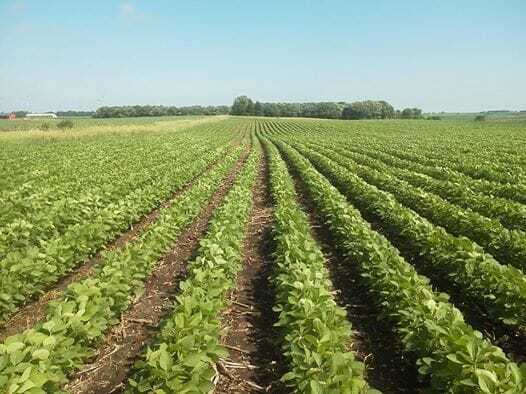
    Soybeans are looking pretty good, but they could really use some heat. This field of soybeans in Mitchell County was planted to our popular L 2084 R2. As you can see, there 4-bean pods in there.

    Eastern Iowa

    Jerry Broders

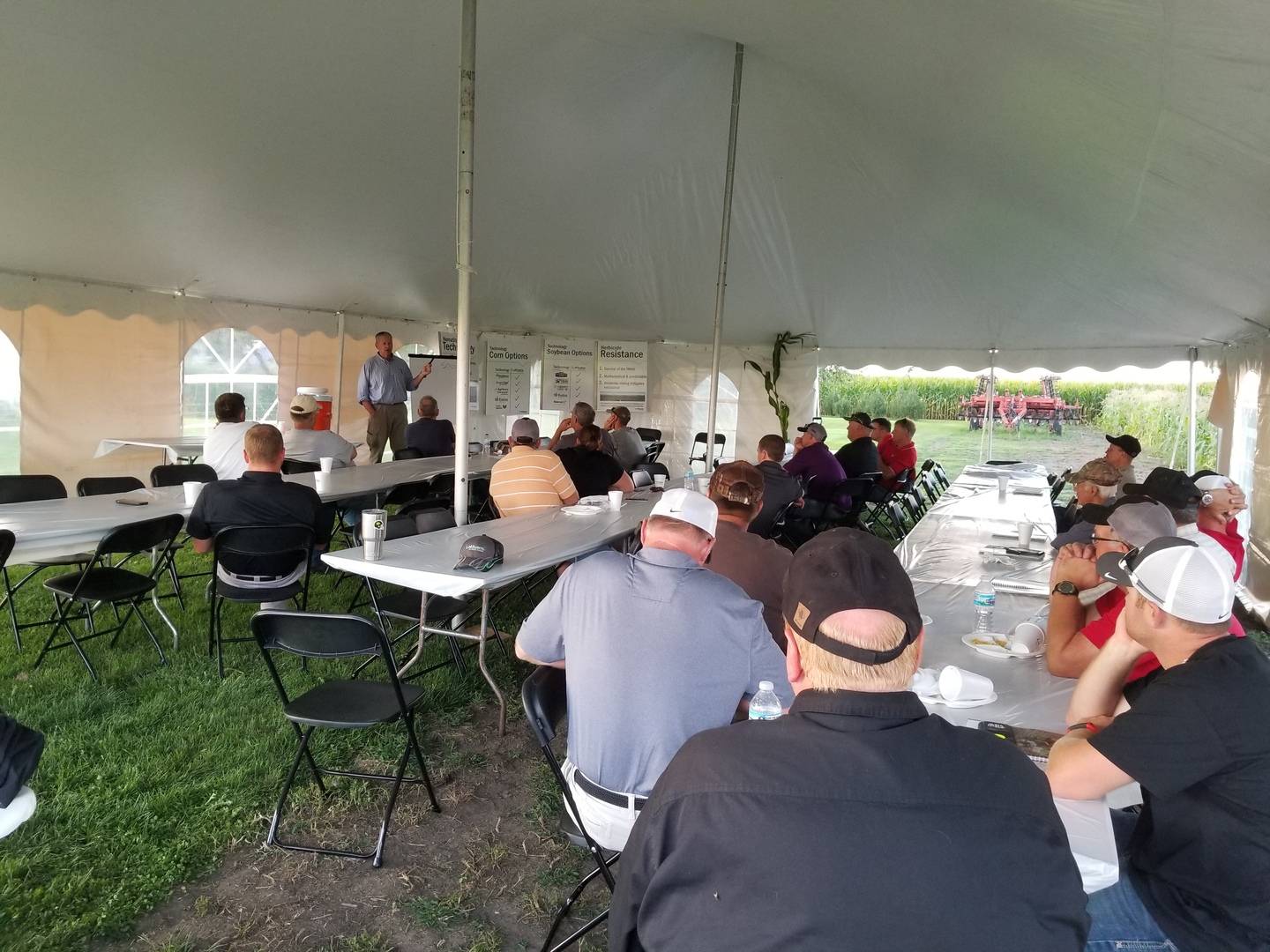
    John McGillicuddy, independent agronomist, addresses the group at our South English, IA field day last night. Thanks John for coming to speak to our dealers and customers!
    Jerry 1

    North Central Iowa & South Central Minnesota

    Cory Greiman

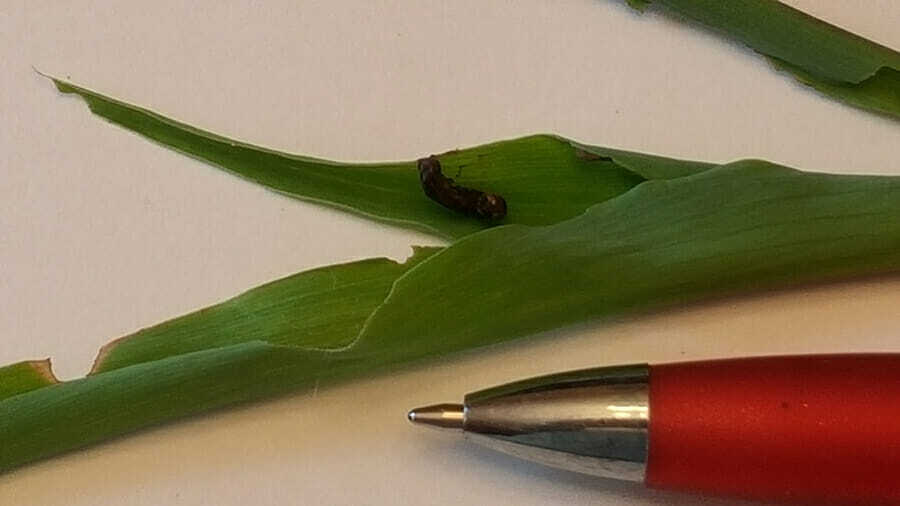
    Scouting crops all season long is especially important because different insect and disease pressures become evident at this time of year. Any type of stress greatly enhances the likelihood of opportunistic insects such as corn leaf aphids, European corn borer and army worm to feed upon plants. This week I noticed corn aphids in a field near Estherville.

    cory

    Central Iowa

    Bryan Rohe

    It’s that time of year when farmers ask themselves what they can do differently to improve yield for the next season. Seed selection is certainly a major factor – some some might argue it’s the most important consideration – to increasing yield. Soil fertility and reducing weed pressure also are among the Top 10 Tips for increasing yield.

    I am encouraging farms to look at hybrids that either have a strong drought score or to plant Genuity® DroughtGard® hybrids from Latham Hi‑Tech Seeds in 2018. The longer you can keep plants alive, the more ability they have to do their job. Health corn dies from the ground up, so I’m sure we’ll see an ROI on fungicides this year due to keeping plants health long enough to finish their jobs.

    Good plant health is also key to increasing soybean yields. Sudden Death Syndrome (SDS) is starting to show up in Central Iowa soybean fields. The time is right to start watching any side by sides with ILevo and without ILevo. Also, it is a good time to make notes for future years seed treatment plans if SDS is showing up in your fields.

    Soybean product selection is key. Prevention is the best defense against SDS. Soybean Cyst Nematodes (SCN) are associated with SDS. The best way to combat SCN is to plant resistant varieties or avoid susceptible varieties. Be sure to keep Latham IRONCLAD™ soybeans in mind when mapping out which varieties will be used on different fields for 2017.

    The time is right to also start noting results from studies using ILeVO treated seed. Latham Seeds’ research staff to conduct 2016 studies using ILeVO treated seed side-by-side with seed that was not treated with ILeVO. We saw an average yield advantage of 3.64 bushels per acre across 26 plots, so ILeVO definitely provided a return on the investment.

    IMG_3317

    West North Central Iowa

    Bart Peterson

    Silage harvest is underway near Alta, Iowa.

    Producers often ask what the most important characteristics are when selecting corn hybrids for silage or grain. To pick the best hybrids for his situation a farmer should follow 3 basic steps: (1) Consider the end use first; (2) Keep crop rotation in mind; and (3) Minimize yield-limiting factors.

    Click here for more silage selection details from Latham Forage Products Manager Corey Catt.

    Bart 1

    Northwest Iowa

    Darin Chapman

    Latham® Dealer Brian Schafer and his son, Adam, prepare for area farmers to show up to their Latham Hi‑Tech Seeds plot tour.

    Everthing is looking good here in Northwest Iowa. The ear in the center is LH 5505 VT2 PRO, which has looked consistent in Latham’s SuperStrip plots all season long. I’m really looking forward to seeing yield results this fall!

    Western Iowa & Eastern Nebraska

    Larry Krapfl

    Last silage crop of the year being harvested near Emerson, Nebraska. Click here if you would like tips for selection corn silage products for next year!

    Larry

    Southern Wisconsin

    Greg Mair

    The Latham Technology Tour stops in Platteville, Wisconsin tonight, Aug. 30. The plot is located at 3775 State Road 80 between Platteville and Cuba City.  Tours are at 5:30 and 6 pm.  We’re excited to offer our customers so many options in our lineup for 2018!  We would love to see you there.

    Despite not having the desired heat units, the corn is still moving along.  LH 5245 VT2 PRO appears to have great yield.  With ears of 16×33 and 16×36 planted at over 36,000 plants per acre (ppa), it’s sure to catch your eyes this fall.

    Eastern North Dakota

    Brian McNamee

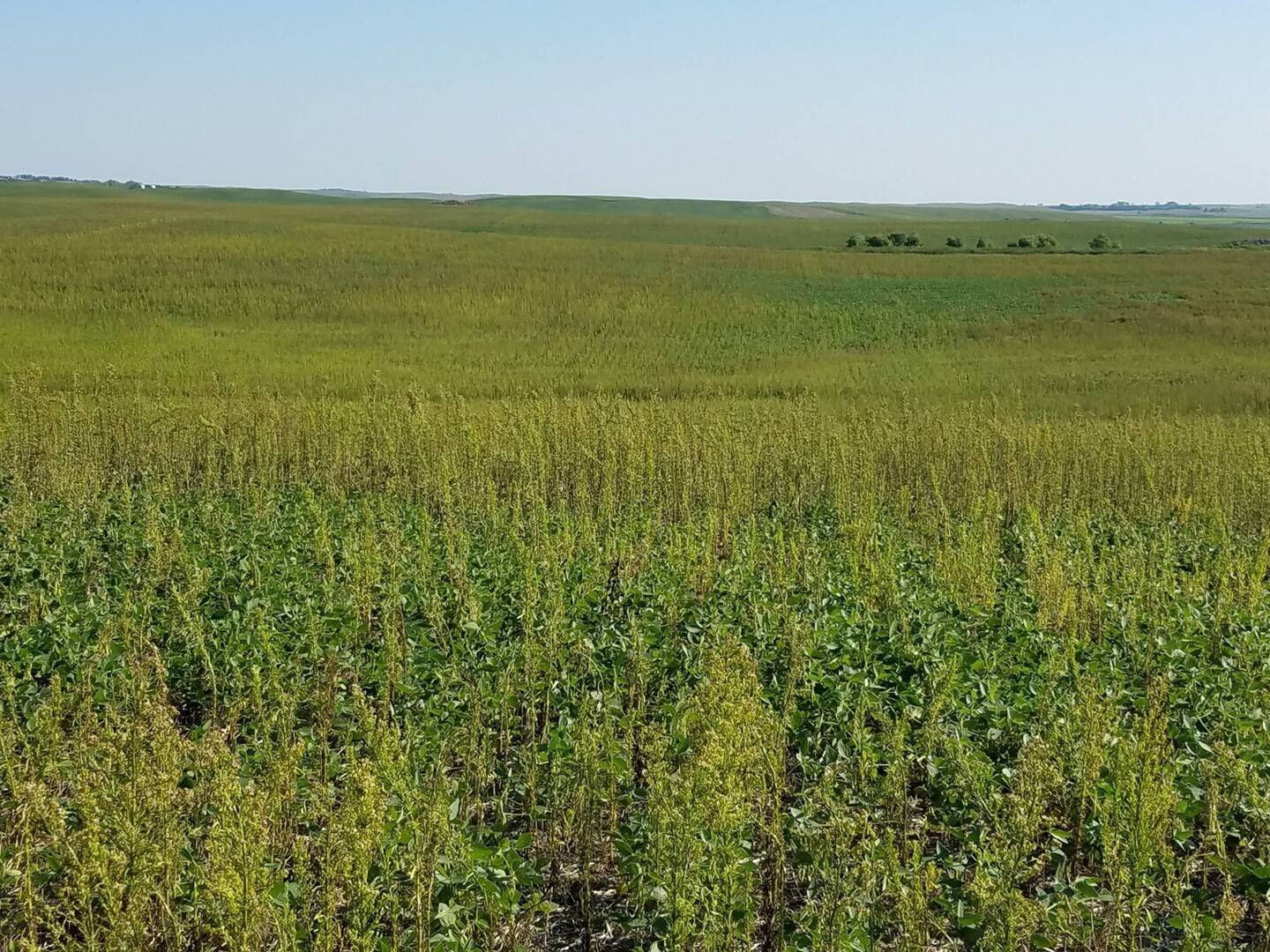
    Is this some new type of nurse crop?

    This season, across my territory in North Dakota, I have been taken aback by the number of semi-resistant or fully-resistant weeds I have been seeing. I had no idea that marestail was as bad as it is and spread so far west. This particular field is the worst infestation I have ever seen. You can just barely make out the soybeans planted in this field.

    A full grown marestail can have upwards of 200,000 seeds per plant. Just think of how many seeds are in this field… Crazy!

    This year was the perfect storm for these issues to arise: pre-emergence not working; droughty conditions with slow and poor seed emergence; and periods of late-season rains that produced flushes of all weeds.

    This now has the potential to be an epidemic problem not only for this farmer but all the adjacent landowners, as well. It’s going to be a challenge and will have to be monitored especially closely.

    Herbicide rotation is important, but mixing herbicides with different sites of action makes weed resistance 83 times less likely to occur. Click here to learn more about weed management, including how and why herbicide resistance occurs.
    Brian

    Southeast North Dakota

    Gary Geske

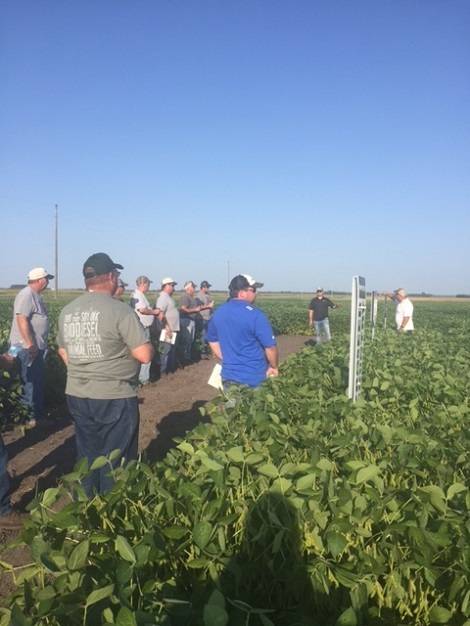
    Despite very dry conditions on the Red River Valley, the corn and soybean plots we viewed at the plot day are still in good condition.
    Geske

    Northeast South Dakota

    James Keltgen

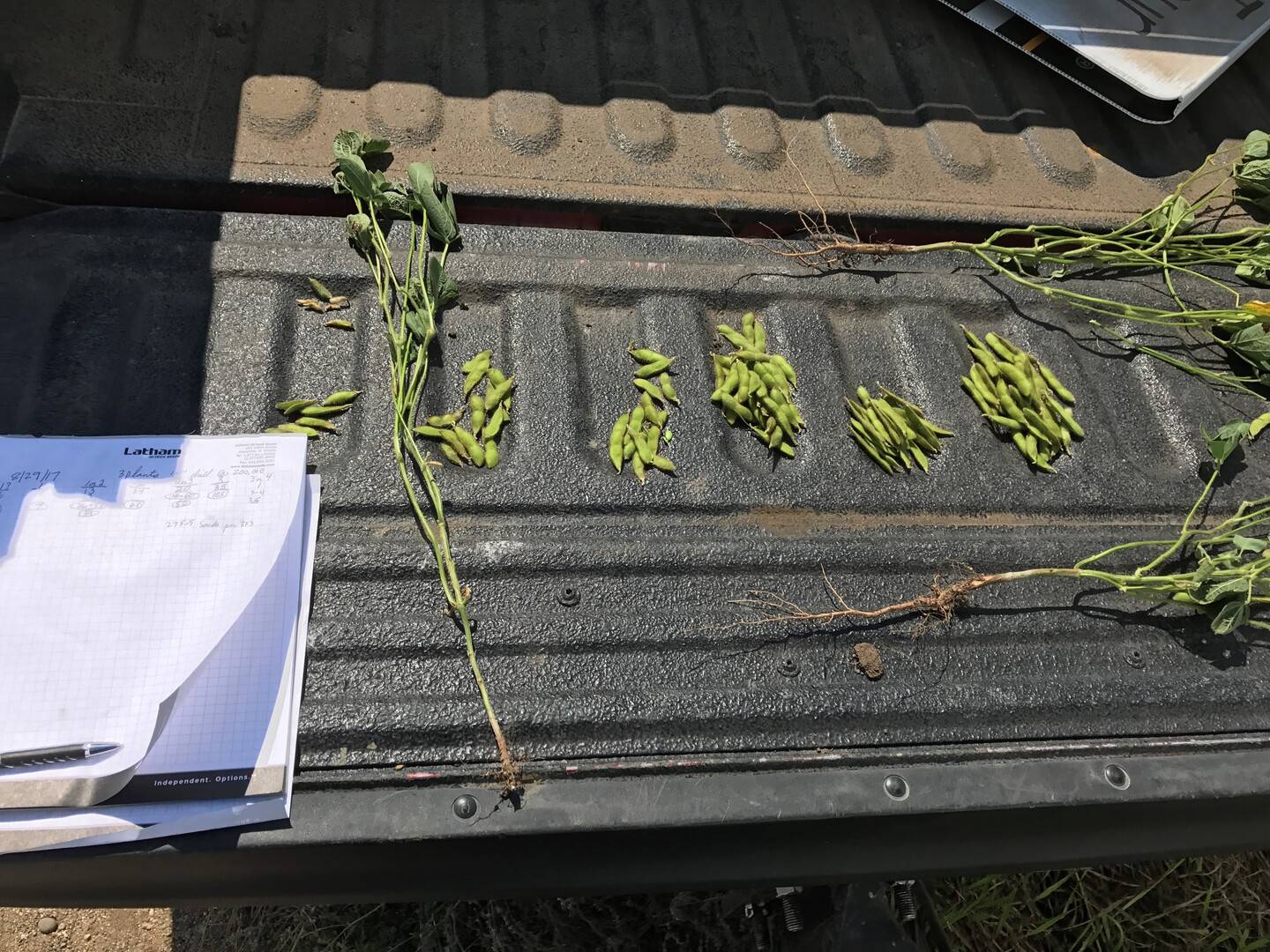
    Another widespread rain event this week will benefit the crops. Early corn is denting and converting to starch. Soybeans are filling pods. Early soybeans are beginning to yellow, signaling harvest just around the corner.
    James

    Southeast South Dakota

    Ramie Coughlin

    With all the rain we’ve been getting, growers are getting a nice 2nd and some 3rd cuttings of alfalfa and hay.

    Ramie

    Northern Minnesota

    Ken Highness

    Congratulations to Latham rep Ryan Skaug of M&R Seed for hosting a successful plot day yesterday in Beltrami, Minnesota! The main topics of discussion among growers in attendance was weed management plus corn and soybean technologies.

    Weed management is certainly more challenging! Plants that develop resistance to herbicides are simply following the age-old process of “survival of the fittest.” That’s why seed product selection and herbicide rotation are more important than ever.

    Southern Minnesota

    Brandon Wendlandt

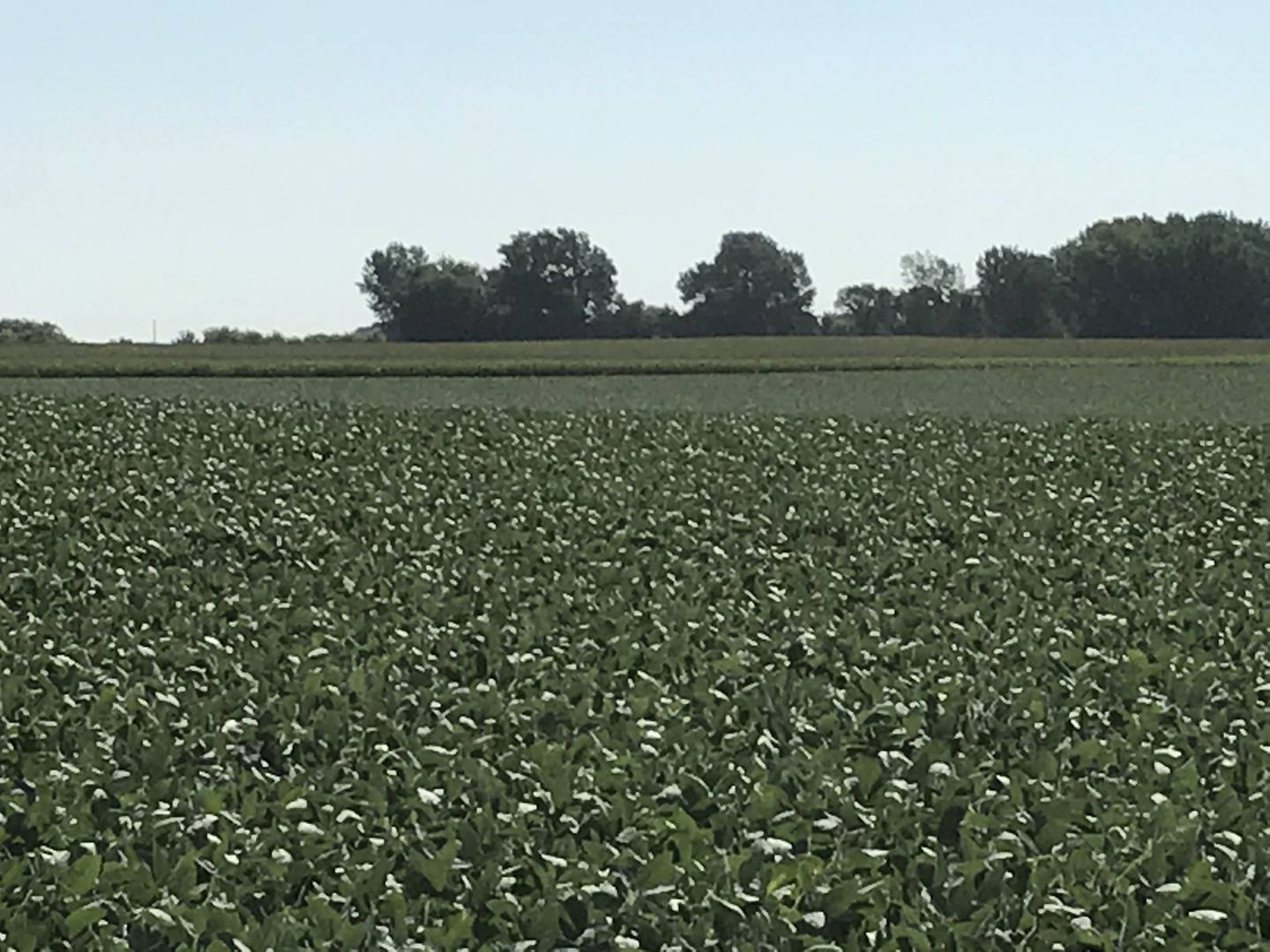
    Latham 2084 R2 is looking great in southern Minnesota! Now is a great time to scouting soybeans for things White Mold and Sudden Death Syndrome. The best defense is a great offense! Be sure to note problem areas and look at disease ratings when selecting future products. Also know that IRONCLAD soybean products are exclusively available from Latham Hi‑Tech Seeds.
    Brandon

    Webspec Admin

    August 29, 2017
    Corn, Insects, Season, Summer
  • Latham Hi‑Tech Seeds

    Podcast: Corn Rootworm

    LIBSYN header 4

    LIBSYN header 2-01

    http://traffic.libsyn.com/fromthefield/Corn_Rootworm.mp3

    Welcome back to our Ask the Agronomist podcast! This week, Phil and Kilah discuss corn rootworm and how scouting now can help you plan for #crop18. Tune in for a 10-minute from the field agronomy update!

    Do you have #crop17 growing questions? Submit them to us on either Facebook, Twitter, Instagram or Snapchat. Thanks for tuning in!

    Webspec Admin

    July 27, 2017
    #AskTheAgronomist, Corn, Crop, General, Insects, Podcast
  • Latham Hi‑Tech Seeds

    Crop Scouting Can Lead to Seed Selection in 2018

    Feature Tech Tuesday 01

    Tech Tuesday Header-01

    While you may not get paid directly to walk your fields, I can say without a doubt that it will pay for itself. Mid-season crop scouting is important for two reasons: (1) different weed, insect and disease pressures become evident this time of year; and (2) summer months are a crucial time to decide which traits to implement when buying seed for the next crop year.

    By walking fields, you can catch any type of stress early that enhances the likelihood of opportunistic insects such as corn leaf aphids, European corn borer and armyworms. High humidity and heavy dew creates ideal conditions for diseases like we saw last season with Northern Corn Leaf Blight (NCLB).

    Black cutworm could be a larger problem this year as they’re known to cause more damage in fields where corn is planted later, and quite a few acres were replanted due to heavy spring rains and ponding. Fields of higher risk also include those that are poorly drained and low-lying; those next to areas of natural vegetation; and those that are weedy or have reduced tillage.

    The wide variance in planting dates also may cause rootworm beetles to move between fields. A late-maturing corn field may attract large numbers of beetles if neighboring corn stopped producing pollen, for example. Rootworm beetles may also move into corn and/or soybean fields that have an abundance of pollen-producing weeds, including volunteer corn, ragweed or foxtails.

    Controlling weeds will help control corn rootworm populations, as well as other insects like Two-spotted Spider Mites and aphids. Mites and aphids begin feeding along field edges, especially in weedy areas, before eventually developing into a field-wide infestation.

    Noting weed infestations can provide you with an opportunity to discuss this with your Latham Dealer and allow them give you to suggestions to mix up modes of action when selecting next year’s seed products. Latham’s Regional Field Days display the trait options available for 2018 planting. Make plans now to attend one of these regional plot days and discover more about the options Latham has to offer next year! Stay tuned for updated information about field day dates and locations in the coming editions of TECHtuesday.

    Webspec Admin

    June 13, 2017
    Corn, Insects, Tech Tuesday
  • Latham Hi‑Tech Seeds

    Quick Steps to Slow Spread of Soybean Aphid Resistance

    Soybean Aphids

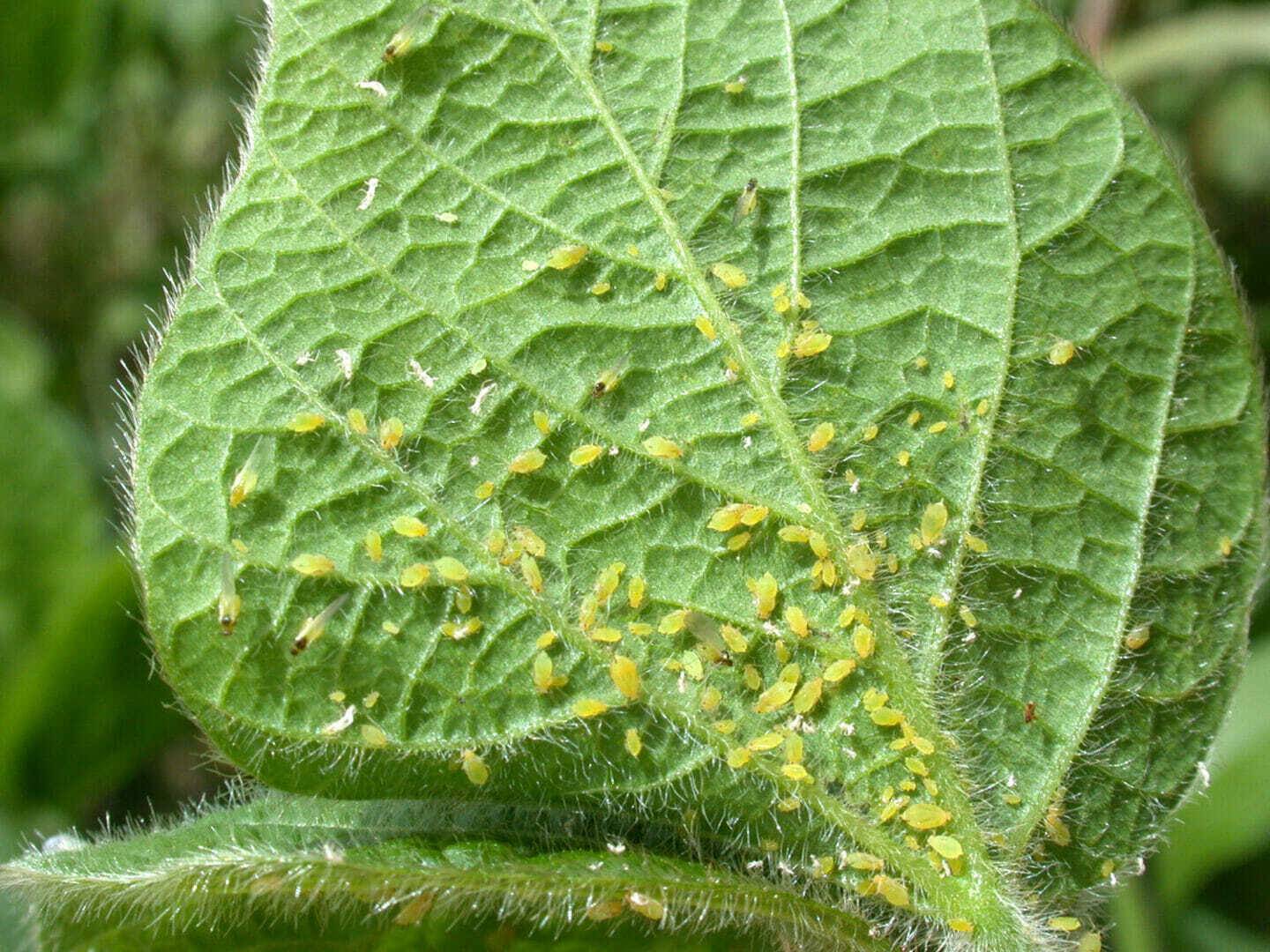
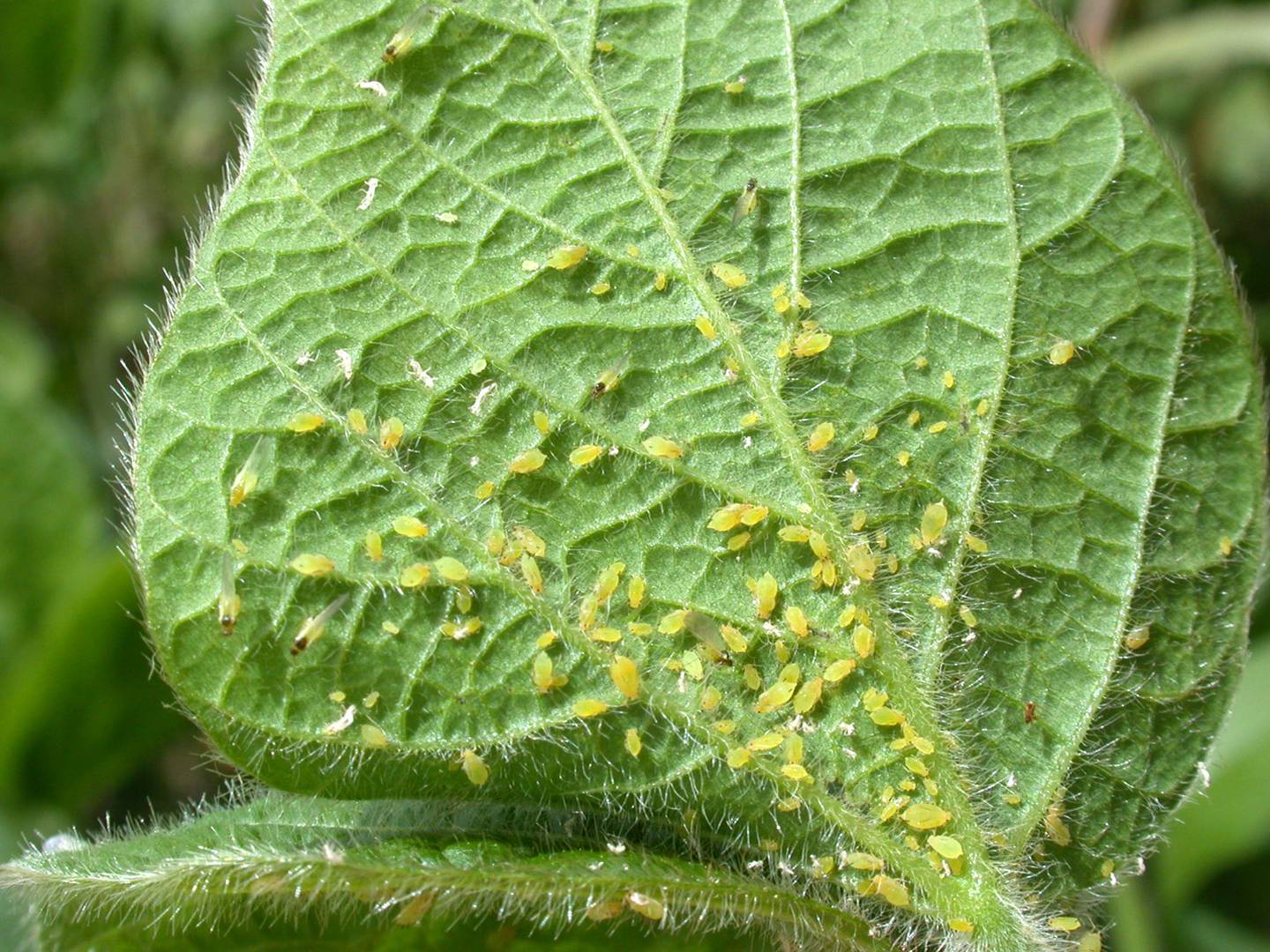
    More than 100 soybean aphids collect on the underside of a soybean leaf. Pest feeding can inhibit the plant's ability to make grain, or kill it outright.

    The number one soybean insect pest is growing across the Upper Midwest. Recent reports indicate some aphid populations are developing resistance to insecticides, especially pyrethroid products.

    While we may not be able to stop the spread of this resistance, we can certainly slow it down by using these best management practices:

    • Avoid spraying any insecticide if the economic threshold has not been reached. The accepted economic threshold is 250 aphids per plant in 80% of the field as long as the aphid population is increasing. This should not be confused with the injury threshold, which ranges from 600 to 700 aphids per plant. The economic threshold is designed to give farmers time to apply insecticide before the field reaches the injury threshold.
    • Use insecticides with different modes of action just like we use herbicides with different modes of action to help control resistant weeds. Some common examples of pyrethroid products include Warrior®, Mustang®, Asana®, Baythroid® and Pounce®, as well as a host of generic products. Lorsban® is an example of an organophosphate insecticide that may be used for aphid control.
    • Avoid adding insecticide to herbicide application just as “insurance” or to save a trip across the field, as this can easily lead to resistance problems.
    • When applying insecticides, good coverage is essential. Higher spray volumes and pressure help to move the product down into the soybean canopy.
    • As with many potential threats, scouting early and often is crucial to overall success!Soybean aphids can greatly increase in numbers if the weather is cooler than normal and if natural predators are not present.

    First identified in Wisconsin during the summer of 2000, soybean aphids are found in 21 states and three Canadian provinces. Besides the damage they do by sucking sap from plants, aphids also are vectors of several viruses that attack soybeans.

    Scouting for aphids is key for maintaining the health of your soybean crop now… and in the future. Do what you can now to keep numbers down and to avoid insecticide resistance from building.

    Webspec Admin

    April 12, 2017
    Agronomics, Crop, Insects, Soybeans
  • Latham Hi‑Tech Seeds

    Ask the Agronomist: Corn Rootworm

    Ask the Agronomist Feature Photo 01

    Thanks for tuning into Week 12 of our “Ask the Agronomist” Audiocasts. Guest Agronomist and Latham Hi‑Tech Seeds Regional Sales Manager for Eastern Iowa, Jerry Broders, is filling in for Latham’s Senior Agronomist, Mark Grundmeier. To listen to Jerry’s response to this week’s question about Corn Rootworm, play the audio file below.

    https://www.lathamseeds.com/app/uploads/2016/07/Latham7_18.mp3


    Listen to this week’s Ask the Agronomist to learn about effective strategies for fighting Corn Rootworm.

    Q: We’ve gotten some damage from Northern Corn Rootworm. What else are you seeing out in the fields across your territory?

    A: Western and Northern Corn Rootworm are common insects that are well versed in overcoming control practices. That’s why we recommend farmers scout all fields for corn rootworm. Northern Corn Rootworm feeds on corn silks, but Western Corn Rootworm can feed on leaves, too.

    The wide range in planting dates this spring creates a perfect opportunity for rootworm beetles to move between fields. A late-maturing corn field may attract a large number of beetles if neighboring corn has stopped producing pollen.  Beetles may also move into corn and/or soybean fields that have an abundance of pollen-producing weeds, including volunteer corn, ragweed or foxtails.

    Q: What type of damage should farmers look for?

    A: Corn rootworm larvae feed on roots. Check fields for lodged plants, especially now that storms might be affecting stands. However, don’t assume lodging is a result of corn rootworm as compaction from planting into wet soils can cause poor stands.

    Preventative maintenance needs to be done to reduce risk for next year’s crop. Especially in corn-on-corn fields, spray insecticide to rid the field of any larvae that may have been laid. Also make sure that fields with corn rootworm problems this year get traited corn next year that protects against corn rootworm. Latham Hi‑Tech Seeds has hybrids referred to as Gladiator™ hybrids that have undergone rigorous testing to ensure they perform well under intense corn rootworm pressure.

    Q: With a name like Gladiator, it sounds like we’re declaring war on insects! What “weapons” make these hybrids effective against insects?

    A: Latham has a full lineup of products ranging from 92 day to 114 day maturities.  We use Genuity® SmartStax® products, as well as Syngenta’s Agrisure 3122 since these contain two modes of action for below-ground insects.  In addition, we are eagerly waiting for full approval of Syngenta’s new Duracade double rootworm trait that looks very promising.

    If you have a question about what you’re seeing in the fields, feel free to ask! Send your questions via Twitter to @LathamSeeds, in a private message on Facebook or call our office at 1-877-GO-LATHAM (1.877.465.2842).

    Also be sure to check out TheFieldPosition.com for timely agronomic information. Crop reports from specific areas across Latham’s six-state marketing area are published every Wednesday during the growing season by Latham’s regional sales managers in each of those locations. New articles are posted each week day on our blog. You can even search for “topics” by simply typing key words into the search bar on the upper right-hand corner.

    Thanks for tuning in to this week’s Ask the Agronomist. We’ll be back again next week to field all of your questions during #grow16.

    Webspec Admin

    July 21, 2016
    Agronomics, Corn, Crop, General, Insects
  • Latham Hi‑Tech Seeds

    Late-Season Scouting Leads to Better Seed Decisions

    DSC0734

    The effects of our wet, cold planting season continue to surface. If you drive through the country now, you’re likely to see Sudden Death Syndrome (SDS) and White Mold affecting soybean fields. You may find Northern Corn Leaf Blight and Goss’s Wilt in corn fields. You’ll also see a growing number of weedy fields.

    _DSC0734Seed selection is the key to effective management in all the above instances. Planting tolerant varieties, or avoiding very susceptible varieties, is the most effective way to reduce yield loss. Be sure you note the rating given to each product in a seed catalog before you select it for a particular field.

    Weeds also can be managed through careful seed selection.

    This growing season we’ve had many farmers, like Mike Albertsen of western Iowa, seek out Latham Hi‑Tech Seeds for our strong lineup of LibertyLink soybeans. Due to increased weed pressure across the Upper Midwest, LibertyLink soybeans are in high demand for the 2016 planting season. It’s not too soon to place your order with Latham!

    To help simplify your seed selection process, Latham Hi‑Tech Seeds designates some of its most defensive products as IRONCLAD™ Soybeans. These brands include exceptional genetics and industry-leading protective traits to win the battle against yield-robbing pests and disease. These products are selected for their “defensive” characteristics, but that doesn’t mean you’ll sacrifice yield. In fact, our results in the 2014 F.I.R.S.T. Trials shows how Latham’s IRONCLAD brands actually protect yield.

    NOTE: Each Latham® soybean brand that receives the IRONCLAD distinction must be Soybean Cyst Nematode resistant and carry an Iron Deficiency Chlorosis rating of 2.2 or better.  In addition, it must protect against either White Mold or Sudden Death Syndrome with a rating of 2.2 or higher. Plus, IRONCLAD products have strong defensive ratings against Phytophthora Root Rot and Brown Stem Rot.

    We know that corn acres face their share of challenges, too. That why Latham brand hybrids with the GLADIATOR™ designation combine the industry’s top genetics and traits including a mandatory rootworm event. In our 2016 product guide, you’ll see that GLADIATOR hybrids with single modes of action against rootworm are denoted with a “G” distinction. Products with dual modes of action against root worm are denoted with a “2G.” If you’re planting corn-on-corn or you’re in an area with severe rootworm pressure, make these products part of your 2016 crop plan!

    We take pride in working with our customers to help them select the seed products that will help maximize yields and increase profitability. If you have questions about what trait might be best for your fields, please send us an email or call 1-877-GO-LATHAM (1-877-465-2842).

    Webspec Admin

    August 24, 2015
    Agronomics, Disease, General, Insects, Weed Control
  • Latham Hi‑Tech Seeds

    Mid-Season Crop Scouting is Especially Important

    A rabbits view1

    Mid-season crop scouting is especially important because different insect and disease pressures become evident at this time of year. Any type of stress greatly enhances the likelihood of opportunistic insects such as corn leaf aphids, European corn borer and armyworm to feed upon plants.  In soybeans, we might see soybean aphids, two-spotted spider mites and Japanese Beetles.

    There hasn’t been a great deal of insect or disease pressure yet this season, but that doesn’t mean we can rest on our laurels. High humidity and heavy dew creates ideal conditions for diseases like Northern Corn Leaf Blight (NCLB). Fungal diseases like Sudden Death Syndrome are more evident in late July and early August, too.

    Taking field notes now can help farmers develop a fall harvest plan. They’ll want to keep a close eye on stalks that have been damaged because those will be prone to stalk lodging, ear dropping and repeat infestations. Field notes also will help these farmers choose seed for 2016 planting.

    One reason stalks may be damaged is from corn borer feeding. At this point in the season, corn borers have burrowed into the stalk and foliar applications are no longer effective.

    Black cutworm could be a larger problem this year as they’re known to cause more damage in fields where corn is planted later.  Fields of higher risk also include those that are poorly drained and low lying; those next to areas of natural vegetation; and those that are weedy or have reduced tillage.

    Also due to the wide variance in planting dates, rootworm beetles may move between fields in search of the best “buffet.”  A late maturing corn field may attract a large numbers of beetles if neighboring corn stopped producing pollen, for example.  Rootworm beetles may also move into corn and/or soybean fields that have an abundance of pollen-producing weeds, including volunteer corn, ragweed or foxtails.

    Controlling weeds will help control corn rootworm populations, as well as other insects like Two-spotted Spider Mites and aphids. Mites and aphids begin feeding along field edges, especially in weedy areas, before eventually developing into a field-wide infestation. Many common insecticides aren’t overly effective on Spider Mites, so carefully read the labels of any products.

    A rabbits view of corn plants

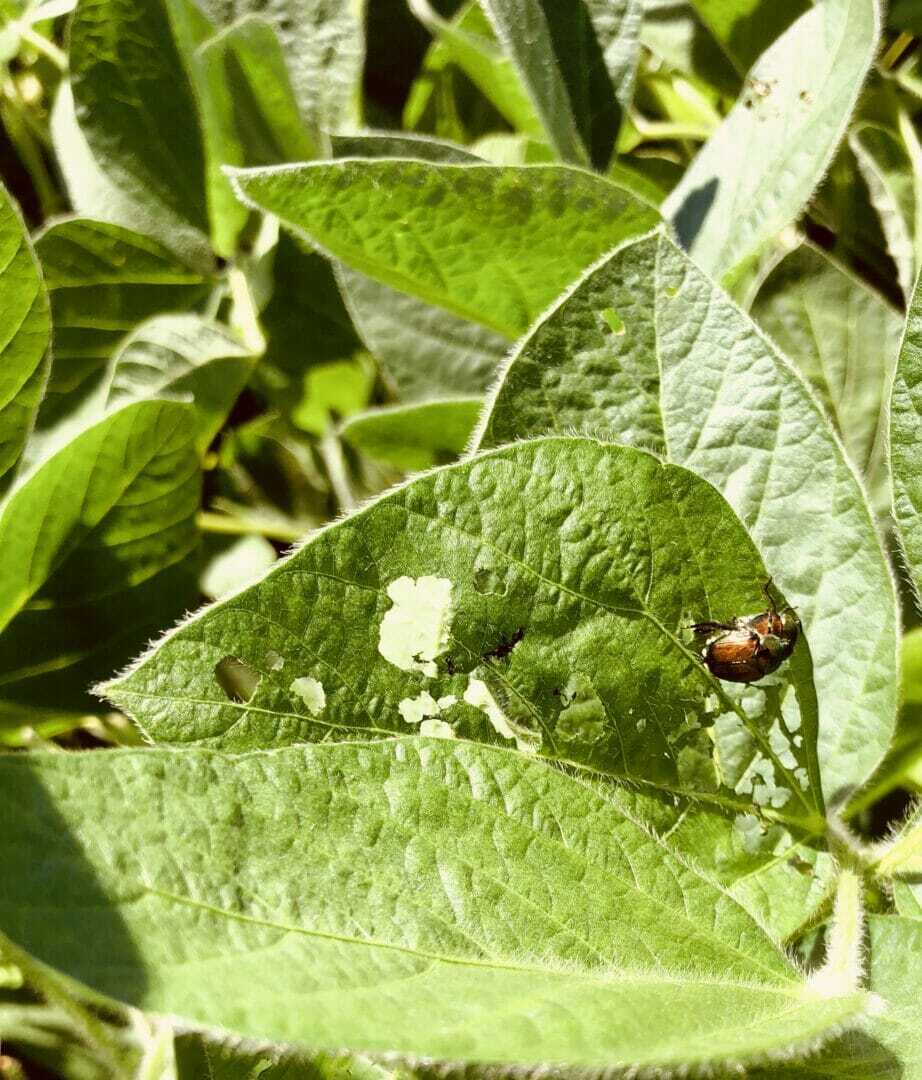
    Another insect to watch for in both corn and soybean fields is Japanese Beetles. These beetles will literally eat anything that’s green! They seem to prefer the leaf tissue between the veins of soybean leaves and the soft silks of corn plants.  Both activities can result in significant yield loss, so that’s why it’s especially important to scout for Japanese Beetles.

    If you’re seeing Japanese beetles now, make note and watch from them again in early spring. Adult Japanese beetles emerge around early to mid-June and begin feeding on low-lying plants. They eventually move to trees and field crop foliage where they feed and mate. Mated females move back to grass in August and September to lay small egg masses in soil cavities. The eggs hatch into small grubs that feed on roots underground until late September when the temperature cools. The almost fully-grown grubs burrow down in the soil and remain inactive all winter. In the early spring, grubs become active again and feed until turning into resting pupae. The pupae hatch into adults and emerge from the soil – and the cycle begins again!

    Walking fields and noting where there is both weed and insect pressure will help farmers determine an action plan now, as well as in the future. Field notes in 2015 will help farmers determine whether they need to change modes of action when making their 2016 seed decisions.

    Remember, family-owned Latham Hi‑Tech Seeds offers the industry’s broadest product portfolio of corn, soybean and alfalfa products specifically designed to thrive in our geography. For more information, contact your local Latham® representative or call 1-877-GO-LATHAM (1.877.465.2842).

    Webspec Admin

    July 23, 2015
    Agronomics, Disease, General, Insects, Weed Control
  • Latham Hi‑Tech Seeds

    Watch for Leaf Diseases & Pest Pressure

    Thurs

    In yesterday’s weekly crop updates, our regional sales managers (RSMs) reported seeing leaf diseases and pest pressure as they’ve been walking fields.  Watch for these three situations in your soybean fields: (1) Soybean Aphids; (2) Soybean Cyst Nematodes (SCN); and (3) Sudden Death Syndrome (SDS). Also check your corn fields for Northern Corn Leaf Blight and Eye Spot.

    None of our regional sales managers have reported soybean aphids at threshold levels of 250 aphids per 811727276_328a2e4821_zplant on 80% of the plants, but RSMs this week reported aphid citings. Remember, aphid populations can double every two to three days! With the varying stages of soybean development due to an extended planting season and many late replants, continue scouting past your first insecticide application.

    Taking the time to scout for SCN within the next few weeks may not be at the top of your “to do list,” but perhaps it should be! Soybean Cyst Nematode is the number one yield robber of soybeans. Digging root samples is the best way to check for SCN; SCN females will be on soybean roots that are easy to dig from the soil through early August.

    SCN is usually associated with SDS. Sudden Death Syndrome infects soybean plants right after germination and emergence, but symptoms generally do not appear until mid- to late summer. Leaf symptoms first appear as yellow spots between leaf veins. Eventually, the leaves turn yellow and brown streaks develop between the leaf veins while the veins remain green. Leaflets eventually drop but the petioles remain on the stem. Diseased plants may have rotted root systems.

    The most effective way to manage SCN and SDS is through quality soybean seed selection. Latham® IronCladTM Soybeans offer unmatched protection. To bear the IRONCLAD distinction, each Latham soybean brand must be SCN resistant and carry an Iron Deficiency Chlorosis rating of 2.2 or better.  It also must contain a Phytophthora-resistant gene as well as a very good rating (2.2 or better) against Brown Stem Rot and either White Mold or Sudden Death Syndrome.

    Just as wet planting conditions followed by humid summer weather makes prime conditions for soybean pests, the same holds true for corn leaf diseases. Plentiful moisture or dew is ideal for most fungal corn diseases. Watch for Gray Leaf Spot, Southern and Common Rust, Northern & Southern Leaf Blight and Eyespot.

    Scout corn fields prior to tassel emergence, around V14 growth stage, to determine disease pressure. NCLBFungicides may help but consider cost and predicted weather conditions first. To prevent Northern Corn Leaf Blight (NCLB) from becoming a larger problem in the future, rotate to a non-host crop. A two-year rotation away from corn may be necessary in no-till and reduced tillage fields with a history of NCBL. Hybrid selection is also key for reducing future threats of NCLB.

    Cool temperatures, humid and wet conditions, continuous corn, conservation tillage, and susceptible corn hybrids/inbreds favor Eyespot. Once again, selecting resistant corn hybrids is key to managing this disease in the future. Other management strategies include crop rotation and tillage to reduce corn residue.

    Take good field notes now to help you select the right seed for the future. It’s not too soon to place your 2016 seed order! Latham Hi‑Tech Seeds last week took delivery of its new seed product guides. Contact your local Latham® dealer or contact us online for more information.


    Webspec Admin

    July 16, 2015
    Agronomics, Disease, General, Insects
  • Latham Hi‑Tech Seeds

    Watch for Early Soybean Insects & Diseases

    Jones beans

    Guest post by Kilah Hemesath, Latham Hi‑Tech Seeds Marketing Intern

    With nearly all of the soybeans for the 2015 planting season in the ground, crop scouting becomes a necessity. Early soybean pests and diseases can create issues for newly emerged soybean seedlings. Becoming knowledgeable on what to look for in a field can make identification of these pests and diseases simpler.

    As soybeans emerge, the bean leaf beetle may make a presence in your fields. This pest is distinguished by a small black triangle located at the base of the forewings. Adult bean leaf beetles are approximately ¼-inch long. They feed on the cotyledons, stems, unifoliate leaves and emerging trifoliates. Discolored, moldy, shriveled or diseased beans may be the result of bean leaf beetles in your field.

    Even if seedlings are emerged, stay on the lookout for Pythium. Pythium can cause post-emergence damping off under wet conditions. This disease commonly occurs during wet and cool conditions, particularly in poorly drained fields with compacted soil. Properly manage soil drainage in your fields to combat this issue.

    Septoria leaf blight, more commonly known as brown spot, is a soybean disease that spreads from the soil to the soybean plant by splashing rain. The infection of the soybean plant will leave small, irregular brown spots on the lower leaves. Favorable weather for this disease is warm, wet weather. Brown spot can move up the plant, causing leaves to turn yellow and drop. It is necessary to be aware of this disease and what is going on in your fields.

    Not necessarily a disease, iron deficiency chlorosis (IDC) is described as poor condition between the soil and plant. If your fields have a history of high pH and without enough iron to grow a healthy plant, the best decision is to choose an IDC-resistant seed brand.

    At Latham Hi‑Tech Seeds, we make it easy to choose such brands by designating them as IRONCLADTM. Latham® IRONCLAD Soybeans include exceptional genetics and industry-leading protective traits, battling against yield-robbing threats from pests and diseases. To bear the IRONCLAD distinction, each soybean brand must be Soybean Cyst Nematode resistant and carry an Iron Deficiency Chlorosis rating of 2.2 or better.

    Also remember to watch for aphids, too. Latham Product Manager Mark Grundmeier stresses the importance of crop scouting regularly from within the field, not just a drive-by. To inquire about soybean pests or diseases in your area, contact your local Latham® representative by calling 1.877.GO.LATHAM (1.877.465.2842)

    Sources:

    • corn-states.com
    • aganytime.com
    • http://extension.entm.purdue.edu
    • http://extension.agron.iastate.edu
    • http://www.extension.iastate.edu
    • http://cropdisease.cropsci.illinois.edu

    Gary Geske

    June 12, 2015
    Agronomics, Crop, Disease, General, Insects, Soybeans
  • Latham Hi‑Tech Seeds

    There’s No Time like the Present: Scout Fields Now

    Arm worm 2

    Black cutworm moths have made their appearance across Latham Territory. Now is the time to scout your fields to determine if an insecticide application is the best economical decision for your particular circumstance.

    Black cutworm moths gravitate towards green vegetation for egg laying, so they will first appear in weedy fields and ones that are next to natural vegetation. Poorly drained, low laying fields also have a higher risk of black cutworm damage. Black cutworm moths travel in from southern states, laying eggs in the field, then producing black cutworm larvae.

    Damage from these insects usually begins above soil service. Newly hatched black cutworm larvae will leave small, irregular holes in the leaves. When walking fields, scout for feedings off the corn plant, which will become more substantial as the worms mature. Black cutworms can cut off young corn plants and reduce crop stands. It is advised to watch for signs of cutworm damage beginning when the corn emerges.

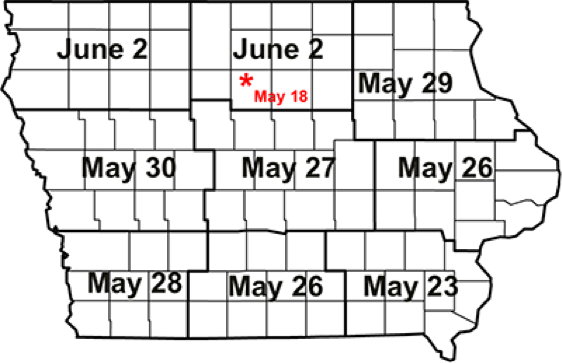
    The map below shows the predicted black cutworm cutting dates, provided by the Iowa State University Extension, based upon research performed throughout the state.

    IowaThis year, the pattern of the black cutworm moths has been irregular. This makes scouting even more essential.

    “With the recent cooler temperatures, emergence of both cutworms and army worms has been delayed,” said Jerry Broders, Latham® Regional Sales Manager for Eastern Iowa.

    The cutworm and armyworm are comparable in appearance with similar economic thresholds. The variance in eating patterns is where these insects differ. Black cutworms chew off more mature corn plants, whereas armyworms feed on the leaves.

    “My advice is to spray fields as soon you see these insects,” Broders said. “ I have seen cutworms take out a field overnight. They can do severe damage when seedlings are emerging.”

    Trait selection is no substitute for scouting, Broders said. He advises that farmers continually scout for insects, because it is going to be a dense year. Download the spreadsheet here to help with black cutworm management decision.

    Broders advises all farmers to continue scouting their fields and apply insecticide if necessary. Contact your Latham® Dealer or Regional Sales Manager to discuss the management decisions for your fields.

    Webspec Admin

    June 8, 2015
    Agronomics, Disease, General, Insects, Weed Control
Previous Page
1 … 4 5 6 7 8 … 12
Next Page

Latham Hi‑Tech Seeds

131 180th Street | Alexander, IA 50420

(641) 692-3258

SIGNUP FOR OUR NEWSLETTER
  • Contact
  • Legal
  • Dealer Center
  • Seedware Login
  • Latham Gear

© 2025 Latham Hi‑Tech Seeds. All rights reserved. | Iowa Web Design by Webspec | Privacy Policy
Latham® Hi-Tech Seeds is a trademark of M.S. Technologies, L.L.C., 103 Avenue D, West Point, IA 52656.