
Latham Hi-Tech Seeds

(641) 692-3258

  • Home
  • Products
    • Corn
    • Soybeans
    • Alfalfa
    • Corn Silage
    • Seed Guide
  • Performance
  • Find a Rep
  • Media
    • Blog
    • News
    • Videos
    • Podcasts
    • TECHTalk
  • About Us
    • Company History
    • Our Mission
    • Careers
    • Become a Rep
    • Sowing Seeds of Hope
  • Contact Us
  • Latham Hi‑Tech Seeds

    #AskTheAgronomist: Seed Treatments

    1.9.20 Feature ATA image
    Tune in to hear the top three reasons to use our SoyShield soybean seed treatment this spring. #AskTheAgronomist
     
    0:30 — Topic introduction
    3:14 — Early planting & cool soils
    3:34 — SDS protection
    5:30 — Soybean Gall Midge protection

    Laura Cunningham

    January 9, 2020
    #AskTheAgronomist, Agronomics, Crop, Season, Seed Treatment, Soybeans, Spring, Winter
    benefits of seed treatment, cold spring, seed protection, Seed treatment, soybean seed treatment
  • Latham Hi‑Tech Seeds

    Our “Secret Sauce” is Saltro® Fungicide

    9.17.19 Tech Tuesday Image

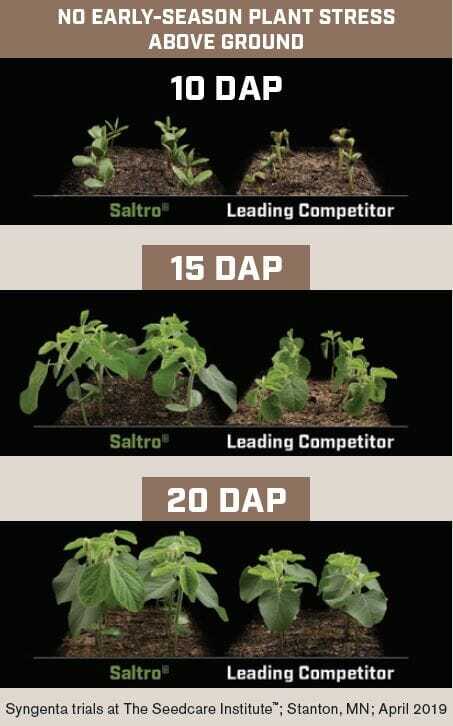
    One of the reasons we use Saltro is because it protects early-season plant health, plus protects plants against Soybean Cyst Nematode (SCN) and Sudden Death Syndrome (SDS). Soybeans treated with Saltro have strong emergence, better stands, healthier leaves and develop more robust early-season root mass. As a result, soybean plants treated with Saltro can reach their full genetic and yield potential.

    Saltro also doesn’t cause additional plant stress, like the halo effect we’ve seen with older chemistries. Soybeans can outgrow the side effects from early-season, above-ground stress, but they may not fully recover from the lower yield potential caused by below-ground stress.

    While touring the Syngenta Seedcare Institute in Minnesota, a group of Latham representatives were told Saltro is safer and more effective than the current standard seed treatment. More than three years of research shows that soybeans treated with Saltro have a 3-bushel per acre yield advantage over the leading SDS competitor in heavy SDS pressure and a 1.8-bushel yield improvement under low SDS pressure.

    Another advantage we saw first-hand on our tour is that Saltro has 22% better wet seed flow than its leading competitor. Saltro has a much lower use rate. In addition, the leading competitor creates 63% more buildup and 100% more dust than Saltro.

    Improved handling and treatment efficiency, higher yields, no plant stress, as well as superior SDS and SCN protection are the reasons why Latham Seeds is making our unique Saltro blend available for the products we’re selling for next planting season. Ask your Latham® representative for more information!

    9.17.19 Tech Tuesday Image

    Mark Grundmeier, Product Manager

    September 17, 2019
    Agronomics, Cover Crops, Crop, Season, Seed Treatment, Spring, Tech Tuesday, Winter
  • Latham Hi‑Tech Seeds

    Cutting Costs in Production

    IMG 2324

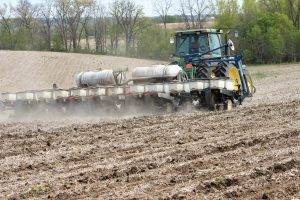
    Planting ROIAs prices have dropped over the last two months, farmers are second guessing planting intentions. They are looking to cut costs, and often times cost cutting starts at cutting seed costs. Keeping the hybrids with top yield and proven performance versus picking up a cheaper option is key to end-of-year profit. Cheap seed options can be older genetics, poor performing genetics or even discontinued genetics reaching the end of their life and viability.

    It doesn’t take much to make up for inferior genetics as in perceived seed savings. Cutting $50 a bag is only saving $20 an acre, or roughly seven bushels. One cost savings that may be applicable to North Dakota farmers would be changing from a VT2 PRO to a Roundup Ready 2 trait. Keep the genetic that performs on that particular field and save the difference in trait costs. However, It may require more attention to pests throughout the growing season and an additional cost of an aerial application with insecticide. Check with your Latham® dealer on availability and your agronomist about the rising potential for future pest issues in your area.

    Farmers can add fertility after the crop is established. They can also add weed control after the crop. However, there’s only once chance to place the right seed on the right acre. Seed is truly the foundation for every successful crop. Why limit net farm profitability from the onset?

    Laura Cunningham

    April 17, 2019
    Agronomics, Corn, Crop, Industry News, Season, Seed Technology, Spring, Winter
  • Latham Hi‑Tech Seeds

    Alfalfa Winter Survival

    41119 pic

    LIBSYN header 2 01

    Click below to hear Phil Long address winter survival in alfalfa! #AskTheAgronomist

    https://www.facebook.com/LathamSeeds/videos/577684892726656?sfns=mo
    Alfalfa Root Health
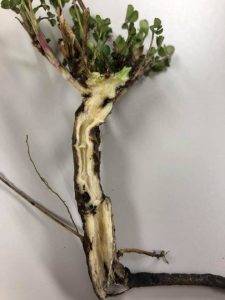
    Here we can see slight discoloration coming into the crown, but overall, a very healthy plant.


    Laura Cunningham

    April 11, 2019
    #AskTheAgronomist, Alfalfa, Crop, Season, Winter
  • Latham Hi‑Tech Seeds

    Evaluating Winter Kill

    Alfalfa3

    Evaluating alfalfa stands is a spring-time ritual for every alfalfa grower. This winter presented several challenges to strong, hardy alfalfa varieties. This includes above average soil moisture going into winter, soil temps that dipped below 15 degrees Fahrenheit in areas without snow cover and below average snowfall followed by above average snowfall in February.

    Remember, patience is a virtue. Winter-injured plants are often slow to recover in the spring, so avoid making a quick decision to destroy a winter-injured stand. Allow the alfalfa to green up.

    Tips for evaluating alfalfa stands:
    1. Select at least four areas of the field and count stems. Wisconsin research has shown that counting stems provides a more accurate yield estimate.
    2. Dig plants from four locations of the field, including top 6 inches of the root. Examine the crown for size, symmetry, and number of shoots present.
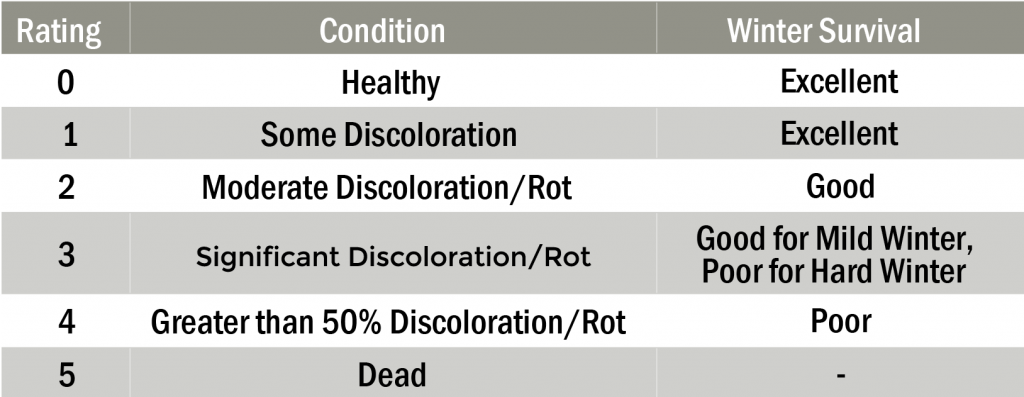
    3. Cut the root of these plants lengthwise. Check for rot or discoloration of the crown and root. Healthy stands have fewer than 30% of the plants in categories 3 and 4. (Seed tables.)

    4.9 Grapic 1


    4.9 Grapic 2

    Additional considerations when deciding whether to tear out existing alfalfa stands:
    • You have heavy weed pressure but a light alfalfa stand.
    • You have adequate alfalfa or hay inventory, so you can use the nitrogen credits and rotate that field into another crop.
    • If the alfalfa stand is more than a year old, you may have high concentrations of the autotoxicity compound present. That will reduce the effectiveness of interseeding alfalfa, so producers can interseed Italian ryegrass, clover, or oats as a temporary solution to thicken the stand.

    For additional information, feel free to contact me or your Latham regional manager. We’d also love an opportunity to talk with you about the placement for Latham Seeds’ outstanding lineup of high-quality forage products.

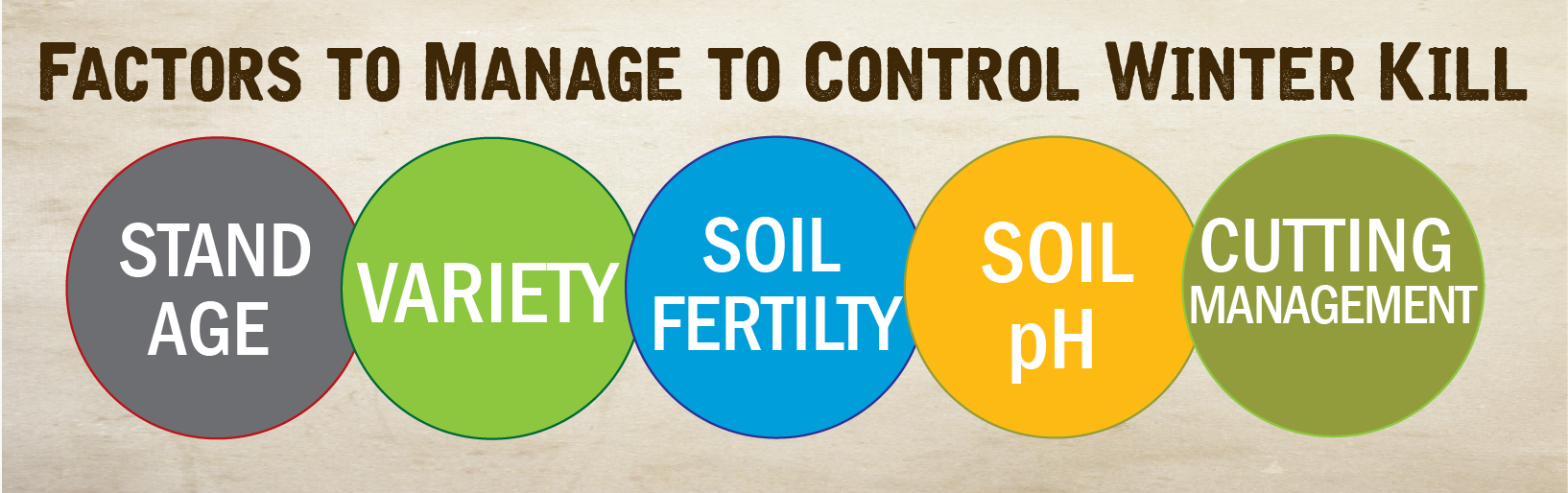
    While we obviously can’t control the weather, there are other factors we can manage to help reduce the risk of winter kill in the future.

    1. Stand Age – Older stands are more likely to winterkill.
    2. Soil Fertility – Stands with high fertility, particularly potassium, are less likely to experience winter injury.
    3. Cutting Management – Both harvest frequency and timing of fall cutting affect winter hardiness. The shorter the interval between cuttings, the greater the risk of winter injury.
    4. Variety – Varieties with superior winter-hardiness ratings and a high disease resistance index are less likely to experience winter injury.
    5. Soil pH – Stands growing on soils with a pH above 6.6 are less likely to experience winter injury.

    control wnter kill

    Phil Long

    April 9, 2019
    Alfalfa, Crop, Season, Tech Tuesday, Winter
  • Latham Hi‑Tech Seeds

    Protect Soybeans from Cold Temperatures

    Soybeans

    SoybeansMany of our minds are already on the upcoming planting season. This week someone posed the following question, “How hard of a frost can soybeans withstand?”

    It’s a great question, so I wanted to address the topic of early planting a bit, well, “earlier” than usual!

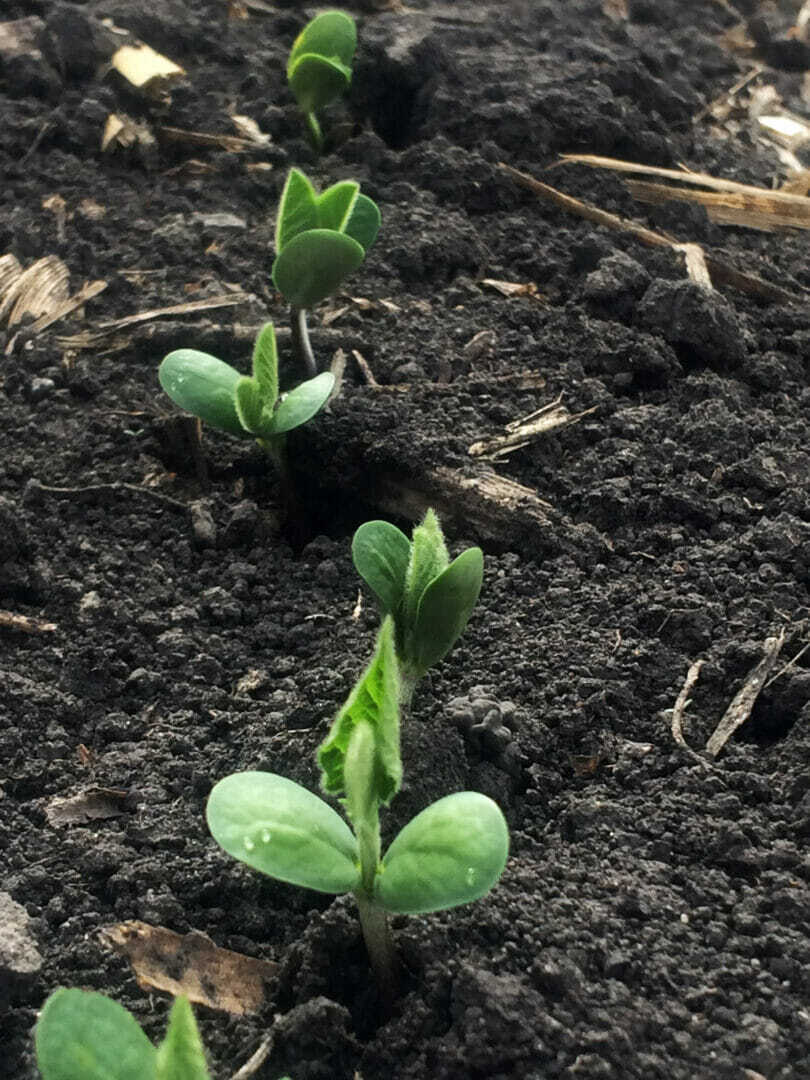
    The first thing to keep in mind is that cold temperatures at or before planting can negatively affect the growing point of the plant. For corn, that growing point stays under the soil surface until the V5-V6 stage, helping protect the plant to a certain degree from colder weather spells for several weeks. For soybeans, however, the growing point comes out of the ground at emergence. Therefore, a soybean seedling is immediately vulnerable to cold weather.

    Using a fungicide seed treatment will help protect young soybeans from seedling diseases at this early stage, but they are not designed to protect against cold temperatures.  Soybeans typically require over 100 growing degree units (GDU’s) to accumulate before emergence, which is similar to corn that requires about  125 GDU’s. Abiding by the minimum soil temperature of 50 degrees Fahrenheit will keep you away from poor emergence and the seedling disease risk associated with soil temps below 50 degrees. That’s why I suggest watching the weather forecasts before you plant soybean seed, and do your best to ensure hard frosts (which take place at 28 degrees Fahrenheit) are no longer possible.

    Remember, when soybeans emerge, they have a growing point at the base of each cotyledon and at the main shoot. The main shoot is the small leaves in-between the cotyledons. If you notice brown on the stem below the cotyledons, the plant will not recover. Early planting is proven to provide higher yields, but it is is fine balance between the two, so watch weather forecasts and soil temperatures so you can find the balance on your own farm.

    Additional tips to keep in mind before planting:

    1. Grab a clump of soil and watch how easily it crumbles. If it stays in a ball, conditions are NOT right for planting. If it crumbles easily, the soil is fit for planting.
    2. Make sure your planting date is covered in your farm insurance policy – this includes your “do not plant before” dates. If you plant outside those dates, your insurance could be jeopardized.


    Phil Long

    April 1, 2019
    Agronomics, Crop, Emergence, Frost, Season, Soybeans, Tech Tuesday, Weather, Winter
  • Latham Hi‑Tech Seeds

    Winter Rains Cause Concerns about Nutrient Loss

    RacetheRain

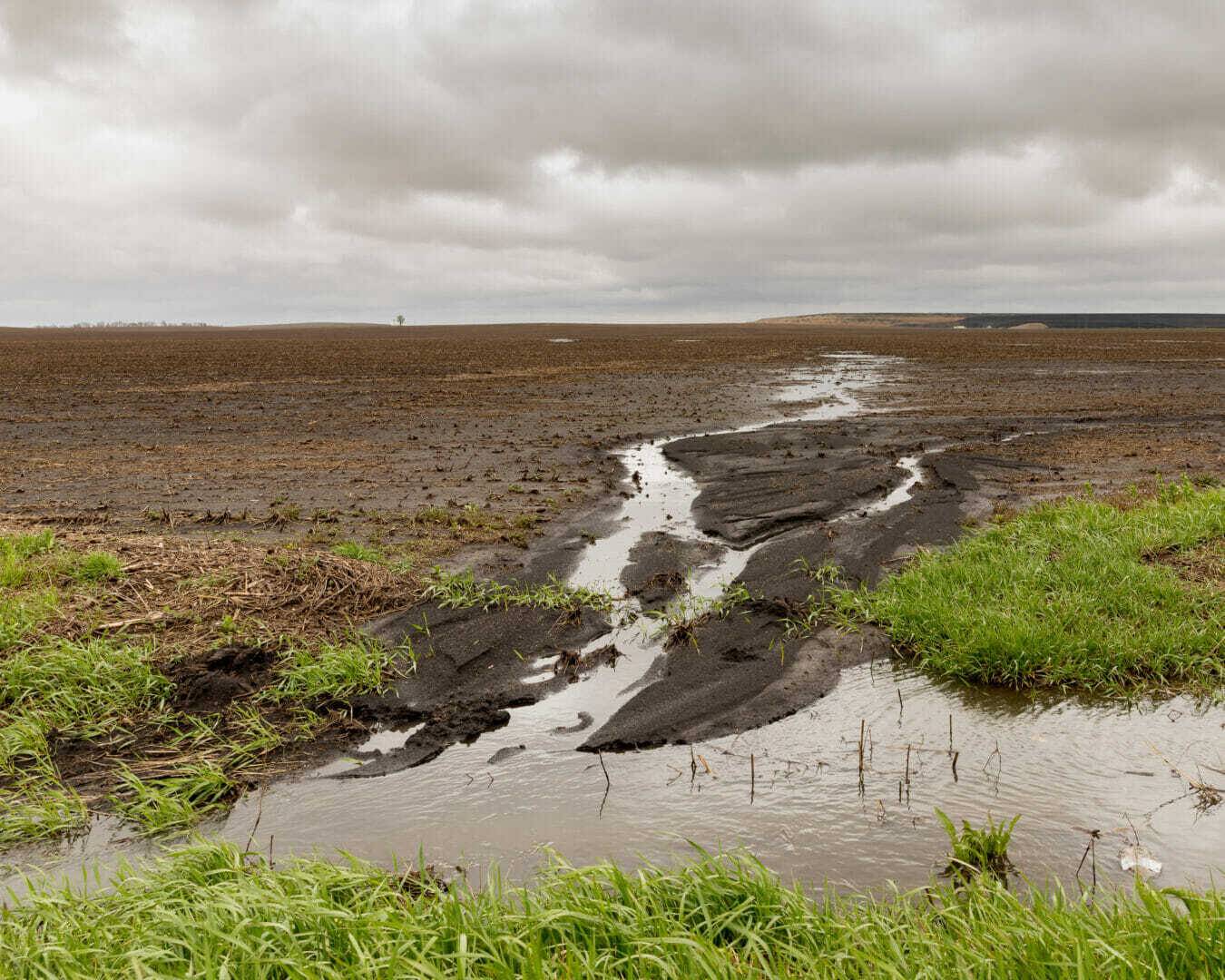
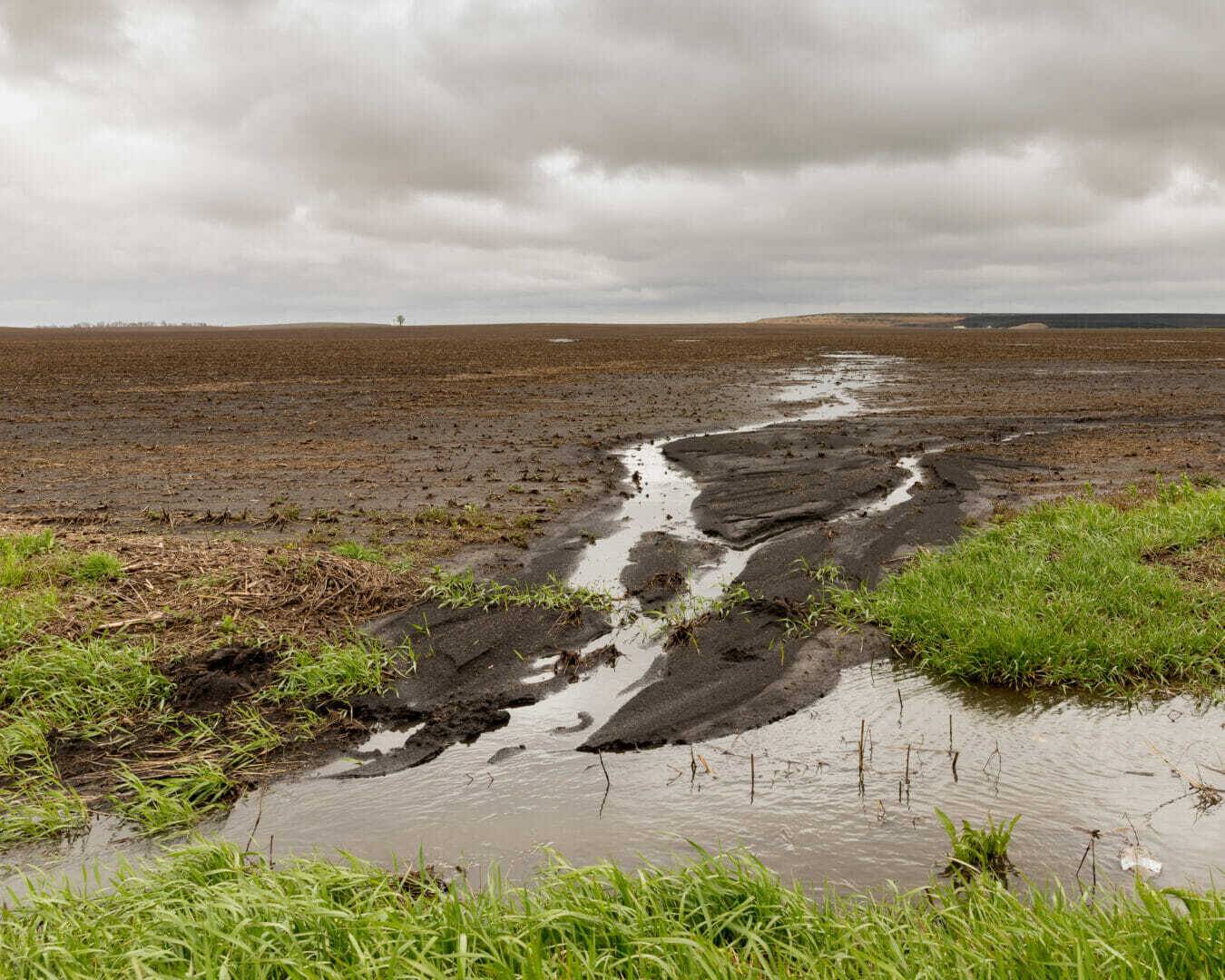
    Many farmers are asking about the possibility of nutrient loss from the unprecedented rains we received in December. While there is definitely cause for concern, don’t assume all fertilizer that was fall-applied is lost. Also keep in mind that the amount of loss will depend on the specific nutrients that were applied, as well as whether it was in the dry, liquid or gaseous form.

    Phosphorus (P) and Potassium (K):  Most experts agree that P & K applications are very stable no matter the time of year of application.  It’s not unusual to have these products applied on frozen ground and see little, if any, loss prior to planting.  One “watch out” here is if the December rains caused soil loss due to runoff. If this happened, then it is most likely that you also lost some P & K.

    Nitrogen (N):  Two main reasons for N loss are leaching and nitrification. Leaching refers to the actual loss of nutrients from downward movement through the soil profile. Since the ground in most areas was not frozen prior to the rains, this process could have a significant effect. Because the rain came fairly fast, there was considerable ponding and runoff in some fields.  These will be the greatest areas of concern. Nitrogen loss here will not be uniform and will be extremely difficult to quantify.  If drainage tiles ran, that is another avenue for N loss that may need to be considered.

    The most common form of fall-applied nitrogen is anhydrous ammonia (NH3).  When applied, it quickly converts to ammonium (NH4), which is a positively charged particle.  Nitrogen is fairly stable in this form as it is held onto the negatively-charged soil complex. Ammonium eventually converts to the nitrate form by the process of nitrification.  Since this is a biological process, the rate of conversion is determined by the soil temperature.

    Nitrification does not stop, however, it slows down considerably when soil temps are below 50° Fahrenheit. This is the reason most agronomists recommend fall N applications after soils have fallen below this temperature.  The nitrate form of N is the most susceptible to leaching. There’s a very good chance of N loss from the nitrification process if you applied nitrogen before soil temps fell below 50°F.  Applications made later on (in colder soils) have a much less chance of significant loss.

    It’s too early to determine nitrogen loss from December rains. We’ll wait until early spring to see how the weather develops and see the fields look after they thaw.  For additional information on the potential for nitrogen loss, click here for an article from Dr. John Sawyer, Extension Soil Fertility Specialist, Iowa State University.

    Webspec Admin

    February 10, 2016
    Agronomics, Fertility, General, Season, Soil, Spring, Winter
  • Latham Hi‑Tech Seeds

    Minimize Risk through Crop Planning

    No two crop years are exactly alike, so why base next year’s potential off last year’s results? In 2010, we received excessive rainfall. In 2011, we experienced three weeks of 100-plus degree heat. In 2012, we experienced the most severe drought since 1956. 2013 appeared to be a combination with widespread flooding and prevented planting in early spring following by long spans of extreme temps and little rain later in the growing season.

    We can’t predict the weather, but we can minimize risk from weather events through crop planning. Farmers, who planted both defensive and offensive products, will see higher yields overall. Make sure these numbers have varying maturities, too.

    Consider traits to help combat growing season risk (4) balance offensive and defensive characteristics. Keep your refuge strategy in mind as you crop plan. Latham’s Refuge in a Bag (RIB) is making the complex world of refuge simple with a broad list of options including Genuity SmartStax RIB, VT Triple PRO RIB, VT Double PRO RIB and Agrisure’s brand new 3122 E-Z Refuge option.

    Farmers in dry or light soil conditions may consider a strategy including moisture management products like the new Agrisure Artesian and Genuity DroughtGard traits newly available in the Latham product lineup this year. These products have proven to save yield in dry weather while boosting yield in those years when moisture is adequate.

    Rootworm control is a must in corn-on-corn protection, so it’s important to determine which trait is right for your situation. In an area with heavy rootworm pressure or multiple years of corn-on-corn, plant Latham hybrids with two modes of action against CRW like Genuity® SmartStax®, or the brand new Agrisure Duracade or 3122 dual mode of action.

    It’s all about balance… No matter how good a particular football team is, it can’t win on the gridiron by having a strong offense or a strong defense. It takes both! And the same is true whether you’re planting in a corn field or a soybean field. Remember to plant a minimum or three different seed numbers, with a mixture of offensive and defensive traits.

    Webspec Admin

    October 3, 2013
    Corn, Crop, General, Season, Soybeans, Winter
  • Latham Hi‑Tech Seeds

    Fall rainfall varies from 8.79” to 1.0”

    US Drought Monitor

    With only six days until Christmas, many men I know are just starting their shopping while others are helping put the finishing touches on the holiday feast.  It’s not likely that many people will pay much thought to last week’s rainfall now, but weather will likely be a topic of major conversation at some point when farm families gather together.  (At least it is at our house!)  That’s why today on The Field Position we’re providing you with a little extra “food for thought.”

    Most of the Midwest is suffering drought conditions, as Latham Product Manager Mark Grundmeier posted last Thursday.  We need moisture.  Interestingly enough, not all areas of the state are in such dire straits.

    Precipitation totals have been extremely variable this fall, says State Climatologist Harry Hillaker with the Iowa Department of Agriculture & Land Stewardship (IDALS).  Soil moisture levels vary from near field capacity in extreme southeast Iowa (where Keokuk has seen 8.79 inches of rain since Nov. 1) to far below the typical early winter levels in the northwest (where total precipitation since Sept. 1 has been only about an inch in some areas centered around Cherokee County).

    “The rain event of December 13-14 brought a statewide average of 0.76 inches of precipitation,” says Hillaker.  “As expected, the greatest rains fell in the southeast and the least in the northwest.”  Only 0.2 to 0.4 inches of rain fell the northwest quarter of Iowa while the Keosauqua and Mount Pleasant areas received 2 to 2.5 inches last week.  Fortunately, there is not much frozen soil across Iowa allowing most of this rain to soak into the ground.

    So just how dry is your area?  You can click view the latest Drought Map by region or by state.  You can also find estimated soil moisture levels by clicking here.

    Can we make up for a lack of fall rain with snow?  Hillaker says snowfall generally does not provide much benefit to soil moisture levels in Iowa for two main reason.  First, snowfall on average accounts for less than 10% of our annual precipitation.  Second, much of the moisture falls on frozen ground and doesn’t easily make its way into the soil as it melts.   Nevertheless, snow cover helps eliminate wind erosion as wet top soil is not easily blown away.

    Team Latham

    December 19, 2011
    General, Season, Winter
  • Latham Hi‑Tech Seeds

    Moisture is needed, regardless of form

    I’ve been known to whistle as I work, and I’ve been known to whistle as I walk the halls at Latham Hi‑Tech Seeds.  But this week, I’m singing a new tune:

    Let it rain, let it rain, let it rain!

    Some may question my sanity, especially since it’s December in Iowa.  But as Paul Harvey would say, “Now for the rest of the story.”

    The story is that Iowa – and much of the Upper Midwest – is suffering from a drought.  Our great state just completed its driest July-November period since 1976, according to a recent article in The Des Moines Register.  About three-quarters of the state officially classified as being in a drought.

    With no autumn rainfall, we need moisture over the winter or in early spring.  Snowfall may or may not be of benefit, depends on when it comes and how it melts.  Snowfall on frozen ground that eventually melts is not of great benefit because it usually just runs off the frozen ground into the streams and rivers without filtering down into the soil profile.

    Precipitation, like we’ve experienced here this week, is of great importance.  The ground isn’t completely frozen yet, so this rain and rain/snow can sink into the parched soil.

    Sufficient moisture is critical in the spring for seeds to germinate and for seedlings to grow.  While fall precipitation can play a role, we can still make up for moisture deficiencies with snowmelt and spring rains.

    And on that note, I’ll change my tune to something a little more appropriate to the season and to our climate:

    Let it snow, let it snow, let it snow!

    Listen to: Let It Snow

    Webspec Admin

    December 15, 2011
    General, Season, Winter
Previous Page
1 2 3
Next Page

Latham Hi‑Tech Seeds

131 180th Street | Alexander, IA 50420

(641) 692-3258

SIGNUP FOR OUR NEWSLETTER
  • Contact
  • Legal
  • Dealer Center
  • Seedware Login
  • Latham Gear

© 2025 Latham Hi‑Tech Seeds. All rights reserved. | Iowa Web Design by Webspec | Privacy Policy

Latham® Hi-Tech Seeds is a trademark of M.S. Technologies, L.L.C., 103 Avenue D, West Point, IA 52656.