Latham Hi-Tech Seeds

(641) 692-3258

  • Home
  • Products
    • Corn
    • Soybeans
    • Alfalfa
    • Corn Silage
    • Seed Guide
  • Performance
  • Find a Rep
  • Media
    • Blog
    • News
    • Videos
    • Podcasts
    • TECHTalk
  • About Us
    • Company History
    • Our Mission
    • Careers
    • Become a Rep
    • Sowing Seeds of Hope
  • Contact Us
  • Latham Hi‑Tech Seeds

    Tips for Analyzing Harvest Data

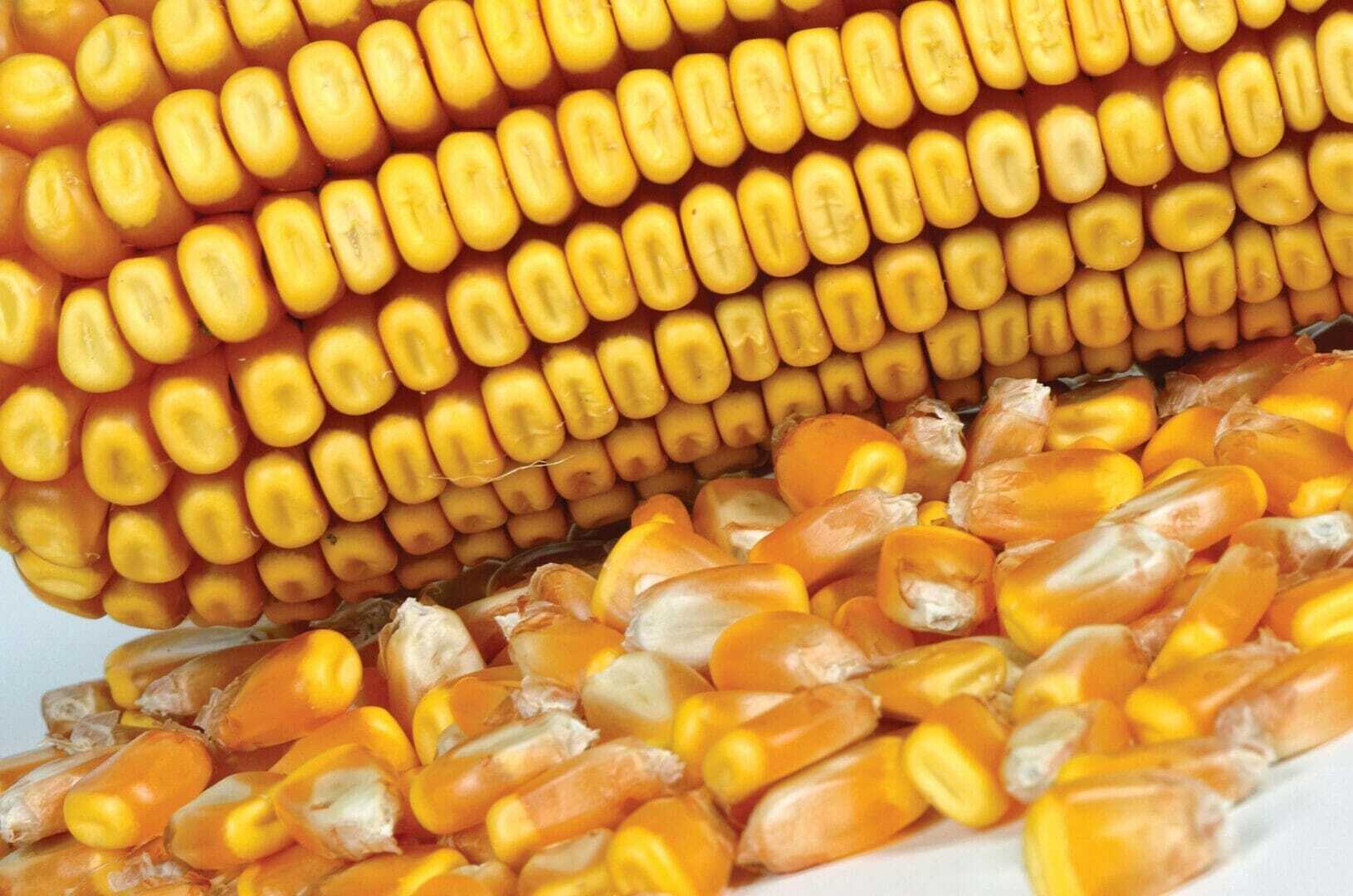
    Corncob background

    As harvest season ends, it’s time to think about which products to plant on your farm next year. It’s easy to get overwhelmed by seed company data. To help, I’ve put two of the most important numbers at the bottom of the page: CV and LSD. Let’s take a deep dive into each number.

    What is the Co-efficient of Variation (CV)?

    The co-efficient of variation (CV) is a statistical measure of the dispersion of data points in a data series around the mean. The statistical mean is the mathematical average, which is calculated by adding up all the values in a data set and then dividing by the number of data points.

    KEY TAKEAWAYS

    • The co-efficient of variation (CV) is a statistical measure of the relative dispersion of data points in a data series around the mean.
    • The CV is useful for comparing the degree of variation from one data series to another, even if the means are drastically different from one another.
    • The lower the ratio of the standard deviation to mean return, the better risk-return tradeoff.

    CV SUMMARY

    The co-efficient of variation shows the extent of variability of data in a sample in relation to the mean of the test or trial. The lower the CV, the more value the trial or data set you’re looking at has. Paying attention to the CV is very important this year due to the variability we experienced during the growing season. Use caution with data CVs between 15 and 19, and do not use data with CVs higher than 20.

    What is the Least Significant Difference (LSD)?

    When studying yield data from universities, seed companies or third-party sources, always look for the Least Significant Difference (LSD value) at the bottom of the data set or table. The LSD value measures variability in a test that might be caused by soil types, population density variations, micro-environment or experimental errors.

    KEY TAKEAWAYS

    • To be considered significant, the yields of any two hybrids or varieties must be greater than the LSD value. This is to make sure the differences are real and not caused by chance or soil variability.
    • Uniform tests have smaller LSD values and are more reliable. Agronomists and researchers try to limit variabilities by seeking uniform ground to conduct their tests. The differences of 10 bushels in high-yielding corn test plots are generally not significant and are within the LSD value, so it is a mistake to make a big deal when a hybrid tops one test plot.
    • LSD values in the university tests are generally reported at (0.1) or 10% level. It means that there is a 90% chance that any one of the hybrids or varieties within the LSD value for the test could be on the top. Some test plot data are now being reported with LSD at (0.25) or 75% level, perhaps to be more inclusive.

    Everyone likes to be on the top for “bragging” rights, but a hybrid on top in one test may be in the middle in the next test. Rather than focusing on hybrids that top a plot, look for the hybrids that are consistently in the top tier in different plots across several locations.

    LSD SUMMARY

    It’s human nature for our eyes to gravitate to the top of a trial and assume the top product is what to plant on the farm next year. It’s not uncommon for almost half of a 20-entry trial to be within the LSD.

    To help determine which products might perform best given your soil types, management practices and other factors, consult your local Latham® representative. We’re here to help guide you through the fall data rush.
    steve-sick

    November 1, 2023
    Data, Fall, Season, Tech Tuesday
  • Latham Hi‑Tech Seeds

    #FromtheField – Central Iowa – September, 2023

    Snip


    It’s harvest time in Central Iowa! Aaron is southeast of Des Moines, scouting #FromtheField to determine where to start first.

    Shannon Latham

    September 19, 2023
    #FromTheField Crop Reports, Agronomics, Corn, Crop, Fall, From the Field, Season
  • Latham Hi‑Tech Seeds

    Late Summer Can Lead to Better Harvest Decisions

    Scouting
    Steve Resized
    Steve Sick, Latham Product Manager

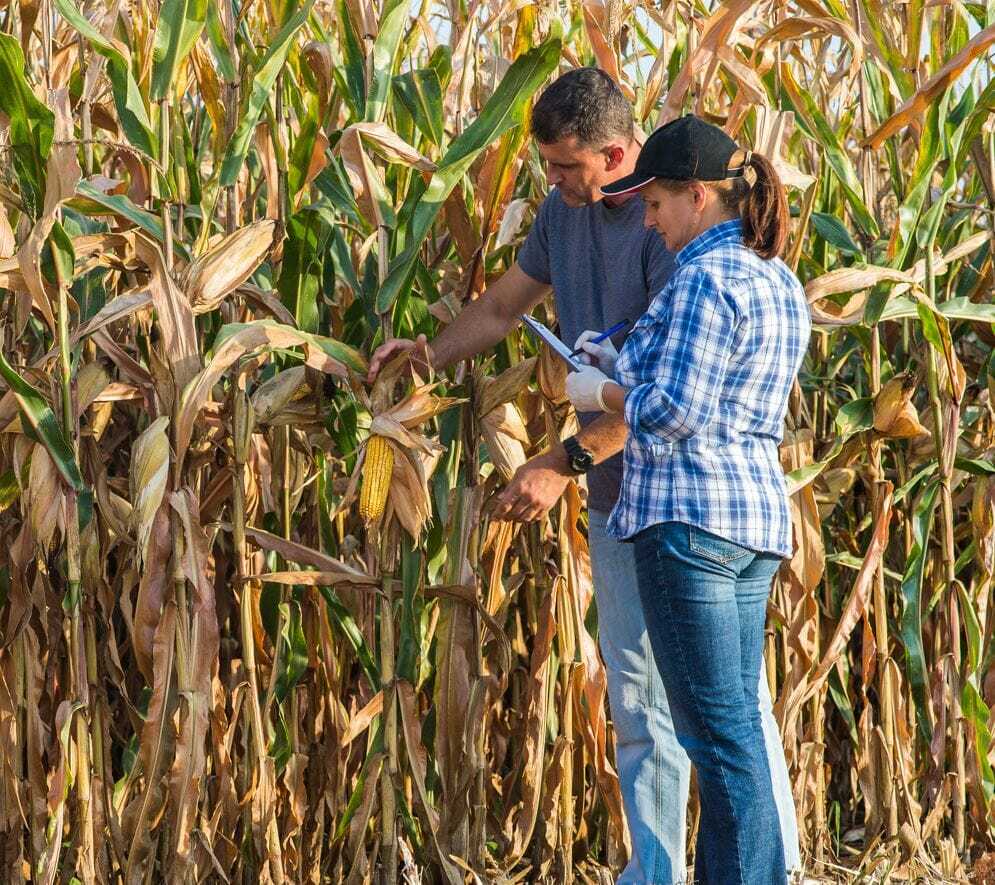
    Taking field notes on what you observe in late August and early September can provide valuable information as you move into harvest, as well as confirm or reprioritize agronomic goals for next year.

    Notes I take this time of year generally answer these questions:

    • What diseases are the most prevalent?
    • Which areas of the field exhibit poor growth or yield potential?
    • Should I conduct a pre-harvest yield estimate?

    Late-Season Scouting Suggestions

    Evaluate areas of poor crop growth and potential yield. There can be multiple reasons why a crop didn’t grow well in portions of a field or yield estimates are low in some spots.

    To help determine if soil fertility and health is the cause, try these steps:

    • Mark on a map or GPS reference the location, so you can take directed soil samples after harvest.
    • Pull paired samples. Take one composite soil sample in the poor growth area and then take another composite sample in an area of good growth nearby in the same field. (Soil sample bags are available from many sources and easily available through your local university or co-op.)
    • Use yield maps. These are another great data layer to compare and contrast what you observed during scouting in late August.

    Think About Pest Management While Scouting

    Observe the severity and distribution of diseases, insects, and weeds in a field to help make future adjustments to pest management plans.

    For example, Goss’s Wilt and bacterial leaf streak are two bacterial diseases found this year in cornfields with no previous history. Tar spot is also a new disease that carries over in residue the following year. Hybrid selection for improved tolerance or resistance to these bacterial diseases maybe something to talk about with your seed dealer this fall.

    Some hail and wind-damaged fields now have a late-season weed flush in portion that might warrant a more aggressive herbicide program next year.

    Scouting Now Can Help Predict Yield Potential

    The most compelling reason to scout fields in late summer is to estimate yield potential. There are differing techniques on estimating corn yield in terms of how to sample and the number of ears to pull. I suggest using information from satellite or drone images to direct sampling across the variability that exists in all fields.

    Another word of caution is with the seed size factor used to calculate kernels/bushel with the extremely dry grain fill period we have experienced in parts of Latham Country. For dry areas, that number may need to be much larger than normal.

    Scouting late in the growing season is almost always hot, itchy, sweaty, wet and uncomfortable! However, the insights gained with field observations — when paired with knowledge of the growing season — can help tweak management decisions going forward. This will ultimately lead to more productive growing seasons in the future.

    Did you enjoy this article? We want to (TECH)talk with you! Sign up for our newsletter to receive agronomy videos, articles (and delicious recipes) in your inbox! We’ll TALK soon.

    steve-sick

    August 30, 2023
    Corn, Crop, Fall, General, Growth Stages, Soybeans, Summer, Tech Tuesday
  • Latham Hi‑Tech Seeds

    Fall Alfalfa Seeding – What You Need to Know

    Alfalfa3

    Fall Seeding Alfalfa

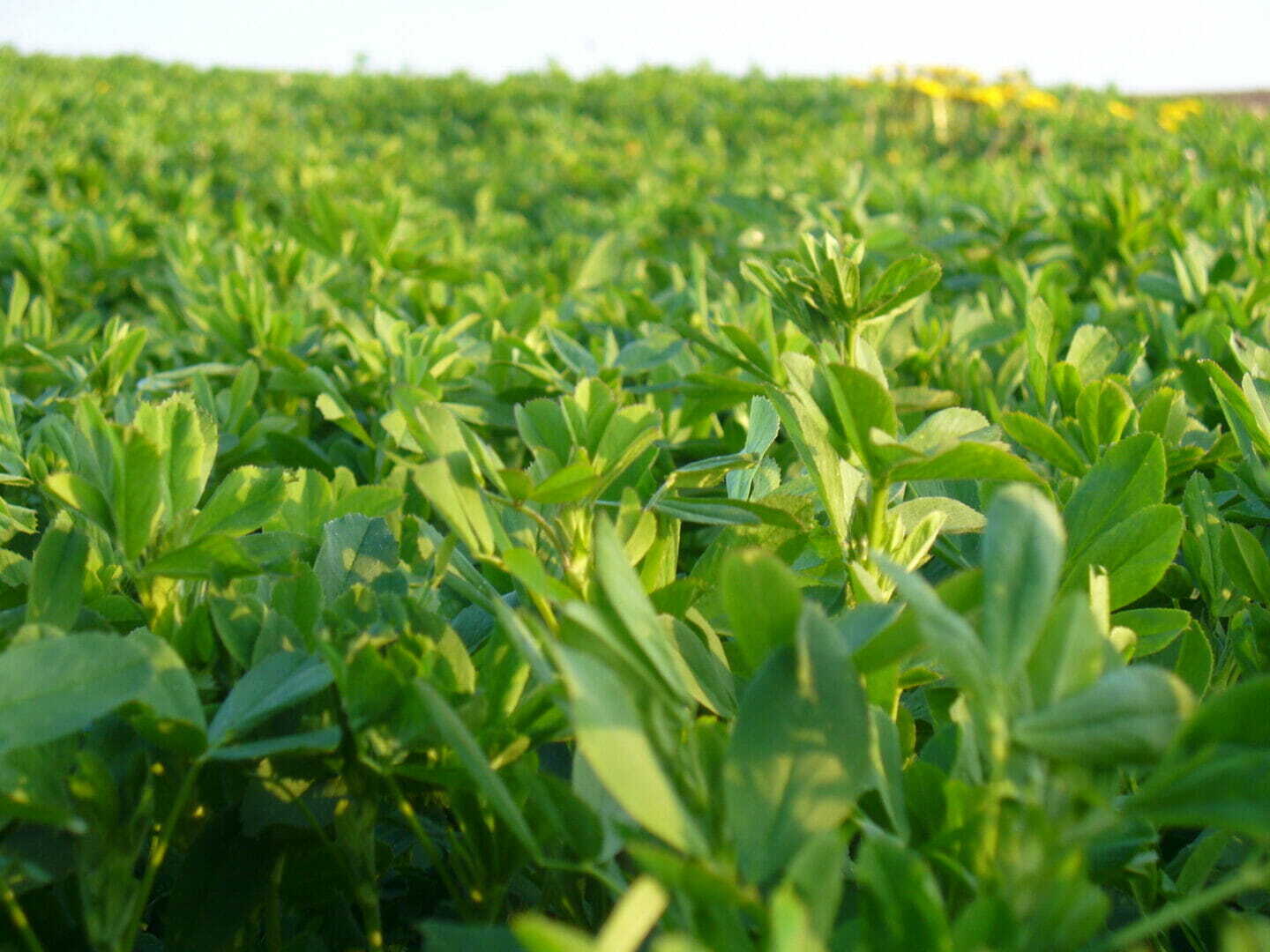
    While we are rapidly approaching the optimal time to begin fall seeding alfalfa, there’s still time to get the crop established before a killing frost. Newly-seeded alfalfa requires five to six weeks after seeding before a killing frost or freeze.

    A major key to successful forage production is a good soil testing and fertilization program. It’s best to apply needed amendments to the soil prior to seeding establishment. If the soil analysis indicates a need for liming materials, apply agricultural lime in amounts called for by the soil test. If the soil will be tilled prior to seeding, till the lime into the soil.

    Applying Lime Takes Time

    If the seeding must be established no-till and the test calls for large quantities of lime (four or five tons per acre or more), care must be taken to not create a very high pH zone at the surface with a low pH zone just below. In this case, it might be best to apply the lime in equal annual amounts over a period of three or four years.

    Phosphorus and potassium are the two most critical fertilizer materials for establishing and maintaining alfalfa stands. An initial application may be tilled into the soil prior to planting. Fertilizer must be top-dressed in succeeding years. Band application of a starter fertilizer at seeding time may help ensure stands on soils testing low or very low in phosphorus.

    Get the Foundation Right for Planting

    Preparing a firm seedbed for planting is essential. This can be accomplished by firming the soil with a corrugated roller or cultipacker before seeding. After seeding, firm the soil again to cover the seed and obtain necessary seed-soil contact. Final seed placement should be no deeper than ½-inch in heavy soils and ¾-inch in light soils.

    If stands established in the spring are inadequate, they may be reseeded or inter-seeded the following late summer. For alfalfa, stand counts per square foot should be +25 for a good stand, 15 to 25 for a marginal stand, and less than 15 for a poor stand in the establishment year. Poor stands should probably be reseeded or inter-seeded.

    Evaluating Stand Quality

    The difficult decision comes with a stand of 10-15 plants per square foot, where, if the plants remain healthy, additional seeding and fertility operations under less-than-ideal conditions may damage the stand, ultimately doing more harm than good.

    Under those circumstances, producers should consider weather and soil conditions carefully. Reseeding marginal stands largely depends on the producer’s immediate need for forage and the resulting management of the stand going into fall and winter. A reseeded or inter-seeded area would not be harvested after the seeding to improve the chances for good stand survival through the winter.

    Interseeding a poor stand of newly-established alfalfa plants will likely be more successful than attempting to thicken an old, established alfalfa stand. In either case, the alfalfa stand achieved will probably not be uniformly thick.

    Finally, a general rule of thumb is to plant 12-15 pounds per acre of high-quality seed per acre. Products like LH 9400 and LH 9120 BR are ideal choices to plant this fall and will provide years of high-quality forage.

    Did you enjoy this article? We want to (TECH)talk with you! Sign up for our newsletter to receive agronomy videos, articles (and delicious recipes) in your inbox! We’ll TALK soon.

    steve-sick

    August 23, 2023
    Alfalfa, Crop, Fall, General
  • Latham Hi‑Tech Seeds

    Latham Seeds Welcomes Kody Trampel as Regional Sales Manager

    163389

    Sometimes, the best opportunities present themselves at just the right time. That was true for Kody Trampel, who joined the Latham Hi‑Tech Seeds team earlier this fall after working as an agronomist in ag retail for 12 years. Kody knew the Latham family even before he graduated from Iowa State University 10 years ago, and always kept an eye on the company’s go-to-market strategy.

    “One thing Latham does really well is bringing options to customers and letting them pick the trait packages that best fit within their operation,” Kody says. “Being an independent seed company gives us the ability to do that. Most other companies can’t.”

    While he didn’t grow up on a farm, Kody helped his grandpa mix feed at the Klemme (Iowa) Co-op every week. He participated in FFA and 4-H; and majored in Agricultural Studies at ISU. He met his wife, Vanessa, while working as an agronomist in one of her grandpa’s bean fields.

    163389
    Kody and Vanessa Trampel with their children Pierce and Finley.

    Today, Kody and Vanessa raise corn, soybeans, alfalfa, cattle and hogs. They also represent District 2 for the Iowa Farm Bureau’s Young Farmer Advisory Committee. Kody is involved with the Hancock County Extension Council and Hancock County Farm Bureau, as well. Vanessa is an Iowa Central nursing graduate.

    Kody says he’s most excited for the opportunity to “focus on seed only” in his RSM role at Latham Seeds — while also using his experience in ag retail to help grow his dealer network.

    “Bringing real-life experiences to the farm gate is something I’m really looking forward to,” he says.

    Kody knows how committed Latham Seeds is to its customer base because of a single, short statement that company President John Latham always drives home: “We are a genetics-first company and a trait company second.”

    “That comment from John truly shows that no matter where the traits are sourced from, we won’t bring them to the table unless we have a need from our customers,” Kody says. “That just proves how important they are to us.”

    When he isn’t working, Kody enjoys camping with family and friends, and raising and showing livestock. He and Vanessa have two children, Pierce (3) and Finley (2). They also love their four mini Aussies: Paisley, Bentley, Sage and Mila.

    Here is a delicious family recipe from the Trampels!

    bonnie-harris

    November 18, 2022
    Desserts, Fall, Food & Family, General, Latham News, Recipes, Season
  • Latham Hi‑Tech Seeds

    The Future of Agriculture

    Career Fair Ian

    Latham Hi‑Tech Seeds is committed to the future of agriculture – and that includes investing in the next generation of farmers and students who care about the future, too.

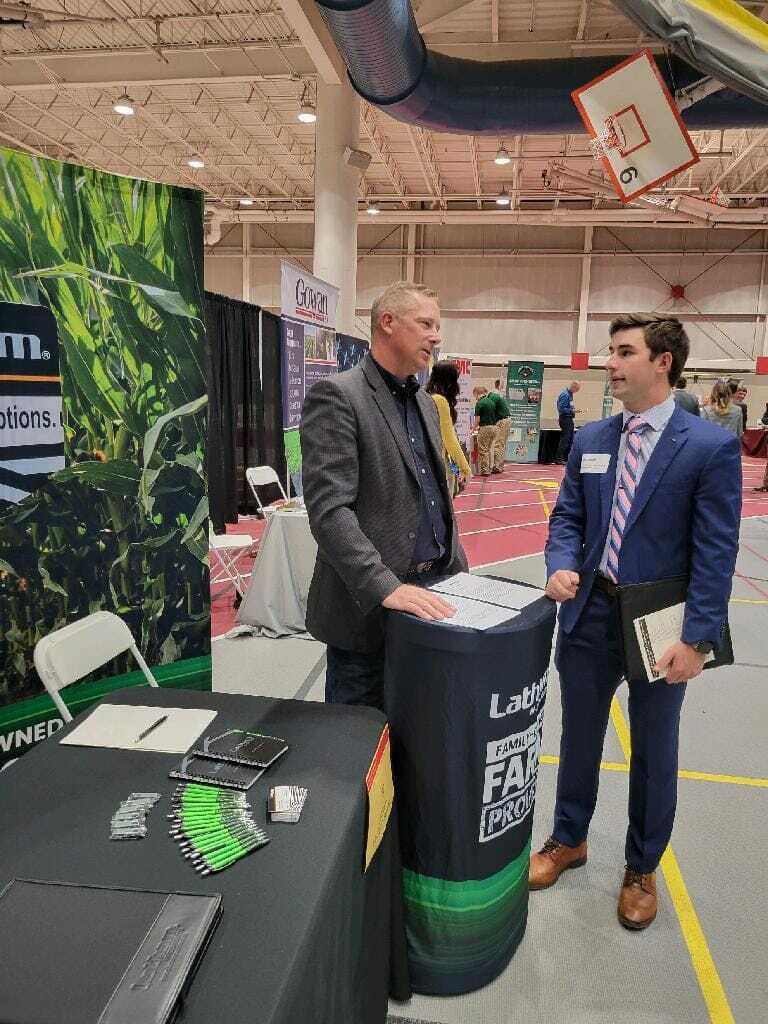
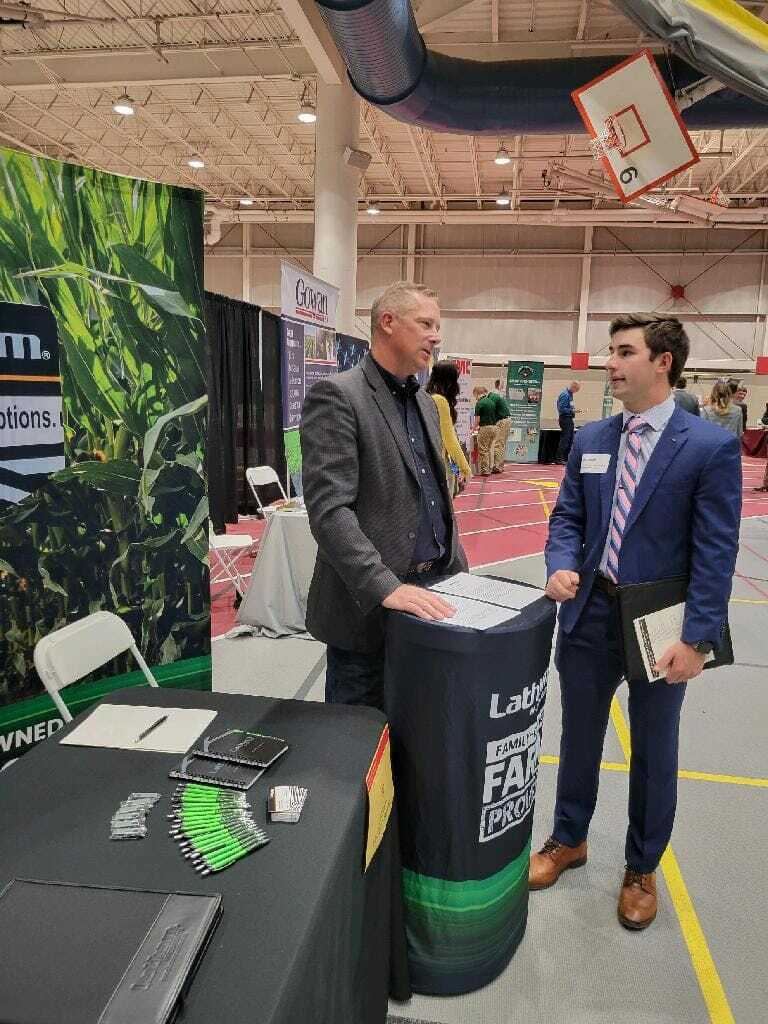
    We’re proud to participate in the largest agricultural career fair in the nation, which is held annually at Iowa State University. Every year we are blown away by the caliber of students that we get to visit with from the College of Agriculture and Life Sciences (CALS). But this year, it was a whole new game: ISU’s career fair broke its own record for the largest number of businesses and organizations present! How many? 289 to be exact. We know, because we were there.

    Career Fair Ian

    The CALS career fair boasts at least a 98% placement rate for student internships and full-time jobs. If that’s not impressive enough, consider this: students from 61 different majors at ISU were drawn to this event on a mid-October day. That’s 1,600 students passing by our booth, which means the competition is fierce – and not just for them. As a company, we must compete. And we do because we always want the best of the best on our team.

    You can learn more about Iowa State’s CALS career fair here.

    bonnie-harris

    October 21, 2022
    Fall, General, Industry News, Season
  • Latham Hi‑Tech Seeds

    It’s Porktober!

    Classic Iowa Pork Tenderloin Sandwich

    Classic Iowa Pork Tenderloin SandwichIt’s National Pork Month! Want to know how to make the perfect pork tenderloin? Leon Sheets has all the deets. Leon lives in Northeast Iowa and is a past recipient of the National Pork Board’s “Pig Farmer of the Year” award. Check out his tips:

    • Fresh, never frozen tenderloin, cut to the chef’s (or home cook’s) specifications.
    • Handmade on site.
    • Tenderized at least once, hand pounded, or both.
    • Batter dipped at least once.
    • Frying time and temperature are key. The tenderloin should come out golden brown, not too dark, not too light, with uniform even coloring and texture.
    • Breading should be moist, not dry, not brittle and not falling off.
    • Condiments are optional. It all comes down to your personal preference or taste.

    To help you celebrate October Pork Month celebration at home, we’re sharing a recipe for Food & Swine’s Classic Iowa Tenderloin, which is available from the Iowa Food & Family Project.


    Shannon Latham

    October 14, 2022
    Fall, Food & Family, General, Pork, Recipes, Season
  • Latham Hi‑Tech Seeds

    Tailgating Tradition Continues at Iowa State

    Campbell 3

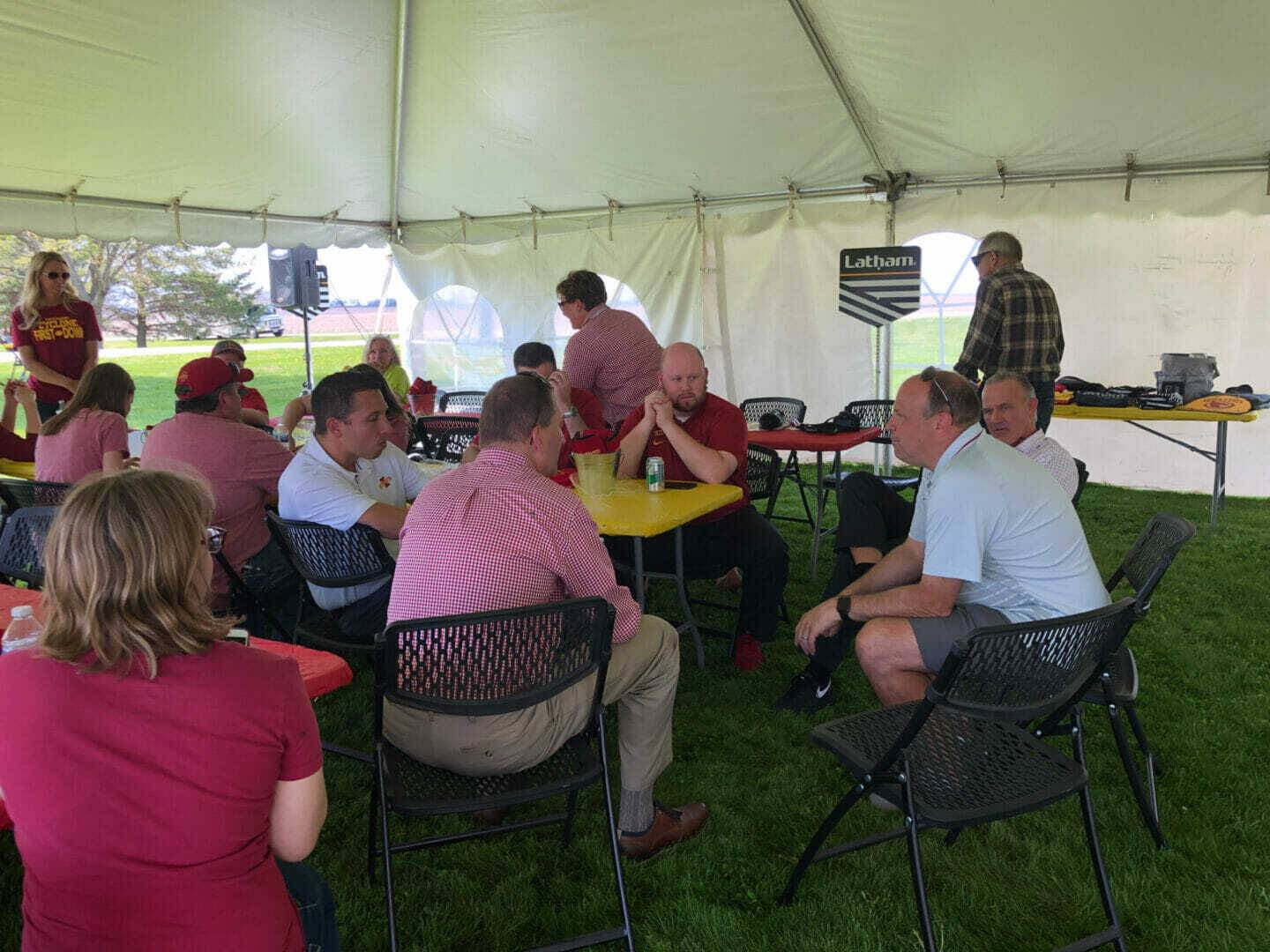
    Latham Hi‑Tech Seeds continues its tradition of supporting Iowa State University (ISU) Cyclones football by hosting our annual tailgate and sponsoring the Latham Locker Room Report on Cyclone Radio Network. Be sure to tune into the Latham Locker Room Report after each game – whether it’s home or away – for exclusive interviews with ISU coaches and players!

    Tomorrow the Cyclones play at home, and we will host our annual tailgate for Latham® dealers and customers. We’re looking forward to gathering with Team Latham members and fellow Cyclone fans! You can bet we will serve our signature cocktails, including CyRitas and Hail Mary’s with beef sticks in place of stir sticks.

    Tailgate 1
    Latham ISU Tailgate with Matt Campbell, Head Football Coach

    Although we always “Tailgate Victoriously,” we have especially high hopes for winning tomorrow’s game. Iowa State (2-0, 0-0 Big 12) comes into this game on a high after claiming the Cy-Hawk Trophy over in-state rivals the Iowa Hawkeyes for the first time since September 2014.

    Coach Matt Campbell’s winning percentage is the best of any Iowa State head coach since Charles Mayser won .647 percent of his games from 1915-19. In addition, Campbell was named Big 12 Conference Coach of the Year Award in 2017, 2018 and 2020.

    Campbell 3
    Chris Latham, CFO, Matt Campbell, ISU Football Coach, John Latham, President


    The Cyclones are breaking in a new quarterback this year, but redshirt freshman Hunter Dekkers is one to watch. The Cyclones also lost their main running back after the 2021 season to the NFL draft, but Jirehl Brock returns to the starting lineup. His performance has been solid in the first two weeks.

    Another fun fact is a new playing surface was installed in Jack Trice Stadium on May 3, 2022. The sod was grown at the ISU Horticulture Research Station.

    If you haven’t driven past the stadium recently, you’re in for a treat. Football fans no longer have to dodge traffic and drivers should have less stress avoiding pedestrians thanks to the completion of the $10 million East Gateway Bridge. This bridge connects the Jack Trice Stadium area to expanded parking east of the stadium, including a new donor RV parking/tailgating area.

    College Game Day tailgates feature everything from trail mix and Buffalo Chicken Dip to chili and ribeye sandwiches. Click here for a link to some of our favorite tailgating fare. We’re also featuring a recipe for crowd-pleasing Fall Snack Mix. It also makes for a great snack during fall harvest. Enjoy!

    Shannon Latham

    September 16, 2022
    Fall, Food & Family, General, Latham News, Recipes
  • Latham Hi‑Tech Seeds

    Salute to the Farmers

    Aldinger

    Labor Day is an annual celebration of American laborers – the people who truly keep our country moving. At Latham Seeds, we know farmers are the stewards of agriculture. Yes, they help feed the world. But they also help clothe us. They strengthen our global economy. They partner with Mother Nature in a way that’s not for the faint of heart.

    Photo 3

    We understand the work that goes in to everything they do. Every. Single. Day.

    Aldinger

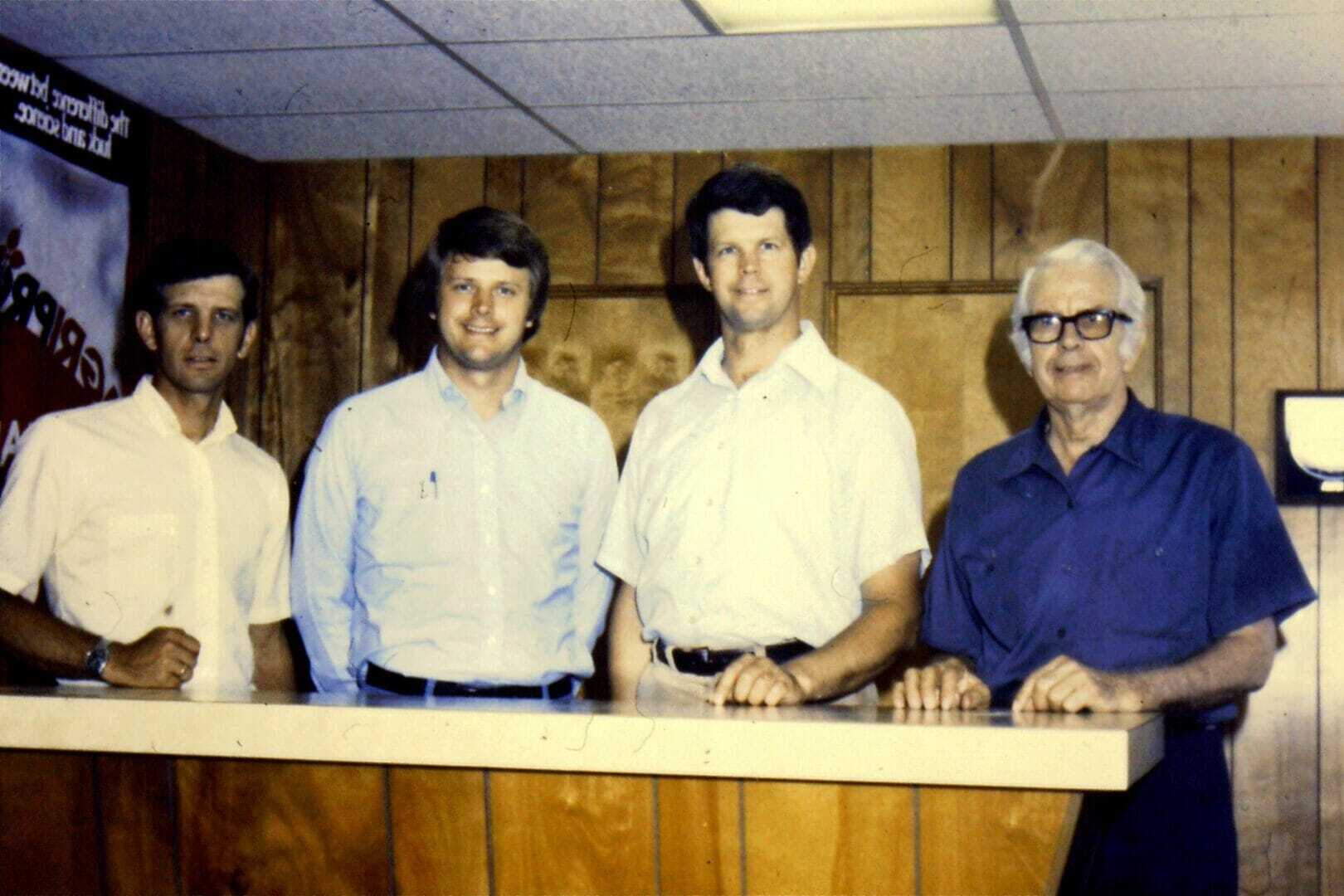
    Saluting farmers is something family-owned Latham Seeds has done ever since Willard Latham started the company back in 1947. And as we celebrate our 75th anniversary this year, we’re especially proud to tip our hat to the laborers of agriculture. The stewards of our world.

    Don, Tom, Bill and Willard Latham 19080s
    Don, Tom, Bill and Willard Latham in the 1980s


    Shannon Latham

    September 1, 2022
    Fall, Food & Family, General, Season
  • Latham Hi‑Tech Seeds

    Harvest Corn Silage at Optimal Milkline to Add to Your Bottom Line

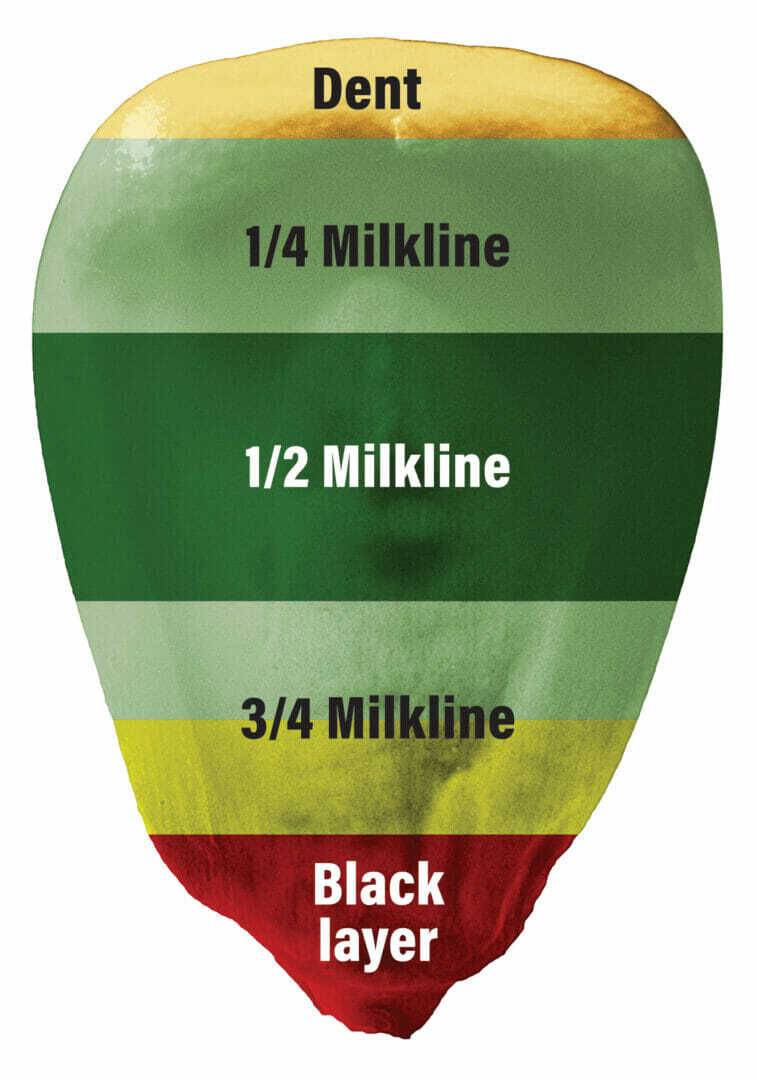
    Corey catt kernel graphic flat

    Corn silage season is approaching quickly, so it’s a good time to review basics like how to determine when to harvest.

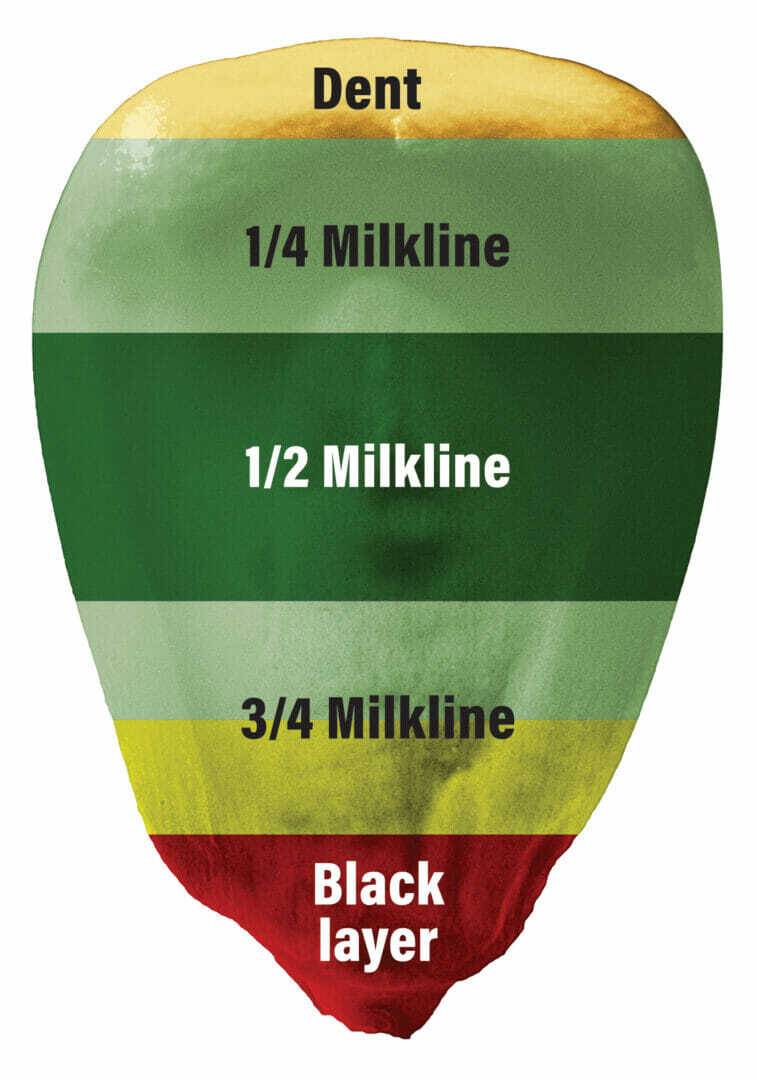
    As the kernel matures from the dented cap, the milkline moves toward the kernel tip where it attaches to the cob. Harvesting at 50% milkline generally achieves approximately 65% whole-plant moisture. Optimal harvest for bunks/bags is 65 to 70% whole-plant moisture, or one-half to one-fourth milkline. Optimal harvest for stave upright silos is 63 to 65% whole-plant moisture, or three-fourths to one-half milkline.

    Corey catt kernel graphic flat

    Think of the kernel as a sponge. As the milkline develops, the kernel absorbs more moisture from the chopped residue. If you harvest silage corn that is too wet, juicing can occur. Inadequate fermentation and mold development also may result. It is advantageous to do a formal moisture check using a koster crop tester, for example.

    One of the biggest drivers for milkline development is weather. Moisture, fertility, heat and plant health are four big drivers affecting milk line movement. When the plant is at full photosynthetic capacity, the corn silage whole-plant moisture can decline daily from 0.5 to one percent. Photosynthetic activity slows when the weather is cold, wet or cloudy, causing the corn plant to mature slower. Look at the forecast as harvest approaches because many changes can occur in five days.

    Another way to improve the quality of corn silage is by raising the chopping height as most lignin accumulates in the lower portion of the stalk. Lignin is the structural component that helps plants stand. It’s a tradeoff to find the correct cutting height to maximize forage quality and to capture the most tonnage.

    Some forage producers increase cutting height to help reduce moisture, so they can get started earlier. Raising the chop height 12 inches in a Penn State study left about 0.6 ton in the field but forage quality improved. Improved quality produces more milk for dairy farmers!

    If you have any questions feel free to reach out at coreyc@lathamseeds.com.

    Webspec Admin

    August 25, 2022
    Corn Silage, Crop, Fall, General, Season, Summer, Tech Tuesday
Previous Page
1 2 3 4 … 14
Next Page

Latham Hi‑Tech Seeds

131 180th Street | Alexander, IA 50420

(641) 692-3258

SIGNUP FOR OUR NEWSLETTER
  • Contact
  • Legal
  • Dealer Center
  • Seedware Login
  • Latham Gear

© 2025 Latham Hi‑Tech Seeds. All rights reserved. | Iowa Web Design by Webspec | Privacy Policy

Latham® Hi-Tech Seeds is a trademark of M.S. Technologies, L.L.C., 103 Avenue D, West Point, IA 52656.