Latham Hi-Tech Seeds

(641) 692-3258

  • Home
  • Products
    • Corn
    • Soybeans
    • Alfalfa
    • Corn Silage
    • Seed Guide
  • Performance
  • Find a Rep
  • Media
    • Blog
    • News
    • Videos
    • Podcasts
    • TECHTalk
  • About Us
    • Company History
    • Our Mission
    • Careers
    • Become a Rep
    • Sowing Seeds of Hope
  • Contact Us
  • Latham Hi‑Tech Seeds

    This FarmHer Lives Her Legacy through Carrico Angus

    CarricoFamily


    Legacy 2-01

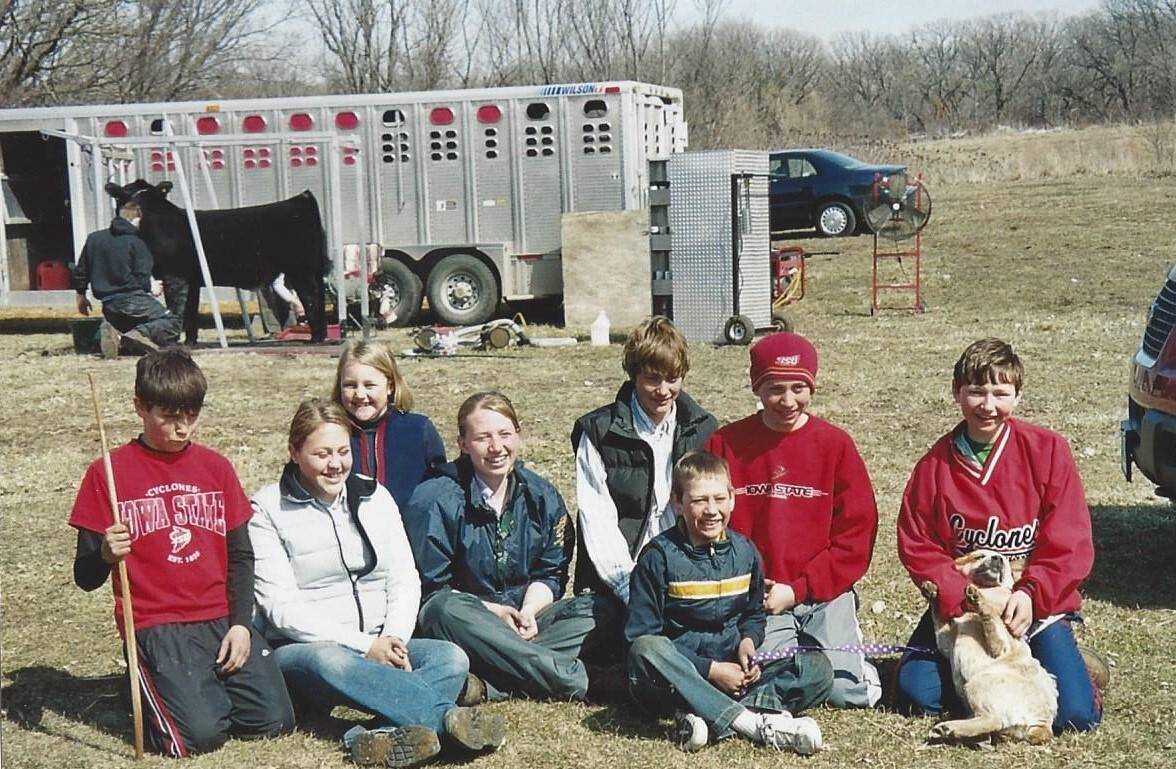
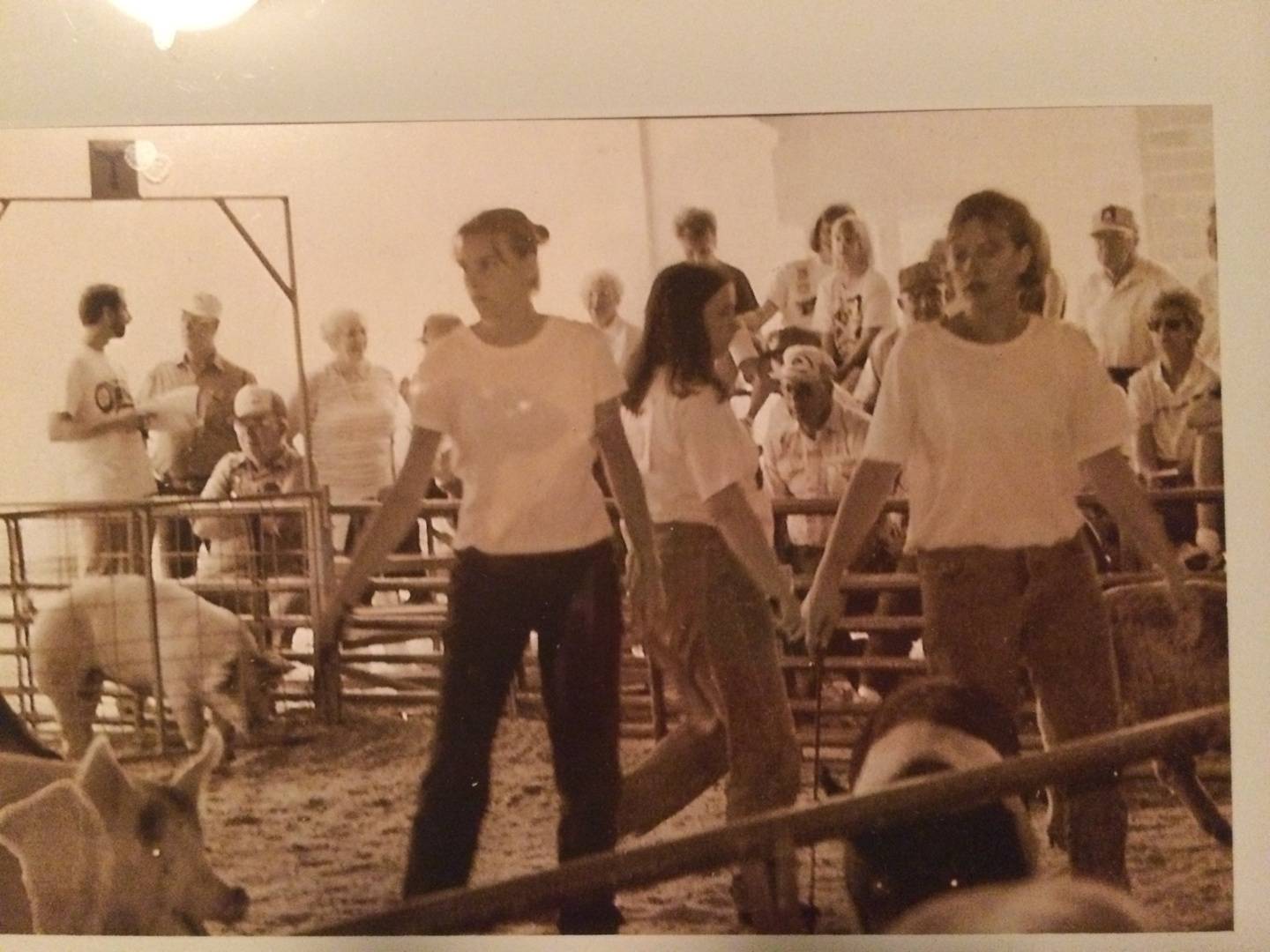
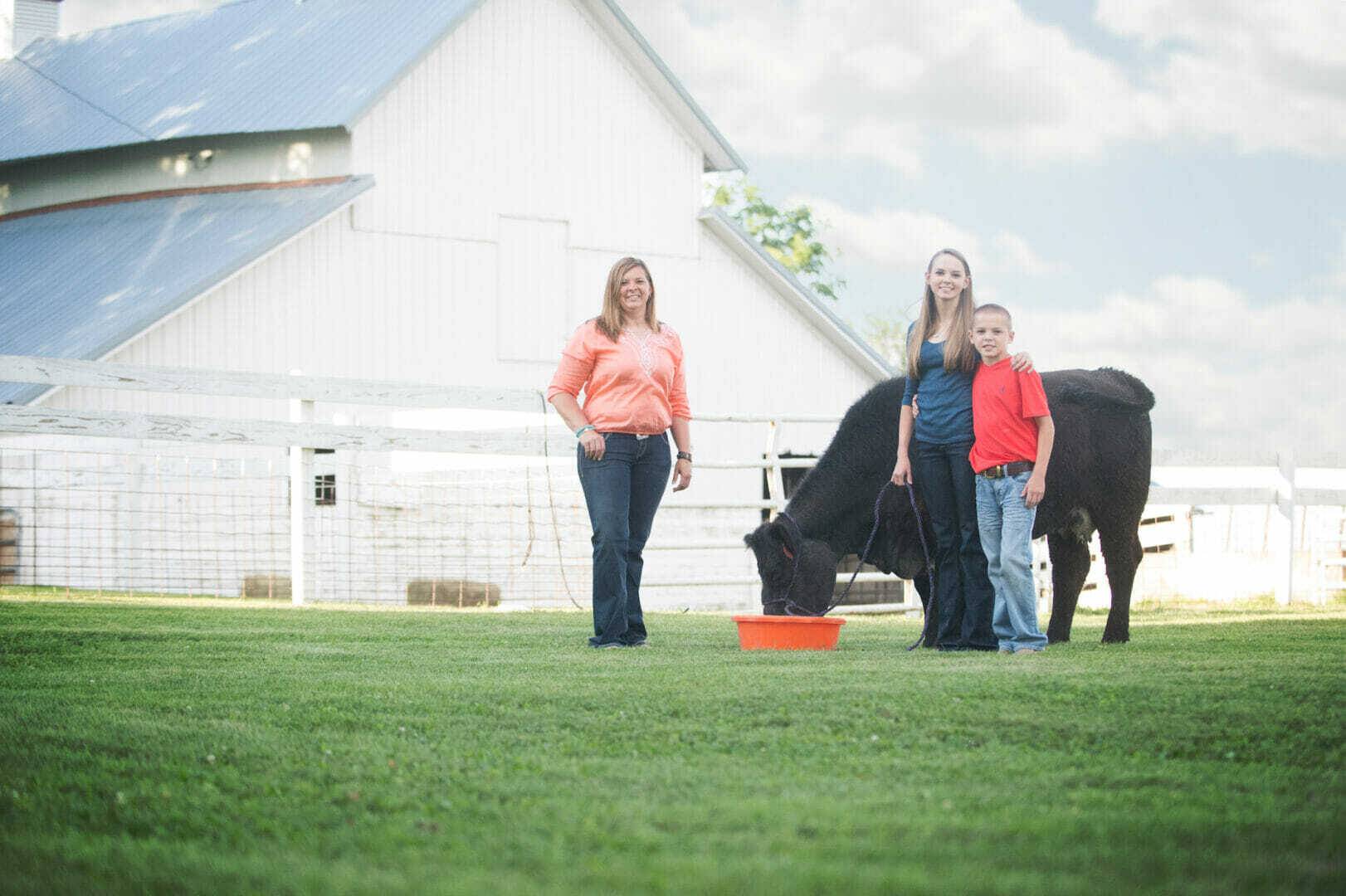
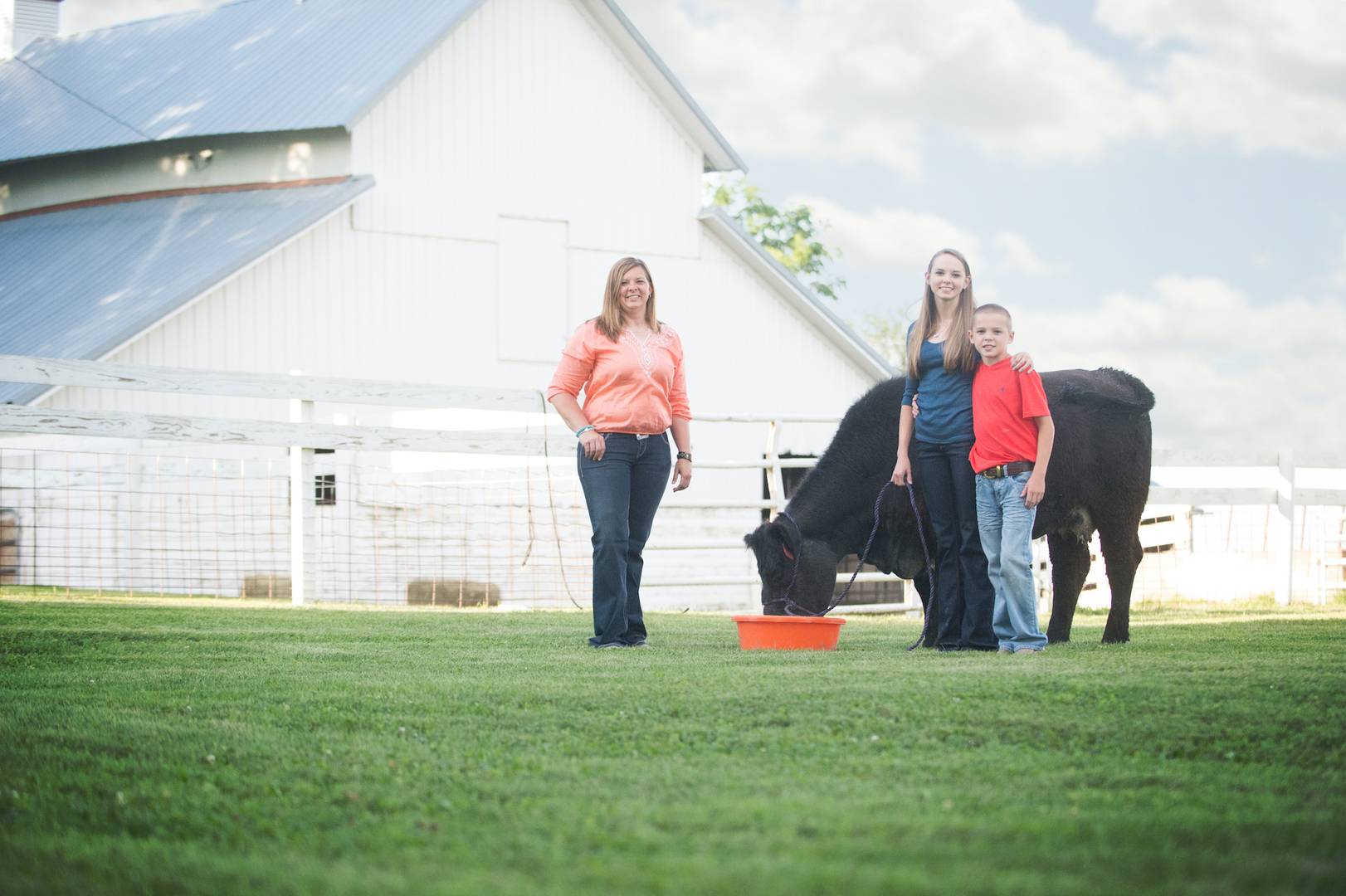
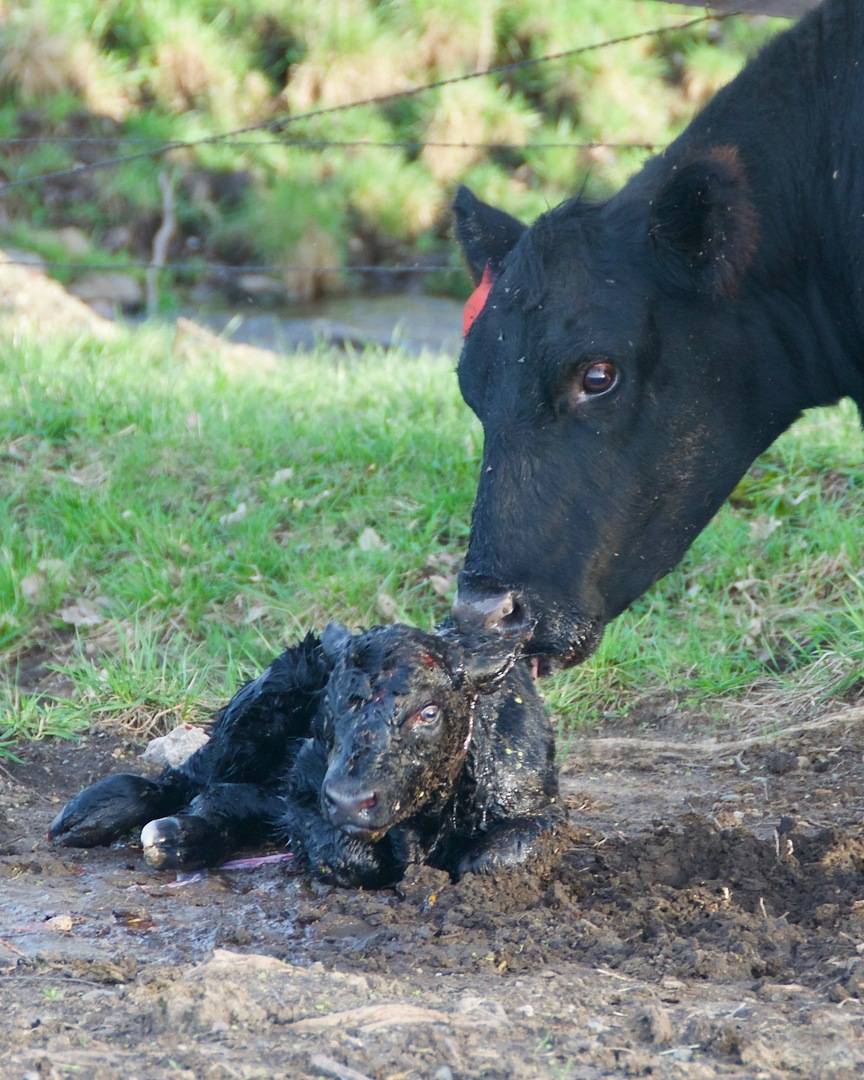
    From an early age, the barn was Jennifer Carrico’s second home. It was home to her show cattle. It’s where calves were born. It’s where she searched for kittens. She says many life lessons were learned from work done in that barn. It’s a legacy she’s proud to leave her children.
    From an early age, the barn was Jennifer Carrico’s second home. It was home to her show cattle. It’s where calves were born. It’s where she searched for kittens. She says many life lessons were learned from work done in that barn. It’s a legacy she’s proud to leave her children.

    From $425 “faux muddy jeans” to trendy vintage FFA jackets, it seems that everyone from hipsters to fashionistas want to live the legacy left by the farmers and ranchers before them.

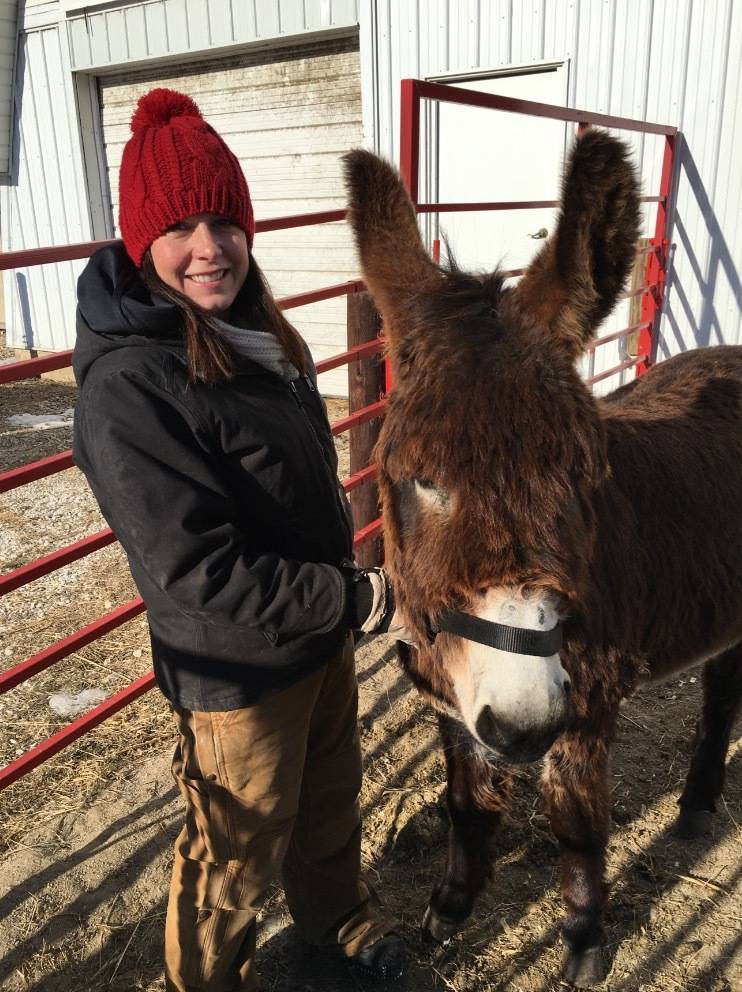
    Every morning Jennifer Carrico is reminded of her agricultural roots as she enters the stately wooden barn on her family’s Century Farm in central Iowa to do cattle chores before heading into the office or hitting the road for her job as field editor for the High Plains Journal.

    “Miranda Lambert sings ‘The House that Built Me.’ I love that song about how she wants to go in the house she grew up in to find her roots again. I am lucky enough to be able to go into the barn that built me every day,” says Jennifer, who’s raising the sixth generation on her family farm in Dallas County. “I want my children to understand how important agriculture is to our family and how farmers and ranchers provide so much for so many other people.”

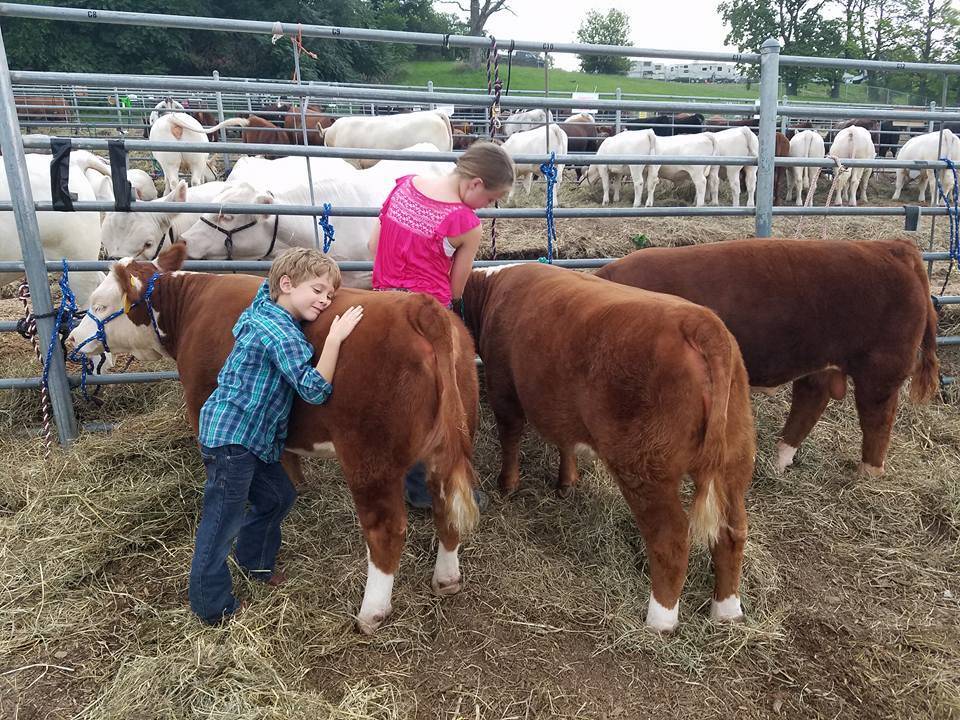
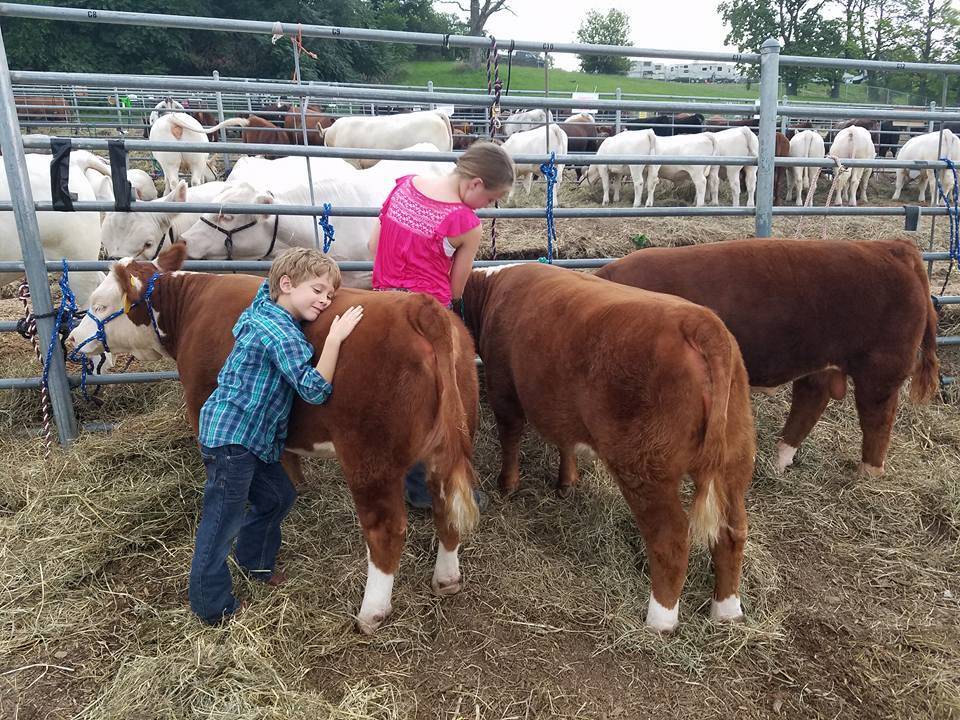
    Today Jennifer, her 16-year-old daughter and her 11-year old son, enjoy raising cattle and showing them across the country. Most of their family vacations involve attending cattle shows. While it’s a lot of work, she says it’s also a lot of fun.

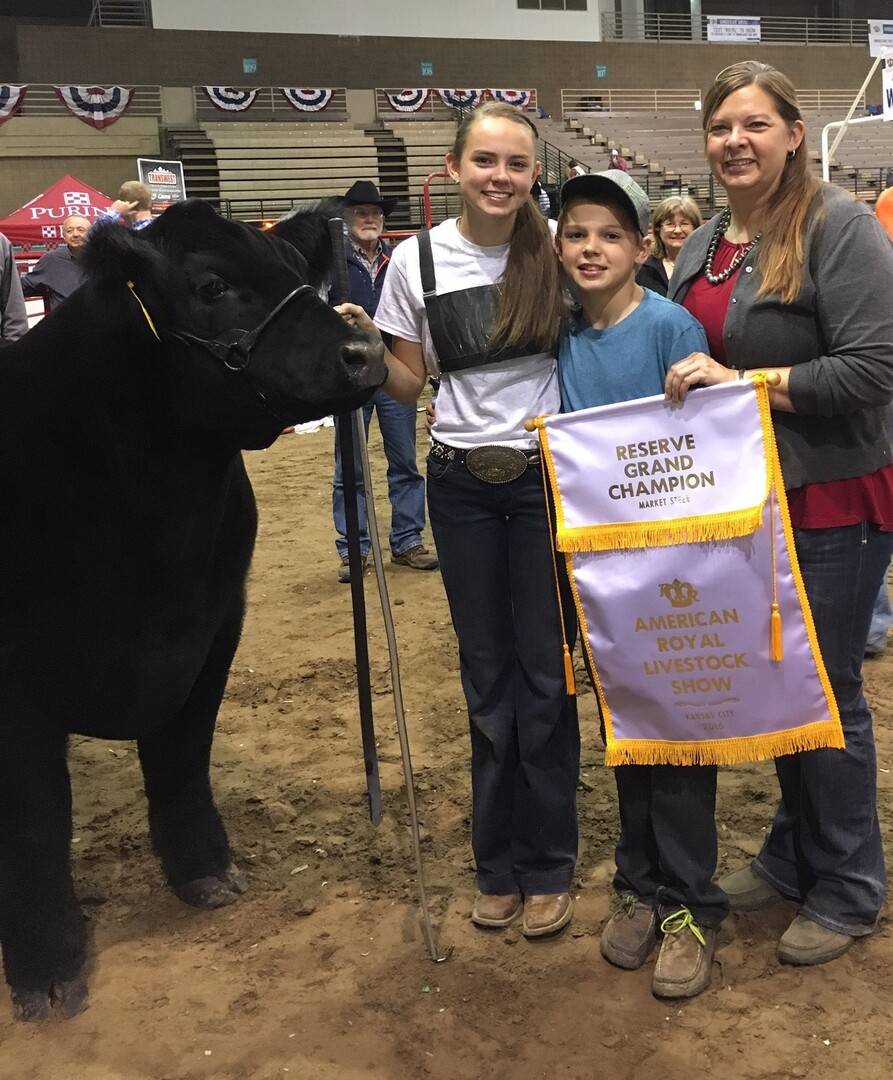
    October 2016, Kassidy showed the Reserve Grand Champion market steer at the American Royal in Kansas City. She says it was an awesome experience and such an honor.
    October 2016, Kassidy showed the Reserve Grand Champion market steer at the American Royal in Kansas City. She says it was an awesome experience and such an honor.

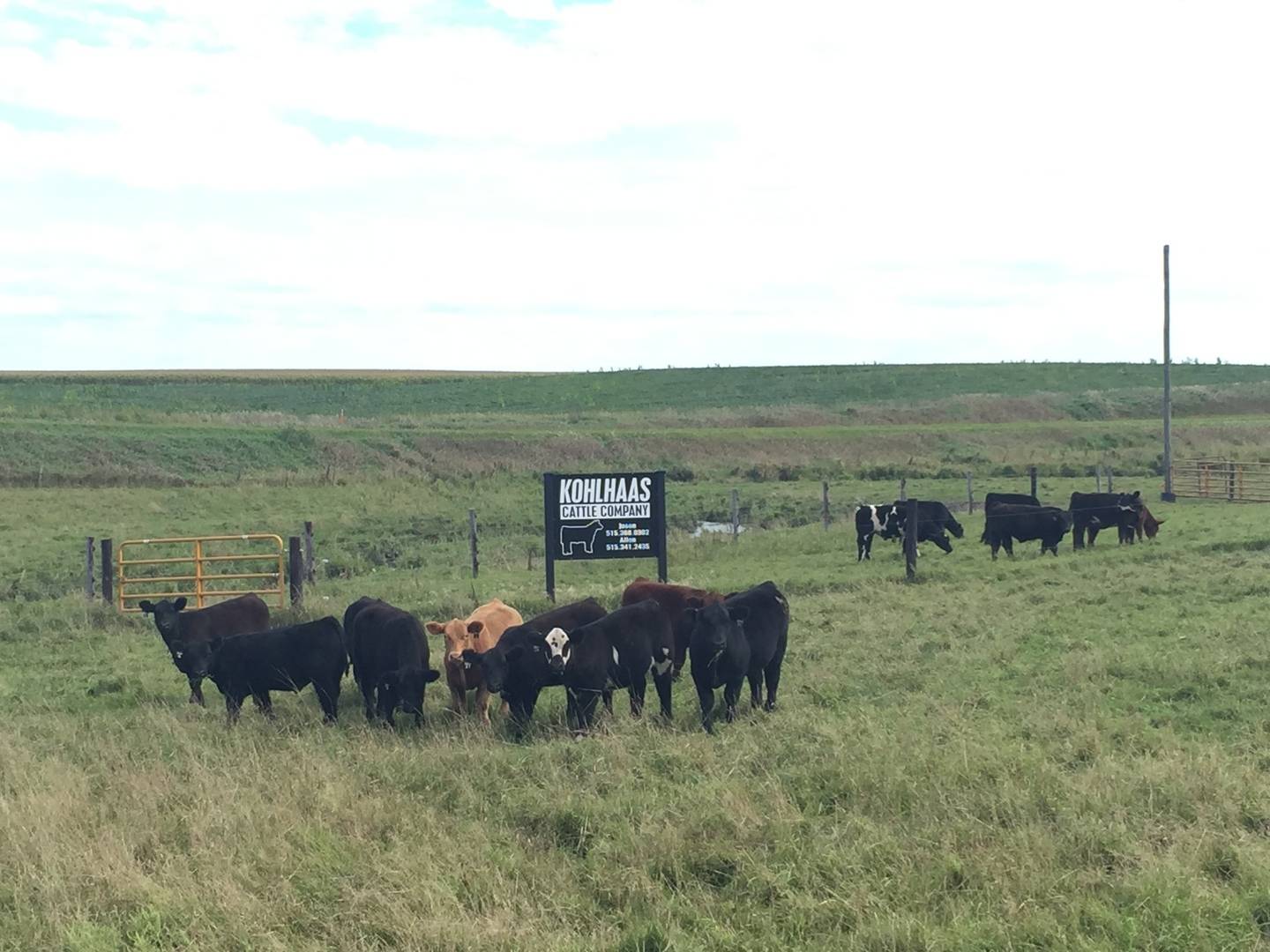
    “I grew up being part of Carrico Angus, a purebred Angus operation my dad started when he was in 4-H,” says Jennifer. “My dad dispersed his herd in 2006, and I was able to purchase some of the genetics in that sale to continue my herd. Since returning to the farm in 2007, I have had the opportunity to build a small herd of purebred Angus cows with a few crossbred cows.”

    “Growing up on a farm teaches a work ethic that can’t be taught by a book,” adds Jennifer. “Both Kassidy and Klayton help work

    cattle, pull calves and have their own show cattle to care for. They learn about the importance of teamwork. They also learn about life cycles and develop compassion for all of God’s creations.”

    In addition to their farm chores, Jennifer’s children are involved in school sports and youth organizations. Kassidy is in both 4-H and FFA. Klayton is in 4-H. These two organizations, along with junior beef breed associations, provide them with opportunities to expand their leadership and communication skills. They also get the chance to make friends locally and nationally with others who share the same interests.

    Similar childhood experiences are what led Jennifer to pursue a career in agriculture. She enrolled at Iowa State University with the intent of becoming a veterinarian. Two years after working toward her animal science degree, Jennifer realized she wanted to tell the stories of farmers and ranchers. She wanted to help others understand why agriculture is so important, so she added a minor in journalism.

    CarricoNewbornJennifer has been involved with ag communications for the past 25 years. Without a doubt, she says the favorite part of her job is telling the story of the farmer and rancher. She has the pleasure of meeting many great farmers and ranchers from across the country and has the opportunity of traveling through some of the most beautiful areas.

    Also active in professional organizations, Jennifer serves as secretary of the Livestock Publications Council board of directors. She serves on committees for the American Agriculture Editor’s Association, as well. She has been involved with the steering committee for Agricultural Media Summit and chaired the event in 2014. Jennifer also a member of the Alumni FFA and is serving as education chair for the 2017 National Junior Angus Show in Des Moines.

    In support of the industry she’s so passionate about, today Jennifer is sharing with us one of her family’s favorite recipes for beef brisket.

    Team Latham

    May 5, 2017
    Beef, Food & Family
  • Latham Hi‑Tech Seeds

    That Cup of Comfort Begins with a Seed

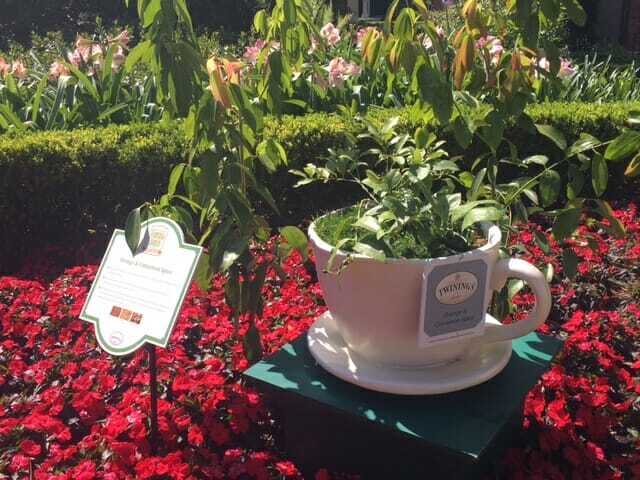
    Orange Cinnimon Spice
    English Green Tea
    English Green Tea

    Leave it to Disney to make the tea making process magical!

    The English Tea Garden is one of three featured tours during the 24th Annual Flower & Garden Festival at Epcot in Orlando. Other featured tours include the EPCOT® Gardens of the World and the Behind the Seeds Tour. (Yes, I’ve taken all three tours!)

    Honestly, I felt a bit like Alice in Wonderland as I took in the beauty of the English gardens and was awed by all the interesting information. It was made more interesting because our tour guide was lovely young lady from England who is seven months into her year-long work study with Disney. Until she started working at Epcot, she had never tried herbal tea or pumpkin spice. Who knew those were so uniquely American?

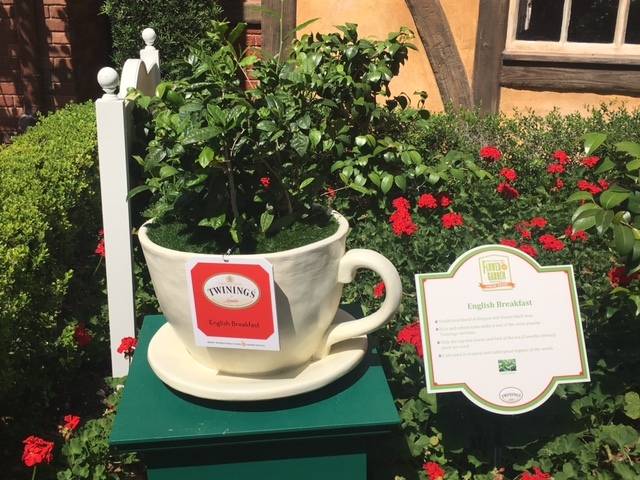
    English Breakfast Tea
    English Breakfast Tea

    I had no idea how interesting tea can be! Below are four of the most fascinating facts that I learned while walking through the English tea garden plus a fifth fact that I gleaned online:

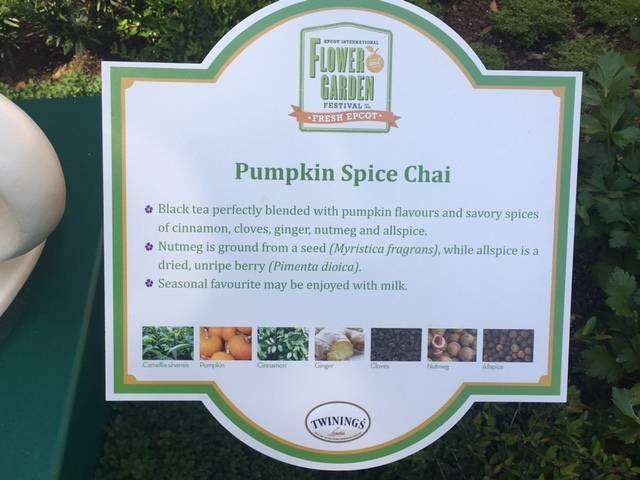
    1. Herbal teas are not “real teas.” To be considered a true “tea,” leaves must come from the tea plant known as camellia sinensis. Oolong, white, green and black are considered true teas, but rooibos and herbal teas do not contain leaves from the tea plant.
    2. Pumpkin Spice Chai is unique to the United States. Twinings only produces Pumpkin Spice Chai for the U.S. market. Interestingly enough, herbal teas caught here before traditional green tea or traditional black tea.
    3. Tea can burn. Water temperature is critical to bring out the best qualities of green and herbal teas. If the water is too hot, the tea will be too bitter
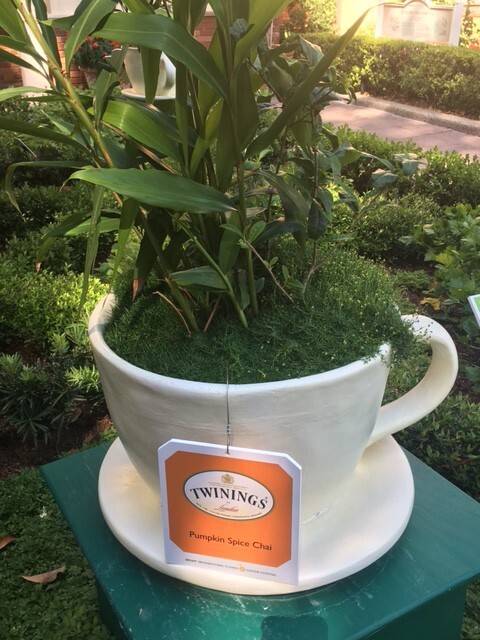
      Pumpkin Spice chia starts with a seed!
      Pumpkin Spice chia starts with a seed!

      and much of its delicate aroma will be lost; if the water temperature is too cool, the full flavor contained in the leaves will not be extracted. For best results, let boiling water stand in a cup for 2-3 minutes before adding the green or herbal tea. Then let it steep for another 2-3 minutes, according to your taste. Many flavor nuances can be discovered by adjusting steeping time, so sip every 30 seconds or so to perfect your brew. NOTE: Black teas should be steeped for 3 to 5 minutes.

    4. Tea is a natural deodorizer. Tea absorbs fragrances and odors around it. If your tea tastes like coffee, chances are that you’re storing it too close to the coffee beans or grounds. This same property makes tea a natural deodorizer. (After learning this nugget of information, I should stuff my son’s basketball shoes with mint tea bags!)
    5. Tea bags were invented by accident. American Thomas Sullivan he sent tea samples in small silk pouches to customers in 1904. They did not know to empty the contents into the pot and added everything including the silk container. Click here

      Pumpkin Spice Tea
      Pumpkin Spice Tea

      for more fun tea facts.

    NOTE: There was no cost to this tour and we were treated to a complimentary glass of Iced Mint Tea at the conclusion. The English Tea Garden Tour at Epcot was perfect for someone like me who’s interested in food and beverages, gardening and history.

    Steeped in History Nations have defined themselves by the tea trade and culturally by their tea ceremonies. The first cup of comfort was sipped approximately 5,000 years ago in Ancient China, and by the end of the third century tea had become China’s national drink.

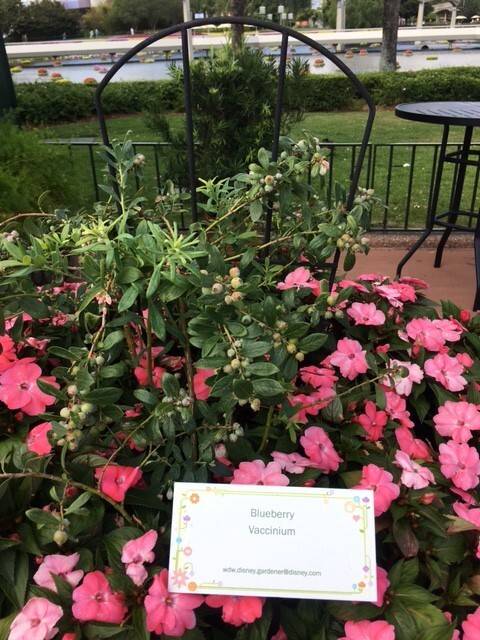
    Blueberry Plant
    Blueberry Plant

    Early explorers traded tea in ports across the world. The Arabs had dominated the tea trade in China and the West until the Dutch set up their first trading port in Java and began shipping tea to Amsterdam. English merchants were quick to set up a company to rival the Dutch once Queen Catherine championed tea in her home country.

    At that time, Thomas Twining (pronounced Twine-ing) was learning the tea trade by working for a wealthy merchant and handling some of the early tea shipments. He learned quickly and by 1706, at the age of 26, Twining purchased Tom’s Coffee House in London. Coffee houses are where men (never women) gathered to drink, gossip and conduct business. Twining differentiated his establishment by offering tea, as well as coffee.

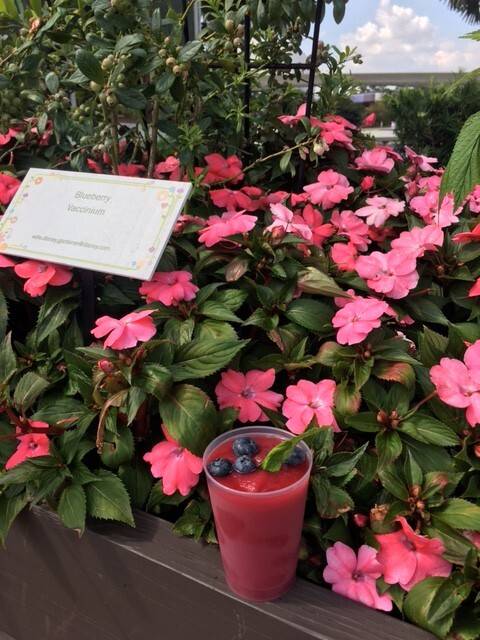
    Mint Berry Julep
    Mint Berry Julep

    Because of shipping involved and an 118 percent tax rate, only the elite could afford tea. It took another 100 years before tea parties became fashionable, and the 7th Dutchess of Bedford was credited for creating “afternoon tea.” Three hundred years after its origins, more than 200 Twinings Teas are sold in 100 countries.

    Our guide for the Twinings Tea Tour encouraged us to try to iced berry tea for a refreshing summertime brew. (Get recipe ideas here like Blueberry Vanilla Float Iced Tea). A recipe for Twinings Green Tea Berry Mint Julep was available from the Berry Basket, one of the new outdoor kitchens featured during the 24th Annual Flower & Garden Festival underway until May 31 at Epcot. With the Run for the Roses coming up this Saturday, this recipe is most fitting.

    Team Latham

    May 1, 2017
    Desserts, Food & Family, Recipes
  • Latham Hi‑Tech Seeds

    Disney Brings Spring Flavors to Life at Garden Festival

    4.28 4 e1493389138187

    4.28 4Disney is known for creating magical experiences for people of all ages from around the world by bringing characters to life. Its annual 24th Annual Flower & Garden Festival, underway through May 31 at Epcot, brings to life fresh flowers and spring flavors.

    As you step inside the Epcot Theme Park, get set for a full sensory experience! There is so much to see, smell, hear, touch and taste from gardening exhibits, topiaries and Musical Gardens to Outdoor Kitchens and the Garden Rocks concert series.

    An industry colleague and I spent nine hours at Epcot on April 26 and couldn’t have had a more magical day! We were told to start at The Land Pavilion, which turned out to be great advice. No Fast Passes were needed as there was no wait.

    4.28 3We sailed on a boat through the greenhouses of The Land Pavilion where 9-pound lemons, Mickey-shaped pumpkins and much more is grown. (Click here to learn more about the hydroponics, aeroponics and aquaculture featured on Disney’s “Behind the Scenes” tour. My family and I enjoyed it so much that I wrote two blogs about it! In fact, our teenage son told me it was the best “field trip” he’s ever taken. Yes, I’m one of THOSE moms who tends to incorporate learning with fun.)

    Also inside The Land, we went Soarin’ across the world in a virtual hand glider. We breezed our way across the Arctic tundra and arid deserts as there was no line for this major attraction at 9:30 AM. 4.2 2(The park opens at 9 AM. Because The Showcase of the World doesn’t open until 11 AM, not many guests venture out early.)
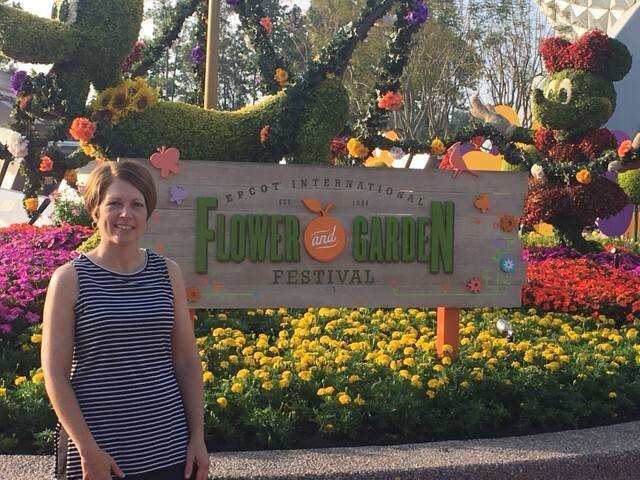
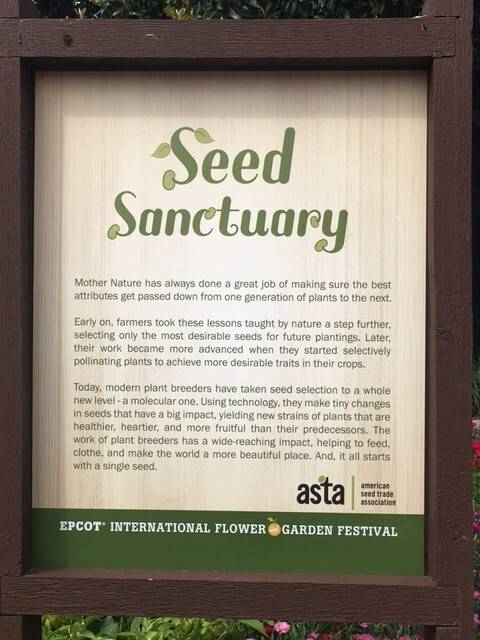
    Just outside The Land we found the Seed Sanctuary, where Disney and the American Seed Trade Association have partnered to bring the magic of seeds to life. This display features kale from 100 years ago plus varieties available today. It also will show how plant breeding has led to the evolution of Dianthus flowers.

    Our “epicurean adventure” began on a nearby walkway where we saw the first of 15 Outdoor Kitchens, which is a record number for this festival. The Outdoor Kitchens serve up small plates of fresh-from-the-garden dishes, so guests can literally eat their way around The World Showcase.  Each Outdoor Kitchen also features a garden that showcases where or how foods listed on its menu are raised or sourced. 

    4.28New this year in Canada was Northern Bloom where we couldn’t resist trying the Beef Tenderloin Tips topped with Mushroom Bordelaise Sauce, served on a bed of whipped potatoes and a side of garden vegetables. At Urban Farm Eats, we savored Seared Pork Tenderloin with Mushroom Ragout, Spring Vegetables and Fingerling Potatoes. The Pulled Pork Slider with coleslaw provided the most delicious “American adventure” at The Smokehouse: Barbecue and Brews.

    There are just so many good eats and drinks that a body really needs to plan ahead! A Best of the Fest video highlighted seven food and drink items new to the 2017 festival. One of the foods listed that piqued my interest is the Potato Pancake with caramelized onions, ham and herbed sour cream from Bauernmarkt: Farmer’s Market in the German Pavilion. (My German grandma often enjoyed potato pancakes served with homemade applesauce for supper. I love this “fresh twist” on traditional German fare.) Another new food item on my “eat list” is the Warm Wild Berry Buckle with Pepper Berry Sorbet from the new Berry Basket.
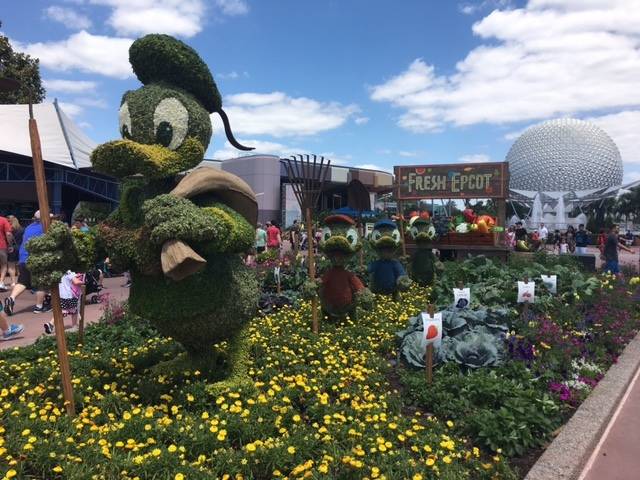

    To give you a taste of the Disney Flower & Garden Festival, today we’re sharing with you a recipe for one of the most unique menu items that I tried while visiting Epcot. I had read the Watermelon Salad at Urban Farm Eats was divine. And if wasn’t for that online food review, I would have missed out on this extremely light and refreshing salad. It really hit the spot on an 85-degree day. Hope you enjoy it, too!

    Team Latham

    April 28, 2017
    Food & Family, Sides
  • Latham Hi‑Tech Seeds

    Bountiful Memories Abound in a Backyard Garden

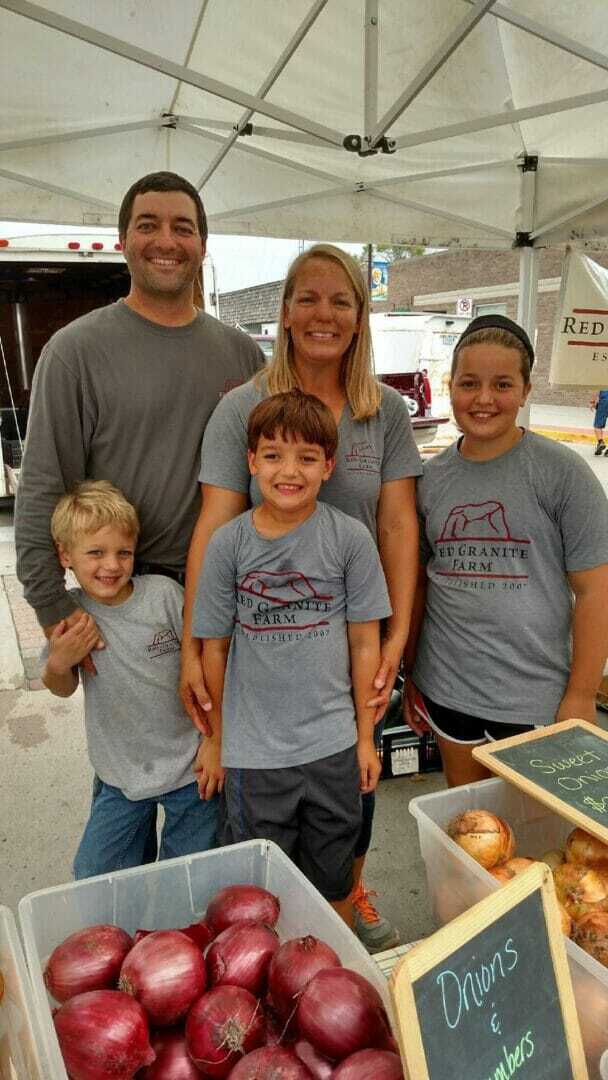
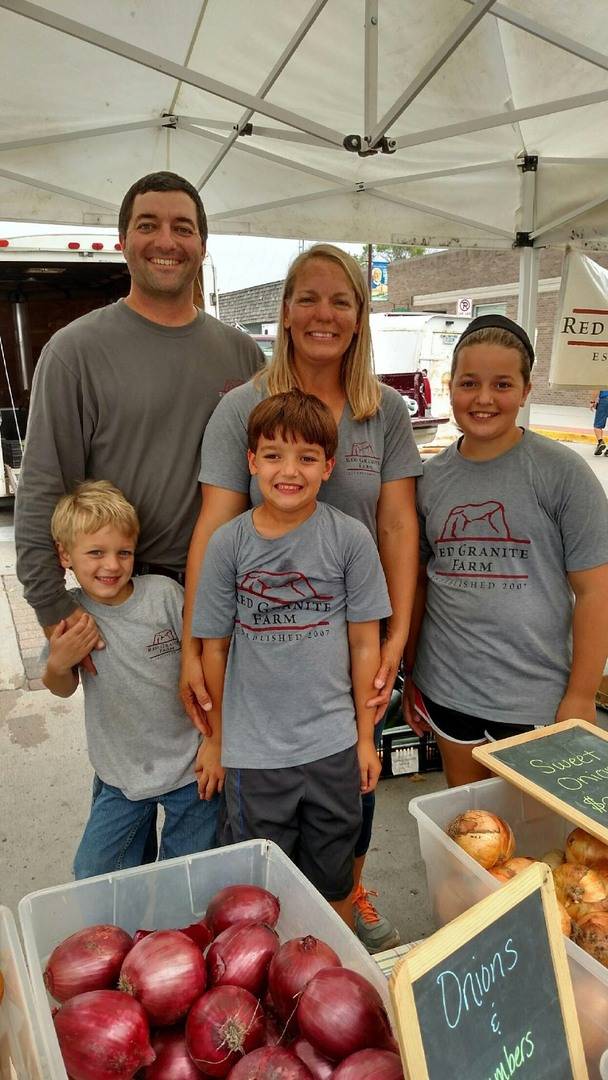
    Market family photo

    Market family photoGuest Blog Post by Nicole Jonas, Red Granite Farm

    Backyard gardening has really taken off in recent years. More and more people are recognizing the health benefits of gardening. Some take satisfaction in growing their own fruits and vegetables.

    Raising your own food can be the most fulfilling – and the most stressful activity – all at the same time. Often times we’re quick to dwell on our gardening fails rather than our successes. We read all about the latest garden trends. Gardening magazines and Pinterest fill our minds with images of beautiful containers of flowers or rows upon (clean, weed-free) rows of garden vegetables.

    No matter how tall the weeds get or how little produce you get to eat from the plot of land you toiled over, think of small successes as great victories. Oftentimes these victories are not measured in pounds of food, but rather in the memories that were made throughout the journey.

    Some of my family’s best memories, including some “laugh out loud moments,” have resulted when everything didn’t go according to plan. As the proud mom of three active kids, I’ve learned that perfection is not necessary. Teaching them the importance of implementing good agricultural practices and caring for the land while we grow some really great produce for ourselves and for our customers is some of the most gratifying work they will ever do.

    Here are some helpful hints that I’m sharing, so you can have fun gardening as a family:

    1. Let everyone be involved in the planning process. Everyone who eats in your house will want to try and grow something different, and finding a way to meet everyone’s needs will give everyone a vested interest in the success of the garden. Start with the vegetable everyone enjoys, say a row of green beans, and plan additional garden spaces around that. Also keep in mind that some plants, like tomatoes, bear much fruit. You may only need two tomato plants unless you plan to can spaghetti sauce.
    2. Plan to plant only what can be consumed or donated. Making a garden larger than you can maintain will have you frustrated before you take that first bite of a ripe tomato. No matter how much prep work you do, weeding and watering are keys to success. When selecting what to grow, keep it simple and think about how different plants produce.  Are they a “one harvest and done” crop such as radishes, sweet corn or melons? Or, will the plants continually produce over a longer period of time like zucchini, cucumbers and tomatoes? If you end up having so much success that you can’t consume all you have produced, donate to local shelters or food pantries that accept garden produce.
    3. Plan your garden around busy sports seasons and family vacations. Don’t plant things that will need extra attention for times of the summer when you don’t have the time to devote to the garden. At our house, that means no cherry trees because June is just too busy to deal with harvesting cherries. Sweet corn is another crop with a narrow window for peak freshness. Don’t plant it to be ready to harvest when you have a family vacation planned.
    4. Avoid crops that are highly susceptible to pests and diseases. And if you are limited on garden space, avoid those that take up a lot of room. Vine crops, like squash and cucumbers, need lots of room to grow.
    5. Vegetable gardening doesn’t have to be limited to a rectangle in your back yard. Incorporate veggies into your home landscape. Patio planters with smaller vegetables and herbs can be a great way to grow your own food, too!
    6. Consider how much time you want to spend gardening and who can help you as you determine how large to make your garden. Kids are more likely to help if they enjoy eating what’s been planted, so plan accordingly. Also take into consideration how the product is consumed. Can it just be quickly washed, cut and enjoyed? Or, does it have to be made into something much more complex to be enjoyed? When planting something that can produce a lot, such as zucchini, make sure you are prepared with lots of different recipes so you can enjoy it many different ways.
    7. When all else fails, shop your local farmers market for produce that’s seasonally available from a local source. Click here for an online Iowa farmer’s market directory. If you’re up for a day trip, click here for the top farmer’s markets across the state.

    Steve and Nicole Jonas own Red Granite Farm in rural Boone County.  Along with their three children, they raise a flock of laying hens and grow three acres of vegetables for sale at the Ames Main Street Farmer’s Market. Their garden center, which is open from May through October, includes hardy perennials, annuals, succulents, shrubs and vines. You can connect with them via Facebook, Instagram or visit their website redgranitefarm.com for more information.

    Team Latham

    April 21, 2017
    Food & Family, Recipes, Sides
  • Latham Hi‑Tech Seeds

    Let’s Grow Together: Try Your Hand at Gardening

    DSC 7617 2 1

    DSC_7617-2 (1)guest blog post by
    Lindsey Foss, Coordinator of Iowa Food and Family Project

    Gardeners and farmers have a lot in common! You get to grow stuff. You get dirt under your fingernails. You learn what it takes to make things survive in the heat, rain and cold. And you learn about the bugs and other things that can take a liking to what you’re growing; a process that can both test your patience and spark your ingenuity.

    But that’s not all. Farmers and gardeners also share an intense appreciation and satisfaction in hard work yielding a bountiful crop – and doing so as a family!

    April marks National Gardening Month: a time to celebrate and appreciate where our food really comes from. (Hint: it’s not the refrigerator or pantry!) Iowans are becoming increasingly interested in all things food and farming; in fact, nearly 50 percent of Iowa Food & Family Project (Iowa FFP) fans have a backyard or patio garden. To celebrate, Iowa FFP and Earl May Nursery & Garden Center are teaming up for “Let’s Grow Together,” encouraging more conversation about the topics we care about – and having fun along the way!

    LDSC01616et’s Grow Together will inspire Iowans to take try their hand at food and flower gardening, while also learning first-hand the many similarities gardening has with farming! Throughout the yearlong journey, fans will gain unique tips and insights from experts at Earl May, including preparing soil, planting and harvesting produce, nurturing fruit trees and establishing pollinator habitats.

    Similarly, we’ll follow along as farmer Mark Jackson shares what it takes to grow grain and raise livestock on his Mahaska County farm. His top priorities include taking conservation efforts for the soil and water, managing pests, preventing disease and laying the groundwork for future generations to farm, should they so choose.

    Let’s Grow Together will also offer an opportunity for food-minded Iowans to add their voice through online conversations, activities and contests with plenty of prizes to help fans discover their green thumbs by starting or sprucing up a gardening project.

    As you enjoy the fresh smells and signs of new life this season brings, try this colorful Easy Pasta Bake that can be made with leftover ham from Easter celebrations and shelled edamame — a protein-packed veggie that pays homage to National Soyfoods Month, too!

    Team Latham

    April 14, 2017
    Beef, Food & Family, Recipes
  • Latham Hi‑Tech Seeds

    Osage FFA Advisor Leads by Example

    Farmher

    resizedWhen Melissa (Bisbee) Moretz was 5 years old, she went into business with her brother and sister. Their father purchased a few ewes for them to raise. They were in charge of feeding and lambing them. As they grew older, they accepted more responsibility including the finances.

    “This is where my farming background began. It was an effort made by my parents to help my siblings and I save money for college, but it developed into much more. As we grew older and became 4-H members, we decided to sell the sheep and get into cattle and swine,” says Melissa, who channels her passion for agriculture and education into her job as ag instructor and FFA advisor in Osage, Iowa. “I showed breeding beef at the county fair along with market swine at the county and state fair. I farrowed swine for my Supervised Agricultural Experience (SAE) program in FFA. During my four years in FFA at St. Ansgar High School, I participated in many career development events, met many people, served as a chapter officer for two years, and learned what hard work really was.”

    With so many life lessons learned, it’s no wonder that Melissa and her husband Nate desire to raise their family on a farm. She says she loves coming home from work and taking their 18-month-old son, Kole, to the barn. Every night, this family of three feeds their calves together.

    Nate and Melissa also farm with Nate’s parents, calving about 120 cows/heifers per year. As young farmers easing their way into the operation, Nate and Melissa began purchase market steers and heifers to finish out. Melissa says they care for each animal in the best way possible with two goals in mind: (1) Keep our animals safe and healthy; and (2) produce quality offspring.

    “A special bond forms between people who are working together to accomplish a common goal,” says Melissa, who also operates a Latham® Hi‑Tech Seeds dealership with her husband. “Both Nate and I were raised on farms and want to teach Kole the life lessons that, in my opinion, are learned best on the farm. Responsibility, hard work, life/death, and teamwork are a few of the valuable lessons I have learned on the farm and want to share with our family.”

    Under the grow light, horticulture students are looking into one of our hydroponics systems. A student designed this system and built it. Here he planted lettuce, tomatoes, and pepper plants.
    Under the grow light, horticulture students are looking into one of our hydroponics systems. A student designed this system and built it. Here he planted lettuce, tomatoes, and pepper plants.

    Osage FFA
    Helping youth learn life skills through agriculture is also what makes Melissa passionate about teaching agriculture and serving as an FFA advisor. Her students are actively engaged in advocating for agriculture. One group of students is working on a presentation about the antibiotic use in animals. Students in Mrs. Moretz’s sophomore class are required to research a controversial topic in the ag industry, ranging from GMOs to animal welfare, and lead a 15-minute group discussion on their topic.

    Last summer the Osage FFA chapter received a grant from the American Farm Bureau Federation to pilot a new curriculum. The middle school exploratory class had an opportunity to design and build its own aquaponics system. In this system students’ have a goal to grow fish and plants for human consumption.

    “The focus of this curriculum is to get students to understand how serious the matter of feeding the world is, and more importantly how we can do it in an efficient way,” explains Melissa. “Horticulture students are also building their own hydroponics systems, which grow plants in water. This spring members of the horticulture class implement their landscape designs on the county fairgrounds. Our chapter has also received a few grants to build a greenhouse to use in collaboration with the science department.

    My goal for the members of the Osage FFA chapter are to send these members out into the workforce, trade programs, or four-year universities ready to be successful. I hope to prepare members for various fields in agriculture by developing skills that will last them a lifetime such as communication skills, research ability, along with a general knowledge of agriculture. Some specific ways I plan to achieve these goals are to encourage members to participate in the Career Development Events that the FFA offers, along with teaching students basic interview skills, resume writing, and instilling in them the same love for agriculture that my mentors did in me.

    I want to be an example for women who dream of being in agriculture. I’m not here to tell everyone that it is a breeze or a piece of cake. I have had struggles and been asked some interesting questions, but at the end of the day, I remind myself that I am paving a way for others to follow and that to inspire people is best done when leading by example.”

    Today we are sharing one of Melissa’s favorite recipes from Betty Crocker. It makes for a quick, easy and delicious supper!

    Team Latham

    April 7, 2017
    Beef, Food & Family, Recipes
  • Latham Hi‑Tech Seeds

    Farm Mom Teaches Ag Lessons in and out of the Classroom

    Feature1

    SchoolAs a little girl growing up in Minneapolis, Katie Heger spent hours playing school. Her aunt was an elementary teacher, so Katie used her own school papers and assignments to teach make-believe students. This natural-born teacher received a bachelor’s degree in education from Concordia College in Moorhead, Minn., and a master’s degree in administration.

    In 2000, Katie got married and became part of Heger Family Farms in Underwood, North Dakota.

    “There are no two days that are alike on the farm. There are no two days alike in the classroom,” says Katie, who enjoys teaching all students, but finds middle and high school her best fit. She also has served as elementary school principal. “I’ve learned to think outside the box to teach students skill sets and life lessons at the same time. Relating new information to real life is vital to our upcoming generations.”

    Katie applies this same philosophy to raising her family and advocating. She and her husband, Steven, are raising five children on their family farm, which will celebrate its centennial in 2019. This third generation farm family also has the distinction of being the first North Dakota residents to move back onto mined land after the coal was removed and land reclaimed.

    Grow it forwardThe Heger children learn business skills and the importance of philanthropy by raising sweet corn and selling it at a roadside stand. A sign on their stand reads, “Grow It Forward,” which explains what they do. Half of the proceeds get donated each year to a community group. Katie presents three organizations for her children’s consideration, and they decide where to donate the money. Recipients have included a crisis care center for battered women, a non-profit daycare, and their local food pantry.

    Another way Katie gives back to her community is through the annual Harvest Hike. This August will mark the third 5K race that she’s organized to teach people about agriculture while raising money for a local charity. People have come from 60 miles to participate. Their $15 donation gets them a swag bag filled with North Dakota foods including beef and honey sticks, pasta, pancake mix, ag magazines and recipes.

    Katie also speaks to civic and agricultural groups alike. She volunteers at the local food pantry. She supports the local library and has led farm-related activities as part of story time. She also hosts second graders on farm tours. During last spring’s farm tour, Katie read a story entitled “First Peas to the Table.”

    This American Farm Bureau Federation “Book of the Year 2016” tells the story of a school contest to see which student can grow the first peas of the season as they study Thomas Jefferson and his contributions to agriculture. After reading the story, Katie helped students plant peas. She also gave each student his/her own copy of the book.

    family“Advocating came naturally,” explains Katie, a member of North Dakota CommonGround. CommonGround volunteers foster conversations about how food is grown. These FarmHers share their personal stories to bridge the communication gap between producers and consumers. “Everything was exciting to me when I moved to the farm, and I believed my family and my friends back home would be excited to learn more about agriculture, too. I started sharing our story. Then I realized I could do more. I decided to go into classrooms and get more involved in our local community to help correct misperceptions about farming. Now I use social media to help connect with consumers.”

    With her passion for advocacy, her commitment to local organizations and her involvement with their family farm, it’s no wonder Katie was selected as 2016 Northwest Region Farm Mom of the Year.

    “What I enjoy most about being involved with our family farm is that we’re all in it together. Our family is a team. Our kids are learning true life skills from doing everything from changing tires to building fence. They’ve learned the animals must be fed before they feed themselves. They’re developing empathy,” says Katie. “Whether they come back to our farm or not, these are the soft skills that you can’t necessarily learn from a text book or in a classroom. The farm fosters creativity and nurtures kids’ curiosity. Some of my kids are engineers. We have the items around to foster the mechanics and the builders. They can entertain themselves for hours with electrical tape, duct tape and random pieces of wood.”

    Just as the farm nurtures each child, Katie believes 4-H helps her kids further explore their interests and develop life skills. Four of her five children are old enough to be members of 4-H, and Katie serves as their 4-H club leader. They have goat and bottle calf projects. They also choose other 4-H projects including woodworking, agronomy, horticulture, welding, food and nutrition, as well as sewing. The Heger’s oldest daughter also participates in the Hippology competition.

    “Honoring the past, working today and preparing for the future” is Heger Farms motto. It’s clear Steven and Katie are living that motto as they raise their five children: Ben, 15; Libby, 13; Chris, 9; Nellie, 7; and Piper, 4.

    Not only does each child have his/her own farm chores, but they participate in extracurricular school activities. Between volleyball, football, basketball, track, volunteering, livestock and planting, fall and spring are especially busy seasons. Katie often relies on freezer meals, which she prepares during slower seasons, or quick crockpot meals to keep her family fed and fueled when the days are especially busy. Today she’s sharing a few of her family’s favorite meals to help you get through this busy season, too!

    SL Ginger Peach Chicken

    SL Slow Cooker Cranberry


    Shannon Latham

    March 24, 2017
    Beef, Food & Family, Poultry
  • Latham Hi‑Tech Seeds

    Sample a Taste of Savannah with an Iowa-Irish Twist

    Darcy

    guest blog post by Darcy Maulsby

    John Dougherty familyNo one does St. Patrick’s Day like Savannah, Georgia—a pleasant discovery for an Iowa farm girl like me with proud Irish heritage and an insatiable appetite for America’s rich culinary heritage.

    Maybe I inherited my love of good food from my great-great-grandfather, John Dougherty (the man with the impressive white mustache in the Dougherty family photo in this blog). An American success story, John was born in County Cork, Ireland, in 1848, came to America with his parents at age 10, grew up in New Jersey, worked in the rolling mills of Chicago and farmed in Illinois for 20 years. After he moved to Calhoun County, Iowa, in 1889, he purchased 200 acres and “placed the land under a high state of cultivation,” a legacy my family carries on today with our Century Farm.

    With my Irish heritage, I felt right at home during a recent Iowa Farm Bureau trip to Savannah, which boasts the third largest St. Patrick’s Day Parade in the world. Oh sure, the city’s open container law that allows alcoholic beverage consumption on the street in the historic district also distinguishes the Hostess City, but Savannah’s diverse food scene is even more intriguing.

    During the 3-hour First Squares Food Tour with Savannah Taste Experience Food Tours, our group tasted our way from restaurants on the riverfront (where the cobblestones in the streets once served as ship ballast) to pubs and bakeries near Savannah’s historic town squares. Along the way, we discovered the city’s surprising, savory culinary identity, which includes:

    • Hearty Scottish food. Scottish cuisine? While Savannah has Irish pubs, one of the best meals I ate on my culinary tour included shepherd’s pie from Molly MacPherson’s Scottish Pub at 311 W. Congress Street. After James Oglethorpe of England established Savannah as the first permanent settlement in Georgia in 1733, he recruited Scots (who were among the finest soldiers in the world) to provide a buffer between the English colony and the Spanish in Florida. Georgia might have been a Spanish colony had it not been for these Scottish Highlanders, who sailed from the Old World to Savannah in 1735.
    • She-crab soup to shrimp and grits. No trip to Savannah would be complete without a taste of the Lowcountry, which stretches from the Savannah River to the coastal area of South Carolina. As we sampled seafood chowder at Rocks on the River at 102 W. Bay Street, we learned about Savannah’s unique geography. The area’s rich estuary system provides an abundance of shrimp, fish, crabs and oysters that were not available to non-coastal regions of the South prior to refrigeration. Try the delicious she-crab soup in Savannah. Also, sample the shrimp and grits—a coastal classic—at historic Tondee’s Tavern at 7 East Bay Street.
    • DarcyChatham Artillery Punch. Speaking of Tondee’s Tavern, order a Chatham Artillery while you’re there. The brave patriots of the Chatham Artillery who fought in the Revolutionary War impressed George Washington so much that he presented the Chatham Artillery with cannons, including one captured at the Battle of Yorktown in 1781. These “Washington Guns” were fired to salute President James Monroe when he visited Savannah in May 1819. Occasions like this were undoubtedly celebrated with Chatham Artillery Punch. No one is sure how this heady concoction originated, but local lore says Savannah ladies made the first beverage. Then, one by one officers of the Artillery sneaked in and added rum, bourbon and more, creating Savannah’s most noted drink in two centuries.

    I might just mix up my own version of Chatham Artillery Punch while the green beer flows on St. Patrick’s Day. I’ll also be thinking of Savannah as I prepare my recipe for Beer-Braised Irish Stew and leave you with this Irish blessing: As you slide down the banisters of life, may the splinters never point the wrong way!

    Darcy is a fifth-generation Calhoun County, Iowa, farmer, business owner, ag journalist, speaker, photographer and author of three books, including “A Culinary History of Iowa,” which is available at www.darcymaulsby.com.

    Team Latham

    March 17, 2017
    Beef, Food & Family
  • Latham Hi‑Tech Seeds

    Walking Tour Introduces San Antonio Visitors to Eateries off the Beaten Path

    San Antonio Food Tour e1488921038955

    San Antonio Food TourEverything is bigger in Texas, and from what I witnessed in San Antonio, that saying holds true from local legends and lore to food and attractions.

    Last week I was one of about 9,000 people who had the chance to “farmer up” during the 2017 Commodity Classic, which is America’s largest farmer-led and farmer-focused convention and tradeshow. My Facebook feed was filled with fabulous sights including:

    • The San Antonio River Walk, which is our nation’s largest urban ecosystem
    • WildSeedTM Farms, our nation’s largest working wildflower farm
    • Three-pound cinnamon rolls at Lulu’s Bakery and Café.

    Friday 1 One of my favorite ways to see a city is through a walking tour, and I never turn down an opportunity to sample local foods. When I heard a group of ladies from Iowa was embarking on a walking food tour, I couldn’t wait to join them! (Special thanks to Carol Coleman for organizing this wonderful outing.)

    Our walking tour included five mouth-watering stops:

    1. Hotel Havana served Cubano sandwiches with harissa paste and a Dijon mustard sauce. My friend and Culinary History of Iowa author, Darcy Maulsby, and I loved the “layers of flavor” and texture. The toasted bun was amazing, too!.
    2. Viva Tacoland, an open air restaurant overlooking the Riverwalk, served samples of margaritas and tacos. ¡Delicioso! I’ve never before had pork belly or panelo tacos, so I’m thankful to have had this chance to try something different.
    3. Friday 2La Boulangerie was opened just two years ago by a couple, who had operated a bakery in France before deciding to move to San Antonio. It was named “best bakery and coffeehouse San Antonio 2017.” The proprietors treated us to bourbon crème brulee.
    4. Nectar Wine Bar & Ale House served up a beautiful charcuterie plate including lamb and rosemary sausage, Red Drago, bresceola, triple cream cheese, prosciutto, brandied cherries, balsamic mustard seeds and honey. That honey tasted like sea salted caramel. Oh. My. Yum. I spread triple cream cheese on a cracker, drizzled honey on top and thought I’d found heaven!
    5. Zinc Bistro & Bar is known for its unique guacamole and prickly pear margaritas. While lots of places serve tableside guac, I’ve never had it made before with roasted serrano peppers, lush grape tomatoes and perfectly ripened avocados.

    Mexican, European and Western cultures have melded together to create a unique urban culture, as well as unique cultural cuisine. Although it’s famous for Tex-Mex, San Antonio is gaining attention as America’s next big culinary destination.

    “From notable restaurants to the Culinary Institute of America, there’s something to satiate every palate,” states the San Antonio vacation guide. Much of the city’s unforgettable landscape has grown along the banks of the River Walk where stone paths run aside the San Antonio River, connecting hotels, restaurants, shops and the Henry B. Gonzalez Convention Center. The River Walk was recently expanded to link even more attractions including museums, Spanish colonial missions and the Pearl, a former brewery reborn into an eclectic mix of shops, restaurants and entertainment.

    Keeping with the eclectic flair, last Saturday got off to a “hot and spicy start” when Darcy and I attended an early morning cooking demonstration by Corporate Chef Mark Patel. His Indian and German heritage fueled his passion for rich ethnic cuisines. As he and his wife travel, Chef Patel works to incorporate wonderful culinary experiences into his recipes. He demonstrated three wonderful Asian-inspired dishes featuring chicken and high oelic soybean oil. Hope you enjoy his recipe that we’re sharing today for Zingy Fried Chicken Steak with honey lemon dipping sauce!

    Related Blog Posts:

    • New Orleans Melds Cultures into Unique Regional Cuisine
    • It’s Crawfish Season Y’all!

    Team Latham

    March 10, 2017
    Food & Family, Poultry, Recipes
  • Latham Hi‑Tech Seeds

    Dr. Suess Still Inspires 80 Years after first publication

    Karinas Class

    KarinaShe was only in second grade at the time, but Karina Sollie (pronounced Soul-lee) knew she wanted to make a difference in kids’ lives the way her teacher made a difference in hers.

    “I struggled in elementary school until my second grade teacher helped me believe in myself,” Karina explains. “I went from not wanting to go to school to looking forward to the start of each school day. I knew then that I wanted to be that person for other kids. I wanted them to be excited about learning.”

    Karina spends her days doing just that! As a second grade teacher in Grand Forks, she makes reading, writing, science and math fun for her students. In honor of Dr. Seuss’s birthday on March 2, they’ve spent this week reading popular children’s books and discussing life lessons that can be learned from the text.

    “Reading can take you to many different places and open up so many doors to learning for kids,” said Karina. “It’s been super fun to watch these kids grow and develop throughout the school year. At the beginning of the year, they weren’t excited about reading or writing. Now they’re actually asking to have more reading time and they’re requesting more paper to write stories.”

    Each day students in Ms. Sollie’s class spend time reading together out loud. Then they break into smaller groups and read more. “I want to enrich them in as much literature as possible. We read different genres. My students’ favorite book so far has been ‘The One and Only Ivan.’ We read it every day when they come in from recess. Each day they would ask, ‘Can we just read one or two more pages’?”

    Earlier this week Ms. Sollie’s class read Dr. Seuss’s “Yertle the Turtle.” The take-away message from this book is that not everyone is exactly the same, but we’re all special in our own way. Everyone matters, regardless of how he or she looks or what his or her interests are.


    Karina with her finance and Latham® Dealer, Ryan Skaug.
    Karina with her finance and Latham® Dealer, Ryan Skaug.

    “We may look different or believe different things, but we all have an important place on our community,” says Karina, who grew up in the small northern Minnesota town of Fosston before moving to Grand Forks where she graduated in May 2016 with a bachelor’s degree in Early Childhood Education. She plans to finish her master’s degree in Elementary Education this August.

    “Students see that even in this book filled with cartoonish characters an important lesson is taught. Dr. Seuss is known for writing entertaining rhymes. Our class talked about how the rhymes are fun when you’re little, but as we get older, we understand there is a deeper meaning to each book.”

    Students will think about their futures after reading “Oh the Places You’ll Go!” They’ll write stories and draw pictures to show their career plans, and their work will be shared during next week’s parent-teacher conferences.

    “This book will allow kids to dream big and think about how the things they’re really good at now could develop into a future career,” says Ms. Sollie. “It will be part of our ‘glow and grow’ conversation with parents. ‘Glows’ are what students are doing really well. ‘Grows’ are areas where students can improve.”

    Although Dr. Seuss Week 2017 ends on March 3, Ms. Sollie plans to carry the fun into next week’s lesson plan. Her science class has been studying the properties of objects and materials, which is also covered in the Dr. Seuss’s book “Bartholomew and the Oobleck.”

    Bartholomew must rescue his kingdom from a sticky substance known as oobleck. Oobleck shows how changes in pressure, instead of temperature, can change the properties of some materials.

    To help bring science home, we’re sharing a recipe for oobleck from Scientific American magazine. Be sure to also check out the “Suess Snacks” folder on Latham Hi‑Tech Seeds’ Pinterest Page for healthy snacks the Suessical way!


    Team Latham

    March 3, 2017
    Food & Family, Recipes, Sides
Previous Page
1 … 33 34 35 36 37 … 71
Next Page

Latham Hi‑Tech Seeds

131 180th Street | Alexander, IA 50420

(641) 692-3258

SIGNUP FOR OUR NEWSLETTER
  • Contact
  • Legal
  • Dealer Center
  • Seedware Login
  • Latham Gear

© 2025 Latham Hi‑Tech Seeds. All rights reserved. | Iowa Web Design by Webspec | Privacy Policy

Latham® Hi-Tech Seeds is a trademark of M.S. Technologies, L.L.C., 103 Avenue D, West Point, IA 52656.