Latham Hi-Tech Seeds

(641) 692-3258

  • Home
  • Products
    • Corn
    • Soybeans
    • Alfalfa
    • Corn Silage
    • Seed Guide
  • Performance
  • Find a Rep
  • Media
    • Blog
    • News
    • Videos
    • Podcasts
    • TECHTalk
  • About Us
    • Company History
    • Our Mission
    • Careers
    • Become a Rep
    • Sowing Seeds of Hope
  • Contact Us
  • Latham Hi‑Tech Seeds

    Late Summer Can Lead to Better Harvest Decisions

    Scouting
    Steve Resized
    Steve Sick, Latham Product Manager

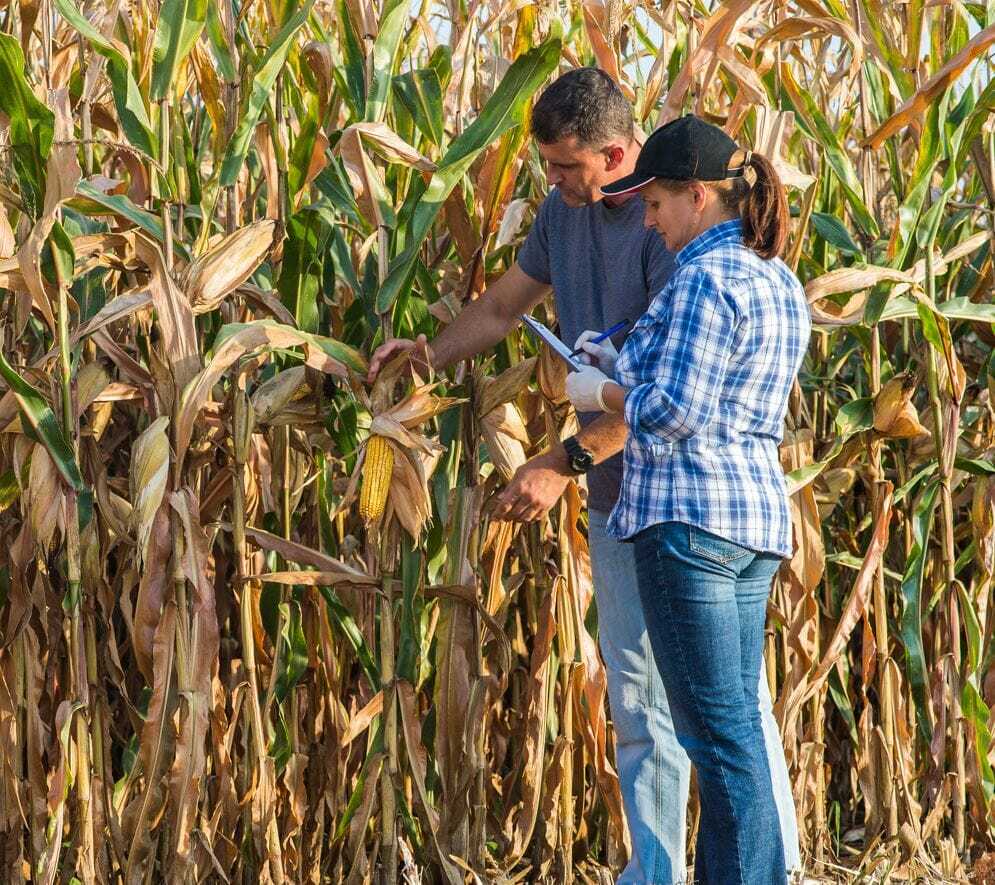
    Taking field notes on what you observe in late August and early September can provide valuable information as you move into harvest, as well as confirm or reprioritize agronomic goals for next year.

    Notes I take this time of year generally answer these questions:

    • What diseases are the most prevalent?
    • Which areas of the field exhibit poor growth or yield potential?
    • Should I conduct a pre-harvest yield estimate?

    Late-Season Scouting Suggestions

    Evaluate areas of poor crop growth and potential yield. There can be multiple reasons why a crop didn’t grow well in portions of a field or yield estimates are low in some spots.

    To help determine if soil fertility and health is the cause, try these steps:

    • Mark on a map or GPS reference the location, so you can take directed soil samples after harvest.
    • Pull paired samples. Take one composite soil sample in the poor growth area and then take another composite sample in an area of good growth nearby in the same field. (Soil sample bags are available from many sources and easily available through your local university or co-op.)
    • Use yield maps. These are another great data layer to compare and contrast what you observed during scouting in late August.

    Think About Pest Management While Scouting

    Observe the severity and distribution of diseases, insects, and weeds in a field to help make future adjustments to pest management plans.

    For example, Goss’s Wilt and bacterial leaf streak are two bacterial diseases found this year in cornfields with no previous history. Tar spot is also a new disease that carries over in residue the following year. Hybrid selection for improved tolerance or resistance to these bacterial diseases maybe something to talk about with your seed dealer this fall.

    Some hail and wind-damaged fields now have a late-season weed flush in portion that might warrant a more aggressive herbicide program next year.

    Scouting Now Can Help Predict Yield Potential

    The most compelling reason to scout fields in late summer is to estimate yield potential. There are differing techniques on estimating corn yield in terms of how to sample and the number of ears to pull. I suggest using information from satellite or drone images to direct sampling across the variability that exists in all fields.

    Another word of caution is with the seed size factor used to calculate kernels/bushel with the extremely dry grain fill period we have experienced in parts of Latham Country. For dry areas, that number may need to be much larger than normal.

    Scouting late in the growing season is almost always hot, itchy, sweaty, wet and uncomfortable! However, the insights gained with field observations — when paired with knowledge of the growing season — can help tweak management decisions going forward. This will ultimately lead to more productive growing seasons in the future.

    Did you enjoy this article? We want to (TECH)talk with you! Sign up for our newsletter to receive agronomy videos, articles (and delicious recipes) in your inbox! We’ll TALK soon.

    steve-sick

    August 30, 2023
    Corn, Crop, Fall, General, Growth Stages, Soybeans, Summer, Tech Tuesday
  • Latham Hi‑Tech Seeds

    Late-Season Soybean Scouting

    Soybean Plant

    As we roll into late summer, it’s important to continue to scout soybean fields for signs of disease, insect pests and weed escapes. The notes you take today can have a significant impact on this year’s crop and also help you make more informed decisions in future years. Soybean aphid scouting should be well underway at this point. Aphid pressure has been relatively low throughout most of Latham Country to this point, but it’s important to remain diligent in checking your fields. The generally accepted economic threshold for this pest is an average of 250 aphids per plant with more than 80 percent of plants infested and an increasing aphid population. You’ll need multiple scouting repetitions to determine what is happening with aphid populations in your field.

    Two-spotted spider mites are another insect pest in soybeans that have the ability to rapidly increase in population under the hot and dry conditions some of our geography has faced. If mites are positively identified and causing plant damage — and hot, dry conditions are expected to persist — control measures should be considered. Field border treatments may be an option as infestations of spider mites are often confined to field edges.

    Late summer is also when several soybean diseases show up, including Sudden Death Syndrome, Frogeye Leaf Spot, White Mold and others. South Dakota State University has a detailed article on late-season soybean diseases.

    Knowing which diseases are present in your fields can help determine which variety to plant next year. Planting varieties with disease resistance can be the most effective and the most economical method of disease control. Latham® soybeans have great resistance to the major diseases that occur in our trade territory including: Soybean Cyst Nematode (SCN), Sudden Death Syndrome (SDS), Brown Stem Rot (BSR), Iron Deficiency Chlorosis (IDC), White Mold and Phytophthora.

    Soybean pests and diseases can be very serious issues. If you have any questions, feel free to contact me at 402-620-5790 or check in with your dealer.

    steve-sick

    August 8, 2023
    Agronomics, Crop, General, Soybeans
  • Latham Hi‑Tech Seeds

    #FromtheField – Week of June 19, 2023

    June 22

    Take a look across Latham Country! We’re coming to you every week.

    Did you enjoy these videos? We want to (TECH)talk with you! Sign up for our newsletter to receive agronomy videos (and delicious recipes) in your inbox! We’ll TALK soon.

    Webspec Admin

    June 22, 2023
    #FromTheField Crop Reports, Corn, Crop, Disease, Emergence, From the Field, General, Growth Stages, Soybeans
  • Latham Hi‑Tech Seeds

    Early Scouting For Prevention

    Young green corn growing on the field. Young Corn Plants.

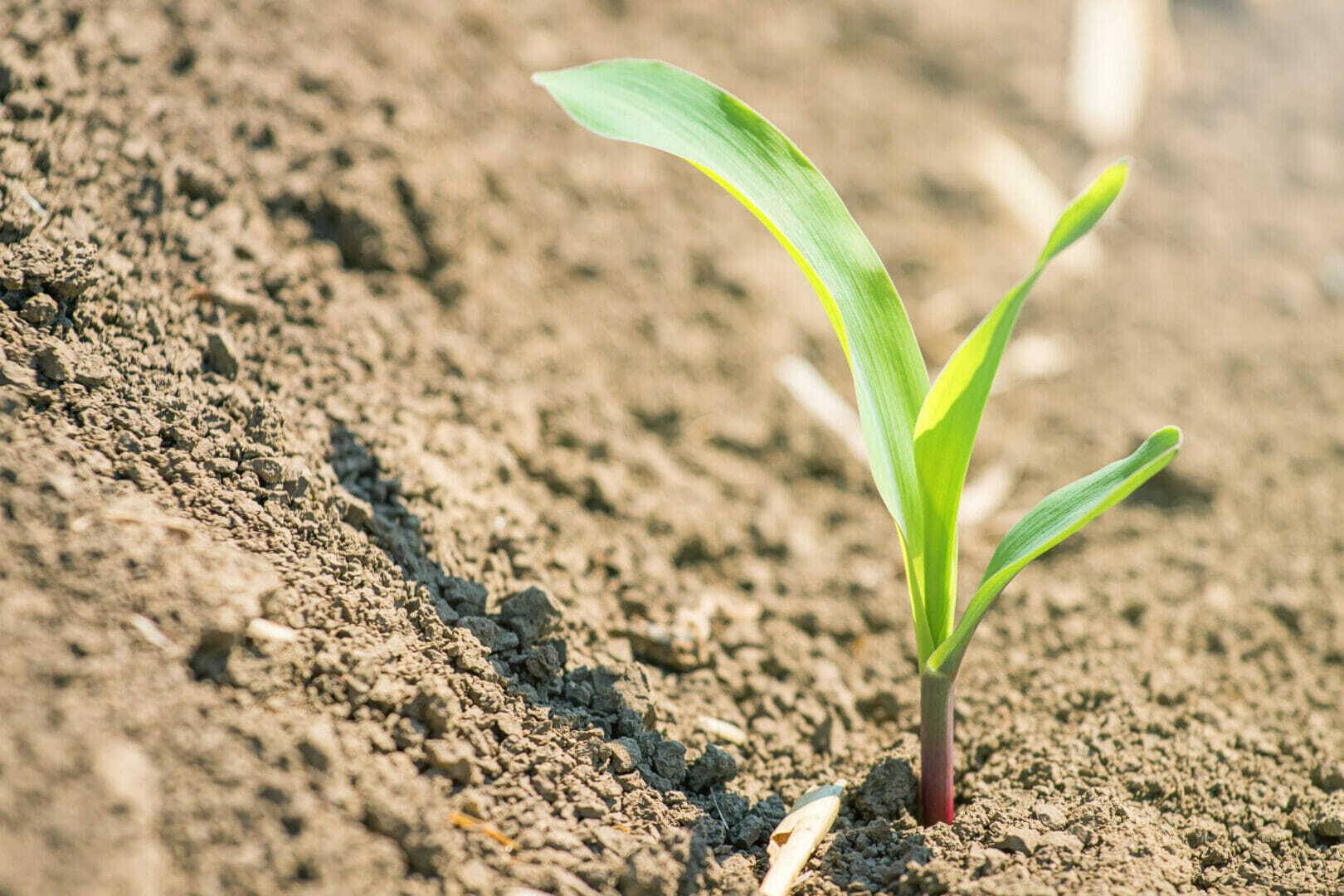
    The first principle of crop scouting is to determine what is normal and what is not normal. Knowing what a healthy plant looks like is key to identifying seedling disease. When scouting for seedling diseases, look for yellowing, wilted, stunted, dead or missing plants.

    • In corn, look for discolored or rotten mesocotyls, seminal roots and nodal roots.
    • In soybeans, look for seedlings that pull easily from the soil, discolored or rotting root tissue, and lesions that form on the taproot or hypocotyl.

    Before you head out to the field, there are several tools that are must-haves for early-season crop scouting:

    • A tape measure to take stand counts
    • A seed digger, trowel, or spade to dig up seeds or plants to evaluate planting depth, seedling diseases and below-ground feeding insects, like seed corn maggots.

    Remember that certain weather and soil conditions favor specific pathogens. Cool and wet soils favor Fusarium and Pythium, warm and wet soils favor Phytophthora, and warm and moist soils favor Rhizoctonia.

    It should be noted that a lab diagnosis is needed to confirm what pathogen is causing the symptoms. Knowing what disease(s) are present can help you choose hybrids and varieties that have good disease scores in the future and can guide decisions on the use of fungicide treated seed.

    Did you enjoy this article? We want to (TECH)talk with you! Sign up for our newsletter to receive agronomy videos (and delicious recipes) in your inbox! We’ll TALK soon.

    steve-sick

    June 8, 2023
    Corn, Crop, Disease, Emergence, Growth Stages, Soybeans, Summer, Tech Tuesday
  • Latham Hi‑Tech Seeds

    #FromtheField – Week of June 5, 2023

    YouTube 1

    Take a look across Latham Country! We’re coming to you every week.

    Did you enjoy these videos? We want to (TECH)talk with you! Sign up for our newsletter to receive agronomy videos (and delicious recipes) in your inbox! We’ll TALK soon.

    Webspec Admin

    June 8, 2023
    #FromTheField Crop Reports, Corn, Crop, Emergence, From the Field, Growth Stages, Soil, Soybeans, Summer
  • Latham Hi‑Tech Seeds

    Proof Points Podcast – Episode 4

    Proof Points Snip

    On this week’s Proof Points Podcast, Gary explains how seed treatment is an insurance policy to protect yield within a plant. Because we never know what Mother Nature will bring.

    Webspec Admin

    June 2, 2023
    Agronomics, Corn, Crop, Podcast, Proof Points Podcast, Seed Treatment, Soybeans
  • Latham Hi‑Tech Seeds

    #FromtheField – Week of May 29, 2023

    Kody Snip

    Take a look across Latham Country! We’re coming to you every week.

    Did you enjoy these videos? We want to (TECH)talk with you! Sign up for our newsletter to receive agronomy videos (and delicious recipes) in your inbox! We’ll TALK soon.

    Webspec Admin

    June 1, 2023
    #FromTheField Crop Reports, Agronomics, Corn, Crop, Emergence, Growth Stages, Season, Soybeans, Spring, Summer, Weed Control
  • Latham Hi‑Tech Seeds

    Staging and Application: Make the Right Decisions

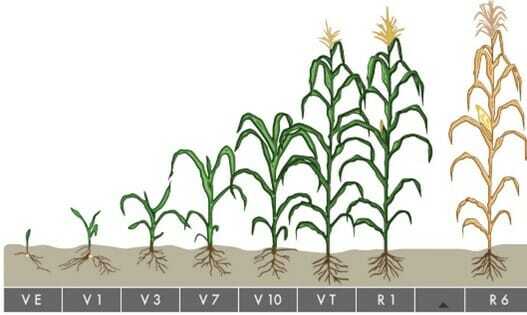
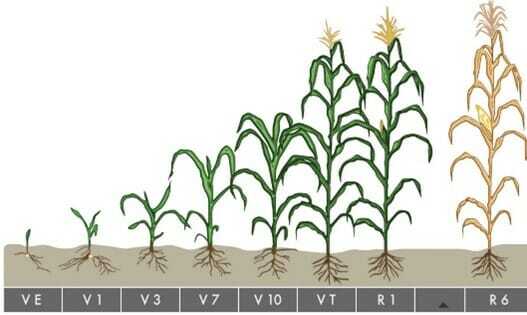
    Corn Growth Stages

    Planting across Latham Country has been progressing at a rapid pace and it will not be long before post-emergence spraying will begin. When to spray, what to spray, should I spray . . . these are some of the questions growers need to consider before heading to the field. I believe “when to spray” is one of the most critical decisions a grower will make. Damaging or injuring a young plant can have lasting affects that may not be visible to the naked eye. Understanding growth stages and relating this to the labeled requirements is a key to successful growing season. Let’s take a look at corn first.

    Labels typically refer to growth stages for application timing and the chart below is a good reference.

    Corn Growth Stages
    Image: University of Illinois

    VE Stage – Corn emergence occurs when the coleoptiles reach and break through the soil surface. Normally, corn requires approximately 100-200 GDUs to emerge, which can be four to five days after planting. At this stage, growth is also taking place below the ground as the nodal root system begins to grow.

    Emergence may occur as rapidly as four or five days after planting in warm moist soil, or may take three weeks or more in cool soils. A new leaf will appear about every three days during early growth, while later leaves developing during warmer conditions may appear in one to two days. Full season hybrids in the central Corn Belt typically can produce 21 to 22 leaves. Earlier maturing hybrids will produce fewer leaves.

    Keep these numbers in mind as you plan out your season and prepare to spray your fields. Within a month after planting, a corn plant can go from the bag to V5-V7 if conditions are favorable.

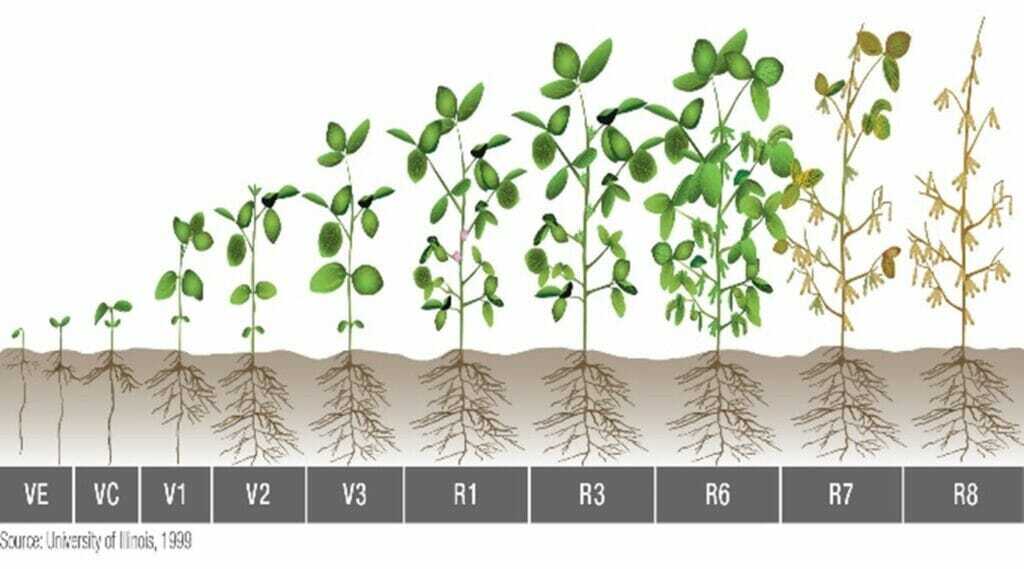
    Soybeans in a given field will not be in the same stage at the same time. When staging a field of soybeans, each V or R stage is defined when 50% or more of the plants in the field are in or beyond that stage. This makes it important to understand staging and development since not every plant in the field will be at the same stage when determining application timing. The chart below is a good reference for staging.

    Soybean Grown Stages

    The general rule of thumb is to figure five days between growth stages in soybeans. The most important growth stage is R1 which is classified as one flower open at any node on the main stem. Soybean flowers are very sensitive and herbicide application should be avoided at this stage. R1 can begin before canopy closure and the temptation is there to make that final application before canopy closure. A good pre-plant program can help avoid the need for late season spraying and a few late escapes is not worth the consequences from spraying post-flower.

    Did you enjoy this article? We want to (TECH)talk with you! Sign up for our newsletter to receive agronomy articles (and delicious recipes) in your inbox! We’ll TALK soon.

    steve-sick

    May 25, 2023
    Agronomics, Corn, Crop, Emergence, Growth Stages, Soybeans, Tech Tuesday
  • Latham Hi‑Tech Seeds

    Seed Treatment Pays

    Seedware

    Benefits of seed treatment include protecting seed from rot, seedling blights and insects, as well as improved germination. Seed treatments also help prevent the spread of plant diseases and reduce the risk of replant.

    Seed treatments are one of the most efficient crop protection technologies as they reduce farmers’ need for foliar spray applications. They also offer some certainty because field and weather conditions can prevent farmers from entering the field to apply fungicide and/or insecticide after seeding.

    Applying treatment directly on the seed before planting protects seeds and young plants, regardless of field conditions. Because seed treatment is a targeted, one-time application of pesticides to seeds, seedlings are protected during their most vulnerable stages of growth. Spraying fungicides or insecticides during these early growth stages is unlikely to be as effective because sprays are less targeted.

    Treated seeds carry a precise amount of pesticide that protects the seed during early growth, which is the critical growth period before and during germination. Seed treatments also are a “curative treatment,” protecting plants against seed-borne diseases.

    Research shows that seed treatments deliver more robust seedlings to farmers, protect plant stands and maximize yield potential. Conversely, farmers not using seed treatments in high pest pressure areas can see yield losses of 50% or more.

    Help secure a return on your seed investment with seed treatment! But don’t just take our word for it… take crop notes this growing season and compare data from multiple years. The Latham Team is here to answer your questions at 1-877-GO-LATHAM (877-465-2842).

    Did you enjoy this article? We want to (TECH)talk with you! Sign up for our newsletter to receive agronomy articles (and delicious recipes) in your inbox! We’ll TALK soon.

    steve-sick

    May 11, 2023
    Agronomics, Corn, Crop, Seed Treatment, Soybeans, Spring
  • Latham Hi‑Tech Seeds

    #FromtheField – Week of May 1, 2023

    Dan Thumbnail

    Take a look across Latham Country! We’re coming to you every week.

    Latham Hi‑Tech Seed’s Corn Plot going in Northern Iowa!

    Webspec Admin

    May 4, 2023
    Agronomics, Corn, Crop, Emergence, From the Field, Growth Stages, Season, Soybeans, Spring
Previous Page
1 2 3 4 … 32
Next Page

Latham Hi‑Tech Seeds

131 180th Street | Alexander, IA 50420

(641) 692-3258

SIGNUP FOR OUR NEWSLETTER
  • Contact
  • Legal
  • Dealer Center
  • Seedware Login
  • Latham Gear

© 2025 Latham Hi‑Tech Seeds. All rights reserved. | Iowa Web Design by Webspec | Privacy Policy

Latham® Hi-Tech Seeds is a trademark of M.S. Technologies, L.L.C., 103 Avenue D, West Point, IA 52656.