Latham Hi-Tech Seeds

(641) 692-3258

  • Home
  • Products
    • Corn
    • Soybeans
    • Alfalfa
    • Corn Silage
    • Seed Guide
  • Performance
  • Find a Rep
  • Media
    • Blog
    • News
    • Videos
    • Podcasts
    • TECHTalk
  • About Us
    • Company History
    • Our Mission
    • Careers
    • Become a Rep
    • Sowing Seeds of Hope
  • Contact Us
  • Latham Hi‑Tech Seeds

    3 Ways to Maximize Soil Tests

    Phil screenshot

    To save the most money on inputs, we must plan earlier and earlier every year. A current soil test is the best way to evaluate your fertility and ultimately your yield potential. Besides the normal evaluation of the main nutrients, a soil test pays for itself.

    Let’s look at three ways to use your soil test to its full potential:

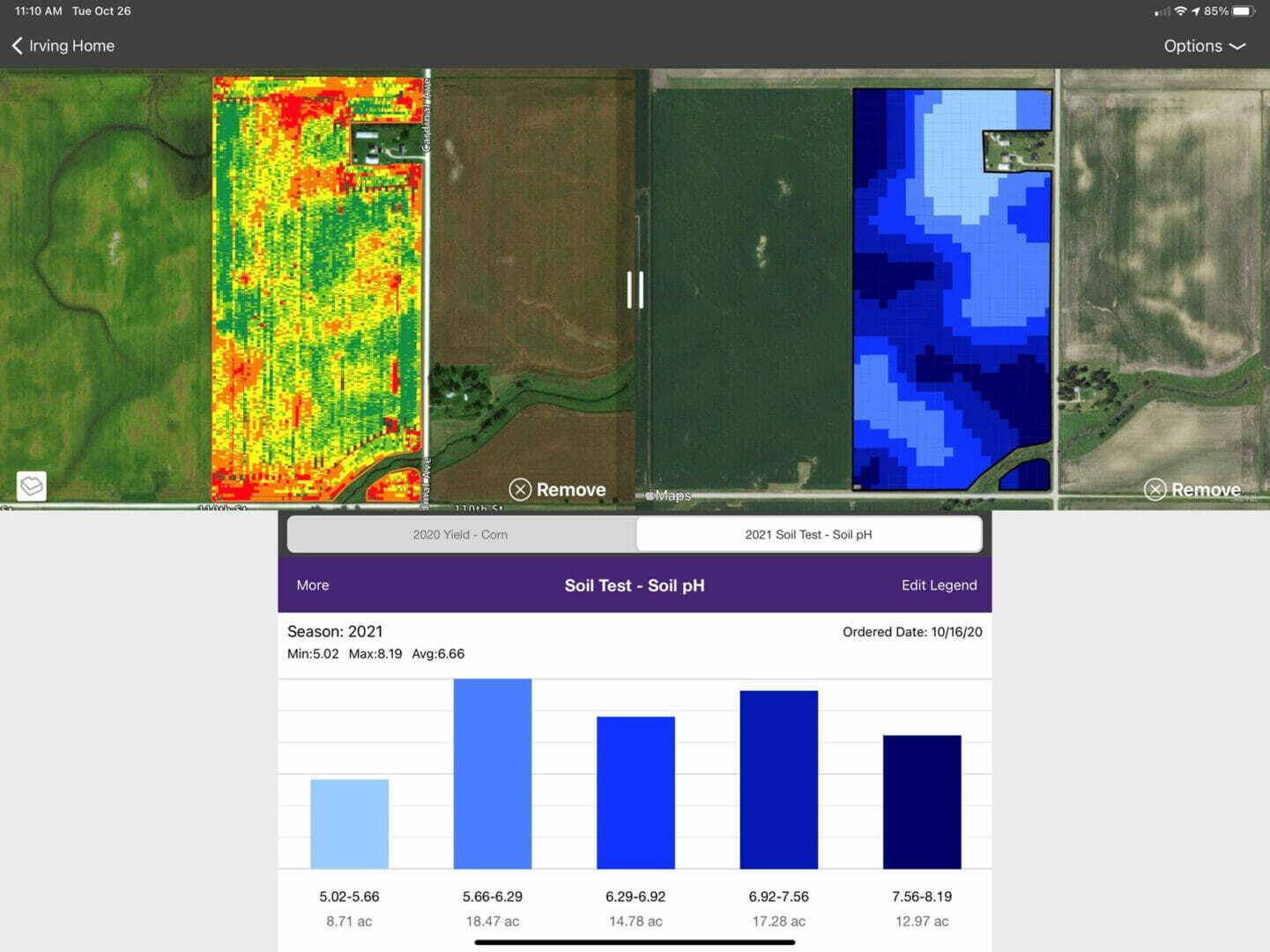
    1. Soil pH matters in more ways than lime. We typically look at pH maps to understand nutrient availability, but let’s think in terms of input planning. Take soybeans and a pH map, for example. By looking at this one map you will better understand the areas of high pH, so you can select a Latham® IRONCLADTM variety to stand up to challenges from Iron Deficiency Chlorosis (IDC). Another great use for this map is herbicide applications. Herbicide carryover in high pH spots can impact soybean yields. This map potentially can help make the decision to change a crop rotation or herbicide program to save yield losses.
    2. Organic Matter is king. Do you have organic matter (OM) readings higher than 5% and below 2% in the same field? Couple this with yield and this is a great start to help apply nitrogen more accurately. Another great combination is OM beside soil type map. Look at Latham Seeds’ product guide while you’re looking at these maps to quickly determine what percent of each field would benefit more from defensive traits or offensive traits. Really high OM soils typically hold more water and have challenges like flooding and higher disease potential. Also notice how much higher your potassium (P) and phosphorus (K) levels are in these spots.
    3. When phosphorus levels are high, other nutrients are lacking. Many farmers use animal manure as a source of fertilizer. This is great because it provides most of the essential nutrients our crops need, however, manure can have higher levels of some nutrients including phosphorus. If your soil potassium levels are climbing, move manure applications to another field. Also pay attention to other nutrients that suffer when potassium increase. If you notice your P levels are high, then Sulfur (S) and Zinc (Zn) could be at a disadvantage. Both S and Zn can be less available to the plant as P levels climb. This may not be visually noticeable at first, but it will show up in growth and yield if you do a side by side with S and Zn fertilizer.
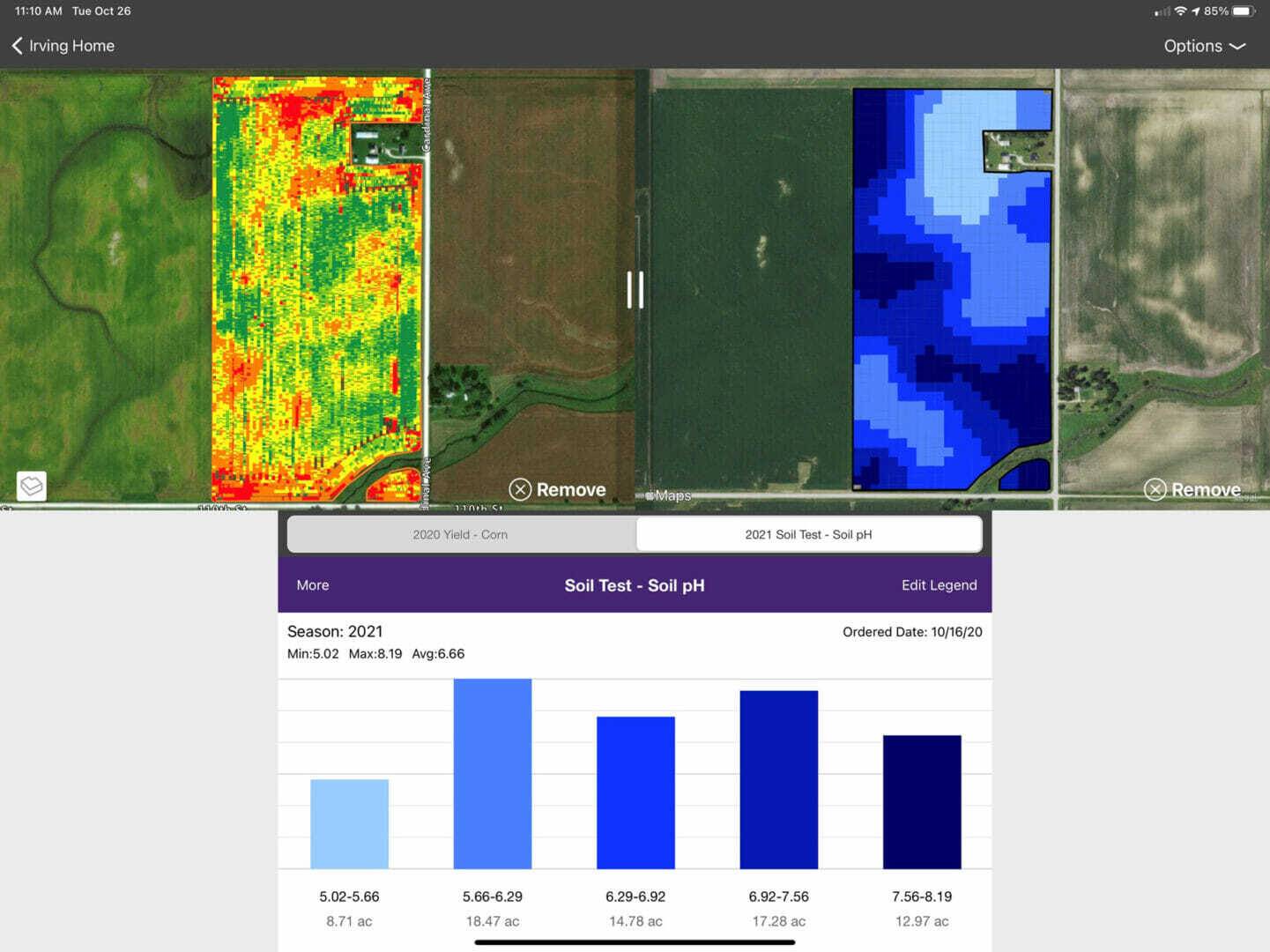
    Phil screenshotThese comparisons and maps can be done in Latham’s Data ForwardTM app with a simple soil sample taken and yield map to start seeing value out of the information that you capture every year. If you’d like to learn how to start putting these things to work on your farm give me a call!
     

    Phil Long

    November 4, 2021
    Agronomics, Corn, Crop, Precision Ag, Soil, Soybeans
  • Latham Hi‑Tech Seeds

    Can You Cut Fertility Costs Without Cutting Yield?

    Phil TT potassium levels

    You could lose more than you save if you cut costs in the wrong places.

    Some farmers are thinking about cutting back on their fertility program for 2022 crops because fertilizer costs are increasing and pre-order prices aren’t guaranteed into next spring. I understand that price hikes cause uncertainty. As someone who also farms, I feel the same way. What I’ve learned is that fertility is the foundation to keeping a crop healthy all season. Top-performing hybrids need food to fuel their growth.

    Below are three questions to ask yourself as you plan your 2022 fertility program:

    Phil TT potassium levels

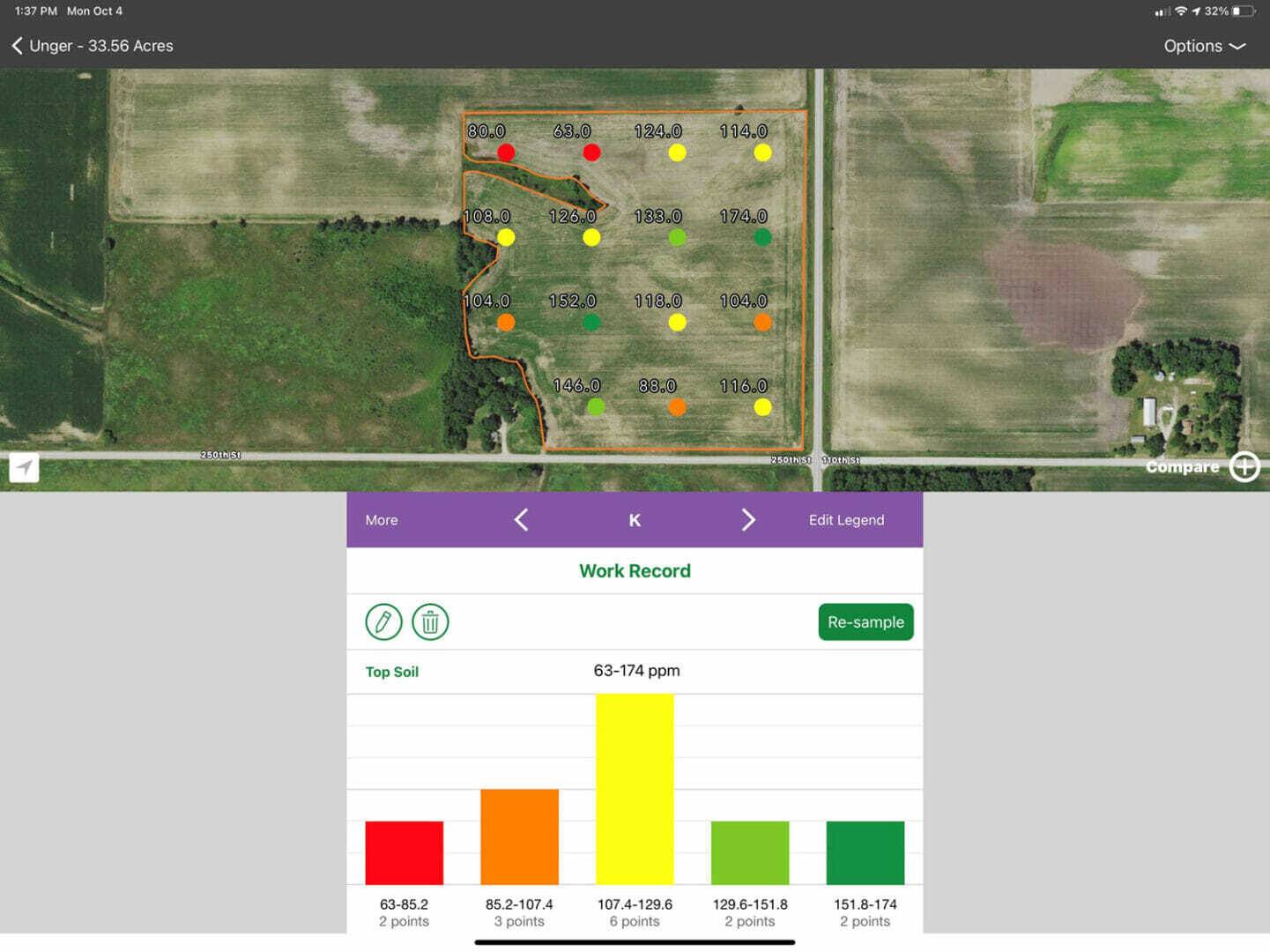
    1. Are you keeping potassium levels up? Potassium (K) is critical for handling drought stress and late-season stalk health. Depending on cation exchange capacity (CEC), you want to see K levels of 150 to 220 parts per million (ppm) on your soil test. North Dakota State University (NDSU) research reveals the type of clay soil (high vs. low shrink swell clay) is key to fertilization. High shrink swell clay soils must be kept at that 200-ppm threshold. When these soils dry out, they hold the K between clay layers much tighter. On soils with low shrink swell potential, the 150-ppm threshold will provide enough K throughout the season. Have you ever noticed how some soils are more forgiving after you accidently cut ruts when it’s a little wet? Note those soils because they hold K tighter, prohibiting your crop from using it.
    1. Thinking about cutting back on nitrogen? Nitrogen is more closely tied to yield than any other nutrient. Corn takes up approximately 150 to 300 pounds of nitrogen (N) to reach its full yield potential, but this doesn’t have to all go down as commercial fertilizer. Nitrogen needs depend on several factors including crop rotation, manure application, green manure, and residue management. Consider applying nitrogen in the spring with a nitrification inhibitor on lower CEC soils or if it’s a wet spring. The best practice in the fall is to wait until soil temps are below 50 degrees before applying nitrogen.
    1. How are you valuing manure? When comparing fields where manure was applied to fields that only get commercial fertilizer, you realize fertilizer is worth the additional hassle to apply. Microbes in the manure and the biology that feeds on it can build nutrient levels much faster in the soil as compared to commercial fertilizer. It’s important to have a representative manure analysis to know what you are applying.

    Remember, every 100 pounds of nitrogen applied requires about 500 pounds of lime to offset the acidity created by the nitrogen conversion process. Make sure your pH is correct, so all the nutrients in your soil are available to your growing crop. Correct soil pH before you try to build your P, K or micronutrients.

    Feel free to call me if you have any questions about how Data Forward can help you collect and store information that can lead to more profitable farm management decisions.

    Phil Long

    October 29, 2021
    Agronomics, Corn, Crop, Fertility, General, Precision Ag, Soil
  • Latham Hi‑Tech Seeds

    #AskTheAgronomist: Evaluating Fall Fertilizer Decisions

    Ask the agronomist cover photo for video 01

    When faced with high fertilizer prices, what considerations should factor into next season’s investment? Precision Agronomy Advisor Phil Long addresses each macronutrient’s effect on yield and performance plus the pros and cons of investing versus scaling back for next season.

    Webspec Admin

    October 20, 2021
    #AskTheAgronomist, Agronomics, Corn, Crop, Fall, Fertility, Season, Seed Treatment
  • Latham Hi‑Tech Seeds

    #AskTheAgronomist: Why is My Combine Black?

    Maxresdefault

    Precision Agronomy Advisor Phil Long addresses an interesting question surfacing this fall, “Why does my combine seem like it’s covered in soot?” Tune in to uncover what’s happening in the field as we harvest, plus some cautionary tips for livestock farmers if you are feeding cornstalks this season.

    Webspec Admin

    October 13, 2021
    #AskTheAgronomist, Agronomics, Corn, Crop, Fall, Season
  • Latham Hi‑Tech Seeds

    #AskTheAgronomist: Stalk Integrity at Harvest

    Maxresdefault

    Harvest is in full swing across Latham Country with reports of corn coming in at 16% moisture already in early October. Precision Agronomist Phil Long discusses how and why to evaluate stalk integrity as you decide which fields to harvest next.

    Webspec Admin

    October 6, 2021
    #AskTheAgronomist, Agronomics, Corn, Crop, Fall, Season
  • Latham Hi‑Tech Seeds

    Tips for Determining Why Stalks Are Lodging

    LH 5725 VT2PRO

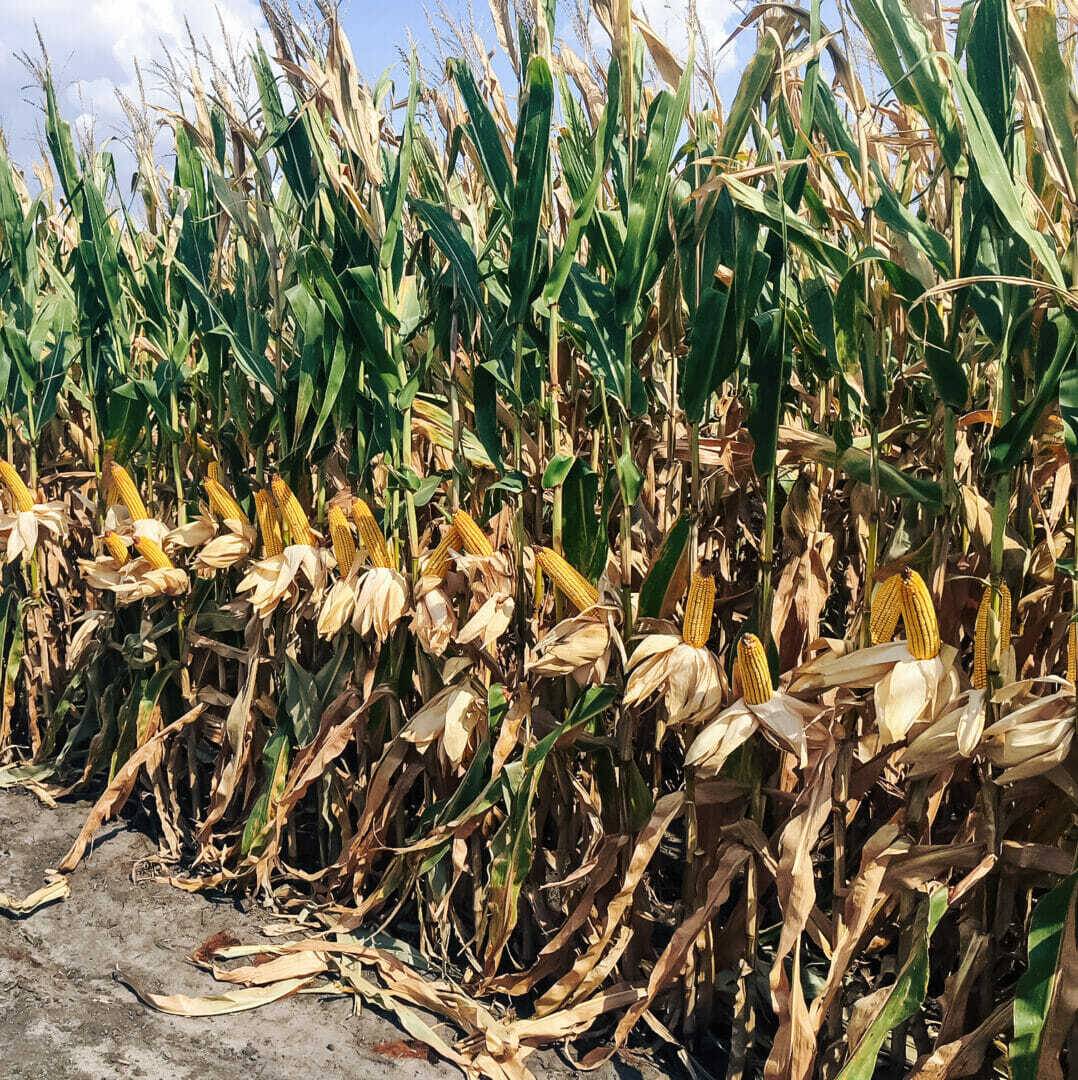
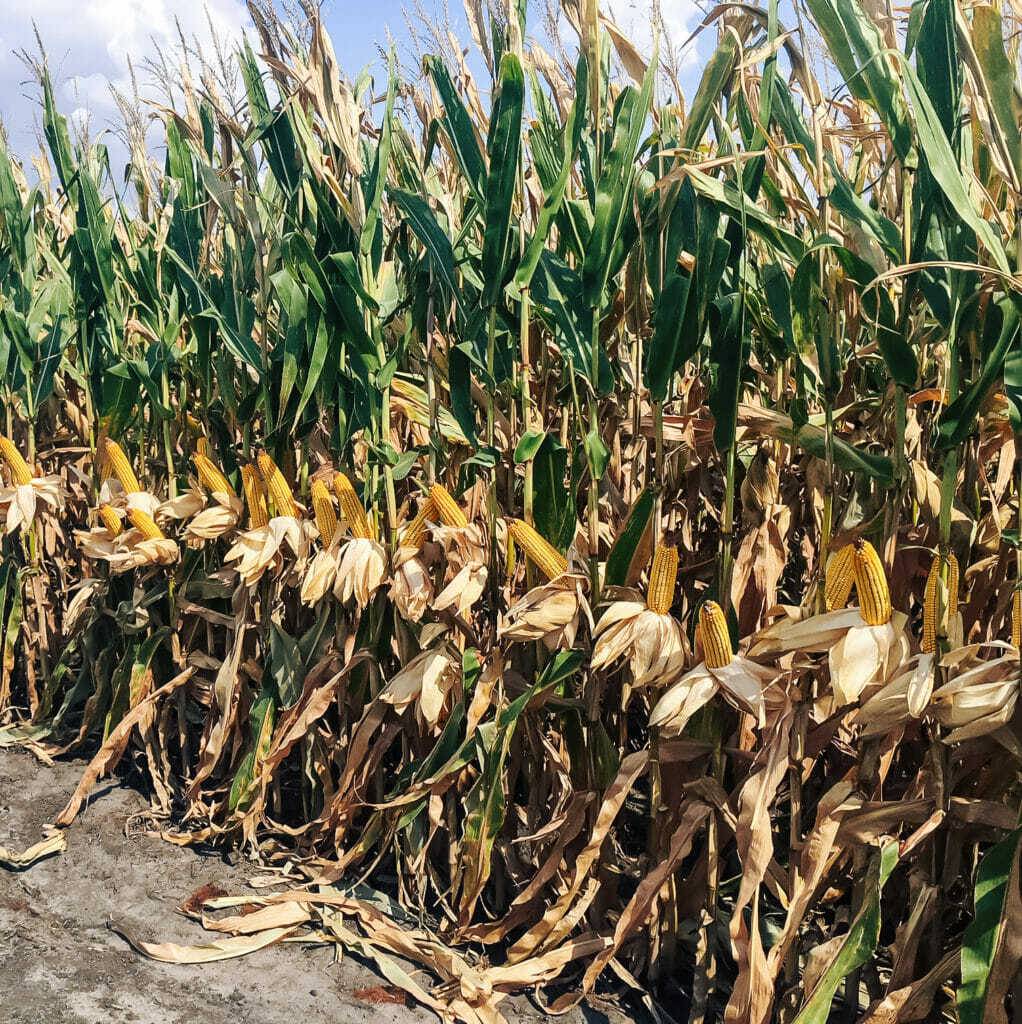
    LH 5725 VT2PROAs Harvest 2021 gets underway, we will start our morning checks to see which fields should be prioritized for harvest. Hybrid maturity helps guide us to certain fields, but sometimes a field stands out for another reason like late-season stalk lodging.

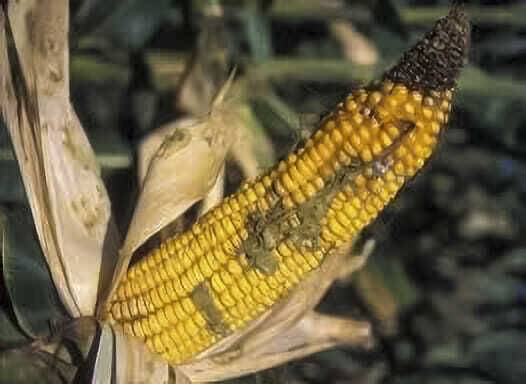
    Hybrids have different susceptibility to stalk rots as the season progresses. Knowing the hybrid you have on every field – and how each hybrid handles stalk rot diseases – is important. Another consideration is whether the hybrid you planted is a racehorse because racehorse hybrids do whatever it takes to fill an ear even if that means cannibalizing the stalk. This can be an unfortunate reality in a year like 2021 where moisture was very limited across most of Latham Country. A fungicide can keep the lower stalk healthier later into harvest, so if you choose to spray, you likely will see better standability.

    Decisions made early in the season also influence late-season stalk health. Planter singulation is key. Doubles or multiples causes corn plants to grow on top of one another, so most of the time only one of those plants will develop an ear. Shallow planting depth causes the “crown” to establish closer to the soil surface, predisposing plants to root rot during this point in the season. Uniform competition is really important for neighboring corn plants, so that’s why good singulation and even emergence are important.

    Planting population can influence stalk diameter and stalk health. You can push planting populations more if you keep your fertility levels in check. If you’re having stalk lodging issues and tend to push higher populations, then test soils and investigate where you may have an issue. If you notice foliar symptoms as you’re scouting throughout the season, then there is no better time than right after harvest to take soil samples. Potassium is a key nutrient for building healthy stalks. Micro-nutrients are also important, but it requires a balance. Too much of one nutrient can prevent other nutrients from being taken up by the corn plant.

    As you walk your fields prior to fall harvest, do the “pinch” or “push” test to monitor stalk health. If you’re wondering about whether your soil fertility is influencing stalk health or haven’t soil tested in a while, feel free to give me a call. I’ll be glad to talk with you about the benefits of using Latham’s Data Forward® program.

    Phil Long

    October 1, 2021
    Agronomics, Corn, Crop, Fall, Fertility, General, Growth Stages, Season, Soil
  • Latham Hi‑Tech Seeds

    #AskTheAgronomist: How Do Corn Roots Effect Stalk Development

    Maxresdefault

    How does proper establishment of corn root systems affect late-season stalk development and plant health? Precision Agronomist Phil Long breaks down the how and why with a demonstration of how to evaluate corn plants in your fields.

    Webspec Admin

    September 15, 2021
    #AskTheAgronomist, Agronomics, Corn, Crop, Fall, Season
  • Latham Hi‑Tech Seeds

    Test for Aflatoxin Before Feeding Moisture-Stressed Corn

    Aflatoxin Enhanced

    It could be a matter of life and death.

    Hot, dry summers like we’ve seen throughout the 2021 growing season stress plants and create the perfect environment for fungal growth and toxins. Test for nitrate levels and mycotoxin before you feed moisture-stressed corn silage or grain to livestock. If you plan to graze corn stubble, it is a good idea to test the lower one-third of plant in the area you plan to graze.

    Even one highly contaminated kernel in a five-pound sample could result in more than 20 parts per billion (ppb) aflatoxin. If you see olive green or graygreen fungus on corn kernels, contact a feed testing lab like DairyLandLabs.com or IowaGrain.org.

    Aflatoxins cause various animal health problems, including death in some cases. Most commonly, feeding contaminated corn reduces the animals’ feed efficiency and reproductivity. Aflatoxin also suppresses an animal’s immune system, making it more susceptible to infectious diseases. In addition, aflatoxin can appear in the milk produced by dairy cows that were fed contaminated corn.

    Prime conditions for the fungus to produce toxin are warm nights, when temperatures stay above 70 degrees Fahrenheit, during the latter stages of grain fill (August/September) in a period of drought. As kernel moisture decreases, aflatoxin production increases. Toxin production is highest at 18 to 20 percent kernel moisture and usually stops around 15 percent kernel moisture. Ensiling corn usually does not reduce aflatoxin concentrations, but concentrations are unlikely to increase in properly managed silage.

    Below are guidelines from the Food and Drug Administration (FDA) for acceptable aflatoxin levels in corn based on intended use. I also encourage you to work with a livestock nutritionist.

    Aflatoxin table

    Webspec Admin

    September 10, 2021
    Agronomics, Corn, Corn Silage, Crop, Disease, Drought, Season, Summer, Weather
  • Latham Hi‑Tech Seeds

    #AskTheAgronomist: Planting Depth Effect on Ear and Root Development

    Hqdefault

    Planting depth matters! In this week’s #AskTheAgronomist, our special guest Corn Product Manager Lyle Marcus shows results from some on-farm studies on the effects of planting depth on plant, root and ear development.

    Webspec Admin

    September 8, 2021
    #AskTheAgronomist, Agronomics, Corn, Crop, Fall, Season
  • Latham Hi‑Tech Seeds

    How to Hand Make a Hybrid

    Maxresdefault

    Pre-Commercial Manager Bob Foley and President John Latham demonstrate the steps to create new crosses and “hand make a hybrid” in Latham’s Central Iowa Corn Nursery.

    Webspec Admin

    August 25, 2021
    Agronomics, Corn, Crop, Industry News, Season, Seed Technology, Summer
Previous Page
1 … 5 6 7 8 9 … 36
Next Page

Latham Hi‑Tech Seeds

131 180th Street | Alexander, IA 50420

(641) 692-3258

SIGNUP FOR OUR NEWSLETTER
  • Contact
  • Legal
  • Dealer Center
  • Seedware Login
  • Latham Gear

© 2025 Latham Hi‑Tech Seeds. All rights reserved. | Iowa Web Design by Webspec | Privacy Policy

Latham® Hi-Tech Seeds is a trademark of M.S. Technologies, L.L.C., 103 Avenue D, West Point, IA 52656.