Skip to content
Latham Hi-Tech Seeds

(641) 692-3258

  • Home
  • Performance
  • Products
    • Corn
    • Soybeans
    • Soybean Blends
    • Alfalfa
    • Corn Silage
    • Seed Guide
  • Find a Rep
  • Media
    • Blog
    • News
    • Videos
    • Podcasts
    • TECHTalk
  • About Us
    • Company History
    • Our Mission
    • Careers
    • Become a Rep
    • Sowing Seeds of Hope
  • Contact Us
  • Latham Hi‑Tech Seeds

    Walk Fields for a Better Bottomline

    Soybeans June 28 2017

    The 55 mile-per-hour drive-by is one of the most common ways farmers check how crops are doing, but there are some things you just can’t see from the pickup. It really can pay to walk through fields.

    Call your Latham® Dealer and ask him or her to walk through your Latham products. That way you can both monitor how the products are doing. You can note whether you need to adjust which products are planted on each field next year.

    Crop Health and Uniformity

    Corn: Uniform stand and growth stage are more important than seeing dark green seedlings. There is a direct relationship between the amount of productive leaf area and yield. How healthy are the plants in general? How many leaves does a plant have compared to its neighboring plants? Leaves are the factory that produces the ear, so you want leaves to stay green and unimpeded by insects or diseases, which decrease the leaves production. Take stand counts and compare those counts to the counts you get when you walk fields in August for yield estimates.

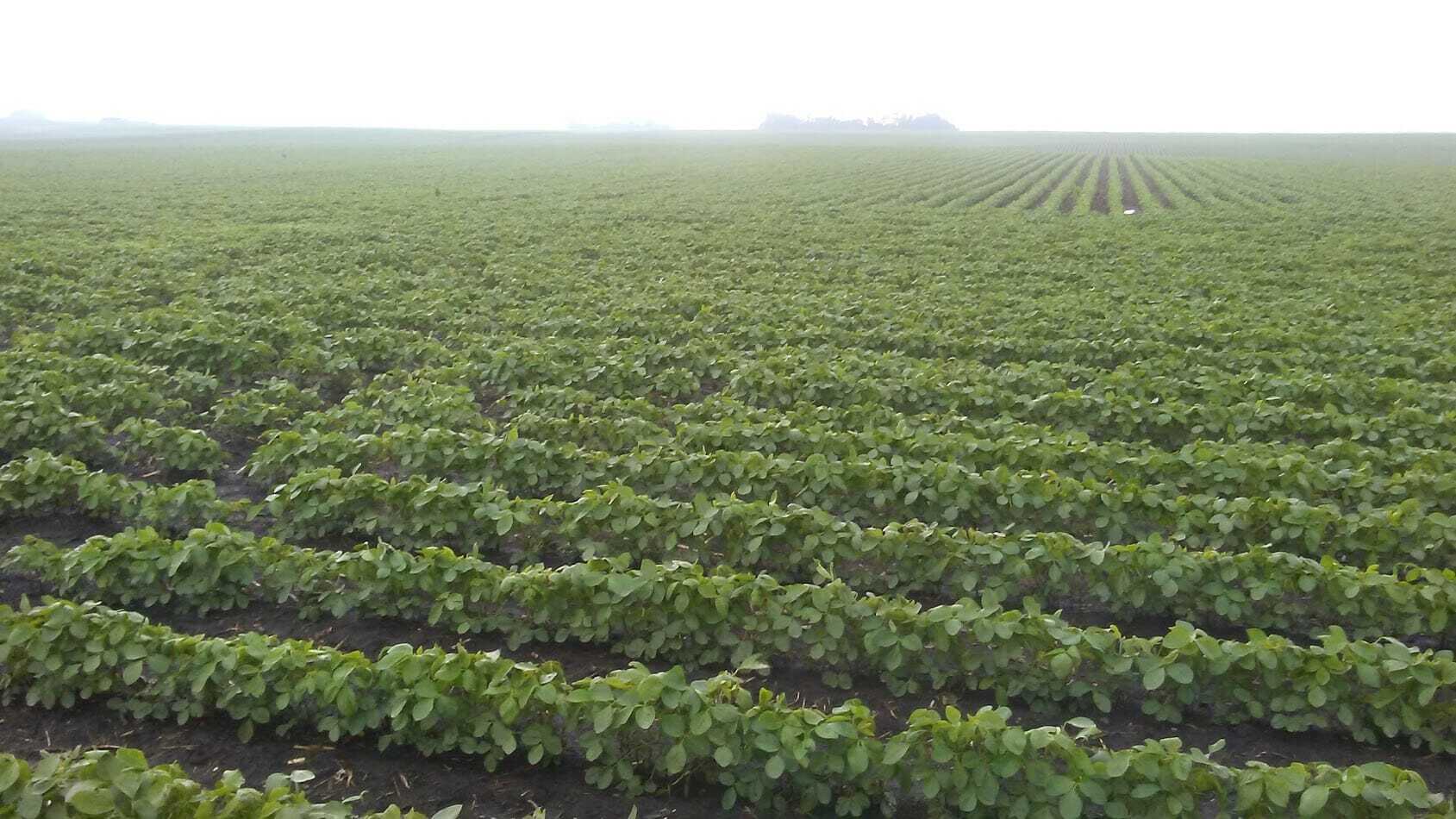
    Soybeans: Soybean yield is all about the August rains and potential pods. What is there to see now? The row should be closed by R1 (beginning flower) or as close to it as possible. The second most important thing to evaluate in June is how many nodes it has before R1. Our soybeans are all indeterminate, which means they keep putting on more nodes after R1. Your goal is for soybeans to produce as many nodes as possible, so you get as many pods as possible. Early planted soybeans should show more nodes than fields planted later.

    Early Season Stressors

    Corn: Be sure to bring a shovel. Dig some plants up and evaluate whether the nodal root system is developing well, or whether it has hit any compaction or shows signs of insect feeding. By this time, Corn Rootworm larvae are getting started. Although you won’t see the full extent of their damage, which is closer to pollination, this is still a great time to compare different corn traits and potentially in-furrow insecticide treatment. If your roots aren’t healthy, the plant won’t yield to its full potential regardless how green it looks on top. Note foliar diseases like Anthracnose or insect damage because you will want to follow up on those areas closer to pollination.

    Soybeans: The shovel should go into the soybean field, too. Dig some plants and evaluate what the roots look like. Brush off the soil, and use your knife to split some of the nodules. You should see some that are red (producing nitrogen) and some that are green (getting ready to produce nitrogen). The lateral roots off the main taproot should reach across 30-inch rows by now. Although they are very small, Soybean Cyst Nematodes should be a focus at this point in the season. They are often confused with nutrient deficiencies, so take a deeper look. Wash some roots or send some samples to your land grant university because SCN can rob 20% of your yield without you even knowing it. Planting the right genetics protects yield.

    Remember: Green above ground and white below ground or inside the stem means the plant is healthy. Use the Data Forward App or another tool to record specific areas of a field, so you can come back to those spots later in the season and again the following year. Noting trends from season to season will guide you into better management. Field-by-field planning leads to higher profits.

    Team Latham

    June 16, 2021
    #AskTheAgronomist, Agronomics, Corn, Crop, Soybeans, Tech Tuesday
  • Latham Hi‑Tech Seeds

    Take Crop Notes to Guide Fall Decisions

    IMG 6536

    Gain some great insights on what to expect this fall with good observations this spring. These observations, when detailed for each field, also provide an excellent long-term understanding of each field’s potential.

    Keeping good records will help you repeat positive, productive activities in future years. Below are a few areas you might note when making field observations:

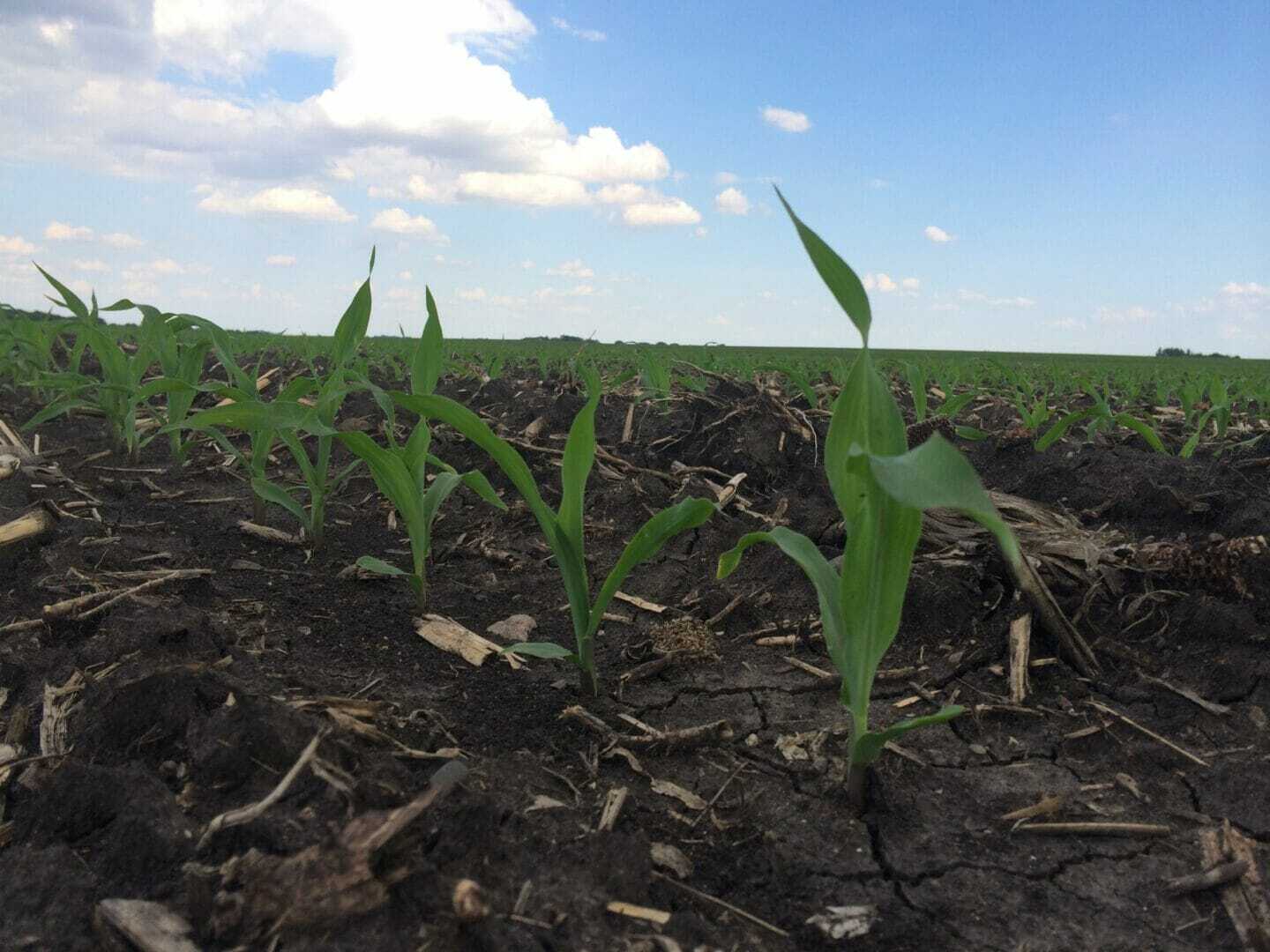
    Emergence and Plant Stand Uniformity. Review all your corn fields for emergence. Score them for uniformity, using a 1 to 5 scale. Latham’s Data Forward app makes it easy to track areas of the field with delayed or uneven emergence. Areas of delayed emergence may translate into delayed maturity, resulting in variable moisture content at harvest time. Pay attention to what caused the uneven emergence.

    Make notes about what you could do differently the next time you plant corn in this field. For example, did delayed emergence occur in areas with excess residue? What can you do to minimize residue accumulation in those areas? What can you do better to clear trash in your planting pass?

    Fertility Issues. Look for deficiency symptoms across your fields. You can focus on those areas that traditionally hold excess moisture, but I recommend thoroughly assessing the entire field. For example, phosphorus and potassium deficiency can translate into weak stalks come fall. Rate your fields and mark trouble spots in your Data Forward app, so you can locate troubled areas this fall and plan your harvest schedule accordingly. Long-term, fertility assessments can aid you in your annual fertilization planning. Should you take soil tests in a smaller grid pattern? Do you need to take soil tests more frequently?

    Weed Management. Scouting for escaped weeds from your herbicide applications can provide some very good insight on crop performance in those areas this fall. Weeds use a great deal of moisture and fertility, causing stress on the crop. Heavy infestation in weed escape areas will cause significant yield reductions. Note these areas and follow those areas through harvest to better understand the impact weed pressure had on yield. For future years, you can work with your weed management advisor to minimize weed escape areas.

    If you need a great tool to help you with this, Latham’s Data Forward app can aid you in managing the information and observations you make. Making good observations during the season will help you better understand your harvest data. Field observations are a great way to learn best practices for each field that you plant to corn.

    Latham Seeds Precision Agronomy Advisors

    June 16, 2021
    #AskTheAgronomist, Agronomics, Corn, Crop, Season, Spring, Summer
  • Latham Hi‑Tech Seeds

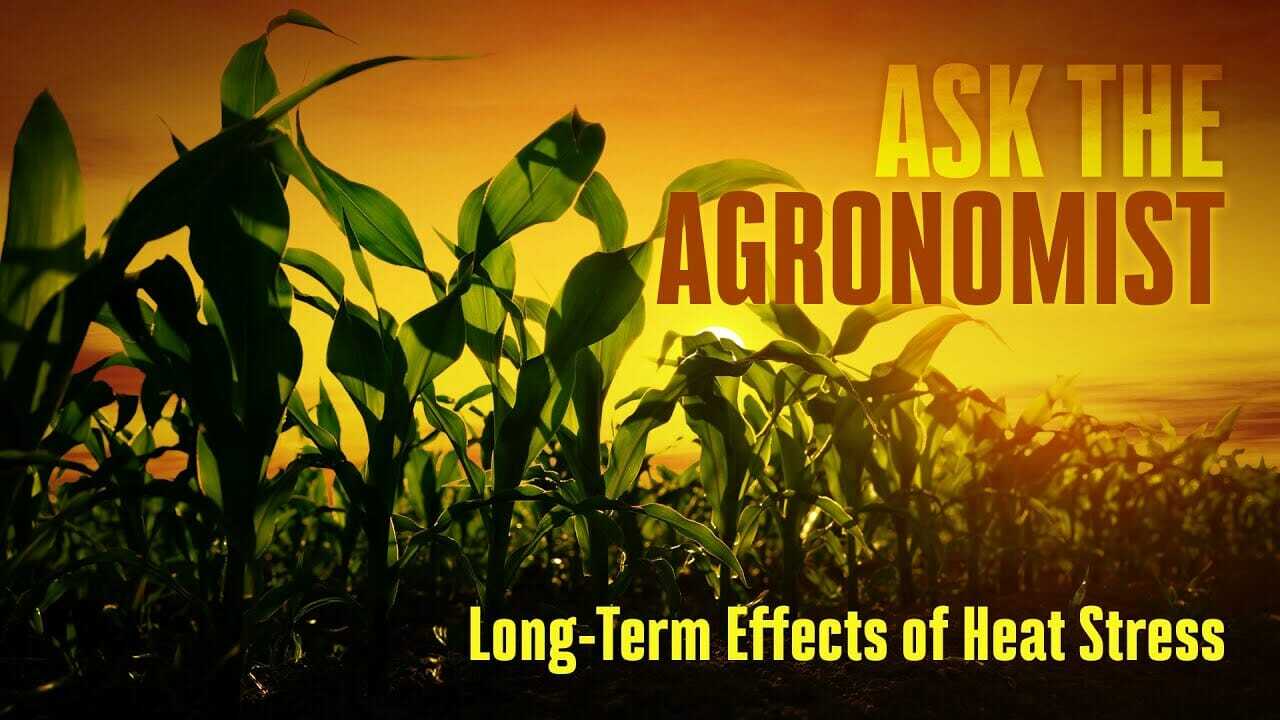
    #AskTheAgronomist: Long-Term Effects of Heat Stress in Corn

    ATA Heat Stress

    While heat stress is common in late summer for the upper Midwest, this has been a June for the record books. Precision Agronomist Phil Long discusses the implications these patterns are having on developing corn plants and an outlook for late-season results.

    June 16, 2021
    #AskTheAgronomist, Agronomics, Corn, Crop, Drought, Season, Summer, Weather
  • Latham Hi‑Tech Seeds

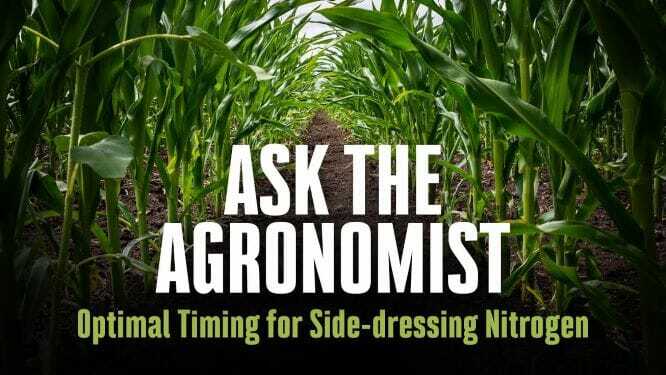
    #AskTheAgronomist: Optimal Timing for Side-Dressing Nitrogen

    ATA Nitrogen Timing

    Precision Agronomist Phil Long highlights three key windows for feeding corn plants as well as some other factors to consider as corn growth and development progresses this season.

    June 10, 2021
    #AskTheAgronomist, Agronomics, Corn, Crop, Fertility
  • Latham Hi‑Tech Seeds

    #AskTheAgronomist: Evaluating Frost Damage in Corn and Soybeans

    ATA Frost

    Parts of the upper Midwest experienced below-freezing temperatures during the last few days of May. In this week’s #AskTheAgronomist, Latham Precision Agronomist Phil Long covers how to evaluate frost damage in corn and soybeans.

    June 2, 2021
    #AskTheAgronomist, Agronomics, Corn, Crop, Frost, Season, Soybeans, Spring, Summer, Weather
  • Latham Hi‑Tech Seeds

    #AskTheAgronomist: What’s Our Next Move?

    ATA Next Move

    Phil Long compares this growing season to a hand of blackjack. We started with an early king face up, but the cards have fallen a little slower for farmers across the Midwest since then. What should our next move be? The answer in this week’s episode of #AskTheAgronomist.

    May 21, 2021
    #AskTheAgronomist, Agronomics, Corn, Crop, Emergence, Season, Soil, Spring, Summer
  • Latham Hi‑Tech Seeds

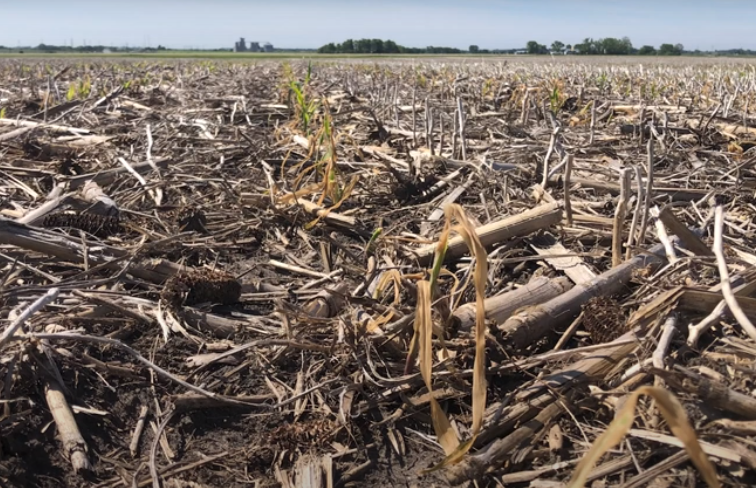
    #AskTheAgronomist: Uneven Corn Emergence

    IMG 0510
    Precision Agronomist Phil Long answers common questions related to uneven corn emergence, scouting tips and thoughts on changes to the planting plan at this stage of #Plant21.

    May 16, 2021
    #AskTheAgronomist, Agronomics, Corn, Crop, Emergence, Season, Spring
  • Latham Hi‑Tech Seeds

    Scout Early for Below-Ground Insects That Damage Corn

    Corn pest

    Numerous below-ground insects can damage your corn stand. We will focus on four pests, including where you will likely find them and what management tips could help prevent damage.

    Seedcorn Maggots destroy seeds before germination. This can occur when soils are cold and germination conditions are less than ideal. Most damage occurs in high organic regions of fields, especially areas with heavy manure applications. The best time to scout is from planting to VE. Dig up seed in areas with damage to check for insect feeding. Note problem areas, and consider additional soil-applied insecticides in those areas in the future.

    Scout for White Grubs prior to planting. High-risk fields include those that have been in pasture one or two years previously or where willow or cottonwood trees are growing adjacent to the field. Most of Latham’s seed treatments control this insect unless infestations are high enough to overwhelm the seed treatment. In areas with that potential, consider soil-applied insecticides.

    Shortly after eggs hatch in May and June, Northern Corn Rootworm and Western Corn Rootworm larvae begin feeding on root hairs and tunnel inside roots. As they develop, larvae begin feeding on larger root tips. Extensive feeding can eliminate entire nodes of roots. In fields with known beetle history, use Latham® hybrids that contain SmartStax® or Agrisure Duracade® technology. In fields with heavy pressure, use a soil-applied insecticide in addition to a traited hybrid.

    Black Cutworm most commonly occur in low or poorly drained areas of fields. Latham brand SmartStax hybrids contain the Cry1F Bt protein that can control most problems of cutworm infestations. Our new hybrids for 2022 planting with the Trecepta® and 5222 Duracade traits contain the Vip3A Bt protein that also offers great control.

    Your Latham Dealer has the tools you need to effectively control these pests. As you scout fields and find pests, note those areas. Then ask your local seed dealer to help you build a plan that incorporates the Latham hybrids that can offer you the best protection.

    Insects Corn

    Latham Seeds Precision Agronomy Advisors

    May 12, 2021
    #AskTheAgronomist, Agronomics, Corn, Insects, Spring, Summer
  • Latham Hi‑Tech Seeds

    Spring Planting: Get it Right From the Start

    Soybeans LauraC

    “In farming, you only get one chance every year, so it’s worth it to do it right the first time.”

    That statement is so very true. Below are a few things to keep in mind to optimize your corn and soybeans yields:

    Soybeans LauraCSoil Moisture. Working ground when it is too wet leads to slabbing and clodding of the soil, so areas within fields dry at different rates. A kernel of corn imbibes, or takes in, about 30% of its weight in water during germination. When kernels in a row are exposed to varying amounts of soil moisture, their germination rates and emergence will vary from plant to plant. The result is uneven emergence, poor early growth and potentially severe stand loss. Soybeans need more water at germination, taking in about 50% of seed weight on average. As with corn, good seed-to-soil contact is critical, so avoid cloddy conditions.

    Soil Temperature. Corn germinates best when soil temperature is close to 50° F. Approximately 120 growing degree units (GDU’s) are required for corn to emerge. During periods of cool temperatures, it can take several days to achieve those GDU’s. Once a corn seed germinates, it can exist for about 14 days on the energy that is contained in the endosperm. Under ideal conditions, the seed will emerge and develop a root system in much less than 14 days. Most researchers agree that soybeans emerge best when the soil temp is 55° F or warmer. Avoid planting soybeans if the temperature is below 55° and a cold rain/weather event is expected within 24 hours after planting.

    Planting depth:  Soybeans respond best when planted at 1¼ to 1½ inches deep and should never be planted deeper than 2 inches! Remember, a soybean seedling must push that cotyledon through the soil as it emerges. The soybean seedling requires much more energy than a corn seedling with its narrow coleoptile (shoot). Target depth when planting corn is 2.5 inches. Planting corn shallow is as bad as planting soybeans too deep because nodal roots will not develop properly and “Rootless Corn Syndrome” may result.

    Soybean inoculant:  Old-timers say if soybeans have been planted in a field within the past four to five years, then an inoculant is not necessary. However, recent studies and more advanced inoculant formulations show otherwise. Using inoculants in light, sandy soils, as well as weather-stressed (flood, drought, etc.) fields have shown increased plant health and improvements in overall yield. Consider running side-by-side trials on your farm to see if inoculants will work for you.

    Problems like sidewall compaction, surface crusting, herbicide injury, seedling insects and seedling diseases can all lead to delayed plant and root development. These, and many others, can all cause uneven emergence and poor stands in corn and soybean. That’s why it’s important to control what you can to set up your crops for success!

    Stay safe this planting season. Did you enjoy this article? We want to (TECH)talk with you! Sign up for our newsletter to receive agronomy videos, articles (and delicious recipes) in your inbox! We’ll TALK soon.

    Latham Seeds Precision Agronomy Advisors

    April 9, 2021
    Agronomics, Corn, Crop, Emergence, Soil, Soybeans
  • Latham Hi‑Tech Seeds

    #AsktheAgronomist: How To Reach 100% of Your Yield Potential

    April 1

    Join us on April 1 at 8 AM as we discuss how to reach 100% of your yield potential. Phil Long shares a study across high yield results and finds 5 common denominators.

    Laura Cunningham

    April 1, 2021
    Agronomics, Corn, Crop, Fertility
Previous Page
1 … 7 8 9 10 11 … 36
Next Page

Latham Hi‑Tech Seeds

131 180th Street | Alexander, IA 50420

(641) 692-3258

SIGNUP FOR OUR NEWSLETTER
  • Contact
  • Legal
  • Dealer Center
  • Seedware Login
  • Latham Gear

© 2026 Latham Hi‑Tech Seeds. All rights reserved. | Privacy Policy

Latham® Hi-Tech Seeds is a trademark of M.S. Technologies, L.L.C., 103 Avenue D, West Point, IA 52656.