Skip to content
Latham Hi-Tech Seeds

(641) 692-3258

  • Home
  • Performance
  • Products
    • Corn
    • Soybeans
    • Soybean Blends
    • Alfalfa
    • Corn Silage
    • Seed Guide
  • Find a Rep
  • Media
    • Blog
    • News
    • Videos
    • Podcasts
    • TECHTalk
  • About Us
    • Company History
    • Our Mission
    • Careers
    • Become a Rep
    • Sowing Seeds of Hope
  • Contact Us
  • Latham Hi‑Tech Seeds

    Spring Planting: Get it Right From the Start

    Soybeans LauraC

    “In farming, you only get one chance every year, so it’s worth it to do it right the first time.”

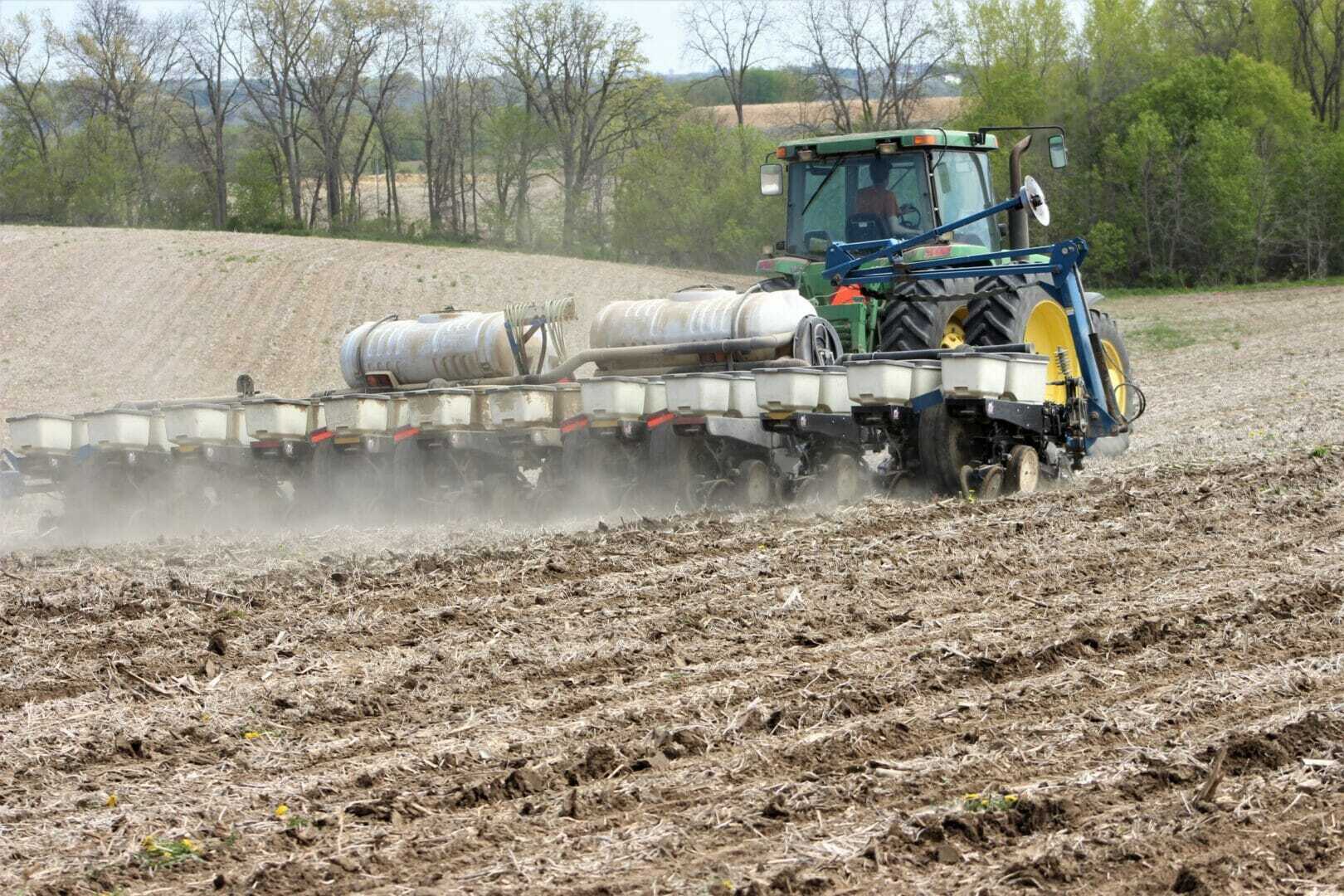
    That statement is so very true. Below are a few things to keep in mind to optimize your corn and soybeans yields:

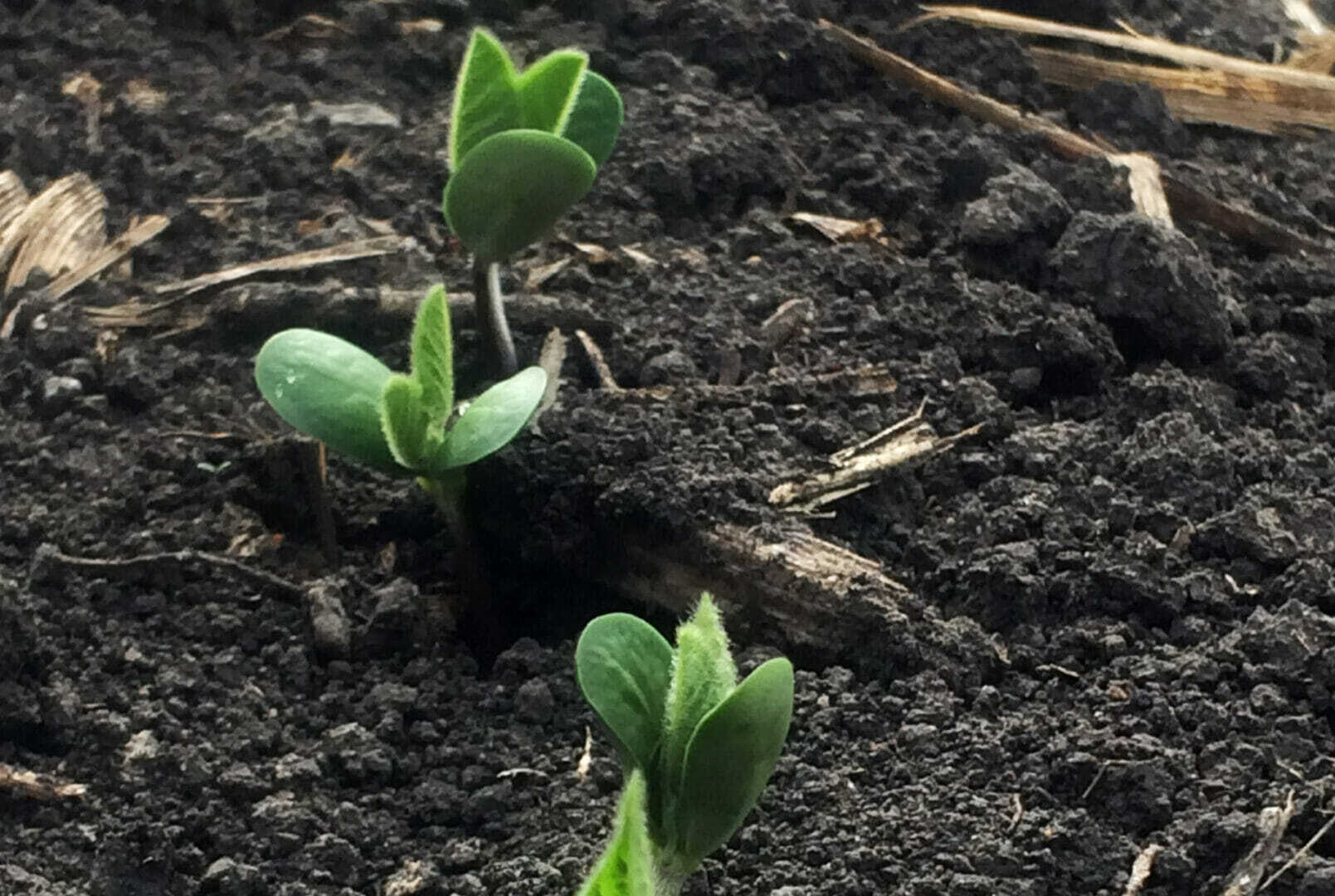
    Soybeans LauraCSoil Moisture. Working ground when it is too wet leads to slabbing and clodding of the soil, so areas within fields dry at different rates. A kernel of corn imbibes, or takes in, about 30% of its weight in water during germination. When kernels in a row are exposed to varying amounts of soil moisture, their germination rates and emergence will vary from plant to plant. The result is uneven emergence, poor early growth and potentially severe stand loss. Soybeans need more water at germination, taking in about 50% of seed weight on average. As with corn, good seed-to-soil contact is critical, so avoid cloddy conditions.

    Soil Temperature. Corn germinates best when soil temperature is close to 50° F. Approximately 120 growing degree units (GDU’s) are required for corn to emerge. During periods of cool temperatures, it can take several days to achieve those GDU’s. Once a corn seed germinates, it can exist for about 14 days on the energy that is contained in the endosperm. Under ideal conditions, the seed will emerge and develop a root system in much less than 14 days. Most researchers agree that soybeans emerge best when the soil temp is 55° F or warmer. Avoid planting soybeans if the temperature is below 55° and a cold rain/weather event is expected within 24 hours after planting.

    Planting depth:  Soybeans respond best when planted at 1¼ to 1½ inches deep and should never be planted deeper than 2 inches! Remember, a soybean seedling must push that cotyledon through the soil as it emerges. The soybean seedling requires much more energy than a corn seedling with its narrow coleoptile (shoot). Target depth when planting corn is 2.5 inches. Planting corn shallow is as bad as planting soybeans too deep because nodal roots will not develop properly and “Rootless Corn Syndrome” may result.

    Soybean inoculant:  Old-timers say if soybeans have been planted in a field within the past four to five years, then an inoculant is not necessary. However, recent studies and more advanced inoculant formulations show otherwise. Using inoculants in light, sandy soils, as well as weather-stressed (flood, drought, etc.) fields have shown increased plant health and improvements in overall yield. Consider running side-by-side trials on your farm to see if inoculants will work for you.

    Problems like sidewall compaction, surface crusting, herbicide injury, seedling insects and seedling diseases can all lead to delayed plant and root development. These, and many others, can all cause uneven emergence and poor stands in corn and soybean. That’s why it’s important to control what you can to set up your crops for success!

    Stay safe this planting season. Did you enjoy this article? We want to (TECH)talk with you! Sign up for our newsletter to receive agronomy videos, articles (and delicious recipes) in your inbox! We’ll TALK soon.

    Latham Seeds Precision Agronomy Advisors

    April 9, 2021
    Agronomics, Corn, Crop, Emergence, Soil, Soybeans
  • Latham Hi‑Tech Seeds

    #AsktheAgronomist: How To Reach 100% of Your Yield Potential

    April 1

    Join us on April 1 at 8 AM as we discuss how to reach 100% of your yield potential. Phil Long shares a study across high yield results and finds 5 common denominators.

    Laura Cunningham

    April 1, 2021
    Agronomics, Corn, Crop, Fertility
  • Latham Hi‑Tech Seeds

    Product Placement is Key to Success

    Planting ROI

    Planting a product in the field it was chosen for creates the greatest success.

    We spend a lot of time at Latham Hi‑Tech Seeds working with our dealers and customers on the proper placement of our products in their fields. The suggestions we offer in our product guide and tech sheets provide a great amount of detail. In addition, our product team members offer face-to-face support for these recommendations while giving tours to dealers and customers throughout the season.

    A Field x Field™ recommendation for your farm creates optimum performance opportunities for the Latham® products you purchased. Our Field x Field guide can either be a paper document provided by your dealer or an electronic version inside your Data ForwardSM App that your dealer or one of our precision agronomists helped you design.

    Now that you have this detailed plan, what steps can you take to implement it accurately? Here are a few suggestions to help execute your plan:

    1. Review your plan and be sure it matches each field.
    2. Did you add a field that needs seed? If so, contact your Latham dealer to get a plan for that field and seed ordered.
    3. Take delivery of your seed early. Document that you have all the products and correct volume of each to match your plan for each field.
    4. Sort your seed purchases by field.
    5. Label where you plan to plant the seed, the seeding rate and suggested timing.

    Before planting starts, gather everyone on your team who helps with planting. Review the crop plan with them. Be sure everyone understands the importance of planting each product in the correct field.

    Following the steps listed above will help ensure the time spent building your crop plan with your Latham dealer or RSM was time well spent. A well-executed plan can add value to your operation in 2021.

    Latham Seeds Precision Agronomy Advisors

    March 15, 2021
    Agronomics, Corn, Crop, Soil
  • Latham Hi‑Tech Seeds

    #AsktheAgronomist: Prep for a Dry Spring Part 2

    Kilah and Phil

    Join us as we discuss part 2 of how to plan for a dry spring! Phil Long will expand on the topics of herbicide effectiveness and in-furrow applications.

    :30 – Topic introduction

    :55 – Herbicide effectiveness

    6:00 – In-furrow applications

    10:00 – In-furrow application placement

    12:10 – Final thoughts

    Laura Cunningham

    March 11, 2021
    Agronomics, Corn, Crop
  • Latham Hi‑Tech Seeds

    Ask The Agronomist: Plan for a Dry Spring Part 1

    Corn leaves growth in a field at spring
    Join us for Part 1 of our spring planting discussion. Phil Long discusses two factors to consider as we head into a dry spring. #AsktheAgronomist #LathamSeeds
     
    :25 – Topic introduction
    1:10 – Tillage practices
    4:15 – Row cleaner recommendations
    6:00 – Nitrogen Applications
    11:15 – Final thoughts

    Laura Cunningham

    March 4, 2021
    Agronomics, Corn, Crop, Soil, Soybeans
  • Latham Hi‑Tech Seeds

    Does Seed Size Matter?

    Renner 1

    Phil Long tackles both the corn and soybean seed size discussion in the videos below. Tune in to learn if seed size matters on your farm!

    Laura Cunningham

    February 10, 2021
    Agronomics, Corn, Crop, Soybeans
  • Latham Hi‑Tech Seeds

    Ask the Agronomist: Does Corn Seed Size Matter?

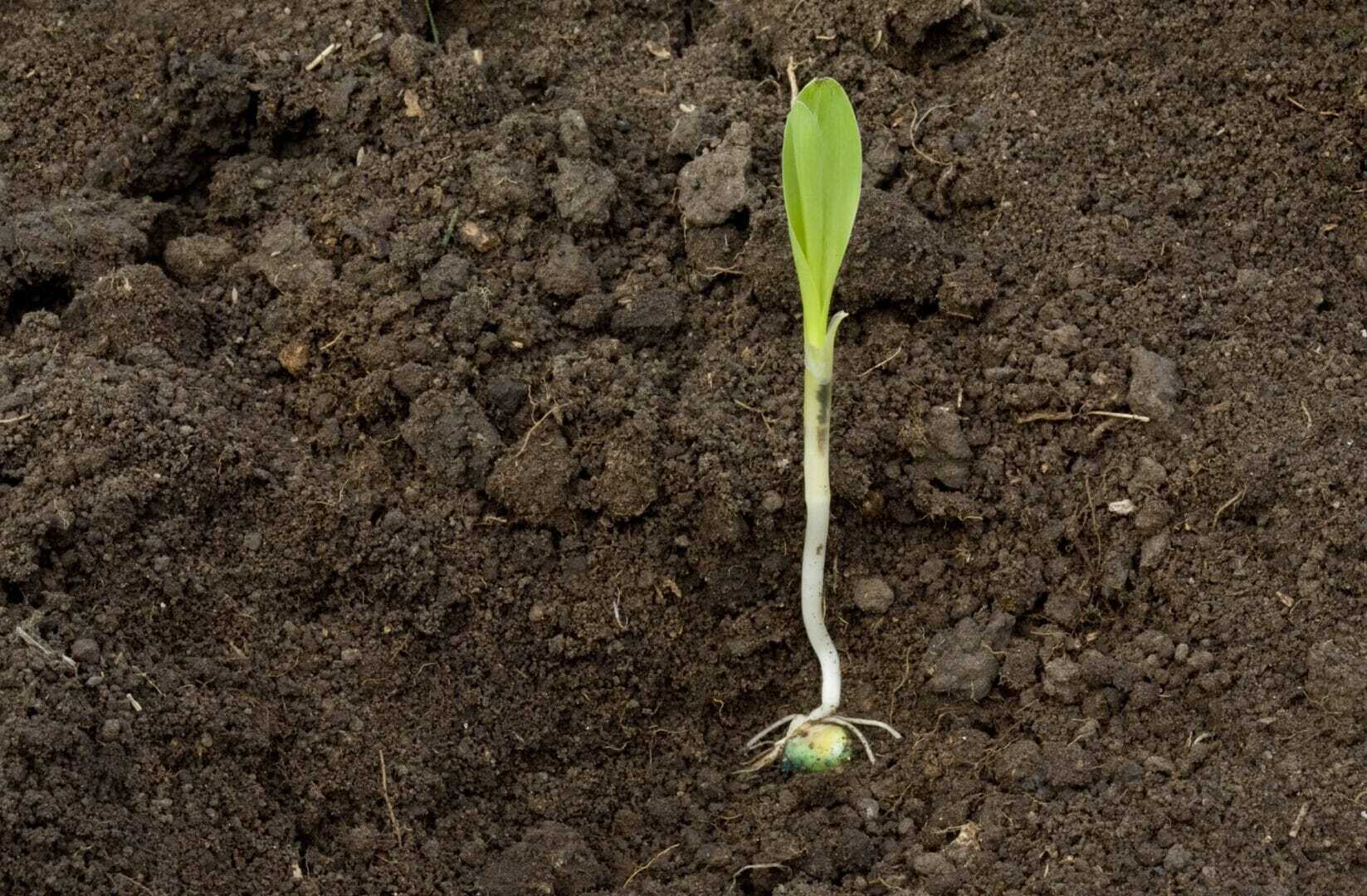
    Field Corn Seedling Emerging From Soil

    Tune in as we discuss if corn seed size matters. From germination to emergence, learn the importance of an even stand and how seed size can play a role. #LathamSeeds

    :45 – Topic introduction

    2:40 – Emergence & germination

    5:20 – Seed placement

    9:20 – Seed genetic potential

    10:10 – Seed orientation

    Laura Cunningham

    February 4, 2021
    #AskTheAgronomist, Agronomics, Corn, Crop, Emergence
  • Latham Hi‑Tech Seeds

    Research Plots are Key to Building Latham’s Lineup

    NW IA Latham Seeds Corn 8 13 19

    Lyle white backgroundby Lyle Marcus, Corn Product Manager

    Each December and January Latham’s Corn Product Team reviews all the yield data from the current year plots and from previous years for products that are currently in our lineup, as well as for experimental products that we are considering adding to our lineup.

    We fine-tune positioning information for each product and then incorporate that into our company’s product guide and tech sheets. In addition to yield results, we review field notes about product characteristics that we took throughout the growing season.

    Our RSMs provide valuable insight that comes from their experiences working directly with you, our customers. We also ask the Latham Sales Team to submit a “Needs Assessment,” so we can match our product offering to customers’ needs. Feedback from Latham® dealers also provides valuable insight.

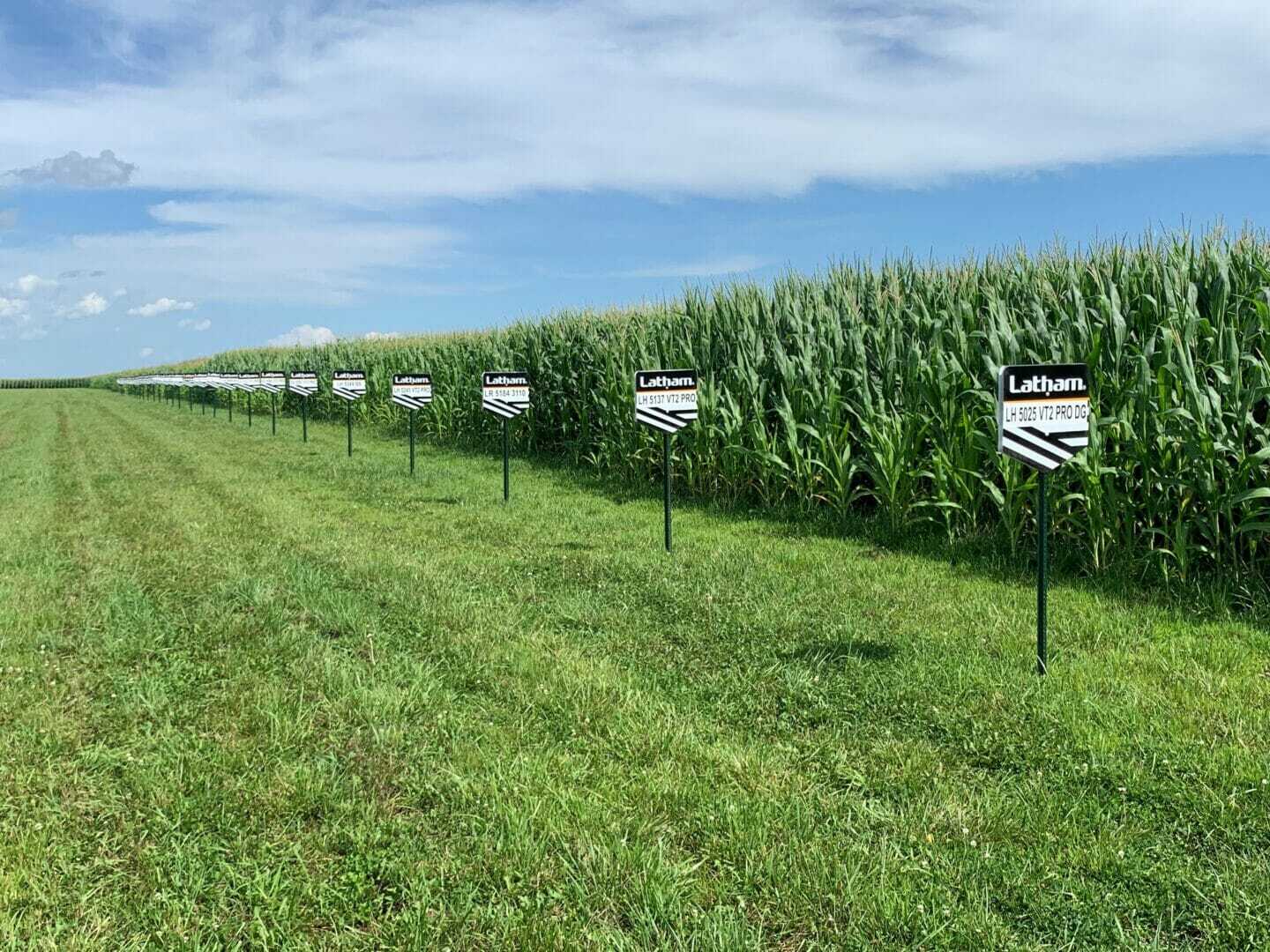
    In addition to RSM and dealer input, Latham’s MiniStrip™ and SuperStrip™ plots help identify hybrids that fit identified needs. Plots planted across our marketing footprint allow us to look for hybrids that can outperform our key hybrids, so our customers can have confidence that we are continually advancing our corn lineup.

    SuperStrip plots test the same group of corn hybrids on several farms during the same year. Our MiniStrip plot program allows us to contract with independent third parties to test both existing products, potential new products and experimental products in multiple locations across our footprint. Through our plot programs, we collect data on how hybrids perform by soil type and under various environmental conditions. Hybrids also are evaluated throughout the growing season for their overall characteristics and then taken to yield at harvest as a final comparison.

    Research data provides us with building blocks for our crop plan. Keep in mind, what we plant in 2021 becomes the seed we will offer for farmers to plant in 2022.

    Winter is really an exciting and busy time of the year for the product team!

    January 20, 2021
    Agronomics, Corn, Crop
  • Latham Hi‑Tech Seeds

    Ask the Agronomist: How to Identify and Manage Goss’s Wilt

    Goss Wilt Iowa State University
    Tune in for discussion on identifying and managing Goss’s Wilt. Learn about how this bacterial disease can grow and affect nearly up to 50% of your overall corn yield. #AskTheAgronomist
     
    1:15 – How Goss’s Wilt affects a corn plant
    2:38 – How to identify Goss’s Wilt
    5:00 – Yield impact
    7:00 – How to manage Goss’s Wilt

    Laura Cunningham

    January 14, 2021
    #AskTheAgronomist, Agronomics, Corn, Crop, Disease
  • Latham Hi‑Tech Seeds

    4 Factors to Improve Efficiency in 2021

    Pic 2

    It was a beautiful, extended fall season, giving us ample time to finish tillage, fertilizer applications, tilling and other field work. Our machinery was strategically tucked away in the shed before the snow fell. Speaking of strategic placement…

    Is your planter all the way in the back of the shed because you aren’t planning to touch it until March? Now is actually a good time to start thinking about your planter. New technology allows us to make our existing planter as good as – if not better than – the brand new planter on the lot at the implement dealership. One perk of working with us at Latham Hi‑Tech Seeds is using our Data ForwardSM services to help you make some unbiased decisions. Perhaps you weren’t happy with the way your corn was spaced in 2020 or maybe you noticed uneven emergence last spring. We can help you determine why this happened and fix these issues before going into 2021 planting season.

    If you attended a plot tour last summer or listened online to our Corn Product Manager Lyle Marcus, you know he emphasized the importance of planting depth. It can be difficult to stay consistent across the field; controlling planter speed is one of the simplest ways to achieve optimum seed placement. We can review planter speed. We also can explore technology options for your planter, so you can monitor and control variabilities throughout a field.
    Another factor to consider is planting depth. Oftentimes, we say 2.75 inches is a safe planting depth to allow adequate moisture and growing degree units (GDUs) to attain even emergence.

    There is a lot of talk around two-inch planting depths. This could be optimal if there is adequate moisture. Planting at 2 inches with adequate moisture can get you better emergence due to having faster GDU adaptation. This also means that it could come out of the ground better in crusting conditions, but keep in mind that the key to shallower planting is moisture. It’s risky to rely on moisture being available at that shallower depth.

    We spend a lot of time helping our Data Forward clients improve efficiency. While this can encompass many things, we focus on your planter, seed and equipment. We believe one of the most important assets to a farmer’s operation is the planter. If the planter is not equipped to place that seed where it is going to thrive, then other investments throughout the year are not going to be as valuable either.

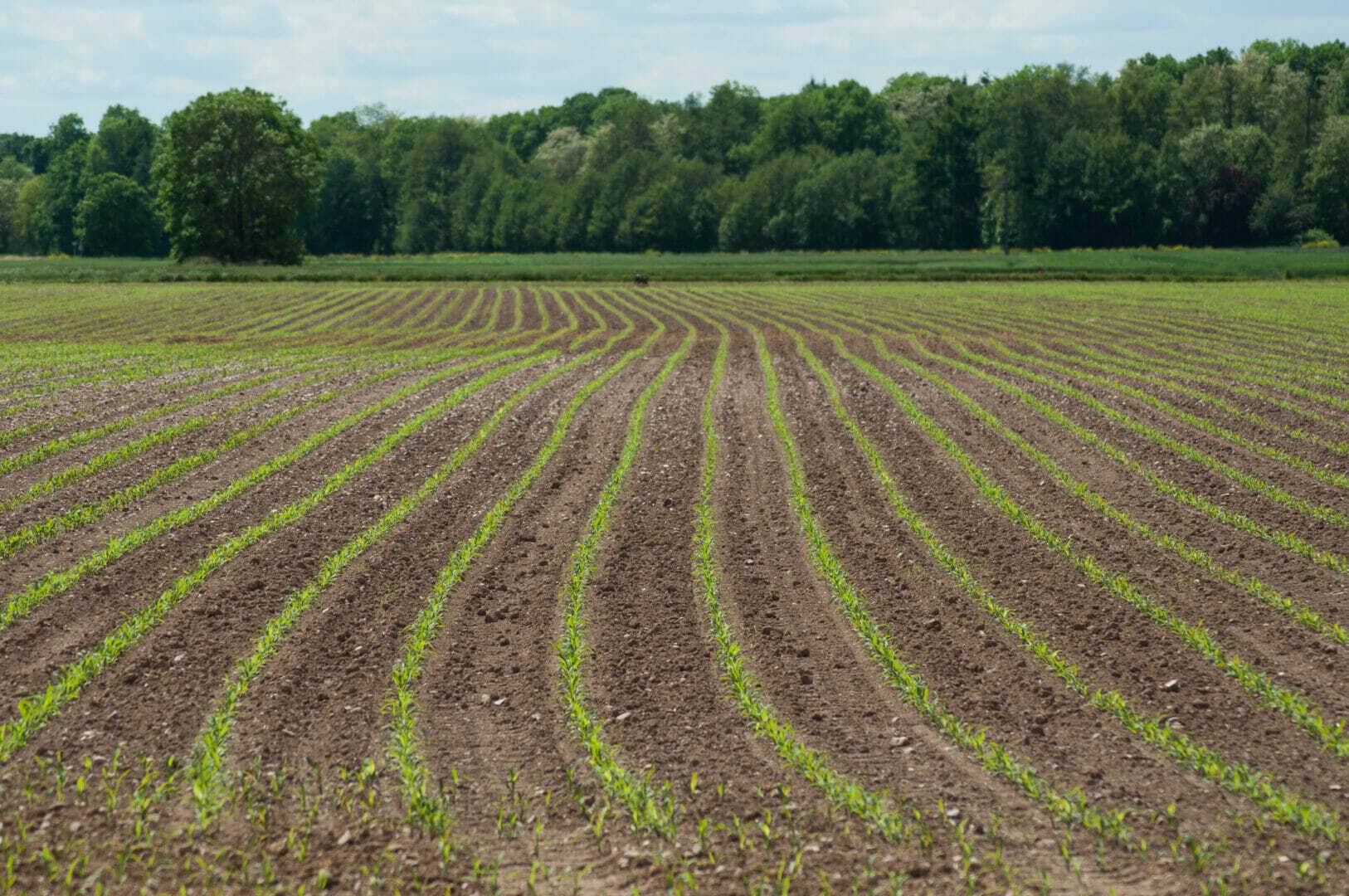
    One of our biggest challenges is helping clients achieve uniform, speedy emergence. If one plant emerges 24 to 48 hours after its neighbor, that plant will compete for the sunlight that its neighbor is already harvesting. The plant starving for sunlight will be a runt for the rest of the growing season.
    Keep these four things in mind when trying to keep even heat and moisture to achieve even emergence:

    1. Manage residue.
    2. Maintain planting depth.
    3. Achieve good seed-to-soil contact (no air pockets).
    4. Eliminate compaction.

    If you want to improve efficiency, planter performance, and data management for 2021, it’s time to plan. Call your Latham Precision Agronomy Advisors now for unbiased recommendations to get your 2021 crop off to a better start!

    Latham Seeds Precision Agronomy Advisors

    January 11, 2021
    Agronomics, Corn, Crop, Emergence, Precision Ag, Soil, Soybeans
Previous Page
1 … 8 9 10 11 12 … 36
Next Page

Latham Hi‑Tech Seeds

131 180th Street | Alexander, IA 50420

(641) 692-3258

SIGNUP FOR OUR NEWSLETTER
  • Contact
  • Legal
  • Seedware Login
  • Latham Gear

© 2026 Latham Hi‑Tech Seeds. All rights reserved. | Privacy Policy

Latham® Hi-Tech Seeds is a trademark of M.S. Technologies, L.L.C., 103 Avenue D, West Point, IA 52656.