Latham Hi-Tech Seeds

(641) 692-3258

  • Home
  • Performance
  • Products
    • Corn
    • Soybeans
    • Soybean Blends
    • Alfalfa
    • Corn Silage
    • Seed Guide
  • Find a Rep
  • Media
    • Blog
    • News
    • Videos
    • Podcasts
    • TECHTalk
  • About Us
    • Company History
    • Our Mission
    • Careers
    • Become a Rep
    • Sowing Seeds of Hope
  • Contact Us
  • Latham Hi‑Tech Seeds

    Latham’s 2020 Virtual Field Day Was “Made for You”

    IMG 6752

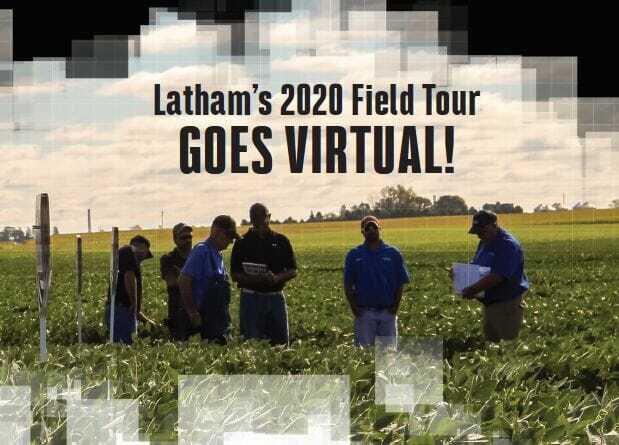
    Virtual cover imageAt Latham Hi‑Tech Seeds, we have hosted multiple field day on wheels. We’ve showcased emerging technologies that allow us to check crops from the air, but this is the first year we didn’t have to worry about the weather on our field day. It’s also the first time we a virtual day event.

    Welcome to 2020! The worldwide COVID-19 pandemic has forced businesses around the globe to deliver information using technology like Zoom, Facebook Live and YouTube. Although we prefer to meet with farmers in person, our team of industry experts has developed some interesting and informative content for you. We hope you enjoy it and find it of value!

    Below is a recap of our 2020 Latham® Virtual Field Day with links, so you can watch agronomic presentations from the comfort of your office or the cab of your tractor or combine:

    • Fortunately, weather events did not affect our production fields. It looks to be another banner year for Latham seed production! You’re invited to join us for this 40-minute industry roundtable with Latham’s Product Team.
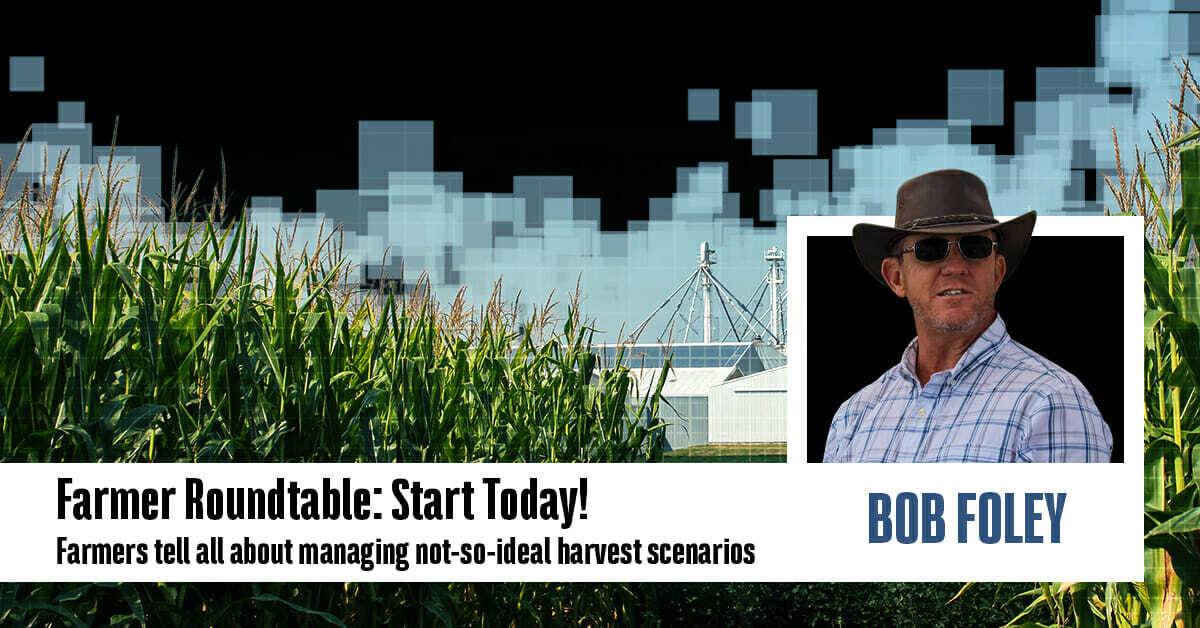
    • IMG 6752In this “challenges of harvest” roundtable hosted by Bob Foley, farmers from across the Upper Midwest tell us how they’re managing harvest in not-so-ideal conditions.
    • Put products and practices to the test on your on farm! Precision Agronomy Advisor Darin Chapman discusses on-farm research and the benefits. He covers how you can use “small data” to work on your own farm.
    • Soybean Product Manager Mark Grundmeier provides tips for Selecting Soybean Products that are Built for Battle. Did you know farmers don’t have to give up yield when planting defensive soybeans? Mark talks about how Latham’s exclusive IRONCLADTM products are bred to combat local diseases.
    • Latham’s Northern Product Manager Gary Geske explains how seed treatment helps maximize yield potential. He explains what makes Latham Seeds’ SoyShield® so unique, so elite and so effective.
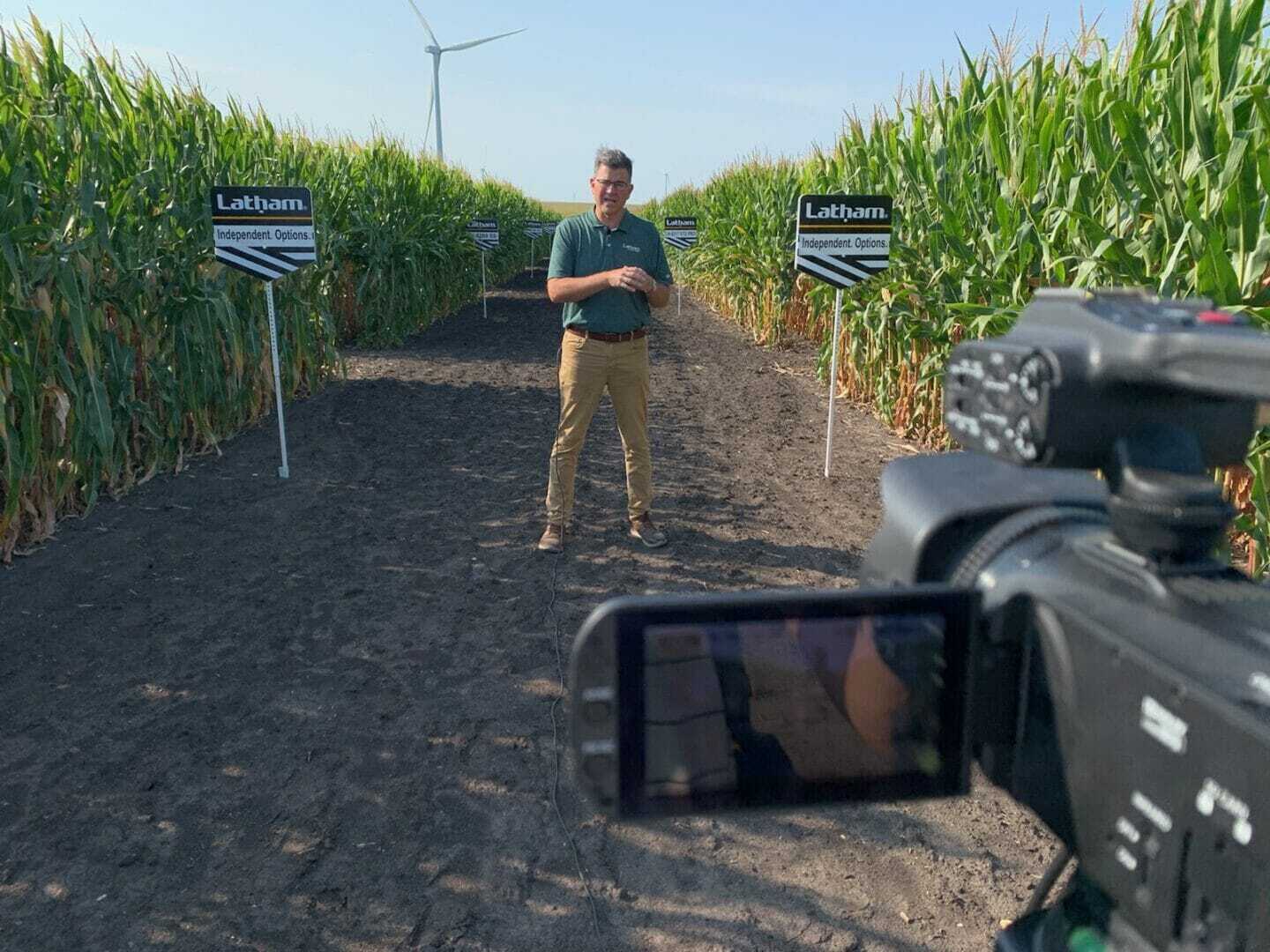
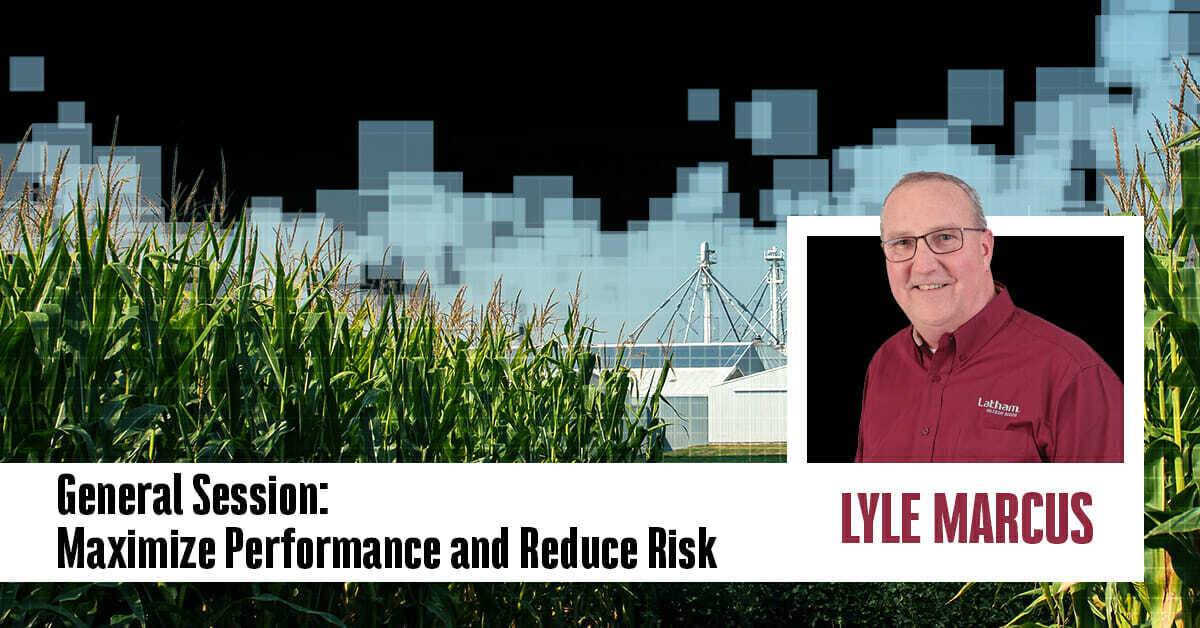
    • Latham Corn Product Manager, Lyle Marcus, shares how to maximize performance and reduce risk with Latham® corn hybrids in 2021. He also introduces eight new hybrids for spring planting.
    • In this 20-minute workshop on seed placement and performance, Precision Agronomy Advisor Phil Long explains how to use Latham’s product guide to choose seed products for 2021. Did you know that placement can affect yield by up to 20 percent? That’s a 20- to 50-bushel yield swing! Phil walks us through how to match management style to product characteristics for best placement and performance.

    One of the things we enjoy most about hosting field days is sitting at the table with Latham® dealers and customers. We always enjoy hearing about our customers’ families and learning more about farming operations. If you attend a Latham Seeds’ event, you can count on great conversation and a wonderful meal.

    In true field day fashion, we are sharing with you a typical field day menu. Below are links to some of our favorite fall recipes:

    • Harvest BBQ Pulled Pork Sandwiches, a recipe shared by Iowa’s Deputy Secretary of Agriculture Julie Kenney
    • Sweet & Spicy Baked Beans
    • Cranberry Waldorf Salad (Although this recipe isn’t from “The Field Position” blog, it’s a hit every time I make it for a group that visits Enchanted Acres pumpkin patch.)
    • Apple Crisp

    With the cool fall weather this week, we thought it would be the perfect time to share a new crockpot dish.  Scroll down to find a recipe for Slow Cooker Cajun Chicken Fettuccine. Recipe and image sourced here.

    Shannon Latham

    September 11, 2020
    Agronomics, Corn, Crop, Disease, Emergence, Fertility, Food & Family, Fungicide, Growth Stages, Insects, Poultry, Precision Ag, Recipes, Seed Treatment, Sides, Soil, Soybeans, Weed Control
  • Latham Hi‑Tech Seeds

    Ear Flex with Bob Foley

    Bob Featre

    Bob Foley takes some time to walk through different ways ears can flex and the importance of kernel depth and girth. View a breakdown of topics of topics below.

    0:05 — Topic introduction

    2:00 — The history of ear flex

    4:45 — Flex ear hybrids today

    6:10 — Dryland vs. Irrigated: Ear flex visual differences

    7:05 — Semi-determinate in-field examples

    8:57 — Fixed ear characteristics

    9:40 — The importance of kernel depth

    Laura Cunningham

    September 10, 2020
    Agronomics, Corn, Crop, Fertility
  • Latham Hi‑Tech Seeds

    2020 Latham Virtual Field Tour Recap

    Virtual cover image

    Find a recap of our 2020 Latham Virtual Field Tour. Latham’s product team shares insights on a variety of key topics geared toward success this harvest and into the 2021 growing season.  If you missed the live session, no worries! Find our on-demand videos below of the field tour.


    TUESDAY, SEPTEMBER 8, 2020: KICKOFF TO LATHAM’S VIRTUAL FIELD TOUR WEEK 2020
    2
    Join us for the first session of our 2020 Virtual Field Day as John Latham shares about our 73 years of quality and innovation. What does this mean for our dealers and customers across Latham Country? Tune in to find out! #LathamSeeds
    • Watch on YouTube: https://youtu.be/38HPu0W5AG0
    • Watch on Facebook: https://www.facebook.com/watch/?v=716833985567673&extid=wucYcQA8x7m2HAf4

    Tune in above for a roundtable with Latham’s Product Team hosted by President John Latham.
    • 0:35 — Introductions
    • 2:06 — What soybean technologies can farmers be looking forward to in the future?
    • 3:50 — Has any of the extreme weather affected our corn supply?
    • 5:45 — What additional agronomy videos are coming down the pipeline?
    • 8:50 — Can the Data Forward app help with yield estimates?
    • 11:25 — How to prepare yield monitors to gather accurate yield data?
    • 16:30 — Late-season visible differences in treated and untreated seed
    • 18:00 — Update on XtendiMax renewal
    • 20:25 — 2021 corn line-up sneak peak
    • 24:00 — What makes the word INDEPENDENCE so meaningful at Latham Seeds?
    • 28:30 — Can we fix yield data after harvest?
    • 29:25 — When is the best time to soil sample?
    • 32:40 — Seed treatments: where can farmers cut some costs?
    • 35:45 — John Latham’s update from ASTA

    Watch on Facebook: https://www.facebook.com/watch/?v=2668478816588211&extid=ca2iM5vffbodkI4Y

    Watch on YouTube: https://youtu.be/O8FHM7ESu9M


    WEDNESDAY, SEPTEMBER 9, 2020: MAXIMIZING YOUR 40 CHANCES

    Join us for a 35 minute segment as farmers tell all about managing no-so-ideal harvest scenarios hosted by Bob Foley.

    • Watch on YouTube: https://youtu.be/wapZOMosW9w
    • Watch on Facebook: https://www.facebook.com/watch/?v=2769613716607152&extid=qtyQfwe76nz099nQ 

    Join us as Precision Agronomy Advisor Darin Chapman discusses on-farm research and the benefits of testing ideas for the future.

    • Watch on YouTube: https://youtu.be/dQGiV3n9SwQ
    • Watch on Facebook: https://www.facebook.com/watch/?v=230182775092324&extid=2gNkqUOjZDfEUmW4

    Join us as Corn Product Manager, Lyle Marcus, discusses how to maximize performance and reduce risk with Latham® corn hybrids in 2021.

    • Watch on YouTube: https://youtu.be/TqU1IGTj-VU
    • Watch on Facebook: https://www.facebook.com/watch/?v=313068009801743&extid=LSYK1tpv18TZXFtt

    SPECIAL FEATURE! 20 Minute Workshop hosted by Precision Agronomy Advisor Phil Long. Did you know that placement can affect yield by up to 20%? That’s a 20-50 bushel yield swing! Phil will walk through how to match management style to product characteristics for best placement and performance.

    • Watch on YouTube: https://youtu.be/3GijMR2w6nw
    • Watch on Facebook: https://www.facebook.com/watch/?v=887477738448432&extid=vfxO7xfB1W1Jr5XH

    THURSDAY, SEPTEMBER 10, 2020: MANAGING SOYBEANS ON OFFENSE AND DEFENSE

    What does it mean for a product to be Built for Battle? Mark Grundmeier shares insight into our highly offensive and defensive soybean product options.
    • Watch on YouTube: https://youtu.be/_EGw1UA4-b4
    • Watch on Facebook: https://www.facebook.com/watch/?v=1233891166969244&extid=LS56ewVr5vxXKVKA

    Join us as we discuss how to protect the yield potential of soybean genetics from day one with expert Gary Geske.
    • Watch on YouTube: https://youtu.be/mNxBtFDryHk 
    • Watch on Facebook: https://www.facebook.com/watch/?v=1945198385604293&extid=9ycIGoHLwzgBYFjq 


    Mark Grundmeier and Gary Geske share key insight on diversifying your soybean options to maximize performance and reduce risk.
    • Watch on YouTube: https://youtu.be/Q9I5hS-y8fU
    • Watch on Facebook: https://www.facebook.com/watch/?v=1233891166969244&extid=LS56ewVr5vxXKVKA

    Laura Cunningham

    September 10, 2020
    Agronomics, Corn, Crop, Disease, Emergence, Fertility, Fungicide, Growth Stages, Insects, Precision Ag, Seed Treatment, Soil, Soybeans, Weed Control
  • Latham Hi‑Tech Seeds

    Maximize Performance and Reduce Risk with Latham Hybrids

    Field day presentation slide lyle marcus

    Join us as Corn Product Manager, Lyle Marcus, discusses how to maximize performance and reduce risk with Latham® corn hybrids in 2021.

    Laura Cunningham

    September 9, 2020
    Agronomics, Corn, Crop, Disease, Emergence, Fertility, Fungicide, Growth Stages
  • Latham Hi‑Tech Seeds

    Farmer Roundtable: How to Manage a Not-So-Ideal Harvest

    Field day presentation slide bob foley

    Join us for a 35 minute segment as farmers tell all about managing no-so-ideal harvest scenarios hosted by Bob Foley.

    Manage for next season

    Harvest ideas and plans

    Grain and handling

    Quality vs quantity

    Laura Cunningham

    September 9, 2020
    Agronomics, Corn, Crop, Growth Stages
  • Latham Hi‑Tech Seeds

    Ask the Agronomist: Will 2020 be an Early Harvest?

    Feature image for ATA 8.27

    Will 2020 bring an early Harvest? Phil Long talks about 3 different examples of how corn is maturing. Learn about what is in your field and the impacts of an early harvest.

    :30 — Topic introduction

    1:45 — Impact of lack of moisture

    2:45 — Example 1: Corn plant dying from the top

    4:15 — Example 2: Corn plant firing from the bottom

    5:20 — Example 3: Corn plant with red streaking

    7:30 — Impacts of an early harvest

    10:10 — Final thoughts

    Laura Cunningham

    August 27, 2020
    Agronomics, Corn, Crop, Fall, Growth Stages, Season
  • Latham Hi‑Tech Seeds

    Ask The Agronomist: Dealing with the Derecho & Drought

    Most farmers across Latham Country have experienced some type of extreme weather this year. Phil Long discusses the impacts from the derecho and the yield impacts from drought.

    :30 – Topic introduction

    1:00 – Derecho impacts

    2:17 – Current corn field conditions

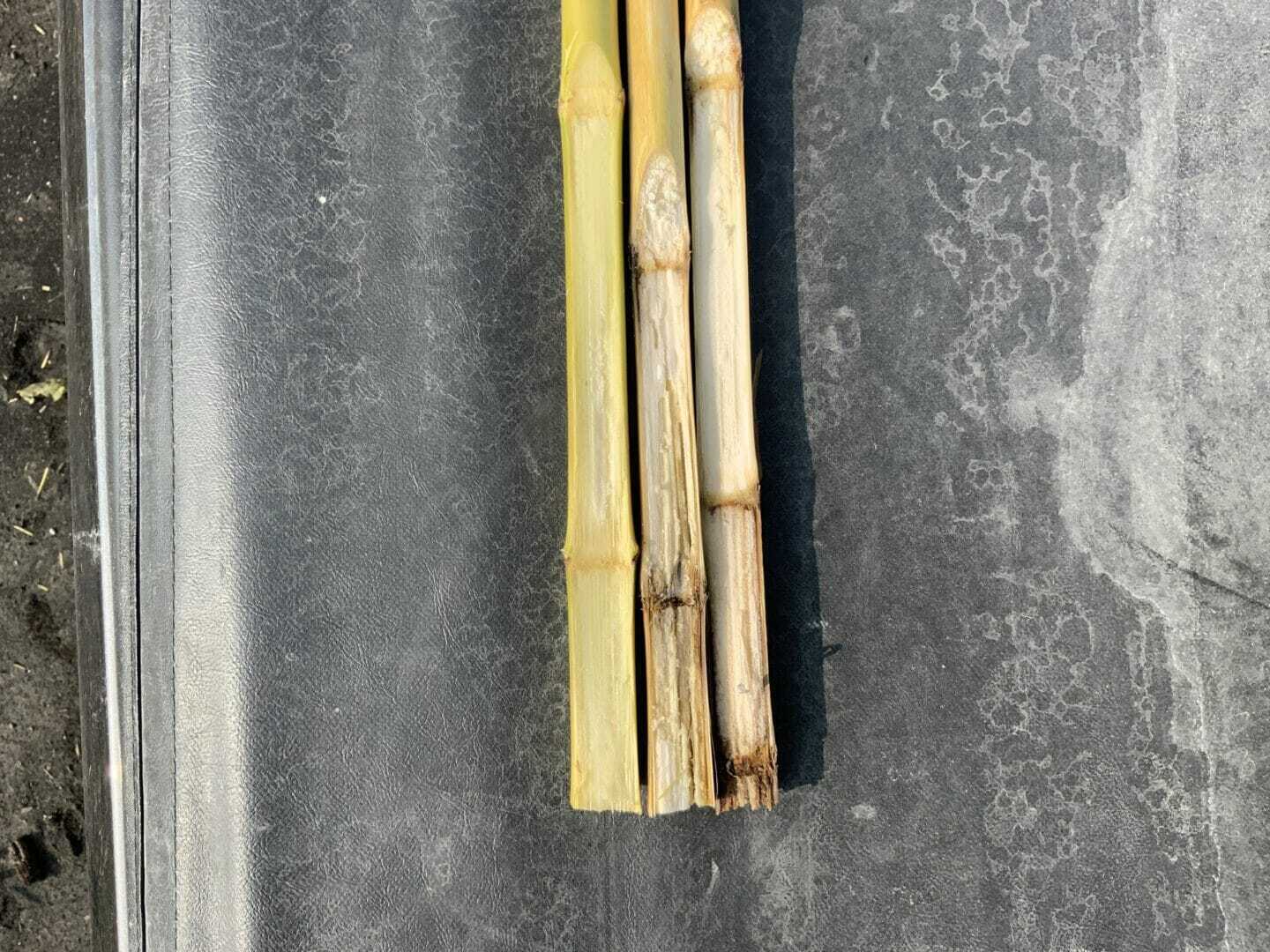
    5:45 – Stalk & ear rot

    7:20 – Drought effects on corn

    9:50 – Drought effects on soybeans

    Laura Cunningham

    August 20, 2020
    Agronomics, Corn, Crop, Drought, Hail, Soybeans, Weather
  • Latham Hi‑Tech Seeds

    Ask the Agronomist: Corn Pollination and Kernel Set

    IMG 6433
    How well did your corn pollinate? Phil Long discuss pollination, kernel abortion and yield estimates. #AskTheAgronomist
     
    :27 — Topic introduction
    1:45 — Corn development & yield estimates
    5:40 — Nutrient deficiencies
    6:50 — Kernel weight

    Laura Cunningham

    August 6, 2020
    #AskTheAgronomist, Agronomics, Corn, Crop
  • Latham Hi‑Tech Seeds

    Continually Searching for Better Products and Better Positioning

    Cory 1

    Southern IowaProduct team members at Latham Hi‑Tech Seeds continually search for new products to help our lineup perform better in your fields. We look at our MiniStrip trials to document the early season environmental issues at each location, so we can better understand harvest results. While we learn about new products in these plots, we also look for indicators to help us provide better positioning statements on key hybrids in our lineup.

    Each season offers new challenges and opportunities for us to learn more to help better position products in your fields. Like many of your fields, some of our MiniStrip plot locations were planted in cooler soils this spring and endured the very cold temperatures over Mother’s Day weekend. We are watching hybrid reactions to those environmental conditions.

    Soon we will evaluate seed products on flower date. With the abundance of pollen during flowering in a commercial corn field, we generally do not get concerned about pollen viability. We watch for stresses on the plant that may cause issues with proper silking. We also look for differences between hybrids that are close in maturity, so that we can make sound recommendations on which hybrids to pair together that are similar in maturity but offer variation on pollination/silking timing.

    Pairing hybrids in a field with varying pollination windows spreads risk of cool weather, super high temperatures or drought. It is uncommon for us to see issues with pollination but pairing complimentary hybrids in the same field offers protection in seasons of extreme stress. July also is when we look for early onset of diseases. We evaluate for disease tolerance and for benefits we may see from in-season fungicide applications. The continual evaluation of what we see in our plots helps us fine tune the hybrid characteristic information on our tech sheets. We look forward to sharing any important findings from our summer research this fall. Watch for more details coming soon!

    Latham Seeds Precision Agronomy Advisors

    August 6, 2020
    Agronomics, Corn, Crop
  • Latham Hi‑Tech Seeds

    Tips for Assessing Corn Rootworm Populations

    ISU Southern Western Northern Rootworm L to R

    August is a great time to assess potential risks of corn rootworm infestations in the following spring. By looking at the population of adult beetles found in corn fields now, farmers can identify potential problem fields for the following growing season. This can be a useful tool in overall management of corn rootworm.

    While walking fields this summer, our product team is seeing populations of corn rootworm adults. Predominantly, we see Northern Corn Rootworm in our market area. (Adult Fig. 1) This season we have seen populations of Western Corn Rootworms, (Adult Fig. 2) as well as a few Southern Corn Rootworms (Adult Fig. 3).

    1

    Assessing Corn Fields

    Look in corn fields that may be planted to corn next spring, as well as in soybean fields for high beetle populations. If you did not place sticky traps to catch or monitor beetles beginning at pollination time, spend a little time in your fields looking for evidence of adult populations that are still present.

    The primary/desired food source for corn rootworm beetles are the fresh silks of pollinating corn plants. If we have early flowering, as we have seen this season, we may not see an abundance of feeding at that time. Beetles, however, will feed on leaf tissue of corn plants if the source of fresh green silk is no longer available. The adult phase of the corn rootworm cycle begins at the end of June and can last all the way to the first killing frost. The egg laying period can last from late July through August.

    2When assessing corn fields at pollination time, focus on beetle counts found on silks of corn plants. When assessing corn fields in August and early September, focus on beetle populations that remain on any silks and look for leaf feeding. (Fig. 4) Make note of fields with high numbers of adults and significant leaf feeding. Consider rootworm management tools in those fields that will be corn next year.

    Assessing Soybean Fields

    Rootworm beetles feed on weedy areas: field edges, weedy areas in drowned-out spots, weed escapes etc. including soybean plants, alfalfa and prairie grass fields (CRP). Western Rootworm beetles are more likely to lay eggs in soybean fields, but Northern Rootworm beetles may do the same. Sweep net catches in soybeans or evidence of leaf feeding are best ways to assess populations.

    Protocols and population threshold advice can be found on your state’s Extension Service website.

    If you identify fields that may have potential rootworm problems next spring, consider using hybrids containing rootworm protection traits. Latham Hi‑Tech Seeds has an exceptional group of hybrids, ranging in relative maturing from 96 to 115, to manage corn rootworm. We introduced six hybrids with SmartStax® technology to help our customers manage this important corn pest for the 2021 planting season. Visit with your local Latham dealer or visit www.LathamSeeds.com to check out these new hybrids.

    Latham Seeds Precision Agronomy Advisors

    August 6, 2020
    Agronomics, Corn, Crop, Insects, Soybeans
Previous Page
1 … 10 11 12 13 14 … 36
Next Page

Latham Hi‑Tech Seeds

131 180th Street | Alexander, IA 50420

(641) 692-3258

SIGNUP FOR OUR NEWSLETTER
  • Contact
  • Legal
  • Dealer Center
  • Seedware Login
  • Latham Gear

© 2025 Latham Hi‑Tech Seeds. All rights reserved. | Iowa Web Design by Webspec | Privacy Policy

Latham® Hi-Tech Seeds is a trademark of M.S. Technologies, L.L.C., 103 Avenue D, West Point, IA 52656.