
Latham Hi-Tech Seeds

(641) 692-3258

  • Home
  • Products
    • Corn
    • Soybeans
    • Alfalfa
    • Corn Silage
    • Seed Guide
  • Performance
  • Find a Rep
  • Media
    • Blog
    • News
    • Videos
    • Podcasts
    • TECHTalk
  • About Us
    • Company History
    • Our Mission
    • Careers
    • Become a Rep
    • Sowing Seeds of Hope
  • Contact Us
  • Latham Hi‑Tech Seeds

    Try Something New!

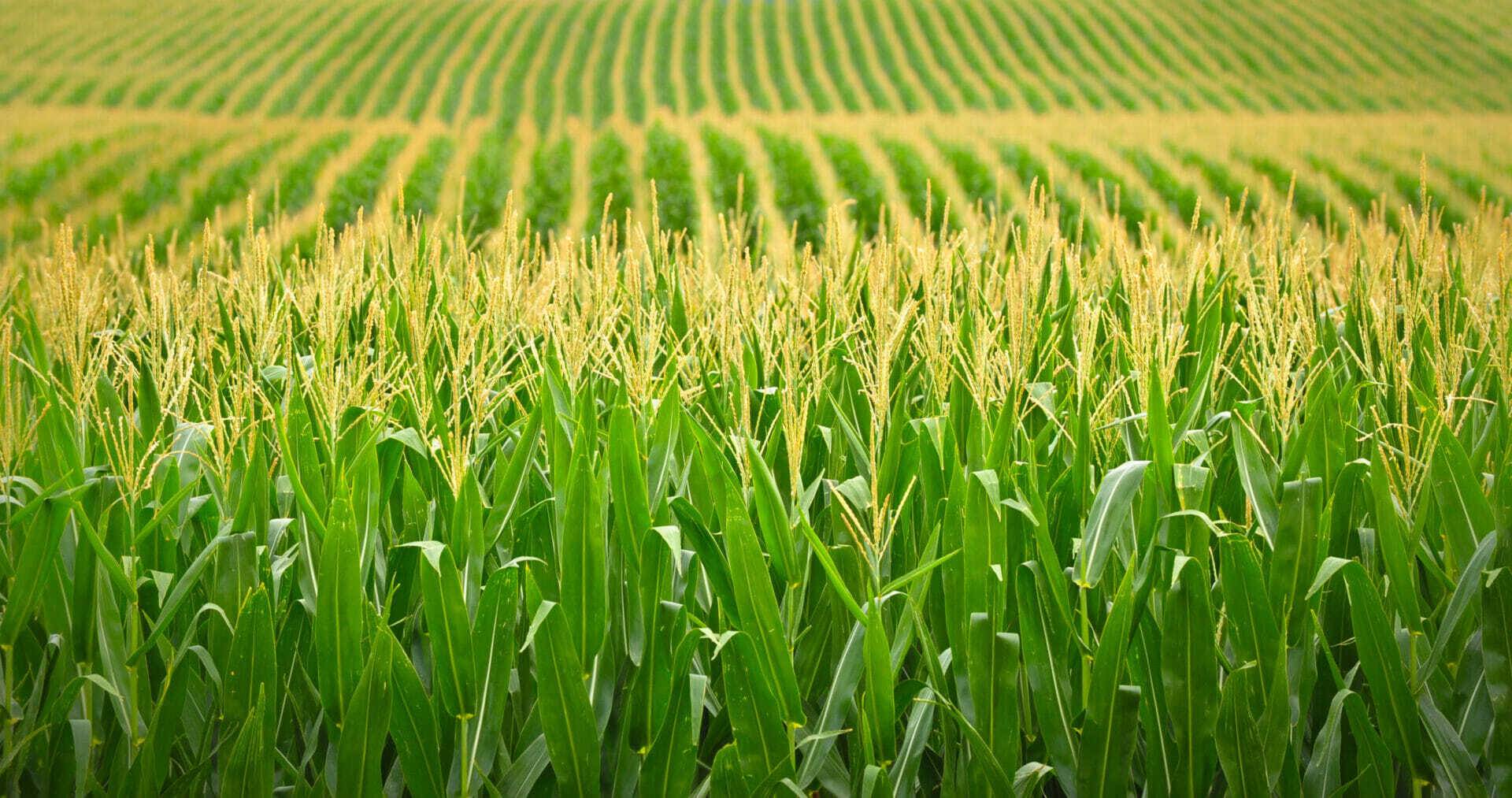
    Nebraska Cornfield
    Phil Long, Precision Agronomy Specialist
    Precision Agronomy Advisor, Phil Long

    A common theme you will hear when listening to national corn/soybean contest winners is they always use a few acres to try something new. Latham’s Forage Products Manager, Corey Catt, has written numerous articles, encouraging growers to use a few acres to experiment on their own farms with products, seeding rates and management practices.

    While third-party research plays an important role in helping us choose seed products, it’s also important to conduct your own on-farm research. Here are a few ideas to try this growing season. If you have acres that struggle with Sudden Death Syndrome, try treating a few soybean units with Latham® SoyShieldTM Plus with Saltro and run a side-by-side comparison. Another idea is to apply sulfur to soybeans and measure your results. Experiment on a few corn acres with Xyway® 3D in-furrow fungicide or try a phosphorus-enhancer, such as Encompass from TALC USA.

    You could create quite a list of new products, different tillage/planting practices, in furrow fertilizers, or in-season practices that you could try to break your farm’s yield plateau. Here are some tips to make the most of your on-farm research efforts:

    1. Use a decent farm, or part of a decent farm, to do your research. Use a farm that has soil types and drainage/topography characteristics that represent a lot of your acres. Don’t pick the less desirable ground in terms of fertility. If pH, phosphorus (P), and potassium (K), levels are wacky, you won’t learn much when trying a new in-furrow treatment, biological or fungicide. Basic needs must be taken care of before you can add more yield.
    2. Keep it short and simple (K.I.S.S.). Weather and soil types cause enough variation in any research that you don’t need to add complexity. Try one thing at time, so you’re not adding multiple factors into the equation. For example, run a planter pass with Xyway mixed in your starter fertilizer and then shut it off the next pass. Do these two “treatments” at least three more times across your field to reduce the influence of soil types on your results.
    3. Garbage in, garbage out. Make sure your monitors/globes/planting equipment have the latest update, so you can capture the data when it’s go time. Layout your research, so your combine can capture it. This is very important! For example, if you harvest with an 8-row head, change “treatments” on 20-foot increments.

    Mapping what you do this spring will allow you to analyze it next fall. You will want to look at how that new product did in your heavy soils, lighter soils and whether it is worth expanding on more acres next year. Every year is different, so keep weather in mind as it is usually the #1 influencing factor. Start small to find out what works best on your farm. I am happy to help you figure out what new thing to try on a few acres. Give me a call and we can chat more about it at: 641-692-0370.

    Phil Long

    April 21, 2022
    Agronomics, Alfalfa, Corn, Corn Silage, Cover Crops, Crop, Disease, Emergence, Fertility, Fungicide, General, Precision Ag, Season, Seed Treatment, Soil, Soybeans, Spring
  • Latham Hi‑Tech Seeds

    3 Tips for Assessing Spring Alfalfa Stands

    Alfalfa3

    Think of your alfalfa field as a work of art. Your canvas is 43,560 square feet. Our piece is titled, “Profits for 2022” crop season.

    Although every square foot has always counted, 2022 is especially important when the commodity prices are as strong. The top three most valuable crops are corn, soybeans and alfalfa, according to U.S. Department of Agriculture (USDA). Each crop is commanding strong prices, but good quality alfalfa is bringing more than $300/ton. A well-managed, strong alfalfa stand can yield more than 5 dry matter (DM) tons per acres with lower input demands verses corn and soybeans. Plus, alfalfa seed costs can be amortized over three to four years after the first stand.Alfalfa3


    How can you make the most of existing alfalfa crop? Scout your field this spring. Watch for green up; be patient.

    Tips for assessing spring stands:

    1. If the alfalfa isn’t greening up in some areas of field, grab a shovel and dig roots. It’s important to perform dig up samples from different areas within a field to capture the variability. Split crowns to look at crown health. Take the time to count the number of healthy plants per square foot, as well as how many stems per plant. Our goal is to have 4 to 5 strong, healthy plants per square foot or at least 55 stems in that square foot.
    2. If the average stem density is low in some areas of field but not in others, consider interseeding 5 to 10 pounds of Italian ryegrass to bridge forage for this season. Italian ryegrass establishes quickly, provides tonnage, is good quality, and allows you to capture the value of the alfalfa that is still alive. If you can rotate this field into corn production, you could recognize a 50% nitrogen savings for your corn.
    3. Calculate yield potential and consider rotating the crop. The University of Wisconsin – Madison Extension provides a calculator to help estimate yield based on the number of stems in a square foot. Once the stem number is determined, use this formula to calculate the yield potential of that stand: Yield (tons/acre) = (Stems/ft2 x 0.1) + 0.38
      For example, an alfalfa stand with 50 stems per square foot would have a yield potential of 5.38 tons per acre. Keep in mind that soil, nutrient deficiency, insects, diseases and other factors may affect the actual yield.

    The University of Wisconsin – Extension Office has additional resources to assist you with your alfalfa stand. Should you need to establish a new alfalfa stand this fall, contact your Latham® dealer. Latham has a tremendous lineup of alfalfa products to meet your needs!

    Webspec Admin

    April 13, 2022
    Alfalfa, Crop, General
  • Latham Hi‑Tech Seeds

    With Fertilizer Prices Rising, Nitrogen Credits are Golden

    Companion Crop

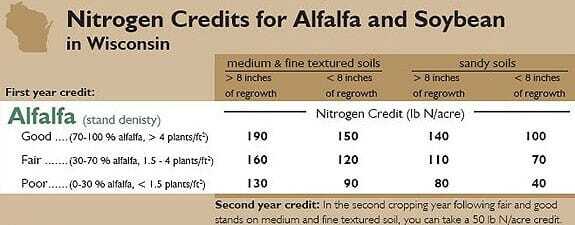
    Fertilizer prices have put a lot of pressure on farmers to find creative ways to navigate the nutritional demands for the upcoming corn crop. Depending on the alfalfa stand health, farmers could capture 100 pounds of nitrogen per acre.  That’s why many are considering an early rotation of alfalfa fields in 2022.Graph 1

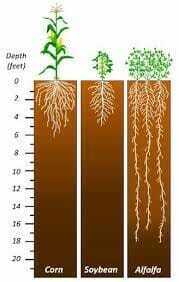
    Farmers who raise alfalfa have an opportunity to capture nitrogen credits and to also capture more yield. Research shows a 20% increase in yields for the subsequent crop planted onto those acres. A mature alfalfa tap root can grow down 20 feet, creating a channel that allows the newly developing root to easily access critical moisture.

    With commodity prices increasing, the goal should be to leave no yield in the field. Focusing on high-yielding alfalfa will vastly improve the productivity of all crops. It raises the yield ceiling of corn and soybeans in the traditional corn-soybean rotation upwards of 20% while improving the soil.

    Alfalfa Seeding Establishment

    Reviewing stand establishment details are important for the success of your alfalfa crop:

    • Soil pH. Soil pH is important to quickly establish the nitrogen-fixation bacteria. For best performance, try to maintain a soil pH of 6.8 to 7.2.
    • Seeding Rate. Although alfalfa is typically seeded at a rate of 16 to 20 pounds per acre, I encourage farmers to experiment on their farm. Simply double seed during one or two passes. More seed equals more plants. To run a successful trial, remember to apply a bit more fertilizer where plant populations are higher. You likely will be surprised with the life of stand. Latham Seeds has partnered with some innovative farmers to conduct replicated seeding rate trials on their farms, and results have been impressive! We have seen a multi-year yield advantage for higher seeding rates. During the first seeding year, our growers have seen an advantage of one-half dry matter (DM) ton and almost one full DM ton advantage in the second year. One ton of high-quality alfalfa is the Midwest is currently valued at $300.
    • Seed Bed/Seed Depth: A firm seed bed is critical to properly placing alfalfa seed at ¼ inch and no deeper than ½ inch.Companion Crop
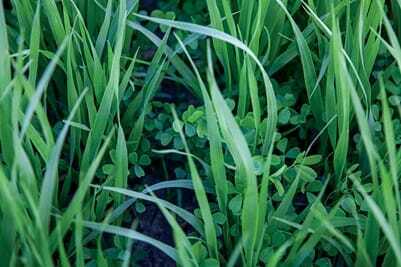
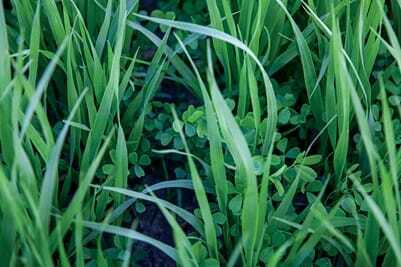
    • Companion Crop: Use caution when seeding alfalfa with a companion crop. The key is to not plant companion crops so thick that they actually compete for the critical soil moisture the alfalfa seedling desperately needs. I like a lower to medium rate of oats, say 1 to 1.5 bushels, depending on soil type. Oats emerge quickly, which helps shield the delicate little alfalfa seedling from the intense spring sun. The oat roots also help hold soil in place during intense spring rains. In addition, oats tend to help reduce weed pressure.

    Including high-yielding Latham brand alfalfa in your crop rotation is using a new interstate to increase soil biology and help meet nutrient demands of rotational crops. Research has shown that corn planted on rotated alfalfa can help unleash more of the genetic potential yield.

    Want to chat more about adding alfalfa into your rotation? Reach out to your dealer or reach out to me, Corey Catt, forage product manager, at coreyc@lathamseeds.com.

    Webspec Admin

    February 24, 2022
    Agronomics, Alfalfa, Crop, Fertility, From the Field, General, Tech Tuesday
  • Latham Hi‑Tech Seeds

    Start the Season Right by Planting the Right Genetics

    Wooden block with GOAL, PLAN and ACTION on table background

    With the 2022 planting season right around the corner, it’s time to focus on the one thing that will help you capture the most ROI in each field.

    Field-by-field product placement is key to maximizing yield – and in turn – profit. Research shows plant genetics account for a 20% difference in yield. This means you could raise 12 more bushels of soybeans and 40 more bushels of corn PER ACRE simply by paying closer attention to your crop placement.

    Below are three factors to consider when double-checking your crop placement for 2022:

    • Study Field x Field® Ratings. Look at the Field x Field Ratings in the Latham® Product Guide for corn and soybeans. These charts simplify where you should place hybrids and varieties. A “1” rating means it’s a great fit for a particular environment; a “3” rating means you should not plant that product if your field conditions match that description. Your Latham Dealer has seen most of our products in environments, so call him or her if you have additional questions about where to place a particular product.
    • Stick to the plan. If your seed dealer has provided you with a Field x Field plan, organize your seed shed so you can stick to the plan. Subscribers to Latham Seeds’ Data Forward® program receive a crop plan book, which you can keep in your planter tractor. It’s a good practice to double check that the right seed gets in the planter. If planting conditions change in a particular field, then take the time to move products. It will be worth an hour of your time to capture the extra $150 to 200 per acre in profit potential.
    • Match Genetics to Management. If a certain corn product is described as “likes high management,” then you should not place that product in a field with poor fertility levels. Your seed dealer may not know your fields’ fertility levels unless you share it. That information is critical for accurate product placement as some genetics can handle tough fertility situations and others will fall apart in those environments. Also make sure you aren’t overplanting or underplanting each hybrid. Look at the “suggested populations” in our Product Guide, as well as the “Ear Type” rating and our stress wheel poster. We want to help you capture yield!

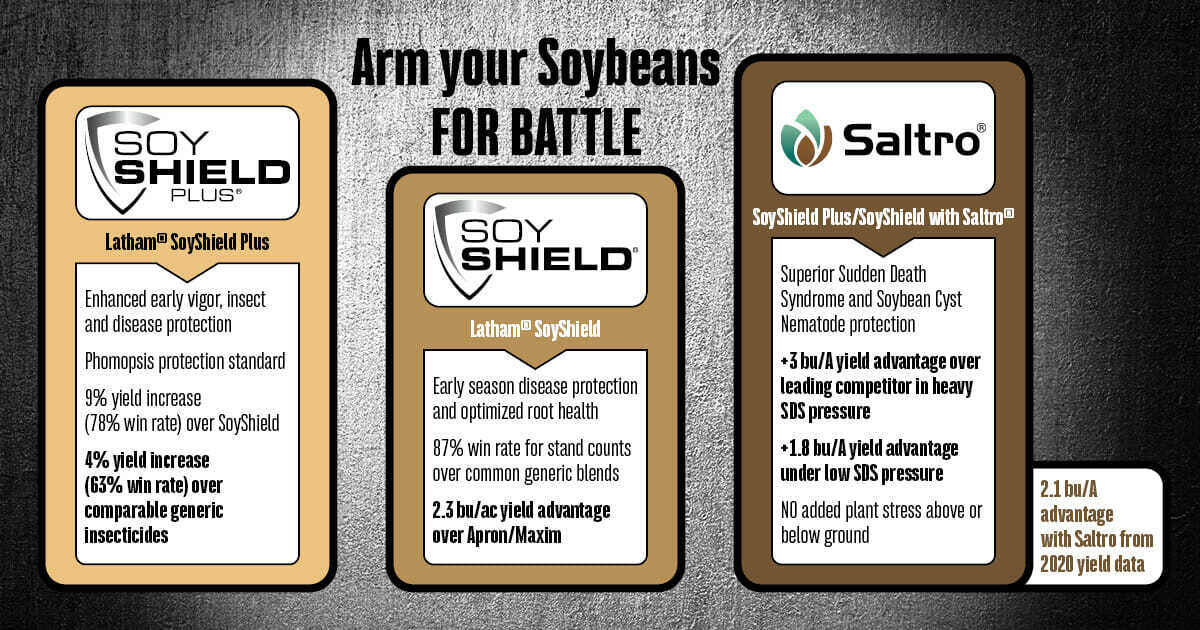
    If you’re planting soybeans early or at the same time your planting corn, treat the seed with SoyShield® to protect it from early season fungal diseases. Seed treatment also gives seedings an early advantage. Even when using a quality seed treatment, plant fields with the heavy soils that remain wet and cold last or at least the soils have warmed. This will help your soybeans better ward off root diseases all season long.

    SoyShield Seed treatment infographic

    A successful 2022 crop year begins with having a plan and sticking to it! Take the time now to double-check that you properly matched plant genetics with soil conditions. Our dealers are also happy to talk through field placement as well. If you have further questions or want to chat with our agronomists call: 1.877.GO.LATHAM (1.877.465.2842).

    Phil Long

    February 9, 2022
    Agronomics, Alfalfa, Corn, Corn Silage, Cover Crops, Crop, Disease, Emergence, Fertility, General, Precision Ag, Seed Technology, Seed Treatment, Soil, Soybeans
  • Latham Hi‑Tech Seeds

    It’s More Cost-Effective to Plant Alfalfa in 2022

    Alfalfa3
    Alfalfa3
    Latham’s Proprietary AlfaShield Seed Treatment accelerates emergence and protects against diseases.

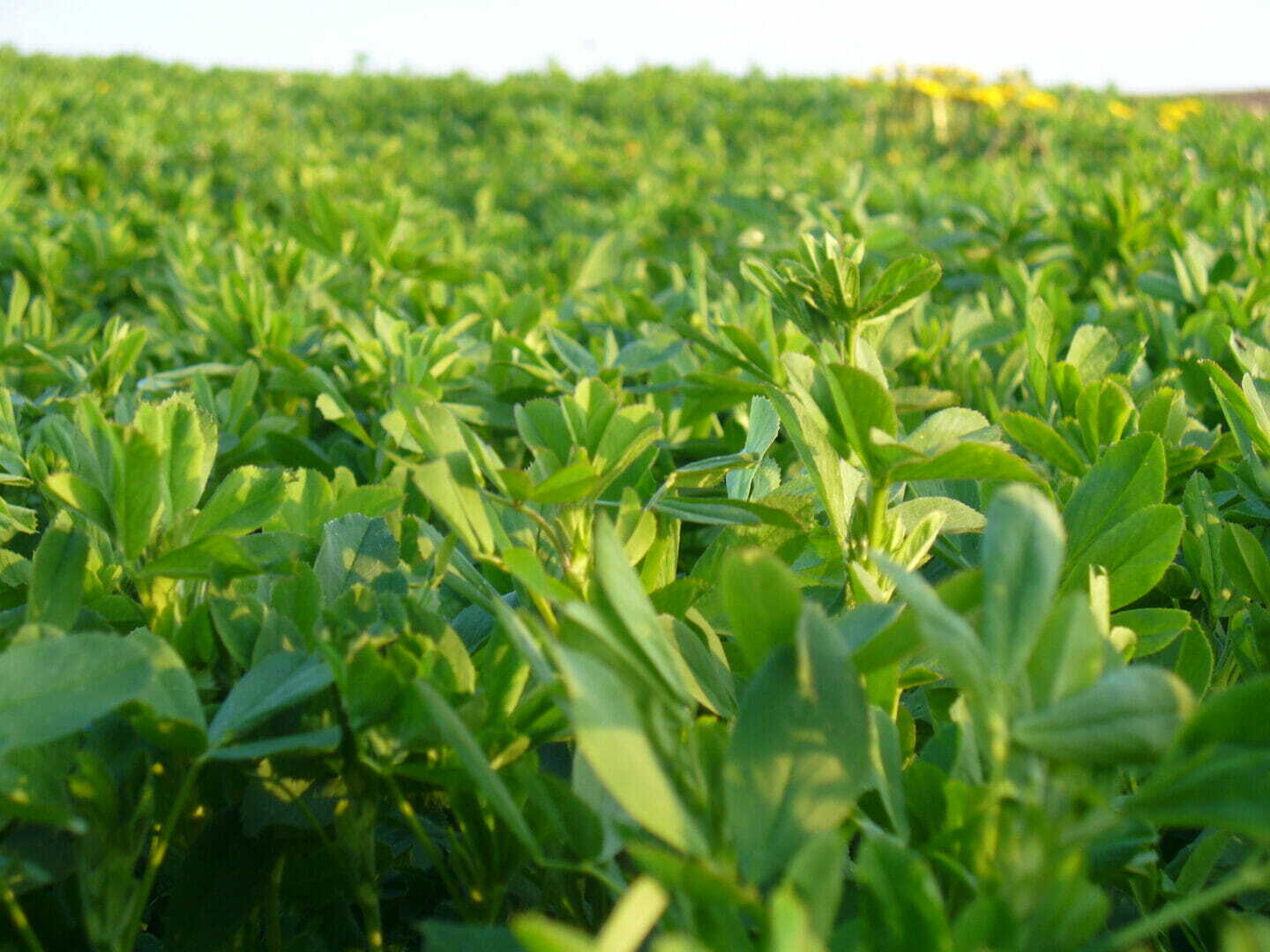
    The growth in the cover crop markets combined with production shortages have grass seed prices climbing significantly. As a result, it’s not as economical to plant a grass seed-alfalfa mix. If you’ve historically planted a grass seed-alfalfa mix, consider a solid-seeded alfalfa for spring 2022.

    High fertilizer prices have many farmers looking at every nitrogen credit. Similar to soybeans, alfalfa fixes most of its own nitrogen. Latham Seeds’ signature seed treatment, AlfaShieldTM, contains key micronutrients like molybdenum and an LCO growth promoter called Optimize® Gold. Having these components readily available upon emergence increases the chance of early nodulation and nitrogen-fixing cycle.

    The speed at which an alfalfa plant creates nutrients correlates to yield, as well a healthier long-term stand. Alfalfa can fix an average of 150 to 200 pounds of nitrogen per year and has a robust advantage in providing nitrogen credits years after the stand ends.

    Nitrogen Credits chart

    The chart above outlines potential credits. Traditionally, the subsequent crop planted on rotated alfalfa yields about 15 to 20% more! There is more good news, the value of alfalfa extends beyond the nitrogen credit. Alfalfa has many other assets to accompany your operation:

    • Next years crop’s roots can grow deeper as alfalfa’s tap root extends beyond the soil hard pan.
    • Alfalfa stands are three to four years old and can break down disease cycles.
    • Alfalfa interrupts the insect cycles and reduces the use of common herbicide.
    • Alfalfa is a great diversification tool and adds an additional avenue of revenue.
    • Alfalfa seed can also be amortized over three to four years!

    Making alfalfa part of a crop rotation has so many advantages. Talk with your Latham® rep today about making it part of your 2022 crop plan!

    Webspec Admin

    January 13, 2022
    Agronomics, Alfalfa, Crop, General
  • Latham Hi‑Tech Seeds

    Latham Hi‑Tech Alfalfa: Higher Quality. Greater Yield. Better Nutrition.

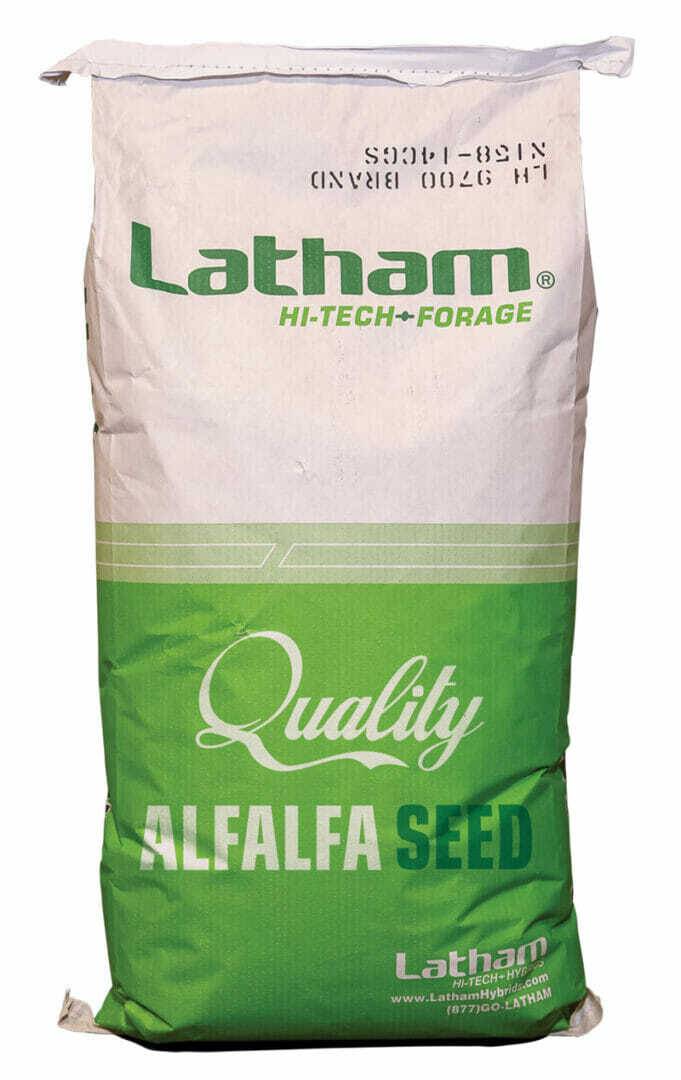
    Alfalfa bag clipped new

    Farming is like dancing with Mother Nature, and Mother Nature always leads. We can’t control the weather, but we can manage around the risk.

    Understanding a seed product’s features and benefits is powerful tool to help reduce production risks. Alfalfa from Latham Hi‑Tech Seeds provides growers with options to better place the best genetics for certain soils to enable a product to perform at its best.

    With this in mind, let’s review some of Latham’s top alfalfa products:

    • Features of LH 9120: branch root expression and finer stems.Branch root pic
      Benefits: LH 9120 can be planted on wetter soils. If conditions remain wet, the plant will respond with several branching roots instead of one major tap root. NOTE: Alfalfa usually has a singular tap root. In a water-logged situation, alfalfa with a tap root will not survive as long alfalfa with a branch root. Branch rooting give additional support by bringing several roots closer to the surface of the soil, allowing for better respiration. Additionally, 9120 has a finer stem.  Finer stemmed alfalfas tend to dry quicker for baling.
    • Features of LH 9700: disease resistance, unparalleled recovery after cutting and multi-foliate expression.
      Benefits: LH 9700 is a very powerful, high horsepower type of alfalfa protected with disease resistance. It protects the plant, giving it the best chance of long-term stand. Quick recovery after cutting means the crown buds produce new leaves quickly. Leaves catch the sun, build essential carbohydrates for the crown, and generate more yield and better quality. I relate each leaf to a cylinder in an engine. As we add cylinders to an engine, it adds more horsepower for better performance. It’s the same with alfalfa; more leaves equal more energy to produce top yields and superior quality.
    • Features of America’s Alfalfa AA 481 RR/HarvXtra: low lignin, Roundup® resistance, and high disease resistance.
      Benefits: Reduced lignin helps AA 481 RR/HarvXtra achieve better fiber digestibility. When compared to conventional alfalfa, research has shown to deliver 14 to 18 % relative forage quality (RFQ). Higher quality forage nourishes the animal, so it gains valuable feed efficiency and that leads to higher profitability. Additional benefits include harvest flexibility of seven to 10 days while maintaining excellence in quality and producing as much as 20% more yield. This is helpful to help manage around weather events. Roundup Ready benefits include keeping fields clean, improving forage quality, reducing weed competition, and extending stand life. This alfalfa product also has high resistance to anthracnose, which can damage stands. HVXRR 481 has HR rating for Race 1 and R rating for Race 5. This product is one of the newest commercial selections for HarvXtra alfalfa with top yield capacity. It also boasts extra yield and stand life, protecting benefits to reduce risks of anthracnose disease.

    Latham Hi‑Tech Seeds offers a variety of products, each with special features and benefits. Remember, each seed is treated with Latham’s AlfashieldTM, which gives our seed a competitive advantage by emerging faster, growing strong, and yielding more!

    Webspec Admin

    November 1, 2021
    Agronomics, Alfalfa, Crop, Industry News, Seed Technology
  • Latham Hi‑Tech Seeds

    Managing Fall Armyworms in Alfalfa

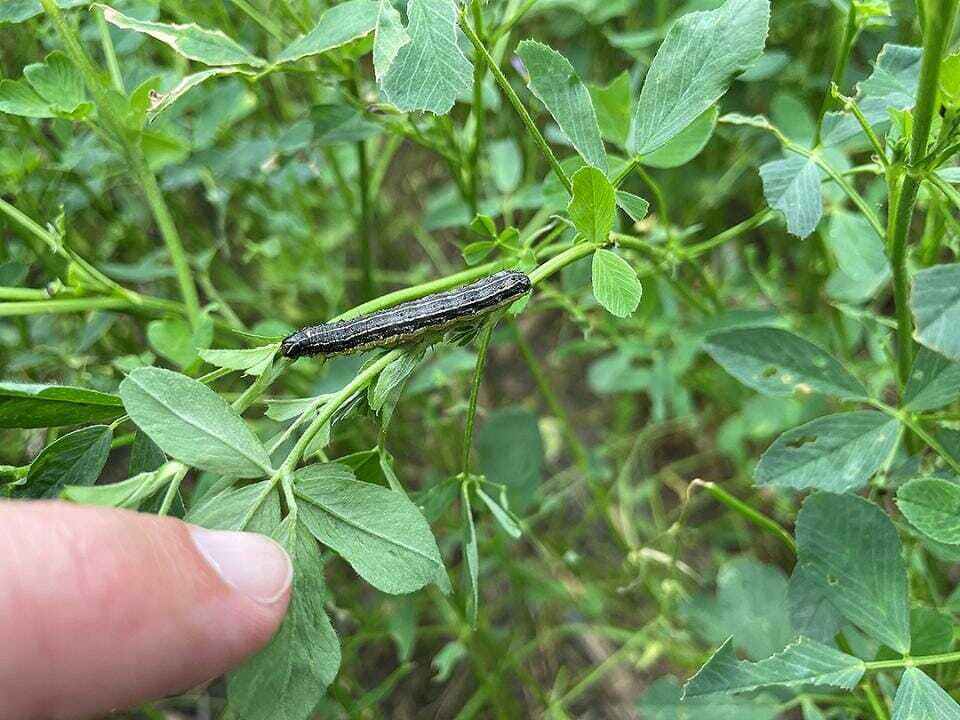
    2021 08 27 Fall armyworm

    “The alfalfa is alive with crawlers!” A remark I heard last week as I scouted an alfalfa field heavily infested with Fall Armyworms. 2021 threw some curveballs this year, but I certainly could not have predicted a widespread Fall Armyworm outbreak with much of the Midwest under drought conditions.

    Spodoptera frugiperda, are a southern species of Armyworm that do not overwinter in the Midwest. As populations build during the summer, moths fly north often reaching the Midwest later in the summer or early fall. Hence the common name “Fall Armyworm”.

    Fall Armyworms can feed on alfalfa, pastures and newly seeded cover crops and small grains. This year there have even been reports of them taking out entire lawns in search of lush plant material to feed on in dry conditions.

    Life Cycle and Feeding Patterns

    The quick lifecycle of the Fall Armyworm is what makes their feeding pattern so impactful to alfalfa stands. Eggs are laid by moths in clusters of 50-200 and hatch roughly four days later. Larvae grow quickly and move widely. Days 14-30 when larvae are growing to sixth instar are their most destructive stage as many growers notice a small, stressed patch one day with complete defoliation in as little as 48 hours.

    Scout now for fall armyworm

    Threshhold and Treatment

    One to two worms per square foot can destroy seedling alfalfa and populations of 10-15 per square foot have been observed to destroy 12 to 14-inch alfalfa. Some experts advise not treating unless the majority of larvae are less than 3/4” long since more advanced larvae are nearing the end of their lifecycle. I agree with that line of thinking, however in alfalfa this must be heavily weighed against survivability of your alfalfa or cover crop stand. The short lifespan of armyworms means eggs can be laid at different times and all stages (instars) can be present in your field. With the aggressive and destructive nature of the insect, chemical treatment may be best way to control.  It’s tricky, as we are in that time frame of “no cut” for alfalfa, a time which we need every single leaf to generate and build our root reserves for the winter months.

    Bottom line: scout early, often, and plan quickly.

    Webspec Admin

    October 1, 2021
    Agronomics, Alfalfa, Insects
  • Latham Hi‑Tech Seeds

    AlfaShield Gives Seed a Competitive Edge

    Alfashield logo

    What gives you a competitive edge?

    There are many clever practices that can give athletes an edge. When drug testing became a standard, athletes had to discover legal ways to get an edge. It was noted that athletes who trained at higher elevations tended to perform better. As science progressed, they discovered the oxygen concentration is less at high elevations. Over a long period of time, our bodies will release a hormone to stimulate the production of more red blood cells because red blood cells carry oxygen in the blood. When the athletes returned to lower elevations to perform, they had more capacity to perform because they had significantly more red blood cells.

    Alfashield logoHow in the world does this relate to alfalfa? Think of the seed as an athlete of the acre, competing to germinate quickly and yield more. When we add AlfaShield seed treatment, the alfalfa seed has a performance-enhancing advantage. AlfaShield provides a distinctive winning edge as it combines a list of highly researched ingredients and incorporates them into an osmotic protective type coat.
    Think of AlfaShield as wrapping your alfalfa seed in a sponge. It helps protect the fragile germ of the seed. It also helps draw moisture to the seed, which is particularly important when seeding into moisture-stressed soils. Summers-seeded alfalfa is up against the time clock to get four to six weeks of significant growth to develop the crown. That’s why it’s so important for the seed to germinate quickly. If there isn’t any rain, this delay could be costly. You’ll see in the 2022 Latham® product guide that we have added a dry matter (DM) ton advantage of AlfalfaShield compared to the old industry standard. AlfaShield has a bigger advantage in moisture-stressed soils.

    We had scheduled alfalfa research trials, including seed treatments, for 2021. Unfortunately, this has been delayed because the university was unable to run it due to Covid-19. Because I already had the seed, I did a quick home study. All the seed came from the same lot: raw seed, old industry-standard treatment, and AlfaShield. I got three flower pots and used regular potting soil for consistency. Then I counted 100 seeds of each.

    Note that in the first 65 hours, AlfaShield had ten times more seeds emerge than the other two treatments! Seeds with the other two treatments eventually emerged because this was an ideal situation. However, a farm field is not ideal. We know Mother Nature can be brutal, and the risk to the seed is high.  AlfaShield is a tough seed treatment. It helps manage the risk of the acre better than the rest, and it shows up in the yield and quality. Emerge fast. Grow strong. Yield more!

    Webspec Admin

    August 27, 2021
    Agronomics, Alfalfa, Crop, Drought, General, Seed Treatment, Soil, Weather
  • Latham Hi‑Tech Seeds

    Scout Alfalfa for These Damaging Pests

    Alfalfa pest

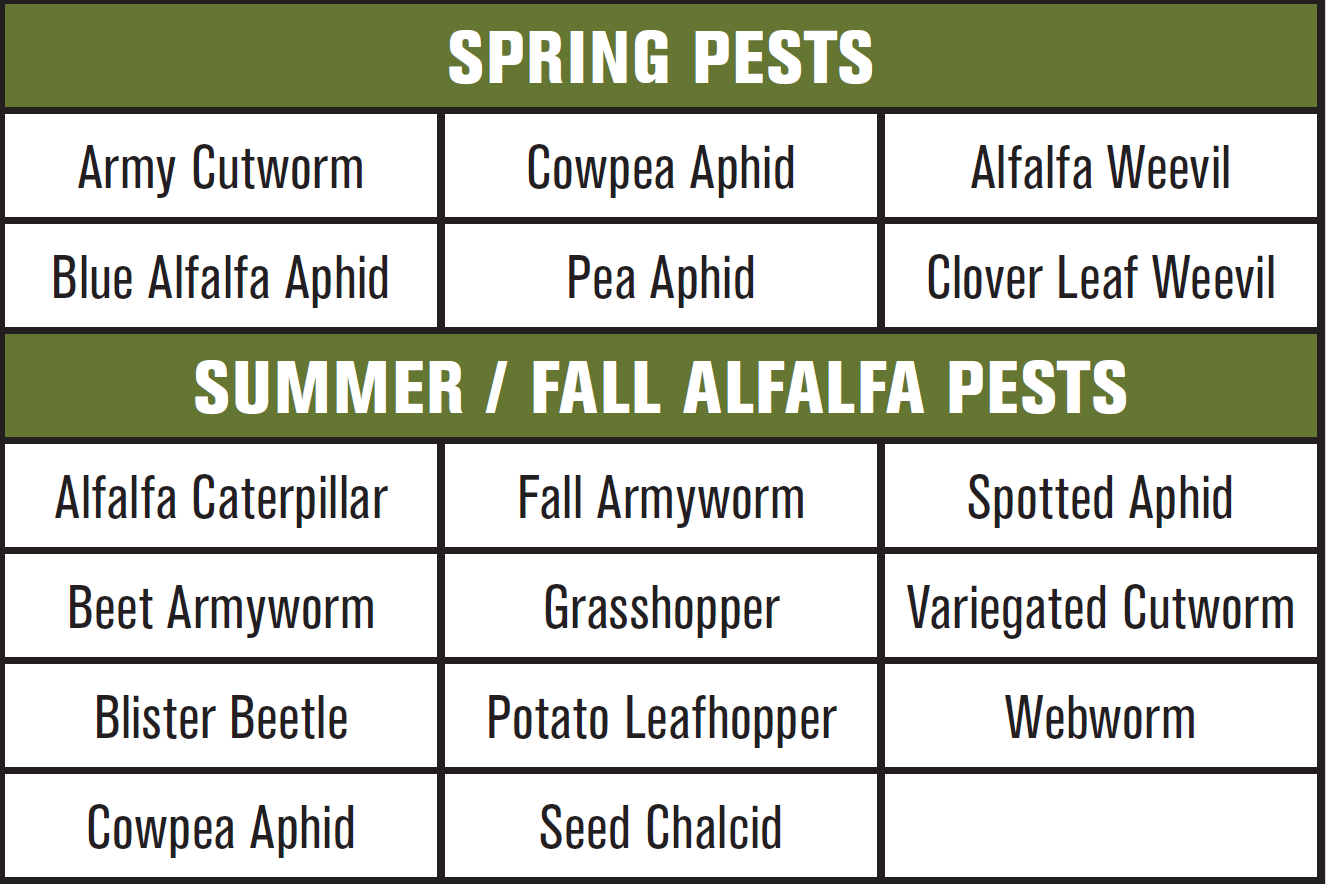
    As with all crops, scouting alfalfa acres is key to controlling pests. Each pest has a different life cycle based on different variables, such as heat and moisture. While weather plays a key role, there are still cyclical patterns in which pests are more common. Below is a chart showing the most damaging pests to scout for according to season.

    Pest calendar

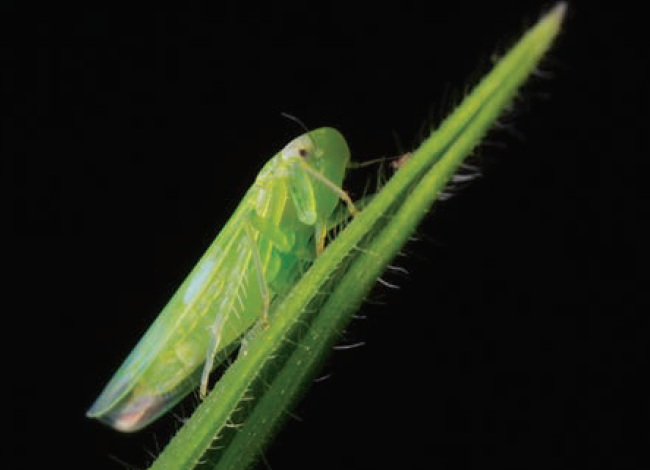
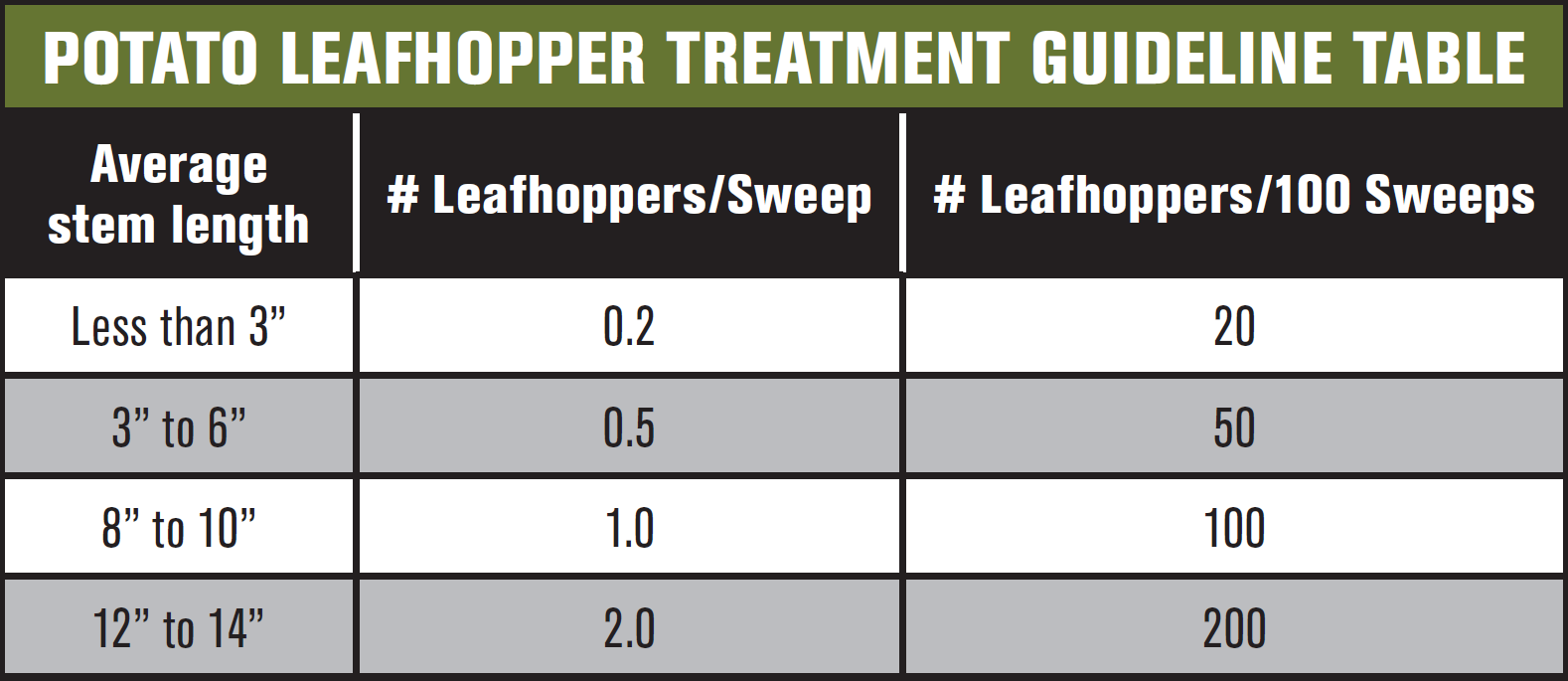
    Potato Leafhopper and Pea Aphids are the two pests that cause the most damage annually across Latham Country. Many farmers question how to judge when spraying an insecticide is a wise choice. Below are some tips to help you scout fields and arrive at a decision.

    1. WHAT TO LOOK FOR. Scouting should begin five to seven days after the first cutting is taken and should continue weekly or bi-weekly if population counts reach close to threshold on a particular day. When scouting for Potato Leafhoppers, look for stunted plants, yellowing leaves in a v-shaped pattern beginning at the leaf tip, as well as “hopperburn,” or a red edge found on the leaf. This red burn can be easily confused for Boron deficiency. Pea Aphids will cause plants to lose their green color and wilt.
    2. HOW TO TAKE SWEEP SAMPLES. The easiest way to scout for these insects is to use a small sweep net. Walk a W-shaped pattern in the field, taking samples from five randomly selected areas. Leafhopper infestations generally begin on the edges of the field, so include these areas in your checks. Tips for Taking Sweep Samples:
      •  Swing the sweep net in a 180-degree arc, so the net rim strikes the top 6 to 8 inches of growth. Each 180-degree arc is one “sweep.”
      • Take a sweep from right to left, walk a step, take another sweep from left to right, and so on.
      • After taking five sweeps, quickly close the net and count the number of each insect.
      • Divide this number by five to get the average for that area; record the average for each of the five areas in the field.
    3. THRESHOLDS AND TREATMENT. A plant’s immune system tends to handle more pressure as alfalfa matures, however, the harmful compounds that each insect species injects while feeding can reduce yields. When left unmanaged, severe cases can shorten the life cycle. Treatment for Potato Leafhoppers and Pea Aphids can follow these guidelines.Leafhopper1Leafhopper2

    Early harvests often can be used to control both leafhoppers and aphids. Insecticides are a tool to help alter the life cycle of a pest and are especially helpful if thresholds are reached when alfalfa is small. Several insecticides are labeled for alfalfa with different classes and modes of action. Most have a harvest wait period depending on class and rate used. Be sure to follow the label guidelines closely. As with herbicides, alternating modes of action reduces the risk of resistant pests.

    Webspec Admin

    July 14, 2021
    Agronomics, Alfalfa, Crop, Insects, Season, Summer, Tech Tuesday
  • Latham Hi‑Tech Seeds

    Invest in a Tissue Test

    IMG 0484

    Leaving no yield in the field is always an important goal, but it’s especially important when commodity prices are as strong as they are. It literally pays to harvest more tonnage! In-season testing will verify whether your growing plants’ nutritional needs are all met, which helps your alfalfa and corn silage crops reach their full potential.

    It’s more challenging to determine actual alfalfa and corn silage yield and correlate yield to plant nutrient removal than it is to do so for corn or soybeans. A more accurate way to determine soil and plant needs for alfalfa is in-season soil sampling combined with plant tissue sampling.

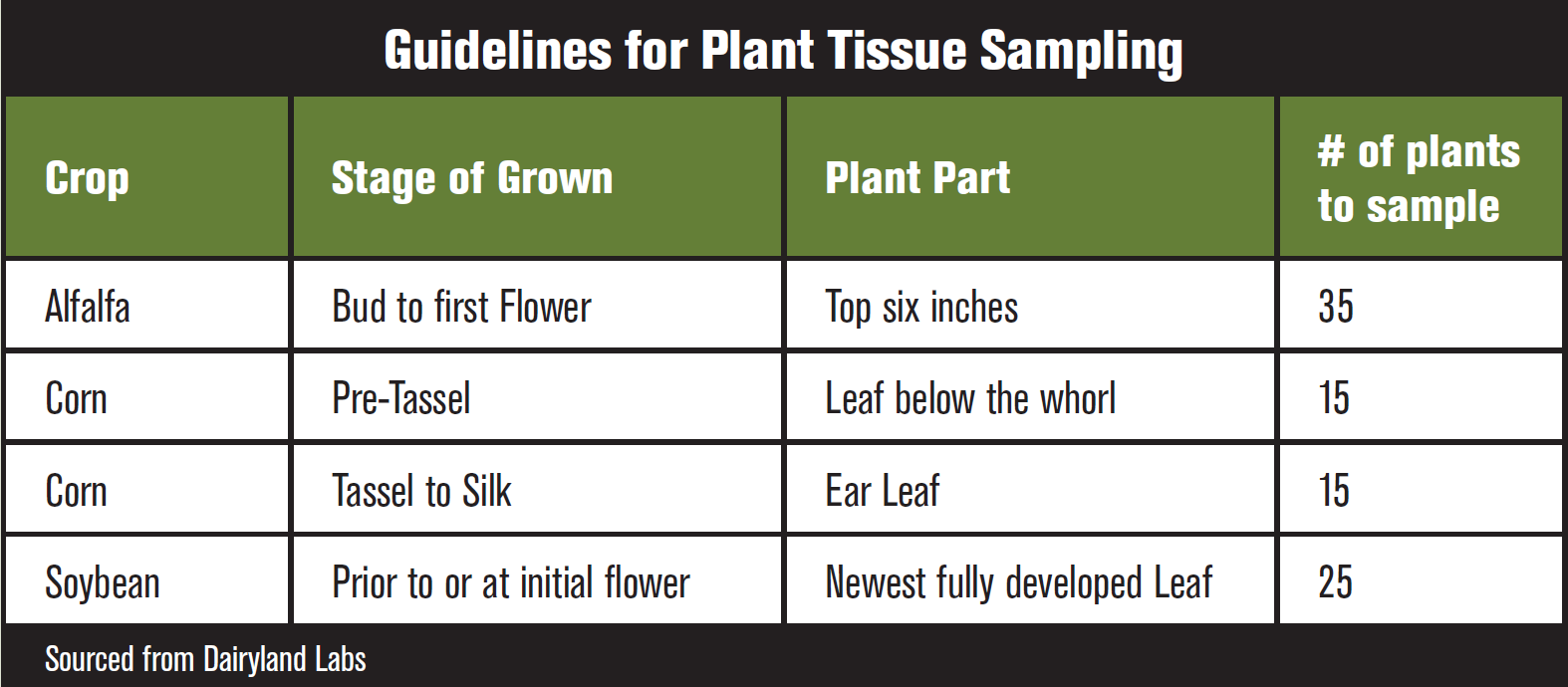
    The chart below provides examples of tissue sampling methods. You will find a link to full descriptions here: www.dairylandlabs.com/agronomy-services/plant-tissues. I like to add this layer of fidelity on at least a few acres as it gives me a sense that I have done my best. The lab results you get will indicate if a nutrient is still lacking and the amount to supplement. NOTE: It’s helpful to provide a soil sample (at least 10 cores) from area of tissue sample.

    Tissue Sampling

    For Best Results

    Modern alfalfa plant genetics have a lot of capacity to yield, but plant nutrition is key to achieving those top yields. Potash, phosphorus, boron and sulfur are key nutrients. The top yield-driving nutrient is potassium. Split-applying potassium to alfalfa tends to provide the best results.

    Alfalfa will remove 50 to 55 pounds of potassium per dry matter (DM) ton, so a total of 300 pounds may be removed per acre in one season. A split application of 150 pounds of potash per acre will help avoid any leaching potential. NOTE: Alfalfa consumes more potash than it needs, a condition called luxury consumption. If you apply more than 200 pounds of potash per acre in one application, there is a high potential for luxury consumption. The plant can only use a certain amount for yield, but an alfalfa plant will continue to consume as much potash as it can. Potash will increase plant tissue concentrations. As a result, it can cause negative animal health issues when the forage is fed.

    To maintain maximum animal health, as well as plant health, it’s important to study both data from your field and from your alfalfa plants. Mosaic® fertilizer has a great nutrient removal chart, which correlates expected yield with critical nutrient removal rates.

    Maintaining peak nutrition keeps alfalfa plants healthier, so they live longer. More live plants when you plan to rotate to corn can provide up to 100 pounds of nitrogen credit or even greater. It pays to keep alfalfa happy!

    Webspec Admin

    June 16, 2021
    #AskTheAgronomist, Agronomics, Alfalfa, Corn Silage, Crop, Season, Summer, Tech Tuesday
Previous Page
1 2 3 4 5
Next Page

Latham Hi‑Tech Seeds

131 180th Street | Alexander, IA 50420

(641) 692-3258

SIGNUP FOR OUR NEWSLETTER
  • Contact
  • Legal
  • Dealer Center
  • Seedware Login
  • Latham Gear

© 2025 Latham Hi‑Tech Seeds. All rights reserved. | Iowa Web Design by Webspec | Privacy Policy

Latham® Hi-Tech Seeds is a trademark of M.S. Technologies, L.L.C., 103 Avenue D, West Point, IA 52656.