Latham Hi-Tech Seeds

(641) 692-3258

  • Home
  • Products
    • Corn
    • Soybeans
    • Alfalfa
    • Corn Silage
    • Seed Guide
  • Performance
  • Find a Rep
  • Media
    • Blog
    • News
    • Videos
    • Podcasts
    • TECHTalk
  • About Us
    • Company History
    • Our Mission
    • Careers
    • Become a Rep
    • Sowing Seeds of Hope
  • Contact Us
  • Latham Hi‑Tech Seeds

    Execute Your Plan for Seeding Success

    Alfalfa3

    Vince Lombardi had many attributes that built his winning record, but I suspect it started with a vision of reaching the end zone. He then built and executed a plan. He kept it simple, often using the same play many times in a row. The power sweep was successful because the focus was on executing it flawlessly.

    The same steps can be applied in your pursuit of leaving no yield in the field. Keep the vision clear. Build the plan. Master the basics, and you’ll hit the proverbial end zone of success.

    Below are six basic steps to achieve success with alfalfa this growing season:

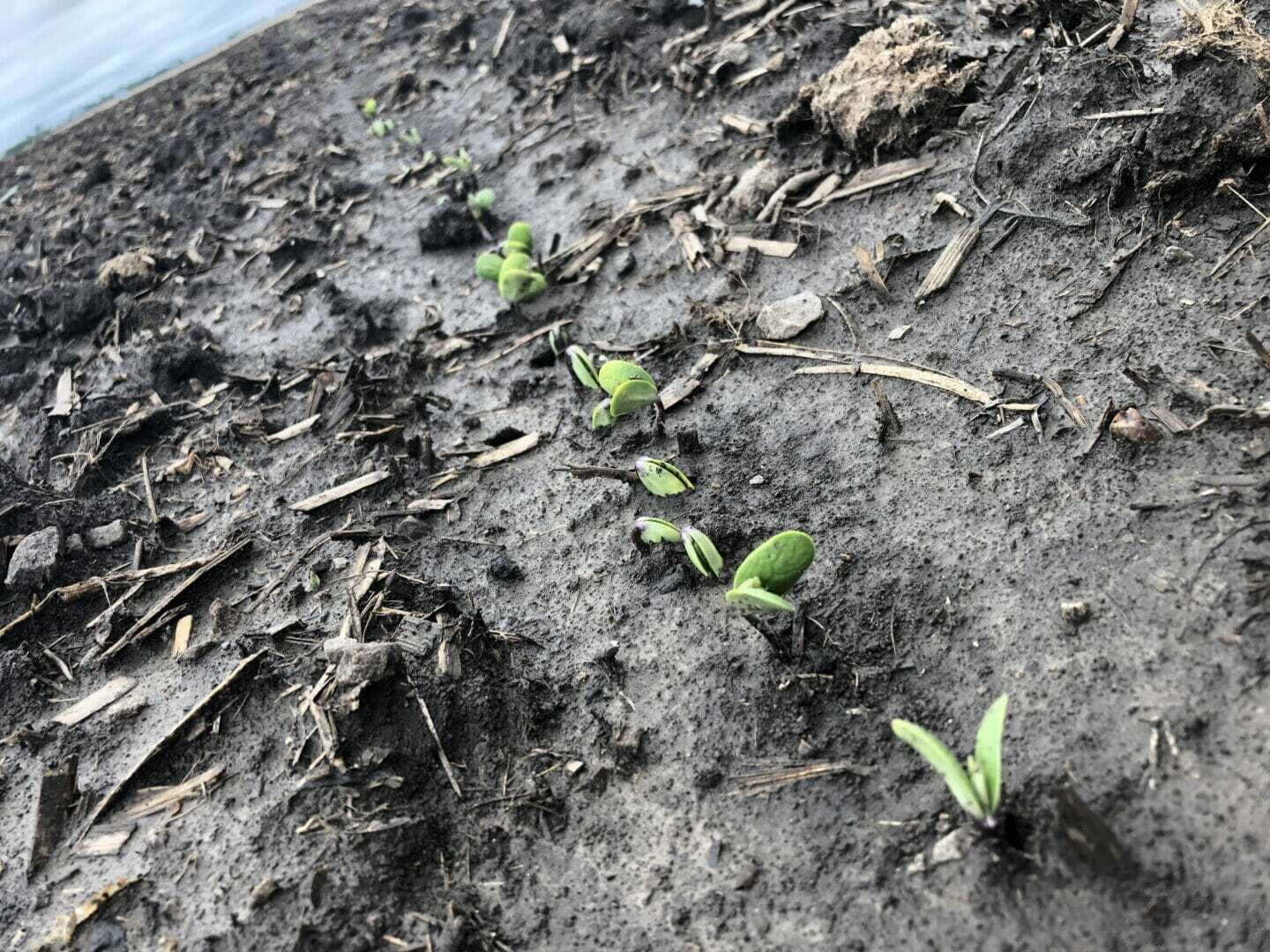
    1. Check emergence. Alfalfa is a survival of the fittest plant. Some research suggests 60% of seeds won’t become seedlings. Depending on your seeding rate, seeding bed, and weather, you should see 50 live plants per square foot within four weeks of spring seeding. AlfaShield™ improves survival chances.
    2. Check existing stands. The crown is fully developed after one full year, so we transition to stem count. Strive for more than 55 stems per square foot. If a field is not looking good and the stand is young enough, you should be able to no-till some supplemental alfalfa seed.
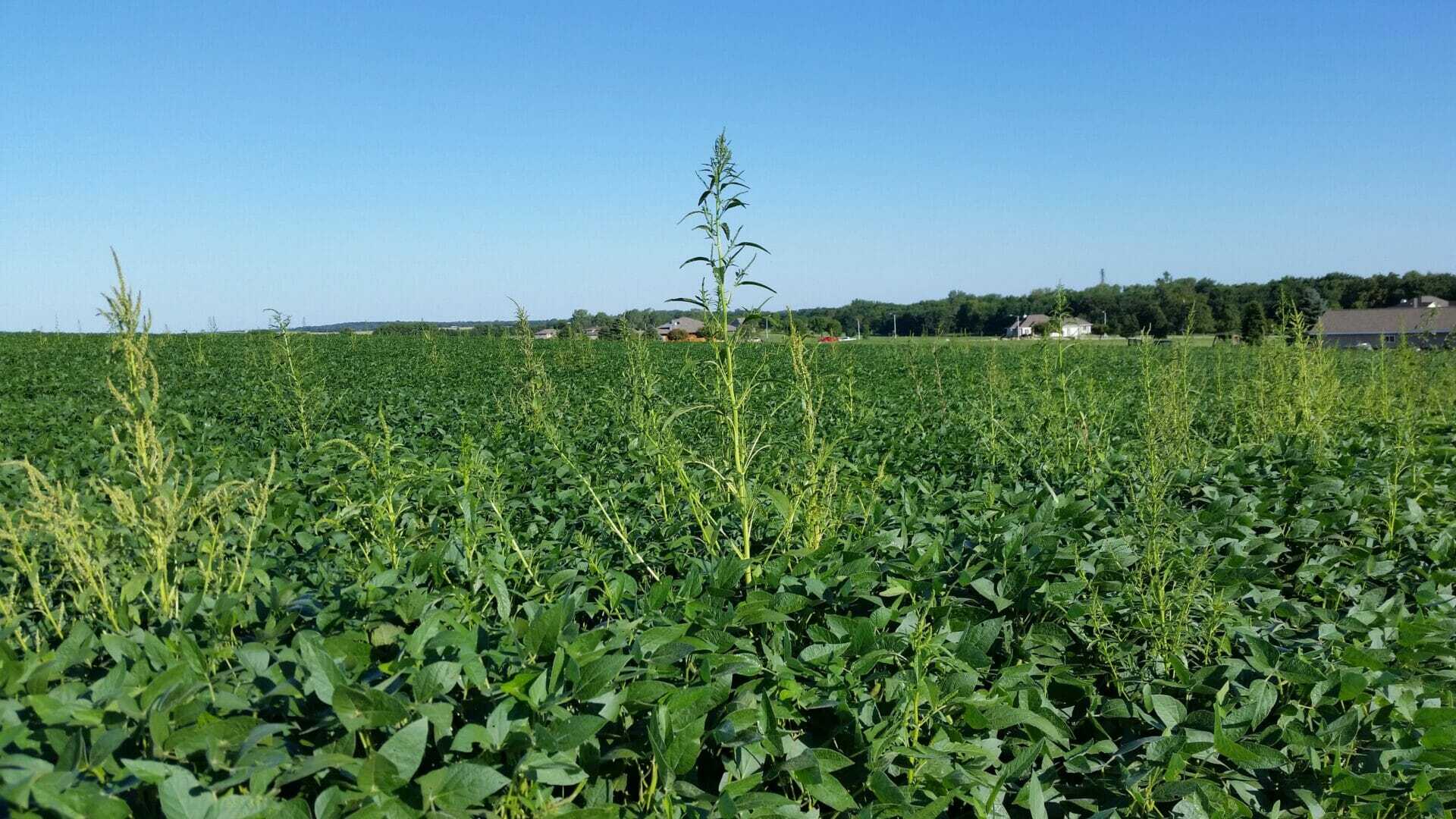
    3. Control weeds. Be the boss! Mortality rates are often high due to competition from aggressive weeds. Scout early and spray when label advises. The younger the weeds, the more vulnerable they are to herbicides. New seeding can be cut after about 60 days or so, which also can help manage certain weed populations.
    4. Be vigilant against pests. New seedings are vulnerable to leafhoppers, especially when they come from established fields nearby. Temperatures of 70+ degrees Fahrenheit also increase leafhopper reproduction. Eggs hatch in seven to 10 days and become adults in about 14 days. The damage to yield potential is often irreversible, so it’s important to be vigilant.
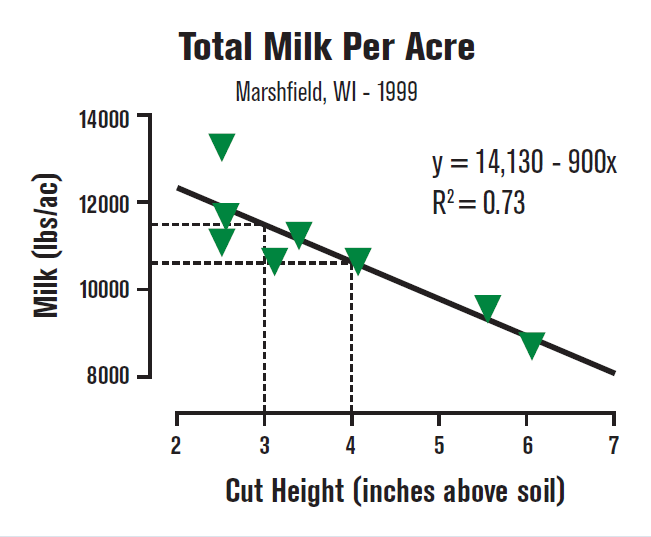
    5. Cut it short for best quality. A tremendous amount of research has shown a cutting height of two inches is the most economical and provides the best forage quality (See graphs below.) That is, as long as you don’t have rocks and gopher mounds!
    6. Feed the plants. Potash equals plant performance. Every dry matter ton of alfalfa removes about 50 to 60 pounds of potassium per acre. Consider adding sulfur, boron and zinc. Testing soil and tissue help you develop the best fertility program. Most growers apply supplemental fertilizer after first cutting and third cutting for best results.
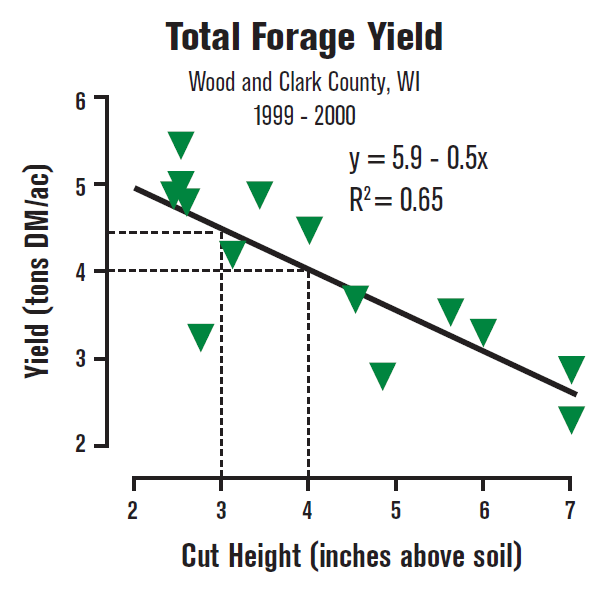
    Total Forage Yeild
    Research on ideal cut height.
    Total Milk Yeild
    Research on ideal cut height.

    Webspec Admin

    May 12, 2021
    #AskTheAgronomist, Agronomics, Alfalfa, Crop, Emergence, Insects, Season, Spring, Summer, Weed Control
  • Latham Hi‑Tech Seeds

    #AskTheAgronomist: Herbicide Carryover

    Today

    Tune in on March 18 at 8 AM as we discuss how to identify and manage herbicide carryover. Phil will walk through corn and soybean rotations and provide insights on various herbicide groups. #LathamSeeds

    Laura Cunningham

    March 18, 2021
    Agronomics, Soil, Weed Control
  • Latham Hi‑Tech Seeds

    Using XtendFlex® Soybeans in Your Weed Management Program

    Xtendflex hero image

    XtendFlex soybeans, which were approved for global sale in September 2020, will be an important tool to manage resistant weeds. The combination of tolerance to dicamba (XtendiMax®, Engenia® and Tavium®), glyphosate (Roundup®) and glufosinate (Liberty®) herbicides offers a unique triple option of choices to control a wide range of grasses and broadleaf weeds in soybean fields.

    Farmers who have used Roundup Ready 2 Xtend® soybeans are generally happy with their yields but desire better weed control options. Most farmers with whom I’ve visited believe they must wait as long as possible to apply the post-emergence dicamba products with the Xtend system. This application was later than ideal, resulting in weed escapes and even off-target movement of the dicamba herbicide to neighboring soybean fields that weren’t tolerant to that herbicide.

    Using the XtendFlex system will allow farmers to apply dicamba herbicide earlier. They can spray either pre-emergence or early post-emergence when weeds are at labeled heights and are most sensitive to the herbicide. This should also greatly reduce the likelihood of off-target movement of dicamba to nearby sensitive crops.

    Another benefit of the XtendFlex system is that farmers can apply Liberty herbicides up to the R2 stage of growth if there are any weed escapes. It is still highly recommended that weed management programs start with a pre-plant or early pre-emergence residual herbicide like Warrant®, Authority® or Sonic®. Regardless of which herbicide you use, please read and follow all label recommendations.

    At press time, Latham Hi‑Tech Seeds will have seven XtendFlex soybeans available for spring 2021 planting:

    1. L 0728 XF – This 0.7 maturity soybean carries the combination 3a and 1c genes for Phytophthora and Brown Stem Rot resistance with good tolerance to Iron Chlorosis.
    2. L 1285 XF – This medium-tall, medium-bush type plant has the C-gene for Phytophthora. It also has above-average tolerance to White Mold, Brown Stem Rot and Iron Chlorosis. Maturity is 1.2.
    3. L 2283 XF – Very strong emergence, excellent tolerance to Brown Stem Rot and the C-gene for Phytophthora are a few highlights of this 2.2 maturity soybean.
    4. L 2385 XF – This 2.3 maturity line features the C-gene for Phytophthora with very good tolerance to Brown Stem Rot. It has above-average scores for White Mold and Iron Chlorosis.
    5. L 2494 XF – At a 2.4 maturity, this medium-bushy plant carries the C-gene for Phytophthora with outstanding emergence and early growth.
    6. L 3058 XF – Excellent tolerance to Brown Stem Rot and the 3a gene for Phytophthora are highlights of this 3.0 maturity line. Its emergence and standability are outstanding.
    7. L 3595 XF – This soybean features the 3a + K-gene for Phytophthora, very good tolerance to Frogeye Leaf Spot and excellent overall stress tolerance. It’s a fairly tall, medium-bush plant at a 3.5 maturity.

    All of these XtendFlex releases carry strong Soybean Cyst Nematode tolerance. Contact your Latham Dealer or RSM for current availabilities.

    Mark Grundmeier, Product Manager

    February 8, 2021
    Agronomics, Crop, Soybeans, Weed Control
  • Latham Hi‑Tech Seeds

    Ask the Agronomist: Dicamba Label Updates

    XF
    How will the updated XtendiMax label affect your management practices for 2021? Tune in to learn more. #AskTheAgronomist
     
    :45 — Topic introduction
    2:10 – Tank mix updates
    5:15 – Field buffer updates
    6:50 – Weed management for buffered areas
    8:25 – Application rates
    10:30 – Hooded sprayer opportunity

    Laura Cunningham

    January 21, 2021
    #AskTheAgronomist, Agronomics, Crop, Soybeans, Weed Control
  • Latham Hi‑Tech Seeds

    #AsktheAgronomist: Weed Control post 2020

    Weed Resistance
    Phil Long discusses the implications of heavy weed pressure from 2020. Learn proper weed control practices regardless of seed technology. #AsktheAgronomist

    Laura Cunningham

    December 10, 2020
    Agronomics, Weed Control
  • Latham Hi‑Tech Seeds

    Latham’s 2020 Virtual Field Day Was “Made for You”

    IMG 6752

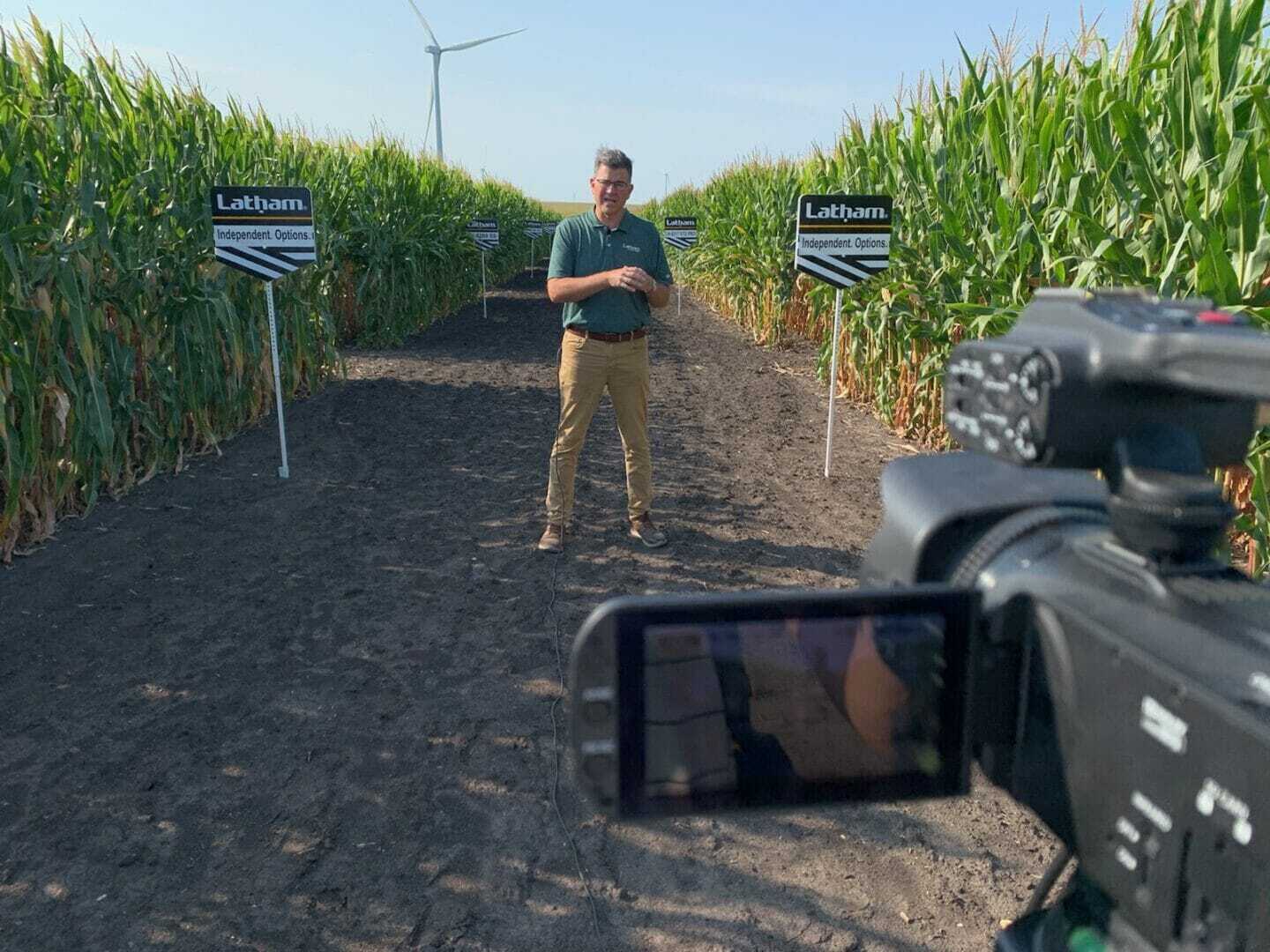
    Virtual cover imageAt Latham Hi‑Tech Seeds, we have hosted multiple field day on wheels. We’ve showcased emerging technologies that allow us to check crops from the air, but this is the first year we didn’t have to worry about the weather on our field day. It’s also the first time we a virtual day event.

    Welcome to 2020! The worldwide COVID-19 pandemic has forced businesses around the globe to deliver information using technology like Zoom, Facebook Live and YouTube. Although we prefer to meet with farmers in person, our team of industry experts has developed some interesting and informative content for you. We hope you enjoy it and find it of value!

    Below is a recap of our 2020 Latham® Virtual Field Day with links, so you can watch agronomic presentations from the comfort of your office or the cab of your tractor or combine:

    • Fortunately, weather events did not affect our production fields. It looks to be another banner year for Latham seed production! You’re invited to join us for this 40-minute industry roundtable with Latham’s Product Team.
    • IMG 6752In this “challenges of harvest” roundtable hosted by Bob Foley, farmers from across the Upper Midwest tell us how they’re managing harvest in not-so-ideal conditions.
    • Put products and practices to the test on your on farm! Precision Agronomy Advisor Darin Chapman discusses on-farm research and the benefits. He covers how you can use “small data” to work on your own farm.
    • Soybean Product Manager Mark Grundmeier provides tips for Selecting Soybean Products that are Built for Battle. Did you know farmers don’t have to give up yield when planting defensive soybeans? Mark talks about how Latham’s exclusive IRONCLADTM products are bred to combat local diseases.
    • Latham’s Northern Product Manager Gary Geske explains how seed treatment helps maximize yield potential. He explains what makes Latham Seeds’ SoyShield® so unique, so elite and so effective.
    • Latham Corn Product Manager, Lyle Marcus, shares how to maximize performance and reduce risk with Latham® corn hybrids in 2021. He also introduces eight new hybrids for spring planting.
    • In this 20-minute workshop on seed placement and performance, Precision Agronomy Advisor Phil Long explains how to use Latham’s product guide to choose seed products for 2021. Did you know that placement can affect yield by up to 20 percent? That’s a 20- to 50-bushel yield swing! Phil walks us through how to match management style to product characteristics for best placement and performance.

    One of the things we enjoy most about hosting field days is sitting at the table with Latham® dealers and customers. We always enjoy hearing about our customers’ families and learning more about farming operations. If you attend a Latham Seeds’ event, you can count on great conversation and a wonderful meal.

    In true field day fashion, we are sharing with you a typical field day menu. Below are links to some of our favorite fall recipes:

    • Harvest BBQ Pulled Pork Sandwiches, a recipe shared by Iowa’s Deputy Secretary of Agriculture Julie Kenney
    • Sweet & Spicy Baked Beans
    • Cranberry Waldorf Salad (Although this recipe isn’t from “The Field Position” blog, it’s a hit every time I make it for a group that visits Enchanted Acres pumpkin patch.)
    • Apple Crisp

    With the cool fall weather this week, we thought it would be the perfect time to share a new crockpot dish.  Scroll down to find a recipe for Slow Cooker Cajun Chicken Fettuccine. Recipe and image sourced here.

    Shannon Latham

    September 11, 2020
    Agronomics, Corn, Crop, Disease, Emergence, Fertility, Food & Family, Fungicide, Growth Stages, Insects, Poultry, Precision Ag, Recipes, Seed Treatment, Sides, Soil, Soybeans, Weed Control
  • Latham Hi‑Tech Seeds

    2020 Latham Virtual Field Tour Recap

    Virtual cover image

    Find a recap of our 2020 Latham Virtual Field Tour. Latham’s product team shares insights on a variety of key topics geared toward success this harvest and into the 2021 growing season.  If you missed the live session, no worries! Find our on-demand videos below of the field tour.


    TUESDAY, SEPTEMBER 8, 2020: KICKOFF TO LATHAM’S VIRTUAL FIELD TOUR WEEK 2020
    2
    Join us for the first session of our 2020 Virtual Field Day as John Latham shares about our 73 years of quality and innovation. What does this mean for our dealers and customers across Latham Country? Tune in to find out! #LathamSeeds
    • Watch on YouTube: https://youtu.be/38HPu0W5AG0
    • Watch on Facebook: https://www.facebook.com/watch/?v=716833985567673&extid=wucYcQA8x7m2HAf4

    Tune in above for a roundtable with Latham’s Product Team hosted by President John Latham.
    • 0:35 — Introductions
    • 2:06 — What soybean technologies can farmers be looking forward to in the future?
    • 3:50 — Has any of the extreme weather affected our corn supply?
    • 5:45 — What additional agronomy videos are coming down the pipeline?
    • 8:50 — Can the Data Forward app help with yield estimates?
    • 11:25 — How to prepare yield monitors to gather accurate yield data?
    • 16:30 — Late-season visible differences in treated and untreated seed
    • 18:00 — Update on XtendiMax renewal
    • 20:25 — 2021 corn line-up sneak peak
    • 24:00 — What makes the word INDEPENDENCE so meaningful at Latham Seeds?
    • 28:30 — Can we fix yield data after harvest?
    • 29:25 — When is the best time to soil sample?
    • 32:40 — Seed treatments: where can farmers cut some costs?
    • 35:45 — John Latham’s update from ASTA

    Watch on Facebook: https://www.facebook.com/watch/?v=2668478816588211&extid=ca2iM5vffbodkI4Y

    Watch on YouTube: https://youtu.be/O8FHM7ESu9M


    WEDNESDAY, SEPTEMBER 9, 2020: MAXIMIZING YOUR 40 CHANCES

    Join us for a 35 minute segment as farmers tell all about managing no-so-ideal harvest scenarios hosted by Bob Foley.

    • Watch on YouTube: https://youtu.be/wapZOMosW9w
    • Watch on Facebook: https://www.facebook.com/watch/?v=2769613716607152&extid=qtyQfwe76nz099nQ 

    Join us as Precision Agronomy Advisor Darin Chapman discusses on-farm research and the benefits of testing ideas for the future.

    • Watch on YouTube: https://youtu.be/dQGiV3n9SwQ
    • Watch on Facebook: https://www.facebook.com/watch/?v=230182775092324&extid=2gNkqUOjZDfEUmW4

    Join us as Corn Product Manager, Lyle Marcus, discusses how to maximize performance and reduce risk with Latham® corn hybrids in 2021.

    • Watch on YouTube: https://youtu.be/TqU1IGTj-VU
    • Watch on Facebook: https://www.facebook.com/watch/?v=313068009801743&extid=LSYK1tpv18TZXFtt

    SPECIAL FEATURE! 20 Minute Workshop hosted by Precision Agronomy Advisor Phil Long. Did you know that placement can affect yield by up to 20%? That’s a 20-50 bushel yield swing! Phil will walk through how to match management style to product characteristics for best placement and performance.

    • Watch on YouTube: https://youtu.be/3GijMR2w6nw
    • Watch on Facebook: https://www.facebook.com/watch/?v=887477738448432&extid=vfxO7xfB1W1Jr5XH

    THURSDAY, SEPTEMBER 10, 2020: MANAGING SOYBEANS ON OFFENSE AND DEFENSE

    What does it mean for a product to be Built for Battle? Mark Grundmeier shares insight into our highly offensive and defensive soybean product options.
    • Watch on YouTube: https://youtu.be/_EGw1UA4-b4
    • Watch on Facebook: https://www.facebook.com/watch/?v=1233891166969244&extid=LS56ewVr5vxXKVKA

    Join us as we discuss how to protect the yield potential of soybean genetics from day one with expert Gary Geske.
    • Watch on YouTube: https://youtu.be/mNxBtFDryHk 
    • Watch on Facebook: https://www.facebook.com/watch/?v=1945198385604293&extid=9ycIGoHLwzgBYFjq 


    Mark Grundmeier and Gary Geske share key insight on diversifying your soybean options to maximize performance and reduce risk.
    • Watch on YouTube: https://youtu.be/Q9I5hS-y8fU
    • Watch on Facebook: https://www.facebook.com/watch/?v=1233891166969244&extid=LS56ewVr5vxXKVKA

    Laura Cunningham

    September 10, 2020
    Agronomics, Corn, Crop, Disease, Emergence, Fertility, Fungicide, Growth Stages, Insects, Precision Ag, Seed Treatment, Soil, Soybeans, Weed Control
  • Latham Hi‑Tech Seeds

    Ask The Agronomist: Early Season Soybean Scouting

    Greg 2
    Phil Long discusses early season soybean scouting. Tune in to learn the importance of noting emergence, growth and development. #AskTheAgronomist
     
    :20 – Welcome
    1:00 – Topic introduction
    2:25 – Soybean growth stages
    3:00 – Herbicide effectiveness
    5:10 – Soybean stand counts
    6:42 – Nodule development

    Latham Seeds Agronomy Team

    May 28, 2020
    #AskTheAgronomist, Agronomics, Crop, Emergence, Growth Stages, Soybeans, Weed Control
  • Latham Hi‑Tech Seeds

    Ask The Agronomist: Herbicide Performance & Dry Conditions

    Sprayer
    How does the lack of rainfall affect your herbicide program? Phil Long discusses the implications of recent dry weather. #AskTheAgronomist
     
    1:15 – Topic introduction
    3:30 – Importance of residual herbicides
    5:20 – Implications of recent dry weather
    9:30 – Herbicide program planning

    Laura Cunningham

    May 7, 2020
    #AskTheAgronomist, Agronomics, Corn, Crop, Soybeans, Weed Control
  • Latham Hi‑Tech Seeds

    #AskTheAgronomist: Soybean Residual Herbicide

    91966693 421834152016098 1054926530053931008 n

    This morning we are talking about weed control with Phil Long. Start the season with clean fields! #AskTheAgronomist #LathamSeeds

    :40 — Start with clean fields

    2:30 — Modes of action

    8:20 — Additional pest control

    9:50 — Final thoughts


    Laura Cunningham

    April 2, 2020
    Agronomics, Weed Control
Previous Page
1 2 3 4 … 7
Next Page

Latham Hi‑Tech Seeds

131 180th Street | Alexander, IA 50420

(641) 692-3258

SIGNUP FOR OUR NEWSLETTER
  • Contact
  • Legal
  • Dealer Center
  • Seedware Login
  • Latham Gear

© 2025 Latham Hi‑Tech Seeds. All rights reserved. | Iowa Web Design by Webspec | Privacy Policy

Latham® Hi-Tech Seeds is a trademark of M.S. Technologies, L.L.C., 103 Avenue D, West Point, IA 52656.