Latham Hi-Tech Seeds

(641) 692-3258

  • Home
  • Products
    • Corn
    • Soybeans
    • Alfalfa
    • Corn Silage
    • Seed Guide
  • Performance
  • Find a Rep
  • Media
    • Blog
    • News
    • Videos
    • Podcasts
    • TECHTalk
  • About Us
    • Company History
    • Our Mission
    • Careers
    • Become a Rep
    • Sowing Seeds of Hope
  • Contact Us
  • Latham Hi‑Tech Seeds

    #AsktheAgronomist – How to Keep Residue Out of the Furrow?

    Ask the agronomist keep residue out of the furrow

    Residue in your fields can play a major factor on how your seed is planted. Phil Long, precision agronomy advisor, unpacks tillage/no-till, row cleaners and other factors to improve your stand when dealing with residue. Subscribe to our YouTube Channel today to learn more agronomy tips and industry news. 

    Phil Long

    March 29, 2022
    #AskTheAgronomist, Agronomics, Corn, Crop, Emergence, General, Growth Stages, Soil, Soybeans
  • Latham Hi‑Tech Seeds

    #AsktheAgronomist – What is Xyway™ Fungicide?

    Ask the agronomist benefits of Xyway

    What is Xyway™ fungicide? Xyway is the first and only at-plant fungicide to provide season-long foliar disease protection. Precision Agronomy Advisor, Phil Long, unpacks the benefits of this new fungicide and where to proceed with caution. Learn more about agronomy and industry news on our Latham YouTube Channel. 

    Webspec Admin

    March 22, 2022
    #AskTheAgronomist, Agriculture, Agronomics, Corn, Crop, Fungicide, Industry News
  • Latham Hi‑Tech Seeds

    #AsktheAgronomist – How to Take on Soybean Gall Midges

    Gall Midge 1

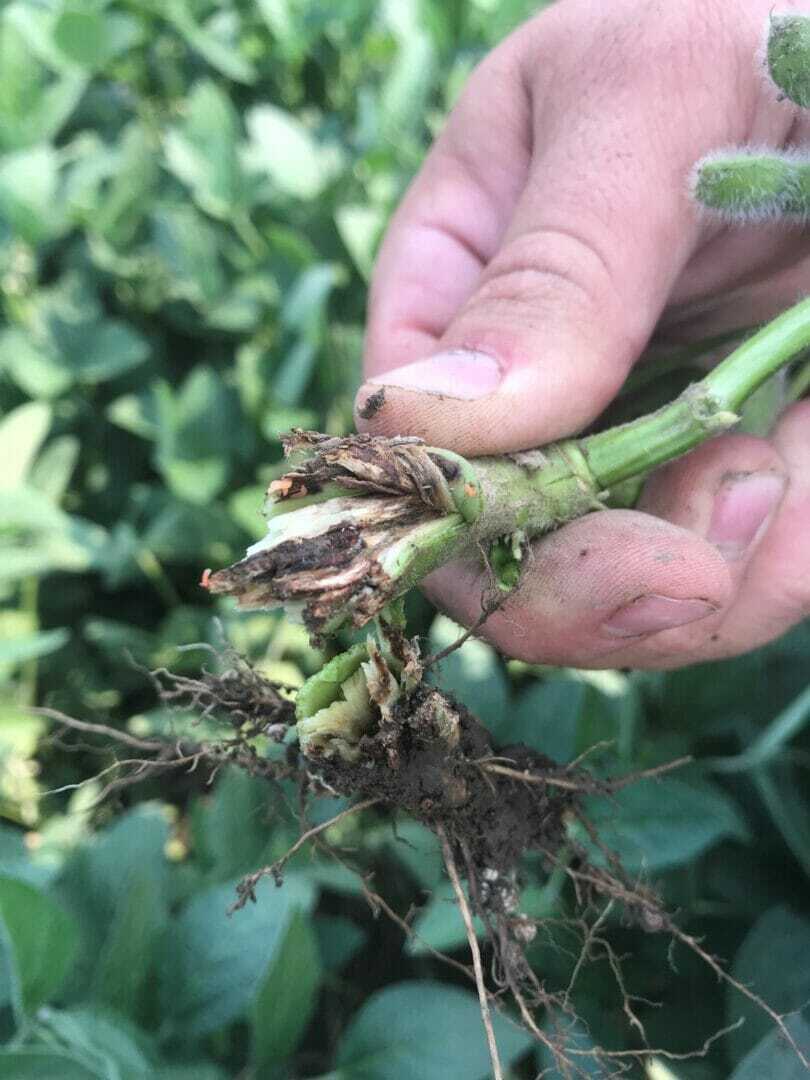
    Phil Long, precision agronomy advisor, unpacks new research that was conducted on soybean gall midges. He highlights ways that farmers can combat them including tillage, spray nozzles and learning about their life cycle. Subscribe to Latham Hi‑Tech Seed’s YouTube Channel for other agronomy topics and industry news.

    Webspec Admin

    March 16, 2022
    #AskTheAgronomist, Agriculture, Agronomics, Crop, General, Industry News, Insects, Soil, Soybeans
  • Latham Hi‑Tech Seeds

    More Tonnage on Less Acres… What’s Your Blueprint?

    Silage

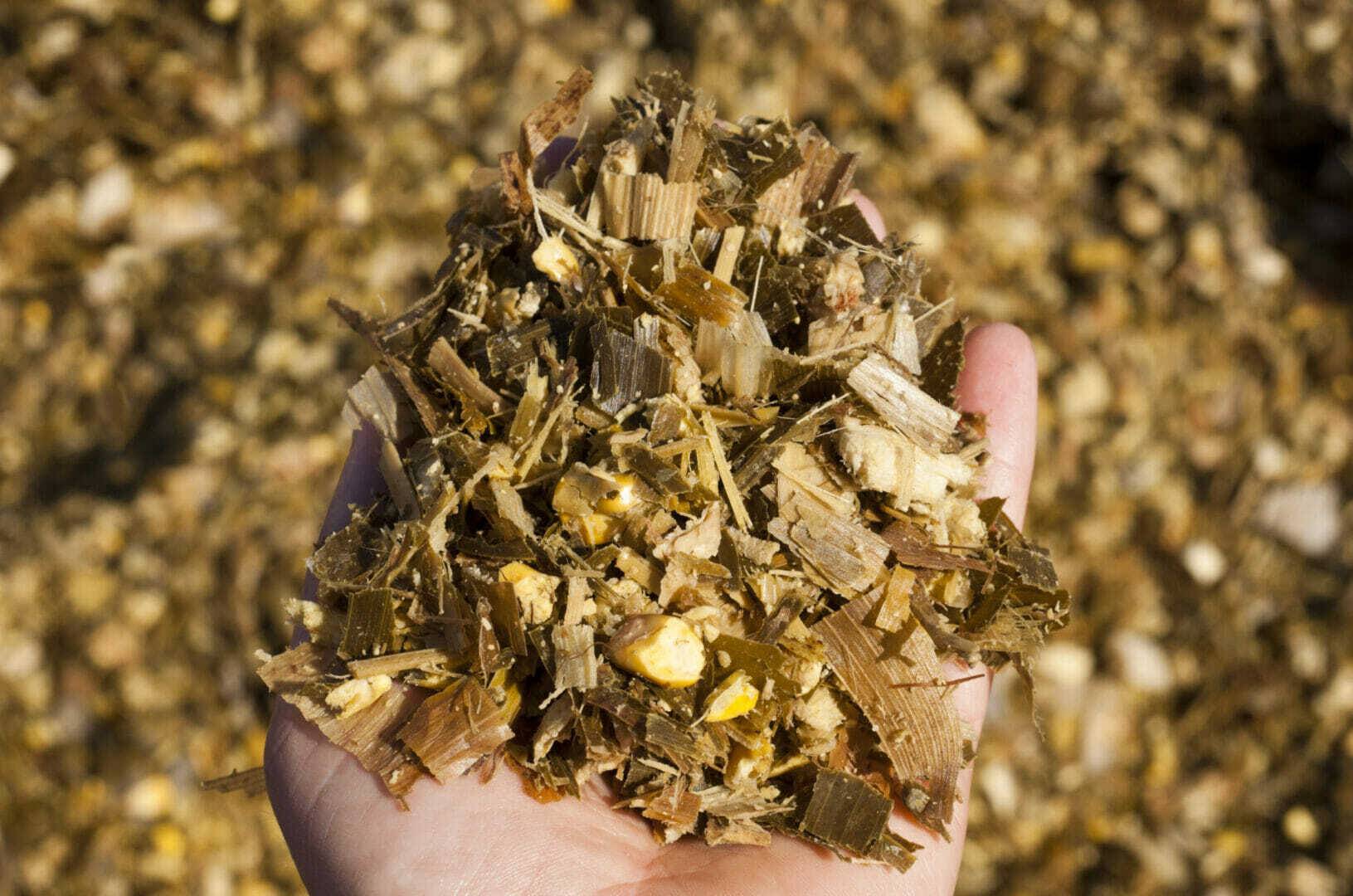
    Striving for tonnage and quality has never been more important than now with high cost of inputs and high commodity prices. More tonnage on less acres could mean more #2 yellow at a good price. Additionally, maximizing quality means more protein, more starch, more digestibility and greater feed efficiency.

    What’s your blueprint to success for 2022? Here are a few things to consider:

    Corey arrow graphic

    Hybrid Selection for Corn Silage: Review of Latham’s 2021 Wisconsin corn silage trials results = WOW.  This summary reveals the incredible tonnage some of our hybrids showed in the trials, blowing past the competition. We have many winning dual-purpose hybrids highlighted in our product guide, as well as our silage specific leafy hybrids. Check out these top-performing Latham® hybrid product numbers: 4937, 5245, 5742, 5965, 6285, 6477. Access to tonnage starts with hybrids that have historically had evidence of strong, known performance.  Using trusted genetics has never been more important.

    Seed Placement: Latham Seeds’ product guide provides specific placement details to help you achieve the best performance. Key in on the plant population for soil type, especially with the leafy hybrids. Leafy hybrids are massive plants, so they require a lot of in-row room to grow. To maximize leafy tonnage and starch, ensure proper seed depth. It’s important to promote the development of a superior nodal root system to hold up the large plant, as well as to bring in essential water and nutrients.

    Nutrients: With a high premium on nitrogen, use in-season tissue and soil testing to determine whether the plant needs supplemental nutrition. Additionally, think about booking fungicides early to make sure you have them. High input investment coupled with high value commodity means many farmers will protect the plant with fungicides, so book early to ensure you have access to them! It seems a lot of helpful inputs are short supply, and fungicides like Headline AMP® have shown to produce 2 to 3 more tons/acre average. This is a very valuable consideration. When corn is $6/bushel, corn silage is about $60/ton.  Adding 2 or 3 tons is about $120-$160/acre. A healthy corn plant adds more quality, as well as helps mitigate the expensive risk of mold and mycotoxins.

    Know and Maximize Manure and Alfalfa Credits: The adage “think outside the box” recommends that we think freely and openly, so that we’re not bound by old, nonfunctional, or limiting rules or practices. While I believe there is a time and a place for this type of thinking, today I’m suggesting that we think “inside the box.” We can leverage what we already have.

    What do you have on hand that can help reduce your expenses and minimize financial exposure?

    Because the 2022 crop cycle is likely to set a record for the highest input investment crop, many farmers are scrutinizing every input. They’re leveraging what is on hand or readily available, so manure has become a highly sought-after resource. Manure also is proving to be effective. These manure credit charts give an idea of some “inside the box” considerations of nitrogen sources.
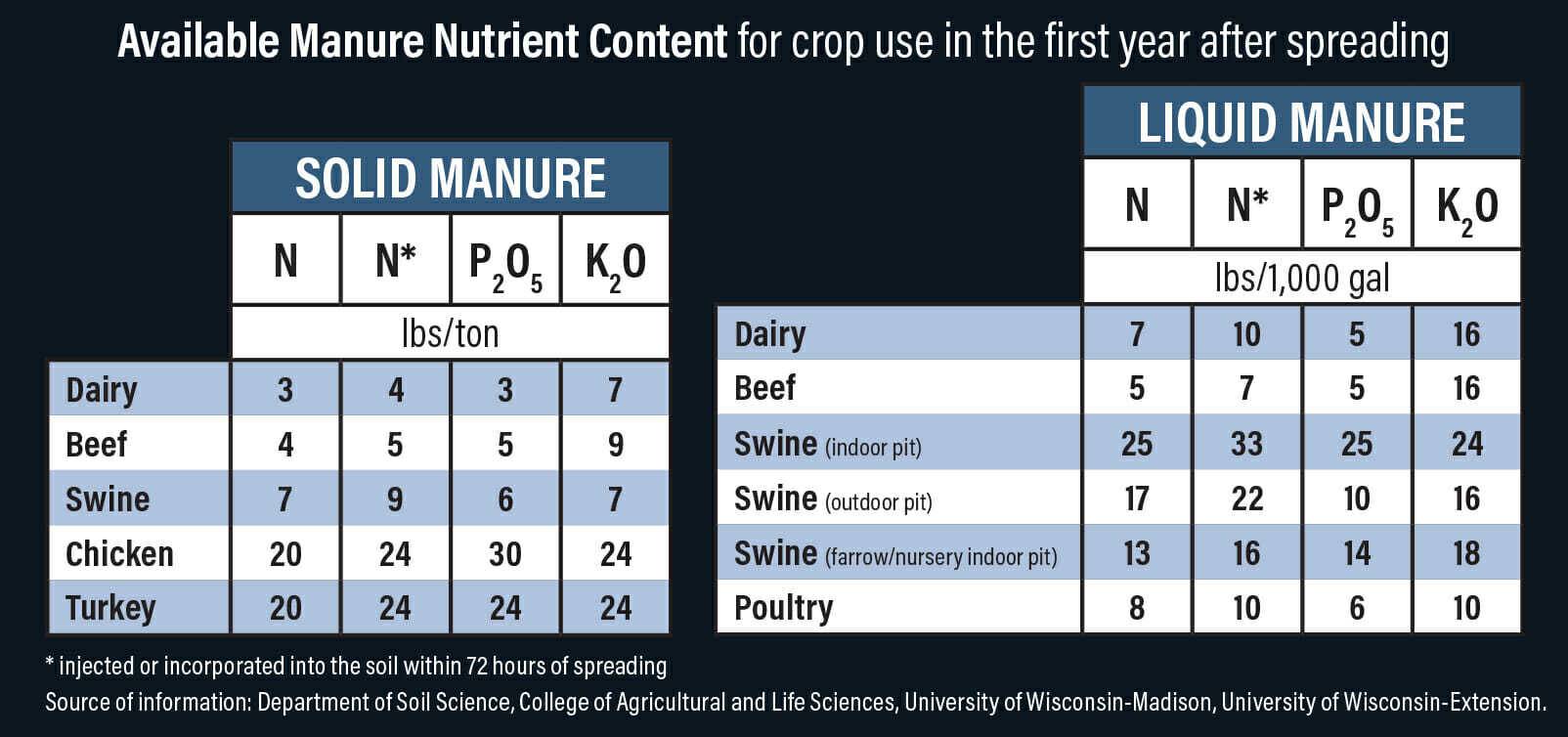
    Corey chart

    Additionally, corn planted on rotated alfalfa crop can yield as much as 20% more, especially in combination with manure. Applying manure requires some extra work and planning, here’s an online calculator to help you decide what manure is worth to your farm. Remember the intangibles. Manure provides the soil with needed nutrients, plus it unfolds a world of the living microbes.

    Every growing season starts with a custom tailored blueprint. Consider how powerful genetics and some “inside the box” thinking can help you create more tons from less acres this season!


     

    Webspec Admin

    March 16, 2022
    Agronomics, Corn Silage, Crop, Fungicide, General, Seed Treatment, Soil, Tech Tuesday
  • Latham Hi‑Tech Seeds

    Planter Upgrades with Quick ROI

    Planting Resized Istock

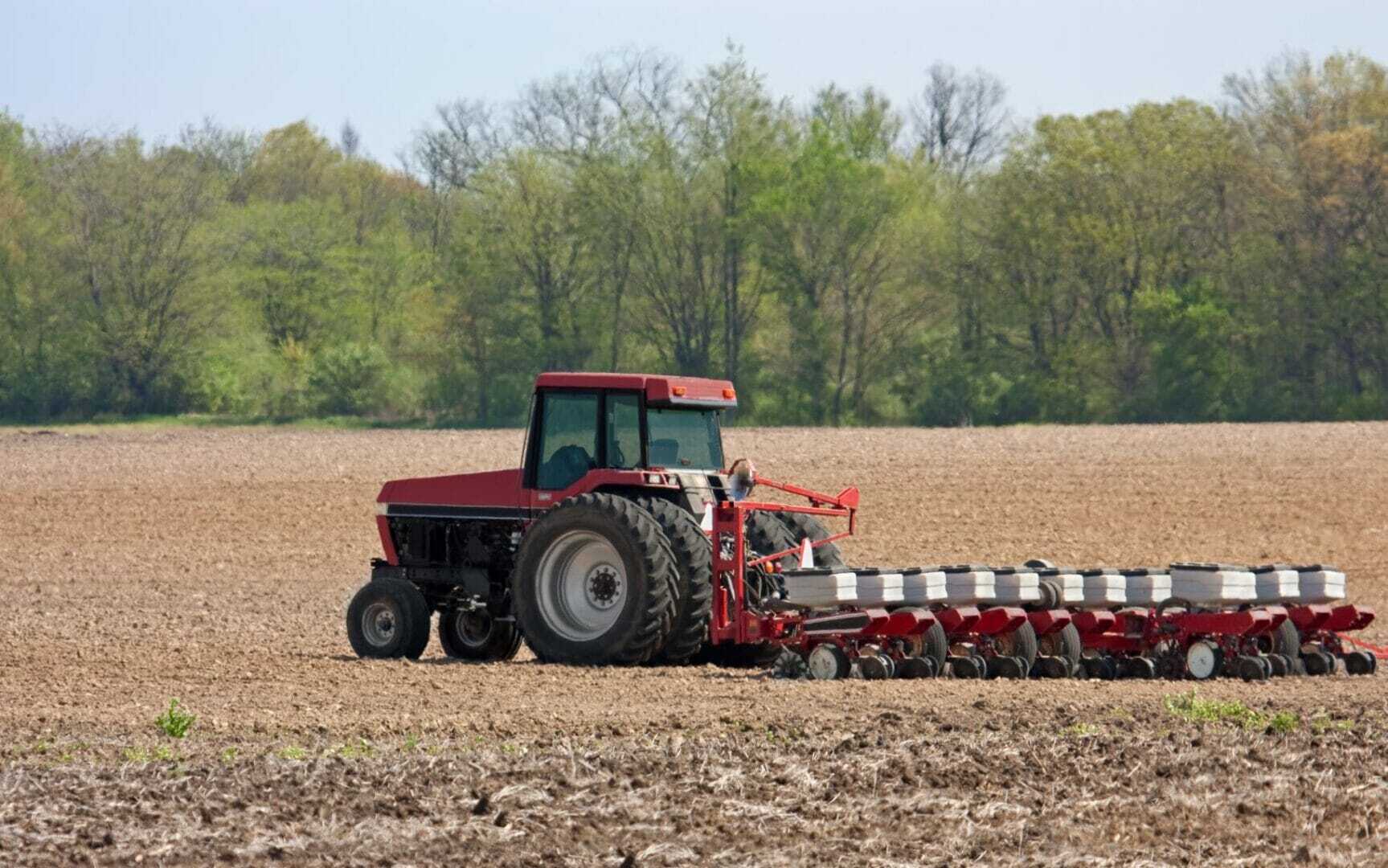
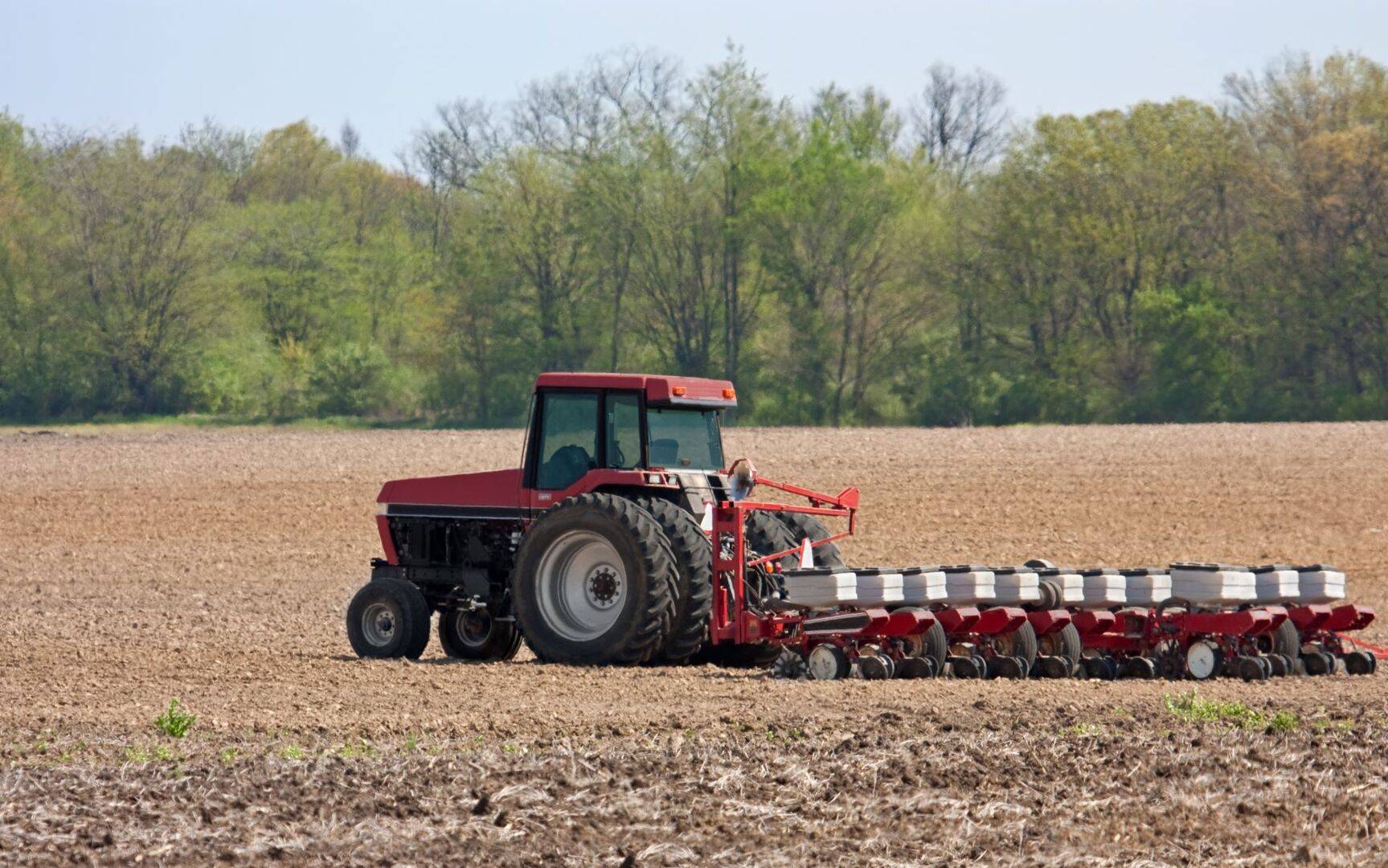
    Your planter is the most important piece of equipment because it has the largest impact from emergence to final yield. Making these three upgrades will provide a return on your investment (ROI).Planting Resized Istock

    1. Closing Wheels in No-Till or Limited-Till Conditions. Closing wheels on a planter ensure the furrow is closed and there is adequate seed-to-soil contact. In a dry spring, this can be the difference as to whether the seed can pull enough water to germinate. If there are air pockets around the seed, it either won’t germinate or it will rot trying. There are many different types of closing wheels and closing wheel systems. Look at your management style and determine if you need spiked wheels to help crumble the furrow wall in tough soil conditions or if you need more aggressive closing action. Then look at the closing wheel systems or one with a walking axle on it. If you conventionally till all your fields in the spring before planting, you likely don’t need this upgrade.
    2. Floating Row Cleaners. Rigid or pin adjust row cleaners have been the standard for many years and can perform well in certain circumstances. However, their limitation is not being able to adjust for changing terrain. Any tillage situation that leaves some residue on top of the soil can benefit from a residue cleaner. Consider switching from fixed to floating if you have been noticing uneven emergence in spots of the field as you roll across different terrain. The row cleaner could be riding high and not clearing a path, resulting in hair pinning, uneven planting depth and residue in the furrow.
    3. Downforce Adjustment. On-the-go downforce adjustments is not the easiest upgrade, but it will likely provide the best ROI in any tillage situation. This upgrade can keep your planter units riding smoother, so more uniform depth is achieved. Depth robs more yield than spacing. Having too little downforce means the unit could be riding up and not getting the seed placed where it should. If conditions are wet, you don’t need as much weight on the unit. Wet conditions or too much weight compact the furrow walls, causing root and early season growth issues. A study done by Agco in 2017 revealed on-the-go downforce adjustments had a 20 bushel per acre (Bu/A) advantage in situations when the down pressure was too light and 6 Bu/A advantage over too much down pressure.

    Remember, your operation is not the same as your neighbors’. Be sure to align these planter upgrades with your specific soils and management practices, and they will provide a return for your operation.

    Phil Long

    March 9, 2022
    Agronomics, Corn, Crop, Emergence, General, Growth Stages, Precision Ag, Season, Soil, Soybeans, Spring
  • Latham Hi‑Tech Seeds

    #AsktheAgronomist – Latham Adds Vayantis

    Ask the agronomist latham adds vayantis

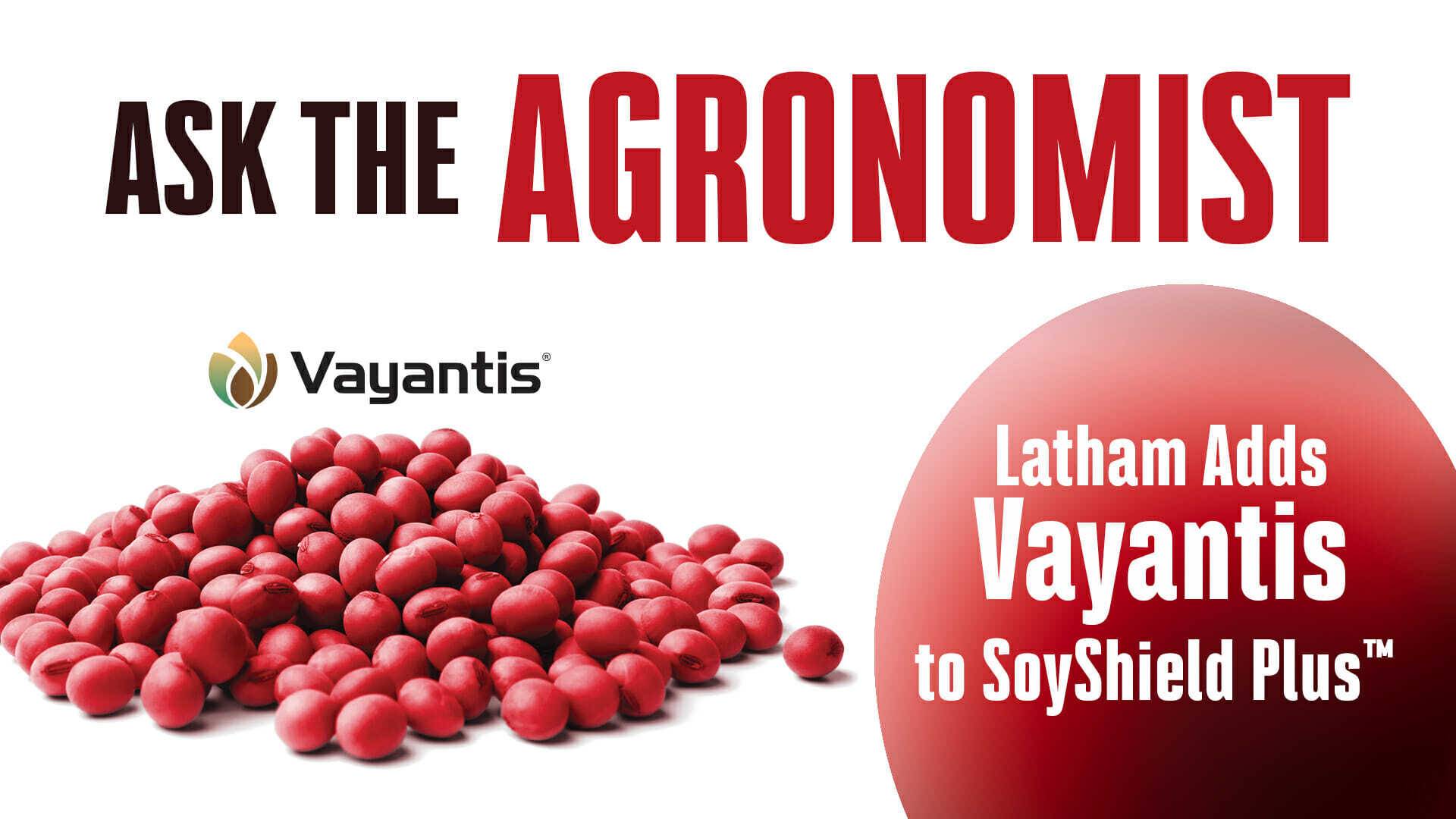
    Latham Seeds adds new Vayantis® to SoyShield® Plus! On this week’s #AsktheAgronomist, Phil Long, precision agronomy advisor, and Matt Moore, soybean product manager, discuss soybean treatments and how the addition of Vayantis is really exciting going into the 2022 planting season! Learn more about Vayantis fungicide. 

    Webspec Admin

    March 8, 2022
    #AskTheAgronomist, Agronomics, Corn, Crop, Disease, Fungicide, General, Industry News, Seed Technology, Seed Treatment, Soybeans
  • Latham Hi‑Tech Seeds

    #AsktheAgronomist – Dicamba Tips

    Ask the agronomist 2 tips for dicamba

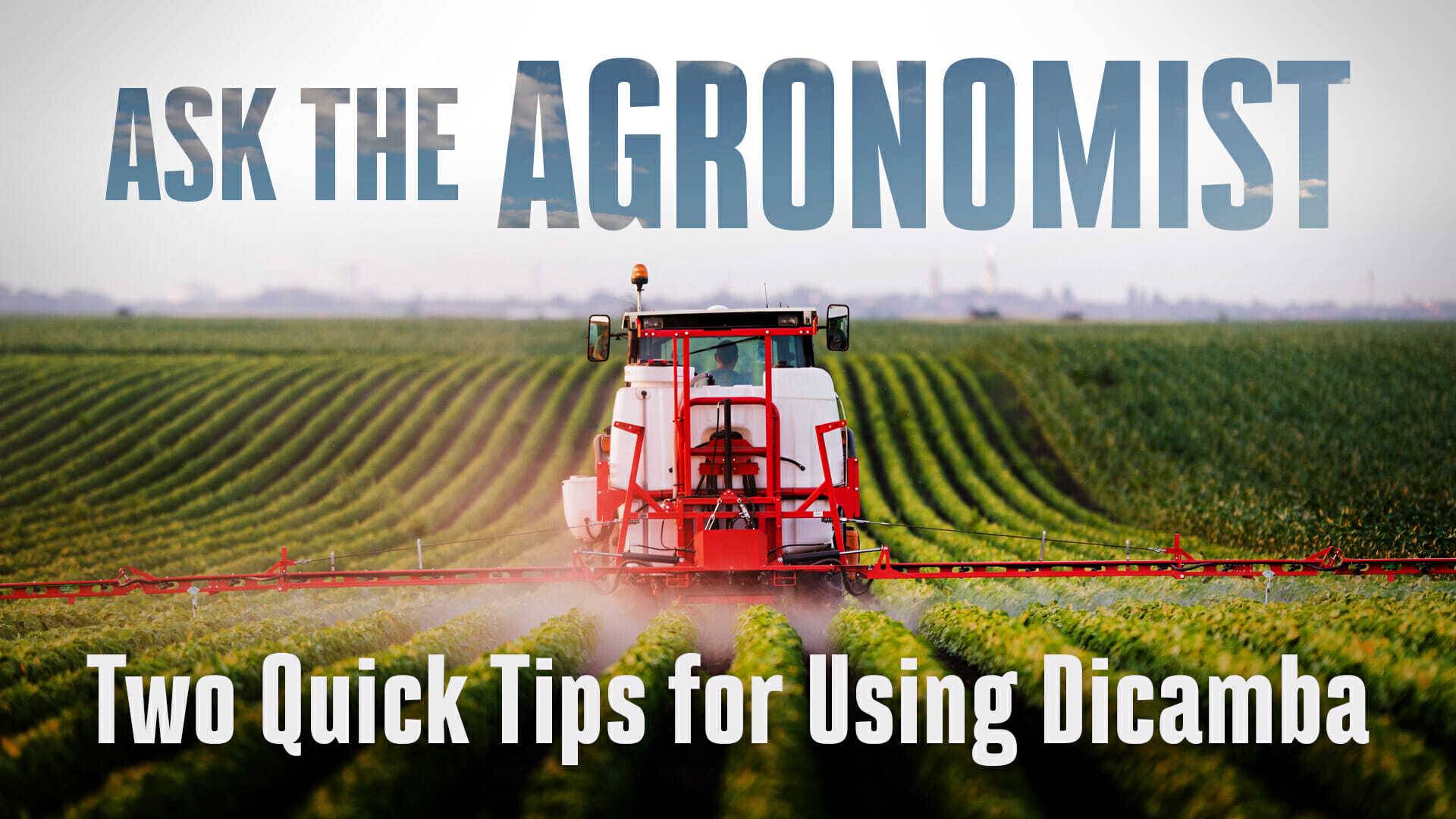
    Phil Long, precision agronomy advisor, dives into Dicamba and highlights ways it can be affective in your herbicide regime.

    Webspec Admin

    March 8, 2022
    #AskTheAgronomist, Agronomics, Corn, Crop, Disease, Herbicide Technology, Soybeans, Weed Control
  • Latham Hi‑Tech Seeds

    #AsktheAgronomist – Dicamba Tips

    Ask the agronomist 2 tips for dicamba

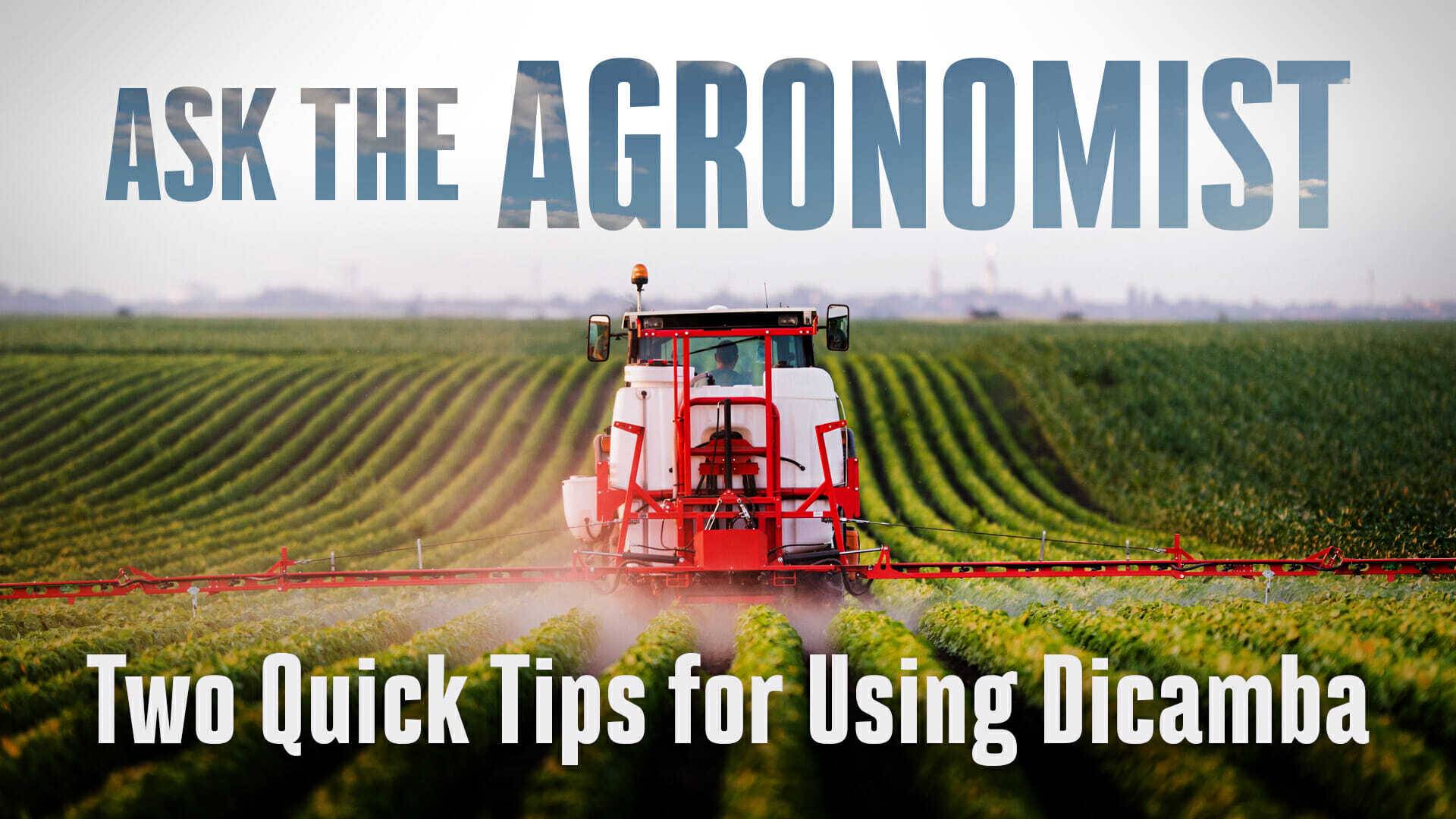
    Phil Long, precision agronomy advisor, dives into Dicamba and highlights ways it can be affective in your herbicide regime. Subscribe to our YouTube channel and stay up-to-date with agronomy news in the industry.

    Webspec Admin

    March 1, 2022
    #AskTheAgronomist, Agronomics, General, Herbicide Technology, Soybeans, Weed Control
  • Latham Hi‑Tech Seeds

    #AsktheAgronomist- 2022 Soybean Considerations

    Ask the agronomist soybean considerations

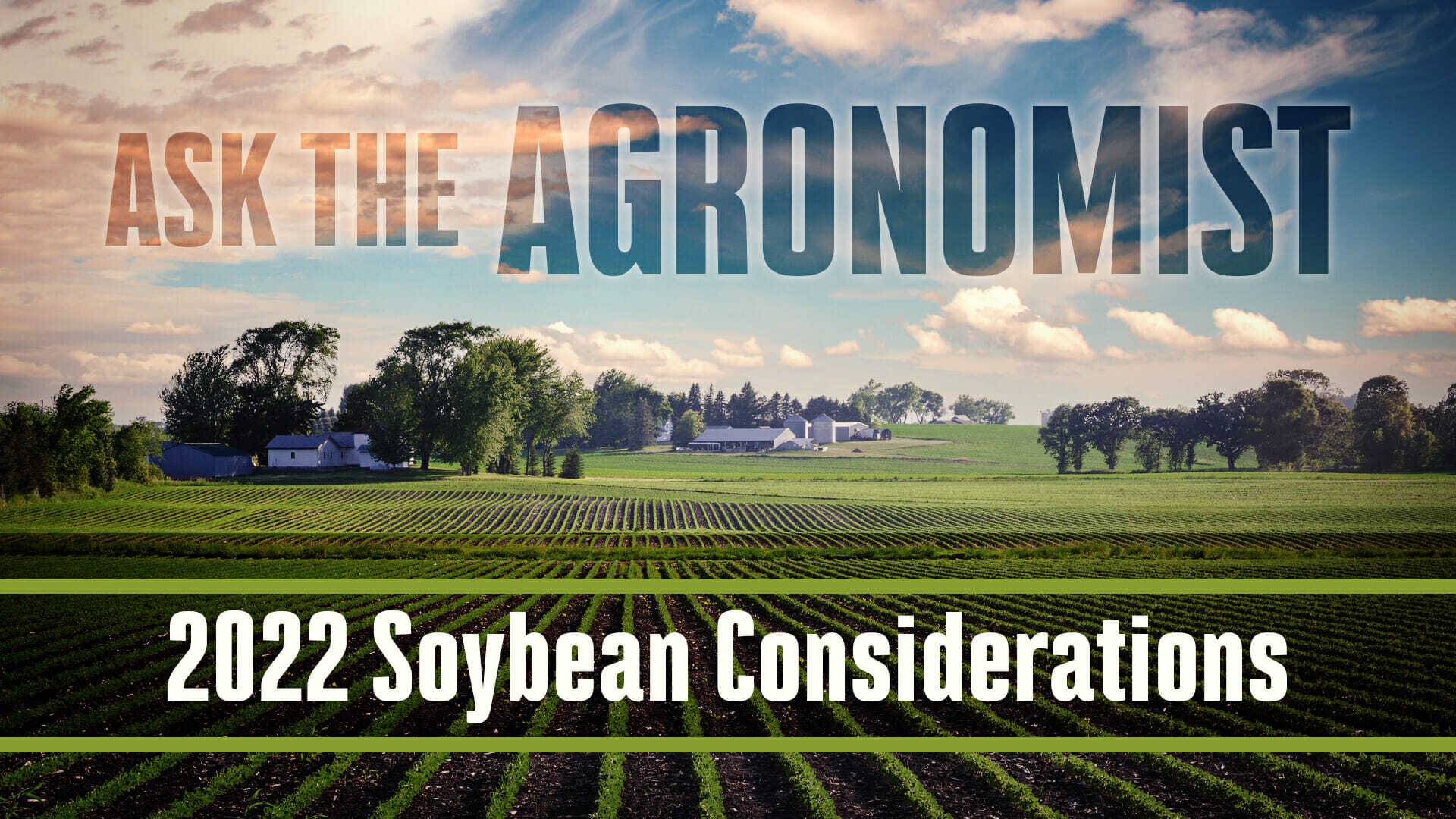
    What are the top three challenges facing soybeans this year? Precision Agronomy Advisor, Phil Long, addresses planting, weeds and Soybean Cyst Nematode issues in Latham Country. Check out our #AsktheAgronomist series to learn more about industry news and agronomy.

    Shannon Latham

    February 24, 2022
    #AskTheAgronomist, Agronomics, Crop, Emergence, Insects, Soybeans, Weed Control
  • Latham Hi‑Tech Seeds

    With Fertilizer Prices Rising, Nitrogen Credits are Golden

    Companion Crop

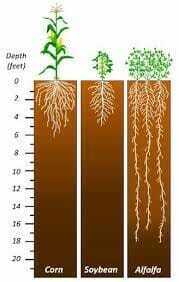
    Fertilizer prices have put a lot of pressure on farmers to find creative ways to navigate the nutritional demands for the upcoming corn crop. Depending on the alfalfa stand health, farmers could capture 100 pounds of nitrogen per acre.  That’s why many are considering an early rotation of alfalfa fields in 2022.Graph 1

    Farmers who raise alfalfa have an opportunity to capture nitrogen credits and to also capture more yield. Research shows a 20% increase in yields for the subsequent crop planted onto those acres. A mature alfalfa tap root can grow down 20 feet, creating a channel that allows the newly developing root to easily access critical moisture.

    With commodity prices increasing, the goal should be to leave no yield in the field. Focusing on high-yielding alfalfa will vastly improve the productivity of all crops. It raises the yield ceiling of corn and soybeans in the traditional corn-soybean rotation upwards of 20% while improving the soil.

    Alfalfa Seeding Establishment

    Reviewing stand establishment details are important for the success of your alfalfa crop:

    • Soil pH. Soil pH is important to quickly establish the nitrogen-fixation bacteria. For best performance, try to maintain a soil pH of 6.8 to 7.2.
    • Seeding Rate. Although alfalfa is typically seeded at a rate of 16 to 20 pounds per acre, I encourage farmers to experiment on their farm. Simply double seed during one or two passes. More seed equals more plants. To run a successful trial, remember to apply a bit more fertilizer where plant populations are higher. You likely will be surprised with the life of stand. Latham Seeds has partnered with some innovative farmers to conduct replicated seeding rate trials on their farms, and results have been impressive! We have seen a multi-year yield advantage for higher seeding rates. During the first seeding year, our growers have seen an advantage of one-half dry matter (DM) ton and almost one full DM ton advantage in the second year. One ton of high-quality alfalfa is the Midwest is currently valued at $300.
    • Seed Bed/Seed Depth: A firm seed bed is critical to properly placing alfalfa seed at ¼ inch and no deeper than ½ inch.Companion Crop
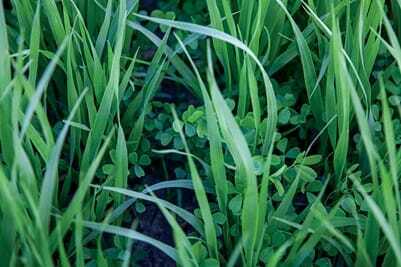
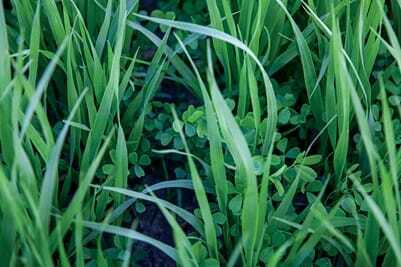
    • Companion Crop: Use caution when seeding alfalfa with a companion crop. The key is to not plant companion crops so thick that they actually compete for the critical soil moisture the alfalfa seedling desperately needs. I like a lower to medium rate of oats, say 1 to 1.5 bushels, depending on soil type. Oats emerge quickly, which helps shield the delicate little alfalfa seedling from the intense spring sun. The oat roots also help hold soil in place during intense spring rains. In addition, oats tend to help reduce weed pressure.

    Including high-yielding Latham brand alfalfa in your crop rotation is using a new interstate to increase soil biology and help meet nutrient demands of rotational crops. Research has shown that corn planted on rotated alfalfa can help unleash more of the genetic potential yield.

    Want to chat more about adding alfalfa into your rotation? Reach out to your dealer or reach out to me, Corey Catt, forage product manager, at coreyc@lathamseeds.com.

    Webspec Admin

    February 24, 2022
    Agronomics, Alfalfa, Crop, Fertility, From the Field, General, Tech Tuesday
Previous Page
1 … 5 6 7 8 9 … 67
Next Page

Latham Hi‑Tech Seeds

131 180th Street | Alexander, IA 50420

(641) 692-3258

SIGNUP FOR OUR NEWSLETTER
  • Contact
  • Legal
  • Dealer Center
  • Seedware Login
  • Latham Gear

© 2025 Latham Hi‑Tech Seeds. All rights reserved. | Iowa Web Design by Webspec | Privacy Policy

Latham® Hi-Tech Seeds is a trademark of M.S. Technologies, L.L.C., 103 Avenue D, West Point, IA 52656.