Latham Hi-Tech Seeds

(641) 692-3258

  • Home
  • Products
    • Corn
    • Soybeans
    • Alfalfa
    • Corn Silage
    • Seed Guide
  • Performance
  • Find a Rep
  • Media
    • Blog
    • News
    • Videos
    • Podcasts
    • TECHTalk
  • About Us
    • Company History
    • Our Mission
    • Careers
    • Become a Rep
    • Sowing Seeds of Hope
  • Contact Us
  • Latham Hi‑Tech Seeds

    #AsktheAgronomist – Final Planter Tips

    Candid 2

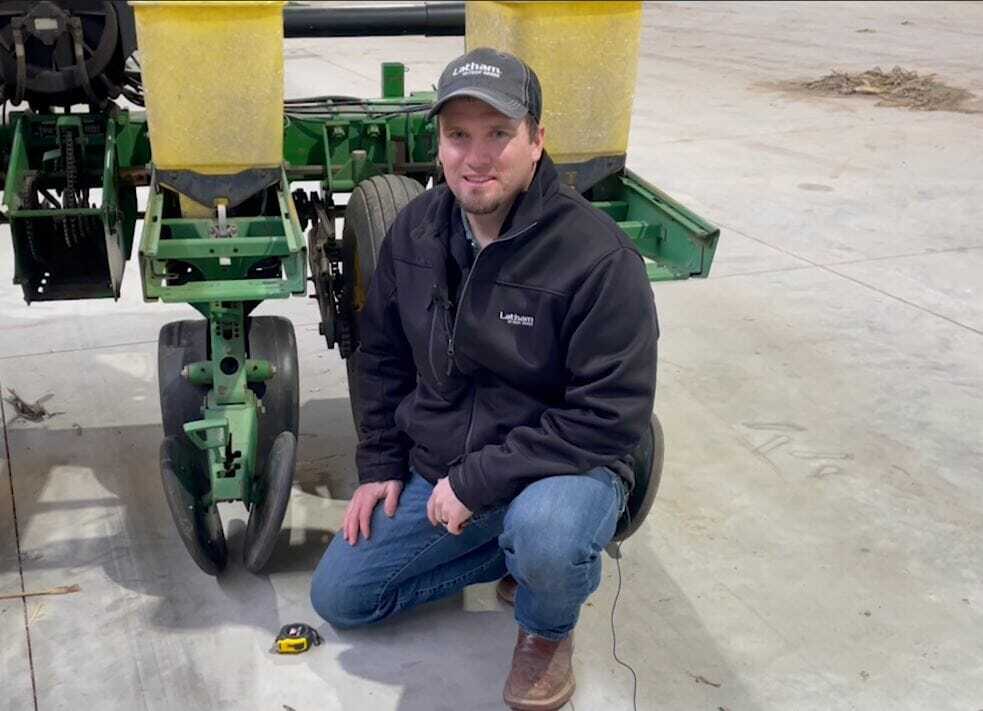
    Precision Agronomy Advisor, Phil Long, highlights the closing wheels on the planter for his final #AsktheAgronomist – Planter Series. He advises when they should be replaced and how you can test them to make sure they are in alignment.

    Latham Seeds has lots of great agronomy videos on our YouTube Channel. Subscribe today!


    Webspec Admin

    April 12, 2022
    #AskTheAgronomist, Agronomics, Corn, Crop, Emergence, Season, Soil, Soybeans, Spring
  • Latham Hi‑Tech Seeds

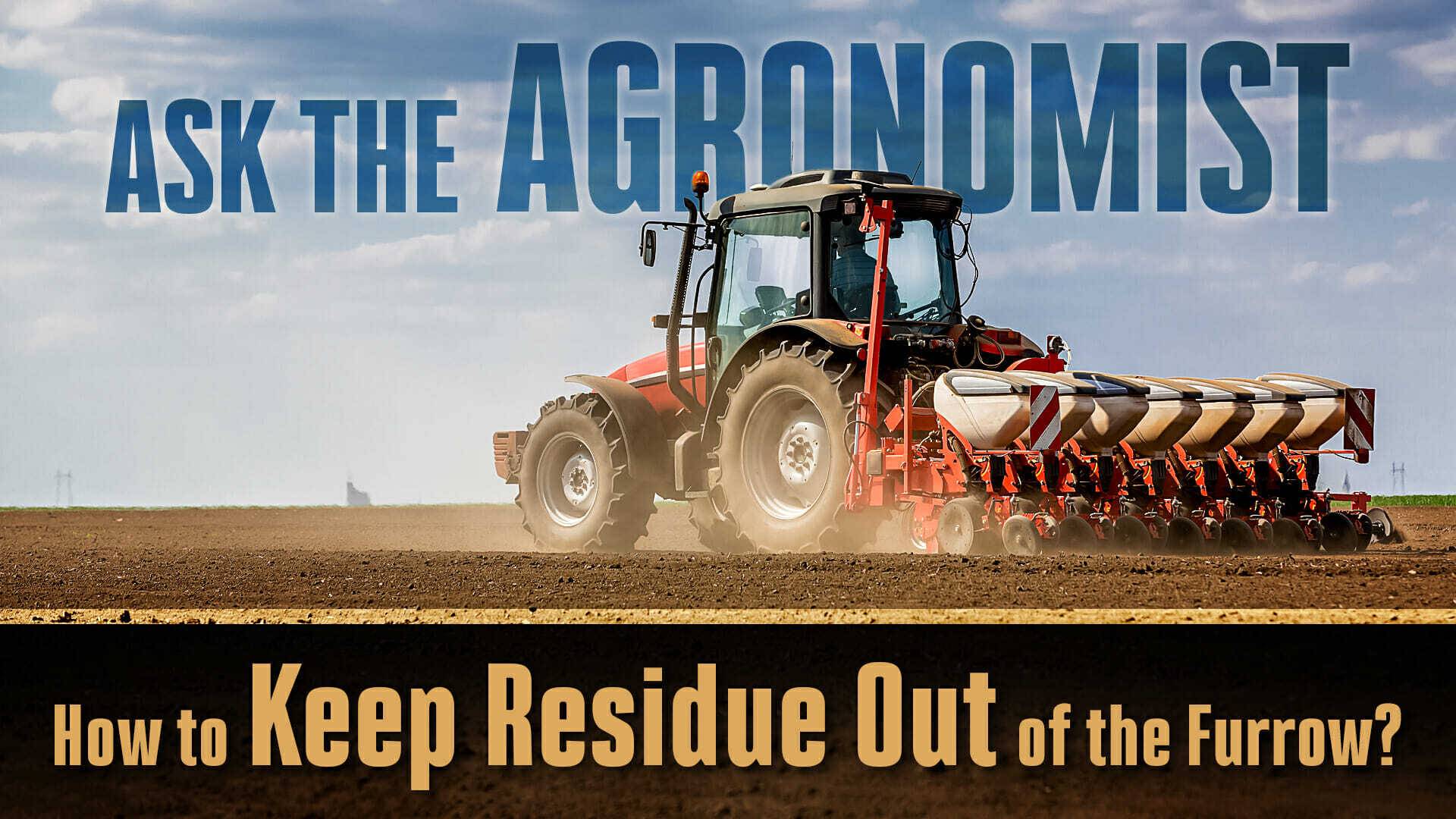
    #AsktheAgronomist – How to Keep Residue Out of the Furrow?

    Ask the agronomist keep residue out of the furrow

    Residue in your fields can play a major factor on how your seed is planted. Phil Long, precision agronomy advisor, unpacks tillage/no-till, row cleaners and other factors to improve your stand when dealing with residue. Subscribe to our YouTube Channel today to learn more agronomy tips and industry news. 

    Phil Long

    March 29, 2022
    #AskTheAgronomist, Agronomics, Corn, Crop, Emergence, General, Growth Stages, Soil, Soybeans
  • Latham Hi‑Tech Seeds

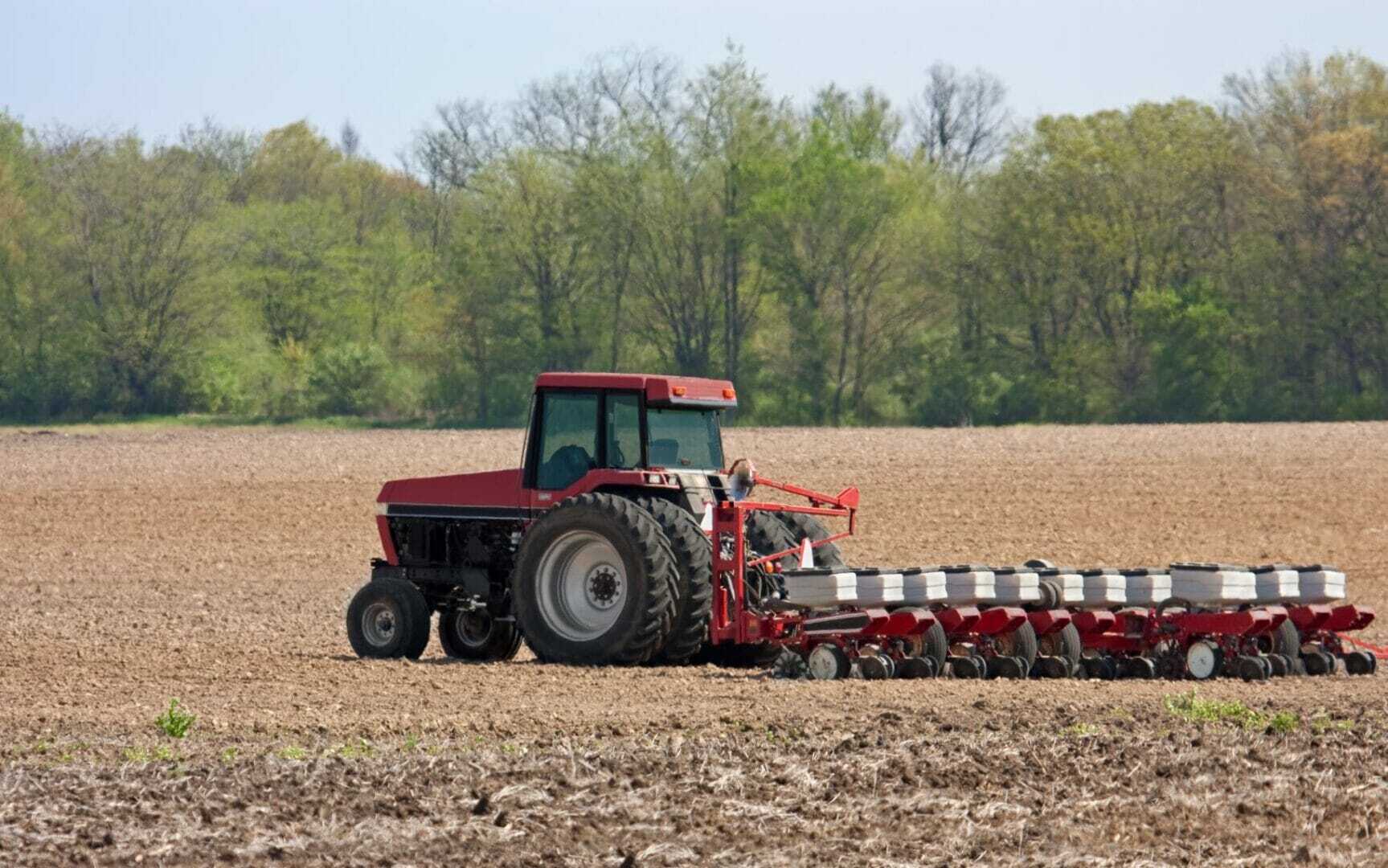
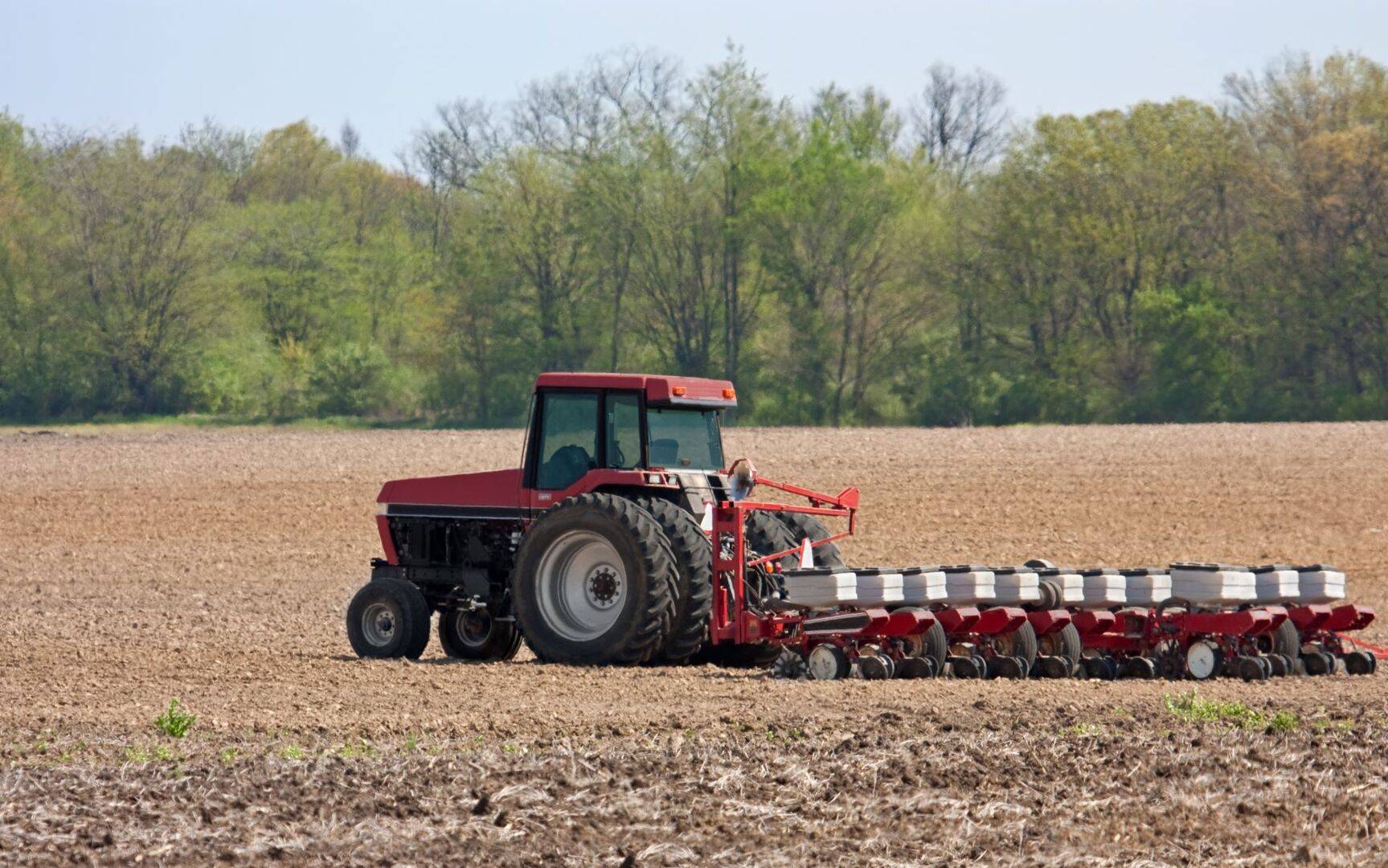
    Planter Upgrades with Quick ROI

    Planting Resized Istock

    Your planter is the most important piece of equipment because it has the largest impact from emergence to final yield. Making these three upgrades will provide a return on your investment (ROI).Planting Resized Istock

    1. Closing Wheels in No-Till or Limited-Till Conditions. Closing wheels on a planter ensure the furrow is closed and there is adequate seed-to-soil contact. In a dry spring, this can be the difference as to whether the seed can pull enough water to germinate. If there are air pockets around the seed, it either won’t germinate or it will rot trying. There are many different types of closing wheels and closing wheel systems. Look at your management style and determine if you need spiked wheels to help crumble the furrow wall in tough soil conditions or if you need more aggressive closing action. Then look at the closing wheel systems or one with a walking axle on it. If you conventionally till all your fields in the spring before planting, you likely don’t need this upgrade.
    2. Floating Row Cleaners. Rigid or pin adjust row cleaners have been the standard for many years and can perform well in certain circumstances. However, their limitation is not being able to adjust for changing terrain. Any tillage situation that leaves some residue on top of the soil can benefit from a residue cleaner. Consider switching from fixed to floating if you have been noticing uneven emergence in spots of the field as you roll across different terrain. The row cleaner could be riding high and not clearing a path, resulting in hair pinning, uneven planting depth and residue in the furrow.
    3. Downforce Adjustment. On-the-go downforce adjustments is not the easiest upgrade, but it will likely provide the best ROI in any tillage situation. This upgrade can keep your planter units riding smoother, so more uniform depth is achieved. Depth robs more yield than spacing. Having too little downforce means the unit could be riding up and not getting the seed placed where it should. If conditions are wet, you don’t need as much weight on the unit. Wet conditions or too much weight compact the furrow walls, causing root and early season growth issues. A study done by Agco in 2017 revealed on-the-go downforce adjustments had a 20 bushel per acre (Bu/A) advantage in situations when the down pressure was too light and 6 Bu/A advantage over too much down pressure.

    Remember, your operation is not the same as your neighbors’. Be sure to align these planter upgrades with your specific soils and management practices, and they will provide a return for your operation.

    Phil Long

    March 9, 2022
    Agronomics, Corn, Crop, Emergence, General, Growth Stages, Precision Ag, Season, Soil, Soybeans, Spring
  • Latham Hi‑Tech Seeds

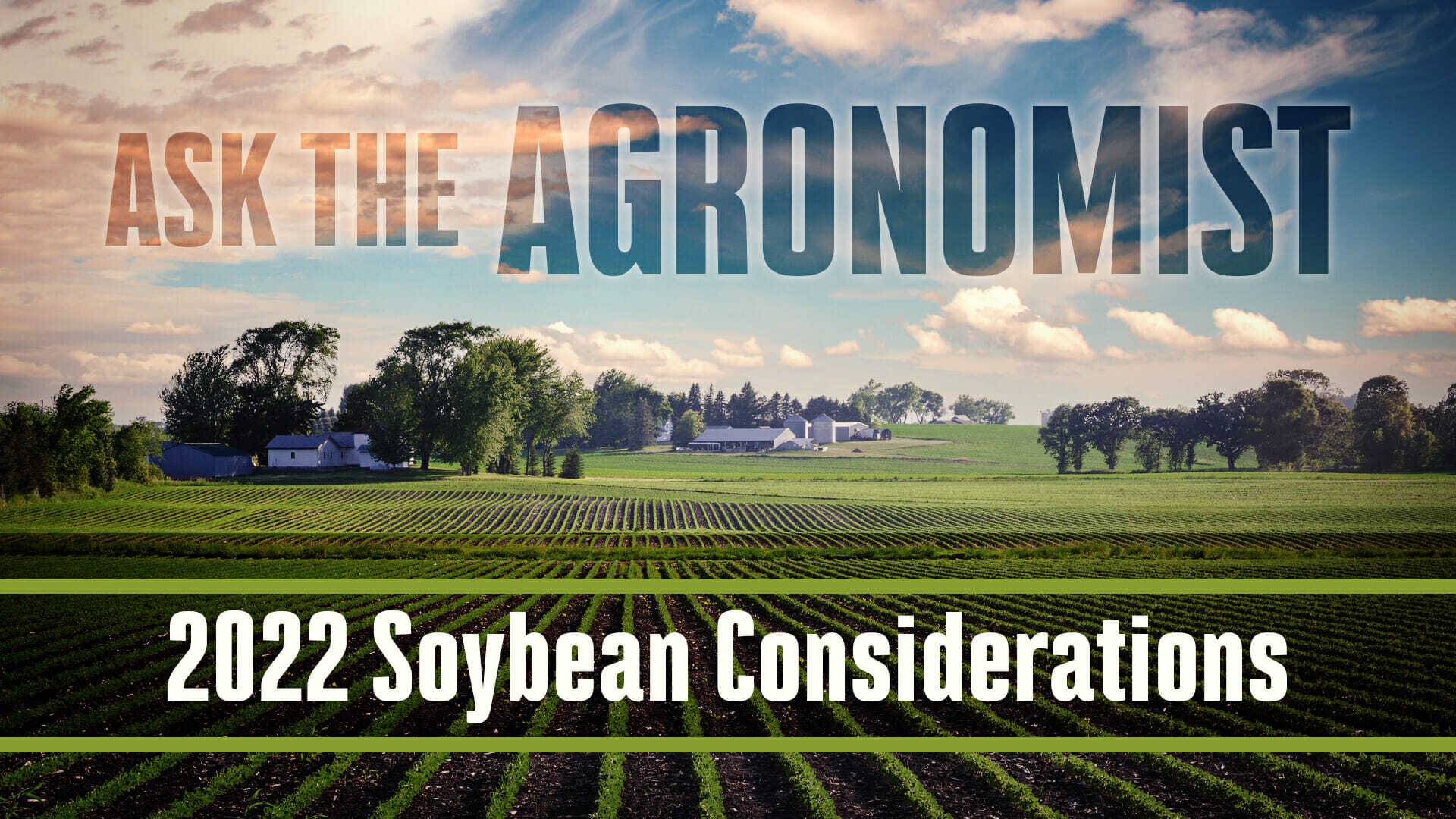
    #AsktheAgronomist- 2022 Soybean Considerations

    Ask the agronomist soybean considerations

    What are the top three challenges facing soybeans this year? Precision Agronomy Advisor, Phil Long, addresses planting, weeds and Soybean Cyst Nematode issues in Latham Country. Check out our #AsktheAgronomist series to learn more about industry news and agronomy.

    Shannon Latham

    February 24, 2022
    #AskTheAgronomist, Agronomics, Crop, Emergence, Insects, Soybeans, Weed Control
  • Latham Hi‑Tech Seeds

    2021 Research Trials Show Seed Treatment Pays

    IStock 528984664 Reszied

    Advertisements and magazine headlines tout the opportunity to enhance yields through plant protection and the use of biologicals or naturals, but does it pay to use these products? Our research once again confirms that seed treatments are an investment that provides a return.

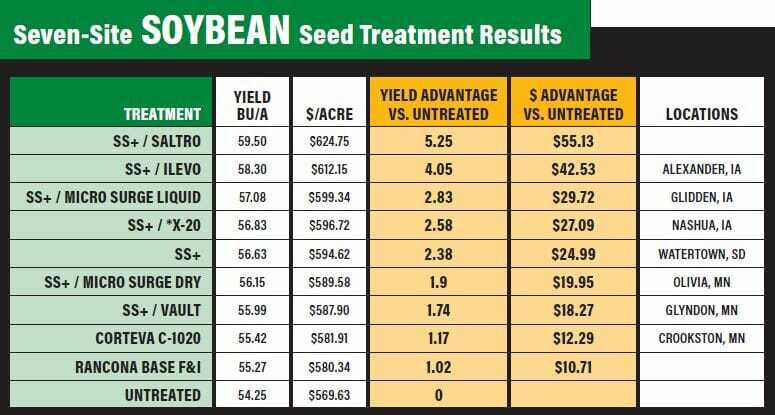
    Latham Hi‑Tech Seeds expanded its 2021 research trials to include seed treatments and biologicals. We wanted to determine whether the performance of the seed products we offer could be improved by seed protection and biologicals. Soybeans treated with Latham brand SoyShield® Plus had a 2.38-bushel yield advantage over untreated seed and a 1.2-bushel advantage over other leading fungicide and insecticide (F&I) seed treatments.

    Latham Seeds’ signature SoyShield Plus seed treatment is effective in protecting seedlings from early plant diseases for approximately 30 days, which is a longer window of protection than most seed treatments offered. SoyShield Plus includes an exclusive fungicide combination that provides excellent protection against seed and soil borne diseases including: Pythium, Phytophthora, Fusarium and Rhizoctonia.

    The addition of Saltro to SoyShield Plus increased protection against Sudden Death Syndrome (SDS) and soybean cyst nematodes. In fact, this treatment combination produced the highest yield in research trials across seven locations in multiple states. The SoyShield Plus / Saltro treatment had a 5.25-bushel yield advantage over untreated seed and provides Best-in-Class protection across environments. Soybean cyst nematodes are one of the largest yield-robbing pests and SDS is a growing concern for more areas, so it makes sense to order the Latham SoyShield+ / Saltro combination for 2022.

    Inoculants with biologicals continue to show increased yields over inoculants alone. Latham SoyShield Plus with Talc USA’s MicroSurge had a 2.83-bushel per acre advantage over untreated seed and more than one bushel per acre advantage over other premium inoculants.

    Soybeans

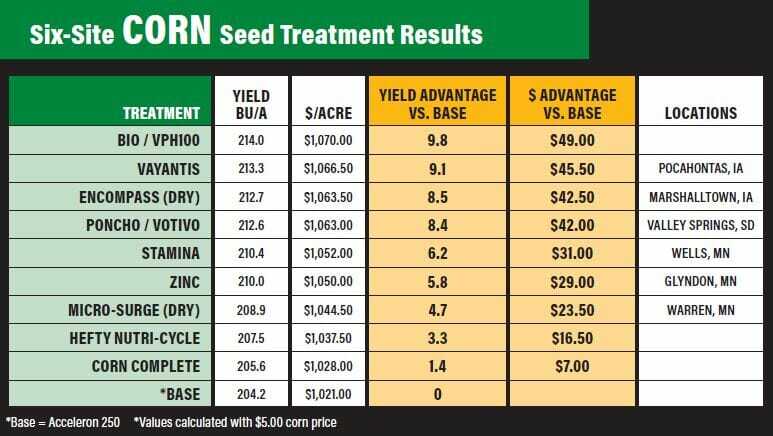
    Corn trials conducted at six locations in multiple states also showed significant yield increases over the base seed treatments with various applications of seed applied or planter box treatments. Talc USA’s MicroSurge dry corn inoculant is easy to apply with talc. With two strains of Azospirillum, MicroSurge produced a 4.7-bushel yield advantage over the base seed treatment.

    Encompass also was tested as a planter box treatment. It contains nitrogen-fixing microbials and helps mobilize phosphorous in the soils for easier nutrient uptake into the plant. Encompass showed an 8.5-bushel increase over base treatments in our 2021 trials. Now that’s a return on investment!

    Corn

    Contact your local Latham rep for more information about these and other products to protect your seeds and seedlings, so you can improve yields in your fields in 2022.

    Gary Geske

    February 16, 2022
    Agronomics, Corn, Disease, Emergence, General, Industry News, Seed Technology, Seed Treatment, Soybeans, Tech Tuesday
  • Latham Hi‑Tech Seeds

    Start the Season Right by Planting the Right Genetics

    Wooden block with GOAL, PLAN and ACTION on table background

    With the 2022 planting season right around the corner, it’s time to focus on the one thing that will help you capture the most ROI in each field.

    Field-by-field product placement is key to maximizing yield – and in turn – profit. Research shows plant genetics account for a 20% difference in yield. This means you could raise 12 more bushels of soybeans and 40 more bushels of corn PER ACRE simply by paying closer attention to your crop placement.

    Below are three factors to consider when double-checking your crop placement for 2022:

    • Study Field x Field® Ratings. Look at the Field x Field Ratings in the Latham® Product Guide for corn and soybeans. These charts simplify where you should place hybrids and varieties. A “1” rating means it’s a great fit for a particular environment; a “3” rating means you should not plant that product if your field conditions match that description. Your Latham Dealer has seen most of our products in environments, so call him or her if you have additional questions about where to place a particular product.
    • Stick to the plan. If your seed dealer has provided you with a Field x Field plan, organize your seed shed so you can stick to the plan. Subscribers to Latham Seeds’ Data Forward® program receive a crop plan book, which you can keep in your planter tractor. It’s a good practice to double check that the right seed gets in the planter. If planting conditions change in a particular field, then take the time to move products. It will be worth an hour of your time to capture the extra $150 to 200 per acre in profit potential.
    • Match Genetics to Management. If a certain corn product is described as “likes high management,” then you should not place that product in a field with poor fertility levels. Your seed dealer may not know your fields’ fertility levels unless you share it. That information is critical for accurate product placement as some genetics can handle tough fertility situations and others will fall apart in those environments. Also make sure you aren’t overplanting or underplanting each hybrid. Look at the “suggested populations” in our Product Guide, as well as the “Ear Type” rating and our stress wheel poster. We want to help you capture yield!

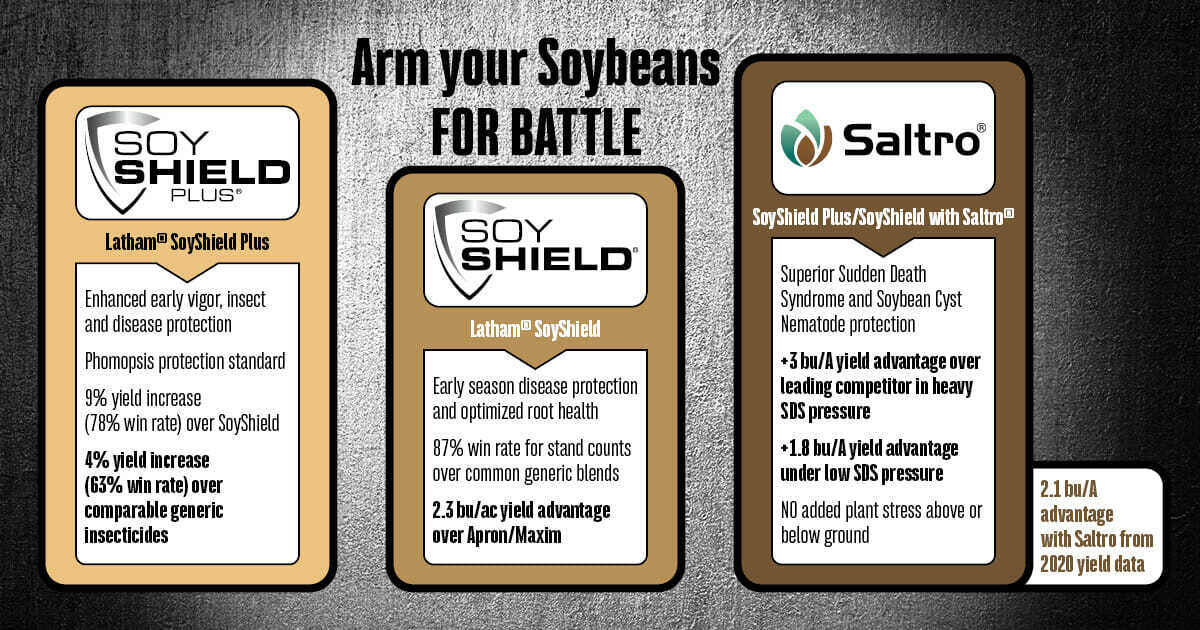
    If you’re planting soybeans early or at the same time your planting corn, treat the seed with SoyShield® to protect it from early season fungal diseases. Seed treatment also gives seedings an early advantage. Even when using a quality seed treatment, plant fields with the heavy soils that remain wet and cold last or at least the soils have warmed. This will help your soybeans better ward off root diseases all season long.

    SoyShield Seed treatment infographic

    A successful 2022 crop year begins with having a plan and sticking to it! Take the time now to double-check that you properly matched plant genetics with soil conditions. Our dealers are also happy to talk through field placement as well. If you have further questions or want to chat with our agronomists call: 1.877.GO.LATHAM (1.877.465.2842).

    Phil Long

    February 9, 2022
    Agronomics, Alfalfa, Corn, Corn Silage, Cover Crops, Crop, Disease, Emergence, Fertility, General, Precision Ag, Seed Technology, Seed Treatment, Soil, Soybeans
  • Latham Hi‑Tech Seeds

    #AskTheAgronomist: How Does Singulation and Emergence Affect Yield

    Maxresdefault

    What happens to plant performance and yield when singulation/spacing and emergence is variable? Precision Agronomy Advisor Phil Long showcases examples of stands and ears that developed under varying scenarios. He also shares results from our emergence tests from this spring at Latham’s Premier Agronomy Center.

    Webspec Admin

    September 29, 2021
    #AskTheAgronomist, Agronomics, Emergence
  • Latham Hi‑Tech Seeds

    Call in Your A-Team

    9734676 xl

    The most successful farmers are those who spend substantial time checking for disease, insects, stand uniformity and plant health. When things don’t look good, it’s time to call in your A-Team!

    The Oxford online dictionary defines A-Team as “a group of elite soldiers or top advisors or workers in an organization.” Your A-Team needs to be a group of expert advisors, who can help you diagnose problems and make recommendations to solve those issues. This group might include your Latham® Dealer or RSM, an agronomist from your chemical retailer or local co-op, a county or state Extension expert, or a private consultant that you’ve hired for this specific purpose. Do not rely only on “coffee shop talk” or advice from neighbors or friends.

    With your A-Team in mind, below are five things to watch for as we approach soybean pollination:

    1. Overall population and stand. I believe that the period between planting and first bloom is the most critical time for soybean growers. Across most of Latham Country, Spring 2021 was dry enough to plant early yet too cool to stimulate consistent growth and vigor. Stands were uneven. Seedlings had a sick, yellow appearance, which can lead to the onset of diseases and pests.

    2. Yellow soybeans. Soybeans can turn yellow (or chlorotic) for many reasons, including Iron Deficiency Chlorosis (IDC), Soybean Cyst Nematode (SCN), high soluble salts, chemical burns, insects and diseases. Your A-Team can help determine what has caused this.

    3. Soybean Aphid. I venture to say the Soybean Aphid is still the #1 insect pest across Latham Country. This insect overwinters in our region as eggs laid on the buckhorn species of trees and shrubs. Winged adults will move to soybeans in early to mid-June. Throughout the summer, most soybean aphids are females that reproduce asexually and rapidly. They can infest a whole field in a matter of days.

    4. Soybean Gall Midge. This new insect species is causing damage in areas of southeast South Dakota, southwest Minnesota, eastern Nebraska, western Iowa and more recently in Northwest Missouri. Researchers expect to see adults in early to mid-June, however, information and management for this pest are still in the discovery stage.

    5. Hail. Farmers don’t need to look for hail, but it too often finds them! Knowing what to look for and how to react is key when deciding what to do after a hailstorm. Soybean plants that are cut off below the cotyledon node have no chance of surviving. Plants that are severely bruised and easily fold over at the impact site have a very poor chance of surviving. However, plants that are only missing one cotyledon or missing both with the growing point still intact have a very good chance of survival. My best advice is to abstain from evaluating fields that received hail as soon as it is dry enough to do so. Instead, give the plants at least a week to see if new growth will occur. That way you can see what you have for a viable population.

    Mark Grundmeier, Product Manager

    June 16, 2021
    #AskTheAgronomist, Agronomics, Crop, Disease, Emergence, Insects, Season, Soybeans, Summer, Tech Tuesday
  • Latham Hi‑Tech Seeds

    #AskTheAgronomist: Early Season Soybean Scouting and Stand Counts

    Maxresdefault

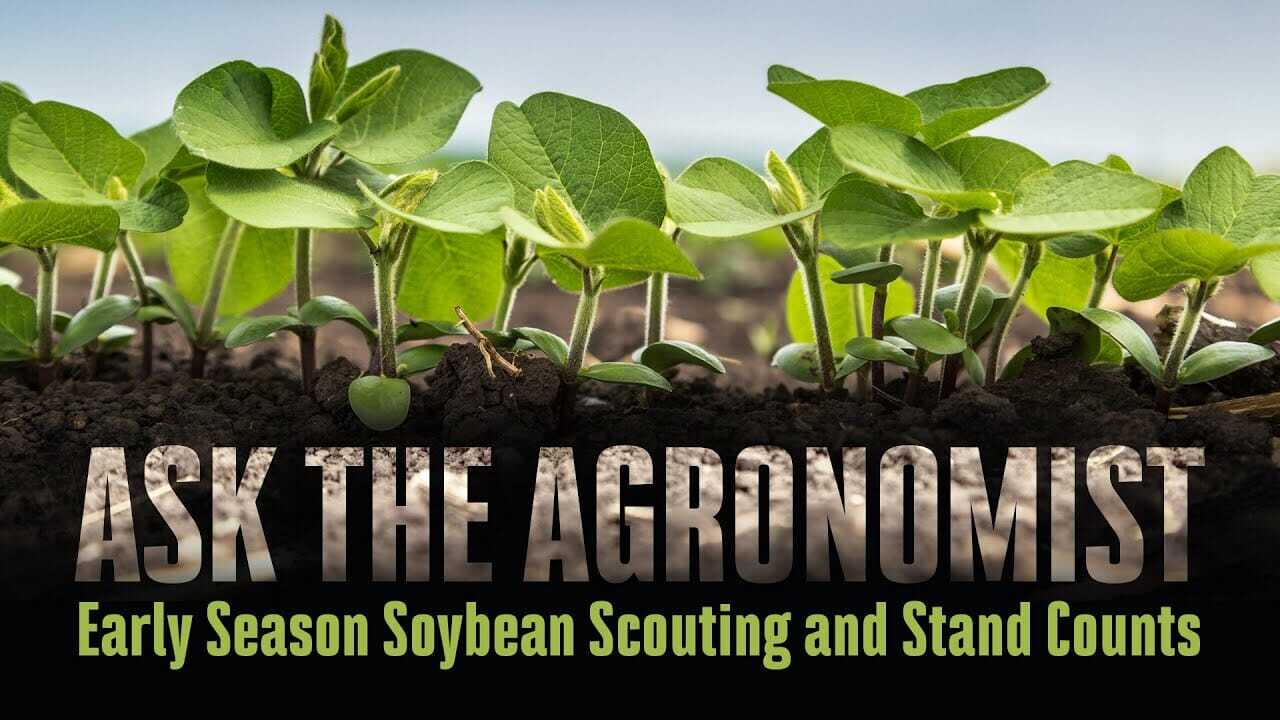
    Latham Precision Agronomy Advisor Phil Long discusses some tips and tricks to evaluate soybean growth and progress while scouting.

    Webspec Admin

    May 26, 2021
    #AskTheAgronomist, Agronomics, Crop, Emergence, Season, Soybeans, Spring, Summer
  • Latham Hi‑Tech Seeds

    #AskTheAgronomist: What’s Our Next Move?

    ATA Next Move

    Phil Long compares this growing season to a hand of blackjack. We started with an early king face up, but the cards have fallen a little slower for farmers across the Midwest since then. What should our next move be? The answer in this week’s episode of #AskTheAgronomist.

    Webspec Admin

    May 21, 2021
    #AskTheAgronomist, Agronomics, Corn, Crop, Emergence, Season, Soil, Spring, Summer
Previous Page
1 2 3 4 5 … 10
Next Page

Latham Hi‑Tech Seeds

131 180th Street | Alexander, IA 50420

(641) 692-3258

SIGNUP FOR OUR NEWSLETTER
  • Contact
  • Legal
  • Dealer Center
  • Seedware Login
  • Latham Gear

© 2025 Latham Hi‑Tech Seeds. All rights reserved. | Iowa Web Design by Webspec | Privacy Policy

Latham® Hi-Tech Seeds is a trademark of M.S. Technologies, L.L.C., 103 Avenue D, West Point, IA 52656.