Latham Hi-Tech Seeds

(641) 692-3258

  • Home
  • Products
    • Corn
    • Soybeans
    • Alfalfa
    • Corn Silage
    • Seed Guide
  • Performance
  • Find a Rep
  • Media
    • Blog
    • News
    • Videos
    • Podcasts
    • TECHTalk
  • About Us
    • Company History
    • Our Mission
    • Careers
    • Become a Rep
    • Sowing Seeds of Hope
  • Contact Us
  • Latham Hi‑Tech Seeds

    Strong Supply of Soybeans for #Plant20

    File1 1

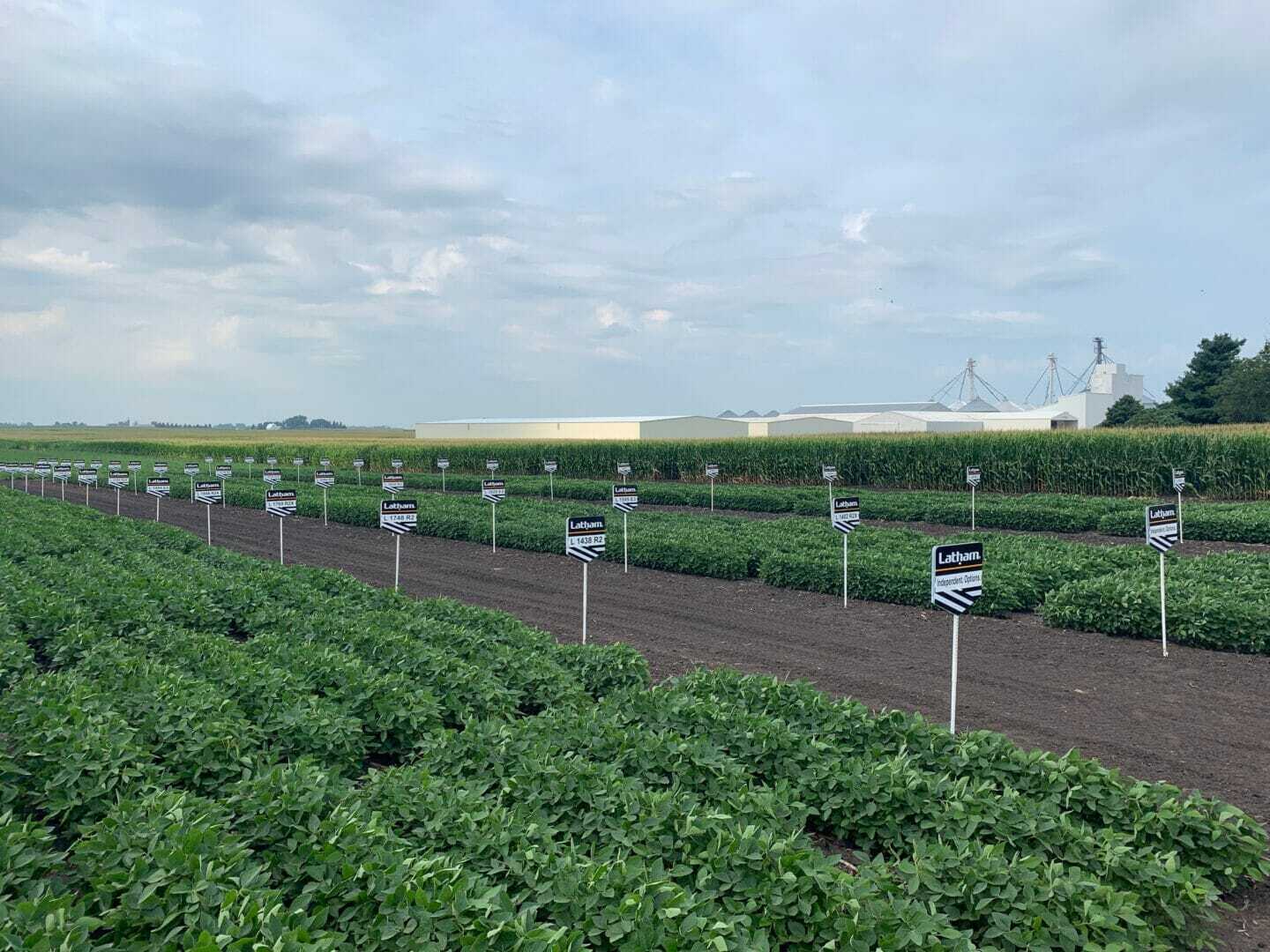
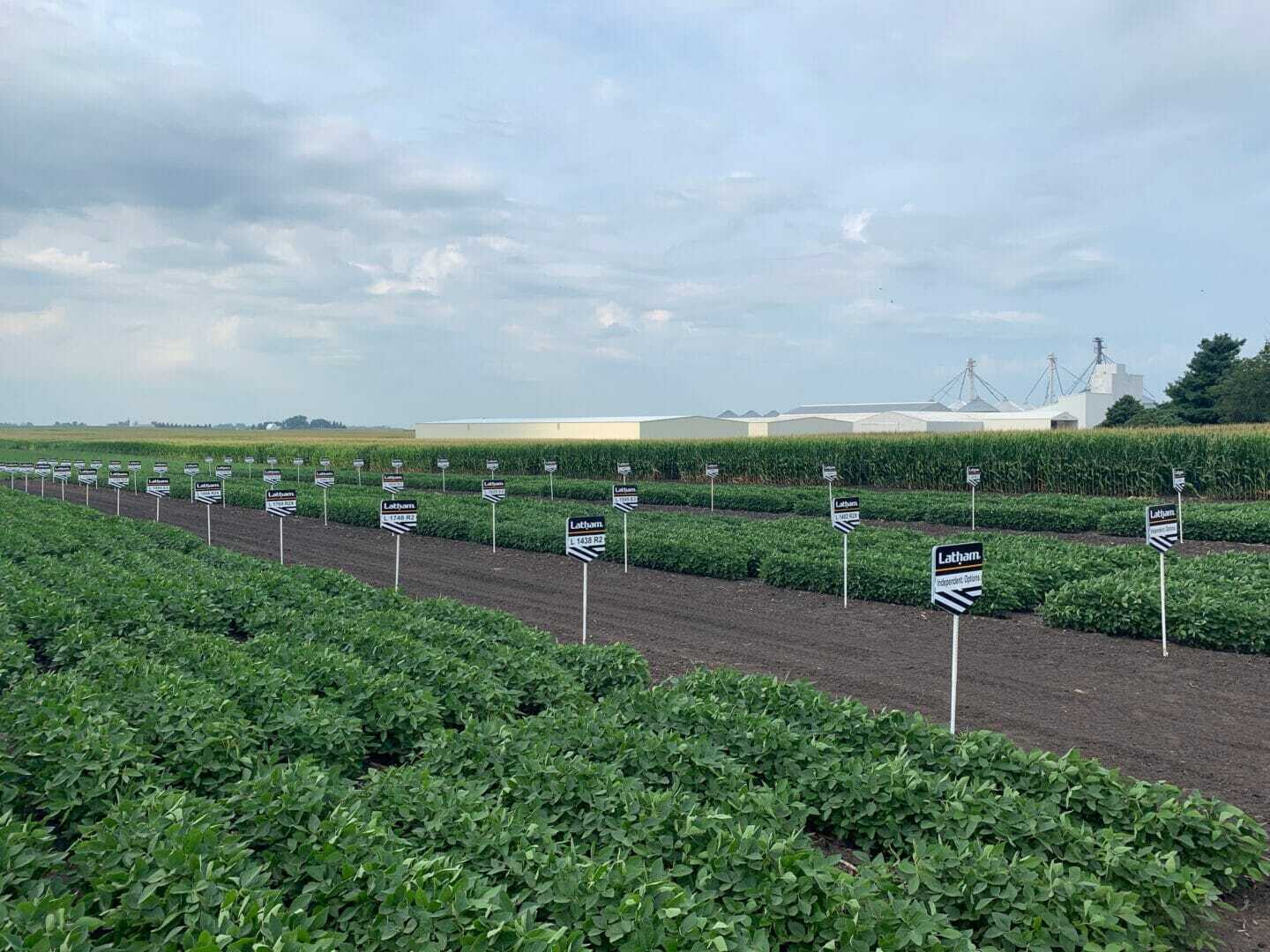
    File1 1Our corn and soybean products performed exceptionally well in 2019, and as a result it’s been an exciting few weeks building customer crop plans for 2020. The Enlist E3™ platform is leading in early sales with many opting to try them for the first time next spring.

    While supplies are getting tight for several products, Latham Hi‑Tech Seeds has a deep lineup. The following 10 soybean lines, in order of maturity, have performed very well plus strong supplies remain:

    L 0124 R2X – This RR2 Xtend® soybean carries the K-gene for Phytophthora, has excellent tolerance to BSR and IDC, and is very good against White Mold. This soybean was the earliest entry in our 2019 research trails, and it still garnered 13th place in the overall summary.

    L 0225 E3 – This E3 soybean features the 3a gene for Phytophthora. It also has excellent scores for Iron Chlorosis and Stress Tolerance. It was an early entry in SuperStrip TM plots at Maddock and Ardoch, ND, where it took 8th and 9th places respectively.

    L 0282 R2X – In those same plots near Maddock and Ardock, this soybean took 1st and 3rd places! It also performed well in the F.I.R.S.T. trials (RRNO) and in Latham Research trials. Emergence and standability are outstanding, plus it has the C-gene and excellent IDC tolerance.

    L 0995 E3 – One of the earlier entries in our research test, this soybean captured 10th place in the overall summary. It also did well in SuperStrips and F.I.R.S.T. trials. It has strong SCN protection, plus the 3a gene with very good tolerance to IDC, SDS and stress.

    L 1769 R2X – This Ironclad™ Xtend soybean has excellent scores for both White Mold and Sudden Death Syndrome. It topped SuperStrip plots in Webb, Iowa, and Milbank, SD. It also had seven other Top 10 finishes in South Dakota, Iowa, Minnesota and Wisconsin.

    L 2084 R2 – A long-time, top-selling variety, this soybean topped a SuperStrip near Watertown, WI. It also had several Top 10 places in other plots, including our own research and F.I.R.S.T. trials.

    L 2186 L – This has been Latham’s top-selling LibertyLink® soybean for several years. It performed very well again in our 2019 research trials. It served as the check variety in a number of SuperSrtrip plots – sometimes winning the plot as the check!

    L 2228 R2 – Our #1 selling soybean for several years, this Latham Ironclad bean performed very well in 2019 trials. It won five Top 10 F.I.R.S.T. trials, grabbed four Top 10 finishes in other plots and was the check in a number of SuperStrip plots.

    L 2295 R2X – A personal favorite, this Xtend soybean is consistent. It has been a standout in the F.I.R.S.T. trials, as well as in Latham SuperStrips and research trials for years. In 2019, it topped four SuperStrip plots and had a host of Top Five finishes in other trials. It works best on better soils and high fertility fields.

    L 2887 R2X – This popular Xtend line performed very well in 2019, taking 1st place at the SuperStrip plot in Center Point, Iowa. It also had three 2nd place finishes across Iowa and was 3rd at in our plot at Monroe, WI! It is widely adapted east to west and works well in all soil types.

    These are just 10 of the products that we have excellent supply of for 2020 planting. Talk with our Dealer, RSM or Seed Account Manager on what other soybeans are available for your area.
    Latham Seeds Agronomy Team

    December 31, 2019
    Crop, Industry News, Seed Technology, Soybeans, Tech Tuesday
    #Plant20, Latham Seeds, seed selection, soybean varieties, Soybeans
  • Latham Hi‑Tech Seeds

    Drive Decisions with Data

    IMG 8924

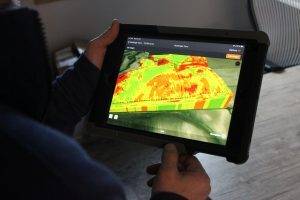
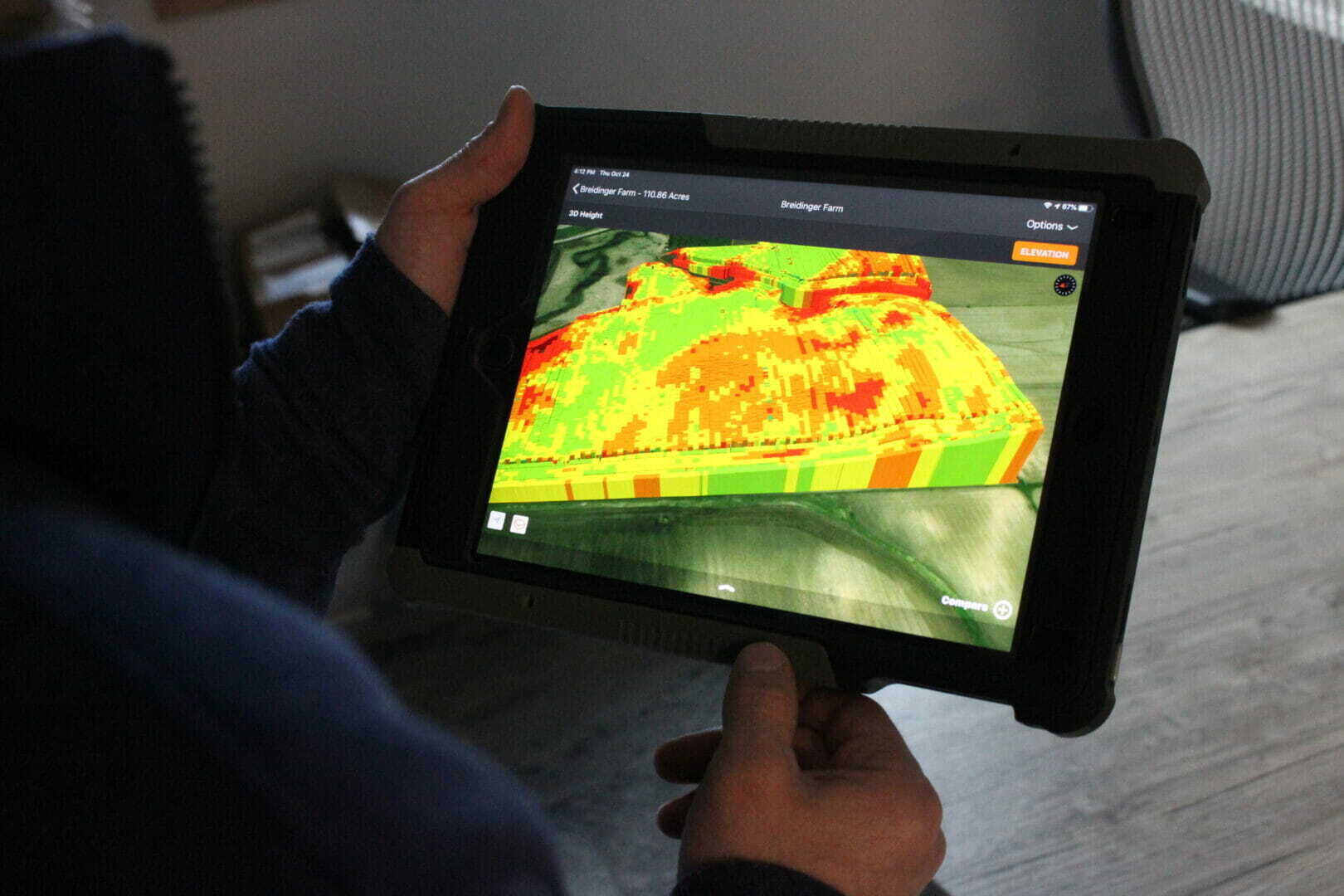
    IMG 8924With today’s cutting-edge technology, there isn’t much we can’t monitor in the cab. The ability to monitor the planter, sprayer, fertilizer applicator or combine is a great record-keeping asset, plus it allows us to make more informed decisions.

    Original Equipment Manufacturers (OEM) and a few after-market companies have built technology platforms to generate important information on our farms. Most of these companies have their own proprietary cloud-based data storage, so we can access information remotely and have that data at our fingertips.

    One main advantage of machine-generated, cloud-based service is access to information anytime and anywhere, using a mobile device or PC. If you’re operating multiple pieces of machinery in the field, you can connect remotely to see where the other machine has been in the field. You also can get an average of the machine-generated data produced by all machines. For example, say you are operating two planters in the same field. Both planters have swath control, so both planters know the GPS coverage patterns for each machine. One planter can shut off swath sections and communicate that function to the other planter, which prevents overlapping coverage between machines.

    Collecting data and seeing your field maps in real-time view allows you to make management decisions as you pass through the field. Later we can upload these real-time view maps into Data Forward and take a deeper dive into what looks good and what could use improvement.

    Sharing critical information with your agronomic advisors is very important. You can save time and help your agronomic advisors make better recommendations by sharing your files through a cloud-based platform. You can share field data from your entire operation, one farm, or a single field.

    Latham Hi‑Tech Seeds is an independent company, and Data Forward is an independent precision ag platform. We work with any precision ag system and its cloud-based services. The cloud makes the process of pulling data from the cloud into Data Forward seamless. We can then work on cleaning up the raw data and create a plan. Our plan might include soil sampling, precision ag hardware investments, product placement, fertility recommendations, satellite imagery and more.

    Your Latham Precision Agronomy Advisors are here to support you with making these decisions, even if it is choosing which machine- generating platform would be the best fit for your operation.

    Latham Seeds Precision Agronomy Advisors

    December 23, 2019
    Agronomics, Precision Ag, Tech Tuesday
  • Latham Hi‑Tech Seeds

    9 Reasons to Try LibertyLink® GT27™ Soybeans

    Soybean field

    While Enlist E3™ soybeans have been grabbing all the attention, LLGT27 soybeans have been quietly performing very well for both weed control and yield. This new technology has a real opportunity to capture market share due to its outstanding performance plus the flexibility of using Liberty®, glyphosate herbicides or BOTH.

    Another reason LLGT27 appeals to farmers is because they’re seeing much less stunting and better yields when LLGT27 soybeans are planted in fields with carryover of HPPD (group 27) herbicides. Remember, NO group 27 herbicide is approved for post-emergent application on LibertyLink GT27 soybeans.

    Need more reasons to take a second look at LLGT27? Below is a brief summary of some 2019 yield reports from new Latham soybean lines:

    • L 1359 LLGT27– Topped Latham® SuperStrip™ near Watertown, SD; placed 3rd in Latham Elite Research Test in Alexander, Iowa; placed 3rd in F.I.R.S.T. trials in Clear Lake, MN and Wheaton, ND.
    • L 1429 LLGT27– Placed 1st near Sanborn, MN; eight more Top 10 finishes in Latham SuperStrip plots across Minnesota and South Dakota; Top 10 in Latham’s research trials in southern Minnesota and northern Iowa.
    • L 1648 LLGT27– Topped F.I.R.S.T. trial at Webster, SD; won two Latham SuperStrip plots near Groton, SD, and Ward, SD; four other Top 10 finishes in Minnesota and South Dakota.
    • L 1739 LLGT27– Placed 9th in F.I.R.S.T. trials at Cannon Falls, MN; six Top 10 finishes in SuperStrip plots across South Dakota, Iowa and Minnesota.
    • L 1983 LLGT27– Won at Alexander; placed 4th at Kensett, Iowa, and 7th at Linn Grove, Iowa; three Top 10 finishes in Minnesota F.I.R.S.T. trials; six Top 10 finishes in Latham SuperStrips in Iowa and Minnesota.
    • L 2178 LLGT27– Won Latham SuperStrip near Pocahontas, Iowa; scored two 2nd place finishes at Sheldon, Iowa, and Janesville, Wisc.; 11 other Top 10 finishes in SuperStrips across Iowa, Wisconsin and Minnesota; placed 3rd at LuVerne, Iowa, F.I.R.S.T. trial.
    • L 2395 LLGT27– Seven Top 10 finishes in F.I.R.S.T. trials across Iowa and South Dakota; topped two SuperStrips near Vail and Albert City, Iowa; 11 Top 10 finishes in SuperStrip plots across Iowa, Minnesota and Wisconsin!
    • L 2578 LLGT27– 2nd place in F.I.R.S.T. trial at Central City, Iowa and 2nd in the IASC overall summary! Topped Latham SuperStrip near Olin, Iowa; placed 2nd at both Princeton and South English, Iowa; four other Top 10 finishes in other Iowa SuperStrips.
    • L 2839 LLGT27– Took 3rd at F.I.R.S.T. trials in Boyden, Iowa; 4th at Dell Rapids, SD and 10th at Moorland, Iowa. In Latham SuperStrips plots, placed 2nd at Moorhead, Iowa; 3rd at Olin, Iowa; three other Top 10 finishes.
      Put Latham LLGT27 soybeans the test in your own fields! Order seed today for 2020 planting.

    Mark Grundmeier, Product Manager

    December 17, 2019
    Crop, Industry News, Seed Technology, Soybeans, Tech Tuesday
  • Latham Hi‑Tech Seeds

    Tips to Increase Your Odds of ROI

    Corn plant ROI graphic

    Bob FoleyGuest blog by Bob Foley, Corn Breeder 

    Like you and I, each corn hybrid responds and reacts to environmental changes. For example, I’m not a bright lights and heavy traffic sort of guy. Vegas is not my happy place. I perform my best in solitude with wide, open green spaces and lots of coffee. Withdraw the coffee, and it affects my demeanor!

    Corn hybrids are similar. Think of a situation when a crop emerged perfectly. If adequate rain doesn’t fall, yield suffers. The inverse is also true. When too much rain falls and nitrogen leaches, yield also suffers. Sometimes weeds develop resistance to herbicide, and yield suffers due to competition for nutrients and water.

    Many of the practices we implement to push ROI (return on investment equates to yield) have both positive and negative impacts: planting early, pushing populations, field drying, and adopting traits. Each of these practices can swing the outcome pendulum either way:

    • Planting Conditions. Planting remains the most critical first step of a great corn crop. You need fit soil conditions. Just the right mix of not too dry or not too wet, no slabbing, and no wet holes allows you to plant better and seedlings to emerge faster. Planting depth and spacing is also key, so it’s important to check periodically.

    • Planting Population. It’s critical to plant a hybrid thick enough to maximize returns, but there is also a point of diminishing returns. If the plants don’t receive enough food or water, yield suffers. Consider that every ear you make comes from its own “production plants,” and each plant needs to run at its optimum. Planting population must reflect your field’s history, food availability and soil
    type(s).

    • Field Drying. This choice combines many things, including cost to dry, availability of dryer and storage, as well as your marketing commitments. Pushing a hybrid’s relative maturity (RM) means you’ll harvest it later, which could allow you to experience in triplicate when it comes to field drying versus standability.

    • Adopting Traits. Everyone has his or her own position on farming with or without traits, and I tend to be like Switzerland in this conversation. I just want good hybrids. However, I do believe the adoption of traits has changed the way we steward our farms. We don’t walk the fields like we used to and scout for weeds, insects and disease. The concept of “I paid for traits to protect my crop” has somewhat given us permission to stop walking the fields (even more so after pollination). That’s a huge gamble! Without walking the field – or even flying the field – we usually aren’t aware of trouble spots in a field until we sit in the combine seat.

    Give a “seat at the table” to emergence, population, standability, traits, yield and genetics. Deal them in, too, because they respond to your management decisions. What can you learn from the 2019 crop that could be a game changer for 2020? Due to the unpredictable outcome of our decisions, it’s always best to play the odds by planting multiple hybrids and relying on multiple experiences. One plot, one year, one environment or one hybrid is not a covered bet. Spread the risk by relying on tried and true practices. Making minor adjustments here and there can reap huge payouts. Making drastic changes, however, is like pushing all your chips in before seeing the cards dealt.

    Like I said, I’m not a Vegas kind of guy. I’m all about increasing my odds – and yours – of winning.

    Laura Cunningham

    December 10, 2019
    Corn, Crop, Tech Tuesday
  • Latham Hi‑Tech Seeds

    Tips for Finding Value from Precision Ag

    Internet of things(agriculture concept),smart farming,industrial agriculture

    One of the most common questions I get asked is, “What value will this bring to my operation?”

    It’s the same question farmers ask before purchasing any piece of equipment. We must justify the cost, especially given these markets. Think of precision ag (PA) and data management as the research needed to support other farming decisions that you’re making. Farmers are always trying to improve. We start by improving the land we farm. As we make changes to be more efficient and to better care for our soil, yields improve. Yield improvement during the past 80+ years since hybrid corn was first planted is primarily from improved genetics. The other 40% of yield increase is due to management changes: higher seeding rates, better planter technology, seed treatments, tillage and other equipment improvements, fungicides, earlier planting, and many other practices implemented by individual farmers. Most of the yield gains from now on will likely come from micro-managing each farm down to the acre.

    Precision ag tools can help you evaluate equipment, hybrids/varieties and other inputs as you move toward higher yields while keeping your costs in check. Maybe you’re already using 2.5-acre grid soil samples, but you’re seeing fertility issues or poor spots show up in areas not related to soil type. Maybe you have swings of 50 bushels per acre in corn yield in your fields, so you want to track the variation in productivity; you can use variable rate seeding on a planter or even try variable hybrid planting. Maybe you just want to keep better records and track when and where you plant each hybrid or variety, so you can plant the best genetics on each field. Again, PA tools can help you track incremental yield advances while keeping costs in check.

    Start with the basics: capture quality yield data year after year; map your planting operations to track how each genetic package performs where it was placed; collect other field operations (spraying, fertilizing, soil sampling, etc.). Such data will help you build confidence as you plan for the future, whether that includes meeting with your Latham® Dealer, financial adviser, or planning for a farm transition.

    Phil article
    Understanding data on your farm is critical because the next wave of yield improvement will most likely come from on-farm data and how we choose to use it! Managing all this data provides value, but it looks different for each farmer. Because there isn’t a “cookie cutter” approach for PA, we’re here to help you build data for the future. Feel free to contact me to learn more about Latham-led DataForward™ or farmer-led FieldXField™ crop planning.

    Phil Long

    November 25, 2019
    Agronomics, Precision Ag, Tech Tuesday
  • Latham Hi‑Tech Seeds

    Benchmarking with Data Forward

    IMG 3125 edite

    DataForward STACKEDBenchmarking is the practice of measuring the financial health and performance of your farming operation by comparing it to your performance, and to similar farms. Benchmarking can allow you to improve your financial position by identifying specific actions that can lead to increased profitability and long-term success.

    Both internal and external benchmarking require accurate and timely data. Organized data related to your income, expenditures, as well as inventories of assets and liabilities, allows you to easily make benchmark measurements. This is where precision agriculture can be a time-saving advantage for you.

    Precision agriculture tools can organize years and years of on-farm data to establish trends. Comparing your farm’s performance in 2019 to its performance in 2018 can help you understand the impact of changes in the market or changes you may have implemented internally.

    Production benchmarks through Latham Hi‑Tech Seed’s Data ForwardSM program can help you start benchmarking years of information related to crop yields, seed and fertilizer use, as well as planting dates. Together, we can study the numbers. We can note where there are efficiencies, and develop a plan to increase efficiencies in other areas.

    The next step is to compare your operation to similar farms in your area. For example, you might plant soybeans in 15-inch rows while someone else plants in 30-inch rows. By comparing your farm to others, you can gain knowledge and ideas. Group comparisons allow you to see the benchmarks of less profitable and more profitable farms, and all the information remains confidential.

    Look again at the financial aspects of your operation after you have calculated production benchmarks. Are you reaching your targets? If not, what strategies and tactics do you want to try for 2020? Perhaps you want to try variable rate fertilizer. Maybe you’d like to reduce plant population in lesser productive areas of the field and increase it in higher fertility area. Through Latham’s Data Forward program, we can help you make changes with confidence.

    While harvest results are fresh in your mind, plan for spring 2020. Now is a great time to schedule a Data Forward Needs Assessment, so we can help you achieve your goals.

    Data Forward Flow

    Webspec Admin

    November 19, 2019
    Agronomics, Precision Ag, Tech Tuesday
  • Latham Hi‑Tech Seeds

    Preliminary Harvest Results Indicate Soybean Seed is High Quality

    IMG 8802

    Many of our seed growers told me, while I was making pre-harvest field inspections, that they would be happy with 45-bushel yields due to the late planting and the cold, wet field conditions throughout the growing season. Those environmental factors, coupled with difficult weed control and some late-season diseases like Sudden Death Syndrome and White Mold, led to some pessimistic yield expectations. While there were a few fields that got hit hard by the above-mentioned problems, I’m happy to report that most of our production field yields are in the mid-50s with some in the low-to-mid 60s!

    While we’re thrilled that yields are better than expected, an even better message is the appearance and quality. Seed coming in has looked so much better than last year at this time. Although we struggled with some rains that delayed harvest, our soybeans didn’t sit in ponds of water like they did last year. We’re not seeing mold on the stems and pods nor on the soybeans themselves.

    I’m cautiously optimistic about soybean germination, as well. A few of the very early samples we sent to the laboratory have come back with germination rates of 98 or 99 percent. If this holds true for the rest of the fields and for conditioned lots going through our plant, seed quality should be excellent.

    PLOT RESULTS
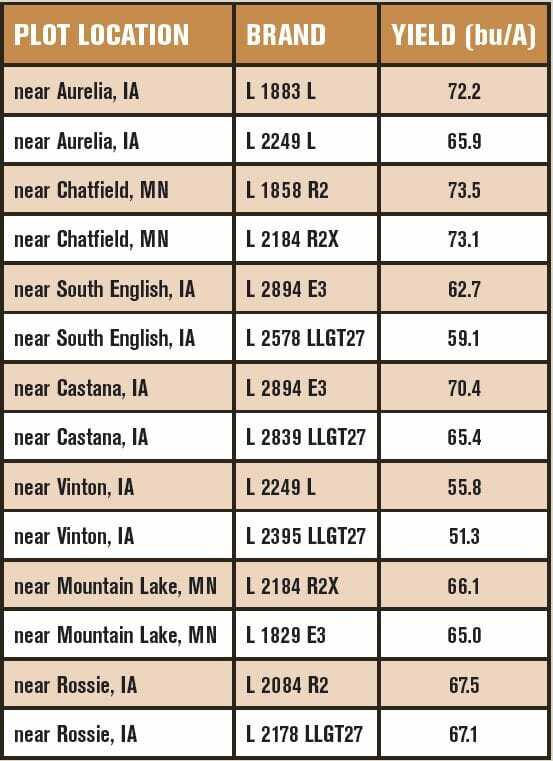
    Below are a few raw yield results from some Latham® SuperStrip™ plots harvested early. Keep in mind that none of these yields have been adjusted to the recurring checks:

    11.12.19 Tech Talk Graph

    Keep checking here for updated yield results from all of our plots around Latham Country!

    Mark Grundmeier, Product Manager

    November 12, 2019
    Agriculture, Industry News, Tech Tuesday
  • Latham Hi‑Tech Seeds

    Days Ensiled Improves Starch Availability

    Corn Harvest

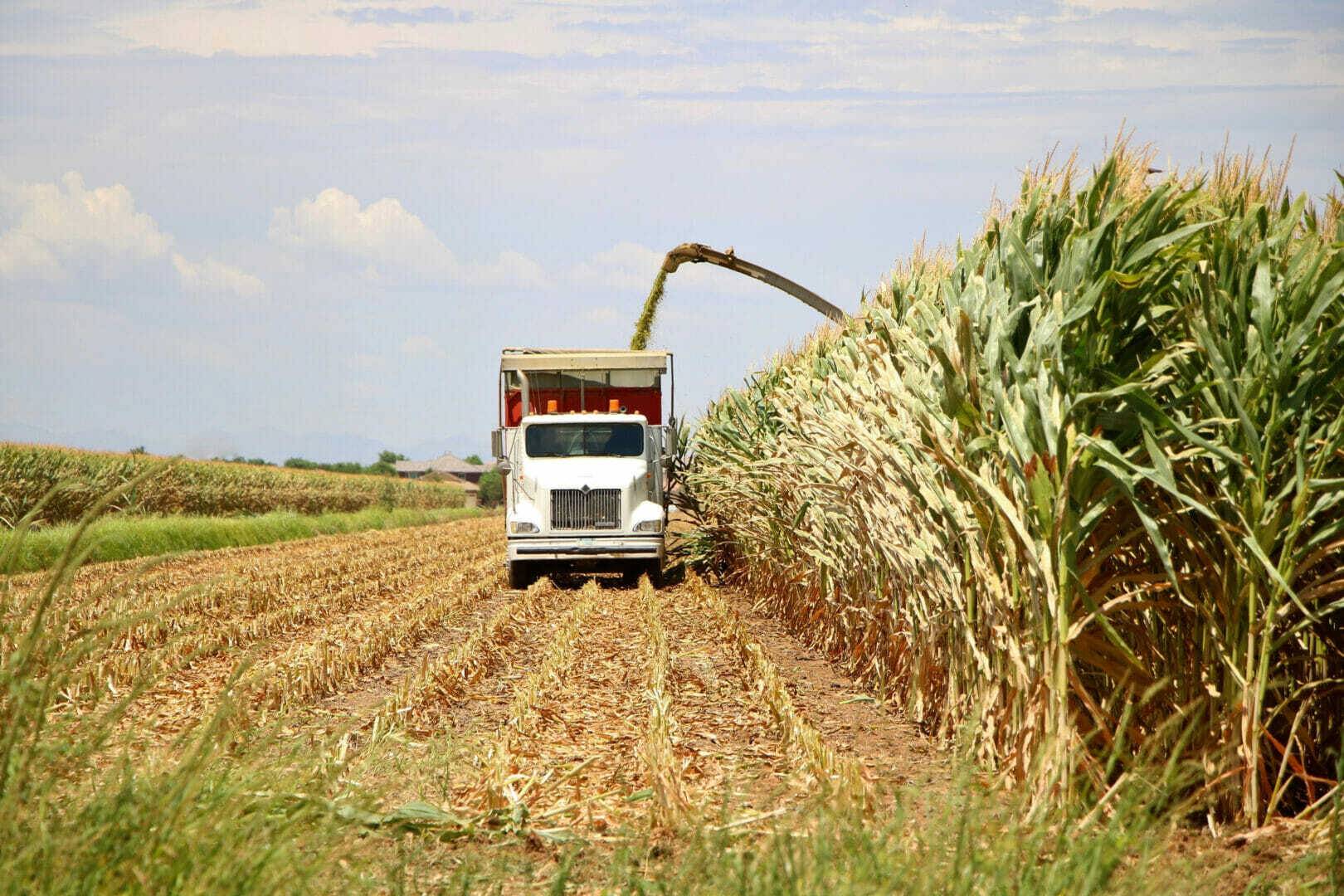
    Science has enabled us to delve deeper into the feed bunk and discover some hidden secrets of the silage fermentation process. At Latham Hi‑Tech Seeds, we evaluate hybrids to help guide the selection process for both nutritionists and farmers.

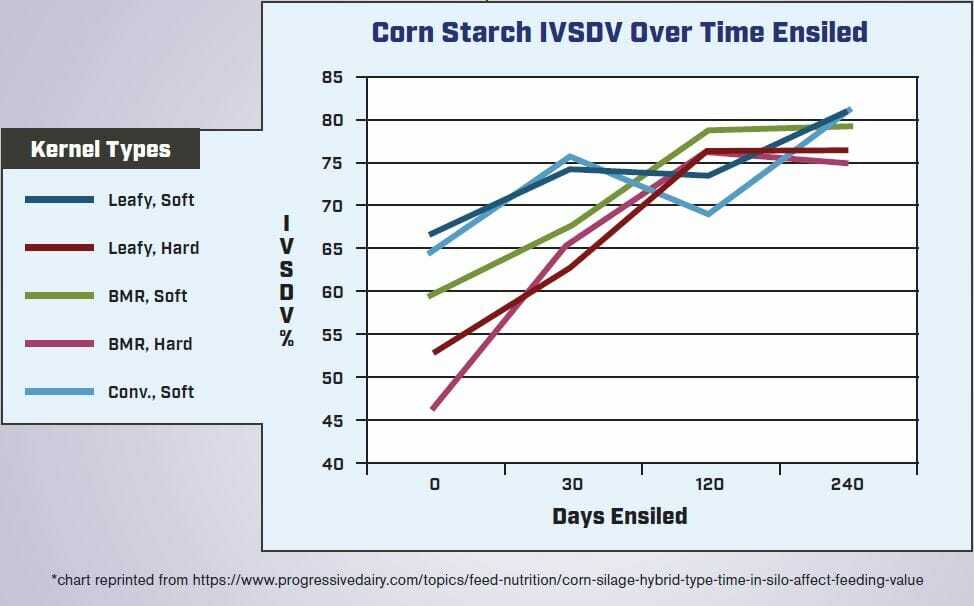
    Nutritionists are focusing on the conversion of indigestible starch to digestible starch over time. Each hybrid has its own unique starch digestibility, and research shows that it takes up to 240 days for some high prolamin zein hybrids to fully breakdown. Prolamin zein is a protein the encapsulates the starch molecule, making it unavailable to the digestion microbes for a food source.

    Corn hybrids with lower levels of prolamin zein are more easily digested. Select Latham® forage products have low levels of prolamin zein and are more easily digested by cows, which is great news for our customers because undigestible feed turns into manure instead of milk.

    Corn test weight also can be an indicator of how much prolamin zein is available. While higher test weights are good thing for grain farmers, higher test weight corn tends also to be higher prolamin zein. As the chart below from Progressive Dairy indicates, prolamin protein tends to break down and more of the starch is exposed over time in an ensiled environment. The challenge is that time isn’t always on a dairy or beef producer’s side.

    When feed supplies are low, producers often start feeding corn silage right away. If feed is your end use, choose hybrids that are either lower in prolamin zein or tend to have a lighter test weight. Leafy hybrids from Latham Hi‑Tech Seeds tend to have better starch digestibility scores early. These Latham® Leafy Hybrids can improve early feed conversion: 5400, 5495, and 5742. Order now while our prices are lowest and our supplies are highest!

    11.5 Tech Tuesday

    Webspec Admin

    November 5, 2019
    Corn Silage, Crop, Tech Tuesday
  • Latham Hi‑Tech Seeds

    Tar Spot

    Tar Spot Dean Malvick, Universtiy of Minnesota Extension plant pathologist

    What is Tar Spot?

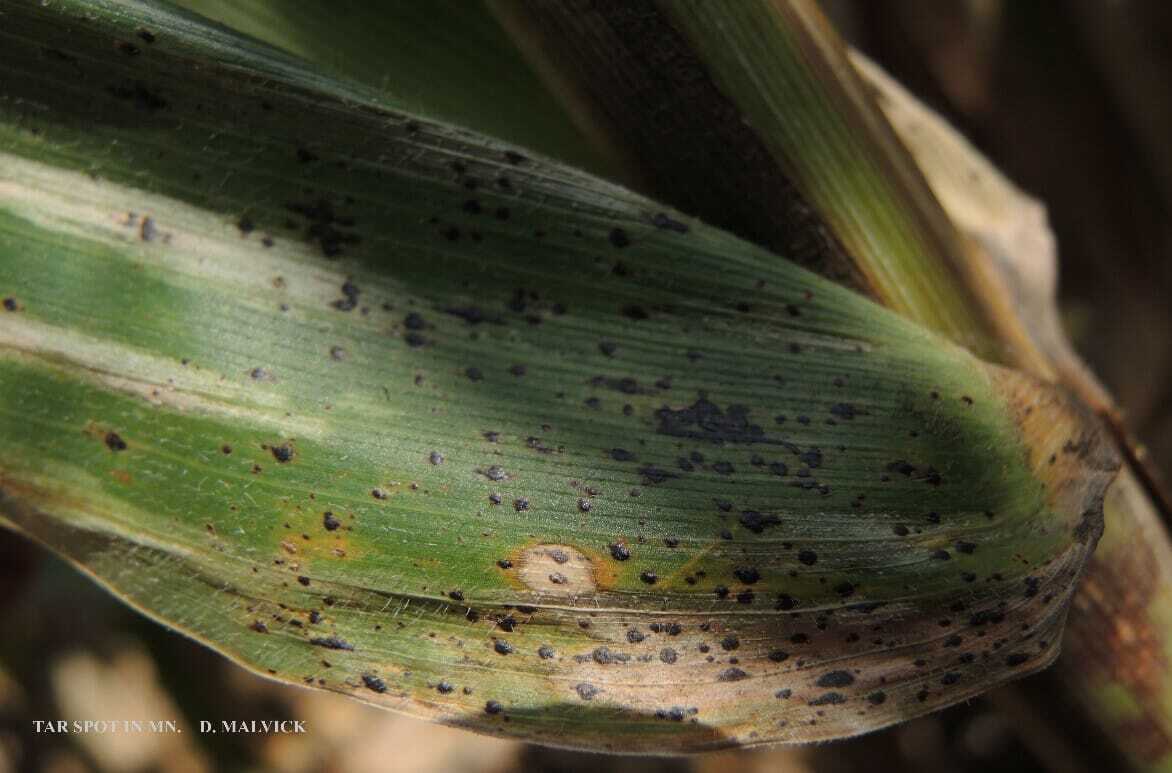
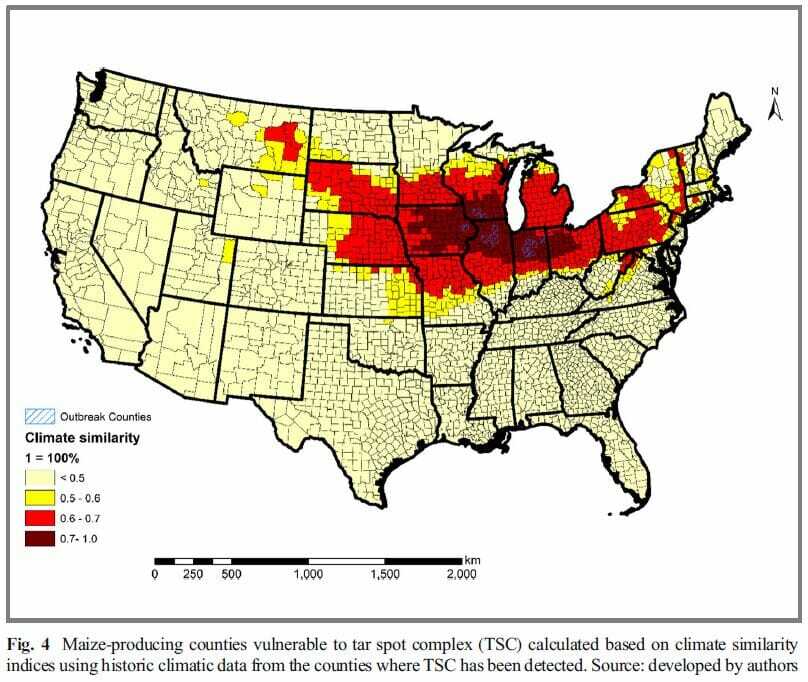
    Tar Spot Dean Malvick, Universtiy of Minnesota Extension plant pathologistTar Spot is a corn fungal disease that has been infiltrating the Midwest within the last few years. Tar spot has the capability to severely impact yields up to 30%. Concern about the intensity of this fungus grows as researchers learn more about it. We urge farmers to scout their fields through harvest for tar spot since this fungus can survive over winter year to year.

    Tar Spot Identification

    Tar spot will show up as small, raised blacks spots, on the upper and lower corn leaves. The raised black spots are also known as stromata. If severe enough, it can spread to leaf sheaths and husks. Typically, it will start lower in the canopy and move upward. Tar spots are usually accompanied with a yellow halo or fish-eye effect around the black spots. Note the stromata, cannot be rubbed off unlike a common or southern rust pustule.

    The Importance of Scouting

    This corn fungus has nearly made it across Iowa and is continuing to spread in Wisconsin, Illinois, Indiana and Missouri. Tar Spot likes cool temperatures and humid conditions, with prolonged leaf wetness or heavy dew and will concentrate towards the middle of the field. It can cause lodging and hasten maturity.

    Final Thoughts

    This is one of the variables in farming we continue to learn about. Scout now and start planning for next season. Product selection is key when fighting these variables year to year and important to integrate into your plan for the next growing season.

    “Threats of Tar Spot Complex disease of maize in the United States of America and its global consequences” (Mottaleb et al. 2018).
    “Threats of Tar Spot Complex disease of maize in the United States of America and its global consequences” (Mottaleb et al. 2018).

    Phil Long

    October 29, 2019
    Agronomics, Corn, Crop, Disease, Fall, Season, Spring, Summer, Tech Tuesday
  • Latham Hi‑Tech Seeds

    Test for Soybean Cyst Nematode

    IMG 8841

    One comment I often hear from farmers is “I just can’t seem to get an increase in soybean yields as I do for my corn yields.” This is the perfect time of year to reflect on the growing season while analyzing yield results. It’s also the best time to sample for soybean cyst nematodes.

    What is SCN?

    Soybean cyst nematode is a microscopic ground worm. When analyzing soybean roots, it’s important to correctly identify the difference between nitrogen-fixing nodules and cysts. Nodules for nitrogen production are larger and the size of a pea. Cysts are microscopic and smaller than a grain of sand.

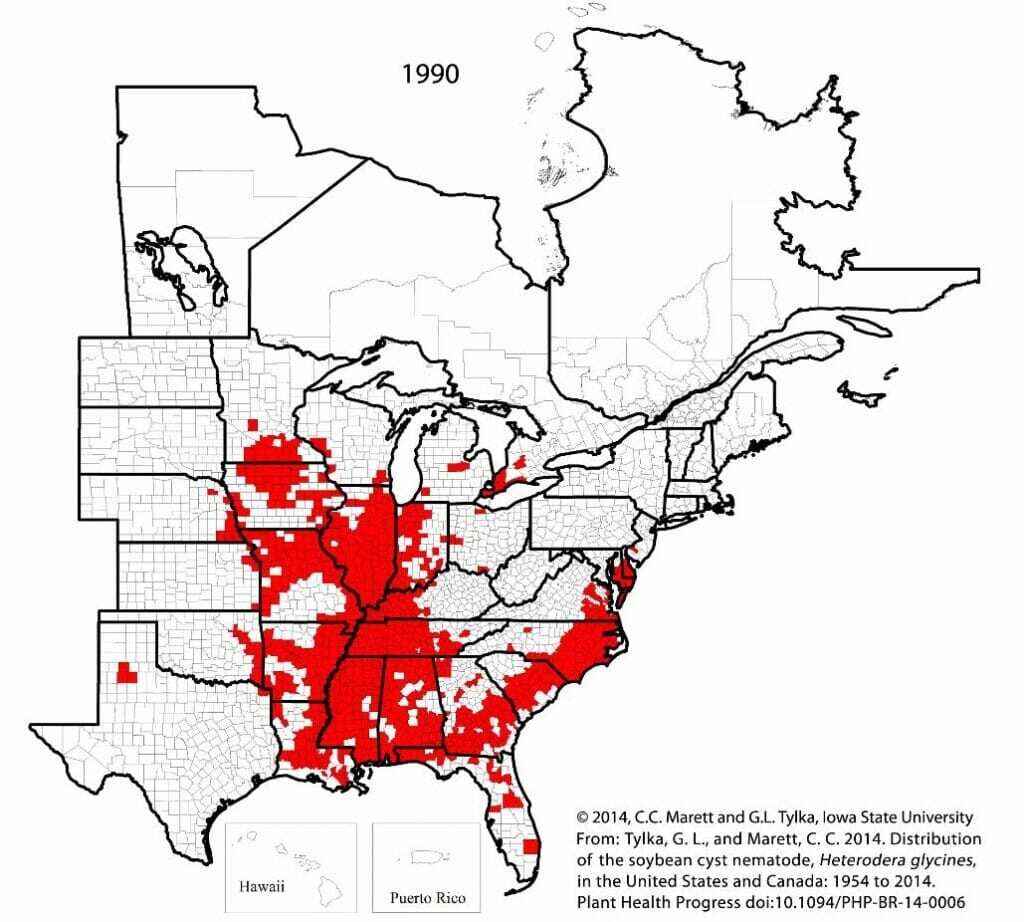
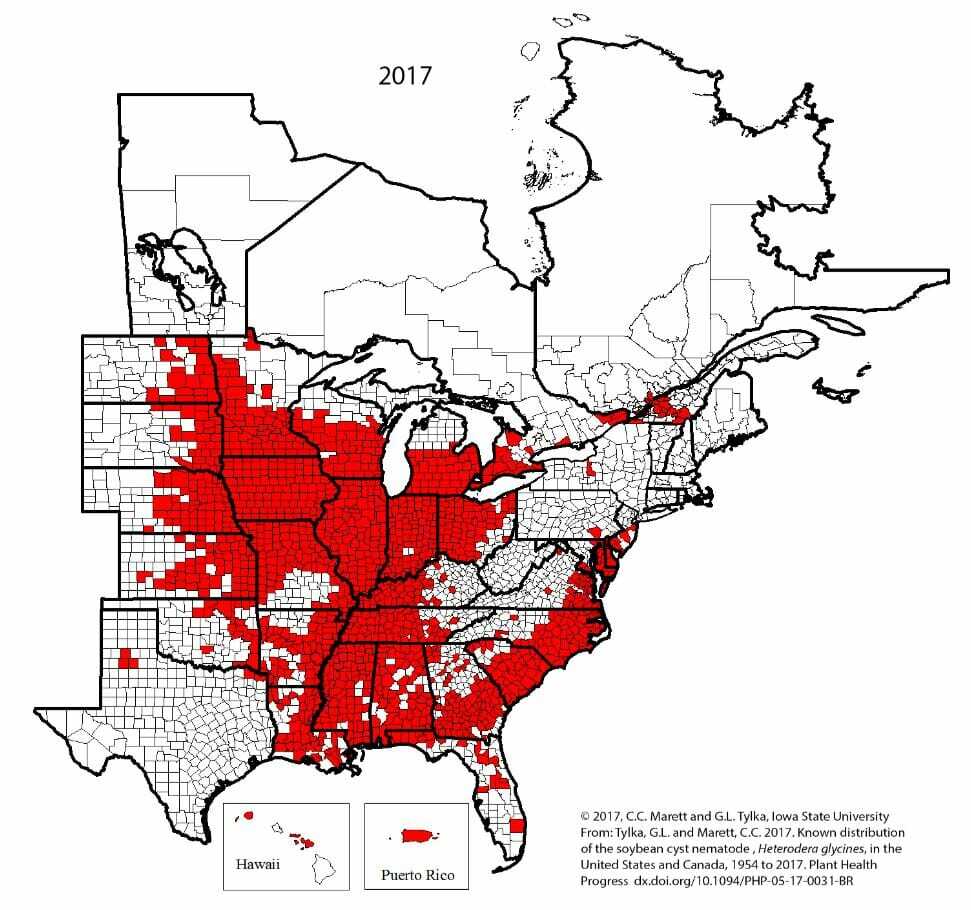
    One of the biggest challenges when identifying SCN is that it is not accompanied with many symptoms, but can cause up to a 30% yield loss. Usually SCN shows up in hot spots, where you can see severe stunting, yellowing, shorter crop, lack of canopy or early maturity. These symptoms tend to show up on lighter soil or during tough growing seasons. Wherever soybeans are grown, typically SCN is an issue. Below are two maps to show the growth of SCN over the years.

    SCN 1990

    SCN 2017

    What is the life cycle of SCN?

    Essentially the cyst is the life cycle of a nematode. Juvenile nematodes come in and infect the root. Typically, just the females feed on the root which takes away nutrients from the plants results in a loss of yield. They will then mate and produce eggs. When they produce eggs, they expand in the root, erupt and spread 20 to 500 eggs throughout the soil. The cysts then harden on the root and the process begins again.

    In Iowa, we can see that happen for at least three generations per season. Each cyst can have between 20 and 500 eggs inside, creating opportunity for juveniles to come back and begin feeding on the soybean root.

    Once the eggs get in the soil, it’s important to understand the number that you have in the soil. Those eggs can stay dormant year-over-year in the soil. Since these eggs are so small, they require very little oxygen to survive.

    Management of SCN

    The most important management practice of SCN is IPM – Integrated Pest Management. In the Midwest, having a corn and soybean rotation is a great start. Corn is not a host crop whereas soybeans are. I also suggest soil sampling this fall to identify the egg population in your soil. Pull a core from about 8 inches down, right next to the soybean plant right in the root zone.

    I also advise to stay away from sampling in the middle of a hot spot for SCN. Often the eggs are concentrated along the edge of the hot spot, so sampling that area will give most accurate results. Population thresholds vary by state. I suggest looking closely to your management practices if results are anywhere from 2,000 – 5,000 eggs per sample. Once you know what is in your field, you can begin to manage it.

    Here are three ways to help manage this pest:

    1. Plant Latham® brand resistant soybeans. Reference product characteristics on our website to identify the disease rating
    2. Use Latham SoyShield Plus® with Saltro® seed treatment. This will fight SCN and Sudden Death Sydrome.
    3. TALC USA. Protect corn and soybeans against parasitic nematodes.

    Feel free to call into the Latham Seeds office or email me at phill@lathamseeds.com with any questions.


    Phil Long

    October 21, 2019
    Agronomics, Crop, Fall, Insects, Soybeans, Spring, Summer, Tech Tuesday
Previous Page
1 … 4 5 6 7 8 … 15
Next Page

Latham Hi‑Tech Seeds

131 180th Street | Alexander, IA 50420

(641) 692-3258

SIGNUP FOR OUR NEWSLETTER
  • Contact
  • Legal
  • Dealer Center
  • Seedware Login
  • Latham Gear

© 2025 Latham Hi‑Tech Seeds. All rights reserved. | Iowa Web Design by Webspec | Privacy Policy

Latham® Hi-Tech Seeds is a trademark of M.S. Technologies, L.L.C., 103 Avenue D, West Point, IA 52656.