Latham Hi-Tech Seeds

(641) 692-3258

  • Home
  • Products
    • Corn
    • Soybeans
    • Alfalfa
    • Corn Silage
    • Seed Guide
  • Performance
  • Find a Rep
  • Media
    • Blog
    • News
    • Videos
    • Podcasts
    • TECHTalk
  • About Us
    • Company History
    • Our Mission
    • Careers
    • Become a Rep
    • Sowing Seeds of Hope
  • Contact Us
  • Latham Hi‑Tech Seeds

    Get an “Early Look” at New Products

    Soybean Plant

    We have an exciting product lineup in store for 2022!

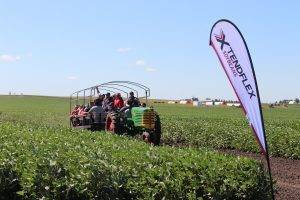
    In September 2020, Bayer CropScience announced the approval of XtendFlex® soybeans for the 2021 growing season. Latham Hi‑Tech Seeds was prepared and launched seven new soybeans in this exciting new technology. We believe this new trait gives farmers an extra tool for battling the ever-increasing problem of herbicide-resistant weeds.
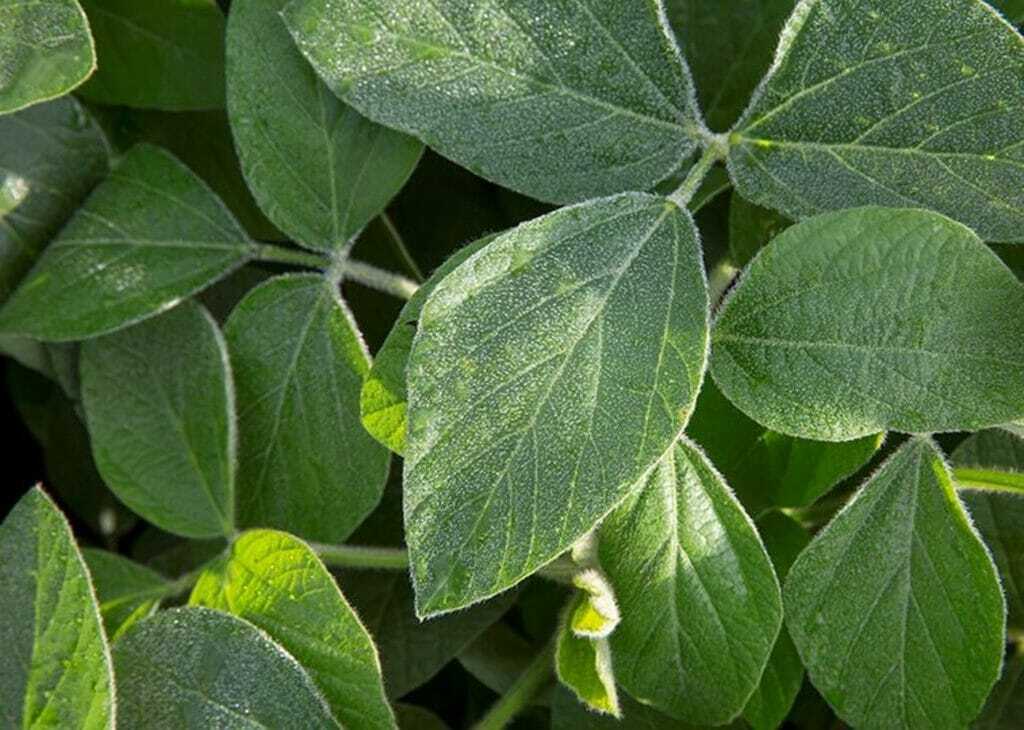
    Soybean Plant

    For the 2022 season, we are introducing these six new XtendFlex products:

    • L 0254 XF – This 0.2 soybean carries the C-gene for Phytophthora, full resistance to Brown Stem Rot and excellent tolerance to Iron Chlorosis. Avoid SCN-infested fields.
    • L 0984 XF – Featuring the Rps3-a gene for Phytophthora, this new 0.9 product also has strong tolerance to SCN, Brown Stem Rot, White Mold and Iron Chlorosis.
    • L 1383 XF – This new Ironclad has L 0982 R2 as a parent! It has the Rps-3a gene, full resistance to Brown Stem Rot and good scores for White Mold, IDC, SCN and Stress.
    • L 1784 XF – L 1858 R2 is a parent of this new 1.7 soybean! It features strong SCN, full resistance to Brown Stem Rot with very good scores for Iron Chlorosis and Stress.
    • L 2786 XF – This new line has the Rps1-c gene for Phytophthora, full resistance to Brown Stem Rot and strong tolerance to SCN, White Mold, Iron Chlorosis and Stress.
    • L 3086 XF – Replacing L 3058 XF, this SCN bean features the Rps1-c gene, full resistance to BSR and great tolerance to White Mold & Stress. It’s a fantastic Ironclad for no-till acres.

    On the Enlist E3® side, we are adding four new soybeans:

    • L 1219 E3 – This 1.2 bean carries the Rps1-c gene for Phytophthora and strong tolerance to SCN, SDS, Stress and Iron Chlorosis. It also has the Excluder gene for high-salt soils.
    • L 1558 E3 – Here’s a 1.5 Ironclad that features the Rps3-a gene for Phytophthora, full resistance to BSR and great scores for SCN, Sudden Death, Iron Chlorosis and Stress.
    • L 2458 E3 – This new E3 line has the Rps1-k gene, full resistance to BSR and strong scores for SCN, Sudden Death, Frogeye, Charcoal Rot, Stress and Iron Chlorosis.
    • L 3479 E3 – Highlights of this new 3.4 bean K-gene for Phytophthora include complete BSR resistance, great SCN tolerance and strong scores for Sudden Death, IDC and Stress.

    Our Product Development Teams have really done their homework for next year! Be sure to check out next month’s blog when we will highlight new corn products for 2022.

    The legacy that we build our product decisions on is based on a foundation of quality and performance. We believe this foundation benefits Latham® dealers and their customers because we provide seed that is bred specifically for their geographies. Rest assured WHY we do what we do will never waiver!
    Mark Grundmeier, Product Manager

    July 14, 2021
    Crop, Season, Soybeans, Summer, Tech Tuesday
  • Latham Hi‑Tech Seeds

    Keep Track of the Little Details

    DSC 0185

    How often do you make the same mistake?

    Repeat mistakes happen when we don’t record exactly where we saw an issue in a particular field. Every year has its curveballs, and 2021 is no different. Planting progressed quickly, but then we experienced cold soils followed by really hot temps. Some areas also received a late frost and hail. Now, most of Latham Country is experiencing extremely dry conditions.

    One of the best ways I’ve found to track environmental conditions and a crop’s response to it is Latham’s Data Forward™ app. I use this app to take specific field notes as I’m walking fields. This year IDC and other deficiencies made a big appearance once we received some rain and the soybeans started growing. You can use the Data Forward app to outline these areas. You can even create a management zone, using your phone, to make a map for spreading fertilizer or applying a product with your planter only in those areas.

    Data Forward also can be used to drop a pin in tough areas, so you can take tissue samples to the lab. When the lab results come back, they will show up in the Data Forward app. How cool is that? You will never lose results this way. All of the details help you can really dial in your management. The first management step for IDC is selecting a top IDC-rated, Ironclad™ soybean variety. Only the toughest Latham® soybeans earn this designation. If IDC is a recurring problem, you could invest in a planter set up to apply a chelated iron product close to the roots. Another option is to invest in tile to help drain those lower areas with high pH or salt issues.

    One unique tool on the premium version of our Data Forward app is satellite imagery. While sipping your morning coffee, you can discover problem areas in a field. Imagery is like that torque wrench in your toolbox… If you know how to use it, it can save you from breaking a lot of bolts. If you don’t, it’s just another ratchet in the toolbox.

    By tracking what happens and where,  we can make these changes to address agronomic challenges. Talk to your Latham dealer, Regional Sales Manager (RSM) or give me a call to learn more about how Data Forward can help you move your farm’s data forward with confidence!

    Phil Long

    July 14, 2021
    Agronomics, Precision Ag, Season, Summer, Tech Tuesday
  • Latham Hi‑Tech Seeds

    Invest in a Tissue Test

    IMG 0484

    Leaving no yield in the field is always an important goal, but it’s especially important when commodity prices are as strong as they are. It literally pays to harvest more tonnage! In-season testing will verify whether your growing plants’ nutritional needs are all met, which helps your alfalfa and corn silage crops reach their full potential.

    It’s more challenging to determine actual alfalfa and corn silage yield and correlate yield to plant nutrient removal than it is to do so for corn or soybeans. A more accurate way to determine soil and plant needs for alfalfa is in-season soil sampling combined with plant tissue sampling.

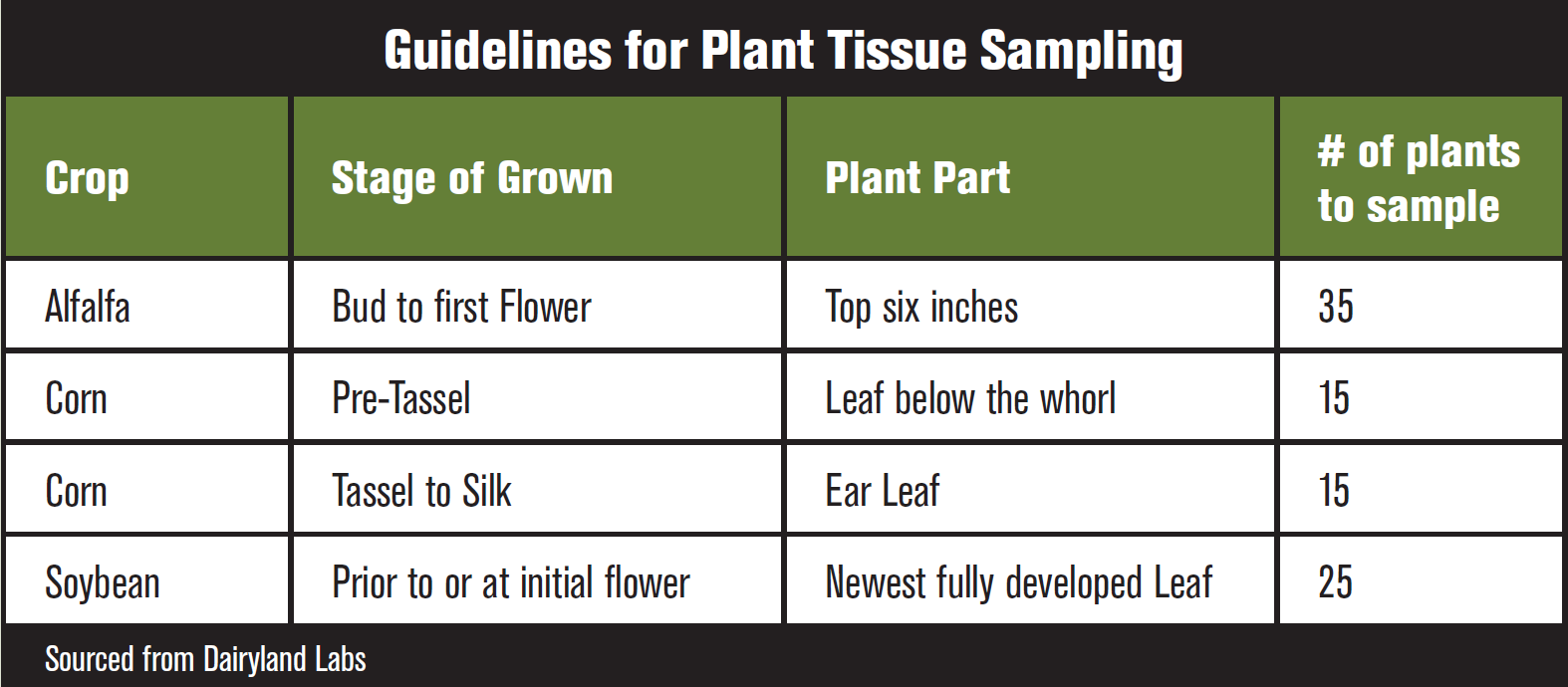
    The chart below provides examples of tissue sampling methods. You will find a link to full descriptions here: www.dairylandlabs.com/agronomy-services/plant-tissues. I like to add this layer of fidelity on at least a few acres as it gives me a sense that I have done my best. The lab results you get will indicate if a nutrient is still lacking and the amount to supplement. NOTE: It’s helpful to provide a soil sample (at least 10 cores) from area of tissue sample.

    Tissue Sampling

    For Best Results

    Modern alfalfa plant genetics have a lot of capacity to yield, but plant nutrition is key to achieving those top yields. Potash, phosphorus, boron and sulfur are key nutrients. The top yield-driving nutrient is potassium. Split-applying potassium to alfalfa tends to provide the best results.

    Alfalfa will remove 50 to 55 pounds of potassium per dry matter (DM) ton, so a total of 300 pounds may be removed per acre in one season. A split application of 150 pounds of potash per acre will help avoid any leaching potential. NOTE: Alfalfa consumes more potash than it needs, a condition called luxury consumption. If you apply more than 200 pounds of potash per acre in one application, there is a high potential for luxury consumption. The plant can only use a certain amount for yield, but an alfalfa plant will continue to consume as much potash as it can. Potash will increase plant tissue concentrations. As a result, it can cause negative animal health issues when the forage is fed.

    To maintain maximum animal health, as well as plant health, it’s important to study both data from your field and from your alfalfa plants. Mosaic® fertilizer has a great nutrient removal chart, which correlates expected yield with critical nutrient removal rates.

    Maintaining peak nutrition keeps alfalfa plants healthier, so they live longer. More live plants when you plan to rotate to corn can provide up to 100 pounds of nitrogen credit or even greater. It pays to keep alfalfa happy!

    Webspec Admin

    June 16, 2021
    #AskTheAgronomist, Agronomics, Alfalfa, Corn Silage, Crop, Season, Summer, Tech Tuesday
  • Latham Hi‑Tech Seeds

    Walk Fields for a Better Bottomline

    Soybeans June 28 2017

    The 55 mile-per-hour drive-by is one of the most common ways farmers check how crops are doing, but there are some things you just can’t see from the pickup. It really can pay to walk through fields.

    Call your Latham® Dealer and ask him or her to walk through your Latham products. That way you can both monitor how the products are doing. You can note whether you need to adjust which products are planted on each field next year.

    Crop Health and Uniformity

    Corn: Uniform stand and growth stage are more important than seeing dark green seedlings. There is a direct relationship between the amount of productive leaf area and yield. How healthy are the plants in general? How many leaves does a plant have compared to its neighboring plants? Leaves are the factory that produces the ear, so you want leaves to stay green and unimpeded by insects or diseases, which decrease the leaves production. Take stand counts and compare those counts to the counts you get when you walk fields in August for yield estimates.

    Soybeans: Soybean yield is all about the August rains and potential pods. What is there to see now? The row should be closed by R1 (beginning flower) or as close to it as possible. The second most important thing to evaluate in June is how many nodes it has before R1. Our soybeans are all indeterminate, which means they keep putting on more nodes after R1. Your goal is for soybeans to produce as many nodes as possible, so you get as many pods as possible. Early planted soybeans should show more nodes than fields planted later.

    Early Season Stressors

    Corn: Be sure to bring a shovel. Dig some plants up and evaluate whether the nodal root system is developing well, or whether it has hit any compaction or shows signs of insect feeding. By this time, Corn Rootworm larvae are getting started. Although you won’t see the full extent of their damage, which is closer to pollination, this is still a great time to compare different corn traits and potentially in-furrow insecticide treatment. If your roots aren’t healthy, the plant won’t yield to its full potential regardless how green it looks on top. Note foliar diseases like Anthracnose or insect damage because you will want to follow up on those areas closer to pollination.

    Soybeans: The shovel should go into the soybean field, too. Dig some plants and evaluate what the roots look like. Brush off the soil, and use your knife to split some of the nodules. You should see some that are red (producing nitrogen) and some that are green (getting ready to produce nitrogen). The lateral roots off the main taproot should reach across 30-inch rows by now. Although they are very small, Soybean Cyst Nematodes should be a focus at this point in the season. They are often confused with nutrient deficiencies, so take a deeper look. Wash some roots or send some samples to your land grant university because SCN can rob 20% of your yield without you even knowing it. Planting the right genetics protects yield.

    Remember: Green above ground and white below ground or inside the stem means the plant is healthy. Use the Data Forward App or another tool to record specific areas of a field, so you can come back to those spots later in the season and again the following year. Noting trends from season to season will guide you into better management. Field-by-field planning leads to higher profits.

    Phil Long

    June 16, 2021
    #AskTheAgronomist, Agronomics, Corn, Crop, Soybeans, Tech Tuesday
  • Latham Hi‑Tech Seeds

    Call in Your A-Team

    9734676 xl

    The most successful farmers are those who spend substantial time checking for disease, insects, stand uniformity and plant health. When things don’t look good, it’s time to call in your A-Team!

    The Oxford online dictionary defines A-Team as “a group of elite soldiers or top advisors or workers in an organization.” Your A-Team needs to be a group of expert advisors, who can help you diagnose problems and make recommendations to solve those issues. This group might include your Latham® Dealer or RSM, an agronomist from your chemical retailer or local co-op, a county or state Extension expert, or a private consultant that you’ve hired for this specific purpose. Do not rely only on “coffee shop talk” or advice from neighbors or friends.

    With your A-Team in mind, below are five things to watch for as we approach soybean pollination:

    1. Overall population and stand. I believe that the period between planting and first bloom is the most critical time for soybean growers. Across most of Latham Country, Spring 2021 was dry enough to plant early yet too cool to stimulate consistent growth and vigor. Stands were uneven. Seedlings had a sick, yellow appearance, which can lead to the onset of diseases and pests.

    2. Yellow soybeans. Soybeans can turn yellow (or chlorotic) for many reasons, including Iron Deficiency Chlorosis (IDC), Soybean Cyst Nematode (SCN), high soluble salts, chemical burns, insects and diseases. Your A-Team can help determine what has caused this.

    3. Soybean Aphid. I venture to say the Soybean Aphid is still the #1 insect pest across Latham Country. This insect overwinters in our region as eggs laid on the buckhorn species of trees and shrubs. Winged adults will move to soybeans in early to mid-June. Throughout the summer, most soybean aphids are females that reproduce asexually and rapidly. They can infest a whole field in a matter of days.

    4. Soybean Gall Midge. This new insect species is causing damage in areas of southeast South Dakota, southwest Minnesota, eastern Nebraska, western Iowa and more recently in Northwest Missouri. Researchers expect to see adults in early to mid-June, however, information and management for this pest are still in the discovery stage.

    5. Hail. Farmers don’t need to look for hail, but it too often finds them! Knowing what to look for and how to react is key when deciding what to do after a hailstorm. Soybean plants that are cut off below the cotyledon node have no chance of surviving. Plants that are severely bruised and easily fold over at the impact site have a very poor chance of surviving. However, plants that are only missing one cotyledon or missing both with the growing point still intact have a very good chance of survival. My best advice is to abstain from evaluating fields that received hail as soon as it is dry enough to do so. Instead, give the plants at least a week to see if new growth will occur. That way you can see what you have for a viable population.

    Mark Grundmeier, Product Manager

    June 16, 2021
    #AskTheAgronomist, Agronomics, Crop, Disease, Emergence, Insects, Season, Soybeans, Summer, Tech Tuesday
  • Latham Hi‑Tech Seeds

    Gathering Planting Data Sets You Up for Success All Season Long

    Soybeans LauraC

    Planting really is the most important operation in terms of seeing your best yield potential. We have tools at our fingertips that can make farming a little easier during the rest of the season.

    Use planter maps on-the-go to your advantage. Some of the best maps to watch as you’re planting are the singulation/spacing or downforce maps. Tracking spacing and downforce per row is a huge asset in the cab. Although it doesn’t replace routine checks, it helps you focus on trouble rows or on certain parts of the planter. Load these maps into your iPad, so you can go back to those areas throughout the season and note the impact planter issues or upgrades have.

    Maintaining uniform seed depth and spacing is crucial. Uniform emergence can impact yields by up to 8 to 10 percent! Poor spacing creates unequal competition, so little corn plants can account for another 1 to 5 percent of your yield at the end of the season. Track how your planter performs. If you don’t have a monitor, you can still gather this information. Check your seed depth throughout the field. Stop in different soil types or areas where you know there may be some compaction. This will help you monitor the impact of seed depth and spacing throughout the season. Then next year you can plan how to adjust your planter for challenging conditions.

    Monitor corn/corn fields for depth but also for seed-to-soil contact. Heavy residue with corn/corn fields can cause seed to be in contact with residue and create delayed emergence. Seeds absorb water much better from soil than from plant residue, so row cleaners and tillage preparation are crucial.

    Pinpoint where the issues are. Today’s technology makes it easy to drop a pin where you are, so you can revisit that spot in the field. You can drop a pin on most any planter monitor, your phone, or an app like Data Forward™ that allows you to track your fields all season long. A pin also will let you make a late-season yield estimate or determine how much yield was lost or gained by fixing the specific issue that caused this problem area in your field.

    None of us likes to learn the hard way. We certainly don’t want to make the same mistake twice! Take the time this planting season, or as you spray post-emerge herbicides, to make notes that can help you make better planting or management decisions next year.

    Phil Long

    May 7, 2021
    Agronomics, Emergence, Fall, Precision Ag, Tech Tuesday
  • Latham Hi‑Tech Seeds

    Fall Harvest is Underway

    Team latham in the field

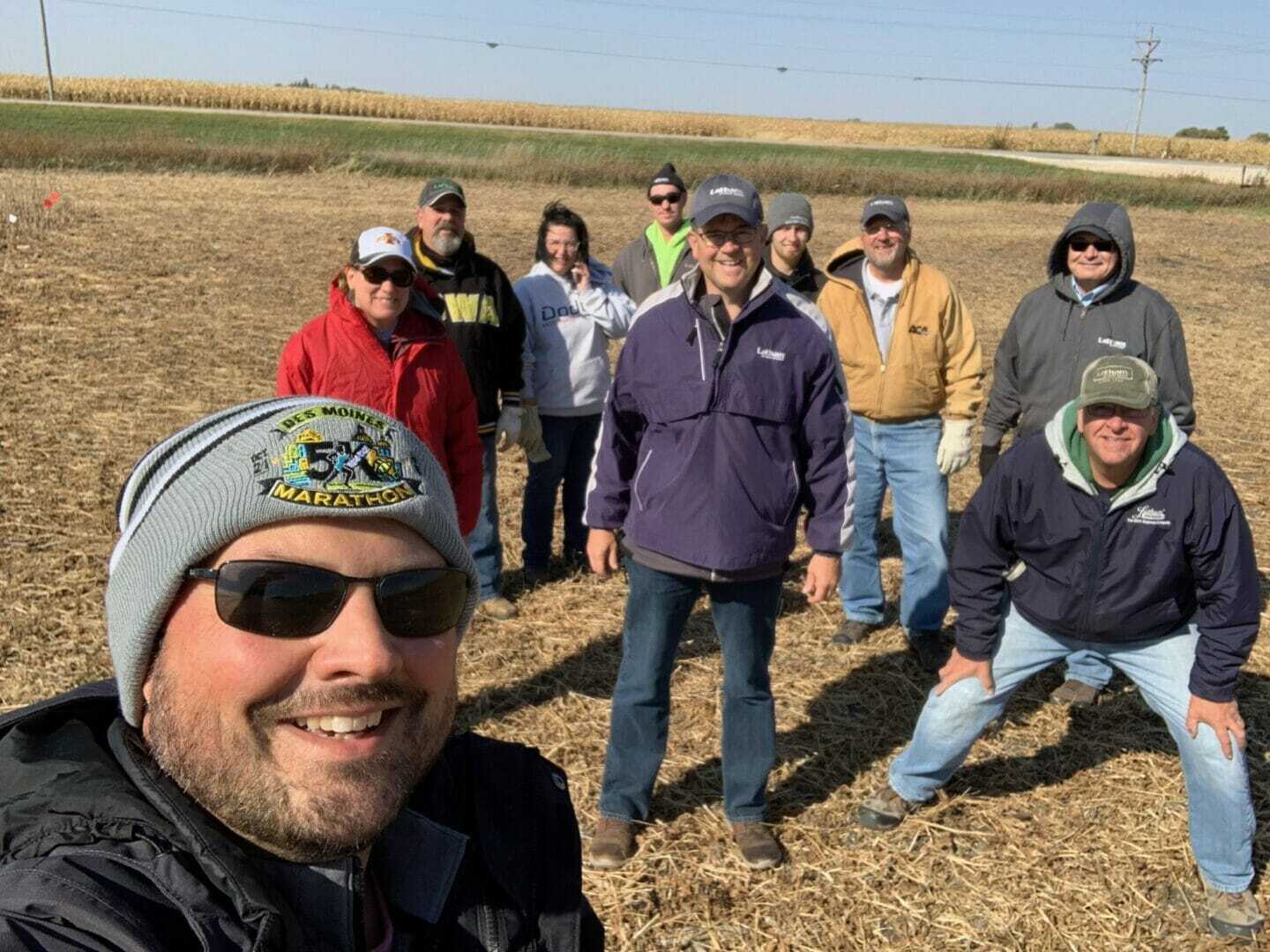
    Team latham in the fieldFall harvest is underway in North Iowa. This means the scales are busy at Latham Hi‑Tech Seeds headquarters on our family’s Iowa Century Farm in Alexander.

    Below are the Top 3 Reasons that Latham® brand soybeans have developed a reputation for quality and continue to top yield trials:

    1. Harvest Protocol – The majority of Latham seed beans are brought to our plant upon harvest. These soybeans are kept under the watchful eye of Latham Production Plant Manager Greg Jaacks and his well-trained team. The Production Team uses a hand probe to take samples of every load of soybeans that crosses our scale. Each soybean variety is then stored in a separate bin; each bin is monitored daily to ensure the seed does not go out of condition before it is bagged or boxed. Some varieties are not grown near our Alexander plant, so we work with trusted family-owned seed conditioning partners that have a reputation for providing top quality.
    2. Careful Conditioning – Throughout the process of taking the seed from the bin and placing it into bags or boxes, Latham’s Production Team carefully handles the seed each step of the way. Air screens and scalper screens remove sticks and pods. Sifter screens remove splits and small soybeans. Fans remove dust and dirt. Additional separator equipment ensures even shape, form and density. The results of this intensive process can be observed in each and every finished unit of Latham brand soybeans.
    3. Quality Over Quantity – Throughout the process, quality is top priority as opposed to the speed of conditioning and bagging. Our production process slows when winter temperatures fall below 10 degrees and will halt completely when temps hit zero; other companies continue to condition seed although it can severely affect seed integrity and germination.

    Producing the highest quality seed for farmers is the legacy we are proud to continue as the third generation of Latham family members to own and operate Latham Seeds. In fact, we take quality so seriously that President John Latham and General Manager Ryan Schon joined members of our production team this week as they pulled rogue plants by hand from a nearby production field.

    We appreciate the diligence of our growers to work with us to produce as pure as seed of possible. We are grateful to have worked for so many years – and for generations – with local farmers to produce Latham brand soybean seed. Below are feature articles about a few of our contract soybean growers:

    • Ted Pitzenberger
    • Phil Pitzenberger
    • Ian Pitzenberger

    To celebrate our family’s legacy of producing high-quality soybeans, we’re sharing with you a slow cooker recipe for a meal that can be prepped in the morning before you head to the field during the busy harvest season. The following recipe for Calico Beans has been adapted by The Soy Foods Council to promote soybeans. Because October is Pork Month, you could further adapt this recipe by adding a pound of browned pork burger.

    Shannon Latham

    October 9, 2020
    Agriculture, Crop, Industry News, Soybeans, Tech Tuesday
  • Latham Hi‑Tech Seeds

    Helpful Tools for Nutrient Planning

    PlantCalc 1

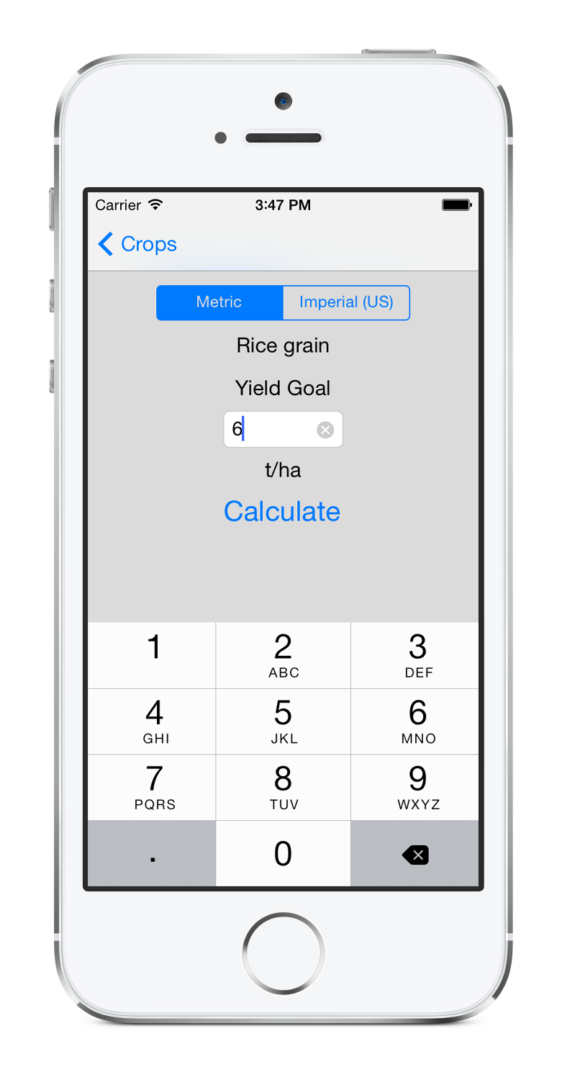
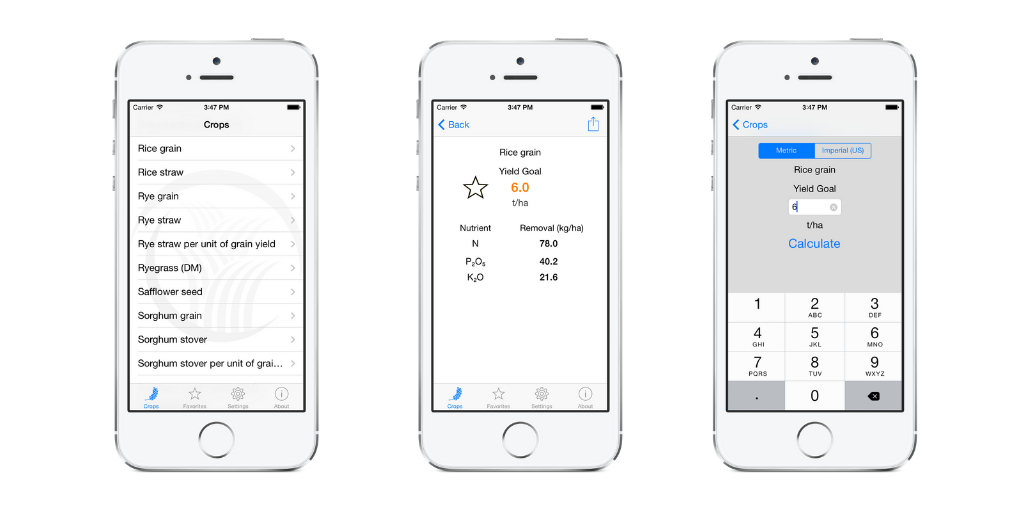
    There are so many apps and tools at our disposal today, and you may have some favorites that are helpful to you. One such tool I reference is a crop nutrient removal application on my phone. The info can be helpful in many ways including revealing production-limiting factors leading to better product placement and fertilization.

    The PlantCalc app displays a guideline based on crop being grown. Enter your yield goal and within seconds you have a list of the primary nutrient removal standards for that specific crop to help build your nutrient plan. We must be mindful that many nutrient removal guidelines focus only on the primary four to five nutrients. However, yield is comprised of a balance of 17 essential nutrients.

    Corey Catt Twitter (1)

    The USDA suggests daily food requirements (the food pyramid) for us as humans to keep our body in balance. Similarly, scientists have found that nutrients can impact yield as much as 60%. Yield is a complex matrix of which the delicate balance of the 17 essential plant nutrients is critical. Technology affords us the ability to look deep into the complex world of the living soil microbiome, unfolding long-held secrets about how it interacts with yield and quality. We have active research currently taking place to understand your unique soil microbiome, the interaction with nutrient management, and even more precise product placement to reduce disease and increase yield optimization. It’s very exciting research with more to come in the near future!

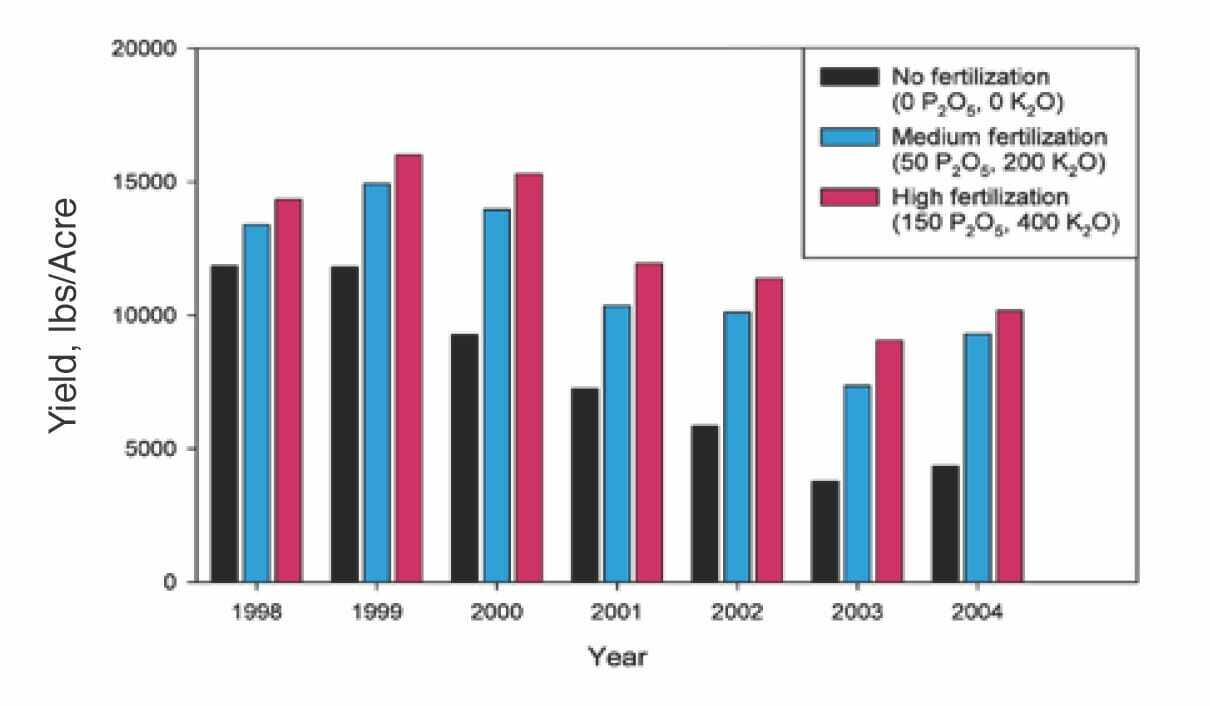
    It’s no secret that each crop has a unique nutrient demand and those nutrient demands are affected by soil health and the cation-exchange capacity. There are evolving plant and soil management applications to assist in furthering a deeper understanding of this complex world. Latham’s Data ForwardSM certainly has gained a lot of favor in simplifying this. The graph below shows the impact of potassium fertilization on alfalfa. Proper fertilization of potassium and phosphorus fertilization not only adds yield each season, but it also maintains peak yield over the life of the stand.

    Alfalfa Chart 2

    At the end of the day, the mission should be to strike a balance of nutrient investment while leaving no yield in the field. My hopes are that you consider helpful tools for reminding us of the needed nutrients to fuel plants and forge the best yield and quality results each season.

    Webspec Admin

    April 7, 2020
    Agronomics, Precision Ag, Tech Tuesday
  • Latham Hi‑Tech Seeds

    Optimize Yield with a Great First Pass

    Floating Row Cleaner

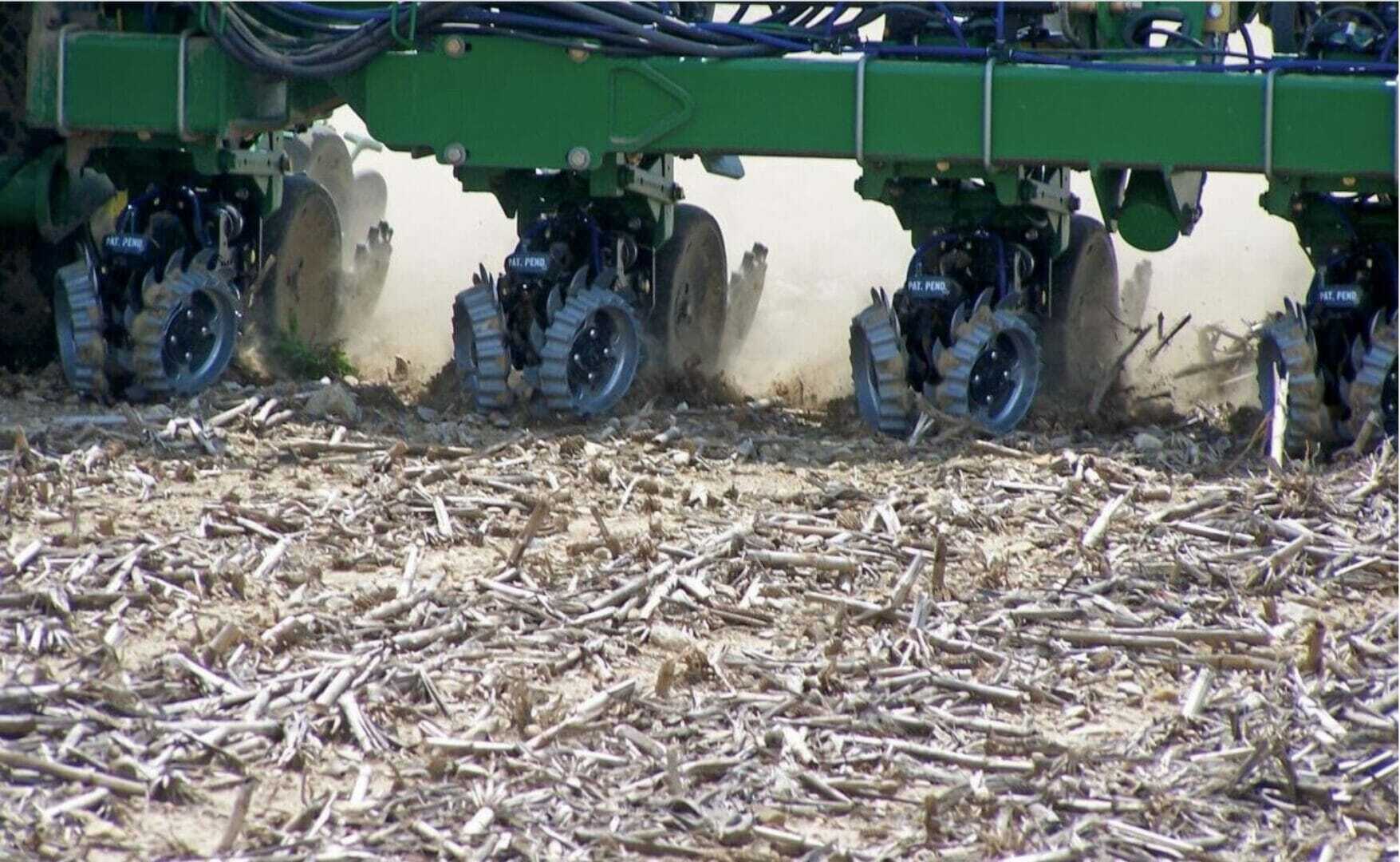
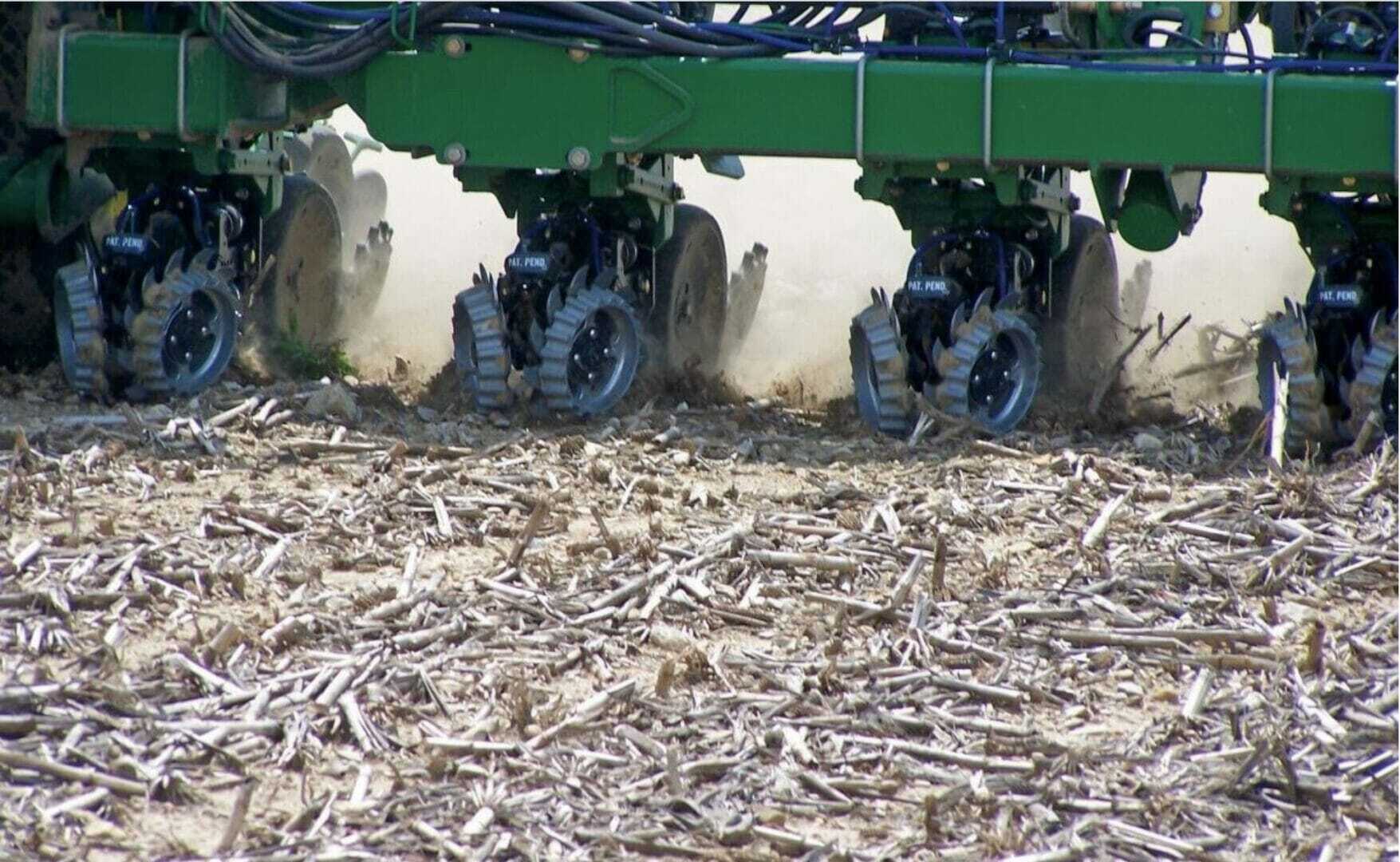
    Floating Row CleanerControlling organic matter or residue to prepare an ideal seed furrow is crucial for attaining optimal seed emergence. Essentially, the planter pass is key to optimizing yield potential for each corn plant.

    There are a few planter attachments to consider for controlling residue. Some planters may come equipped with “fixed” row cleaners that control the depth of residue removal using a manual pin or screw adjustment. This option is better than nothing, but one undesirable feature is that you must get out of the tractor cab to make an adjustment to fit the changing conditions when the contour of the field changes. If you have rolling farm ground, this can become a very tedious process. It’s also important to ensure you aren’t disturbing topsoil while removing necessary clods or residue.

    Another option is “floating” row cleaners, and this is my recommendation. The benefit of a floating versus fixed row cleaner is when the contour of the field changes, it adjusts to the changing conditions. This option assures that you are only removing residue and minimally disturbing topsoil.

    If you make the investment in floating row cleaners for your planter, take a couple of extra steps to ensure you’re clearing a wide enough path to let the gauge wheels run within the furrow. You could add treader wheels, which attach to the outsides of the row cleaners, to provide optimal depth control. Although your row cleaners may be floating, it’s critical they don’t dig too deep. 

    To really dial in your row cleaners as you make your pass through the field, add air adjust cylinders to each row cleaner. This allows you to adjust your row cleaners from the cab. Since it’s easy, you will adjust when you should. To make a pressure adjustments with those air cylinders, move the lever in the cab to apply lift-pressure or down-pressure to the cylinders, so they clean the way you want. You can choose to be more aggressive or to run lighter. Making such adjustments prevents seedling diseases as well as late emergence from heat and moisture loss. It also prevents nutrients from being tied up by residue.

    The most important pass made in the field is the first pass with the planter. If we don’t get this correct, the rest of the management practices we apply throughout the season aren’t effective and will hinder return on investment (ROI). 

    Working with trusted advisors and a cutting-edge precision ag platform allows you to monitor ROI. A precision ag program like Latham’s Data Forward helps you track crucial investments to your operation. We want to be a resource for you when it comes to making precision ag decisions. Give Latham’s Precision Agronomy Advisors a call to implement performance benchmarking, on-farm trials, and reporting, or to evaluate ROI before making significant investments in your precision equipment.

    Latham Seeds Precision Agronomy Advisors

    March 31, 2020
    Season, Spring, Tech Tuesday
  • Latham Hi‑Tech Seeds

    Update on XtendFlex® Soybeans

    IMG 7407

    IMG 7407

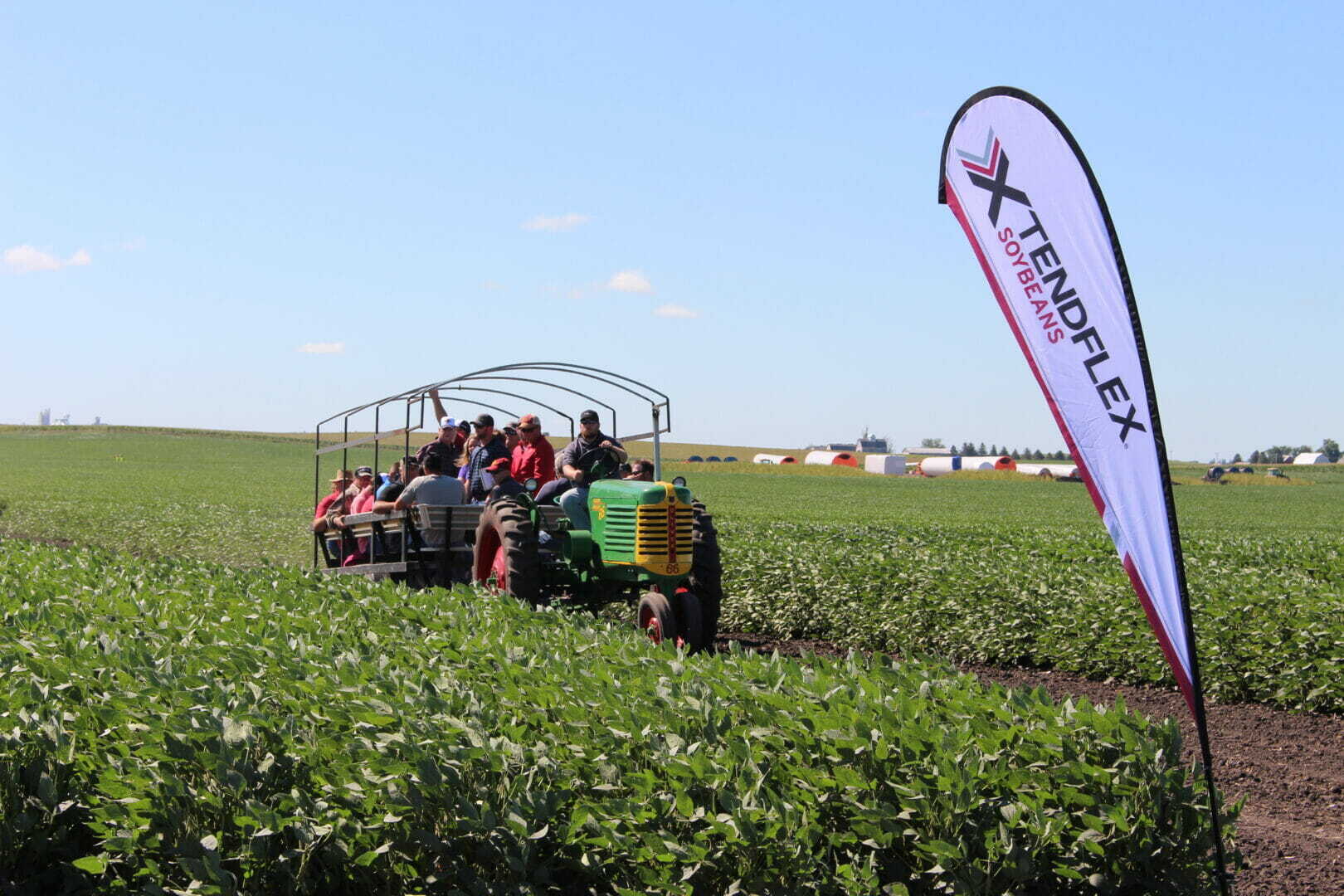
    Reports from around the seed industry indicate that Bayer CropScience is close to being granted approval for its new XtendFlex® soybean system. This new technology will be the first triple-stack soybean trait with tolerance to glyphosate, dicamba and glufosinate (Liberty®) herbicides. Pre-launch ads from Bayer cite advanced genetics and greater flexibility for weed management options.

    Latham Hi‑Tech Seeds in 2019 was granted a sneak peak of six XtendFlex soybeans at our research farm near our headquarters in Alexander, Iowa. This test was conducted under the guidelines of an EPA-stewarded trial where the resultant soybean crop was harvested for data purposes but was then destroyed, so it could not reach the global supply chain.

    The six soybeans we tested ranged from 1.9 to 3.0 in maturity and were compared to 14 soybeans that were in our lineup at that time. The test was split by herbicide tolerance. The same six XtendFlex lines were tested against 14 Liberty-tolerant products, including Enlist E3™, straight LibertyLink® and LLGT27™. They were also tested against 14 soybeans that were all tolerant to glyphosate: Roundup Ready® 2 Yield (RR2Y), Roundup Ready® Xtend®, Enlist E3 and LLGT27.

    IMG 7415On the Liberty side of the test, the six XtendFlex soybeans ranged in yield from 56.75 to 65.74 bushels per acre (bu/A) where the 14 current products went from 47.11 to 67.90 bu/A. The overall yield average of XtendFlex soybeans was 60.58 whereas the current products averaged 60.30 bu/A.

    On the glyphosate-tolerant side of the trial, the yield of XtendFlex products ranged from 55.84 to 64.13 bu/A; the average yield was 61.67 bu/A. The yield of current products ranged from 54.70 to 69.37 with an average of 62.33 bu/A. NOTE: Due to late planting and other environmental factors, the later-maturing soybeans (2.8 to 3.0) in both sides of the trial struggled to reach full maturity and really suffered from a yield standpoint.

    In general, I am pleased with the results of this trial. This was one location for only one year, but it did tell us that the first wave of the XtendFlex products tested in 2019 performed very well.

    Pending full approval, there should be some very solid lines available for Latham farmer-customers for 2021 commercial planting! The last hurdle for full global approval of XtendFlex soybeans is the European Union at press time of this article. Bayer is optimistic this will be resolved in time for planting. We’ll keep you posted when we know more about this exciting new technology!

    Mark Grundmeier, Product Manager

    March 24, 2020
    Soybeans, Spring, Tech Tuesday
Previous Page
1 2 3 4 5 6 … 15
Next Page

Latham Hi‑Tech Seeds

131 180th Street | Alexander, IA 50420

(641) 692-3258

SIGNUP FOR OUR NEWSLETTER
  • Contact
  • Legal
  • Dealer Center
  • Seedware Login
  • Latham Gear

© 2025 Latham Hi‑Tech Seeds. All rights reserved. | Iowa Web Design by Webspec | Privacy Policy

Latham® Hi-Tech Seeds is a trademark of M.S. Technologies, L.L.C., 103 Avenue D, West Point, IA 52656.