Latham Hi-Tech Seeds

(641) 692-3258

  • Home
  • Products
    • Corn
    • Soybeans
    • Alfalfa
    • Corn Silage
    • Seed Guide
  • Performance
  • Find a Rep
  • Media
    • Blog
    • News
    • Videos
    • Podcasts
    • TECHTalk
  • About Us
    • Company History
    • Our Mission
    • Careers
    • Become a Rep
    • Sowing Seeds of Hope
  • Contact Us
  • Latham Hi‑Tech Seeds

    Agriculture is Iowa’s Masterpiece!

    HotBeefSundae

    By Lydia Zerby, consumer insights & engagement manager, Iowa Food & Family Project
    Lydia headshot
    Lydia Zerby, consumer insights * engagement manager, Iowa Food and Family Project

    The iconic Iowa State Fair is the perfect way to celebrate food, family and farming! Whether it’s meeting baby calves, catching a food demonstration in The Kitchen or enjoying a new fair food, fairgoers from both rural and urban communities can make lifelong memories during the incredible 11-day event.

    This year at the Iowa State Fair, immerse your family in the art of agriculture with the Iowa Food & Family Project (Iowa FFP)! From Aug. 11-21, visitors can engage with Iowa FFP in the southeast atrium of the Varied Industries Building.

    It’s a chance to “Find your Fun” by engaging with area artists who will be creating colorful and larger-than-life murals. Visitors to the display can double their fun by hunting for hidden objects in each design. Kids of all ages (adults, too!) can spin the wheel for fantastic prizes, play ag trivia, step inside an “ag-citing” photo booth or pick up an exclusive coloring sheet. Plus, there will be a special art contest for kids to enter!

    Once again, Iowa FFP will be handing out its wildly popular reusable tote bags and visitors can enter to win some blue ribbon-worthy prizes. This year’s “Grand Champion” prizes include:

    • Iowa Pork gift basket courtesy of the Iowa Pork Producers Association
    • Iowa Corn gift basket courtesy of the Iowa Corn Growers Association
    • Earl May Nursery & Garden Center gift card
    • Hy-Vee grocery store gift card
    • The Machine Shed restaurant gift card
    • Framed photo of Iowa agriculture courtesy of Joseph L. Murphy

    The Iowa Food & Family Project is all about celebrating families, uniting rural and urban communities and providing the information and experiences consumers need to make informed food choices. The initiative involves a collaborative network of nearly 35 food, farming and healthy living organizations who are proud of Iowa’s homegrown foods and hometown values. Iowa FFP is funded by the soybean, pork, beef, egg, corn, turkey and dairy checkoffs, as well as non-checkoff resources.

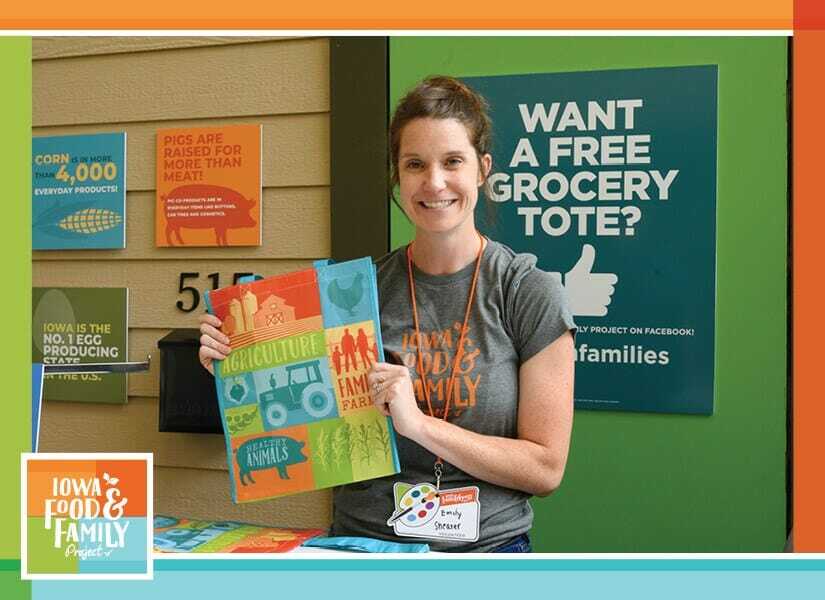
    ISF 2ISF 1

    Approximately 135,000 food-minded Iowans engage with Iowa Food & Family Project monthly through social media, eNewsletter and magazine channels.

    We invite you to join more than 75,000 fellow subscribers who receive our monthly Fresh Pickings eNewsletter. It’s chock-full of delicious recipes, farm stories, giveaways and ways to get involved with the Iowa Food & Family Project. Sign up here for your free subscription: www.iowafoodandfamily.com/sign-up

    Latham Hi‑Tech Seeds is a great partner of the Iowa Food & Family Project, helping the initiative maintain consumer-focused engagement as we celebrate the continuous improvement of Iowa’s farm families and their dedication to providing wholesome food for everyone. Working together, we’re building a greater understanding and confidence among food-minded Iowans.

    See you at the 2022 Iowa State Fair, where visitors will “Find Your Fun!” #ISFFindYourFun
    Lydia Zerby

    August 5, 2022
    Beef, Food & Family, General, Recipes, Season, Summer
  • Latham Hi‑Tech Seeds

    75 Reasons to Celebrate at Latham® Dealer Kickoff

    LHF wagon ride

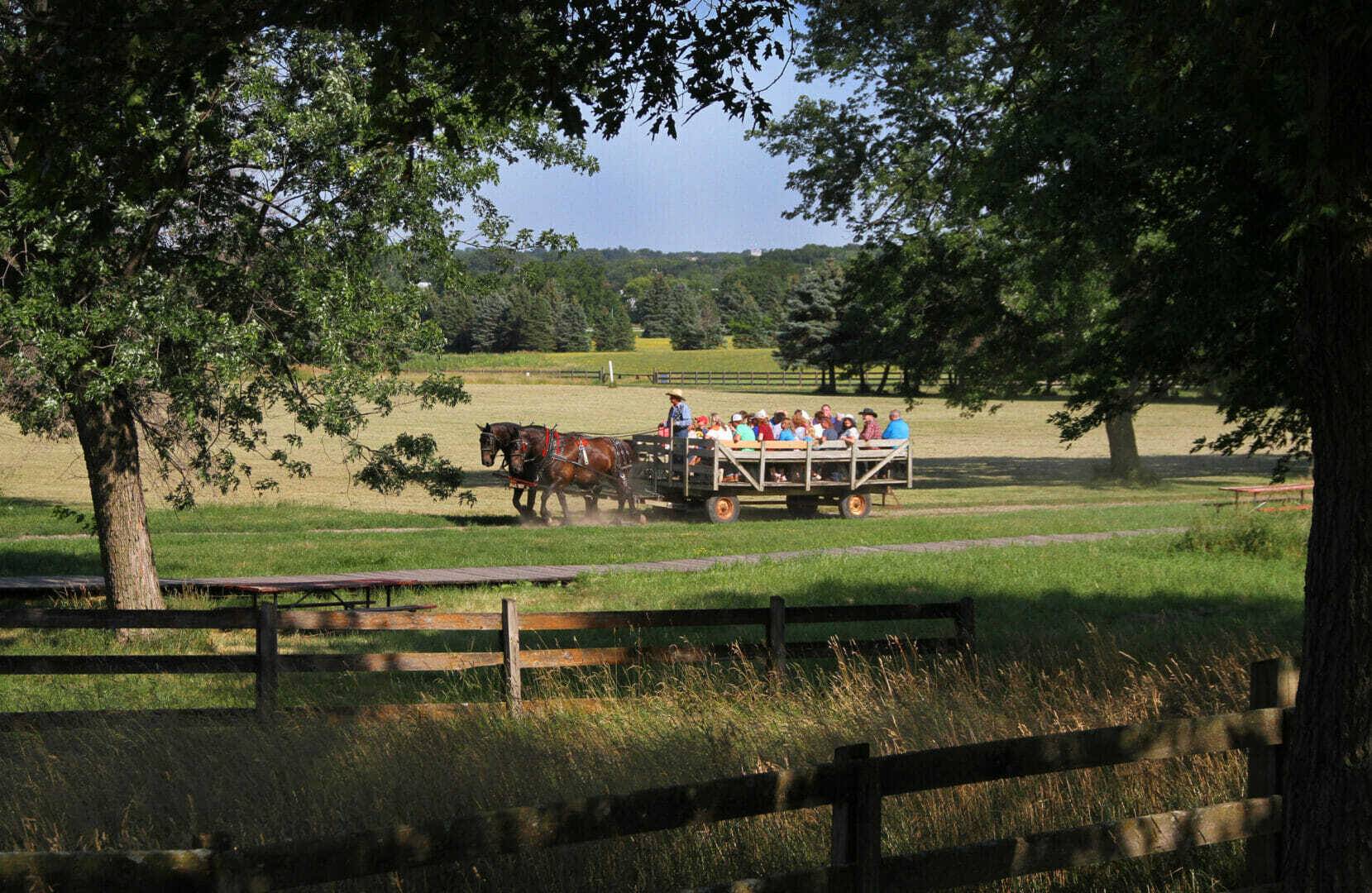
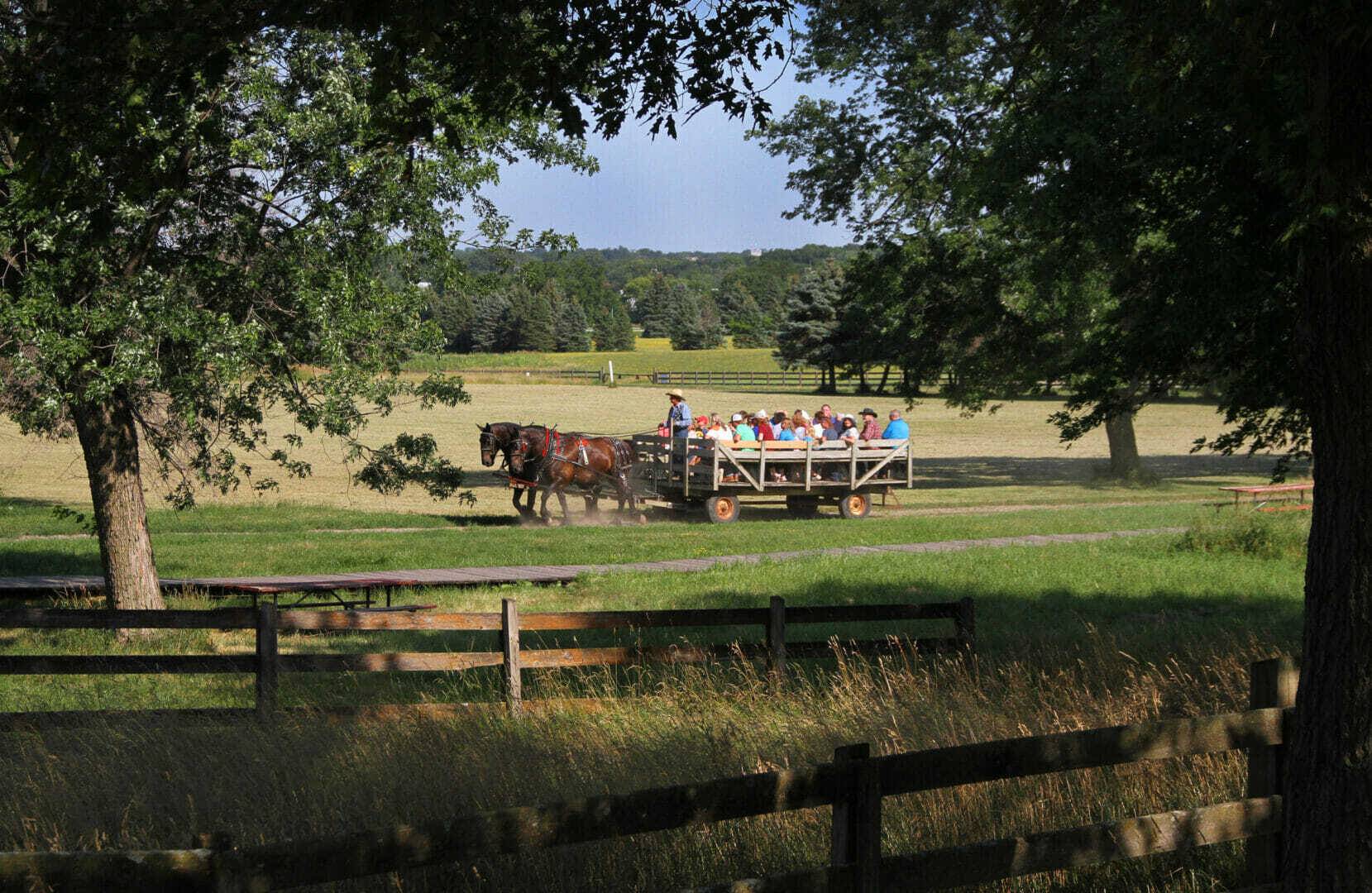
    Team members of Latham Hi‑Tech Seeds welcomed Latham dealers from six Upper Midwest states to Iowa’s Capital City, July 14-15, to kick off our 2022-2023 seed sales year. This year’s event was particularly meaningful as our family-owned and managed company celebrated its 75th “birthday” in grand fashion – from balloon creations and face painting for the kids to horse-drawn wagon rides and a delicious meal catered by the Iowa Machine Shed at Living History Farms.

    LHF wagon ride

    We chose Living History Farms for this celebratory event because of its iconic nod to Iowa agriculture and its beautiful surroundings, including native Iowa prairie. We enjoyed going back to a simpler time of life when community members gathered for lawn games and ice cream.

    IMG 9862LHF ice cream Resized


    What began in 1947 with an innovative farmer’s vision and his wife’s office management skills has since grown into a seed company with one of the industry’s deepest portfolios. Willard and Evelyn Latham worked hard to help fellow farmers be more profitable through forward-thinking solutions, all while raising five sons who have carried forth the company’s mission. And that mission – to be a trusted partner for farmers by providing personalized solutions today so they can grow even stronger legacies tomorrow – hasn’t changed.

    Whether we’re hosting a Latham event on our family’s Iowa Century Farm or in a farm field somewhere in the middle of Latham Country, we honor Evelyn Latham by continuing her tradition of hospitality. Evelyn was named Wallaces Farmer Homemaker of the Year in 1962. She developed a reputation for always having a fresh pot of coffee on the burner and homemade cookies on the table when customers came calling. Scotcharoos were often on Evelyn’s cookie plate, but that goes to reason since Rice Krispies® were invented by an Iowa State University graduate.

    Scotcharoos are often served with Maid-Rites (not to be confused with Sloppy Joe’s). Who knew Iowa is home of the Maid-Rite® sandwich, too? Fred Angell served the first loose-meat sandwich in 1926 and franchised his idea in 1927. At Taylor’s Maid-Rite in Marshalltown, they still grind 100% choice beef daily to ensure its quality and freshness. We’re sharing a recipe for this Iowa classic, so you can enjoy loose-meat sandwiches at home.

    We enjoy learning about regional fare as we travel across the Upper Midwest, visiting Latham dealers and customers. We’re linking to our past Kickoff blogs to give you a taste, too!

    Related Posts:

    • Kickoff 2021 in Sioux Falls, featuring recipe for Garden Grill Tri Tip
    • Virtual Kickoff in 2020, featuring Barbecue Pork Sandwiches
    • Kickoff 2019 at Prairie Meadows Racetrack in Altoona, Iowa, featuring a recipe for Crumb-Crusted Top Sirloin and Roasted Garlic Potatoes with Bourbon Sauce
    • Kickoff 2018 at Mall of America in Bloomington, Minnesota, featuring a recipe for Honey Lavender Cheesecake Bites
    • Kickoff 2017 at Branson, Missouri, featuring Southwest Chicken Egg Rolls

    Shannon Latham

    July 29, 2022
    Beef, General, Latham News, Recipes, Season, Summer
  • Latham Hi‑Tech Seeds

    Latham’s Premier Agronomy Center Opens for Tours

    LPAC Picture Resized

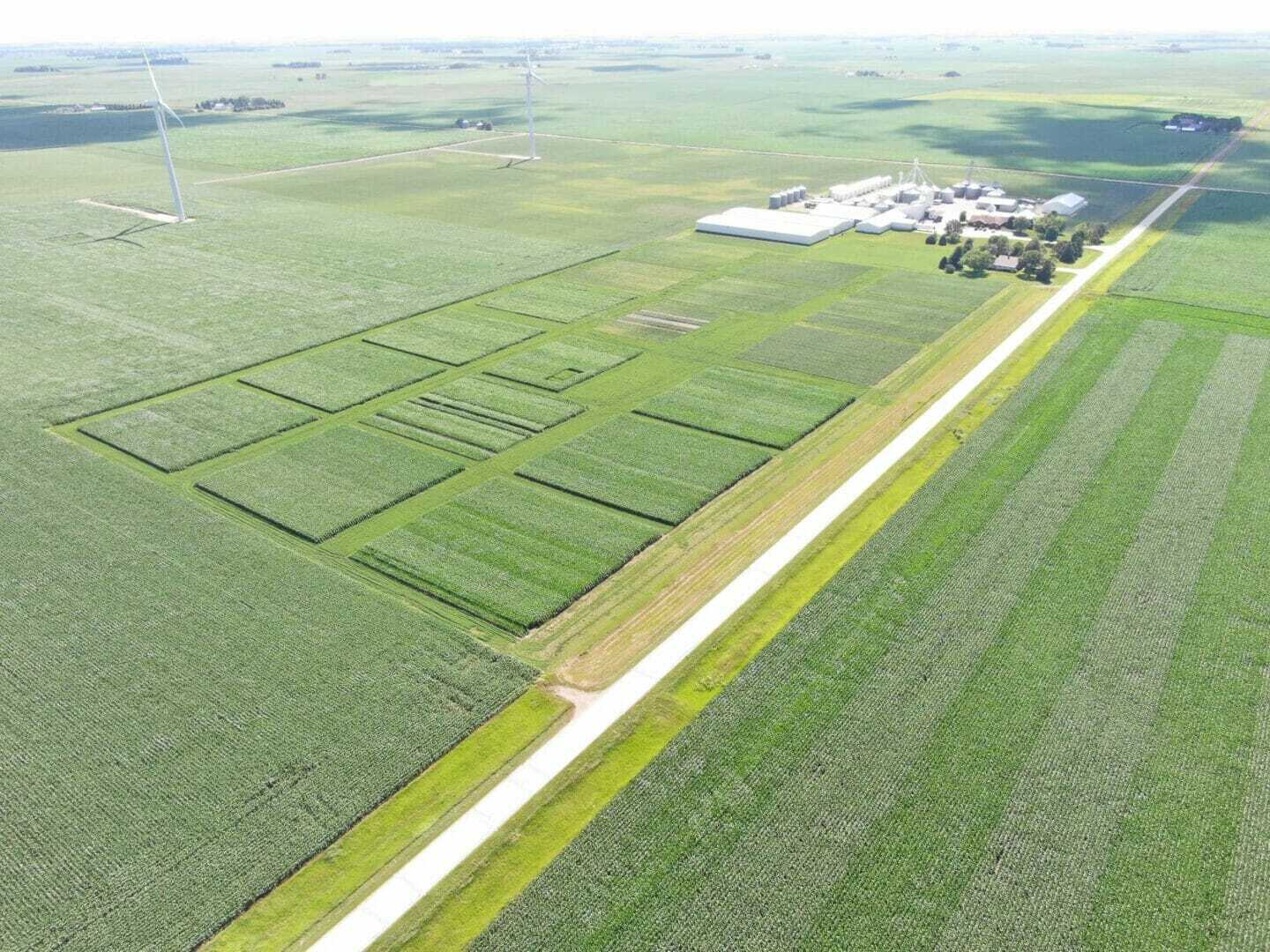
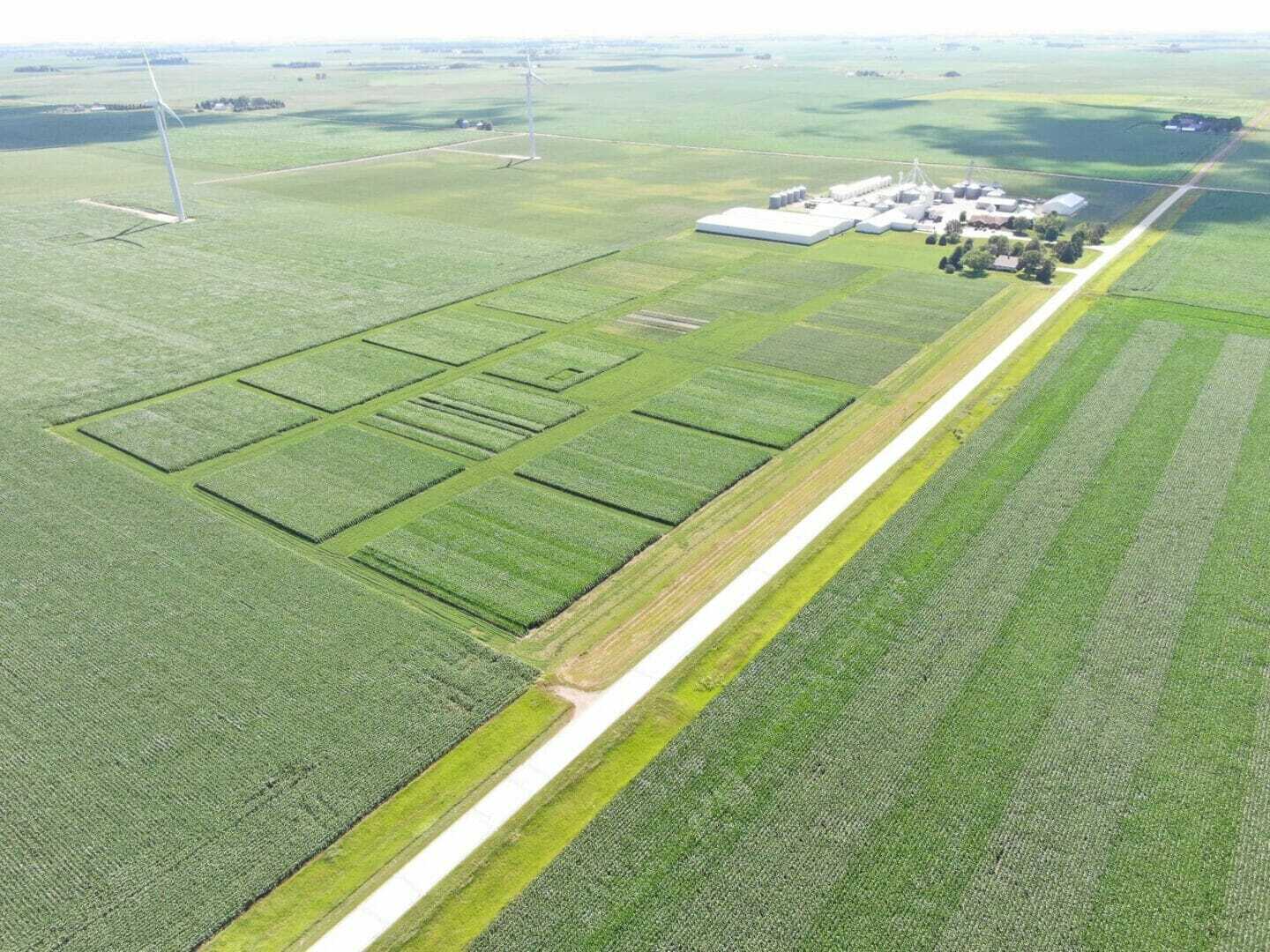
    Latham Hi‑Tech Seeds’ Premier Agronomy Center at our company headquarters in North Iowa provides us with opportunities to collect data on real-world challenges. It also provides us with an opportunity to talk about the exciting new Latham® products, as well as management practices, that help you raise more bushels. This year we have 18 different plots (10 corn and 8 soybean) to demonstrate different techniques.LPAC Picture Resized

    Interested in seeing Latham’s Premier Agronomy Center? Plan a visit! Latham Dealers are encouraged to make arrangements with their regional sales manager (RSM), so they can bring their customers throughout the growing season. We will be open for public tours on Thursday, Sept. 8, at 4 p.m.

    Here’s what you can see inside Latham’s Premier Agronomy Center… As you drive west on 180th Street in Alexander, Iowa, you will see our Latham Showcase plots featuring our top corn and soybean products. Next to that are corn and soybean seed treatment demonstration plots. I also planted my hybrid stress research up front. Twenty different Latham hybrids were planted from 22,000 to 36,000 plants per acre, so we can pinpoint when each hybrid flexes and how we can better manage them in-season.

    The second tier of plots contains high-yield plots (corn/beans) where we “throw the kitchen sink at it,” so to speak, to try to add some extra bushels. Our soybean Iron Deficiency Chlorosis (IDC) plot uses tactics like in-furrow chelated iron products with increasing population to overcome the challenges IDC can bring. We have a silage demonstration plot with a planting date demonstration. You’ll also see a sneak peak of Latham’s corn breeding program alongside some great observation plots featuring planting depth.

    The third tier of plots are “long-term plots” that include cover crops, no-till and continuous corn. These practices come with many challenges, so we have several different products/treatments including in-furrow fertilizer, biologicals, in-furrow fungicide, and biological products for providing nitrogen to corn. We also have included herbicide demonstrations, showing how cover crops can increase water infiltration during pounding rains, as well as also reduce herbicide costs and improve weed control in soybeans.

    All growing season long we’re providing opportunities to learn from our demonstrations in the Premier Agronomy Center. Follow @LathamSeeds on Facebook, Twitter, Instagram and YouTube. We share our weekly “Ask the Agronomist” videos, as well as season-specific information.

    Phil Long

    July 27, 2022
    #FromTheField Crop Reports, Agronomics, Corn, Crop, Fertility, From the Field, Fungicide, General, Growth Stages, Insects, Precision Ag, Season, Seed Treatment, Soil, Soybeans, Summer, Weed Control
  • Latham Hi‑Tech Seeds

    Tissue Test for Better Yields

    Phil Corn in late June

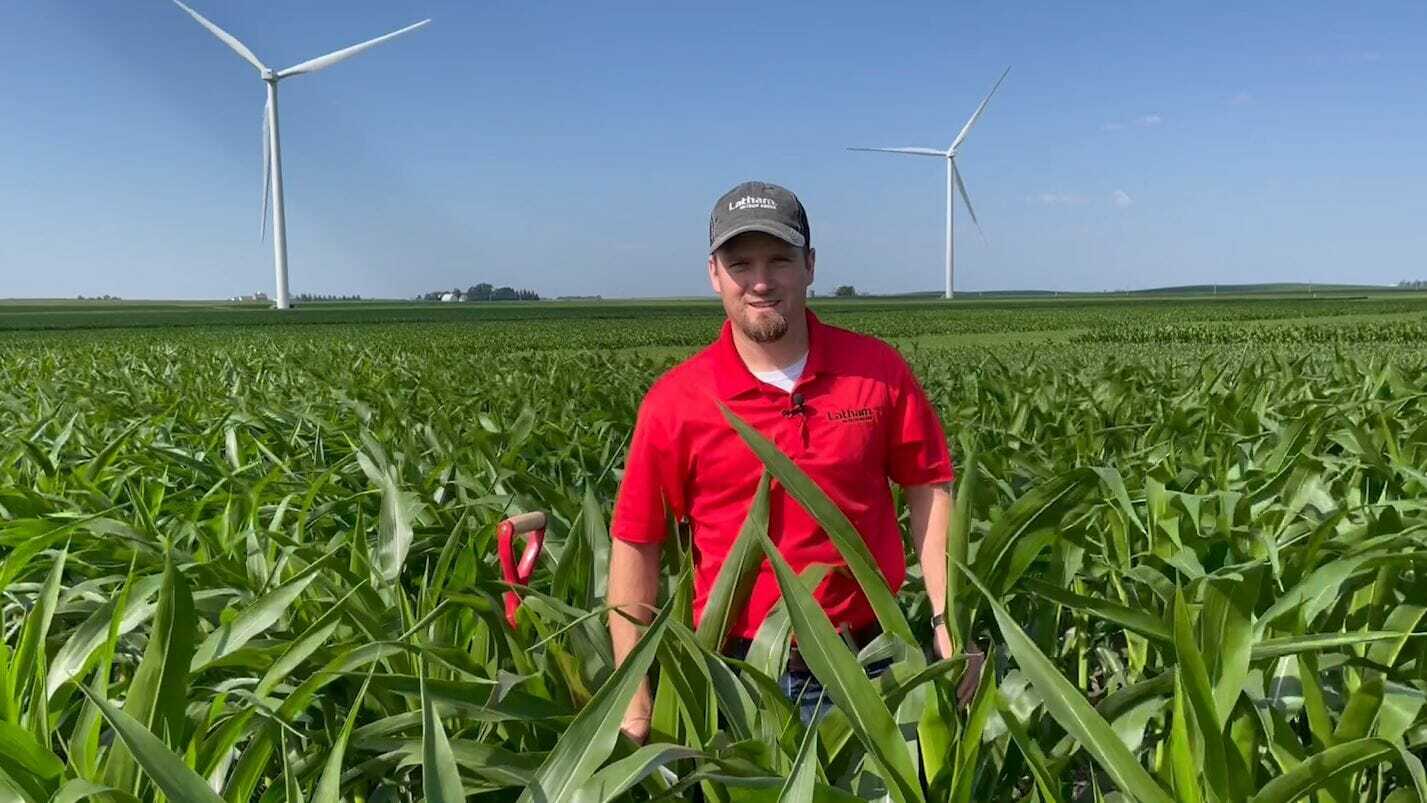
    Phil Long is in the field this week looking at the rapid growth phase of corn. He also shares what to scout for this time of year and how to send in a proper tissue test. Check out the video or read the article below to learn more.

    With current input and commodity prices, we must get the most from each crop. To help your crop reach its potential, start with fertility. Regular soil tests are great, but the next step is in-season tissue testing.

    Tissue testing supplements your soil test. You shouldn’t take a tissue test without a current soil test in hand. Once you take the tissue test, compare it to your soil test. See where the two tests match. Then make plans to address those needs either this season or next season.

    Tissue testing every two weeks shows how your crop is developing throughout the season. If you only can tissue test once or twice, I recommend pulling a sample early (V4 for corn or soybeans) and before grain fill (R1 for corn and R3 for soybeans). This will give you a good understanding of what needs are not being met during crucial development stages.

    Here are some tips on how to use tissue testing to your advantage this season:

    1. Sample whole plant (above ground) when shorter than eight inches. Once a plant gets to reproduction, use the leaf below and opposite the ear leaf for corn. For soybeans, use the most recently matured leaf (usually the 2nd or 3rd leaf from top of the plant). Take at least 15 leaves/plants per sample.
    2. Take multiple samples to compare locations in the field and to look for consistencies. If you are looking at a trouble spot, be sure to also take a sample from a good spot in the field. Send samples in a breathable bag (not a plastic Ziploc bag), or your results may not be good.
    3. Compare back to your soil test. Keep environmental conditions in mind at the time of sampling. Most labs will categorize the nutrient levels based on what growth stage the plant was in when sampled. Tissue testing is like taking your temperature; the tissue test can reveal consistencies in a field that must be addressed to break that next yield barrier.

    Check out other corn videos and articles on The Field Position.

    Phil Long

    June 29, 2022
    #AskTheAgronomist, Corn, Crop, Disease, From the Field, Growth Stages, Soil, Summer, Tech Tuesday
  • Latham Hi‑Tech Seeds

    Alfalfa Threats

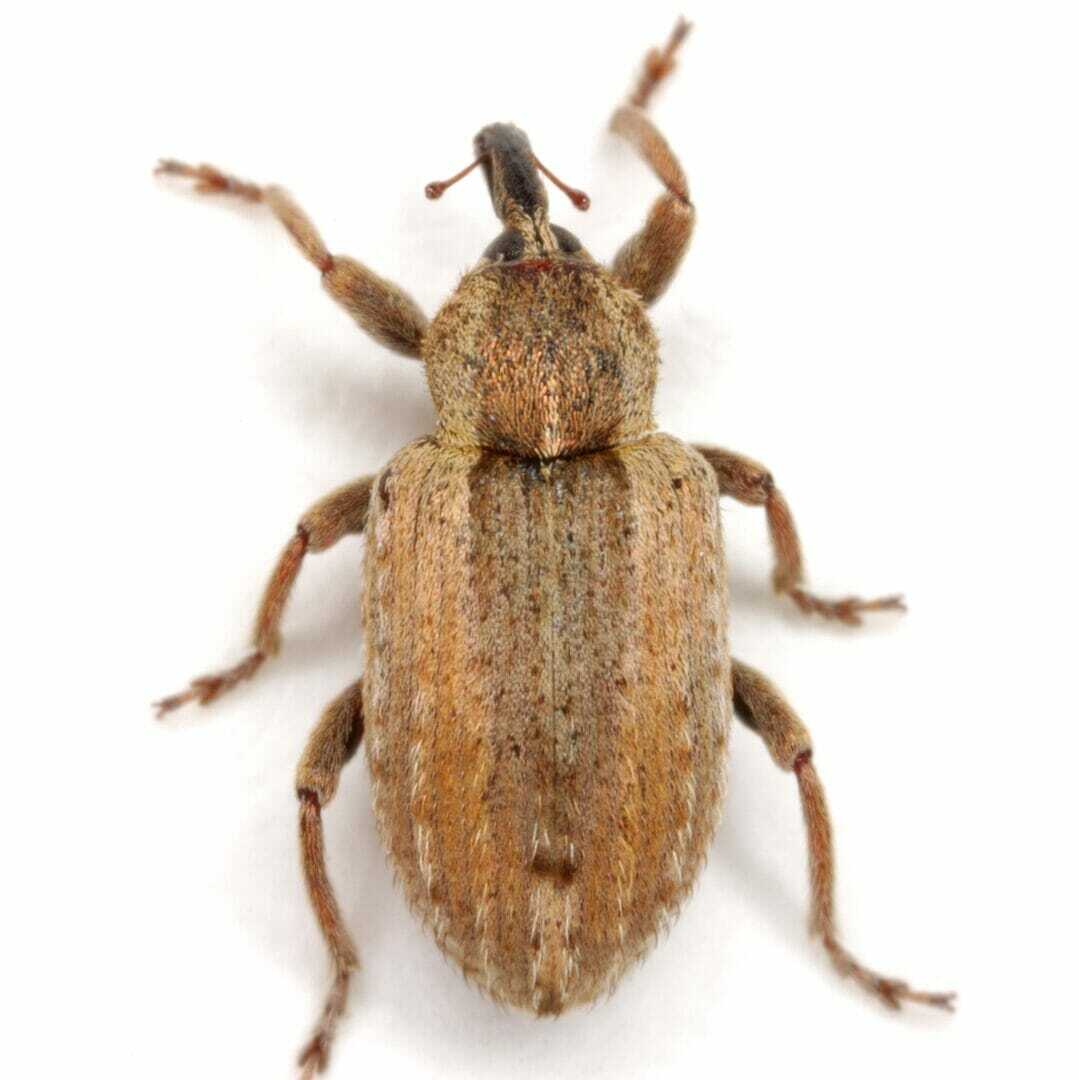
    Alfalfa weevil
    Corey Headshot PNG
    Corey Catt, Forage Product Manager

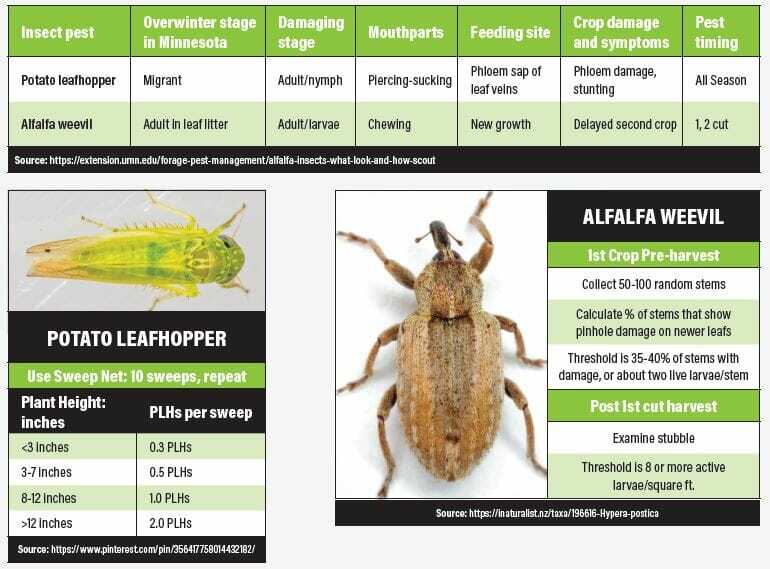
    Like other crops, high-quality alfalfa is commanding a good price. Strong market prices can change the economic thresholds, making it easier to justify investing in pest control. Below are some charts to help guide you.

    Many insects can damage alfalfa, so it’s important to build a plan that keeps alfalfa healthy. Insects can damage the plant so much that the plant can acquire a disease and die.

    Each alfalfa plant is like a factory. Crop scouting, spraying and fertilizing is like providing critical maintenance to keep the factory operating efficiently, as well as to optimize yield and quality.

    Controlling alfalfa insects generally involves two things: (1) spraying insecticide; and (2) cutting alfalfa early. Check out these two articles for more insight.

    Alfalfa insects: What to look for and how to scout

    Alfalfa Weevil

    Weevil and leafhopper


    Check out other alfalfa articles and videos from our experts.


    Webspec Admin

    June 22, 2022
    Agronomics, Alfalfa, Crop, Disease, Fungicide, General, Growth Stages, Insects, Season, Spring, Summer, Tech Tuesday
  • Latham Hi‑Tech Seeds

    Estimating Optimal Time to Cut Alfalfa

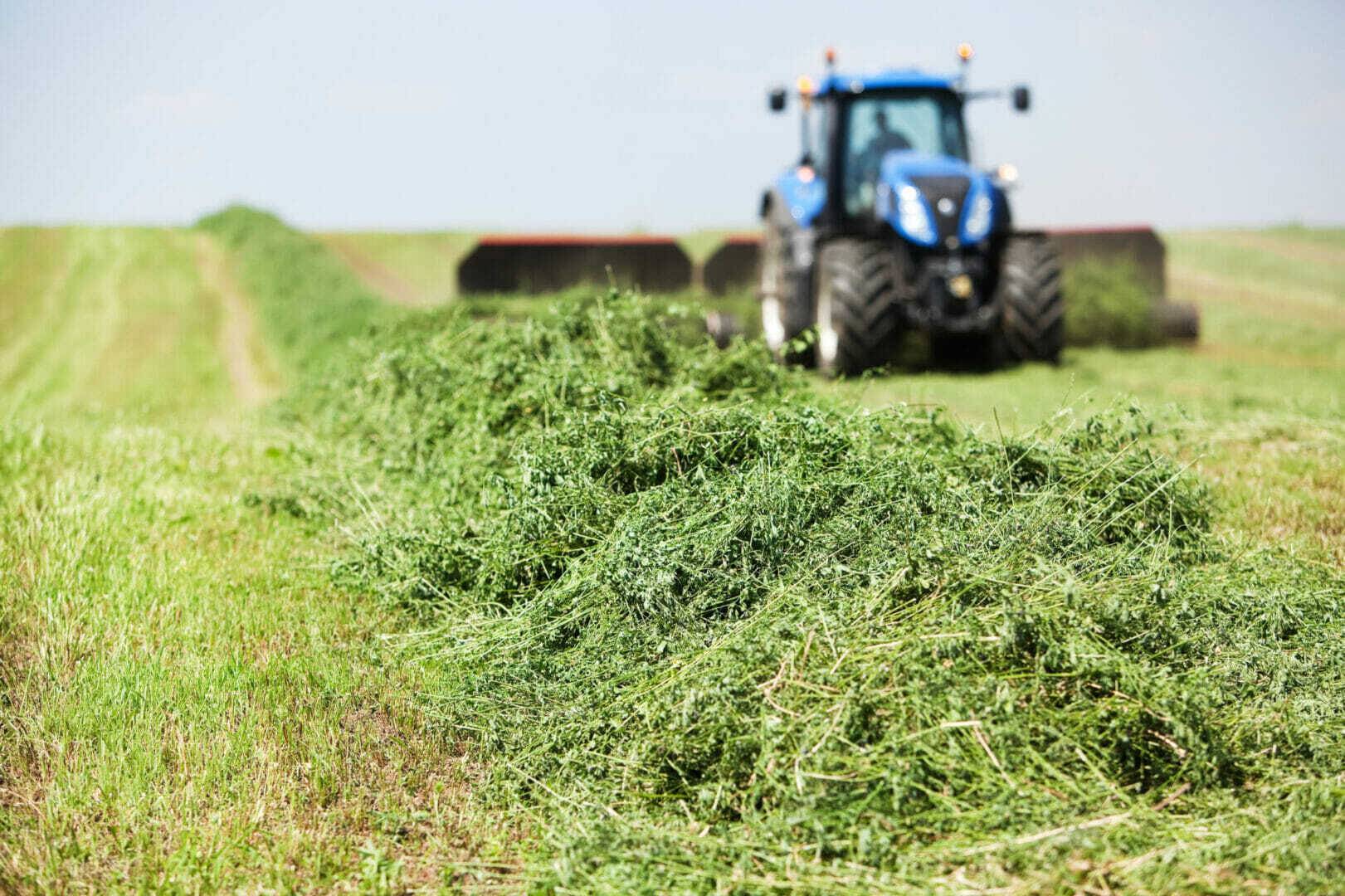
    Tractor Towing Merger on Cut Alfalfa (Hay) Field


    Every grower tends to have a different strategy of when to begin cutting alfalfa. Some cut on a certain date in May no matter what and continue the cycle every 28 days. Some growers wait until the alfalfa has reached about 10% bloom, which historically provides a good balance between the highest yield without compromising quality.

    Tractor Towing Merger on Cut Alfalfa (Hay) Field

    To measure quality for an area of the field, you could use the scissors technique. This is a good method, but it takes a couple of days to get results from the lab. During that time, the plant has changed.

    Another method used to estimate the optimal first cutting date for alfalfa is Predictive Equations for Alfalfa Quality (PEAQ) method. Developed by the University of Wisconsin, PEAQ uses the alfalfa stand height and maturity stage (vegetative, bud or open flower) to estimate the relative feed value (RFV). In general, it is recommended to harvest alfalfa at about 150 RFV for milking dairy herds and 125 RFV for heifers, stock cattle and lactating beef cattle.

    You can order an actual measuring stick or use a tape measure and follow these steps as outlined in the May 2021 issue of “Integrated Crop Management News” by Iowa State University Extension and Outreach:

    1. Choose a representative two-square-foot area in the field.
    2. Determine the stage of the most mature stem in the area by using the definitions at the top of Table 1.
    3. Measure the tallest stem in the area. The tallest stem may not be the most mature stem. Measure the stem from the soil surface to the tip of the stem, not to the tip of the leaf. Straighten the stem for an accurate height measurement. Based on stem maturity and stem height, use Table 1 to estimate the RFV of standing alfalfa crop.
    4. Repeat steps 1-3 in five representative areas across the field.
    5. To estimate harvest quality, subtract 15-25 RFV units to account for harvest losses during the haylage or hay harvest process, respectively.
    6. Determine optimum harvest time using the PEAQ estimate, livestock forage quality needs, considerations of upcoming weather forecasts favorable for harvest and drying, and the general assumption that RFV drops three to five points per day.

    Source: Integrated Crop Management News, and Iowa State University Extension and Outreach.

    Maintaining Quality

    Alfalfa value is based on quality. For quick calculation, the old standard of $1/point of RFV. (NOTE: The current market is worth more than $1 per point, but we’re going to stick with this for easy math.) If your RFV is 200, one dry matter ton of this forage is worth $200 / dry matter ton. In the Midwest, four cuttings of alfalfa can yield 5 to 7 tons.

    High commodity prices also have us reflecting on ways to extend our alfalfa stand. It’s best to keep your cutting equipment sharp. It’s generally recommended to cut a pure stand of alfalfa at two or 2.5 inches from the ground. If you have a mixed species with grass in the mix, cutting it at 2.5 to 3 inches helps maintain the grass stand life.

    Good fertility programs, insect management programs and fungicide treatments also impact the quality of alfalfa and corn silage. We will provide information about these topics as the growing season progresses.

    Check out other alfalfa articles on The Field Position. 

    Webspec Admin

    May 25, 2022
    Alfalfa, Crop, General, Spring, Summer
  • Latham Hi‑Tech Seeds

    Get Ready for the Ride of Your Life!

    Carol and Gene

    Gene Thormodsgaard raised his children two miles north of his family’s farm in Beresford, South Dakota, but he traveled thousands of miles before returning to the land and the lifestyle he has always loved.
    Carol and Gene

    After graduating from high school in 1960, Gene moved east for opportunity.

    “My dad told me not to be a farmer, so I tried following his advice,” recalls Gene. “My brother and his friend were living in southern Illinois and working in the ironworks. They told me the pay was better out east, so I moved to Janesville, Wisconsin. I worked in Wisconsin for a year but realized factory life wasn’t for me. I moved home and went to work at the co-op. I really enjoyed working with farmers.”

    Shortly thereafter, Gene was drafted into the United States Army. He served with the 724th maintenance battalion from 1964 to 1966 in southern Bavaria during the Vietnam War. He was a teletype operator with Company A of the 24th Infantry Division in Augsburg, Germany.

    When his military service was complete, Gene returned to Bearsford. He started working once again at the co-op, delivering fuel to farmers. Gene also began farming rented ground in 1968. When one of his parents’ neighbors got hurt, Gene was given the chance to buy his farm. Gene bought his first farm at age 27.

    Gene’s bachelor years consisted of working and farming until one life-changing evening when he and a buddy drove into Sioux Falls. They saw a couple of girls sitting at a table. Like the lyrics to Franki Valli’s 1967 hit, “Can’t take my eyes off of you,” Gene was drawn to Carol. The couple was married in 1974.

    The newlyweds made their home on the farm Gene has purchased. They were blessed with two sons.

    “Carol is an organizer extraordinaire,” says Gene with a smile. “She does so much for all of us.”

    In 1975, Gene and his neighbors decided to buy Northrup-King seed together to save money. Back then, seed was delivered on a flatbed truck. The truck driver backed up to the barn, and every bag was manually unloaded.

    “My NK rep made the move to Latham Seeds, and he encouraged me to try some,” says Gene. “I wasn’t getting the product I wanted from NK at the time, so I tried Latham® soybeans. They were great! When you pulled the rip cord, you didn’t see dust. There was nothing but pure seed inside a bag. Once my customers tried Latham, they didn’t want to plant anything else. It wasn’t long before Latham was all I sold. Latham remains the best quality seed on the market.”

    Gene enjoys working with farmers and selling seed so much that he continues to operate his dealership. Like many good farmers, he won’t ever really retire. One of his neighbors began renting Gene and Carol’s farm ground in 2012, but Gene still helps him put in and take out the crop each year.

    “I got into Latham because of the quality of the seed, but I’ve stayed with the company because of the quality and they are a great company to do business,” says Gene. “My RSM, Ramie Coughlin, is always there when I need her. She does an awesome job.”

    In addition to selling seed and farming, Gene has been active in his community. He is a member of the VFW Legion. He served on Co-op Service Association at Bearsford for 12 years, and then he started serving on the board of the Eastern South Dakota Soil & Water Research Farm in Brookings. Gene was its treasurer for 30 years and remains an active board member. He served on the Lincoln County Conservation Board for 48 years. Gene is also active in his church and has served on church council. He has been a deacon and trustee, as well. When his children were young, Gene taught Sunday school. Gene’s wife Carol was involved in ladies aid as president and vice president through the years. She was involved as a Cub Scout leader and the Thormodsgaard family was awarded Cub Scout Family of the Year. Carol enjoys keeping up with landscaping and her flower gardens across the farm.

    The Thormodsgaard’s oldest son, Tyson, is a senior software engineer for Lockheed Martin. His wife, Jenny, is a speech pathologist in Colorado Springs. Their 15-year-old son, Colin, has medaled in golf. Their 13 daughter, Annika, has earned two black belts in Tao Kwando. The Thormodsgaard’s youngest son, Trent, is an account rep for PartsDoctor.com. His wife Victorria is a registered nurse. She is the manager of the case management department at Sanford Health in Sioux Falls.

    Thormodsgaard Family
    The Thormodsgaard Family
    Tyson and Jenny Thormodsgaard
    Tyson and Jenny Thormodsgaard
    Trent and Victorria Thormodsgaard
    Trent and Victorria Thormodsgaard

    The Ride of His Life

    Trent gave Gene, a race fan, the gift of driving a stock car at the racetrack in Newton, Iowa. Due to the worldwide COVID-19 pandemic, the outing was postponed until August 2021. After two hours of instruction, Gene got behind the wheel.

    “I was 79 when I crawled in there! You have to crawl through the window, and it’s really tight inside the car,” explains Gene. “My son thinks I was running 120 miles per hour around that truck. I didn’t dare put it to the floorboard! That was quite the experience and I sure enjoyed it. I met the nicest people there and  became instant friends with a guy from Wisconsin, who attended the driving school with me.”

    Gene and Carol enjoy unique experiences, which is one of the reasons they look forward to attending the annual Latham® Dealer Kickoff meetings. They also enjoy traveling as often as possible to visit their grandchildren in Colorado. They also enjoyed visiting Gene’s great aunt, who lived in Washington state. In loving memory of her, the Thormodsgaards are sharing a recipe that Aunt Hannah used to make when they visited her.

    “This hearty salad is a great choice to brighten up a cool Midwest day, or a great way to cool down on a hot summer’s evening,” says Carol. “It especially good with a glass of white wine.”

    Shannon Latham

    April 14, 2022
    Appetizers, Food & Family, General, Pork, Recipes, Sides, Summer
  • Latham Hi‑Tech Seeds

    Does it Pay to Foliar Feed Soybeans?

    Ask the agronomist foliar feed soybeans

    In this week’s #AskTheAgronomist, Precision Agronomy Advisor Phil Long addresses common questions related to foliar feeding soybeans and what he learned from this past growing season.

    :30 – Topic Introduction
    2:40 – Results from this year
    7:25 – Takeaways 

    Laura Cunningham

    December 2, 2021
    #AskTheAgronomist, Agronomics, Crop, Fertility, Season, Soybeans, Summer
  • Latham Hi‑Tech Seeds

    Test for Aflatoxin Before Feeding Moisture-Stressed Corn

    Aflatoxin Enhanced

    It could be a matter of life and death.

    Hot, dry summers like we’ve seen throughout the 2021 growing season stress plants and create the perfect environment for fungal growth and toxins. Test for nitrate levels and mycotoxin before you feed moisture-stressed corn silage or grain to livestock. If you plan to graze corn stubble, it is a good idea to test the lower one-third of plant in the area you plan to graze.

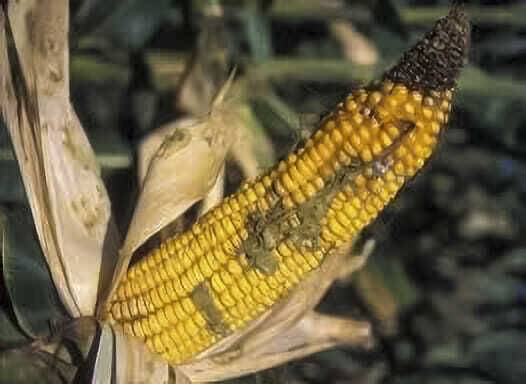
    Even one highly contaminated kernel in a five-pound sample could result in more than 20 parts per billion (ppb) aflatoxin. If you see olive green or graygreen fungus on corn kernels, contact a feed testing lab like DairyLandLabs.com or IowaGrain.org.

    Aflatoxins cause various animal health problems, including death in some cases. Most commonly, feeding contaminated corn reduces the animals’ feed efficiency and reproductivity. Aflatoxin also suppresses an animal’s immune system, making it more susceptible to infectious diseases. In addition, aflatoxin can appear in the milk produced by dairy cows that were fed contaminated corn.

    Prime conditions for the fungus to produce toxin are warm nights, when temperatures stay above 70 degrees Fahrenheit, during the latter stages of grain fill (August/September) in a period of drought. As kernel moisture decreases, aflatoxin production increases. Toxin production is highest at 18 to 20 percent kernel moisture and usually stops around 15 percent kernel moisture. Ensiling corn usually does not reduce aflatoxin concentrations, but concentrations are unlikely to increase in properly managed silage.

    Below are guidelines from the Food and Drug Administration (FDA) for acceptable aflatoxin levels in corn based on intended use. I also encourage you to work with a livestock nutritionist.

    Aflatoxin table

    Webspec Admin

    September 10, 2021
    Agronomics, Corn, Corn Silage, Crop, Disease, Drought, Season, Summer, Weather
  • Latham Hi‑Tech Seeds

    How to Hand Make a Hybrid

    Maxresdefault

    Pre-Commercial Manager Bob Foley and President John Latham demonstrate the steps to create new crosses and “hand make a hybrid” in Latham’s Central Iowa Corn Nursery.

    Webspec Admin

    August 25, 2021
    Agronomics, Corn, Crop, Industry News, Season, Seed Technology, Summer
Previous Page
1 2 3 4 … 17
Next Page

Latham Hi‑Tech Seeds

131 180th Street | Alexander, IA 50420

(641) 692-3258

SIGNUP FOR OUR NEWSLETTER
  • Contact
  • Legal
  • Dealer Center
  • Seedware Login
  • Latham Gear

© 2025 Latham Hi‑Tech Seeds. All rights reserved. | Iowa Web Design by Webspec | Privacy Policy

Latham® Hi-Tech Seeds is a trademark of M.S. Technologies, L.L.C., 103 Avenue D, West Point, IA 52656.