Latham Hi-Tech Seeds

(641) 692-3258

  • Home
  • Products
    • Corn
    • Soybeans
    • Alfalfa
    • Corn Silage
    • Seed Guide
  • Performance
  • Find a Rep
  • Media
    • Blog
    • News
    • Videos
    • Podcasts
    • TECHTalk
  • About Us
    • Company History
    • Our Mission
    • Careers
    • Become a Rep
    • Sowing Seeds of Hope
  • Contact Us
  • Latham Hi‑Tech Seeds

    Tips for Planning for the Best Corn Crop Possible in 2020

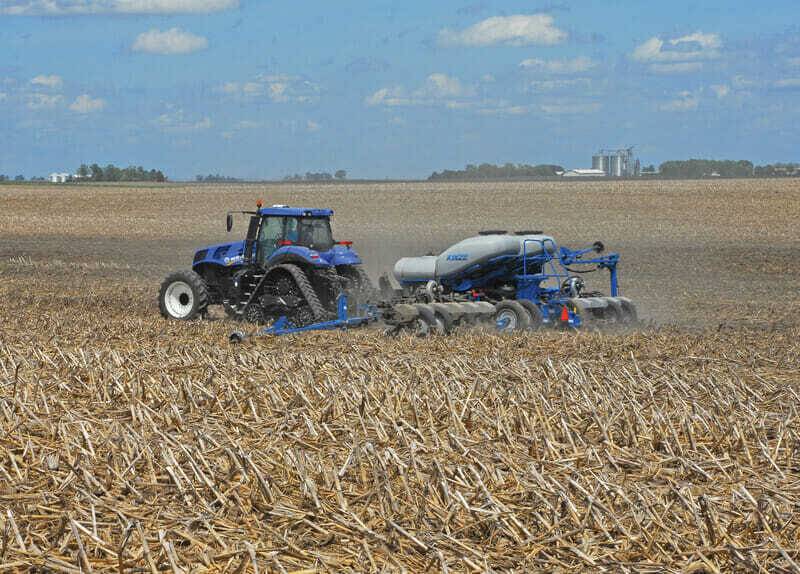
    Corn leaves growth in a field at spring

    Corn leaves growth in a field at spring

    By Lyle Marcus

    Many parts of the Latham marketing area continue to deal with the effects of the long 2019 growing season. Farmers have acres they harvested and prepared well for winter; acres they harvested with questionable tillage completed; and acres that still have crop in the field. The abundance of fall moisture combined with an early freeze and heavy snow cover have farmers in many areas wondering what this spring will bring.

    The Latham Team has fielded questions from farmers wondering if they should order hybrids that are earlier than they usually plant. The short answer is to plan for usual planting dates. Order hybrids in the relative maturity that you prefer to plant, and then adjust in late spring if Mother Nature doesn’t cooperate.

    Much research has been completed on effects of delayed planting to hybrid yield, maturity and profitability. Materials developed by North Dakota State University and the University of Minnesota state that farmers should wait to change from their normal maturity only when planting delays extend past May 25. An Iowa State University field agronomist in May 2019 said Iowa farmers, in general, should be able to plant full-season well-adapted corn hybrids until June 1. While that’s later than what we recommend, especially for Iowa’s northern counties, the point is that research show yields are better from full-season hybrids even if they get in the ground later than the optimal planting window.

    Corn planted after May 1 requires about 6.8 fewer growing degree days per day to reach maturity, according to an ISU Extension publication. Purdue University has an online calculator that can help determine growing degree day requirements for late planted corn.

    A 2007 ISU newsletter shared results from a Purdue University research project on delayed planting effects on flowering and maturity of dent corn. I found this information interesting as I have seen many times that planting delays did not necessarily translate into significant maturity delays. The Purdue project showed that hybrids planted late shortened time to flowering, had a little longer fill period, but overall they reached maturity nine days quicker on average than early plantings of those same hybrids. The research also showed the reduction in time spent in vegetative growth outweighs the increased time spent in reproductive growth.

    Purdue’s research on hybrid response to late versus early planting showed time in vegetative growth was reduced by 14 days, from 75 to 61 days, for a 14-day reduction for late planted hybrids. Whereas, time in reproductive growth was increased by 5 days, from 68 to 63 days, for 5-day increase for late planted hybrids. The hybrids adjusted to the shorter growing season by reducing 9 days total (-14 + 5 = -9 days). In summary, hybrids compensate for late planting mostly by shortening the time necessary to reach silking. The old story that hybrids can adapt to the environment holds true. See references to this information below.

    At Latham Hi‑Tech Seeds, we will continue to help our dealers and customers make the best decisions to create the highest yield potential with greatest return possible for every acre. Today that means a cropping plan of traditional maturities for your farm, but we will be prepared to help adjust those plans should spring of 2020 require a change in plans.

    References
    • Integrated Crop Management extension newsletter on pages 130-131 of the IC-498 (8) April 30, 2007, issue
    • Summary of Agronomy Journal publication May-June 2002, “Delayed Planting Effects on Flowering and Grain Maturation of Dent Corn”
    • https://extension.umn.edu/corn-planting/considerations-late-planted-corn-minnesota
    • https://www.researchgate.net/publication/242231272_Delayed_Planting_Effects_on_Flowering_  and_Grain_Maturation_of_Dent_Corn
    • https://www.extension.iastate.edu/news/iowa-farmers-face-planting-decisions-and-deadlines
    Latham Seeds Agronomy Team

    February 25, 2020
    Corn, Crop, Spring, Tech Tuesday, Weather
  • Latham Hi‑Tech Seeds

    How Conservation Can Ready Soils for Planting After Tough Weather

    Webimage C2BA5E6D B844 4667 A21158F918CBE5FE

    Originally published on Agweb

    Webimage C2BA5E6D B844 4667 A21158F918CBE5FE
    Photo Credit: Darrel Smith

    On his Ethan, South Dakota farm, Matt Bainbridge planted just 15% of his acres in 2019—the rest were swallowed up by prevent plant. That’s the most prevent plant acres he’s ever had, and it turned all his careful pre-season planning upside down.

    For the 2019 planting season, farmers in the Midwest were no stranger to the crippling impacts of heavy rainfall, flooding and unseasonable temperatures on crop yields. May 2018 to April 2019 was the wettest 12-month period ever recorded in United States history, according to the National Oceanic and Atmospheric Administration.

    Estimates from the American Farm Bureau Federation find there were 20 million acres of prevent plant across the U.S. in that same time.

    South Dakota was at the epicenter of the record-breaking planting season, bearing the brunt of the devastating spring weather with 2.9 million corn acres and 867,000 soybean acres of prevent plant. For Bainbridge, the season brought immense challenges he worked to overcome.

    “Our production plan changed so many times during the season it was almost hard to remember the original plan,” Bainbridge said. “The chemical plan was completely changed to try managing very big weeds by the time we could spray.”

    Due east and across the Mississippi River, Dan Erickson was combatting similar issues when planting corn in Altona, Ill. Though planting was extremely late, Erickson was fortunate to not have had any prevented plant acres.

    “Our main problem was with saturated soil, and the cooler temperatures made this an issue,” Erickson said. “We had very poor stands in the early planted corn and ended up replanting about 20%.”

    While South Dakota led the nation with the most prevented plant acres, Illinois was severely reduced with 1.5 million acres lost to the unseasonable weather. For Erickson, challenges during planting season carried into harvest and even today threatens outcomes for the spring 2020 planting season.

    “Harvesting was finished so late that we didn’t really get any field work done to eliminate any compaction problems we created during the spring,” Erickson said.

    Conservation readies soil for 2020

    For both Erickson and Bainbridge, conservation practices have offered solutions for the challenges of 2019 and hope for 2020.

    “We were able to plant most of our acres to cover crops,” Bainbridge said. “We ran the air seeder every month from April to October trying to grow anything to cover the soil and use some moisture.”

    Cover crops helped him reduce weed pressure in addition to diminishing soil erosion from wind and rainfall. In addition, cover crops protect fields from fallow field syndrome, which can have damaging effects on microbe populations in the soil.

    Conservation practices – ranging from cover cropping to no-till – are offering farmers significant monetary savings.

    “With evidence we have, the no-till system can not only increase productivity and profit in a sustainable manner but is useful to repair damages caused by the past,” says Roberto Peiretti, founder of the Argentinian no-till farmers association and co-founder of Bioceres. “The ability [of this system] is beyond just sustainability.”

    A report headed by the Iowa Soybean Association found adopting no-till and strip-till creates savings of $10 to $88 per acre compared to regular tillage. Expenses attributed to pesticide inputs were also much lower for farmers using no-till. If half of Iowa’s regularly tilled acres switched to no-till or strip-till it would save farmers $265 in equipment and fuel costs.

    Bainbridge and his family have been using no-till conservation practices for 30 years. For Erickson, holding off on spring tillage has allowed his soils to drain better.

    “We have to improve the capturing efficiency of rainfall,” Peiretti says. “With no-till, water runoff is much less in no-till and infiltration is higher.”

    In a year such as 2019, better infiltration was the difference for many in planting or taking prevent plant. While you can’t beat Mother Nature, you might be able to hedge your bets in the future through sustainable practices.

    Laura Cunningham

    February 18, 2020
    Corn, Crop, Season, Soybeans, Spring, Tech Tuesday, Weather
  • Latham Hi‑Tech Seeds

    #AskTheAgronomist: Sulfur & Soybeans

    2.6.20
    Are you looking for the next step in your soybean yield? Tune in for discussion on sulfur and soybeans! #AskTheAgronomist
     
    0:20 – Topic introduction
    1:25 – The role of sulfur
    3:50 – How soybean plants respond to sulfur
    6:50 – Recommended sulfur forms
    8:50 – Final thoughts

    Laura Cunningham

    February 6, 2020
    #AskTheAgronomist, Agronomics, Crop, Fertility, Season, Soybeans, Spring
  • Latham Hi‑Tech Seeds

    A Simple Solution to an Even Stand

    Feature

    2.4.20 TTA great growing season begins with picket fence stands and even emergence. With this goal in mind we are excited to continue offering the TALC USA line of premium Talc, Graphite and Microsurge Innoculant products. Each of these products provides unique qualities to improve planter performance and enhance yield through seed-applied biologicals. Our product line catalog featured at right includes features and benefits for each product, but I’d like to highlight a few I believe farmers across Latham Country can especially benefit from:

    Talc and Talc GraphiteTalc and Talc 80/20 Graphite Blend: Why use TALC USA’s talc and talc/graphite blend products? They are a high-grade premium 200 micron grind Talc for improved planter performance but also fortified with iron and manganese for increased yield & plant health.


    InceptiveInceptive: Inceptive, equipped with a Harpin Protein, is designed to enhance your plant’s defense mechanism. It’s easy to use by mixing with either Talc or 80/20 Talc Graphite to suppress cyst and pest nematodes. Inceptive promotes improved root systems and germination while also increasing photosynthesis and early vigor.


    MicroSurge InoculantsMicroSurge Corn and Soybean Inoculants: Microsurge inoculants can be easily applied by mixing with Talc and 80/20 Talc Graphite as a planter box treatment and are designed to increase mycorrhizal activity for improved soil health.


    Contact your Latham Representative for information on which products might get your crop off to a great start this growing season.

    Gary Geske

    February 4, 2020
    Agronomics, Emergence, Growth Stages, Season, Spring, Tech Tuesday
  • Latham Hi‑Tech Seeds

    Managing Soil Erosion

    Heavy spring rains causing flooding problems for farmers

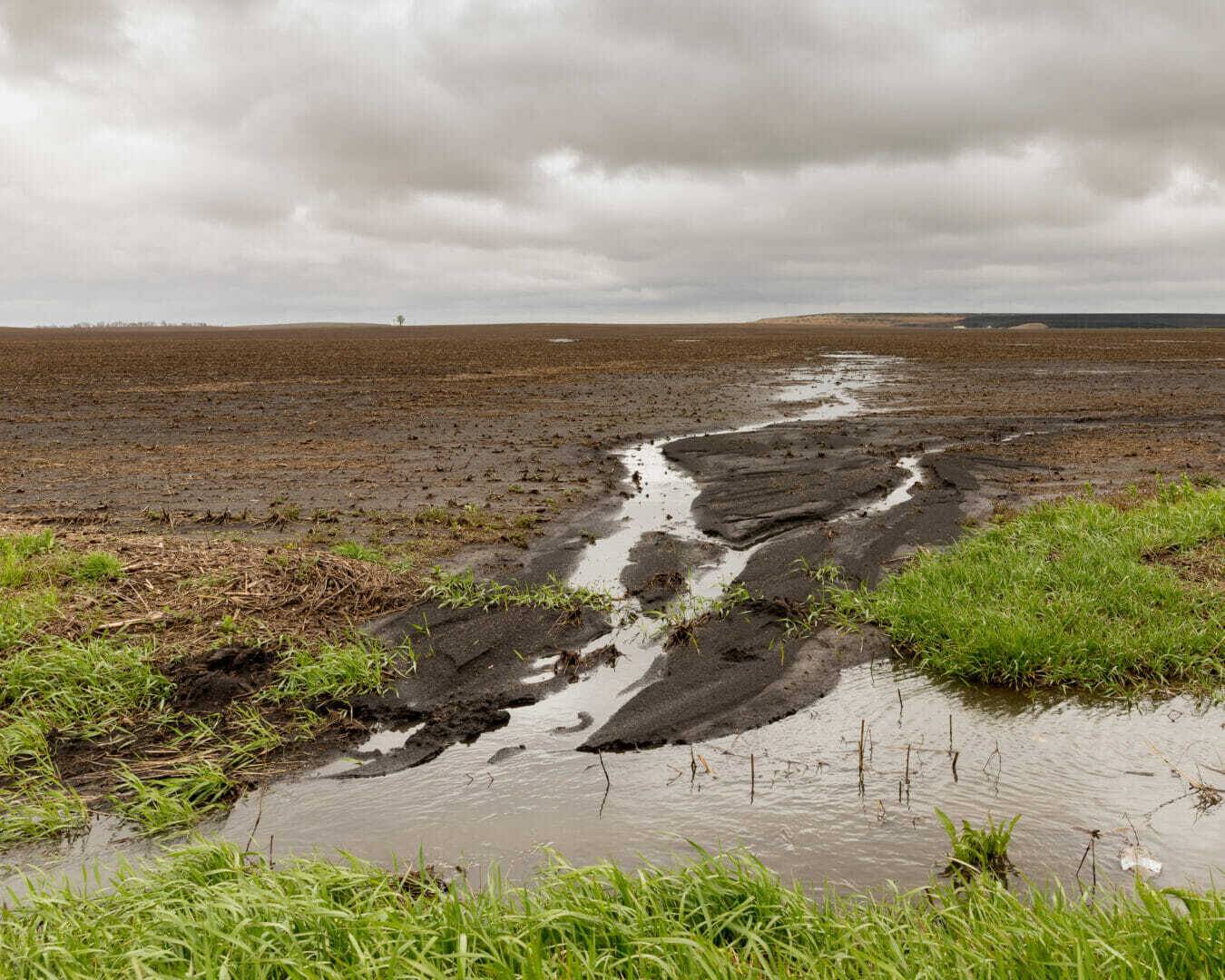
    Soil erosion resulting from heavy rainfall events and wind leads to the loss of essential soil nutrients and soil carbon. Eroded soil and the loss of organic matter essential for supporting crop growth can damper corn and soybean production and reduce yield. Across the Corn Belt, an observed 20% increase in rainfall has led to a 40% increase in soil erosion. Record breaking flooding across the Midwest has further exacerbated erosion.

    Identify Soil Erosion

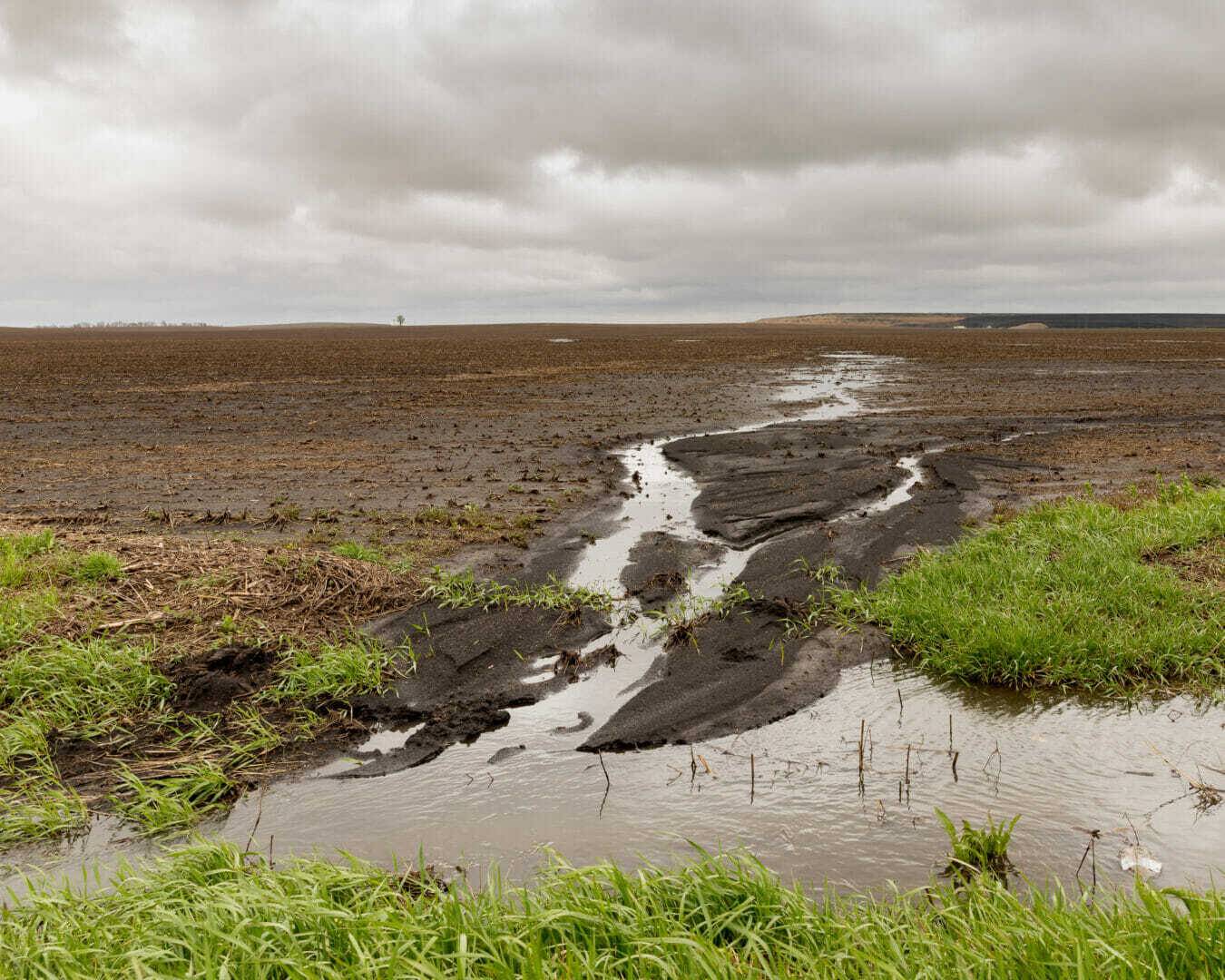
    Gully erosion is one of the most pronounced forms of erosion and its large grooves that form in the soil following heavy rainfall make it easy to identify. Less evident to the naked eye are signs of erosion that can be identified by looking for standing water in the field. Puddles of water seen after a rainstorm that are clouded with sediment suggest erosion is occurring whereas puddles of clear water are a sign of minimal erosion. Lighter colored soil seen overtime is also a sign of erosion but can be more difficult to identify.

    In Iowa, the average rate of erosion has been five tons of soil per acre every year with intense weather events worsening rates, in some cases reaching 100 tons of soil per acre per year. The loss of natural vegetation can lead to greater rates of erosion from both wind and water. Using cover crops and no-till are the most effective methods for reducing and preventing erosion, increasing soil water holding capacity and boosting moisture content.

    Take Action with Promising Solutions

    Annual cover crops such as winter rye can be planted in the fall to preserve the soil over the winter and reduce erosion. PROTECTioN™ Cereal Rye, DRILLER™ Daikon Radish and FIXatioN Balansa Clover can be planted in the late summer and early fall to enrich organic matter and reduce soil loss. Perennial cover crops including legumes and fescue have established root systems that can prevent the loss of soil nutrients to rain or weather erosion. Legumes are also nitrogen fixing and can support crop growth.

    In addition to integrating cover crops and no-till, terracing or planting grasses near waterways can prevent the formation of gullies. Buffer and filter strips can reduce the loss of soil nutrients and runoff of fertilizer and pesticides. Prairie strips can be implemented by planting perennial grasses to protect topsoil and prevent the loss of organic matter. Integrating a combination of these methods with cover cropping can combat soil erosion and offer great protection for your corn and soybean crops.

    Latham Seeds Agronomy Team

    January 14, 2020
    Corn, Cover Crops, Crop, Soybeans, Spring, Tech Tuesday, Winter
  • Latham Hi‑Tech Seeds

    #AskTheAgronomist: Seed Treatments

    1.9.20 Feature ATA image
    Tune in to hear the top three reasons to use our SoyShield soybean seed treatment this spring. #AskTheAgronomist
     
    0:30 — Topic introduction
    3:14 — Early planting & cool soils
    3:34 — SDS protection
    5:30 — Soybean Gall Midge protection

    Laura Cunningham

    January 9, 2020
    #AskTheAgronomist, Agronomics, Crop, Season, Seed Treatment, Soybeans, Spring, Winter
    benefits of seed treatment, cold spring, seed protection, Seed treatment, soybean seed treatment
  • Latham Hi‑Tech Seeds

    Tar Spot

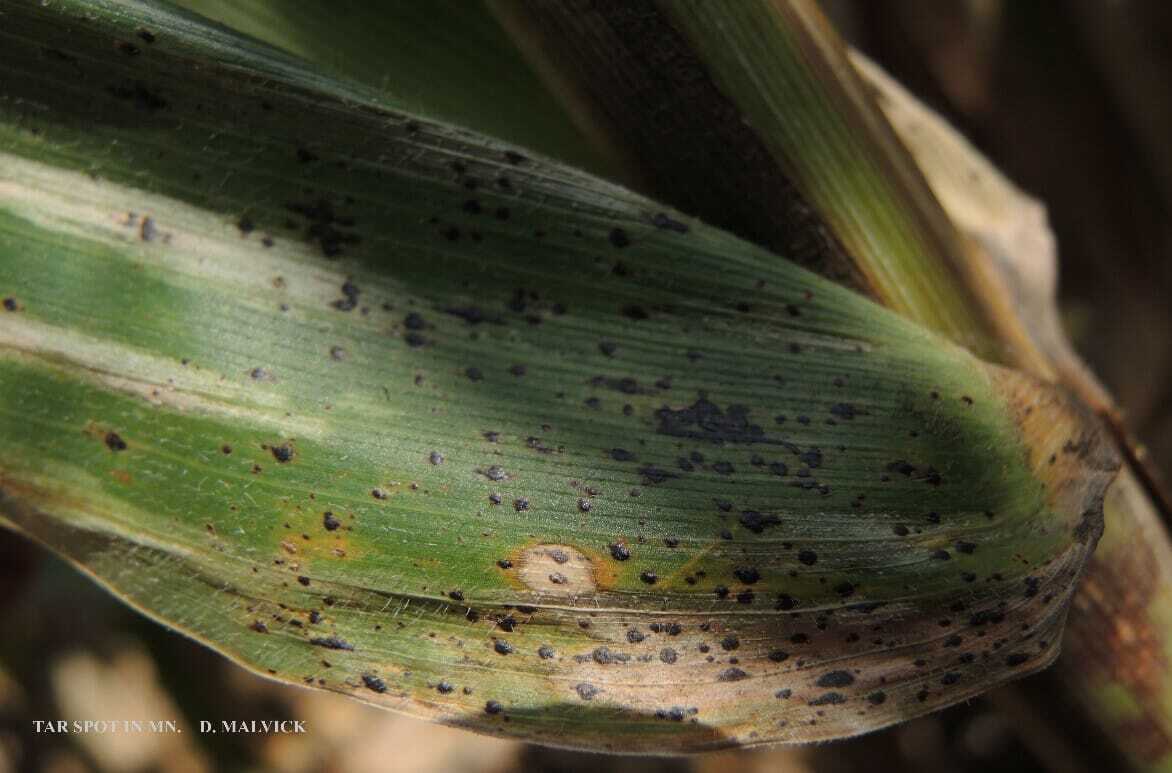
    Tar Spot Dean Malvick, Universtiy of Minnesota Extension plant pathologist

    What is Tar Spot?

    Tar Spot Dean Malvick, Universtiy of Minnesota Extension plant pathologistTar Spot is a corn fungal disease that has been infiltrating the Midwest within the last few years. Tar spot has the capability to severely impact yields up to 30%. Concern about the intensity of this fungus grows as researchers learn more about it. We urge farmers to scout their fields through harvest for tar spot since this fungus can survive over winter year to year.

    Tar Spot Identification

    Tar spot will show up as small, raised blacks spots, on the upper and lower corn leaves. The raised black spots are also known as stromata. If severe enough, it can spread to leaf sheaths and husks. Typically, it will start lower in the canopy and move upward. Tar spots are usually accompanied with a yellow halo or fish-eye effect around the black spots. Note the stromata, cannot be rubbed off unlike a common or southern rust pustule.

    The Importance of Scouting

    This corn fungus has nearly made it across Iowa and is continuing to spread in Wisconsin, Illinois, Indiana and Missouri. Tar Spot likes cool temperatures and humid conditions, with prolonged leaf wetness or heavy dew and will concentrate towards the middle of the field. It can cause lodging and hasten maturity.

    Final Thoughts

    This is one of the variables in farming we continue to learn about. Scout now and start planning for next season. Product selection is key when fighting these variables year to year and important to integrate into your plan for the next growing season.

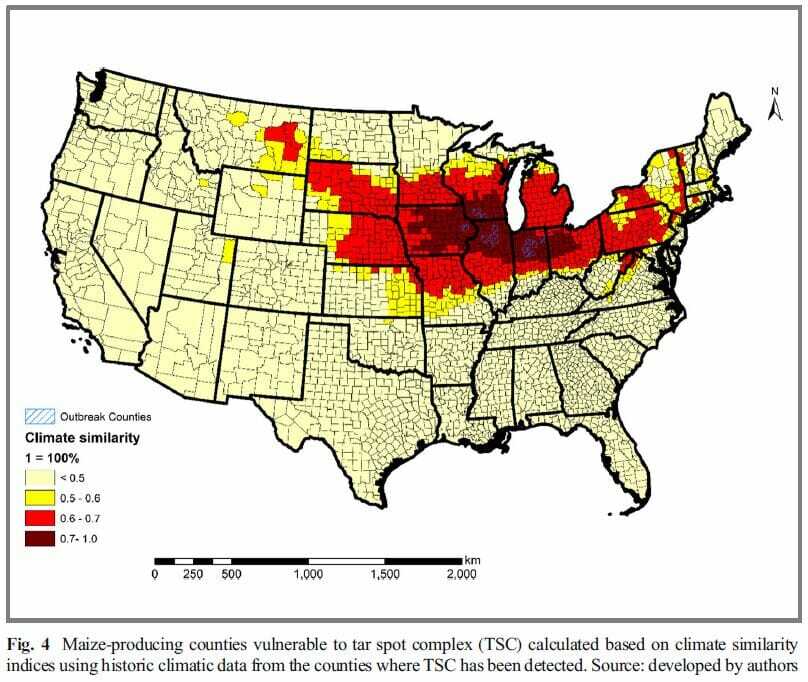
    “Threats of Tar Spot Complex disease of maize in the United States of America and its global consequences” (Mottaleb et al. 2018).
    “Threats of Tar Spot Complex disease of maize in the United States of America and its global consequences” (Mottaleb et al. 2018).

    Phil Long

    October 29, 2019
    Agronomics, Corn, Crop, Disease, Fall, Season, Spring, Summer, Tech Tuesday
  • Latham Hi‑Tech Seeds

    #AskTheAgronomist: Scout for Tar Spot this Fall

    10.24.19
    Could Tar Spot be the next Gray Leaf Spot? Tune in for our #AskTheAgronmist discussion!!
     
    0:25 Crop report update
    1:21 Tar spot topic introduction
    2:10 Identification of tar spot
    3:25 Favorable tar spot conditions
    5:05 Where to find tar spot in your fields
    6:25 The spread of tar spot
    9:35 How does tar spot survive through winter
    10:45 Take home points on tar spot
    Pictured above is vulnerable areas in the Midwest for Tar Spot. “Threats of Tar Spot Complex disease of maize in the United States of America and its global consequences” (Mottaleb et al. 2018).
    Pictured above are vulnerable areas in the Midwest for Tar Spot. “Threats of Tar Spot Complex disease of maize in the United States of America and its global consequences” (Mottaleb et al. 2018).

    Laura Cunningham

    October 24, 2019
    #AskTheAgronomist, Agronomics, Corn, Crop, Disease, Fall, Spring, Summer
  • Latham Hi‑Tech Seeds

    Test for Soybean Cyst Nematode

    IMG 8841

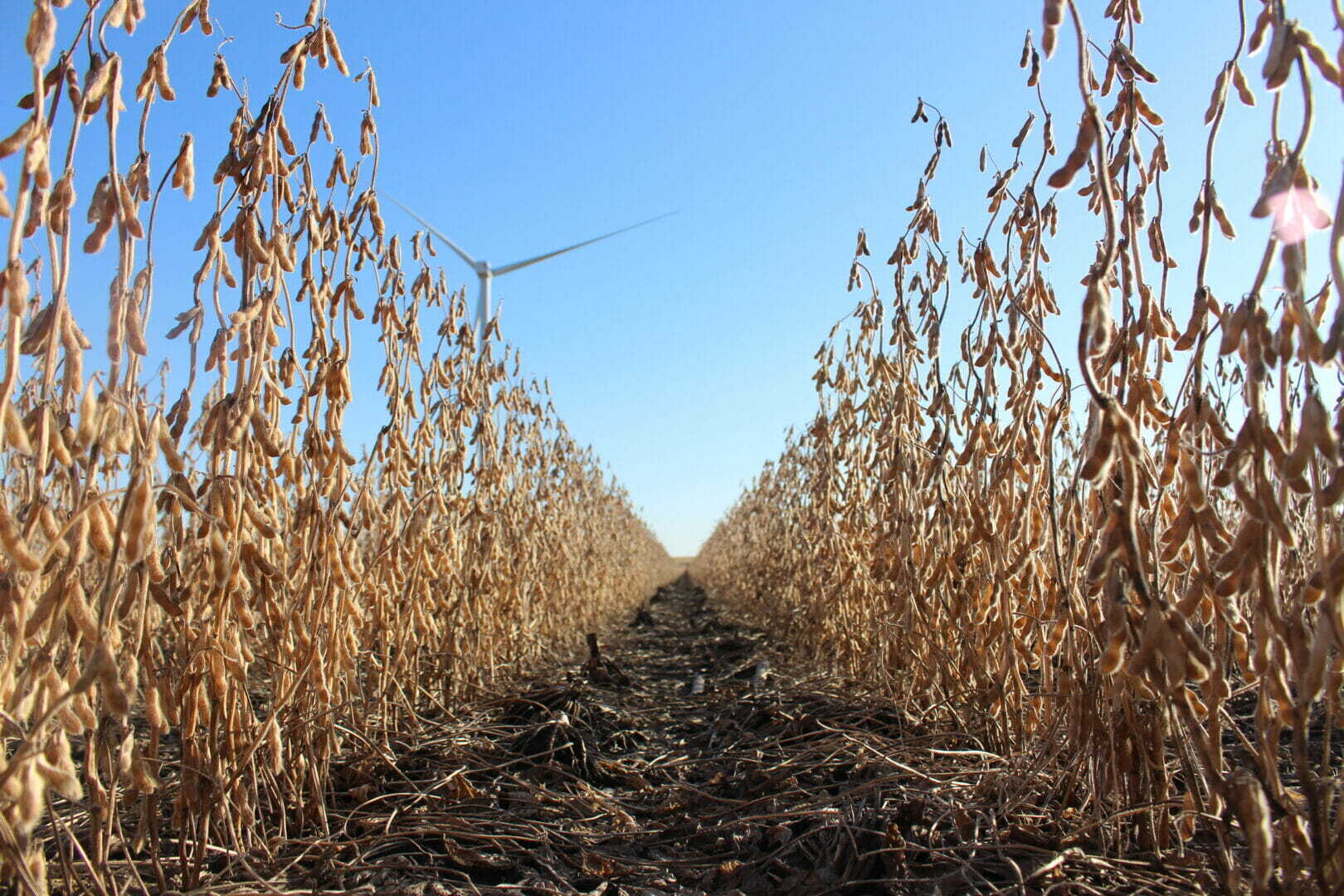
    One comment I often hear from farmers is “I just can’t seem to get an increase in soybean yields as I do for my corn yields.” This is the perfect time of year to reflect on the growing season while analyzing yield results. It’s also the best time to sample for soybean cyst nematodes.

    What is SCN?

    Soybean cyst nematode is a microscopic ground worm. When analyzing soybean roots, it’s important to correctly identify the difference between nitrogen-fixing nodules and cysts. Nodules for nitrogen production are larger and the size of a pea. Cysts are microscopic and smaller than a grain of sand.

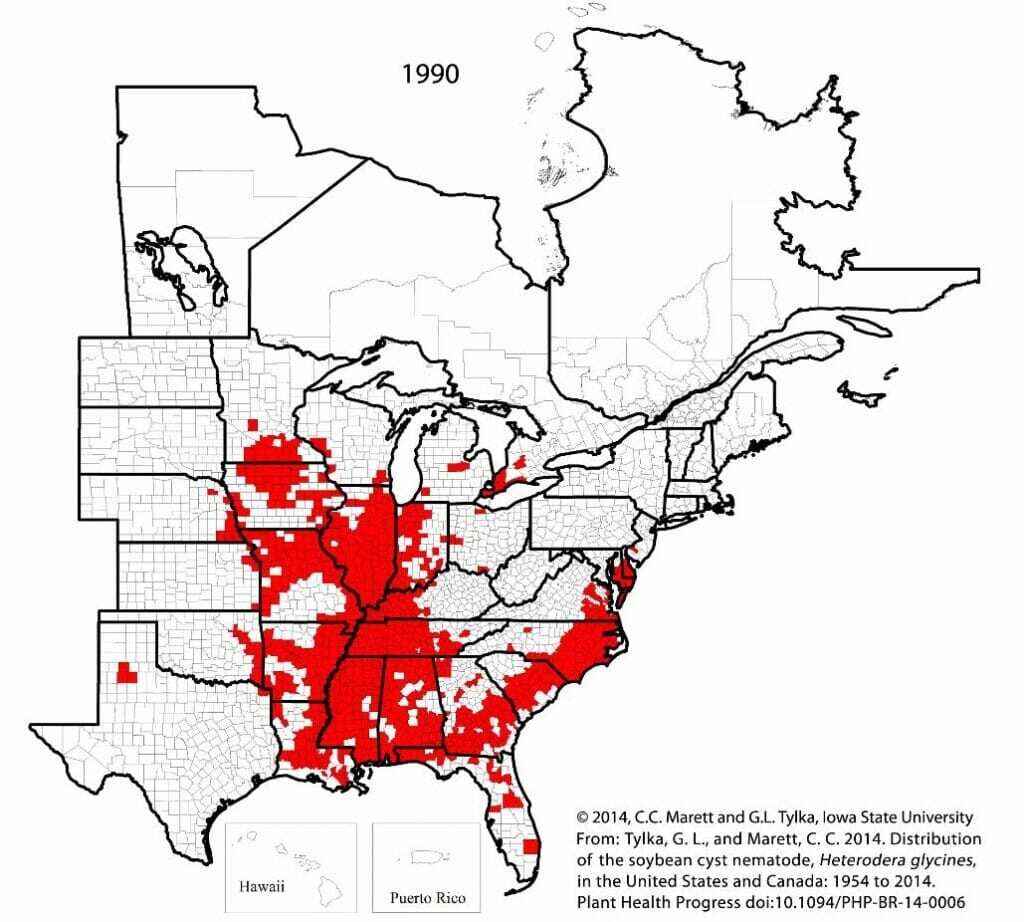
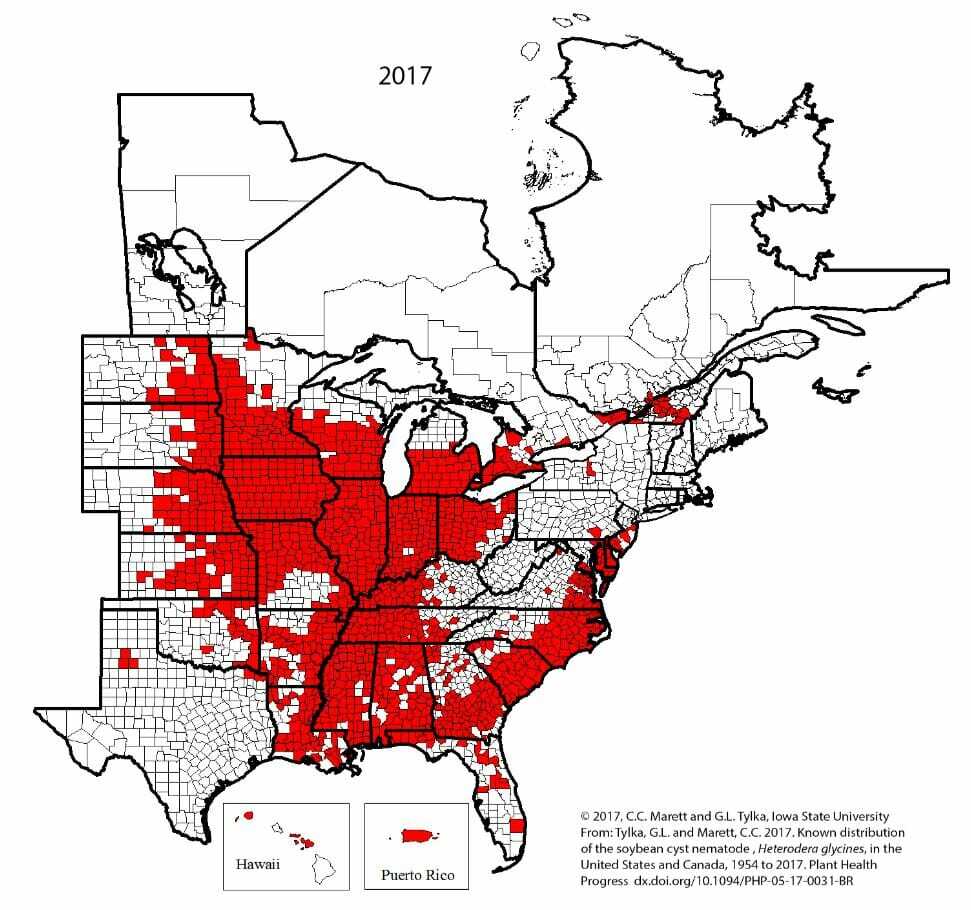
    One of the biggest challenges when identifying SCN is that it is not accompanied with many symptoms, but can cause up to a 30% yield loss. Usually SCN shows up in hot spots, where you can see severe stunting, yellowing, shorter crop, lack of canopy or early maturity. These symptoms tend to show up on lighter soil or during tough growing seasons. Wherever soybeans are grown, typically SCN is an issue. Below are two maps to show the growth of SCN over the years.

    SCN 1990

    SCN 2017

    What is the life cycle of SCN?

    Essentially the cyst is the life cycle of a nematode. Juvenile nematodes come in and infect the root. Typically, just the females feed on the root which takes away nutrients from the plants results in a loss of yield. They will then mate and produce eggs. When they produce eggs, they expand in the root, erupt and spread 20 to 500 eggs throughout the soil. The cysts then harden on the root and the process begins again.

    In Iowa, we can see that happen for at least three generations per season. Each cyst can have between 20 and 500 eggs inside, creating opportunity for juveniles to come back and begin feeding on the soybean root.

    Once the eggs get in the soil, it’s important to understand the number that you have in the soil. Those eggs can stay dormant year-over-year in the soil. Since these eggs are so small, they require very little oxygen to survive.

    Management of SCN

    The most important management practice of SCN is IPM – Integrated Pest Management. In the Midwest, having a corn and soybean rotation is a great start. Corn is not a host crop whereas soybeans are. I also suggest soil sampling this fall to identify the egg population in your soil. Pull a core from about 8 inches down, right next to the soybean plant right in the root zone.

    I also advise to stay away from sampling in the middle of a hot spot for SCN. Often the eggs are concentrated along the edge of the hot spot, so sampling that area will give most accurate results. Population thresholds vary by state. I suggest looking closely to your management practices if results are anywhere from 2,000 – 5,000 eggs per sample. Once you know what is in your field, you can begin to manage it.

    Here are three ways to help manage this pest:

    1. Plant Latham® brand resistant soybeans. Reference product characteristics on our website to identify the disease rating
    2. Use Latham SoyShield Plus® with Saltro® seed treatment. This will fight SCN and Sudden Death Sydrome.
    3. TALC USA. Protect corn and soybeans against parasitic nematodes.

    Feel free to call into the Latham Seeds office or email me at phill@lathamseeds.com with any questions.


    Phil Long

    October 21, 2019
    Agronomics, Crop, Fall, Insects, Soybeans, Spring, Summer, Tech Tuesday
  • Latham Hi‑Tech Seeds

    #AskTheAgronomist: Find the Ideal Planting Population

    10.3.19


    Use on-farm research to plan for the 2020 planting season. Tune in the hear tidbits from Phil Long!

    0:10 – Crop update
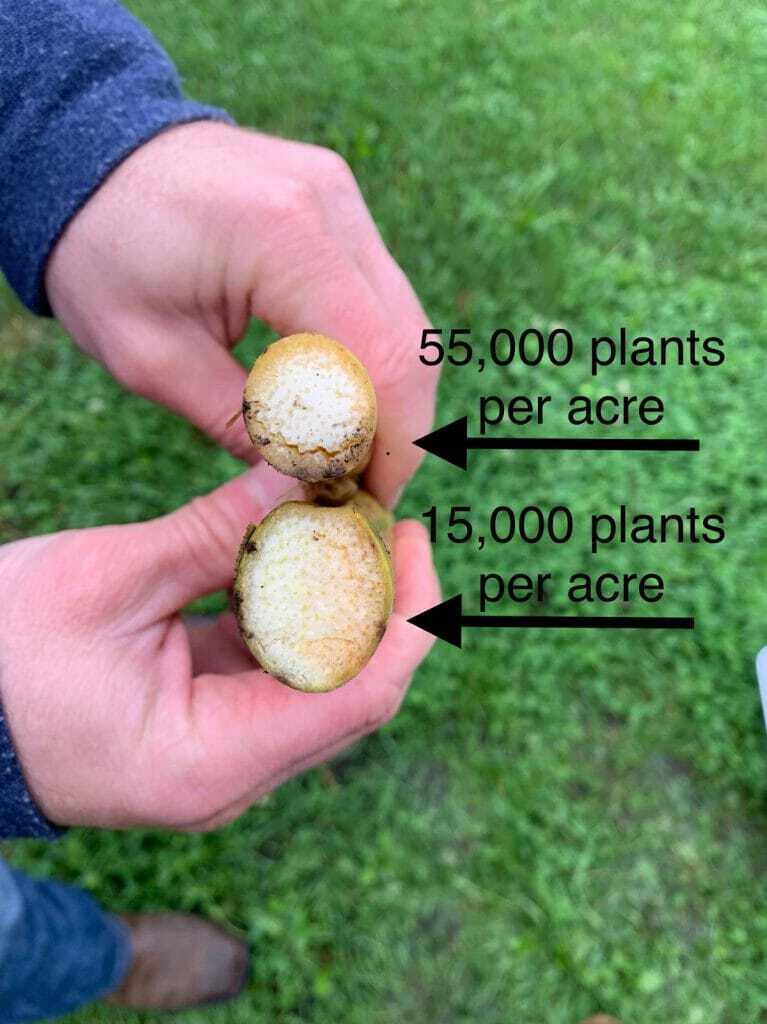
    1:40 – Assess plant population and ear size
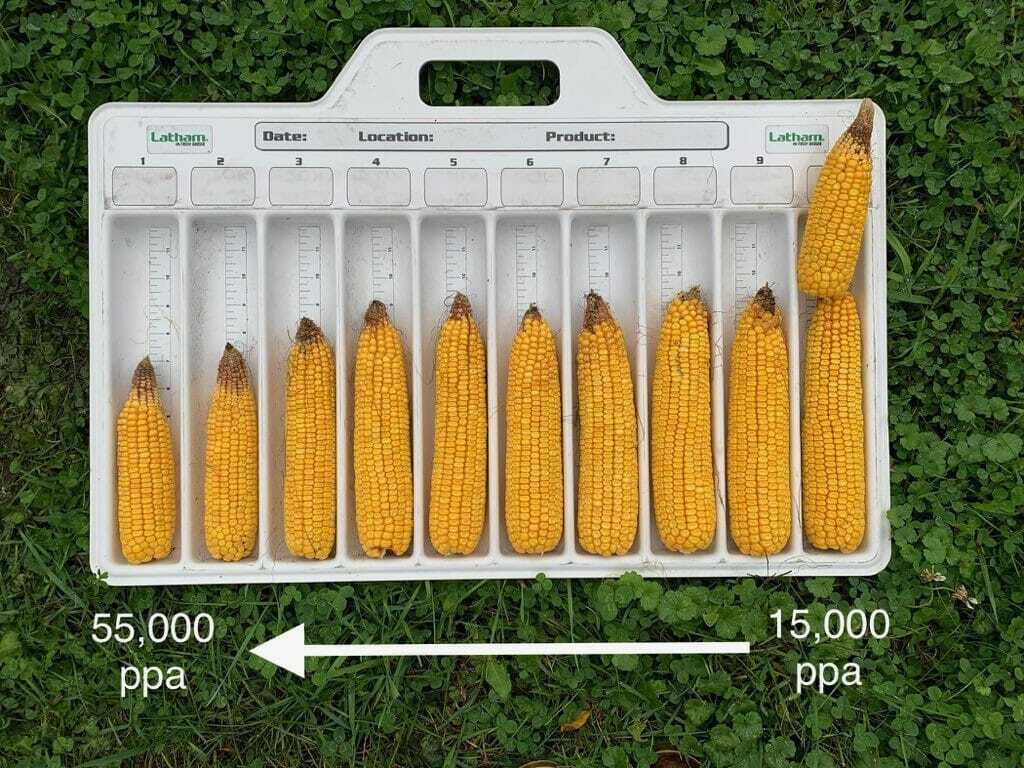
    3:45 – Plant population example (15,000 plants per acres – 55,000 plants per acre)
    5:00 – When flex ears determine girth, length and depth
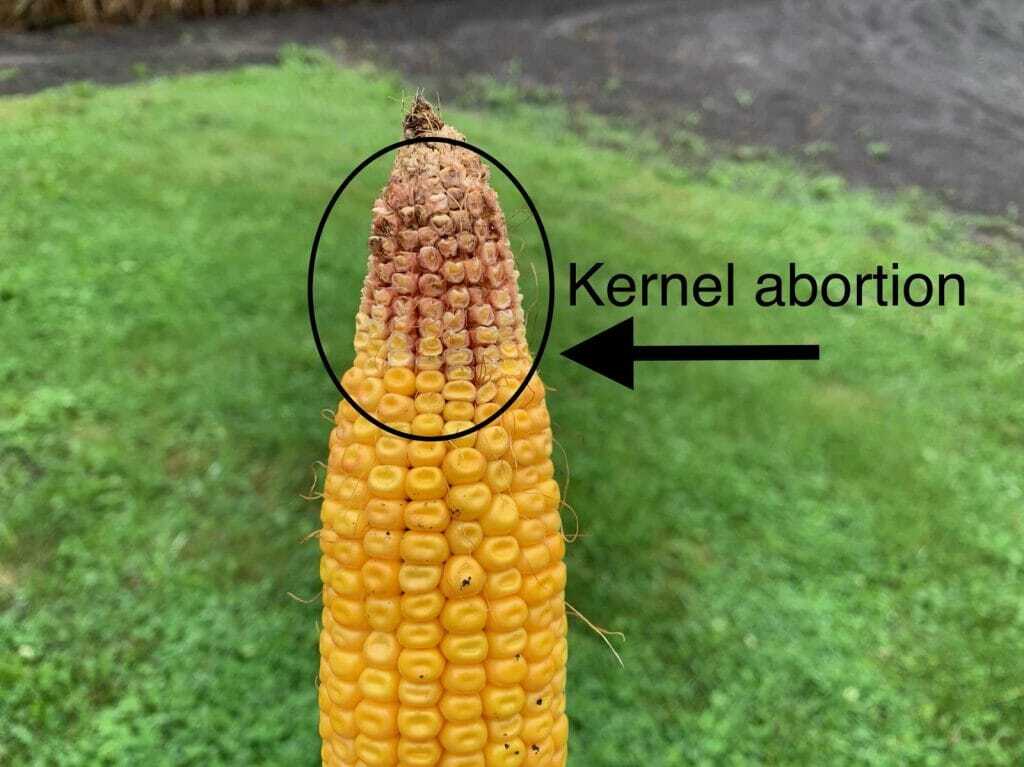
    6:25 – Tipback, aborted kernels and zippered ears
    8:00 – Stalk strength vs population
    11:15 – Take notes this harvest season

    Stalk Strength vs. Plant Pop
    Stalk strength vs plant population
    Plant Population Test
    Plant population test
    Kernel Abortion
    Kernel abortion

    Laura Cunningham

    October 3, 2019
    #AskTheAgronomist, Corn, Crop, Season, Spring
Previous Page
1 … 4 5 6 7 8 … 18
Next Page

Latham Hi‑Tech Seeds

131 180th Street | Alexander, IA 50420

(641) 692-3258

SIGNUP FOR OUR NEWSLETTER
  • Contact
  • Legal
  • Dealer Center
  • Seedware Login
  • Latham Gear

© 2025 Latham Hi‑Tech Seeds. All rights reserved. | Iowa Web Design by Webspec | Privacy Policy

Latham® Hi-Tech Seeds is a trademark of M.S. Technologies, L.L.C., 103 Avenue D, West Point, IA 52656.