Latham Hi-Tech Seeds

(641) 692-3258

  • Home
  • Products
    • Corn
    • Soybeans
    • Alfalfa
    • Corn Silage
    • Seed Guide
  • Performance
  • Find a Rep
  • Media
    • Blog
    • News
    • Videos
    • Podcasts
    • TECHTalk
  • About Us
    • Company History
    • Our Mission
    • Careers
    • Become a Rep
    • Sowing Seeds of Hope
  • Contact Us
  • Latham Hi‑Tech Seeds

    Latham Corn Tops More F.I.R.S.T. Trials

    Corn latham

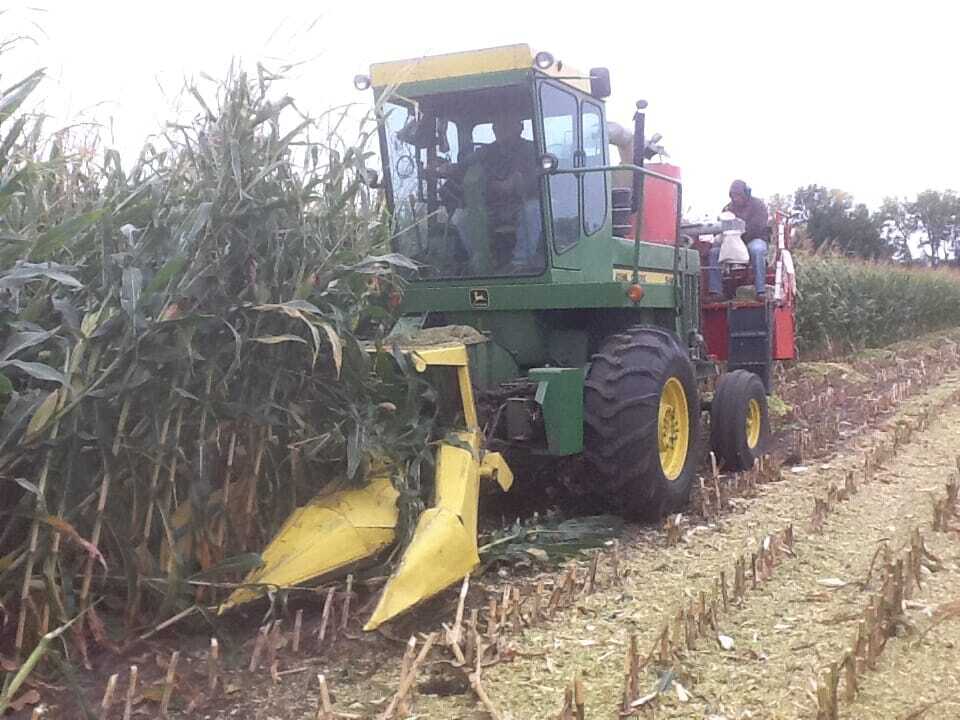
    John_inCornIt has been an incredibly exciting harvest season for a product guy like me! I love looking for products that work well for farmers and the specific challenges they face on their Midwest farms.

    This year the product team at Latham Hi‑Tech Seeds decided to put our lineup up against the competition in the F.I.R.S.T. Trials, an independent, third party testing service. We’ve always had a lot of confidence in our corn and soybean lineups. For years, we’ve tracked how we not only compete – but beat – national brands in our marketing footprint.

    Just like someone entering a livestock show or a team entering a basketball tournament, one never really knows what the actual performance will be at that particular time and place. All you can do is prepare and try your best. That’s what we did when we entered the F.I.R.S.T. Trials, and the results have been nothing short of amazing!

    Soybean trial results came first. Last Wednesday I wrote about how “Latham places first again and again.” I’ve never had so much fun checking my emails in the morning as I have this fall, watching test results show Latham® Hi‑Tech Soybeans at the top.

    The final total was 18 location or region summary wins for Latham brand soybeans! Unbelievable. Our soybean lineup was hitting a grand slam homerun!

    The more I thought about all of our soybean wins, however, the more anxiety I had over the corn results. I’ve known for years that our corn lineup can compete against anyone. After all, we do our own research against industry-leading products to help us choose our product lineup. Such research has given us confidence in our own lineup, yet there are still a great many farmers who are hesitant to give a “new” corn brand a try.
    LathamCornLatham® Hi‑Tech Hybrids are celebrating their tenth year, and we’ve been fortunate to grow our corn lineup for 10 straight year. Our customers have known for years that Latham has great corn, and now thanks to our performance in 2014 F.I.R.S.T. Trials, more Midwest farmers will know it!

    This week we were fortunate to win our 19th corn test – that’s one more test than our decorated soybean lineup! Eight different Latham corn products have won F.I.R.S.T. Trial locations all the way from 90 to 110 days.

    Products like LH 4097 VT2 PRO and LH 5215 VT2 PRO have absolutely dominated their area of adaptation.  Latham has had 140 Latham corn products place in the top 10 in FIRST Trial tests, which shows the strength and depth of our lineup. Plus, this broad maturity range will allow more customers to try and most importantly profit from Latham corn hybrids!

    Again, I credit Latham’s team approach to product selection for this year’s performance. Unlike the national brands that choose products based on a wide area of adaptability, we focus on choosing the best products for local conditions. Latham’s strategy to choose products that perform in specific soil types and field conditions across our marketing area works. But don’t just take my word for it… Look over all the data at www.firstseedtests.com!
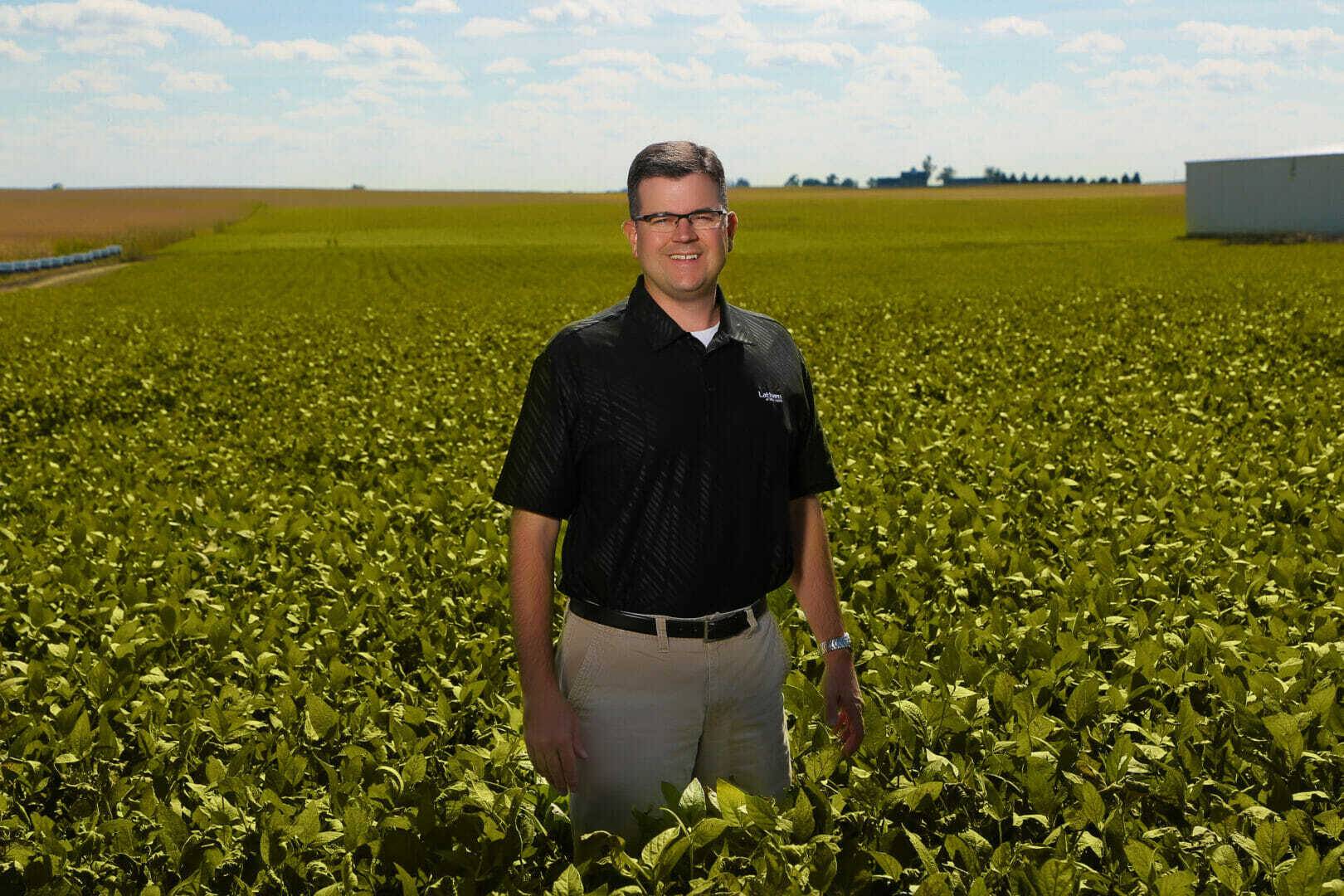
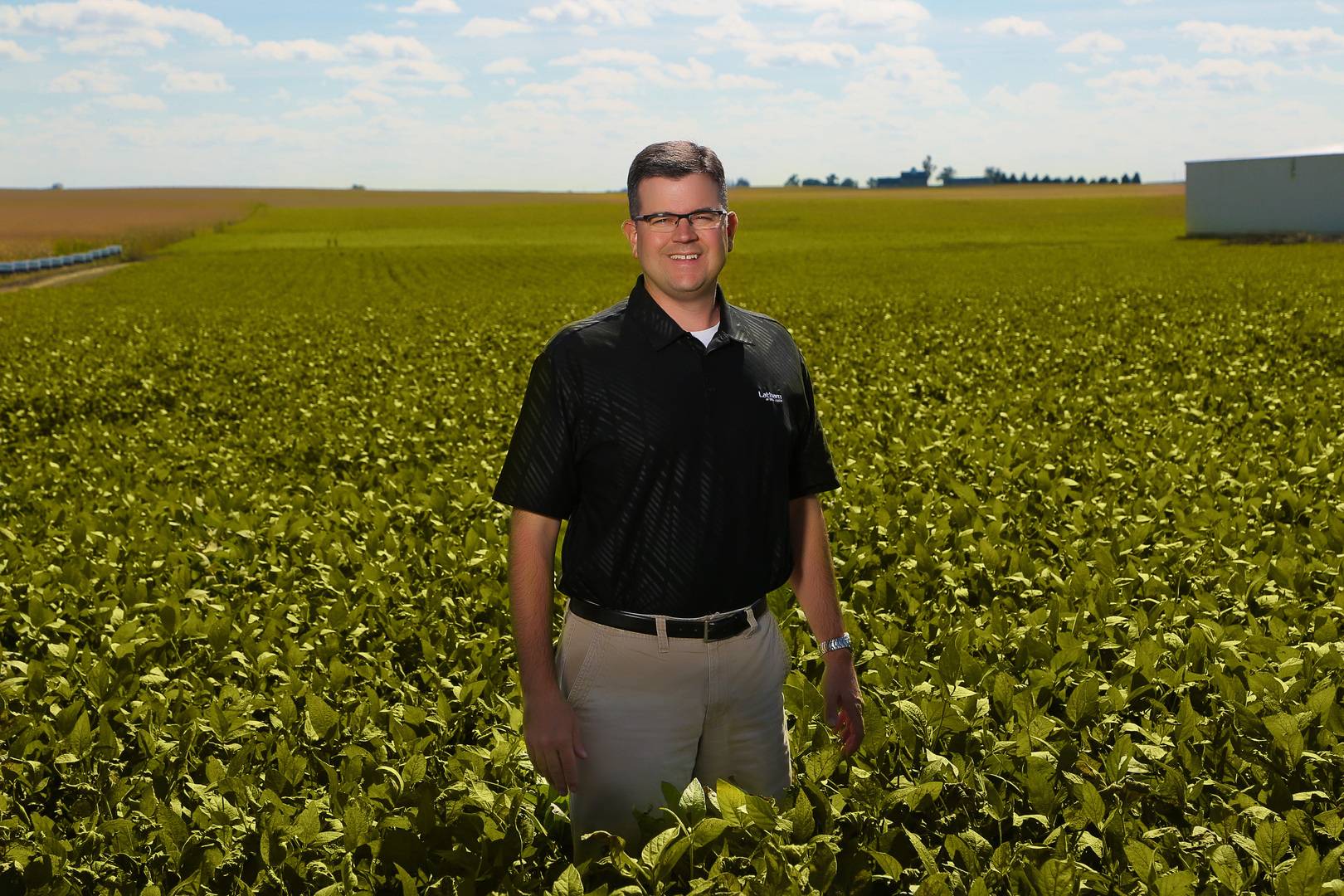
    John Latham, President

    November 12, 2014
    Corn, Crop, Fall, General, Season
  • Latham Hi‑Tech Seeds

    Latham Places 1st Again & Again in F.I.R.S.T. Trials

    John Soybeans

    John-SoybeansI’ve always been very confident in the corn and soybean products that we offer at Latham Hi‑Tech Seeds. After all, when your name in literally on each bag of seed, you want to do all that you can to protect your reputation! That’s why we take a team approach to selecting products.

    Our Product Team members either farm themselves or call on farmers in the areas where they live. This means they not only review data from breeders and their own research plots, but they watch these crops grow and develop. Our corn and soybean specialists walk fields and test plots, searching for the perfect products to perform in our customer’s field conditions. As a result, they have confidence in the products that go into our lineup.

    Latham® brand products are selected for their yield potential, as well as for their ability to overcome specific regional challenges. For example: Latham’s IronCladTM Soybeans receive this unique designation for their rating on Iron Chlorosis or White Mold. Our Gladiator Corn Hybrids are selected to do yield better in corn-on-corn situations. Even Latham’s alfalfa lineup was chosen to address specific needs like high-salt soils or leaf-hopper resistance.

    To showcase our lineup, this year Latham Hi‑Tech Seeds made a much larger investment in the independent F.I.R.S.T. Trials. This third-party testing service is proving how well we compare to the competition… The results this fall have been amazing!

    Latham Hi‑Tech Seeds, to date, has won 29 different F.I.R.S.T. Trial corn and soybean locations and region summaries this fall! We’ve won 18 different soybean tests, including 5 different region summaries in Iowa, Minnesota, Wisconsin, South Dakota and Illinois.

    Eleven different Latham soybean products have won F.I.R.S.T. Trial tests from Group 0 all the way to 2.7 maturity. Many of these locations contain as many as 84 different competitive products! In the state of South Dakota alone, Latham won 6 different F.I.R.S.T. Trial Tests with 6 different Latham® Hi‑Tech Soybean products.  In the state of Minnesota, Latham L1858R2 is the top yielding soybean in any test in Minnesota, Wisconsin or the Dakotas with a yield of 82.9 bushel per acre!

    Latham brand corn is performing extremely well, too.  Tests remain to be harvested, but already Latham corn has won 11 different F.I.R.S.T. Trial locations across Iowa, Minnesota and North Dakota.  Latham LH 5215 VT2 PRO has won 5 different tests across Iowa and Minnesota PLUS it won the West Central region of Minnesota.  In the north, Latham LH 4097 VT2 PRO and Latham LH 4455 VT3 PRO together have won 4 locations so far.  In Central Iowa, Latham LH 5829 SS won the Winterset, Iowa, location at 247.9 bushels.

    So what’s the secret to Latham’s stellar product performance? Unlike the national brands that choose products based on a wide area of adaptability, we focus on choosing the best products for local conditions. Latham’s strategy to choose products that perform in specific soil types and field conditions across our marketing area works. But don’t just take my word for it… Look over all the data at www.firstseedtests.com!
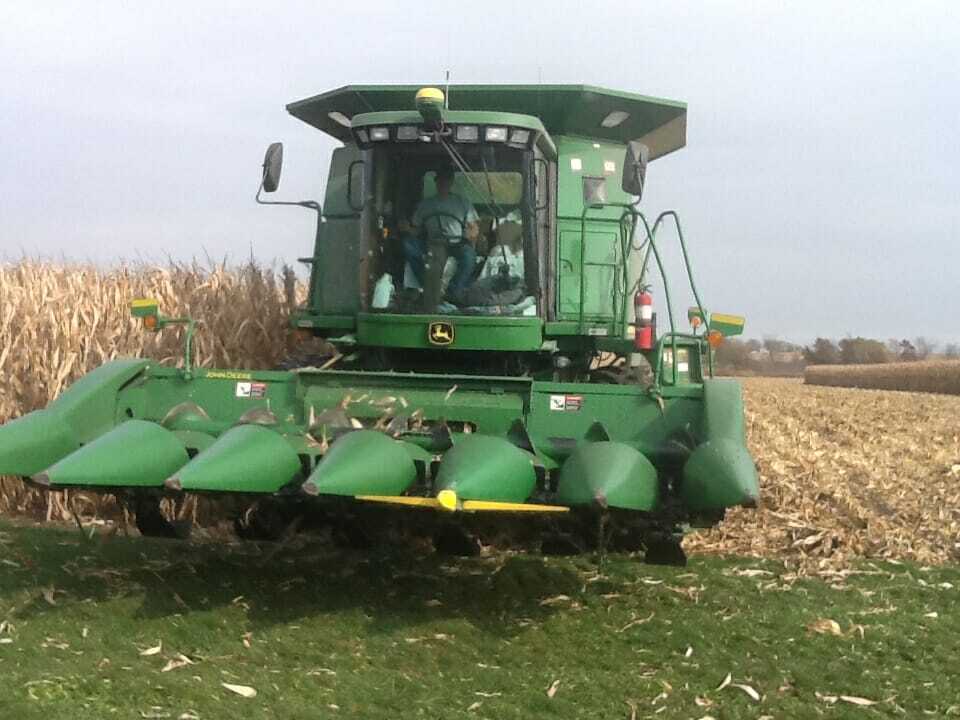
    John Latham, President

    November 5, 2014
    Corn, Crop, Fall, General, Season, Soybeans
  • Latham Hi‑Tech Seeds

    Harvest Wraps Up as October Closes

    Combine 1

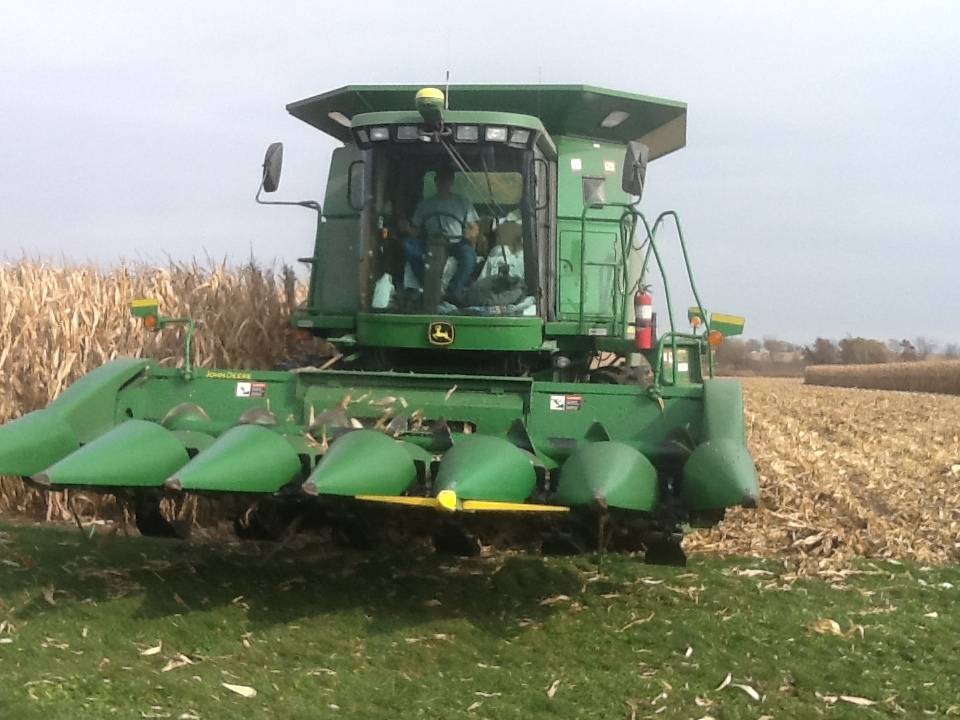
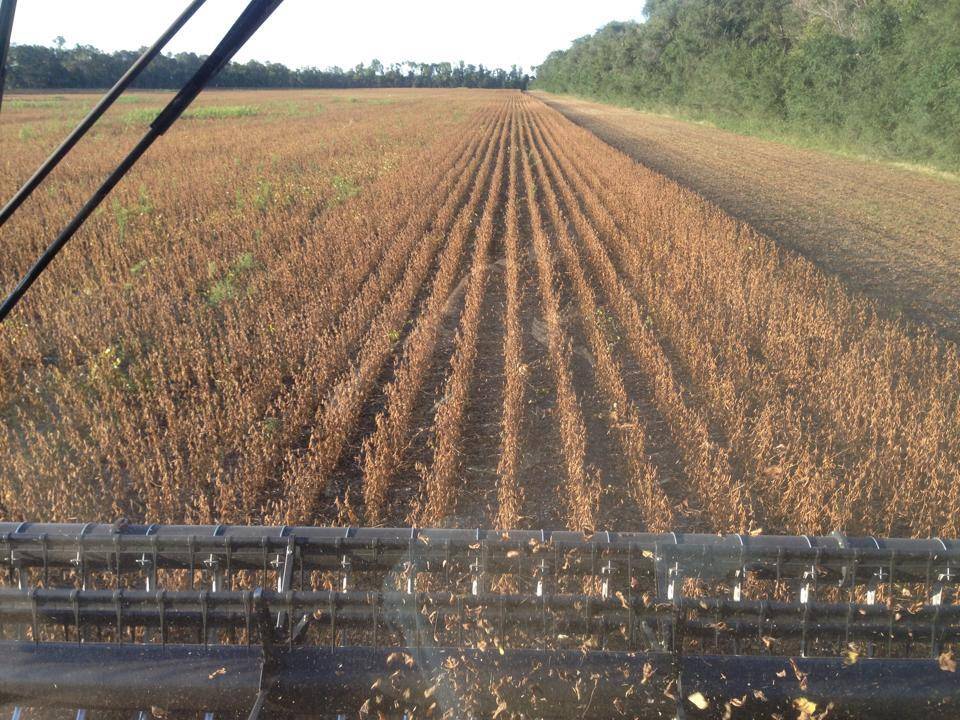
    combine 1With cooperative during the last week, farmers across Latham Country made tracks and covered lots of ground. Soybean harvest is nearly 100% complete in all of our territories, with many expecting to have the majority of corn out by Sunday night.

    A recent AgWeb article verifies what we’ve been hearing from our seed dealers and customers: yields have been “inconsistent” thus far. “Higher precipitation levels experienced this spring and summer has led to lighter soils, which are more apt to draining, yielding above average. Conversely, heavier soils, that are less apt to draining, have been reporting average to below average yields in those areas that experienced above average rainfall.”

    Click on this link for an update on #harvest14 progress across our six-state marketing territory: http://bit.ly/1mXS9RY

    Team Latham

    October 29, 2014
    Fall, General, Season
  • Latham Hi‑Tech Seeds

    How to Interpret Yield Data

    This fall Latham Hi‑Tech Seeds has done very well in the F.I.R.S.T. trials all over the Midwest, winning many locations and Regional Performance Summaries. With such great data, it’s no wonder that farmers want to call in and order the winners. If we’re doing our job, however, we may not let you!

    Why wouldn’t we let farmers order what they want without asking any questions? The answer is simple: Just because a product placed first in a yield trial in one location, in one year, across one predominant soil type, doesn’t guarantee it will be the yield winner given another farm and a different management style.

    When study yield results from independent yield trials, be sure to analyze the information. Here are some tips for interpreting yield data:

      • Compare to a check strip that helps you check for variability across the field. Look to see if a particular product is yielding exceptionally well or exceptionally low as compared to the plot average. How has this same product been performing across multiple locations?
      • Is there a disease that has been prevalent this year, like Sudden Death Syndrome (SDS), that you know is affecting that particular product?
      • How variable was the rainfall in that area this year? What were planting and growing conditions?

    To help you select the right seed for your given situation, we’ll ask discovery questions first to determine needs like fighting weed resistance or corn rootworm. We’ll also visit with you about our hallmark Seed-2-Soil program for crop planning and/or nutrient management to help support your product selection.

    Don’t get me wrong… Latham Hi‑Tech Seeds is thrilled with how well we’ve performed this season in third party, unbiased, independent yield trials! It is great that we can win yield trials but winning on the farm is what really counts. We want to combine our yield data – with your own farm data – to help ensure you get the best products for your acres.

    Webspec Admin

    October 23, 2014
    Corn, Crop, Fall, General, Season, Soybeans
  • Latham Hi‑Tech Seeds

    Wet Weather Halts #Harvest14

    Intro 10 15

    Intro-10-15Almost 40% of Iowa’s soybean acreage was harvested during the 5 days suitable that were suitable for fieldwork last week. After we were blessed with the driest week in nearly three months, showers moved into many areas over the weekend and into this week. Between Sunday and Tuesday, one Northeast Iowa farmer reported that 4” in his rain gauge. Here in North Central Iowa, we’ve received 1.85″ inches in the past 72 hours.

    Wet weather brought #harvest14 to a halt. Corn harvest is just 10% complete, which is almost 3 weeks behind normal. Soybean harvest is just one week behind normal. The 5-day forecast for our area shows 0% chance of precipitation with breezy conditions and sunshine, so we expect harvest activity will resume soon. Click here for a harvest update by region: http://bit.ly/1mXS9RY

    Team Latham

    October 15, 2014
    Fall, General, Season
  • Latham Hi‑Tech Seeds

    Tips to Maximize Bushels during Soybean Harvest

    GaryG 9 17beans


    Latham® dealer Kyle Geske starting harvest on Latham L00938RR soybeans
    Latham® dealer Kyle Geske starting harvest on Latham L00938RR soybeans

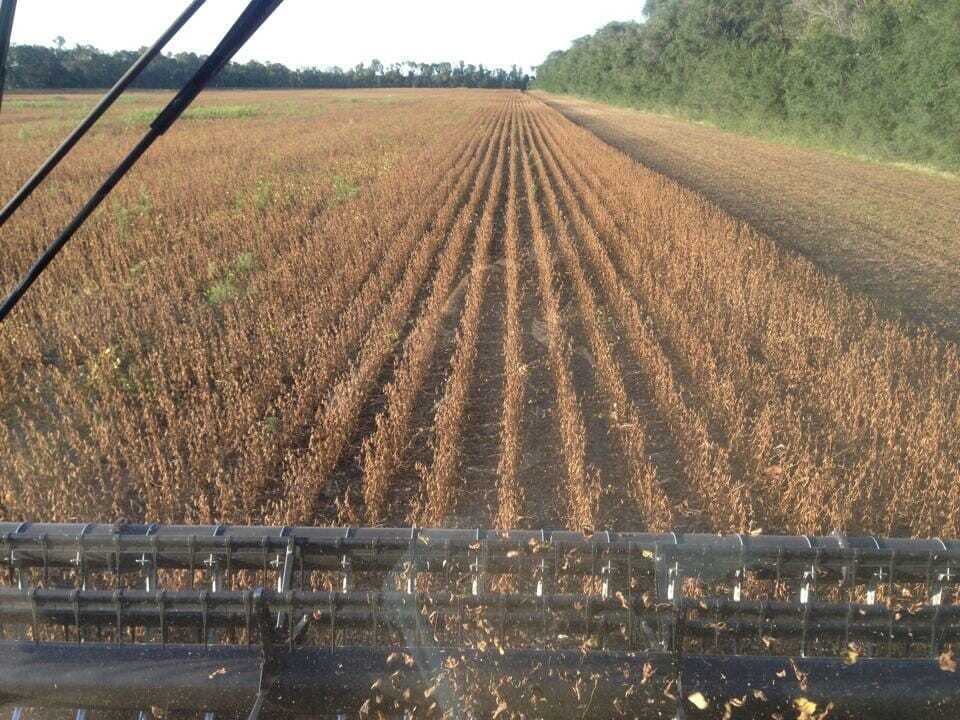
    Harvesting soybeans on a timely basis should be every farmer’s goal. Yields are maximized when each field is harvested at 13% moisture and combines are adjusted properly from the start. That being said, I’ve been asked numerous times just what the yield loss is when moisture falls below 13% and how to prevent soybeans from “shattering.”

    Let’s tackle the first part of the question right away: “What is my yield loss when soybeans come in below 13%?” A recent article published by Gary Zoubek and Chuck Burr from the University of Nebraska Extension states the following:

    Moisture at Harvest

    % Yield Lost

    12%

    1.14

    11%

    2.25

    10%

    3.30

    9%

    4.40

    8%

    5.43

    Using this information, a field yielding 75 bushels per acre harvested at 9% results in 3.3 fewer bushels per acre than if it would have been harvested at 13%. You will lose $33 per acre if the soybean market is at $10 per bushel!

    Because life isn’t always perfect and we sometimes are prohibited from harvesting exactly at 13% moisture, here are a few simple suggestions that can help you put more in the hopper:

      • Begin harvesting soybeans at 14% or even 15% moisture, depending on your plans for the grain. If you are taking it directly to the elevator at harvest, ask the maximum moisture they will accept. If you are storing the grain in a bin, make certain you have fans for adequate ventilation/drying.
      • When harvesting at higher moistures, you will most likely run into tougher or even green stems. Adjust your combine and operate at reduced speeds to match the conditions of your field. NOTE: You’ll probably need to adjust your combine and your speed several days each day!
      • When possible, harvest under optimum conditions. We all know that soybeans pick up moisture overnight, especially if there is a heavy dew. They also lose moisture as the day progresses, when the humidity is low, when daytime temperatures are warm and when there is even a slight breeze. Avoid harvesting during hot afternoons when you stand to lose the most moisture.

    Another tip for harvesting soybeans on a timely basis is to spread out the maturities. Keep this in mind now as when selecting your soybean seed for next year. Don’t place “all of your eggs in one basket” when it comes to selecting the maturity of soybean seed.

    Moving on to the second part of the question stated in the first paragraph: “How can I keep soybeans from shattering?” “Shattering” implies that something is wrong or abnormal. However, I truly believe it’s natural for a pod to split open and soybeans fall to the ground because these plants were created to spread their seeds and propagate! To prevent “shattering,” spread out your maturities so you may harvest your soybeans in a timely manner.

    Wishing you a safe and productive harvest!

    Webspec Admin

    October 2, 2014
    Crop, Fall, General, Season, Soybeans
  • Latham Hi‑Tech Seeds

    Harvest Underway in Latham Country

    GaryG 10 1

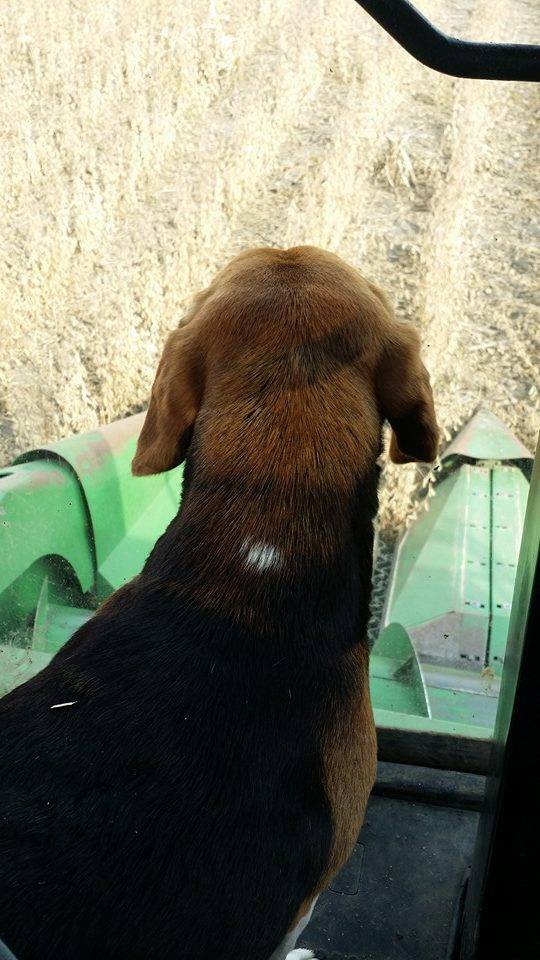
    TuckcombineAbove average temperatures pushed crops toward maturity this past week. Silage and hay harvest are wrapping up. Farmers across Latham Country are harvesting soybeans primarily, and some corn, as conditions allow. #Harvest14 came to a halt when rain fell in many areas last night and into today. For an update on progress by region, click here.

    Team Latham

    October 1, 2014
    Fall, General, Season
  • Latham Hi‑Tech Seeds

    Note Effects of Frost and Plan Accordingly for Harvest

    Frost damage Soybean2

    Weather is always a concern for farmers – and rightly so. Weather accounts for 70 bushels per acre, or 27 percent, of total yield! In research conducted by Dr. Fred Below, Professor of Plant Physiology at the University of Illinois, weather ranks as the most important factor affecting corn yield.

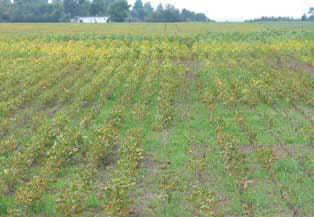
    Corn and soybean crops across Latham Country were affected by a mid-September frost. Effects of the frost appear to be highly variable based on local climate conditions, crop maturity, and topographical features.

    frost damage Soybean2If you haven’t yet already done so, now is the time to scout crops affected by frost and prioritize fields for harvest. The amount of damage to corn from a frost or killing freeze depends largely upon two factors: (1) How cold it gets and for how many hours; and (2) The plant’s stage of development.

    When grain filling is stopped by frost/freeze damage, the grain itself is often impacted. Test weights are often impacted, and kernels tend to be softer and more susceptible to mechanical and drying damage.  Misshapen and broken kernels impact air movement through dryers and storage bins, increasing the potential for losses at those stages as well.

    When accessing frost damage in soybeans, watch for these characteristics:

      • Green or elongated yellow soybeans that shrink to smaller than normal size after drying.
      • Reduced oil content and quality.
      • Higher moisture level (by 1% to 2%) than indicated by a moisture meter.
      • Slower field dry-down.

    Take note of crop damage and prioritize fields accordingly. Focus first on fields that are exhibiting lodging or are at the greatest risk of lodging. Rank and then harvest the fields where stalk lodging or stalk rot is the worst. Hybrid maturity and crop residue management should take a backseat to weak stalks.

    Stalk quality problems often are not apparent until mid- to late September in years where crop development is delayed. Monitor corn fields for compromised stalk strength or the development of severe stalk rots, and adjust your harvest schedules accordingly. Harvest these fields early in the season to avoid the consequences of severe stalk lodging.

    Prioritizing corn fields for harvest is always important. This year it may be even more so as there were so many variables affecting crop growth and development from planting through harvest. There are some areas that received enough rainfall, so the crop is growing fairly evenly across the field.

    In a wet spring like we experienced, roots – or lack thereof – can be a real issue. Stalks could be weaker and the plants may be smaller in very wet or ponded areas of fields. Wet soils are more of a significant factor with bad roots or root lodging, and that would affect harvest decisions.

    Webspec Admin

    September 25, 2014
    Fall, Frost, General, Season, Weather
  • Latham Hi‑Tech Seeds

    Attention Turns to Harvest

    GaryG 9 17beans
    Latham® dealer Kyle Geske starting harvest on Latham L00938RR soybeans
    Latham® dealer Kyle Geske starting harvest on Latham L00938RR soybeans

    Our season of extremes continue. This past week we experienced extreme temperature differences, as temperatures at one point as low as 33 degrees but daytime highs reached 90 degrees in Northwest Iowa.  This past weekend also brought another rain event – or two – to the area. Top soil moisture is 80% adequate, and subsoil moisture is 79% adequate.

    Although last week’s early frost nipped immature crops, 76% of Iowa’s corn and 74% of our state’s soybean crop are in good to excellent condition. Click here to see how crops are faring by region across Latham’s six-state marketing footprint.

    Team Latham

    September 24, 2014
    Fall, General, Season
  • Latham Hi‑Tech Seeds

    Light Frost Nips Immature Crops

    Image002

    After getting a later start at planting in many areas, followed by even later replants in many areas, farmers across Latham Country were hoping for a late frost. An early frost affected many regions across the Midwest, which might have an impact on some corn and soybean yields. The minimum temperature of the freeze and the growth stage of the corn influence the potential yield loss.

    To see how crops are faring across our six-state marketing footprint, click here.

    Team Latham

    September 17, 2014
    Fall, Frost, General, Season, Weather
Previous Page
1 … 8 9 10 11 12 … 14
Next Page

Latham Hi‑Tech Seeds

131 180th Street | Alexander, IA 50420

(641) 692-3258

SIGNUP FOR OUR NEWSLETTER
  • Contact
  • Legal
  • Dealer Center
  • Seedware Login
  • Latham Gear

© 2025 Latham Hi‑Tech Seeds. All rights reserved. | Iowa Web Design by Webspec | Privacy Policy

Latham® Hi-Tech Seeds is a trademark of M.S. Technologies, L.L.C., 103 Avenue D, West Point, IA 52656.