Latham Hi-Tech Seeds

(641) 692-3258

  • Home
  • Products
    • Corn
    • Soybeans
    • Alfalfa
    • Corn Silage
    • Seed Guide
  • Performance
  • Find a Rep
  • Media
    • Blog
    • News
    • Videos
    • Podcasts
    • TECHTalk
  • About Us
    • Company History
    • Our Mission
    • Careers
    • Become a Rep
    • Sowing Seeds of Hope
  • Contact Us
  • Latham Hi‑Tech Seeds

    Unleash the Potential Within HarvXtra®

    Feature Tech Tuesday 01 1024x598

    Tech Tuesday Header 01

    It’s hard to believe something so amazing can originate from something so small! A tiny alfalfa seed holds unmatched genetic potential. It also harnesses so much potential for a return on your investment.

    To help you see how this investment in seed more that pays, HarvXtra® has created a value calculator. See where the value lies: https://www.foragegenetics.com/harvxtra-Calculator.

    There are many benefits to planting HarvXtra. The ability to increase yield capacity while taking one less cutting per season saves you time and labor. Making fewer passes across the field leads to less compaction and helps increase winter hardiness. Even better, HarvXtra produces outstanding forage quality. These dividends can get completely eclipsed by the initial investment.

    As a grower, you can unleash that potential by seeding the alfalfa into fertile soil. Use the best seeding methods available. Manage weed pressure using the advantage of the Roundup Ready gene, and let the genetics work for you!

    Webspec Admin

    July 3, 2018
    General, Industry News, Seed Technology
  • Latham Hi‑Tech Seeds

    Community Service is an Albert Family Tradition

    IMG 2686

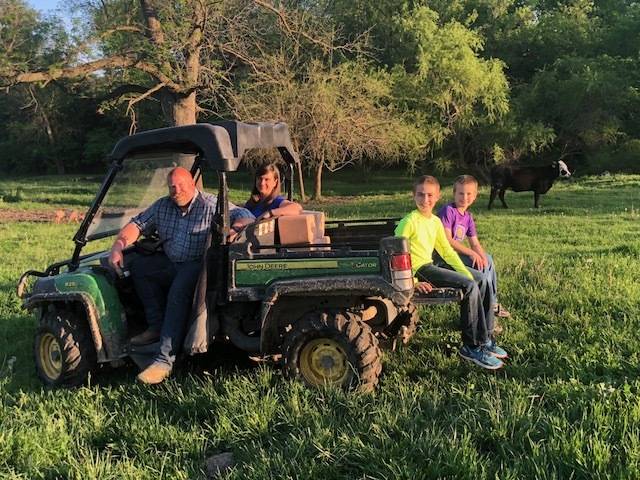
    IMG_2686When farmers see a need within their community, chances are they’ll band together and offer a solution or two. That’s how the Albert family of Brandon, Iowa, became known for hosting an annual Memorial Day four-wheeler ride, a late summer sweet corn roast and a community tractor ride. The Alberts also organize the community’s Thanksgiving meal and are one of three farm families that takes turns hosting the Testicle Festival each January to raise money for cancer research.

    One of their friends was diagnosed with cancer about 10 years ago, which prompted several local cattle producers to fry Rocky Mountain oysters and other fair-type foods. About five or six years ago, Craig Albert realized many residents didn’t have anywhere to go on Thanksgiving. He and his wife, Judy, decided to change how they celebrated the holiday.

    “Now we invite the town to enjoy a Thanksgiving meal at Brandon Community Center,” says Craig. “Our son and daughter help, too. People bring in canned donations for food pantry. Free will donations go to local family or a local charity. The community really comes together. Instead of eating and running, people enjoy sticking around and talking with one another.”

    Like his father, Jordan Albert grew up knowing he wanted to farm. He lives by the lyrics to Dallas Davidson’s song “God Made a Farmer…” He gets up early and stays up late. He seeds, and feeds and weeds and breathes… bleeds, weans and rakes. He’ll spend his lifetime praying for rain and his prized possession is his good name…

    After he graduated from high school, Jordan studied Ag Business/GPS at Hawkeye Community College. When he graduated in 2006, there wasn’t room for him to join the family’s farming operation because his dad was farming with an uncle. Jordan took a job at Carson&Barron Farms had been working there for nine years when one day in February 2013 it all changed.

    That day Jordan’s dad, Craig, was admitted to the hospital for a pace maker. Jordan came home to feed the cattle and plant the crops. Then his former boss told him, “Family comes first. I will always be here to support you, but you need to go back home and farm now.” That’s when Jordan started transitioning into his family’s farming operation. Over the years, he’s taken on more day-to-day responsibilities.

    “I wasn’t forced to come back, but I’m glad I got the opportunity to do so,” says Jordan. “We don’t ever compromise friendships or family relationships with business. We agree that anything that happens outside the house is business. Anything that happens at the table is family.”

    “A farm will not work without a backbone to the operation, and my mom is ours. I don’t think we could ever replace her,” adds Jordan.

    Judy has worked off the farm at Denton Castings for 25 years. She works on the farm after work. When Craig was in the hospital, Judy would get up at 2:00 or 3:00 AM to help check cows, fill the planter, or load trucks with soybeans or corn.
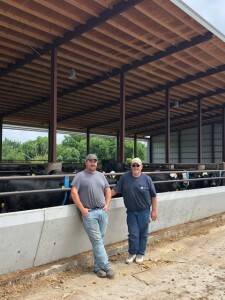
    IMG_2689Jordan’s sister, Jackie, also has a passion for cattle. She and her husband have their own stock cattle, but she’s still involved with Albert Family Farms. She takes care of the cattle records, including vaccinations and rate of gain. She tracks which bulls are the most docile and which ones – Galvey, Simmental, Angus, Fleckvieh and the different crossbreds – create the most return on investment (ROI).

    “Farming is about more than the money. Farming is a passion,” says Jordan. “You put the seed in the ground or see the little calf hit the ground, and it’s so rewarding to watch it grow and develop. When you pull that calf and watch it grow up, it’s the joy of life. You see that calf take its first breath, it’s a miracle.”

    In addition to farming with his parents, Jordan is active in the Buchanan County Cattlemen’s Association. Each year group members hold an auction; funds raised support two $500 scholarships for high school 4-H and FFA members in Buchanan County. Then the two scholarship recipients help at the Cattlemen’s our food booth at the county fair. The cattlemen also grill at summer events, which Jordan says is as much fun as it is work. The grill outs help the cattlemen raise funds, as well as serves as a great way to promote beef.

    The cattlemen also grill at summer events, which Jordan says is as much fun as it is work. The grill outs help the cattlemen raise funds, as well as serves as a great way to promote beef.

    To help promote the high-quality beef he raises, today Jordan is sharing with us his tried and true recipe for Beef Brisket.

    Shannon Latham

    June 22, 2018
    Agriculture, General, Industry News
  • Latham Hi‑Tech Seeds

    Young Wisconsin Dairyman is Living his Dream at Luchland Farms

    IMG 2578

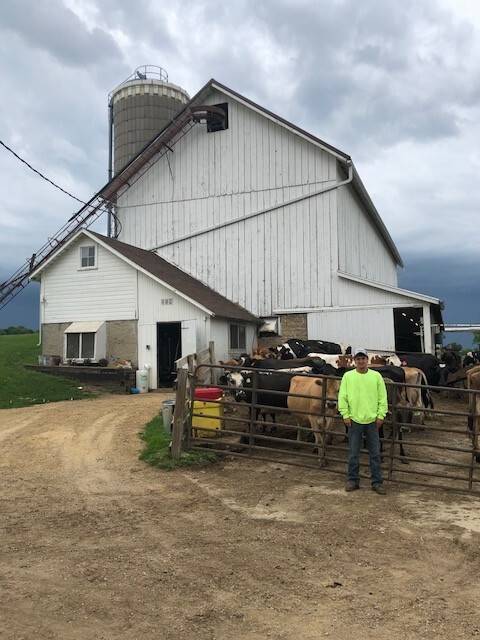
    IMG_2578He didn’t have cows. He didn’t have feed. He didn’t have equipment. But Darren Luchsinger had a dream of operating a dairy like his great grandfather and grandfather, so he went to work right after he graduated in December 2015 from Monticello High School in Monticello, Wisconsin.

    “I spent a lot of time with my grandparents on this farm, and I always enjoyed the cows,” says Darren, who says he feels blessed to live on the farm where his grandparents milked. The barn was empty for five years, and then Darren’s family purchased the farm about two years ago. “My grandpa always had Holsteins, so that’s what I started with. I’ve added some Jerseys to my herd to increase butter fat, which helps with the milk check.”

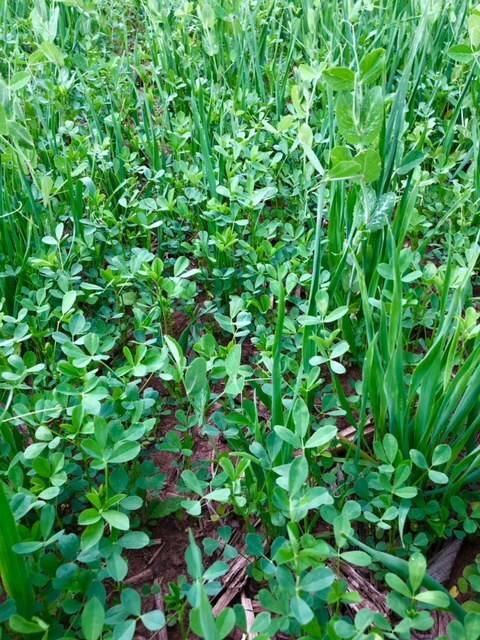
    Because his milk gets sold to family-owned and operated Klondike Cheese Company, components like butter fat are important. Another way Darren is working to increase the butter fat is by feeding high quality forage to his cows. He’s especially looking forward to harvesting his first field of Latham’s LH 9700 alfalfa, which was planted on April 28 with peas and oats.

    FullSizeRenderHis grandpa, Gene Luchsinger, enjoys spending time on the farm with Darren and helping do anything that’s related to crops or equipment at Luchland Farms (pronounced Luck-Land. He leaves all the cow care and milking responsibilities in Darren’s hands.

    In addition to his grandpa, Darren’s girlfriend helps take care of the calves. Another valuable hand is Annie the Red Heeler. Annie is responsible for bringing cows in from the pasture each morning and evening for milking.

    Darren’s short-term plans include growing his herd, which began with 50 cows and has grown to 78. He recently took on a Latham® Seeds dealership to help him reach his goal of buying more cows. He says the dealership also helps diversify his farm income, as well as provides a cost savings on the seed he needs to plant to grow feed for his cows. In fact, all the crops he planted this spring will be fed on his farm.

    “The Monticello FFA gave me lots of skills that I’m using,” says Darren, who participated in agronomy, dairy and soils judging. Skills gained in dairy judging are helping him evaluate his cows, and he’s raising all of his own stock. He just started an Angus beef herd with 15 head that he plans to sell direct.

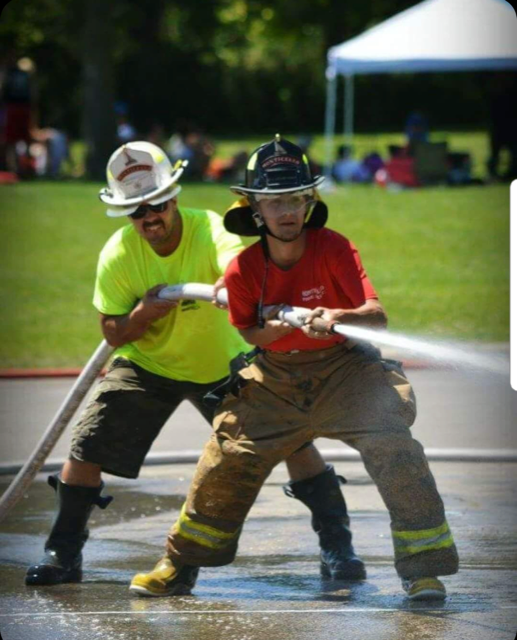
    Image-1Although he’s working hard to make his dreams a reality, Darren also takes time to serve his community. He began serving as a firefighter in Monticello in high school and is in his third year. He said he came by it naturally because his parents were EMTs and now they’re both firefighters. In fact, his dad is the fire chief.

    When he’s not busying dairying or fighting fires, Darren enjoys golfing and hunting for deer or turkeys. He also enjoys grilling and real Wisconsin cheese.

    In honor of June Dairy Month and the summer grilling season, today we’re sharing a recipe for Brick Cheese Mexican Wrap. Also be sure to check out the Klondike Cheese Company’s website for unique recipes like the Harvarti Halftime Burger featuring dried cherries like those grown in Door County Wisconsin, and Odyssey® Feta Grilled Beef Filet with Creamed Corn.

    Shannon Latham

    June 15, 2018
    Agriculture, General, Industry News
  • Latham Hi‑Tech Seeds

    Beef is More than Business for NCBA President-Elect

    JenniferHoustonTPP

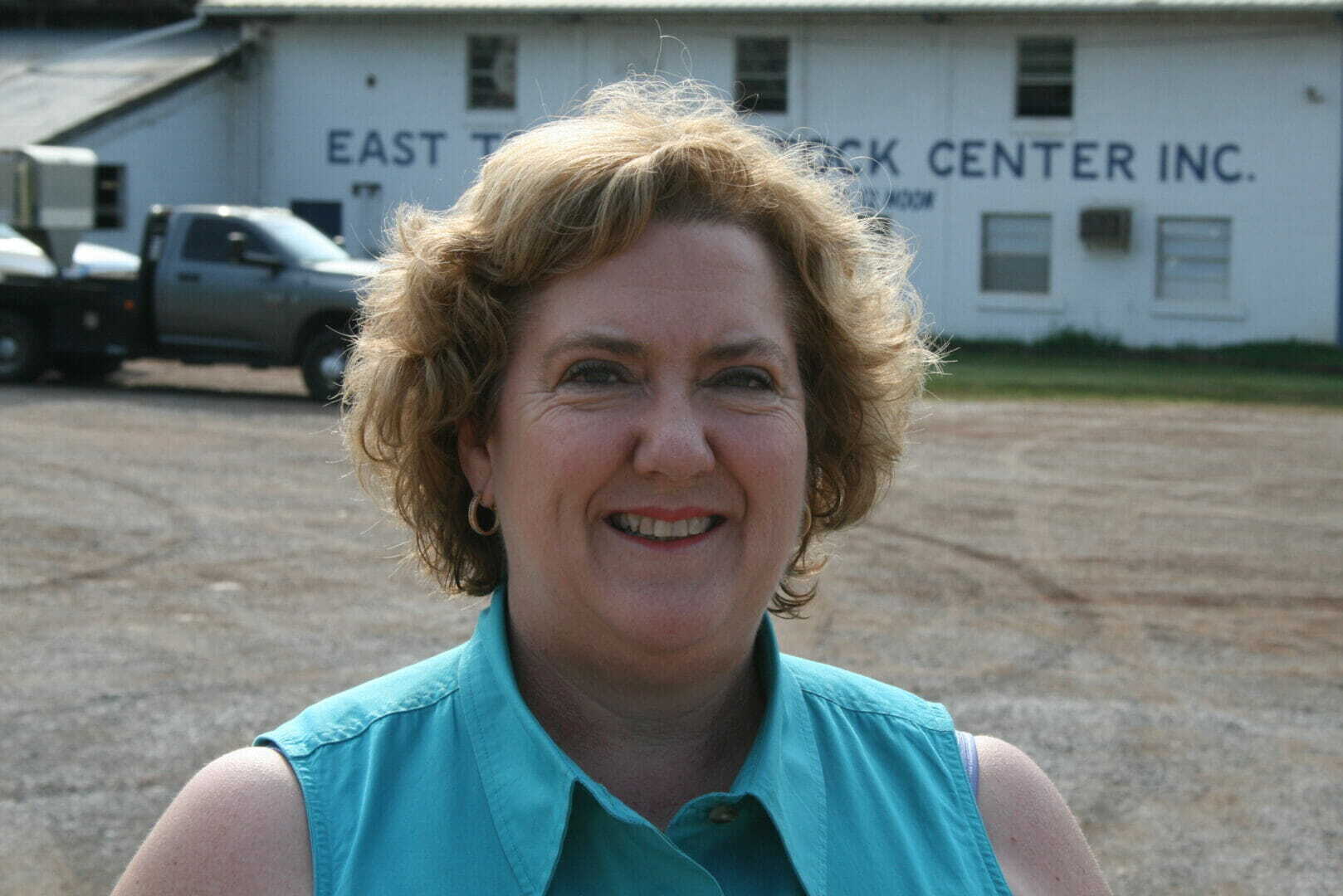
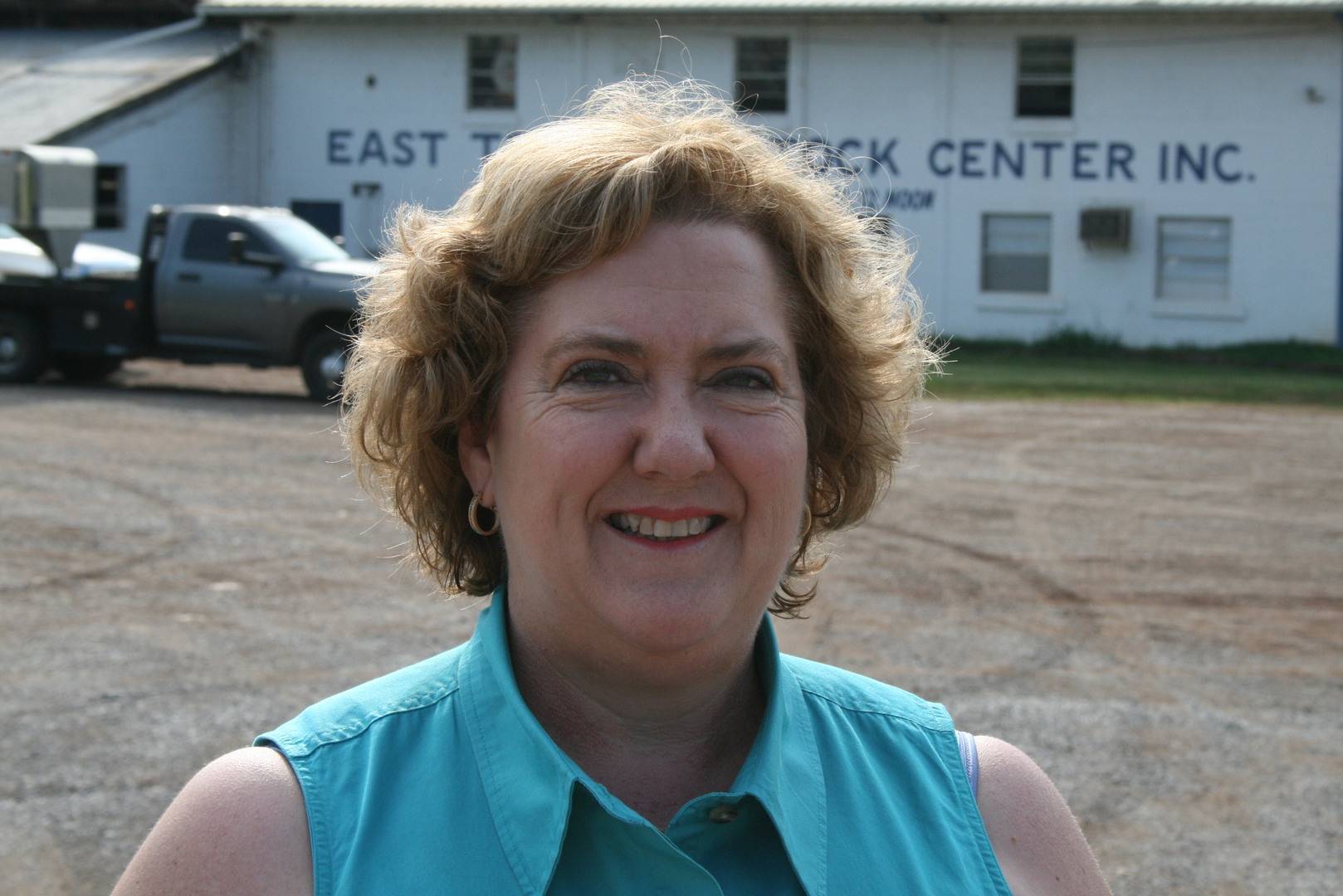
    JenniferHoustonTPPLivestock isn’t just her business. It’s her calling and her passion. Raising livestock is a way of life for Jennifer Houston of Sweetwater, Tennessee, who is the 2018 National Cattlemen’s Beef Association (NCBA) President-Elect.

    “I would like consumers to understand that producers care deeply about the animals we raise. We care about each animal’s welfare,” says Jennifer. “Producing a safe, wholesome product is top of mind. We feed what we raise to our own families, so I want consumers to feel good about feeding safe and wholesome beef to their children. Once consumers understand how hard we work to care for our livestock, it helps deepen their trust.”

    As in any relationship, it takes time to earn trust. Jennifer has spent a lifetime earning the trust of fellow producers and consumers alike. She says she was raised to advocate as her father was Director of Intergovernmental Affairs for the U.S. Department of Agriculture. Her father-in-law served as executive director of the Tennessee Livestock Association.

    Jennifer credits her involvement in 4-H livestock judging and as a member of the University of Tennessee livestock judging team for helping her develop the confidence needed to defend her beliefs and to state the reasons why she made her decisions. These experiences undoubtedly helped her develop strong public speaking skills.

    CattleHonornight 018Those speaking skills have been used to represent the beef industry since Jennifer graduated from college and married Mark Houston, whom she met while they were both majoring in Animal Science at the University of Tennessee. After graduating from college, Mark returned home to help with the family’s livestock auction business that his father had formed in 1962. A few years into their marriage, Jennifer left her job with the USDA and joined Mark in the East Tennessee Livestock Center where a regular sale is still held every Wednesday. Graded feeder calf and Holstein steers sell on Fridays. They also have about 27 special Friday sales each year and offer video sales for producers, who can sell in tractor-trailer load lots.

    In addition to the auction business, Jennifer and Mark also run stocker cattle and develop beef heifers.

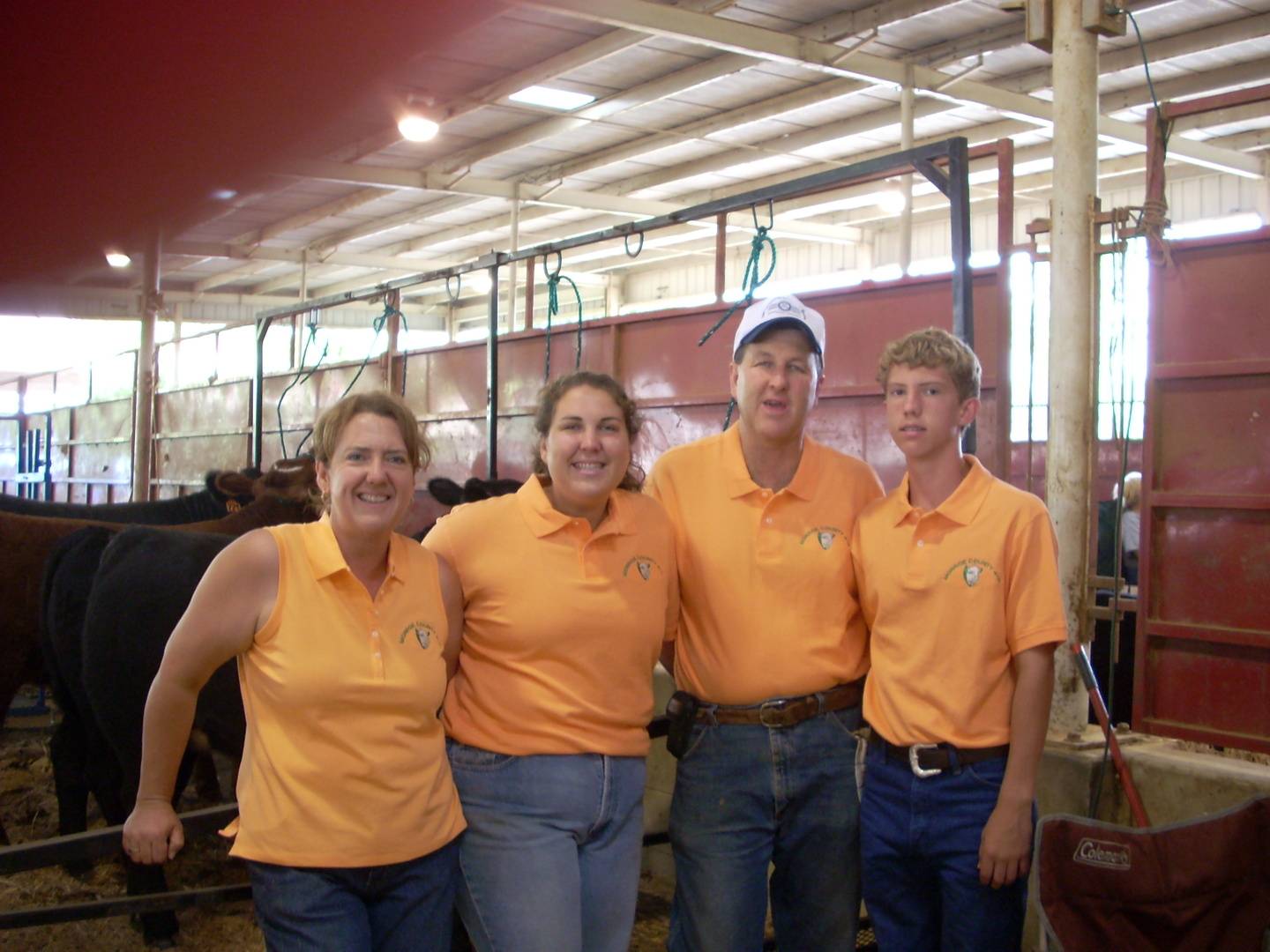
    DSCN0242“I enjoyed showing cattle when I was growing up, and we really had a lot of fun attending shows as a family. My husband didn’t grow up showing, but he really embraced it with our children. Our son and daughter both showed commercial heifers, and it was fun to watch them build a herd,” recalls Jennifer. “There were days when it was 100 degrees in the shade with 90 percent humidity, but our kids had to go out and work with their heifers and steers. They had to find time to get their chores done, even when they had ball practice or games. They learned the importance of keeping their animals properly fed and watered. I believe working together really builds close families.”

    Jennifer has served as a tireless advocate for the beef industry while working in the family business, producing beef and raising a family. Jennifer credits her time management skills and work ethic to growing up on a cattle and hog farm. She feels called to serve agriculture and the beef industry that means so much to her.

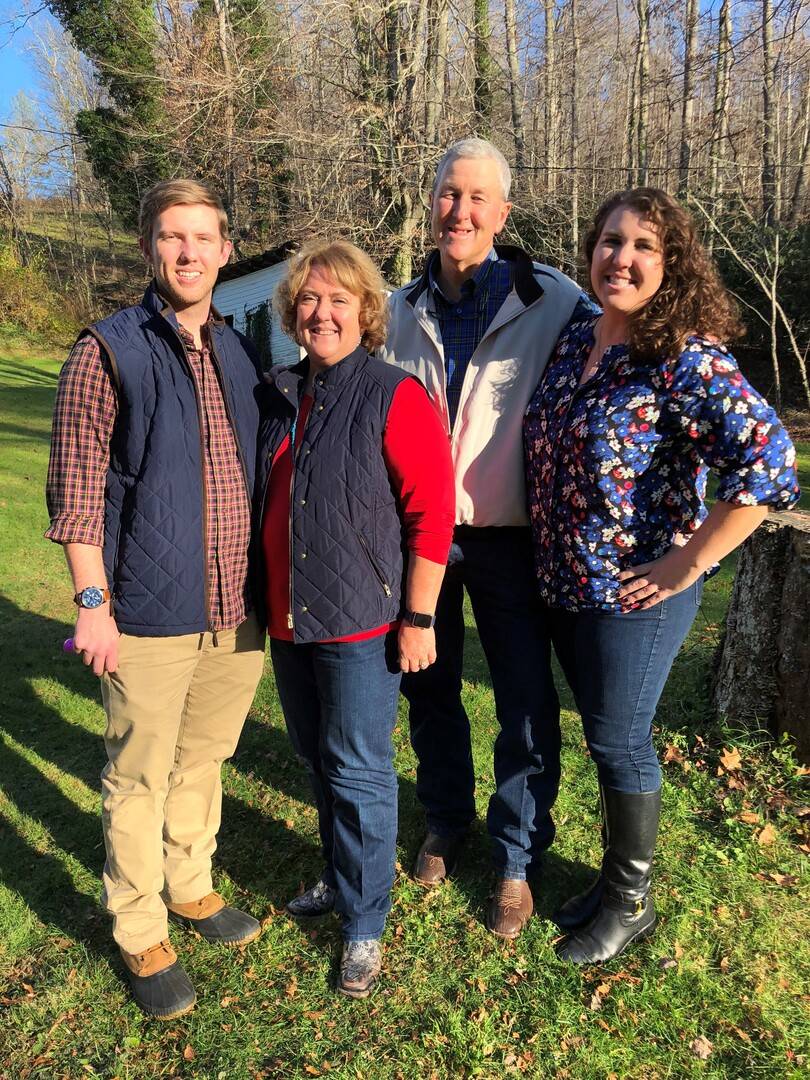
    FamilyPic2017“Not everyone has the opportunity to be involved in industry organizations because of their situation or their inclination. That’s why it’s so important for those of us who are willing and able to get out and represent our farmer-rancher friends,” explains Jennifer. “I’m involved because I hope to make a difference for the better.”

    Jennifer has certainly made her mark throughout the years. In 1986, she became a member of the first Tennessee Beef Industry Council and has served twice as its chairman. Her national involvement began as she represented Tennessee on the Beef Industry Council of the National Livestock and Meat Board. She has been an NCBA board member since 1996, chairing the Foodservice, Advertising and New Product and Culinary Initiative committees. Jennifer has chaired the NCBA Policy Division. She also has served as chair of the Federation of State Beef Councils where she also served on the Beef Promotion Operating Committee and the Meat Export Federation executive committee. She served as Region II Vice-President and was a member of the NCBA executive committee from 1997 to 1999.

    At the state level, Jennifer has chaired the Tennessee Livestock Network. She served as president of the Tennessee Cattlewomen’s Association and served on the Tennessee Cattlemen’s Association executive committee. She also active in the Tennessee Livestock Marketing Association and serves on the University of Tennessee Regional Advisory Board.

    PhotoClerking“I’ve been involved with cattle my whole life, so it’s the only way of life I know,” says Jennifer. “Whether you raise crops or livestock, there’s a way to get involved at some level: locally, regionally, state, national. Agriculture needs you! And you get back so much more than you give.”

    Even if you don’t have time to get involved on an association board, Jennifer says you can advocate in so many ways: be active on social media, do interviews on radio and/or television, write articles, speak to Rotary or Kiwanis clubs or volunteer to speak in classrooms. Stories that resonate best with consumers are real-life examples of what happens on your farm or ranch.

    Consumer also connect with producers through food. Today Jennifer is sharing with us one of her family’s favorite recipes for pan-seared steak in honor of June Steak Month.

    Team Latham

    June 1, 2018
    Agriculture, General, Industry News
  • Latham Hi‑Tech Seeds

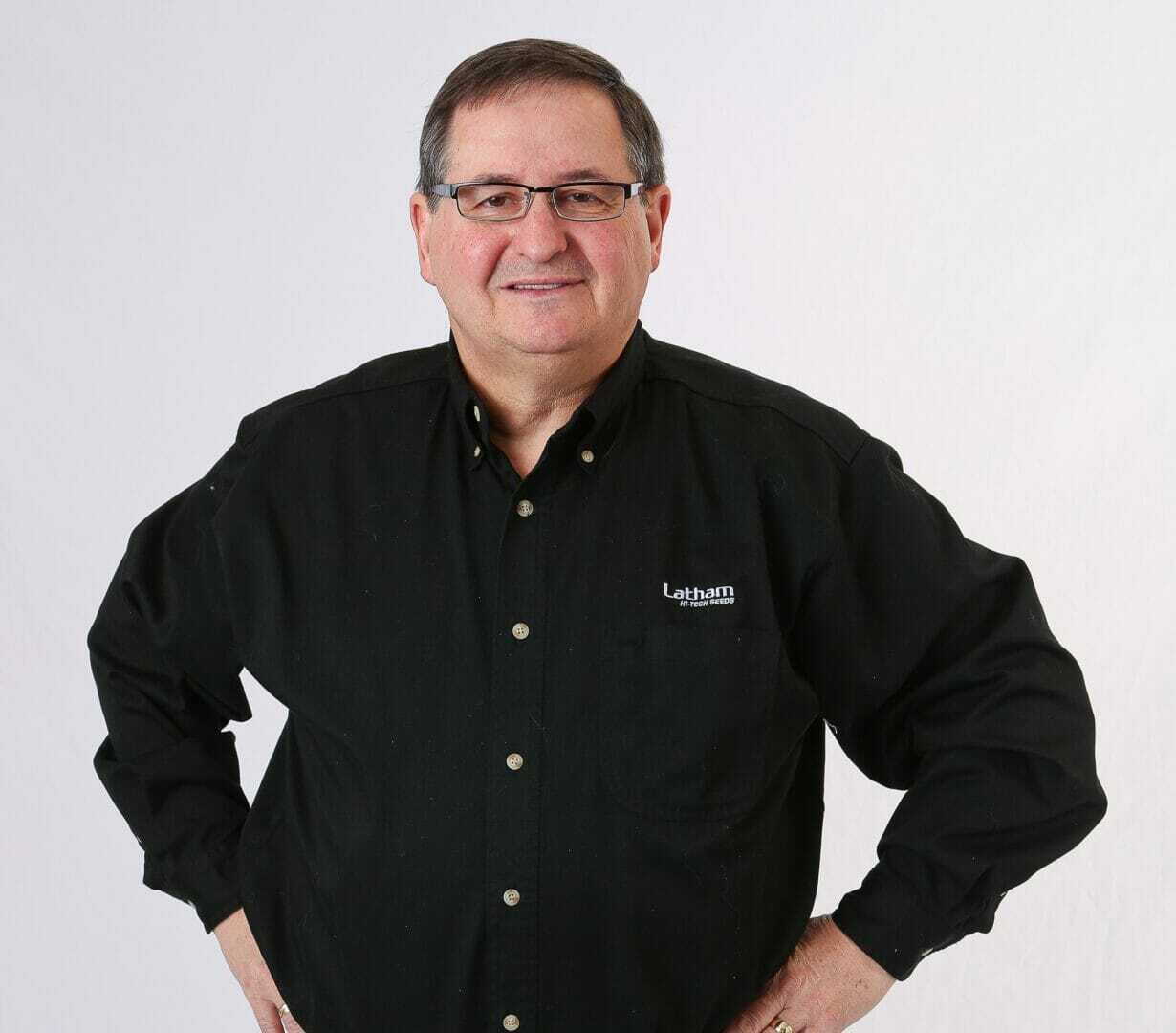
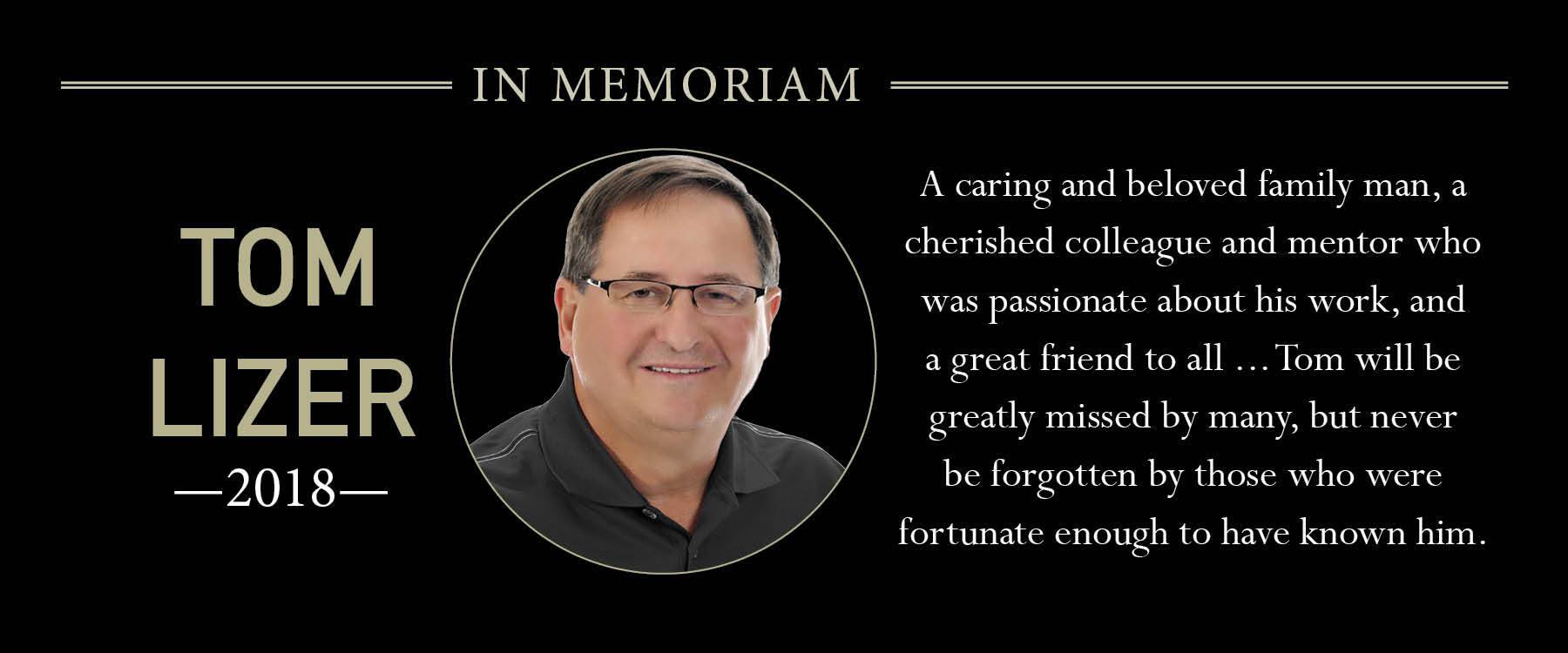
    In Memory of Tom Lizer

    Tom

    TOM LIZER Memoriam_F

    John Latham, President

    May 31, 2018
    Agriculture, General, Industry News
  • Latham Hi‑Tech Seeds

    Cowboys Gather in Eastern Iowa for Annual Memorial Day Roundup

    IMG 2379

    IMG_2379“BYOH” isn’t what one expects to see on an invitation to an annual Memorial Day weekend party, but then again, this isn’t your typical party.

    Cowboys from miles around will load horses into trailers and travel to Robb and Jennifer Ewoldt’s farm in the picturesque hills of Scott County near Davenport, Iowa, for the 20th annual branding weekend. The group varies from year to year, but Jennifer says there are about 20 friends and family members who show up year after year, plus a few new hands join in the fun. This year a businessman from Germany, as well as a Wyoming native who’s now working in the Davenport area, have expressed an interest in participating.

    “We prefer to ride horses to work our cattle because it causes less stress on the cattle,” explains Robb, whose parents in 1970 bought 70 acres of a former Boy Scout camp and built a farmstead. Robb’s dad, Gary, worked off farm full-time, so Robb and his mom, Sally, were primarily responsible for tending to the crops and livestock. He grew up riding horses out to the cow pastures.

    Now Robb, Jennifer and their two sons enjoy riding their own horses across the rolling countryside. They moved onto the farm last November when Robb’s parents moved to town. It’s a family effort to take care of the 125 cow-calf pairs. Eleven-year-old Alex and 9-year-old Isaac enjoy riding out to the pasture to check on cattle and throw out salt blocks. Alex is a second-year member of the Bluegrass Junior Farmers 4-H Club and is looking forward to showing his first Bucket Calf this summer at the Mississippi Valley Fair.

    IMG_2384In addition to raising cattle, Robb’s family has a 2,400 wean-to-finish hog enterprise. Robb no-tills about 1,000 acres of corn and soybeans plus custom harvests another 1,000 acres. Jennifer works full-time off the farm as a veterinarian at Scott County Animal Hospital. Plus, every two weeks she makes time to write a column in the Quad City Times. She gives readers a “behind-the-scenes” look at what’s happening year-round on their Iowa farm.

    “One night at the supper table I was expressing my frustration to Robb about another negative article I had read about farming. I told him there are so many good stories about farming that never get told. He responded by asking me why I wasn’t telling them,” says Jennifer, who was honored as an Iowa Master Farm Homemaker in 2014. “I thought Robb made a good point, so I drafted a few sample stories and sent them to the City Editor. To my surprise, the newspaper editor was very open to my ideas. I’ve been a regular column for since 2009.”

    IMG_2385One reason Jennifer’s columns are so relatable to consumers is mostly likely due to the fact she didn’t grow up on a farm. A native of Prince Edward Island in Canada, she learned to ride at the stables and that’s also where she developed an interest in becoming a large animal vet. Jennifer graduated from veterinary school at the University of Prince Edward Island in Canada. She then did a one-year internship at Iowa State University, where she met Robb, and went on to complete a three-year surgical residency in veterinary surgery at The Ohio State University.

    Jennifer and Robb are a team in the farming operation. She drives equipment when needed and serves as the farm’s veterinarian. She tags and treats the cattle, does pregnancy checks and gives vaccinations. During each roundup she’s responsible for giving calves the shots they need and does the castrations.

    In fact, all the wranglers have the process down. It’s a like a team roping event you might watch at the county fair where one cowboy ropes the head and another the heels. Then the crew jumps into action. One person holds the head and a front leg; another person controls the back legs. Injections are given, and an ear is tagged. Males are castrated, and each animal gets branded with the Rafter E.

    2015-05-23 17.42.47“We use freeze branding, so the iron brand is placed in liquid nitrogen. The cold changes the color pigment of the hair from black to white, so the cold brand is more visible on a black calf than a hot brand would be,” explains Robb.

    Why go through the work of branding? “It’s so much fun,” answer Robb and Jennifer in unison with smiles on their faces. As the old saying goes, many hands make short work. Once the work is done, the Ewoldts and their hands will enjoy kicking back around the campfire and telling tales while enjoying some delicious homegrown beef.

    Robb says his favorite meal is a grilled ribeye with a side of grilled onions. Robb likes to cook the onions low and slow for about an hour, so he puts those on the grill first. Simply quarter two Vidalia onions; place minced garlic and a ½ pound of butter in the center. Wrap them in foil. While the onions are grilling, Robb seasons the ¾-inch thick steaks with McCormick’s meat tenderizer and garlic salt to taste. He works them over with a hand-held meat tenderizer and then seasons the other side.

    Click here for grilling tips from the Iowa Beef Industry Council.

    Team Latham

    May 25, 2018
    Agriculture, Beef, Food & Family
  • Latham Hi‑Tech Seeds

    Biological Research Underway to Control Noxious Weeds

    Feature Tech Tuesday 01

    Tech Tuesday Header-01

    Researchers at the University of Illinois are testing similar techniques used to slow the spread of the Zika Virus to slow the spread of Waterhelp and Palmer Amaranth.

    The U.S. Department of Agriculture (USDA), through its National Institute of Food and Agriculture, has given $500,000 to Illinois scientists to see if genetic control of these troublesome weeds may be achieved. Scientists plan to use the very thing that makes these dioecious weeds so prolific —the fact they have separate male and female plants — to our advantage.

    By changing the male-to female ratio so that mostly male plants are produced, scientists believe they can
    cause the Waterhemp and Palmer amaranth populations to crash after a few generations. Scientists got this
    idea for weed control because already specific controls are being used to target mosquito populations that spread malaria, Zika and other insect-borne diseases. By releasing genetically modified males to mate with “normal” females,
    the offspring die before maturity.

    It will take a few years before this theory can be proven for noxious weeds, but University of Illinois researchers working on this project have been uplifted by the discovery of a genome location in female plants that leads
    to the production of non-viable males. They are quick to point out that this will not be the “silver bullet” against herbicide-resistant weeds farmer are hoping for, but it will certainly be a much-needed addition to the toolbox!

    Whether it be the use of different herbicides, management practices like rotation, tillage and cultivation, or the pending
    use of biological measures, it is important to make use of everything that is available to us. The importance of diversifying weed control tactics was emphasized during a fall field day in Alexander a few years ago by Iowa State University Extension Weed Specialist Dr. Mike Owen. It’s a philosophy we still put into practice.

    At Latham Hi‑Tech Seeds, we continuously look for the best options available to fight weed resistance and the other challenges facing our farmer customers. You can bet we’ll stay abreast of the research currently underway and provide you with updates.

    Webspec Admin

    May 15, 2018
    Herbicide Technology, Tech Tuesday
  • Latham Hi‑Tech Seeds

    Henry Fire Department: Neighbors Helping Neighbors

    Dave Fire

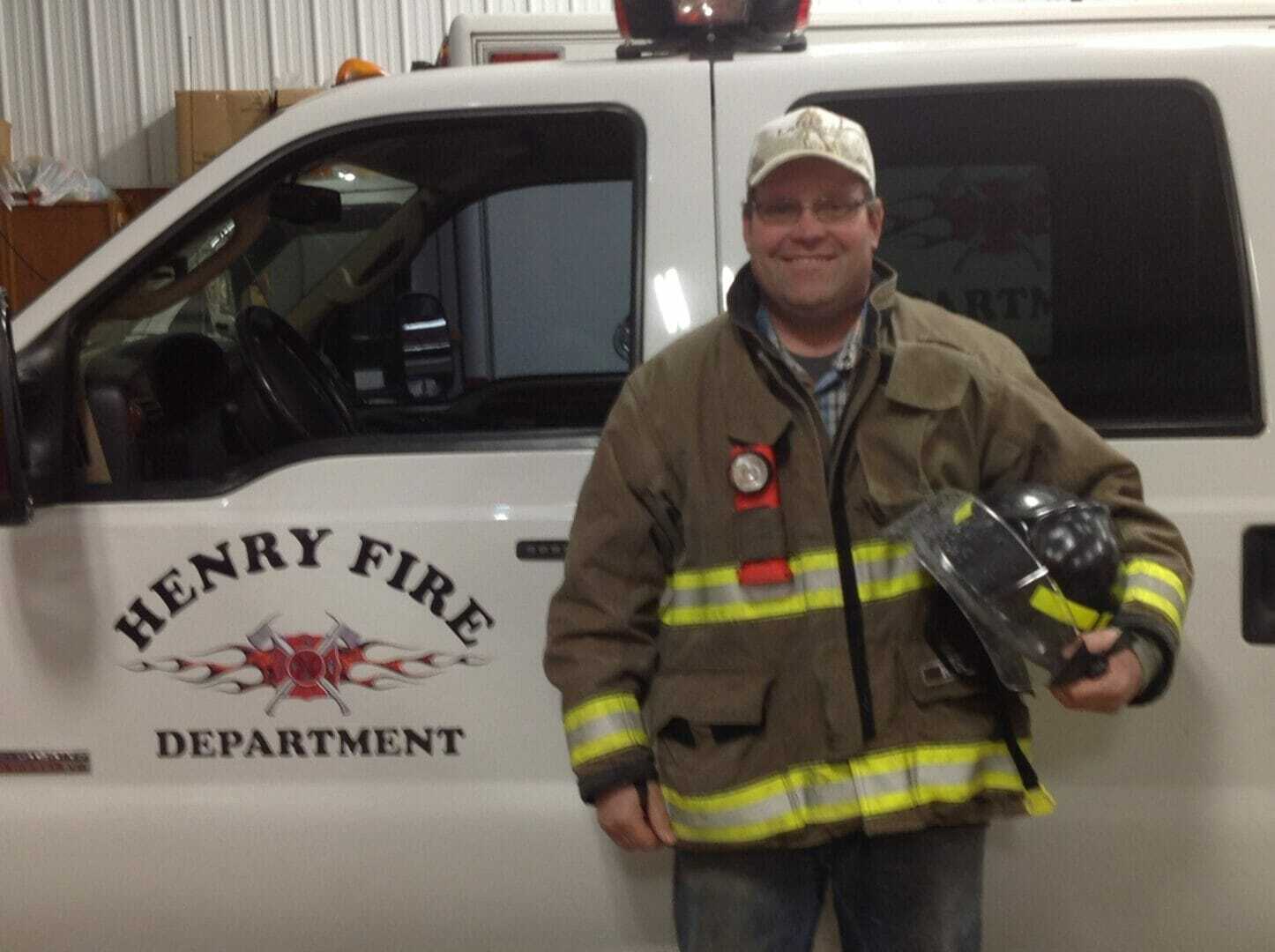
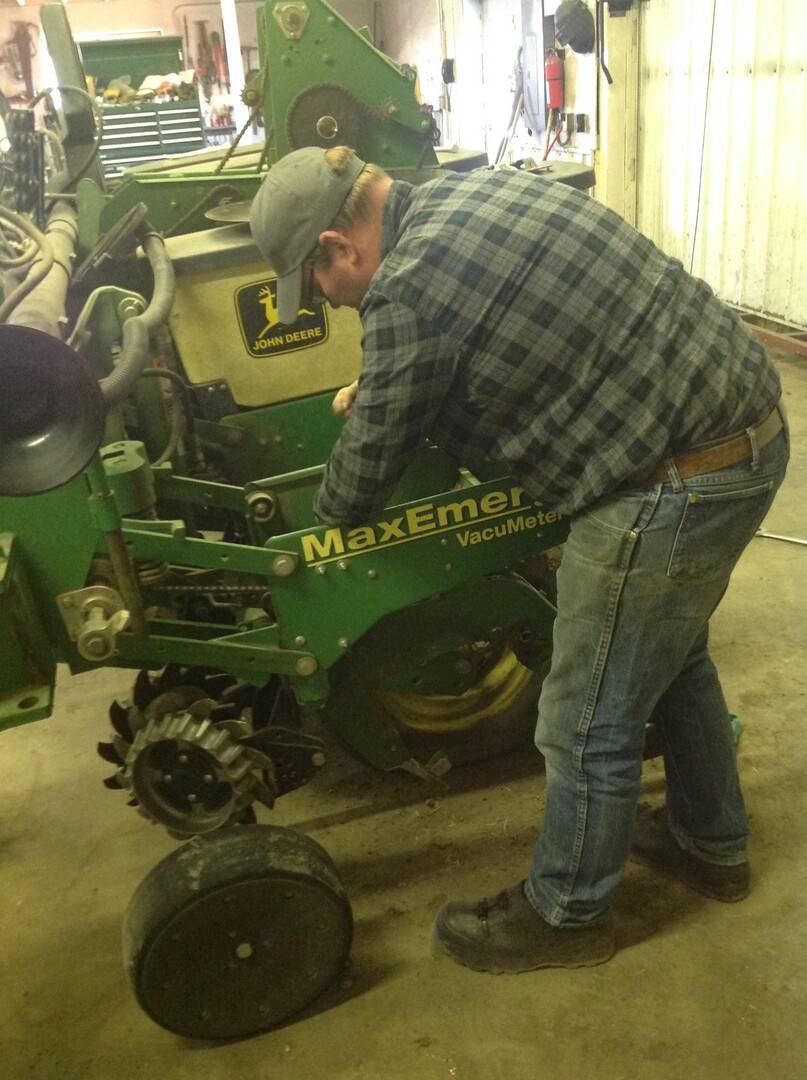
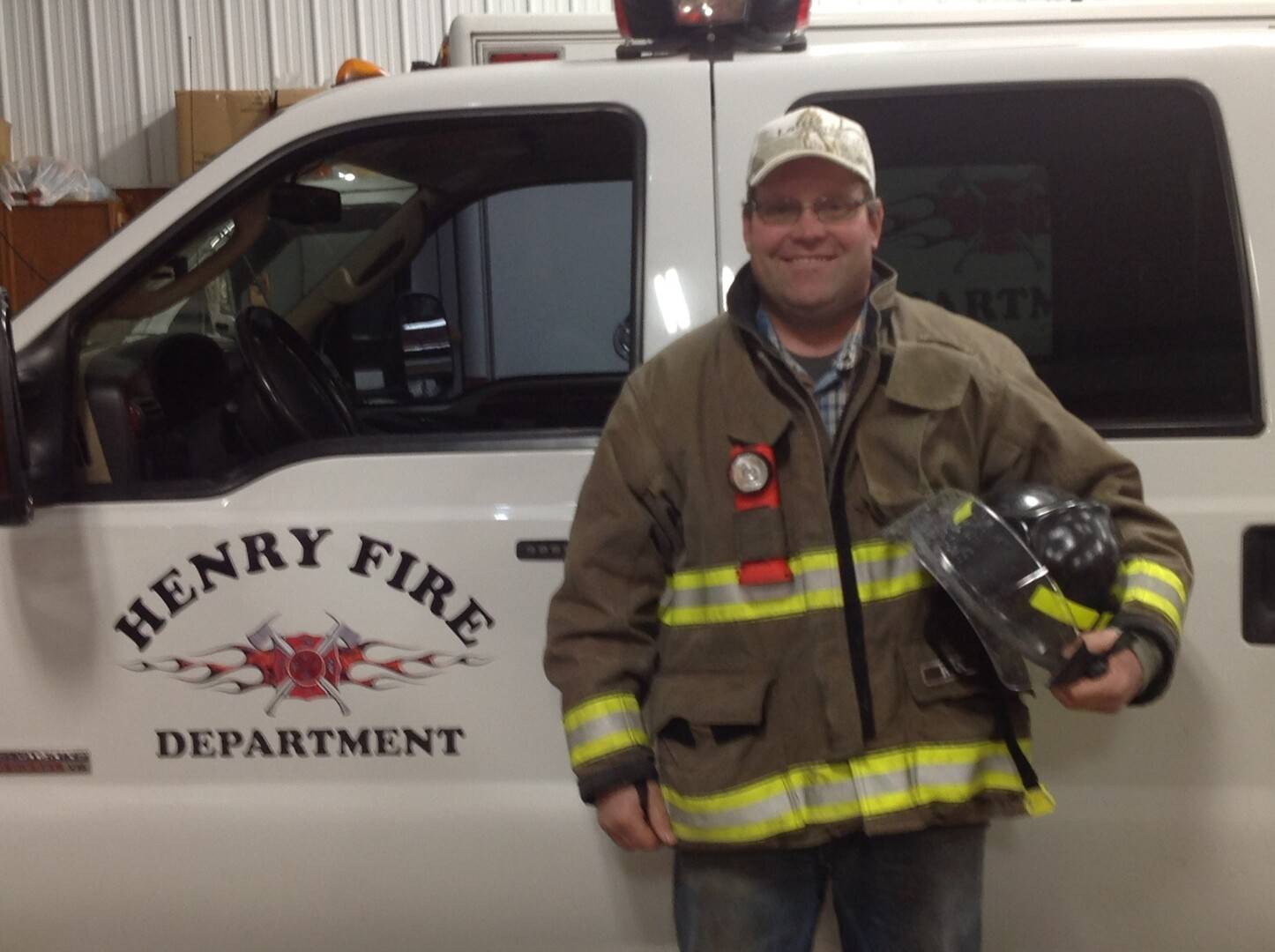
    Dave prepping the planterPicture this: Dave Fuller is outside on a beautiful spring day, preparing his planter for the upcoming season when he sees a fire truck barreling down the road to save a house in his neighborhood. As the truck passes Dave’s home, the driver lays on the horn. That is the cue! Dave runs to his truck and rushes to the scene where he pitches in.

    “If there was a fire in our area and they needed more help, they would just lay on the horn,” explains Dave. “When we heard that, other farmers and I would rush off to help in any way we could.”

    After Dave showed up quite a few times to help, members of the fire department asked him to become an official member. Dave gladly accepted and has been serving on the Henry (South Dakota) Fire Department for the past 14 years.

    “I think it’s important to be on the fire department because you can provide comfort and support when people need it most,” he says. “It’s nice to give back and people really appreciate all we do.”

    Dave FireDave shared an inspiring story about one of his experiences on the fire department. They were called out on a medical emergency at the home of an individual who was having fainting spells. A gentleman was taken by ambulance to the nearest hospital, but his wife was not able to go with him. Because they were new to the area and didn’t have any family near, Dave drove her to the hospital. He didn’t think much of it. Later that year, Dave saw the woman in the grocery store. She recognized Dave and thanked him again for his help.

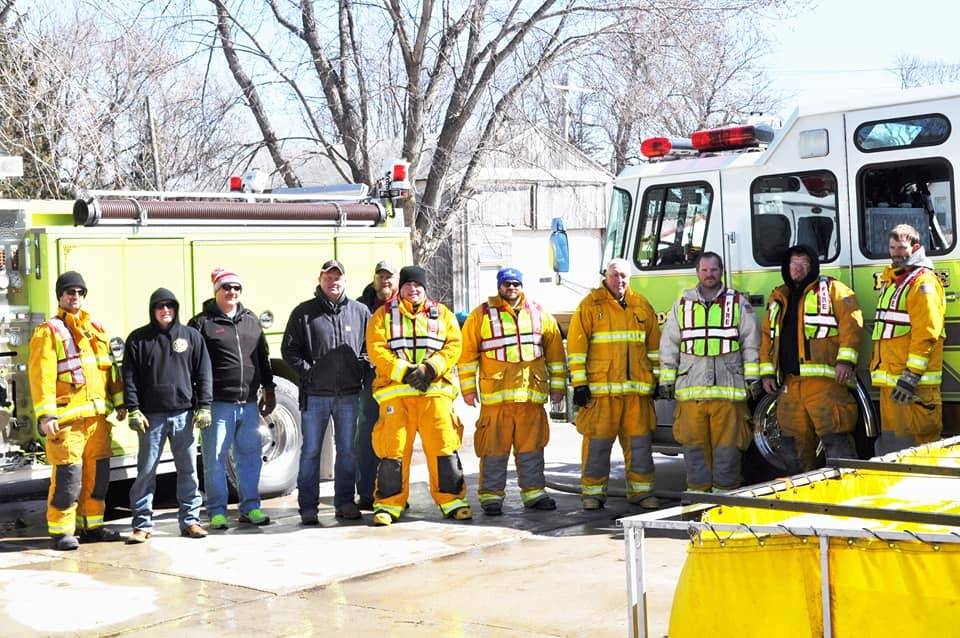
    The Henry Fire Department has 20 volunteers who help where needed. In addition to fighting fires, they have helped with storm clean up, EMT calls and traffic accidents.

    “I think it was just bred into me to serve my community,” says Dave. “We all believe that we should help our neighbor in any way possible. When someone is in a time of need, they often turn to the fire department.

    James Dave & MyronThe Henry Fire Department also hosts a variety of community events throughout the year, including bean bag tournaments, street dances, a mud run, raffles and a pork feed. They use these funds to update their equipment and buy resources for their crew. They also conduct safety demonstrations at local schools.

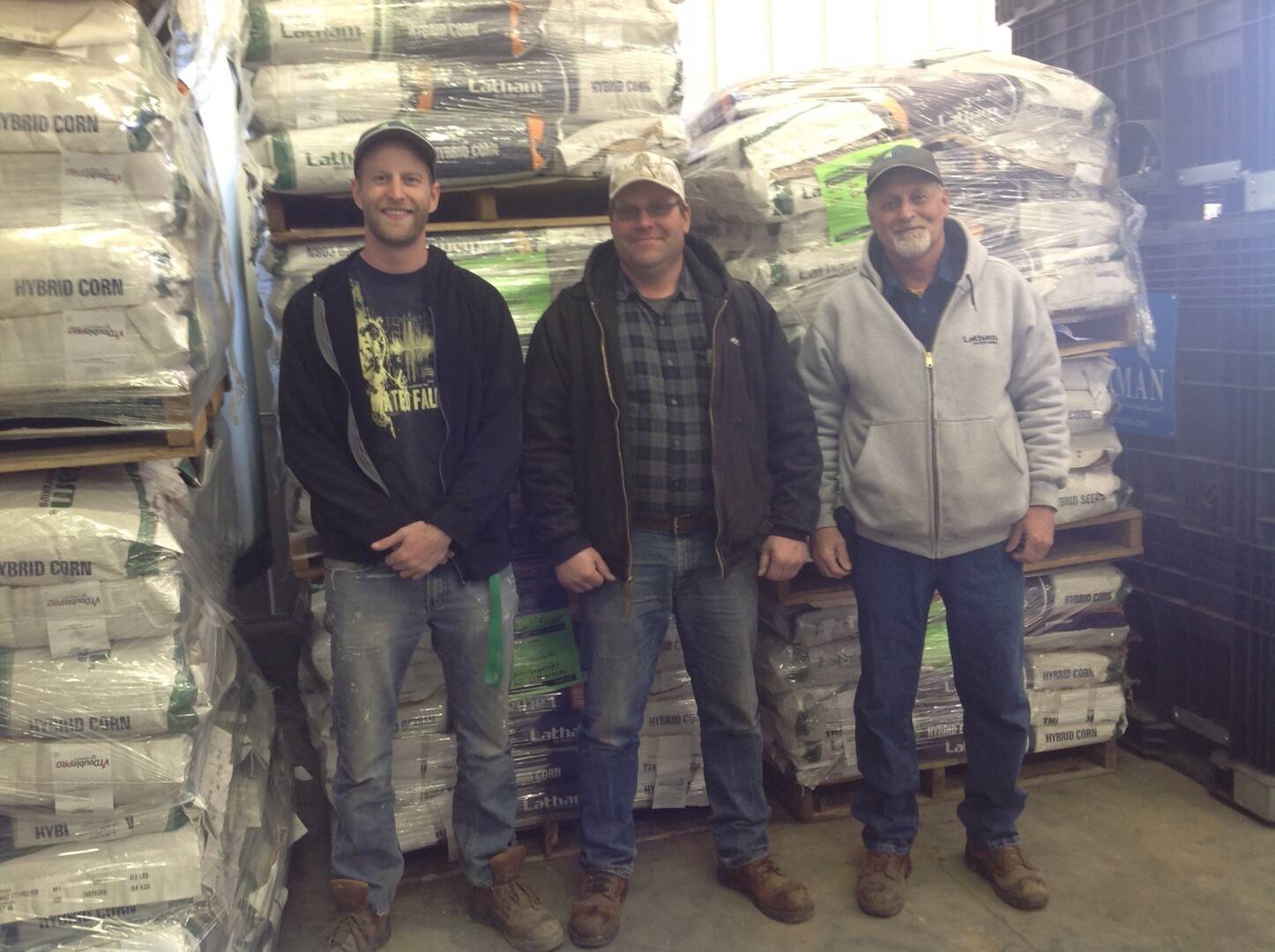
    Dave farms with his parents, Lee and Dorothy, outside of Henry. They raise corn, soybeans, small grains, and beef cattle. Dave and his wife, Kim, have four children: Carter, Peyton, Collin and Olivia.

    We greatly appreciate Dave’s service to his community and his willingness to help anyone in a time of need. If you’d like to nominate someone on your local fire department or EMS crew for a feature story on TheFieldPosiiton.com, call the Latham office at 1-877-GO-LATHAM!

    Webspec Admin

    April 30, 2018
    Agriculture, Industry News
  • Latham Hi‑Tech Seeds

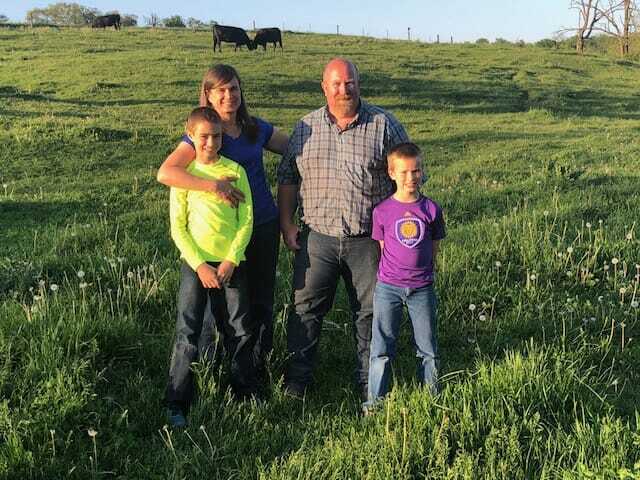
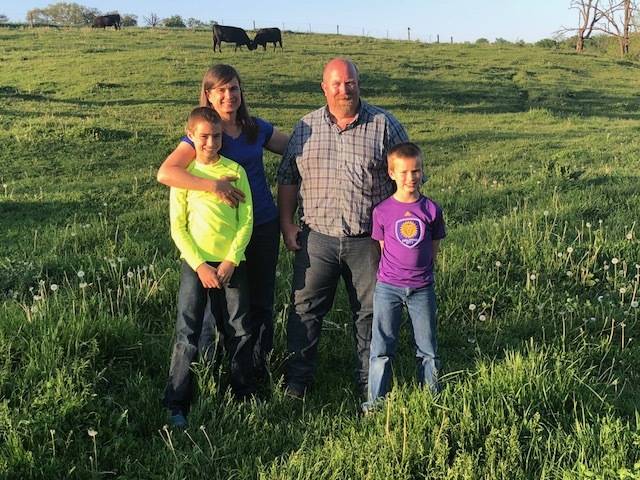
    Young Farmer is Hands On Conservation and Community

    30261960 2086301021404048 8669693162181159433 n

    404955_327839143924557_852253412_nFarming, conservation, community service.

    Jacob Handsaker is a young farmer with passion for community and the future of rural Iowa. If he sees an opportunity to contribute to making things better for future generations, he doesn’t hesitate to “dig in”.

    Jacob started farming full-time in 2008 after graduating from Iowa State University. He now resides on the family-farm with his wife Mindy and four children Myles, Ellie, Will and Kimber. The family raises corn, soybeans, sweet corn, sweet peas, cover crops and hogs. Mindy enjoys being a stay at home Mom but also spends time in the classroom teaching about agriculture as an Ag in the Classroom coordinator through the Iowa Farm Bureau.

    1510437_10208207299719093_464634496807355881_nIn addition to farming, Jacob owns and operates an excavating business with family members Brett and Brian Handsaker. The Handsaker’s grew up doing their own farm improvement work and decided to start doing custom work for other farmers as a way to incorporate more family members into the family farm. As they started gaining experience and exposure in the area, the business continued to grow and Hands On Excavating was born. Today they specialize in farm drainage and excavating, demolition, hauling, site preparation and most recently conservation work including bioreactors. (A bioreactor is a strategically-placed woodchip-based filtration system designed to remove nitrates from water before it enters streams and rivers. These innovative systems are part of a state-wide effort to implement new practices to improve water quality.)

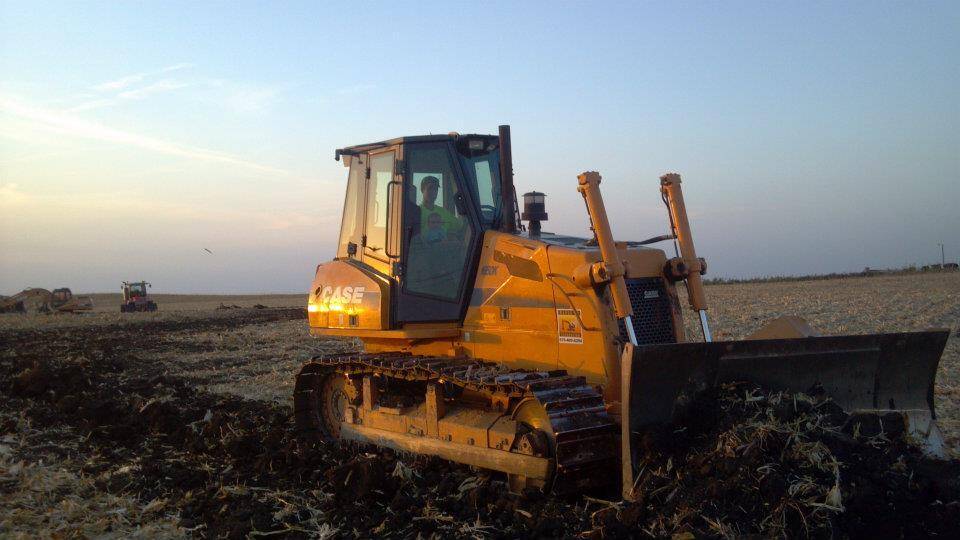
    While two family businesses and four kids certainly keep Jacob and Mindy busy, both agree that its important to make time to give back to their community. For the past 12 years Jacob has been involved with the local EMS as an EMT, and is a member of the Radcliffe Fire Department. As part of these teams, Jacob participates in regular meetings, trainings and certifications to make sure both equipment and crew are ready to answer calls at a moment’s notice. Another part of the volunteer role Jacob enjoys is interacting with the community to help them learn more about the role of their local fire and emergency services departments and ways they can stay safe in their own home.

    30261960_2086301021404048_8669693162181159433_n


    Gary Geske

    April 23, 2018
    Agriculture
  • Latham Hi‑Tech Seeds

    Keeping Small Town Iowa Safe

    Alexander Fire Department

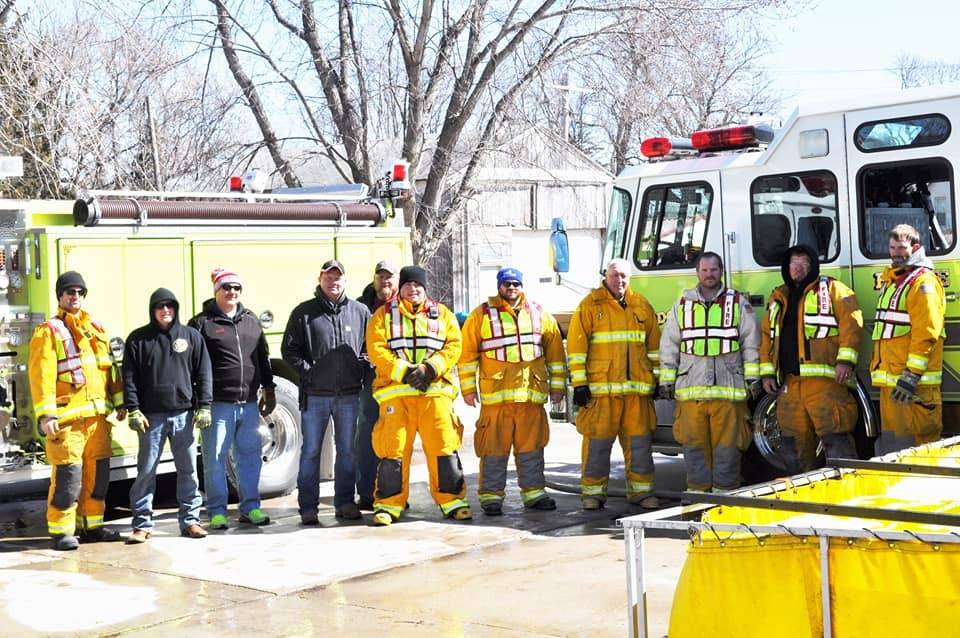
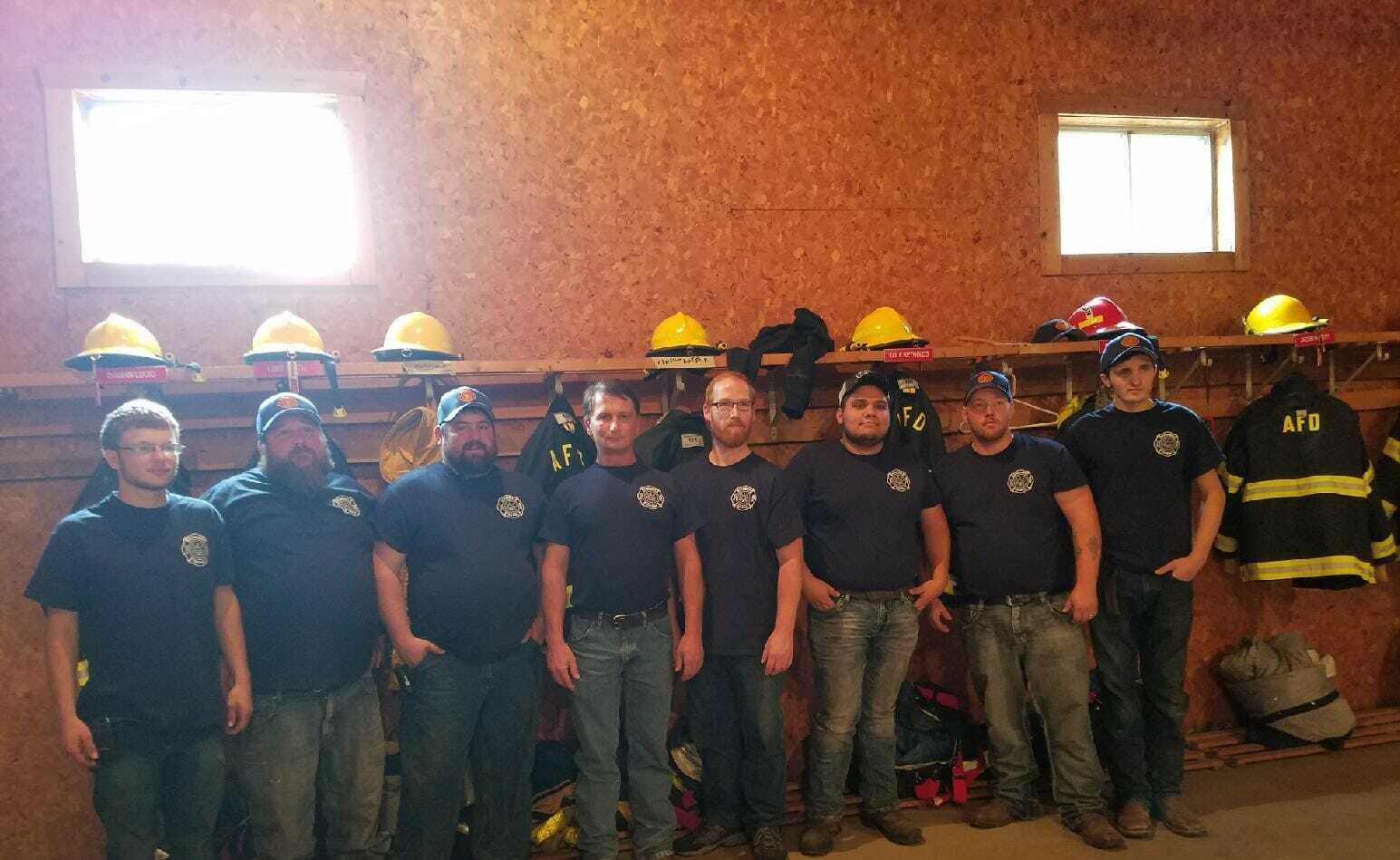
    Alexander Fire DepartmentThose of us who live and work in rural American often rely on local volunteers like those at the Alexander Volunteer Fire Department. Alexander, Iowa, is the home of Latham Hi‑Tech Seeds, and we’re proud that so many of our employees feel called to serve.

    Latham Team members Quentin Boelman and Brad Wessels both serve on the Alexander Fire Department.

    Quentin, who has served as a fireman for 11 years and is currently fire chief, is following in his father’s footsteps.

    “My dad was on the fire department and so I was always around it when I was younger,” he says. “Then after all the events that happened on September 11, I was inspired to get involved.”

    Brad, who is in his third year of volunteer service, says, “I chose to get involved to help people and contribute to the community. I wanted to make sure that everyone stays safe here.”

    Quentin and Brad have both been through extensive training to become certified firefighters. Training spans over four months and contains a variety of training methods, including classroom-style presentations and live fire exercises. Topics cover fire science, safety procedures, rescue techniques and proper use of protective equipment.

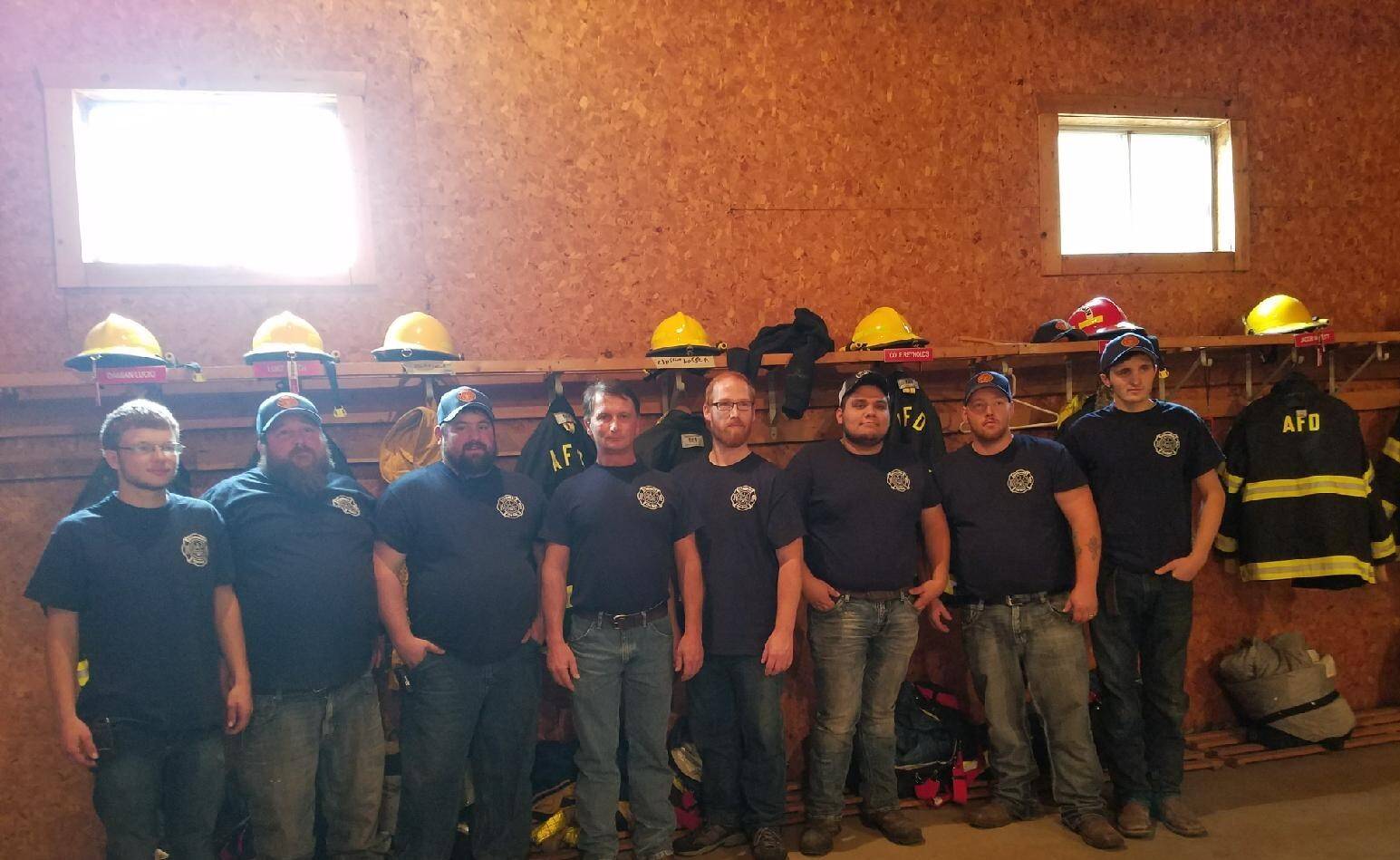
    There are nine volunteer firefighters on the Alexander department, which is a solid crew considering the town’s population was 175 in the 2010 census. The department made a strong effort to recruit volunteers after a fire occurred in Alexander and a crew from a neighboring town had to come put out the fire. Response time lagged, so concerned citizens like Quentin and Brad answered the call.

    “After that happened, we knew we needed to do something different,” said Brad. “We needed to protect what we have and not rely on other communities for our safety.”

    The Alexander Fire Department also has been actively raising funds for new equipment. Each spring and fall, they hold a meal and invite community members to attend for a free-will donation. Their largest meal to date served close to 180 people and the raised over $3,000! Latham Hi‑Tech Seeds donated a print for a drawing give-away at the fall event and also provided the plates, napkins and silverware.

    The fire department has also raised money through generous donors in the Alexander area. Latham Seeds gave a donation that went toward purchasing Grain Rescue Tubes, which allow the fire crew to safely rescue individuals from grain entrapments.

    While the grains tubes are helpful, most of the funds raised by the Alexander Fire Department are going toward a new fire truck. They have raised more than $75,000 to fund this purchase. The truck is being built and should arrive later this spring.

    We are lucky to have such dedicated workers on staff at Latham Seeds. Volunteers like Quentin and Brad, as well as Dave Craighton who serves on the Dows Fire Department, are committed to their communities. We know there are similar stories throughout rural America. If you’d like to nominate someone on your local fire department or EMS crew to be nominated for a feature story on TheFieldPosiiton.com, call the Latham office at 1-877-GO-LATHAM!

    Webspec Admin

    April 16, 2018
    Agriculture, Industry News
Previous Page
1 … 9 10 11 12 13 … 95
Next Page

Latham Hi‑Tech Seeds

131 180th Street | Alexander, IA 50420

(641) 692-3258

SIGNUP FOR OUR NEWSLETTER
  • Contact
  • Legal
  • Dealer Center
  • Seedware Login
  • Latham Gear

© 2025 Latham Hi‑Tech Seeds. All rights reserved. | Iowa Web Design by Webspec | Privacy Policy

Latham® Hi-Tech Seeds is a trademark of M.S. Technologies, L.L.C., 103 Avenue D, West Point, IA 52656.