Latham Hi-Tech Seeds

(641) 692-3258

  • Home
  • Products
    • Corn
    • Soybeans
    • Alfalfa
    • Corn Silage
    • Seed Guide
  • Performance
  • Find a Rep
  • Media
    • Blog
    • News
    • Videos
    • Podcasts
    • TECHTalk
  • About Us
    • Company History
    • Our Mission
    • Careers
    • Become a Rep
    • Sowing Seeds of Hope
  • Contact Us
  • Latham Hi‑Tech Seeds

    Stand Up for Farming and for Ethanol

    Roger Z Generic
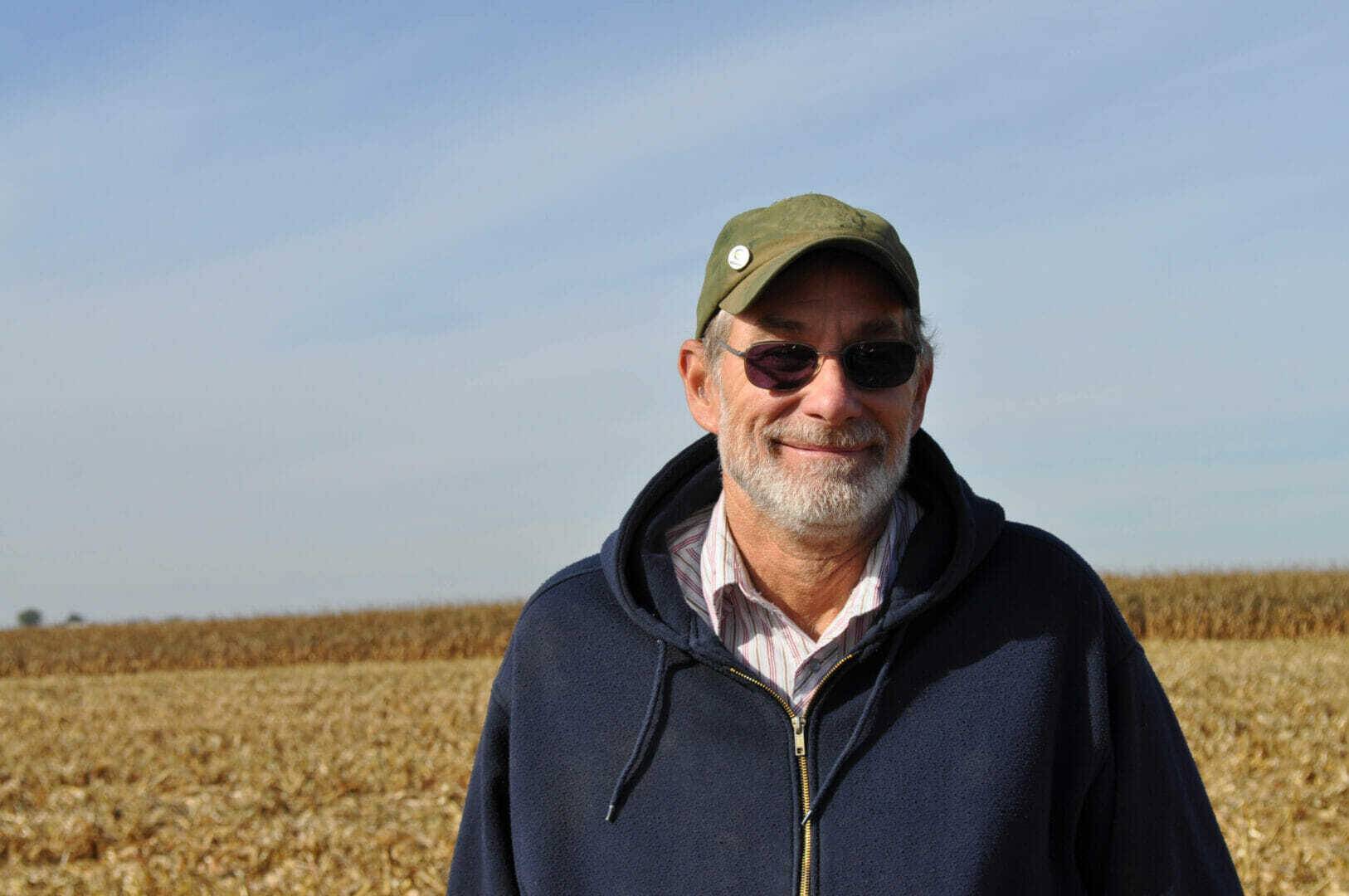
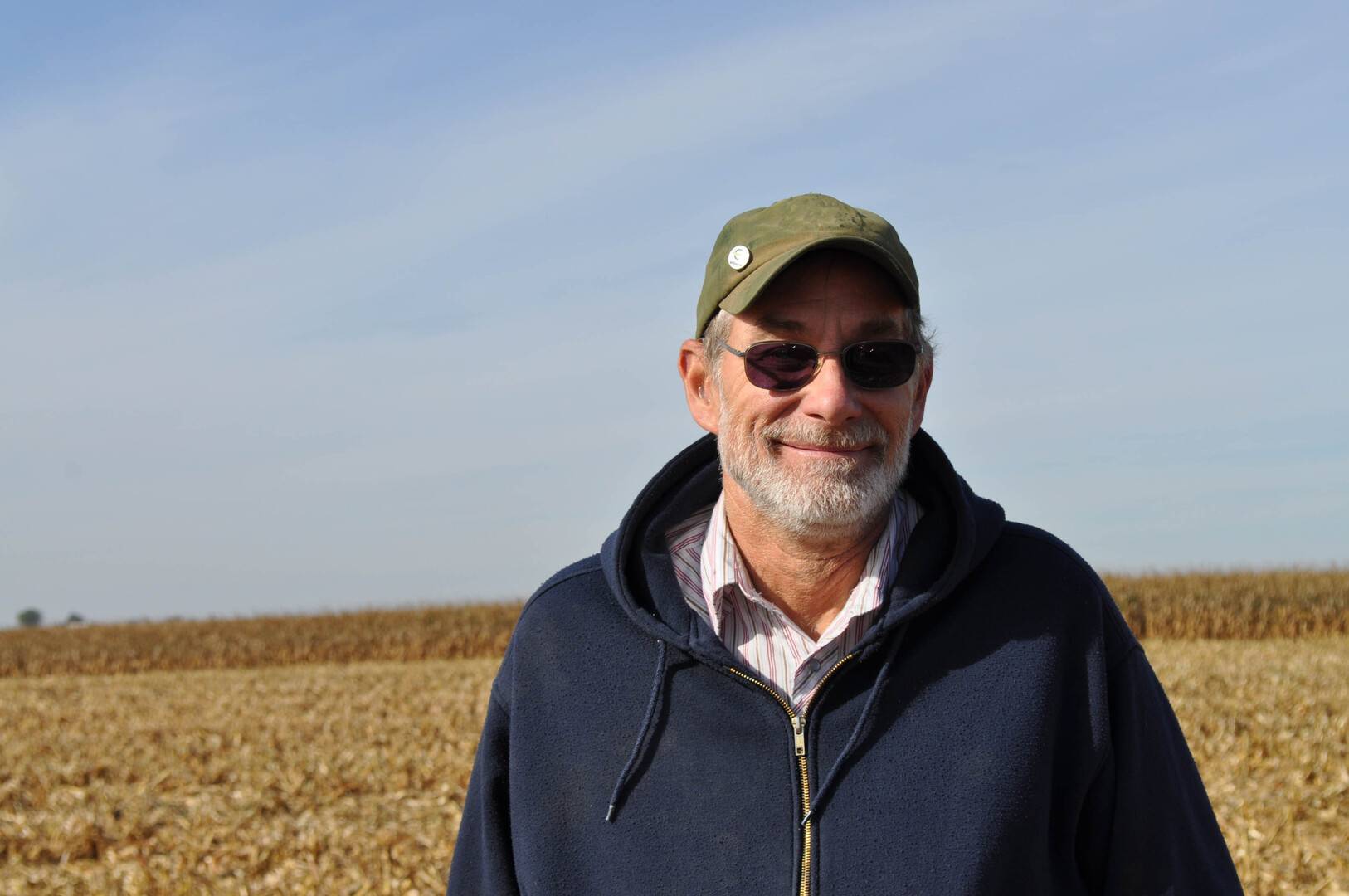
    Roger Zylstra has been farming for nearly 40 years, raising corn and soybeans and finishing hogs in Jasper County. He has used conservation tillage and no-till throughout his career and recycles manure into his nutrient management program. Zylstra is currently the president of the Iowa Corn Growers Association and is a graduate of the Iowa Corn Leadership Enhancement and Development (I-LEAD) program.  Zylstra and his wife, Carolyn, have three children: Their son, Wesley, is a partner in Zylstra Hillside Pork LLC and farms with his dad.
    Roger Zylstra has been farming for nearly 40 years, raising corn and soybeans and finishing hogs in Jasper County. He has used conservation tillage and no-till throughout his career and recycles manure into his nutrient management program. Zylstra is currently the president of the Iowa Corn Growers Association and is a graduate of the Iowa Corn Leadership Enhancement and Development (I-LEAD) program. Zylstra and his wife, Carolyn, have three children: Their son, Wesley, is a partner in Zylstra Hillside Pork LLC & farms with his dad.

    by Roger Zylstra, president of the Iowa Corn Growers Association

    On November 15, the Environmental Protection Agency (EPA) released its proposed renewable volume obligations (RVOs) under the Renewable Fuel Standard (RFS).  Despite its lack of statutory authority to do so, the EPA proposed cutting minimum ethanol use from 14.4 billion gallons to 13.01 billion gallons. If finalized, this cut of 1.39 billion gallons will have economic and environmental consequences felt nationwide.

    This is serious – as serious as anything I’ve dealt with in my 30 years of farming. As a corn farmer, I view the ethanol market as a home-grown value added opportunity. As a livestock producer, I know that all of agriculture is connected and better grain prices typically bring better livestock value. I have been to D.C. recently to present verbal comments to the EPA to convey just this message.

    In a recent Cedar Rapids Gazette article, Iowa Governor Branstad is quote as saying he believes the EPA is “making a huge mistake” to reduce the renewable fuel standard, which in turn could push the price of corn below the cost of production, drive down farm land prices and cut the demand for farm machinery.

    Governor Branstad is right; our farm futures hang in a delicate balance. Corn production is at 14 billion bushels with a 2 billion bushel carryover and corn prices are at cost of production. According to Iowa State economists, the economic impact on Iowa agriculture is projected to be near $1.4 billion.

    I see corn not sold sitting in my bins with prices at cost or below the cost of production.  When farmers are squeezed, they aren’t able to spend money. When there isn’t money circulating through local economies, town square businesses close and communities struggle to keep people in town and students in the school. We know what happens in depressed agricultural times because it happened in the 1980s farm crisis.
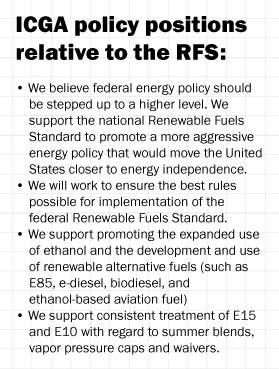
    ICGApolicyThe federal government estimated that farmland values plummeted nearly 60% in the Midwest in just four short years in the mid-80s. In that same time, record production and grain limits brought low prices plus exports decreased more than 20%. I don’t have a crystal ball, but research and some real life 1980s experience, tells me we aren’t nearing a proposed “blend wall” as the EPA proposes, but rather we are sending farmers crashing into a wall by reducing market growth through ethanol production.

    Iowa might be miles from Washington D.C., but those miles are covered by many hard working farmers like us who are about to be squeezed by policy limiting our ability to farm today as well as our future ability to produce a crop and make a living.  We have the corn; we have the ethanol plants; and we have the infrastructure in place to help lighten our surmounting energy needs.

    The EPA’s attempts to reduce the RVOs for 2014 are misguided.  Please contact the EPA today to tell them how this decision impacts your farm and community. Submit your views to the EPA by clicking on this link or sending your written comments via US mail to:

    Environmental Protection Agency
    Mailcode: 2822T Air and Radiation Docket ID No. EPA-HQ-OAR-2013-0479
    1200 Pennsylvania Avenue NW.
    Washington, DC 20460
    Team Latham

    December 19, 2013
    Agriculture, General, Industry News
  • Latham Hi‑Tech Seeds

    Agriculture Needs Representation… Who Will Fill the Bill?

    TomLatham SwornIn
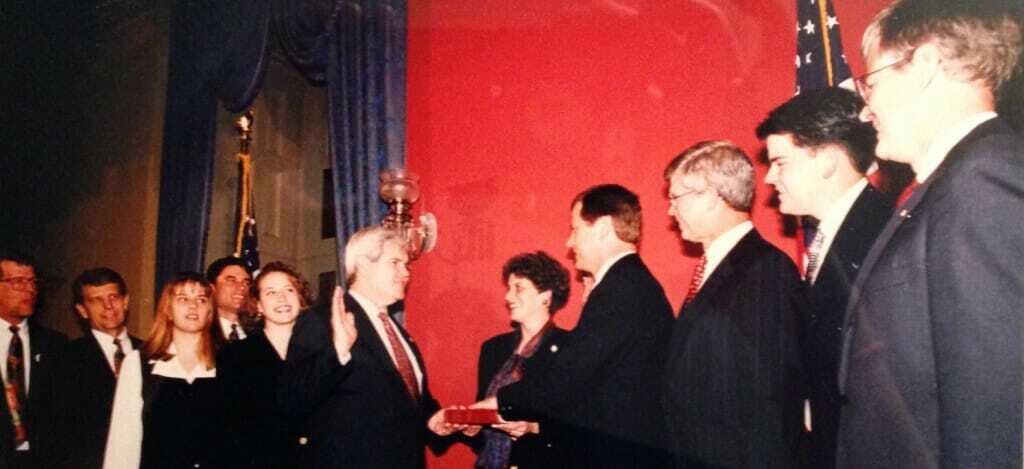
    The year 1994 is significant to John Latham because that’s the year Tom Latham was elected as a U.S. Congressman. Tom’s absence from day-to-day operations with the family’s seed business created an opportunity for John to come onboard as a salesman. (John is pictured second from the right.)
    The year 1994 is significant to John Latham because that’s the year Tom Latham was elected as a U.S. Congressman. Tom’s absence from day-to-day operations with the family’s seed business created an opportunity for John to come onboard as a salesman. (John is pictured second from the right.)

    Breaking news yesterday was a bit shocking as Congressman Tom Latham, my uncle and former sales manager for Latham Seeds, announced that he won’t seek reelection to Congress in 2014.

    “My service to Iowa has never been motivated by titles, accolades or a drive to secure a place for my name in history or on a building,” Congressman Latham wrote in an email to constituents. “I have always been motivated by a responsibility and commitment to the people of Iowa, who elected me to faithfully work for an America that provides greater freedom and more opportunity for our children and grandchildren. But responsible leaders – regardless of what level they serve – must always take time to reflect on when it is time to step away from the task that they love. This is a discussion that I have every year with my family. They are my life.”

    After 39 years of frequent travel and many long hours at the office, I can see how anyone would want to retire and enjoy “free time.”  During the first 20 years of Tom and Kathy’s marriage, Tom worked tirelessly to make a name for Latham® brand soybeans and to build a dealer network.  Since 1994, he has worked tirelessly to represent Iowans in our nation’s Capitol.

    Tom has accomplished much in Congress, including securing funds for the national facility for USDA Animal Health in Ames.  He has been one of our country’s strongest advocates for ethanol and was awarded the 2012 “Fueling Growth Award” from a group representing America’s ethanol producers, who acknowledged his work for consistent and predictable federal policy that has helped create jobs in America.  He fought to preserve the tradition of protecting family farms from their own government by introducing the Preserving America’s Family Farms Act.   And as much as he has fought to make investments in rural America, he never lost sight of the fact that budgets must balance.

    Indeed, Tom is a rarity in Congress.  There aren’t folks serving in Congress or working in Washington, D.C., today who understand farming or life in rural America.  The fact that population is shrinking in rural America means that, for first time in our country’s history, the influence of agriculture is waning.  U.S. Secretary of Agriculture Vilsack, while addressing a group of farm leaders last winter during a Farm Journal Forum, said rural America is becoming less relevant.

    Lack of passion and commitment to agriculture is a major problem for all of us who live and/or work in rural America.  Ag literacy is one of our top challenges at the federal level.  Because Tom was raised on what is now an Iowa Century Farm in Franklin County and had agribusiness experience, he was often asked questions by fellow Congressman and staffers as they considered agricultural bills and policy changes.  There are only a handful of congressmen who share Tom’s background, experience, passion and commitment to agriculture.

    As a result, things nobody would have imagined happening 40 years ago are happening now.  The EPA is cutting the ethanol mandate.  Activists are going against sound science, demanding GMO labeling and trying to force seed companies out of states like Hawaii.  It’s difficult to pass a Farm Bill of any kind these days.

    Unfortunately, we don’t have enough government leaders who understand modern U.S. agriculture and its contributions to feeding the world.  Tom Latham understands the importance of this noble mission.  He has been a beacon of light for agriculture, and his light will be missed.  So as happy as I am for Uncle Tom and his immediate family, I’m sad for agriculture.

    John Latham, President

    December 18, 2013
    Agriculture, General, Industry News
  • Latham Hi‑Tech Seeds

    Protect America’s Food System

    Warmpigs

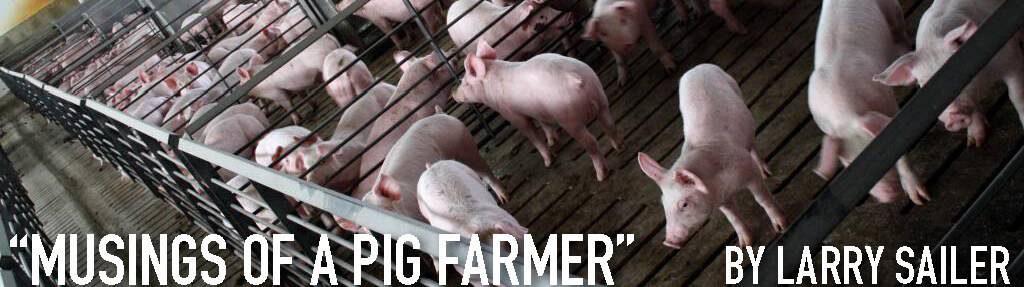
    MusingsHeader

    What does a farmer do in winter?  In addition to doing chores and plowing snow, I’ve been making my way through the stack of newspapers and magazines that got piled up during harvest.  One article I read this weekend was “Pew Commission 5 years later” written by Tyler Harris and printed in the September 2013 issue of Wallaces Farmer.

    While I believe Harris was trying to report the facts, his article got under my skin.  I thought about titling today’s blog, “Trying to listen when steam is coming out of your ears!”  I’m getting worked up again just thinking about Harris’ article, but I’ll do my best to give you the jest.

    The Pew Commission on Industrial Farm Animal Production (PCIFAP) issued a report in 2008 entitled, “Putting Meat on the Table: Industrial Farm Animal Production in America.”  It called for changes to meat production in the name of public health, environment, animal welfare, and the economics of rural communities.  The Commission made recommendations against the use of antimicrobials fed to meat animals and proposed changes to current livestock waste management systems.

    warmpigsMany of these recommendations were opposed by the National Pork Producers Council and the Animal Agricultural Alliance.  Because these groups questioned the study’s objectivity, a follow up study was led by Robert Lawrence, director of the John Hopkins Center for a Livable Future.  Results from that study were released this fall.  Basically, this follow up study upholds the Pew recommendations from 2008, and Lawrence is quoted as saying, “… the urgency to implement them fully grows each day.”

    I’m trying very hard to keep an open mind here, but the “Devil” is in the details!  The PCIFAP consists of 15 commissioners “who bring individual expertise in diverse fields including public policy, agriculture, veterinary medicine, public health, animal welfare, the food industry, and rural society.”  Until you read through the list of commissioners and research their backgrounds, one would think this group would represent experts on all sides of the issue. Not the case!

    The makeup of this Commission is clearly one-sided.  That’s why today I’m using my own experience to refute each recommendation the Commission made:

    1. The Commission’s first recommendation addresses antibiotics use within the livestock industry. Mainly, the Commission wants to stop use of all non-therapeutic antimicrobials.  Fact is, a very small amount of antibiotics are used in this way.  Antibiotics add to feed costs, so farmers don’t use them unless they’re needed.  Plus, modern buildings are so much better for controlling disease that hogs get sick less frequently.  When my hogs were raised outside, I was always medicating due to stress and exposure to stray animals and weather.  No one has proved that resistance is coming from antibiotics used in this fashion.
    2. The Commission’s second recommendation concerns a government database and disease monitoring.  In my own operation, I know where the pigs come from and what their history is. We already have a great system in Iowa to deal with any outbreak of disease, so we don’t need additional rules.
    3. In its third recommendation, the Commission addresses industrial waste from the “inflexible and broken system” that exists. Now this is way out of line!  I agree there is not much flexibility with our current manure management plans.  But calling manure an industrial waste is simply wrong!  Manure is a valuable fertilizer, and no farmer wants to waste valuable inputs.
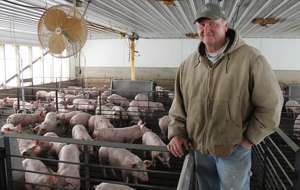
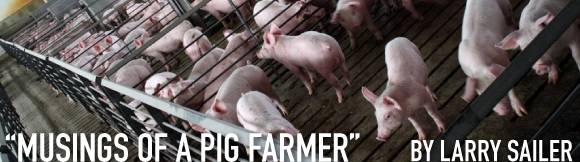
    4. Recommendation number 4 deals with animal welfare.  There is a distinct different between treating animals humanely and treating them like a human!  Farmers treat their animals humanely every day because we want the livestock’s environment as stress-free as possible.  The whole premise behind modern production techniques is to give our animals the very best care possible!  Following a recent snow storm, I stepped inside one of the modern barns and snapped a picture of a pen of pigs. The wind chill outside was at least 20 below zero, but my pigs were warm and cozy.  As much as these experts want to return to the good old days, I would never wish that for my pigs!
    5. The Commission’s fifth recommendation calls for more state and federal regulations to “level playing field for all producers.”  This is America, folks, where free enterprise and free choice are supposed to reign supreme!  Let the free market – not government regs – rule.  Leveling the playing field removes incentives from those who have figured out how to do a great job and gives advantage to those who are inefficient.  If a producer wants to remain small, he must find a niche market – and many have.  It’s not government’s job to decide the winners in business!
    6. The last point calls for increased government funding to expand and reform animal research. Last I knew, private companies were doing a pretty darn good job already!

    The point I want to make is that the Pew study is very well funded and get a lot of attention, so it puts pressure on elected officials to make more rules that end up hampering business. More regulations leads to higher production costs, which leads to fewer investments by farmers and businesses, which leads to fewer jobs and higher food costs.  We must remain diligent in protecting the great food system we already have in this country, which produces the safest cheapest food in the world!

    Larry Sailer, Musings of a Pig Farmer

    December 17, 2013
    Agriculture, General, Industry News
  • Latham Hi‑Tech Seeds

    Throwback Thursday: Soybean Seed Bag

    Old LathamSeedsBag

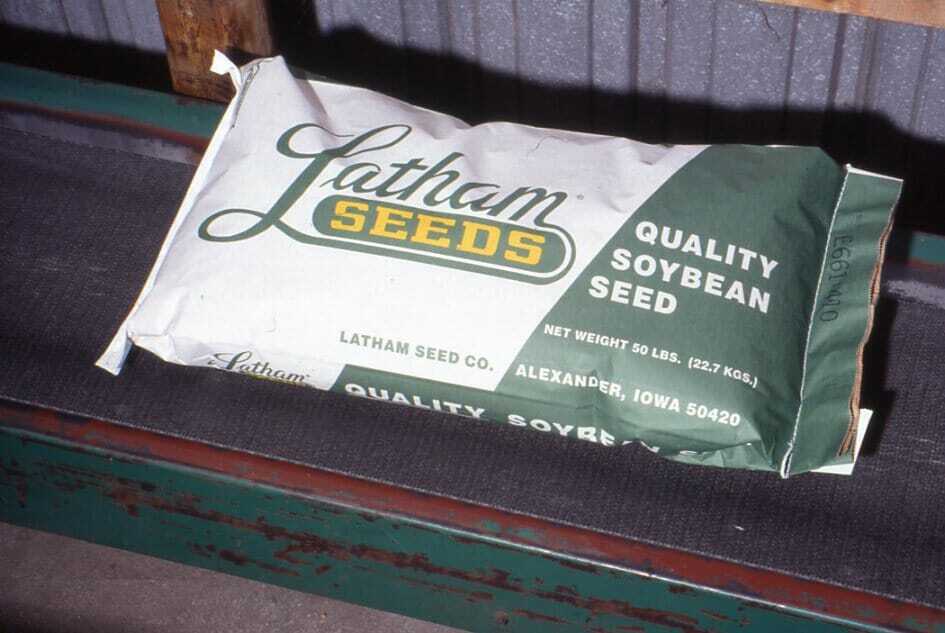
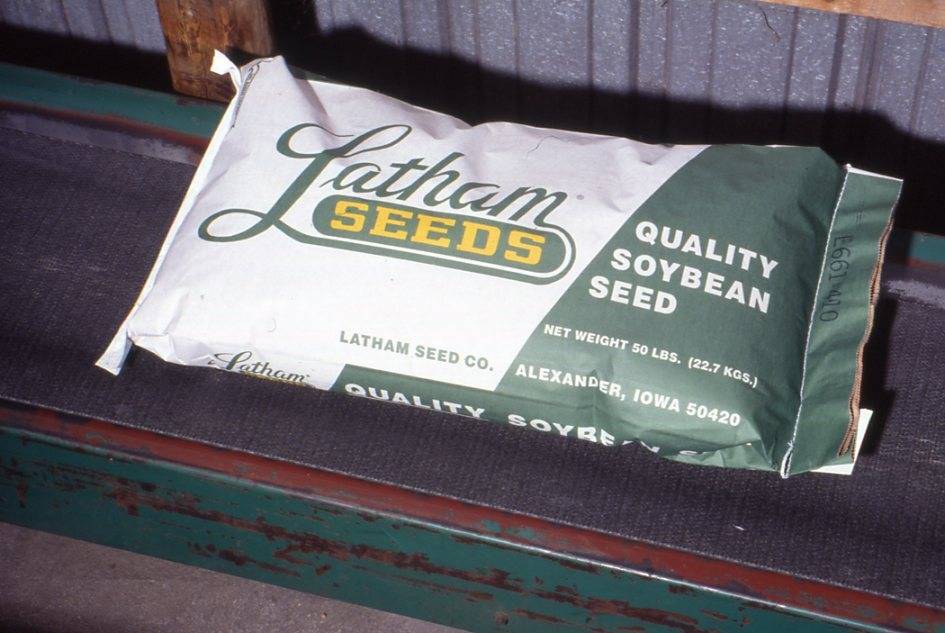
    Only top-grade soybeans go into a Latham® bag. Our team members take so much pride in what they produce, the word “quality” is stamped on every unit.

    Old_LathamSeedsBag

    Team Latham

    December 12, 2013
    Agriculture, General, Industry News
  • Latham Hi‑Tech Seeds

    Use the Off Season to “Bring More Game” to 2014

    GameOn Logo

    While reading Corn and Soybean Digest recently, I came across an article about using our “off-season” time to prepare for the “2014 game” or growing season.  Author Dean Heffta writes, “Every business – whether its seasons are set by the weather or not – needs to create and utilize an ‘off season’.”

    LeBron James used off-season training to become a better low-post player after the Miami Heat lost the NBA tournament in 2011.  James sought help from the great Hakeem Olajuwan to hone skills needed to improve his performance.  As a result of James’ preparation and leadership, the Heat won back-to-back league championships in 2012 and 2013.

    What can we do in the “off season” to prepare ourselves to win the game in 2014?  Use your ‘off season’ time between harvest and planting:

    1. Review – Reflect upon the past season(s), and consider changes to improve those areas in 2014.
    2. Development skills – Try a new technology like Latham’s hallmark Seed-2-Soil program or download a new app like our 2014 seed guide.
    3. Plan – Step back from day-to-day operations.  Consider where your farm is going.  Explore ways to reach your goals.  Plan for 2014.

    An important role of every leader is scripting plays for the upcoming season. Take time to plan the details so everyone knows what’s next.  While the process can seem a little overwhelming after a long, tiring growing season, simply for considering just one area of your operation that, if worked on, would make the biggest difference to your farm over time.

    Click here for tips from Heffta on how to “execute your off season plan.”  I’ll also be there to help in any way that I can, too.  All you have to do is call! 1-877-GO-LATHAM (1.877.465.2842)

    GameOn-banner

    Webspec Admin

    December 11, 2013
    Agriculture, General, Industry News
  • Latham Hi‑Tech Seeds

    Start a Conversation about Farming… with Someone, Anyone!

    LarrySailer AgriNews1

    MusingsHeader

    Last week I attended the Iowa Farm Bureau’s annual meeting in Des Moines.  Dr. Jay Lehr, PhD, was the keynote speaker on Wednesday.  He began by showing a video of himself, asking urban residents questions about farming.  Needless to say, he received many funny looks at first from those unsuspecting folks in the videotape.  Yet, every conversation turned into a good dialogue about food and farming.

    When people are asked what they think about Iowa, Dr. Lehr says they immediately associate it with agriculture, corn and cattle.  He doesn’t understand why residents of the number one corn and soybean state do not fully support agriculture – and he’s right!  Iowa faces an anti-ag attitude.

    Iowa farmers often find themselves in situations, defending their livelihoods.  This state’s largest newspaper frequently runs stories blaming farmers for everything from the Dead Zone in the Gulf to ruining water for recreation!  Dr. Lehr was very adamant that they are wrong.  Too many people just do not understand modern farming.  And to further make his point, he used one of my favorite phrases, “These are not Old McDonald’s farms!”

    Dr. Lehr drove home the point that, as Iowa farmers, we must share how we farm.  He challenged each of us to spend two hours per month, sharing our farming story with others.  If we don’t tell our stories, someone else will – and we may not like it!  Other groups, like the Humane Society of the United States (HSUS), will paint a picture based on misinformation and emotion.  By doing so, they push their agendas and gain widespread national media attention.

    Non-farmers are interested, as proved by Dr. Lehr’s video.  The need for information is probably why so many of them buy into messages by the plentiful messages broadcast by HSUS and PETA.  It’s also why we must start more conversations.  If we let others tell our story, it’s not going to be the story we want told.  Just think how much understanding could be created if each Iowa farmer spent two hours each month to help explain modern farming!

    Think one family farmer can’t make a difference?  Think again… just look at the impact the Peterson Farm Bros have made!  Their Facebook page has 86,547 likes with 24,702 talking about them.  Their parodies of pop songs filled with ag stats and farming know-how are wildly popular.  “I’m Farming and I Grow It” parody they posted one year ago has had more than 8 million hits – 8,814,359 views to be exact!  Their newest parody on Katy Perry’s “Chore,” posted about 21 hours ago and already has more than 70,000 views.

    While we aren’t all as talented as the Petersons, we can start conversations by posting their videos on our Facebook pages and sharing some ag production stats.  Articles posted on our Facebook pages also can start conversations by providing opportunities for others to ask questions, which is what happened when I posted a link Sunday to an article in The Des Moines Register.

    Modern farming is a huge success story of how technology has very much improved the way we farm, keeping the environment cleaner in many ways.  If you farm, start a conversation with a consumer.  If you don’t farm, start a conversation with a farmer. Ask questions. Farmers can also listen.  Who knows, you might hear a different story!

    Larry Sailer, Musings of a Pig Farmer

    December 10, 2013
    Agriculture, General, Industry News
  • Latham Hi‑Tech Seeds

    Throwback Thursday: Bagging Room

    Latham Bagging Line 1988.jpg

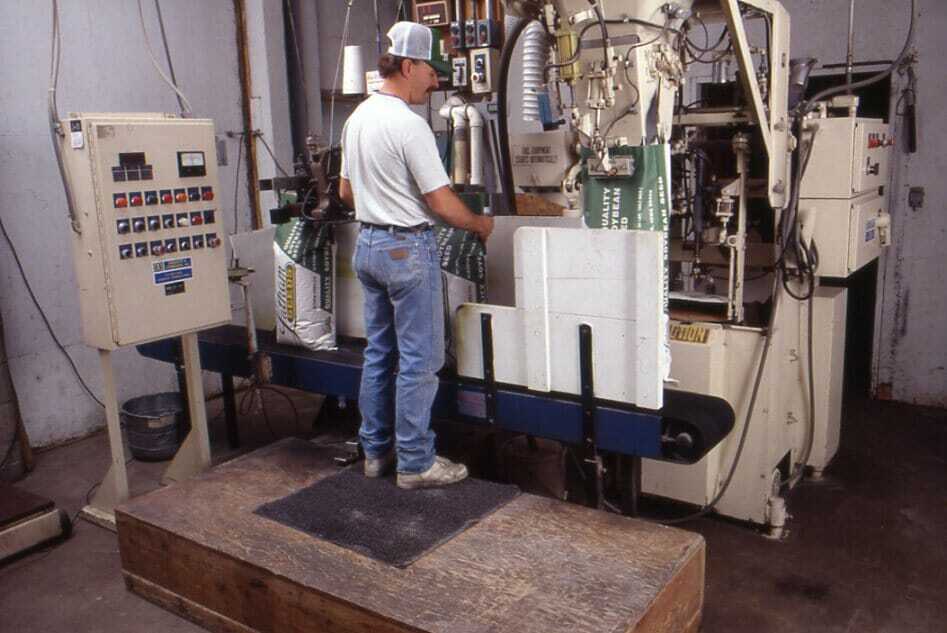
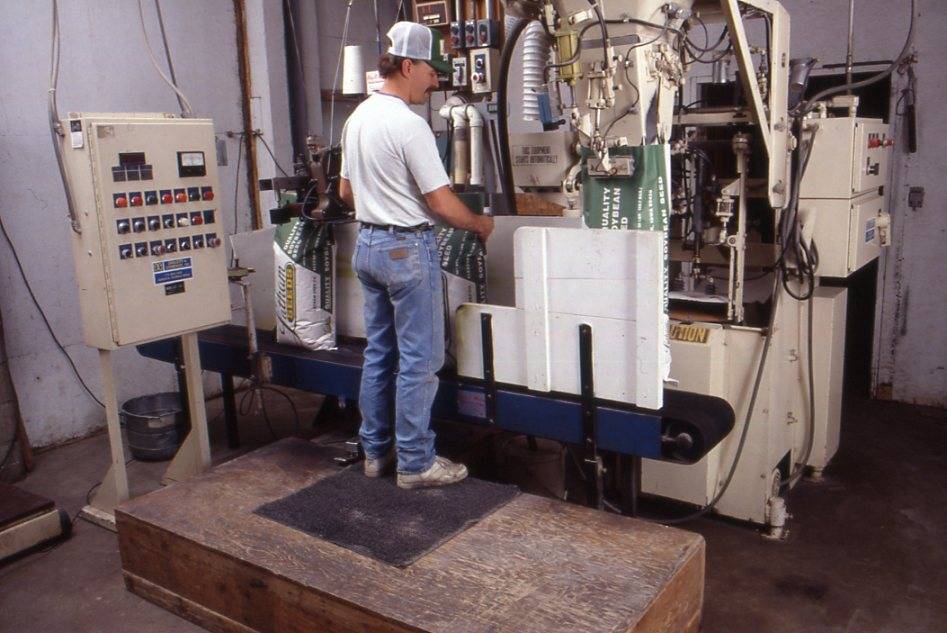
    Throwback Thursday in the Latham Seeds soybean bagging room. Circa 1994.
    Latham Bagging Line 1988.jpg

    Team Latham

    December 5, 2013
    Agriculture, General, Industry News
  • Latham Hi‑Tech Seeds

    Wants Verses Needs

    WantsNeeds

    MusingsHeader

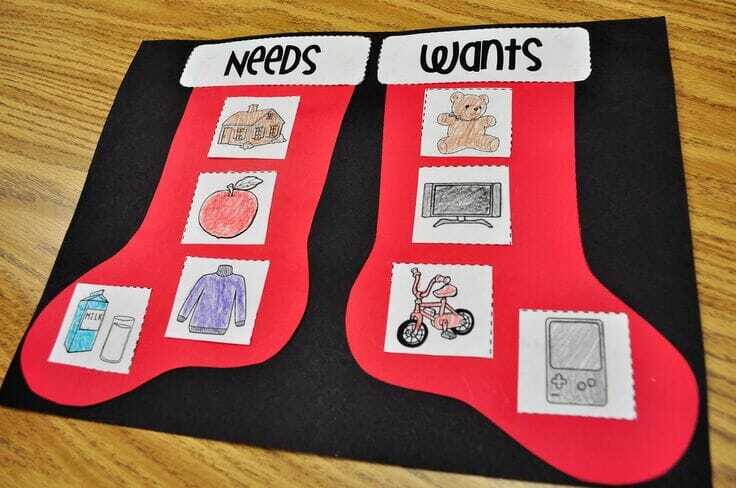
    As the holidays approach, we’re constantly reminded about wants verses needs.  Masterfully crafted advertisements have even convinced many of us that our “wants” are truly “needs.”  The line between wants and needs has become blurred throughout our entire society!  The fact that the 2012 Farm Bill has yet to pass, and 2013, is coming to a close is proof positive.

    WantsNeeds
    Photo Credited to Mrs. Ricca’s Kindergarten Website.

    Right about now you might be thinking, “Wow.  Larry isn’t feeling the holiday spirit.”  The truth is, I love the holidays.  I enjoy spending time with my family and friends any day throughout the year, but especially between Thanksgiving and New Year’s Day.  It’s just that life must go on – and chores must be done – regardless of what day it is or what season is upon us.

    That’s why today I’m addressing a very serious topic that’s weighing on me heavily given recent events.  Reader discretion is advised as I may not be politically correct at times.  It’s a hot-button issue of mine that was pushed when I read a story over the weekend in The Des Moines Register.

    On November 29, Register reporter Sharyn Jackson wrote, “Child care costs are holding back Iowa families.”  A national study found that in 2012 a single mother in Iowa with one infant, earning the state median income for single-mother families, spent an average of $9,053, or 37.4 percent of her income, on child care.  During the summer, when her two children are off from school, one single mother from Indianola spent more than 90 percent of her paycheck on daycare for just three days a week of care.

    This is a story close to my heart because two of my kids are raising their families alone, and they struggle to make ends meet.  It’s definitely tough for single-parent homes, which brings up the topic of divorce and the moral fight over whether it is right or wrong.  Having personally gone through a divorce, and knowing the situation for both of my kids who have gone through one, I believe divorce is sometimes the best decision!

    I understand that some things have been done in the past that cannot be ignored, and there is a reason I am so passionately against abortion.  There is a reason I so love my instant family that was given to me on my 30th birthday.  Some things in life were meant to test your faith, and how you handle these hardships make you who you are!

    Then, what about parenthood before marriage?  Yep, it also happens to good people.  One of my very good friends is a conservative, Christian, wife and mother, who was once was a single, college-student mother on food stamps.  After keeping quiet about it for a decade, this Food Stamps Mom broke her silence.  Katie Pinke, on the Pinke Post, wrote:

    I needed to build a life for my son. I didn’t want him to be a statistic. I wanted him to be in the most loving, supportive environment possible.  Food stamps were a part of my solution to create a future for my son and me.  Food stamps helped me for two years and childcare assistance just six months longer. 

    She goes on to write:

    When I graduated from college, I earned a salary. I had health insurance. My son was four years old. I called my caseworker and told her I no longer needed to receive benefits. I was breaking free!

    Did she congratulate me? Hardly.

    She expressed her concern that I wouldn’t be in need anymore. She assured me I could still probably qualify for some services. The truth is, I never wanted to go back to social services. I never wanted to slide that food stamps card at the grocery store again… I wanted more for my son. I wanted freedom and ability to provide on my own.

    Providing a temporary hand up, rather than a permanent hand out, was the original intent of the food stamp program, which is now called the Supplemental Nutrition Assistance Program (SNAP).  Unfortunately, generations of families have become dependent on public assistance.  The number of people on welfare has sky rocketed during the last six years.

    Another sidebar thought: Does the income limit in place to qualify for food stamps hold people back from the Middles Class?  It seems to reason to me if The Register article says income requirements to qualify for state childcare are holding people back from the Middle Class that the same holds true for SNAP.  Parameters of the childcare assistance program prevent these low-income families from becoming part of the Middle Class.  Government rules holding them back because these Americans are incented to either quit their jobs or not apply for jobs to qualify for assistance.

    What about subsidized housing? I just read about the USDA making grants available.

    The fact is, society has changed.  Much of this change has been caused by government programs. Back in “the good old days,” we didn’t have so many government assistance programs.  Families, churches, communities, and friends were there to help.  And, people were motivated to change their circumstances by working harder and longer!

    It’s been reported there is a dire shortage of skilled laborers in Iowa, and this shortage is holding back job creation.  I know from personal experience that it’s next to impossible to run a successful business without skilled labor.  Between the lack of skilled workers and no lack of new government regulation, creating new jobs is tough!

    So what’s the solution?

    • Lessen government regulation.
    • Provide better and more access to education.
    • Teach the younger generation right from wrong.
    • Restore a sense of accomplishment from a job well done; restore the sense of pride from working hard and doing things for yourself.
    • Don’t expecting the government or someone else to do it or give it to you!

    There isn’t any one easy fix in reality, but the current path America is taking is not working: free food, free phones, free baby care, free housing, and the list goes on!  My point is that government needs to get back to doing what it was designed to do, starting with protecting our borders and preventing enemy attacks!  If we keep going deeper and deeper in to debt, the government will not be able to handle its requirements.  Wants can no longer replace needs.

    Larry Sailer, Musings of a Pig Farmer

    December 3, 2013
    Agriculture, General, Industry News
  • Latham Hi‑Tech Seeds

    Creating Family Traditions and Holiday Memories

    WlrdEv Yng 579x1024
    After they were married in 1938, Willard and Evelyn Latham made their home in rural Franklin County. Their former house – on an Iowa Century Farm – remains home to Latham Hi‑Tech Seeds.
    After they were married in 1938, Willard and Evelyn Latham made their home in rural Franklin County. Their former house – on an Iowa Century Farm – remains home to Latham Hi‑Tech Seeds.

    Family traditions are important to us, as one might guess since Latham Hi‑Tech Seeds has been family owned for more than 65 years.  We’re proud to carry on the tradition of producing high-quality, high-yielding seed that Willard Latham began back in 1947.

    With the holidays approaching, I find myself reflecting on family Christmas traditions.  One tradition started by Willard’s wife, Evelyn Latham, was giving popcorn balls to each of her 12 grandchildren when the family gathered on Christmas.  Everyone looked forward to receiving her handmade gifts of love, and I remember how special I felt the year I was given my very own popcorn ball.  Isn’t it funny how such a little thing can mean so much?

    One of my family’s traditions was tagging a live tree from the Boy Scouts Christmas tree farm in Greene and then decorating it the day after Thanksgiving.  This year, on the day after Thanksgiving, John and I took our kids to a local farm where we picked out an Iowa grown tree.  Friday was a beautiful, sunny winter’s day but crisp and cool enough outside that spiced apple cider was a welcome treat.  We had fun decorating it later that afternoon, recalling special events and favorite family vacations as we hung the ornaments.

    johnchristmastree
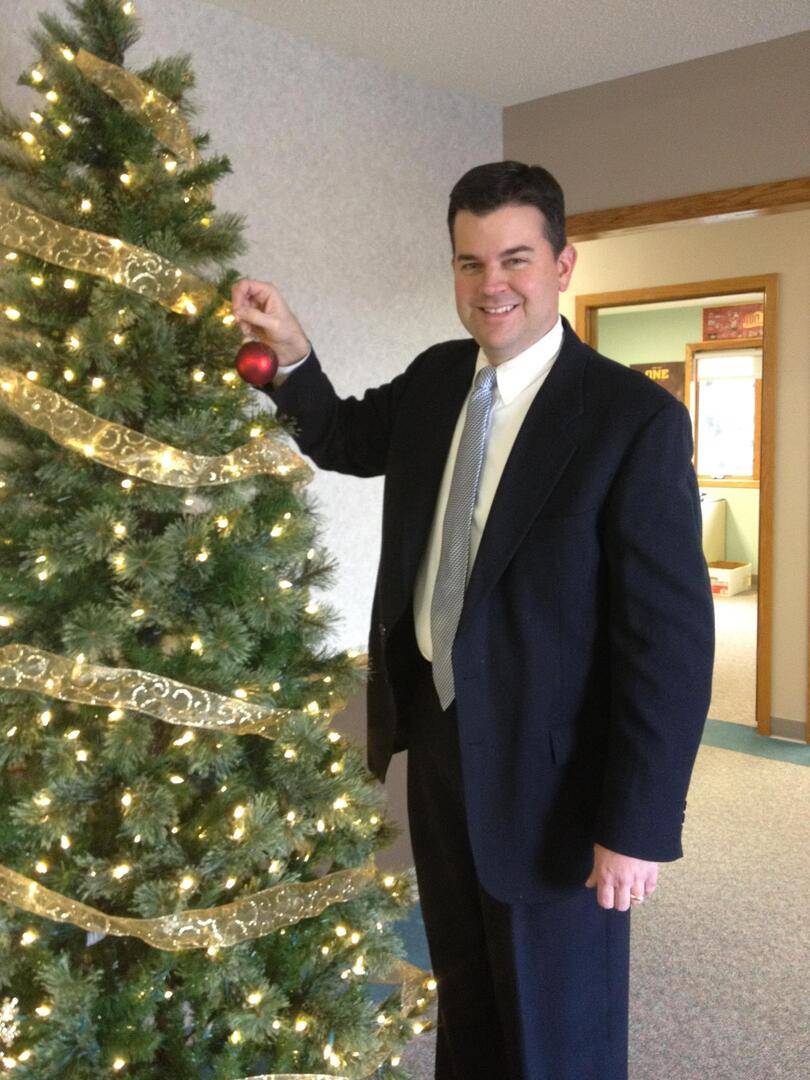
    John Latham hangs an ornament on the company tree

    My favorites are the decorations made from pinecones and puzzle pieces made by our children; I love seeing their little faces smiling back at me from ornaments they made in grade school.  My how they’ve grown and changed!  As much as life changes, it’s good to know that the true meaning of Christmas remains constant and true.

    How does your family keep Christmas meaningful?

    Team Latham

    December 2, 2013
    Agriculture, General, Industry News
  • Latham Hi‑Tech Seeds

    #30Days Come to an End

    Shannon

    It seems like just yesterday when I was writing the intro post, announcing that I was joining ag journalist Holly Spangler and a group of #advocates on a 30-day blogging journey. Time flies when you’re having fun, they say!  And these past 30 days were certainly filled with fun.

    This blog series has provided me with an opportunity to virtually meet bloggers like Julie Van Manen and Crystal Blin, as well reconnect with Judy Grath and Katie Olthoff.  As a result, I’ve come away with several new recipes.  I’ve already made Judy’s Corn Casserole twice (it’s become a favorite of my daughter’s) and am looking forward to using Thanksgiving leftovers to try Katie’s Lemon Garlic Turkey Rotini with Zucchini.  I hope you’ve enjoyed trying of these recipes, too!

    Because the objective of the #30day challenge was for agriculturists to share what they do to help promote understanding among our non-ag friends, I also addressed harder-hitting topics like Local Foods, the Organic Food Trend and Sustainability.  I appreciated help from guest bloggers like the Iowa Food & Family Project and Best Food Facts for dispelling myths and helping us reach consumers with positive messages.

    “Wordless Wednesdays” and “Throwback Thursday” posts were so popular that we’re planning to continue them throughout the year.  Of course, I’ll continue with our Farm Family Features on Fridays.  I always look forward to meeting with farmers across the Midwest and telling their stories.  Everyone has a story to tell, I always say.  If you’d like to share yours with me, I’m up for another road trip!

    Team Latham

    November 30, 2013
    Agriculture, General, Industry News
Previous Page
1 … 42 43 44 45 46 … 85
Next Page

Latham Hi‑Tech Seeds

131 180th Street | Alexander, IA 50420

(641) 692-3258

SIGNUP FOR OUR NEWSLETTER
  • Contact
  • Legal
  • Dealer Center
  • Seedware Login
  • Latham Gear

© 2025 Latham Hi‑Tech Seeds. All rights reserved. | Iowa Web Design by Webspec | Privacy Policy

Latham® Hi-Tech Seeds is a trademark of M.S. Technologies, L.L.C., 103 Avenue D, West Point, IA 52656.