Latham Hi-Tech Seeds

(641) 692-3258

  • Home
  • Performance
  • Products
    • Corn
    • Soybeans
    • Soybean Blends
    • Alfalfa
    • Corn Silage
    • Seed Guide
  • Find a Rep
  • Media
    • Blog
    • News
    • Videos
    • Podcasts
    • TECHTalk
  • About Us
    • Company History
    • Our Mission
    • Careers
    • Become a Rep
    • Sowing Seeds of Hope
  • Contact Us
  • Latham Hi‑Tech Seeds

    Ask the Agronomist: Corn Rootworm

    Ask the Agronomist Feature Photo 01

    Thanks for tuning into Week 12 of our “Ask the Agronomist” Audiocasts. Guest Agronomist and Latham Hi‑Tech Seeds Regional Sales Manager for Eastern Iowa, Jerry Broders, is filling in for Latham’s Senior Agronomist, Mark Grundmeier. To listen to Jerry’s response to this week’s question about Corn Rootworm, play the audio file below.

    https://www.lathamseeds.com/app/uploads/2016/07/Latham7_18.mp3


    Listen to this week’s Ask the Agronomist to learn about effective strategies for fighting Corn Rootworm.

    Q: We’ve gotten some damage from Northern Corn Rootworm. What else are you seeing out in the fields across your territory?

    A: Western and Northern Corn Rootworm are common insects that are well versed in overcoming control practices. That’s why we recommend farmers scout all fields for corn rootworm. Northern Corn Rootworm feeds on corn silks, but Western Corn Rootworm can feed on leaves, too.

    The wide range in planting dates this spring creates a perfect opportunity for rootworm beetles to move between fields. A late-maturing corn field may attract a large number of beetles if neighboring corn has stopped producing pollen.  Beetles may also move into corn and/or soybean fields that have an abundance of pollen-producing weeds, including volunteer corn, ragweed or foxtails.

    Q: What type of damage should farmers look for?

    A: Corn rootworm larvae feed on roots. Check fields for lodged plants, especially now that storms might be affecting stands. However, don’t assume lodging is a result of corn rootworm as compaction from planting into wet soils can cause poor stands.

    Preventative maintenance needs to be done to reduce risk for next year’s crop. Especially in corn-on-corn fields, spray insecticide to rid the field of any larvae that may have been laid. Also make sure that fields with corn rootworm problems this year get traited corn next year that protects against corn rootworm. Latham Hi‑Tech Seeds has hybrids referred to as Gladiator™ hybrids that have undergone rigorous testing to ensure they perform well under intense corn rootworm pressure.

    Q: With a name like Gladiator, it sounds like we’re declaring war on insects! What “weapons” make these hybrids effective against insects?

    A: Latham has a full lineup of products ranging from 92 day to 114 day maturities.  We use Genuity® SmartStax® products, as well as Syngenta’s Agrisure 3122 since these contain two modes of action for below-ground insects.  In addition, we are eagerly waiting for full approval of Syngenta’s new Duracade double rootworm trait that looks very promising.

    If you have a question about what you’re seeing in the fields, feel free to ask! Send your questions via Twitter to @LathamSeeds, in a private message on Facebook or call our office at 1-877-GO-LATHAM (1.877.465.2842).

    Also be sure to check out TheFieldPosition.com for timely agronomic information. Crop reports from specific areas across Latham’s six-state marketing area are published every Wednesday during the growing season by Latham’s regional sales managers in each of those locations. New articles are posted each week day on our blog. You can even search for “topics” by simply typing key words into the search bar on the upper right-hand corner.

    Thanks for tuning in to this week’s Ask the Agronomist. We’ll be back again next week to field all of your questions during #grow16.

    Webspec Admin

    July 21, 2016
    Agronomics, Corn, Crop, General, Insects
  • Latham Hi‑Tech Seeds

    We Must Cherish Our Background and Heritage

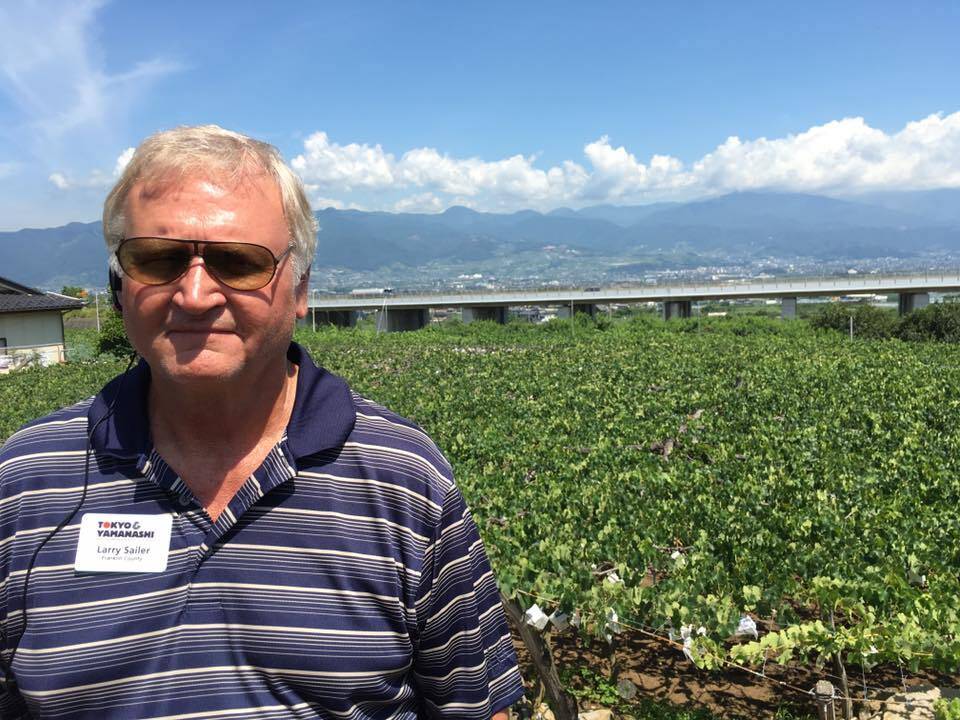
    7 19 16 Larry in Japan

    The week my wife and I spent in Japan was a once-in-a-lifetime opportunity. I came away with many thoughts. And even though I wrote a blog post about the similarities between our two cultures, I couldn’t help but walk away from this experience realizing how everyone in the world is different. Every single one of us has a purpose in life that is unique!

    7-19-16 Japanese baconTake, for example, the four pig farmers we talked with last week in Japan. They are against trade agreements because they’re trying to protect their livelihoods. I understand what. What they don’t seem to understand is that there is unmet demand. The Japanese don’t have enough space to raise the amount of meat demanded by the country’s population.

    When asked if they could sell more U.S. Pork in their meat markets, the Japanese pork producers told us our product is too fat! I know that statement is false because I have raised pork for that market. Importers are very picky about what they want shipped to them. We had to raise pigs with certain genetics. Pigs for export to Japan were fed a specific ration, and they had to be a certain weight for harvest. There’s no doubt about it… The pigs I sold to their market were very lean!

    American pork producers have a tremendous market opportunity for our products if we can get our governments out of the way! That made me think about all the ways government is influencing and controlling our “standard of living.”

    7-19-16 Japanese school childrenU.S. schools are very much controlled by the federal government. Our own tax dollars are being used to support standardized lessons and standardized tests. All kids are being compared to the “standard,” but I have to question whether we’re benchmarking the right stats or whether our standards are high enough! Take one trip through a fast food drive-through and you’ll realize that counting back change has become a lost skill.

    Another recent example of how “standardization” is being questioned is Britain’s exit from European Union. The European Union (EU) is an economic and political partnership of 28 countries. They wanted trade and travel to flow freely throughout all their countries, so they standardized their systems. In doing so, each country lost its uniqueness!

    Different regions of America also have their own unique flavor due to the influence of early settlers, as well as the natural resources and agricultural crops that are found in those area. Agriculture varies state by state, from county to county, and even from farm to farm. There is definitely “Midwest Fare,” yet traditional foods vary throughout Nebraska, North Dakota and other Upper Midwest states.

    We can celebrate each region’s uniqueness yet still meld in the Melting Pot. One thing I noted in Japan is the strong sense of culture. Just like they do in different areas of Japan, we should cherish our heritage and culture! I believe some of the strife we’re seeing during this political campaign season has to do with people not cherishing their own background and heritage.

    As politics heats up through November, keep in mind what direction you think our country should go. “We the People” have no power unless we talk to elected officials and let them know what we want! Our federal government was designed with checks and balances, so that no one branch of our government could become too powerful. It’s time we restore that balance!

    The federal government was given very narrow powers that must be followed and enforced. You do that with your vote and your voice. Exercise your right to be heard and to vote because our livelihood depends on it.


    Larry Sailer, Musings of a Pig Farmer

    July 19, 2016
    Agriculture, General, Industry News
  • Latham Hi‑Tech Seeds

    Training Service Dogs Is Personal for Volunteers

    Bailey 1 e1468847983194

    Latham’s 2016 Freedom of Independence Ride Will Raise Funds for Service Dog Training

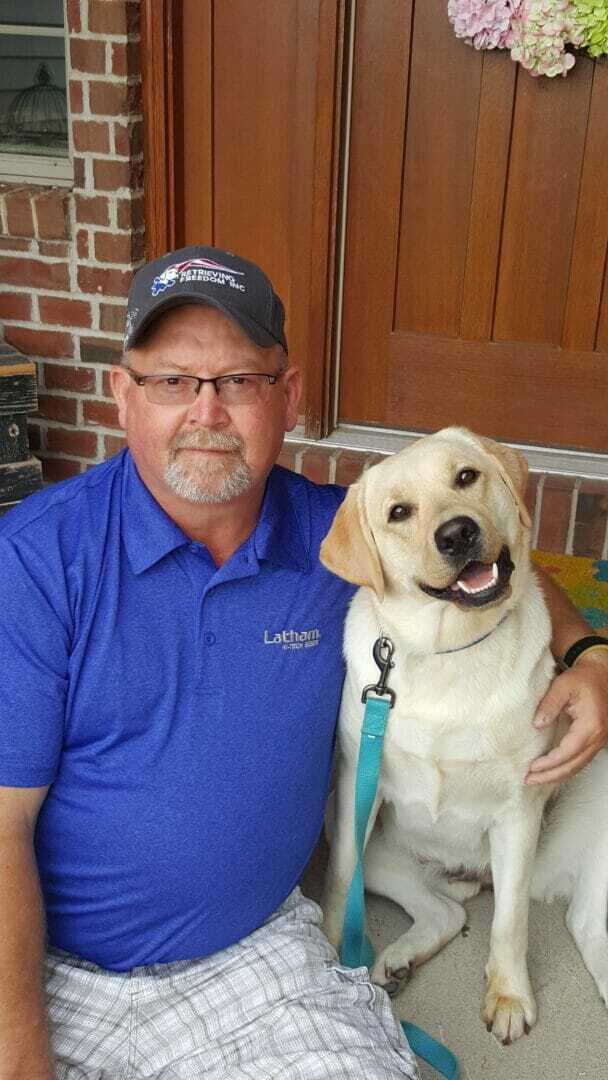
    “Bailey is a member of our family,” says Jerry. “Knowing that her offspring will help others is the greatest feeling in the world.”
    “Bailey is a member of our family,” says Jerry. “Knowing that her offspring will help others is the greatest feeling in the world.”

    From the time he was a 4-H member in Muscatine County, Iowa, Jerry Broders has felt compelled to help make his community a better place by getting involved in charitable organizations. The more Jerry learned about Retrieving Freedom Inc., the more he knew he had to get involved with RFI.

    Retrieving Freedom spends two years — and approximately $20,000 — training specific dogs to place with disabled veterans and individuals with autism. The organization receives four requests for every dog that has been trained through its program.

    “As Americans, we have a duty to help repay and support those who have given so much to our country,” says Jerry. “My wife, Kim, and I decided we wanted to help support RFI’s efforts to provide more dogs for people who need their services.”

    Jerry and Kim Broders of DeWitt, Iowa, decided to purchase a breeding female for Retrieving Freedom Inc.’s program because it takes quality dogs to become trained service dogs. These dogs must have the correct temperament, intelligence, confirmation and skills.

    The Broders oldest son, Zachary, served in the Army Infantry. Jerry’s niece has a son with autism. Getting involved with RFI is personal to the Broders, but even if you don’t have a direct connection with someone who suffers from PTSD or autism, you can’t help but be touched by the people who are being helped through RFI’s services.

    “Some of my son’s fellow soldiers did not come back from Afghanistan, and many of the ones who did come home some have really struggled to return to civilian life,” says Jerry. “There is no greater group in the world than the men and women, who serve and protect our country. Each one has a story to tell and know they serve to protect something that is bigger than just one person or a small group of people. They deserve our support and respect.”

    “I’ve seen first-hand the challenges that come with raising an autistic child,” adds Jerry. “I’ve seen the great work that service dogs can do helping these kids and their parents get through each day.  There is a transformation that takes place with the child when paired a service dog that is nothing less than amazing!”

    RFI’s service dogs are tailored to meet the precise needs of the person with whom they will be placed, and like any charitable organization, RFI has limited amount of resources available.

    “There are so many groups out there looking for funding, so the challenge is finding a group that’s actually living up to its mission statement and not misusing the donations. After I talked with Scott Dewey and saw first-hand how RFI helps our veterans and individuals with autism, I knew my wife and I had to get involved with this project.

    You Can Help, Too!

    You can get involved on a smaller scale by helping raise funds for RFI by participating in the Latham Freedom of Independence Run.

    Latham Hi‑Tech Seeds of Alexander, Iowa, will donate the first $5,000 to RFI at its Freedom of Independence Ride around eastern Iowa on Aug. 19, which is being held on a R.E.D. Shirt Friday to “remember everyone deployed.”

    One hundred percent of a rider’s registration fees for Latham’s Freedom of Independence Ride will benefit RFI. The $25 per rider registration fee includes two meals plus a commemorative t-shirt and a do-rag. You’ll have a chance to see RFI dogs in training and watch them demonstrate skills. In addition, Nashville-recording artist Neil Hewitt will perform following the ride.

    Anyone interested in touring farms and learning about topics like weed management and cover crops is welcome to attend! We’ll be making a couple of fun stops along the way including one at Antique Archeology. Register for the Latham Freedom of Independence Ride today at lathamseeds.com!

    Freedom-Ride-2016-logo-01-328x220


    Team Latham

    July 18, 2016
    Agriculture, General, Industry News
  • Latham Hi‑Tech Seeds

    Celebrate National Ice Cream Month with the Iowa Dairy Princess

    IMG 6255

    By Amber Hammes, Latham Hi‑Tech Seeds Marketing Intern

    IMG_6255
    2015-2016 Iowa Dairy Princess Kate Stewart is celebrating National Ice Cream Month! Join in by hugging your favorite dairy cow like Kate, or by scooping up some dairy-licious ice cream.

    At this point in the year, most Iowans are counting down days until the Iowa State Fair. July is chalked-full of county fairs, vacations and preparing campers and livestock trailers for another trip down to the Iowa State Fairgrounds. Kate Stewart, 2015-2016 Iowa Dairy Princess, has been just as busy celebrating National Ice Cream Month!

    Kate is a fifth generation dairy farmer from Oelwein, Iowa, where her family milks 150 Holstein cows three times per day and farms 290 acres of alfalfa and corn. She grew up following the footsteps of her four older siblings by becoming active in 4-H, FFA and the National Junior Holstein Association.

    “Whether it be showing cattle at the fair or testing my dairy knowledge in dairy quiz bowl contests at the state and national level,” Kate says, “these incredible organizations have given me countless opportunities to grow as a dairy enthusiast.”

    In 2014, Kate served as the Fayette County Dairy Princess. She spent the year serving frozen yogurt at local schools, throwing cheese sticks in parades and educating 2nd grade classrooms about the role dairy plays in a healthy lifestyle. After having these amazing experiences, she wanted to continue to reach more people and advocate for the Iowa dairy industry. In August 2015, Kate was crowned 2015-16 Iowa Dairy Princess.

    IMG_2439
    Kate and Leslie Sivesind, 2015-2016 Alternate Iowa Dairy Princess.

    The Midwest Dairy Association created the Iowa Dairy Princess position over 60 years ago to be a public figure that advocates on behalf of dairy farmers. Kate and Leslie, along with the Midwest Dairy crew, promote the importance of getting three dairy servings per day with the #Dairy3ForMe pledge.

    “The 2015 Dietary Guidelines have come out and they are still recommending that we get 3 servings of dairy every day to help us live healthy lives,” Kate said. “So make sure to grab a cheese stick for a snack on the go, celebrate ice cream month with a serving of ice cream, and grab a glass of milk after a workout – it just so happens to be the best way to rehydrate and refuel your body post-exercise!”

    Kate’s adventures as the Iowa Dairy Princess take her across the state, serving as an ambassador for the dairy industry. She gets to attend Iowa dairy farmer’s open houses, county fairs and dairy community events. Sadly, Kate’s term will end in August. She will be handing over her crown to the 2016-2017 Iowa Dairy Princess on August 10th at the Iowa State Fairgrounds in Des Moines. The public is welcome to attend the coronation and show support to contestants who work hard to advocate for the Iowa dairy community. For more information, visit the Iowa Dairy Princess Facebook page and stay up to date on Iowa Dairy Princess appearances throughout the year.

    About National Ice Cream Month

    July was established as National Ice Cream Month in 1984 by the American Dairy Association in conjunction with President Ronald Reagan. The third Sunday in July (this Sunday, the 17th!) is National Ice Cream Day. This year, Kate and Alternate Iowa Dairy Princess, Leslie Sivesind, will be attending an Iowa Cubs baseball game and throwing the first pitch. If you’re headed to Principal Park on Sunday, be sure to stop and say “Hi!” to Kate and Leslie! You can also talk to Kate at the Iowa State Fair, where she can be found working the dairy cattle shows, Midwest Dairy Association booth and Butter Cow exhibit.

    Kick your boots off, scoop up a dish of dairy-licious ice cream and enjoy the remainder of the summer with Kate and all of us at Latham!

    Wondering where you can get your ice cream fix at the Iowa State Fair? Here’s a list of all the vendors and their locations on the fairgrounds!

    ISF Ice Cream Locations

    Gary Geske

    July 15, 2016
    Desserts, General, Recipes
  • Latham Hi‑Tech Seeds

    Crowded But Clean is Sailer’s Impression of Tokyo

    Musings 4 Larry Bonsai Garden

    This is the trip of a life time!

    Peaches are one of the leading ag crops in the Yamanashi Prefecture of Japan. It takes about 5 to 7 years for a new tree to start producing peaches, and the lifespan of a peach tree is about 20 years. During a recent trip, Iowa Farm Bureau presidents learned fresh fruit as often given as gifts. Pictured here is Darcy Maulsby of Yetter, Iowa. She said one fresh peach costs approximately $8!
    Peaches are one of the leading ag crops in the Yamanashi Prefecture of Japan. It takes about 5 to 7 years for a new tree to start producing peaches, and the lifespan of a peach tree is about 20 years. During a recent trip, Iowa Farm Bureau presidents learned fresh fruit as often given as gifts. Pictured here is Darcy Maulsby of Yetter, Iowa. She said one fresh peach costs approximately $8!

    My wife, Janice, and I boarded a plane July 7 for Japan as part of an Iowa Farm Bureau trip. As I write this blog post, I’m sitting in a hotel room in the Tokyo where 13 million people live within the city limits and another 4 million commute here every day for work.

    This city is a marvelous network of roads, railways and forms of transportation. There are places where the roads are stacked six deep above ground plus there is underground transportation outside my view. No wonder the young female producer, who visited my farm in 2012 with a Japanese film crew, stood in awe of the countryside and said this is what she had dreamed of. I imagine she had never before see so many miles of farmland nor such sparsely populated communities.

    Musings 2
    Larry and Janice Sailer, enjoying dinner with a view at the Tokyo Skytree restaurant.

    Fast forward about four years and now I am the one in awe. I had no idea until now that there isn’t green grass – or any open space – in Tokyo. A lawn mower would be out of place in this city where buildings stretch to the horizon. From ground level, a person notices concrete everywhere: buildings, roadways and sidewalks. It took a visit to the observation deck of the Tokyo Skytree to see patches of green thanks to our bird’s eye view of the tree tops.

    Another observation that amazed us is the cleanliness of the city. There are millions of people in this city – and no visible trash cans – yet there is no garbage to be found. Janice saw one bottle tucked into a shrub, but that was the only piece of garbage we saw during an entire day touring the city!

    Musings 4 Larry Bonsai Garden
    Bonsai Garden museum

    Not only is Tokyo clean, but it’s safe. As we left our bus to tour, we were told you could leave all your valuables onboard. What a difference this was from Ukraine where you couldn’t set a bag down at all without worrying about it getting taken!

    Cleanliness and honesty are valued in Japanese culture. Upon entering a temple, we were shown the fountain of water for cleansing. The Japanese also take great pride in honoring customs. We visited a Bonsai Garden museum where we learned about green tea. We also tried writing in their language and dressed up as a traditional warrior. What fun!

    Musings
    Trying my best at learning to write in Japanese and enjoying the chance to interact with locals!

    I learned more about the Japanese culture while seated for an evening meal next to Evan Mangino, with the USDA’s Foreign Agriculture Service; Yusaku Nakajima, senior staff of the International Affairs division for Yamanashi Prefectural Government; and Kim Heidemann, executive director of Iowa Sister States. The conversation was amazing!

    Our next leg of this journey is a visit to Iowa’s Sister State of Yamanashi. Hopefully, we’ll find some pigs along the way! (Remember, Iowa’s friendship with Japan was strengthened by the 1960 hog lift. Click here to learn more.)

    I’m looking forward to more days of filled with fun learning experiences. And, of course, I plan to blog about them next week! In the meantime, you might enjoy reading the following blogs written by others who are with me on this trip.

    Related Posts:

    • Finding Familiar Treats Far from Home
    • Farmers, the Accidental Diplomats
    • Iowa’s Friendship with Japan Stands the Test of Time

    Larry Sailer, Musings of a Pig Farmer

    July 12, 2016
    Agriculture, General, Industry News
  • Latham Hi‑Tech Seeds

    Franklin’s Farm Hands

    FFA logo BW
    20130720_160636
    Franklin’s Farm Hands is a youth agriculture education initiative at the Franklin County Fair, organized by the Tall Corn FFA chapter.

    By Amber Hammes, Latham Hi‑Tech Seeds Marketing Intern

    All across Iowa, county fair season has officially begun. County fairs are more than just sewing projects and 4-H kids showing their livestock, though. They’re events for everyone in the community to come together and enjoy.

    Here in Franklin County, our fair is going on this week from July 13-17. The Tall Corn FFA chapter is doing its part to engage with the community by hosting the annual event, Franklin’s Farm Hands. Borne out of an idea stemming from the Iowa State Fair’s popular kid’s attraction, Little Hands on the Farm, Franklin’s Farm Hands aims to educate kids about where their food comes from. (more…)

    Gary Geske

    July 11, 2016
    Agriculture, General, Industry News
  • Latham Hi‑Tech Seeds

    From Speedway to Farm Gate: Be an Influencer

    FB IMG 1466527803378

    FB_IMG_1466527815249By Kilah Hemesath, Latham Hi‑Tech Seeds Marketing Coordinator

    As Rusty Wallace was an influencer on the design of Iowa Speedway, Bob Hemesath plays a similar role influencing the agricultural industry, serving as the Iowa Corn Growers Association President.

    Bob has found the equilibrium between doing what he loves with his family and standing up for the agricultural industry nationwide. Bob farms in Northeast Iowa with his dad, Fred, and brother, Ron. The phrase, “farming is a family affair,” is not just words thrown together for the Hemesath family. It’s a legacy that involves growing corn and raising hogs.

    FB_IMG_1466527803378Perseverance is a characteristic Bob learned at an early age by watching his parents work together on the farm. The memory of his grandpa and grandma coming to visit is a treasured one. Years later, as the day-to-day operations of the farm switched to Bob and Ron, they worked tirelessly to build on the foundation created.

    Bob explained the agricultural industry is the best place to be, especially working in Iowa. He has made the most of his role as the Iowa Corn Growers President, advocating for the industry upon which the Midwest is built.

    “From becoming involved with government affairs to meeting with farmers on their own place, I’ve had the chance to look at the same thing with a different perspective, and that is irreplaceable,” says Bob.

    Practices in agriculture are constantly advancing, creating an industry that is ever changing and open to growth. The Renewable Fuels Standard has given farmers in Iowa the marketing access to marketing ethanol, creating a demand on corn. The Iowa Corn 300 has been growing in correspondence to the use of ethanol in Iowa, celebrating its 10th year anniversary this Sunday, July 10.

    The Iowa Corn Indy 300 provides corn farmers with an opportunity to share the message behind ethanol and the positive influence it has on the economy in Iowa. In honor of influencers Rusty Wallace on the Iowa Speedway and Bob Hemesath in agriculture, we’re giving away an Iowa Food and Family Project T-shirt signed by Rusty Wallace. Enter by commenting your reason for being an Indy racing fan!

    Part of the experience for race fans is tailgating. That’s why today we’re sharing Bob Hemesath’s favorite recipe for grilled pork chops. Check out other tailgating recipes from Latham Hi‑Tech Seeds’ Pinterest page or TheFieldPosition blog.


    Rusty Wallace Giveaway

    Webspec Admin

    July 8, 2016
    General, Pork, Recipes
  • Latham Hi‑Tech Seeds

    ASK THE AGRONOMIST: Foliar Diseases

    Ask the Agronomist Feature Photo 01

    Ask the Agronomist: Foliar Diseases

    Read this week’s Ask the Agronomist to learn about which foliar diseases you should be looking for in your fields at this point in the growing season.

    Q: Should I be thinking about spraying foliar insecticides yet?

    A: We’re about midway through the growing season, and it’s the time of year when leaf diseases and insect pressure prevails.  Watch for these three situations in your corn fields:

    • Northern Corn Leaf Blight
    • Western Corn Rootworm
    • Eye Spot

    Also check your soybean fields for Soybean Aphids, and all fields for redheaded flea beetles.

    Q: What can you tell us about Soybean Aphids?

    A: In last Wednesday’s weekly crop reports, none of our regional sales managers reported soybean aphids at threshold levels but aphid populations can double every two to three days! With the varying stages of soybean development due to an extended planting season and many late replants, continue scouting past your first insecticide application and all the way through pod development.

    Q: Soybean Cyst Nematodes are the #1 yield robber of soybeans; are we seeing signs of SCN damage yet?

    A: It’s a bit early for Soybean Cyst Nematodes to appear, especially for those late-planted fields and replants. However, farmers can dig roots to check for SCN presence before symptoms can be seen. Digging roots is the best way to monitor fields for SCN, and female SCN will be on soybean roots through early August.

    Q: If symptoms aren’t present, why do you recommend checking for Soybean Cyst Nematode females on the roots?

    A: Farmers should evaluate effectiveness of their seed treatments all throughout the growing season. The most effective way to manage SCN and many other diseases is by selecting quality soybean seed. At Latham, we urge our growers to consider selecting our unique IronClad™ Soybeans. To bear this brand, every variety must be SCN resistant and have an Iron Deficiency Chlorosis rating of 2.2 or better. It must also contain a Phytophthora-resistant gene as well as a 2.2 or better rating against Brown Stem Rot and either White Mold or Sudden Death Syndrome.

    Q: On the corn side, what leaf diseases should farmers be scouting for, especially considering the high-moisture spring and humid summer we have had?

    A: Plentiful moisture is ideal for fungal corn diseases. Check your fields weekly for these common diseases:

    • Gray Leaf Spot
    • Southern and Common Rust
    • Northern and Southern Leaf Blight
    • Eyespot

    There are confirmed cases of Northern Corn Leaf Blight (NCLB). Now is a critical time to scout fields, especially for fields planted with NCLB-susceptible hybrids. If the disease is present on 50 percent of the field (one or more lesions per plant) at tasseling, a fungicide application may be warranted to protect yield.

    Q: In the future, how can farmers lessen their chances of NCBL presence in their fields?

    A: To prevent NCLB from becoming a larger problem in the future, rotate to a non-host crop. A two year rotation away from corn may be necessary in no-till and reduced tillage fields with a history of NCBL. Hybrid selection is also key for reducing future threats of NCLB

    If you have a question about what you’re seeing in the fields, feel free to ask! Send your questions via Twitter to@LathamSeeds, in a private message on Facebook or call our office at 1-877-GO-LATHAM (1.877.465.2842).

    Also be sure to check out TheFieldPosition.com for timely agronomic information. Crop reports From the Field® across Latham’s six-state marketing area are published every Wednesday during the growing season by Latham’s regional sales managers in each of those locations. New articles are posted each week day on our blog. You can even search for “topics” by simply typing key words into the search bar on the upper right-hand corner.

    Thanks for tuning in to this week’s Ask the Agronomist. We’ll be back again next week to field all of your questions during #grow16.

    Gary Geske

    July 7, 2016
    Agronomics, Corn, Crop, Disease, General
  • Latham Hi‑Tech Seeds

    Sister States Showcase How Agriculture Build Bridges

    Stuck bus

    America needs farmers. Our infrastructure is key to global commerce. The world needs farmers, who use cutting edge technology to raise a diverse food supply. Why? Because agriculture can help solve the world’s problems in relation to hunger, health issues, and improving the quality of life.

    We can learn so much by traveling abroad and meeting with farmers across the world, says Larry Sailer. This photo was taken when he traveled to Ukraine.
    We can learn so much by traveling abroad and meeting with farmers across the world, says Larry Sailer. This photo was taken when he traveled to Ukraine.

    I’m getting excited for a trip this week to Japan with the Iowa Farm Bureau! There are so many reasons I’m thrilled to be part of this delegation, but the fact that we have a sister State in Japan makes it even better.

    Diplomacy with Japan was strained after World War II, as you can imagine. But in 1959, a typhoon in Yamanashi Prefecture changed the relationship between Iowa and Yamanashi for the better. An Iowa sergeant, who had vacationed in Yamanashi when he was stationed in Japan, heard this disaster had caused heavy damage to agriculture. Sgt. Richard Thomas decided to help, and Iowans did not disappoint! They shipped 35 breeding hogs and 100,000 bushels of corn to the needy state. This act of kindness started our Sister State program.

    In 1960, Yamanashi became the first of nine Iowa Sister States around the world. There have been many exchanges between these sister states involving agriculture, education, art, music, sports, medicines and more. The most important exchange, however, is friendship.

    Many life-long friendships have formed because of that shipment of pigs to Japan. Yamanashi sent aid to support our state during the great flooding of 1993. Again in 2014, Iowa sent aid to Japan when it suffered from extreme amounts of snow.

    I’m going to fly over to Japan and personally research this relationship with Yamanashi Prefecture. I’m hoping to learn more about their culture, food, and maybe even see some pigs! I wonder what breed of swine we sent them… so stay tune. I plan to blog more about what I see and learn about agriculture in Japan.


    Related Posts:

    • Learning about Ag from Halfway around the World
    • Imagine 4,500 Landlords!
    • Farmers Markets Open 24/7 in Ukraine
    • How Eastern European Farms Measure Up
    • Women Farmers Helping Women Farmers
    • Breaking Down Walls in China


    Larry Sailer, Musings of a Pig Farmer

    July 5, 2016
    Agriculture, General, Industry News
  • Latham Hi‑Tech Seeds

    Today we’re celebrating our Freedom of Independence

    Team Latham

    July 4, 2016
    Agriculture, General, Industry News
Previous Page
1 … 27 28 29 30 31 … 160
Next Page

Latham Hi‑Tech Seeds

131 180th Street | Alexander, IA 50420

(641) 692-3258

SIGNUP FOR OUR NEWSLETTER
  • Contact
  • Legal
  • Dealer Center
  • Seedware Login
  • Latham Gear

© 2025 Latham Hi‑Tech Seeds. All rights reserved. | Iowa Web Design by Webspec | Privacy Policy

Latham® Hi-Tech Seeds is a trademark of M.S. Technologies, L.L.C., 103 Avenue D, West Point, IA 52656.