-
Latham Hi‑Tech Seeds
#AskTheAgronomist: Phosphorus Application
When should you apply phosphorus? Tune in for discussion on planning for 2020.0:28 — Topic introduction1:19 — Ideal conditions for phosphorus application3:50 — How does phosphorus move?4:48 — Phosphorus application example6:34 — Phosphorus usability and root exploration8:21 — Phosphorus placement -
Latham Hi‑Tech Seeds
Identifying and Controlling Cutworms

Cutworms are insects that show up during the earliest growing stages of the season. The presence of cutworms can pose a threat to the well-being of corn plants, but their severity is highly variable and depends on the species. Delayed planting and corn plants shorter than 18 inches are most susceptible to undergoing severe damage from cutworms.

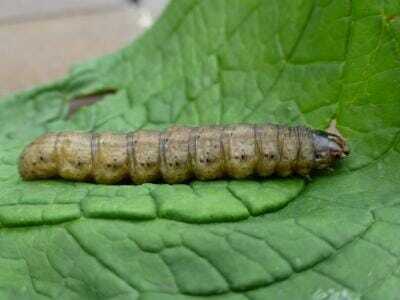
Black Cutworm Black Cutworm
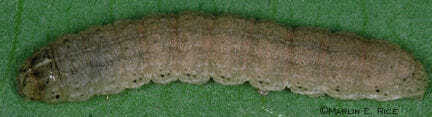
Black cutworms are the most common species found in corn throughout the Midwest. The larvae of black cutworms can be up to 1¾ inches long with their appearance characterized by a dark-gray segmented body. Black cutworms are most likely to be seen between stages VE – when the shoot first emerges from the soil and V5 – when the first five leaves exhibit visible collars. The sets of paired spots unequal in size that run along the length of the black cutworm make it distinct in appearance. Black cutworms cause damage by chewing holes in leaves and larvae will cut the lower portions of the corn plant just above the soil line. The youngest larvae will feed on leaves whereas older cutworms will feed exclusively below ground level. The first generation of black cutworm will cause the most damage, though three to four generations can be produced in a year.
The black cutworm thrives best in wet and weedy fields with poor drainage. Cover cropping can make conditions conducive for the growth of laid eggs, especially if weeds are prevalent. Insecticide is advised if cutting is evident across 2-3% of corn plants and larvae do not exceed ¾ inch in length.

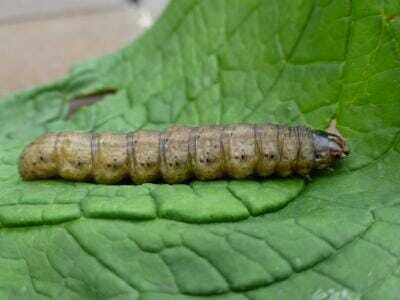
Dingy Cutworm Dingy Cutworm
Similar to the black cutworm, dingy cutworms can form larvae up to 1¾ inches long and often emerge in fields with heavy crop residue. However, unlike black cutworms, the pairs of black dots running along the segmented back appear to be equal in size. When fully grown, dingy cutworms reach a size of one inch in length. Dingy cutworms typically only feed on leaves and do not cut plants.
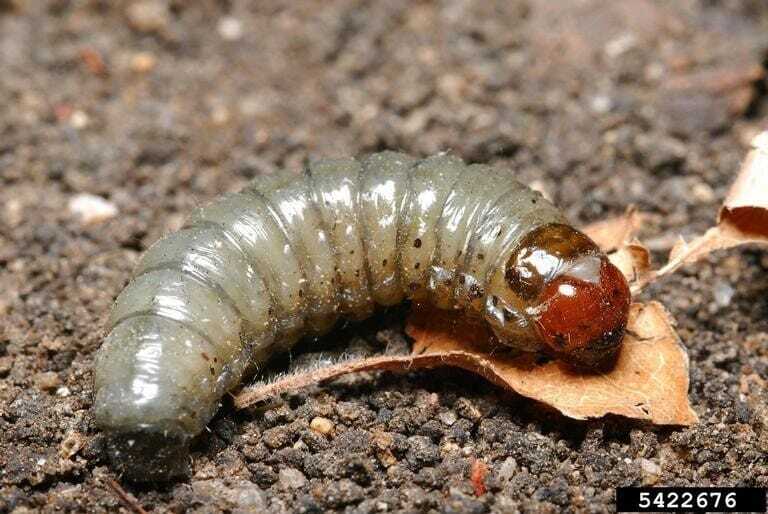
Glassy, Bronzed and Sandhill Cutworms

Glassy Cutworm These three classes of cutworms are characterized predominately by the color of their larvae. Glassy cutworms have a white, translucent segmented body with a solid orange head and cause damage primarily to seedlings.
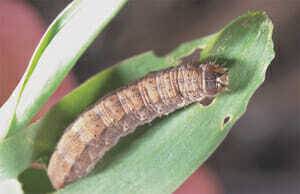
Bronzed cutworms are colored with light orange, bronze and brown stripes running the length of their body.
Like glassy cutworms, sandhill cutworms have a translucent, light brown body that is uniform in color, including the head. Glassy cutworms are known to cause cutting damage in addition to chewing and feeding damage exhibited by other cutworms.

Sandhill Cutworm 
Bronzed Cutworm
What to Look for When Scouting
Corn plants succeeding soybeans or legumes are most susceptible to hosting cutworms. With shorter corn plants having the greatest vulnerability to cutworm damage, scouting should begin once seedlings first emerge and continue until plants achieve a height of 18 inches tall. Look for signs of cutting, wilting and irregular holes on leaves. Uneven stand or inconsistencies in cutting across rows are also signs of cutworm damage.
Cutworms gravitate toward moist soil for burrowing. When looking for signs of infestation, dig around the base of plants to look for burrows ranging in size from three to four inches. When soil is dry, dig deeper to three inches below ground to identify burrows.
Treatment
As cutworms are associated with reduced stand resulting from cutting or wilting, yield can subsequently be decreased. However, replanting is not usually necessary and is only advised if the presence of cutworms is not under control and stand has been severely impacted.
Controlling weeds can reduce overwintering and can remove an environment favorable for hosting cutworms. Tilling practices that reduce weeds and field residue will deter moths looking to lay eggs in the fall. Reduced tillage or no-till, delayed planting and overwintering cover crops are all management practices that increase chances of cutworm damage. If you see cutworm damage on 2-3% of plants and they are smaller than ¾ inch, it’s time to spray. When pre-applying insecticides to dry or crusted soils, it is advised to work the treatment into the soil so it is able to reach cutworms and burrows housed below ground.
Photo Credits
Black Cutworm: Iowa State University Extension and Outreach
Dingy Cutworm: Purdue University
Glassy Cutworm: University of Minnesota Extension
Sandhill Cutworm: Iowa State University Department of Entomology
Bronzed Cutworm: Iowa State University Department of Entomology
-
Latham Hi‑Tech Seeds
FB Live: 2019 Product Line Up with Mark Grundmeier

Mark Grundmeier, Seed Product Manager, joins us for Facebook Live to talk about the 2019 product lineup! Tune in below.
https://www.facebook.com/LathamSeeds/videos/10156569400322138/
-
Latham Hi‑Tech Seeds
DataForward Leads to Better Product and Placement Decisions

Our focus remains on providing options for our farmers when it comes to our precision ag offerings. Just like we do with the diversity of our product lineup.
For farmers who want to invest their own time into working with their data, we will use the Climate FieldView™ (CFV) Platform to help them uncover valuable resources to better their operations. For farmers who want to benefit from using their data but don’t want to spend their own time organizing and analyzing it, we will use our Data ForwardSM Platform. Both platforms provide excellent opportunities for using farmers’ data. The major difference is that one platform is “farmer led,” and the other is “Latham led.”
Data Forward is the approach we take to help customers use their data to increase profitability and to help them make the best product selections for every acre. We typically meet to discuss the soil types, weed pressure or other challenges in each field, as well as management practices used. Data Forward helps us gain insights from their yield data, which can help us understand each field’s productivity on a deeper level. It also helps us select the best genetics and trait package for each acre.
A key part of our Data Forward program is “Yield Analysis with Insights.” Using planting and yield data, we can analyze yield against many different factors to help with seed placement. One example is looking at yield based on planting date and also using harvested moisture to guide next season’s discussion on particular hybrid maturities and drydown characteristics.
Dealers can encourage their customers, who are using the Data Forward Platform, to conduct their own on-farm experiments. They might be interested in comparing results from soybeans tolerant to Iron Deficiency Chlorosis (IDC) to an in-furrow treatment for IDC, or maybe they’re interested in conducting a hybrid seeding rate study to find the sweet spot for seeding rates on their farm. These are just a couple quick examples. All farmers think about the best ways to manage their unique challenges in each field, and Data Forward provides a way for both you and them to make better placement and product decisions.
Data Forward also encompasses our commitment to the quality for which we stand. We work with farmers to collect the best data by calibrating equipment and programming monitors, so they can accurately track the history in each field. We layer all the data a farmer has available, from planting and soil sampling, to spray and harvest operations. It is one thing to use a yield map to make some changes for the next season, but it’s a much more meaningful tool to build quality data over time. By organizing years of data within each field, we can help a farmer gain insights he or she may have never considered by scouting from the truck or combine windshield.
Data Forward is our approach to helping customers use their data now and to also build that powerful resource for the future. Many farmers may be in the early stages of collecting data, so we want to help them see the benefits of using what they have now. We also want to show them how building their data for a few years can provide valuable insights. We use those data layers to create powerful Management Zones for each field, allowing a farmer to see value from technologies like variable rate seeding or fertility.
Feel free to contact me at the Latham office if you’re interested in learning more! -
Latham Hi‑Tech Seeds
Latham Seed Seller Takes International Mission through I-LEAD

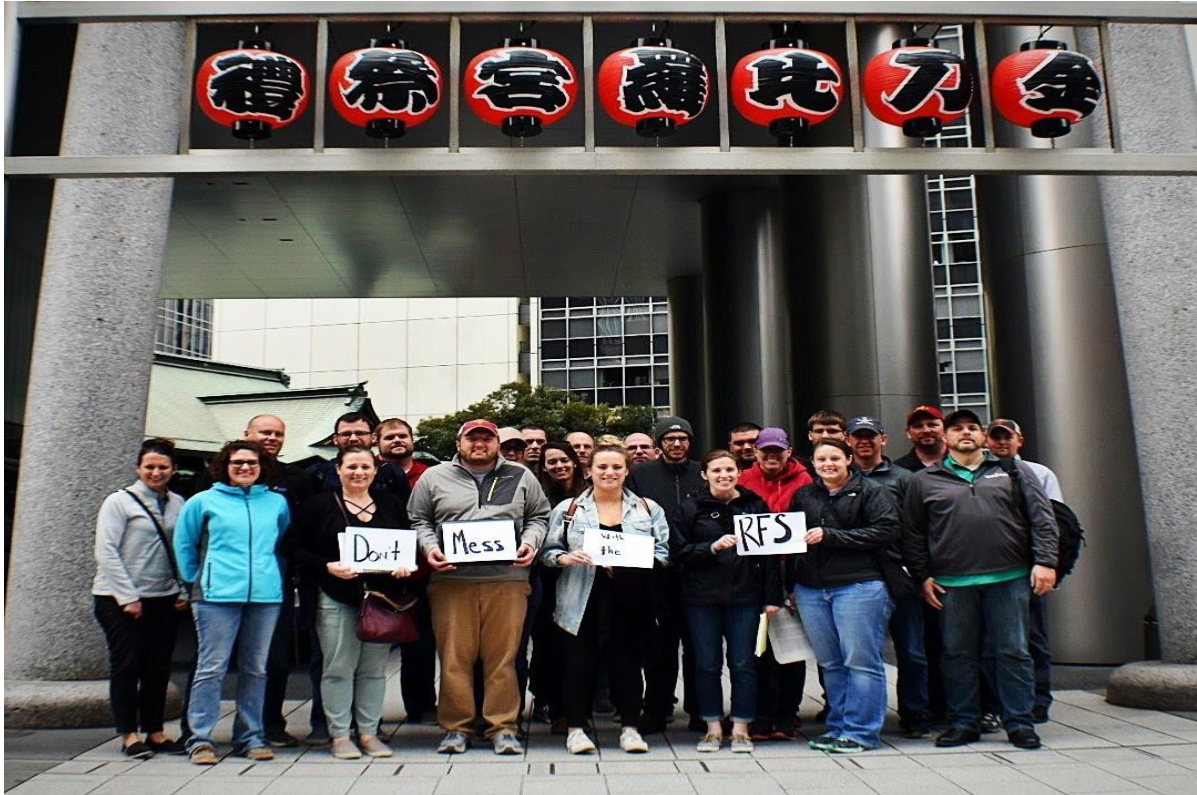
Even before China retaliated earlier this month with a tariff on U.S. corn, soybeans, pork, beef and poultry, Iowans were working to develop other export markets for agricultural products. A group of 24 Iowans traveled March 5-16, 2018, to Japan and Vietnam as part of the Iowa Leadership Enhancement and Development (I-LEAD) program.
This mission trip marked the culmination of a two-year program for I-LEAD Class 8, a group of people selected to become strong leaders for Iowa agriculture and the ag industry. Mike Poeppe of Graettinger had the opportunity to visit Japan and Vietnam with I-LEAD. He serves as president of the Palo Alto County Corn Growers and also sells Latham® seed for Ritchie Berkland Seed Sales near Cylinder.
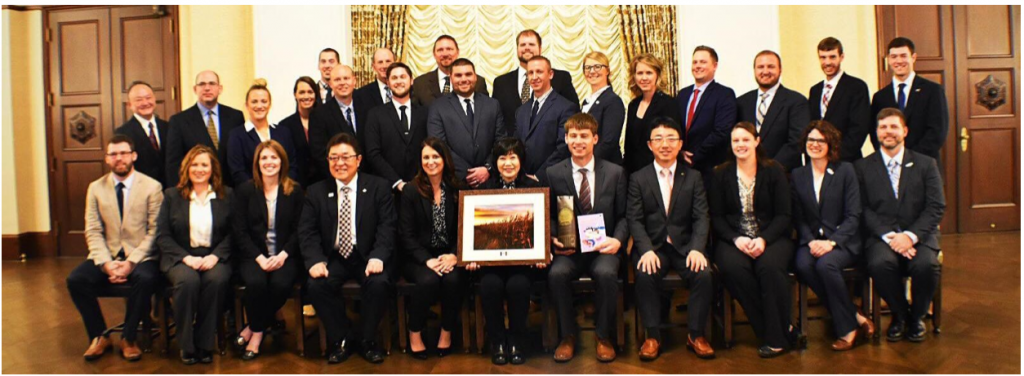
Poeppe took 15 pages of notes and more than 2,000 photographs throughout his 11-day mission trip. He says the biggest take away he had from the trip is the need to continually develop relationships that lead to new export markets for Iowa products. It’s clearly a win-win when U.S. ag products ship to foreign markets. We produce more than our country needs, and those countries need safe and reliable sources of food.
For example, Vietnam has twice the land mass of Iowa but more than 30 times the population! There simply are not open spaces there to grow crops, so imports are crucial. Vietnam imports 70% of its feed ingredients and is an important market for dried distillers grain (DDGs) produced as a co-product of U.S. ethanol production.
Consumers in Vietnam spend 60% of their income on food. Comparatively, Americans spend about 6% of their household income on food. Another contrast between consumers in these two countries is the way they shop. Due to limited available space in the country and smaller household incomes, housing units are much smaller in Vietnam.
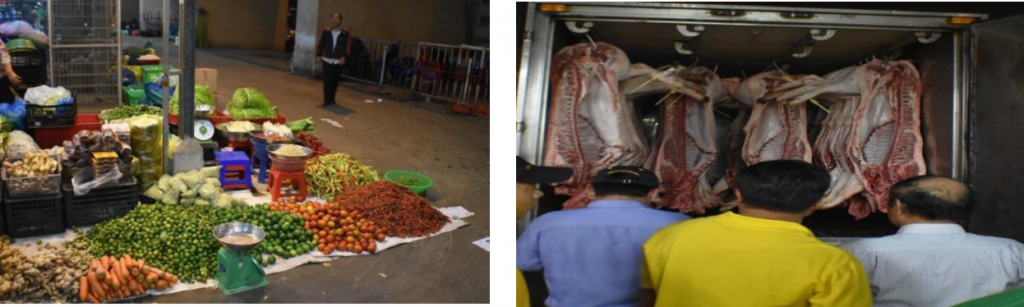
Most Vietnamese families don’t own refrigerators, so consumers buy fresh meat and produce daily. The “wet market” for vegetables, flowers, nuts, seafood, and meat (primarily pork and chicken) takes place nightly with the exception of a few holidays.
“The wet market is like organized chaos. There are people and motor bikes everywhere,” says Poeppe. “This is where supply meets demand. Producers bring their goods here, so restaurants and consumers can purchase it fresh. Food safety procedures are very relaxed from what we see in the States.”
Another stop on the tour was an ethanol plant outside of Ho Chi Min. The plant runs on cassava but can switch to corn if the prices are right. Vietnam passed an E5 ethanol mandate in 2007, but the ethanol is in a trial period through 2018. Motor bikes in Vietnam produce more emissions than a typical car, so hopefully blending more ethanol will help reduce the air pollution.
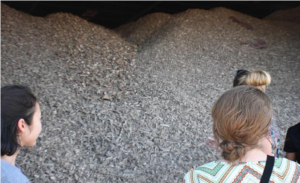
The I-LEAD class also had dinner with grain buyers from Vietnam. The group discussed the opportunities and challenges that grain buyers face when importing corn.
“This was a good opportunity for as it allowed them to put a face on U.S. grain,” says Poeppe. “During this dinner, we helped answer questions that grain buyers had about U.S. product.”
Poeppe also found fish production interesting. His class visited a fish processor that specializes in frozen fish for export. That plant is fully vertically integrated as it raises and processes all the fish it sells. That operation feeds 12 ton of fish feed per month. It takes about a 10-month time period for fish to grow to market size. The fish are then sold wholesale. This operation recently added a greenhouse, so it can use “waste water” to grow vegetables in a hydroponics system. Now a second greenhouse is under construction.
Just as U.S. exports to Vietnam are strong due to our reputation for food safety standards, the branding of U.S. meat products has shown to be especially important to the Japanese.
“Japan is a very loyal customer for U.S. agricultural products,” says Poeppe. “Our visit with the Vice Governor of Yamanashi really opened our eyes to just how important this relationship is. We saw firsthand how the brand imaging created as a collaborative effort between U.S. Pork and U.S. Meat Export Federation has gotten desired results. Now there is 94% brand awareness for U.S. pork in Japan.”
Enjoy pork at home with this recipe for Honey Glazed Grilled Pork Chops from food.com.
HONEY GLAZED GRILLED PORK CHOPS
Ingredients:
- 1 cup ketchup
- 1⁄3 cup honey
- 1⁄4 cup soy sauce
- 2 cloves garlic, minced
- 1 1⁄2 lbs boneless pork chops (6 4 oz. portions)
- salt and pepper
Directions:
-
Latham Hi‑Tech Seeds
FB Live: Japanese Beetles Population Rise

Japanese beetles populations are settling in across the Midwest. Tune in to learn more about insect control!
https://www.facebook.com/LathamSeeds/videos/10156551348677138/
-
Latham Hi‑Tech Seeds
Sweet Summer Time and Blue-Ribbon Memories

‘Twas two weeks before fair, and around the farm;
Every 4-H and FFA member was working so hard sweat dripped down their arms.
Baking experiments on the counter, painting projects on the table;
Goats in the pasture, horses in the stable.
Will it all come together? Will everything get done?
Sometimes all one can do is pray, but that beats twiddling your thumbs!
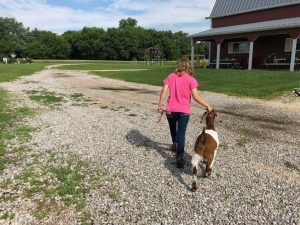
The great Franklin County Fair will be July 18-22, 2018, in Hampton, Iowa. There will be a Barnes PRCA Rodeo on Wednesday. Country Music Hall of Famer Chris Janson will take the stage on Thursday, July 19. Then on Friday, July 20, the “Roots & Boots” tour including Aaron Tippin, Collin Raye and Sammy Kershaw draw people from miles around. What a lineup!But as good as the entertainment is, the main event for me is watching my daughter show. I admire my her hard work and determination, but what I enjoy most about Ellie’s 4-H Meat Goat and Horse Projects is that it allows us to spend quality time together. We work toward a common goal to find a feeding program to get our goats ready for market and preparing them for the fair. We spend lots of hours together throughout the year in the horse stables while she rides and practices for show. We log lots of windshield time traveling to shows. We’ve also made a lot of good friends along the way.
Any former 4-H or FFA member, and any parent of a 4-H and FFA member, knows the amount of stress that comes as as show day gets one day closer. There’s only so much that’s within the control of the person who’s showing livestock. You and your animal must work well together. You’re also at the mercy of the judge, whether you’re showing livestock or exhibiting a Home Improvement project.
Photo by Joseph L. Murphy – find him as @jmurphpix on Instagram and Twitter So why do it… Why be a 4-H or FFA member who exhibits projects at the fair? These youth organizations teach so many valuable life sills from settings goals and working to achieve them to money management. Friends that I made as a 9-year-old 4-H member are still some of my best friends today. In addition to life-long friendships, we’re making life-long memories.
One of my best fair memories is food on a stick like corn dogs and hot beef sundaes at the Franklin County 4-H Food Stand. Thanks to the Iowa Food & Family Project’s Fair Fare cookbook, we can enjoy some of Iowa State Fairgoers’ favorite foods like Peppermint Ice Cream Bars. (Click here to download the Fair Fare cookbook.)
Today the Iowa Food & Family Project is sharing with us a recipe that allows us to savor one of the best summer flavors, and that’s homegrown sweet corn. I noticed sweet corn stands popping up for the first time this week across North Iowa, and I’m looking forward to trying some soon. July is National Grilling Month, and Grilled Sweet Corn Salsa sounds perfect for backyard barbecues and family gatherings.
GRILLED CORN SALSAINGREDIENTS
- 5 ears fresh sweet corn, shucked
- 3 jalapeños, chopped (seeded if you don’t want a spicy salsa)
- 1 red onion, quartered
- 1 red bell pepper, seeded, coarsely chopped
- ¼ cup cilantro leaves
- 4 cups coarsely chopped tomatoes
- 2 cans (15 ounces each) black soybeans, drained and rinsed
- 1½ teaspoons garlic salt
- 1 teaspoon dried oregano
- ½ to 1 lime, juiced
- Freshly ground black pepper to taste
DIRECTIONS
Preheat a grill to medium-high (350°F). Arrange the ears of corn on the grill and cook until lightly charred, turning occasionally, about 20 minutes. Remove the corn from the grill and let cool slightly. Slice the kernels from the cobs and measure 3 cups into a large bowl. Reserve any excess corn for another use.
Place the jalapeños (remove seeds if you don’t want the salsa to be as spicy), onion, red pepper and cilantro in a food processor and pulse to chop. Add the tomatoes and pulse to create a chunky texture. Do not overprocess. Transfer the vegetables to the bowl with the corn and add the beans, garlic salt, oregano, lime juice and pepper. Toss gently to coat. Chill the salsa for at least 1 hour to allow flavors to develop.
-
Latham Hi‑Tech Seeds
FB LIVE: Green Snap

Today’s live discussion features green snap and the implications on your corn crop!
FB Live Link: https://www.facebook.com/LathamSeeds/videos/10156533940542138/
-
Latham Hi‑Tech Seeds
Unleash the Potential Within HarvXtra®

It’s hard to believe something so amazing can originate from something so small! A tiny alfalfa seed holds unmatched genetic potential. It also harnesses so much potential for a return on your investment.
To help you see how this investment in seed more that pays, HarvXtra® has created a value calculator. See where the value lies: https://www.foragegenetics.com/harvxtra-Calculator.
There are many benefits to planting HarvXtra. The ability to increase yield capacity while taking one less cutting per season saves you time and labor. Making fewer passes across the field leads to less compaction and helps increase winter hardiness. Even better, HarvXtra produces outstanding forage quality. These dividends can get completely eclipsed by the initial investment.
As a grower, you can unleash that potential by seeding the alfalfa into fertile soil. Use the best seeding methods available. Manage weed pressure using the advantage of the Roundup Ready gene, and let the genetics work for you!
-
Latham Hi‑Tech Seeds
June is Officially Turkey Lover’s Month

Whether you’re packing a deli picnic to enjoy at the lake or grabbing a Subway® sandwich on the way to a ball game, chances are you’re enjoying Iowa-raised turkey.“The rising popularity of sandwich chains means more Americans than ever are enjoying turkey that was produced by West Liberty Foods in West Liberty, Iowa,” explains Jared Achen of Achen Farms, a third generation Iowa turkey farmer who is a member-owner of the West Liberty Foods cooperative.
Today 75 percent of turkey is eaten year-round, which is a significantly different trend than when Jared’s father started raising turkeys. In 1970, 50 percent of the turkey eaten in the U.S. was enjoyed during the holidays.
“It’s gratifying to see that Americans are enjoying turkey in a variety of ways throughout the year,” says Jared, who also has a vested interest in Agri-Way Partners, a feed mill for turkey growers in Southeast Iowa. He says being involved with West Liberty Foods and Agri-Way Partners allows him to build strong relationships with other producers and others in the turkey industry. “This support is like a big family in a small industry. Producers are more than willing to share information aimed at keeping the industry strong.”Iowa turkey producers have learned to consistently produce turkey year-round to keep up with the rising demand. That’s good news for rural communities and the farm families who wish to keep farming the land that’s been in their family for generations. The Achen’s turkey operation plus their corn and soybean enterprises support five families.
“We have an amazing team that helps us grow and maintain our operation. It truly takes a village to run a farm and raise a family. We’re blessed with great full-time and part-time help,” says Jared.
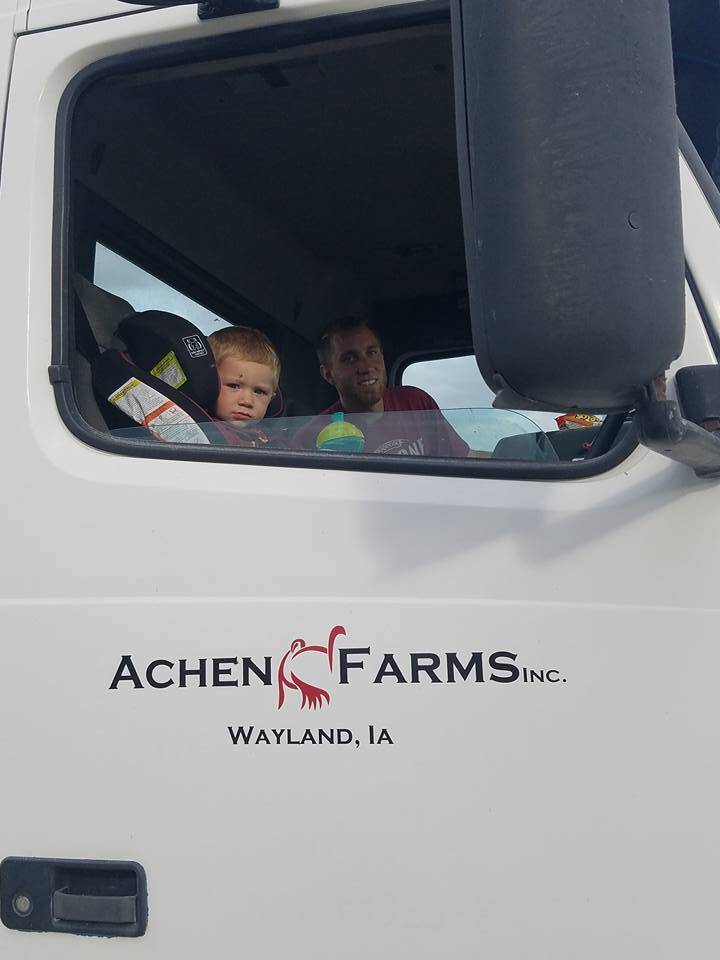
After earning a bachelor’s degree in Ag Business from Iowa State University in 2011, Jared returned home to Henry County. He married his high school sweetheart, and they became independent turkey farmers. Jared and Tawnya feel blessed to be growing their farming operation and raising their two children, three-year-old Brecken and 1-year-old Tenley, in the beautiful rolling hills of Southeast Iowa.Jared and Tawnya built their first turkey farm with two barns in 2011. Then they expanded in 2015 by building one new barn. In 2017, they purchased another farm that added three barns.
“Someday I hope to pass this operation on to the fourth generation of turkey growers, and this legacy is what keeps me motivated,” says Jared. “We enjoy farming together as a family and watching our children experience life on a family farm. It’s fun to experience farming through the eyes of my children. They really enjoy it when we get day-old poults on our farm.”
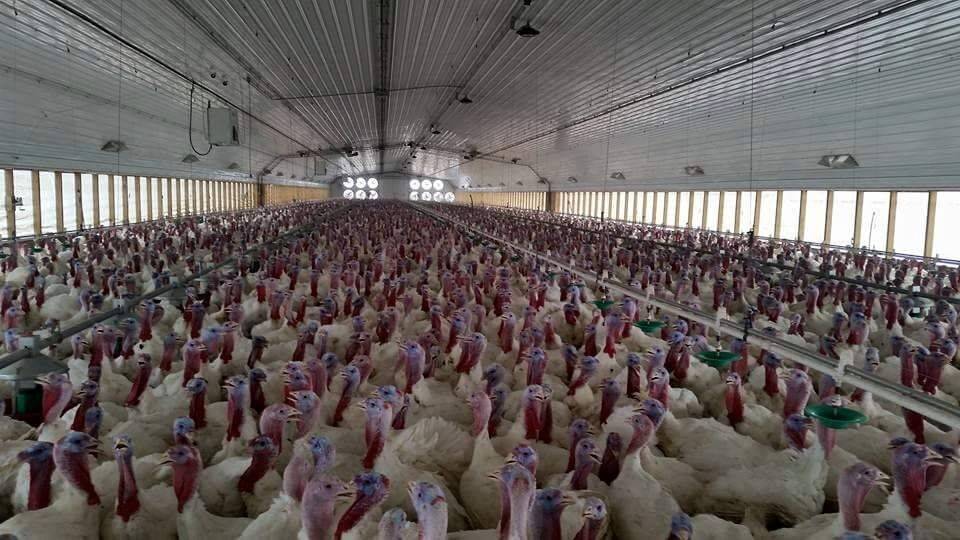
Caring for turkeys and watching them grow is a rewarding endeavor for the Achens. Turkeys arrive when they are 1 day
old and grow quickly for 19 weeks until they are finished at about 44 pounds. Like other livestock enterprises, good management is key for turkey production. A consistent daily routine of feeding, evaluating the turkeys, checking ventilation, and applying new bedding is vital to producing top quality birds.Although the turkey and row crop operations keep the Achen family busy seven days a week, they still find time to be involved with their community. Jared and Tawnya hold positions within their church and volunteer at school events. Jared also is a member of the Wayland Economic Development Committee and serves on the Henry County Farm Bureau board.
“We strive to assist our community as much as possible as it is important to us to have our small town thriving,” says Jared. “We also give farm tours. We often have community members ask to tour. Sometimes those who have moved away like to come ‘home’ and show their kids our turkeys. Bio-Security is important, but we do our best to protect our turkeys while teaching the public about turkeys.”
The Achen family also shares their farm life by posting frequently on the Achen Farms Facebook page. Another way they connect with consumers is through the Midwest Old Threshers, which draws people to the area each Labor Day weekend. The Achens set up an turkey booth within their church tent where they serve turkey drumsticks and turkey tenderloins.Today the Achens are sharing with us one of their family’s favorite recipes for turkey enchiladas. Download this recipe and celebrate June Turkey Month with your family!