Latham Hi-Tech Seeds

(641) 692-3258

  • Home
  • Products
    • Corn
    • Soybeans
    • Alfalfa
    • Corn Silage
    • Seed Guide
  • Performance
  • Find a Rep
  • Media
    • Blog
    • News
    • Videos
    • Podcasts
    • TECHTalk
  • About Us
    • Company History
    • Our Mission
    • Careers
    • Become a Rep
    • Sowing Seeds of Hope
  • Contact Us
  • Latham Hi‑Tech Seeds

    Corn. Soybeans. Corn. Soybeans.

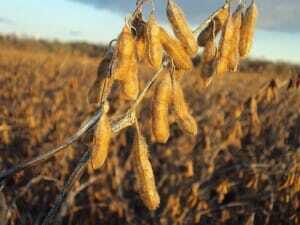
    Soybeans harvest

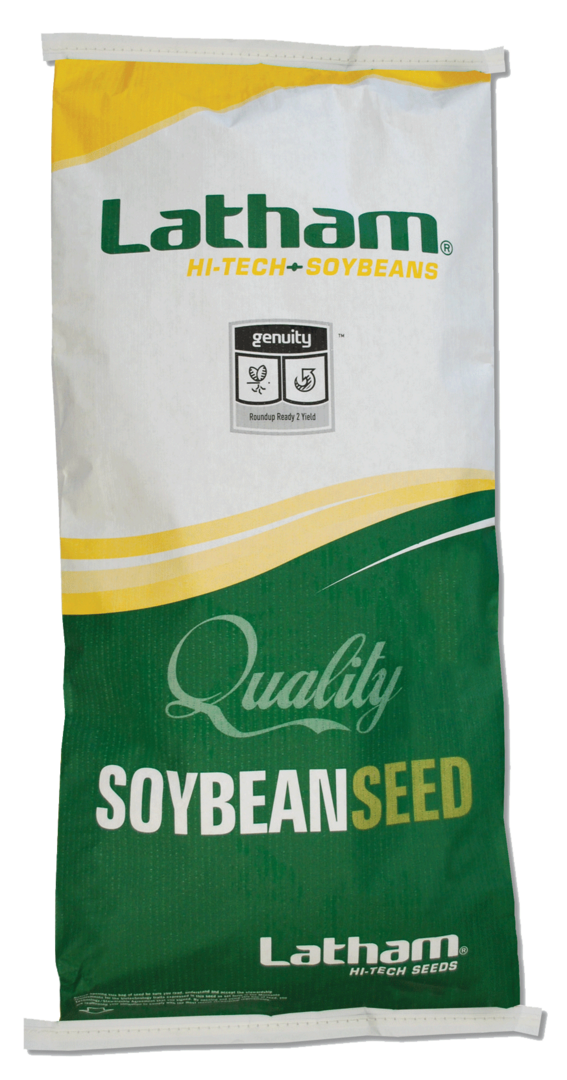
    Soybean_BagLike a pendulum swinging on a clock, many farmers are still going back and forth about which crop to plant this spring.

    Unlike corn, which has seen large price declines in recent months, soybean prices have held stronger. That’s why some experts say continuous corn ground will go back to soybeans this spring. Other experts says there is a potential for 9 million acres of farmland that didn’t get planted in 2013 to be planted to corn in 2014.

    Regardless of which crop Midwest farmers choose to plant, Latham Hi‑Tech Seeds has a full lineup of products available to meet your needs for 2014 planting. The quality of Latham® products has never been better – and it’s a difference you can literally see! Latham’s production facility doesn’t operate when the weather is below 10 degrees and that leads to higher germinating soybeans. As a result, Latham soybeans had 10 to 15 percent higher germinations in 2013. We expect to see similar results in 2014 since there have been so many days with temperatures below zero this winter.

    “Quality” in the bag leads to performance in the field. We believe it so strongly that we print the word “quality” on every bag of Latham Hi‑Tech Soybeans! Rest assured you can count on Latham to deliver the highest quality seed products. During changing and uncertain times like this, you can find comfort in working with a family-owned company that’s been in business for nearly 70 years.

    John Latham, President

    February 20, 2014
    Corn, Crop, General, Soybeans
  • Latham Hi‑Tech Seeds

    A Story of Love and Hard Work

    LATHAM EvelynLatham Memorial F HiR

    Evelyn Latham Passes Away

    Team Latham

    February 19, 2014
    Corn, Crop, General, Soybeans
  • Latham Hi‑Tech Seeds

    Evaluating Foliar Fungicide on Soybeans

    Many Midwest farmers are asking questions about the benefits of spraying foliar fungicides on their soybean fields.  The simple truth is… there are a lot of opinions.

    Be very leery when they are bombarded by claims of yield increases due to improved overall plant health.  Do some of your own testing before deciding to make large-scale applications of these products.  It may very well prove that fungicides of this type will pay great dividends on certain farms and pay zero dividends on others!

    There is one very important thing to remember when conducting trials of this kind:  leave some areas in the field unsprayed to “check” the actual value of the products.  As you make plans for the 2014 crop, keep these three things in mind:

    1. Be sure you’re making an apples-to-apples comparison.  For example, I’ve received reports from farmers who advocate the use of foliar fungicides on soybeans.  However, the fields they compared were several miles away and some were not even the same soybean variety!
    2. There are people out there who want to sell you something, regardless of whether you need it.
    3. If it sounds too good to be true, it usually is.

    One of our brand promises at Latham Hi‑Tech Seeds is to help farmers save time.  Another promise is to help farmers reduce risk.  That’s why I’m being as honest as possible by questioning the investment in foliar fungicide on soybeans.  Seed treatments, on the other hand, are worth the investment.  Seed treatments are one key to achieving higher soybean yields; click here for others.

    Webspec Admin

    January 22, 2014
    Agronomics, Crop, Fungicide, General, Soybeans
  • Latham Hi‑Tech Seeds

    Minimize Risk through Crop Planning

    No two crop years are exactly alike, so why base next year’s potential off last year’s results? In 2010, we received excessive rainfall. In 2011, we experienced three weeks of 100-plus degree heat. In 2012, we experienced the most severe drought since 1956. 2013 appeared to be a combination with widespread flooding and prevented planting in early spring following by long spans of extreme temps and little rain later in the growing season.

    We can’t predict the weather, but we can minimize risk from weather events through crop planning. Farmers, who planted both defensive and offensive products, will see higher yields overall. Make sure these numbers have varying maturities, too.

    Consider traits to help combat growing season risk (4) balance offensive and defensive characteristics. Keep your refuge strategy in mind as you crop plan. Latham’s Refuge in a Bag (RIB) is making the complex world of refuge simple with a broad list of options including Genuity SmartStax RIB, VT Triple PRO RIB, VT Double PRO RIB and Agrisure’s brand new 3122 E-Z Refuge option.

    Farmers in dry or light soil conditions may consider a strategy including moisture management products like the new Agrisure Artesian and Genuity DroughtGard traits newly available in the Latham product lineup this year. These products have proven to save yield in dry weather while boosting yield in those years when moisture is adequate.

    Rootworm control is a must in corn-on-corn protection, so it’s important to determine which trait is right for your situation. In an area with heavy rootworm pressure or multiple years of corn-on-corn, plant Latham hybrids with two modes of action against CRW like Genuity® SmartStax®, or the brand new Agrisure Duracade or 3122 dual mode of action.

    It’s all about balance… No matter how good a particular football team is, it can’t win on the gridiron by having a strong offense or a strong defense. It takes both! And the same is true whether you’re planting in a corn field or a soybean field. Remember to plant a minimum or three different seed numbers, with a mixture of offensive and defensive traits.

    Webspec Admin

    October 3, 2013
    Corn, Crop, General, Season, Soybeans, Winter
  • Latham Hi‑Tech Seeds

    Tips for Late-Season Scouting

    Detecting late season corn diseases ASAP will help you prioritize fields for harvest.  Hybrid maturity and crop residue management should take a backseat to weak stalks.  Start by harvesting fields with the weakest stalk to help preserve the quality and quantity of grain that goes into your hopper.

    At this time of year, the biggest concerns are stalk rots or fusarium.  Warm, moist weather with extended periods of overcast skies and high humidity makes conditions ideal for stalk rot.  Later in the season, you might see stalks break or bend below the ear.

    Walk fields now and note what you believe is the cause of stalk rot or lodging: fertility, hail, high wind, amount of rainfall, or the genetic predisposition of a hybrid.  The cause of stalk rot could affect the seed you purchase or your management practices in 2014.  There’s no better time than the present to plan your next crop!  Get your seed ordered while the availabilities of all products are at their highest.

    Webspec Admin

    September 12, 2013
    Agronomics, Corn, Crop, Disease, Fungicide, General, Insects, Soybeans, Weed Control
  • Latham Hi‑Tech Seeds

    Cool, Damp Weather Creates Ideal Conditions for White Mold

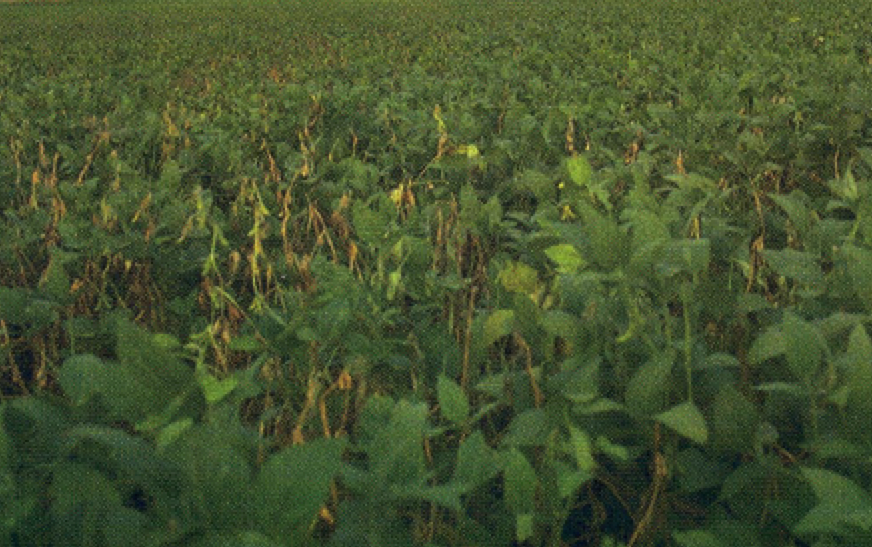
    Photo from the Iowa State University Extension White Mold, or Sclerotinia Stem Rot, is becoming evident now in many soybean fields across the Upper Midwest.  Like weed seeds, sclerotia can lay dormant for years and then grow when the conditions are suitable.  Cooler than normal temperatures, combined with ample moisture in fields, has created a favorable environment for the fungus in recent weeks.

    Today we’re providing tips to help you prevent the fungus from spreading this season and remedying it for the future.

    White Mold starts to show when soybean plants are in the early reproductive stages and there is moisture in the crop canopy.  This usually happens in July and August, but we’re just starting to notice it now since it took longer for soybean crops to reach the reproductive stage due to later planting dates.

    In addition to the fluffy white mycelium of the fungus, a closer inspection of the plant will turn up sclerotia.  These black, oblong structures resemble rat droppings.  Sclerotia form in the center of the bleached plant stem and also develop inside the stem, so they can be easily seen when the stem is split.

    Sclerotia are the fungus’ survival structures. Although they are initially soft, sclerotia harden with age and basically encapsulate the fungus.  Deep tillage can bring sclerotia to the surface, causing White Mold to be found in areas where it hadn’t been seen for a decade or more.

    Preventing the Spread

    Because infected soybean plants may not produce seed, a little White Mold can have a big impact on yield.  Most likely, you won’t be able to do anything for the plants already infected with the fungus but you can protect the rest of the field.  Certain foliar fungicides may be applied when you see White Mold starting to attack, so contact your local Ag Retailer or Crop Consultant for specific recommendations.

    There are also Best Management Practices to help prevent White Mold from surfacing in future years.  In fields with a history of White Mold, be sure to select soybean seed with resistance to White Mold.  Research shows that it also helps to lower the plant population in these fields; avoid planting 200,000 plants per acre regardless of row width.

    The most effective defense against White Mold is to keep the fungus out of a field, but this is easier said than done.  To prevent White Mold from spreading:

    • Avoid harvesting disease-infested fields before harvesting healthy fields
    • Clean your combine thoroughly after a field with White Mold is harvested. It’s important to clean the combine before moving to a field with no history of the disease.
    • If White Mold is restricted to a portion of the field, that restricted area should be harvested last and independently from the rest of the field.
    • If White Mold is already present in a field, keep sclerotia out of the upper layer of the soil, and prevent the sclerotia from distributing over a wider area

    Soybeans with very good to excellent White Mold tolerance:

    L1568R2
    L1783R2
    L1868L
    L1948R2
    L1985R2
    L2083L
    L2084R2
    L2183R2
    L21B53R2
    L2253R2
    L2440R2
    L2483R2
    L2648R2
    L2758R2
    L2780R2
    L2883L
    L3158L

    Webspec Admin

    August 15, 2013
    Agronomics, Crop, Disease, Fungicide, General, Soybeans
  • Latham Hi‑Tech Seeds

    Pressure on the Rise from Insects & Disease

    Gray leaf spot early1
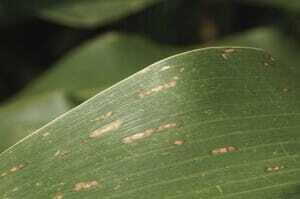
    Gray leaf spot (early symptoms). (photo from Alison Robertson)

    Corn diseases will likely be more prevalent this season due to an excessively wet spring followed by humid summer weather.  Plentiful moisture or dew is ideal for most fungal corn diseases.  Watch for Gray Leaf Spot, Southern and Common Rust, Northern & Southern Leaf Blight and Eyespot.

    Later planted crops can get stressed more easily, which also makes them more prone to insect pressure.  It’s likely we’ll see different insect and disease pressure now than we typically would because our corn is not as far along in its development as it would be in late July.

    Corn rootworm are strongly attracted to corn during pollination and can trim back silks to the husk. Photo by Marlin E. Rice.

    Watch for these insects now that corn is silking:  adult corn rootworm beetles, Japanese beetles, western bean cutworm, aphids, corn flea beetle, corn borer and grasshoppers.  Consider infection levels, potential economic damage and weather conditions before determining a treatment strategy.

    Take good field notes to help you select the right seed for the future.  For example, fields with confirmed Goss’s Wilt should be planted to a hybrid that is more resistant to Goss’s wilt in subsequent years.  Tillage and crop rotation can also help reduce corn rootworm.  Tillage and crop rotation also can help reduce the amount of residue that can harbor bacteria for the next corn crop.  For additional information about managing disease or insects, click on the related links below.

    Related Links:

    • Anthracnose Leaf Blight, Common Ruse, Gray Leaf Spot and Goss’s Wilt
    • Japanese Beetles are Back
    • It’s Fungicide Season

    Webspec Admin

    July 25, 2013
    Agronomics, Corn, Crop, Disease, General, Insects, Soybeans
  • Latham Hi‑Tech Seeds

    Be a Vigilant Scout

    Walking fields and noting where there is weed and insect pressure will help you determine what you select seed products in the future.

    “Be prepared” is the Boy Scout motto.  Like a good Scout, farmers across the Midwest should be prepared for the unexpected this season as pests aren’t following their typical developmental patterns.  Corn and soybean plant development is later than normal, so they could be more susceptible to insect and disease pressure as pests prey on weaker plants.

    We haven’t seen much insect pressure yet this year, and that could be for a couple of different reasons.  First of all, the wet spring delayed planting and spraying.  Many farmers have gone straight from planting and tillage to spraying and haying.  Not many people have had the time to walk their fields and really take a close look for signs of insect and disease pressure.  Secondly, just as crop development is delayed, so is insect development.  We know the corn rootworm hatch was delayed.  We also know Japanese Beetles have been delayed.

    Just because the weather slowed them down, don’t count them out!  The Japanese Beetle is becoming a more common pest for both corn and soybean crops.  These voracious eaters literally eat anything that’s green.  They seem to prefer the leaf tissue between the veins of soybean leaves and the soft silks of corn plants.  Both activities can result in significant yield loss, so it’s important to scout for Japanese Beetles.

    Also watch for Bean Leaf Beetles, which have adapted to winter by protecting themselves in leaf litter.  Although overwintering beetles rarely cause economic damage, their presence may be an indicator of building first and second generations later in the season.  While feeding on young soybean seedlings, these beetles have been known to infest them with disease that leads to Bean Pod Mottle Virus.

    Another insect that could do some damage this season are corn rootworm.  Because of the wide variance in planting dates in 2013, rootworm beetles may move between fields in search of the best “buffet.”  A late maturing corn field may attract a large numbers of beetles if neighboring corn stopped producing pollen, for example.  Rootworm beetles may also move into corn and/or soybean fields that have an abundance of pollen-producing weeds, including volunteer corn, ragweed or foxtails.  Controlling weeds will also help control corn rootworm populations.

    In addition to corn rootworm, black cutworm could a larger problem this year as they’re known to cause more damage in fields where corn is planted later.  Fields of higher risk also include those that are poorly drained and low lying; those next to areas of natural vegetation; and those that are weedy or have reduced tillage.

    Walking fields and noting where there is both weed and insect pressure will help farmers determine an action plan for the future, too.  It will help you determine if you need to change modes of action in future years.  Remember, family-owned Latham Hi‑Tech Seeds offers the industry’s broadest product portfolio.  New for 2014 planting are Latham® Hi‑Tech Hybrids featuring Artesian and DroughtGard technologies.  We also will offer a complete portfolio of Refuge Made Simple products including corn hybrids with Genuity® SmartStax, VT2 and VT3, plus Agrisure 3122 E-Z Refuge.  For more details, contact your local Latham® representative or call the Latham office at 1-877-GO-LATHAM.

    Webspec Admin

    July 11, 2013
    Agronomics, Corn, Crop, Disease, Fungicide, General, Soybeans, Weed Control
  • Latham Hi‑Tech Seeds

    Rules of Thumb for Late Planted Soybeans

    Soybeans

    This spring has been anything but normal. We are currently sitting at 67% of corn planted and 39% of soybeans planted. With the higher-than-average number of unplanted acres, we could be looking at a contender for 2013 prevent plant numbers. Although this has been tough for many of our farmers and dealers throughout the growing season, there has been a positive response for corn and soybean markets. With a few more days of drier weather, Latham Country could make a lot of #plant19 progress.

    We have received many questions this spring about when it is time to switch soybean varieties. The good news is soybeans are not as picky about maturity and delayed planting as corn. The typical maturity range for your area can be planted up to Mid-June without any worries. For those in the northern part of the territory, that date is closer to Early June. Its not a good idea to jump down more than 0.5 maturity group for your area. Remember soybeans mature based on night-length and not heat units, so they will make it to maturity, but the full season maturity encourages them to accumulate more nodes (i.e. more pods) before fully switching to seedfill.

    Rules of Thumb on Later Planting:

    1. Each 4 days later in planting date causes 1 day later maturity. One month later planting causes 1 week later maturity.
    2. Farmers should not switch to a soybean variety that is out of their maturity zone.
    3. For later planting, use narrower rows and slightly higher seeding rates whenever possible. We need to get canopy coverage as soon as possible.
    4. When planting between June 1-10, expect a yield loss of one half bushel per day. When planting between June 11-20, expect an additional yield loss of one bushel per day.
    5. Yield predictions for planting July 1 or later are extremely variable depending on growing conditions and frost date.

    Soybean Yield Expectations & Physiological Maturity

    Relative yield percent and Bushels Per Acre based on a 60 bpa potential yield

    Planting Date Northern Iowa Central Iowa Southern Iowa
    Late April 100% 60.0 bpa 96% 57.6 bpa 98% 58.8 bpa
    Early May 96% 57.6 100% 60.0 100% 60.0
    Mid May 99% 59.4 96% 57.6 98% 58.8
    Early June 81% 48.6 93% 55.8 89% 53.4
    Mid June 61% 36.6 59% 35.4 82% 49.2
    Early July 33% 19.8 45% 27.0 47% 28.2
    NOTE: All yields through mid-May are not statistically different from 100% yield.
    SOURCE: ISU Extension publication PM 1851, “Soybean Replant Decisions”


    Phil Long

    June 13, 2013
    Agronomics, Crop, Growth Stages, Soybeans, Tech Tuesday
  • Latham Hi‑Tech Seeds

    Early Season Tissue Sampling Helps Detect Deficiencies

    Tissue sampling has become very popular in recent years as it more accurately represents plant nutrition.  That’s why tissue samples should be taken as early in the season as possible to properly detect nutrient deficiencies and make adjustments during the growing season.

    For accurate results, avoid testing plants that show severe signs of stress from factors not related to nutrients.  This includes damage from insects, drought or flooding, temperature, chemicals or machinery.  Also be sure to test normal plants in addition to affected plants in the same stage of growth.

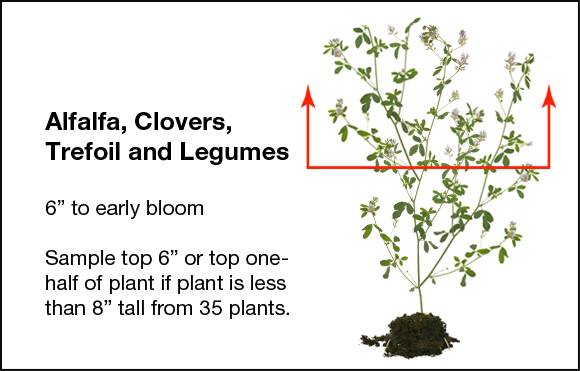
    When testing alfalfa plants from beginning stages until the first flower, it’s important to sample from the top six inches of the plant. Collect about 35 samples.  When sampling alfalfa closer to or at harvest for comparison, test about 25 whole plants.  Collecting soil samples simultaneously can be helpful when paired with the plant analysis to identify nutrient deficiencies, toxicities and imbalances.  Take soil samples, at a six- or seven-inch depth, from the same areas where plant samples were collected.

    Once samples have been collected, remove foreign particles like dirt but do so without washing the plant.  Place the samples in a paper bag or a large envelope to help prevent them from developing mold during shipping.  Soil samples also may be placed in a waterproof container with a correlating label to the field and tissue sample with which it was taken.

    Depending on the lab you use, some reports for plant samples will reveal the concentration of N, P, K, Ca, Mg, S, Zn, Mn, B, Cu, Fe, Al, and Na within the plant.  Soil samples submitted with the plant sample will be analyzed for pH, organic matter, P, K as well as special soil test results.  Nutrient levels will also be interpreted for soil and plant samples to identify any nutrient issues and potentially offer recommendations.  It’s important to note that nutrients can then be soil, seed and foliar applied.

    The ability to apply timely nutrition and reach new yield levels is so exciting!  Experiment on your farm.

    Webspec Admin

    June 6, 2013
    Agronomics, Corn, Crop, Fertility, General, Soybeans
Previous Page
1 … 24 25 26 27 28 … 32
Next Page

Latham Hi‑Tech Seeds

131 180th Street | Alexander, IA 50420

(641) 692-3258

SIGNUP FOR OUR NEWSLETTER
  • Contact
  • Legal
  • Dealer Center
  • Seedware Login
  • Latham Gear

© 2025 Latham Hi‑Tech Seeds. All rights reserved. | Iowa Web Design by Webspec | Privacy Policy

Latham® Hi-Tech Seeds is a trademark of M.S. Technologies, L.L.C., 103 Avenue D, West Point, IA 52656.