Latham Hi-Tech Seeds

(641) 692-3258

  • Home
  • Products
    • Corn
    • Soybeans
    • Alfalfa
    • Corn Silage
    • Seed Guide
  • Performance
  • Find a Rep
  • Media
    • Blog
    • News
    • Videos
    • Podcasts
    • TECHTalk
  • About Us
    • Company History
    • Our Mission
    • Careers
    • Become a Rep
    • Sowing Seeds of Hope
  • Contact Us
  • Latham Hi‑Tech Seeds

    Dicamba Injury Insight with ISU Extension Experts

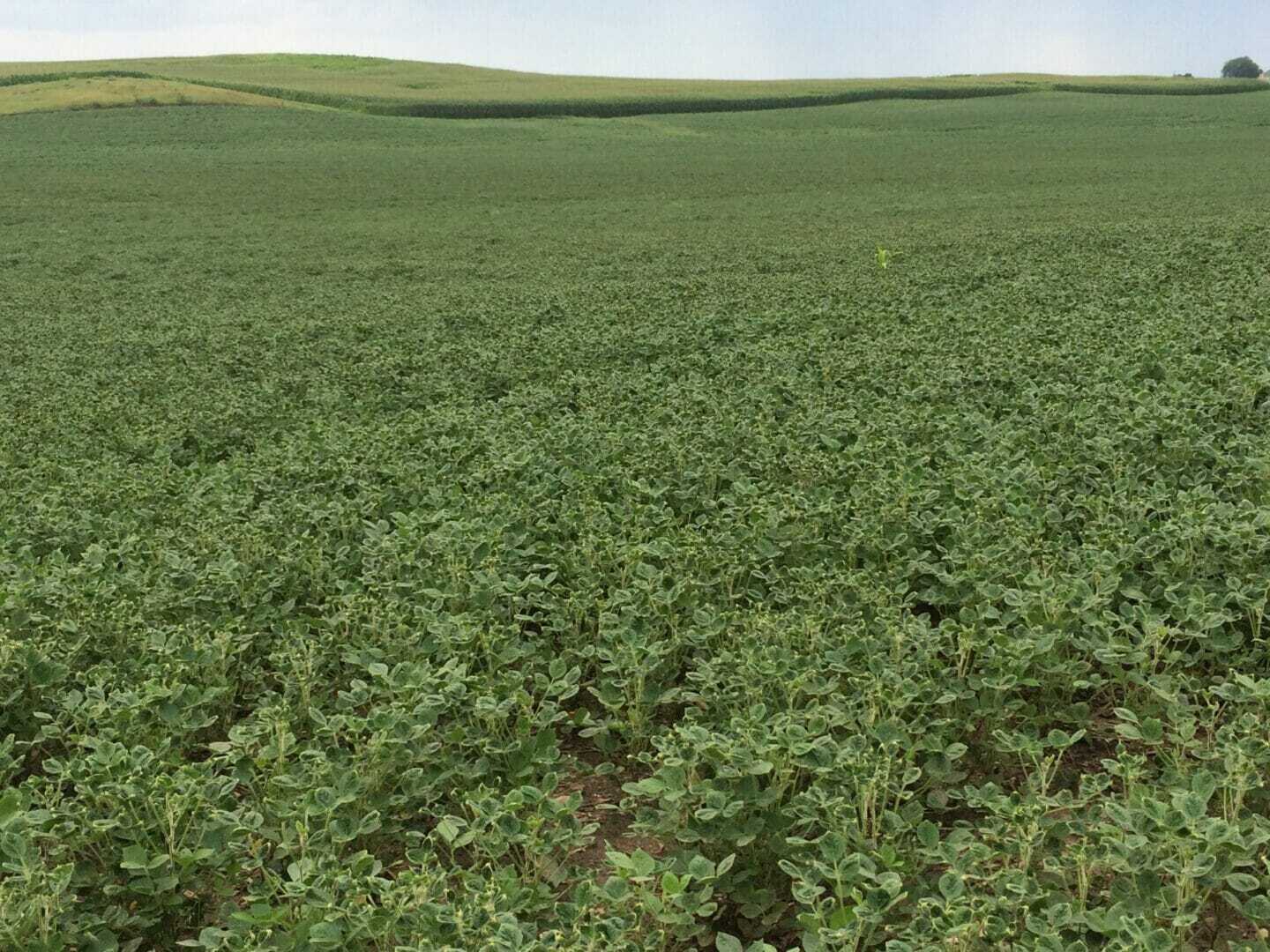
    Soybean Cupping

    BobHartzler[1]
    Bob Hartzler
    By Bob Hartzler, Extension Weed Scientist, ISU and
    Angie Rieck-Hinz, Extension Field Agronomist, ISU

    Nearly everyone agrees that dicamba injury to susceptible soybean is worse in 2020 since the introduction of dicamba-resistant soybean in 2017, and even since dicamba was first registered in the 1960s. Dicamba injury can occur from particle drift, volatilization (vapor drift), use of sprayers contaminated with dicamba residues, and movement of the herbicide with water running off treated fields. While not always easy, the first step in dealing with dicamba injury should be determining the most likely source of dicamba.

    (Christopher Gannon/Iowa State University)
    Angela Rieck-Hinz

    In several areas of the state, including north central Iowa, it is apparent that volatilization of dicamba was a leading cause of soybean damage.  All susceptible soybean fields in many neighborhoods were damaged, and the injury was uniform from fencerow to fencerow in many, if not most fields.  When particle drift is responsible for injury, damage to soybean is usually most severe near the field sprayed with dicamba and lessens as distance from the treated field increases. If a contaminated sprayer was the source, injury typically is worse where sprayer overlaps occur and absent where skips occur in the field.

    So why were problems so much greater in 2020 than the first three years of using dicamba in soybean? We believe several factors contributed to the problem.  First, corn and soybean planting occurred at a near record pace – 94% and 66% of soybean were planted by May 3 in the region, resulting in the crops emerging and developing together early in the season.  Dicamba use in corn has increased in recent years due to a continued spread of herbicide resistance, and in many fields dicamba applications were made later in corn than normal after earlier treatments failed to provide control. Dicamba products used in corn do not have separation or downwind application setbacks and these formulations are known to be more volatile.  These factors resulted in dicamba being applied to both corn and soybean fields in an area at the same time, dramatically increasing the amount of dicamba available to move into the atmosphere.
    Soybean CuppingIn addition to increased dicamba use, weather conditions made it difficult to complete postemergence herbicide applications during favorable conditions.  At Kanawha, in the first two weeks of June there were only 40 hours with wind speeds allowable for dicamba applications in soybean.  This resulted in large amounts of dicamba being applied in a short time frame. In addition to high winds, high temperatures were common throughout June and the lack of rain left dicamba on soil and plant surfaces where they can evaporate and move off the field into adjacent areas.

    The combination of increased dicamba use across the landscape and favorable conditions for volatilization led to a process that has been called atmospheric loading. Rather than dicamba moving from a single field during or after application, it is thought injury to susceptible plants is due to dicamba coming from multiple fields in an area.  The quantity of dicamba leaving a single field might not have been sufficient to cause an adverse plant response, but the dicamba moving from multiple fields exceeded the threshold needed to cause injury.

    What should you do if you suspect you have injury to susceptible beans, trees, gardens, horticultural crops or other susceptible plants?  Your first step is to review your own herbicide use in corn and beans or weed control in road ditches to assess if you used the wrong product on the soybeans, if your use of dicamba products in your corn could have led to tank contamination that subsequently injured your beans or landscape weed control product could have injured plants.   If you can rule this out, your next step is communication with your neighbor to determine if their use of dicamba could be the source.  This is not always an easy task and serves as a good reminder to keep those lines of communication open.  The next step is to call the Iowa Department of Agriculture and Land Stewardship’s pesticide bureau to file an “Incident Report”. The report must be filed within 60 days after the alleged date that damage occurred and before 25% of the crop is harvested. Contact the pesticide bureau at 515-281-8591.

    In many situations, Extension field agronomists, retail agronomists, crop consultants and others are called to provide third-party opinions. Due to the widespread nature of this injury in 2020, it should be noted that pinpointing a source or sources may be nearly impossible.

    What is the future for dicamba? Nobody knows how this year’s problems will influence dicamba availability for use in soybean in 2021.  Even without the court ruling in early June that vacated registration of three of the dicamba products used in soybean, the products were up for review following granting of a second two-year probationary label for 2019-20.  Bayer and other companies are continuing to evaluate new dicamba formulations with lower volatility than the current products.  Hopefully EPA will announce their decision in time for people to make appropriate decisions regarding soybean traits for the 2021 growing season, but based on past history, this may not happen.

    Find resources by state for dicamba damage investigation below:

    Iowa: https://iowaagriculture.gov/pesticide-bureau/pesticide-use-investigations-and-enforcement

    Minnesota: https://www.mda.state.mn.us/dicamba-damage-complaints

    Nebraska: https://cropwatch.unl.edu/2018/dicamba-target-injury-reports-nebraska

    North Dakota: https://www.ag.ndsu.edu/cpr/weeds/reporting-dicamba-injury-08-17-17

    South Dakota: https://sdda.sd.gov/ag-services/regulatory-compliance-enforcement/pesticide-complaint-investigation-and-enforcement/

    Wisconsin: https://datcp.wi.gov/Pages/Programs_Services/PesticideComplaints.aspx

    Latham Seeds Agronomy Team

    July 20, 2020
    Agronomics, Crop, Soybeans
  • Latham Hi‑Tech Seeds

    Identifying Soybean Cupping

    Soybean Cupping
    Phil Long shares tips on scouting fields and evaluating cupping damage and recovery on those fields. Find a breakdown of time below:
     
    0:20 — What causes soybean leaf cupping?
     
    1:20 — Herbicide effects
     
    3:25 — Scouting for soybean cupping damage
     
    4:25 — Stage the cupping damage
     
    5:50 — Soybean recovery from cupping damage
     
    7:15 — Systemic herbicide timeline

    Latham Seeds Agronomy Team

    July 19, 2020
    Agronomics, Crop, Soybeans
  • Latham Hi‑Tech Seeds

    Ask The Agronomist: Soybean Stress

    How much stress can soybeans handle? Phil Long discusses important early season soybeans stresses and their impact on yield.  #AskTheAgronomist

    1:00 — Scouting Tips: Staging soybeans

    3:45 — Post-emergence weed control

    6:20 — Yield impact with early season stresses

    9:12 — Soybean nodules

    10:15 — Final thoughts

    Laura Cunningham

    June 25, 2020
    #AskTheAgronomist, Agronomics, Crop, Emergence, Fertility, Growth Stages, Soybeans
  • Latham Hi‑Tech Seeds

    Ask The Agronomist: Sulfur in Soybeans

    ATA cover

    What role does sulfur play in your soybeans? Phil Long discusses the importance of available sulfur and feasibility of in-season application.

    1:07 – Topic introduction
    2:30 – Why sulfur?
    4:30 – When to apply sulfur
    5:25 – Available forms of sulfur
    7:30 – Importance of tissue tests

    Laura Cunningham

    June 11, 2020
    #AskTheAgronomist, Agronomics, Crop, Fertility, Soybeans
  • Latham Hi‑Tech Seeds

    Thistle Caterpillars 

    Screen Shot 2020 04 28 at 5.46.11 PM
    Screen Shot 2020 04 28 at 5.46.11 PM
    Credit: University of Nebraska

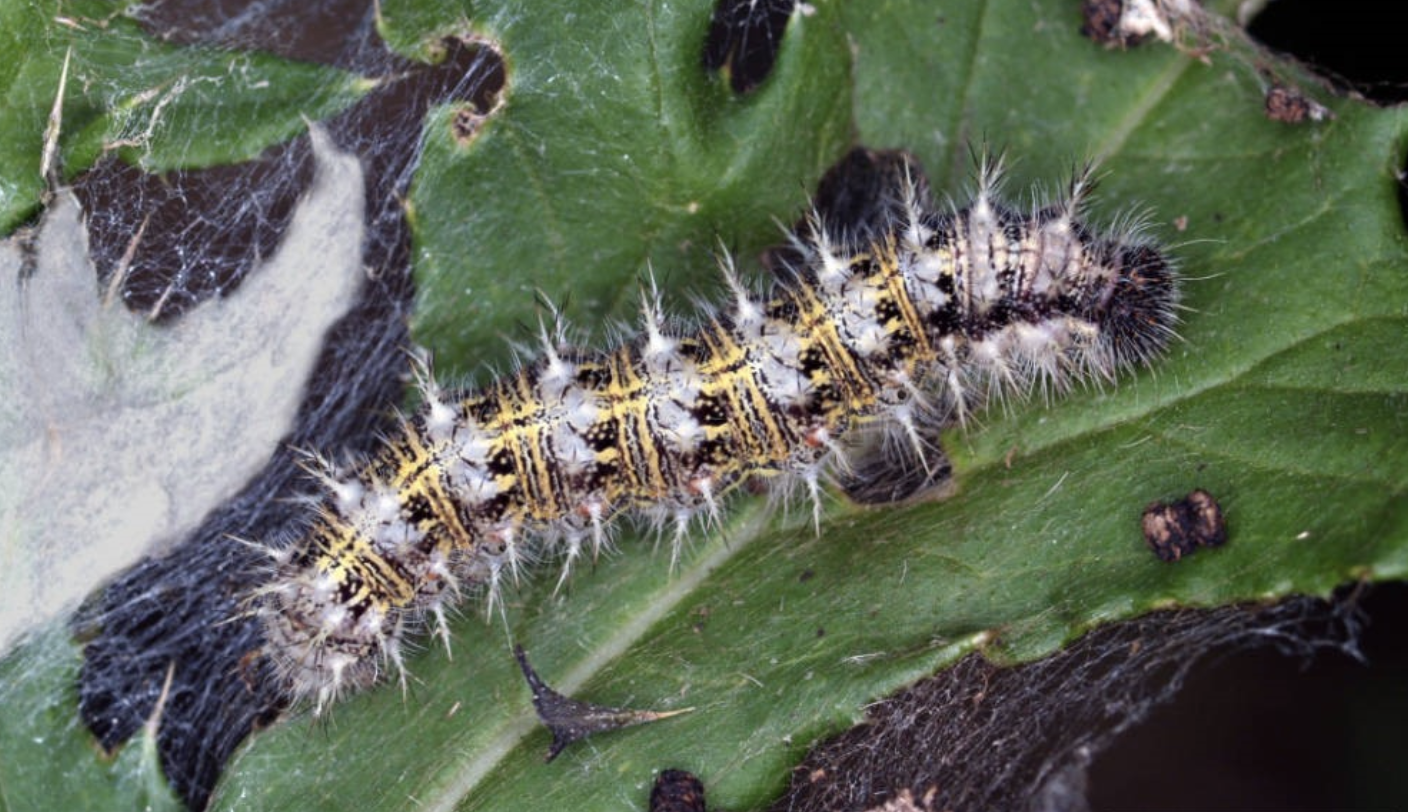
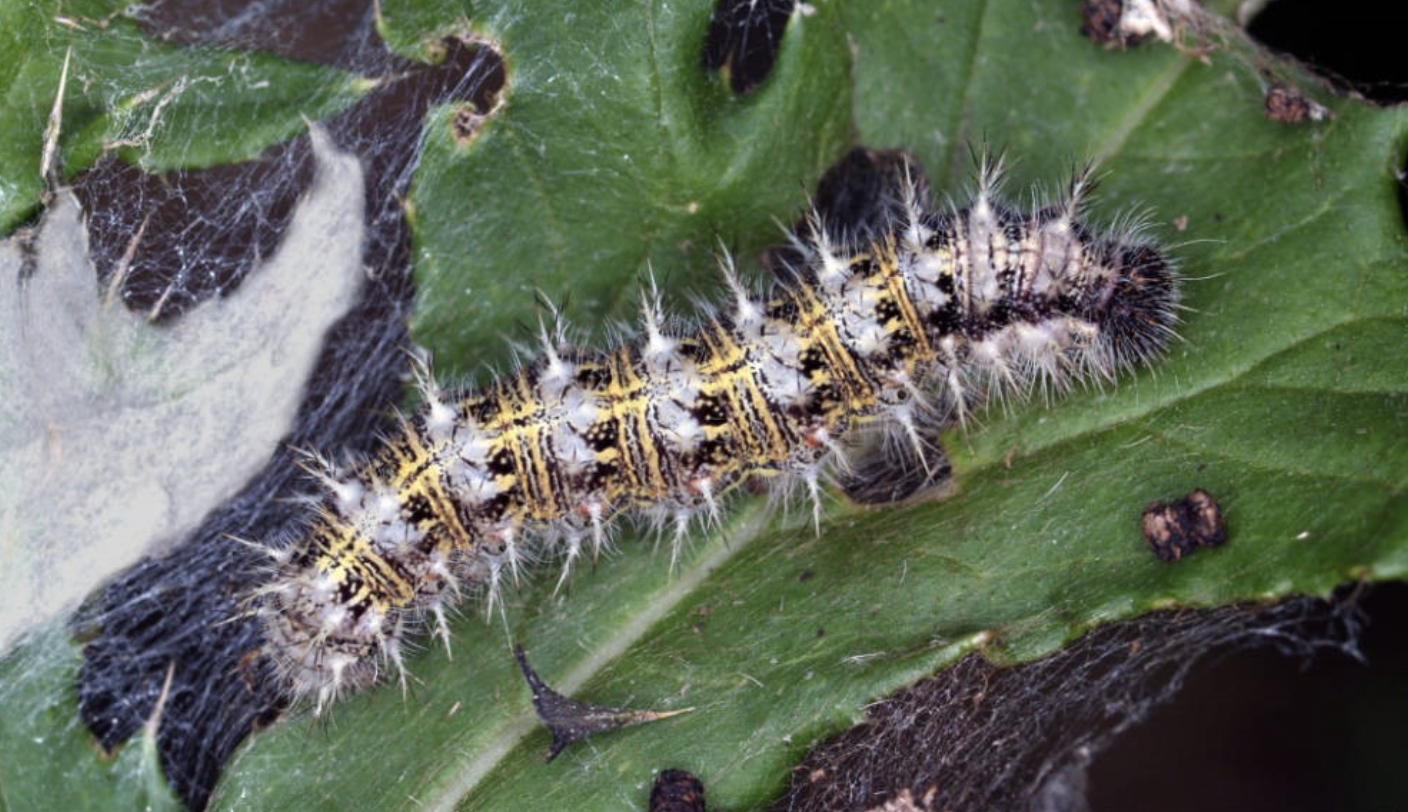
    Soybeans are a common host of thistle caterpillars – an insect that is able to feed on over 300 different plants. Damage from the thistle caterpillar can be minor leaf feeding or in large infestations, total defoliation.  In higher infestations action may be needed, but typically thistle caterpillars don’t cause enough damage to reduce yield or warrant chemical control.

    In adult form, thistle caterpillars are known as painted lady butterflies and have a wingspan of 2 to 3 inches. The wings are orange, pink or brown with four eyespots near the tips of the wings. Caterpillars have a yellow stripe that runs the length of the body. Their spiky hairs make the insect distinguishable from other look-a-like insects.

    The insect is typically unable to overwinter in the Midwest. Butterflies migrate from southern portions of North America to the Midwest and lay their eggs in June. The eggs are lime green and oblong with a ribbed texture.

    Thistle caterpillars can produce one to two generations per year and feed primarily during July and August. Caterpillar feeding takes place over the course of 2 to 6 weeks until the insects reach pupation. The second generation of the insect is known to feed at the topmost layer of the canopy and causes leaves to stick together from excreting silk.

    Thistle Caterpillar ISU
    Credit: Iowa State University
    Scouting and Treatment 

    Thistle caterpillars are known to cause the most harm to soybeans during V3 and V4. When scouting for signs of caterpillar feeding, examine leaves from each level of the soybean plant. Select 100 different plants from across the field and check for feeding injuries at the top, middle and bottom third of the plant.

    Treatment is advised when defoliation is exhibited in 30% of plants during vegetation or 20% in plants undergoing reproduction. Insecticide application can be used to control the insect’s population. Be sure to consult with your local Latham representative to determine the best treatment plan for managing thistle caterpillars.

    Latham Seeds Agronomy Team

    June 8, 2020
    Agronomics, Crop, Fall, Insects, Season, Soybeans, Summer
  • Latham Hi‑Tech Seeds

    Soil Crusting and Leafing Out Underground

    Crack and dry ground at rice field with sunlight.
    Crack and dry ground at rice field with sunlight.
    iStock Photo


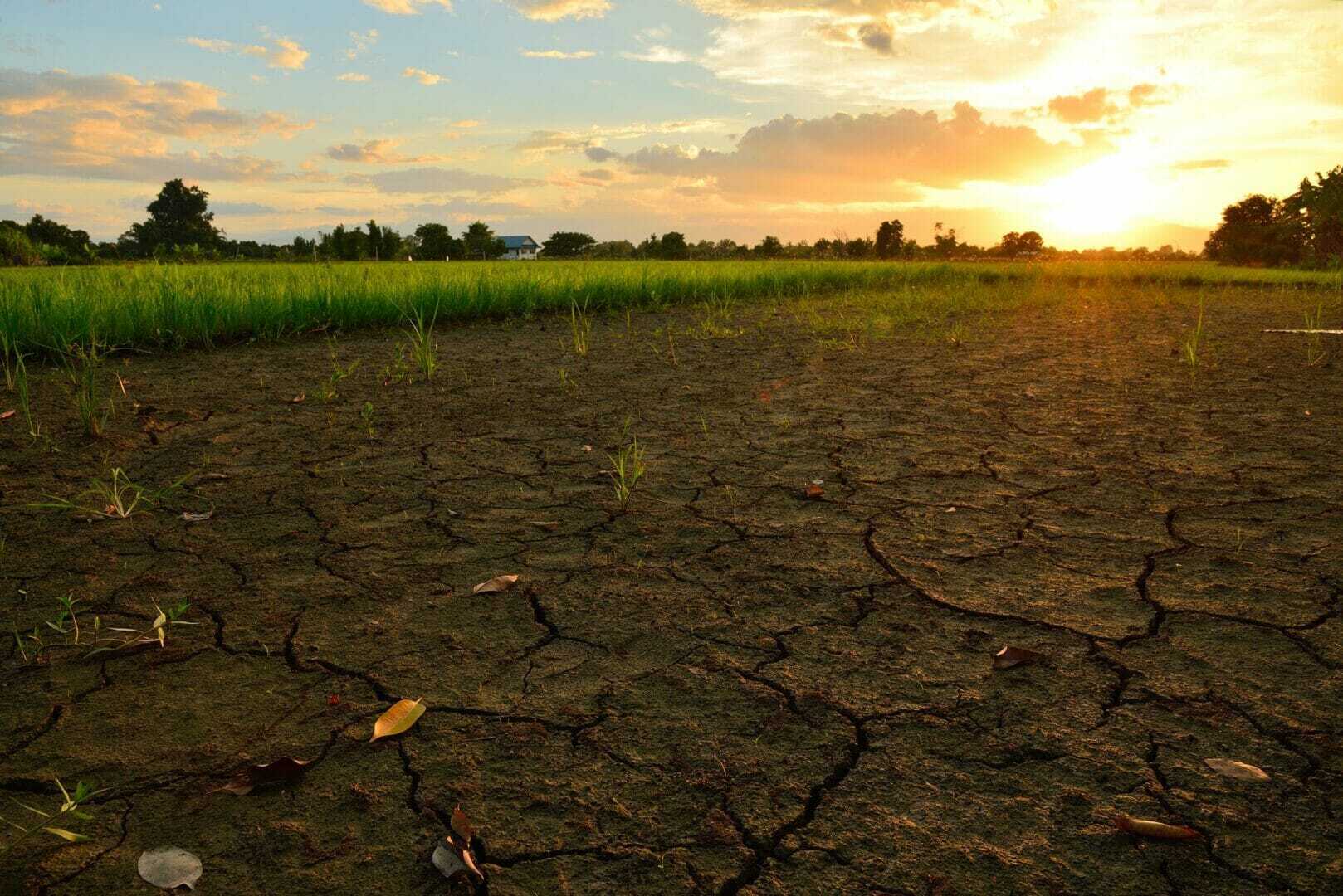
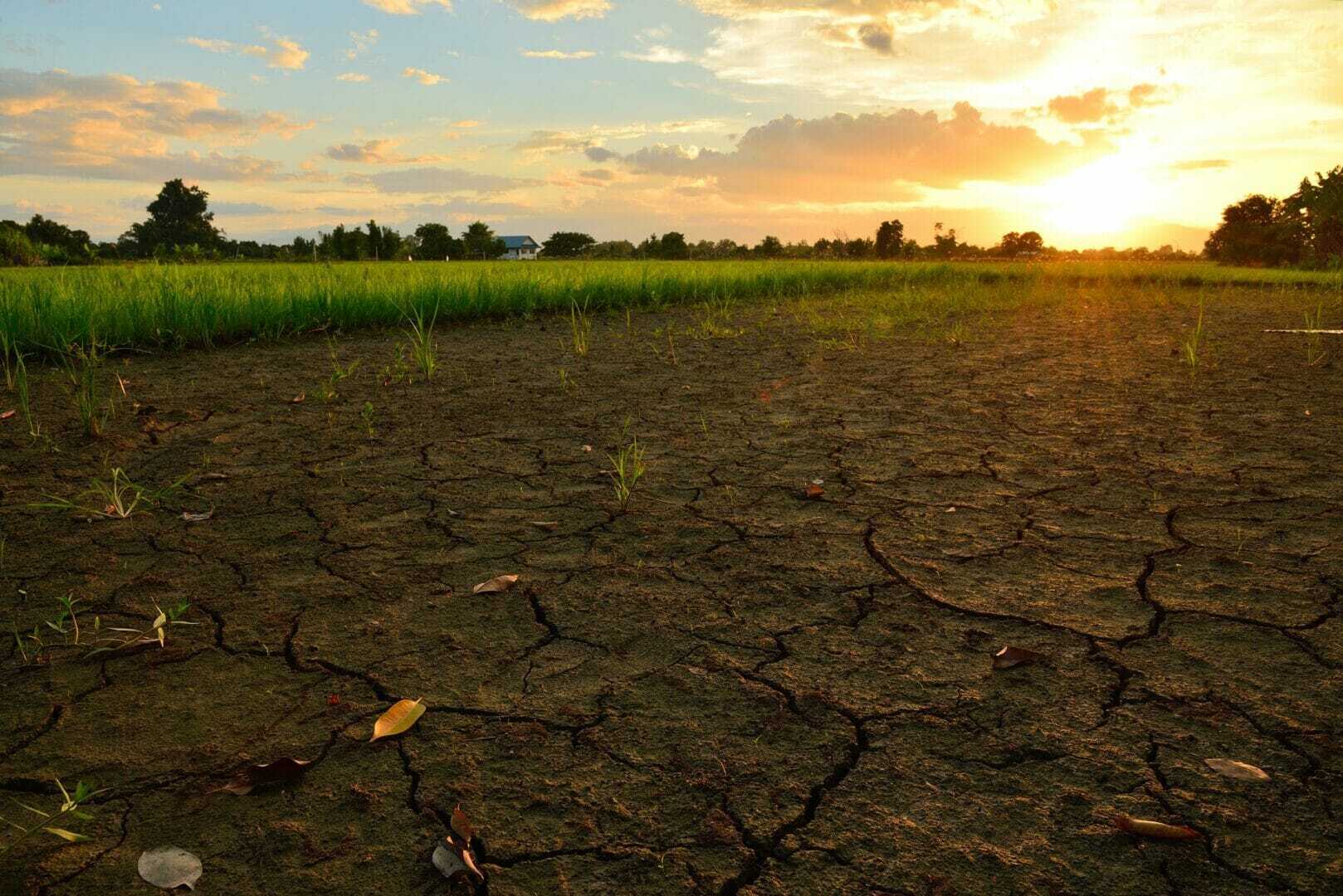
    Most often the result of heavy rainfall, soil crusting presents itself in the form of hardened soil with a smooth and compacted appearance. Heavy rains following planting along with high heat and winds can cause finely tilled soils with limited residue cover to form a very dense crust. In addition, planting in wet soils and the use of heavy tilling are primary causes of soil crusting. Fine soils and soils with little organic matter are also more susceptible to the condition.  

    Soil Crusting Implications  

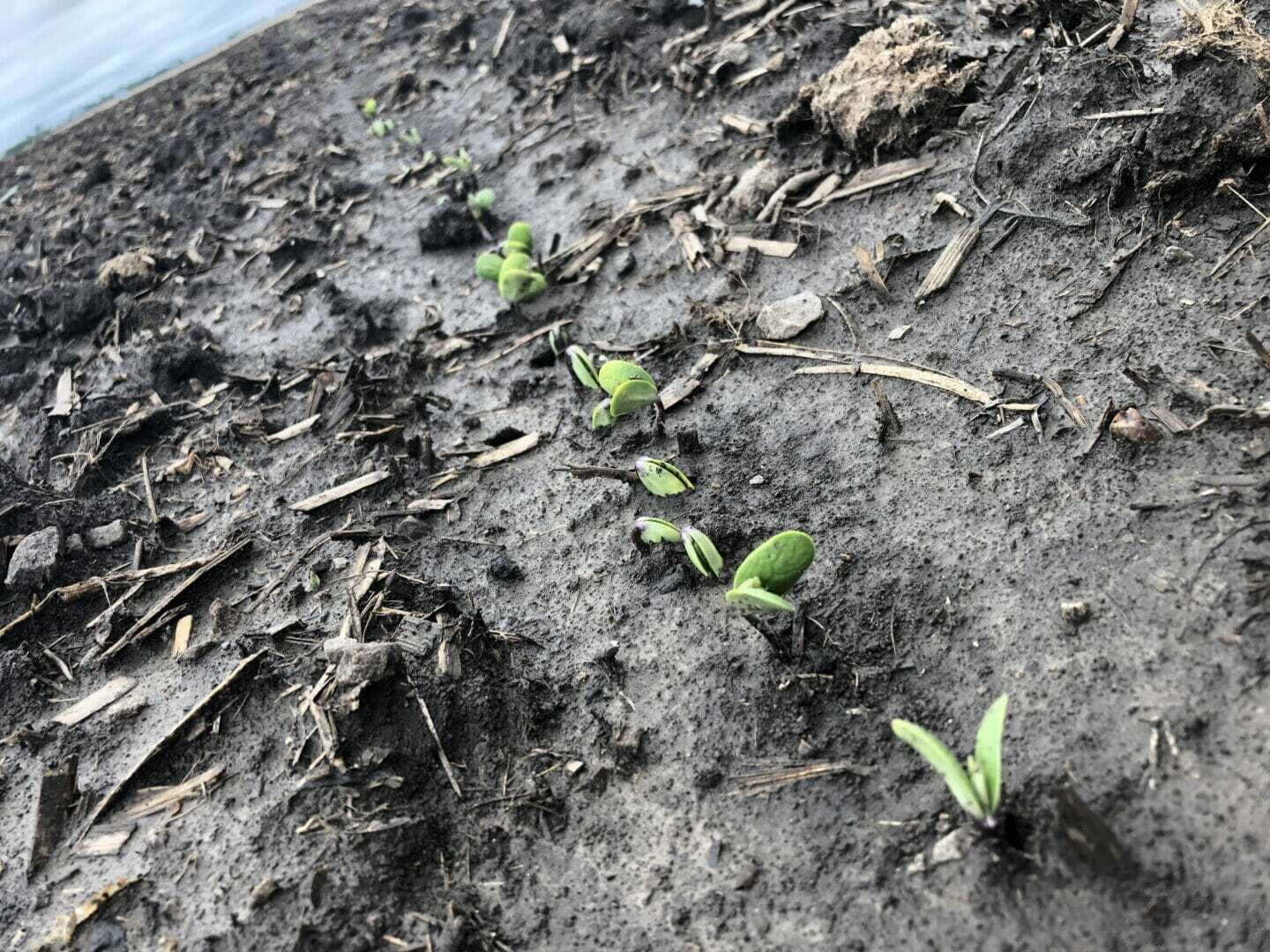
    Hardened soil presents implications for water infiltration while also interfering with crop emergence. The coleoptile of a corn plant acts to protect leaves from emerging before the shoot penetrates the soil. When soil crusting occurs, this can cause leaves to emerge prematurely through the coleoptile below the soil instead of above ground – also known as “leafing out”. When the coleoptile ruptures before penetrating the soil, it becomes much more difficult for leafing out to occur above ground.  

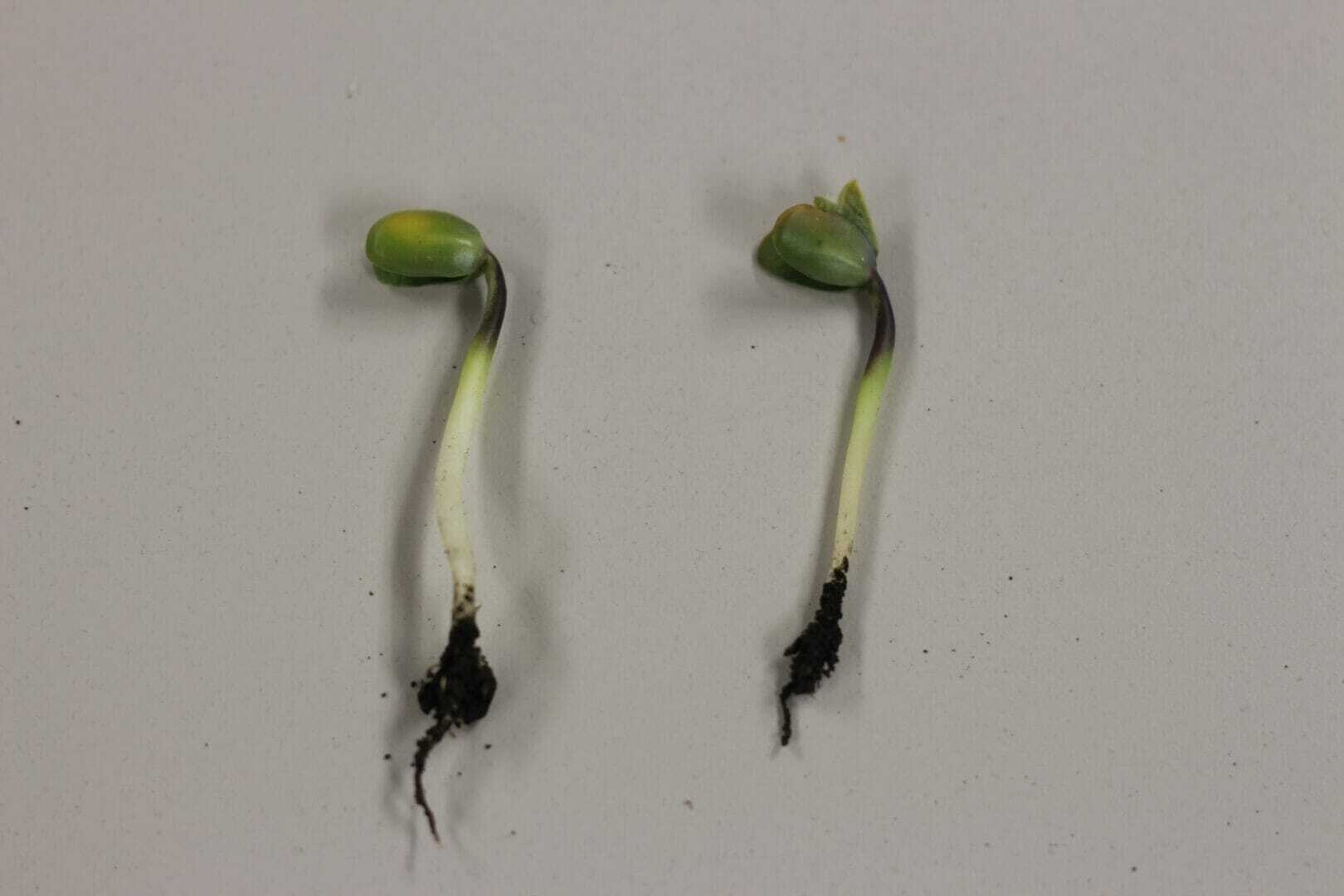
    The hypocotyl of the soybean plant may enlarge as it pushes against the crust and can eventually snap and kill the plant. If you notice a swollen hypocotyl, that soybean plant is trying harder than normal to break through the soil.  

    A study from Iowa State University found that when 17% of corn plants on a plot exhibited delayed emergence, overall yield was decreased by 4-8%. For soybeans, research from North Carolina State University concludes that delayed emergence reduced overall yield by an average of 14 bushels per acre.   

    Leafing Out Identification 

    Leafing out is often seen in the form of a “shepherd’s crook” when the coleoptile ruptures prematurely and prevents leafing out above ground. The decreased vigor resulting in premature leafing out can lead to uneven emergence and ultimately reduce yield.  

    Adapting Solutions 

    No-till or minimum-till can reduce the amount of soil movement in times of heavy rainfall, preventing the onset of crusting. In addition, improving surface soil structure can be done by adding organic matter using cover crops or manure. 

    Using a rotary hoe at the depth of the crust can break up the soil, allowing seedlings to emerge. This practice can also act as a means for weed control prior to their emergence. By using a combination of approaches, soil crusting can be eliminated to avoid leafing out below ground. 

    Latham Seeds Agronomy Team

    June 2, 2020
    Agronomics, Corn, Crop, Drought, Flooding, Soil, Soybeans
  • Latham Hi‑Tech Seeds

    Ask The Agronomist: Early Season Soybean Scouting

    Greg 2
    Phil Long discusses early season soybean scouting. Tune in to learn the importance of noting emergence, growth and development. #AskTheAgronomist
     
    :20 – Welcome
    1:00 – Topic introduction
    2:25 – Soybean growth stages
    3:00 – Herbicide effectiveness
    5:10 – Soybean stand counts
    6:42 – Nodule development

    Latham Seeds Agronomy Team

    May 28, 2020
    #AskTheAgronomist, Agronomics, Crop, Emergence, Growth Stages, Soybeans, Weed Control
  • Latham Hi‑Tech Seeds

    Frost Damage in Corn & Soybeans

    IMG 9552
    Phil Long discusses the implications of an early-season frost in both corn and soybeans. Tune in to learn if your crop was affected. #LathamSeeds
    :15 — Welcome
    :35 — Topic introduction & indicating factors
    3:30 — Frost damage in corn
    8:50 — Frost damage in soybeans

    Laura Cunningham

    May 12, 2020
    #AskTheAgronomist, Agronomics, Corn, Crop, Emergence, Frost, Season, Soybeans, Spring, Weather
  • Latham Hi‑Tech Seeds

    Ask The Agronomist: Herbicide Performance & Dry Conditions

    Sprayer
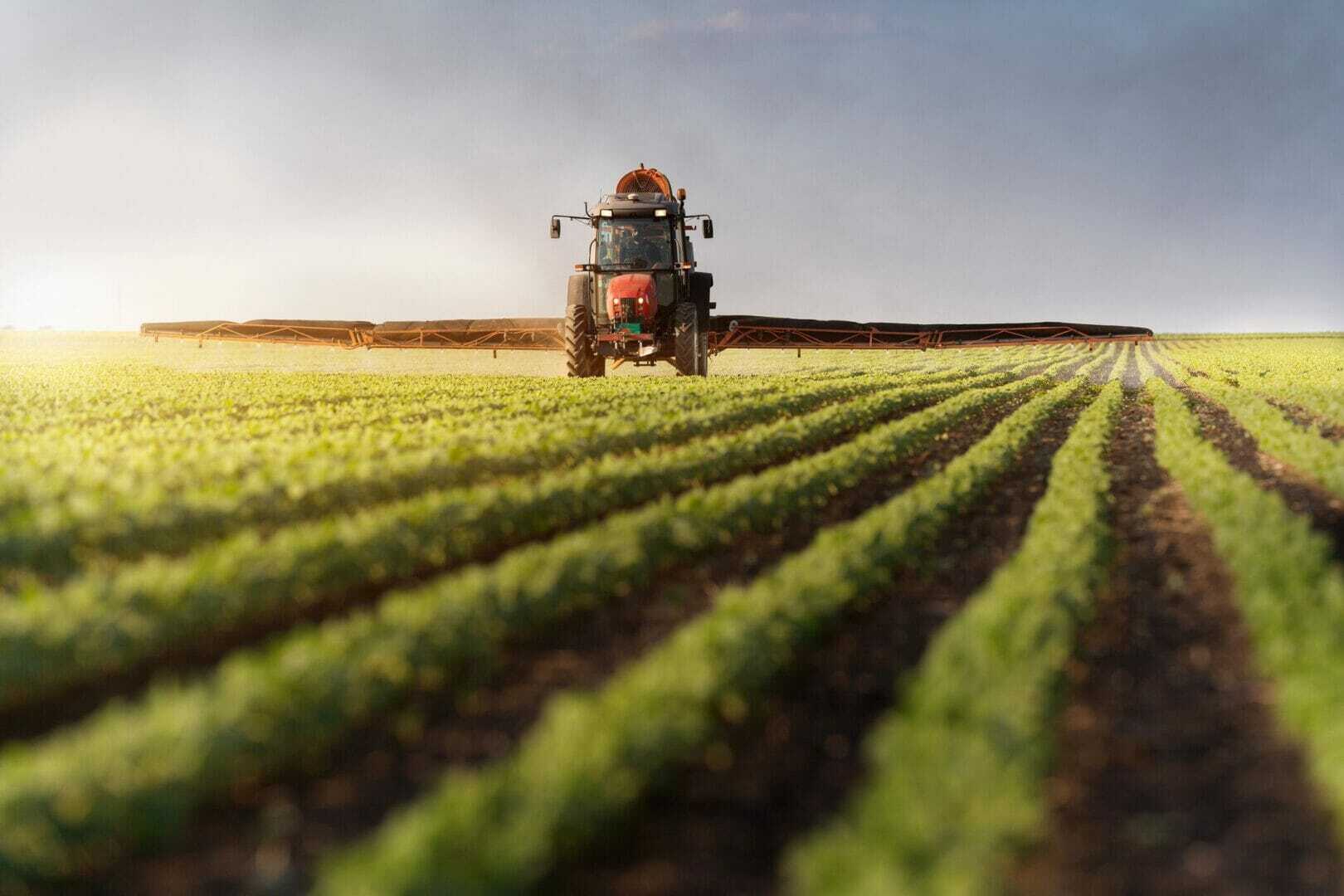
    How does the lack of rainfall affect your herbicide program? Phil Long discusses the implications of recent dry weather. #AskTheAgronomist
     
    1:15 – Topic introduction
    3:30 – Importance of residual herbicides
    5:20 – Implications of recent dry weather
    9:30 – Herbicide program planning

    Laura Cunningham

    May 7, 2020
    #AskTheAgronomist, Agronomics, Corn, Crop, Soybeans, Weed Control
  • Latham Hi‑Tech Seeds

    Ask The Agronomist: Prepping The Seed Bed

    Ask The Agronomist Cover Image

    How much tillage is too much? Phil Long discusses proper seed bed preparation and the importance of protecting moisture in the ground. #AskTheAgronomist

    :20 – Welcome

    1:40 – Topic introduction

    3:00 – GDUs, rainfall averages and soil temperatures

    4:40 – Soybean germination

    5:15 – Conserving moisture in the seed bed

    6:40 – Optimal seed depth

    7:27 – Soil sealing

    10:36 – Cover crops and early termination

    11:35 – Final thoughts

    Laura Cunningham

    April 30, 2020
    #AskTheAgronomist, Agronomics, Cover Crops, Crop, Season, Soil, Soybeans, Spring
Previous Page
1 … 9 10 11 12 13 … 32
Next Page

Latham Hi‑Tech Seeds

131 180th Street | Alexander, IA 50420

(641) 692-3258

SIGNUP FOR OUR NEWSLETTER
  • Contact
  • Legal
  • Dealer Center
  • Seedware Login
  • Latham Gear

© 2025 Latham Hi‑Tech Seeds. All rights reserved. | Iowa Web Design by Webspec | Privacy Policy

Latham® Hi-Tech Seeds is a trademark of M.S. Technologies, L.L.C., 103 Avenue D, West Point, IA 52656.