
Sudden Death Syndrome or Brown Stem Rot? Tune in for identification tips the impact of these diseases.
https://www.facebook.com/LathamSeeds/videos/2077027295959408/

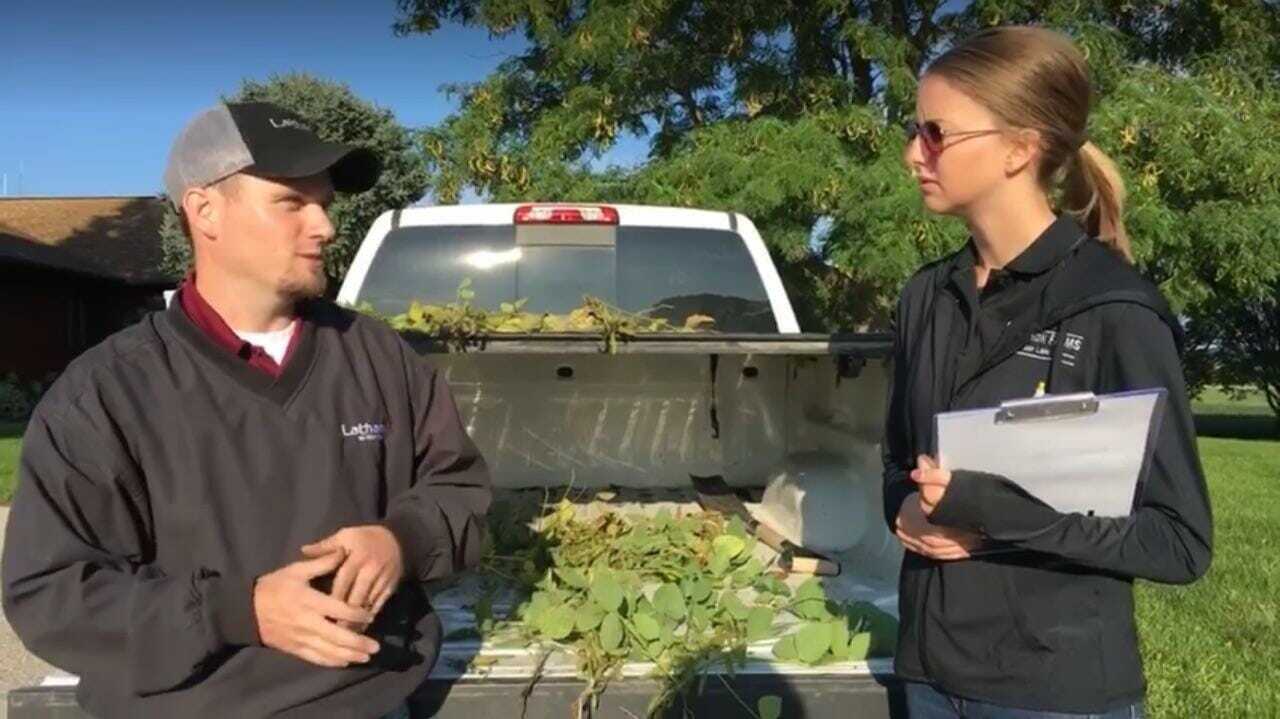
Sudden Death Syndrome or Brown Stem Rot? Tune in for identification tips the impact of these diseases.
https://www.facebook.com/LathamSeeds/videos/2077027295959408/
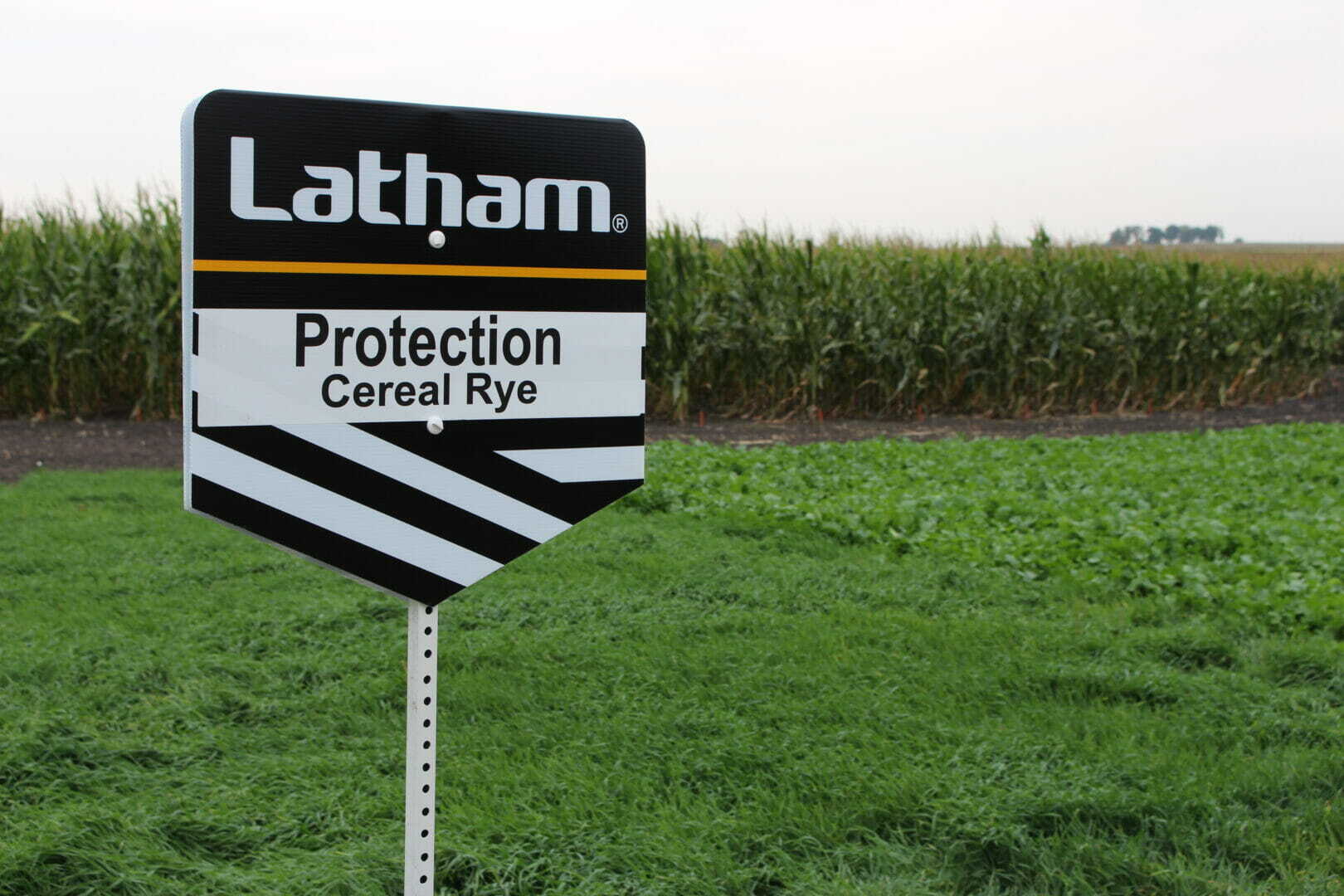
Many farmers work hard and put safety measures in place to preserve their family’s farm — their legacy — for future generations. Preserving and building the soil is one of the most important things farmers do for humanity.
It’s more of a marathon, rather than a sprint, to unleash new yield levels. We must unfold the earthly secrets that will help develop new soil health levels. Soil biological development has recently gained massive interest in the United States, so many farmers are experimenting with biological supplements and cover crops.
If you’re interested in getting started with cover crops on your farm, below are a few tips for your consideration:
1. Start small in early fall so the crop has enough time to grow.
I suggest getting an initial solvita soil test. Start super simple by getting one test per majority soil type in the area of cover crop interest. The soil test results will suggest a cover crop that will benefit the soil and following crop the most. In addition, it will help you trend the soil biological activity over the next few years.
2. Keep it very simple at first.
All the options can be overwhelming, so focus on one cover crop in the beginning. The most experienced cover crop farmers say you don’t need to get too fancy with complicated mixes. Some NRCS cooperative payments require certain mixes, so you’ll need to get the requirements from your local NRCS office.
3. Explore seeding options.
Many county NRCS agencies have no-till drills available for rent. There also are programs available to help fund aerial applications. Again, work with the NRCS to explore programs available in your area.
4. Conduct a test to help determine if carryover herbicide could affect cover crop emergence.
Some residual herbicide compounds can still be potent enough to affect cover crop emergence or root growth, as herbicide could be at a deeper level. To test for carryover, conduct a flower pot soil test two weeks prior to seeding cover crops. I gather soil samples from three locations throughout the field. Then I replicate this test for each cover crop I plan to plant.
For example: If I were going to mix tillage radish with winter rye, I would need six soil samples from the field (3 for rye and 3 for radish). You also need to purchase enough basic potting soil for 1 or 2 pots that will be used as a check.
5. Have fun!
Cover crops are a new pathway for many. You’re developing a plan that is relevant and specific to your farming system and soil biology. Your soil is your science lab! Even if you don’t achieve the desired results right away, you’re gaining knowledge that can be used to improve your soils in the future. Remember to involve your local NRCS to help share the investment costs.
FOR MORE INFORMATION, GO TO:
www.nrcs.usda.gov/Internet/FSE_DOCUMENTS/stelprdb1082778.pdf
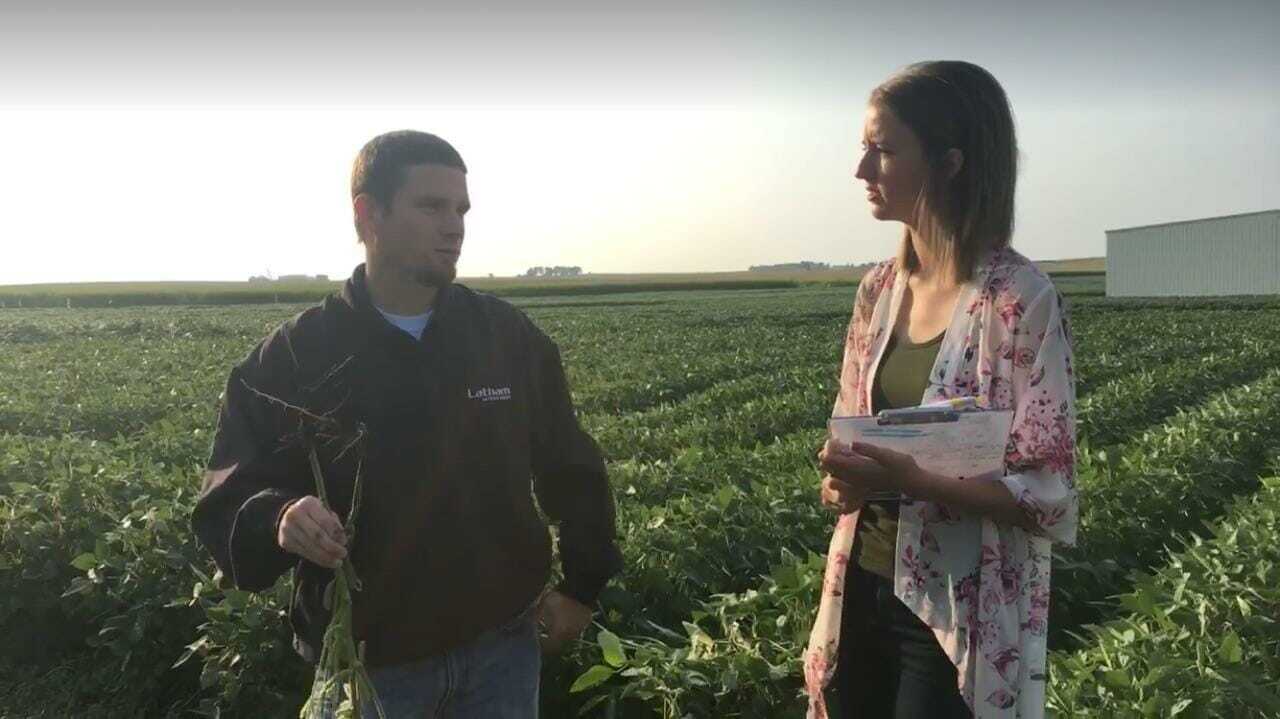
Tune in for discussion on a new insect hitting soybean fields in the Midwest. We will also be covering tips on late-season scouting.
https://www.facebook.com/LathamSeeds/videos/1134728796694114/

It can be tricky to get everything to work out just right for an optimal corn silage harvest. The weather, combined with the custom harvester’s schedule and corn silage moisture, are just a few of the details that make harvest a challenge.
Let’s review the basics to help increase your chances of an optimal silage harvest this year: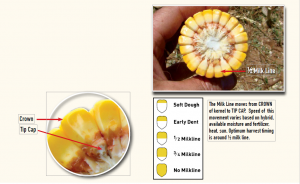
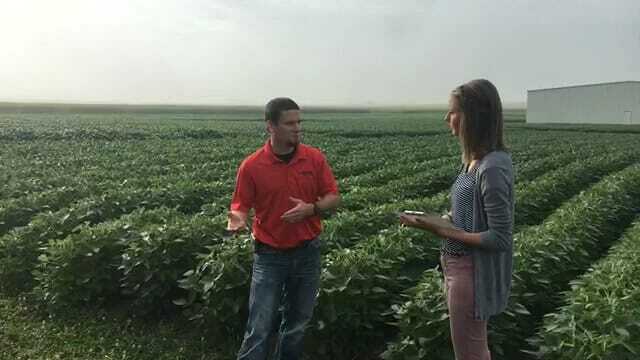
Tune in for live discussion with Phil Long on cover crop planning!
https://www.facebook.com/LathamSeeds/videos/1797778617008931/


Here are a few ideas for your consideration:
Every operation is different, and each operator has access to different equipment. Regardless of the hurdles, try something new. Invest in an experiment. Select s field or two to experiment, and develop a plan to lower risk, improve quality and gain tonnage. Need more ideas? I’d be happy to help! Feel free to contact me at the Latham office.

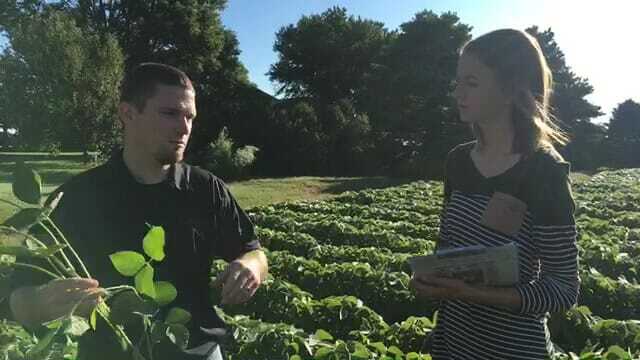
Is it time to spray for aphids? Phil Long discusses plant damage and identifiable thresholds when making the decision.
https://www.facebook.com/LathamSeeds/videos/10156604967342138/
HAVING PRODUCTS THAT PERFORM WELL IN specific geographies is essential, and that’s where our Latham Research efforts come into play. We must continually adapt in an ever-changing industry. We must seek out new products and technologies, but we also must seek out new sources. To that end, here’s a quick summary of what’s new in our research for 2018:
CORN RESEARCH: The Latham MiniStrip program was introduced in 2017 by Bob Foley, our resident corn breeder and consultant. Its success in the first year prompted us to add more locations and more hybrids per location this year. We also increased the number of hybrids being tested at each location in our SuperStrip research program. In addition, we added one new genetic source this year.
SOYBEAN RESEARCH: Over the years, Latham Seeds has earned a great reputation within the industry for the accuracy and consistency of our replicated research plots. This makes us a “favored partner,” so we’re continuing to work with the entities created by mergers/buyouts. We’re also in negotiations with another large company to partner in joint research efforts. Additionally, we have expanded the number of research locations that we plant and harvest ourselves to ensure we have reliable data on which to make product decisions.
Another unique effort currently underway in Alexander is our Enlist™ plot. This is an EPA-stewarded plot with 10 Enlist soybeans, ranging from 1.4 to 3.1 maturities. Those Enlist products are being compared in one portion of the plot to Roundup Ready 2 Yield® and Roundup Ready 2 Xtend® soybeans. In another area, those same Enlist soybeans are being compared to LibertyLink® soybeans. We expect some interesting notes and data!
OTHER RESEARCH: In addition to the studies noted above, we’re conducting research on some seed treatments. We’re testing NemaStrike™, Poncho/VOTiVO™ 2.0 and are in our third year of testing ILeVO™. Phil Long, Latham’s Precision Agronomy Specialist, is doing a nitrogen study in Alexander with the Climate Nitrogen Advisor tool available through the Climate FieldView™ (CFV) platform. We invite you to attend our Fall Field Day at our Iowa headquarters on Friday, Sept. 14, to learn more about these trials. If that date doesn’t work for you or your customers, contact your RSM to schedule a private tour.

Japanese beetles populations are settling in across the Midwest. Tune in to learn more about insect control!
https://www.facebook.com/LathamSeeds/videos/10156551348677138/
Today’s live discussion features green snap and the implications on your corn crop!
FB Live Link: https://www.facebook.com/LathamSeeds/videos/10156533940542138/