Latham Hi-Tech Seeds

(641) 692-3258

  • Home
  • Products
    • Corn
    • Soybeans
    • Alfalfa
    • Corn Silage
    • Seed Guide
  • Performance
  • Find a Rep
  • Media
    • Blog
    • News
    • Videos
    • Podcasts
    • TECHTalk
  • About Us
    • Company History
    • Our Mission
    • Careers
    • Become a Rep
    • Sowing Seeds of Hope
  • Contact Us
  • Latham Hi‑Tech Seeds

    Take the Test and Beat the Pest!

    Fig 1

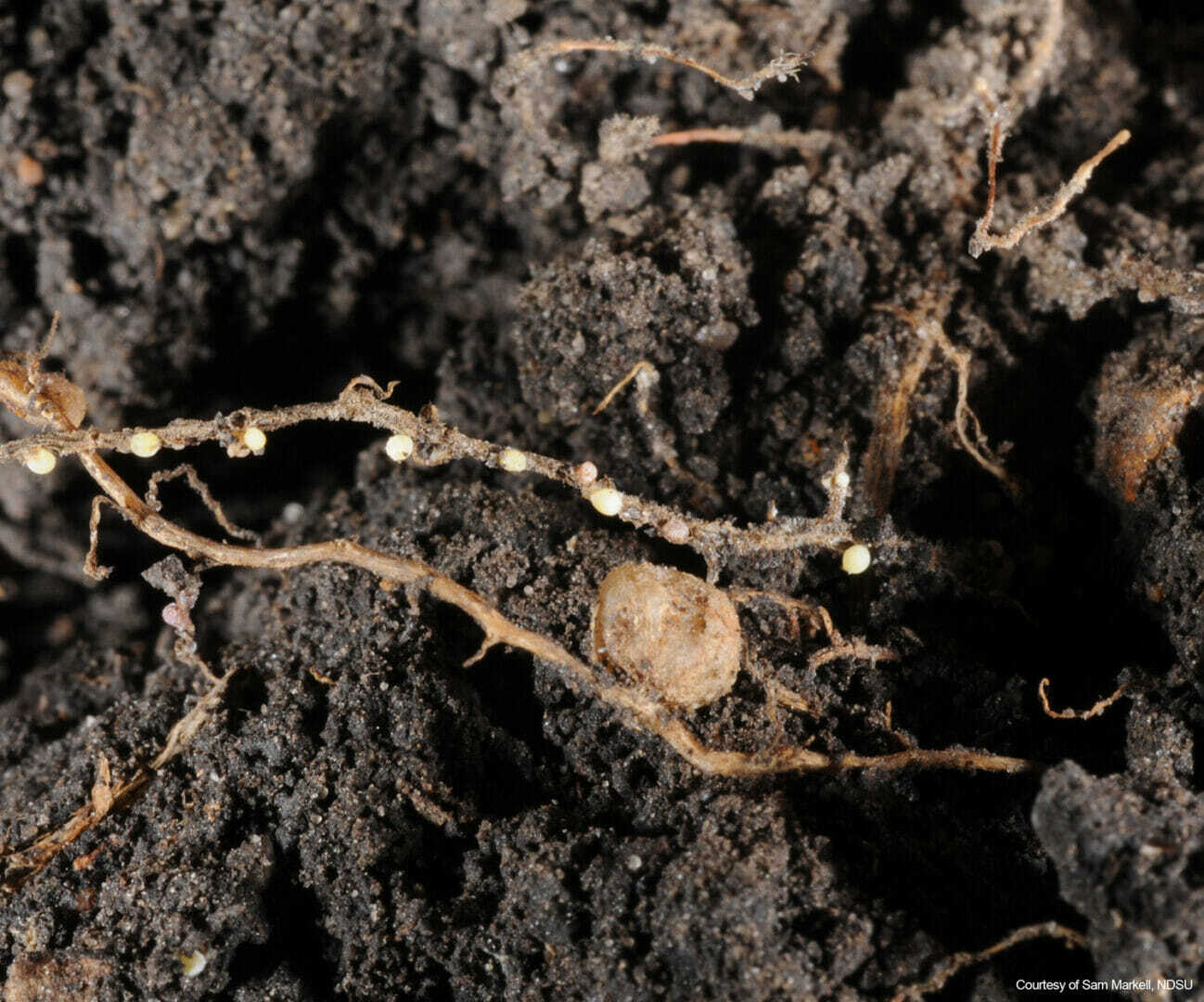
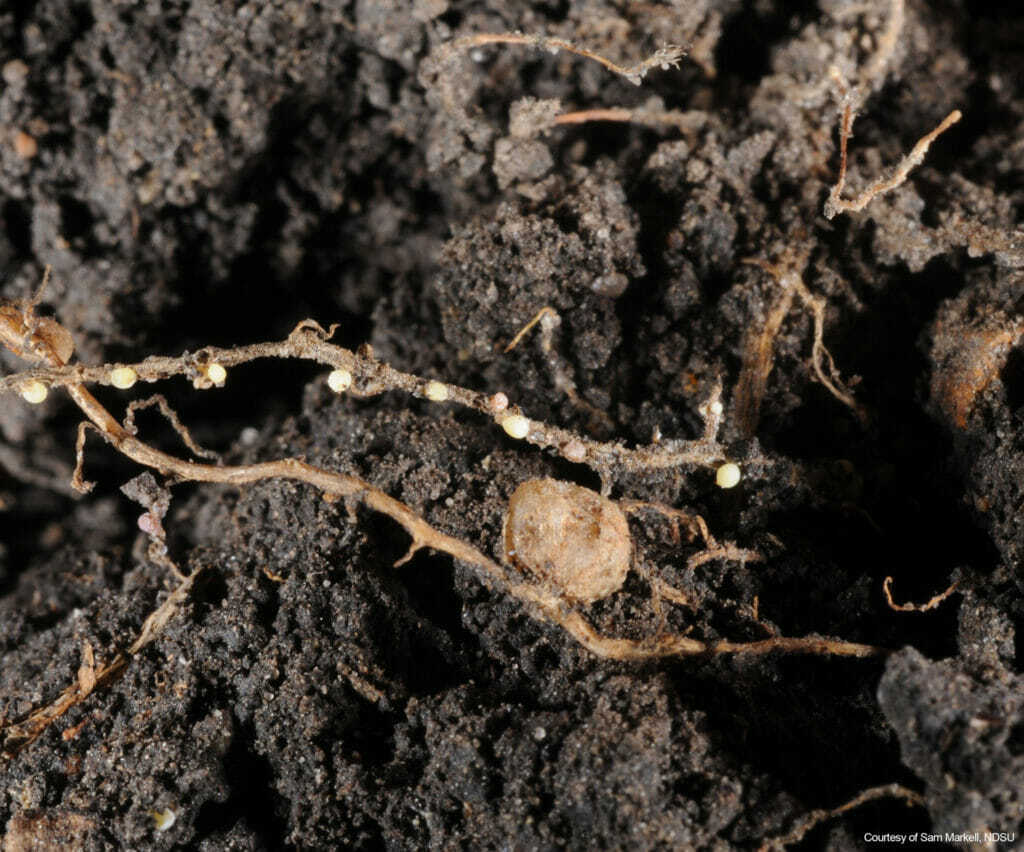
    Fig 1By robbing farmers of more than 100 million bushels annually, Soybean Cyst Nematode (SCN) is estimated to be the #1 yield-robbing soybean pest or disease in the United States. Farmers may scream over lost yield this fall, but SCN is considered a “silent yield robber” due to a lack of above-ground symptoms in most fields.

    Immediately after harvest is the best time to take soil samples for SCN. Several universities have programs that offer free soil samples to evaluate SCN, so check with your local Extension office to see if you qualify.

    Think SCN isn’t a problem in your fields? Think again! Dry soil conditions, especially early in the growing season, can greatly increase the effects of SCN infestations. I received numerous calls in June and July about yellow, stunted soybeans. Most farmers suspected Iron Deficiency Chlorosis. Upon further inspection, SCN was almost always present and in larger numbers than previously observed. When I asked whether these farmers had taken a recent soil sample for SCN, most had not. They admit to mostly relying on SCN-resistant varieties to control or minimize the losses from this pest.

    We have known for years that PI 88788 is gradually losing its efficacy against the pest, and more than 95% of SCN-resistant soybeans in America have PI 88788 as the source of gene resistance.  Since 1997, a team of researchers at Iowa State University led by Dr. Greg Tylka has conducted annual in-field trials with hundreds of SCN-resistant varieties. They measure agronomic performance and SCN population densities from planting until after harvest.

    Scientists have determined that to be effective, SCN-resistant varieties must maintain less than a 10% reproduction rate of SCN during the growing season.  Since 2004, Dr. Tylka and his team have noticed that the average of all PI 88788 varieties in their trials have gradually exceeded that threshold. They have also noted that the average yield of those varieties has decreased as the SCN reproduction has increased. For more information on these studies, visit www.isuscntrials.info. Other land-grant university researchers have reported similar findings.

    To effectively manage SCN in the future, soybean breeders are focusing on other sources of gene resistance. Your Latham Soybean Product Team is continually evaluating and searching for opportunities to bring new, better resistant varieties to our lineup. We also are evaluating several seed treatments for battling this pest. Saltro®, our seed treatment product for SDS protection, is also noted to have activity against SCN.  More information from our Latham Elite trials will be available post-harvest.

    “TAKE THE TEST.  BEAT THE PEST.” is a slogan/campaign by The SCN Coalition™ and funded by the Soybean Checkoff and is designed specifically to promote awareness of SCN. These microscopic roundworms, which infect the roots of soybeans and other plants, can be present in a field for years before above-ground symptoms are visible. We encourage you to take the test this season, so you can plan accordingly for the future.
    Mark Grundmeier, Product Manager

    October 15, 2021
    Agronomics, Crop, Disease, Drought, Fall, General, Insects, Season, Seed Treatment, Soil, Soybeans, Spring, Weather
  • Latham Hi‑Tech Seeds

    Tips for Determining Why Stalks Are Lodging

    LH 5725 VT2PRO

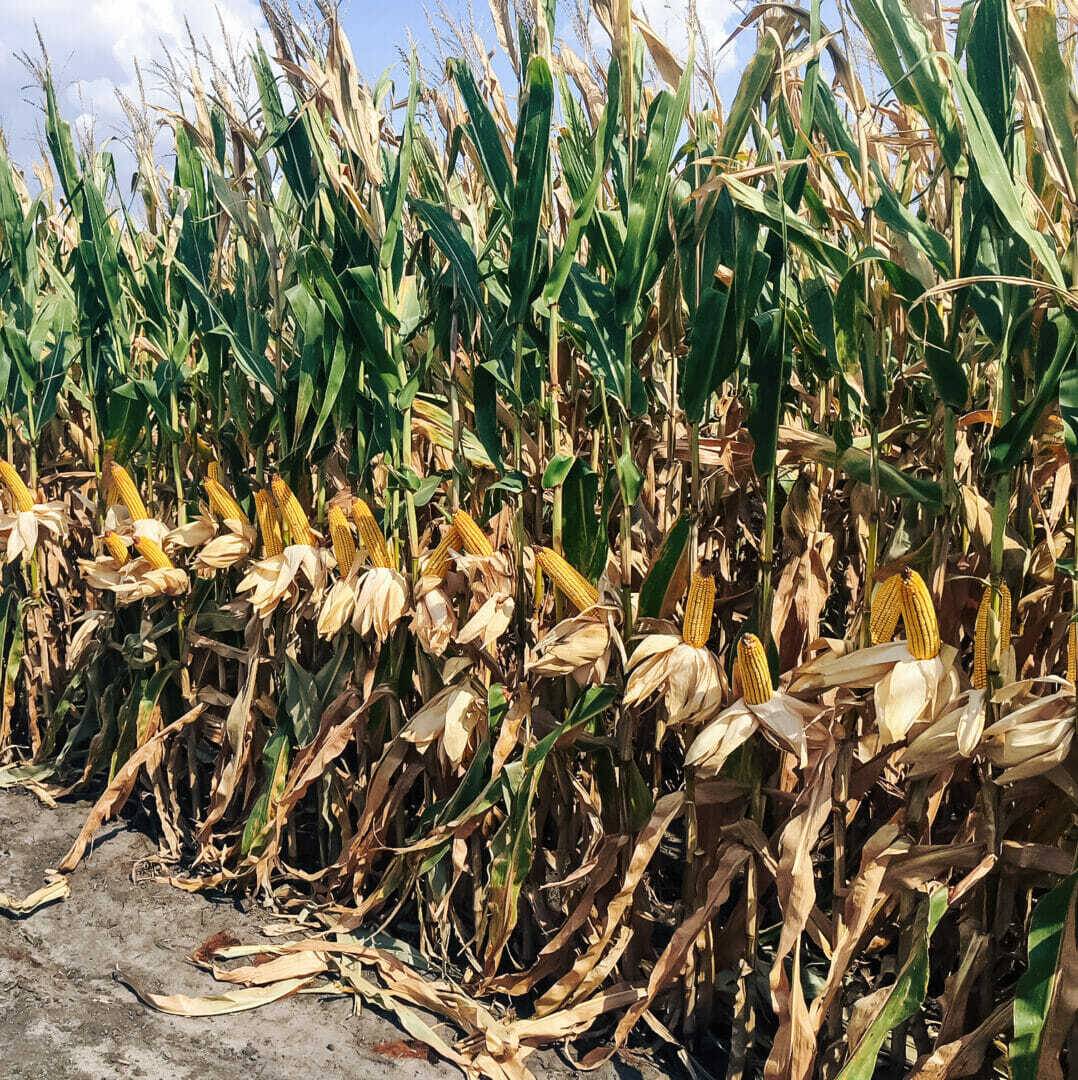
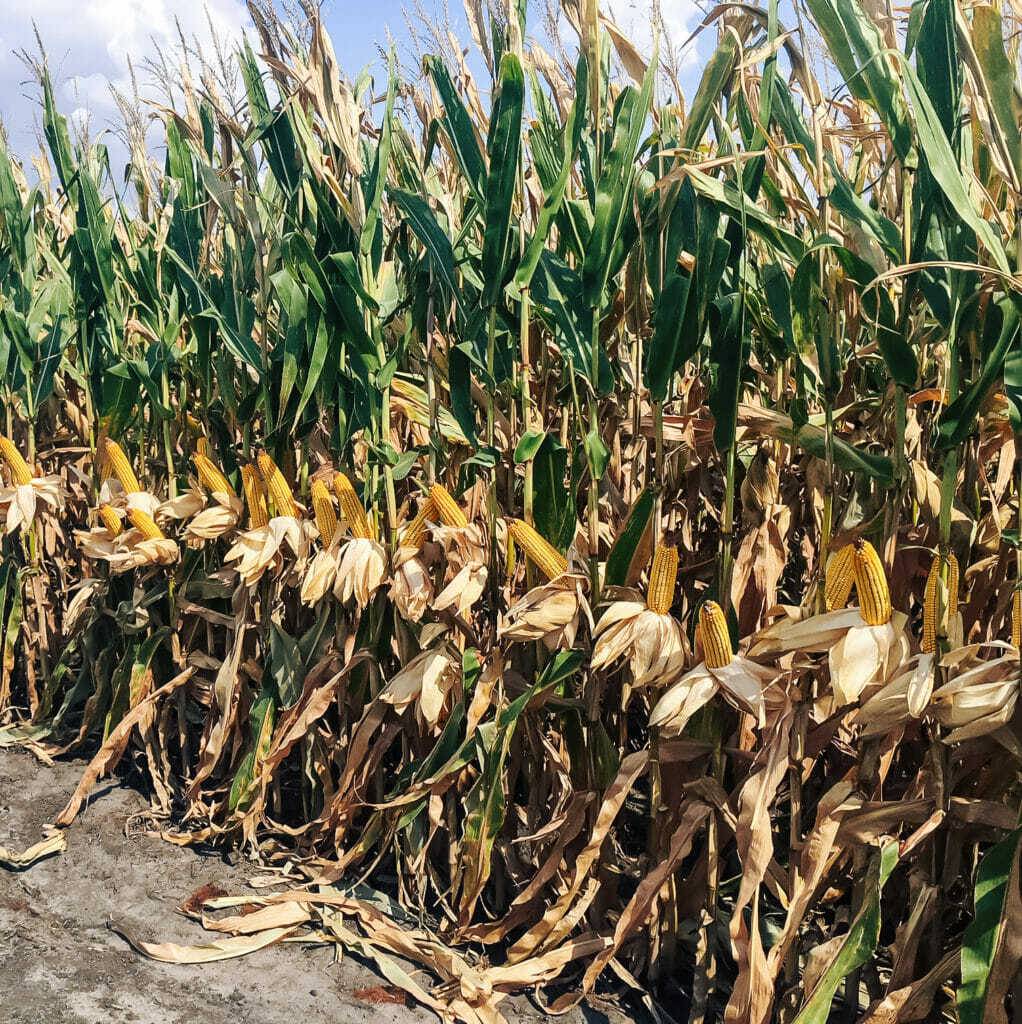
    LH 5725 VT2PROAs Harvest 2021 gets underway, we will start our morning checks to see which fields should be prioritized for harvest. Hybrid maturity helps guide us to certain fields, but sometimes a field stands out for another reason like late-season stalk lodging.
    Hybrids have different susceptibility to stalk rots as the season progresses. Knowing the hybrid you have on every field – and how each hybrid handles stalk rot diseases – is important. Another consideration is whether the hybrid you planted is a racehorse because racehorse hybrids do whatever it takes to fill an ear even if that means cannibalizing the stalk. This can be an unfortunate reality in a year like 2021 where moisture was very limited across most of Latham Country. A fungicide can keep the lower stalk healthier later into harvest, so if you choose to spray, you likely will see better standability.

    Decisions made early in the season also influence late-season stalk health. Planter singulation is key. Doubles or multiples causes corn plants to grow on top of one another, so most of the time only one of those plants will develop an ear. Shallow planting depth causes the “crown” to establish closer to the soil surface, predisposing plants to root rot during this point in the season. Uniform competition is really important for neighboring corn plants, so that’s why good singulation and even emergence are important.

    Planting population can influence stalk diameter and stalk health. You can push planting populations more if you keep your fertility levels in check. If you’re having stalk lodging issues and tend to push higher populations, then test soils and investigate where you may have an issue. If you notice foliar symptoms as you’re scouting throughout the season, then there is no better time than right after harvest to take soil samples. Potassium is a key nutrient for building healthy stalks. Micro-nutrients are also important, but it requires a balance. Too much of one nutrient can prevent other nutrients from being taken up by the corn plant.

    As you walk your fields prior to fall harvest, do the “pinch” or “push” test to monitor stalk health. If you’re wondering about whether your soil fertility is influencing stalk health or haven’t soil tested in a while, feel free to give me a call. I’ll be glad to talk with you about the benefits of using Latham’s Data Forward® program.

    Phil Long

    October 1, 2021
    Agronomics, Corn, Crop, Fall, Fertility, General, Growth Stages, Season, Soil
  • Latham Hi‑Tech Seeds

    AlfaShield Gives Seed a Competitive Edge

    Alfashield logo

    What gives you a competitive edge?

    There are many clever practices that can give athletes an edge. When drug testing became a standard, athletes had to discover legal ways to get an edge. It was noted that athletes who trained at higher elevations tended to perform better. As science progressed, they discovered the oxygen concentration is less at high elevations. Over a long period of time, our bodies will release a hormone to stimulate the production of more red blood cells because red blood cells carry oxygen in the blood. When the athletes returned to lower elevations to perform, they had more capacity to perform because they had significantly more red blood cells.

    Alfashield logoHow in the world does this relate to alfalfa? Think of the seed as an athlete of the acre, competing to germinate quickly and yield more. When we add AlfaShield seed treatment, the alfalfa seed has a performance-enhancing advantage. AlfaShield provides a distinctive winning edge as it combines a list of highly researched ingredients and incorporates them into an osmotic protective type coat.

    Think of AlfaShield as wrapping your alfalfa seed in a sponge. It helps protect the fragile germ of the seed. It also helps draw moisture to the seed, which is particularly important when seeding into moisture-stressed soils. Summers-seeded alfalfa is up against the time clock to get four to six weeks of significant growth to develop the crown. That’s why it’s so important for the seed to germinate quickly. If there isn’t any rain, this delay could be costly. You’ll see in the 2022 Latham® product guide that we have added a dry matter (DM) ton advantage of AlfalfaShield compared to the old industry standard. AlfaShield has a bigger advantage in moisture-stressed soils.

    We had scheduled alfalfa research trials, including seed treatments, for 2021. Unfortunately, this has been delayed because the university was unable to run it due to Covid-19. Because I already had the seed, I did a quick home study. All the seed came from the same lot: raw seed, old industry-standard treatment, and AlfaShield. I got three flower pots and used regular potting soil for consistency. Then I counted 100 seeds of each.

    Note that in the first 65 hours, AlfaShield had ten times more seeds emerge than the other two treatments! Seeds with the other two treatments eventually emerged because this was an ideal situation. However, a farm field is not ideal. We know Mother Nature can be brutal, and the risk to the seed is high.  AlfaShield is a tough seed treatment. It helps manage the risk of the acre better than the rest, and it shows up in the yield and quality. Emerge fast. Grow strong. Yield more!

    Webspec Admin

    August 27, 2021
    Agronomics, Alfalfa, Crop, Drought, General, Seed Treatment, Soil, Weather
  • Latham Hi‑Tech Seeds

    #AskTheAgronomist: What’s Our Next Move?

    ATA Next Move

    Phil Long compares this growing season to a hand of blackjack. We started with an early king face up, but the cards have fallen a little slower for farmers across the Midwest since then. What should our next move be? The answer in this week’s episode of #AskTheAgronomist.

    Webspec Admin

    May 21, 2021
    #AskTheAgronomist, Agronomics, Corn, Crop, Emergence, Season, Soil, Spring, Summer
  • Latham Hi‑Tech Seeds

    Ask the Agronomist: Calendar Date vs Soil Temp

    Ask the agronomist cover photo for video 01

    Laura Cunningham

    April 22, 2021
    #AskTheAgronomist, Agronomics, Emergence, Growth Stages, Soil
  • Latham Hi‑Tech Seeds

    Spring Planting: Get it Right From the Start

    Soybeans LauraC

    “In farming, you only get one chance every year, so it’s worth it to do it right the first time.”

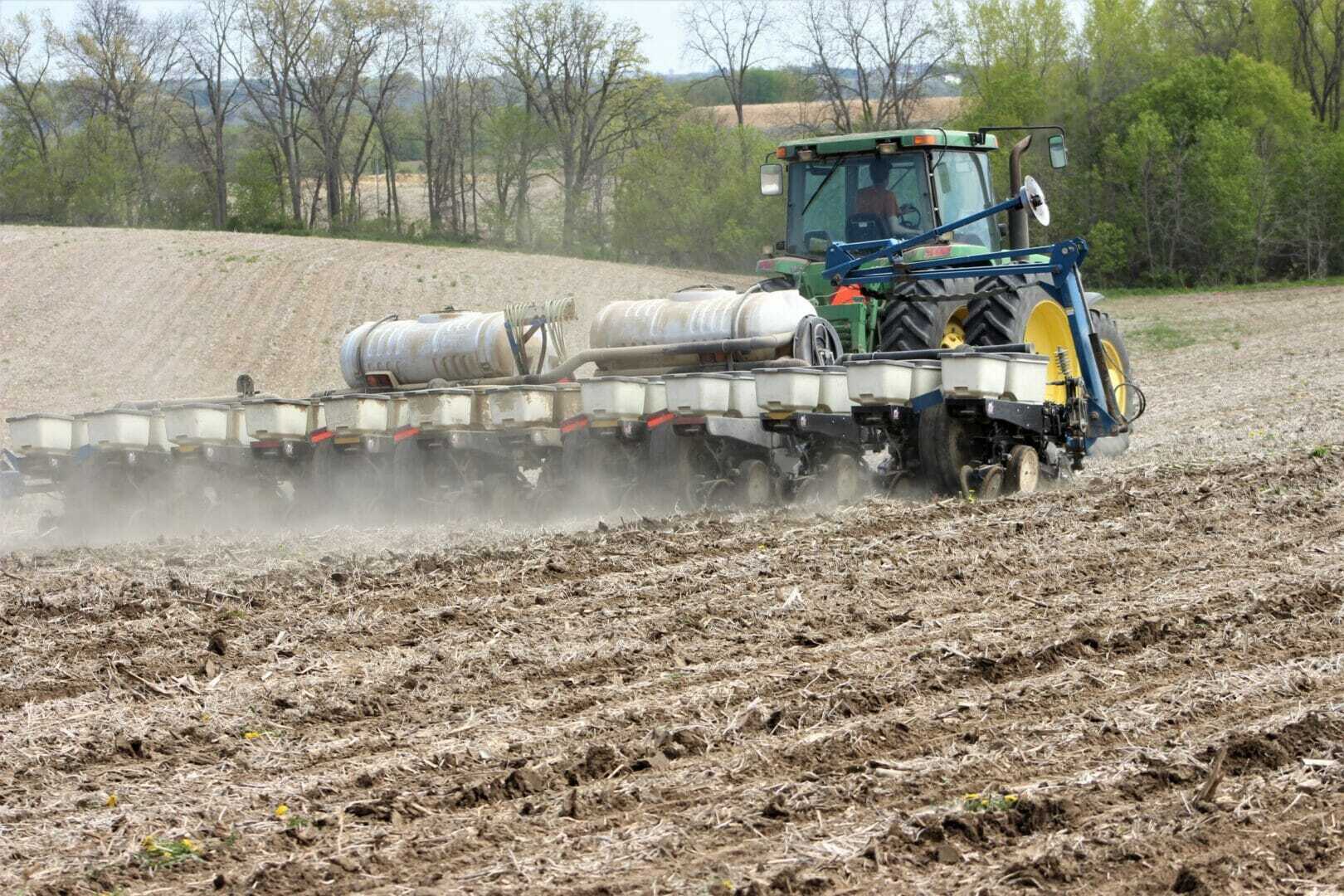
    That statement is so very true. Below are a few things to keep in mind to optimize your corn and soybeans yields:

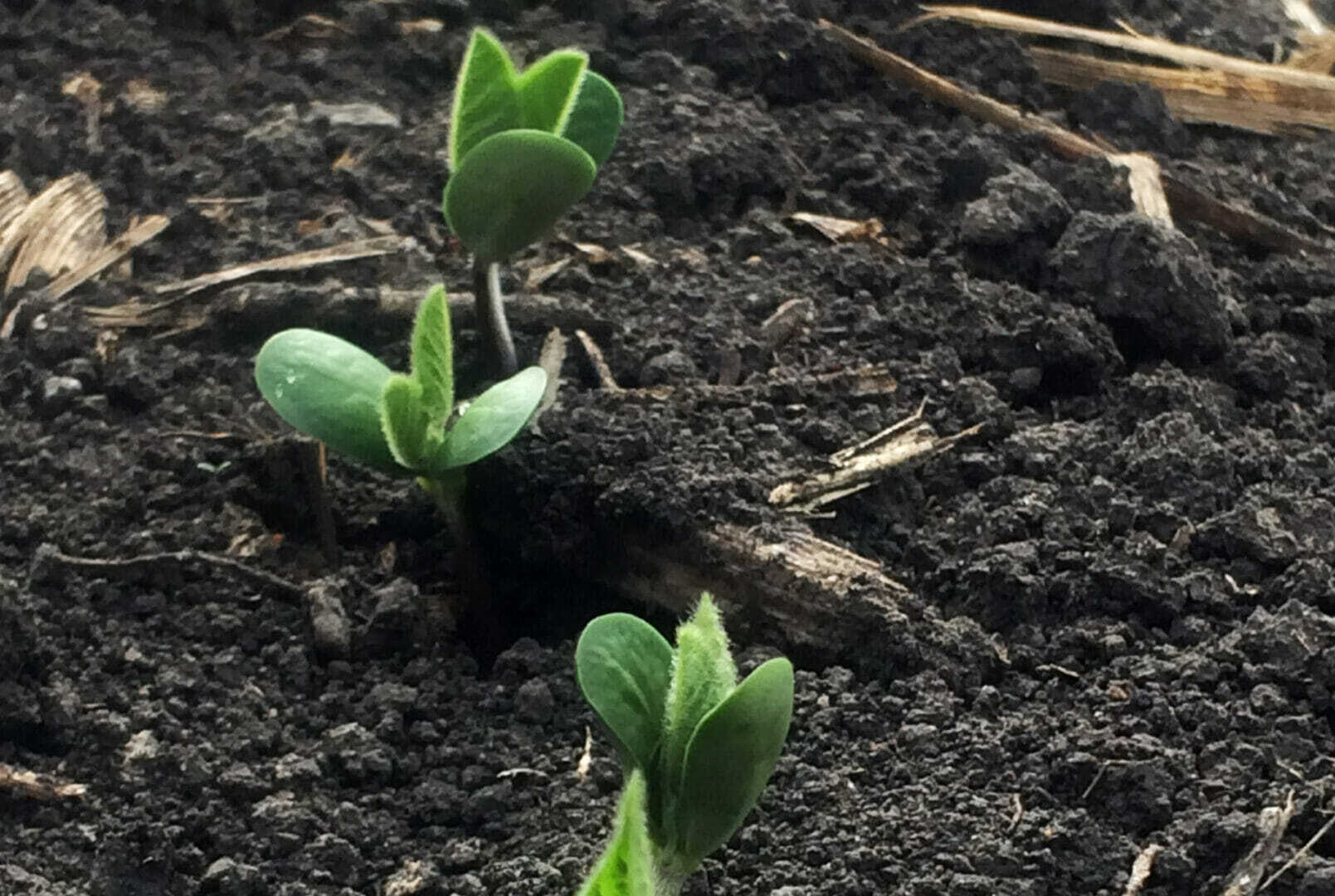
    Soybeans LauraCSoil Moisture. Working ground when it is too wet leads to slabbing and clodding of the soil, so areas within fields dry at different rates. A kernel of corn imbibes, or takes in, about 30% of its weight in water during germination. When kernels in a row are exposed to varying amounts of soil moisture, their germination rates and emergence will vary from plant to plant. The result is uneven emergence, poor early growth and potentially severe stand loss. Soybeans need more water at germination, taking in about 50% of seed weight on average. As with corn, good seed-to-soil contact is critical, so avoid cloddy conditions.

    Soil Temperature. Corn germinates best when soil temperature is close to 50° F. Approximately 120 growing degree units (GDU’s) are required for corn to emerge. During periods of cool temperatures, it can take several days to achieve those GDU’s. Once a corn seed germinates, it can exist for about 14 days on the energy that is contained in the endosperm. Under ideal conditions, the seed will emerge and develop a root system in much less than 14 days. Most researchers agree that soybeans emerge best when the soil temp is 55° F or warmer. Avoid planting soybeans if the temperature is below 55° and a cold rain/weather event is expected within 24 hours after planting.

    Planting depth:  Soybeans respond best when planted at 1¼ to 1½ inches deep and should never be planted deeper than 2 inches! Remember, a soybean seedling must push that cotyledon through the soil as it emerges. The soybean seedling requires much more energy than a corn seedling with its narrow coleoptile (shoot). Target depth when planting corn is 2.5 inches. Planting corn shallow is as bad as planting soybeans too deep because nodal roots will not develop properly and “Rootless Corn Syndrome” may result.

    Soybean inoculant:  Old-timers say if soybeans have been planted in a field within the past four to five years, then an inoculant is not necessary. However, recent studies and more advanced inoculant formulations show otherwise. Using inoculants in light, sandy soils, as well as weather-stressed (flood, drought, etc.) fields have shown increased plant health and improvements in overall yield. Consider running side-by-side trials on your farm to see if inoculants will work for you.

    Problems like sidewall compaction, surface crusting, herbicide injury, seedling insects and seedling diseases can all lead to delayed plant and root development. These, and many others, can all cause uneven emergence and poor stands in corn and soybean. That’s why it’s important to control what you can to set up your crops for success!

    Stay safe this planting season. Did you enjoy this article? We want to (TECH)talk with you! Sign up for our newsletter to receive agronomy videos, articles (and delicious recipes) in your inbox! We’ll TALK soon.

    Latham Seeds Agronomy Team

    April 9, 2021
    Agronomics, Corn, Crop, Emergence, Soil, Soybeans
  • Latham Hi‑Tech Seeds

    #AsktheAgronomist: What is Optimal Planting Depth for Corn?

    Optimal Planting Depth Cover Image

    Join Corn Product Manager Lyle Marcus and Pre-Commercial Development Manager Bob Foley as they discuss optimal planting depth for corn and other considerations for emergence success.

    Laura Cunningham

    April 8, 2021
    #AskTheAgronomist, Agronomics, Emergence, Soil
  • Latham Hi‑Tech Seeds

    #AskTheAgronomist: Spring and In-Season Soil Sampling

    March 25

    Why is soil sampling important? The answers in this episode of Ask the Agronomist. #LathamSeeds

    Webspec Admin

    March 24, 2021
    Agronomics, Soil
  • Latham Hi‑Tech Seeds

    #AskTheAgronomist: Herbicide Carryover

    Today

    Tune in on March 18 at 8 AM as we discuss how to identify and manage herbicide carryover. Phil will walk through corn and soybean rotations and provide insights on various herbicide groups. #LathamSeeds

    Laura Cunningham

    March 18, 2021
    Agronomics, Soil, Weed Control
  • Latham Hi‑Tech Seeds

    Product Placement is Key to Success

    Planting ROI

    Planting a product in the field it was chosen for creates the greatest success.

    We spend a lot of time at Latham Hi‑Tech Seeds working with our dealers and customers on the proper placement of our products in their fields. The suggestions we offer in our product guide and tech sheets provide a great amount of detail. In addition, our product team members offer face-to-face support for these recommendations while giving tours to dealers and customers throughout the season.

    A Field x Field™ recommendation for your farm creates optimum performance opportunities for the Latham® products you purchased. Our Field x Field guide can either be a paper document provided by your dealer or an electronic version inside your Data ForwardSM App that your dealer or one of our precision agronomists helped you design.

    Now that you have this detailed plan, what steps can you take to implement it accurately? Here are a few suggestions to help execute your plan:

    1. Review your plan and be sure it matches each field.
    2. Did you add a field that needs seed? If so, contact your Latham dealer to get a plan for that field and seed ordered.
    3. Take delivery of your seed early. Document that you have all the products and correct volume of each to match your plan for each field.
    4. Sort your seed purchases by field.
    5. Label where you plan to plant the seed, the seeding rate and suggested timing.

    Before planting starts, gather everyone on your team who helps with planting. Review the crop plan with them. Be sure everyone understands the importance of planting each product in the correct field.

    Following the steps listed above will help ensure the time spent building your crop plan with your Latham dealer or RSM was time well spent. A well-executed plan can add value to your operation in 2021.

    Latham Seeds Agronomy Team

    March 15, 2021
    Agronomics, Corn, Crop, Soil
Previous Page
1 2 3 4 5 6 … 9
Next Page

Latham Hi‑Tech Seeds

131 180th Street | Alexander, IA 50420

(641) 692-3258

SIGNUP FOR OUR NEWSLETTER
  • Contact
  • Legal
  • Dealer Center
  • Seedware Login
  • Latham Gear

© 2025 Latham Hi‑Tech Seeds. All rights reserved. | Iowa Web Design by Webspec | Privacy Policy

Latham® Hi-Tech Seeds is a trademark of M.S. Technologies, L.L.C., 103 Avenue D, West Point, IA 52656.