Tune in below for fungicide application information from Bob Foley! From discussing the need for fungicide application to predicting the ideal application window, Bob walks us through the process of determining what’s best for your field. #LathamSeeds
-
Latham Hi‑Tech Seeds
Ask The Agronomist: Soybean Stress
How much stress can soybeans handle? Phil Long discusses important early season soybeans stresses and their impact on yield. #AskTheAgronomist
1:00 — Scouting Tips: Staging soybeans
3:45 — Post-emergence weed control
6:20 — Yield impact with early season stresses
9:12 — Soybean nodules
10:15 — Final thoughts
-
Latham Hi‑Tech Seeds
Ask The Agronomist: Early Season Pests
 It’s time to scout! Phil Long discusses the top 3 pests to keep an eye out for this season. Watch below to learn more! #AskTheAgronomist1:04 – Topic Introduction1:20 – Japanese Beetles2:45 – European Corn Borer5:55 – Corn Rootworm
 -
Latham Hi‑Tech Seeds
Ask The Agronomist: Sulfur in Soybeans

What role does sulfur play in your soybeans? Phil Long discusses the importance of available sulfur and feasibility of in-season application.
1:07 – Topic introduction2:30 – Why sulfur?4:30 – When to apply sulfur5:25 – Available forms of sulfur7:30 – Importance of tissue tests -
Latham Hi‑Tech Seeds
Tissue Sampling Helps Uncover Fertility Issues
 Early season field scouting is essential to detect potential issues like weed and insect pressure, as well as to monitor the effectiveness of your fertility program. One great tool to try and discover fertility problems is a plant tissue analysis. To assure good results from the lab, you must collect the proper part of the plant for the current growth stage of the crop.
For the most effective tissue sample, consider following these four steps:
- Sample multiple areas within a field to better diagnose issues.
- Do not sample too early. Work with your Precision Agronomy Advisors to find the proper timing and placement.
- Try to start with the nutrients that are more likely to be deficient for your specific crop.
- Look at multiple sources of information to make your decisions. Tissue sampling is just one important tool to use.
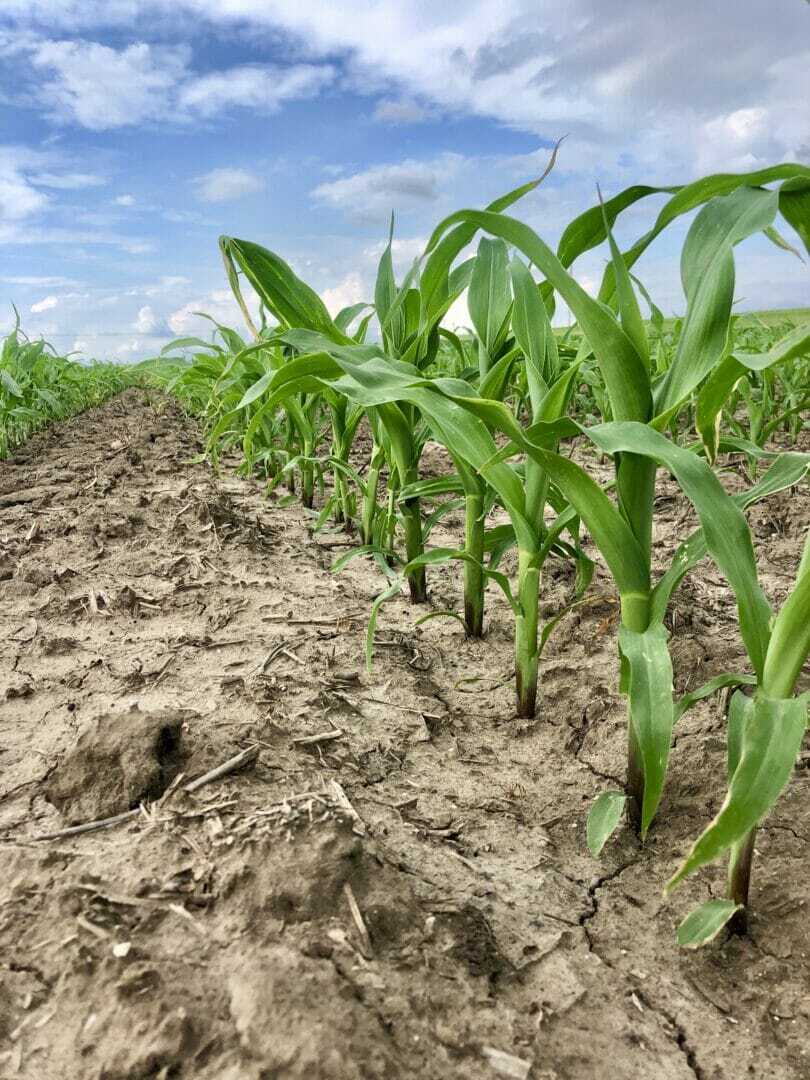
A proper method to collecting early season corn tissue samples is to gather 15 or more plants to complete a single sample. This method is best when the corn is up to 12 inches tall, which is approximately the first three weeks following emergence because much of the nutrients come from the tissues within the seed at this stage.
One example of how a tissue sample can help determine a cause is the case of a purple-colored corn plant. This could be the result of phosphorous deficiency, or it could be because nighttime temperatures were too low.
Plant tissue analysis is a proven diagnostic tool that compares nutritional variances between normal and abnormal zones in the field. No matter the crop, plant tissue analysis is worthwhile to help determine nutrient needs. Don’t make fertilizer decisions based on plant tissue samples alone. To create a nutrient plan, combine tissue sampling with soil test results, records of lime and nutrient applications, cropping history and recent crop protectant applications.
Wait until V2 growth stage, which is three to four weeks after emergence before taking tissue samples of soybeans.
Accurate tissue testing begins with proper sample collection and handling. Collect the proper part of the plant for the correct growth stage of the crop. Also make sure to collect the proper number to have an accurate complete sample. Try to package samples in paper bags. If it will take a while before you get the samples shipped, store samples in a cool environment but do not freeze the sample. In addition, never include roots with the plant samples.
If you’re interested in learning more about how to conduct your own tissue samples, call your Latham Precision Agronomy Advisor. We can help download your Latham Data Forward app, so you can use the no-cost tissue sampling function to collect your samples!
-
Latham Hi‑Tech Seeds
Thistle Caterpillars
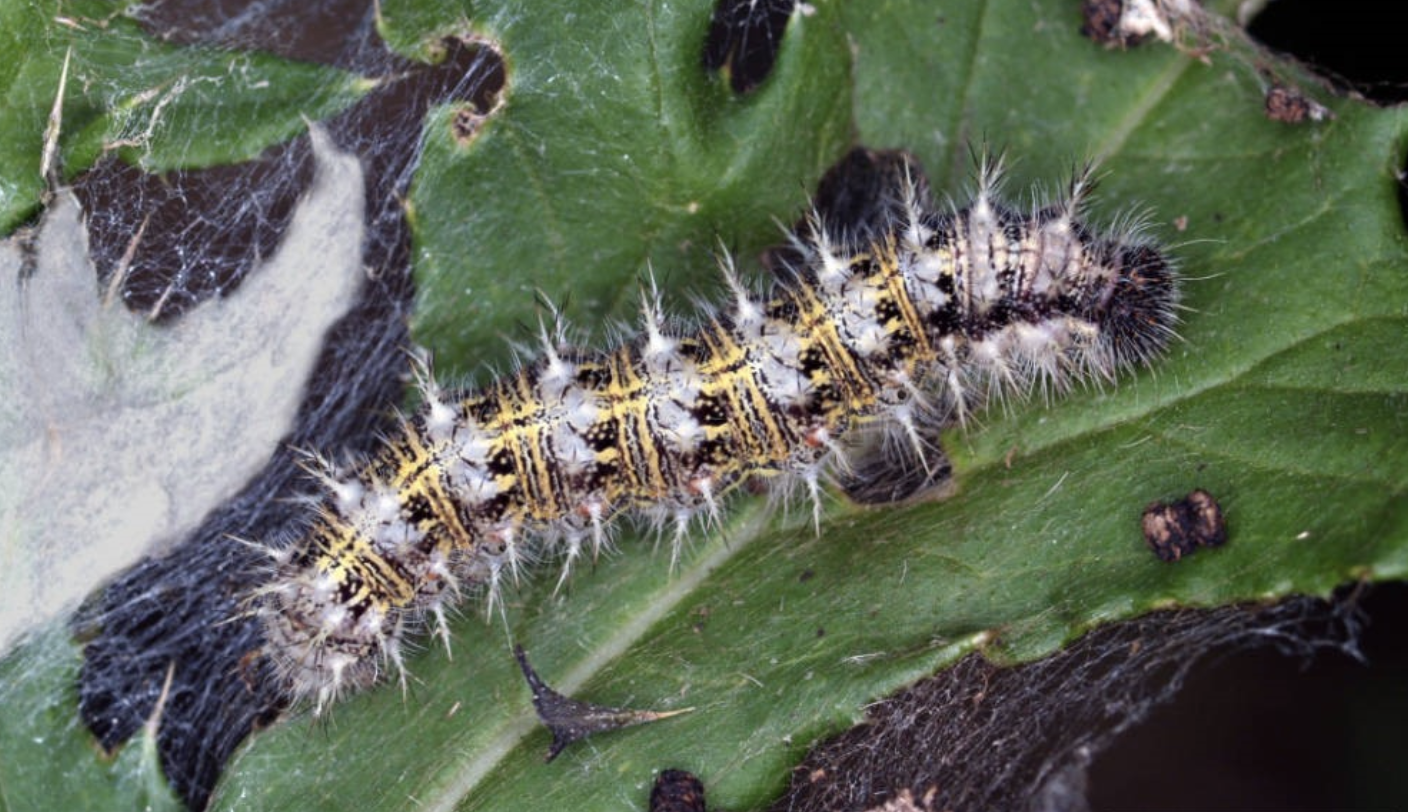
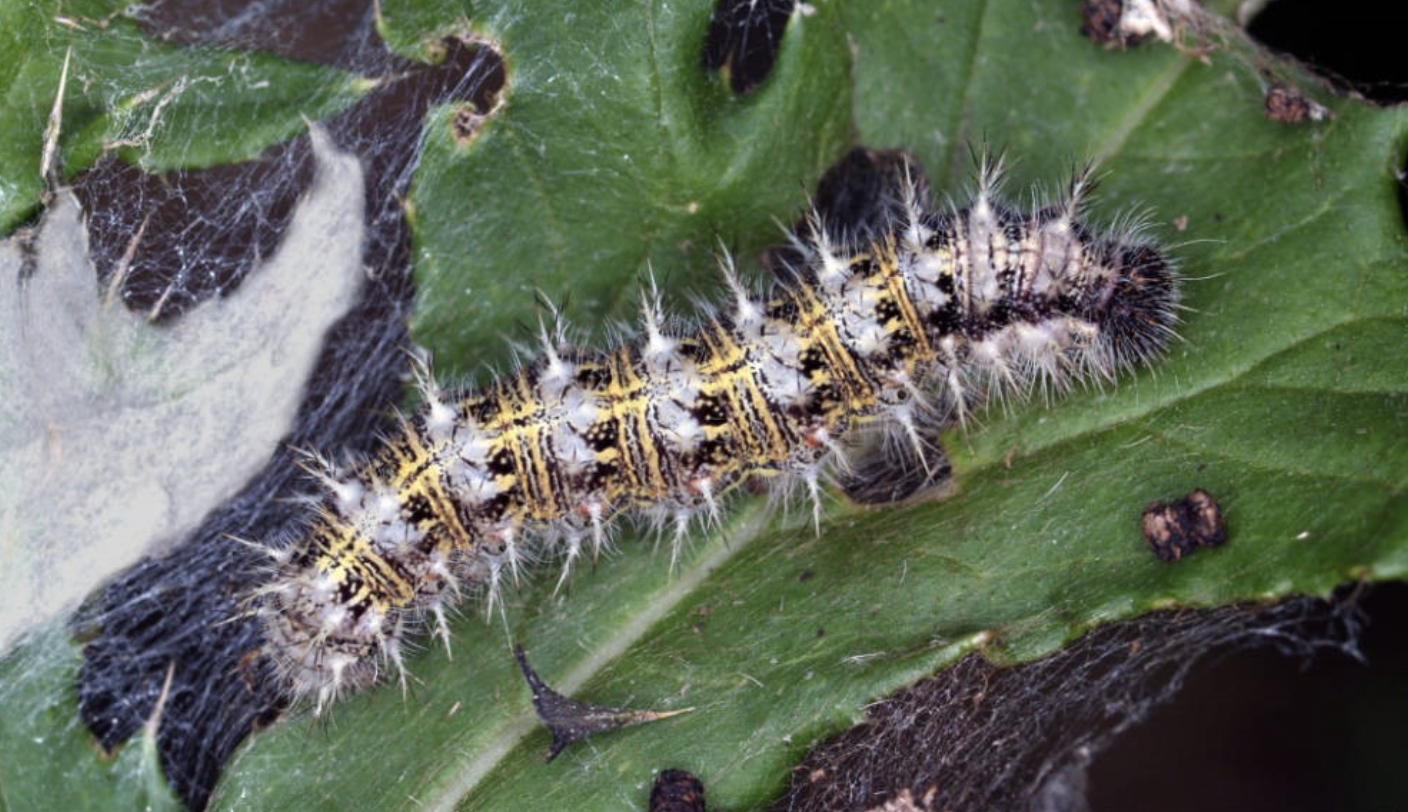
Credit: University of Nebraska Soybeans are a common host of thistle caterpillars – an insect that is able to feed on over 300 different plants. Damage from the thistle caterpillar can be minor leaf feeding or in large infestations, total defoliation. In higher infestations action may be needed, but typically thistle caterpillars don’t cause enough damage to reduce yield or warrant chemical control.
In adult form, thistle caterpillars are known as painted lady butterflies and have a wingspan of 2 to 3 inches. The wings are orange, pink or brown with four eyespots near the tips of the wings. Caterpillars have a yellow stripe that runs the length of the body. Their spiky hairs make the insect distinguishable from other look-a-like insects.
The insect is typically unable to overwinter in the Midwest. Butterflies migrate from southern portions of North America to the Midwest and lay their eggs in June. The eggs are lime green and oblong with a ribbed texture.
Thistle caterpillars can produce one to two generations per year and feed primarily during July and August. Caterpillar feeding takes place over the course of 2 to 6 weeks until the insects reach pupation. The second generation of the insect is known to feed at the topmost layer of the canopy and causes leaves to stick together from excreting silk.

Credit: Iowa State University Scouting and Treatment
Thistle caterpillars are known to cause the most harm to soybeans during V3 and V4. When scouting for signs of caterpillar feeding, examine leaves from each level of the soybean plant. Select 100 different plants from across the field and check for feeding injuries at the top, middle and bottom third of the plant.
Treatment is advised when defoliation is exhibited in 30% of plants during vegetation or 20% in plants undergoing reproduction. Insecticide application can be used to control the insect’s population. Be sure to consult with your local Latham representative to determine the best treatment plan for managing thistle caterpillars.
-
Latham Hi‑Tech Seeds
Ask The Agronomist: Armyworms & Cutworms
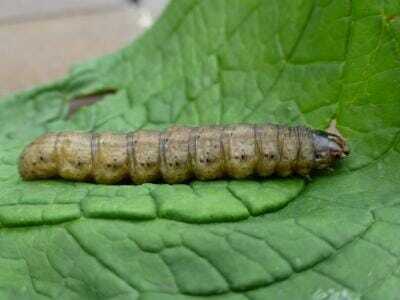 It’s time to scout your fields! We have recently received reports of young insect pressure in fields. Phil Long discusses the damage these pests can have in your fields, proper identification and management practices.:30 – Crop update1:35 – Topic introduction3:00 – Insect identification4:45 – Insect damage identification5:25 – Insect threshold7:20 – Corn hybrid resistance
 -
Latham Hi‑Tech Seeds
Soil Crusting and Leafing Out Underground

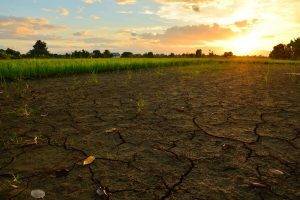
iStock Photo Most often the result of heavy rainfall, soil crusting presents itself in the form of hardened soil with a smooth and compacted appearance. Heavy rains following planting along with high heat and winds can cause finely tilled soils with limited residue cover to form a very dense crust. In addition, planting in wet soils and the use of heavy tilling are primary causes of soil crusting. Fine soils and soils with little organic matter are also more susceptible to the condition.
Soil Crusting Implications
Hardened soil presents implications for water infiltration while also interfering with crop emergence. The coleoptile of a corn plant acts to protect leaves from emerging before the shoot penetrates the soil. When soil crusting occurs, this can cause leaves to emerge prematurely through the coleoptile below the soil instead of above ground – also known as “leafing out”. When the coleoptile ruptures before penetrating the soil, it becomes much more difficult for leafing out to occur above ground.
The hypocotyl of the soybean plant may enlarge as it pushes against the crust and can eventually snap and kill the plant. If you notice a swollen hypocotyl, that soybean plant is trying harder than normal to break through the soil.
A study from Iowa State University found that when 17% of corn plants on a plot exhibited delayed emergence, overall yield was decreased by 4-8%. For soybeans, research from North Carolina State University concludes that delayed emergence reduced overall yield by an average of 14 bushels per acre.
Leafing Out Identification
Leafing out is often seen in the form of a “shepherd’s crook” when the coleoptile ruptures prematurely and prevents leafing out above ground. The decreased vigor resulting in premature leafing out can lead to uneven emergence and ultimately reduce yield.
Adapting Solutions
No-till or minimum-till can reduce the amount of soil movement in times of heavy rainfall, preventing the onset of crusting. In addition, improving surface soil structure can be done by adding organic matter using cover crops or manure.
Using a rotary hoe at the depth of the crust can break up the soil, allowing seedlings to emerge. This practice can also act as a means for weed control prior to their emergence. By using a combination of approaches, soil crusting can be eliminated to avoid leafing out below ground.
-
Latham Hi‑Tech Seeds
Ask The Agronomist: Early Season Soybean Scouting
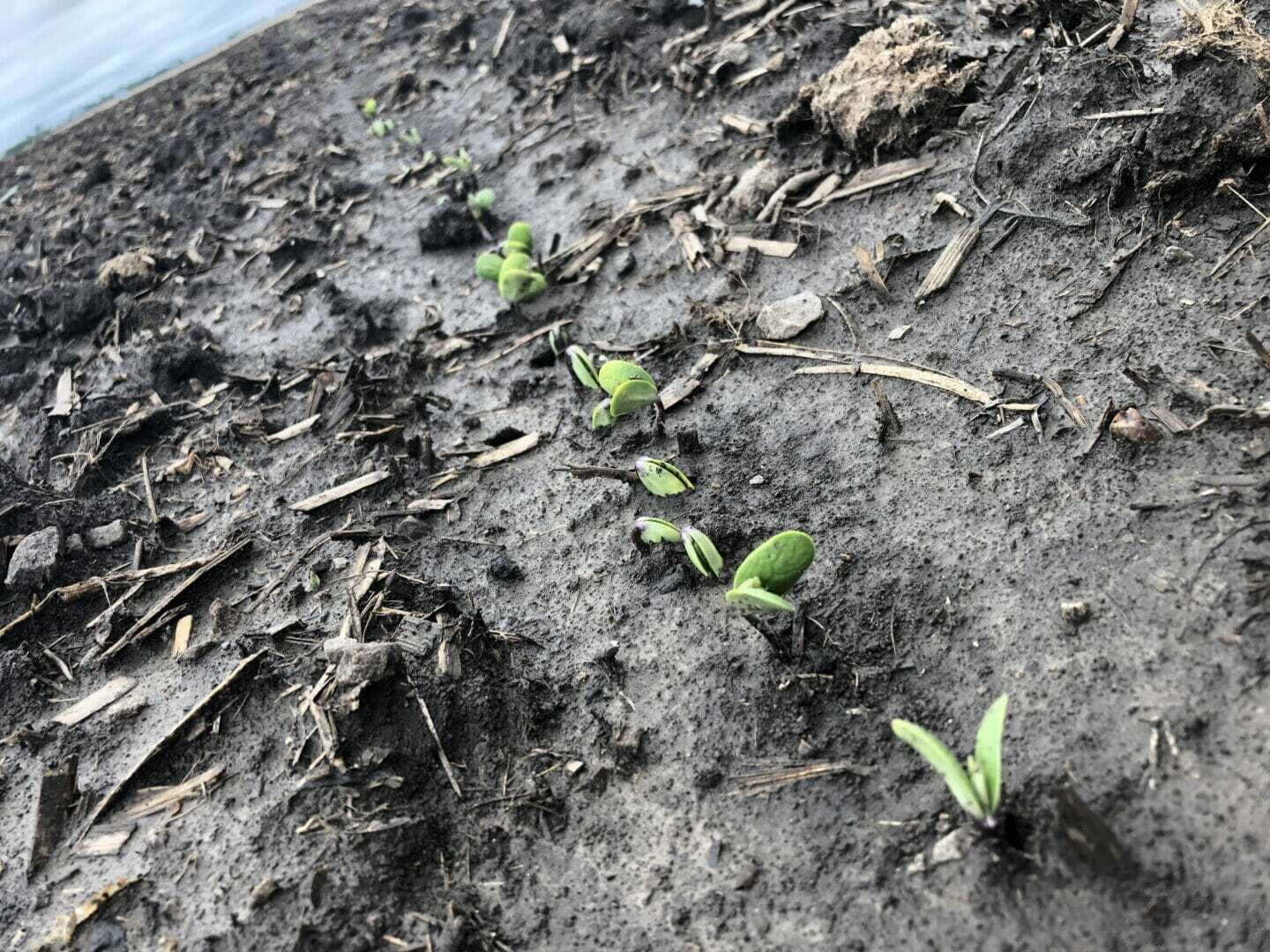 Phil Long discusses early season soybean scouting. Tune in to learn the importance of noting emergence, growth and development. #AskTheAgronomist:20 – Welcome1:00 – Topic introduction2:25 – Soybean growth stages3:00 – Herbicide effectiveness5:10 – Soybean stand counts6:42 – Nodule development
 -
Latham Hi‑Tech Seeds
Watch for the Latham Advantage After Planting

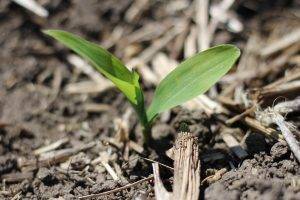 Latham Hi‑Tech Seeds takes great pride in the seed quality that goes into every bag of Latham® seed. You have a great opportunity to observe this first-hand each spring as you watch your crops emerge.
Looking at fields as they emerge can help you gain valuable information to use later in the year. Here are a few steps for you to consider making this growing season:
- Take the time to walk your own fields and make notes on what you see for each hybrid.
- Note early vigor and growth from high-quality Latham brand seed.
- Spend some time early in the growing season, noting differences you see between hybrids.
- Contact your Latham Representative to find plots in your area that you can visit to observe emergence.
Determining a hybrid’s uniformity of emergence is so important. The actual stand versus planting rate carries some weight in overall yield, but uniformity of emergence carries the greatest burden of producing top yields. Fields that have all plants emerging in a 24- to 36-hour period will produce the highest yields. Plants that emerge a week later than the first plants will not produce at the same level.
A North Dakota State Crop and Pest report from June 7, 2018, shows corn plants that emerge five to 10 days after the first plants will yield only 65% of the yield of the first emerged plants. Kansas State research shows that a two-leaf stage delay of 1 in 6 plants caused by uneven emergence can result in as much as a 4% yield reduction.
Key notes to take when looking at emergence timing:
- Seedbed uniformity
- Trash removal from seed furrow area
- Uniformity of seed depth
- Differences you can note on same hybrid under different field conditions
Your spring observations help tell the story on late-season standability, variability in flowering, and variability in maturity. Early season observations allow you to obtain valuable information. Taking a little time for this will pay huge dividends in understanding end-of-the-year results.