
Latham Hi-Tech Seeds

(641) 692-3258

  • Home
  • Products
    • Corn
    • Soybeans
    • Alfalfa
    • Corn Silage
    • Seed Guide
  • Performance
  • Find a Rep
  • Media
    • Blog
    • News
    • Videos
    • Podcasts
    • TECHTalk
  • About Us
    • Company History
    • Our Mission
    • Careers
    • Become a Rep
    • Sowing Seeds of Hope
  • Contact Us
  • Latham Hi‑Tech Seeds

    To Spray or Not to Spray…Here Are the Answers

    Resized

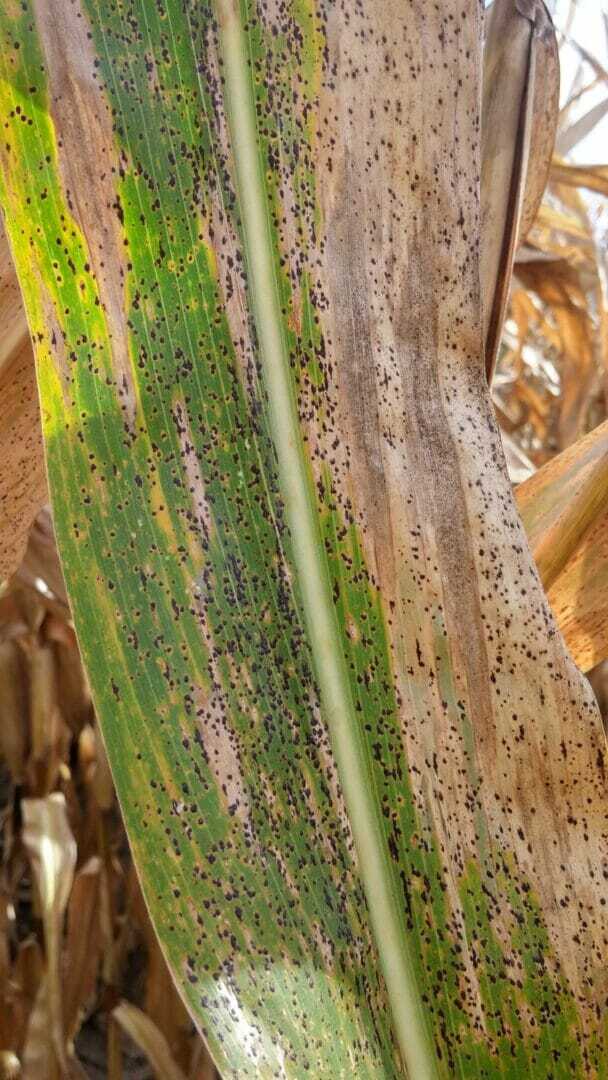
    By now you should be scouting your fields weekly for signs of disease. Other factors to consider when deciding whether to spray a fungicide include:

    • Anticipated environmental conditions. Environment plays a significant role in disease development. Hot, humid weather favors gray leaf spot. Wet, warm (64 to 81°F) conditions favor infection and spore production by the fungus that causes northern leaf blight. Dry weather halts the development of most fungal diseases.
    • Planting date. Infection at earlier growth stages will have a greater impact on yield. We usually see gray leaf spot starting on the lower leaves around the end of July and beginning of August. This year corn has been planted at essentially three planting dates. It is possible that the later planted corn (mid-May) will be at a greater risk for yield loss from foliar disease.
    • Corn-following-corn fields. Many foliar disease pathogens survive winters in crop residue. Infested residue on the soil surface significantly increases the risk and development of tar spot, gray leaf spot, northern leaf blight and eyespot.
    • Fungicide activity. Most fungicides are effective against disease for 14 to 21 days. Corn takes approximately 60 days from silking to physiological maturity, depending on the hybrid. Therefore, spraying a fungicide too early could negate any beneficial effect against disease development that occurs during grain fill.
    • Plant health. In the absence of disease, fungicides might only increase yields by five to six bushels per acre. This barely covers the cost of the fungicide plus application.
    • Stalk rots. Foliar fungicides will have no direct effect on stalk rots. The fungi that cause stalk rots systemically infect the corn plant, and available fungicides are not systemic enough to be effective against stalk rot pathogens. However, foliar disease severity is highly correlated with stalk rot prevalence. Leaf spot diseases reduce the area of photosynthetic tissue and increase susceptibility to stalk rot. Therefore, fungicide applications may indirectly reduce stalk rots by managing foliar disease and reducing plant stress.
    • Tar Spot. Currently, there are multiple fungicides from multiple companies that work to help control tar spot in corn. However, fungicide efficacy is often largely controlled by fungicide timing. In most instances, a fungicide application between the VT growth stage (tassel emergence) and R2 growth stage (blister) is most effective for controlling tar spot. Furthermore, a mixed-mode-of-action fungicide product is often more effective than a single-mode-of-action product. In severe tar spot situations, two fungicide applications may be required. However, this is often dictated by history of severe disease and conducive environmental conditions in a field.

    All these points reiterate the importance of tracking disease and continually scouting your field.

    Did you enjoy this article? We want to (TECH)talk with you! Sign up for our newsletter to receive agronomy videos (and delicious recipes) in your inbox! We’ll TALK soon.

    steve-sick

    July 20, 2023
    Agronomics, Corn, Crop, Disease, Fungicide, Growth Stages, Tech Tuesday
  • Latham Hi‑Tech Seeds

    Proof Points Podcast – Episode 9

    Proof Points Snip
    Ken has a “Basket of Factors” to share with us from Northern Latham Country right now. Take a listen on this week’s Proof Points Podcast.
     
    #LathamSeeds #FamilyOwnedFarmProven #LathamCountry
    Proof Points Snip
    https://www.youtube.com/watch?v=AQi2XobIsOE

    Webspec Admin

    July 18, 2023
    Disease, Fungicide, Podcast, Proof Points Podcast, Summer
  • Latham Hi‑Tech Seeds

    #FromtheField – Week of July 3, 2023

    Carruth Snip

    Did you enjoy these videos? We want to (TECH)talk with you! Sign up for our newsletter to receive agronomy videos (and delicious recipes) in your inbox! We’ll TALK soon.

    Webspec Admin

    July 6, 2023
    #FromTheField Crop Reports, Agronomics, Corn, Crop, Disease, From the Field, Growth Stages
  • Latham Hi‑Tech Seeds

    #FromtheField – Week of June 19, 2023

    June 22

    Take a look across Latham Country! We’re coming to you every week.

    Did you enjoy these videos? We want to (TECH)talk with you! Sign up for our newsletter to receive agronomy videos (and delicious recipes) in your inbox! We’ll TALK soon.
    Webspec Admin

    June 22, 2023
    #FromTheField Crop Reports, Corn, Crop, Disease, Emergence, From the Field, General, Growth Stages, Soybeans
  • Latham Hi‑Tech Seeds

    Early Scouting For Tar Spot

    Tar Spot Crop Protection Network (1)

    Identifying tar spot can be a challenge, especially in its early stages. The timing of its arrival, along with recent hot, wet and humid weather that promotes the diseases spread, can increase potential damage from tar spot.

    Where to start:

    • Scout fields where the disease has occurred before and fields where neighboring fields had tar spot.
      • Inoculum overwinters in corn residue and can survive extreme temperatures. Spores are dispersed via wind and rain splash.
    • Scout susceptible areas in cornfields where tar spot is more likely to be present.
      • This includes areas where leaves may stay wet longer due to early morning fog, such as river bottoms, low-lying areas and near windbreaks. Check field edges as well.
    • Go low
      • Start by checking leaves in the lower part of the canopy and work up. Look for small, raised, irregular-shaped black spots (1/16-3/4 inch) on the top-side of lower leaves.
    • Confirm tar spot
      • Tar spots are firm, mostly smooth, and do not rub off or break open.
      • Not all black spots are tar spot. Turn over the leaf and see if the spot is visible from the underside of the leaf. If it is, it’s more than likely tar-spot.

    Tar spot has a 14-day incubation period between infection and symptoms so it’s difficult to spot and know when to spray.

    If you or a neighbor had tar spot in the past, scout and spray early with a systemic insecticide and keep scouting in case another application is required.

    The best management practice is to select tar spot tolerant hybrids from Latham Hi‑Tech Hybrids. Contact your local RSM to see what hybrids are best in your area.

    Did you enjoy this article? We want to (TECH)talk with you! Sign up for our newsletter to receive agronomy videos (and delicious recipes) in your inbox! We’ll TALK soon.

    steve-sick

    June 22, 2023
    Agronomics, Corn, Crop, Disease, Tech Tuesday
  • Latham Hi‑Tech Seeds

    Early Scouting For Prevention

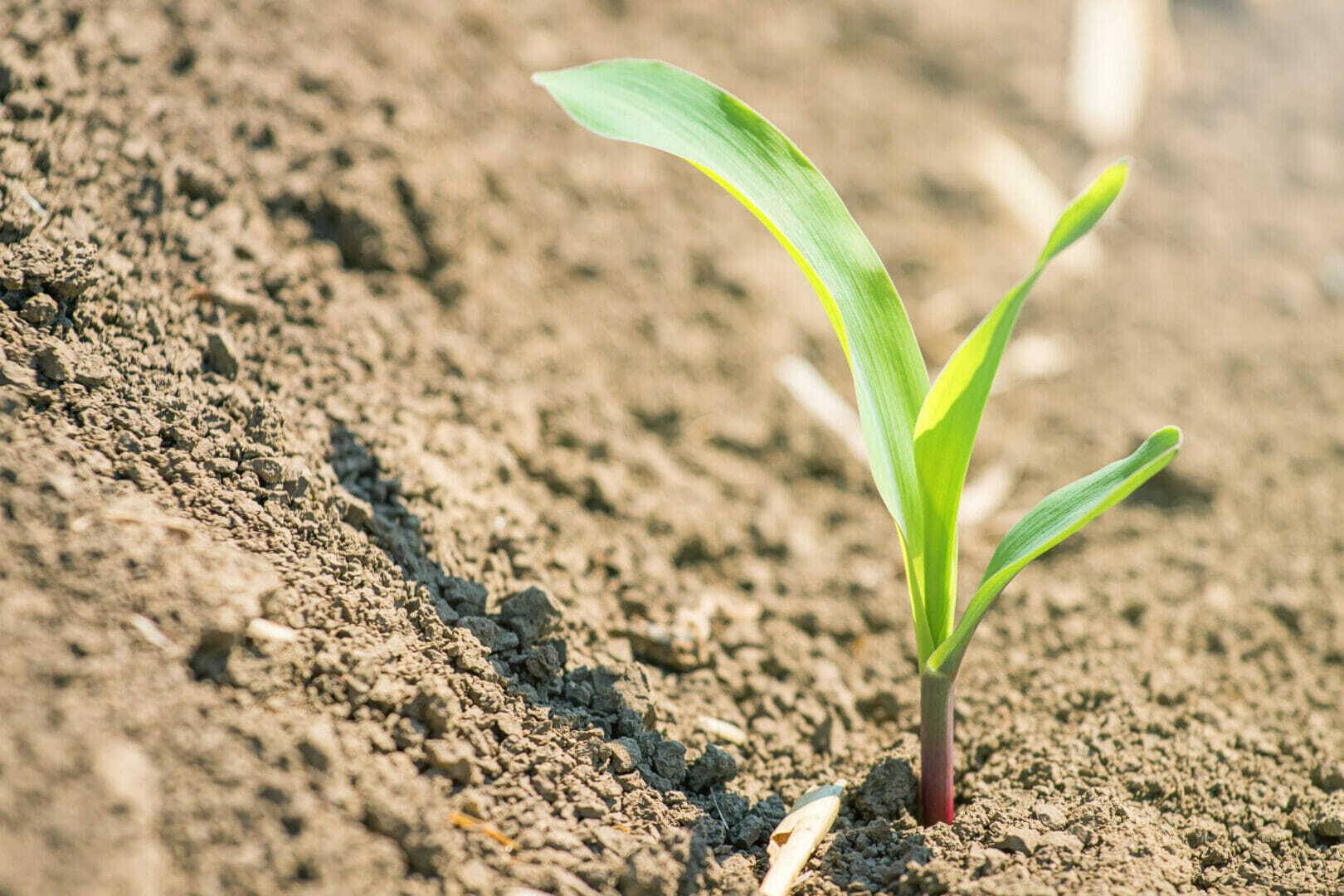
    Young green corn growing on the field. Young Corn Plants.

    The first principle of crop scouting is to determine what is normal and what is not normal. Knowing what a healthy plant looks like is key to identifying seedling disease. When scouting for seedling diseases, look for yellowing, wilted, stunted, dead or missing plants.

    • In corn, look for discolored or rotten mesocotyls, seminal roots and nodal roots.
    • In soybeans, look for seedlings that pull easily from the soil, discolored or rotting root tissue, and lesions that form on the taproot or hypocotyl.

    Before you head out to the field, there are several tools that are must-haves for early-season crop scouting:

    • A tape measure to take stand counts
    • A seed digger, trowel, or spade to dig up seeds or plants to evaluate planting depth, seedling diseases and below-ground feeding insects, like seed corn maggots.

    Remember that certain weather and soil conditions favor specific pathogens. Cool and wet soils favor Fusarium and Pythium, warm and wet soils favor Phytophthora, and warm and moist soils favor Rhizoctonia.

    It should be noted that a lab diagnosis is needed to confirm what pathogen is causing the symptoms. Knowing what disease(s) are present can help you choose hybrids and varieties that have good disease scores in the future and can guide decisions on the use of fungicide treated seed.

    Did you enjoy this article? We want to (TECH)talk with you! Sign up for our newsletter to receive agronomy videos (and delicious recipes) in your inbox! We’ll TALK soon.
    steve-sick

    June 8, 2023
    Corn, Crop, Disease, Emergence, Growth Stages, Soybeans, Summer, Tech Tuesday
  • Latham Hi‑Tech Seeds

    Phytophthora Root and Stem Rot

    Phytophthora Daren Mueller 20 1300x867

    Phytophthora root and stem rot is a significant disease affecting soybeans across Latham Country. It can kill and damage seedlings and plants from planting almost through harvest. This disease especially favors saturated conditions early in the growing season.

    You’re most likely to find Phytophthora in the following places:

    • Low, wet spots in a field
    • Fields with high clay content
    • Fields that have been in no-till for a few years
    • Weedy areas that may be the result of stand reduction earlier in the season

    Begin scouting as early as emergence where soils are saturated by heavy rains following planting. Where gaps in the row appear, carefully dig down to the seed zone. Infected seeds may rot before germination. Others may germinate but fail to make it to the surface.

    In other instances, soybean plants may emerge from the soil and then die. These dying or dead plants often show a “pinching” of the stem just at or slightly below the soil line. This symptom is commonly referred to as damping-off.
    Phytophthora Daren Mueller 20 1300x867

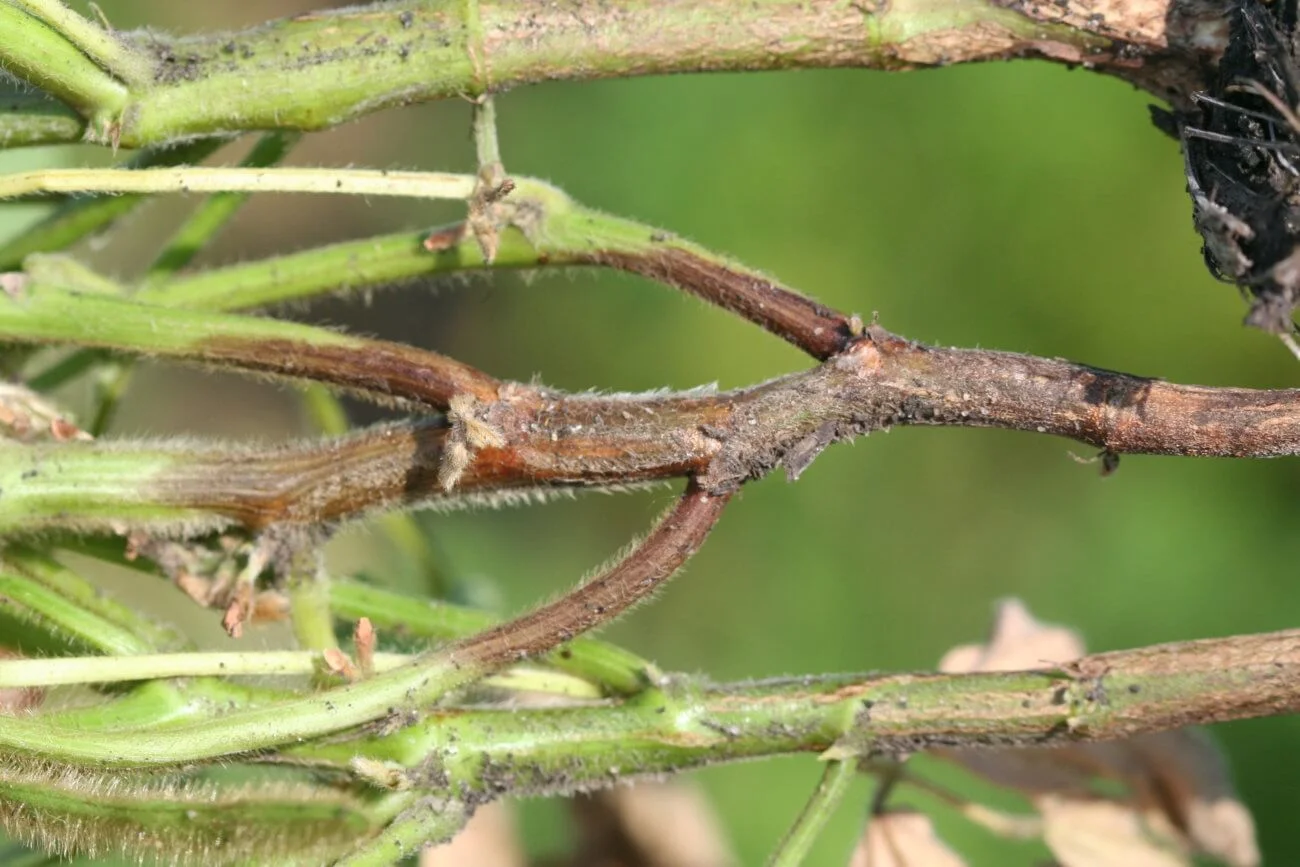
    If damping-off is a problem in the spring, watch for Phytophthora infection following rainy periods later in the season. The stem rot phase is easily recognizable by the presence of a distinct chocolate-brown lesion moving up the stem from the soil line. Initially, the upper stem of the plant may remain green. The plant will eventually wilt, turn yellow, and then die with leaves remaining attached.

    The root rot phase of Phytophthora is not as readily recognized as the stem rot phase. Infected plants can be stunted and less vigorous, although this is hard to spot unless the infected plants are near a healthy comparison. A close inspection of the root system will reveal a significant reduction in the number of secondary roots and fine root hairs that help the plant take up moisture and nutrients. Plants with the root rot phase may mature a week or two earlier than healthy plants in the field.

    Management

    Many soybean varieties have resistance genes. The most common group of genes are known as Rps genes (“Resistant to Phytophthora sojae”). Varieties with “stacked” genes can show significantly higher resistance to Phytophthora. Specific information on PRR genes for each of Latham® soybean varieties is included in our 2023 Seed Guide.

    Using Latham’s SoyShield® and SoyShield Plus seed treatments is a proven, effective way to protect against early-season diseases like Phytophthora. Using our seed treatment gives you the confidence and flexibility for a strong start to the growing season.

    *Sources:

    • Phytophthora Root & Stem Rot – Soybean Disease – Soybean Research & Information Network – SRIN (soybeanresearchinfo.com)
    • Phytophthora root and stem rot on soybean | UMN Extension

    Did you enjoy this article? We want to (TECH)talk with you! Sign up for our newsletter to receive agronomy articles (and delicious recipes) in your inbox! We’ll talk soon.

    Webspec Admin

    March 2, 2023
    Agronomics, Crop, Disease, General, Soybeans
  • Latham Hi‑Tech Seeds

    Drive Yield with Soil Health and Customized Plant Nutrition

    Soil Health Resized

    It’s no secret that optimal yields result from a combination of many factors: environment, plant nutrition and nutrients to name a few.

    Soil Health ResizedPlant nutrition is key to maximizing the yield potential of today’s plant genetics. To meet the intensive nutritional demands of these plants, there must be a higher fidelity to soil condition and nutrition. Removing nutrients removes nutrition from the soil reserves.

    There is a no “one-size-fits-all” nutrition program, and there are many variations of soils and environments. So customizing nutrition programs by field can help optimize yield. Today’s technology allows us to do just that!

    Many years ago, we heard about a farmer who found a unique combination of cover crops that worked well for his soils and climate. He tracked everything precisely and found that soil organic matter (OM) increases by 0.1% each year. This may not seem like much, but the impacts are exponential. In 10 years, you gain 1% more OM. For every 1% OM, the soil can hold 1 acre inch of rain. That’s 27,000 gallons of water.

    This farmer is improving water and nutrient-holding capacity of the soil in the root zone. During drought years, his farm’s yield was only down 10 bushels while the average yield decrease was 60 bushels. Plus, his farm produced the same yields using less nitrogen (N), phosphorus (P) and potassium (K) because leaching is reduced.

    Why not experiment on your own farm? Start small and see how you can capture more yield on the same acre. Here are a couple resources to help you get started:

    • Try Something New
    • On-Farm Research Helps Find Palatable Solutions

    Did you enjoy this article? We want to (TECH)talk with you! Sign up for our newsletter to receive agronomy articles (and delicious recipes) in your inbox! We’ll talk soon.

    Webspec Admin

    February 22, 2023
    Agronomics, Cover Crops, Crop, Disease, Emergence, Fertility, General, Growth Stages, Soil
  • Latham Hi‑Tech Seeds

    Match Hybrids to Your Management Style

    Corncob background
    Phil Long, Precision Agronomy Specialist
    Precision Agronomy Advisor, Phil Long

    Agronomists often tout the merits of selecting hybrids to fit your soil types, but it’s also important to select hybrids that match your management style.

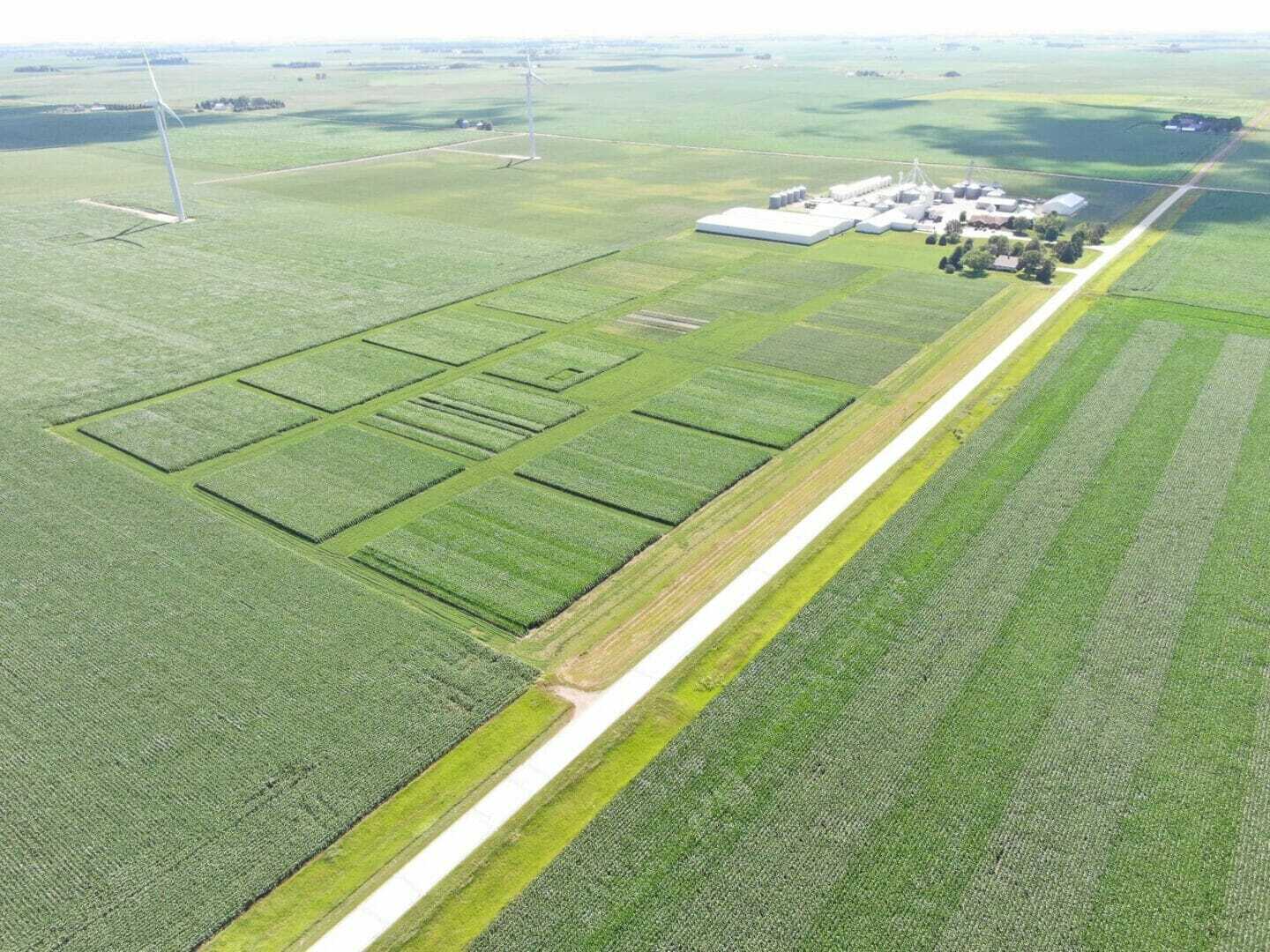
    Latham Hi‑Tech Seeds’ Premier Agronomy Center provides opportunities for us to learn and share how Latham® products interact with the environment and perform under different management styles. In 2022, we adapted our stress wheel study to show how different Latham brand hybrids react to population differences. We planted 20 different Latham hybrids at both 24,000 and 36,000 plants per acre (ppa) to track how each hybrid adjusts its ear flex – or yield – to high- and low-competition environments.

    Overall corn yield comes from three areas: (1) plants per acre; (2) ears per plant; and (3) weight per ear. If we look specifically at an individual corn plant, yield comes from these three areas: girth in the early season, length in mid-season and kernel depth in late season. The hybrid stress test helps us better understand how your favorite Latham hybrids adjust their yield in high- or low-stress environments, which in turn helps you better understand when to reduce stress for these hybrids.

    For example, if a hybrid gets most of its yield from flex in girth, you should reduce early-season stress. Plant these hybrids in warm soils; provide fertility at the planter, and make sure nitrogen is in an available form early in the season. All hybrids determine girth based on how healthy or stressed the plants are from emergence to V7, so anything you can do to help them at that stage retains more yield.

    The critical time for hybrids that flex in length is from V8 to R2. Making sure these hybrids are healthy in early summer is more important. Side-dress applications are beneficial to these hybrids.

    The last group is those that flex in kernel depth, which occurs from R3 to R6 when the corn is filling its kernels, so nutrients move from leaves to the ear. These hybrids can benefit greatly from fungicide because it gives them extra time in the grain fill stage to add weight to the ear.

    Although we always talk about hybrids flexing up for bigger yields, a corn plant thinks of it differently. It starts with very high expectations and then flexes down in each direction based on the stress it encounters during the season. Each hybrid’s genetics can vary by how much emphasis it puts on these three areas of yield.

    We were intrigued by what we learned from our stress test in 2022 and look forward to learning more in 2023 about how our hybrids adjust their yield. Talk with your local Latham® rep to help you match our hybrids to your management style. Each local salesperson is supported by a team of seed specialists located across our six-state territory.

    Did you enjoy this article? We want to (TECH)talk with you! Sign up for our newsletter to receive agronomy articles in your inbox! We’ll talk soon.

    Phil Long

    January 26, 2023
    Agronomics, Corn, Crop, Disease, Emergence, General, Growth Stages
  • Latham Hi‑Tech Seeds

    Three Keys to High-Yielding Soybeans

    NW IA Latham Seeds Soybeans 8 13 19

    Our focus for Latham Premier Agronomy Center in Alexander, Iowa, is to showcase a broad lineup of independent options and to demonstrate how genetics interact with the environment and management styles (G X E X M).

    LPAC Picture Resized

    In the Premier Agronomy Center this year, we tested 26 Latham® soybean varieties using 28 different management practices. My top take-home messages for our 2022 soybean plots are:

    1. August rains make soybeans. We received 11.8 inches of rain this season but 4.1 inches of it fell in August. Although we received below-normal moisture, the rain came at the right time. Our plots averaged 75 bushels per acre (bu/A) on about 12 total inches of rain!
    2. Don’t stress soybeans at early bloom. Weed control in soybeans is extremely important. I made a second pass of Liberty® in season, however, it reduced yields by 10 percent. Our showcase plots did not get the extra dose of herbicide and averaged 86 bu/A; the plots that received a second pass yielded an average of 78 bu/A.
    3. “Early” planting date is key to high yield. While earlier is better, “early” does not mean April 10 because we don’t want to risk stand loss to freezing temps. This year our first soybean plots were planted later than expected due to conditions. The plots planted May 13 averaged 5.5 bu/A better than the plots planted May 20. Seven days can make a difference in the number of nodes and pods retained, plus the canopy closes sooner.

    The key to higher yields is how all three components – genetics by environment by management – interact. Fertility tops my list, so I always make sure potassium is sufficient. Potassium is what gets soybeans (and corn) through stressful times and helps them better manage water loss on hot days.

    Latham® soybeans have outstanding yield potential. But like all living and breathing organisms, our soybeans struggle to perform when they’re stressed at the wrong time. The key to top soybean yields is management: reduce as much stress as possible during the growing season because we can’t control the weather.

    Did you enjoy this article? We want to (TECH)talk with you! Sign up for our newsletter to receive agronomy articles in your inbox! We’ll talk soon.

    Phil Long

    December 8, 2022
    Agronomics, Crop, Disease, Emergence, Fertility, Fungicide, General, Growth Stages, Insects, Seed Treatment, Soil, Soybeans, Weed Control
1 2 3 … 13
Next Page

Latham Hi‑Tech Seeds

131 180th Street | Alexander, IA 50420

(641) 692-3258

SIGNUP FOR OUR NEWSLETTER
  • Contact
  • Legal
  • Dealer Center
  • Seedware Login
  • Latham Gear

© 2025 Latham Hi‑Tech Seeds. All rights reserved. | Iowa Web Design by Webspec | Privacy Policy

Latham® Hi-Tech Seeds is a trademark of M.S. Technologies, L.L.C., 103 Avenue D, West Point, IA 52656.