Skip to content
Latham Hi-Tech Seeds

(641) 692-3258

  • Home
  • Performance
  • Products
    • Corn
    • Soybeans
    • Alfalfa
    • Corn Silage
    • Seed Guide
  • Find a Rep
  • Media
    • Blog
    • News
    • Videos
    • Podcasts
    • TECHTalk
  • About Us
    • Company History
    • Our Mission
    • Careers
    • Become a Rep
    • Sowing Seeds of Hope
  • Contact Us
  • Latham Hi‑Tech Seeds

    Start the Season Right by Planting the Right Genetics

    Wooden block with GOAL, PLAN and ACTION on table background

    With the 2022 planting season right around the corner, it’s time to focus on the one thing that will help you capture the most ROI in each field.

    Field-by-field product placement is key to maximizing yield – and in turn – profit. Research shows plant genetics account for a 20% difference in yield. This means you could raise 12 more bushels of soybeans and 40 more bushels of corn PER ACRE simply by paying closer attention to your crop placement.

    Below are three factors to consider when double-checking your crop placement for 2022:

    • Study Field x Field® Ratings. Look at the Field x Field Ratings in the Latham® Product Guide for corn and soybeans. These charts simplify where you should place hybrids and varieties. A “1” rating means it’s a great fit for a particular environment; a “3” rating means you should not plant that product if your field conditions match that description. Your Latham Dealer has seen most of our products in environments, so call him or her if you have additional questions about where to place a particular product.
    • Stick to the plan. If your seed dealer has provided you with a Field x Field plan, organize your seed shed so you can stick to the plan. Subscribers to Latham Seeds’ Data Forward® program receive a crop plan book, which you can keep in your planter tractor. It’s a good practice to double check that the right seed gets in the planter. If planting conditions change in a particular field, then take the time to move products. It will be worth an hour of your time to capture the extra $150 to 200 per acre in profit potential.
    • Match Genetics to Management. If a certain corn product is described as “likes high management,” then you should not place that product in a field with poor fertility levels. Your seed dealer may not know your fields’ fertility levels unless you share it. That information is critical for accurate product placement as some genetics can handle tough fertility situations and others will fall apart in those environments. Also make sure you aren’t overplanting or underplanting each hybrid. Look at the “suggested populations” in our Product Guide, as well as the “Ear Type” rating and our stress wheel poster. We want to help you capture yield!

    If you’re planting soybeans early or at the same time your planting corn, treat the seed with SoyShield® to protect it from early season fungal diseases. Seed treatment also gives seedings an early advantage. Even when using a quality seed treatment, plant fields with the heavy soils that remain wet and cold last or at least the soils have warmed. This will help your soybeans better ward off root diseases all season long.

    SoyShield Seed treatment infographic

    A successful 2022 crop year begins with having a plan and sticking to it! Take the time now to double-check that you properly matched plant genetics with soil conditions. Our dealers are also happy to talk through field placement as well. If you have further questions or want to chat with our agronomists call: 1.877.GO.LATHAM (1.877.465.2842).
    Team Latham

    February 9, 2022
    Agronomics, Alfalfa, Corn, Corn Silage, Cover Crops, Crop, Disease, Emergence, Fertility, General, Precision Ag, Seed Technology, Seed Treatment, Soil, Soybeans
  • Latham Hi‑Tech Seeds

    Changes to Soybean Research Program a Resounding Success!

    Latham Soybeans
    Latham Soybeans
    Latham Soybean Research Plot

    I’m pleased to inform you that the changes we made to our soybean research program were a resounding success! The decision to hire other companies to plant and harvest our Latham Elite trials allowed our Product Team members to observe and take notes at a greater number of locations and across a wider geographic area. In previous years, our own crew could only plant and harvest 11 or 12 locations in Iowa and southern Minnesota. We would then hire another company to do the same at about five or six locations in northern Minnesota and North Dakota. This year we were able to plant and harvest 33 locations in Iowa, Minnesota, Nebraska, Wisconsin, North Dakota and South Dakota!

    Latham Seeds’ Product Team will evaluate the yield data and correlate notes taken to see which products are a good fit for Latham Country. During that same time, Latham’s Regional Sales Managers (RSMs) and Dealers will be surveyed to determine what products are needed based on input they receive from our customers. Then, and only then, will new products be added to our 2023 lineup.

    Once we identify products from the Elite Trials that meet Latham Hi‑Tech Seeds’ standards and fulfill our customers’ needs, we release them for sale. We also place these new products in our Latham Showcase plots, as well as in the independent F.I.R.S.T. Trials program, to again showcase the performance of these new products and to provide opportunities for our customers to gain confidence in their performance.

    Mark Grundmeier Headshot
    Mark Grundmeier, Product Manager

    It has been my great honor and pleasure working for the Latham family for more than 25 years – first, as an agronomist, then as Soybean Product Manager and, for a dozen or so years as overall Product Manager. When Bill and Don Latham hired me in 1996, I had high hopes this would eventually lead to this being my dream job. I was looking for an opportunity to work in Research and Product Development.  It certainly was everything I had hoped it would be. I can honestly say that I’ve never regretted the decision – not even once!

    Along the way, I’ve met farmers, dealers, sales personnel, fellow employees and colleagues from numerous areas. I am proud to call many of you my friends. I’d like to thank the Latham family for placing their trust in me. I especially want to thank John, Shannon and Chris for allowing me to “spread my wings,” so I could be more involved in all of the products we handle. As for the future, I know that I’m leaving the company in the best of hands.

    This is the final article I will write for TECHtalk as I am retiring at the end of 2021. I’m looking forward to spending more time with my family, traveling and pursuing some hobbies that I’ve put on hold for a few years. I wish you all the best as you continue to work in this great business of agriculture. May God richly bless you always!

    Mark Grundmeier, Product Manager

    December 1, 2021
    Agronomics, Crop, Disease, Fall, Industry News, Season, Seed Technology, Soybeans, Weed Control
  • Latham Hi‑Tech Seeds

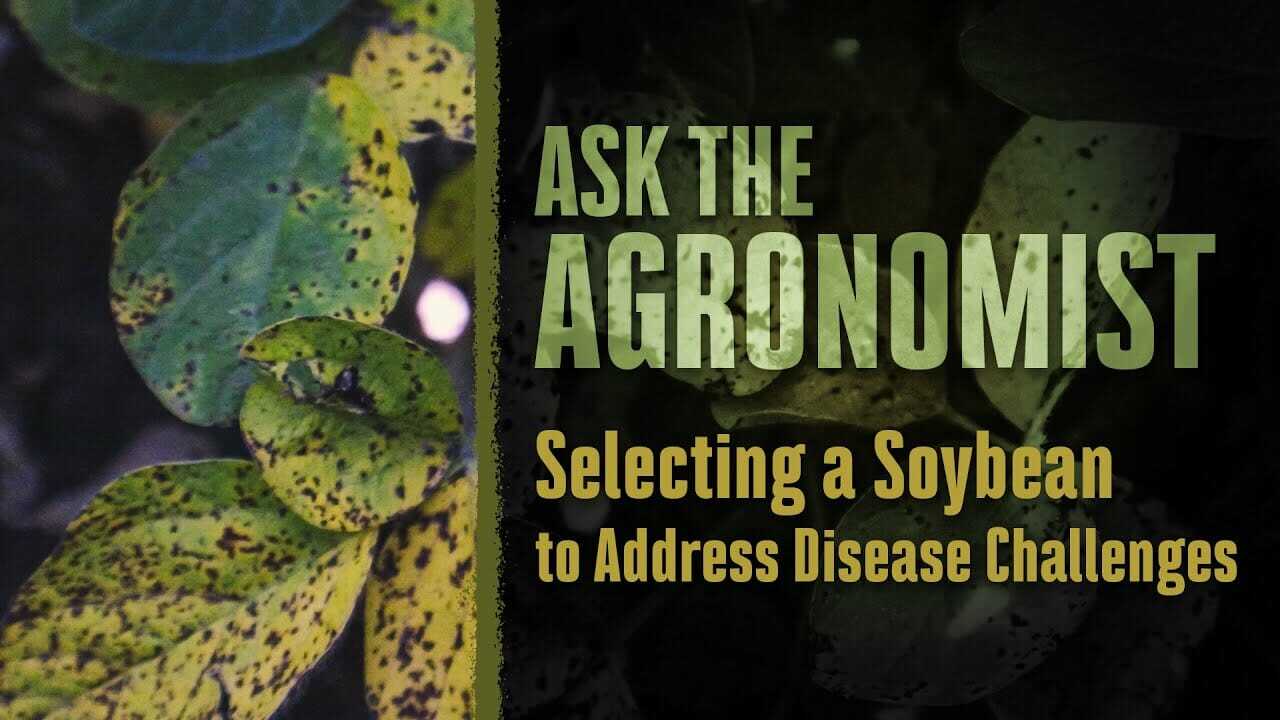
    #AskTheAgronomist: Selecting Soybeans to Address Disease Challenges

    Maxresdefault

    Soybean diseases such as soybean sudden death syndrome, white mold and soybean cyst nematode (SCN) negatively impacted yields in parts of Latham Country in 2021. In this week’s #AskTheAgronomist, Precision Agronomy Advisor Phil Long discusses how to identify and select soybean varieties that will address disease pressure in your fields.

    November 17, 2021
    #AskTheAgronomist, Agronomics, Crop, Disease, Season, Soybeans, Winter
  • Latham Hi‑Tech Seeds

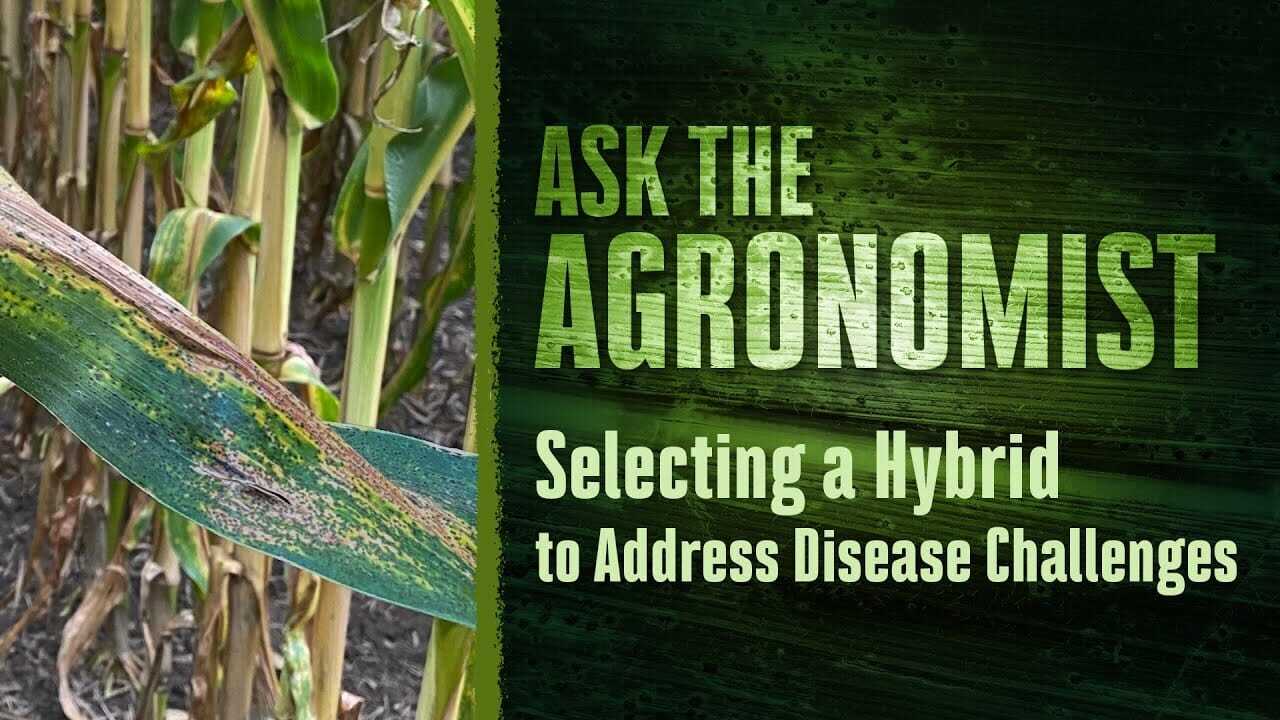
    #AskTheAgronomist: Corn Disease and Product Selection

    Maxresdefault

    With a majority of the year recorded as dry to extremely dry for much of the Upper Midwest, many farmers were surprised at the onset of disease towards the close of the 2021 growing season. Precision Agronomy Advisor Phil Long addresses how to account for and select corn products to address disease challenges in your fields into 2022 and beyond.

    November 9, 2021
    #AskTheAgronomist, Agronomics, Corn, Crop, Disease
  • Latham Hi‑Tech Seeds

    Take the Test and Beat the Pest!

    Fig 1

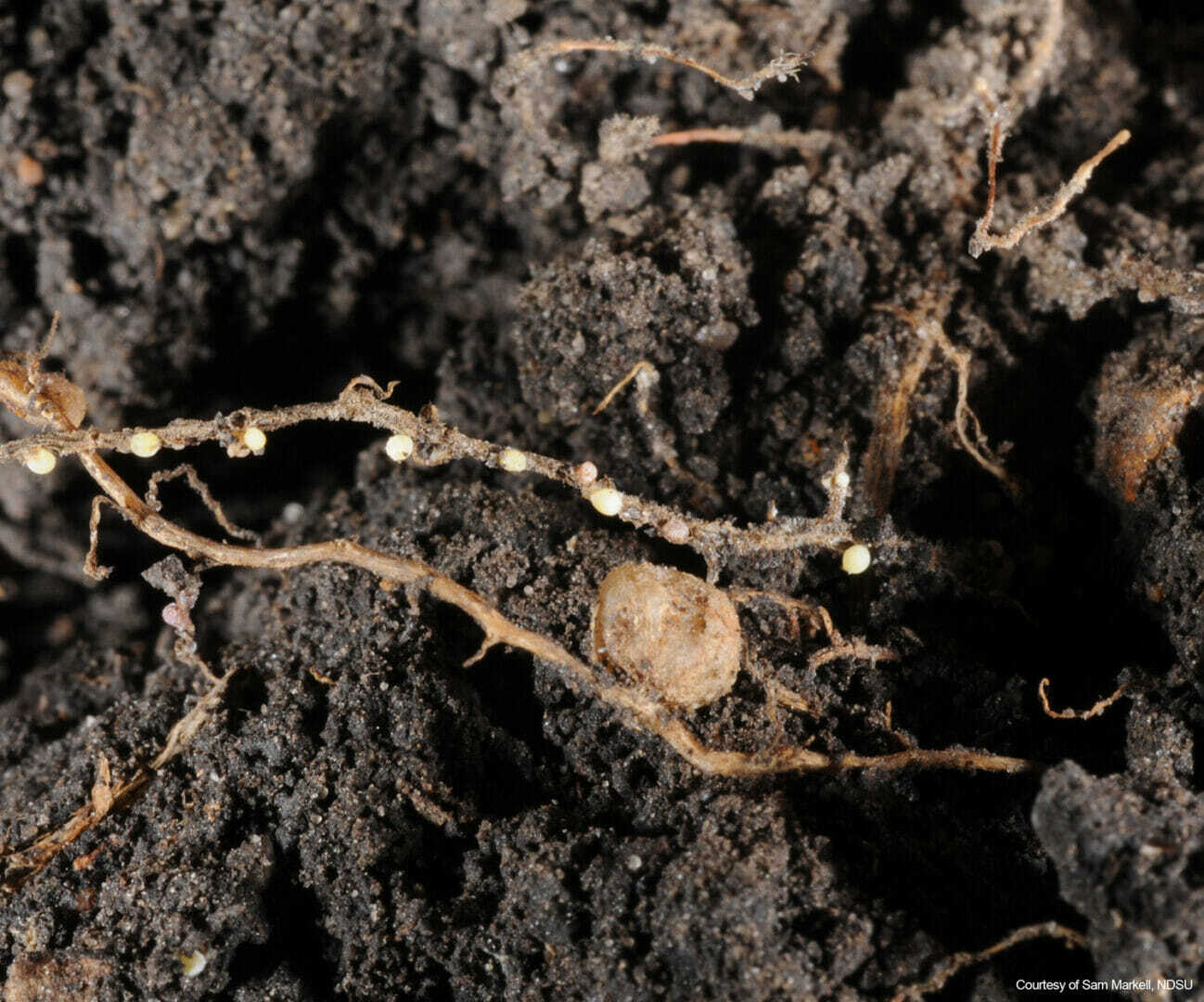
    Fig 1By robbing farmers of more than 100 million bushels annually, Soybean Cyst Nematode (SCN) is estimated to be the #1 yield-robbing soybean pest or disease in the United States. Farmers may scream over lost yield this fall, but SCN is considered a “silent yield robber” due to a lack of above-ground symptoms in most fields.
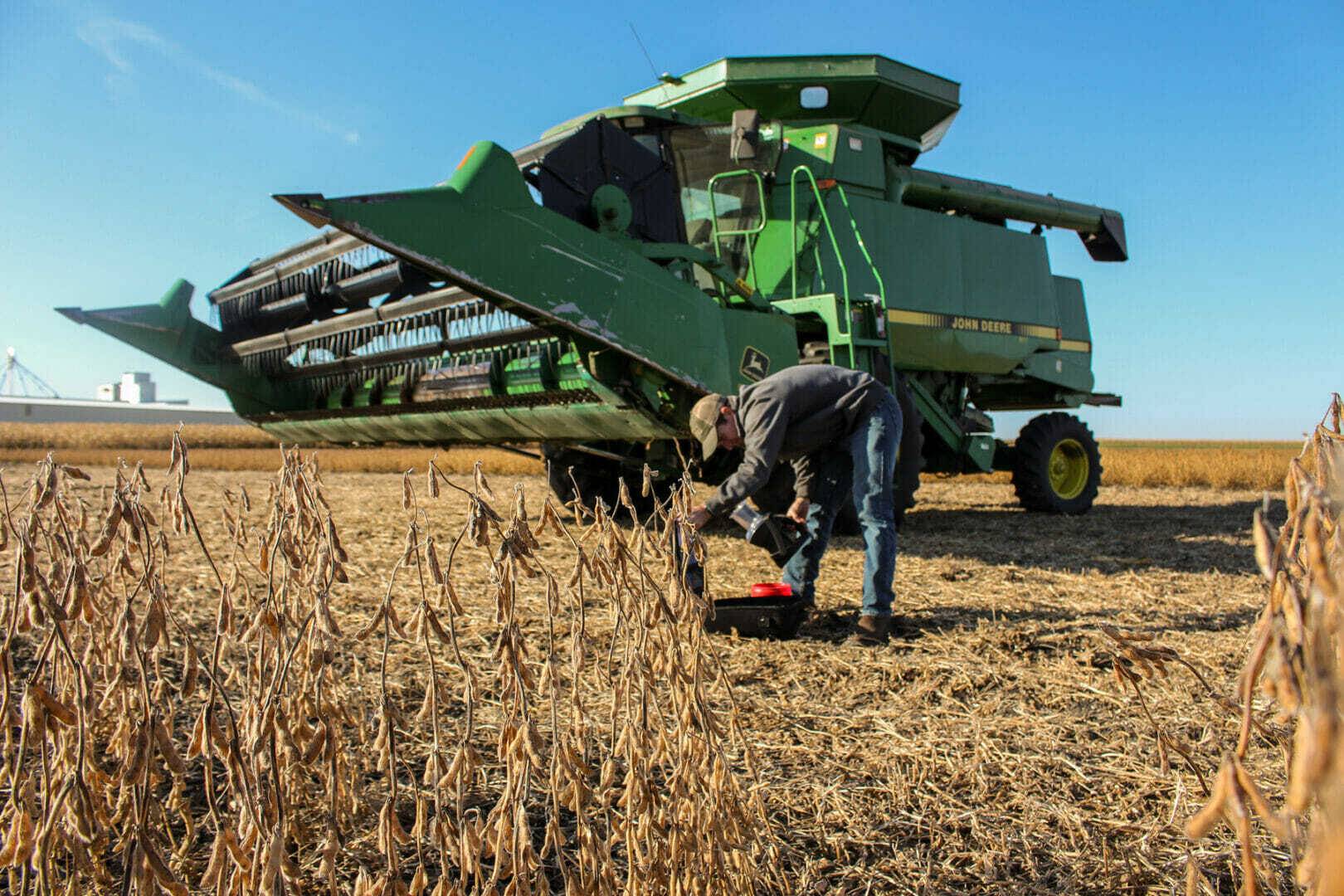
    Immediately after harvest is the best time to take soil samples for SCN. Several universities have programs that offer free soil samples to evaluate SCN, so check with your local Extension office to see if you qualify.

    Think SCN isn’t a problem in your fields? Think again! Dry soil conditions, especially early in the growing season, can greatly increase the effects of SCN infestations. I received numerous calls in June and July about yellow, stunted soybeans. Most farmers suspected Iron Deficiency Chlorosis. Upon further inspection, SCN was almost always present and in larger numbers than previously observed. When I asked whether these farmers had taken a recent soil sample for SCN, most had not. They admit to mostly relying on SCN-resistant varieties to control or minimize the losses from this pest.

    We have known for years that PI 88788 is gradually losing its efficacy against the pest, and more than 95% of SCN-resistant soybeans in America have PI 88788 as the source of gene resistance.  Since 1997, a team of researchers at Iowa State University led by Dr. Greg Tylka has conducted annual in-field trials with hundreds of SCN-resistant varieties. They measure agronomic performance and SCN population densities from planting until after harvest.

    Scientists have determined that to be effective, SCN-resistant varieties must maintain less than a 10% reproduction rate of SCN during the growing season.  Since 2004, Dr. Tylka and his team have noticed that the average of all PI 88788 varieties in their trials have gradually exceeded that threshold. They have also noted that the average yield of those varieties has decreased as the SCN reproduction has increased. For more information on these studies, visit www.isuscntrials.info. Other land-grant university researchers have reported similar findings.

    To effectively manage SCN in the future, soybean breeders are focusing on other sources of gene resistance. Your Latham Soybean Product Team is continually evaluating and searching for opportunities to bring new, better resistant varieties to our lineup. We also are evaluating several seed treatments for battling this pest. Saltro®, our seed treatment product for SDS protection, is also noted to have activity against SCN.  More information from our Latham Elite trials will be available post-harvest.

    “TAKE THE TEST.  BEAT THE PEST.” is a slogan/campaign by The SCN Coalition™ and funded by the Soybean Checkoff and is designed specifically to promote awareness of SCN. These microscopic roundworms, which infect the roots of soybeans and other plants, can be present in a field for years before above-ground symptoms are visible. We encourage you to take the test this season, so you can plan accordingly for the future.

    Mark Grundmeier, Product Manager

    October 15, 2021
    Agronomics, Crop, Disease, Drought, Fall, General, Insects, Season, Seed Treatment, Soil, Soybeans, Spring, Weather
  • Latham Hi‑Tech Seeds

    Notes from the Field – PreHarvest 2021

    Mark soybean article image

    Mark soybean article imageI’m very hopeful that – even with the dry weather – our production fields can achieve an overall average year for production with sufficient seed for soybean sales in 2022.

    Most soybean farmers’ biggest concern across Latham Country has been lack of moisture. Many have noticed aborted flowers, dropped pods, and restricted pod fill. Thankfully, our production fields in South Central Minnesota received a nice two-inch rain during the first week of August. Most of the growers in our area around Alexander, Iowa, got a nice one- or two-inch rain on August 20-21. That rain will help those fields fill out pretty well. Some of our fields in northern Minnesota also got a nice inch or more that weekend.

    Rainfall has been extremely variable throughout the summer. On August 20, the Des Moines airport reported no rain but most cities throughout the metro got about 1.5 inches! “Spotty” rains have been the norm rather than the exception this season.

    Besides the drought, infestations of two-spotted spider mites are popping up almost everywhere across Latham Country. This is common in periods of dry weather. Most growers seem to be willing to apply pesticides for control, especially when the market price for soybeans is high. Farmers in a few areas have reported Bean Leaf Beetles and Soybean Aphids at very low levels, so insecticide applications have not been necessary.  Grasshoppers also flourish in dry conditions, and I have heard of farmers spraying to control this pest.

    On the disease side, I’ve seen and heard of Sudden Death Syndrome (SDS) and White Mold this season. Dry weather usually hinders huge outbreaks of diseases, but it’s not unexpected that some areas will see things like this. Remember, SDS CANNOT be controlled with a foliar application of fungicide but there are some that can help on White Mold. I’ve also seen some Frogeye Leaf Spot (FLS) in a few fields but not enough to warrant a fungicide except in Southeast Iowa. I’m hearing about and seeing FLS in regions further north than usual, which is evidence this disease is moving farther north every year.

    Call the Latham Team if you need help to diagnose situations or to recommend solutions. Be sure to keep field notes from these problem areas because that will be useful when you select seed in the future.

    Mark Grundmeier, Product Manager

    September 24, 2021
    Agronomics, Crop, Disease, Drought, Fall, Fungicide, General, Insects, Season, Soybeans, Weather
  • Latham Hi‑Tech Seeds

    #AskTheAgronomist: How to Sample for Soybean Cyst Nematode

    Maxresdefault

    This season’s high-stress growing conditions gave light to areas across Latham Country facing high pressure from Soybean Cyst Nematode (SCN). A silent yield-robber, SCN can largely impact final yield and many universities are providing compensation for samples to help get a handle on egg counts across the Midwest. In today’s episode, Precision Agronomist Phil Long explains how to take a representative sample and evaluate pressure in your fields.

    September 22, 2021
    #AskTheAgronomist, Agronomics, Crop, Disease, Fall, Insects, Season, Soybeans
  • Latham Hi‑Tech Seeds

    Test for Aflatoxin Before Feeding Moisture-Stressed Corn

    Aflatoxin Enhanced

    It could be a matter of life and death.

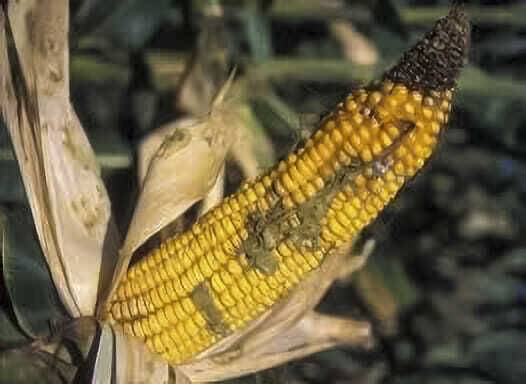
    Hot, dry summers like we’ve seen throughout the 2021 growing season stress plants and create the perfect environment for fungal growth and toxins. Test for nitrate levels and mycotoxin before you feed moisture-stressed corn silage or grain to livestock. If you plan to graze corn stubble, it is a good idea to test the lower one-third of plant in the area you plan to graze.

    Even one highly contaminated kernel in a five-pound sample could result in more than 20 parts per billion (ppb) aflatoxin. If you see olive green or graygreen fungus on corn kernels, contact a feed testing lab like DairyLandLabs.com or IowaGrain.org.

    Aflatoxins cause various animal health problems, including death in some cases. Most commonly, feeding contaminated corn reduces the animals’ feed efficiency and reproductivity. Aflatoxin also suppresses an animal’s immune system, making it more susceptible to infectious diseases. In addition, aflatoxin can appear in the milk produced by dairy cows that were fed contaminated corn.

    Prime conditions for the fungus to produce toxin are warm nights, when temperatures stay above 70 degrees Fahrenheit, during the latter stages of grain fill (August/September) in a period of drought. As kernel moisture decreases, aflatoxin production increases. Toxin production is highest at 18 to 20 percent kernel moisture and usually stops around 15 percent kernel moisture. Ensiling corn usually does not reduce aflatoxin concentrations, but concentrations are unlikely to increase in properly managed silage.

    Below are guidelines from the Food and Drug Administration (FDA) for acceptable aflatoxin levels in corn based on intended use. I also encourage you to work with a livestock nutritionist.

    Aflatoxin table

    September 10, 2021
    Agronomics, Corn, Corn Silage, Crop, Disease, Drought, Season, Summer, Weather
  • Latham Hi‑Tech Seeds

    #AskTheAgronomist: Late-Season Scout Now to Create Success Next Season

    Maxresdefault

    Recent heavy rains combined with high temperatures can create isolated cases of soybean disease. In this episode of #AskTheAgronomist, Precision Agronomist Phil Long addresses the basics of the big six and the benefits of late-season scouting to create success for next season.

    September 1, 2021
    #AskTheAgronomist, Agronomics, Crop, Disease, Fall, Season, Soybeans
  • Latham Hi‑Tech Seeds

    Call in Your A-Team

    9734676 xl

    The most successful farmers are those who spend substantial time checking for disease, insects, stand uniformity and plant health. When things don’t look good, it’s time to call in your A-Team!

    The Oxford online dictionary defines A-Team as “a group of elite soldiers or top advisors or workers in an organization.” Your A-Team needs to be a group of expert advisors, who can help you diagnose problems and make recommendations to solve those issues. This group might include your Latham® Dealer or RSM, an agronomist from your chemical retailer or local co-op, a county or state Extension expert, or a private consultant that you’ve hired for this specific purpose. Do not rely only on “coffee shop talk” or advice from neighbors or friends.

    With your A-Team in mind, below are five things to watch for as we approach soybean pollination:

    1. Overall population and stand. I believe that the period between planting and first bloom is the most critical time for soybean growers. Across most of Latham Country, Spring 2021 was dry enough to plant early yet too cool to stimulate consistent growth and vigor. Stands were uneven. Seedlings had a sick, yellow appearance, which can lead to the onset of diseases and pests.

    2. Yellow soybeans. Soybeans can turn yellow (or chlorotic) for many reasons, including Iron Deficiency Chlorosis (IDC), Soybean Cyst Nematode (SCN), high soluble salts, chemical burns, insects and diseases. Your A-Team can help determine what has caused this.

    3. Soybean Aphid. I venture to say the Soybean Aphid is still the #1 insect pest across Latham Country. This insect overwinters in our region as eggs laid on the buckhorn species of trees and shrubs. Winged adults will move to soybeans in early to mid-June. Throughout the summer, most soybean aphids are females that reproduce asexually and rapidly. They can infest a whole field in a matter of days.

    4. Soybean Gall Midge. This new insect species is causing damage in areas of southeast South Dakota, southwest Minnesota, eastern Nebraska, western Iowa and more recently in Northwest Missouri. Researchers expect to see adults in early to mid-June, however, information and management for this pest are still in the discovery stage.

    5. Hail. Farmers don’t need to look for hail, but it too often finds them! Knowing what to look for and how to react is key when deciding what to do after a hailstorm. Soybean plants that are cut off below the cotyledon node have no chance of surviving. Plants that are severely bruised and easily fold over at the impact site have a very poor chance of surviving. However, plants that are only missing one cotyledon or missing both with the growing point still intact have a very good chance of survival. My best advice is to abstain from evaluating fields that received hail as soon as it is dry enough to do so. Instead, give the plants at least a week to see if new growth will occur. That way you can see what you have for a viable population.

    Mark Grundmeier, Product Manager

    June 16, 2021
    #AskTheAgronomist, Agronomics, Crop, Disease, Emergence, Insects, Season, Soybeans, Summer, Tech Tuesday
Previous Page
1 2 3 4 5 … 13
Next Page

Latham Hi‑Tech Seeds

131 180th Street | Alexander, IA 50420

(641) 692-3258

SIGNUP FOR OUR NEWSLETTER
  • Contact
  • Legal
  • Seedware Login
  • Latham Gear

© 2026 Latham Hi‑Tech Seeds. All rights reserved. | Privacy Policy

Latham® Hi-Tech Seeds is a trademark of M.S. Technologies, L.L.C., 103 Avenue D, West Point, IA 52656.