Skip to content
Latham Hi-Tech Seeds

(641) 692-3258

  • Home
  • Performance
  • Products
    • Corn
    • Soybeans
    • Alfalfa
    • Corn Silage
    • Seed Guide
  • Find a Rep
  • Media
    • Blog
    • News
    • Videos
    • Podcasts
    • TECHTalk
  • About Us
    • Company History
    • Our Mission
    • Careers
    • Become a Rep
    • Sowing Seeds of Hope
  • Contact Us
  • Latham Hi‑Tech Seeds

    Select Products Built for Battle with Mark Grundmeier

    Field day presentation slide mark products built for battle

    What does it mean for a product to be Built for Battle? Tune in on Sept 10 at 8 AM as Mark Grundmeier shares insight into our highly offensive and defensive soybean product options.

    • Watch on YouTube: https://youtu.be/_EGw1UA4-b4
    • Watch on Facebook: https://www.facebook.com/LathamSeeds/posts/10158763253662138

    Laura Cunningham

    September 9, 2020
    Agronomics, Crop, Disease, Emergence, Soybeans
  • Latham Hi‑Tech Seeds

    Maximize Performance and Reduce Risk with Latham Hybrids

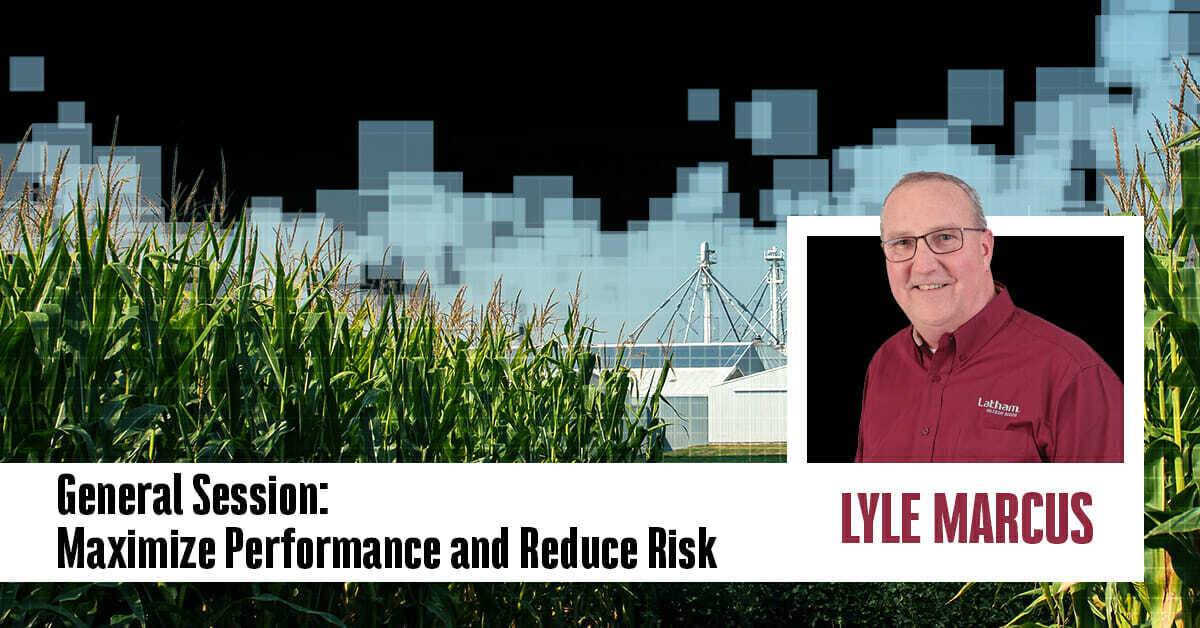
    Field day presentation slide lyle marcus

    Join us as Corn Product Manager, Lyle Marcus, discusses how to maximize performance and reduce risk with Latham® corn hybrids in 2021.

    Laura Cunningham

    September 9, 2020
    Agronomics, Corn, Crop, Disease, Emergence, Fertility, Fungicide, Growth Stages
  • Latham Hi‑Tech Seeds

    Ask The Agronomist: How to Manage Late-Season Soybean Troubles

    Phil feature 9.4

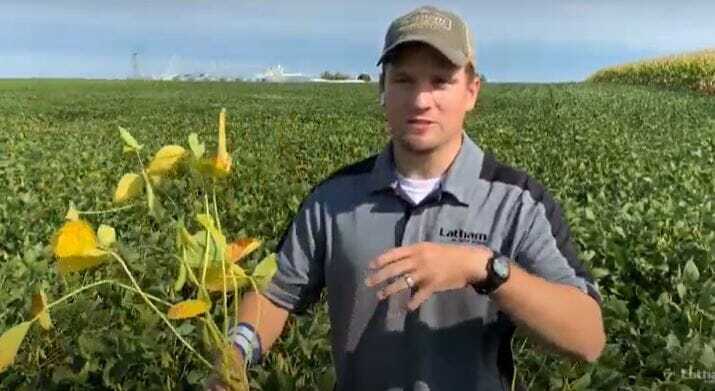
    Tune in as Phil Long discusses 3 common late-season soybean issues. With harvest around the corner it’s time to take final field notes and make a harvest plan! #LathamSeeds

    :40 — Topic introduction

    1:20 — Soybean Yield Estimates

    3:20 — Sudden Death Syndrome

    6:10 — White mold

    8:20 — SCN

    Laura Cunningham

    September 3, 2020
    Agronomics, Crop, Disease, Soybeans
  • Latham Hi‑Tech Seeds

    #AskTheAgronomist: Late-Season Soybean Pests

    Phil ata feature
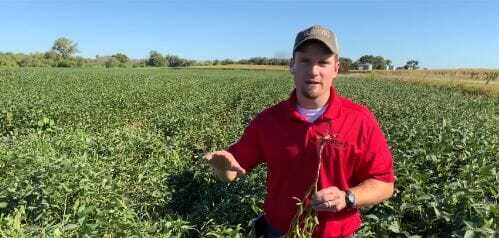
    Join us as we discuss the top 3 late season soybean pests. From identification to management and planning for the future, Phil Long shares key takeaways. #AskTheAgronomist
     
    :58 — Topic introduction
    2:05 — SDS
    5:00 — Frogeye Leaf Spot
    7:00 — Aphids
    9:45 — Soybean staging

    Laura Cunningham

    August 13, 2020
    #AskTheAgronomist, Agronomics, Crop, Disease, Insects, Soybeans
  • Latham Hi‑Tech Seeds

    Ask The Agronomist: Soybean Fungicide

    ATA cover 7.30
    Are soybean fungicides worth it? Tune in while Phil Long discusses the benefits of soybeans fungicides and various pest pressures present in the field. #LathamSeeds
     
    :35 — Topic Introduction
    1:00 — Soybean staging
    2:00 — When to spray soybean fungicide
    3:10 — Current in-field disease pressure
    4:35 — Current aphid pressure
    6:10 — Bacterial issues
    7:50 — Soybean fungicide breakeven
    0:00 — Final thoughts

    Laura Cunningham

    July 30, 2020
    #AskTheAgronomist, Agronomics, Crop, Disease, Soybeans
  • Latham Hi‑Tech Seeds

    Ask The Agronomist: Is It Time for Corn Fungicides?

    FB Live

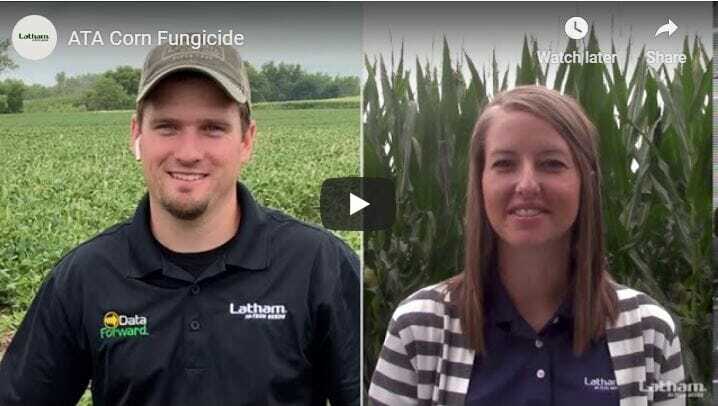
    Tune in for discussion on emerging corn diseases and tips on determining if it is time for fungicide application. #LathamSeeds

    :25 — Topic introduction

    1:00 — Current environmental changes

    2:20 — Emerging corn diseases

    4:45 — Identifying disease pressure

    6:30 — Positive impact of fungicide application

    8:40 — Fungicide type

    Laura Cunningham

    July 23, 2020
    Agronomics, Corn, Crop, Disease
  • Latham Hi‑Tech Seeds

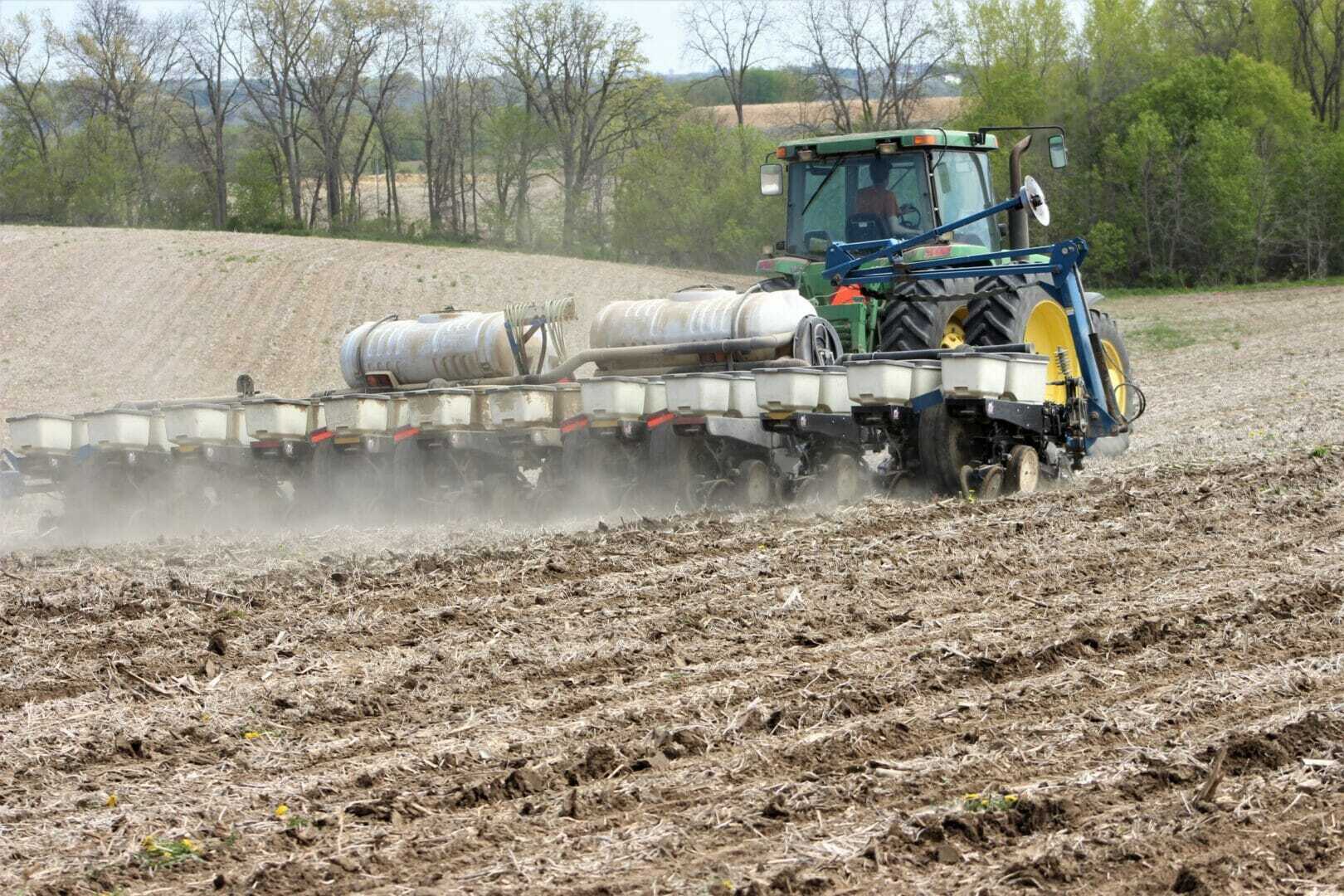
    Planting and Cold Temps

    Planting ROI

    Seeds absorb moisture within hours after planting and begin the germination process almost immediately. When corn seeds absorb water colder than 50°F, imbibitional chilling or cold shock may occur.

    These three symptoms of cold chill may be evident at emergence, during the growing season and at harvest time:

    1. Absorbing cold water causes the cell membranes to rupture and release fluids that provide food sources for soil pathogens. These can invade developing seedlings and dramatically harm the germination.
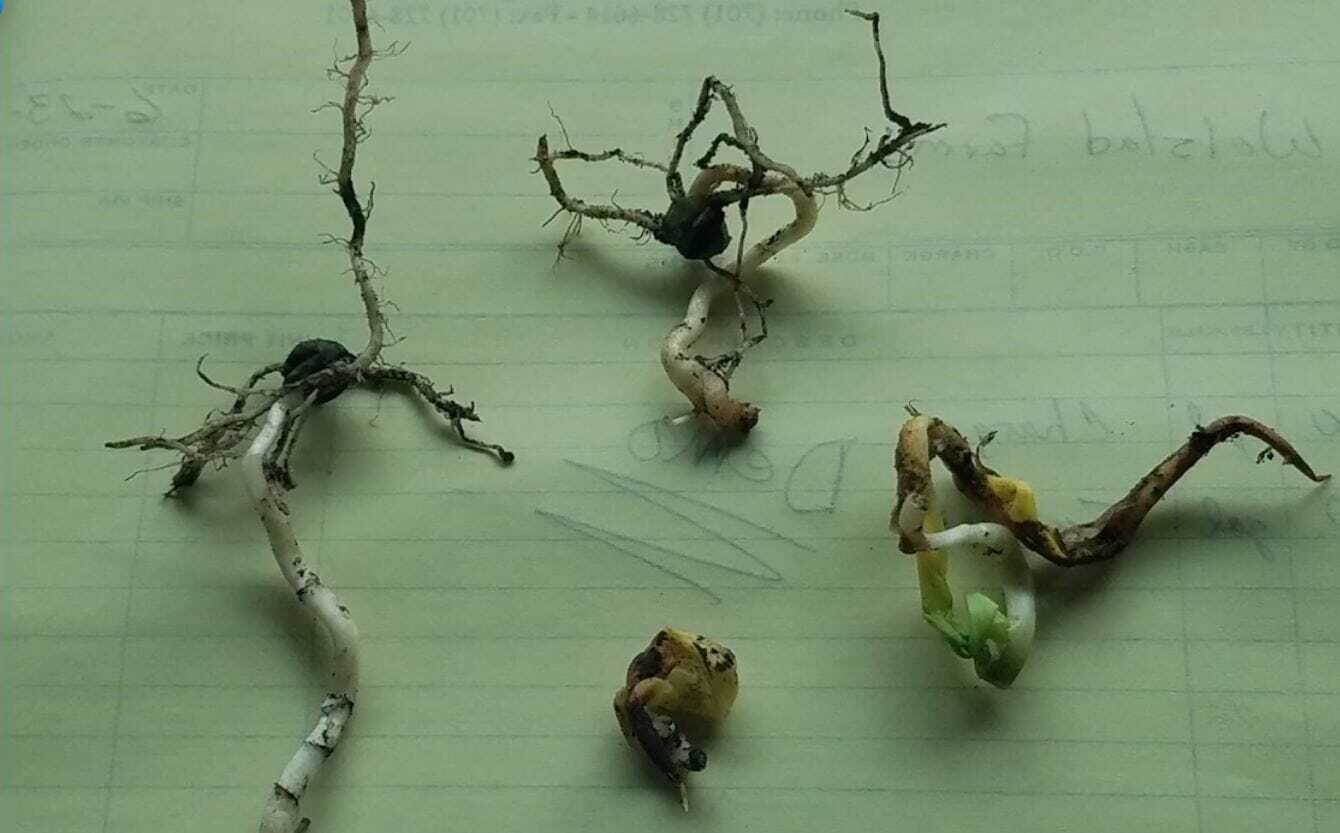
    2. When a seed imbibes cold water, the early season vigor of young corn plants may be negatively impacted. Weak root systems with gnarled primary roots might result.
    3. Wet soils drain kernels of their energy reserves, so seedlings that struggle for a week or more to emerge may have erratic emergence and uneven growth. Many of these fields experience disappointing yields at harvest due to reduced stands and decreased seedling vigor.

    Call into the Latham® office and we will get you connected with one of our agronomists. Happy Spring!

    Latham Seeds Precision Agronomy Advisors

    April 26, 2020
    Agronomics, Disease, Emergence, General, Season, Spring
  • Latham Hi‑Tech Seeds

    Effects of Early Planting

    Corkscrewing
    Do cool soils affect corn or soybeans more? Tune in as Phil Long discusses how cold temps affect corn and soybeans differently. #LathamSeeds
     
    0:12 — Welcome & topic introduction
    2:00 — Days to emerge
    5:50 — Corn cold injury potential
    8:15 — Soybean cold injury potential
    10:35 — Forecast of opportunity

    Laura Cunningham

    April 16, 2020
    Agronomics, Corn, Crop, Disease, Emergence, Growth Stages, Season, Soybeans, Spring
  • Latham Hi‑Tech Seeds

    Ask The Agronomist: SCN & SDS

    83515631 2339747469657615 202813178965393408 n

    Join us live this morning as we discuss how to plan for Soybean Cyst Nematodes and Sudden Death Syndrome this spring. #AskTheAgronomist

    0:45 Topic introduction
    1:41 SCN economic impact
    3:01 SDS economic impact
    3:36 Managing SCN & SDS
    7:50 Data Forward Program can help

    Laura Cunningham

    March 19, 2020
    #AskTheAgronomist, Agronomics, Crop, Disease, Insects, Soybeans
  • Latham Hi‑Tech Seeds

    Tar Spot

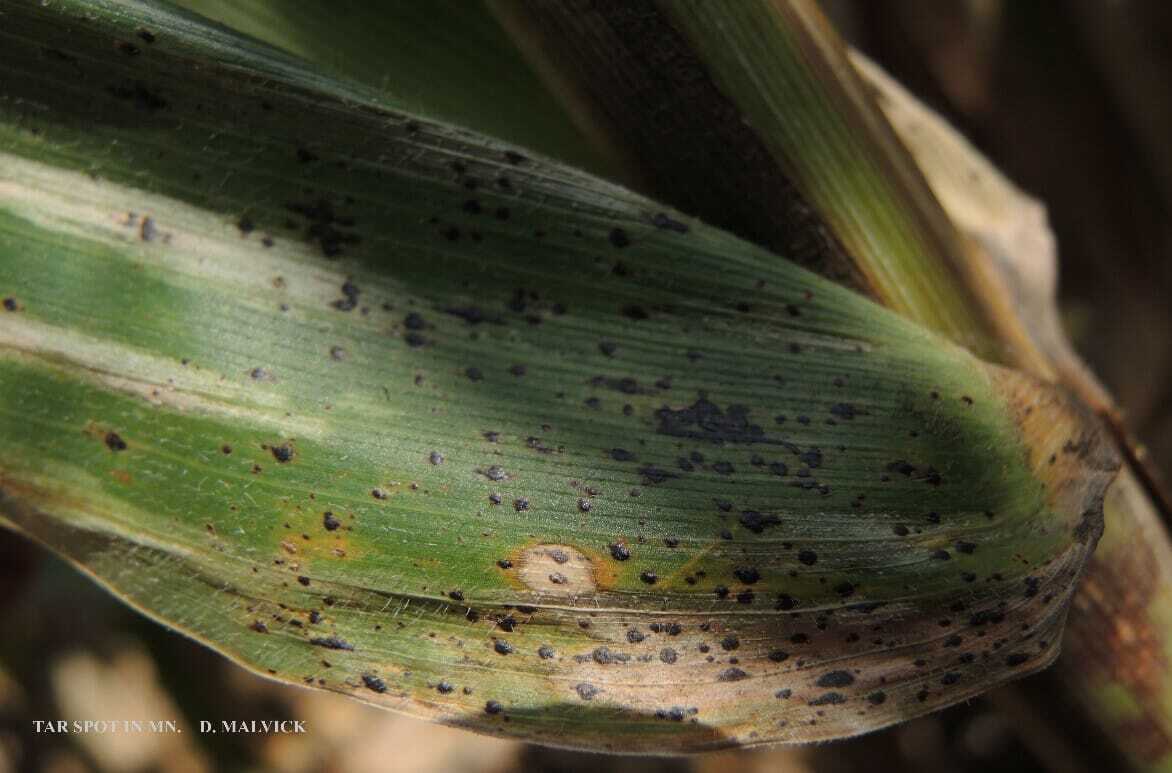
    Tar Spot Dean Malvick, Universtiy of Minnesota Extension plant pathologist

    What is Tar Spot?

    Tar Spot Dean Malvick, Universtiy of Minnesota Extension plant pathologistTar Spot is a corn fungal disease that has been infiltrating the Midwest within the last few years. Tar spot has the capability to severely impact yields up to 30%. Concern about the intensity of this fungus grows as researchers learn more about it. We urge farmers to scout their fields through harvest for tar spot since this fungus can survive over winter year to year.

    Tar Spot Identification

    Tar spot will show up as small, raised blacks spots, on the upper and lower corn leaves. The raised black spots are also known as stromata. If severe enough, it can spread to leaf sheaths and husks. Typically, it will start lower in the canopy and move upward. Tar spots are usually accompanied with a yellow halo or fish-eye effect around the black spots. Note the stromata, cannot be rubbed off unlike a common or southern rust pustule.

    The Importance of Scouting

    This corn fungus has nearly made it across Iowa and is continuing to spread in Wisconsin, Illinois, Indiana and Missouri. Tar Spot likes cool temperatures and humid conditions, with prolonged leaf wetness or heavy dew and will concentrate towards the middle of the field. It can cause lodging and hasten maturity.

    Final Thoughts

    This is one of the variables in farming we continue to learn about. Scout now and start planning for next season. Product selection is key when fighting these variables year to year and important to integrate into your plan for the next growing season.

    “Threats of Tar Spot Complex disease of maize in the United States of America and its global consequences” (Mottaleb et al. 2018).

    “Threats of Tar Spot Complex disease of maize in the United States of America and its global consequences” (Mottaleb et al. 2018).

    Team Latham

    October 29, 2019
    Agronomics, Corn, Crop, Disease, Fall, Season, Spring, Summer, Tech Tuesday
Previous Page
1 … 3 4 5 6 7 … 13
Next Page

Latham Hi‑Tech Seeds

131 180th Street | Alexander, IA 50420

(641) 692-3258

SIGNUP FOR OUR NEWSLETTER
  • Contact
  • Legal
  • Seedware Login
  • Latham Gear

© 2026 Latham Hi‑Tech Seeds. All rights reserved. | Privacy Policy

Latham® Hi-Tech Seeds is a trademark of M.S. Technologies, L.L.C., 103 Avenue D, West Point, IA 52656.