Phil Long compares this growing season to a hand of blackjack. We started with an early king face up, but the cards have fallen a little slower for farmers across the Midwest since then. What should our next move be? The answer in this week’s episode of #AskTheAgronomist.
-
Latham Hi‑Tech Seeds
#AskTheAgronomist: What’s Our Next Move?

-
Latham Hi‑Tech Seeds
Execute Your Plan for Seeding Success

Vince Lombardi had many attributes that built his winning record, but I suspect it started with a vision of reaching the end zone. He then built and executed a plan. He kept it simple, often using the same play many times in a row. The power sweep was successful because the focus was on executing it flawlessly.
The same steps can be applied in your pursuit of leaving no yield in the field. Keep the vision clear. Build the plan. Master the basics, and you’ll hit the proverbial end zone of success.
Below are six basic steps to achieve success with alfalfa this growing season:
- Check emergence. Alfalfa is a survival of the fittest plant. Some research suggests 60% of seeds won’t become seedlings. Depending on your seeding rate, seeding bed, and weather, you should see 50 live plants per square foot within four weeks of spring seeding. AlfaShield™ improves survival chances.
- Check existing stands. The crown is fully developed after one full year, so we transition to stem count. Strive for more than 55 stems per square foot. If a field is not looking good and the stand is young enough, you should be able to no-till some supplemental alfalfa seed.
- Control weeds. Be the boss! Mortality rates are often high due to competition from aggressive weeds. Scout early and spray when label advises. The younger the weeds, the more vulnerable they are to herbicides. New seeding can be cut after about 60 days or so, which also can help manage certain weed populations.
- Be vigilant against pests. New seedings are vulnerable to leafhoppers, especially when they come from established fields nearby. Temperatures of 70+ degrees Fahrenheit also increase leafhopper reproduction. Eggs hatch in seven to 10 days and become adults in about 14 days. The damage to yield potential is often irreversible, so it’s important to be vigilant.
- Cut it short for best quality. A tremendous amount of research has shown a cutting height of two inches is the most economical and provides the best forage quality (See graphs below.) That is, as long as you don’t have rocks and gopher mounds!
- Feed the plants. Potash equals plant performance. Every dry matter ton of alfalfa removes about 50 to 60 pounds of potassium per acre. Consider adding sulfur, boron and zinc. Testing soil and tissue help you develop the best fertility program. Most growers apply supplemental fertilizer after first cutting and third cutting for best results.
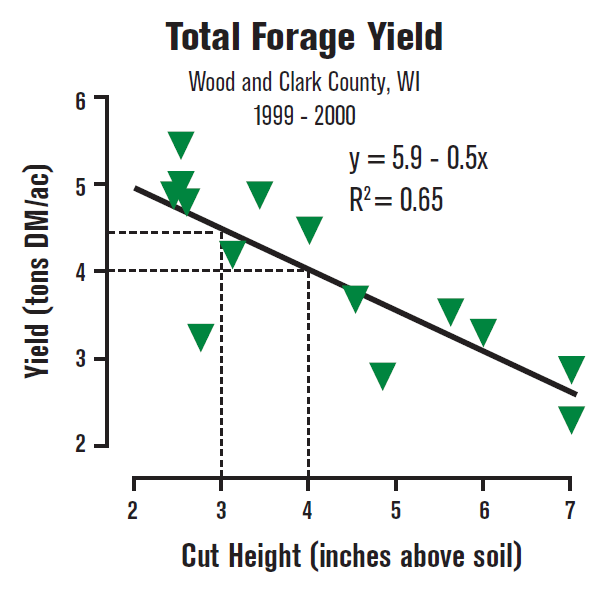
Research on ideal cut height. 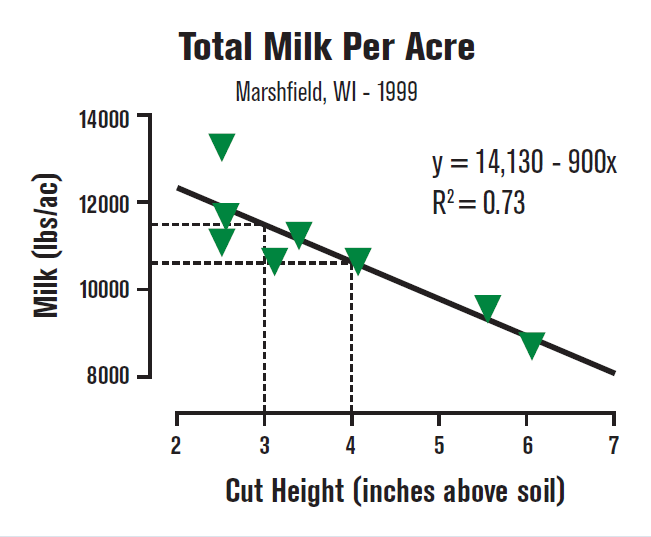
Research on ideal cut height. -
Latham Hi‑Tech Seeds
Scout Early for Below-Ground Insects That Damage Corn
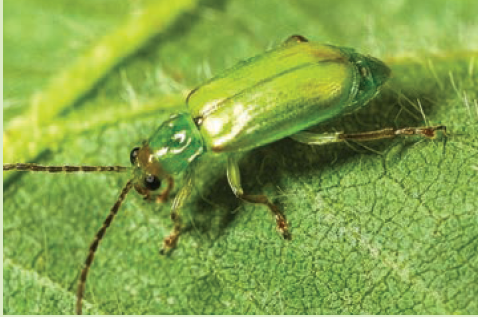
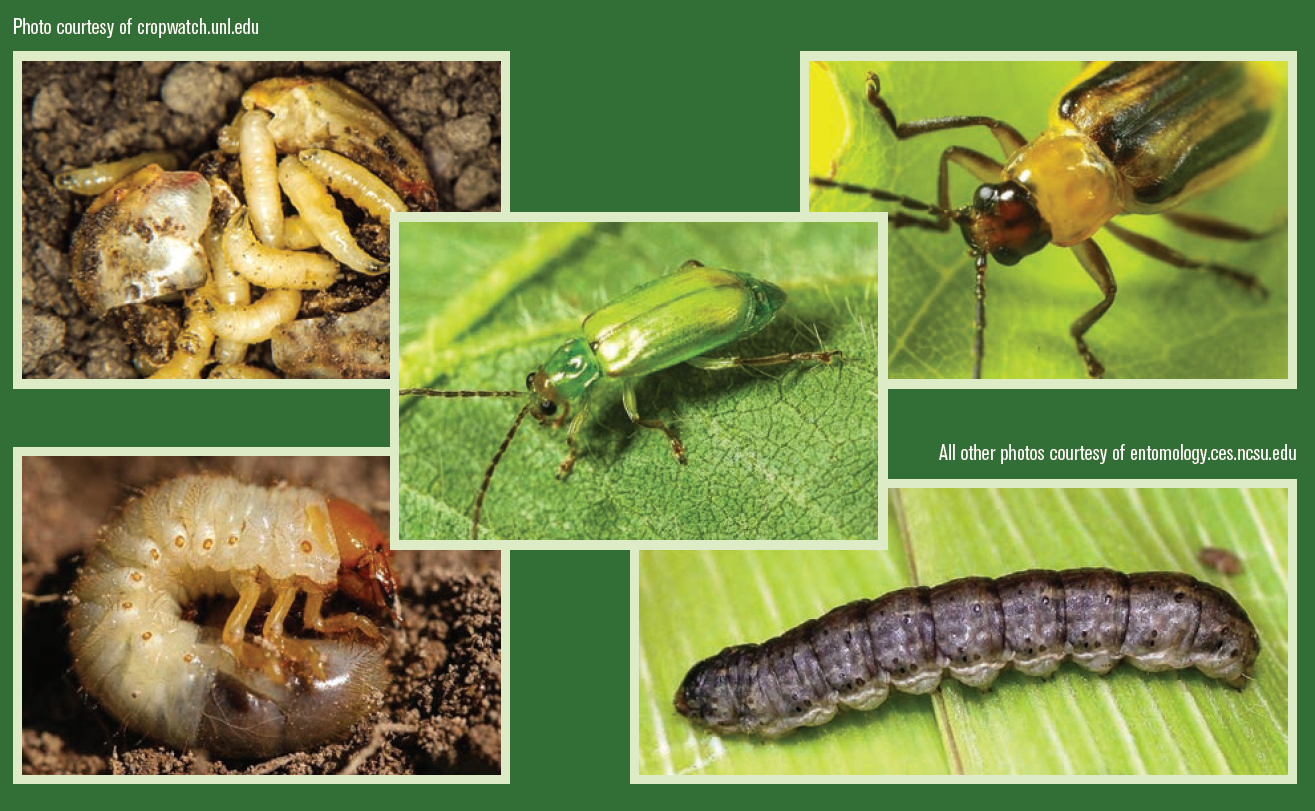
Numerous below-ground insects can damage your corn stand. We will focus on four pests, including where you will likely find them and what management tips could help prevent damage.
Seedcorn Maggots destroy seeds before germination. This can occur when soils are cold and germination conditions are less than ideal. Most damage occurs in high organic regions of fields, especially areas with heavy manure applications. The best time to scout is from planting to VE. Dig up seed in areas with damage to check for insect feeding. Note problem areas, and consider additional soil-applied insecticides in those areas in the future.
Scout for White Grubs prior to planting. High-risk fields include those that have been in pasture one or two years previously or where willow or cottonwood trees are growing adjacent to the field. Most of Latham’s seed treatments control this insect unless infestations are high enough to overwhelm the seed treatment. In areas with that potential, consider soil-applied insecticides.
Shortly after eggs hatch in May and June, Northern Corn Rootworm and Western Corn Rootworm larvae begin feeding on root hairs and tunnel inside roots. As they develop, larvae begin feeding on larger root tips. Extensive feeding can eliminate entire nodes of roots. In fields with known beetle history, use Latham® hybrids that contain SmartStax® or Agrisure Duracade® technology. In fields with heavy pressure, use a soil-applied insecticide in addition to a traited hybrid.
Black Cutworm most commonly occur in low or poorly drained areas of fields. Latham brand SmartStax hybrids contain the Cry1F Bt protein that can control most problems of cutworm infestations. Our new hybrids for 2022 planting with the Trecepta® and 5222 Duracade traits contain the Vip3A Bt protein that also offers great control.
Your Latham Dealer has the tools you need to effectively control these pests. As you scout fields and find pests, note those areas. Then ask your local seed dealer to help you build a plan that incorporates the Latham hybrids that can offer you the best protection.
-
Latham Hi‑Tech Seeds
Check Those Soybean Stands!
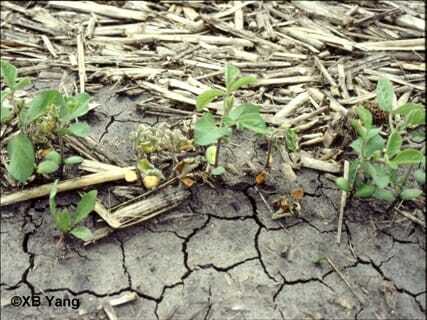
Soybean stands can suffer from a wide variety of problems that will reduce population. Hail, diseases, insects, cold soil temperatures at planting, compaction, and planter failures can all affect the stand individually and in combination.
Stand reductions almost never occur evenly across the field. Here are some basic steps to help evaluate soybean stands and decide if re-planting is necessary.
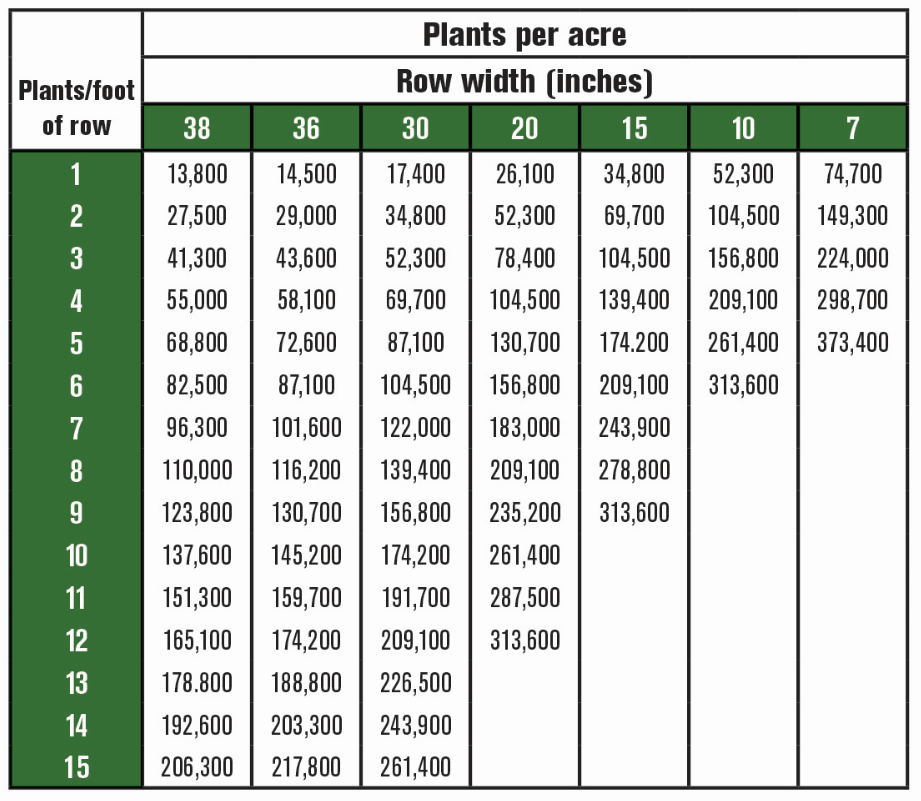
Take 10 stand counts in the area with the worst damage and 10 counts in the part of the field that was not affected or affected just slightly. At each point, measure off 10 feet of row and count the number of live, viable plants. Then calculate the average of your 10 points and compare them to the table below to see how many plants per acre you have remaining.
A stand of 100,000 evenly distributed plants generally gives you optimum yield. As the growing season progresses, however, it is much more difficult to establish a good stand. A stand of 75,000 on May 15 is inadequate, but you might be better off leaving a stand of 75,000 plants if it is July 1.
Planting soybeans on or before June 1 averages 95% of expected yield. In a five-year Latham Seeds’ study, there was no significant yield difference in soybeans planted before May 15. Planting dates included late April, early May and mid-May. We did not see yields drop to 85% or lower until after June 15.
Our results are similar to studies done by university researchers. If you farm below the line from Watertown, SD through the Twin Cities and over toward Green Bay, Wisc., I recommend staying with soybeans in your normal maturity until mid-June. After June 15, consider the precipitation expected in late June and early July because the biggest threat to establishing a late soybean crop is lack of rainfall. If you are north of that line, you may need to switch to an earlier variety a week or so sooner.
-
Latham Hi‑Tech Seeds
Thistle Caterpillars
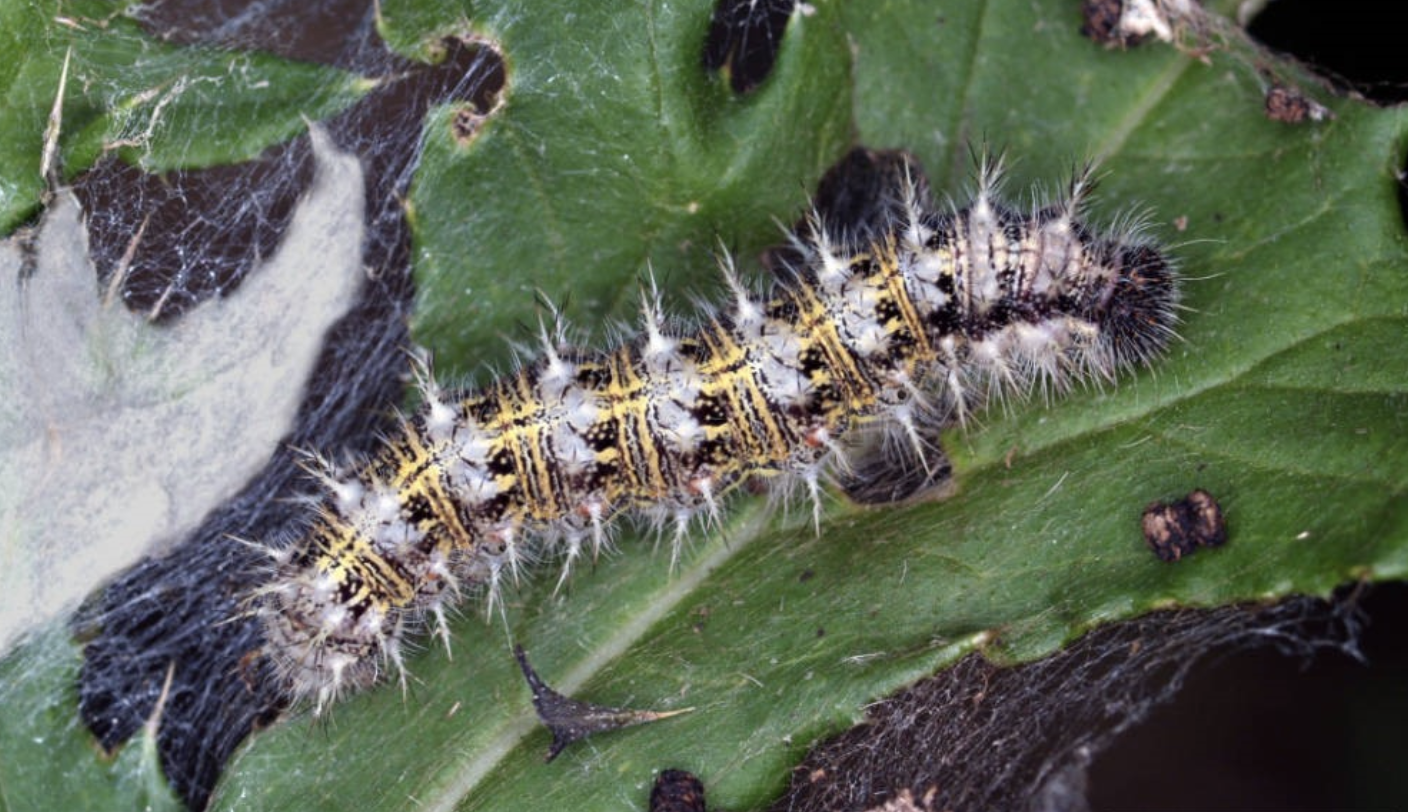
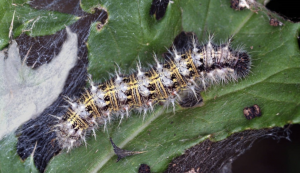
Credit: University of Nebraska Soybeans are a common host of thistle caterpillars – an insect that is able to feed on over 300 different plants. Damage from the thistle caterpillar can be minor leaf feeding or in large infestations, total defoliation. In higher infestations action may be needed, but typically thistle caterpillars don’t cause enough damage to reduce yield or warrant chemical control.
In adult form, thistle caterpillars are known as painted lady butterflies and have a wingspan of 2 to 3 inches. The wings are orange, pink or brown with four eyespots near the tips of the wings. Caterpillars have a yellow stripe that runs the length of the body. Their spiky hairs make the insect distinguishable from other look-a-like insects.
The insect is typically unable to overwinter in the Midwest. Butterflies migrate from southern portions of North America to the Midwest and lay their eggs in June. The eggs are lime green and oblong with a ribbed texture.
Thistle caterpillars can produce one to two generations per year and feed primarily during July and August. Caterpillar feeding takes place over the course of 2 to 6 weeks until the insects reach pupation. The second generation of the insect is known to feed at the topmost layer of the canopy and causes leaves to stick together from excreting silk.

Credit: Iowa State University Scouting and Treatment
Thistle caterpillars are known to cause the most harm to soybeans during V3 and V4. When scouting for signs of caterpillar feeding, examine leaves from each level of the soybean plant. Select 100 different plants from across the field and check for feeding injuries at the top, middle and bottom third of the plant.
Treatment is advised when defoliation is exhibited in 30% of plants during vegetation or 20% in plants undergoing reproduction. Insecticide application can be used to control the insect’s population. Be sure to consult with your local Latham representative to determine the best treatment plan for managing thistle caterpillars.
-
Latham Hi‑Tech Seeds
Tar Spot
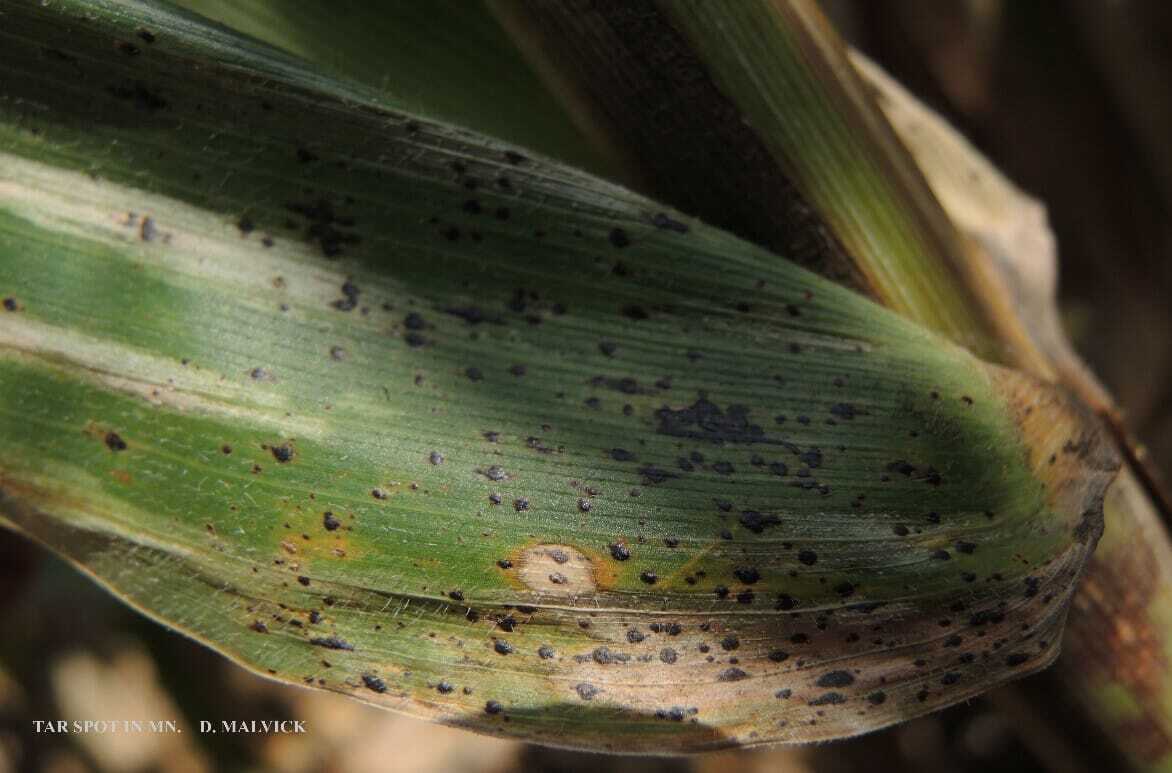
What is Tar Spot?
 Tar Spot is a corn fungal disease that has been infiltrating the Midwest within the last few years. Tar spot has the capability to severely impact yields up to 30%. Concern about the intensity of this fungus grows as researchers learn more about it. We urge farmers to scout their fields through harvest for tar spot since this fungus can survive over winter year to year.
Tar Spot Identification
Tar spot will show up as small, raised blacks spots, on the upper and lower corn leaves. The raised black spots are also known as stromata. If severe enough, it can spread to leaf sheaths and husks. Typically, it will start lower in the canopy and move upward. Tar spots are usually accompanied with a yellow halo or fish-eye effect around the black spots. Note the stromata, cannot be rubbed off unlike a common or southern rust pustule.
The Importance of Scouting
This corn fungus has nearly made it across Iowa and is continuing to spread in Wisconsin, Illinois, Indiana and Missouri. Tar Spot likes cool temperatures and humid conditions, with prolonged leaf wetness or heavy dew and will concentrate towards the middle of the field. It can cause lodging and hasten maturity.
Final Thoughts
This is one of the variables in farming we continue to learn about. Scout now and start planning for next season. Product selection is key when fighting these variables year to year and important to integrate into your plan for the next growing season.
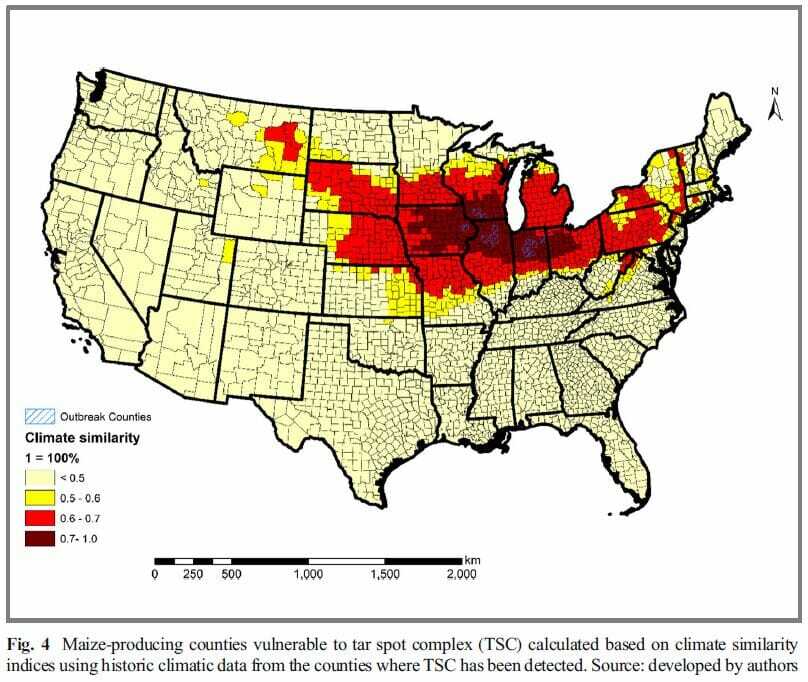
“Threats of Tar Spot Complex disease of maize in the United States of America and its global consequences” (Mottaleb et al. 2018). -
Latham Hi‑Tech Seeds
#AskTheAgronomist: Scout for Tar Spot this Fall
 Could Tar Spot be the next Gray Leaf Spot? Tune in for our #AskTheAgronmist discussion!!0:25 Crop report update1:21 Tar spot topic introduction2:10 Identification of tar spot3:25 Favorable tar spot conditions5:05 Where to find tar spot in your fields6:25 The spread of tar spot9:35 How does tar spot survive through winter10:45 Take home points on tar spot
Pictured above are vulnerable areas in the Midwest for Tar Spot. “Threats of Tar Spot Complex disease of maize in the United States of America and its global consequences” (Mottaleb et al. 2018). -
Latham Hi‑Tech Seeds
Test for Soybean Cyst Nematode
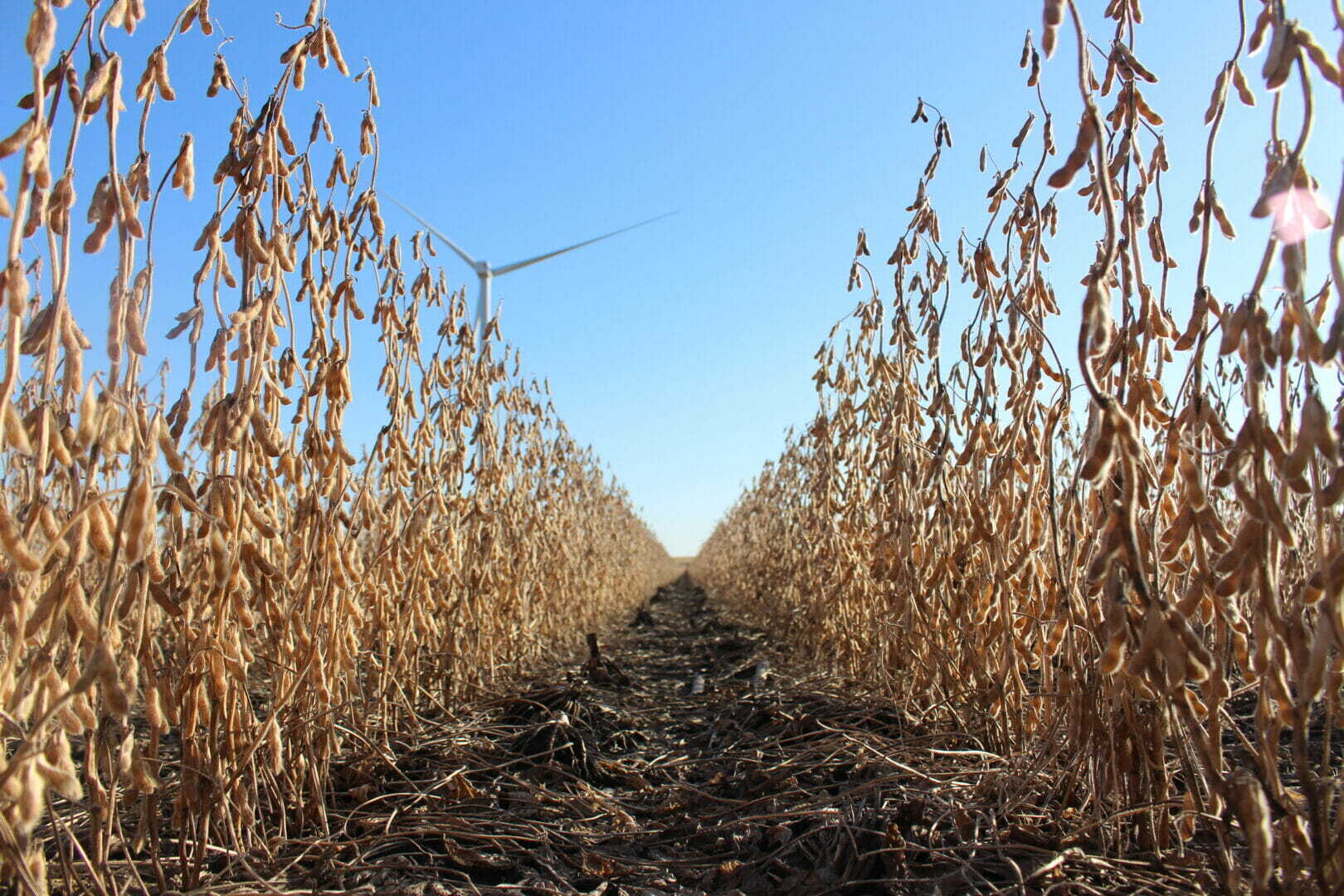
One comment I often hear from farmers is “I just can’t seem to get an increase in soybean yields as I do for my corn yields.” This is the perfect time of year to reflect on the growing season while analyzing yield results. It’s also the best time to sample for soybean cyst nematodes.
What is SCN?
Soybean cyst nematode is a microscopic ground worm. When analyzing soybean roots, it’s important to correctly identify the difference between nitrogen-fixing nodules and cysts. Nodules for nitrogen production are larger and the size of a pea. Cysts are microscopic and smaller than a grain of sand.
One of the biggest challenges when identifying SCN is that it is not accompanied with many symptoms, but can cause up to a 30% yield loss. Usually SCN shows up in hot spots, where you can see severe stunting, yellowing, shorter crop, lack of canopy or early maturity. These symptoms tend to show up on lighter soil or during tough growing seasons. Wherever soybeans are grown, typically SCN is an issue. Below are two maps to show the growth of SCN over the years.
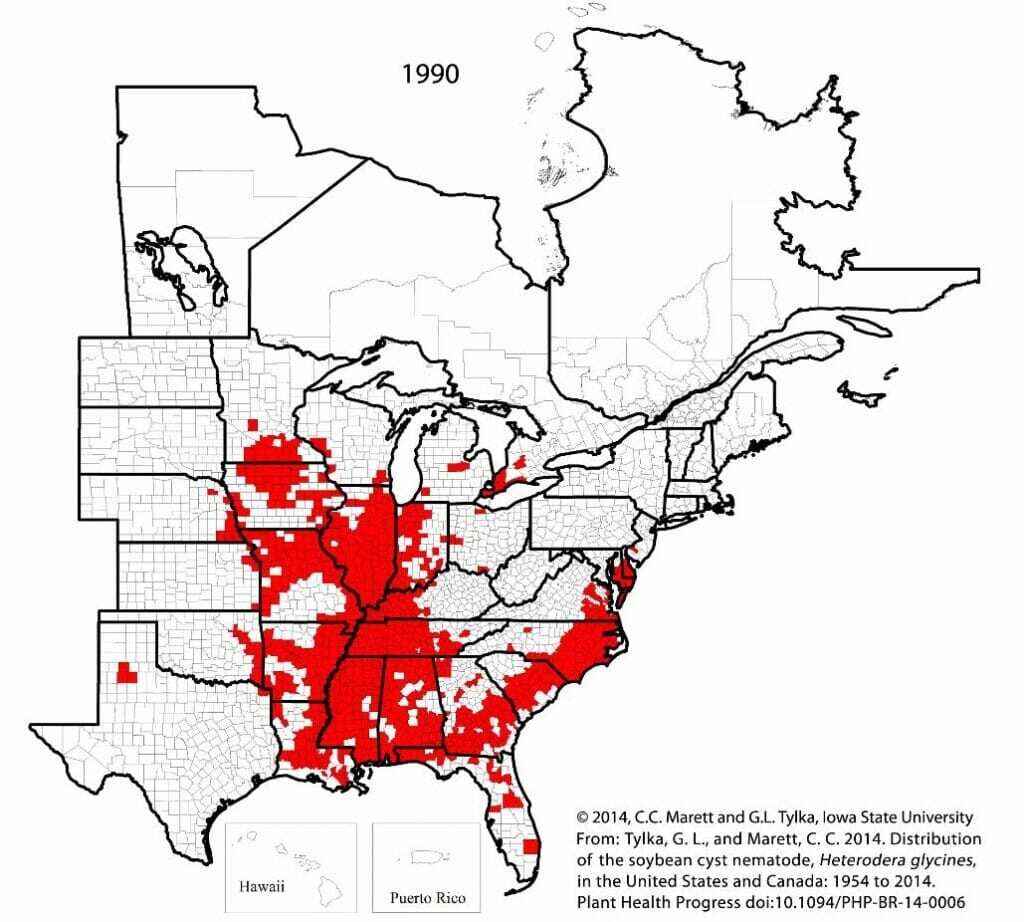
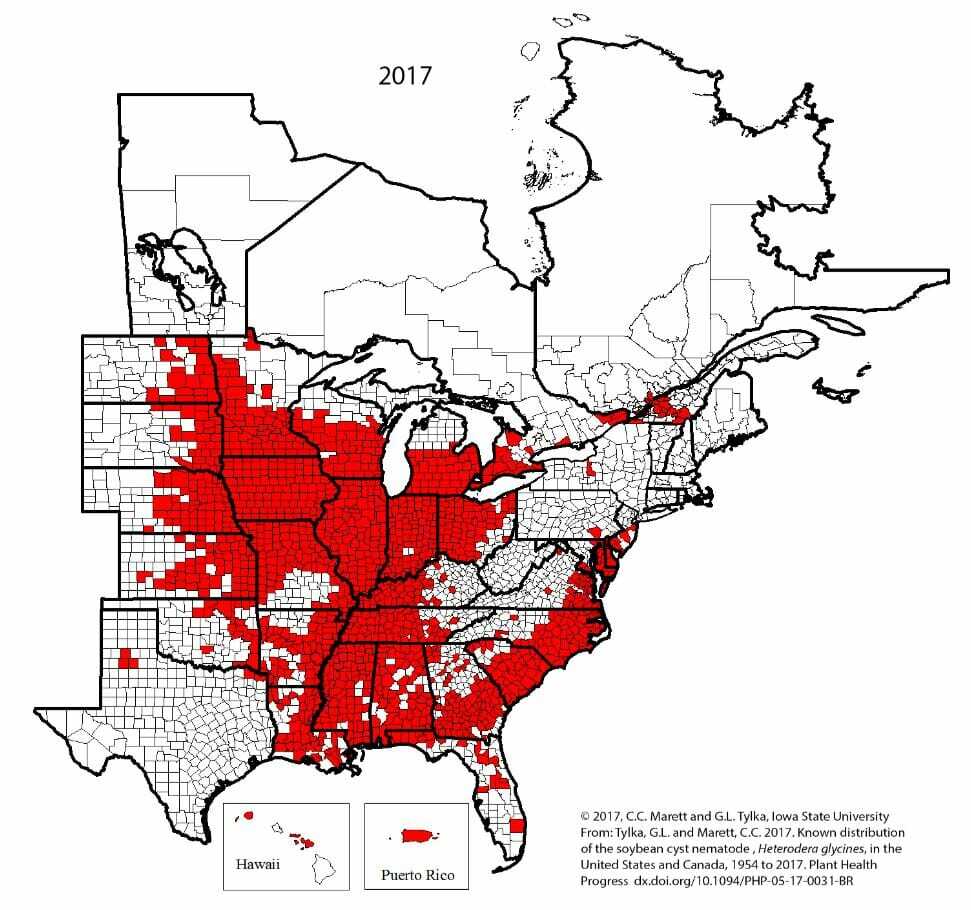
What is the life cycle of SCN?
Essentially the cyst is the life cycle of a nematode. Juvenile nematodes come in and infect the root. Typically, just the females feed on the root which takes away nutrients from the plants results in a loss of yield. They will then mate and produce eggs. When they produce eggs, they expand in the root, erupt and spread 20 to 500 eggs throughout the soil. The cysts then harden on the root and the process begins again.
In Iowa, we can see that happen for at least three generations per season. Each cyst can have between 20 and 500 eggs inside, creating opportunity for juveniles to come back and begin feeding on the soybean root.
Once the eggs get in the soil, it’s important to understand the number that you have in the soil. Those eggs can stay dormant year-over-year in the soil. Since these eggs are so small, they require very little oxygen to survive.
Management of SCN
The most important management practice of SCN is IPM – Integrated Pest Management. In the Midwest, having a corn and soybean rotation is a great start. Corn is not a host crop whereas soybeans are. I also suggest soil sampling this fall to identify the egg population in your soil. Pull a core from about 8 inches down, right next to the soybean plant right in the root zone.
I also advise to stay away from sampling in the middle of a hot spot for SCN. Often the eggs are concentrated along the edge of the hot spot, so sampling that area will give most accurate results. Population thresholds vary by state. I suggest looking closely to your management practices if results are anywhere from 2,000 – 5,000 eggs per sample. Once you know what is in your field, you can begin to manage it.
Here are three ways to help manage this pest:
- Plant Latham® brand resistant soybeans. Reference product characteristics on our website to identify the disease rating
- Use Latham SoyShield Plus® with Saltro® seed treatment. This will fight SCN and Sudden Death Sydrome.
- TALC USA. Protect corn and soybeans against parasitic nematodes.
Feel free to call into the Latham Seeds office or email me at phill@lathamseeds.com with any questions.
-
Latham Hi‑Tech Seeds
August 28, 2019 Crop Reports

Northwest North Dakota
Brian McNamee
Another jungle of LH 5062 GT/LFY. This field is irrigated and highly populated for this number. Ear development is coming along nicely. Silage chopping is just right around the corner, and I can’t wait. It’s going to be one heck of a year.

Southeast North Dakota
Gary Geske
Checking on a field of LH 3397 VT2 PRO RIB with my little crop scout Carson. Even with the cool and late spring, the early vigor of this hybrid is helping this field reach maturity.

Southeast South Dakota
Ramie Coughlin
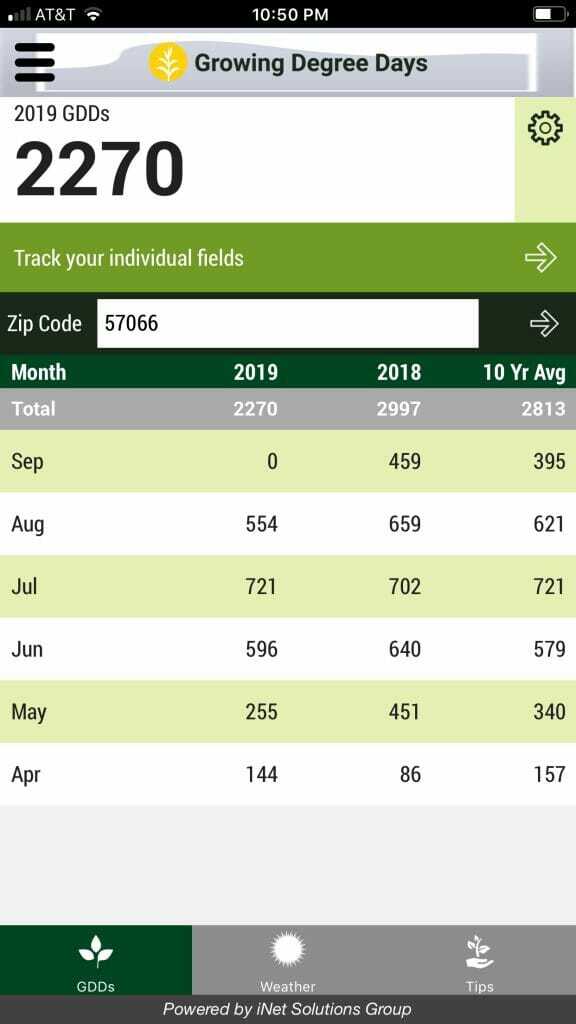
As we near the end of August, growing degree units (GDUs) and the first frost are on many of our minds. Spring and summer came a bit late this year. We are very much in need of fall and winter coming late, as well. Corn silage is still 3 to 4 weeks out, and soybean pod fill is about the same. Warmer temperatures is needed to finish out our crops. While the current forecast is cooling off a bit, the extended forecast calls for temps in the upper 70s. The great news is state climatologists are not expecting an early frost!
Northern Minnesota
Ken Highness
It’s hard to believe that summer is winding down, and kids are heading back into the classroom. Harvest is underway in my region, so farmers should look at prioritizing fields for harvest. There are a few steps farmers can take now to help the ease the pressure of harvest season. Walk your fields to note maturity and potential problem areas like stalk rot or lodging. Fields under stress from either too much water this spring or lack of rain will likely warrant special harvest. Roots can be more of an issue than stalks in a wet spring like most of us experienced this year. Saturated soils limit growth of the root hairs and brace roots, making the total mass much smaller. This can put a lot of stress on the plant later in harvest time. The plant may not have the ability to take up enough nutrients, or plants may lodge if there is a late-season wind or rain event. Taking field notes now will help you prioritize field for harvest!
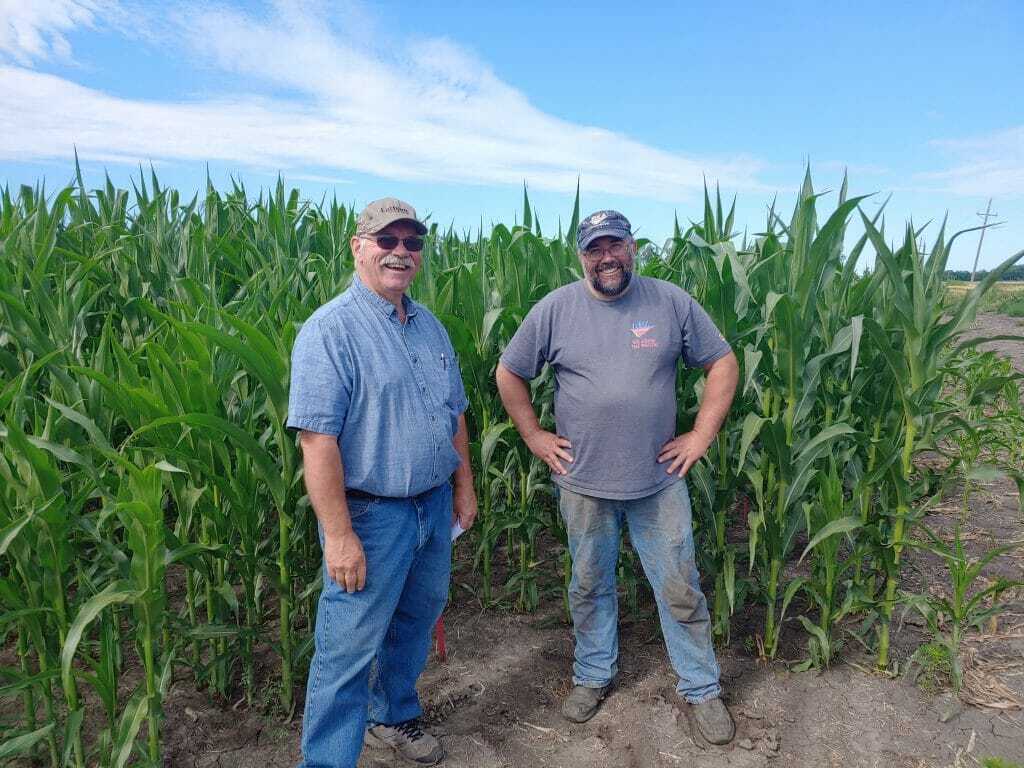
Pictured is Gary Geske, Latham’s Northern Product Specialist, and Latham® Dealer Craig Nice standing by a field of LH 3117 VT2 PRO RIB near Ardock, ND.
Southern Minnesota
Justin Prokosch
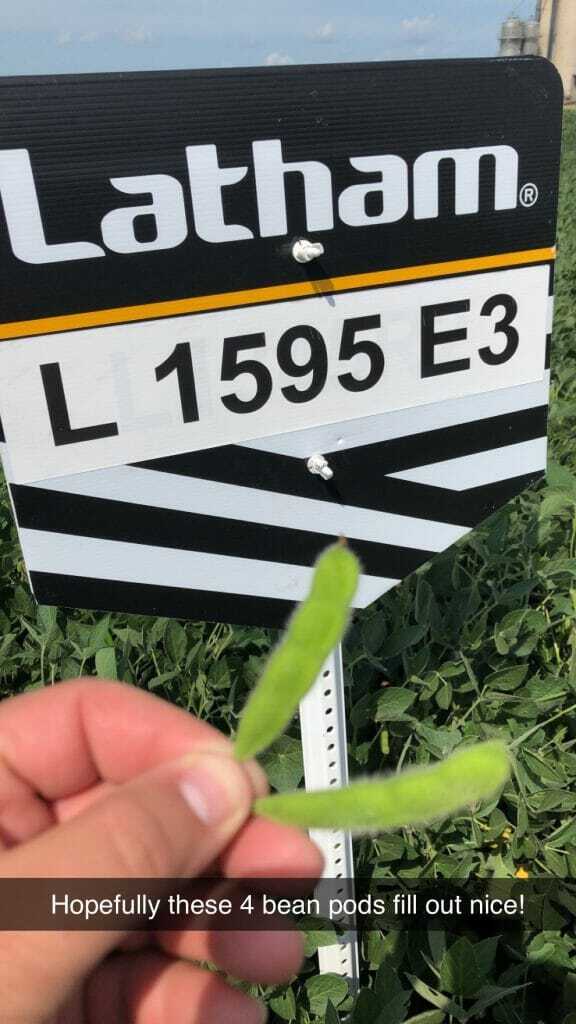
As the old saying goes, August makes the soybean crop. I found multiple 4-bean pods in our new L 1595 E3. Now we just need some heat to fill out these beans in the pod.
Northern Wisconsin
Joe Salter
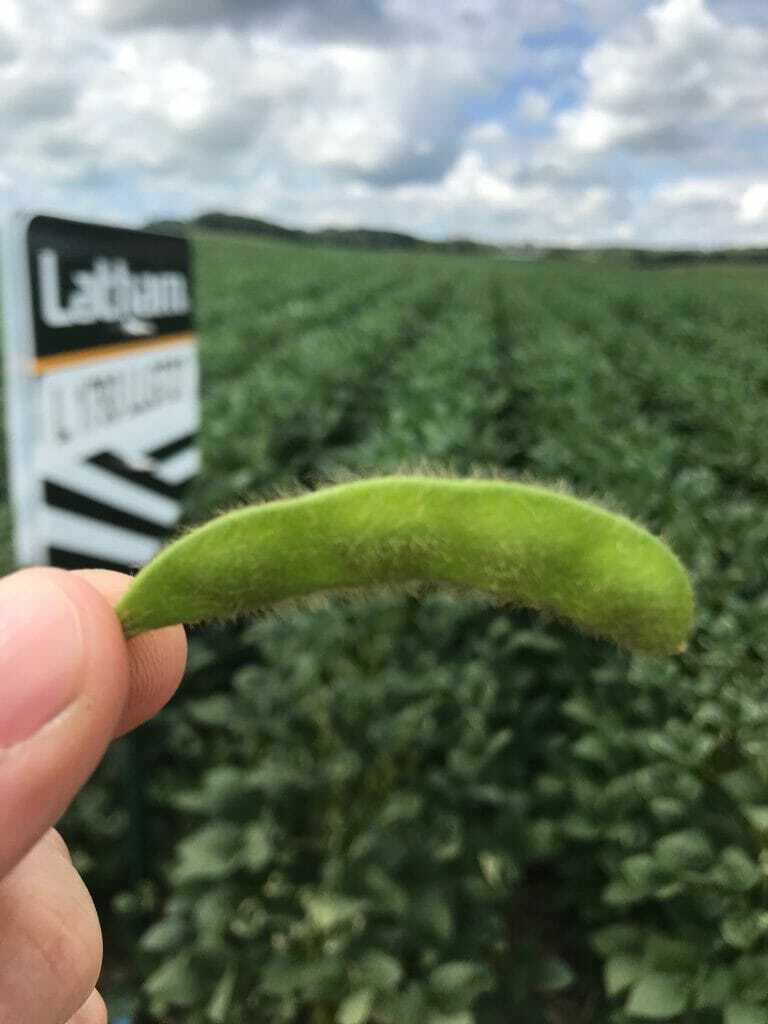
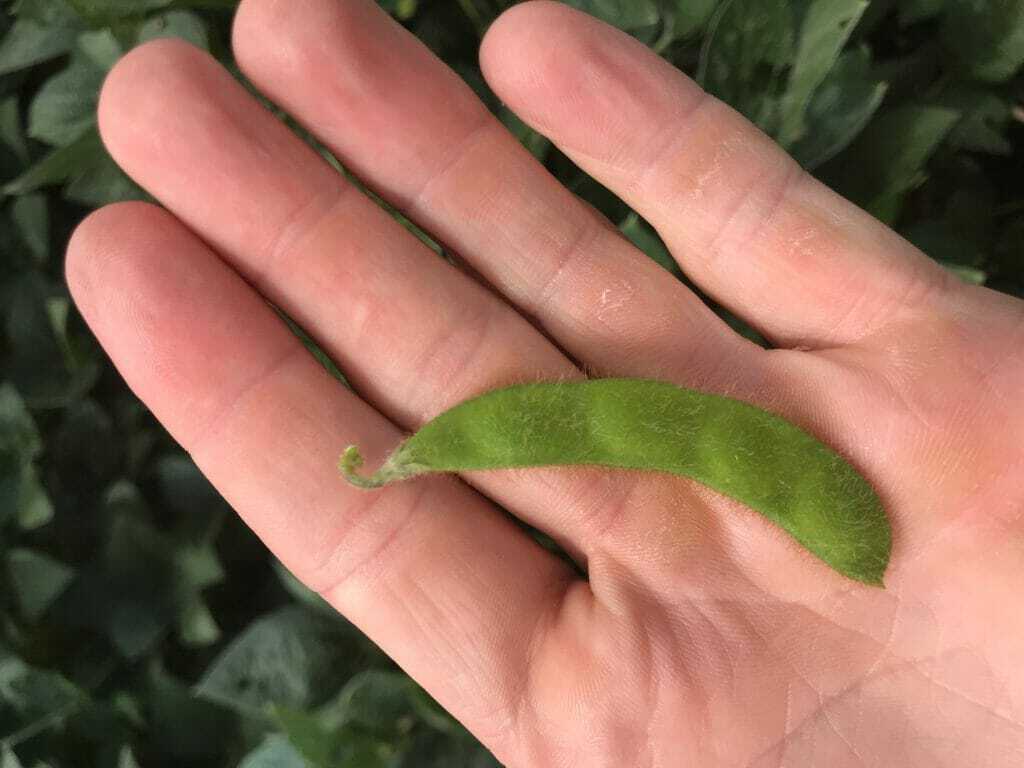
Corn silage will be coming off the fields real soon. The next week or two should put the corn crop in optimal condition for silage harvest. Soybeans are in the pod-filling stage between R5 and R6. As pictured here, several pods were showing 4 seeds per pod from a new Latham® brand L 1793 LLGT27. This IRONCLAD product has an excellent emergence score, and this year’s crop has proven that! To learn more about our new products, join us Sept. 6 for our annual field day at Latham Hi‑Tech Seeds.
North Central Iowa
Cory Greiman
Latham’s LH 4517 planted May 12 near Northwood, Iowa, is looking good.
Northwest Iowa
Jeremy Joynt
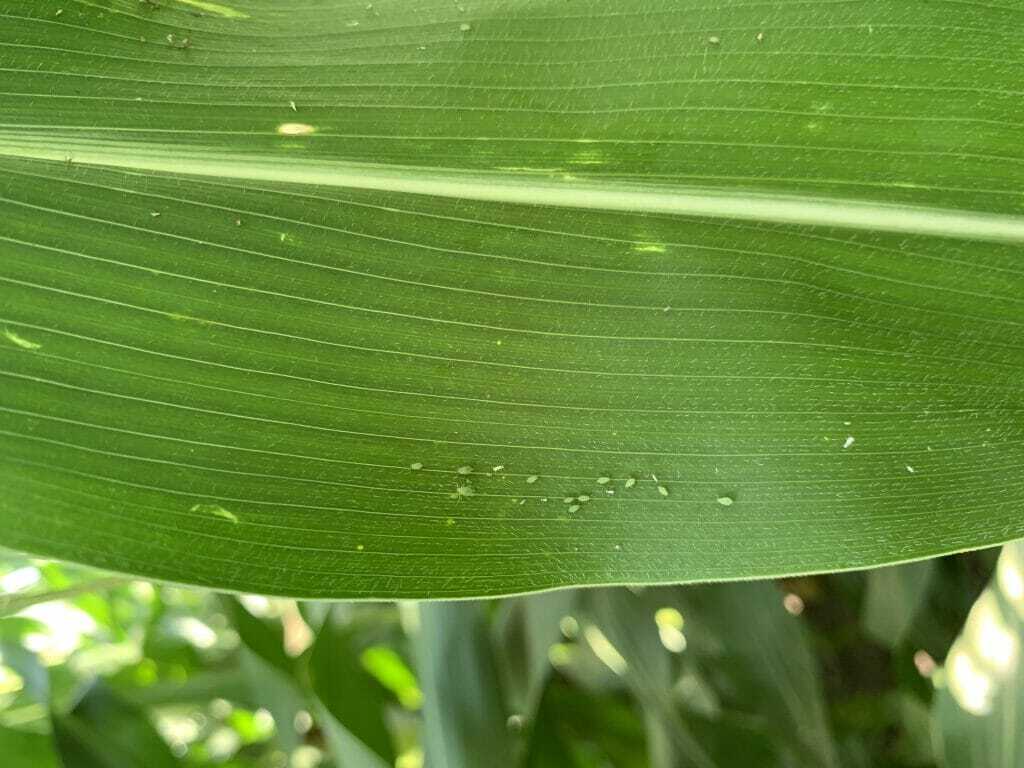
Recent cooler conditions have slowed crop development in Nothwest Iowa. A little over 50% of the areas are showing corn reaching the dough stage. As you’re checking the stage of your corn, watch for pests that can still be detrimental to the development of your crop.

Northeast Iowa
Craig Haaland
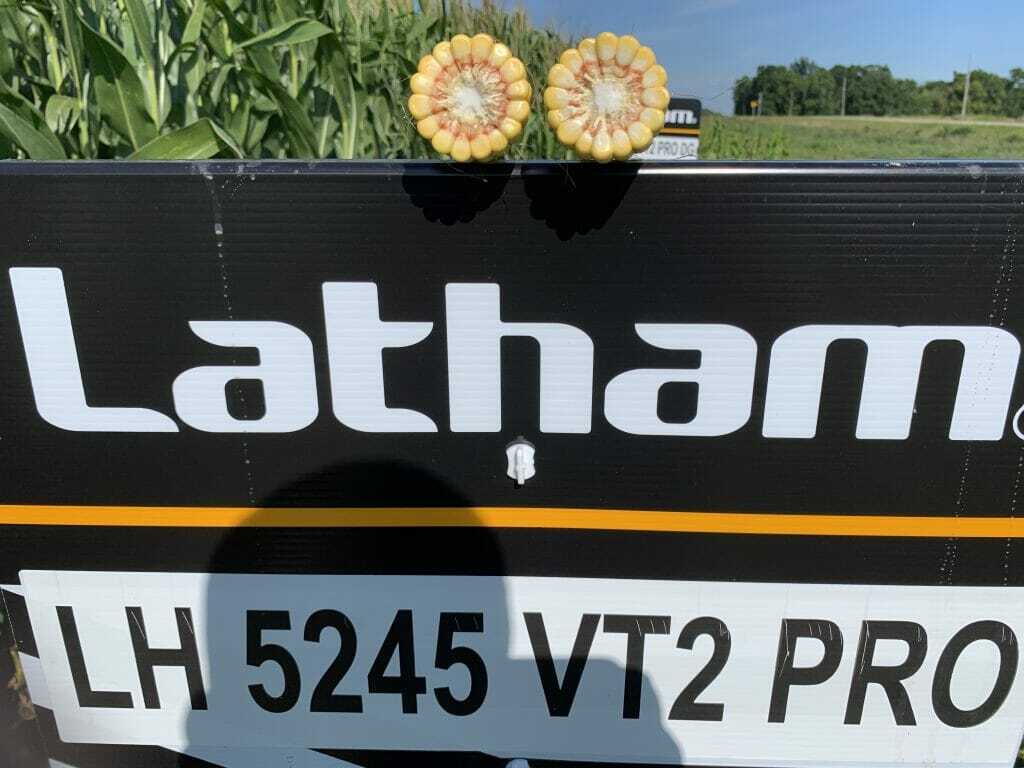
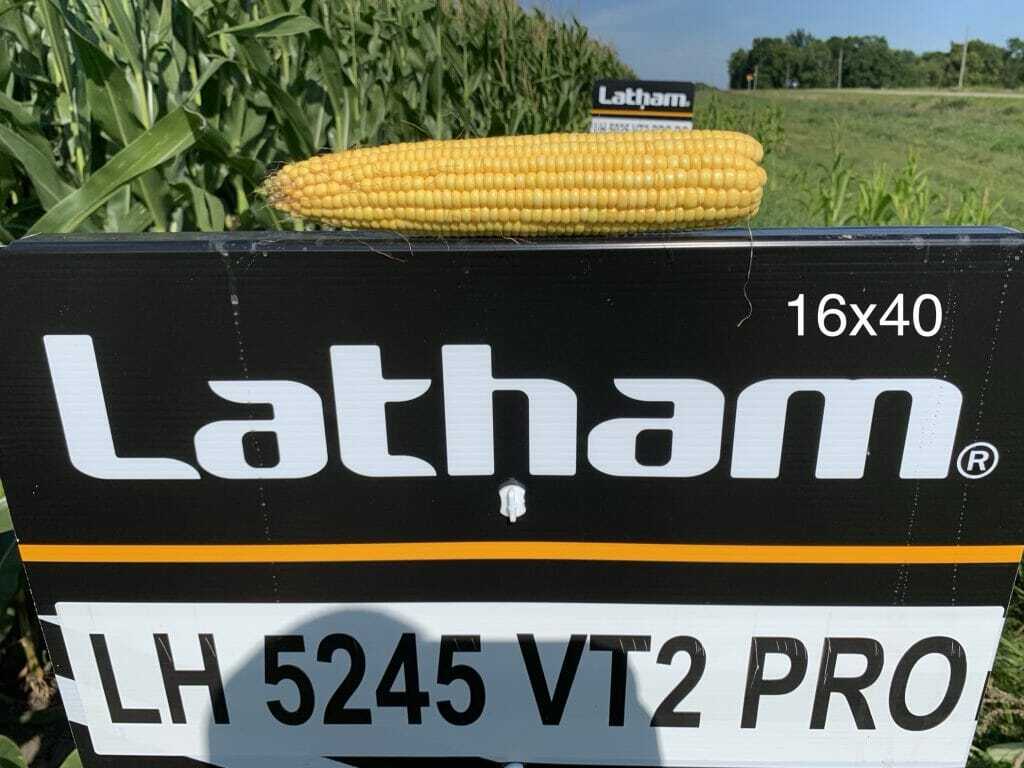
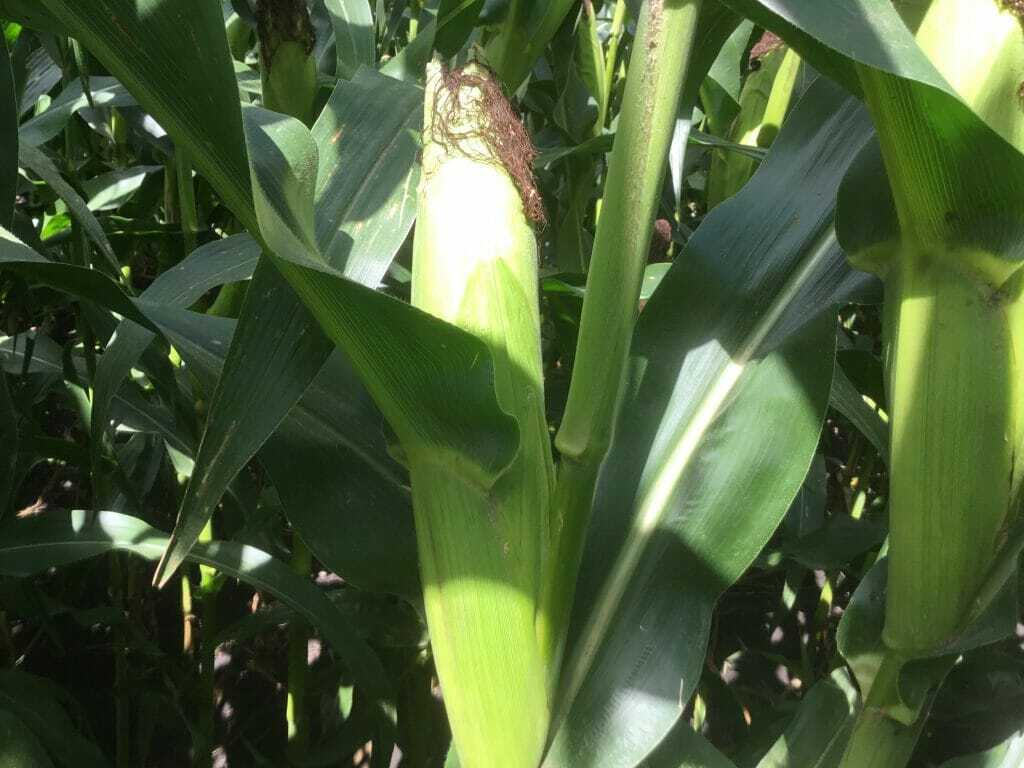
Here’s a new LH 5077 VT2 PRO hybrid in a corn plot in Bremer County, Iowa. This new hybrid is something you will want to add to your portfolio when placing an order. Spraying is finally complete. Moisture is needed in a lot of areas to finish these crop. Soybean fields are short overall. Timely rains will help finish the top of the plant to get better yields.
Eastern Iowa
Jerry Broders
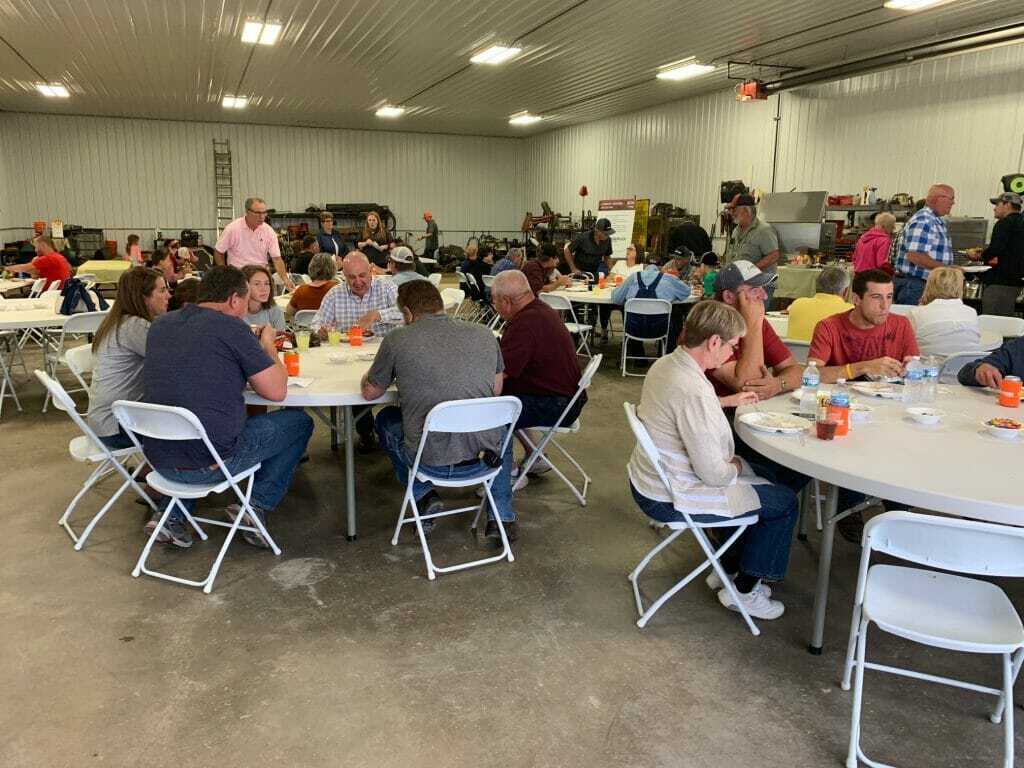
Plot nights have begun in Eastern Iowa. Great crowd and super customers! Don’t miss our annual Alexander Field day on September 6. See all the new products and choices for trait that fits YOUR fields.
Western Iowa
Larry Krapfl
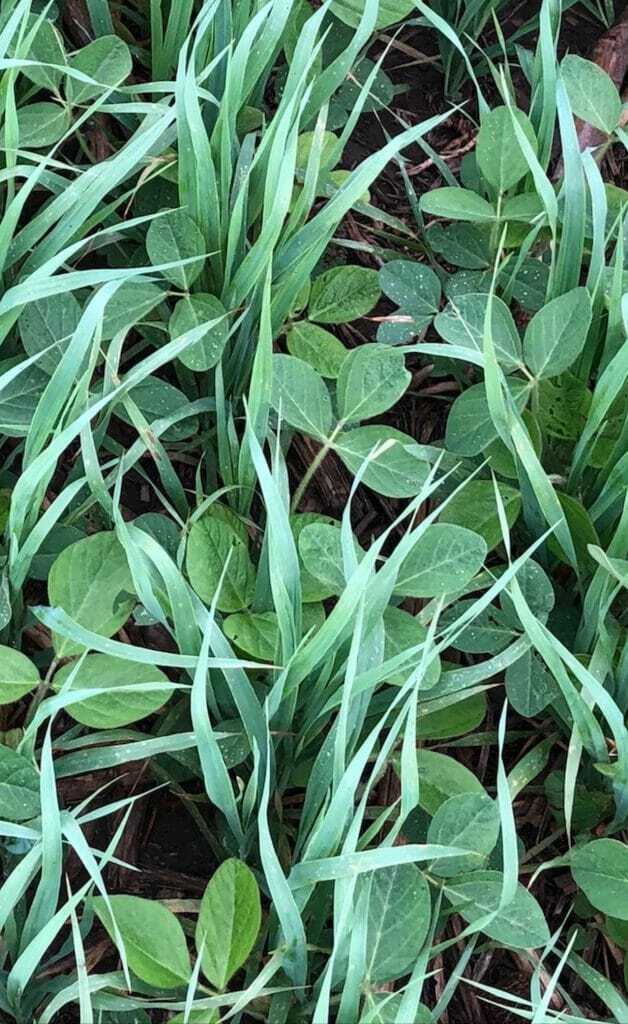
Prevent plant acres on this farm near Naper, Nebraska, are looking great! One bag of Latham’s alfalfa by 1 bag of oats per acres is making awesome hay.
West North Central Iowa
Bart Peterson
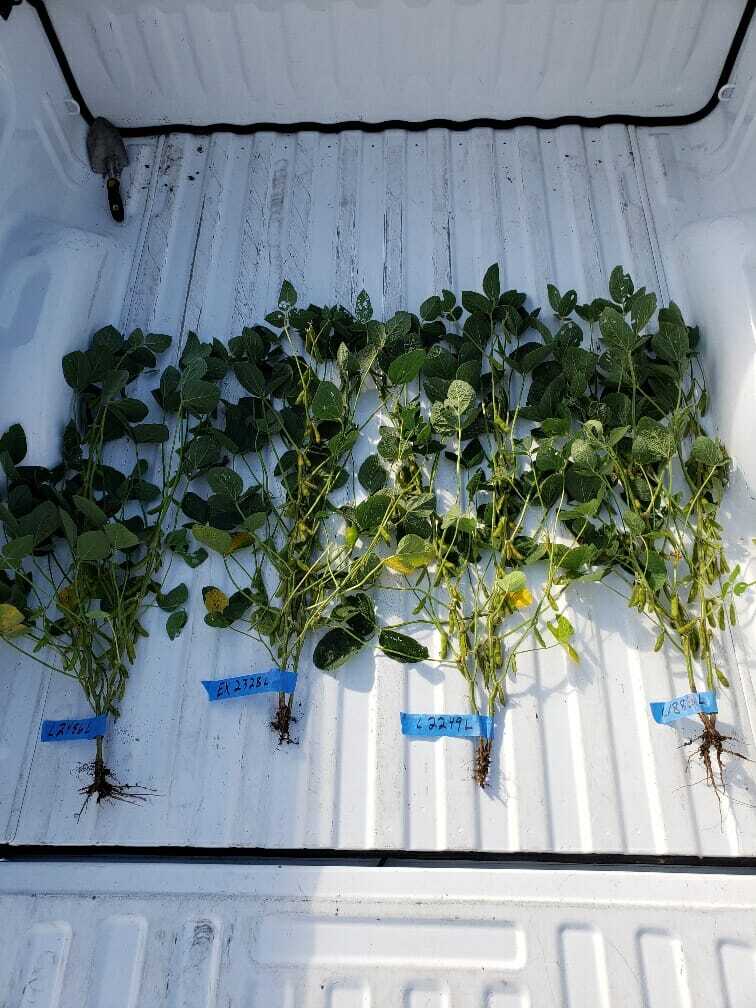
Four Liberty soybean products stood out in Latham® SuperStrip Plot near Steamboat Rock, Iowa. We showed these at a plot night last Monday.
Central Iowa
Aaron Steenhoek
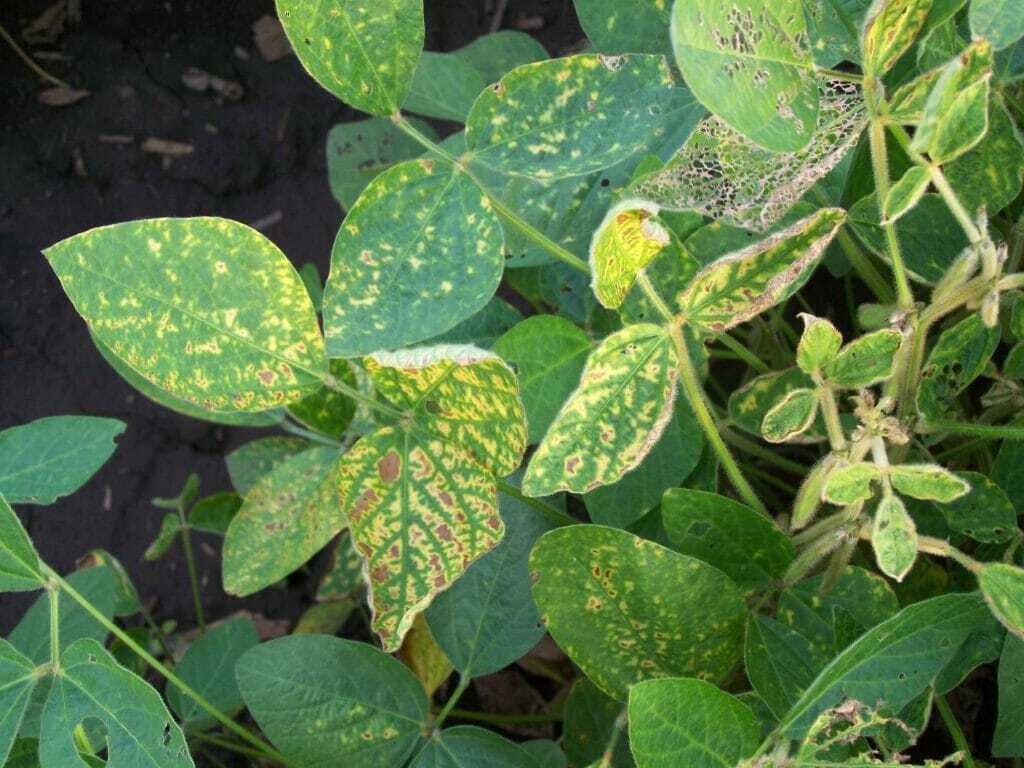
Crop progress is coming along nicely with the rains that fell throughout the territory. Pockets of SDS are beginning to show up, so keep an eye on fields. Remember to check ratings when making next year’s picks! Only Latham Hi‑Tech Seeds offers IRONCLAD soybeans.
-
Latham Hi‑Tech Seeds
#AskTheAgronomist: Corn Pollination


Tune in as Phil Long discusses the current state of pollination in the field.
00:20 – Topic Introduction: Pollination Failure
1:02 – How much yield is left on the table?
2:47 – Percent of yield left in the field in correlation to the stage of the corn plant
6:32 – How to protect the final 40% of yield in the field
8:07 – Prioritize fields for harvest
9:27 – Remember to plan for 2020!
10:46 – Identifying 3 types of pollination failures