Latham Hi-Tech Seeds

(641) 692-3258

  • Home
  • Products
    • Corn
    • Soybeans
    • Alfalfa
    • Corn Silage
    • Seed Guide
  • Performance
  • Find a Rep
  • Media
    • Blog
    • News
    • Videos
    • Podcasts
    • TECHTalk
  • About Us
    • Company History
    • Our Mission
    • Careers
    • Become a Rep
    • Sowing Seeds of Hope
  • Contact Us
  • Latham Hi‑Tech Seeds

    Latham’s Sandie Johnson Retires After 43 Years in the Seed Industry

    From sunflowers to kidney beans to soybeans and corn, Sandie Johnson says her 43 years in the ag industry has treated her well.

    She was just 25 years old when she started in the sunflower research department for SIGCO Research in Breckenridge, Minn. In the fall, she worked in the fields, collecting moisture samples for testing. In the winter, she threshed sunflower heads one by one, putting the seeds in envelopes for planting.

    “It was hard, monotonous work,” says Sandie, who is retiring from Latham Seeds after 12 years of working with farmers and dealers.

    A knack for numbers and an interest in accounting took Sandie to the accounts payable department at SIGCO, where, among other things, she tracked all capital purchases. When SIGCO was bought by Mycogen Seeds, she moved to a different department (SVO) that contracted with farmers to grow high oleic oil sunflowers — and was happy to continue working with growers through delivery, billing and settlements for their crops throughout the season.

    The purchase of a lake house in 1994 an hour away prompted Sandie and her husband to relocate.

    Her new job was as an office “floater” at the hospital in Fergus Falls, Minn. It only took six months for her to realize how much she missed working in the ag industry.

    “It was the same thing every flippin’ day!” Sandie says of the hospital position. “I couldn’t do it.”

    She accepted an opening at Prairie Bean Co., (a division of ConAgra) and focused her attention on processing kidney beans. And then in 1996, Sandie moved to Wisconsin to be the office manager at Brown Seed Farms. As a small company, she handled everything in the office – from seed orders, shipments, returns, account receivables, payments and settlements, payroll and accounts payable. Thirteen years later, when Brown Seed was sold to NuTech Seed, she relocated to Forest City, Iowa and continued to work with the dealer network that also moved to NuTech.

    “Then one of the RSMs I worked with at NuTech went to Latham Seeds,” Sandie says. “He told me they needed someone and I was interested in working with a family-owned business again.”

    That was in 2011, when Sandie accepted a seed account manager position at Latham. She worked with farmer-dealers for several regions for 10 years until December 2022, when she moved into the finance department — again relying on her knack for numbers and accounting experience.

    “I’ve been so lucky that I’ve always enjoyed who I worked for in this industry,” Sandie says. “I’ve loved working in agriculture every minute. It’s been very good to me.”

    The unexpected death of her son-in-law earlier this year made Sandie reevaluate her future. In many ways the tragedy brought her and her children closer together. But it was a life-changing event that she simply couldn’t ignore.

    “Going through it, we saw the value in each other,” Sandie says. “And while I love what I do – my job and the people I work with – I love my family more.”

    Sandie and her husband, Todd, live in Forest City with their two dogs: Zuzu, a 15-year-old puggle, and Stella, a one-year-old Dalmatian. Dogs

    She has two children, two stepchildren and six grandchildren. Sandie’s an avid baseball fan (especially of the Minnesota Twins) and loves participating in community theatre, which she’s done for most of her adult life in several states.

    Her plans after retirement?

    “I intend to do my best to be fully present and enjoy every minute I can with family and friends.”

    In honor of her time at Latham Seeds, Sandie is sharing a recipe for the dish she has always brought to the annual holiday potluck.

    bonnie-harris

    June 28, 2024
    Food & Family, General, Latham News, Recipes, Sides, Summer
  • Latham Hi‑Tech Seeds

    Late Summer Can Lead to Better Harvest Decisions

    Scouting
    Steve Resized
    Steve Sick, Latham Product Manager

    Taking field notes on what you observe in late August and early September can provide valuable information as you move into harvest, as well as confirm or reprioritize agronomic goals for next year.

    Notes I take this time of year generally answer these questions:

    • What diseases are the most prevalent?
    • Which areas of the field exhibit poor growth or yield potential?
    • Should I conduct a pre-harvest yield estimate?

    Late-Season Scouting Suggestions

    Evaluate areas of poor crop growth and potential yield. There can be multiple reasons why a crop didn’t grow well in portions of a field or yield estimates are low in some spots.

    To help determine if soil fertility and health is the cause, try these steps:

    • Mark on a map or GPS reference the location, so you can take directed soil samples after harvest.
    • Pull paired samples. Take one composite soil sample in the poor growth area and then take another composite sample in an area of good growth nearby in the same field. (Soil sample bags are available from many sources and easily available through your local university or co-op.)
    • Use yield maps. These are another great data layer to compare and contrast what you observed during scouting in late August.

    Think About Pest Management While Scouting

    Observe the severity and distribution of diseases, insects, and weeds in a field to help make future adjustments to pest management plans.

    For example, Goss’s Wilt and bacterial leaf streak are two bacterial diseases found this year in cornfields with no previous history. Tar spot is also a new disease that carries over in residue the following year. Hybrid selection for improved tolerance or resistance to these bacterial diseases maybe something to talk about with your seed dealer this fall.

    Some hail and wind-damaged fields now have a late-season weed flush in portion that might warrant a more aggressive herbicide program next year.

    Scouting Now Can Help Predict Yield Potential

    The most compelling reason to scout fields in late summer is to estimate yield potential. There are differing techniques on estimating corn yield in terms of how to sample and the number of ears to pull. I suggest using information from satellite or drone images to direct sampling across the variability that exists in all fields.

    Another word of caution is with the seed size factor used to calculate kernels/bushel with the extremely dry grain fill period we have experienced in parts of Latham Country. For dry areas, that number may need to be much larger than normal.

    Scouting late in the growing season is almost always hot, itchy, sweaty, wet and uncomfortable! However, the insights gained with field observations — when paired with knowledge of the growing season — can help tweak management decisions going forward. This will ultimately lead to more productive growing seasons in the future.

    Did you enjoy this article? We want to (TECH)talk with you! Sign up for our newsletter to receive agronomy videos, articles (and delicious recipes) in your inbox! We’ll TALK soon.

    steve-sick

    August 30, 2023
    Corn, Crop, Fall, General, Growth Stages, Soybeans, Summer, Tech Tuesday
  • Latham Hi‑Tech Seeds

    Proof Points Podcast – Episode 9

    Proof Points Snip
    Ken has a “Basket of Factors” to share with us from Northern Latham Country right now. Take a listen on this week’s Proof Points Podcast.
     
    #LathamSeeds #FamilyOwnedFarmProven #LathamCountry
    Proof Points Snip
    https://www.youtube.com/watch?v=AQi2XobIsOE

    Webspec Admin

    July 18, 2023
    Disease, Fungicide, Podcast, Proof Points Podcast, Summer
  • Latham Hi‑Tech Seeds

    #FromtheField – Week of June 12, 2023

    Ramie from the field graphic

    Take a look across Latham Country! We’re coming to you every week.

    How important is planting depth? Aaron shows us first-hand from the field in Central Iowa.

    Ramie from the field graphic

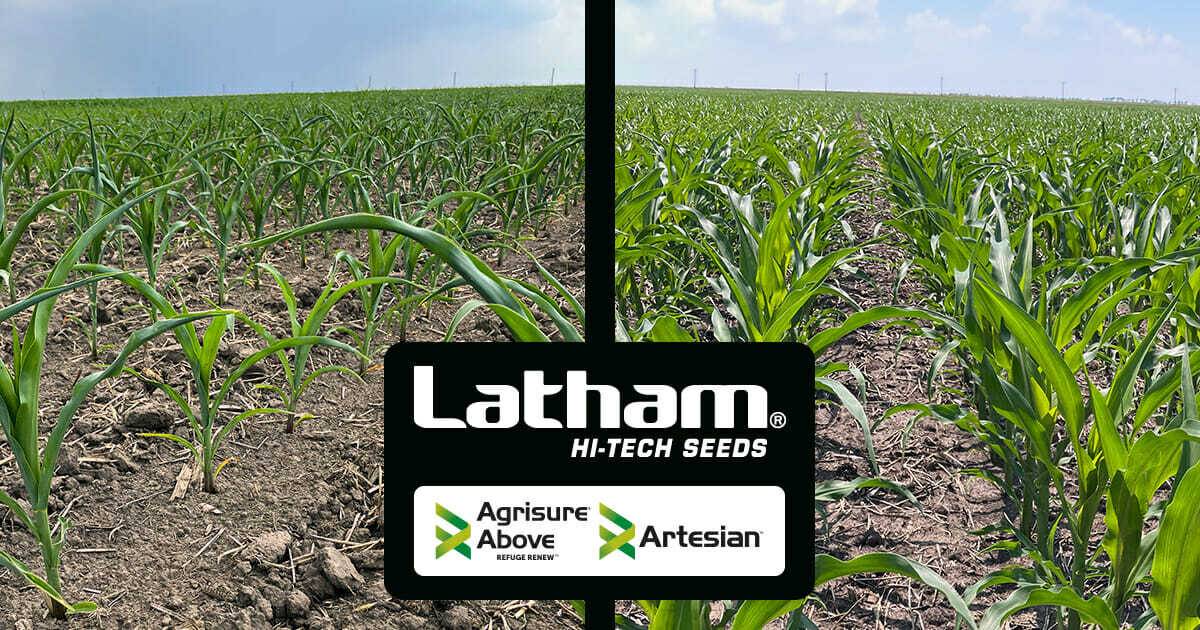
    See the difference! On the left is LH 5034 AA after getting no rain for 35 days in super-hot weather. On the right shows the same hybrid after 1.2” of rain. This product has impressive heat and drought resistance in South Dakota! Learn more about our unmatched lineup: https://www.lathamseeds.com/products/?crop=377

    Did you enjoy these videos? We want to (TECH)talk with you! Sign up for our newsletter to receive agronomy videos (and delicious recipes) in your inbox! We’ll TALK soon.


    Webspec Admin

    June 15, 2023
    #FromTheField Crop Reports, Agronomics, Corn, Crop, Emergence, From the Field, Growth Stages, Season, Soil, Summer
  • Latham Hi‑Tech Seeds

    Early Scouting For Prevention

    Young green corn growing on the field. Young Corn Plants.

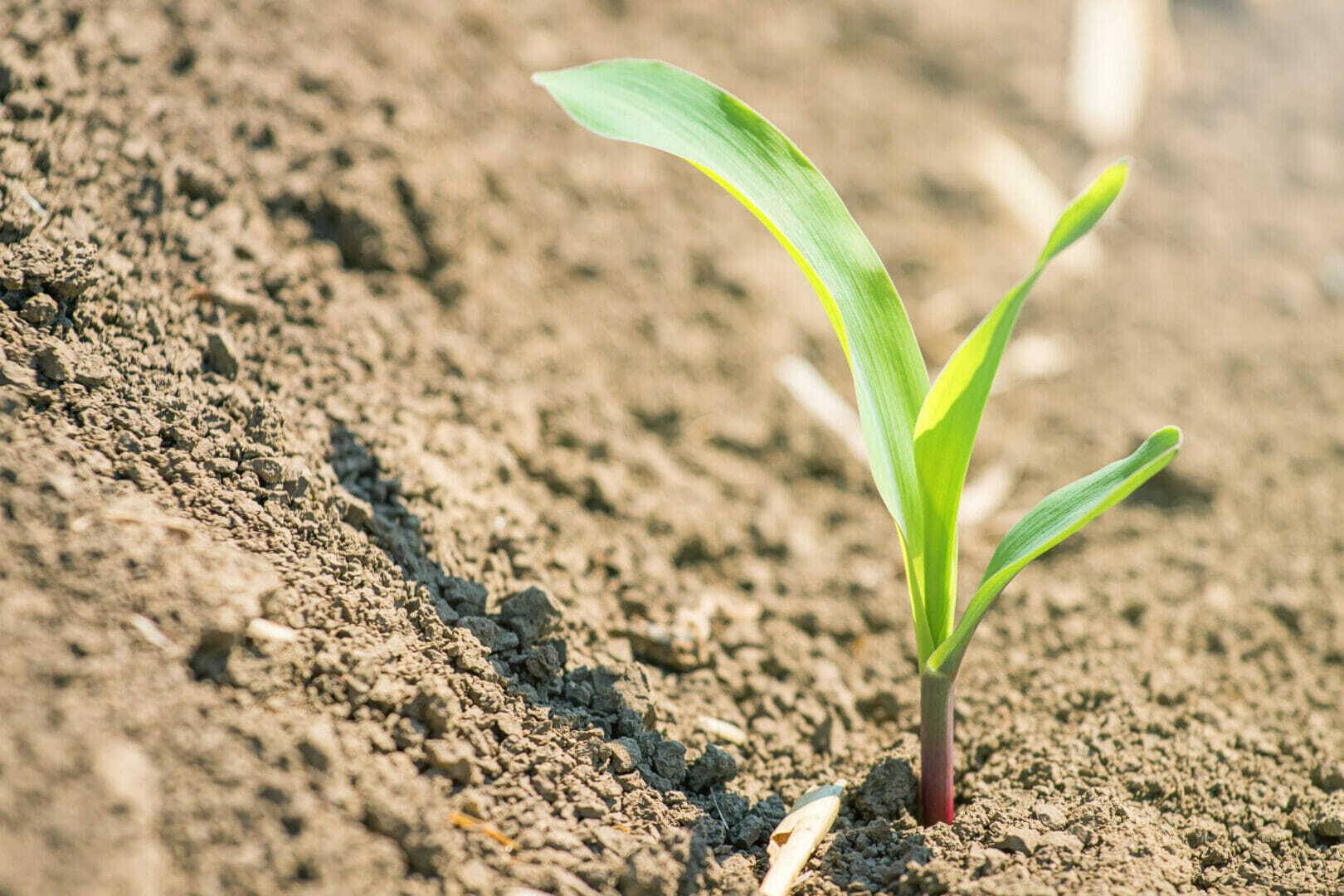
    The first principle of crop scouting is to determine what is normal and what is not normal. Knowing what a healthy plant looks like is key to identifying seedling disease. When scouting for seedling diseases, look for yellowing, wilted, stunted, dead or missing plants.

    • In corn, look for discolored or rotten mesocotyls, seminal roots and nodal roots.
    • In soybeans, look for seedlings that pull easily from the soil, discolored or rotting root tissue, and lesions that form on the taproot or hypocotyl.

    Before you head out to the field, there are several tools that are must-haves for early-season crop scouting:

    • A tape measure to take stand counts
    • A seed digger, trowel, or spade to dig up seeds or plants to evaluate planting depth, seedling diseases and below-ground feeding insects, like seed corn maggots.

    Remember that certain weather and soil conditions favor specific pathogens. Cool and wet soils favor Fusarium and Pythium, warm and wet soils favor Phytophthora, and warm and moist soils favor Rhizoctonia.

    It should be noted that a lab diagnosis is needed to confirm what pathogen is causing the symptoms. Knowing what disease(s) are present can help you choose hybrids and varieties that have good disease scores in the future and can guide decisions on the use of fungicide treated seed.

    Did you enjoy this article? We want to (TECH)talk with you! Sign up for our newsletter to receive agronomy videos (and delicious recipes) in your inbox! We’ll TALK soon.

    steve-sick

    June 8, 2023
    Corn, Crop, Disease, Emergence, Growth Stages, Soybeans, Summer, Tech Tuesday
  • Latham Hi‑Tech Seeds

    #FromtheField – Week of June 5, 2023

    YouTube 1

    Take a look across Latham Country! We’re coming to you every week.

    Did you enjoy these videos? We want to (TECH)talk with you! Sign up for our newsletter to receive agronomy videos (and delicious recipes) in your inbox! We’ll TALK soon.

    Webspec Admin

    June 8, 2023
    #FromTheField Crop Reports, Corn, Crop, Emergence, From the Field, Growth Stages, Soil, Soybeans, Summer
  • Latham Hi‑Tech Seeds

    Latham Proof Points – Episode 5

    Proof Points Snip

    This week, Ken talks about what’s happening in the Red River Valley — and changes he’s seen in the industry that are relevant today.

    Enjoyed listening? Check out other podcasts on Latham’s YouTube Channel. 

    Webspec Admin

    June 6, 2023
    Podcast, Proof Points Podcast, Spring, Summer
  • Latham Hi‑Tech Seeds

    Milestone Memories Mark This Family’s Legacy with Latham Seeds

    The Payne's with John Latham copy

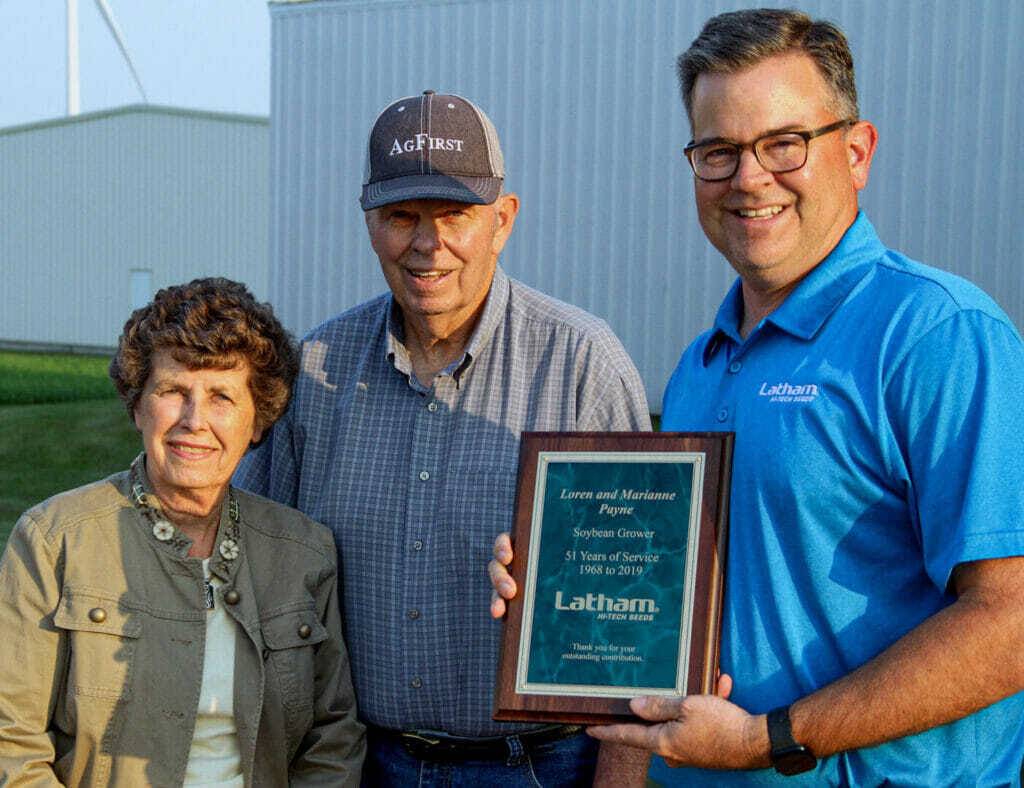
    It’s not often that couples celebrate golden anniversaries, especially with their seed companies. Loren and Marianne Payne of Belmond, Iowa, were Latham® seed growers for more than 50 years — and they clearly remember the day Willard Latham came by to ask if they’d be willing to raise some soybeans for him. They Paynes had been taking their oats to get cleaned at Willard’s company, and they knew each other well.

    “We told him we would try that,” says Marianne, who farmed with her husband from 1962 until 2019. “Pretty soon every field was planted to Latham seed beans.”

    Marianne says raising seed beans worked out well for them. They were able to combine the crop and deliver it directly to the Latham plant, with Marianne herself driving the tractor and wagons. Not having to worry about storage allowed the Paynes to save on seed costs — and their landlords also agreed to raise seed beans.

    “We would plant different varieties, so our fields would mature at different times,” she says. “It went well for us.”

    Now that they’ve retired and moved to town, Marianne says she misses running the tractors. Not only did she haul their grain, she ran their tillage equipment too. For many years, the Paynes raised cattle and hogs, and had a few sheep early on. Marianne was raised on a farm between Thornton and Alexander; Loran was on a farm three miles away. They went to different country schools and met through friends.

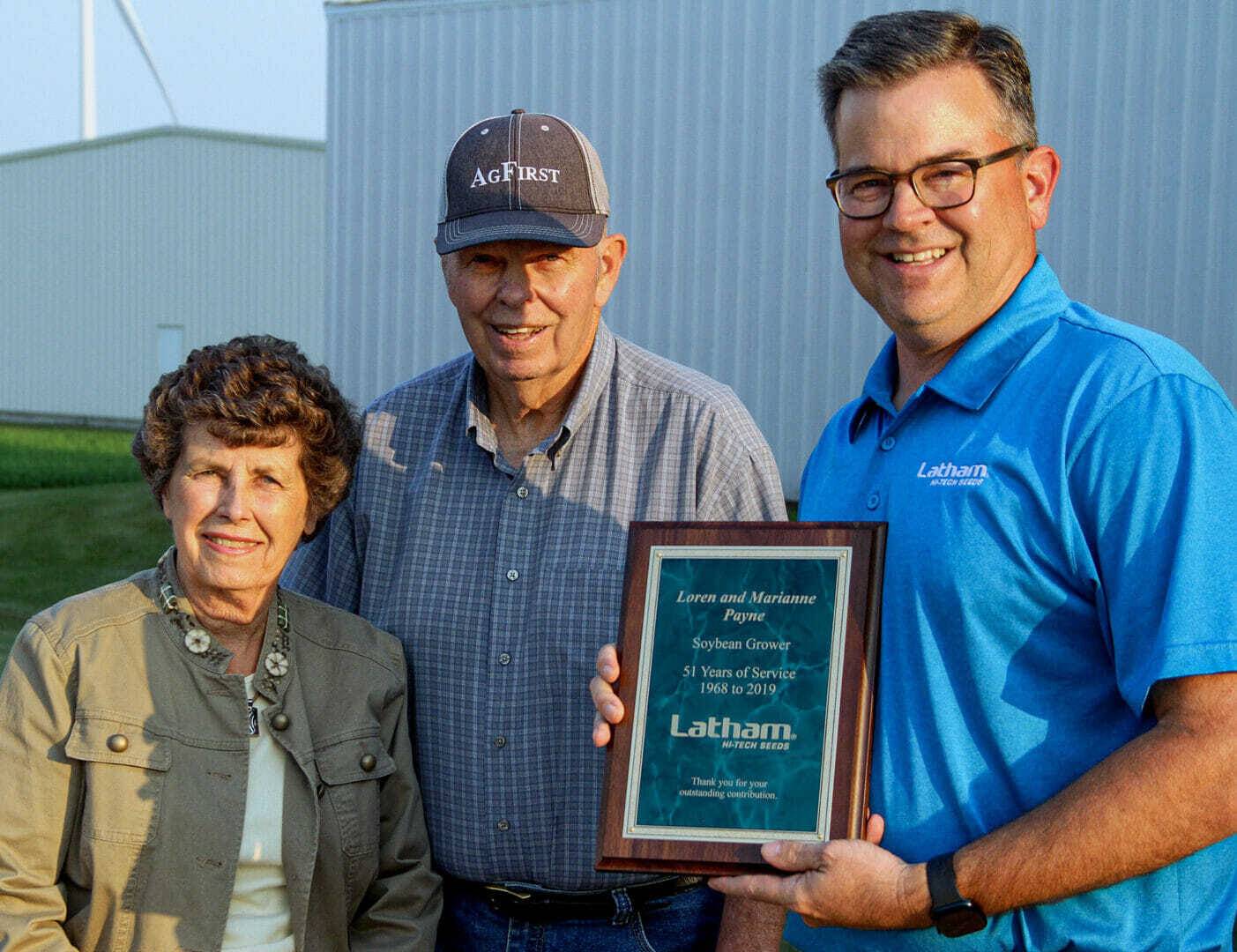
    Loren and Marianne Payne, who have five grown children, were honored in 2019 for having served as Latham® seed growers for 51 years. It’s a milestone memory that they, and we, hold fondly.

    The Payne's with John Latham copy
    Loren and Marianne Payne with John Latham Celebrating Over 50 Years of Service

    “Latham Seeds has always been easy to work with,” Marianne says. “I really enjoyed working with each generation. We never worried because we knew we could trust them.”

    Shannon Latham

    June 1, 2023
    Food & Family, From the Field, Recipes, Salads, Summer
  • Latham Hi‑Tech Seeds

    #FromtheField – Week of May 29, 2023

    Kody Snip

    Take a look across Latham Country! We’re coming to you every week.

    Did you enjoy these videos? We want to (TECH)talk with you! Sign up for our newsletter to receive agronomy videos (and delicious recipes) in your inbox! We’ll TALK soon.

    Webspec Admin

    June 1, 2023
    #FromTheField Crop Reports, Agronomics, Corn, Crop, Emergence, Growth Stages, Season, Soybeans, Spring, Summer, Weed Control
  • Latham Hi‑Tech Seeds

    Harvest Corn Silage at Optimal Milkline to Add to Your Bottom Line

    Corey catt kernel graphic flat

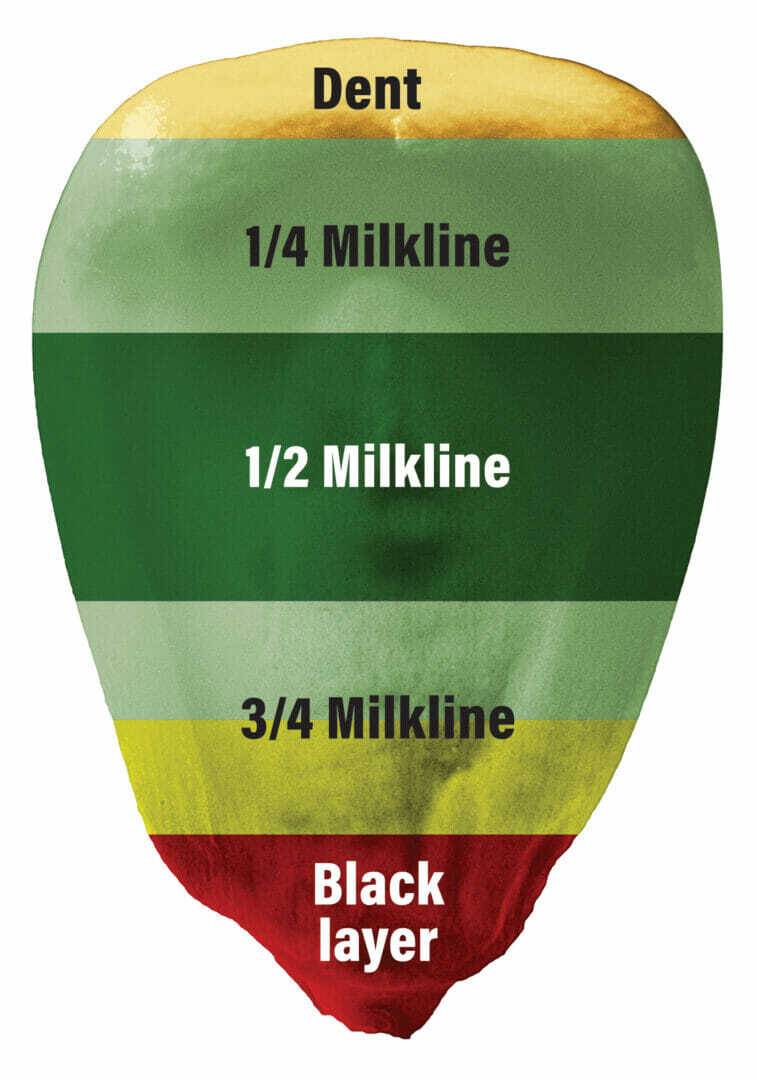
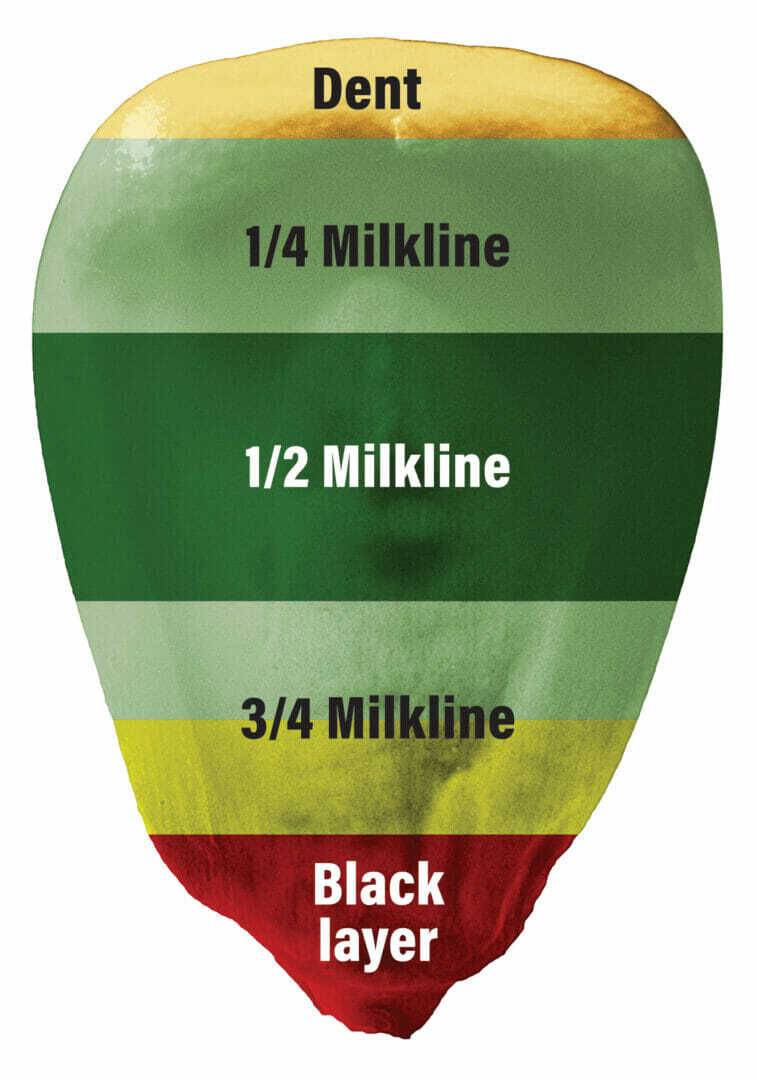
    Corn silage season is approaching quickly, so it’s a good time to review basics like how to determine when to harvest.

    As the kernel matures from the dented cap, the milkline moves toward the kernel tip where it attaches to the cob. Harvesting at 50% milkline generally achieves approximately 65% whole-plant moisture. Optimal harvest for bunks/bags is 65 to 70% whole-plant moisture, or one-half to one-fourth milkline. Optimal harvest for stave upright silos is 63 to 65% whole-plant moisture, or three-fourths to one-half milkline.

    Corey catt kernel graphic flat

    Think of the kernel as a sponge. As the milkline develops, the kernel absorbs more moisture from the chopped residue. If you harvest silage corn that is too wet, juicing can occur. Inadequate fermentation and mold development also may result. It is advantageous to do a formal moisture check using a koster crop tester, for example.

    One of the biggest drivers for milkline development is weather. Moisture, fertility, heat and plant health are four big drivers affecting milk line movement. When the plant is at full photosynthetic capacity, the corn silage whole-plant moisture can decline daily from 0.5 to one percent. Photosynthetic activity slows when the weather is cold, wet or cloudy, causing the corn plant to mature slower. Look at the forecast as harvest approaches because many changes can occur in five days.

    Another way to improve the quality of corn silage is by raising the chopping height as most lignin accumulates in the lower portion of the stalk. Lignin is the structural component that helps plants stand. It’s a tradeoff to find the correct cutting height to maximize forage quality and to capture the most tonnage.

    Some forage producers increase cutting height to help reduce moisture, so they can get started earlier. Raising the chop height 12 inches in a Penn State study left about 0.6 ton in the field but forage quality improved. Improved quality produces more milk for dairy farmers!

    If you have any questions feel free to reach out at coreyc@lathamseeds.com.

    Webspec Admin

    August 25, 2022
    Corn Silage, Crop, Fall, General, Season, Summer, Tech Tuesday
1 2 3 … 17
Next Page

Latham Hi‑Tech Seeds

131 180th Street | Alexander, IA 50420

(641) 692-3258

SIGNUP FOR OUR NEWSLETTER
  • Contact
  • Legal
  • Dealer Center
  • Seedware Login
  • Latham Gear

© 2025 Latham Hi‑Tech Seeds. All rights reserved. | Iowa Web Design by Webspec | Privacy Policy

Latham® Hi-Tech Seeds is a trademark of M.S. Technologies, L.L.C., 103 Avenue D, West Point, IA 52656.