Latham Hi-Tech Seeds

(641) 692-3258

  • Home
  • Products
    • Corn
    • Soybeans
    • Alfalfa
    • Corn Silage
    • Seed Guide
  • Performance
  • Find a Rep
  • Media
    • Blog
    • News
    • Videos
    • Podcasts
    • TECHTalk
  • About Us
    • Company History
    • Our Mission
    • Careers
    • Become a Rep
    • Sowing Seeds of Hope
  • Contact Us
  • Latham Hi‑Tech Seeds

    Planting and Cold Temps

    Planting ROI

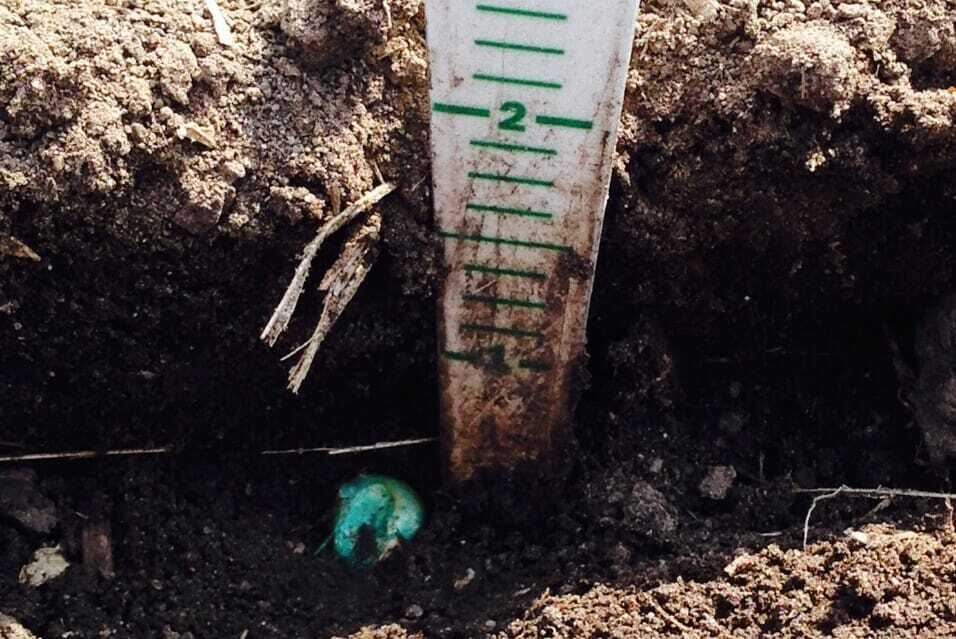
    Seeds absorb moisture within hours after planting and begin the germination process almost immediately. When corn seeds absorb water colder than 50°F, imbibitional chilling or cold shock may occur.

    These three symptoms of cold chill may be evident at emergence, during the growing season and at harvest time:

    1. Absorbing cold water causes the cell membranes to rupture and release fluids that provide food sources for soil pathogens. These can invade developing seedlings and dramatically harm the germination.
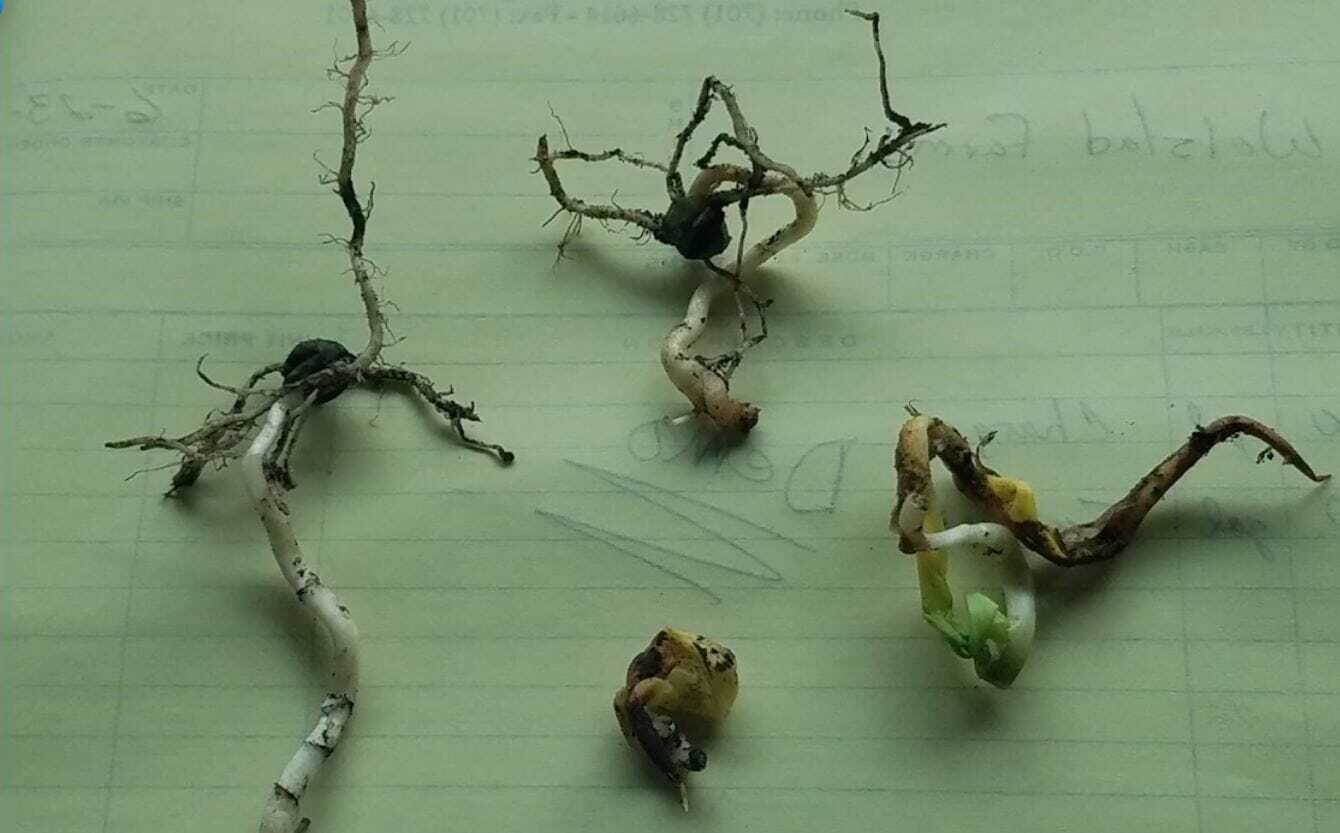
    2. When a seed imbibes cold water, the early season vigor of young corn plants may be negatively impacted. Weak root systems with gnarled primary roots might result.
    3. Wet soils drain kernels of their energy reserves, so seedlings that struggle for a week or more to emerge may have erratic emergence and uneven growth. Many of these fields experience disappointing yields at harvest due to reduced stands and decreased seedling vigor.

    Call into the Latham® office and we will get you connected with one of our agronomists. Happy Spring!

    Latham Seeds Agronomy Team

    April 26, 2020
    Agronomics, Disease, Emergence, General, Season, Spring
  • Latham Hi‑Tech Seeds

    #AskTheAgronomist: Planting Depth

    Corn Planting Depth
    It pays to double check seeding depth! Tune in as Phil Long discusses ideal seeding depth for both corn and soybeans. #AskTheAgronomist
     
    :20 – Introduction
    :50 – Topic overview
    1:50 – Corn: Why 2 inches?
    2:00 – Imbibitional phase
    3:13 – Nodal root development
    6:25 – Soybean seeding depth
    7:25 – Soybean seed size
    9:15 – Final thoughts

    Laura Cunningham

    April 23, 2020
    Agronomics, Corn, Crop, Emergence, Season, Soybeans, Spring
  • Latham Hi‑Tech Seeds

    Effects of Early Planting

    Corkscrewing
    Do cool soils affect corn or soybeans more? Tune in as Phil Long discusses how cold temps affect corn and soybeans differently. #LathamSeeds
     
    0:12 — Welcome & topic introduction
    2:00 — Days to emerge
    5:50 — Corn cold injury potential
    8:15 — Soybean cold injury potential
    10:35 — Forecast of opportunity

    Laura Cunningham

    April 16, 2020
    Agronomics, Corn, Crop, Disease, Emergence, Growth Stages, Season, Soybeans, Spring
  • Latham Hi‑Tech Seeds

    Planting Speed Matters

    4.9.20

    Dial in your planter speed this spring season. Phil Long discusses the importance of planter speed in relation to efficiency, singulation and yield potential. #AskTheAgronomist #LathamSeeds

    :30 – Welcome & Topic Introduction
    1:30 – Scenario 1
    2:40 – Efficiency & yield potential
    6:30 – High speed planters
    7:20 – Singulation & speed
    10:05 – Final thoughts

    Laura Cunningham

    April 9, 2020
    Corn, Crop, Season, Spring
  • Latham Hi‑Tech Seeds

    Optimize Yield with a Great First Pass

    Floating Row Cleaner

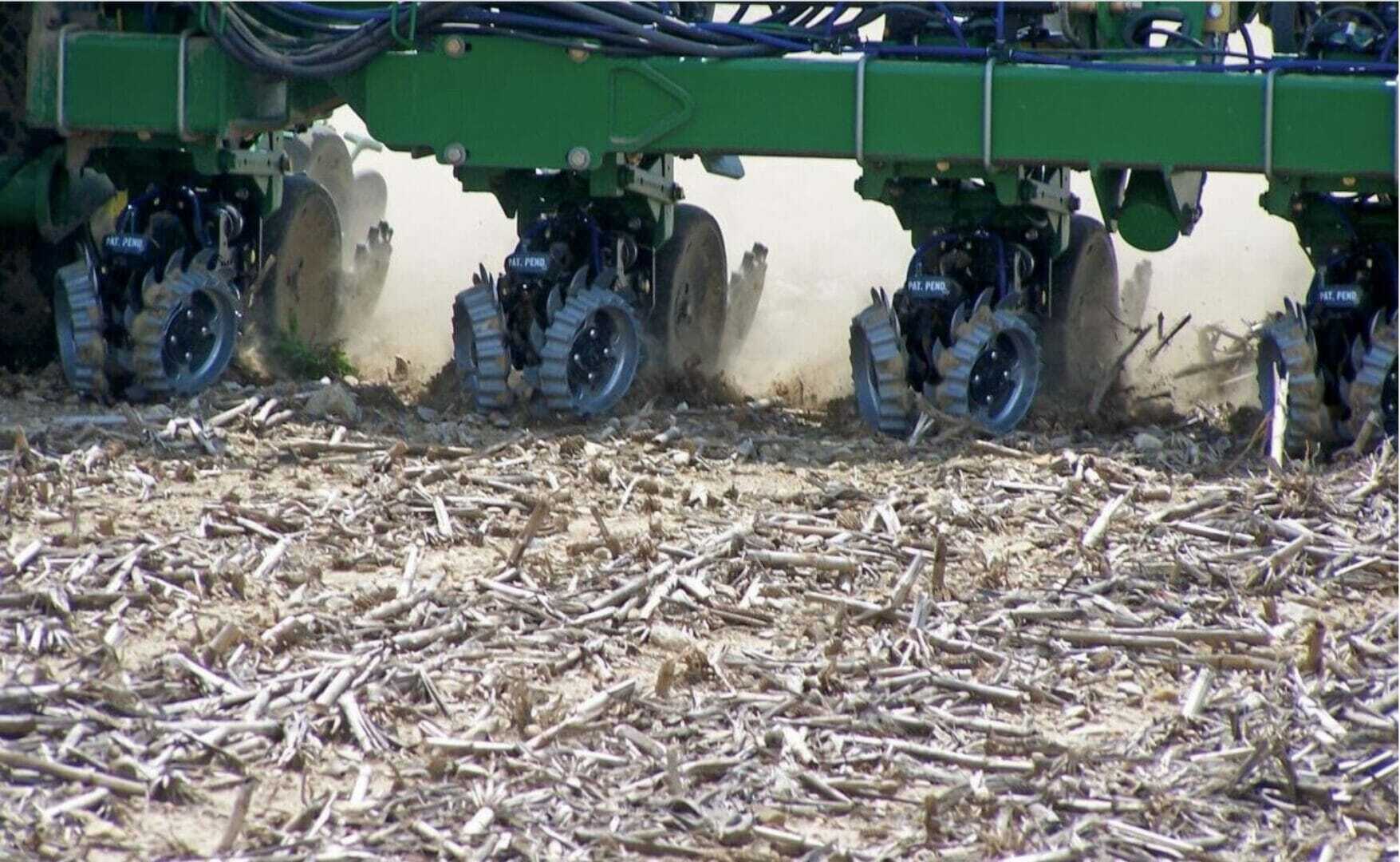
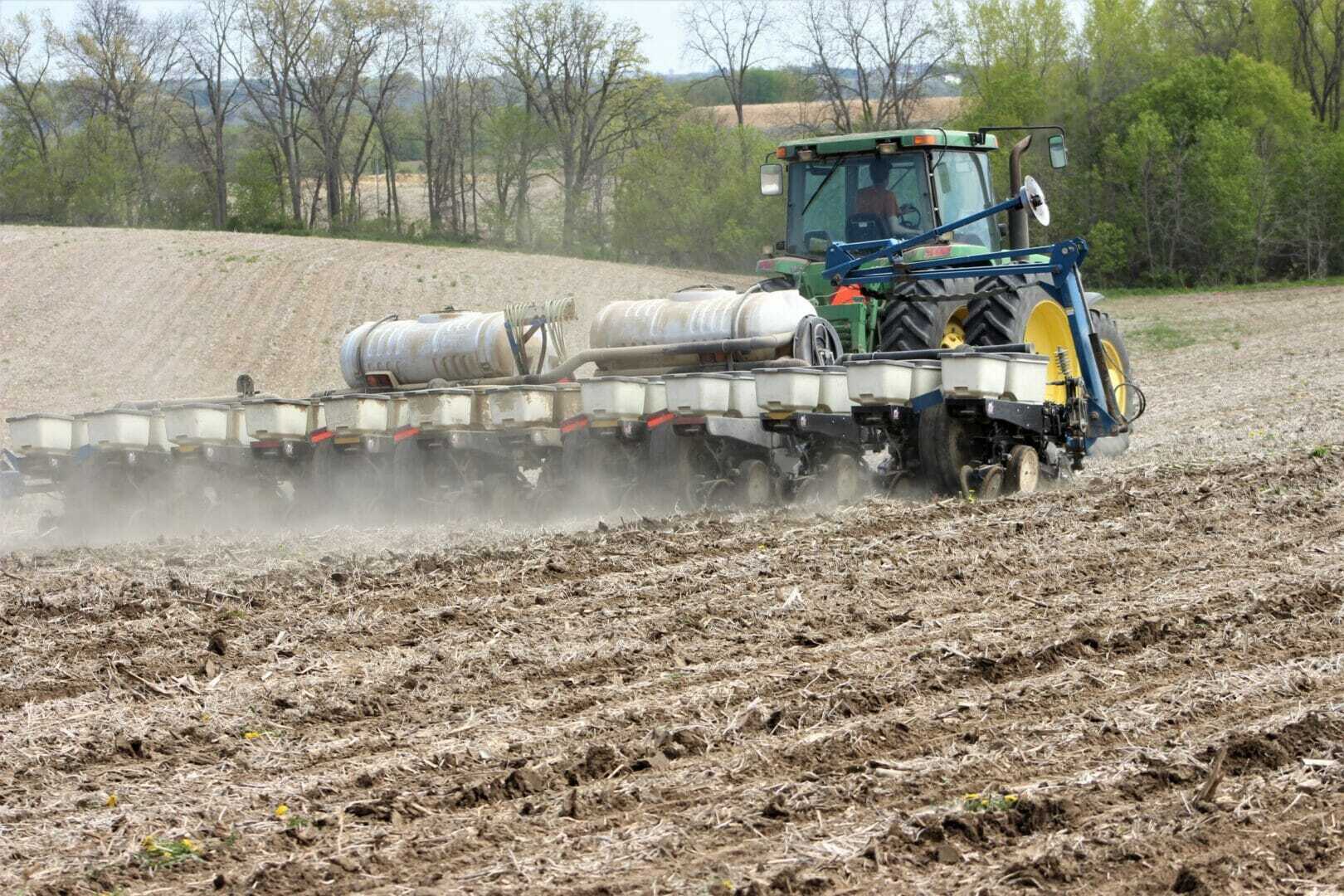
    Floating Row CleanerControlling organic matter or residue to prepare an ideal seed furrow is crucial for attaining optimal seed emergence. Essentially, the planter pass is key to optimizing yield potential for each corn plant.

    There are a few planter attachments to consider for controlling residue. Some planters may come equipped with “fixed” row cleaners that control the depth of residue removal using a manual pin or screw adjustment. This option is better than nothing, but one undesirable feature is that you must get out of the tractor cab to make an adjustment to fit the changing conditions when the contour of the field changes. If you have rolling farm ground, this can become a very tedious process. It’s also important to ensure you aren’t disturbing topsoil while removing necessary clods or residue.

    Another option is “floating” row cleaners, and this is my recommendation. The benefit of a floating versus fixed row cleaner is when the contour of the field changes, it adjusts to the changing conditions. This option assures that you are only removing residue and minimally disturbing topsoil.

    If you make the investment in floating row cleaners for your planter, take a couple of extra steps to ensure you’re clearing a wide enough path to let the gauge wheels run within the furrow. You could add treader wheels, which attach to the outsides of the row cleaners, to provide optimal depth control. Although your row cleaners may be floating, it’s critical they don’t dig too deep. 

    To really dial in your row cleaners as you make your pass through the field, add air adjust cylinders to each row cleaner. This allows you to adjust your row cleaners from the cab. Since it’s easy, you will adjust when you should. To make a pressure adjustments with those air cylinders, move the lever in the cab to apply lift-pressure or down-pressure to the cylinders, so they clean the way you want. You can choose to be more aggressive or to run lighter. Making such adjustments prevents seedling diseases as well as late emergence from heat and moisture loss. It also prevents nutrients from being tied up by residue.

    The most important pass made in the field is the first pass with the planter. If we don’t get this correct, the rest of the management practices we apply throughout the season aren’t effective and will hinder return on investment (ROI). 

    Working with trusted advisors and a cutting-edge precision ag platform allows you to monitor ROI. A precision ag program like Latham’s Data Forward helps you track crucial investments to your operation. We want to be a resource for you when it comes to making precision ag decisions. Give Latham’s Precision Agronomy Advisors a call to implement performance benchmarking, on-farm trials, and reporting, or to evaluate ROI before making significant investments in your precision equipment.

    Latham Seeds Precision Agronomy Advisors

    March 31, 2020
    Season, Spring, Tech Tuesday
  • Latham Hi‑Tech Seeds

    #AskTheAgronomist: Nitrogen Application

    3.26 Ask The Agronomist

    Are you getting the biggest bang for your buck from your nitrogen application? #AskTheAgronomist

    1:06 — Welcome & topic introduction
    2:26 — Nitrogen 4 R’s: right source, right time, right place
    5:30 — Right rate
    9:36 — On-farm research with Data Forward

    Laura Cunningham

    March 26, 2020
    Agronomics, Corn, Crop, Fertility, Season, Spring
  • Latham Hi‑Tech Seeds

    Update on XtendFlex® Soybeans

    IMG 7407

    IMG 7407

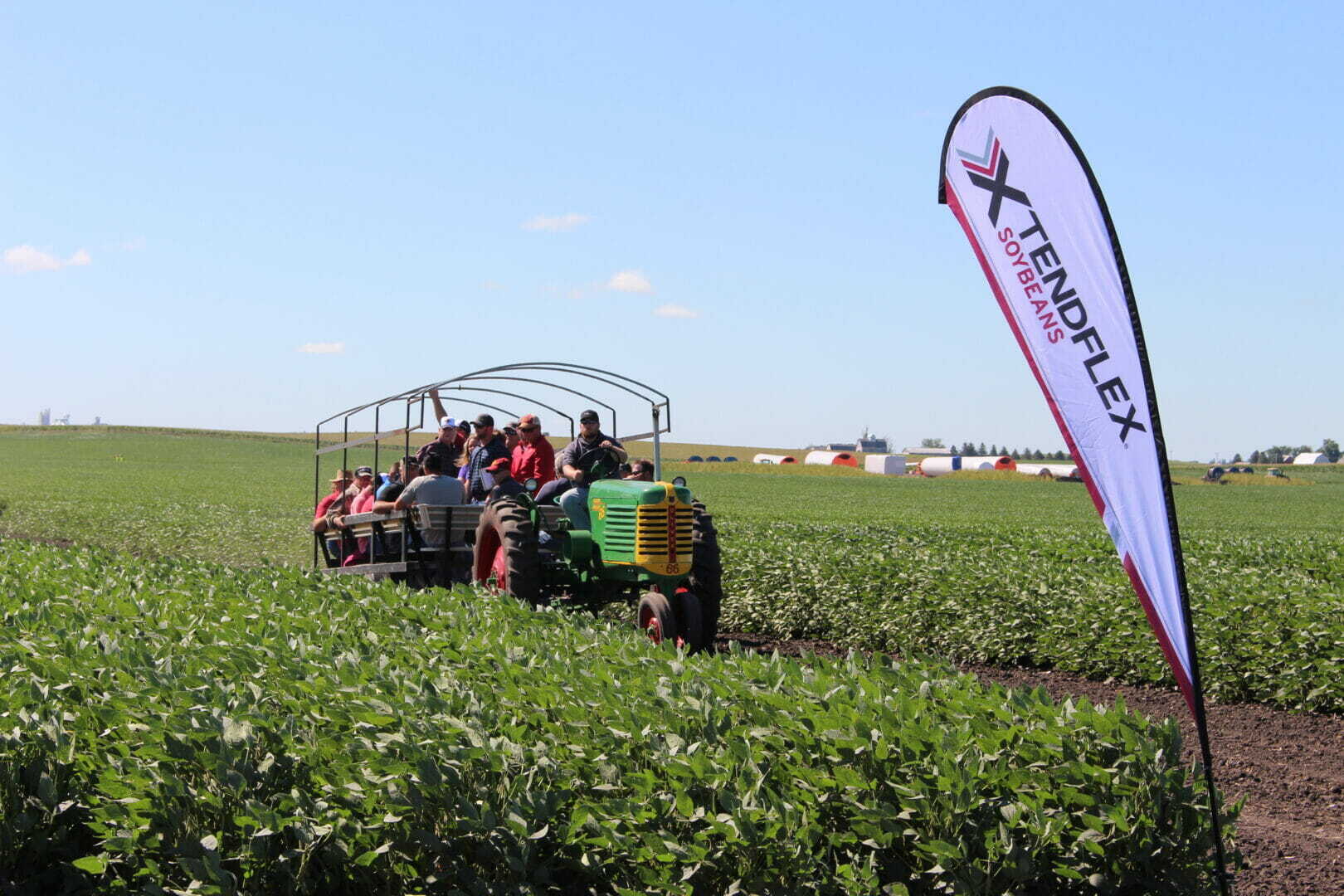
    Reports from around the seed industry indicate that Bayer CropScience is close to being granted approval for its new XtendFlex® soybean system. This new technology will be the first triple-stack soybean trait with tolerance to glyphosate, dicamba and glufosinate (Liberty®) herbicides. Pre-launch ads from Bayer cite advanced genetics and greater flexibility for weed management options.

    Latham Hi‑Tech Seeds in 2019 was granted a sneak peak of six XtendFlex soybeans at our research farm near our headquarters in Alexander, Iowa. This test was conducted under the guidelines of an EPA-stewarded trial where the resultant soybean crop was harvested for data purposes but was then destroyed, so it could not reach the global supply chain.

    The six soybeans we tested ranged from 1.9 to 3.0 in maturity and were compared to 14 soybeans that were in our lineup at that time. The test was split by herbicide tolerance. The same six XtendFlex lines were tested against 14 Liberty-tolerant products, including Enlist E3™, straight LibertyLink® and LLGT27™. They were also tested against 14 soybeans that were all tolerant to glyphosate: Roundup Ready® 2 Yield (RR2Y), Roundup Ready® Xtend®, Enlist E3 and LLGT27.

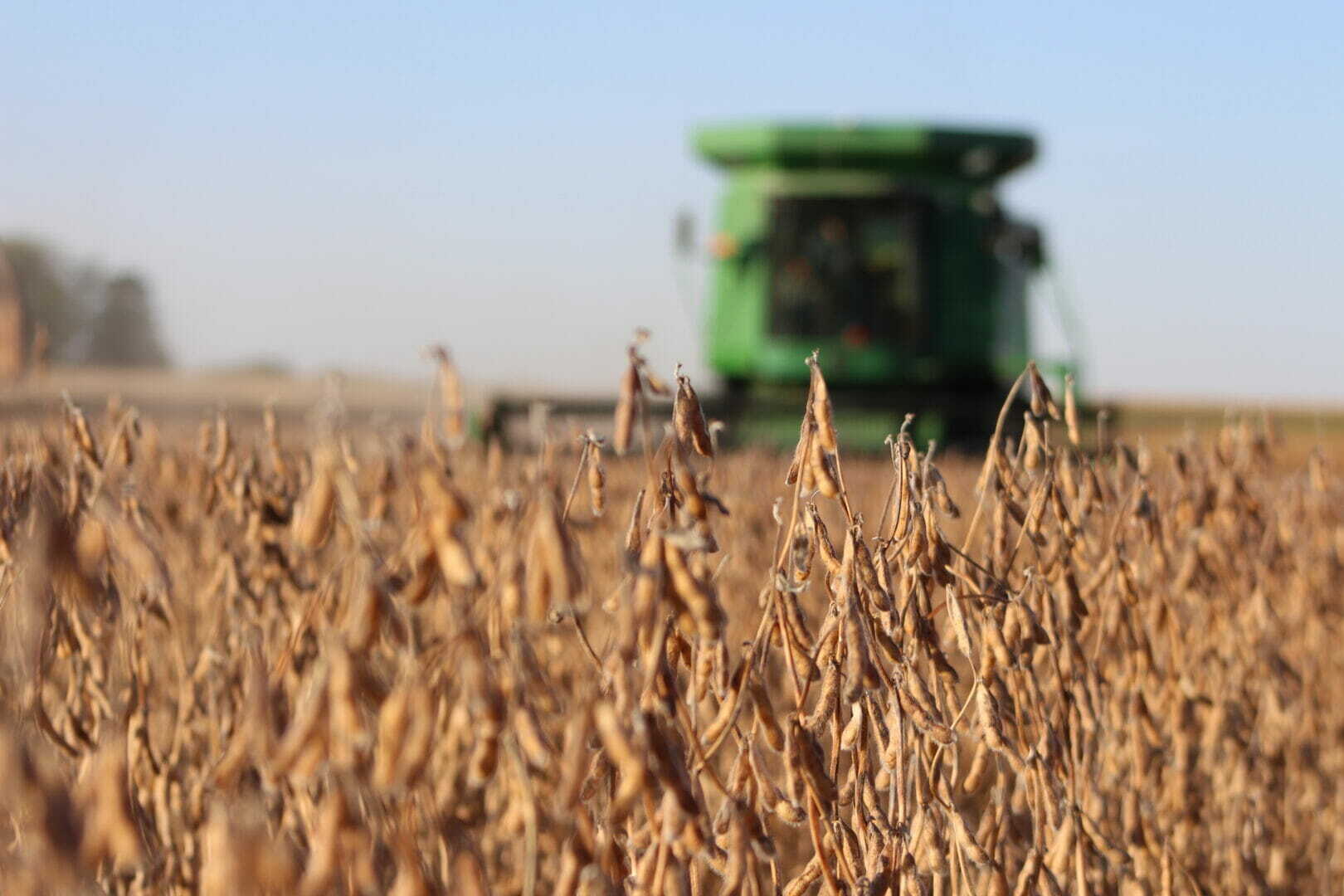
    IMG 7415On the Liberty side of the test, the six XtendFlex soybeans ranged in yield from 56.75 to 65.74 bushels per acre (bu/A) where the 14 current products went from 47.11 to 67.90 bu/A. The overall yield average of XtendFlex soybeans was 60.58 whereas the current products averaged 60.30 bu/A.

    On the glyphosate-tolerant side of the trial, the yield of XtendFlex products ranged from 55.84 to 64.13 bu/A; the average yield was 61.67 bu/A. The yield of current products ranged from 54.70 to 69.37 with an average of 62.33 bu/A. NOTE: Due to late planting and other environmental factors, the later-maturing soybeans (2.8 to 3.0) in both sides of the trial struggled to reach full maturity and really suffered from a yield standpoint.

    In general, I am pleased with the results of this trial. This was one location for only one year, but it did tell us that the first wave of the XtendFlex products tested in 2019 performed very well.

    Pending full approval, there should be some very solid lines available for Latham farmer-customers for 2021 commercial planting! The last hurdle for full global approval of XtendFlex soybeans is the European Union at press time of this article. Bayer is optimistic this will be resolved in time for planting. We’ll keep you posted when we know more about this exciting new technology!

    Mark Grundmeier, Product Manager

    March 24, 2020
    Soybeans, Spring, Tech Tuesday
  • Latham Hi‑Tech Seeds

    #AskTheAgronomist: Talc USA Benefits

    3.5.20

    Is talc worth it? Phil Long reviews real benefits of our Talc USA line and research from our test at Alexander. #LathamSeeds

    0:40 — Topic Introduction
    1:30 — The importance of talc
    3:10 — Why Talc USA?
    4:30 — Talc study at Latham Seeds
    7:00 — How to incorporate Talc USA products on you farm

    Laura Cunningham

    March 5, 2020
    #AskTheAgronomist, Agronomics, Corn, Crop, Season, Seed Treatment, Soybeans, Spring
  • Latham Hi‑Tech Seeds

    RR2 Xtend® System for 2020

    IMG 8888

    IMG 8888Bayer CropScience has announced a special herbicide program for 2020 to be used on RR2 Xtend soybeans. Called the “Spray Early with Confidence Program,” it is designed to help farmers planting Xtend soybeans to gain an upper hand on weed management. 

    There are two strategies farmers can use to qualify. A brief summary of the program is as follows:

    Strategy #1 (Preferred Option):

    • Start Clean– Use tillage or the appropriate burndown herbicides.
    • Pre-emergence Application– Use a qualifying residual herbicide within two weeks before planting or prior to soybean emergence to control broadleaf weeds.
    • Post-emergence Application– Make a post-application when weeds are less than 4 inches tall and within 30 days after planting soybeans. Application should include: Warrant® Herbicide (3-4 pts) or Warrant Ultra Herbicide (50 fl oz) + Roundup PowerMAX® herbicide or Roundup WeatherMAX® herbicide (32 fl oz) + XtendiMax® herbicide with VaporGrip® Technology (22 fl oz) + an approved drift reduction agent at labeled rate.

    Strategy #2 (Alternative Option):

    • Start Clean– Use tillage or the appropriate burndown herbicides.
    • Pre-emergence Application– Make an application that includes: XtendiMax with VaporGrip Technology (22-44 fl oz) + Warrant Herbicide (3-4 pts) + Metribuzin at planting or as soon as possible after planting but prior to soybean emergence. Include Roundup PowerMAX herbicide or Roundup WeatherMAX herbicide in minimum-till and no-till situations.
    • Post-emergence Application– Make a post-application when weeds are less than 4 inches tall and within 21 days after soybean emergence. Application should include Roundup PowerMAX herbicide or Roundup WeatherMAX herbicide (32 fl oz) + Warrant Ultra Herbicide2 (50 fl oz).

    Before using either of these strategies, farmers will want to consult with their local ag chemical suppliers. If a farmer experiences less than commercially acceptable weed control, Bayer will provide up to $15 per acre for a second post-emerge application.

    We still have a good supply of Xtend soybeans available for 2020 planting! These Latham Ironclad™ Xtend soybeans have the outstanding defensive packages along with top-end yield: L 3197 R2X, L 2887 R2X, L 2682 R2X, L 2384 R2X, L 2184 R2X, L 1948 R2X, L 1769 R2X, L 1482 R2X and L 0739 R2X. 

    Other top-performing Xtend products from Latham include: L 0124 R2X, L 0282 R2X, L 0553 R2X, L 0883 R2X, L 2159 R2X, L 2295 R2X, L 2549 R2X and L 3394 R2X. 

    Tech sheets for each product are available on LathamSeeds. com. Remember, it’s always best to plant a package. Contact your local Latham rep to select the best Xtend soybean for your fields. Selecting seed field-by-field yields!

    Latham Seeds Agronomy Team

    March 3, 2020
    Corn, Crop, Soybeans, Spring, Tech Tuesday
  • Latham Hi‑Tech Seeds

    #AskTheAgronomist: Plan for 2020 Corn Planting

    83907304 2419266031508598 6551224860536733696 n

    Tune in for 3 corn planning tips for the 2020 season! #AskTheAgronomist

    0:18 — Topic Introduction
    1:25 — Select full-season maturities
    4:10 — Nitrogen Application
    7:25 — Sidewall Compaction

    For more information, view an article on corn planting tips here: https://www.lathamseeds.com/2020/02/tips-for-planning-for-the-best-corn-crop-possible-in-2020/ 

    Laura Cunningham

    February 27, 2020
    Agronomics, Corn, Crop, Season, Spring
Previous Page
1 … 3 4 5 6 7 … 18
Next Page

Latham Hi‑Tech Seeds

131 180th Street | Alexander, IA 50420

(641) 692-3258

SIGNUP FOR OUR NEWSLETTER
  • Contact
  • Legal
  • Dealer Center
  • Seedware Login
  • Latham Gear

© 2025 Latham Hi‑Tech Seeds. All rights reserved. | Iowa Web Design by Webspec | Privacy Policy

Latham® Hi-Tech Seeds is a trademark of M.S. Technologies, L.L.C., 103 Avenue D, West Point, IA 52656.