Latham Hi-Tech Seeds

(641) 692-3258

  • Home
  • Products
    • Corn
    • Soybeans
    • Alfalfa
    • Corn Silage
    • Seed Guide
  • Performance
  • Find a Rep
  • Media
    • Blog
    • News
    • Videos
    • Podcasts
    • TECHTalk
  • About Us
    • Company History
    • Our Mission
    • Careers
    • Become a Rep
    • Sowing Seeds of Hope
  • Contact Us
  • Latham Hi‑Tech Seeds

    Post-planting is Ideal for Early Crop Scouting

    Crusting

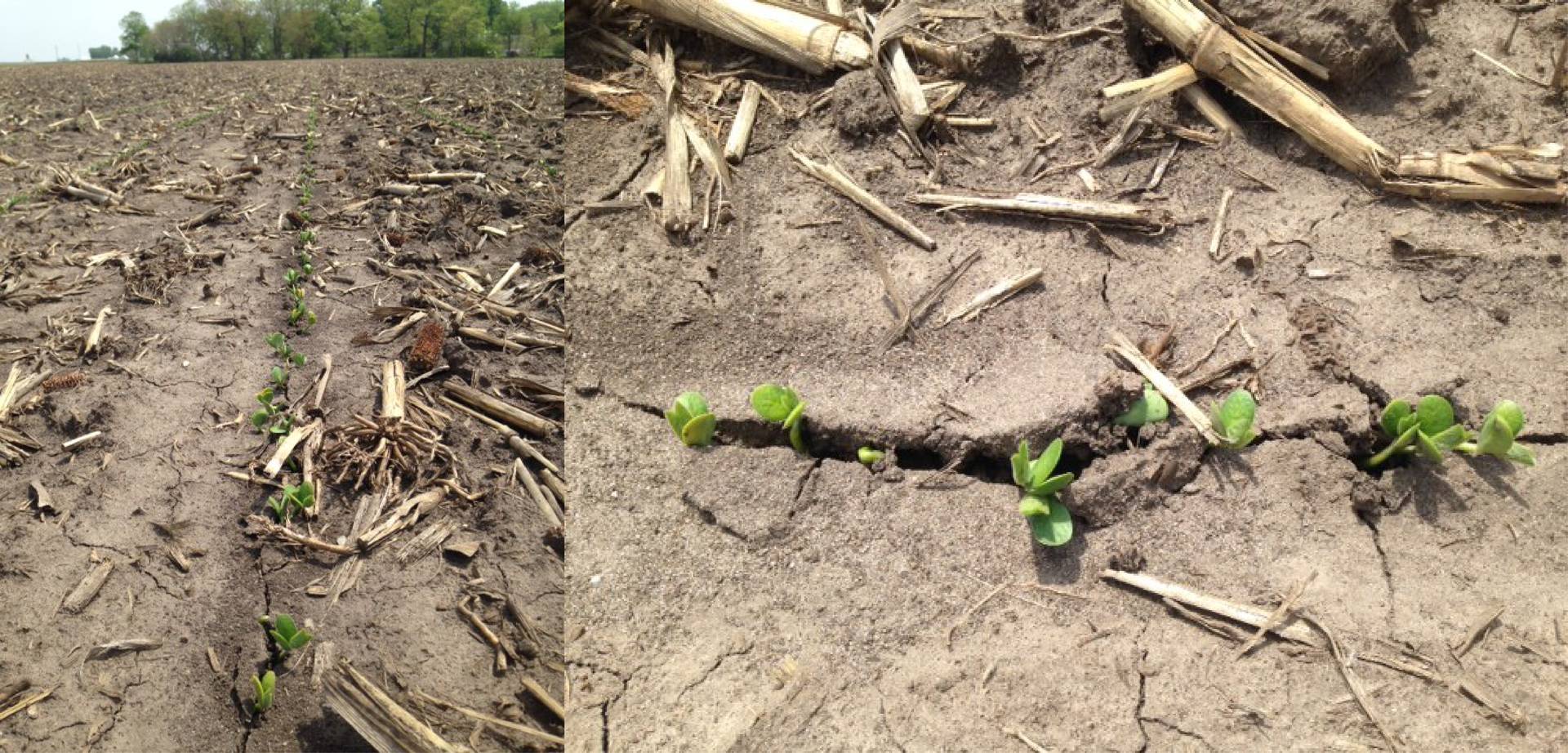
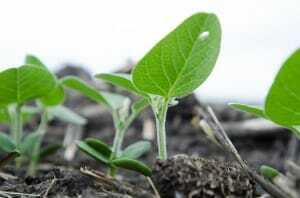
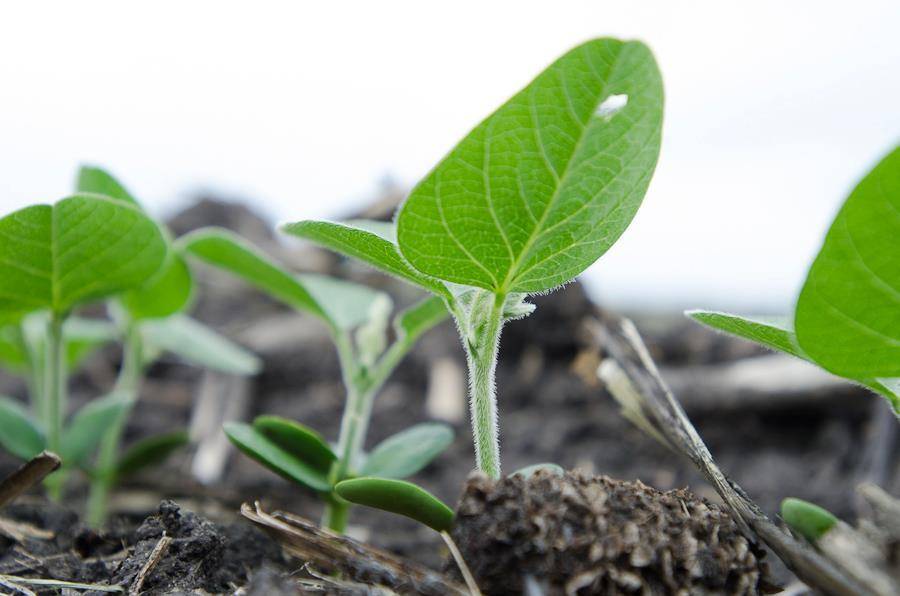
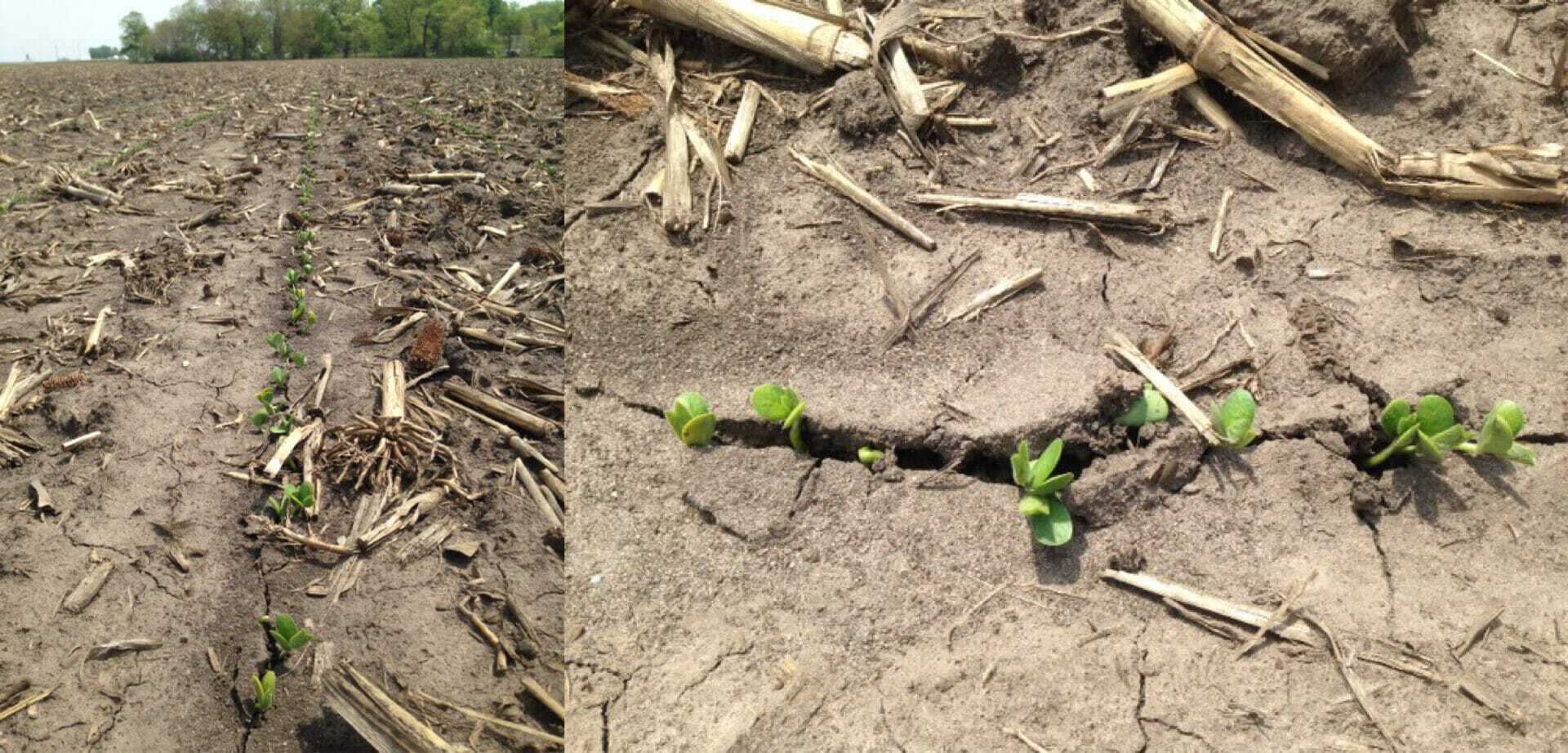
    It's been a perfect warm sunny Tuesday here in Central Iowa. To top it off, these photos came in today of a field of L2585R2 soybeans planted in Boone county that have emerged and are looking great! How are crops progressing on your farm?It’s a good idea to start walking fields within 3 to 5 days of planting to see how well the crop is emerging at this point. Weather at the time of and shortly after planting really plays a role in the germination and emergence of corn. This spring we’re hearing from a few farmers who planted extremely early and made it work, while others are recovering from frost injury.

    During germination, corn is particularly sensitive to low-temperature stress during germination, emergence, and seedling stages. A variety of soybean pathogens, like Pythium, are more prevalent in cool, wet soils. Cold soil temperatures can affect uniform emergence, consistent plant population and ultimately yield. We suggest taking field notes of the following:

    1. Make a list of the planting date for each field.
    2. Determine what hybrids or were planted where. Note the differences in “stress emergence” scores for the hybrids you planted.
    3. Also note where each soybean brand was planted. If soybeans are damping off, perhaps next season you should opt for seed-applied fungicides.

    Seed selection is one of the most important decisions affecting yield. Latham has a team of Product Specialists who can help you simplify the decision-making process. Talk to your local Latham® representative for more information or contact us at 1.877.GO.LATHAM (1.877.465.2842).

    Webspec Admin

    May 22, 2014
    General, Season, Spring
  • Latham Hi‑Tech Seeds

    Planting While the Sun Shines

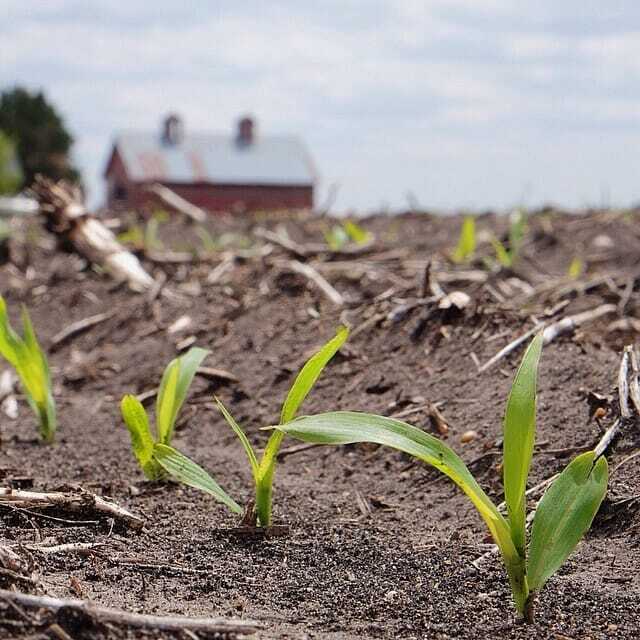
    Corn emerging
    Joe Murphy / Iowa Soybean Association
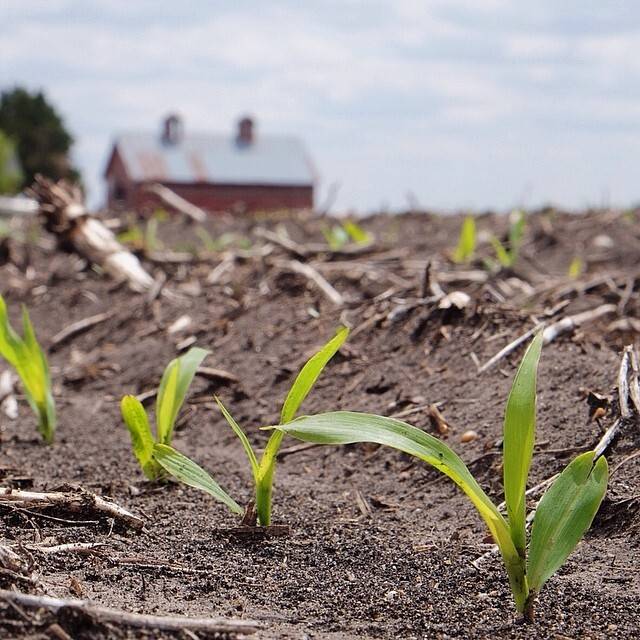
    Joe Murphy / Iowa Soybean Association

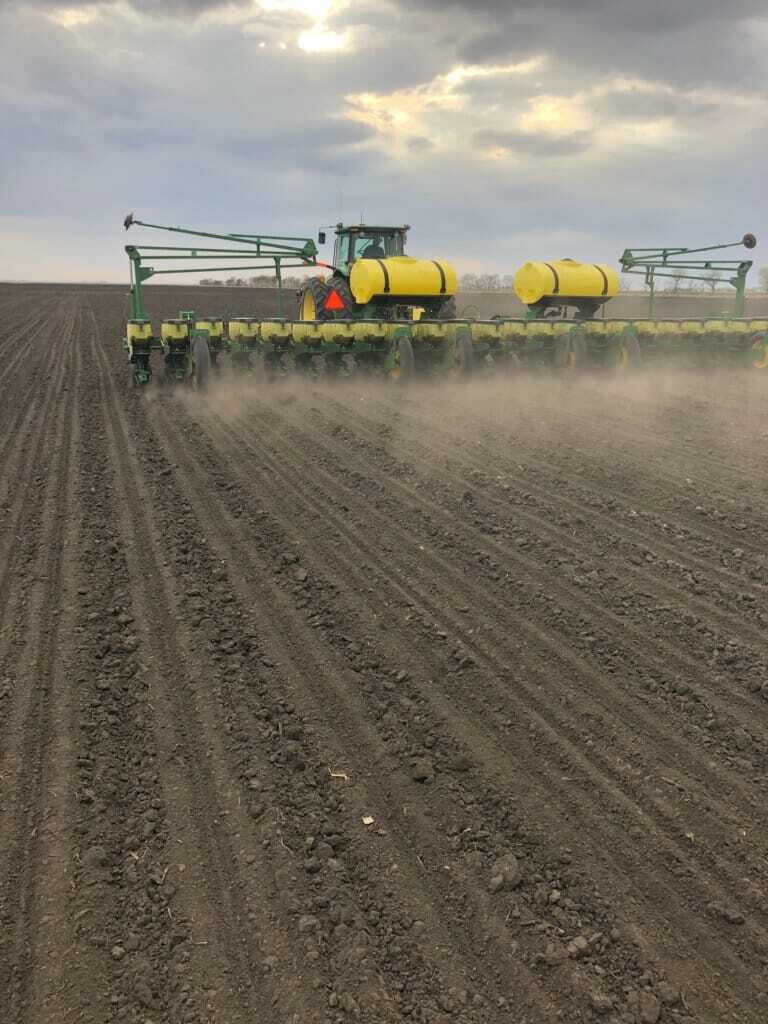
    Last week at this time, corn planting had yet to get underway in many territories across Latham Country. What a difference one week makes! The U.S. Department of Agriculture reported Monday that 40% of the soybean crop and 84% of the state’s corn crop had been planted as of Sunday. With mostly sunny weather in the forecast through Saturday, we expect much ground to be covered yet this week.

    For a look at crop conditions around our six state territory, click here, or select a region from the drop down above.

    Team Latham

    May 21, 2014
    General, Season, Spring
  • Latham Hi‑Tech Seeds

    #plant14 Wraps Up in the West but has Yet to Begin in Parts of the North

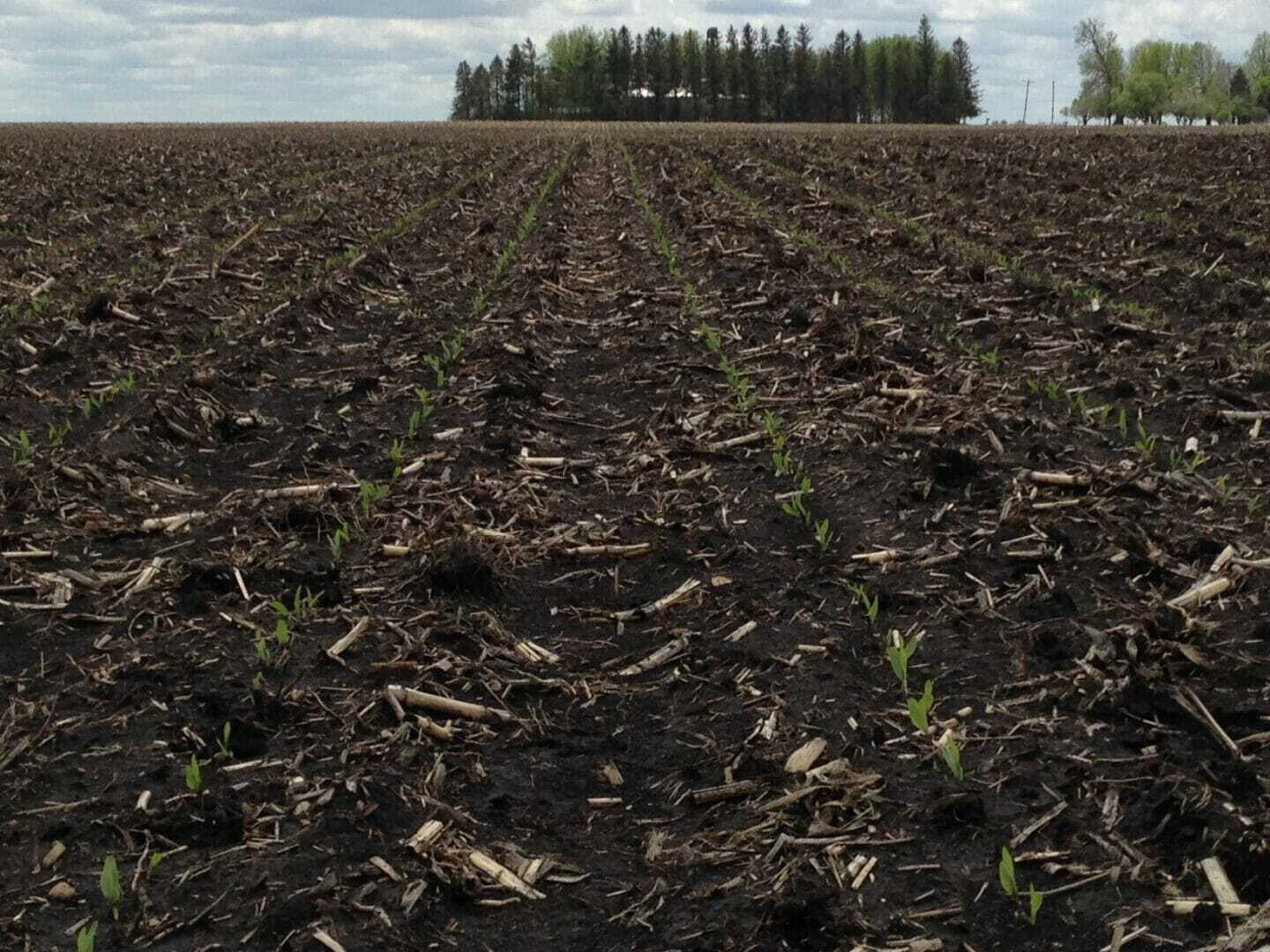
    NickC Corn14

    This spring has certainly a challenge, especially for farmers across North Central and Northeast Iowa and into Minnesota and the Dakotas. However, there’s no need for farmers to jump the gun and switch corn maturities now or even make the switch from corn to soybeans.

    Remember, we’re still within the optimal window of yield for another 7 to 10 days. Most farmers only needs 2 to 3 good days to finish planting corn. If the sun shines and farmers return to the field as expected this weekend, much ground will be covered in a few days.

    We don’t start losing significant yield on corn through the end of May, so continue to practice patience. At Latham Hi‑Tech Seeds, we’re just as eager to get our #crop14 into the ground. This season is definitely testing our patience, too. We’re taking our own advice by working our crop plan and avoiding the temptation to rush into unfit fields. We know nothing good comes from planting in soils that are too wet. Bring on the sun!

    Team Latham

    May 14, 2014
    General, Season, Spring
  • Latham Hi‑Tech Seeds

    Get Your Crop Off to a Good Start

    Featured Rain

    Featured-RainWhat a season of variability! Near Latham headquarters in North Central Iowa, more than seven inches of rain has fallen since Easter. Many counties to the east have received even more. Farmers in Boone County had finished planting corn in 2014 before many Franklin County farmers entered a field.

    With more wet, cold weather in the forecast, local farmers are beginning to wonder if they’ll have their corn planted by mid-May.  Warm, dry days are needed as ponding is an issue right now on Latham’s Century farm. We can’t do anything about the weather, but we can control how we “play the cards we’ve been dealt.”

    As hard as it is to wait, we know that planting in fit soils at optimal depth and proper seed spacing leads to better results. Optimum planting depth is 1.5 to 2 inches deep for corn when soil temperatures are at least 50°. While history has shown us that planting date is a guideline for top performance, it’s certainly not the only factor.

    Last year many farmers in Fayette County, the northeast corner of Iowa, planted their crops in mid- to late May and saw near record yields thanks to warm fall temperatures and decent rains. Speaking of warmer temperatures… the weather in May is historically warmer than in April. Soils maintain warmer temperatures, and there is a much lower risk of imbibitional chilling damage. Chances for freezing damage also are lower, although we saw in Wednesday’s crop report that snow fell over much of our Northern territories halting planting from North Dakota to our Northern tier of Iowa counties.

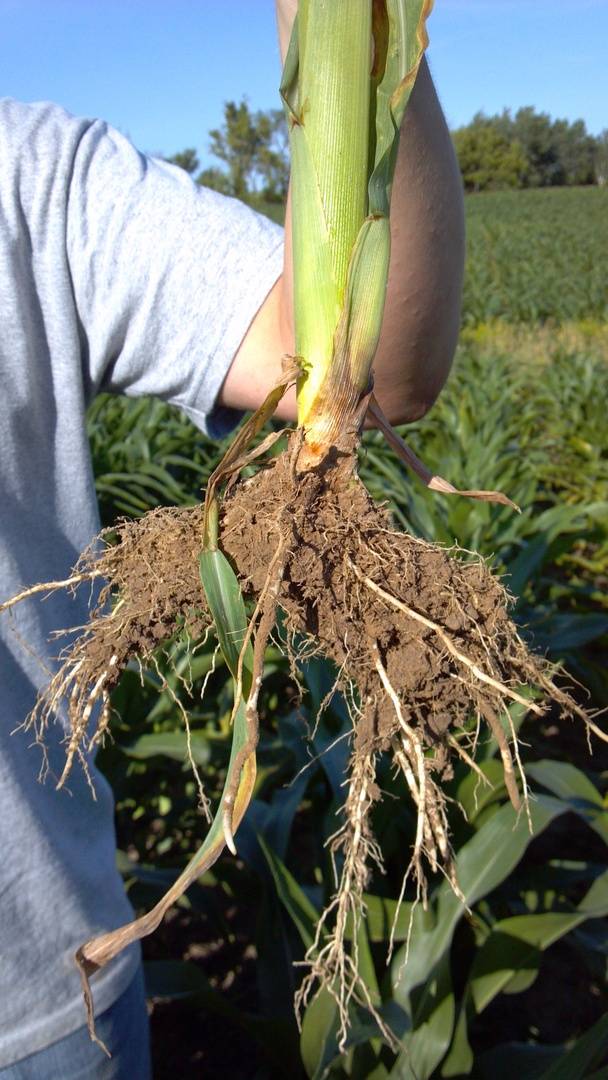
    Some farmers planted in early April to try and get in when they could. Some even talked about planting shallower to compensate for cold soils, but we don’t recommend this. Anything under the 1.5-inch mark is too shallow for proper nodal root development.  It’s also harder to create good seed-to-soil contact when planting this shallow. Remember, if you are planting at 1.5 inches it is easy for that to shallow up to 1 inch in different field conditions. Hard rains following planting can also settle the ground. For all these reasons, we shoot for a planting depth of 2 inches.

    Also remember that cold temperatures at or before planting can negatively affect the growing point of the plant. For corn, that growing point stays under the soil surface until the V6-V7 stage and helps protect the plant to a certain degree from colder weather spells for several weeks. For soybeans, however, the growing point comes out of the ground at emergence. Therefore, a soybean seedling is immediately vulnerable to cold weather. Using a fungicide seed treatment will help protect young soybeans from seedling diseases at this early stage, but they are not designed to protect against cold temperatures.

    Team Latham

    May 1, 2014
    General, Season, Spring
  • Latham Hi‑Tech Seeds

    Looking for the Silver Lining

    Featured Rain

    Featured-RainAfter awaking once again this morning to loud, booming thunder and sharp streaks of lightning, I lay still and willed my body to return to slumber. That’s easier said than done! My mind started to drift…

    Mason City, which is about 20 miles from where we live, set a record on Sunday for the maximum daily rainfall. Nearly 2.5 inches of rain fell on Easter, breaking the previous record of 1.7 inches set in 1977.

    Then I began to think about the weekly rain totals that I researched in order to write yesterday’s crop report. For the week ending April 20, rain fall varied across the state from 0.07 inches at Rock Rapids in Northwest Iowa to 4.87 inches at Pella in Central Iowa. The statewide average precipitation was 1.52 inches or nearly double the weekly normal of 0.85 inches. This was the wettest week in 42 weeks, which brings us to late June 2013. (Like any of us really want to remember just how wet the planting season was last year!)

    Because I’m an optimist – as any farmer must be to keep planting for 40 or so seasons – I decided to look for the silver lining. Rain is needed, albeit we wouldn’t vote for rain at this particular moment. We’d like to schedule timely rains throughout the growing season, but the weather is obviously beyond our control. Hopefully, this rain will soak in where it’s needed.

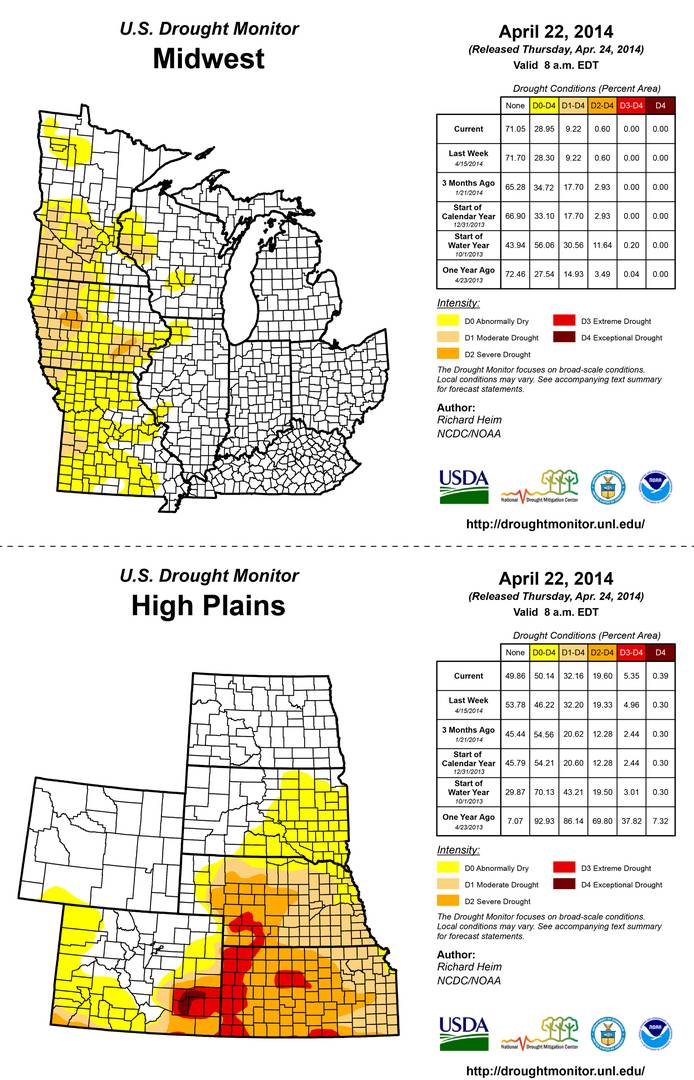
    DroughtMonitor_april14The U.S. Drought Monitor shows many areas across Minnesota, Nebraska and Iowa remain in a moderate drought. Topsoil moisture levels statewide are reported by the department of agriculture as 6% very short, 22% short, 65% adequate and 7% surplus. Subsoil moisture levels rated 16% very short, 39% short, 44% adequate and 1% surplus. Northwest Iowa is the driest with 18% of topsoil reported in very short condition.

    Planting season is a test of patience, but time has shown us that good things come to those who wait for the right seedbed conditions! Don’t push the panic button. Let soil conditions – not the calendar – dictate planting dates.  At this point, fields are not yet fit for planting and yield potential will be more negatively affected by planting in wet soils than waiting even a couple of weeks for better conditions.

    Corn planted into wet soils is prone to problems throughout the growing season such as: stunted plant growth; slow infiltration of water and/or ponding; high surface runoff under normal or light rainfall; poor root system development, or rootless corn; and even nutrient deficiency. Potassium deficiency is caused by corn roots not being able to take up potassium from compacted soils.

    Set up #crop14 for success! Work your crop plan. Remember, we’re still within the window of opportunity for maximum yields. There are literally weeks of planting dates remaining, so be patient and wait for suitable conditions.

    Team Latham

    April 24, 2014
    Agronomics, Corn, Crop, General, Rain, Season, Soybeans, Spring, Weather
  • Latham Hi‑Tech Seeds

    Avoid Rushing Into Unfit Fields

    Soiltemp march14

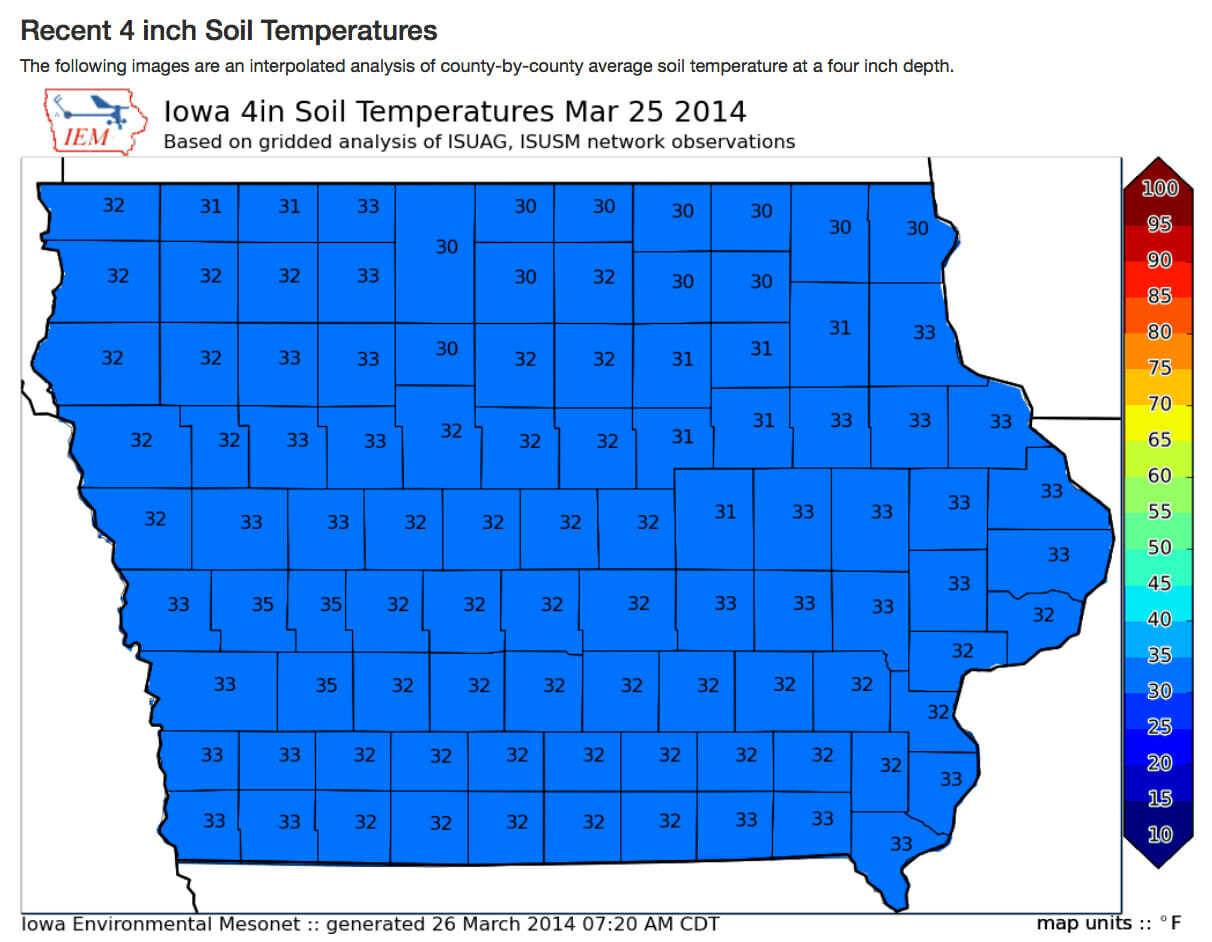
    soiltemp-march14It’s been a long, cold winter. With temperatures averaging 20° below normal last month and snowfall averaging 2 feet above normal across many areas in Latham Country, we’re all eager for spring. The date on the calendar shows that spring has arrived, but it’s in name only!

    March continues to be a battle between seasons with wintery in the short-term forecast. Frost ran deep, and it’s going to be a while before conditions are fit for planting. Remember to let soil temperatures and soil conditions – not the calendar – dictate your planting date. Wait until soil temperatures in a region reach at least 50° before you plant corn and somewhere between 55° to 60° before you plant soybeans.

    Soil temperature for soybean planting is more critical than for corn because soybeans can germinate in a soil environment of about 55° Fahrenheit. If the air temperature after germination hits 28 degrees Fahrenheit or less, however, the young seedling can be killed with the growing point of the plant right at emergence. Adversely for corn, the growing point stays under the surface until much later.

    Webspec Admin

    March 26, 2014
    General, Season, Spring
  • Latham Hi‑Tech Seeds

    Optimal Planting Conditions for Soybeans

    Small Soybean1

    Better planting equipment, improved soybean genetics and technology advancements such as seed treatments and weed control systems have moved soybean planting dates earlier in recent years.  Last year 34% of Iowa’s soybean crop was planted by early May; this year only 1% of Iowa’s soybean acres are planted as of May 13.

    Although there is a correlation to higher yield potential with earlier planting dates, it’s important to remember that soybeans respond favorably to early-planting dates if soil conditions are ideal for planting.  Conditions weren’t fit for planting soybeans in late April or early May.

    One silver lining in the delayed soybean planting is that soil temperatures have warmed.  We recommend planting soybeans when soil temperatures are about 60 degrees, and soil temperatures were averaging only in the low 60s around May 15.

    Planting into a field that is too wet or too cold early in the season will reduce emergence and plant population, which most often leads to reduced yield.  Remember, planting soybeans in warm but wet soils can also have a detrimental impact on yield.  Patience will continue to be key this planting season!

    Webspec Admin

    May 16, 2013
    Agronomics, Corn, Crop, General, Season, Soybeans, Spring
  • Latham Hi‑Tech Seeds

    Tips for Proper Seed Depth and Spacing

    Among the thousand variables crops are subject to each growing season, planting is the most crucial. Corn Product Specialist, Nick Benson offers these tips for proper depth and spacing as planters hit the ground rolling this spring.

    http://www.youtube.com/watch?v=d7W-IO7AvD4

    Webspec Admin

    May 9, 2013
    Agronomics, Emergence, General, Season, Spring
  • Latham Hi‑Tech Seeds

    Seeing is Believing: See Why It’s So Important to Avoid Wet Soils!

    Compation

    After being cooped up for the better part of the past month, I’m as eager as any farmer is for the spring planting season to begin.  Cold and wet weather in April has delayed planting, but we must remember that all of this moisture helped recharge the soil – and farmland across the Midwest desperately needed that!

    The hardest part is going to be waiting to enter fields once the skies clear.  Clear skies and sunshine don’t necessary mean that conditions are fit for planting.  That’s why today I want to take a few minutes to remind you that it’s “worth the wait” to let fields dry before doing any work.

    You’ll cause yourself headaches – and your crop problems – throughout the growing season if you try to plant in unfit conditions.  The top 10 reasons to avoid soil compaction include, but are not limited to,: stunted plant growth; slow infiltration of water and/or ponding; high surface runoff and soil erosion under normal or light rainfall; poor root system establishment; and nutrient deficiency.

    Compacted fields may experience yield losses of 10% to 20%, according to Iowa State University researchers.

    It literally pays to understand and manage soil compaction.  The #1 way to avoid soil compaction now is to wait for the fields to dry.  In a video I made this week, you’ll see how to use a quick field test to check the soil moisture.  You just mold a length of soil between your index finger and thumb, or roll it into a ball in your hand.  Observe whether the soil breaks apart as you work it.  If you toss the ball of soil into the air and it shatters or cracks upon falling to the ground, then conditions are likely suitable for tillage or planting.

    For additional tips on how and why to avoid soil compaction, take a few minutes to read these related posts:

    • 3 steps to reduce or minimize soil compaction
    • Compaction after a wet fall
    http://youtu.be/F3oo8d6s2Nk
    http://youtu.be/1FHtMT7D75M

    Mark Grundmeier, Product Manager

    April 25, 2013
    Agronomics, General, Season, Soil, Spring
  • Latham Hi‑Tech Seeds

    Don’t Push the “Panic” Button!

    Ken 2

    Even though spring planting has been delayed by unseasonably wet and cold weather, there’s no need for corn farmers within the Upper Midwest to push the “panic” button.  We’re still within the ideal planting window, so work your crop plan.

    Research shows that hybrids adjust to planting dates.  Adapted full season corn hybrids can compensate somewhat for later plantings.  As planting is delayed, hybrids shorten the time between planting and silking.  Full-season hybrids almost always outperform short season hybrids, so farmers really don’t need to consider switching maturities until May 25.

    Let soil temperatures and soil conditions – not the calendar – dictate planting dates.  At this point, fields are not yet fit for planting. Your yield potential will be more negatively affected by planting in wet soils than waiting even a couple of weeks for better conditions. On average, farmers will lose about half of a bushel/acre per day due to delayed planting. Research shows farmers will lose more yield if crop is planted into less than ideal conditions, so we encourage you to wait for soils to warm up and dry out.

    Corn planted into wet soils will be prone to problems throughout the growing season such as: stunted plant growth; slow infiltration of water and/or ponding; high surface runoff under normal or light rainfall; poor root system development, or rootless corn; and even nutrient deficiency. Potassium deficiency is caused by corn roots not being able to take up potassium from compacted soils.

    REMEMBER:  The majority of yield is determined during planting. “Patience” is key right now. Good things come to those who wait for the right seedbed conditions!

    Ken 2

    Phil Long

    April 24, 2013
    Agronomics, Corn, Crop, Season, Soybeans, Spring, Tech Tuesday
Previous Page
1 … 11 12 13 14 15 … 18
Next Page

Latham Hi‑Tech Seeds

131 180th Street | Alexander, IA 50420

(641) 692-3258

SIGNUP FOR OUR NEWSLETTER
  • Contact
  • Legal
  • Dealer Center
  • Seedware Login
  • Latham Gear

© 2025 Latham Hi‑Tech Seeds. All rights reserved. | Iowa Web Design by Webspec | Privacy Policy

Latham® Hi-Tech Seeds is a trademark of M.S. Technologies, L.L.C., 103 Avenue D, West Point, IA 52656.