John Latham talks all things seed industry today! From weather to new seed technology approvals, join us for insight from John.
For the Facebook Live link, click here: https://www.facebook.com/LathamSeeds/videos/10156341954222138/


John Latham talks all things seed industry today! From weather to new seed technology approvals, join us for insight from John.
For the Facebook Live link, click here: https://www.facebook.com/LathamSeeds/videos/10156341954222138/
Craig Haaland
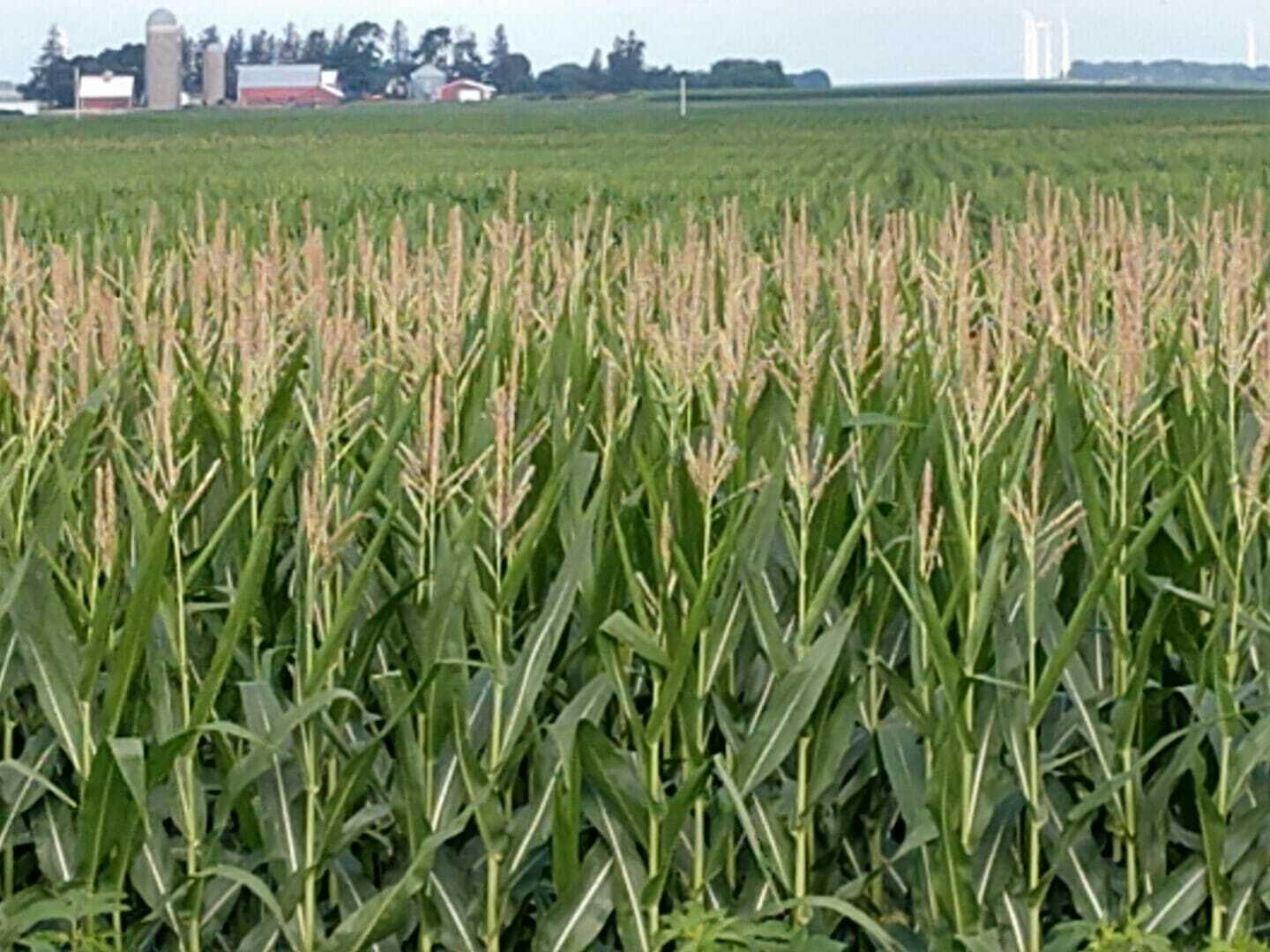
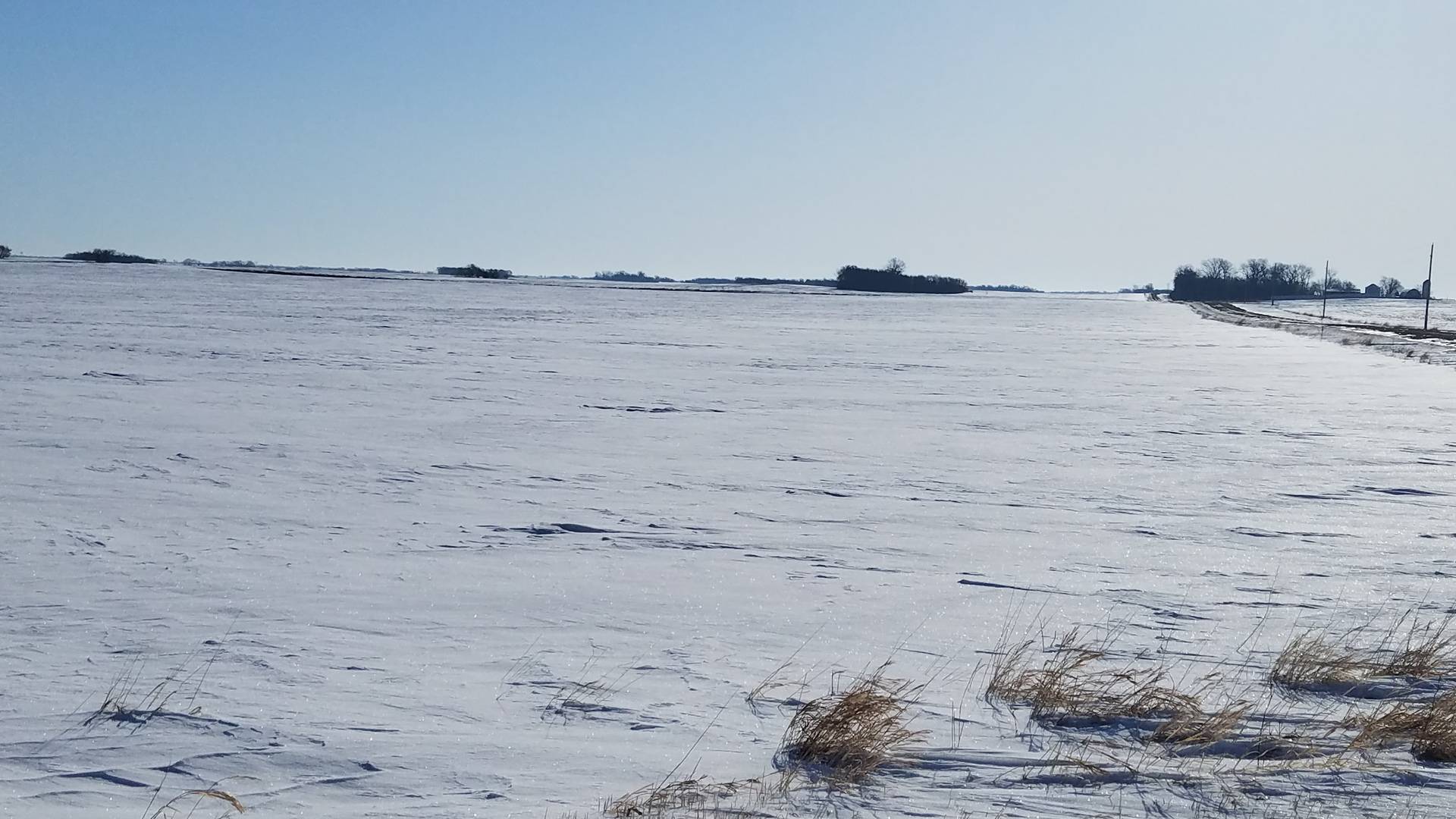
It’s another crisp morning in northern Iowa and southern Minnesota. Today’s forecast calls for another 4 to 8 inches of snow. It’s like living a scene from the movie, “Ground Hog” day. We keep waking up to April snow.
On a positive note, the snow is wet. Wet snow provides moisture, and subsoil moisture is needed by crops. While it’s trying our patience, we know that warmer days are ahead! In the meantime, our seed is safely in the shed.
Cory Greiman
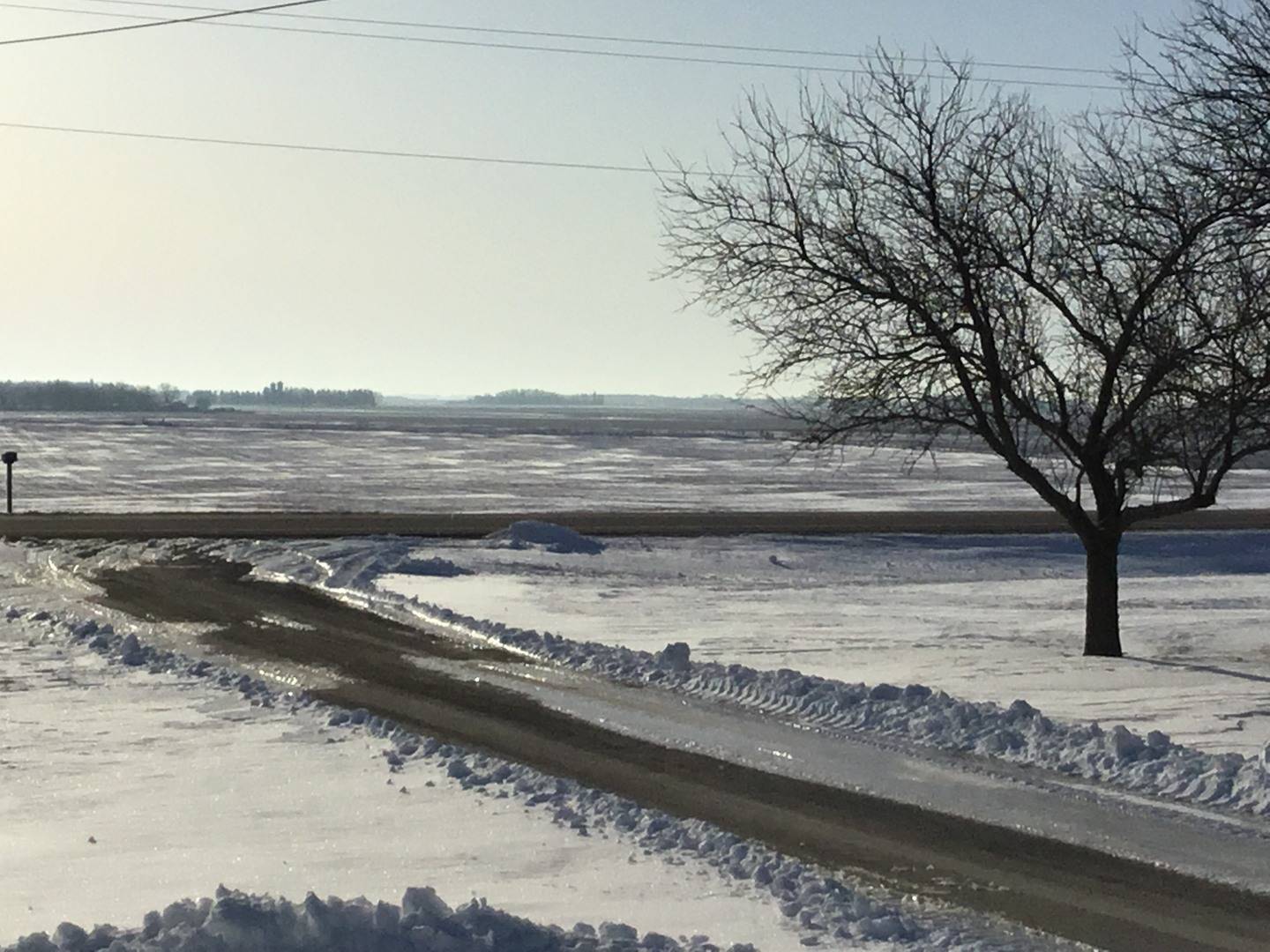
This photo was taken south of Garner, but it’s snowing again. It looks like 5 inches has already fallen. The flakes are getting heavier and bigger.
Bart Peterson
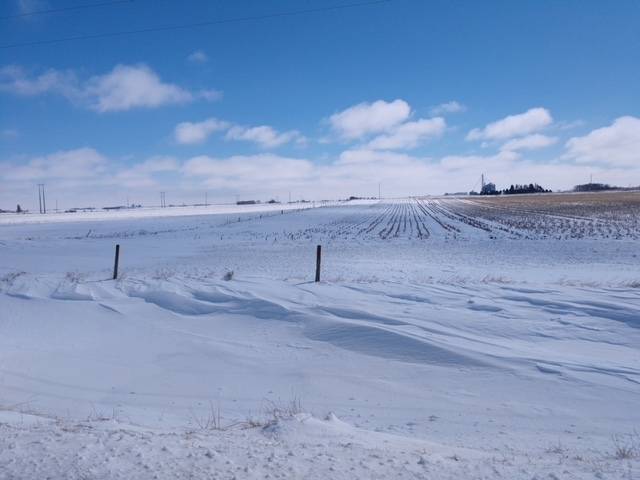
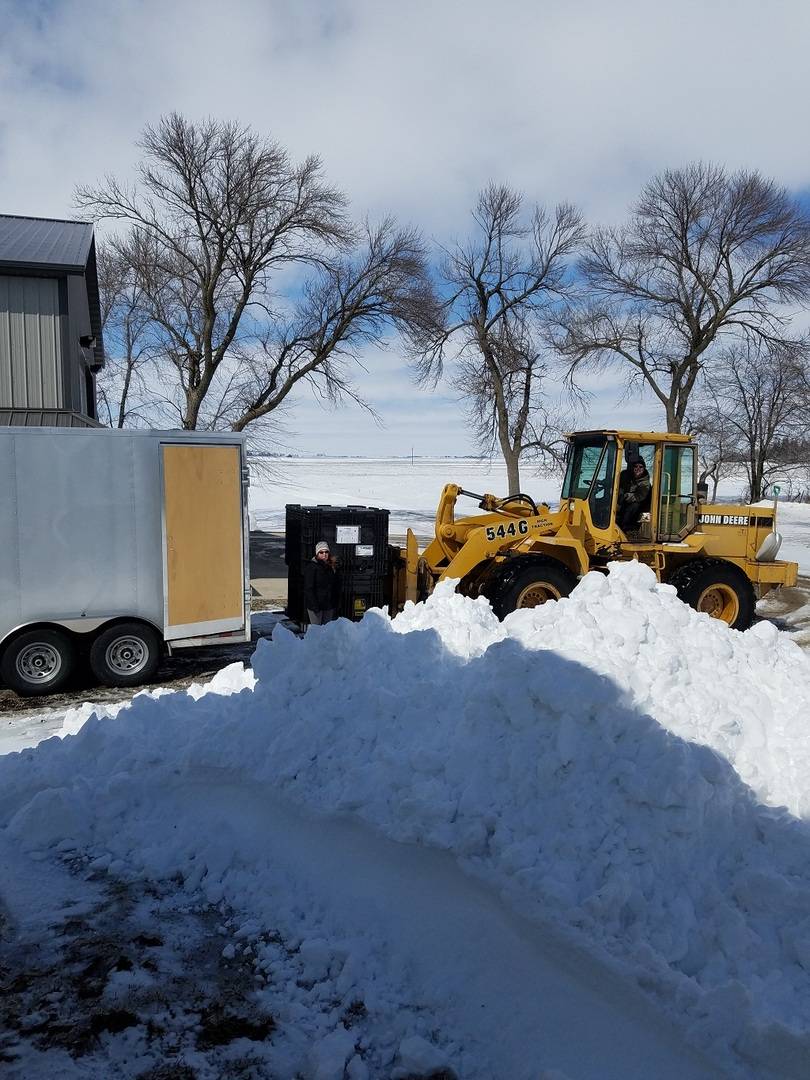
This picture was taken April 16, 2018, just 7 miles east of Humboldt where it snowed 10 inches last weekend. Instead of unloading hard boxes of corn for planting, many farmers in the area are moving snow. This weather is testing our patience, but we know spring will arrive soon.
Bryan Rohe
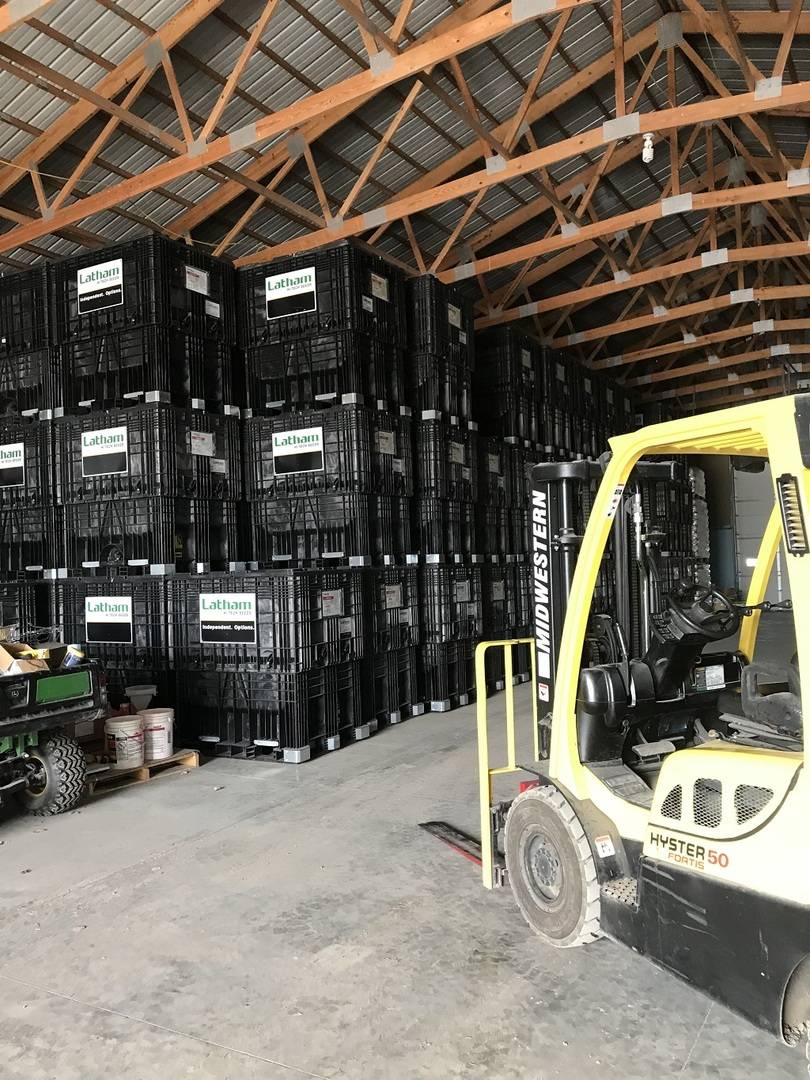
Despite the weather, Latham® dealers are busy making deliveries and discussing what hybrids and varieties should be placed on what fields. Latham has outstanding product performance and takes pride in placing products on the right soils, fertility, and drainage to maximum profit per acre.
Jerry Broders
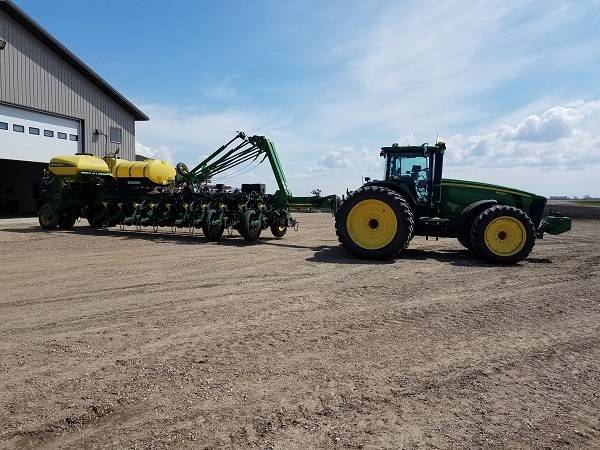
We’re all hooked up and ready to go in eastern Iowa! As you can see, our soil temperatures are not ready for #plant18. Soil temperatures here are 38 degrees at 2 inches of depth. It’s best for soil temperatures to reach 50 degrees before planting corn. Soil temperatures should consistently stay between 55 and 60 degrees Fahrenheit before planting soybeans. Be patient as the forecast is for warmer temperatures next week!
Darin Chapman
Below are a few planter inspection tips while you wait:
Larry Krapfl
No planting will get underway here for a while as snow is covering most of western Iowa and eastern Nebraska. Fourteen inches of snow fell last weekend in Spencer, Neb., and Emerson, Neb, picked up eight inches of snow. Battle Creek, Iowa, got O.6 of an inch of rain followed by four inches of snow. Council Bluffs marked 0.8 inches of rain with just a dusting of snow. The good news is this snow won’t last long. We’re all ready for the planting season to begin!
Greg Mair
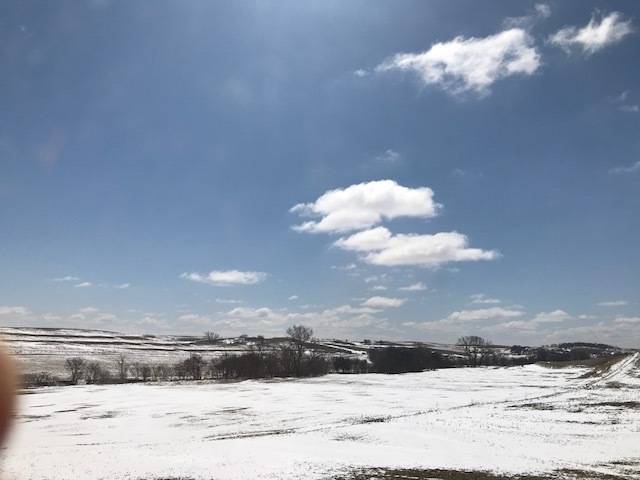
The month of April feels more like January. The winter storm that hit most of the Midwest dropped anywhere from 3 inches in southern Wisconsin to 33 inches of snow northwest of Green Bay.
I didn’t think I would ever hear of a day when farmers would use airplanes to fly salt over the rooftops to help speed up the melting process and to prevent barn roofs from collapsing. This photo from Latham® Dealer Adam Faust of Chilton, Wisc., shows the 22 inches of snow that fell. Adam says he’s looking forward to a calm May with warm temperatures and abundant sunshine. If the long range forecast is accurate, it’s shocking to say that we might be in the fields before we were last year!
Even with the warm sunshine this week in Watertown, it will take awhile for the 9 inches of snow to dry out – and for soils to warm up – enough to plant our Latham Corn SuperStrip.
Brian McNamee
Luckily, here in North Dakota we didn’t see the big snowfall that blanketed the Upper Midwest last weekend. Farmers across the area are chomping at the bit to get seed in the ground. There is a lot of “yet to be determined” acres across the region. It does look like we will start receiving normal to near normal temperatures in the coming week. Latest data shows that this is the second coldest April on record with temperatures averaging 15.5 degrees below average.
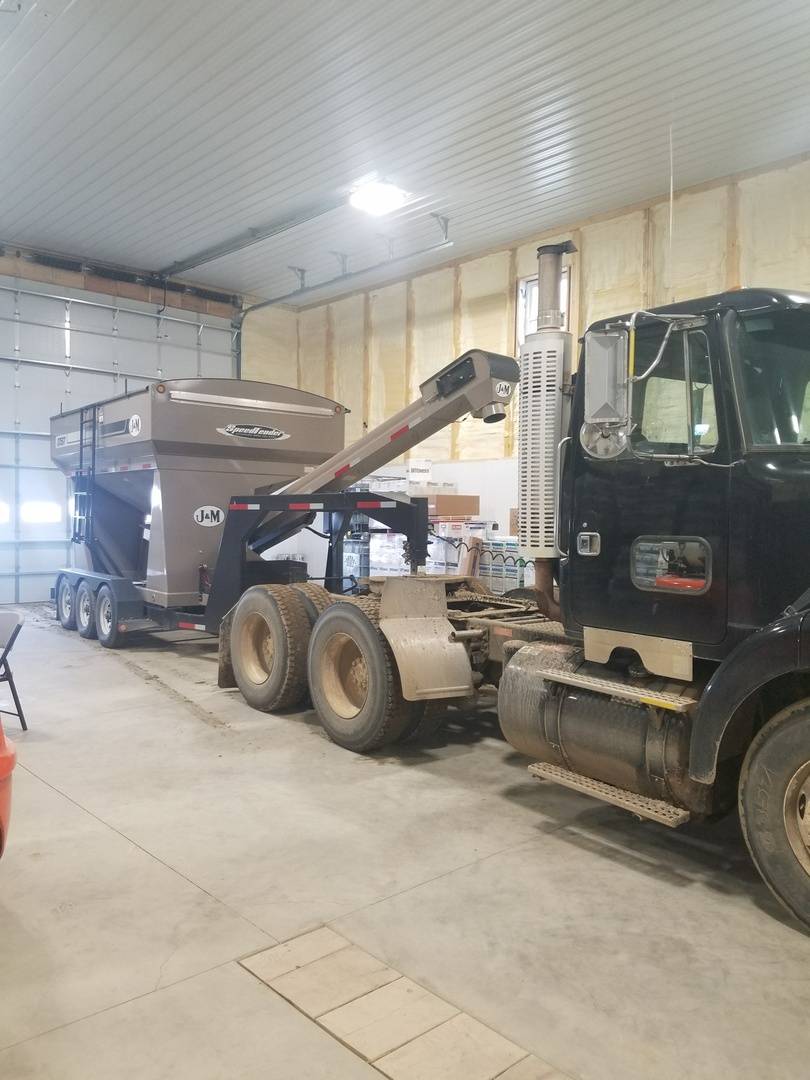
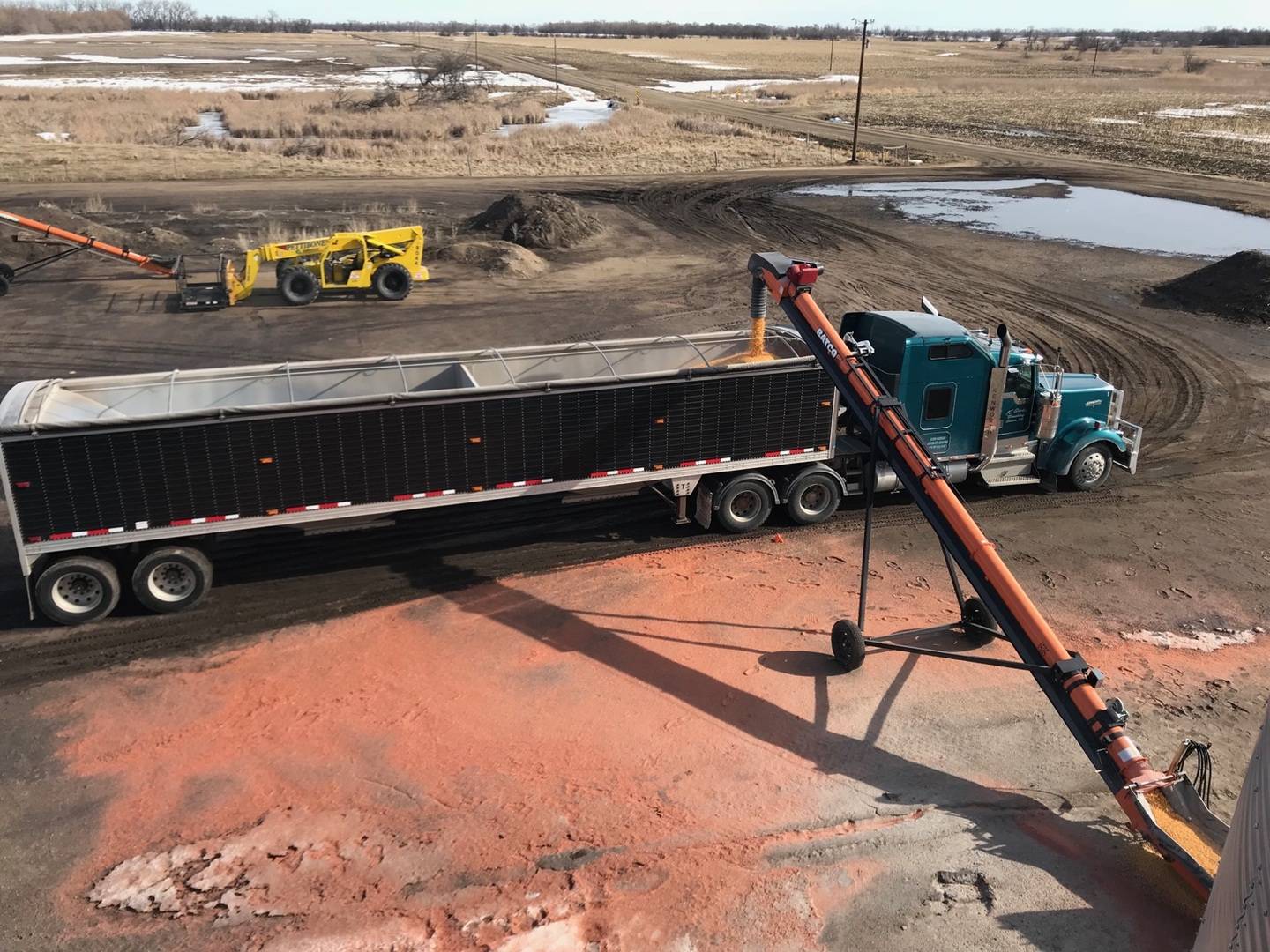
Pictured is one of my northern ND dealers with bulk seed delivery in place ready for season to hit.
Gary Geske
While we are all waiting for spring and planting, there are other things we must give attention. Cold grain stored in bins starts sweating as outdoor temperatures rise. Monitor the situation closely as a bin full of grain can spoil in no time. If you do not haul the grain out of the bins before the busy season starts, at least core the bins. Pull a few loads out of the center and run fans to equalize temperatures to prevent spoilage.
James Keltgen
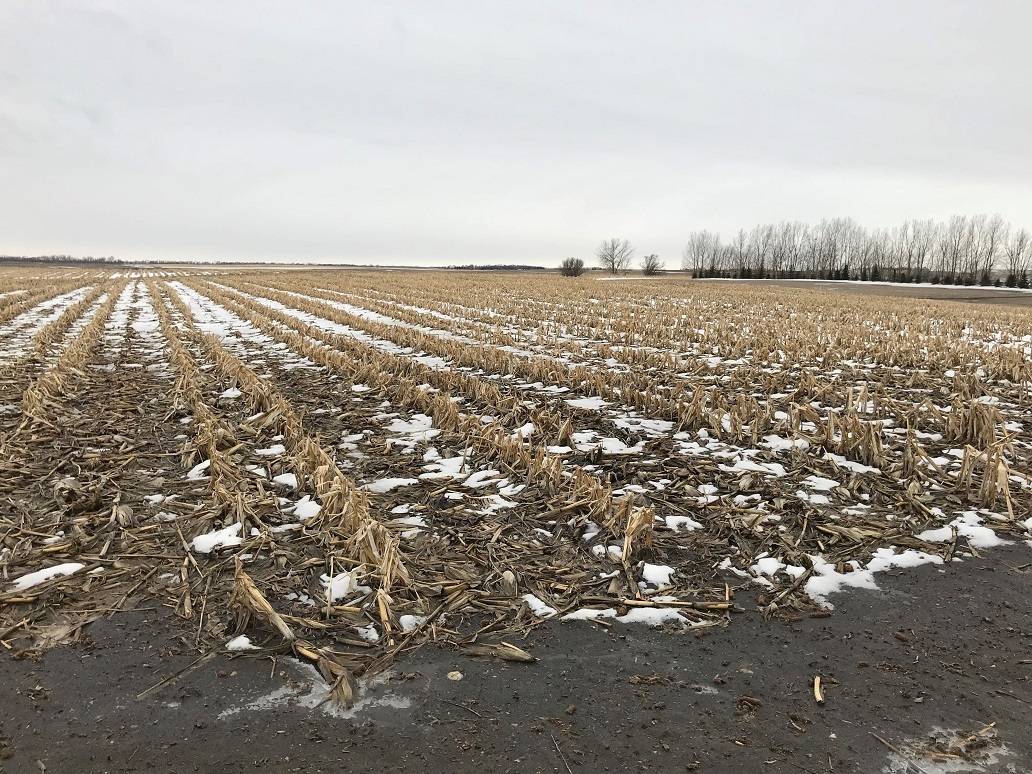
Mother Nature has not been cooperating with farmers this spring. There has been a snowstorm every week in Northeast South Dakota for the past month. Twenty-one inches of wet snow has fallen during the last two storms with more snow in the forecast for April 18. Frost is still present as air temperatures have been 30 degrees below normal. Fortunately, the date to switch to earlier maturities for our region is May 20. We still have plenty of time until we need to be worry about that! Warmer weather and planting are just around the corner.
Ramie Coughlin
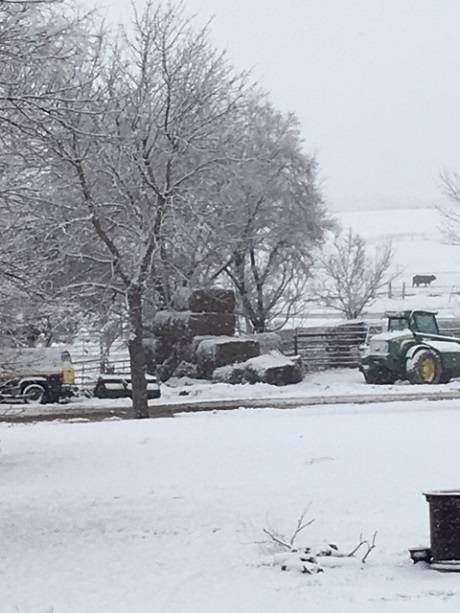
The calendar says spring is here, but Mother Nature says, wait just a bit. As snow continues to fall in South Dakota everyone gets a few more days in the shop to get spring field equipment ready to roll.
Ken Highness
This photo was taken April 17 near Freeport, Minn., where eight inches of snow fell over the weekend. While none of us want to see spring snow, at least it’s still early in the season. Keep calm. Each day brings us one day closer to “normal” spring temperatures!
Jay Nelson
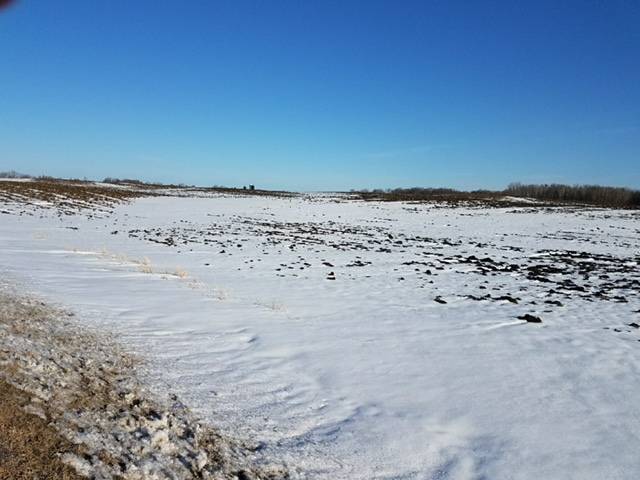
Although we’ve had some fairly windy conditions with this snowfall, the good news is there should be adequate moisture once we can start rolling. This picture was taken south of Renville, Minn. Many dealers and farmers that I’ve been talking with are getting anxious, but I’m reminding them to make sure the ground is fit before they enter the fields.
Planting is one of the most important and direct influences that we have on yield. History has shown us that it’s best to avoiding planting when the soil is too wet or too cold. The effects of soil compaction become evident all season long, especially at harvest time. We’ll see the chilling effect when seeds imbibe cold water. When soil temperatures are less than 55° F for an extended period of time, the seedlings may “corkscrew” or not emerge when exposed to these coil soil temperatures.


The planters are ready to roll as this is coming to you! That’s why I’m reminding everyone how important the proper start to the season is.
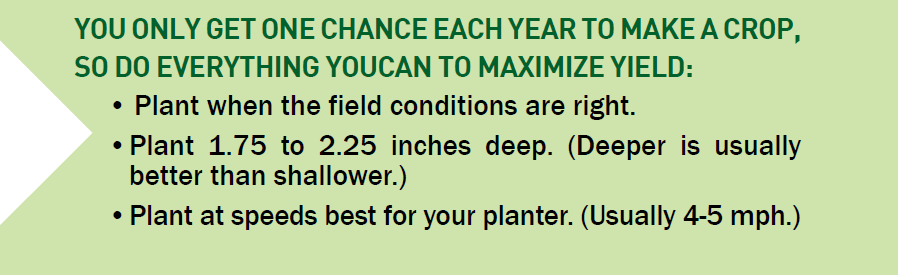
If the planting season gets off to a bad start, it’s only going to get worse throughout the growing season. That’s why it’s so important to plant into fit soil conditions, at the proper depth and at a slow enough speed.
As a farmer, I understand the urgency to get seed in the ground. We’re so eager that sometimes we mud the crop into a less than desirable seed bed, and sometimes we plant at higher speeds to get more acres planted in a day. However, days on the calendar don’t make up for mistakes in the field. Keep in mind that haste makes waste.
A few years ago, I conducted speed and planter depth testing on our farm. I found that our John Deere 7000 planter was most accurate at 4.5 to 4.8 miles per hour (mph), and our yields were the best at a depth of 1.75 to 2 inches. I saw as much as a 10-bushel difference at higher planting speeds and a 20-bushel difference when seed was planted at 1.25 to 1.5 inches deep. Root systems were considerably smaller where the seed was planted shallower and at faster speeds.
Also remember to check depth and spacing each time you move to a different field to ensure depth and spacing works in that field’s soil type and texture. Wishing you all a safe and great planting season!
Join us for a LIVE Climate FieldView tutorial with Phil Long!
For the Facebook Live video, click here: https://www.facebook.com/LathamSeeds/videos/10156307427012138/
Planting beans before corn? Tune in to hear the benefits!
https://www.facebook.com/LathamSeeds/videos/10156289311917138/

Most of North Dakota is starting to look arid as we have gone all spring without moisture. We’ve been chasing the moisture down with seed placement and have hit our limits. The ground has hardened, and soil conditions are growing worse by the day. Later planted corn and tens of thousands of acres of soybeans have been planted into dry soils. With the widespread use of pre-emergence chemicals, there’s potential seedling loss to due chemical activation and plant emergence all at once. We need rain in the worst way and we need it soon!

This field of Latham® Hi‑Tech Hybrids at Hermosa is looking great! Due to cooler than average temperatures, heat units are lacking in Northeast South Dakota. Central and North Central parts of the state are extremely dry. Soybeans need moisture to germinate in many areas of the state.
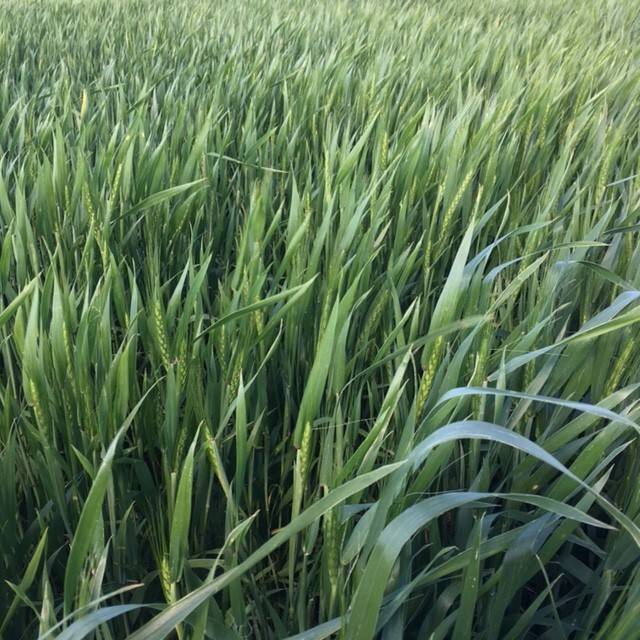
After a few days of some much needed rain and warmer weather, the crops are growing vigorously. Wheat is heading, and the first cutting of hay is down.
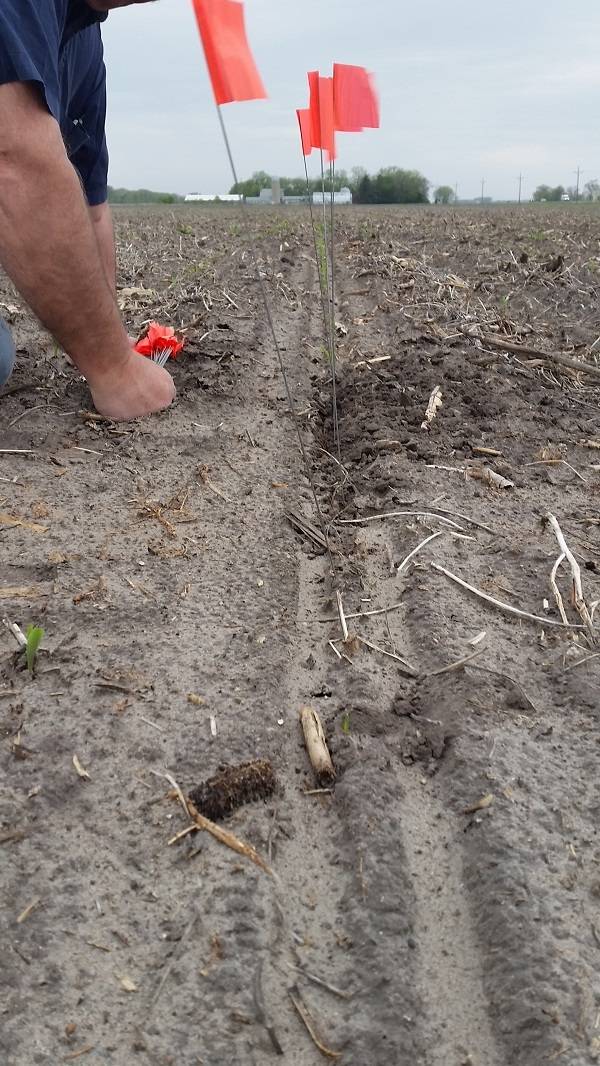
It’s been a tough spring! Cold temperatures and rain after planting affected emergence, especially in low areas of the field. The red flags represent poor emergence or no emergence at all. Click here for tips on assessing corn and soybean stands.
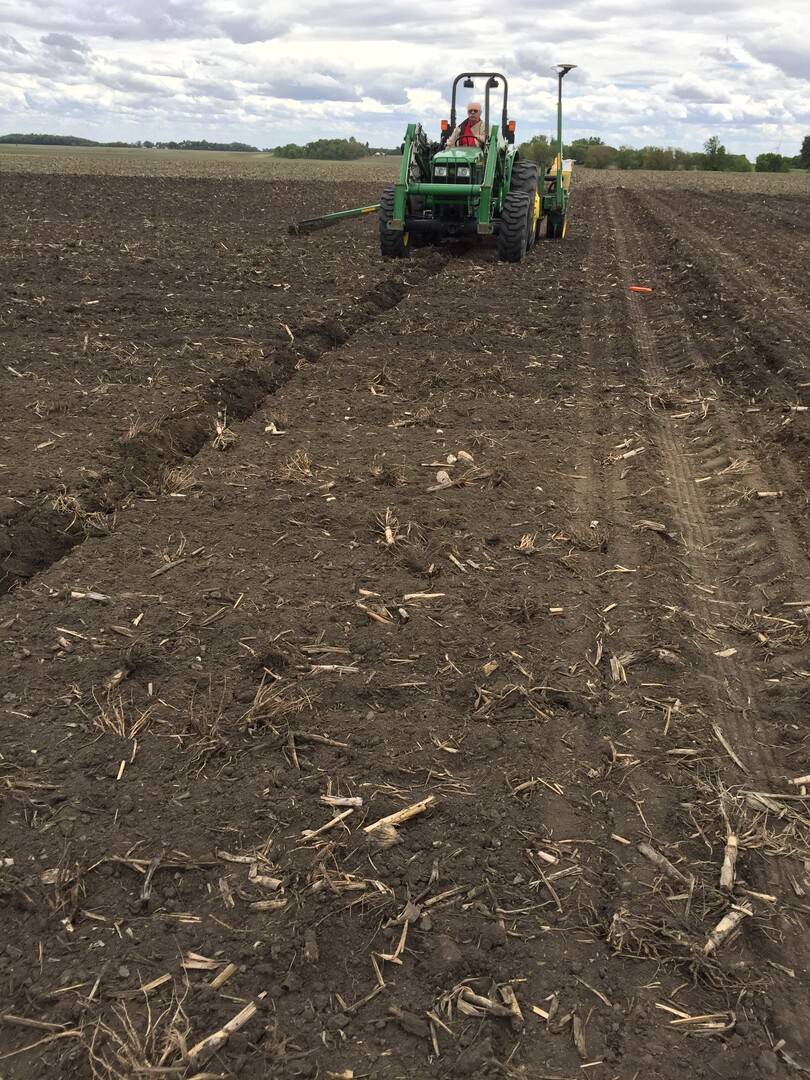
Yesterday Latham’s regional Technology Showcase Plot was planted near Mountain Lake, Minnesota. This soybean plot features Roundup Ready 2, Roundup Ready Xtend, and Balance GT. Come see them yourself at our plot day on Aug. 22!
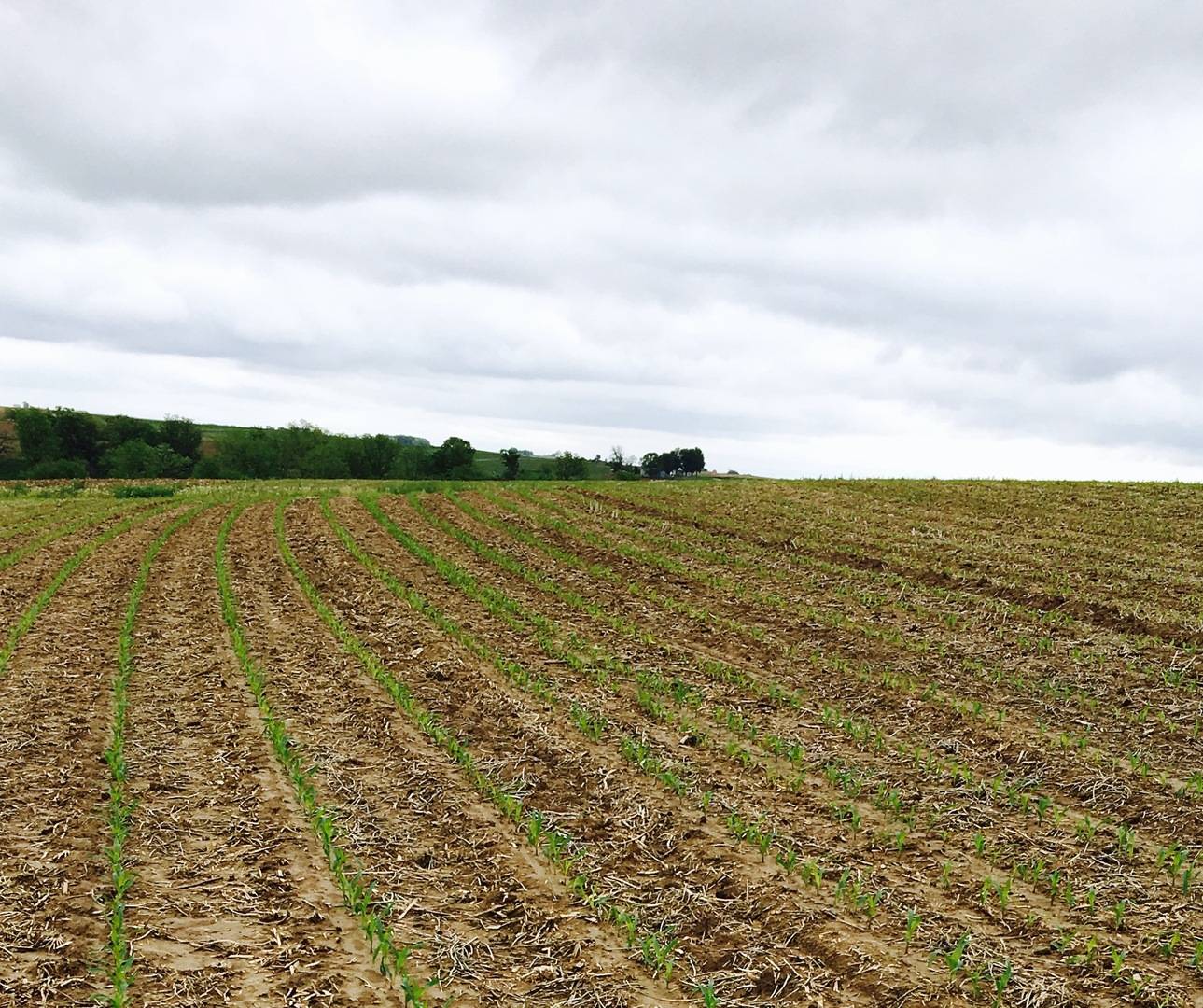
It’s been another wet week across Wisconsin. While many farmers across the Corn Belt are talking about replants, we’re just praying we can get good enough weather to get the crops in once!
This field of Latham® LH 5335 VT2 PRO was planted April 25. It was in the ground about 18 days before it emerged, but the stand looks great. The forecasted warmer temps should help improve plant health.
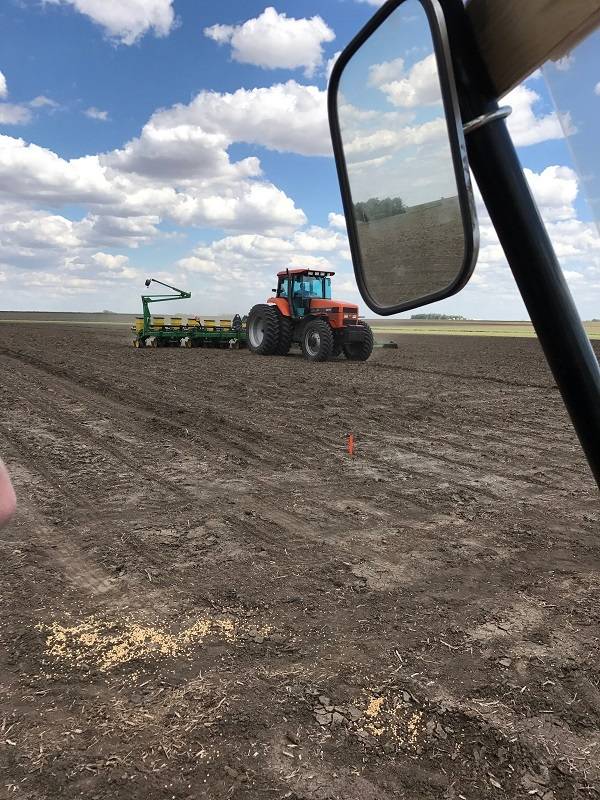
Brian and Adam Schaffer, Latham Hi‑Tech Seeds dealers in Sheldon, Iowa, are finishing up their soybean plot. There are some concerns of replant following heavy rains and crusting. A small shower and sunshine greatly benefit crops across Northwest Iowa!
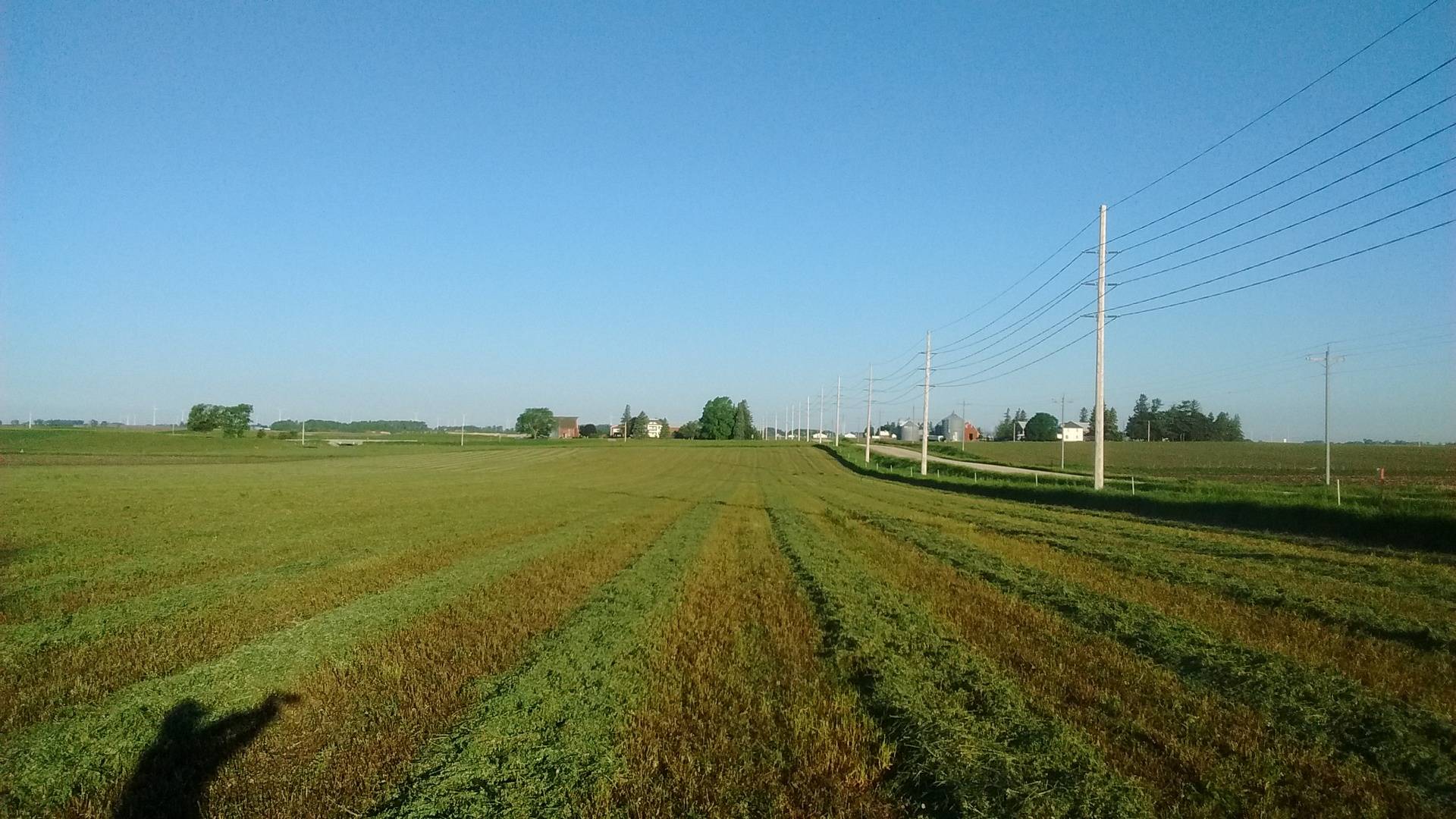
You know what they say, “The time to make hay is when the sun is shining!” Fortunately, it looks like farmers in North Central Iowa are going to catch a break from an especially wet spring in time to bale first cutting.
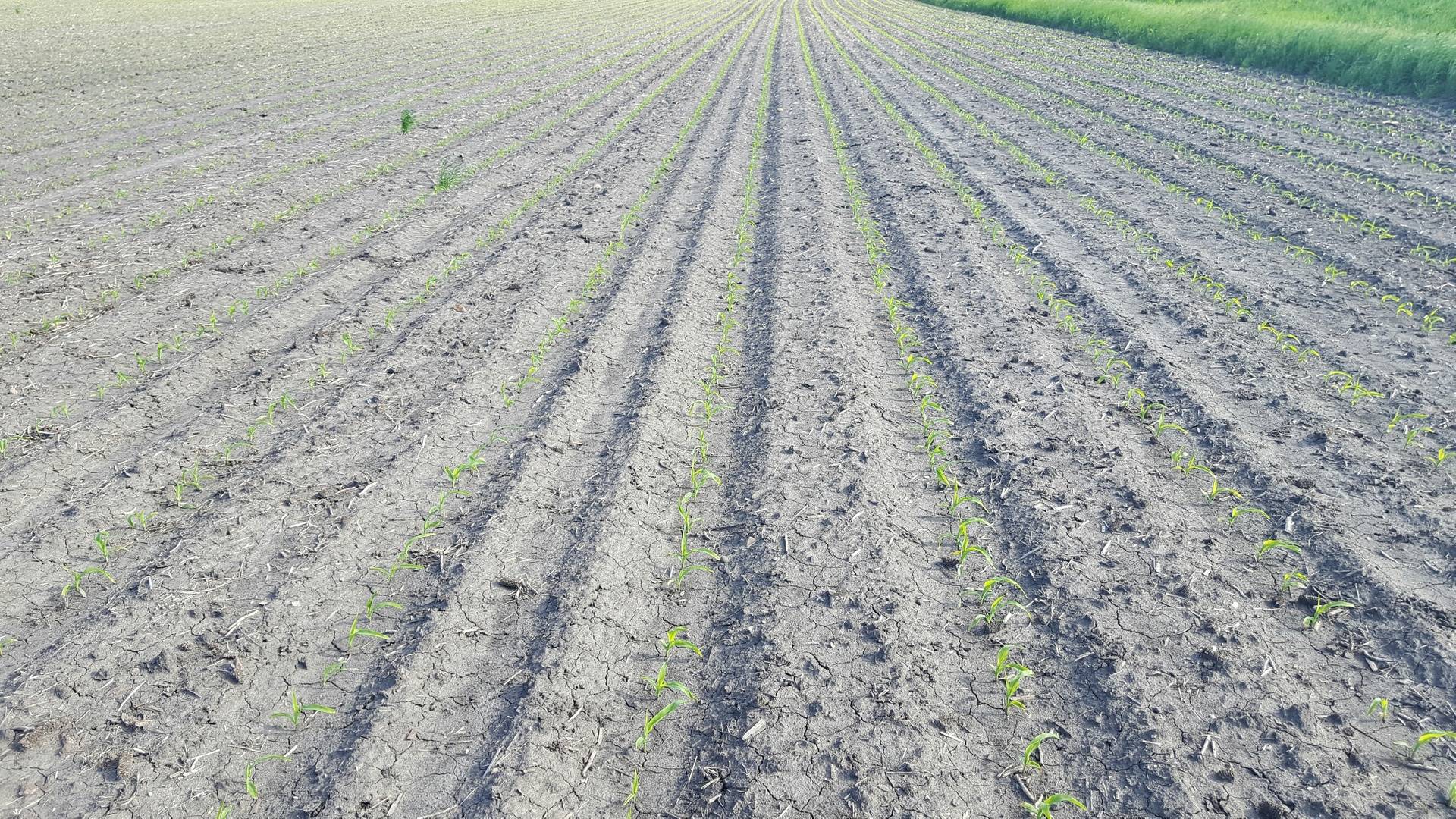
This field of Latham® LH 5175 VT2 DG RIB DroughtGard® was planted May 5 by Lime Springs, Iowa. This tough hybrid that got hailed on, but it’s starting to turn green after the recent warmer weather. It’s important to keep scouting fields, assessing stands and controlling weeds.
Hail and straight line winds on Tuesday, May 16, caused this 200-acre field southwest of West Bend, Iowa, to be replanted. Click here for tips on assessing hail damage.
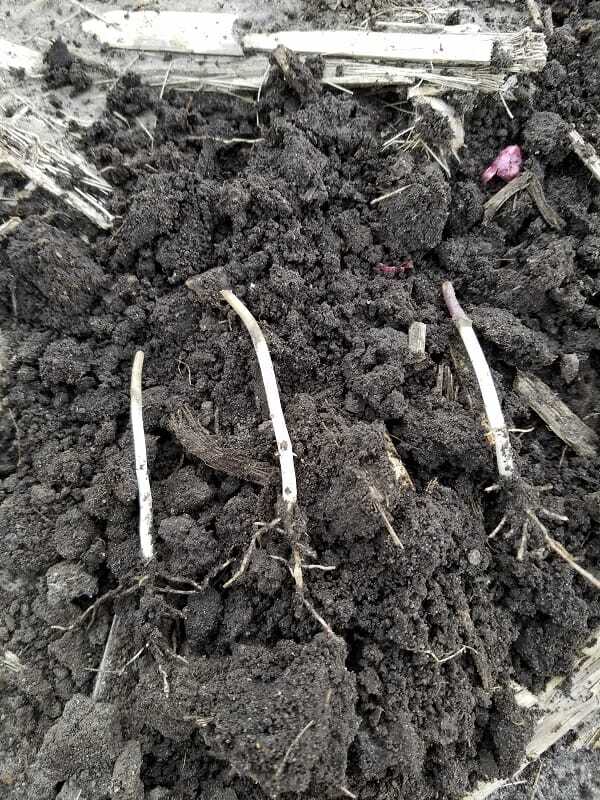
After digging seed from the ground, I saw hypocotyls and the cotyledons missing. It’s sad to say that more than 50% of the field looked like this.
Picket fence stands and uniform emergence begins at the planter. While planting, farmers need to get out of the cab periodically to check: (1) seed-to-soil contact; (2) planting depth and (3) seed spacing.
Planter adjustments are key when planting. Missing plants will decrease yield. Finding too many doubles is not only a waste of seed, it can also mean that your planting units are in need of adjustment or repair.
SuperStrips are exclusive to Latham Hi‑Tech Seeds and play an important role in our internal research program. The same group of soybean varieties and hybrids are planted in several locations across Latham Country, so we can gather data on how they perform across different environments and soil types. This data is then used to help our farmer-customers make product selections on a field-by-field basis.
Latham® Dealer David Boeding plants a Latham SuperStrip on his farm in eastern Iowa. Planter boxes are cleaned before a different variety or hybrid is planted, so we can be sure that row is pure.
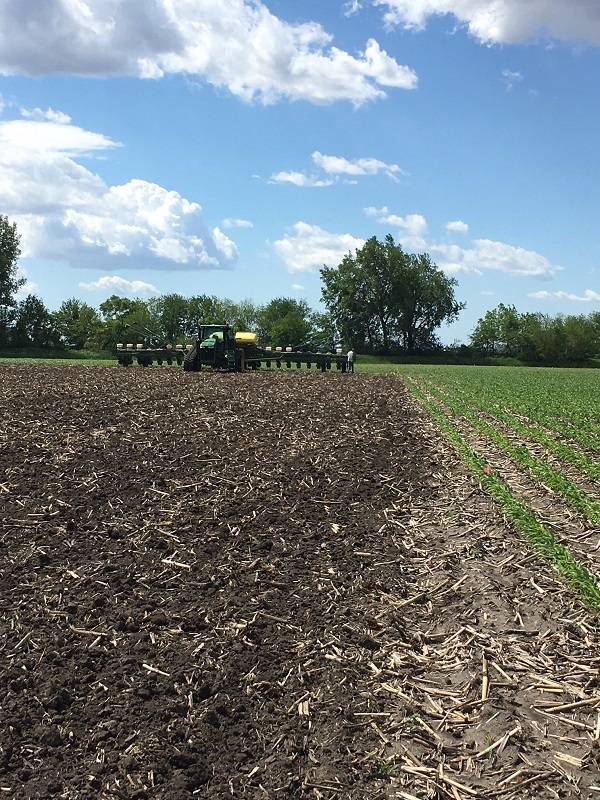
A two-day window before rain is forecasted is allowing many Central Iowa farmers to finish planting. This week we planted a Latham® soybean plot near Cambridge.
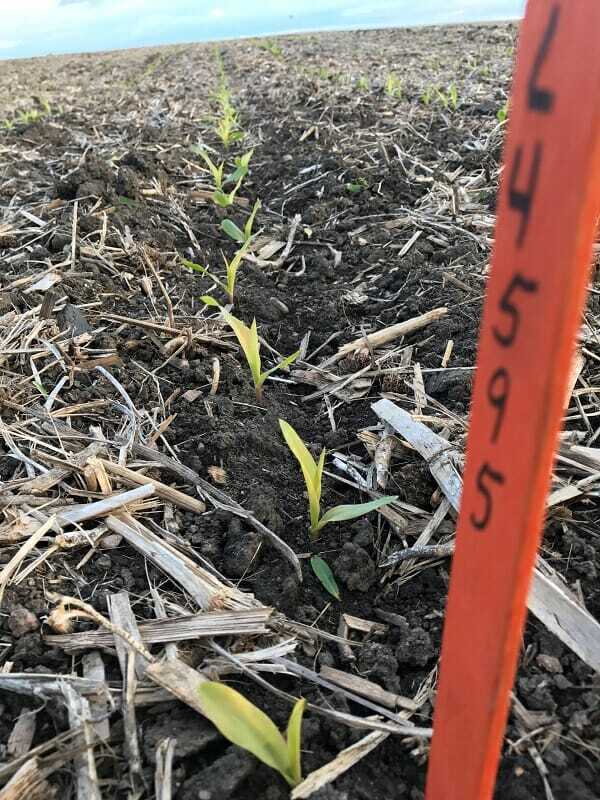
Cool, wet weather has slowed root development and some plants are showing a yellowing or purplish leaf color. Warm weather should enhance development of the roots. Normally, there is no yield reduction from plant discoloration at this time in the growing season unless it’s fertility driven by low nutrient levels.
We have cold saturated soils in Southeast South Dakota on the 23rd of May. Most corn fields are up and can be rowed on a drive by. Unfortunately, when you stop and look closely it, there is a bit of a yellow tint to it. These crops need sunshine and warm temps.
Things have really changed in the last week. Many areas received decent levels rainfall, which halted planting. Areas in Central South Dakota are still very dry, and areas in East Central South Dakota are very wet as more than 3″ of rain fell. Cool, cloudy weather slowed growth as you can see slight yellowing in corn. Emergence looks very good and even in corn and many soybeans are starting to crack.
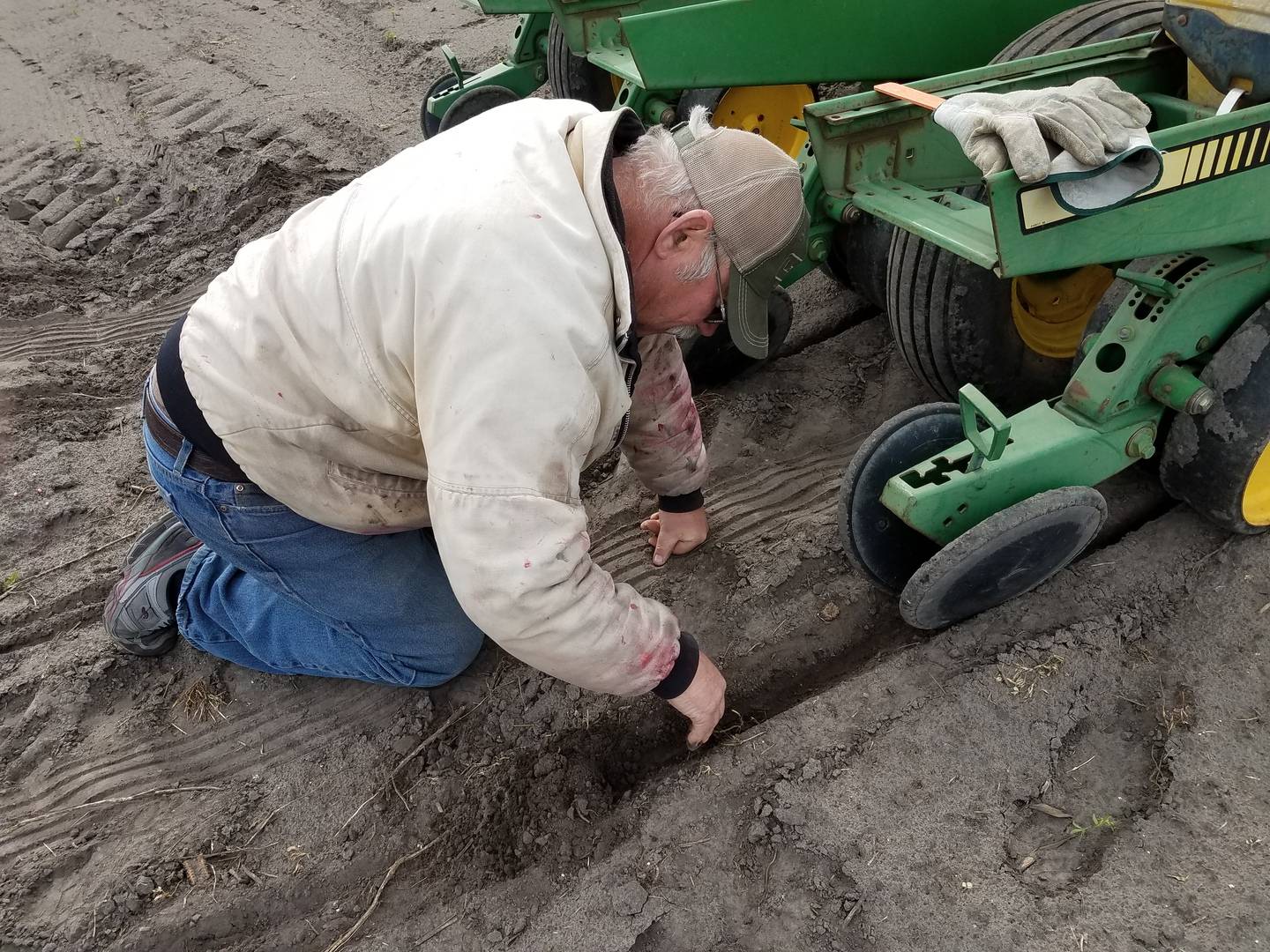
Gary Geske and I planted Latham’s regional corn and soybean plot on May 23. Gary is pictured here, checking seed depth. The plot is located on the southwest corner of State HWY 10 and State HWY 9 near Glyndon, Minnesota.

This field of LH 5095 VT2 was planted April 23. Rain, clouds and low temperatures this past week hasn’t promoted much growth. Once the sun returns, just watch that corn grow!
Even with our cloudy, cool spring weather we are only running 10 GDU days behind the historic mark for may according to the University of Minnesota Outreach Center in Lamberton.
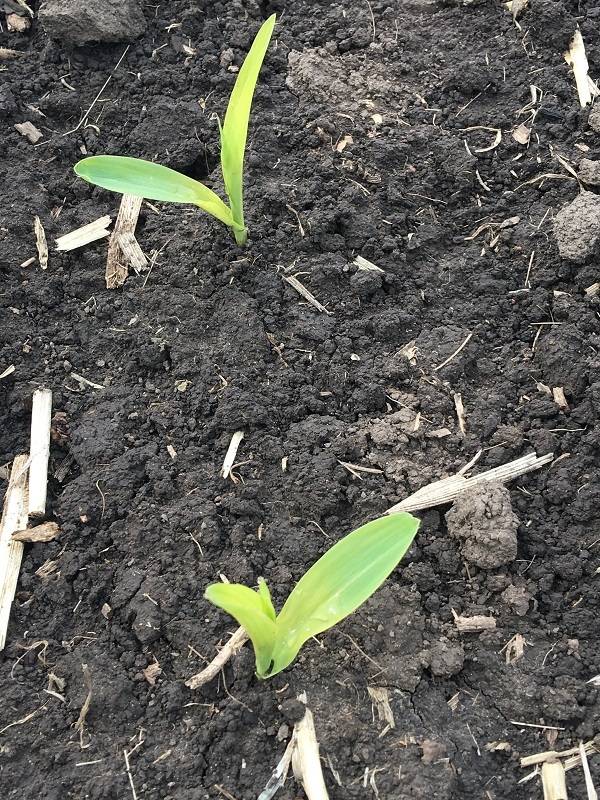
If we could get a string of sunny days, corn planting could wrap up in Wisconsin. Sunshine and warmer temperatures are also needed to push along crop development.
Latham® Hybrid LH 5099 SS was planted May 8 in Ripon, Wisconsin. This field shows uniform emergence and growth, but that’s not the case everywhere. Unfortunately, cooler temps are hampering growth across the region.
With the significant rainfall we have had, it is important that growers get out and walk fields as conditions allow.
Call your local Latham seed supplier or RSM at 1.877.GO.LATHAM if you would like a second opinion as to whether replant is needed. Additional tips are available online here.
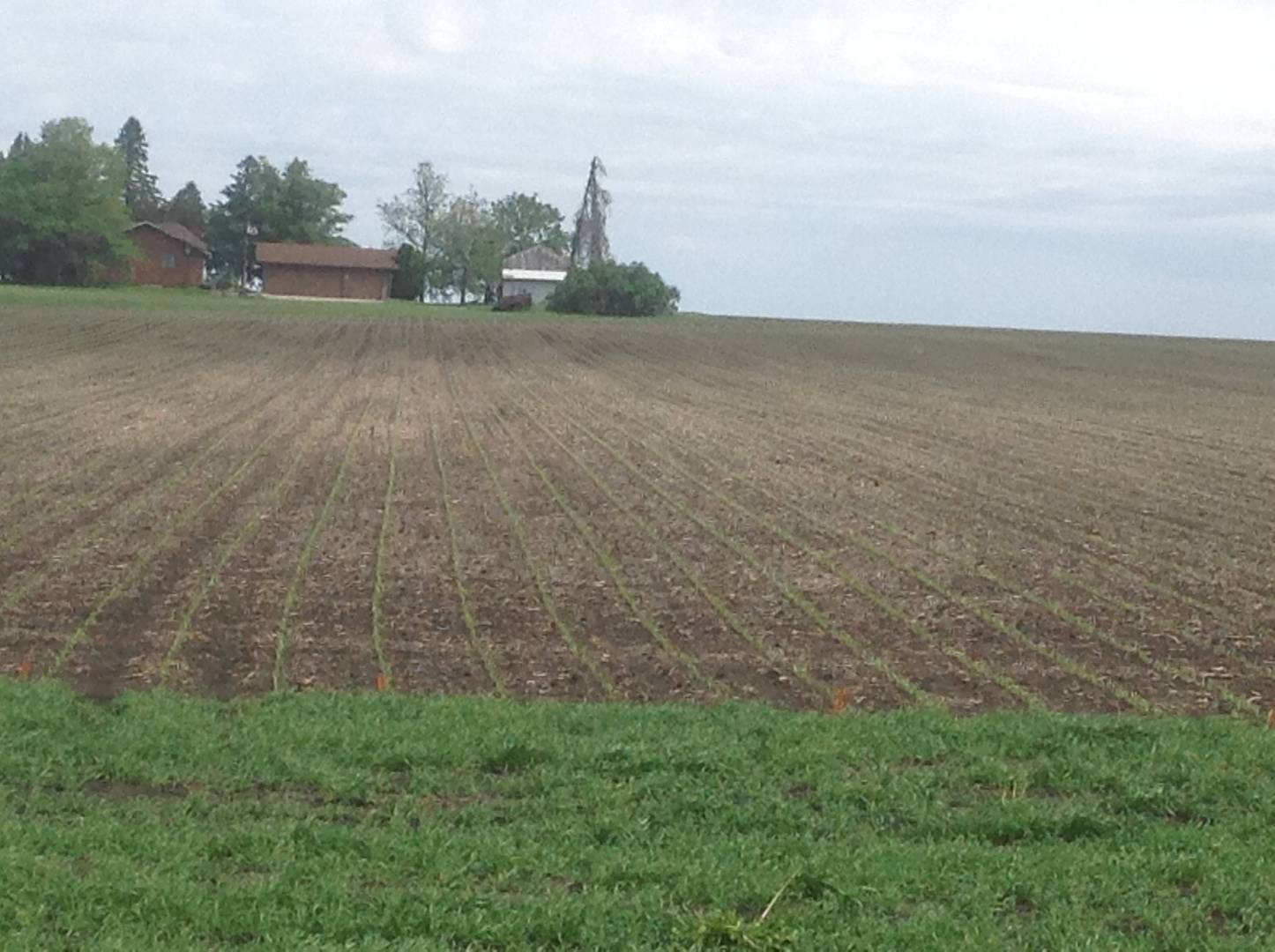
It was a beautiful, sunny day with temps near 70 degrees in early May when Latham dealers Frank and Matt Wyatt of Hudson, Iowa, planted their corn plot. We’ve received a lot of cold, rainy days ever since. Warmer days are in the forecast, so we these crops should turn the corner with sunshine and heat.
Due to rotator cuff surgery, Latham® dealer Marvin Beneke needed a helping hand picking up empty hard boxes from his customer’s farms. I thought was quite the neat collection of antiques at one of the stops we made.
Craig Christians, Latham Territory Sales manager, rode with me to visit Latham® Dealer Chris Chriss’ farm in western Illinois. Crop scouting and plant evaluation is part of my job at Latham Hi‑Tech Seeds. This plot emerged 8 days after planting.
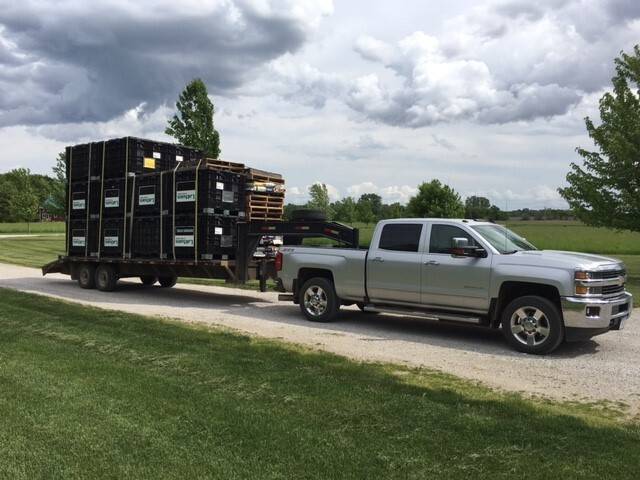
Busy time collecting hard boxes and pallets. Few areas talking about replanting as well. Check your fields as soon as possible.
Parked equipment is a common site since we’ve experienced 7 days of rain. Fields are too wet to enter. We’re seeing a lot of ponding. With more rain on the way, it’s likely replant will be needed. Click here for replanting tips.
Phil Long, technical agronomist manager for Latham Hi‑Tech Seeds, and Darin Chapman, Latham regional sales manager in Northwest Iowa, are performing on-farm research with a multi-hybrid planter while flying our drone. In addition to studying multi-hybrid performance throughout the field, they also studying tillage practices and planter performance using FieldView. These studies will pair well with Latham’s Seed-2-Soil® agronomic services!
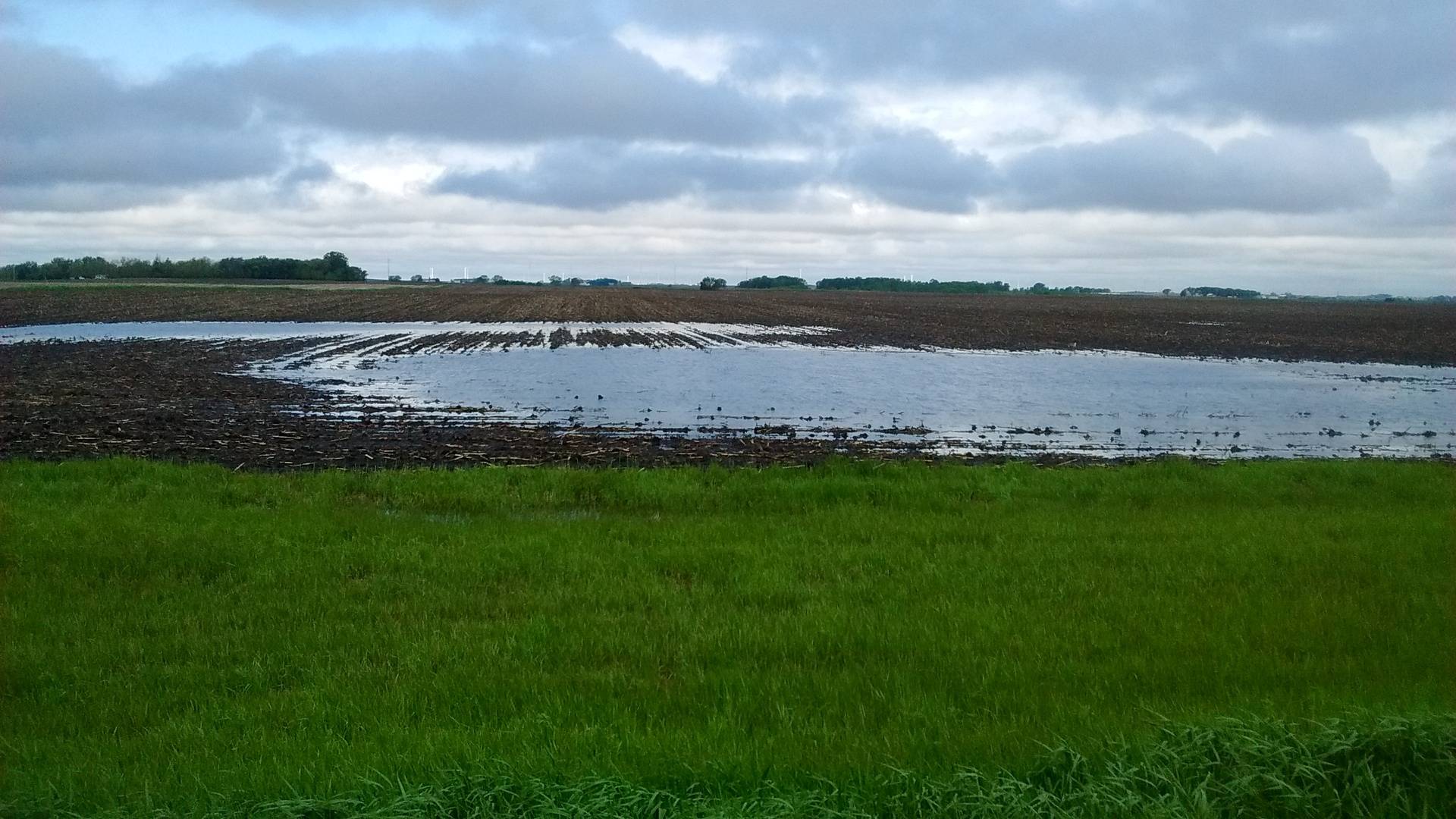
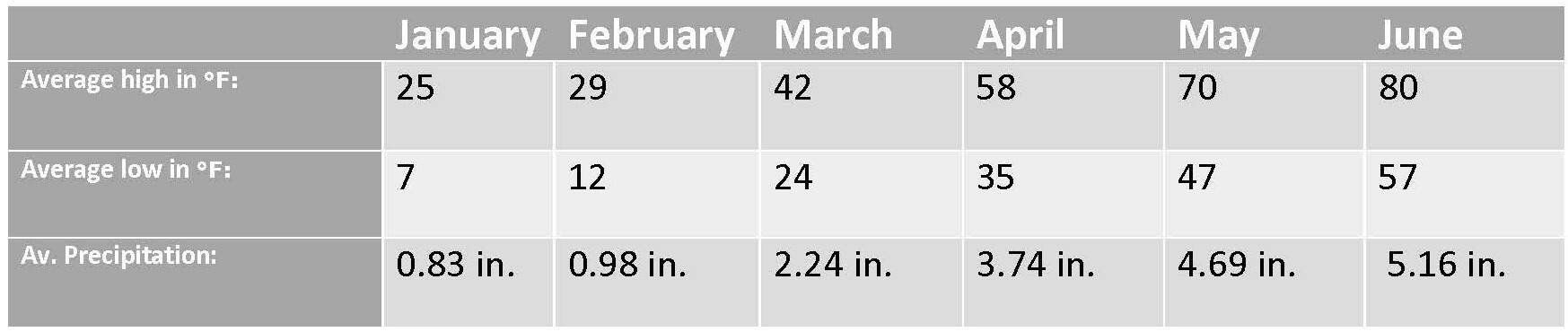
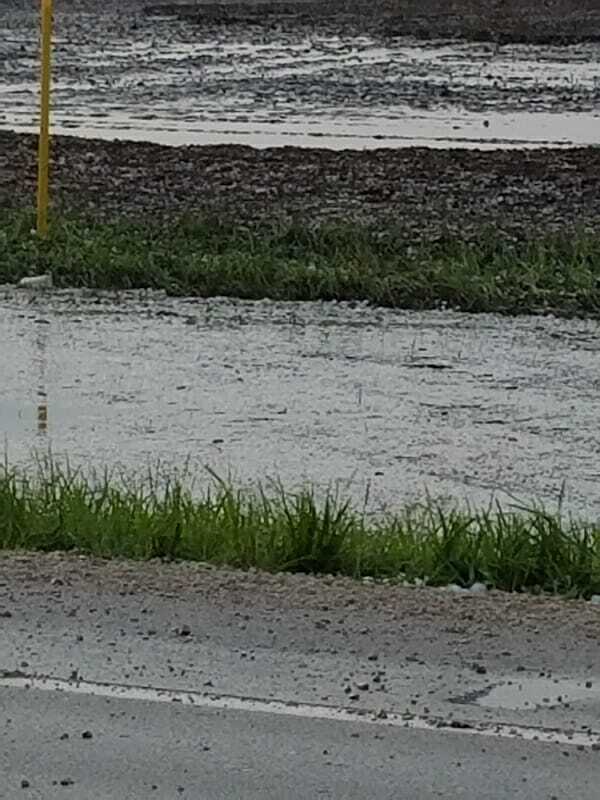
Due to excessive rainfall, ponding is a common sight in fields throughout my territory. More than 16 inches of rain has fallen this season. On average, North Iowa receives about 7.7 inches of precipitation from January through May. Farmers will be busy checking fields and evaluating where replants are needed.

This is a picture of newly established field of Latham 400HVX Roundup Ready Alfalfa in western North Dakota. This field is very sandy/rocky. Overall, this field is a poor producer with a weed problem. This alfalfa was recently sprayed with Roundup, so we’ll be monitoring it to see how it controls weeds and yields.

This field of Latham Hi‑Tech Seeds’ LH 3877 VT2 PRO RIB was planted May 4. Planting depth and spacing looked good. It also emerged really well.
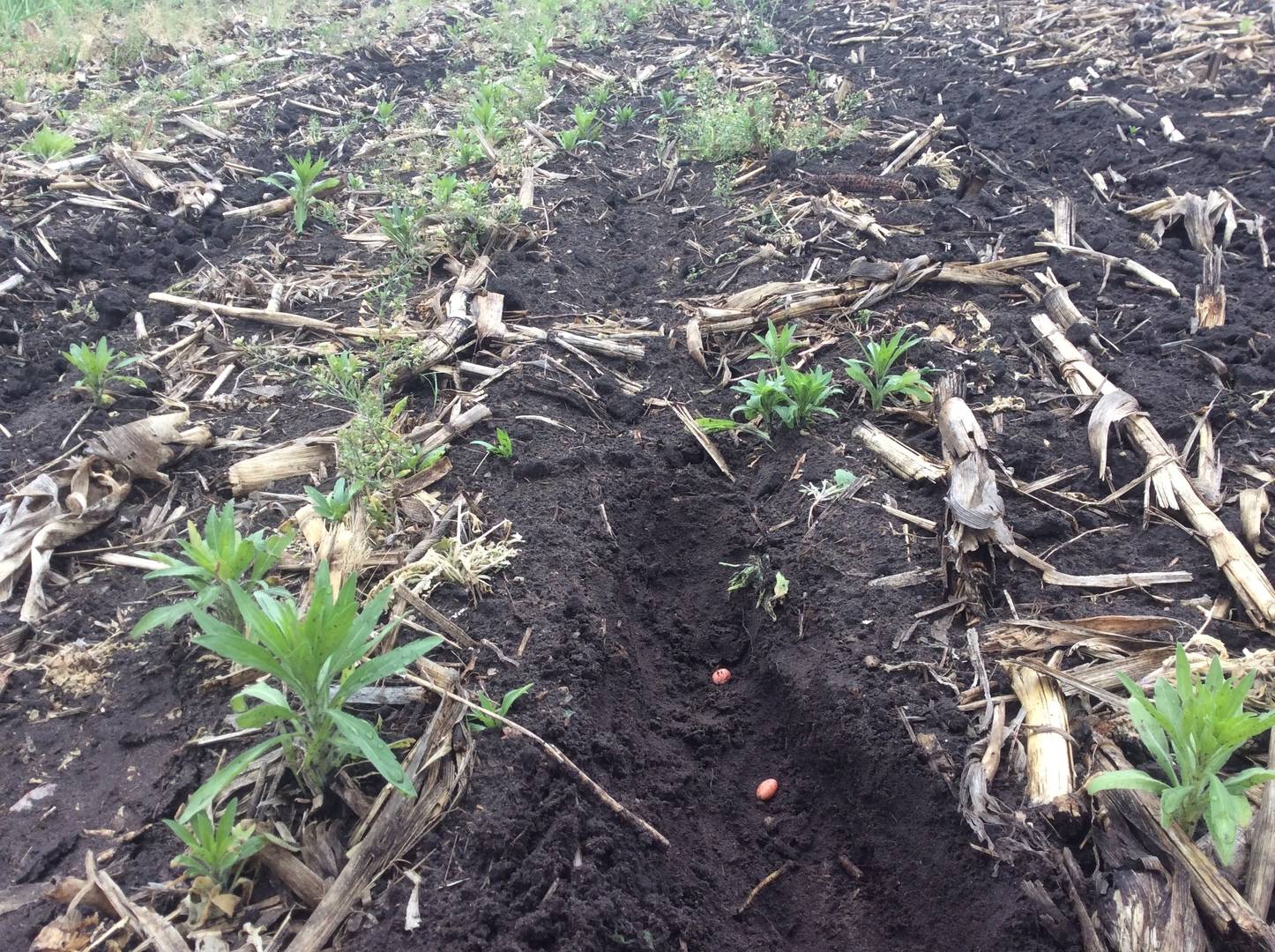
A nice rain fell Tuesday morning, so moisture is reaching planting depth. Warm, moist soils will lead to quick germination and emergence. It’s important to get pre-emerge herbicide applied before the crop emerges in no-till and minimum-till fields.
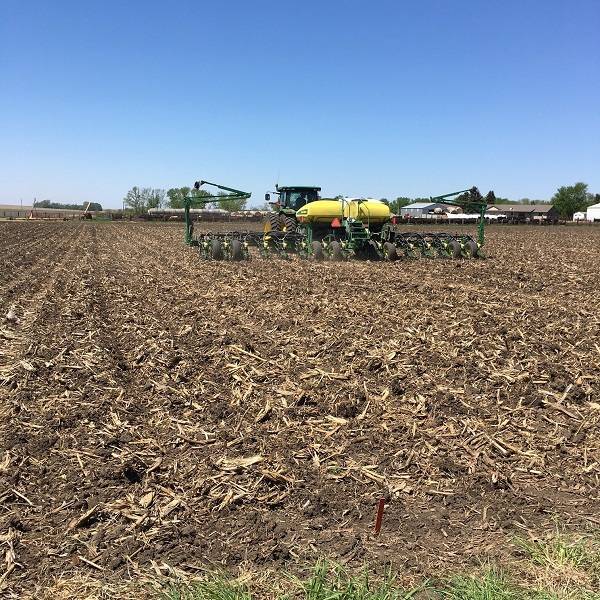
A lot of planting progress was made this past week. We got plots planted for Estelline Co-op Grain in Estelline and B&B Sales at Dell Rapids.

Beautiful weather prevails! Crops are being planted at a record pace in Northeast South Dakota. Corn is all but finished, and soybeans are closing in on the finish line. Warm, sunny weather has given us a great window to get crops planted and moisture is expected this week to give them a drink.

Latham® Dealer Ray Beutz and his son, Matthew, planted a Latham corn SuperStrip plot on May 12 near Albany, Minnesota.
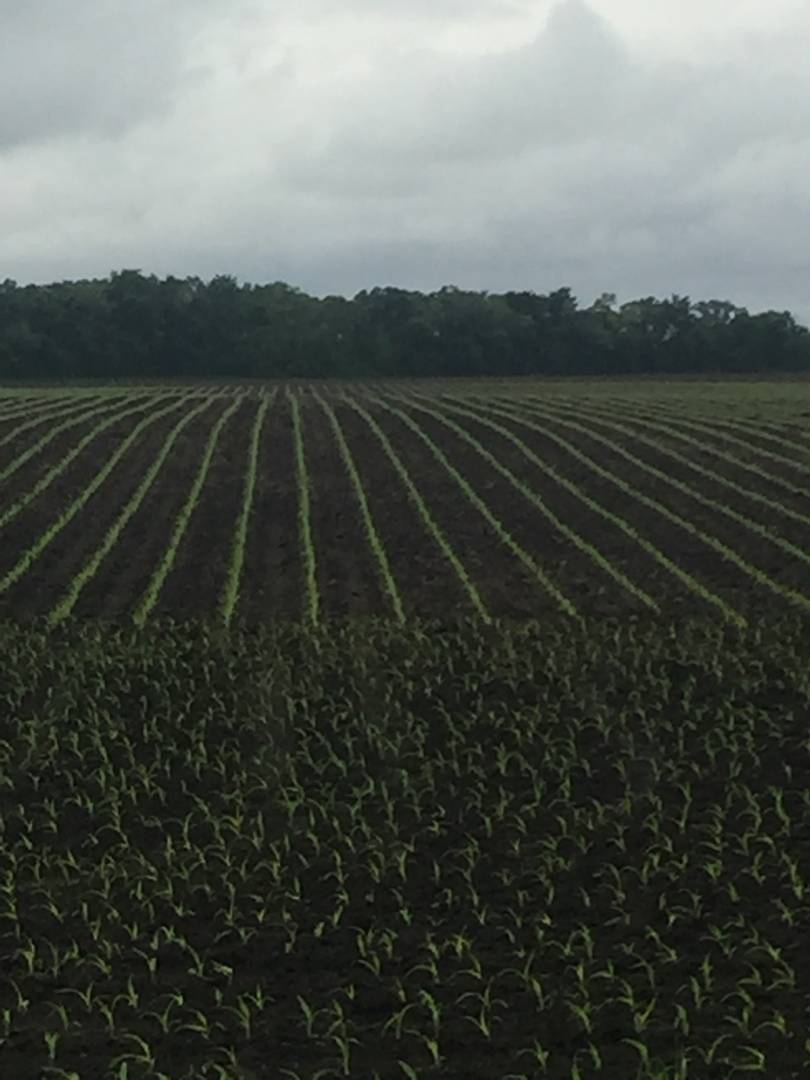
This Latham Hybrid SuperStrip was planted Monday by Sanborn, Minnesota. While these plots are also good ways to promote local dealerships, SuperStrip plots are primarily used for in-house research. SuperStrips help us determine which products to keep, remove or add to our product lineup. Field notes are taken throughout the growing season and information is analyzed after harvest.
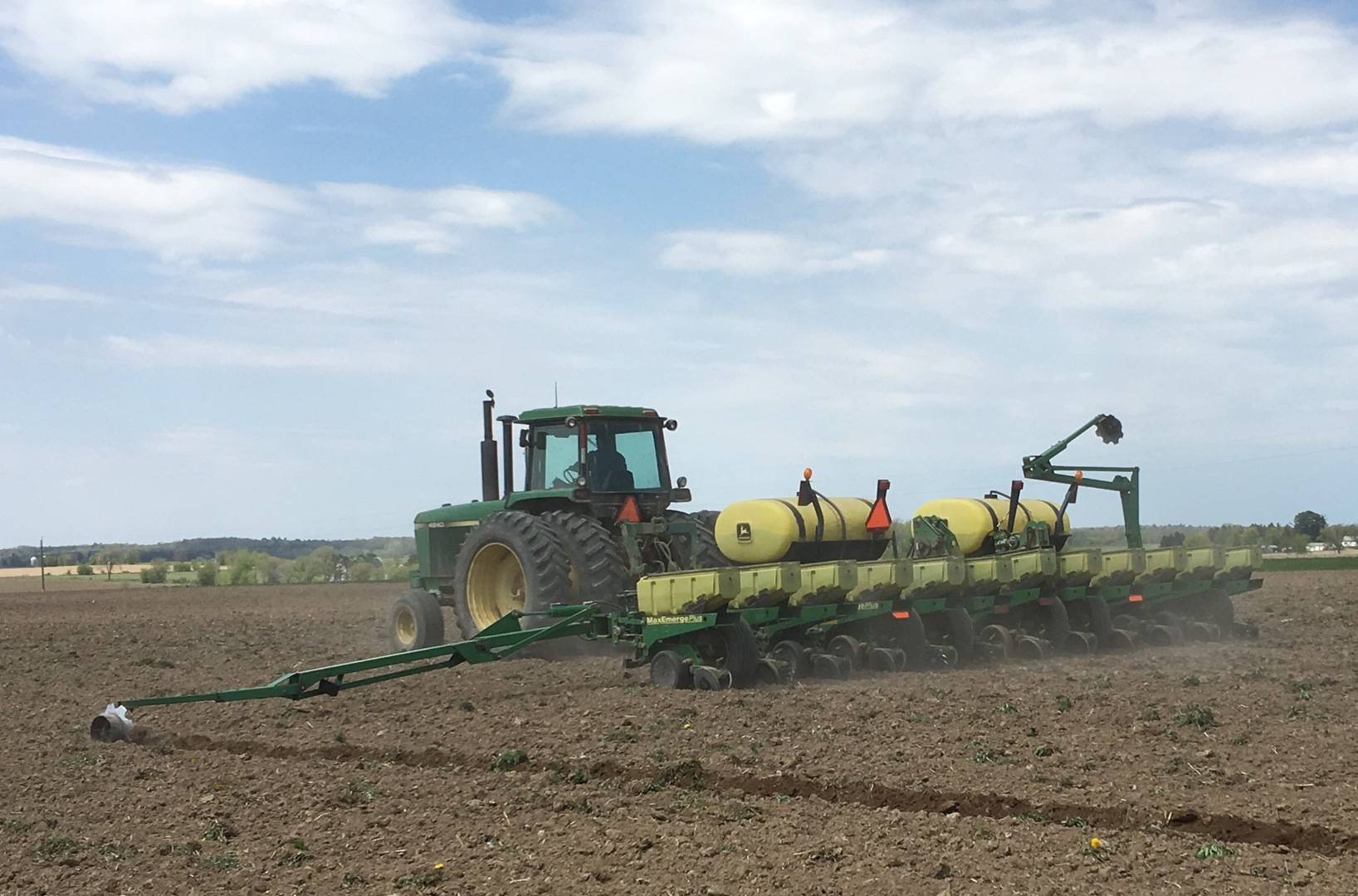
Almost 50% of corn acres and 15% of soybean acres are planted in Wisconsin. While we have a ways to go to finish #plant17, good weather should allow a lot of acres to be completed soon.
Latham® corn and soybean SuperStrip plots went in on all corners of the region this past week. We also planted a Latham Corn Silage plot in Barron County.
Fields that were planted between April 20-27 have finally pushed through the soil surface after poor growing conditions delayed emergence. This photo taken of LH 5885 VT2 PRO shows great emergence and early vigor when planted in a no-till situation.
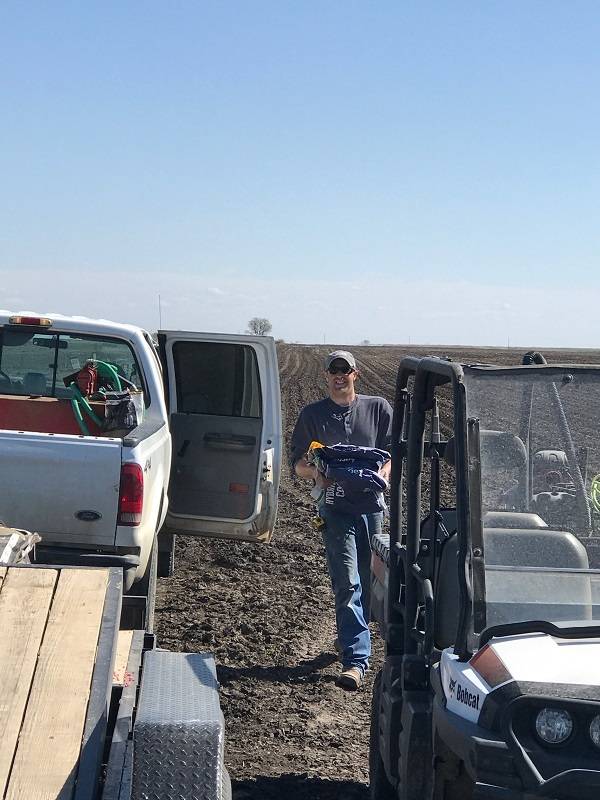
Other Brothers Inc. recently joined that Latham® dealer team, and we’re excited to see them hit the ground running! Here Matt Saboe is pictured getting their Latham Hi‑Tech Hybrids SuperStrip plot ready.
We’re able to row this field of LH 5099 SS RIB. This SmartStax Refuge in the Bag hybrid has earned Latham’s designation as a Gladiator hybrid, which means it has dual modes of action for above-ground insects including: Corn Earworm, Fall Armyworm, European Corn Borer and Southwestern Corn Borer. This particular hybrid also is a boss on Goss’s Wilt.
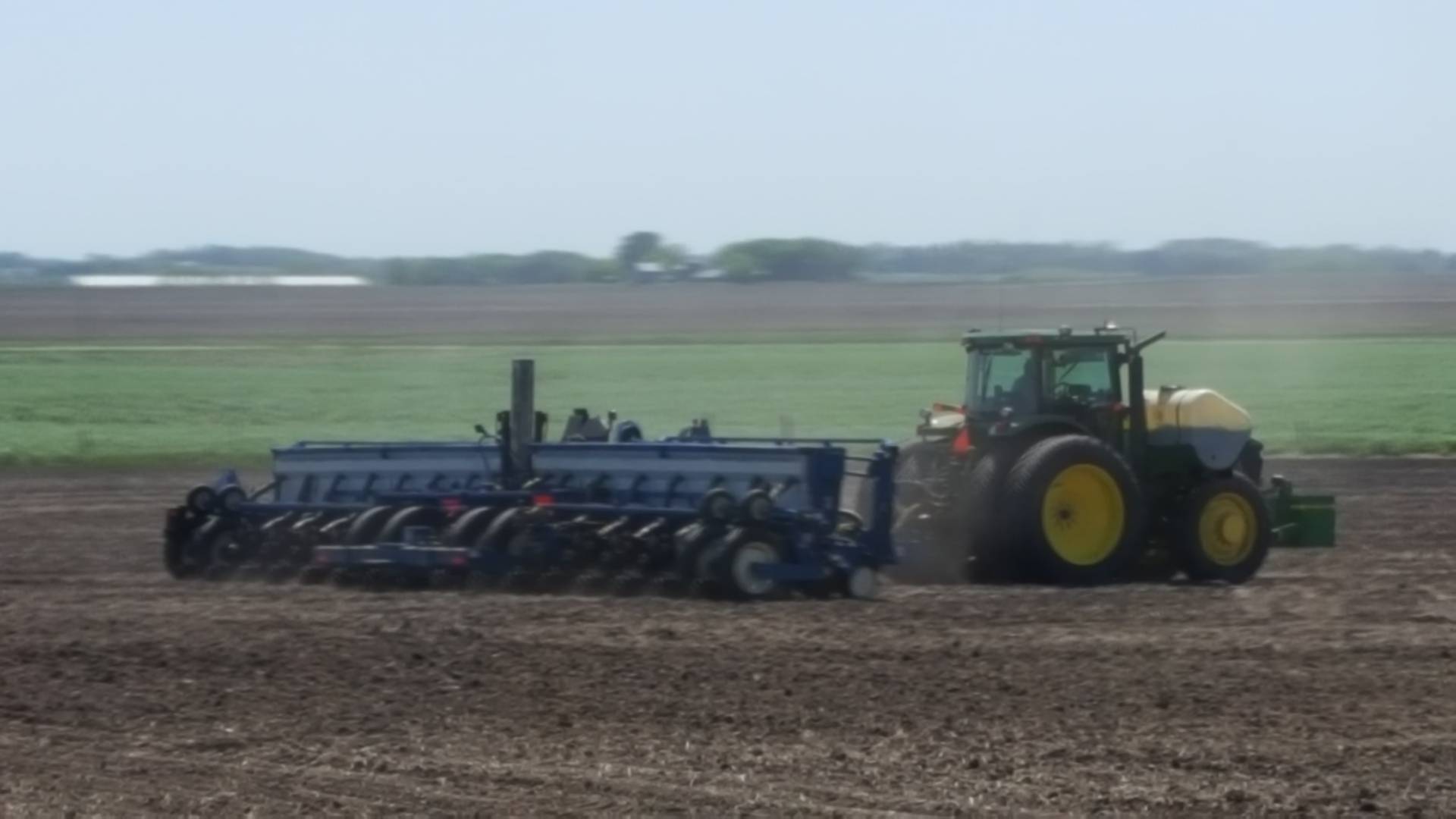
A Latham customer near Osage, Iowa, put LH 5509 SS in the ground on Friday, May 12. The weather was absolutely beautiful. It was one of those days when you’re glad to have a reason to spend it outside.
Latham® dealer Kevin Squires is passing on the farming tradition to his son, Adam. The duo worked Monday to plant a Latham plot.
One advantage of working with family-owned, independent Latham Hi‑Tech Seeds is the variety of options we provide. Here a farmer cooperator puts in a Latham® SuperStrip plot, which showcases different traits and technologies including LibertyLink soybeans.
It’s been a crazy week of weather! Late Monday afternoon, May 15, storms moved across West Central and North Central Iowa. I was driving by the junction of Highways 3 and 17 just east of Goldfield when marble- to golf ball-sized hail began to fall. You could’ve snow plowed the hail because it was that heavy.
It’s time to check emergence and stand. From what I have seen so far, the stand looks pretty good. Be sure to check all of your fields as recent rains may have caused some ponding and flooding in areas. Click here for tips on evaluating corn replant options.
Look at all the technology going into this plot! We planted a Latham soybean plot near Friend, Nebraska, with the following:
8 Roundup Ready 2 products
4 Balance GT*
6 R2 Xtend
1 ILEVO
**Balance™ GT Soybeans are not currently for sale by Latham Hi‑Tech Seeds until Balance Bean herbicide (Isoxaflutole) receives full regulatory approval.
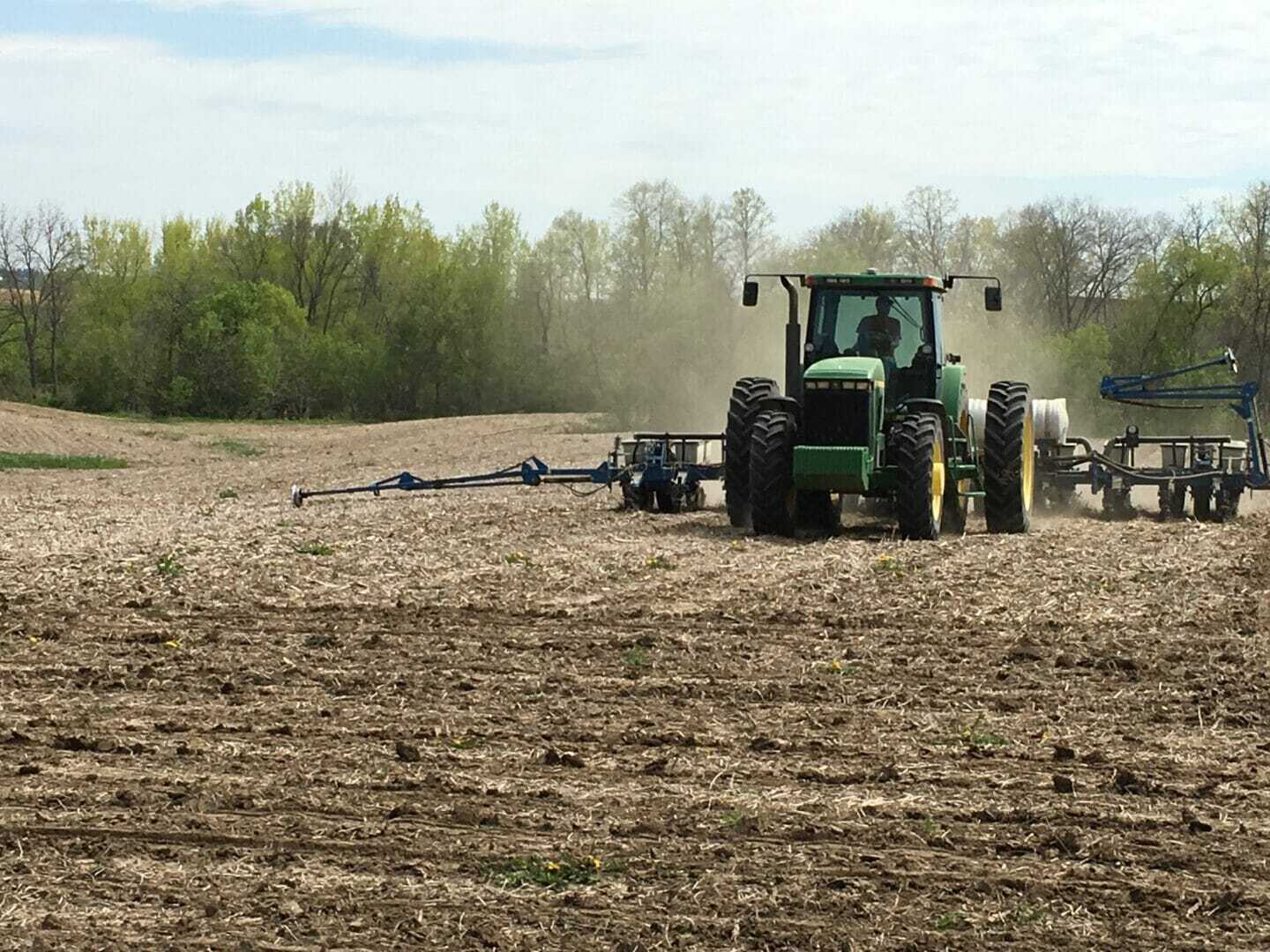
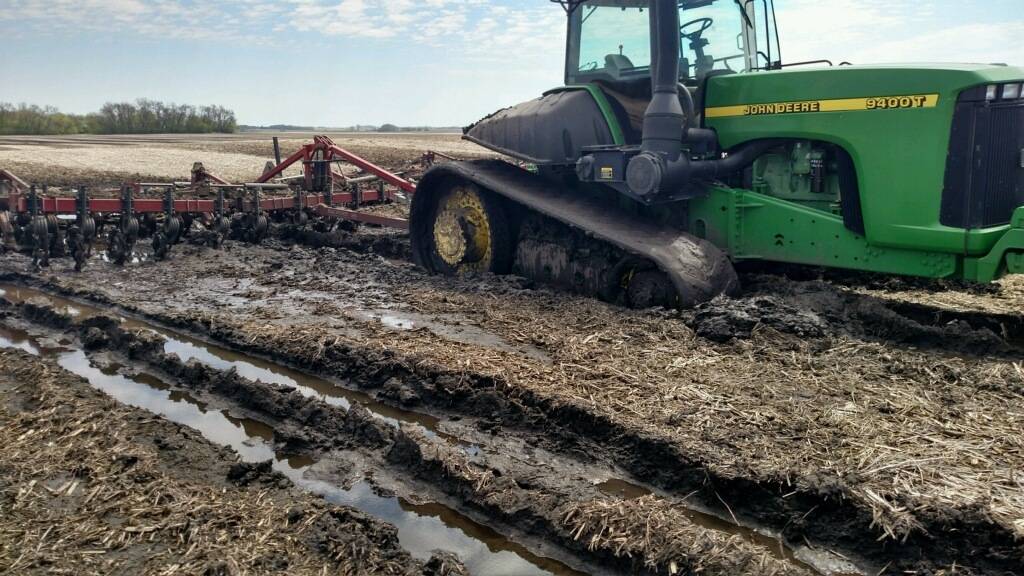
When conditions aren’t fit, the equipment sits!
Unfortunately, wet weather continues to plague my northern territory. Farmers here are eager to get seed in the ground but Mother Nature isn’t cooperating. This area experienced such a wet fall that some corn still needs to be harvested before planting can begin. About 0.5 inches of rain fell near Beltrami, Minnesota on Monday night. The good news is the extended weather forecast looks very favorable for timely spring planting!
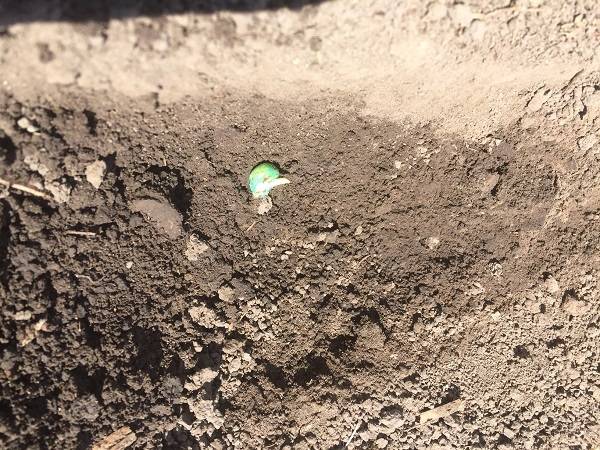
LH 4242 has a nice sprout even in cooler fields with high residue east Enderlin, North Dakota. We are seeing good early vigor scores with Latham® seeds!
After a week of cold and wet weather, Mother Nature has done a 180! Farmers in Southeast South Dakota are now enjoying dry, warm conditions. Latham Dealers are busy loading both corn and beans this week. Lots of acres have been planted during the last seven days. I have also seen lots of applications being done by both ground and aerial sprayers.
Wisconsin’s corn acres are 15% planted while the soybeans are slow to go in the ground. Latham Corn SuperStrip plots were planted in Platteville and Ripon on Sunday and Monday, respectively. Some planters are currently postponed due to overnight rains in southern Wisconsin.
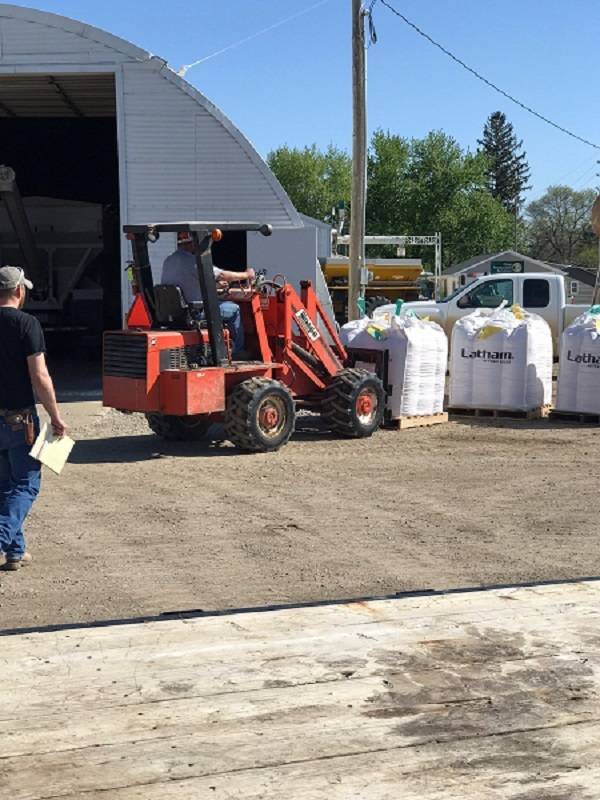
Soybean planting is starting to take off in Northwest Iowa. Perry Seeds is providing great customer service by delivering soybeans to a grower in Anthon, Iowa.
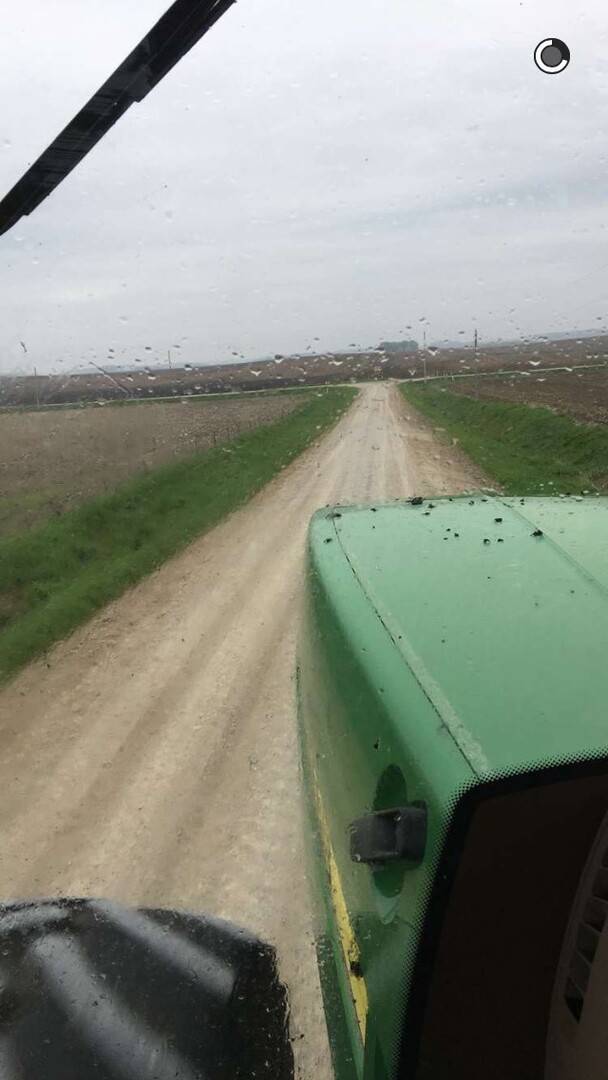
We’ve enjoyed about five straight days of clear skies and dry soils in North Central Iowa, but scattered showers starting falling Monday night across the area. Farmers raced against the clock to get as much seed in the ground before it got too wet. In the rain at 9:45 p.m. last night, I finished putting in my fourth Latham plot of the day.
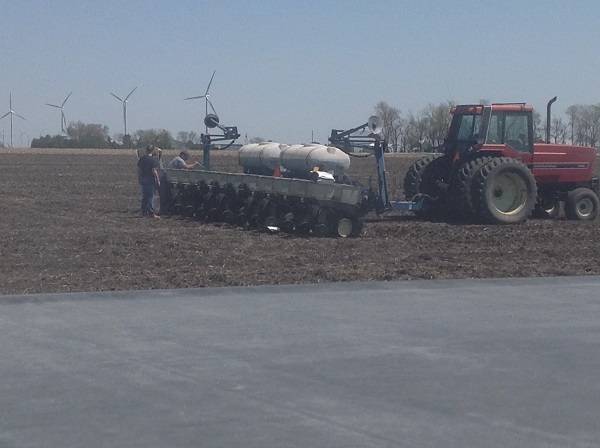
Significant planting progress has been made this past week across northern Iowa and southern Minnesota. Latham Dealer Andy Hemann Stacyville, Iowa, planted 13 Latham numbers May 5 in a corn SuperStrip plot.
All the sunshine and warm temps we’ve experienced recently have warmed the 4-inch soil temperatures from 60-66 degrees in western Iowa and from 62-71 in North Central Iowa. Lots of seed has gone in the ground this past week! The first Latham® soybean plot in my territory was planted May 6 by Jon and Jenna Ricklefs.
Pictured second is corn that was planted before the cold front moved in is started to emerge. This field of Latham 5939 SmartStax was planted April 11 south of Hardy, Iowa.
On the right is an awesome looking field of Latham 9700 that was planted last year. This particular variety is known for strong new stands and has a very strong disease resistance package.

Consistency is key for picket fence stands. Seed depth is just as important. Ideal planting depth for corn is 2 inches and for soybeans it is 1½ inches. Planting too deep can cause delayed emergence, uneven stands and possibly even stands that are crusted over if you would receive a hard, pounding rain right after planting. Planting too shallow will often result in poor root development and may affect the crop all the way to harvest.
At family-owned Latham Hi‑Tech Seeds, we enjoy doing business with farm families. Here Latham® dealer Rodney Bacon and his grandson are talking about how it’s time to get planting.
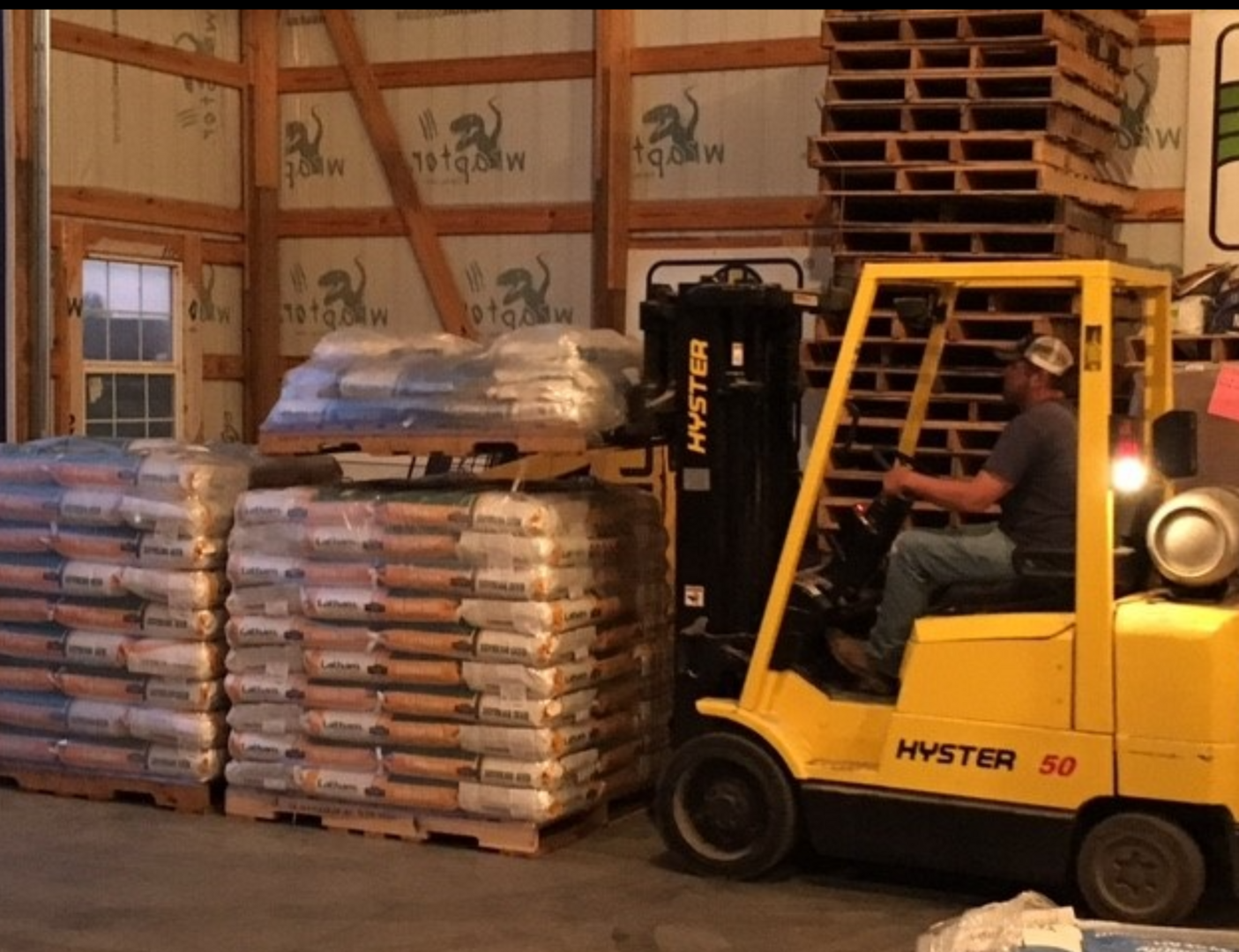
Farmers have been burning the candle at both ends in an attempt to cover as much ground as possible while the weather cooperates. Our Latham Dealer near State Center has very few units left to deliver as planting in this area is about 90 percent complete.
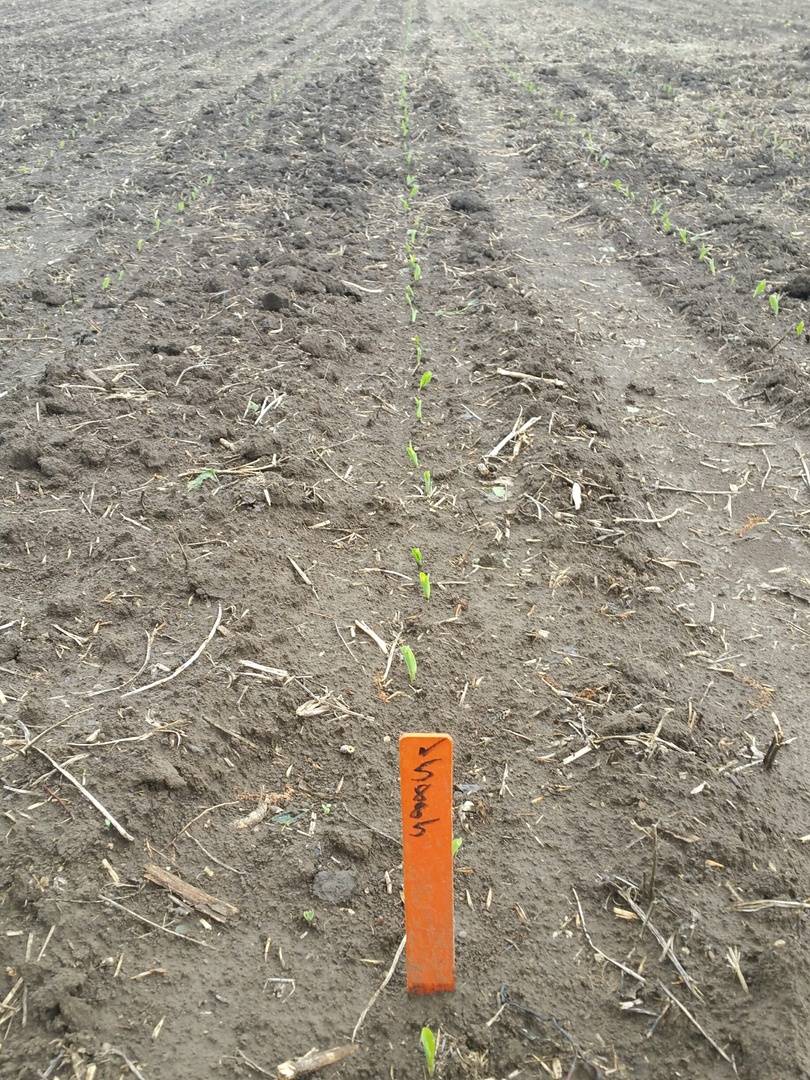
LH 5885 VT2 PRO is practically jumping out of the ground six days after planting.

Root development looks great on the LH 5095 VT2 that was planted on April 24. Although it hasn’t yet emerged, it survived the cold weather. This corn will be popping up in rows after a few more days of sunshine.
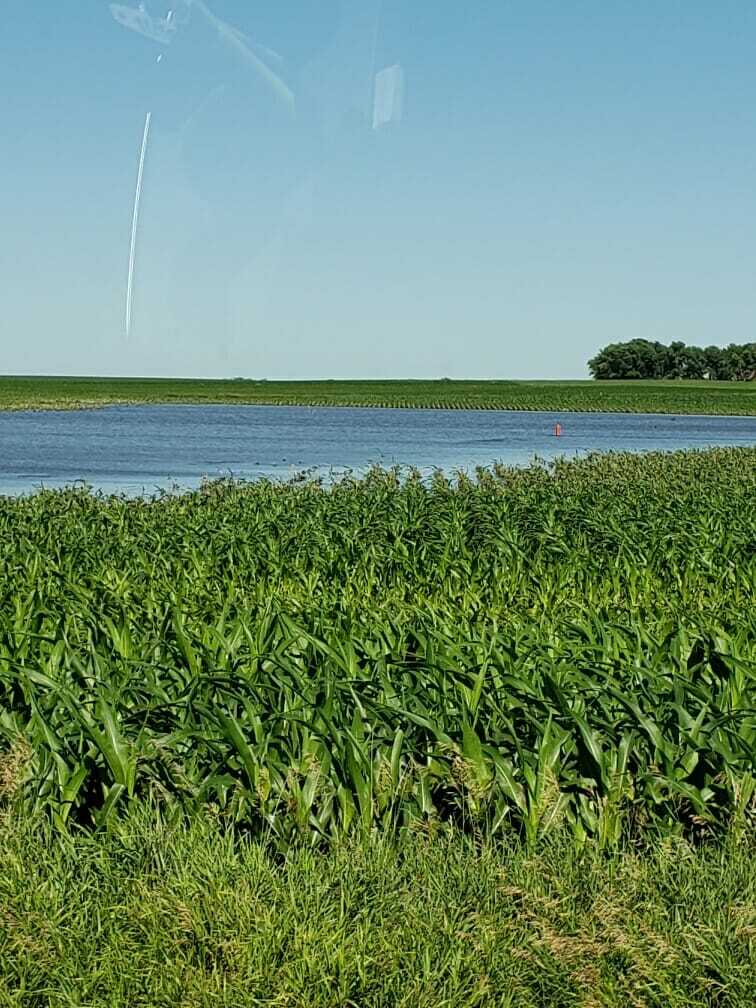
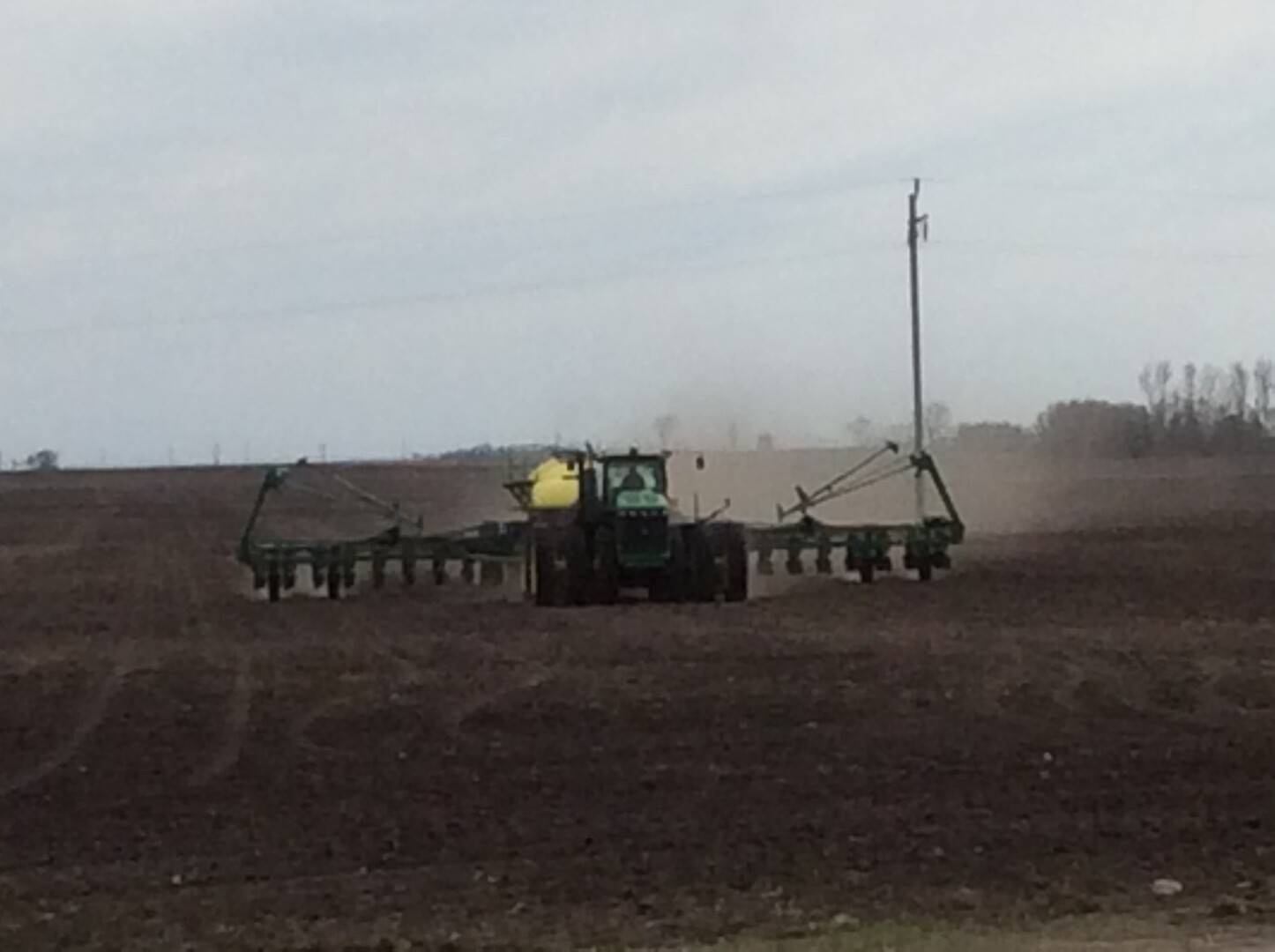
Temperatures averaged 9 to 12 degrees below normal across most of the state last week, and precipitation halted fieldwork. Planters are rolling strong now, especially from Valley City east into the Red River Valley of North Dakota.
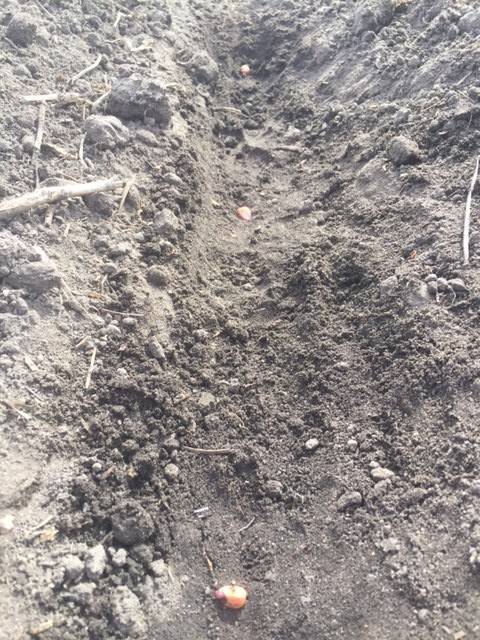
Corn planted in 15-inch rows needs some warmer weather to emerge. Bare soil temps are running about 46 degrees here.

Planting is in full force. Most small grains are finished. Soil temps are finally warming again. Corn is being planted nearly everywhere in the northeast, except where high snowfall totals fell. Some places received 4 to 6 inches of snow last week with total moistures of nearly 2 inches. Where little moisture was received, soil conditions are ideal!
We have corn planters moving now that the weather has cleared! Approximately 5% of our corn acres have been planted as last week rain and snow fell across southeastern and East Central South Dakota.
Waiting!
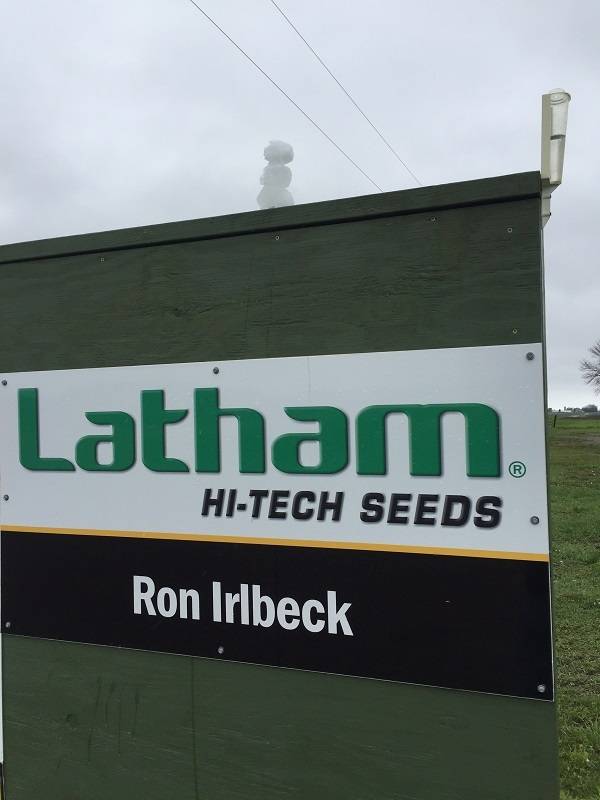
May Day brought with it 1 to 2 inches of rain throughout much of southern Minnesota. Snow fell in a few western parts of the state, including in Sanborn, where I made this little snowman for our Latham® dealers.
About 5% of the corn acres in Wisconsin have been planted. This past week was not suitable for planting as most of the state received around 2” of rain during the past 7 days. If the forecast holds true, we will see planters back in the field Friday at the earliest.
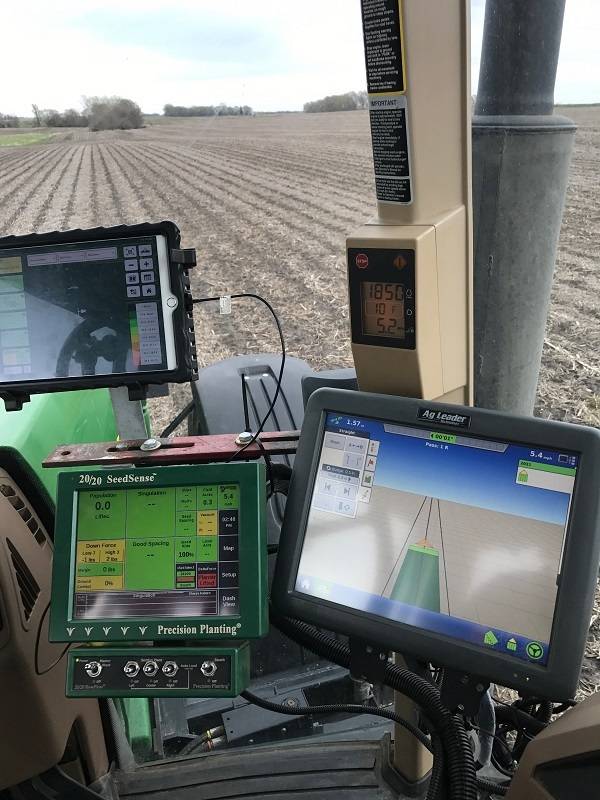
Technology has come a long way to help us achieve ultimate seed placement! This technology pairs well with Latham Hi‑Tech Seed’s FieldXFieldTM program. I’m excited to be teaming up with Latham’s Technical Agronomist Phil Long on a multi-hybrid research project.

Our area received about 3/4″ of rain on Sunday and Monday. The temperature of these wet soils was only in the upper 30s this week, but the soils are warming now that the sun is shining for the second consecutive day.
With the wet and cold weather we had from last Thursday through Monday, soggy fields created planting delays. We could not plant, but there are always things that can be done on the farm. Several operators are hauling grain to market, and the Squires family finished restoring Kenny Squires 1466 over the weekend. Never a dull moment when you’re a farmer!
With the return of warmer weather, corn is starting to pop out of the ground near Rolfe in West Central Iowa. This field of LH 5095 VT2 PRO was planted April 11.
Seedlings have been slow to emerge due to so many days of wet, cold weather. This week I dug around in a field of Latham L2248 LibertyLink soybeans that were planted on April 22. Their sprouts are about a half-inch long, so I expect they’ll pop through soon given this week’s forecast.
This photo of the farmer planting was taken April 27, and approximately 24 hours later, snow was falling! Only in the Midwest can we get these types of weather patterns. Planting conditions weren’t ideal from April 24-28.
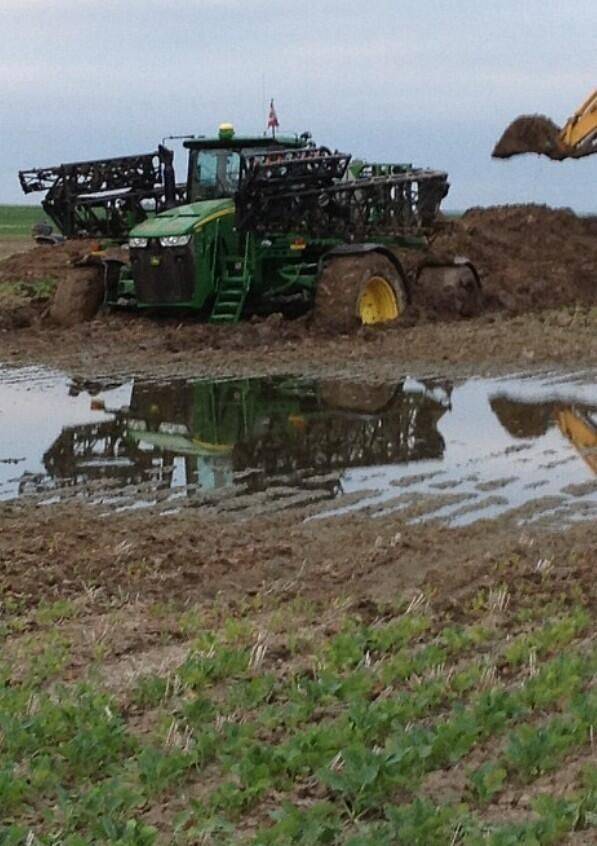
Rain and below normal temperatures prevented planting across much of my territory. This photo was taken after 1.75 inches of rain fell around Anthon in western Iowa.