By Amber Hammes, Latham Hi‑Tech Seeds Marketing Intern
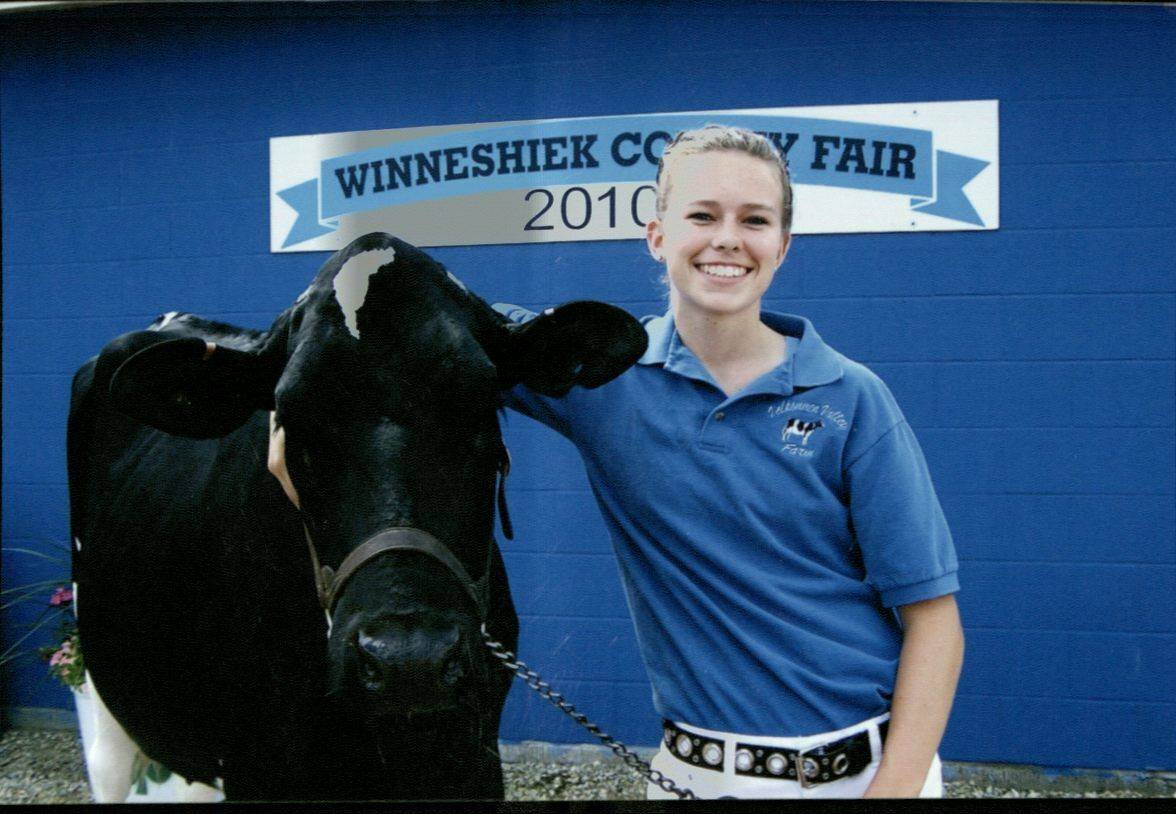
You could say Megan Lien, summer intern for the Iowa Food and Family Project, grew up around three things the IFFP holds most dear: Farming, Family and Food. (more…)

By Amber Hammes, Latham Hi‑Tech Seeds Marketing Intern
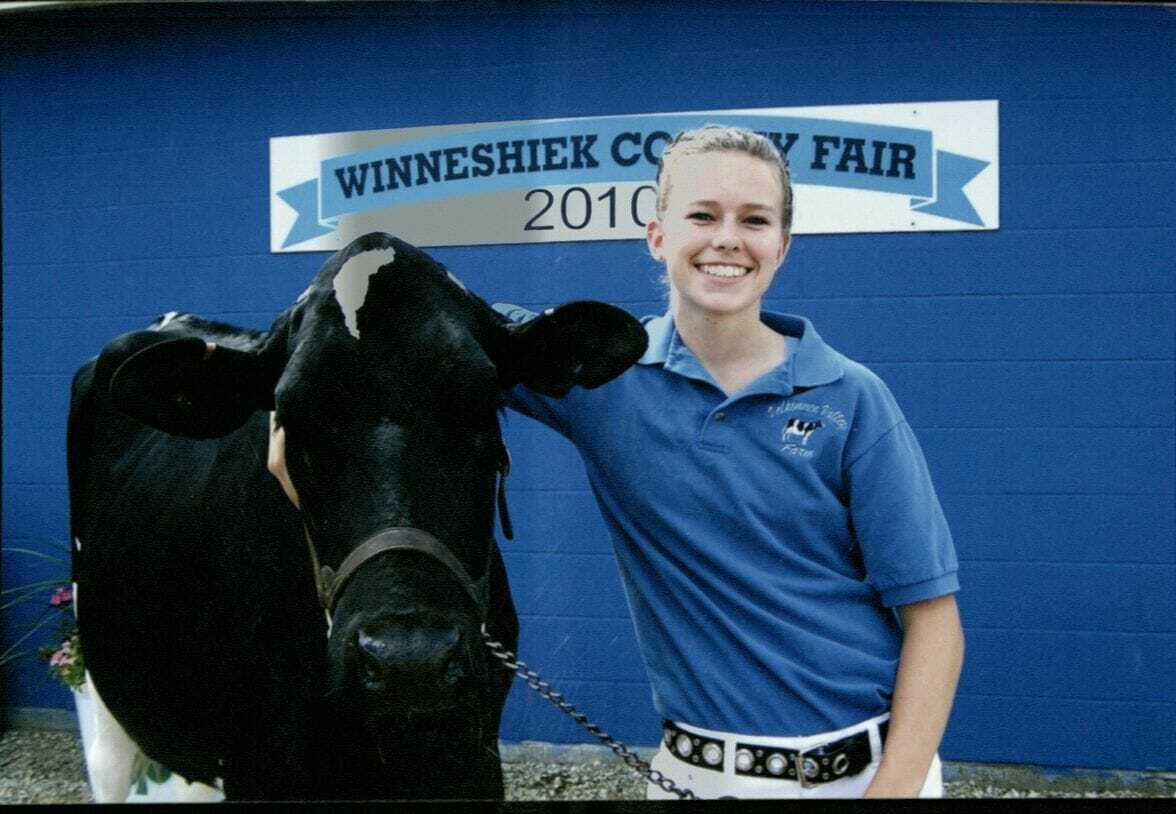
You could say Megan Lien, summer intern for the Iowa Food and Family Project, grew up around three things the IFFP holds most dear: Farming, Family and Food. (more…)
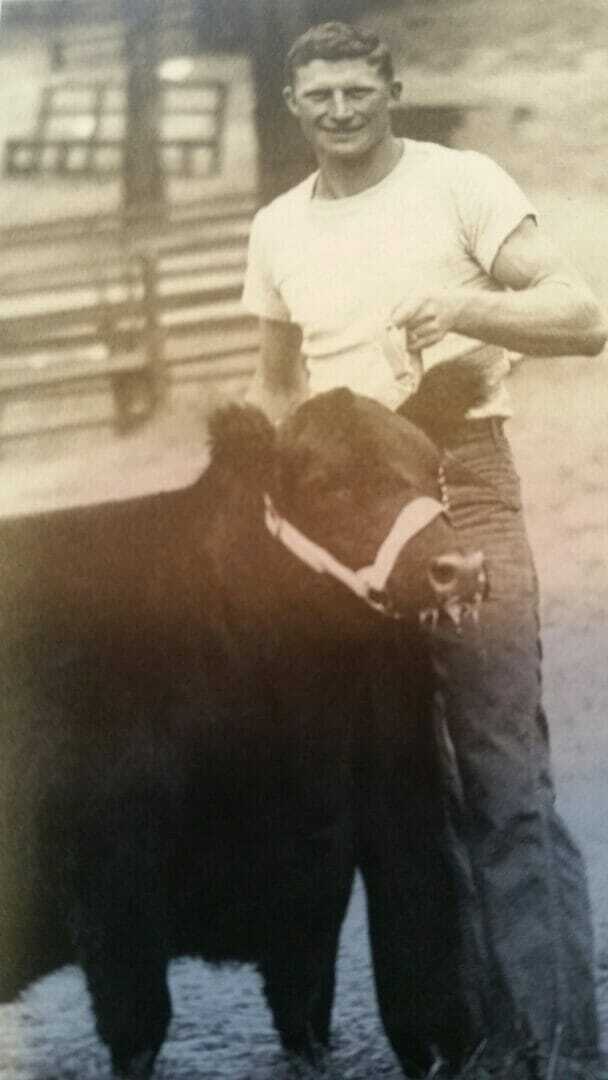
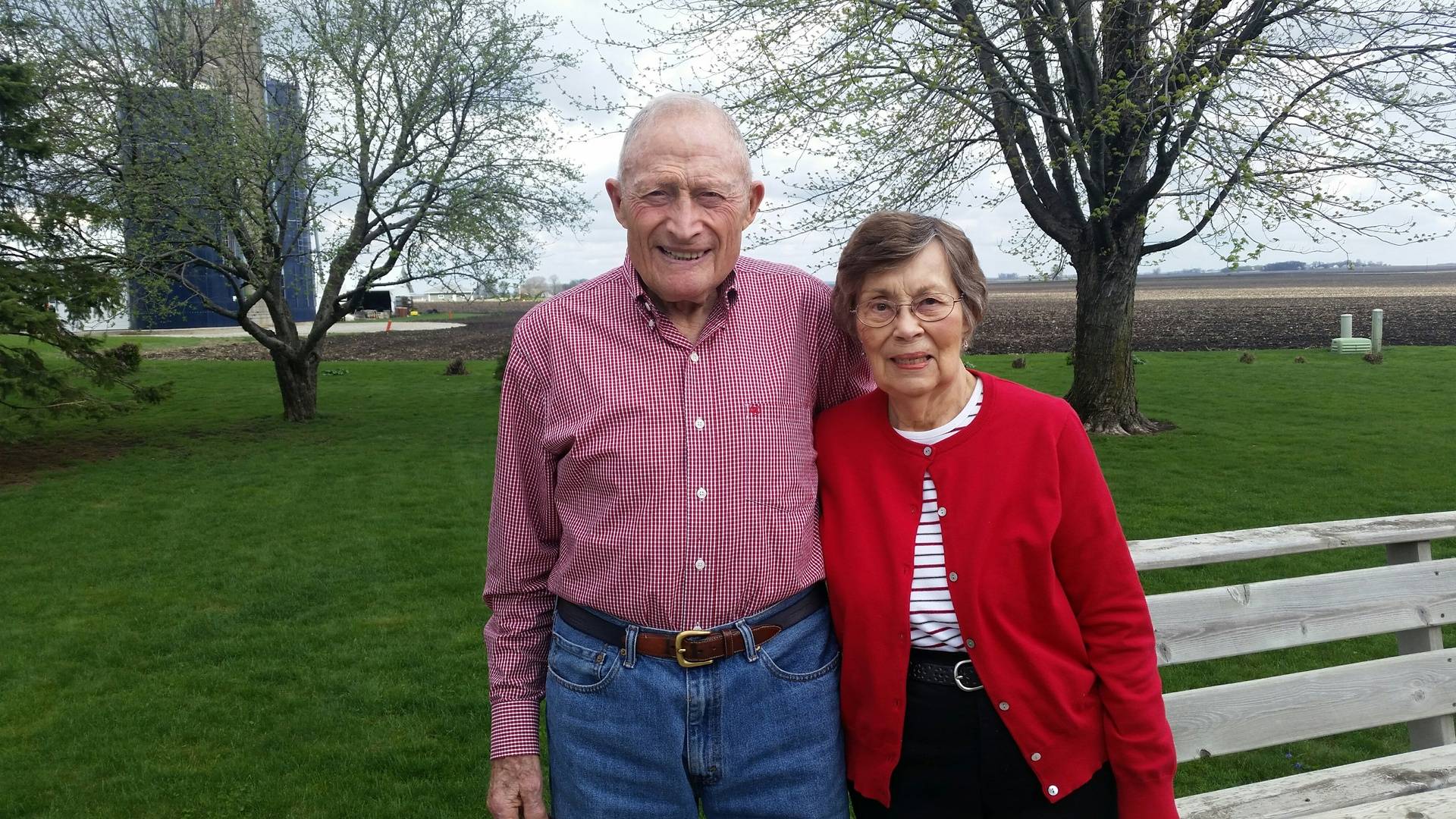
On Monday’s blog, we shared how one of the oldest Black Angus operations in the nation got its start in 1896. Today we’ll learn more about the Greiman family’s legacy from 89-year-old Don Greiman of Garner, Iowa.
Don’s grandfather, Fred Greiman, fell in love with the Angus breed for their smooth body style and excellent carcass. One day in 1896 Fred saw a poster advertising that a South Dakota farmer was interested in trading a Percheron stallion for an Angus bull. The two farmers corresponded by mail. After some months, they agreed to exchange animals. Fred placed his prize-winning Percheron stud on a railcar and eagerly awaited for the arrival of his Angus bull.
“My grandfather couldn’t wait for that bull to come in!” explains Don. “When he went to the train station, he found a ‘wild and wooly’ 400-pound bull calf in a crate. It certainly didn’t look to be a good trade at the time, but that bull ended up paying out. He was crossed with Short Horn cattle and their offspring was sold at a premium.”
When Don’s grandpa sold his first crossbred Angus-Short Horn, he topped the market. Fred was told by the buyer that he’d always be able to merchandise cattle like that.
“Grandpa’s philosophy was it doesn’t cost any more to feed good quality stock than it does poor stock, plus you’ll take more pride in your operation,” said Don. “He continually worked to upgrade his cattle operation by buying purebred Angus cows with a calf at the side.”
It was a philosophy shared by Don’s father, Addis. Addis was interested in continuing to upgrade the family’s stock, so he contacted his good friend and mentor Fred Haane for advice. As publisher and editor of the Angus Journal, Haane said, “Don’t just buy any Angus cattle. Buy good genetics. Buy Earl.”
“Earl Marshall” was a young bull that was the most prolific in the Black Angus breed and became the foundation for Greiman & Sons Cattle. Earl produced a lot of champions for Don and his brother Cliff. As members of the Elcon Midget Indians 4-H Club, the brothers exhibited cattle at several county fairs and the North Iowa Fair in Mason City.
At the age of 21, Don showed the Reserve Champion Angus Breeding Heifer at the 1947 Iowa State Fair. That year he also won showmanship and was awarded a gold watch engraved with “Wallaces Farmer presents this to the Champion Showman.”
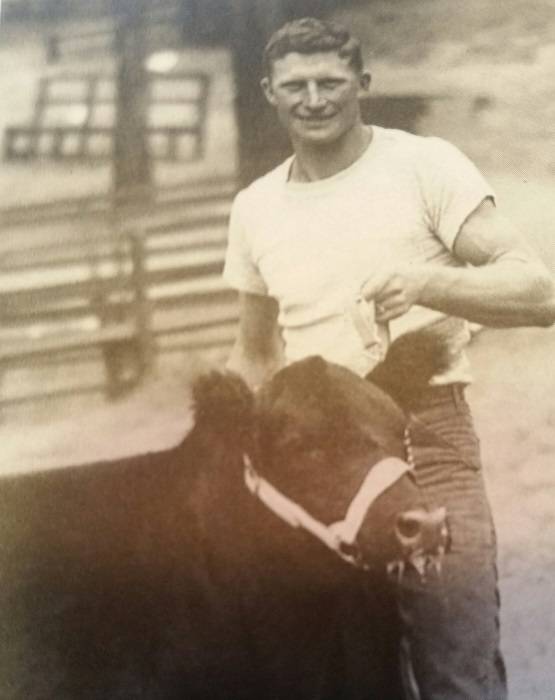
It’s no wonder that Angus beef and the Iowa State Fair has held a special place in Don’s heart. After graduating from Iowa State University through the ROTC and serving for two years at the Bolling Air Force Base in Washington, D.C., Don and his wife returned to Garner. He decided to start a county beef producers association and became its first president. This was the first of many board seats he would hold.
Don was the first president of the Iowa Purebred Beef Council. He also was president of the Iowa State University Alumni Association. In addition, Don served on the American Angus Association’s board of directors when Certified Angus Beef® was initiated.
“At that time, purebred producers were facing a real challenge marketing the meat produced from their livestock,” explains Don. “Feedlots were springing up out west, and the meat grading system changed. We knew our Angus produced a superior product, and it was a difference consumers could taste.”
Case in point… Don and his family were invited to join an old college roommate at the new Minnesota Vikings stadium. He offered to provide the tailgate meal, consisting of his farm-raised steaks, fresh tomatoes, cucumbers and sweet corn. Also present at that tailgate lunch were board members of the Minneapolis Junior Chamber. They were so impressed with the quality of the meat that Don sold three whole beefs that day!
“We knew we were onto something,” said Don. “Judges liked how our beef hung on the rail. When our kids would enter our Angus at a carcass show, we would win. Folks like those whom we met at the Vikings game like how it tasted. We just needed to find a way to change the industry’s grading standards.”
Quality grades indicate palatability, or tenderness, juiciness and flavor of the cooked beef. The Angus Association developed higher standards for Certified Angus Beef, so Angus cattle are segregated at harvesting facilities. Then a USDA inspector goes into the cooler and grades them. To be authentic CAB, that carcass must be graded in the upper third of choice or prime.
The Certified Angus Beef label has been credited with (1) increasing the number of registered Angus cattle in the U.S., (2) providing a higher return to its producers, and (3) becoming a “destination product” for consumers.
In honor of the Greiman family’s tradition of raising Black Angus, today we’re linking to recipes featuring Certified Angus Beef. Don says it’s hard to beat a grilled ribeye. His wife, Yvonne with whom he will celebrate 63 years of marriage on June 6, says nobody makes braised beef brisket better than their daughter-in-law Mary.
Light the grill and enjoy some beef this weekend along with a slice of Yvonne’s Swedish Apple Cake!
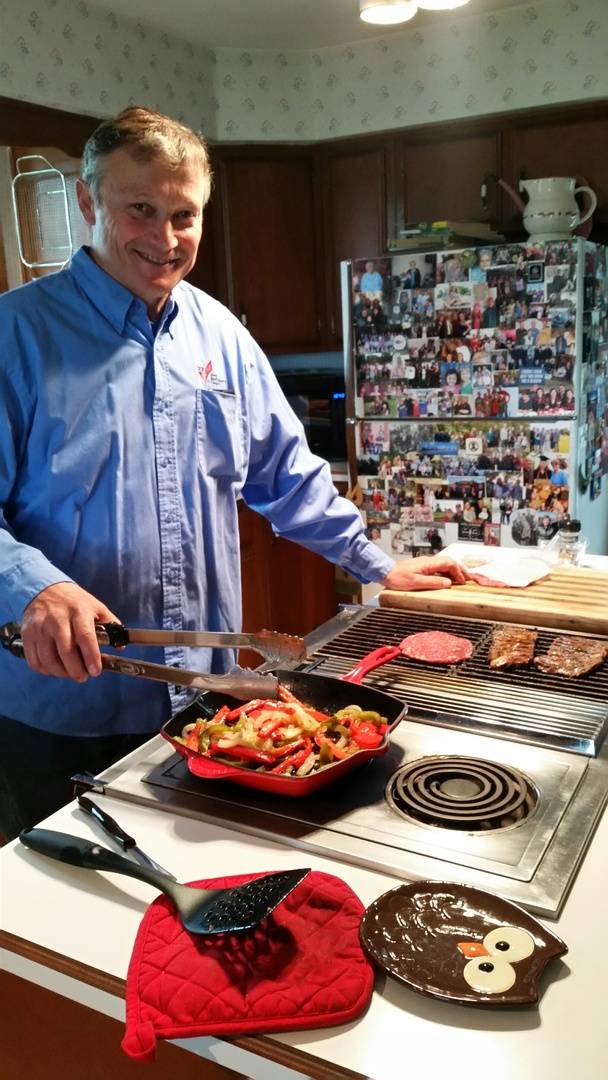 When you have a product to sell – whether its athletic shoes or beef cattle – you need to know market trends. Did you know Millennials have overtaken Baby Boomers as America’s largest generation? That equates to $2.45 trillion in buying power! It also explains why beef producers like Scott McGregor of Nashua, Iowa, are allocating more resources toward reaching this important target market.
Scott and his wife, Tracy, live on the home place purchased in 1936 by Scott’s grandfather. Tracy teaches physical education and music at Nashua-Plainfield Elementary. Scott farms with his two brothers, David and Allan, as well as his nephew Patrick. Scott and Tracy’s sons both graduated from Iowa State University. Brendan earned a degree in marketing and works in Des Moines. Chet earned a degree in Ag Studies and helps a neighbor farm and raise cattle.
“As beef producers, our message to millennials needs to include information about the nutritional profile of the beef. I want people to feel confident about the food they eat,” explains Scott, who represents the National Cattlemen’s Beef Association (NCBA) as co-chair of the Consumer Trust Committee, a joint committee between the Cattlemen’s Beef Board and the NCBA. “We need consumer trust to market our products, so we’re placing more emphasis on the safety and quality of our beef.”
Younger consumers are trending toward more health-conscious eating, so American beef producers are using social media and digital advertisements to get out the message that beef is part of a healthy diet. One serving of beef, which is 3 ounces or about the size of an iPhone, provides our bodies with nearly half of its needed protein plus 10 essential nutrients including zinc, iron, protein (ZIP) and B vitamins.
Consumers want to know the food on grocery store shelves is safe and nutritious. Today’s shoppers look for food labels to help them feel better about their food choices. That’s why Scott, who was recently appointed to the National Beef Quality Assurance (BQA) Task Force, believes more beef producers will become certified than ever before in the 25-year history of BQA. New beef harvesting facilities will only buy from BQA-certified producers. Plus, QR codes could allow cattle to be traced back to the farm of origin.
“So many consumers have lost sight that food on the grocery store shelves comes from a farm,” explains Scott, past chairman and currently federation director for the Iowa Beef Industry Council. “BQA can help them connect the food on their table right back to the farm where it was raised.”
This fourth generation Iowa farmer is so passionate about connecting the farm gate to the dinner plate that he’s spent time in the classroom each year for the past 10 years, teaching history to 11th graders taking an Iowa Studies class at the Nashua-Plainfield High School. Scott makes beef production relate-able to each student in the class by giving samples of beef sticks or jerky and delivering a presentation entitled, “My Cheeseburger Came from the Farm.”
Is it any surprise that a tenderized ground round patty made from Certified Angus Beef® like he raises is one of Scott’s favorite quick meals? You can create a similar sandwich by asking the person behind your local meat counter to run ground round through the tenderizer before making it into patties.
Make a stop at the store, and fire up that grill!
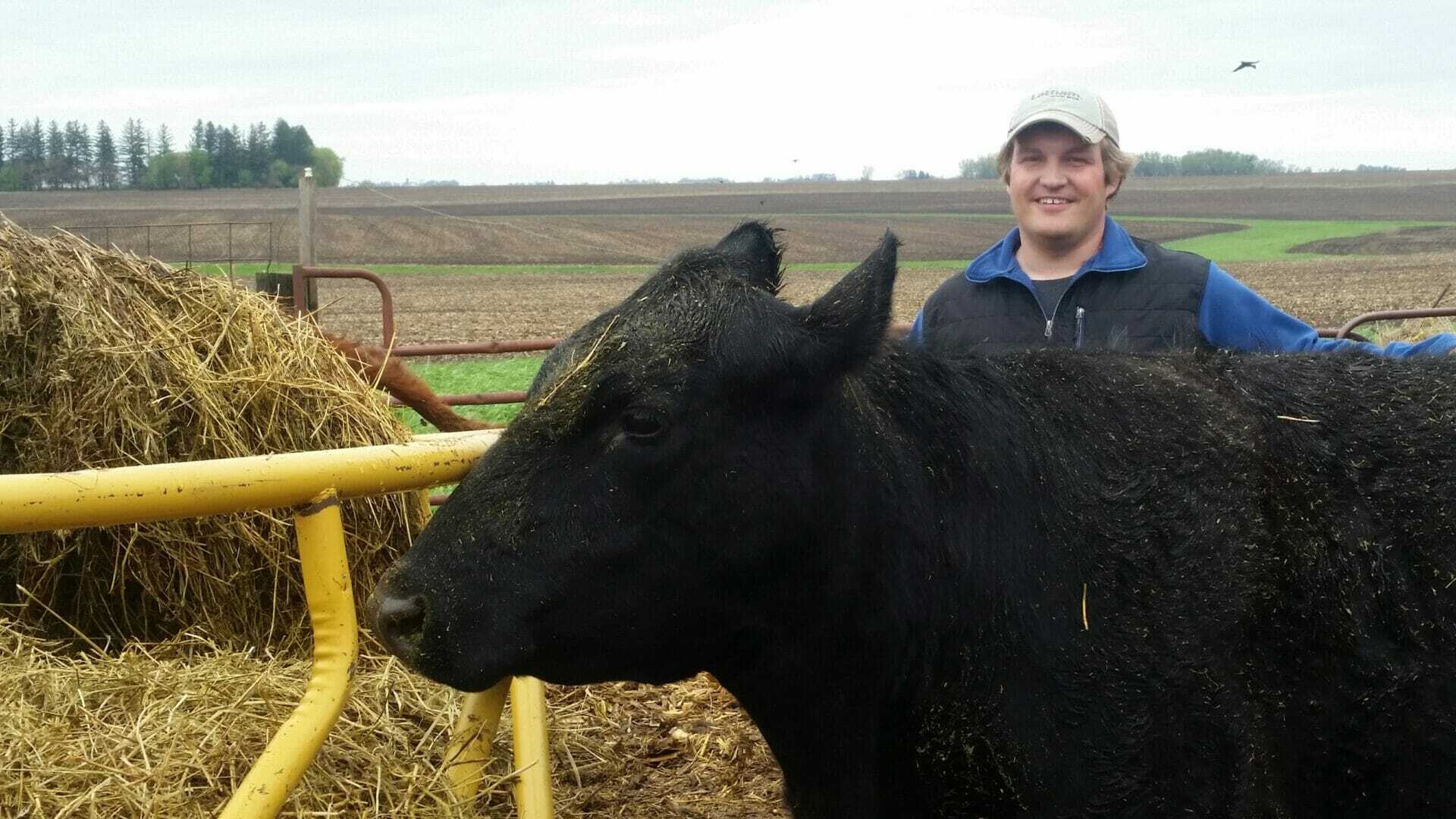
We become what we practice… Some children pretend to fly a spaceship to the moon or treat their tricycles like they’re fire trucks. Others, like Andy Edson, practice becoming a business owner.
“A part of me has always thought like  an entrepreneur,” says Edson, who farms with his parents Dave and Connie near Nashua in Northeast Iowa. “One of my favorite toys as a kid was a cash register. I’d take my sisters things and charge them to get it back,” he says as he gives a dimpled smile.
It wasn’t long before Andy’s interests moved into farming and raising cattle. He purchased his first heifer calf when he was 14 years old and a member of the Bradford Eager Beavers 4-H Club. He showed “Girl” in the 4-H Beef Show at the Chickasaw County Fair, and she became the foundation for his beef herd.
When Andy became old enough to join the Nashua-Plainfield FFA Chapter, beef became his Supervised Agricultural Experience (SAE). He put so much time and effort into recordkeeping that he earned both the Iowa and the American FFA Degrees. Andy also had the honor of being named an American Star Farmer Finalist at the 2012 National FFA Convention in Indianapolis.
“Andy is an outstanding leader and has developed one of the most extensive SAE programs I have had the opportunity to work with in my 29 years of teaching agricultural education,” said FFA advisor Ron Zelle in a 2012 interview.
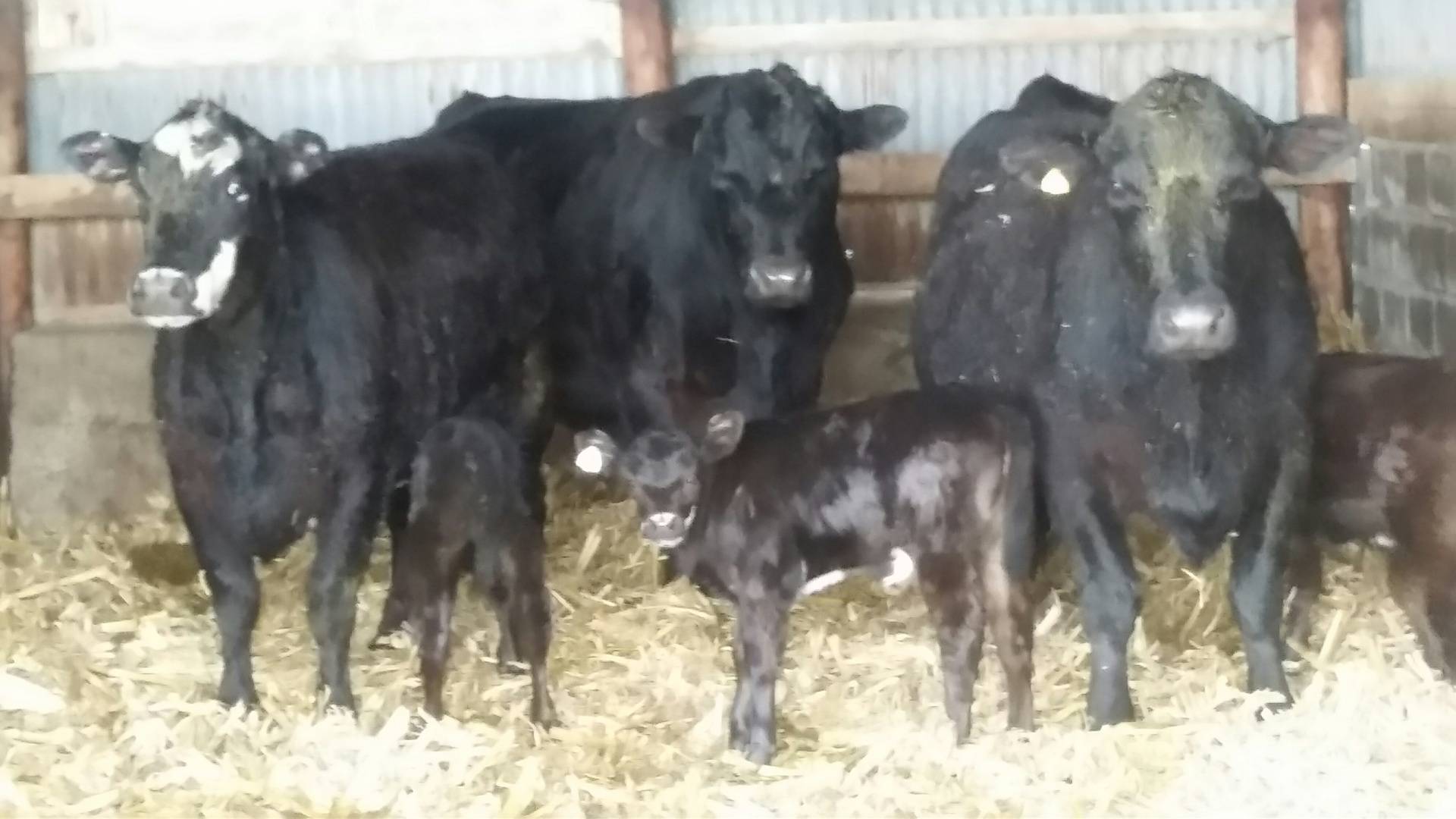
“I grew up around cattle. Dad always had about 50 Holstein steers, and I have great memories of helping him do chores from the time I was barely big enough to carry a bucket,” says Andy. “I started my own beef herd with one 4-H heifer and had 20 cows when I went to college. I didn’t think it was fair that my dad had to do so much of my work during the week, so I thinned down my herd. Girl is still a part of it, and she’s expecting her 10th calf any day.”
The first calf drops on the Edson farm during March Madness and, if everything goes according to plan, they’re done calving before corn planting begins in April. Andy’s original plan was to sell club calves, but those plans changed when he had the opportunity to farm more ground.
 Andy began renting farmland his freshman year of college. When an opportunity to rent a neighbor’s farm was presented during Andy’s senior year of college, he arranged his schedule so he didn’t have classes on Fridays or Mondays. That allowed him to make the two-hour drive home from college on Thursday night, so he could spend four days straight on his farm.
“I knew there was a future here for me. My dad is a good mentor, and I enjoy being my own boss. It just felt right for me to pursue farming fulltime,” says Andy. An internship through Iowa State’s Agricultural Entrepreneurship Initiative also helped confirm his decision because he missed the farm when he way away.
As a student in Iowa State University’s College of Agriculture & Life Sciences (CALS), Andy majored in Agricultural Business with a minor in Agronomy. Iowa State CALS pairs incoming freshmen with upper classmen mentors, and Andy was partnered with Carly Cummings and Elizabeth Burns-Thompson. Both Carly and Elizabeth were Ag Business majors, who were active in the student NAMA (National Agri-Marketing Association). They recruited Andy to the ISU NAMA marketing team. He was on the team for four years and was a member of one team that won the national competition!
“To prepare for the competition, we spent a lot of time finding research to help us make decisions. It was fun to see the marketing – not commodity marketing – side of agriculture. It helped me understand how different companies place products and why they’re targeting certain audiences,” says Andy.
“So much work goes into those marketing plans,” Andy goes onto explain. “Just learning the ‘whys’ behind the marketing decisions that a company makes can be applicable to any business. It really taught us a decision-making process.”
Andy puts those decision-making skills to use daily in his farming operation. His future plans include his family’s farming legacy.
“I hope to contribute to our operation and strengthen it while staying sustainable through the adoption of new technologies and exploring new business ventures,” says Andy. “Though my operation’s focus will continue to be on growing corn and soybeans, I’ll always keep a few cows around. They’ve always been a part of my life and there’s something about calving that never fails to give me a renewed appreciation for nature and the way of life that God has blessed me with.”
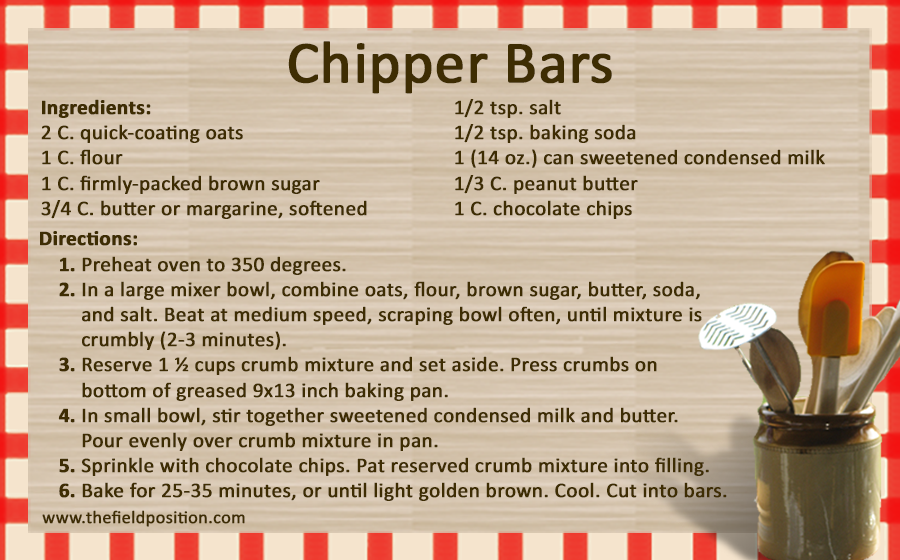
After working hard all day, Andy enjoys a home-cooked meal. Today he’s sharing two of his favorite recipes with us.
“I like recipes that are simple and delicious and both of these fit the bill,” says Andy. “This pot roast comes out tender and full of flavor while the bars provide a perfect end to the meal with a sneaky-good balance of sweet and salty.”
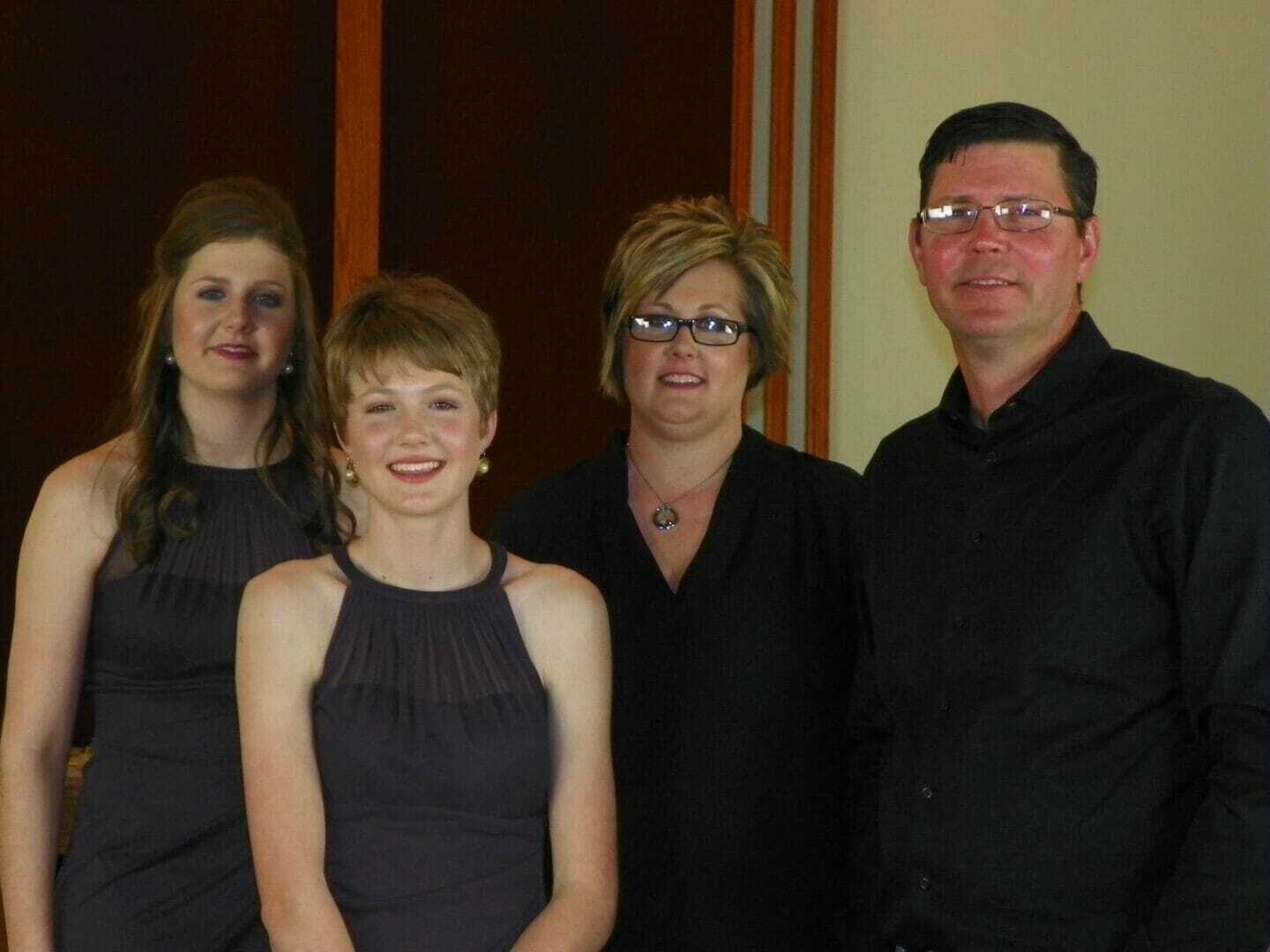

Schools across the Midwest will soon close their doors, and many families will enjoy taking a summer vacation. Mark Vosika, who farms near Pocahontas in West Central Iowa, looks forward to seeing new country with his wife, Heidi, and their two daughters.
“We enjoy traveling and experiencing different cultures. We really enjoy watching the scenery change as we drive, and of course, Mark enjoys seeing the different crops that are grown,” says Heidi, a registered nurse who spent about a decade working in long-term care, home health and hospice before switching to medical claims review.
A few of the Vosika’s favorite places include Rocky Mountain National Park, Yellowstone and the Grand Tetons. They also enjoyed Michigan’s Upper Peninsula and Mackinac Island. Heidi says, “We had so much fun exploring Arches National Park and JEEPing in Canyonlands that we’d love to visit Utah again.”
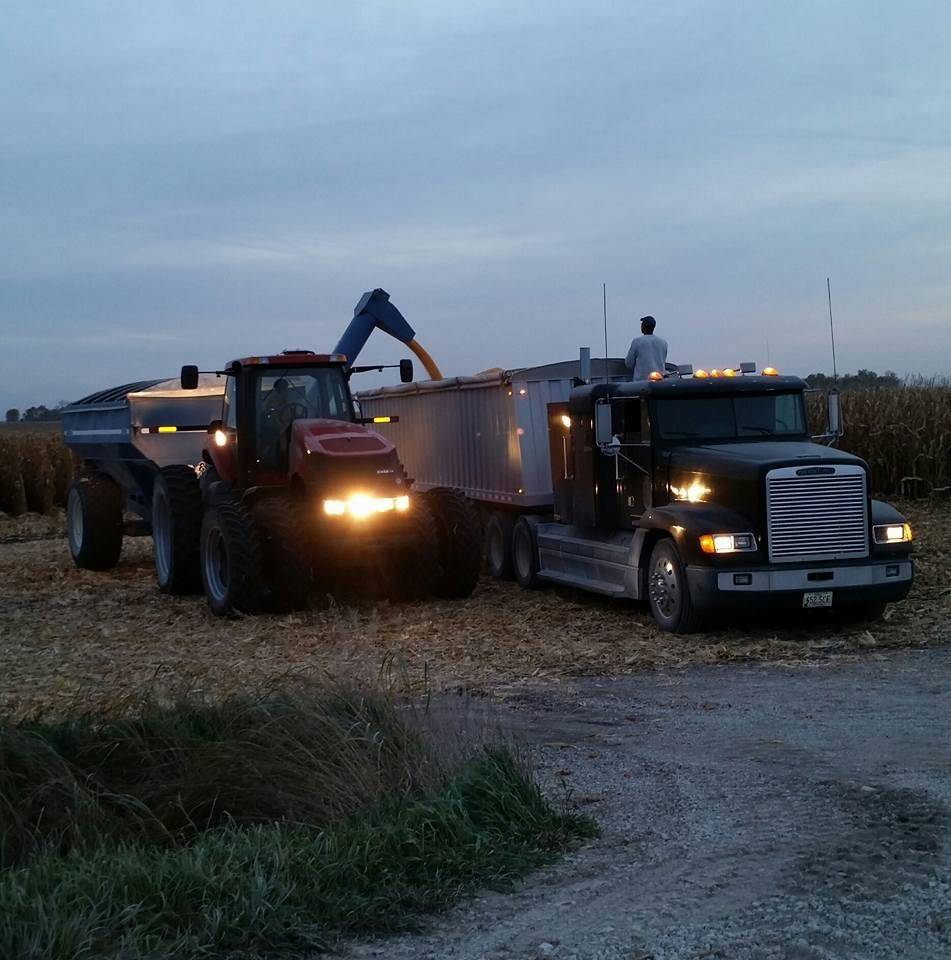
No matter where the Vosikas roam, they always look forward to returning to home. Mark and Heidi feel blessed to raise their family in the same home where Mark was raised. Their oldest daughter, Maddie, is a high school junior and sold more than $1,000 in FFA fruit sales. Their youngest daughter, Jessica, is in seventh grade. She enjoys cross country, basketball and soccer. Jessica also enjoys helping Mark on the farm, running the grain cart and moving equipment. She also likes to spend time with him in the shop.
“What I like the most about living here is that our kids get experiences they wouldn’t otherwise have. They see the long hours that go into farming, and they see how dedicated their dad is to the operation. They learn about farm safety, and they learn to accept more responsibility at a younger age,” says Heidi, who grew up in town and now enjoys the privacy of country living. Participation in extracurricular activities helps their daughters develop leadership skills, which will be of value if they decide to follow in their dad’s footsteps.
Mark is a township trustee for Sherman Township. He also serves as a director for Pocahontas County Corn Growers and as a District 1 Director for Iowa Soybean Association. As a trained diesel mechanic, Mark proudly promotes biodiesel to increase lubricity and longevity of engines. As a soybean and corn farmer, he says it just makes sense to use homegrown fuel.
Mark and his brother, Mike, farm in partnership. Mike usually runs the combine and planter; Mark does the spring fieldwork ahead of the planter and hauls grain from the field in the fall. Mark also does all the equipment maintenance and repairs, saving valuable down time and decreasing out-of-pocket expenses.
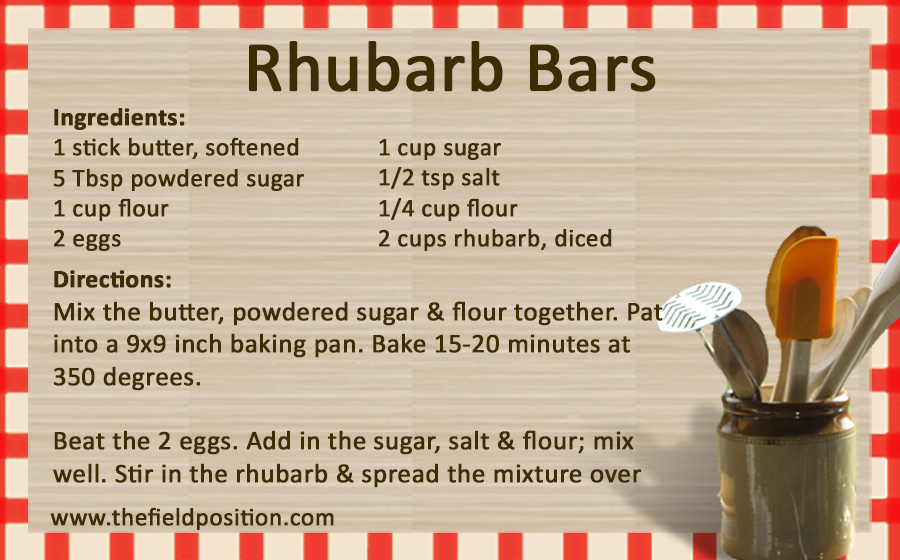
Just as Midwest farmers work to get their crops in the ground this month, gardeners also are busy working the soil and planting seeds. April is National Gardening Month, so the Vosikas are sharing recipes that use spring produce. Chicken Oscar is one of Mark’s favorite meals, and the entire family enjoys dessert.
Nothing showcases spring in Iowa quite like fresh asparagus and rhubarb. Get a taste of spring this weekend!
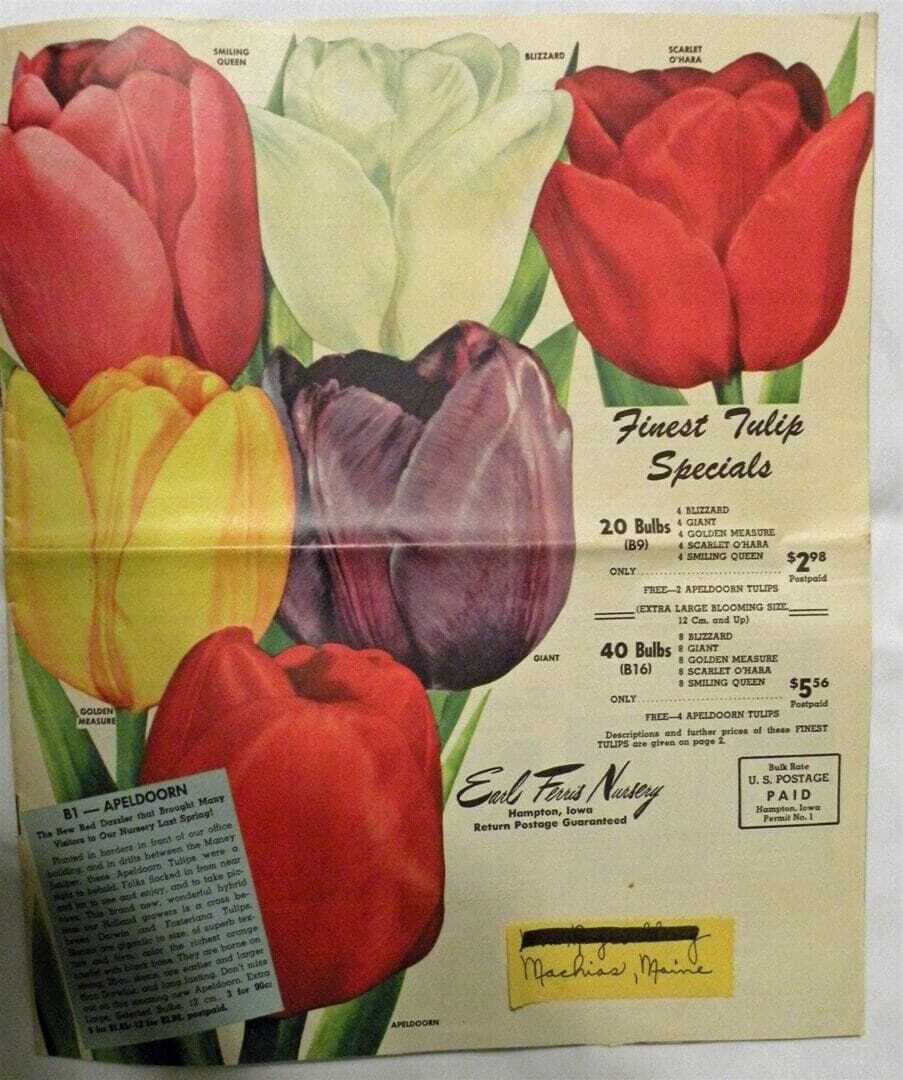
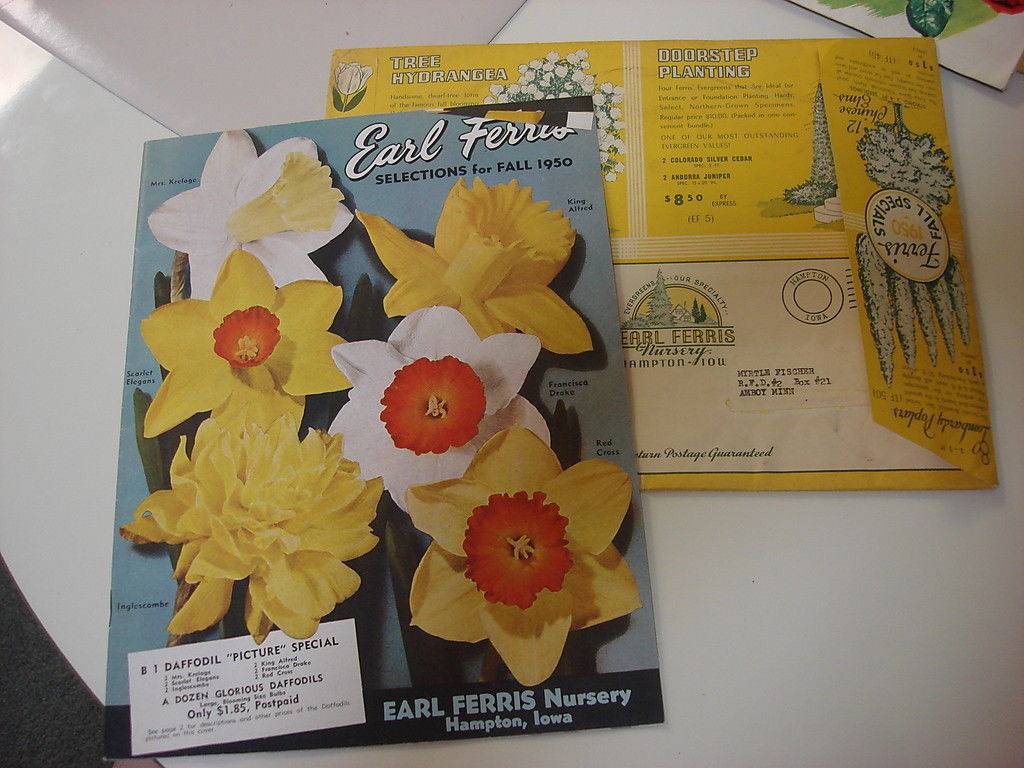
Gardeners know all the best dirt. For generations of gardeners across Iowa and beyond, one of the most trusted sources for high-quality plants, flowers and trees was the Earl Ferris Nursery, a Hampton landmark for nearly 100 years whose legacy lives on.
“Everywhere we go, we see Ferris trees and shrubs,” said Mickey Ferris of Hampton, who ran the Earl Ferris Nursery with her husband, Wayne, for many years. “Some windbreaks are well over 100 years old.”
The roots of the Earl Ferris Nursery run as deep as Iowa’s pioneer heritage. Solomon “Sol” Wayne Ferris started a small nursery in West Branch, Iowa, following in the footsteps of his father, John Ferris. The family moved the nursery to the Butler County town of Bristow in 1869 and established the Bristow Nursery, consisting of about an acre of fruit trees, berry plants and a few evergreens.
The business took off when Sol bought land in the Dakotas and raised horses there. “Traveling through Northwest Iowa to the Dakotas, Sol discovered a good market for trees, especially fruit trees,” says Mickey, an avid historian. “New settlers needed to plant orchards, and they also  needed evergreens for windbreaks to protect against prairie winds and snow.”
Sol sold and delivered nursery stock by wagon throughout the Midwest. The Ferris nursery became known for its field-grown evergreens, Mickey noted. In the winter of 1899, the Ferris family used sleighs to move their entire nursery stock to Hampton, which offered better railway facilities.
By 1900, Sol’s son, Earl, had graduated from Upper Iowa University and was working for his father. Earl bought a half interest in the family business. In 1902, the ambitious young man became full owner of the company and had big dreams for this small business.
Mail order helped business flourish
While Earl continued to sell nursery stock using agents, in 1905 he pursued a promising new marketing option—mail order. He printed his first catalog in 1907 and changed the name of his growing company in 1912 to the Earl Ferris Nursery Co. By then, the nursery consisted of 360 acres of trees, shrubs, flowers, bulbs and evergreens.
The Earl Ferris Nursery mailed more than 400,000  catalogs each spring and sent nearly the same amount each fall. These attractive catalogs contained a full list of the varieties offered by the nursery, complete with prices. “Orders received were prepared for shipment in the ‘pack shed’ and mailed all over the United States, including Alaska,” Mickey said. “At one time, the catalogues represented half of the business at the Hampton post office.”
Since the customer mail-order list was invaluable to the nursery, the list was locked in a large vault in the office every night. Thieves broke into the office one night, Mickey recalled. “They tried to peel the vault door off, assuming there was money in the vault. Then they then tried to enter the vault from the floor above, again without success. The family always wondered what the burglars would have thought, had they been able to get in and found only drawers of names and addresses!”
 “Landscape by Mail” offered new options
Innovation continued to define the Earl Ferris Nursery well into the twentieth century, thanks to S. Wayne Ferris, Sr.
The only son of Earl Ferris, Wayne Sr. was born in Hampton in 1905 and worked in the nursery business all his life. He became president of the Earl Ferris Nursery in 1945 after his father died.
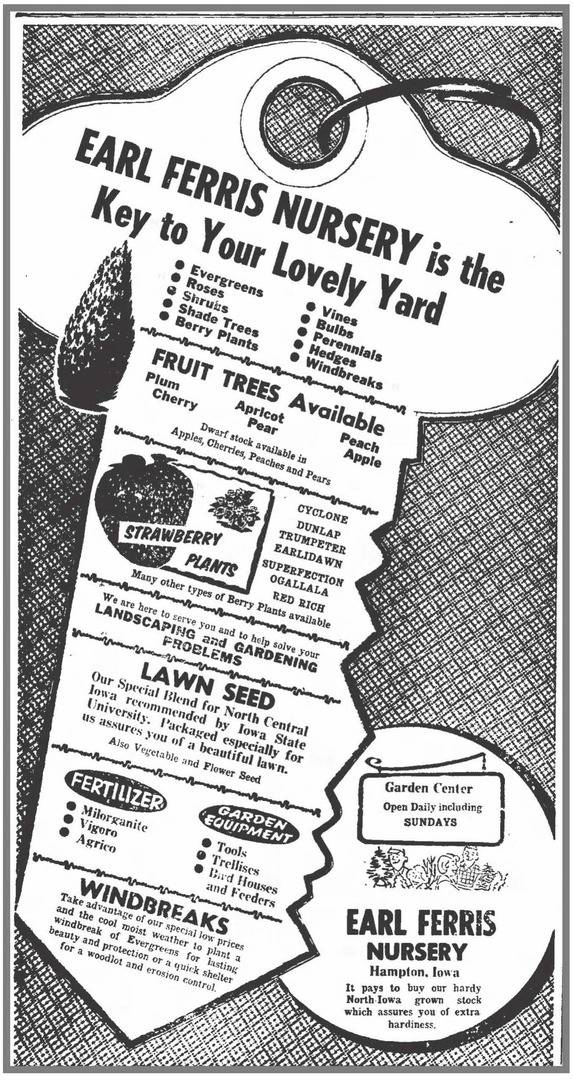
Wayne Sr. started the “Landscape-by-Mail program,” employing a professional landscape architect to provide landscape plans for mail-order customers. “These customers would otherwise not have had access to professional landscaping,” Mickey said.
Wayne Sr. also started a retail garden and gift shop in connection with his mail-order nursery. His two sons, Earl and Wayne Jr., came into the business, with Earl serving as office manager and Wayne Jr., in charge of propagation and fields.
Wayne Sr. was a prominent leader in the local community, as well as at the state and national levels. He served as president of the American Association of Nurserymen and Iowa’s state association. He also served as director of the Iowa State Horticultural Society. Closer to home, he was president of the Franklin County Izaak Walton League when the group restored Beeds Lake. Wayne Sr. also served as a member of the Hampton City Council and Park Board and was chairman of the Franklin County Civil Defense program during World War II.
Entering the last growth phase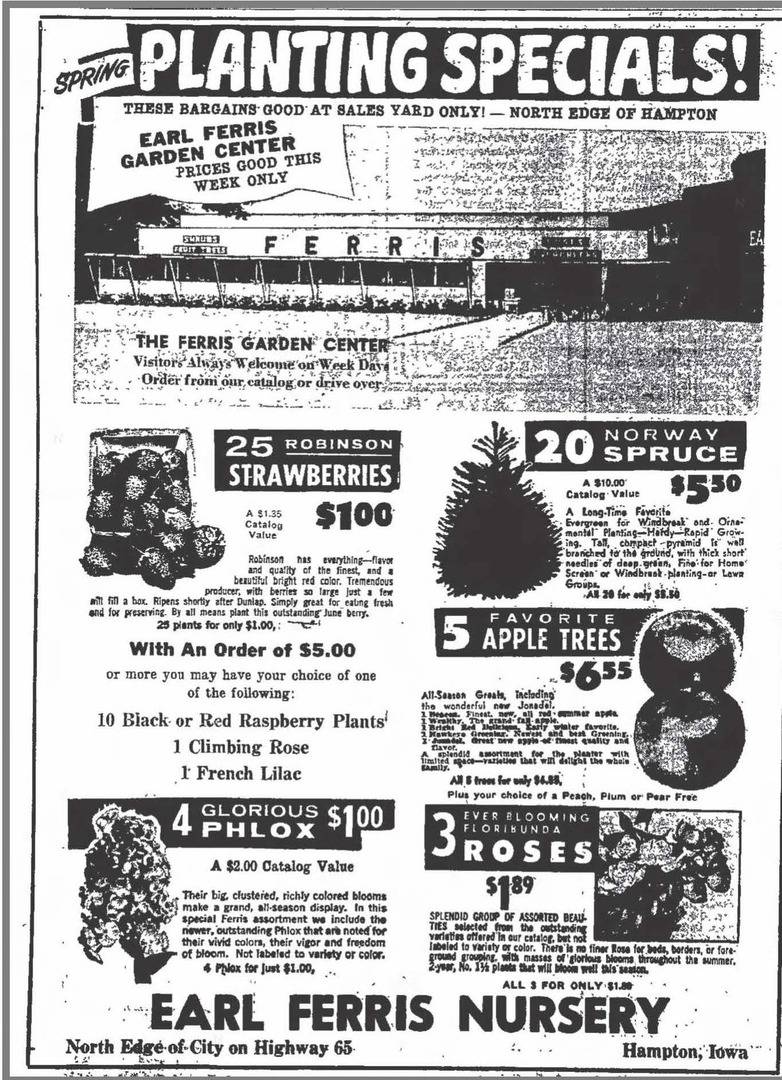
After Wayne Sr. passed away in February 1977 and Wayne Jr.’s brother, Earl, moved to Illinois, Wayne Jr. and Mickey took over the operation of the nursery, which they renamed the Ferris Nursery.
By this era, the once-thriving catalog business dwindled as big retailers like K-Mart and Walmart entered the market. “The stock and land were sold off, and Wayne began growing perennials and annuals in a large glass greenhouse,” said Mickey, who noted that Wayne became well known for his exceptional poinsettias, geraniums and annuals.
Wayne purchased evergreens, trees and shrubs for the Ferris Nursery’s retail garden center. Mickey worked in the garden center and also started a flower shop. During the holidays, the Ferris Nursery also included a large Christmas shop.
Wayne and Mickey’s sons, Jeff, Mark and David, all worked at the nursery during high school. The Ferris’s grandson Chad also worked in the greenhouse and flower shop, becoming the sixth generation to work at the nursery. When Wayne and Mickey decided to retire in 1997, no family members chose to continue the business. After 128 years in business, the nursery was closed permanently.
Now in their 80s, Wayne and Mickey continue to call Hampton home and still enjoy growing plants for their small raised-bed gardens. “It’s a tiny thing, but we love it and
wish we had a greenhouse,” Mickey said. “This part never leaves you.”
For a taste of spring in Iowa, try this flavorful Daffodil Cake, which offers a colorful twist on a traditional angel food cake.
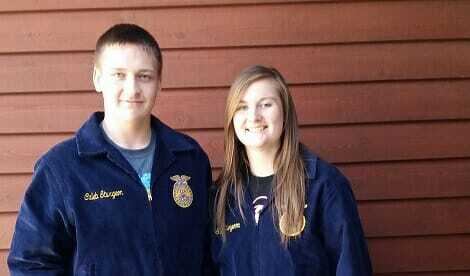
“Amplify: Boost your impact” is the theme of the 88th annual Iowa FFA Leadership Conference, which will be held April 17-19, at Hilton Coliseum in Ames. Not only does that conference theme serve as a rally cry for the more than 5,000 FFA members who will gather from across the state, but it’s the mantra of Sam Sturgeon of Dows.
“I first decided to join FFA because I love helping on our farm,” says Sam, whose grandfather raises seed beans for Latham Hi‑Tech Seeds. Her father, Eric, is a Latham® seed dealer. The family also grows corn and runs a cow-calf operation. “FFA is becoming an important way for me to develop leadership skills. I’ve been reporter the past year. Chapter officers lead events and activities throughout the year, plus COLT (Chapter Officer Leadership) Training allowed us to meet officers from all chapters in our area.”
A junior at Belmond-Klemme High School in Belmond, Sam has been active in FFA since seventh grade. Sam’s younger brother, Caleb, also joined the chapter in seventh grade. Both of them are carrying on the tradition set by their father and grandfather.
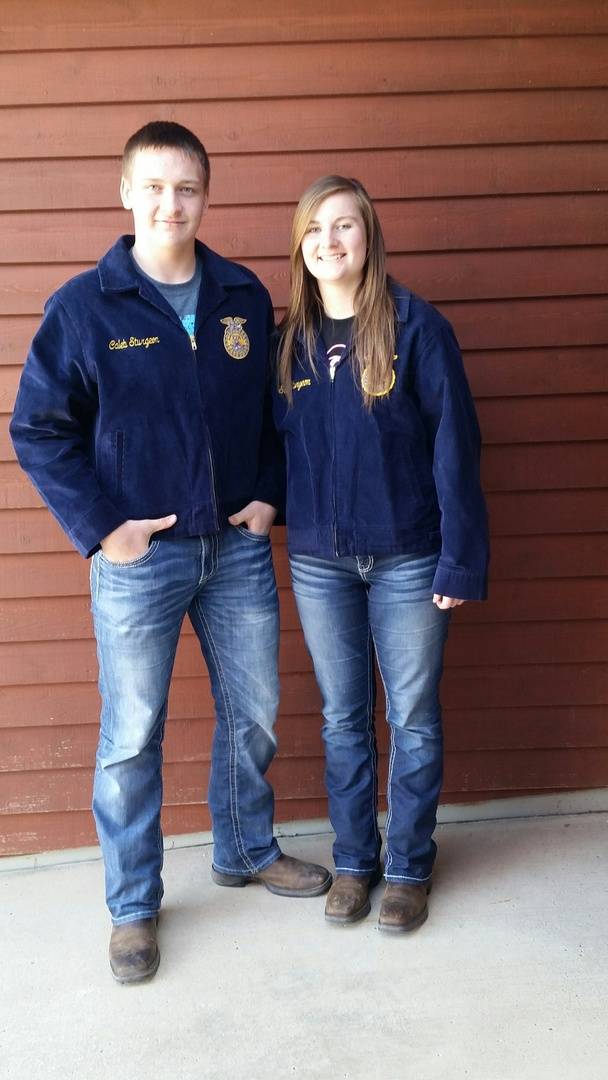
And just like her Grandpa Ron and Great Grandpa Gene Sturgeon, Sam will receive the Iowa FFA Degree. Next week when Belmond-Klemme FFA members travel to Ames for the state leadership conference, Sam will be awarded the highest rank a state association can bestow upon a member.
Qualifications for the Iowa FFA Degree include:
For her Beef Production Placement SAE project, Sam helps her grandparents with 43 Maine Anjou-Angus cow-calf pairs. Calving begins in February and wrap up as planting season begins.
“This year was especially exciting,” says Sam. “We did a lot of embroyo implants, so I stayed busy watching heat cycles. I enjoyed helping select semen from the bull we wanted. I was so excited to see what the calves would look like this year! I’m pretty excited about what we’ll have to work with.”
At the 2015 Wright County Fair ,Sam and Caleb won Champion Cow-Calf Pair. They show cow-calf pairs for FFA and market beef through the Pleasant Progressors 4-H Club.
While Caleb likes showing beef cattle, he really enjoys helping with crop production. His lifelong dream is be the fourth generation on his family’s North Central Iowa farm. Sam prefers livestock production and plans to become a veterinarian. She volunteers nearly every Saturday, as well as on days when there isn’t school, at the Hampton Veterinary Clinic. She assists with surgeries and goes on farm calls. She helps spay and neuter pets, too.
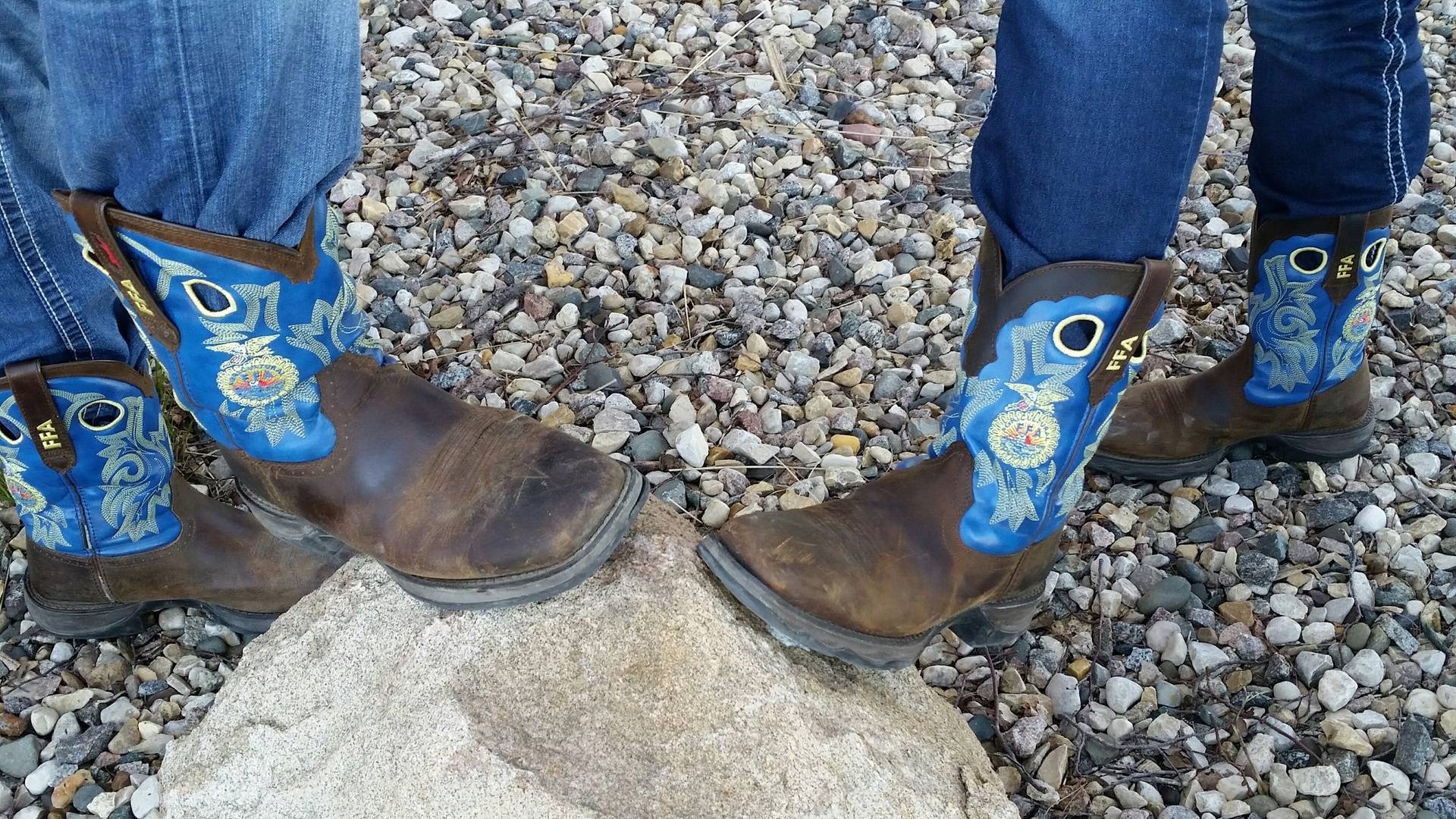
The Sturgeons stay busy outside of school and farming. Sam also works part-time at Fareway. Caleb is a member of the football and basketball teams. In the off-season, he lifts weights.
Every cattle producer knows the way to boost your energy levels and fuel your body is by eating beef! One serving of beef, provides our bodies with nearly half of its needed protein plus 10 essential nutrients including zinc, iron, protein and B vitamins.
In anticipation of May Beef Month – and in celebration of Sam earning the Iowa FFA Degree – today the Sturgeon is sharing with us of one of their family’s favorite beef recipes.

Guest blog post by Linda Funk, Executive Director, The Soyfoods Council
We all know that we should “eat healthy.” Diet is a ke y lifestyle factor affecting the risk of developing cancer, and research shows that eating more polyunsaturated fat is key to reducing death from coronary heart disease. So why is it many Americans prefer to grab a candy bar or bag of potato chips for a quick snack and order pizza for supper?
Convenience and simplicity are key in determining food choices. Did you know soybeans are a simple way to add protein and fiber to your diet? Soy protein is so healthy for you, too. It’s low in saturated fat and has no cholesterol. It’s also high in polyunstaurated fat and provide essential omega-3 fatty acids.
Here are two more good reasons why you should consider adding soyfoods to your diet:
After hearing about so many virtues of soyfoods, I hope you’ll feel inspired to add some to your diet! No need to fret over a meal plan as today I’m providing recipes for a four-course menu:
Find daily tips for using soyfoods and #SoyInspired recipes during April SoyFoods Month on Facebook. Join our Twitter chat for a chance to win a copy of Tofu Cookery. Also check out our Soyfoods Month Pinterest board!
By Kilah Hemesath, Latham Hi‑Tech Seeds Marketing Intern
The grilling aroma has been filling the fresh spring air on days we’ve been blessed with warm weather! Hamburgers, hotdogs and brats are always popular choices but switching it up can be fun.
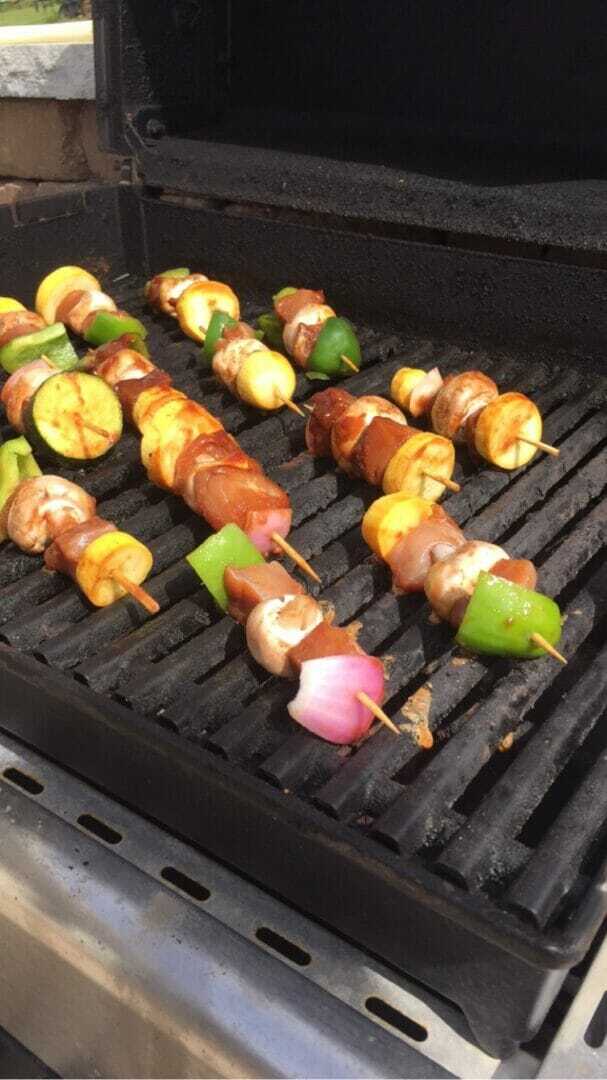
Pizza and shish kabobs are some of my favorite foods 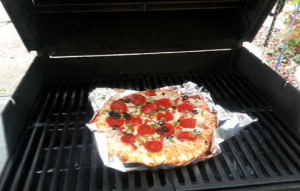 to grill. When grilling pizza, my family has found it works best to put the pizza on a baking stone or tinfoil. Cooking the crust halfway in the oven before adding the toppings helps ensure an evenly cooked pizza. It also gives the pizza some structure, making it easier to transfer it to and from the grill.
Once we transfer the pizza to the grill, we put the lid down and cook it for about 20 minutes at approximately 250º F. Today I’m sharing the pizza crust recipe we’ve successfully used on the grill.
Pizza Crust
1 cup warm water
1 pkg yeast
1 tsp sugar
1 Tbsp olive oil
2 1/2- 3 cup flour
1 tsp salt
1/2 tsp olive oil
Mix yeast, sugar, oil and warm water together. Set till foamy. In a mixing bowl, add 1 1/2 cup flour and salt. Mix until smooth. Continue adding 1/4 cup flour at a time until reaches the consistency that you like. (I usually add about 2 cups total.) Knead about 3-5 mixtures, or until tacky. Coat the inside of the mixing bowl with 1/2 tsp olive oil. Place dough in bowl and cover for about 1 1/2 hours. Press in greased pan. Bake at 450 until slightly brown.
What’s better than eating food on a stick? (Just thinking about food on a stick reminds me of the state fair, and that certainly brings back a lot of memories!) My favorite summer food is shish kabobs. One of the best things about kabobs is that you can make them your own way! I love putting peppers, onions, mushrooms and squash on a stick with the chicken. We’ve found it helps the veggies stay on the stick if we begin and end with a piece of meat. We also marinate the chicken for a day before we grill it.
Here’s our “go-to” sweet marinade for shish kabobs.
Chicken marinade recipe
1/2 c. ketchup
1/2 c. sugar
1/2 soy sauce
1 tsp. garlic powder
1 tsp. ginger
1 tsp salt
Combine these ingredients. Marinate 2 pounds of meat (chicken or beef) in this sauce overnight.
Some suggestions for kabobs:pineapple, zucchini, mushrooms, boiling onions, green peppers. Grill 15-20 minutes.
Grilling sweet corn has always been on my list that I need to try! There are endless flavors and styles of grilled sweet corn, which can also make a great summer dish because of the bright yellow color. Give these food items a try when you are looking to veer away from the typical grill-out food. Embrace the nice weather and everything it entails, and start grilling!
Guest blog post by Iowa Food & Family Project
People often think of bananas when they think of a good source for potassium, a mineral that helps stave off muscle cramps. While bananas provide potassium, soyfoods actually provide it at higher levels.
Here’s a list of the highest potassium-containing foods, and look what is at the top and listed throughout:
NOTE: ½ cu extra firm tofu: 225 mg
Potassium is essential for good health because big leg muscles, small eye muscles and even the heart muscle use potassium to communicate with nerves. The goal for adequate intake of potassium, as set by the National Academy of Sciences, is 4,700 milligrams per day.
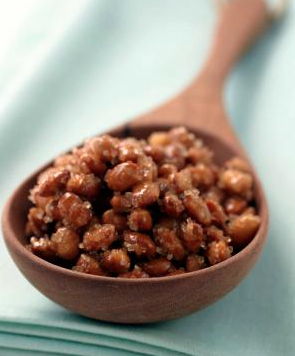
Remember to pack healthy snacks to fuel your body as you enjoy outdoor activities like bike riding, hiking and sporting activities like baseball, softball and soccer. Make ahead Honeyed Soynuts to include in your snack mixes.
April is Soyfoods Month, making it an excellent time to learn all about soyfoods like tofu, soymilk and edamame. For more recipes and research information, visit thesoyfoodscouncil.com.