Latham Hi-Tech Seeds

(641) 692-3258

  • Home
  • Products
    • Corn
    • Soybeans
    • Soybean Blends
    • Alfalfa
    • Corn Silage
    • Seed Guide
  • Performance
  • Find a Rep
  • Media
    • Blog
    • News
    • Videos
    • Podcasts
    • TECHTalk
  • About Us
    • Company History
    • Our Mission
    • Careers
    • Become a Rep
    • Sowing Seeds of Hope
  • Contact Us
  • Latham Hi‑Tech Seeds

    Brown’s Home Farm Remains Center of Operations

    RossJenFamily

    Thousands of students across America have graduated from high school and college during the past two weeks. It’s exciting to think many of them will follow career paths that don’t even exist today because technology continues to evolve. Others will leave home, stretch their wings and then realize they desire to raise their families on the farm that’s been in their families for generations.
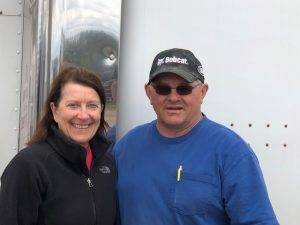
    Kevin & Renee Brown
    Kevin & Renee Brown

    Take, for example, brothers Ross and Levi Brown of Dell Rapids, South Dakota. Neither of them planned to farm. Their parents, Kevin and Renee, insisted that their sons earn a four-year degree. They both attended college 45 minutes from the home farm, which made it possible for them to come on weekends to help with crops or cattle.

    Ross graduated from Dell Rapids High School in 2005 and then went to basic training and Air Force technical training. In 2006, he started taking classes at South Dakota State University (SDSU) in Brookings where he majored in Aviation Management. He was deployed three times, ranging from two to four months each time.

    “Resuming studies after deployment wasn’t hard for me,” says Ross. “It might have even been beneficial. Being a little older helped me focus more on my studies.”

    Due to his deployments, Ross and Levi graduated from SDSU on the same day. After graduating from high school in 2009, Levi had intended to become an engineer. He enrolled in the School of Mines, but it only took him one semester to realize that school wasn’t the best fit for him. The following semester he transferred to SDSU where he earned a bachelor’s degree by double-majoring in Agricultural Business and Finance with a minor in Economics,

    Levi, Olivia & Cora Brown

    The same day Levi moved into his Brookings apartment, he introduced himself to the beautiful coed who lived on the floor below. Her name was Olivia, and shortly thereafter, they began dating. Levi and Olivia dated from the time she was a freshman through her senior year. Meanwhile, Levi worked two years for a farmer in Mitchell while Olivia continued her studies. She is a registered nurse and earned a Bachelor of Science in Nursing (BSN) from SDSU. They were married in 2014 and moved to Dell Rapids. Levi began farming, and Olivia continued to pursue her studies. She will graduate in August 2019 with a Doctor of Nursing Practice (DNP) from SDSU.

    Levi and Olivia are the proud parents of a two-year-old daughter, Cora. Their farm is 3 miles northwest of the home place, where Kevin and Renee have lived since 1985 and where Renee was raised. Although they converted the farm from a dairy to a beef operation, Renee remains tied to the dairy industry. She has sold dairy ingredients to cheese and ice cream manufacturers across the Upper Midwest for the past 30 years. The Brown’s home place remains the center of operations as Ross and his family live across the section to the north.

    Ross, Jen & Family

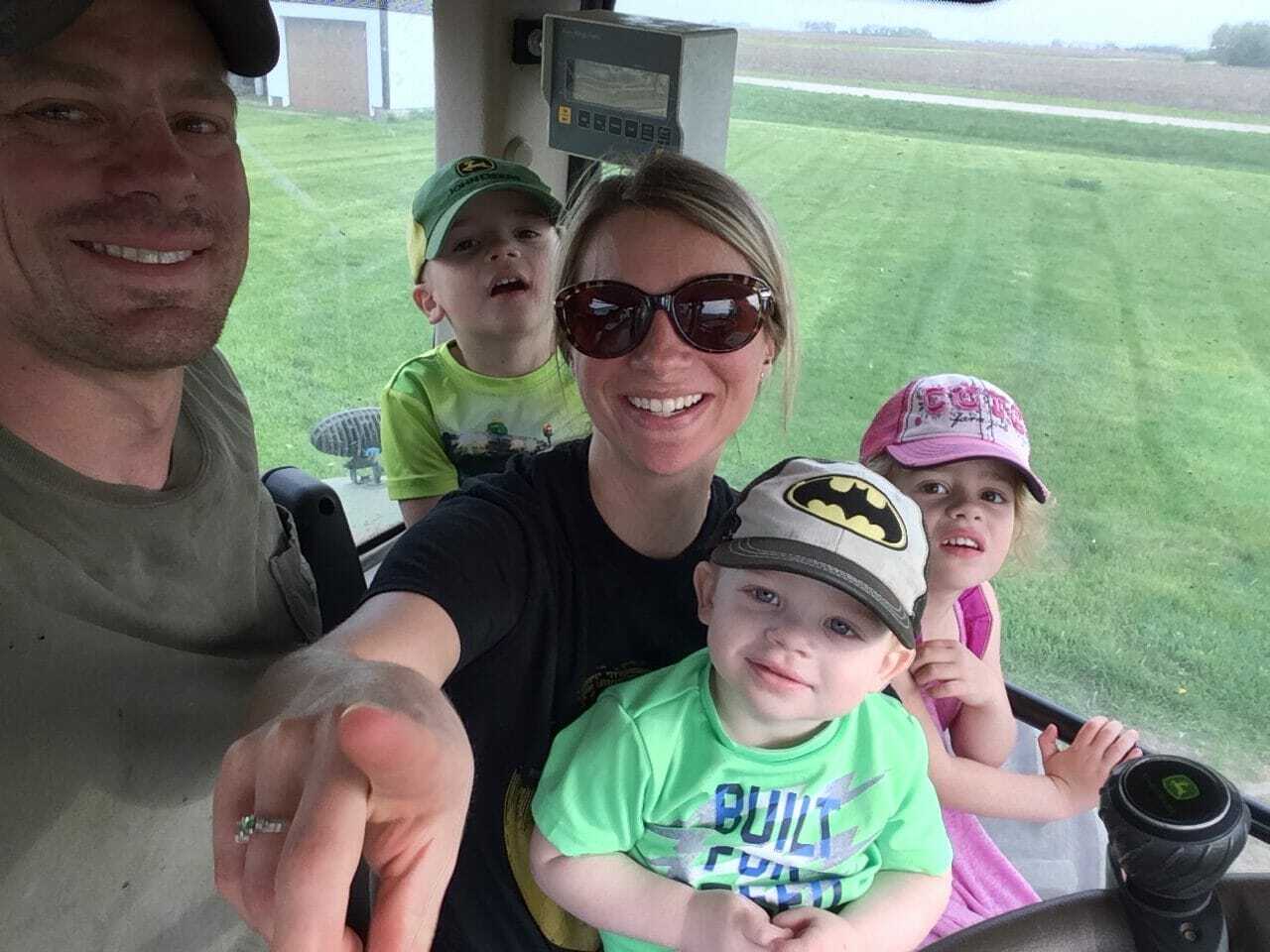
    Ross returned to the family farm in 2012 after working a couple of years at Raven Industries. He spent a great deal of time traveling for his job and realized how much time he would be sacrificing away from family if he continued in aviation. Ross and his wife, Jen, are the proud parents of six-year old Elsa, four-year-old Joe, and three-year-old Arlo. Jen teaches first grade in Sioux Falls. Ross continues to serve in the Air National Guard, and his 20th year of service will be 2025.

    Ross and Levi have put their interests and expertise to work on the family farm. They built their own strip tiller and bean planter. Levi said he’s read more articles since he’s graduated than he did as a student because it’s more meaningful now that he can apply what he learns. Kevin says his sons are always on the Internet, looking for new ideas. In fact, that’s how they learned about Latham Hi‑Tech Seeds performance in the F.I.R.S.T. Trials and about Latham’s hybrids that are the Boss on Goss.

    “Ross and Levi have really embraced technology, and that’s helped the bottom line of the farm,” says Kevin. “Technology adds another level of management, so I’m turning the reigns over to them. They order our seed, chemicals and fertilizer because they know the prescriptions for each farm.”

    Ross was quick to add, “We all bring something to the table. Everyone has ideas to share. Oftentimes, Levi and I will be working on equipment. Dad walks in and says, ‘Try this,’ and then it works.”

    The Browns farm separately, yet together. In addition to raising crops, Kevin finishes feeder cattle. Because there wasn’t an opportunity to buy more land, Ross also finishes feeder cattle and calves about 100 cows each spring. Levi will build cattle yards this summer and plans to bring in his first load of steers this fall.

    “It’s been rewarding to watch Ross and Levi take over the farming,” says Kevin. “Renee and I are so fortunate that our family lives nearby. We’re looking forward to slowing down and enjoying more time with our grandkids.”

    Today the Browns are sharing with us a family favorite recipe that promotes the beef they raise.

    “Memory Hot Dish a ‘go-to recipe’ for Mom when she has a lot of mouths to feed for lunch, plus it’s one of our favorites,” says Ross. “The calendar might not say ‘hot dish’ weather, but this week’s weather does! I had on a sweatshirt and flannel while doing chores earlier this week, so this recipe seems to fit the type of spring we are having.”


    Shannon Latham

    May 31, 2019
    Beef, Food & Family, Recipes
  • Latham Hi‑Tech Seeds

    Rooney Rides for the Brand Over Memorial Day

    IMG 7348
    IMG 7348
    Family photo from left to right: Jake; his sister, Brooke; his mom, Karen; and his dad, Steve.

    More rainfall isn’t what most Upper Midwest farmers wanted this month, but the delay in spring planting allowed Jake Rooney Chippewa Falls, Wisconsin, to attend commencement exercises May 11 at North Dakota State University. The new grad majored in Agricultural Economics and will plant his first crop this spring as a full-time employee of Rooney Farms.

    “One reason I decided to major in Ag Economics is because my dad felt one of his shortfalls is commodity marketing. I took a few marketing classes and a couple of commodity trading classes,” says Jake, who also worked for a farmer in Moorehead, Minnesota, while he was in college. “Having an economics background will help me manage expenses and keep the balance sheet square. One goal we have this year is to cut expenses by five percent, increase yield by 5 five percent and increase our marketing for a net return with an increase of 10 percent.”

    Once the 2019 crop gets in the ground, Jake is looking forward to studying the last three years of Profit and Loss Statements (P&Ls). He wants to compare what happened year to year and identify areas where improvements can be made.

    IMG 0011“I’m really excited to be part of the day-to-day decision making. I’m looking forward to being involved with this crop from planning and planting to harvest,” says Jake. “I moved home at the end of the fall semester and took my final three classes online this spring, so I get to be apart of this operation every day. I helped choose this seed and can’t wait to see how much corn goes in the tank this fall.”

    Rooney Farms produces corn and non-GMO food-grade soybeans, rye and alfalfa in Wisconsin. Its sister company, Rooney Angus Ranch, is working to become the premiere Black Angus seedstock provider for the commercial cattle market.

    “Our vision is to produce the ideal bull for the commercial cattleman. To achieve this, we’re selecting our seedstock based on marbling and calving ease. We recently hired a new ranch manager and an embryonic technician, who will manage the donor herd,” says Jake, who nearly earned a minor in animal science.

    5.24.19 Blog PIcCattle have been a passion of Jake’s dad, Steve, since he grew up on a Wisconsin dairy farm. Steve has always been interested in livestock, and in 2014, the opportunity arose. While skiing in Colorado, Steve purchased a ranch with 400 head of Angus cattle. He has since purchased a Texas ranch, where plans are underway to host its first bull sale in March 2020. Each Memorial Day weekend Jake, plus about 50 friends, family members and hired hands, gather at Rooney’s Colorado ranch for their annual cattle branding weekend. They work cattle on horseback, and when the work is done, they’ll enjoy homegrown beef. Jake’s favorite cut is a thick sirloin, with a little Lawry’s salt and pepper, grilled to medium rare.

    In honor of May Beef Month, we’re linking to recipes for Beef Chili Colorado and Texas-Style Barbecue. We’re also providing you a recipe for Grilled T-Bone Steaks with BBQ Rub, courtesy of the Iowa Beef Industry Council.

    Shannon Latham

    May 24, 2019
    Beef, Food & Family, Recipes
  • Latham Hi‑Tech Seeds

    County Cattle Show Leads to Lifetime Love

    Webster Farms Family Photo

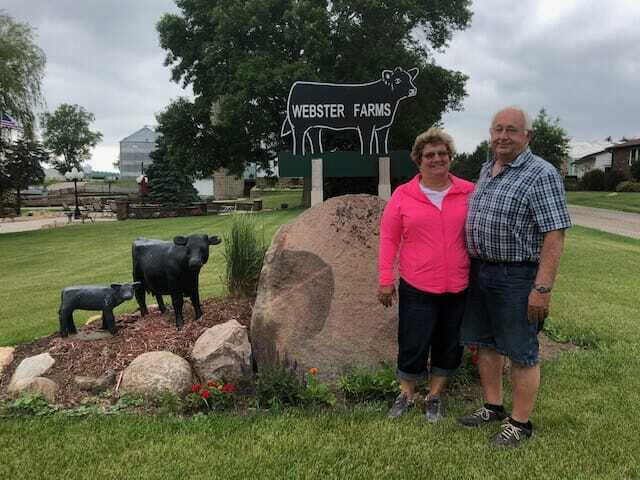
    Webster Farms Family PhotoIf you spend your summers watching kids play baseball or traveling the show circuit, the people you sit next to in the stands become like a second family. Sometimes they even become your family.

    Wayne and Patricia Webster of Walker, Iowa, met in 1961 when they were both showing cattle at the Linn County Fair.

    “Wayne had more than one Black Angus heifer in the same class, so he asked me to show one,” says Pat, who was raised on a farm near Marion and was showing crossbred steers at the time. Pat and Wayne became closer friends after that show, but they didn’t start dating until six years later.

    It’s no wonder that Black Angus have been important to this family.

    Wayne continued to raise Black Angus upon graduating from high school in 1965. After he and Pat were married in 1972, they decided to focus on breeding registered Black Angus. They really like how docile the Angus breed is, plus this species is always in demand because it’s known for producing high quality beef.

    To help market their stock as well as to keep an eye on genetics that perform, the Websters attend several livestock shows throughout the year. They usually attend a few local shows plus watch their stock at the Iowa State Fair, Junior Angus Show, North American International Livestock Exposition and the National Western Stock Show.

    Photo 1 Bull
    Webster Farms had Grand Champion Bull at the Iowa State Fair in 2013 and again in 2017. The bull that won in 2017 also was named Grand Champion Bull at the 2018 National Western. Owners of this bull were: Wilson’s Cattle Company, Foose Cattle Company, and Webster Farms.

    Webster Farms had the grand champion female at the 2012 Iowa State Fair with a heifer named Missie, who is still a donor cow in their herd. Two of their bulls were named grand champion at the Iowa State Fair in 2013 and 2017. The bull that won in 2017 went on to become the grand champion bull at the 2018 National Western.

    “Growing up in the country and raising livestock really helped our four daughters become independent. Now we get the chance to watch our grandchildren learn and grow as they do chores and work with their cattle,” says Pat.

    All four of the Webster’s daughters live within five miles of their farm, so Pat and Wayne feel blessed they get to see their family often. They stay busy attending activities for their nine grandchildren, who range in age from three to 25. Their oldest grandson is married and has a 10-month-old daughter.

    It’s a busy time, but also a time of transition. The 2019 crop marks the first one that Wayne hasn’t planted since he entered a farming partnership with his father in 1965. Although the Websters rented their farm ground this spring, Wayne and Pat have been worrying about the spring rains as much as ever. They broke ground in April on a new wean-to-finish pig barn and have been concerned about getting the concrete poured to keep the building project on track. They plan to take delivery of their first set of weaned pigs in September.

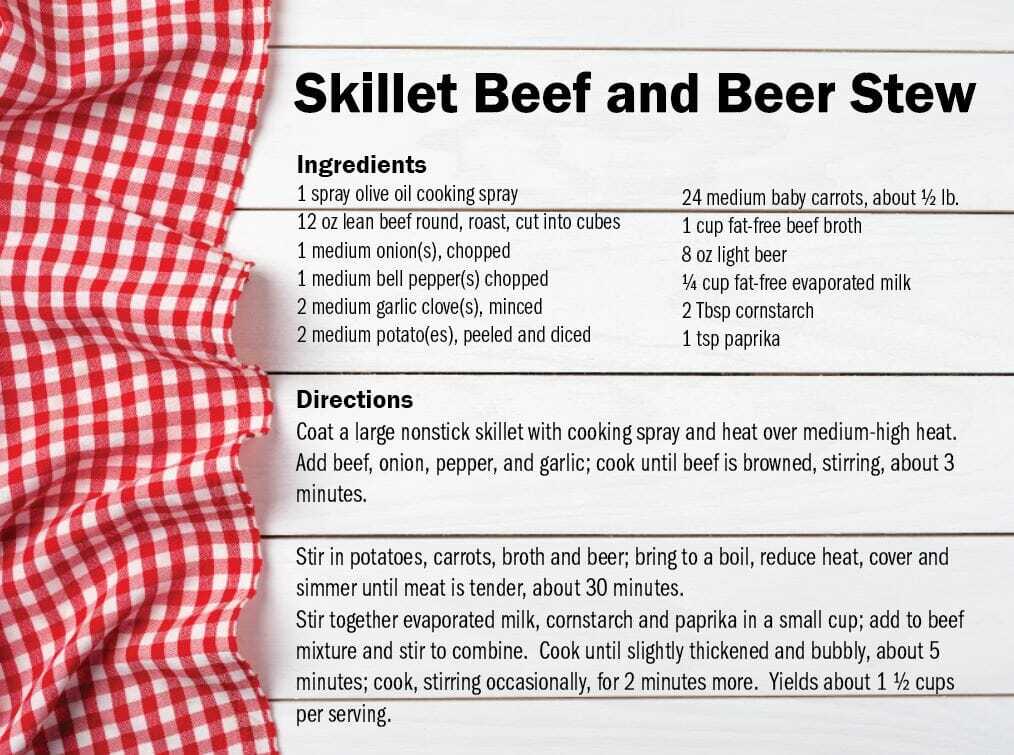
    Although they’re planning a farm sale this fall, Wayne and Pat aren’t exactly retiring from farming. They’re really focusing their efforts on raising livestock. In honor of May Beef Month and the upcoming summer show season, today Pat is sharing with us a couple of her family’s favorite recipes.

    Capture

    Shannon Latham

    May 17, 2019
    Beef, Food & Family, Recipes
  • Latham Hi‑Tech Seeds

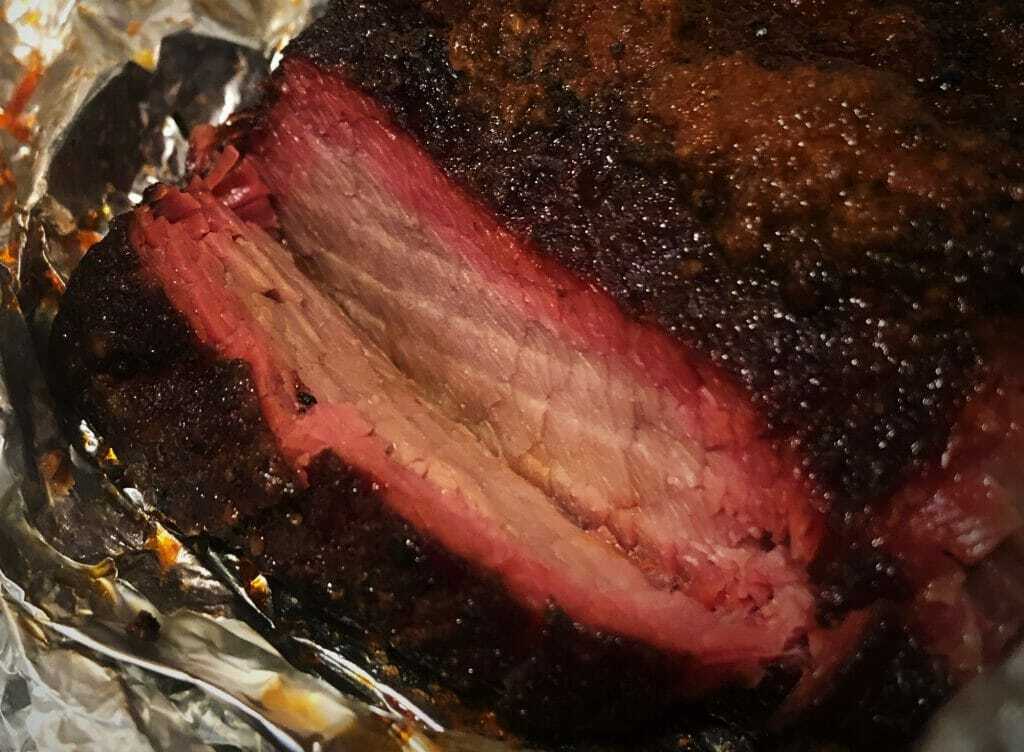
    Beef Brisket, Baked or Smoked? Yes, Please!

    SkyView Farms Brisket Cropped

    guest blog post by Darcy Maulsby

    Ever have a sudden flash of insight that’s as compelling as a baby seeing its reflection in a mirror for the first time? You’ll never experience the world the same again.

    It happened to me a few years ago when I was taking a class in Des Moines to become a certified Kansas City Barbecue Society judge. The instructor, a tall, strapping Texan, conveyed two things I’ve never forgotten. I can still hear the contempt in his voice as he informed us, “You Iowans think milk is a spice!” I also marvel at his unbridled enthusiasm for beef brisket.

    Of all the meats we were learning to judge (including ribs, pork and chicken), I couldn’t figure out why brisket would top his list. True, I’d only had a few briskets in my life, but I hadn’t been impressed. In my experience, brisket was dry. Tough. Blah.

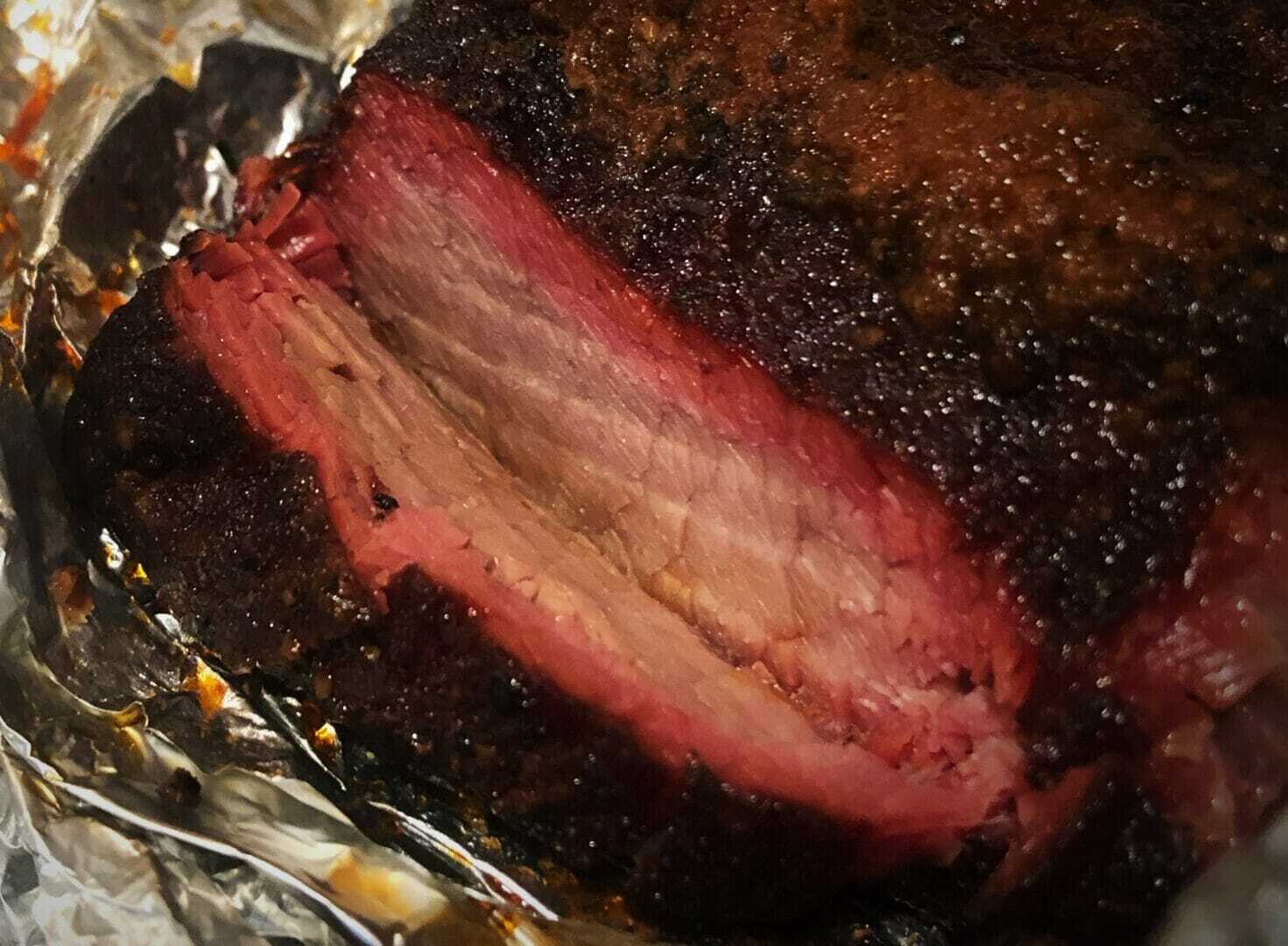
    But I snapped to attention when the instructor began passing a plate of smoked beef brisket. I couldn’t ignore the savory aroma. I didn’t want to look away from the rich bark (the spicy, smoky crust) enveloping those juicy brisket slices. I did want my table mates to hurry up so I could helpful myself these mesmerizing morsels of meat.

    Finally, I took that first bite. Oh my. Suddenly I knew exactly what my instructor was talking about. This brisket was unlike any other I’d ever tasted. Fork-tender. Succulent. Exquisite.

    I knew my culinary life would never be the same, now that I’d experienced this delectable revelation.

    Hungry yet?

    SkyView Farms Brisket Cropped
    Featuring SkyView Farms Brisket from Laura Cunningham

    Let’s dig into some beef brisket basics, just in time for May Beef Month, so you, too, can experience the magic and enjoy this beefy goodness in all its glory.

    Brisket — The Cut

    Since the brisket comes from the animal’s lower chest, an area that is used for movement, this primal cut of meat can be tougher than other beef cuts. This also makes the brisket an ideal cut for cooking low and slow in the smoker, the oven or in a slow cooker.

    Best Beef for Brisket 

    A great brisket starts with high-quality beef with good marbling (intra-muscular fat). As your brisket cooks for many hours, you’re rendering the fat into oh-so-good flavor.

    Seasoning a Brisket

    It’s hard to go wrong with a mix as simple as coarse pepper, kosher salt, and garlic powder. These flavors enhance the meat, allowing the robust, beefy flavor to shine.

    How to Cook Brisket

    I have a Traeger pellet grill/smoker, so that’s how I like to smoke meats. I often use fruit woods like apple for smoking meats, although it’s fun to experiment with other flavors, too, like mesquite.

    You don’t need a smoker, however, to prepare a great brisket. You can create a memorable brisket meal in your oven. Try this Texas Oven-Roasted Beef Brisket (https://www.foodnetwork.com/recipes/texas-oven-roasted-beef-brisket-recipe-1915431).

    If you do have a smoker, however, feel free to try this Smoked Brisket recipe I adapted from Traeger. Infuse your brisket with wood-fired flavor, and forget coming back for seconds. You’ll be coming back for thirds!

    Laura Cunningham

    May 10, 2019
    Beef, Food & Family, Recipes
  • Latham Hi‑Tech Seeds

    Iowa Youth Institute Puts Spotlight on World Hunger

    IMG 4546
    Ian Latham Borlaug Scholar
    Ian Latham, a junior at West Fork High School, is one of 304 students selected to attend the 2019 World Food Prize Iowa Youth Institute on April 29 in Ames.

    We’ve all heard about the need to “feed the 9,” but it’s easy to dismiss the thought. After all, global food security doesn’t impact those of us producing row crops in the Upper Midwest. Or does it?

    “For you students who are 18 years old today, when Iowa celebrates its bicentennial in 2046 and you will be celebrating your 45th birthday, the population of our planet will have just reached 9 billion people,” said Ambassador Kenneth M. Quinn, president of the World Food Prize, in an address to 304 students on April 29 at the eighth annual World Food Prize Iowa Youth Institute at Iowa State University. “Whether we can nutritiously and sustainably feed all of those people is the single greatest challenge human beings have ever faced. It will be up to you to fulfill Norman Borlaug’s legacy and meet this challenge.”

    If not you, who? Who will fulfill the challenge of nutritiously and sustainably feeding people worldwide?

    Ever since a missionary turned farmer from the Philippines visited Latham Hi‑Tech Seeds in October 2018, that country’s plight has been on our minds and in our prayers. We’re left with the question, “What could we do to help bring food security to isolated farmers in a developing country?” It’s a question our 17-year-old son, Ian, attempted to answer.

    To participate in the Youth Institute, students must identify a challenge affecting food security within a specified country and propose their own solution to address the challenge. Students then present their ideas to a roundtable of peers and experts, participate in interactive activities in labs and classrooms on the ISU campus, and connect with innovative leaders from across the state.

    Ian’s paper focused on increasing corn yields in the Philippines by creating a non-profit organization that would provide Filipino farmers with seed corn that has resistance to corn borer. He told peers and experts during a roundtable discussion that demonstration plots would be planted, so farmers could see how higher yields are gained from better seed. It’s a method that has already been successfully employed by Adriel Dave “AD” Alvarez.

    IMG 4546AD is a member of the Global Farmer Network through which he met Latham® Dealer and agvocate Larry Sailer of Iowa Falls, Iowa. Last October AD traveled to Des Moines where he participated in the Borlaug Dialogue and the Global Farmer Roundtable. As Larry’s guest, AD traveled about two hours north of Des Moines for a tour of Latham Hi‑Tech Seeds. AD explained to us how adopting modern agricultural technology could have a positive economic impact on his country, which is comprised of more than 7,000 islands.

    Modern agriculture is key to reducing poverty. It would reduce food costs and improve the overall quality of life in the Philippine. Nearly 73 percent of Camotes Islands’ land mass is in agriculture, however, farmers don’t harvest enough corn to sustain them to the next harvest. Those who live on the island must import large quantities of corn. A family member will work in Cebu; Cebu city is located within Cebu province, which is a big island. Other times family members will work overseas, and then send home money to buy additional corn. Corn, which is milled into grits, is the staple food of the Camotes Island’s approximately 103,000 inhabitants.

    “We need a comprehensive approach that can effectively address issues that limit these technological adaptations,” says AD, who has successfully demonstrated that Bt corn can increase yields tenfold.

    AD corn farmerDuring the seven years the Alvarez family has been doing agricultural community development on the Camotes Island, AD has uncovered these barriers to adopting agricultural technology: resistance to change; lack of capital support and policies; insufficient political support; limited accurate information for farmers coupled with a proliferation of misinformation; supply limitations; logistical limitations; and location challenges unique to the island.

    “In our farming journey, I have grown to understand and love farming. It is one of the most fulfilling jobs that I have ever experienced after gaining enough understanding that a lot of things depend on agriculture,” writes AD on April 29, 2019, in a Facebook note. “From being a pastor, to becoming a microfinance executive, and now a farmer, I can say that even though the latter is an arduous profession, it is the most honest, character-enhancing work.”

    AD’s farm and mission have been struggling since drought struck the island in 2016. If you feel called to help, you’re welcome to connect with AD Alvarez via Facebook or email him at parakletoshelp@gmail.com.

    To give you a taste of the Philippines, we’re going to introduce you to adobo. This unofficial national food is traditionally made with pork or chicken and served on a bed of rice. Because May is Beef Month and National Grilling Month, we’re sharing a Filipino-inspired recipe for Adobo Burgers. For more Filipino recipes, check out the blog “Asian in America.”

    Larry Sailer, Musings of a Pig Farmer

    May 3, 2019
    Beef, Food & Family, Pork, Recipes
  • Latham Hi‑Tech Seeds

    4 Tips to Enjoy Spring Showers

    4.26.19 Photo for recipe

    Bunnies, lambs and calves. Tulips and daffodils. Brightly colored umbrellas.

    These images readily come to mind when thinking about spring in the Upper Midwest. It’s also the season for hosting everything from bridal and baby showers to a Mother’s Day brunches and high school graduation parties.

    Spring is an especially busy time for those of us who also are racing against the clock to get their gardens and fields planted. So how can you plan a spring event that is a fun celebration rather than a stressful occasion?

    Preparation is key to hosting a successful meal or party. As I’ve gotten older, I’ve learned to not stress over the small stuff. I’ve also learned to “get my ask in order.”

    People are usually glad to help… if I just ask them. One time I heard Rachael Ray say she gives her guests jobs because it makes them feel at home. What a fresh perspective! Now I’ll ask a friend or family member to fill water glasses. They can feel at home, and I don’t have to stress about something like not having the filled water glasses on the table before guests arrive. Win-win.

    Below is the “checklist” I’m using for a baby shower that I’ll soon be hosting:

    1. Issue invitations. Although I’ve mailed or texted invitations to everyone, I’ll follow up the week of the event with a personal phone call to those who have not yet responded.
    2. Choose a color scheme and theme. Coordinate decorations including tablecloths, table service, centerpieces, balloons and/or banners. (While I’d love to throw a Pinterest-inspired party, I’m not going to set myself up for disappointment! My spring shower-themed party will be festive, but my table isn’t going to look like one you’d see in Better Homes & Gardens)
    3. Take stock before you shop. Get creative and make the most of what you have. Use candle sticks and vases that you already own. Save money by purchasing a bunch of carnations, daisies or tulips rather than the pre-made arrangement in a vase.
    4. Develop a menu. I tend to favor buffets because they allow people to pick and choose what suits their tastes. Here’s the menu I’m planning for a baby shower next week:
    • Mocktails
    • Blueberry (or Strawberry) French Toast
    • Scrambled Egg Muffins or Oven Denver Omelet
    • Easiest Fruit Salad from Iowa Girl Eats
    • Bacon and sausage links

    To be honest, I love looking through cookbooks and sifting through recipes online. This menu might change based on what catches my eye or what fresh ingredients are available in my local grocery store. I love to cook and bake with fresh fruits and vegetables. I noticed that the rhubarb in my garden is growing rapidly, and I’ve already harvested enough asparagus for one meal. I could bake Strawberry Rhubarb Muffins or make Rhubarb Sauce to top traditional French toast. I’m also tempted to make a Ham & Asparagus Frittata.

    Did you know that April is also National Soyfoods Month? May is National Asparagus Month. To celebrate these fresh foods, today we’re sharing with you a recipe from The Soyfood Council.

    Shannon Latham

    April 26, 2019
    Food & Family, Poultry, Recipes
  • Latham Hi‑Tech Seeds

    Pozarski Finds His Niche in Niche Markets

    4.19 1

    4.19 4

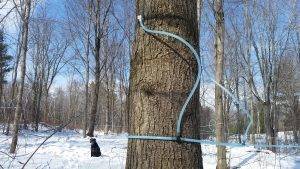
    4.19 1When you think of maple syrup production, chances are you think of New England. You wouldn’t be wrong. However, Wisconsin is the fourth top maple-producing state. Maple syrup is uniquely a North American product due to our climate. Freezing nights and warmer days are required for the sap to flow properly from the trees.

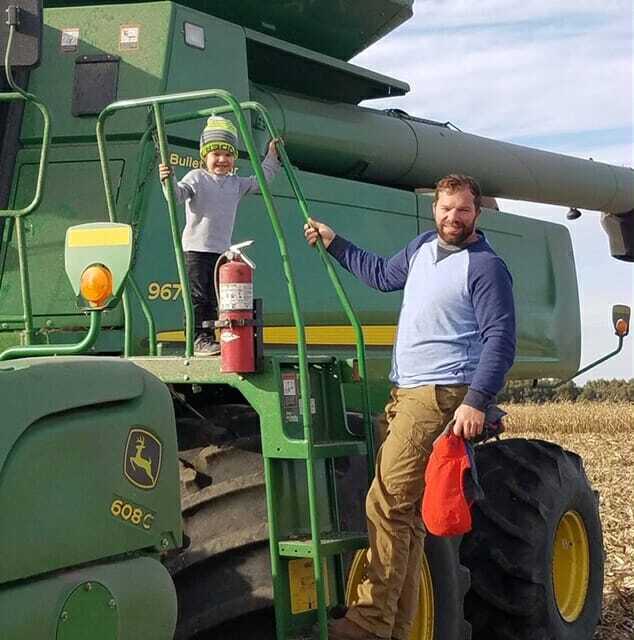
    “Syrup is a type of farming. We’re farming trees,” says Latham® dealer Blake Pozarski of Pozarski Family Farms in Boyd, Wisconsin. He grew up on a dairy farm and says there are many similarities between dairying and producing syrup. “I joke with my kids, ‘I’m milking trees today’. When you grow up farming, it’s in your blood.”

    Blake grew up on a dairy farm just a mile from where he and his wife, Jessica, are raising their two children. Their son, Wyatt, is six and their daughter, Finley, is four.

    “We involve our kids in everything that we possibly can,” says Blake. “My wife and I want our kids to grow up knowing there’s life beyond video games and smartphones. We’re outside as much as possible. Our family time revolves around collecting sap, shed hunting, checking trail cameras and working on food plots.”

    Blake’s true passion is managing land for wildlife. He became a dealer for Eagle forage soybeans and Latham® seed corn for food plots; Blake and his dad plant several acres of food plots on their land. The hundreds of acres of woods around his and his parents’ farms offer great cover for wildlife and provide fertile hunting ground for deer and turkey. Those trees also fueled another passion for producing maple syrup.

    “My dad and I had talked about tapping trees for years,” says Blake. Then one day my neighbor was helping me do some carpentry work. We got to talking about maple syrup, and I learned that he had tapped trees. Right then and there we decided to do it. That first year we tapped trees the old-fashioned way with brace and bit.”

    4.19 3Today the Pozarski’s production process is anything but old-fashioned. Blake explains, “We have tubing run from tree to tree instead of hanging a bag or bucket on the tap.  We use old Surge vacuum pumps along with releasers to bring the sap from the woods into old bulk tanks.  We’re repurposing the old milking pumps and bulk tanks that have been retired from small family farms.  It’s crazy how much of this equipment can be used for both milk and maple syrup.”

    “Collecting sap and producing syrup went from a hobby to a business in a short amount of time,” adds Blake. “Maple syrup is like any other business. Once you’re set up, you should maximize the systems in place. Every time you add another system, you must consider the added expense. In our case, we have to consider the cost of equipment and materials before we tap a new section of the woods.”

    Like many types of farming, additional regulations go into effect when you reach a certain size. Processors who produce pure maple syrup and concentrated sap are required to have a food processing plant license once their gross receipts are $5,000 per year. This rule prompted the Pozarski family to build for future growth.

    Their sugar shack and store was built in 2017.  That same year they also bought a new evaporator, or cooker, which takes the raw sap and boils the water out to make syrup. On average, it takes 40 gallons of sap to produce 1 gallon of pure maple syrup.

    “We’ve been fortunate this year as the sugar content is higher, so we’re getting more syrup per tap,” says Blake.

    Typically, it’s a four-week season with sap flowing from mid-March to mid-April. This year Blake started tapping on March 18, and he collected sap through April 16.

    “When the trees start to bud leaves, the sap quality decreases,” explains Blake. “Many peoples’ yards have soft maples, which produce red flower buds before the leaf bud. We stop collecting sap when the leaf buds turn green because the syrup takes on a different flavor and it isn’t as good. Some larger companies will continue to harvest sap at this point, but it isn’t high quality. This is likely the cheap syrup that you’ll see offered in the supermarket.”

    There’s no sure-fire way to predict the quality of a maple syrup season, but Blake believes ample moisture and hotter temperatures last summer are contributing to higher sugar content this spring. Daytime highs and nighttime lows in March and April also contribute to the current syrup production. In addition, research suggests a potential link between the production of maple seed helicopters and the next season’s sap flow.

    Seed helicopters, also referred to as whirligigs, tell the story about a tree’s health. An abundance or a scarcity of seedpods reflects what the tree has encountered the previous growing season. Fewer seed helicopters produced in the fall of 2018 would indicate a better maple syrup season in the spring of 2019.

    An over-abundance of seed helicopters indicates the tree went through some stress the previous year and is overcompensating through excessive seed production to carry on the species. One stress might be a late frost prevents or rainy weather that makes it difficult for the flying insects to pollinate the maple blooms. On the other hand, an exceptionally good pollinating season the prior year also can make the maple tree take a year hiatus.

    In his eight years of producing syrup, Blake has experienced both highs and lows. He says 2012, which was his first season, was the worst ever recorded. That year it warmed up too quickly and too early in the spring. He only had 180 buckets, but that didn’t stop him from tapping trees again the following spring.

    “2013 was an insanely good year!” says Blake. “Sap ran like crazy every day for six weeks. The sugar content was great. We averaged 10 gallons a tap and collected 13,000 gallons of sap that year.”

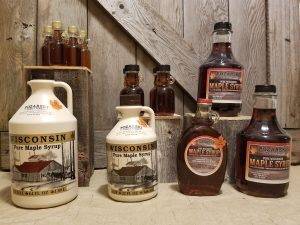
    4.19 2After collecting that much sap by hand, Blake decided he wanted to modernize and expand his operation. In 2015, he and his wife decided to focus on producing their own maple syrup line. Most recently, they’ve focused on grooming their woods to increase production.

    “I’m just shy of 2,000 taps this spring. Within the next two to three years, I’m hoping to have 3,000 taps. I’d like to see us be able to direct-sell all of the syrup we produce. Right now, we sell barrels to high-end food companies and gallons to an upscale bakery in Chicago. We have a woman who sells our syrup at four farmers markets by Janesville. My wife also sells our syrup at farmers markets in Chippewa Falls and Eau Claire.”

    If you’re interested in trying a jar of the Pozarski’s high quality, pure maple syrup, you can purchase online from their website, Facebook page or Etsy store.

    “Sometimes we just need to sit back and appreciate what we have. It’s as simple as that,” says Blake. “In today’s fast-paced society, we sometimes forget just how good we all have it. I think about how much tougher it was for my parents and grandparents. My dad tells a story about getting a loan for $350 to buy a chainsaw and a woodstove, so he could afford to heat the house when he and my mom were first married in 1983. Dad cleaned the dairy barn by hand until he could afford machinery. When you think about how far we’ve all come – whether or not you grew up on a farm – we should be more appreciative of what we have today.”

    Take the time to sit down and taste the syrup this weekend!  The Pozarski family is sharing with us one of their favorite recipes for Soft Maple Sugar Cookies.

    Below are links to a few of my personal favorite recipes that call for maple syrup. Remember, the most delicious meals happen when you source the best ingredients!

    • Blueberry French Toast
    • Maple Bacon Beer Burgers
    • Apple salad with maple syrup whipped cream

    Shannon Latham

    April 19, 2019
    Desserts, Food & Family, Recipes
    Family Farm, family feature, maple syrup, niche markets, Pozarski, wisconsin family
  • Latham Hi‑Tech Seeds

    From Dance Recitals to Farming, Schueneman’s Look Forward to Spring Weather

    Matt 3

    March came in like a lion, but the weather has been acting more like a domesticated house cat since spring officially arrived on March 20. To overcome spring fever, active Midwesterners are tossing baseballs and hitting the trails. Paved trails throughout Dickinson County in Northwest Iowa give residents and visitors alike a safe path for walking, running, roller blading and biking.

    If weather causes a delay in spring field work, Latham® Dealer Matt Schueneman of Spencer might put a few miles on his bike. He looks for opportunities to get rides in where he can, so he’ll be ready to participate in RAGBRAI XLVII come July 21. This year’s ride will mark the 12th year in which Matt has ridden in The Register’s Annual Great Bike Ride Across Iowa (RAGBRAI).

    Matt 1“I really look forward to RAGBRAI because it’s the one time of year that I get to see the friends that I’ve made from all over the country,” says Matt, who has farmed for 24 years in Northwest Iowa. He and his wife, Kari, are raising their family a half-mile from the farm where he was raised. “I really enjoy each RAGBRAI route because it’s a great way to see our state. I enjoy looking at the crops as we’re riding. I like visiting with old guys in small towns and listening to their stories.”

    Matt and his team like to ride at the back of the pack, arriving in each of the towns after the crowd has passed. That way they don’t have to worry about congested roadways, and they can enjoy the restaurant food. Anyone who’s ever ridden RAGBRAI or lives in a community that has hosted riders knows that RAGBRAI is as much about the food as it is about the ride. The Farm Boys Hearty Food Company and Mr. Porkchop are two food trucks that travel the route annually and have become riders’ favorites.

    “I enjoy trying all the different types of burritos along the route, but the Farm Boys’ breakfast burritos are probably my favorite” says Matt.

    Matt 2Matt’s oldest son, Drake, occasionally joins him for a few miles on local rides. Drake, 10, loves to be active. He enjoys playing basketball and football. His other interests include hunting and fishing.

    His older sister Kayley, 16, also enjoys being on the go. She’s a member of the high school swim team and the Tiger Sharks team at the YMCA. Her favorite stroke is the freestyle. When she’s not swimming, she’s driving. Her parents says she loves driving as evidenced by the amount of gas she goes through in a month’s time.

    Eleven-year-old Felicity has been dancing since she was 3. Her favorite dance styles are hip hop and lyrical. She also enjoys participating in both basketball and volleyball. In addition, she really enjoys art and drawing.

    The future farmer in the family is likely their three-year-old Abe. He enjoys all things outdoors. He attends preschool every week day. After school, he looks forward to spending time in the shop with Matt or riding in a piece of machinery during planting season or harvest. Abe’s happy place is definitely on the farm.

    Matt 3This spring Matt and his little farmer will plant a Latham® SuperStripTM plot for both corn and soybeans. SuperStrip cooperators play a key role in Latham’s on-farm research program as multiple farmers plant the same group of products is planted within a given maturity range including: products currently in the seed guide; products being considered for next year’s lineup; and “experimentals” that are being tested to see if they meet our standards.

    After planting a Latham soybean SuperStrip in 2018, Matt will plant 100% of his soybean acres to Latham brand Liberty soybeans.

    “Latham 2186 really shined, even though we got twice the normal rainfall. It went 63.5 bushels. That’s the highest-yielding bean we’ve ever had on that farm, which became a Century Farm in 1982,” says Matt.

    SuperStrips are a good selling point because they’re real on-farm results from our region, adds Matt. The fact that multiple cooperators are testing the same products allows us to see results across different soil types and under various weather challenges.

    Matt is looking forward to getting the 2019 crop in the ground. He’s also looking forward to watching those crops develop throughout the summer months while he also enjoys time family time in the campgrounds. The enjoy time at the campgrounds where they relax by swimming, fishing, grilling and sitting around the campfire with friends. One of their favorite summer side dishes is Snickers Salad, and today’s their sharing that recipe with us on “The Field Position.”

    Shannon Latham

    April 12, 2019
    Food & Family, Recipes, Sides
  • Latham Hi‑Tech Seeds

    April is National Donate Life Month

    Owen Storlie with Semi

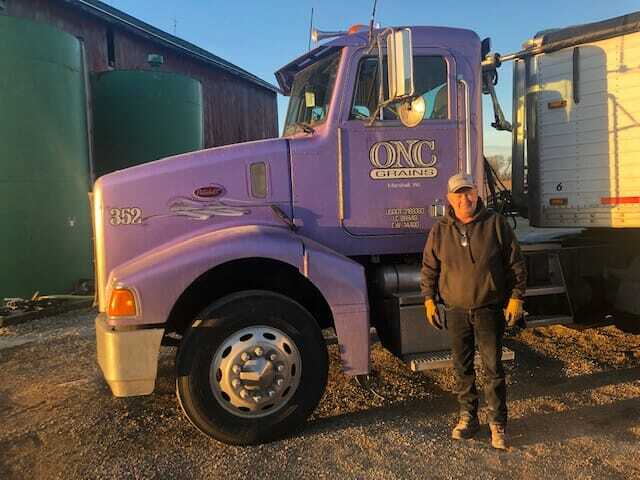
    Owen & Caroline StorlieFarmers have an uncanny ability to recall the dates of weather and other life-changing events for every year of their farming careers. Owen Storlie will tell you the past three springs have been the most challenging of his life – and it’s not due to the record low temps in May 2016 nor the foot of snow that fell across the Midwest in April 2018.

    Owen operated K & S Kustom Service, Inc. and ran his family’s 125-year-old farm located in Deerfield, Wisconsin. After 25 years in agribusiness, he sold his fertilizer, chemical and seed dealerships. Not one to idle, Owen retained ownership of his grain trucking fleet. He continued to operate 400 acres of cropland and was looking forward to semi-retirement.

    Owen and his wife, Caroline planned to enjoy the winter months in Mississippi.  They enjoyed life to the fullest for three months and then their R & R came to an abrupt end.

    The snowbirds were winding down their trip and packing up the RV in March of 2017 when Owen’s health went downhill fast. He gained about three inches on his waist line and his energy level decreased immensely. He visited the local clinic where a paracentesis, or an abdominal tap for fluids, was performed and 6 liters of fluid were removed. Doctors advised him to make immediate plans to see his family physician upon returning home, but they never once mentioned this was the start of a serious issue.

    Upon returning home, Owen met with doctors at the UW-Madison Hospitals. He was diagnosed with NASH (Non-alcoholic Steatohepatisis), an advanced form of fatty liver disease.  Every week he traveled to Madison to have the paracentesis performed as he continued to retain fluids in his abdomen.

    Owen Storlie with SemiAfter extensive testing, Owen’s daughter was cleared to be a partial liver donor. He was admitted on November 2, 2017, for the procedure. However, his health declined immediately to the point where it was no longer an option to receive a partial liver and a full liver was needed. He was placed on the transplant list. Then he contracted a bacterial blood infection and pneumonia, and he was removed from the transplant list.

    Owen’s health continued to decline. His blood pressure (BP) plummeted to the point where he needed a machine to keep his pressure viable. During this time, the doctors and staff notified Owen’s family that his organs were “shutting down” and gave him 12 to 36 hours to live.

    “That was on Wednesday evening. By the grace of God and Owen’s determination that it was not his time yet, his BP rose through the night and into the morning to the point where he no longer needed the help of the machine,” says Owen’s wife, Caroline. “All the numbers were just enough to put him back on the transplant list late in the day on Thursday, but the doctors weren’t real optimistic of a good outcome. Then in the early morning hours of Friday, the call came that a liver was available. This was truly a miracle as Owen was on the list less than 10 hours.”

    On December 22, 2017, the Storlie family received the best Christmas gift ever as Owen underwent a grueling 14-hour procedure. Shortly after the liver transplant, his kidneys weren’t functioning to their potential and Owen was placed on dialysis while he was in the hospital.

    That February, Owen was transferred to the UW Rehabilitation Hospital.  He had to learn how to walk and how to eat again. Because he had been in bed for so long with so many tubes, he lost muscle along with weight. Owen weighed 229 pounds when he entered the hospital in November 2, 2017, and he weighed 124 pounds when he was released on February 14, 2018.

    The spring of 2018 was very challenging, but thanks to some great friends, the farm ground was worked up. “I wanted to plant so the guys would load the planter for me,” says Owen. “Then I’d call when I needed someone to fill the planter again. They would help me get up into the tractor and we got it all done.”

    The 2019 crop will be Owen’s 42nd crop year, and he’s looking forward to getting back in the cab. Friends will help him as his strength isn’t where it should be, but he says it’s more manageable now with an exercise routine.

    It’s not uncommon for a liver transplant recipient to need a kidney transplant within five years. His kidneys haven’t made a complete comeback, but the numbers are staying steady. A transplant isn’t on the immediate calendar, but Owens finds comfort knowing that his daughter, Jessica, is a viable donor.

    Due to the liver transplant and the likelihood of a kidney transplant, Owen has had to change his diet. Higher levels of potassium in dairy and other foods has forced him to decrease his consumption of some of his favorite foods. He also has had to increase proteins like fish and chicken plus he eats more fresh vegetables.

    He’s made other lifestyle changes, as well.

    “Now I take the time for family and friends, and that’s probably the biggest change,” says Owen.  “I’ll push when I have to, but I’ll also take off now for our grandkids activities. We really enjoy making it to their basketball and football games along with the wrestling matches.”

    Owen and Caroline also enjoy hitting the road with their fifth wheel RV. They spent the first three months of 2019 in Alabama where they celebrated life! Now that they’re back home in Wisconsin, Owen and Caroline are looking forward to the start of the spring planting season. Whether they’re taking a break from work or marking a special occasion, the Storlie family enjoys celebrating with Butterfinger Angel Food Torte. Today they’re sharing this special recipe on “The Field Position.”

    Shannon Latham

    April 5, 2019
    Desserts, Food & Family, Recipes
  • Latham Hi‑Tech Seeds

    Sharing Our Ag Story with Cupcakes and Smiles

    Goat visiting 1

    March came in like a lion, and its going out like a goat! Yes, a goat.Shannon & Romeo

    The first of the month brought rain that turned into snow showers. More snow fell and we endured cold temperatures during the middle of the month. Then we were blessed with about a week of sunshine and mild temperatures. Today the skies are cloudy and gray. That’s spring in the Midwest, isn’t it? Our weather can be unpredictable.

    Life can be unpredictable…

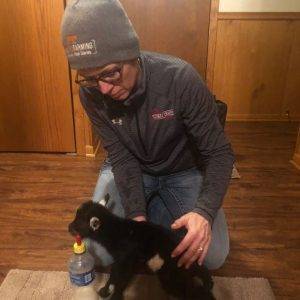
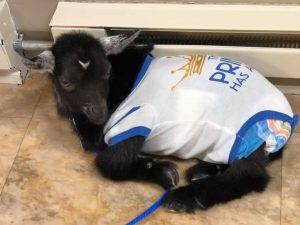
    Our kidding season came to a surprising start on Thursday, February 28, when the dwarf-fainting cross goat my daughter was given for Christmas went into labor. To make a long story short, that first-time mother didn’t want to claim her baby. Her newborn baby was barely bigger than a 20-ounce Pepsi bottle, and he was weak from making a traumatic entry into this world. We did what many farmers do when their livestock needs some tender loving care, and we brought the kid inside until he regained his strength.

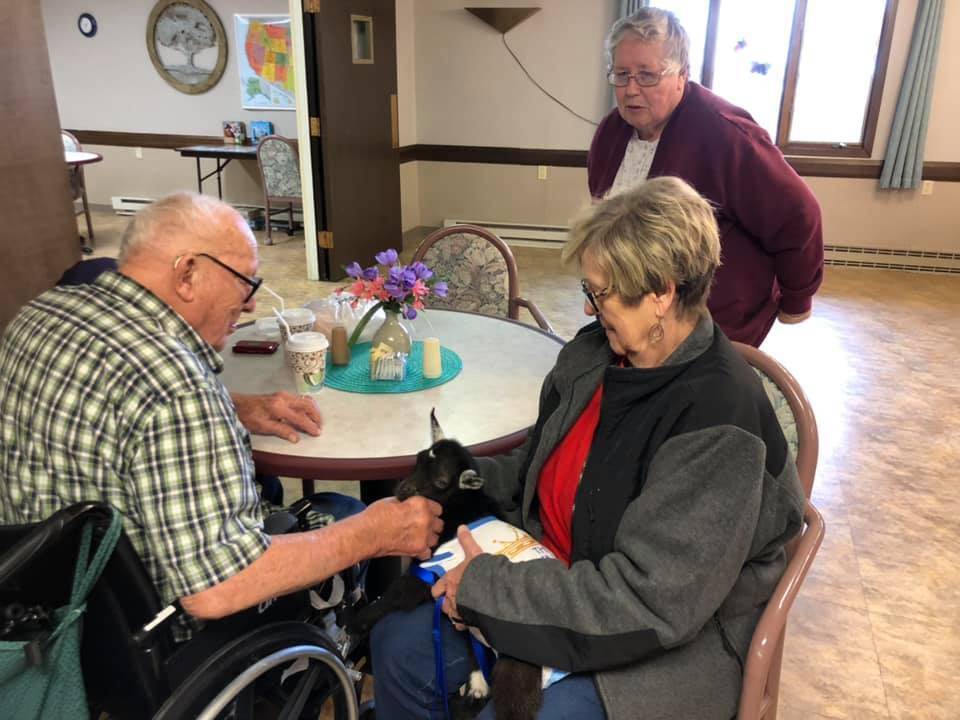
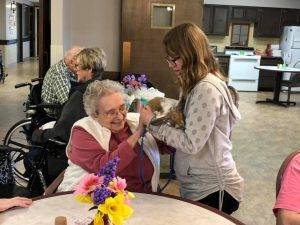
    Goat visiting 2We named him Lil’ Romeo. As he got stronger, Lil’ Romeo developed the sweetest personality. He also developed a following! People enjoyed the “baby goat cam” videos that we posted on Facebook, and it wasn’t long before staff at our local care center asked if our baby goat could come for a visit.

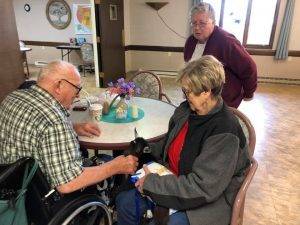
    Lil’ Romeo turned four weeks old yesterday, and today he made his first public appearance. To mark this special occasion, my mom bought him a little outfit that reads, “The prince has arrived.” We also attempted to fit Lil’ Romeo into a toddler brief, and the residents at the care center loved it. I really enjoyed overhearing a group of ladies at a table talk about our little goat.

    “Did you see his little outfit?” asked one. “I did,” replied her friend. “It’s cute.”

    Goat“He was even wearing a diaper,” said another lady. “That’s because he’s a baby,” replied another lady. “Babies wear diapers, you know.”

    The smiles on the residents’ faces were priceless. One lady told me how good it was to see livestock again. She told me that she and her husband were dairy farmers. Another gentleman told me that he raised horses. It was clear that our animals brought back great memories for them, and that warmed my heart.

    What a great reminder that we can lift our spirits by making another person’s day. Perhaps you even want to “bake someone happy” this weekend.

    Goat visiting 1Brighten up the greyest of spring days by making your own rainbows. Kids will love dying the batter into rainbow colors and watching their creations “puff up” in the oven.

    This rainbow cupcake recipe is courtesy of Laura Cunningham, Latham Seeds’ marketing manager. You can follow her on Facebook and Twitter (@SkyViewFarms) to learn how she raises cattle on her North Iowa farm.

    Shannon Latham

    March 29, 2019
    Desserts, Food & Family, Recipes
Previous Page
1 … 24 25 26 27 28 … 71
Next Page

Latham Hi‑Tech Seeds

131 180th Street | Alexander, IA 50420

(641) 692-3258

SIGNUP FOR OUR NEWSLETTER
  • Contact
  • Legal
  • Dealer Center
  • Seedware Login
  • Latham Gear

© 2025 Latham Hi‑Tech Seeds. All rights reserved. | Iowa Web Design by Webspec | Privacy Policy

Latham® Hi-Tech Seeds is a trademark of M.S. Technologies, L.L.C., 103 Avenue D, West Point, IA 52656.