Latham Hi-Tech Seeds

(641) 692-3258

  • Home
  • Performance
  • Products
    • Corn
    • Soybeans
    • Soybean Blends
    • Alfalfa
    • Corn Silage
    • Seed Guide
  • Find a Rep
  • Media
    • Blog
    • News
    • Videos
    • Podcasts
    • TECHTalk
  • About Us
    • Company History
    • Our Mission
    • Careers
    • Become a Rep
    • Sowing Seeds of Hope
  • Contact Us
  • Latham Hi‑Tech Seeds

    Take an Intimate Look into Farmers’ Lives

    Ag Fair

    Every April, the Franklin County Farm Bureau hosts an Ag Fair at the Franklin County Fairgrounds for the third graders throughout county. Jennifer Healy has organized this event for many years. This year was no exception, although she was fighting cancer.

    Ag FairThe Ag Fair on April 23 was bittersweet this year as Jennifer passed away one day before the event. Jennifer was as passionate as anyone about hosting this event, so kids can experience agriculture firsthand. Even in a rural county like ours, many kids don’t experience farm life.

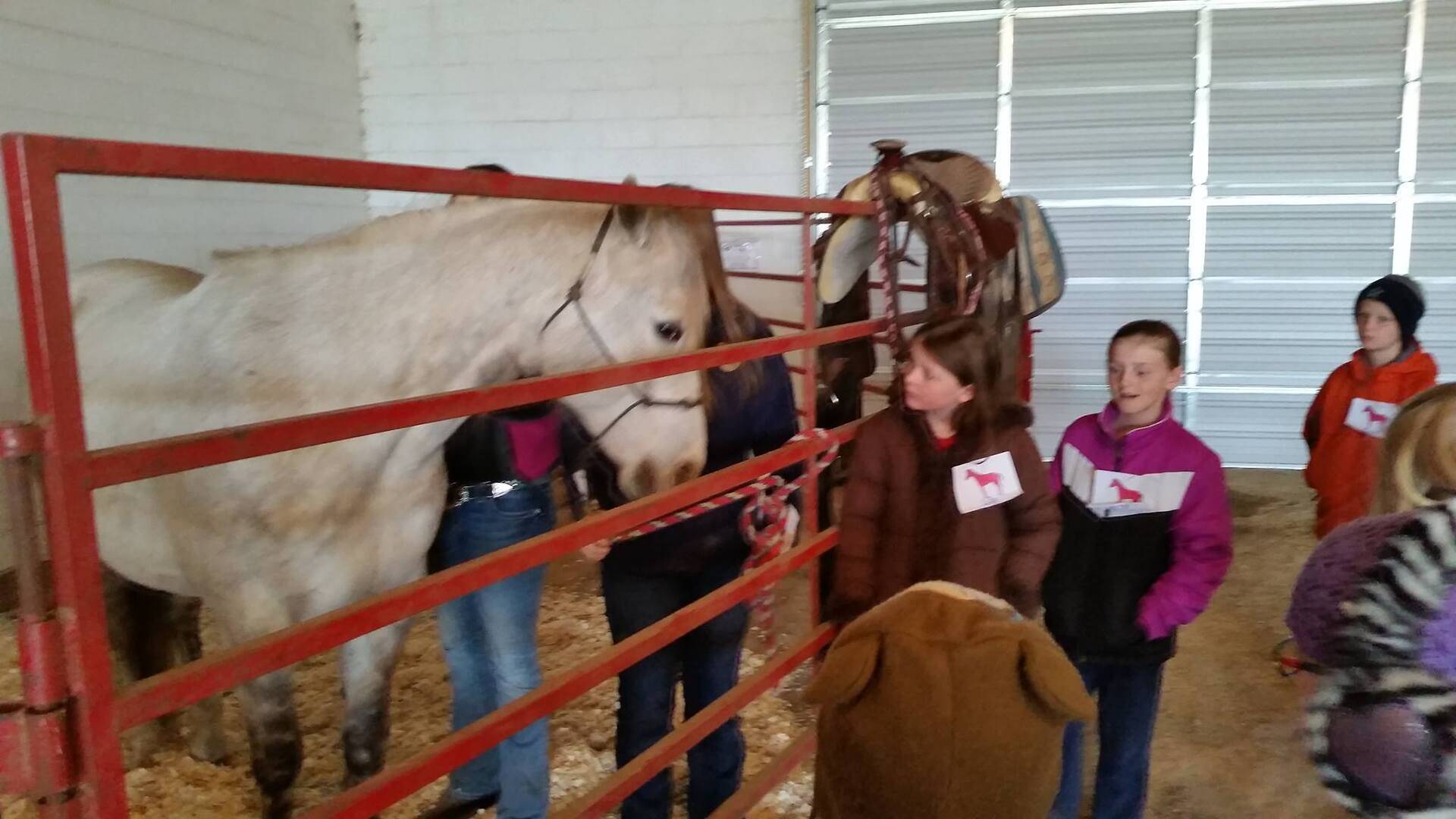
    Thanks to the staff of North Central Iowa Ag in the Classroom for doing such a great job. These ladies provide hands-on learning experiences that are so much fun. Third graders experienced many different stations: horses, cattle, fire safety and llamas. Who knew we had so much diversity in our own county? Talk about a well-rounded farm day!

    Ag Fair safetyIt’s important for people of all ages to understand how their food is raised. That’s why I accepted an invitation to attend a screening on the Iowa State University campus last week of Farmland, followed by panel discussion. The movie is about several young farmers from across the country with very different types of operations, and the ISU panel was set up the same way. The committee did a great job of bringing together a diverse group of Iowa farmers:

    • Bill Couser raises cattle and crops.
    • Mark Kenney grows crops and seed.
    • Katie Olthoff raises turkeys.
    • Andrew Pitts is an organic farmer.
    • Mitchell Roush grows the famous Muscatine watermelons.
    • And me… a pig farmer with a small crop farm.
    Farmland Panel
    A diverse panel of Iowa farmers shared their personal ag stories with Iowa State University students, who gathered to watch the Farmland movie and to learn more about agriculture. Panelists included: Larry Sailer, pigs; Andrew Pittz, organic crops; Mitchell Roush, produce, Bill Couser, cattle; Katie Olthoff, turkey; and Mark Kenney, corn and soybeans.

    Now his is the way to find out how your food is grown… learn about farming from farmers! Our group represented six very different ways to grow food. And guess what… there wasn’t a single argument. No one put down another farmer’s way of growing food. We had a great discussion about how what we do, and we discussed how our practices are “right” for each one of our operations.

    We all grew up in different areas of the state, and we came from different backgrounds. What we have in common, however, is the desire to grow food and tell our costumers why we do what we do.

    We talked about food choice, and how Americans can buy what they want. Consumer choices also creates diverse markets for farmers.

    One member of the audience asked how consumers can find out more about food, and I believe this panel was a perfect way to do that! Special thanks to Natalina Sents for bringing together such a great event with a panel of high caliber experts to share about what they do.

    If you’re interested in learning more about your food is grown, follow some of my favorite ag bloggers including:

    • Corn, Beans, Pigs and Kids
    • Home Again Finnegan
    • On the Banks of Squaw Creek
    • Farm Eats City Streets
    • And, of course, “Musings of a Pig Farmer,” which posts every Tuesday on TheFieldPosition.com!

    Larry Sailer, Musings of a Pig Farmer

    April 28, 2015
    Agriculture, General, Industry News
  • Latham Hi‑Tech Seeds

    Mentors Inspire Generations of 4-H Champions

    4H.Judging.team

    Guest post by Darcy Maulsby

     Emerging leaders need mentors to guide them, as well as a network of peers to reassure them they are not on the journey alone. That’s how generations of the Brown family and other Franklin County 4-H members became champion livestock judges and successful business professionals.

    “This tradition goes back to the 1920s for many local families, including ours,” said Mike Brown, a former member of the Reeve Hampton Hustlers, who is now the senior director of livestock operations for Merial, a leading global animal health company.

    Mike credits his father, J. Kent Brown, with encouraging he and his brothers’ participation in 4-H. Kent attributes his involvement in 4-H to his father, J. Verald Brown, who was inducted into the Iowa 4-H Hall of Fame in 2002. J. Verald Brown joined 4-H in 1923, just five years after the first 4-H club was organized in Franklin County in 1918.

    J. Verald Brown was influenced by V.B. Hamilton, a Franklin County agent in the 1920s and 1930s who played a key role in local 4-H history. “V.B. Hamilton sparked the fire for livestock judging in this area for generations,” said J. Kent Brown, a former member of the Mott Meat Makers 4-H Club who judged swine, beef cattle, dairy cattle and sheep.

    Franklin County boasted world champions
    4Hnews clipThrough the years, many Franklin County livestock judging teams won not only regional and state, but national and international competitions. In 1925, the Franklin County Farm Bureau’s Champion Junior Cattle Judging Team of the United States (coached by V.B. Hamilton) represented America at the International Dairy Cattle Show near London, England, from July 7-11, 1925.

    After winning the world champion title and a $250 gold trophy, the team of Iowa farm boys and Coach Hamilton received a hero’s welcome at home. They were greeted by 3,500 people—one of the largest crowds to ever gather in the Hampton City Park.

    This legacy of excellent carried through to the 1950s and 1960s, when livestock judging workouts were held each summer at different farms around the county. “A lot of the parents would come along with the 4-Hers so they could learn, too,” J. Kent Brown recalled.

    The 1959 Franklin County 4-H livestock judging team, which was coached by Carl Rehder (center) included (back row, left to right) Bill Dohrmann and Bob Latham, (front row, left to right) Art Wagner and Charles Akers. The team won the 4-H livestock judging contest at the 1959 Iowa State Fair and were named the national champion 4-H livestock judging team at the 1959 International Livestock Exposition in Chicago, Ill.
    The 1959 Franklin County 4-H livestock judging team, which was coached by Carl Rehder (center) included (back row, left to right) Bill Dohrmann and Bob Latham, (front row, left to right) Art Wagner and Charles Akers. The team won the 4-H livestock judging contest at the 1959 Iowa State Fair and were named the national champion 4-H livestock judging team at the 1959 International Livestock Exposition in Chicago, Ill.

    Judging teams of this era did extremely well, including the 1959 team of Bill Dohrmann, Bob Latham, Art Wagner, Charles Akers and Coach Carl Rehder. Not only did they win the 4-H livestock judging contest at the 1959 Iowa State Fair, but they were named the national champion 4-H livestock judging team at the 1959 International Livestock Exposition in Chicago, Ill.

    4-H teaches lifelong lessons
    Livestock judging challenges team members to evaluate animals’ physical characteristics and make a comparison to other animals, as well as the ideal standard of that particular class. Livestock judging through 4-H also helps young people:

    • Enhance their decision-making capabilities
    • Build character, confidence and integrity
    • Network with other people who share similar interests
    • Improve their communication abilities and public-speaking skills

    “Judging teaches you to make decisions, support your reasoning and communicate clearly,” said J. Kent Brown, who worked for the American Angus Association after college before returning to farm in Franklin County.

    The value of these lifelong skills can’t be underestimated, added Brown’s son, Layne, who runs an insurance and financial planning firm in Pleasant Hill. “Through 4-H, I learned how to set goals, track progress and work as a team. Not only did it develop my work ethic, but I met a lot of great friends, too.”

    These connections endure, added J. Kent Brown. “I’ve been fortunate to have lifelong friendships with people all over the county, state and nation, thanks to 4-H.”

    One of these friendships includes Jay Van Wert, a long-time farmer from Hampton, whose family often relied on this favorite recipe when they were busy with 4-H activities.

    Egg and Cheese Bake
    (This casserole can be prepared the night before, refrigerated and baked in the morning.)

    Ingredients:

    1 cup biscuit mix (Bisquick)
    1 ½ cups cottage cheese
    ½ pound grated cheddar cheese
    1 teaspoon dried onion or 2 teaspoons fresh onion
    1 teaspoon dried parsley flakes or 1 tablespoon fresh parsley
    ¼ teaspoon salt
    6 eggs, lightly beaten
    1 cup milk
    ¾ cup butter, melted

    Directions:

    1. Mix ingredients in order given.
    2. Melt butter in 9-inch by 13-inch by 2-inch baking dish.
    3. Pour cheese/egg mixture in dish; spread evenly.
    4. Bake at 350 degrees for 40 minutes.

    Team Latham

    April 24, 2015
    Dairy, General, Recipes
  • Latham Hi‑Tech Seeds

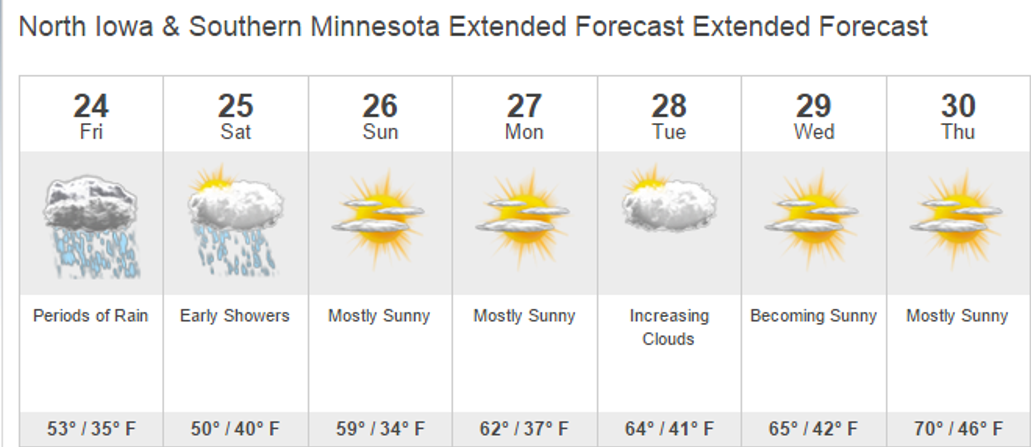
    Check the 10-Day Forecast Before Planting

    Picture1

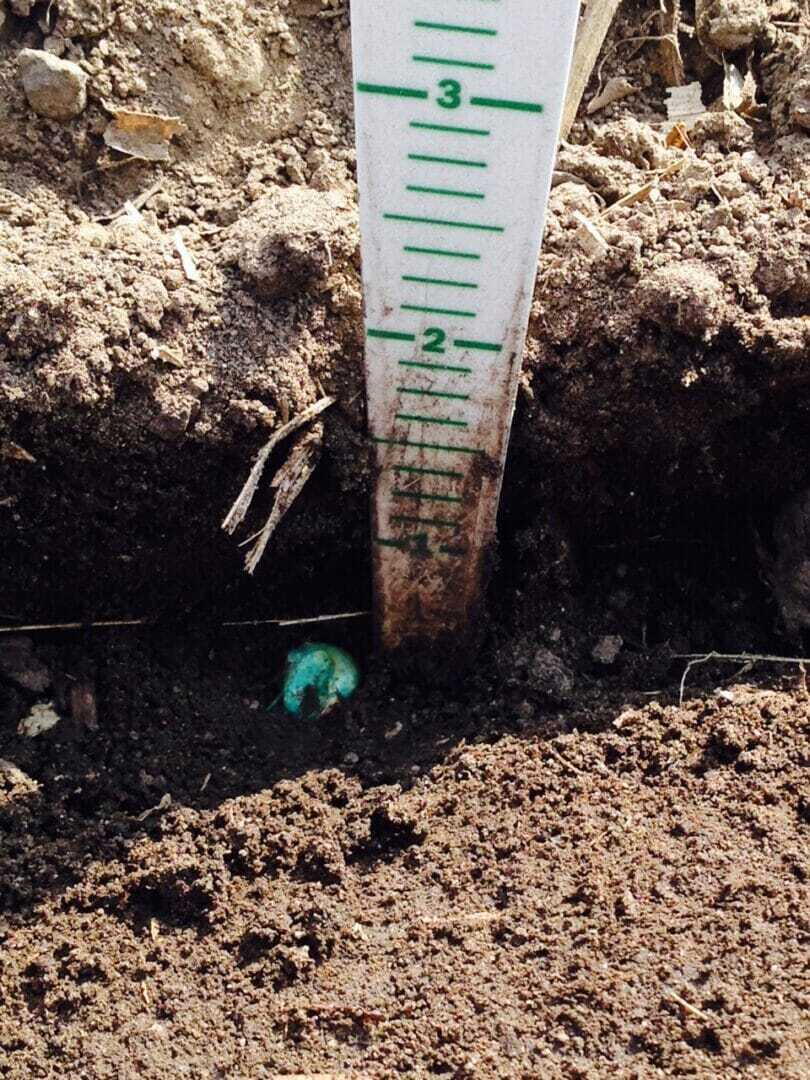
    Picture1The arrival of spring weather is something every Midwest farmer anticipates. Early to mid-April brought favorable conditions for fieldwork. Many local farmers finished tilling soils while others started putting seed in the ground.

    Soil temperatures across Iowa had been above the 50-degree mark, which is usually the target for corn planting to begin. However, a cold front moved in and soil temperatures have dropped a few degrees in recent days.

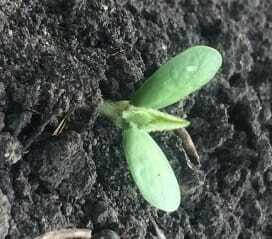
    Even when soil temperatures are warm enough to plant, farmers must be certain that warmer air temperatures are in the forecast.  Warmer air temperatures are critical to protect the seedlings.  If the air temperature hits 20 degrees Fahrenheit or less after germination, the young seedling can be killed with the growing point of the plant right at emergence.

    Remember, soil temperature for soybean planting is more critical than for corn. We recommend waiting until soil temperatures in a region reach – and maintain – 60 degrees Fahrenheit before soybeans are planted. Soybeans can germinate in a soil environment of about 55 degrees Fahrenheit, but if the air temperature after germination hits 28 degrees Fahrenheit or less, the young seedling can be killed with the growing point of the plant right at emergence. Adversely for corn, the growing point stays under the surface until much later.

    One more consideration before you putting seed in the ground is to make sure soils are fit. Wet soils cause trouble from the beginning and all through the growing season. Compaction resulting from wet soil can kill root growth.

    Latham Corn Product Specialists advise farmers to “take the crumble test” before reentering fields. Grab a clump of soil and watch how easily it crumbles. If it stays in a ball, conditions are NOT right for planting. If it crumbles easily, the soil is fit for planting.

    We’re well within the optimal Iowa planting dates for corn, so take the time to let fields dry if needed. There are plenty of other uncontrollable factors that determine crop yield, so why not control the ones you can?

    Webspec Admin

    April 23, 2015
    General, Season, Spring
  • Latham Hi‑Tech Seeds

    Your Freedom of Choice Shouldn’t Trump Mine!

    The Farmers Wifee Cropped1

    LarrypigfarmerI’m not going to be politically correct because an attack on American’s freedom of choice is increasingly bothering me.

    I always trying to understand all sides of any issue. I read all that I can get my hands on: newspapers, magazines, Facebook, blogs… But I learned a long time ago that if I read enough information, I can defend either side.

    It’s no wonder today’s consumers are confused as to what to eat. Media reports are filled with mixed messages: Good fat. Bad fat. Eggs are good. Eggs are bad. Eat more beef. Reduce your red meat intake.

    Big farmers. Little farmers. (Why can’t we just focus on a farm’s performance, not its size?) Organic. Conventional. (Why should we need raise food like our grandparents did when technology has transformed everyone’s lives?!)

    There are many ways to raise food. There are many ways to prepare and eat food. Choices are fantastic… until someone tries to take your choice away!


    Farmers Wifee Image

    We need choices. And in our vast country, we have choices! We don’t need Dr. Oz and the Food Babe scaring people about their food. We need parents to feel good about the food they’re choosing for their families. Seriously. Stop the food fights.

    There is a huge amount of oversight keeping our food safe. We don’t need expensive regulation, just common sense. Let common sense prevail… Eat sensibly and work off what you consume.

    Let’s keep our freedom of choice – and our abundance of food!

    Larry Sailer, Musings of a Pig Farmer

    April 21, 2015
    Agriculture, General, Industry News
  • Latham Hi‑Tech Seeds

    Latham® Dealership Helps Bring Next Generation Home

    Bergquist

    They had never before planted Latham® Hi‑Tech Seeds but that didn’t prevent Mike and Patty Bergquist of Foxhome, Minnesota, from taking on a dealership when asked.

    Mike and Patty Bergquist
    Mike and Patty Bergquist

    “We were looking for a way to bring our son, David, home and this ‘solution’ seemed to present itself,” said Mike. “You might say opportunity knocked when your sales manager came to our door that day and talked with us about Latham Seeds.”

    They weren’t able to get the soybean brand they were accustomed to planting, so the Bergquists decided to try Latham Hi‑Tech Soybeans. They also put Latham® corn to the test, and Latham Hi‑Tech Hybrids topped their on-farm yield test. He was sold on the Latham performance!

    No one in their area had a Latham® dealership, so Mike said his family liked the idea of offering something others didn’t have. He said that national companies have several dealers in the area, but he really liked the idea of working with a family-owned company that shares similar values.

    Mike served for three years in the U.S. Navy and then returned home and helped his step-grandfather, Harold, farm. To supplement his income, Mike started working campaigns in 1975 at the local sugar beet processing plant. He worked at the plant whenever Harold didn’t need him in the field.

    When Mike and his wife, Patty, were married in 1977, Harold offered to let them move a trailer house onto the farm. They appreciated that opportunity to live on the farm where they could begin a family. Four years later their first child was born, and Mike had to choose between accepting a promotion at the beet plant or farming full time with Harold. He chose farming, but it wasn’t long before their situation changed.

    Harold passed away in 1985. The 1980s Farm Crisis made it challenging for a young couple to support a growing family, so in 1988, this father of five went back to working campaigns at the beet plant. Mike accepted a full time position there in 1989, and today he serves as a plant supervisor. Because Mike only get weekends off once every four years, it helps to have David involved with the farming operation.

    David, the Bergquist’s youngest child and only son, completed the John Deere program at North Dakota State College of Science (NDSCS) in Wahpeton. He has been at RDO Equipment for two years as a John Deere technician. He’s been dating Chloe Bergman since they were freshman in high school, and she’s studying to become a dental hygienist.

    Their oldest daughter, Kari, and her husband, Tim Marquardt, have 3 kids. Their son Hunter is 8 and Hudson is 4. Their daughter Hadley is 6. Kari works as a school cook and Tim works at the co-op. Their daughter Heidi has two fur babies: Harley is a Black Lab and Buster is a mix that she rescued. She works as house manager for West Central Community Services.

    Third in birth order is Katie. She is a daycare provider and her husband, Derrick Wolter, is an engineer for Willrich. They’re the proud parents of two sons, 3-year-old Dawson and 8-month-old Carsten.

    Daughter Holly is a nanny. Her husband, Travis Rogahn, is a John Deere technician plus he farms. They have two son, 4-year-old Michael and 6-month-old Bennett.

    Berquist famIn their free time, the Bergquist family enjoys camping. It’s something they enjoyed doing when their kids were young. Now it’s something the three generations enjoy doing together.

    When everyone gets together for camping, Patty keeps the menu simple. A family favorite is Tequilaberry Salad, which she’s sharing with us today.

    Team Latham

    April 17, 2015
    General, Recipes, Sides
  • Latham Hi‑Tech Seeds

    Add Beauty to Backyard with Butterfly Garden

    Flower Grouping

    Mary HopperGuest blog post by Mary Hopper of Natural Plus Nursery

    Want to add a little joy to your backyard? Plant a butterfly garden! Butterflies spread beauty as they feed on the flowers they help pollinate.

    There are a lot of things to think about when planning a butterfly garden, but the most important – and also the most obvious – is the plants. Lure butterflies into your yard with flowers that produce the nectar they prefer.

    Flower GroupingSome perennial plants that work well to attract butterflies to gardens in North Iowa and across Plant Hardiness Zone 4 include:

    • Blanket Flowers
    • Black Eyed Susan
    • Globe Thistle

    Additional plants that attract butterflies include:

    • Bugleweed
    • Butterfly Weed
    • Cardinal Flower
    • Columbine
    • Dianthus
    • False sunflower
    • Lupine
    • Savia
    • Creeping Thyme
    • Shasta Daisy
    • Swamp Milkweed
    • Yarrow

    Other things to think about when planning your garden:

    1. Butterflies love oranges and bananas.
    2. Butterflies like water and rocks to perch on. (Remember, water and food sources also are necessary to attract birds to your backyard.)
    3. Butterflies are attracted to fragrance. Be sure to include good smelling plants like lavender, lilac and bee balm. These plants will be a treat to your senses, too!

    April is National Gardening Month and a great time to plan your butterfly garden. Just click the links above to get started!

    Team Latham

    April 16, 2015
    Agriculture, General, Industry News
  • Latham Hi‑Tech Seeds

    Join Cristen & Kristen on a Food Journey across Iowa

    IFFPTwo1
    "Iowa Girl Eats" blogger Kristen Porter and "Food and Swine" blogger Cristen Porter are teaming up for a food journey across Iowa.
    “Iowa Girl Eats” blogger Kristen Porter and “Food and Swine” blogger Cristen Porter are teaming up for a food journey across Iowa.

    A self-described “born and raised Iowa farm girl with a passion for baking timeless recipes,” Food and Swine blogger Cristen Clark is teaming up with Des Moines native Iowa Girl Eats blogger Kristin Porter to “cook up” conversations about today’s farm and food system.

    “I’m an Iowa girl through and through, but until I teamed up with Iowa FFP, my ‘farm visits’ were limited to seasonal trips to the farmers’ market, an apple orchard or a pumpkin patch,” said Porter. “… The biggest takeaway I had from each [farm] visit was the assurance that the farmer I just met does everything he or she can to raise quality food for their families, neighbors, communities and state.”

    Starting this month, Cristen and Kristen will connect food-minded Iowans with the people who provide, prepare and serve food. They will partner with farmers and a dedicated team of chefs and dietitians from Hy-Vee, Inc. to share information about production methods, health information and food preparation.

    Follow along with their journey at www. iowafoodandfamily.com. Watch for dates to be posted soon  about these activities:IFFP15_Cookbook2_cover

    • Iowa Food and Family (Iowa FFP) Cookbook: This recipe book features nearly 60 recipes from Cristen and Kristen, farmers and Iowa FFP sponsors like Latham Hi‑Tech Seeds. (Words alone cannot express how excited I am to have some of my favorite recipes included in this cookbook!) Complimentary copies of this cookbook will be distributed during in-store events at Hy-Vee, the Des Moines and Beaverdale Farmers’ Markets and the Iowa State Fair.
    • Recipe Refresh: You’ll have the opportunity to win a makeover and shopping experience — with food! Winners of “Recipe Refresh” events will be chosen statewide and will join Hy-Vee dietitians, area farmers and bloggers as they shop for ingredients to prepare their favorite recipes in-store while also stocking their carts with groceries courtesy of the Iowa FFP.
    • Make it & Take It: This dinner club event welcomes food-minded Iowans to participate in an informational, hands-on cooking demonstration alongside farm group leaders, a Hy-Vee chef and dietitian.

    !


    Team Latham

    April 15, 2015
    Agriculture, General, Industry News
  • Latham Hi‑Tech Seeds

    Bullying Can Happen to Someone You Love, Online or Off!

    Cyberbully

    We no longer feel the isolation and loneliness that were common before instant communication. Through Facebook, I’ve been able to connect with old friends and meet new acquaintances with shared interests. Through Twitter, I’m able to follow a newsfeed filled with hot topics. There are so many people to communicate with – and so many opportunities to do so!

    As much as I enjoy being active on Facebook and Twitter, as well as blogging, I’ve found that I am often misunderstood on social media! People reading my posts cannot see the twinkle in my eyes. They can’t hear the tone in my voice. Text messages – even with the use of emoticons – don’t allow us to look into someone’s eyes or read their body language.

    Social media can be a very non-emotional form of communication. Comments can easily be taken out of context. Too often people make statements while hiding behind a computer. Facts can get twisted and feelings can get hurt when people post comments via social media that they would never say in during a face-to-face talk!

    cyberbullyWhen I posted a blog taking a look inside #RealPigFarming on March 31, I received several unpleasant comments. Those comments hurt enough to make me question whether I should continue to keep blogging. That wasn’t the first time I’ve felt harassed online, and the negative effects are cumulative.

    Think about it… what kind of communication are our young people having? My attention was focused on this very question while visiting with my granddaughter after one of her friends committed suicide this past week. This action was taken by a girl in Junior High!

    After talking more with my granddaughter, I discovered that her friend was being bullied. Cyberbullying has become a new lethal form of bullying. Speaking of bullying, 85% of students witness bullying when adults are not present. I also learned that my granddaughter’s friend was a very troubled young girl. I understand that I’m only hearing one side of the story, but it brought mental healthcare to mind.

    Why are so many kids today either involved in school shootings or taking their own lives? Many folks are quick to dismiss this topic by saying, “Kids have always been this way.” Or they ask, “What’s wrong with today’s kids?”

    So many things can probably be blamed: social media, nutrition, the way we discipline our kids, and Common Core with all the testing. But I firmly believe that kids today must learn – and accept – that everyone is NOT the same. Not everyone deserves a blue ribbon. Not every team can win a game, so keep score at ball games. Teach kids how to win and lose! Kids need to learn that more effort often yields results. That way players, who don’t win every game, can feel good about their efforts. A kid who earns a red ribbon but desires a blue ribbon will be motivated to want to learn how to improve.

    We need to stop making excuses and start looking for answers. Kids are dying! My granddaughter, like other teenagers facing a similar situation, is very hurt. She wonders if there was more she could have done, and the guilt she carries will be another problem. Suicide does not only involve one person; it has a huge effect so many people.


    In the short term, my granddaughter needs to be reassured that she’s not to blame and that’s she’s loved! In the long term, this problem needs to be addressed by everyone. Empathy must be taught for bullying to stop, says internationally recognized educator, best-selling author, and bullying prevention expert Dr. Michelle Borba.


    There isn’t a simple solution. A community must be willing to change. Community leaders, parents and educators must collaborate. What do you think is the best way to get a conversation like this started in a community?

    Larry Sailer, Musings of a Pig Farmer

    April 14, 2015
    Agriculture, General, Industry News
  • Latham Hi‑Tech Seeds

    Lifting Spirits with Blue Ribbon Baking

    Pie bakers

    Author and pie baker extraordinaire Beth Howard was right when she said you can create peace with a piece of pie. It’s been six weeks since we lost Amy Hild, a valued member of Latham Hi‑Tech Seeds’ marketing team, in a tragic automobile accident. It’s hard to feel like smiling when there’s a pit in your stomach and an emptiness in your soul that’s indescribable.


    Iowa bloggers, creating soul food. from left to right: Mary Hopper, Jennifer Flaa, Jessica Wood, Shannon Latham and Val Plagge
    Iowa bloggers, creating soul food. from left to right: Mary Hopper, Jennifer Flaa, Jessica Wood, Shannon Latham and Val Plagge

    But thanks to a small group of positive women, there’s joy in my heart today. Yesterday four members of the North Iowa Bloggers and I road-tripped about two hours south to accept an invitation for a baking class from Cristen Clark, a national award-winning cook and baker. The idea originated from a post by blogger Jennifer Flaa entitled, “Baking Feelings into Pies.”  Pies-Quote

    I spent a perfect day in the kitchen filled with positive women. (BTW, my experience yesterday reminded me the title to a book I greatly enjoyed. Click here if you’d like to learn more about it.) Even the most seasoned bakers in our group learned from one another.

    A few of the tips and tricks I want to remember include:

    1. “Fat is where it’s at!” (Fat adds flavor to hamburgers. It also makes pie crust delicious and flakey. Use butter or lard; it’s a personal preference.)
    2. When mixing up the pie filling, zest half a fresh lemon peel into the sugar. (“Perfume the sugar.” Words alone cannot explain how delicious this smells. You must experience it yourself!)
    3. Squeeze the juice from the half of lemon over your fruit, even fresh pears, as you mix the filling.
    4. Use Tapioca (in place of flour) as a thickener.
    5. A cake lifter helps prevent crust from sticking to the counter top. Continually shower flour (as opposed to “blizzard”) onto the counter top to prevent the crust from sticking.
    6. Also use the scraper to keep your rolling pin clean to avoid putting dents in your crust.
    7. “Thick strips are in” when making lattice top pie. Slide your pastry cutter or pizza cutter along a metal ruler to keep the strips straight.
    8. Once your crust is in place, be sure to brush on the egg wash.
    9. Wrap pie plate with a ring of foil to prevent the edges of the crust from getting too brown or burning. While my mom taught me to cover the edges with foil, I have to admit that I had trouble keeping the foil ON the crust. The ring is the trick! NOTE: Put the foil ring around your pie BEFORE placing it in the over to avoid burning your fingers.
    10. Once you bake the pie, let it cool for 4 hours before cutting into it. Talk about temptation… who can look at pie that long without sneaking a bite? (Fortunately, I baked my pie an hour before bed time. I woke to a cool pie – perfect for breakfast!)

    P.S. Pull tabs on the ends of cling wrap help secure the roll and make it easier to dispense without the saran clinging to itself. Seriously, who knew?! That tip alone might have been worth the drive.

    Because it’s Friday on TheFieldPosition.com, I’m sharing with you the recipe I used to bake blueberry pie yesterday. I have to confess that I was having “pie envy” as I watched Pear Pie being assembled, and I can’t wait to try my own hand at it very soon. Click here for the recipes Cristen uses for pie crust and $3,000 Pear Pie.

    Team Latham

    April 10, 2015
    Desserts, General, Recipes
  • Latham Hi‑Tech Seeds

    Finding the STEM in Farming

    SALLY HOLLIS FRIENDS 1

    Guest blog post by Sally Hollis of Lanehaven Farms

    Sally Hollis
    Sally Hollis

    What answers do you get if you ask someone to list STEM careers?  My guess is you may hear things like mechanical engineering, architecture, medicine, computer programming, or research analyst.  I doubt you will hear farming very often.  However, STEM is a large part of everyday farming in the 21st century!

    STEM stands for Science, Technology, Engineering and Math. You don’t have to look far to find STEM in everyday farming. Here are a few examples:

    • SCIENCE – Midwest farmers will soon be planting #crop15, and one area that has seen a lot of science improvements is the seed that is planted.  Scientists are constantly working to improve seeds to better withstand different weather conditions (e.g. wind and drought) and overall improve yield.  Farmers do a number of scientific tests throughout the year to ensure all of their management practices are optimal.  These tests include things like soil samples, water quality samples, moisture testing harvested grain in the fall, feed particle size for livestock operations, and the list goes on.
    • TECHNOLOGY – You can hardly open a farming magazine today without an article on new technology.  Precision farming technologies are being used in much of the equipment today to auto-steer equipment and attachments with increasing precision and accuracy, vary the rate of seeds and fertilizer, and send alerts or messages to farm managers.  Drones are being used for crop scouting and monitoring farm areas more efficiently.  Technology has also increased for livestock operations with hardware and software to monitor everything from feed ordering to building maintenance issues.  A number of farmers are also looking at installing solar panels around their operations for energy.
    • ENGINEERING – Engineering is designing and building a new or improved product or process.  Farmers do this on a regular basis.  They may modify a tool bar to better meet their needs, design a new grain leg, or modify a sprayer to plant cover crops.  Farmers are also documenting their processes and looking for ways to improve efficiency.
    • MATH – Math is something that is definitely used on a daily basis.  Farming is a business which requires solid financials to remain competitive in today’s environment.  In addition to financial performance farmers are constantly doing mathematical calculations to determine everything from acres of coverage to bushels of grain.
    Sally Hollis with two of her previous managers from John Deere
    Sally Hollis with two of her previous managers from John Deere

    The future is so exciting! Science, math and engineering are applicable to nearly every career. That’s why I believe STEM education in Iowa elementary and secondary schools is so important.

    As high school graduation approaches for many, I want to remind leave them with some great advice that was given to me 25 years ago: “If you like science and math, consider a STEM career in the field of agriculture

    Team Latham

    April 9, 2015
    Agriculture, General, Industry News
Previous Page
1 … 48 49 50 51 52 … 160
Next Page

Latham Hi‑Tech Seeds

131 180th Street | Alexander, IA 50420

(641) 692-3258

SIGNUP FOR OUR NEWSLETTER
  • Contact
  • Legal
  • Dealer Center
  • Seedware Login
  • Latham Gear

© 2025 Latham Hi‑Tech Seeds. All rights reserved. | Iowa Web Design by Webspec | Privacy Policy

Latham® Hi-Tech Seeds is a trademark of M.S. Technologies, L.L.C., 103 Avenue D, West Point, IA 52656.