Latham Hi-Tech Seeds

(641) 692-3258

  • Home
  • Performance
  • Products
    • Corn
    • Soybeans
    • Soybean Blends
    • Alfalfa
    • Corn Silage
    • Seed Guide
  • Find a Rep
  • Media
    • Blog
    • News
    • Videos
    • Podcasts
    • TECHTalk
  • About Us
    • Company History
    • Our Mission
    • Careers
    • Become a Rep
    • Sowing Seeds of Hope
  • Contact Us
  • Latham Hi‑Tech Seeds

    Beef Provides Nutrients Needed for Brain Function

    NCW 2
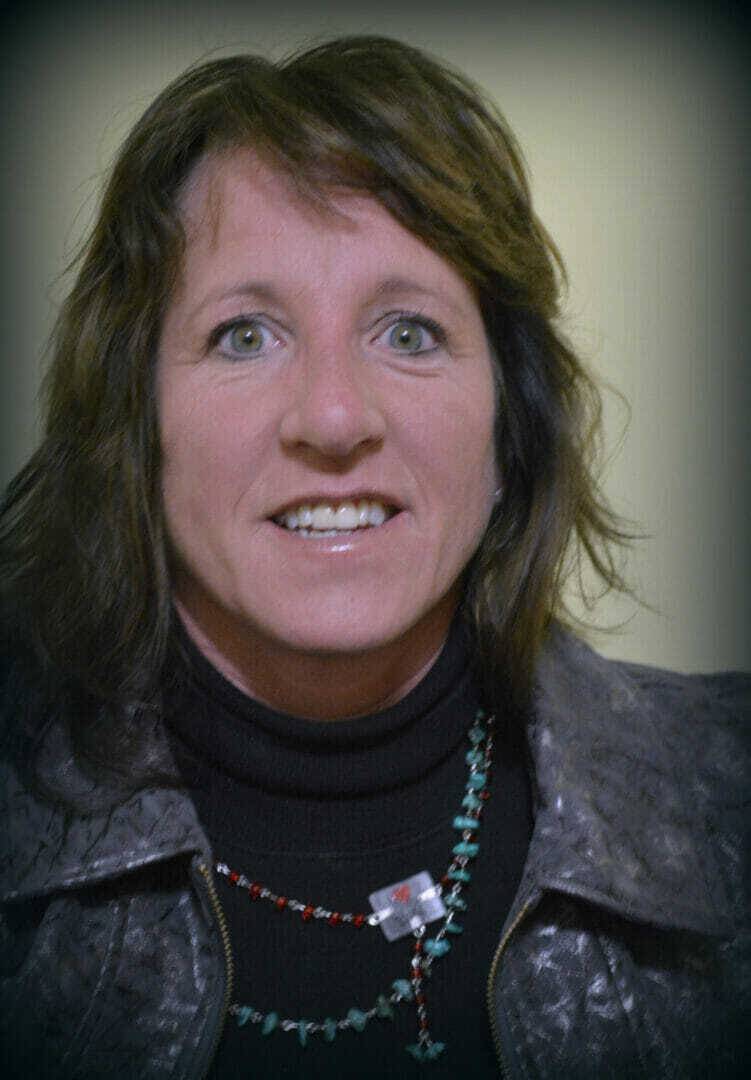
    Kelli Loos
    Kelli Loos

    Sharing the story share of beef with consumers and educating youth about the beef industry are the two things Kelli Loos enjoyed most about serving as Vice President and then two years as President of the Nebraska Cattlewomen.

    “I am passionate about sharing the ag story with consumers and other mothers because people aren’t sure where to get the truth,” says Kelli. “The most important thing consumers need to know about the food we raise is that we proudly feed that same food to our own kids. What parent would jeopardize the health of safety of their child by giving them food that wasn’t safe?”

    A fifth generation Central Nebraska farmer, Kelli grew up on a diversified family farm just 15 miles from where she and her husband now live with their three daughters. Her parents still farm and raise cattle where Kelli and her five siblings were raised. Kelli and her siblings were involved with sheep production, helped in the hay field, walked soybeans and chopped thousands of musk thistles in the pasture. Kelli also was active in 4-H livestock, clothing and many other projects for 11 years.

    The 4-H and farming traditions continue. Kelli and Trent have raised cattle and hogs together for 22 years. They spend hours washing and walking 4-H livestock projects with their daughters: 17-year-old Libbi, 12-year-old Lindsi, and 10-year old Landri.

    “We take pride in not only the food we raise but the opportunity we have to raise our children in the family business and teach them the integrity, responsibility and work ethic it takes to succeed in every life endeavor,” says Kelli, who graduated from University of Nebraska – Lincoln (UNL) with an Agricultural Honors degree. She was a member of the UNL Livestock and Meats Judging Teams and was active in Block & Bridle, too. Kelli also earned a Master’s of Science degree in Reproductive Physiology from the University of Kentucky and worked as a Research Specialist at the University of Missouri, Department of Animal Science.

    “It’s so important that we share with consumers the message that meat, eggs and dairy products are essential for a healthy life,” Kelli continues. “The marbling that gives meat its flavor and juiciness is good fat – monounsaturated fat. This is a nutrient that your body needs and is especially important to brain function. By cutting out whole milk and meat from their diets, consumers are robbing their brains of necessary fatty acids that help prevent dementia and improve cognition.”

    You can be sure protein, like beef, helps the Loos family power through their routines. While there is no such thing as a “normal” day in Kelli’s life, every day usually involves a trip to somewhere either for to pick up feed, deliver pigs or take the girls to softball practice or another one of their numerous activities. Kelli enjoys being self-employed, so she can adjust her schedule around our girls’ many activities.

    “We want our girls to know that a strong work ethic is important,” says Kelli. “The chores have to be done, but the girls are always more important. We make sure that we are there to enjoy those growing-up years that go by way too fast!”

    Enjoy some family time this weekend with one of the Loos family’s favorite recipes for Stuffed Steak. I have a feeling “stuffed” will be the word that best describes me after this meal, but I’m looking forward to trying it soon with a side of fresh asparagus. Doesn’t it make your mouth water, just thinking about it?!

    Team Latham

    May 22, 2015
    Beef, General, Recipes
  • Latham Hi‑Tech Seeds

    Attention New Grads: Don’t Take Water Quality Issues at Surface Level

    Creek now1

    This past weekend, I attended one of my granddaughter’s high school graduation ceremony in a small town south of Des Moines. The ceremony was held on the football field, which is quite an undertaking during spring in Iowa!

    By luck, and maybe a little divine intervention, the outdoor graduation ceremony worked. We enjoyed some sunshine. Then just like you’d expect from Iowa weather, some clouds moved in, a few sprinkles fell and the winds began to gust. Papers blew off the stage, and the young ladies were hanging onto their skirts. Nonetheless, it was a beautiful ceremony!

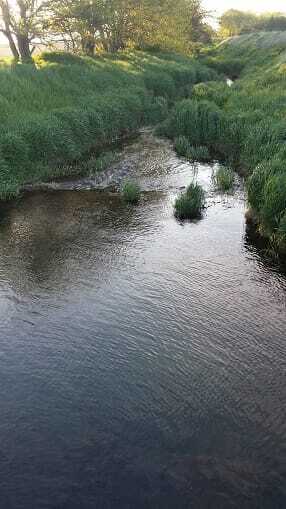
    About 35 years ago, Larry Sailer planted trees and bushes along the creek that runs through his farm. #FarmersCoverIowa
    About 35 years ago, Larry Sailer planted trees and bushes along the creek that runs through his farm. #FarmersCoverIowa

    The keynote speaker was a retiring school teacher, who had taught most of his career at this school. I must admit that I don’t remember the speech at my graduation, however, he captured my attention by referencing farmers in his presentation! He talked about how farmers sow seeds, and teachers do likewise. What a great analogy, right?

    Later in the commencement address, the speaker told these graduating seniors how they need to fix the problems of our waters in Iowa! He shared how an all-time high number of our waters are polluted. I could feel my wife’s eyes on me. As soon as we got to our car, Janice said she was a little concerned at how I might react to the keynote. Rather than say anything at the time, I decided to address it in this week’s blog.

    It concerns me that educated people can be so misinformed! Did the teacher share untruths about Iowa’s farmers? No! Did he share all the facts? No!

    Our government agencies have the ability to control public perception simply by choosing which information to release and when. The Des Moines Waterworks (DMWW) own data shows a downward trend of nitrates in the Raccoon River, but that’s not what is making the headlines these days in Iowa. Instead we’re hearing about increasing amounts of nitrates from the DWMM.

    More Iowa waters made the “polluted list” this year, but it’s misleading because the standards by which waters are judged have changed. When you lower the level by which waters are judged, you have more water bodies on the list. Was this information shared with these new graduates? Of course it wasn’t!

    The commencement speaker used the water quality example to rally new members of our society, and as is often the case today, people take information at surface value. Many people do not dig for the facts! Emotional issues run on emotion, not facts.

    As I was pondering the commencement address, I an article from the New Yorker came to mind that reads: Scientists have discovered a powerful new strain of fact-resistant humans who are threatening the ability of Earth to sustain life. One scientist involved with the study concluded by saying that although the research is preliminary, “… It’s possible [humans] will become more receptive to facts once they are in an environment without food, water or oxygen.”

    The water running through Larry Sailer's farm is so clear you can see rocks on the bottom of the creek bed.
    The water running through Larry Sailer’s farm is so clear you can see rocks on the bottom of the creek bed.

    “Armchair farmers” believe agriculture is simple and that policies are needed to ensure farmers protect the environment. While I agree there are still improvements that we can make to further enhance water quality, let’s give credit for the improvements that have been made. Conservation practices are helping improve water quality.

    Back in the good old days, a lot of damage was done to our soils and water. The ground was tilled until there was no residue left, so soil would either blow or wash away. “Conservation tillage” was a buzz word when I started farming. No-till was just beginning. Terraces, or dirt pilled to control water flow, were being built by the miles.

    With today’s farming technology and equipment, we’ve made huge strides towards better soil conservation. I’ve planted acres of trees and bushes on my farm. By my creek, I’ve planted buffer strips for erosion control and wildlife habitat.

    I have taken pictures of my creek, showing how clean my water is leaving my farm. The water is absolutely clear, so you can see the bottom of the stream. Such clear water makes it difficult to take a picture, but I hope you “see my point.”

    Yes, we also need to control things in the water that we can’t see. That why I side-dress fertilizer, using just the right amount at the right time to feed corn plants. Lots of farmers are voluntarily spending millions of their own dollars every year to implement conservation practices.

    Today’s technology can detect smaller amounts of pollution in our waters, but it can also help us reduce that pollution. Farmers have made a huge difference, and we’ll continue to do more because we take pride in seeing results!


    Larry Sailer, Musings of a Pig Farmer

    May 20, 2015
    Agriculture, General, Industry News
  • Latham Hi‑Tech Seeds

    “The Covered Dish” Shares Simply Delicious Recipes

    Culinary school

    Culinary schoolMy husband once told me that if he’s not playing a round of golf, he’d just as soon be watching the professionals play. I wondered if I’d ever find anything I was that passionate about, but that was before I acknowledged the obvious…

    You see, I began cooking from the time I was old enough to scoot a stool in front of the stove. I scrambled eggs as my mom cooked up a hearty breakfast for my dad and his friends on the opening day of hunting season. I learned to fry a hamburger before I entered kindergarten. I earned a blue ribbon as a first-year 4-Her member with the chocolate chip muffins I exhibited at the county fair.

    No wonder I felt an immediate connection to Debbie Dance Uhrig, the Master Craftsman who teaches at Silver Dollar City’s Midwest Living® Culinary & Craft School. Debbie writes in the forward to her Simply Yours cookbook:

    “I began cooking from the time I could handle a spoon and stir. Throughout my life, I was taught to preserve foods, cook in ample amounts and to be prepared for extra folks at the table or surprise guests.”

    That’s the same philosophy my mom instilled within me! No wonder my mom and I greatly enjoyed watching the professional demonstrate cooking during the Farm to Table cooking class we took last Saturday. We learned to make Midwest Living’s Garden Pasta Primavera and a Quick Red Pepper Pasta Sauce, one of Debbie’s original creations.


    Quick Red Pepper Pasta Sauce

    by Debbie Dance Uhrig, Master Craftsman at Silver Dollar City’s Midwest Living® Culinary & Craft School


    Debbie1, 13.5-ounce package of high fiber spaghetti or linguine
    8 ounces Vince’s Roasted Red Pepper Pesto
    1 cup heavy cream
    ½ cup shredded Parmesan cheese
    1-2 tablespoons butter
    Fresh ground pepper to taste

    Boil noodles in salted water. While pasta is cooking, combine: pesto sauce, heavy cream and Parmesan cheese in small saucepan and heat thoroughly. Turn sauce to low. Drain the pasta when it’s done and turn back to original pan with 1-2 tablespoons of butter. Pour hot sauce over pasta and stir to coat. Serve as a side with steak, chicken or seafood. Serves 4 to 5.

    COOK’S TIP: Grate fresh Parmesan cheese for this dish for best results and maximum creaminess. Because cheese loses moisture once it’s cut, purchasing shredded Parmesan cheese will result in lumpy sauce.


    My 14-year-old daughter, who also attended the culinary class, enjoyed this pasta sauce so much that she asked if we could make it at home this week. (Side bar: Debbie mentioned this pasta would make a great side dish for grilled meats, so I’m planning to serve it with marinated grilled steaks. After all, our #31DaysofBeef celebration continues throughout the month of May.)

    The fanciest part of each recipe that Debbie demonstrated is the title! While the list of ingredients for the primavera may look intimidating at first, the recipe itself it quite simple to follow. Debbie believes in presenting recipes that call for common ingredients and a simple understanding for cooking. (This sounds exactly like the recipes we feature on TheFieldPosition! As Debbie says, “Why overwhelm people with more elaborate dishes that might prevent them from going through the effort?”)

    Like Debbie, I believe in reconnecting with family and friends around the dining room table. Today I’m sharing both of the pasta recipes she demonstrated. Also be sure to check out Debbie’s website, The Covered Dish, for more down-home Midwestern recipes.

    P.S. Our long weekend getaway to Branson, Missouri, was the latest road trip taken in celebration of my mom’s birthday. Last year we traveled to Seed Savers Exchange, and in 2013, we took a pie baking class inside the American Gothic House. What culinary adventures have you enjoyed? I need ideas for our May 2016 road trip!


    Team Latham

    May 18, 2015
    Food & Family, General, Recipes, Sides
  • Latham Hi‑Tech Seeds

    Patience is Key at this Point in the Planting Season

    IMG 0302 e1431660505547

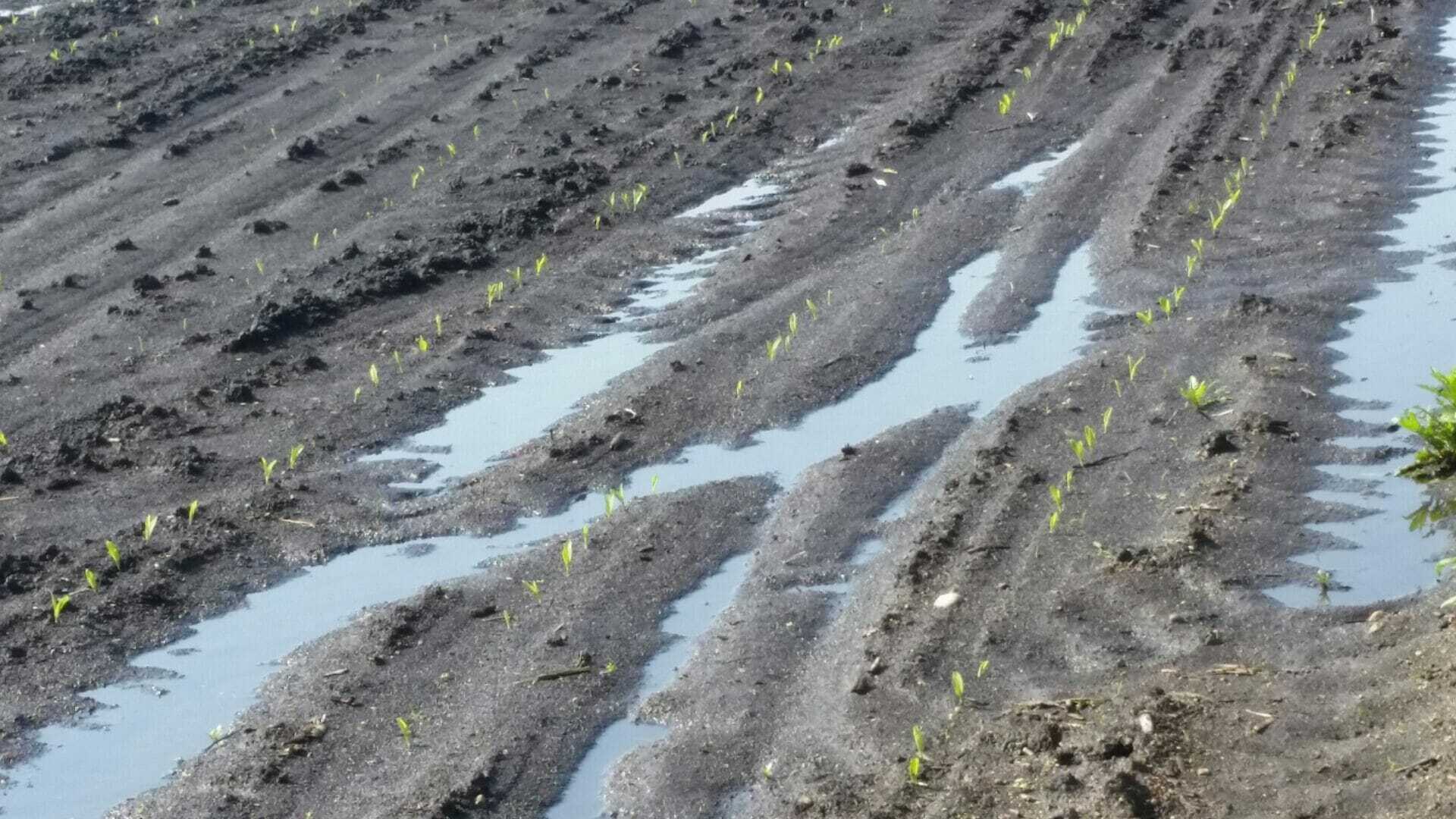
    Mid-May is here but there’s no need for farmers to rush into their fields to finish planting. Farmers across the Midwest are still within the time period for great yields, so there’s no need to switch crops or maturities now.

    Due to the shorter growing seasons in northern Minnesota, as well as in North and South Dakotas, farmers try to get their crops in the ground as early as possible. May 6-13 are considered optimal soybean planting dates for much of Northeast South Dakota, while early May dates are recommended for the southern areas of the state. Optimal planting dates in North Dakota range from late April to mid-May.

    Planting corn through May 15 is considered ideal in Iowa, but it sounds like almost all of the corn acres are planted across the state. For those farmers who still have some corn in the shed, there’s no need to even think about switching hybrids yet. Research shows that hybrids adjust to planting dates, so full-season corn hybrids can compensate somewhat for later plantings.

    As planting is delayed, hybrids shorten the time between planting and silking. Full-season hybrids almost always outperform short season hybrids, so Iowa State University Extension Corn Specialist Dr. Roger Elmore has said farmers really don’t need to consider switching maturities until May 25.

    Many planters are parked across much of Latham Country as measurable precipitation fell over the weekend, and rain clouds continue to hover this week. Moisture was needed to get many crops off to a good start, as well as to activate herbicides, in the north. It’s just too bad some of this precip came in the form of snow! It looks like fields will remain wet across much of the Upper Midwest this week, but sunshine and warmer temperatures are on the horizon.

    As hard as it is, be patient and wait for soils to dry before planting resumes. Planting into unfit conditions can cause lower yields than delaying planting by a few more days. Working soils that are too wet now could lead to soil compaction and have negative impacts on your crops during the growing season including: stunted plant growth; slow infiltration of water and/or ponding; high surface runoff and soil erosion under normal or light rainfall; poor root system establishment; and nutrient deficiency.

    The best rule of thumb is to let the field dry before doing fieldwork. Use a quick field test to check the soil moisture: mold a length of soil between your index finger and thumb, or roll it into a ball in your hand. Observe whether the soil breaks apart as you work it.  If you toss the ball of soil into the air and it shatters or cracks upon falling to the ground, then conditions are likely suitable for tillage or planting.


    Webspec Admin

    May 14, 2015
    General, Season, Spring
  • Latham Hi‑Tech Seeds

    Feds Spend Billions of Taxpayer Dollars to Battle Mother Nature

    Darcy patriotic farm

    Can man really control the weather? Apparently the government thinks so and is willing to spend your money to do it!

    Last August I attended a conference on resilient agriculture where I heard a presentation by William Hohenstein, director of the U.S. Department of Agriculture (USDA) Climate Change Program Office. One year ago this month, he released a “new” report stating that “climate change is already happening across the United States.”

    Apparently that sensational headline didn’t spark enough attention so now the USDA announces it is building a program to respond to climate change. An article in the May 1 edition of the Illinois Farmer Today states: “This [new program] will utilize voluntary, incentive-based conservation, forestry, and energy programs to reduce greenhouse gas emissions, increase carbon sequestration and expand renewable energy production in the agricultural and forestry sectors.”

    Mr. Hohenstein’s job is to ensure every government agency considers climate change before any project is undertaken! He has been given a lot of power, and money seems to be no object. It seems every week I read about another muti-million program from my “favorite government agency,” but apparently the USDA doesn’t have to prove whether the expenditure will lead to the desired results.

    When are Americans going to start questioning whether centralized government is the best route? This week I read an article in The Daily Signal entitled, “The Death of the Green Energy Movement,” where author Stephen Moore concludes:

    We don’t know if renewables will ever play a significant role in America’s energy mix. But if it does ever happen, it will be a result of market forces, not central planning.

    When taxpayer money is thrown at green projects, there is going to be waste. Why are we continuing to throw money into a sink hole as big as “climate change”?

    Undoubtedly, weather changes. Weather cycles even repeat themselves… Remember what we learned about the Ice Ages? That climatic change occurred without man’s interference! Throughout history, weather events like meteors, volcanoes, earthquakes have occurred that affect our weather.

    Climate change is real, but government bureaucracy is also real. Our Founding Fathers believed in less government control and more free enterprise. The United States, and let me repeat STATES, was built by private business owners coming up with solutions to problems. Private business owners have skin in the game. Let’s let real, true ingenuity from our private business come up with solutions that will work!

    Larry Sailer, Musings of a Pig Farmer

    May 12, 2015
    Agriculture, General, Industry News
  • Latham Hi‑Tech Seeds

    Protein Packed Day with Beef

    NCBA PC AppetiteControl 300x250

    DSC_0720guest blog post by Brooke Young, Iowa Beef Industry Council

    The weather is warming up, and Americans are firing up their grills. There is no better time to celebrate all the great benefits of beef than during May Beef Month!

    As a young female who has recently found a hobby in running and fitness, I’ve realized first-hand all of the benefits of lean beef. Beef is one powerful protein. In fact, one serving of lean beef (3 ounces) contains 25 grams of protein with only 154 calories!

    Research has shown there are health and wellness benefits to consuming protein in balanced amounts at each meal. Protein is beneficial for anyone looking to maintain/build muscle, looking for weight or appetite control, or simply striving for better overall nutrition.

    With this information, the beef checkoff in April launched a 30 Day Protein Challenge. This is a fun, step-by-step program to incorporate more protein into the everyday diet. Join the conversation using #ProteinChallenge on Twitter and Facebook.

    NCBA_PC_AppetiteControl_300x250I compare the 30 Day Protein Challenge to training for a 5k or marathon. You’re not going to get up off the couch one day and run a marathon. You’re going to follow a step-by-step training guide to build strength and endurance. The same is true for the 30 Day Protein Challenge. In fact, the first 5 days are spent journaling and reviewing, then slowly building the “endurance” to consume 25-30 grams of protein three times a day. The best part? Trying new recipes and incorporating beef into breakfast, lunch and dinner!

    Throughout the challenge, it was obvious to me that I was not consuming enough protein for breakfast, the most important meal of the day. I would often times grab a granola bar on my way out for work, but then I’d find myself reaching for snacks mid-morning. By incorporating a protein-packed breakfast into my day, I was able to take control of my appetite and stop the urge for mid-morning snacking.

    Below is a quick, easy recipe to put your protein into your morning. For more cooking tip, recipes, or to find out more about the Iowa Beef Industry Council, visit www.iabeef.org


    Team Latham

    May 8, 2015
    Beef, General, Recipes
  • Latham Hi‑Tech Seeds

    Time to Begin Early Spring Crop Scouting

    Water hemp

    Most soil-borne pathogens strike as soon as the seed begins to take on water; others strike seedlings. Because seeds can germinate and emerge within 3 to 5 days, post-planting is an ideal time to begin scouting crops.

     Start taking field notes now on how well each particular hybrid number is emerging. Observe the uniformity of the stand across the field. There may be certain areas that show poor emergence, while the rest of the field will have a good stand.

    You may notice a difference in emergence and stands in early planted fields compared to later planted fields. Soils were warmer in early April than they were during the third week of the month. The magic temperature for corn to germinate is 50 degrees Fahrenheit. The ideal soil temperature for soybean germination is 77 degrees, but it’s usually late May or early June before soils reach those temperatures here. Instead we recommend that farmers wait until soil temperatures are about 60 degrees before planting soybeans.

    The combination of warm temperatures with gentle rains that we have received in North Central Iowa this week are just what the seeds in the ground need. Of course, this also makes ideal growing conditions for weeds! 

    water hempShortly after emergence is a good time to start looking for weeds. Monitor fields weekly through the growing season for the most effective weed management. Dr. Mike Owen, Associate Chair of Iowa State University’s Agronomy Department and Extension Weed Specialist, recommends using a soil-applied residual herbicide on all acres. He advises farmers to know what herbicides they’re using, what those herbicides control – and do not control – plus the potential for crop injury.

    Diversity of tactics is key, says Dr. Owen. Rotating crops, rotating traits and rotating pesticides is the best way to slow down the very natural process whereby pests develop resistance to products that mankind uses to protect crops.

    Today’s seed technologies, such as Genuity® SmartStax®, allow you to rotate modes of action on corn ground. Latham soybean customers this spring planted a record number of LibertyLink soybeans. In fact, farmers like Mike Albertsen produced their best yields ever in 2014 using Latham soybeans with LibertyLink technology.

    Your 2016 crop plan begins with notes taken throughout the growing season. Then talk with your local Latham representative about designing a crop plan that controls weeds and addresses other challenges you see throughout the growing season like insects and disease. For more information, feel free to contact the Latham office at 1-877-GO-LATHAM (1-877-465-2842).


    Webspec Admin

    May 7, 2015
    Agronomics, General, Insects, Weed Control
  • Latham Hi‑Tech Seeds

    Put Your Time & Money Where Your Heart Is

    11139011 1709642632596127 2992258998198103083 n

    11139011_1709642632596127_2992258998198103083_n Sunday morning before I went to church, I shared an article about Australia holding a day of prayer for the USA. It was admitted that Australia may have the same moral and spiritual bankruptcy as the U.S. but its concerned more because so many countries worldwide benefit from foreign aid from America.  The article states: “Moral and spiritual bankruptcy leads to financial and governmental bankruptcy. America is in great danger from within and from without.”

    After sharing this post, I went to church. I didn’t check my Facebook account until the church service was done, and there was a pretty charged debate taking place on my post! Everything from civil unions to a separation between church and state was being discussed. Many comments were thought-provoking, and my “friends” definitely were passionate about their beliefs.

    This online debate combined with the sermon I heard earlier that morning brought his scripture to mind, “For where your treasure is, there your heart will be also.” – Matthew 6:21

    Pastor Scott’s sermon on Sunday, as always, seemed to be directed at me. (Ok… Ok… Pastor Scott probably isn’t targeting me, but his sermons are definitely speaking to my heart!) The burning question Pastor Scott raised Sunday was, “Who or what is the king ruling over your life?”

    Are you a workaholic, who is allowing your job to take you away from church and family? Do you value material possessions, such as your house or vehicle, to separate you from what’s more important? I knew what my wife, Janice, was thinking as she listened to this sermon. After all, Janice has often threatened an intervention of my Social Media!

    While I really don’t believe agvocating has gotten in the way of church and my family, it definitely is time consuming. So many activities and jobs compete for my time. I’m more involved than ever with church activities. Serving as an Elder has been a very rewarding position. I’ve attended way more events for my grandkids than I did for my kids.

    No matter how much time I give to my church, my family or even my farm, I feel like there’s more I should be doing. My To Do List is longer than the list of projects I’ve completed. There’s landscaping to finish. My shop is going unused. There are rocks that need to be picked up from fields. The list goes on… My mind wanders to the numerous jobs on the farm that need doing as I sit writing another blog post!

    Some folks have suggested that I apply for a new award, America’s Pig Farmer of the Year for demonstrating the “We CareSM ethical principles.” I’m good at raising pigs, but I haven’t been all that successful at making money at it. Diseases like circo-virus have not helped my bank account. When my combine caught fire during harvest last fall, it made rethink farming this year. Less than breakeven grain prices makes “pushing a pencil” a must! I know there are others like me, who are thinking very hard about how to survive this round of low crop prices.

    Whether we farm or not, there are things that weigh heavily on our minds. We all have pet projects that distract us from our priorities. I thought by having some custom farming done this year, I would have more time. This may come back to bite me, but I’m going to give it a try. I’m going to fuel more energy into building my seed dealership, and I’m going to reprioritize my “Honey Do” list. Mother’s Day is this Sunday, and I want my wife to see just how much she means to me! We’ll attend church together and afterward we’ll enjoy a family dinner. I’ll be smoking pork, of course!

    What tops your list?


    Larry Sailer, Musings of a Pig Farmer

    May 5, 2015
    Agriculture, General, Industry News
  • Latham Hi‑Tech Seeds

    Latham® Seed Dealership Complements Beef and Crop Operation

    100 2033 e1430329645603
    What I like about raising the girls on the farm is there are so many learning experiences from weather and crops to raising cattle,” says Krystal Albertsen. “Our girls have hands-on experiences that most kids won’t get to do!
    What I like about raising the girls on the farm is there are so many learning experiences from weather and crops to raising cattle,” says Krystal Albertsen. “Our girls have hands-on experiences that most kids won’t get to do!

    Latham brand soybeans were top performers year after year for Albertsen Farms. When their local retail supplier went out of business in the 1990s, however, they switched to another brand. Then last winter Mike was researching LibertyLink® soybeans and came across Latham Hi‑Tech Seeds.

    Selling seed is a good complement to farming, says Mike. It allows him to earn additional income to complete projects like adding on to the shop or buying more cattle.

    The Albertsens raise registered Hereford and Black Angus, which they also cross to produce black and white commercial club calves. They have 60 cow-calf pairs but would like to double that because both of their girls are interested in 4-H Beef Projects. Mike and his wife, Krystal, are the proud parents of two daughters. Gracye is 14 and Sienna is 10.

    “Our girls have learned so much about feeding the calves, and they both enjoy showing cattle at the fair” says Krystal. “Sienna got to show one of our calves that lost its mother as a bottle bucket calf (shown in picture) last year at the fair. This year she will get to show it as a Market Steer. It’s been a neat learning experience for her to be involved with the whole process of seeing this calf born, raising it on a bottle and now feeding it out.”

    100_1928

    In addition to 4-H, the girls are extremely active. Gracye is involved in volleyball, basketball, track, softball, golf, band and church youth group. Sienna is involved with softball, basketball and church kids’ choir.

    IMG_56481

    During the spring planting season and softball season, the Albertsens don’t have much time to spend cooking. That’s why Krystal appreciates quick and easy recipes that taste good, too. She says one of family’s favorites is the homemade Pizza Ring, which Krystal adapted from the blog Kiss My Apron.

    Team Latham

    May 1, 2015
    Beef, General, Recipes
  • Latham Hi‑Tech Seeds

    Set Up #Crop15 for Success

    Pic 2

    #Plant15 is in full swing across the Midwest. With a 7-day forecast calling for nothing but sunshine and temperatures in the 70s, there’s talk that many farmers will go straight from planting corn to soybeans. We’re well within the window for achieving optimal yields for both corn and soybeans.

    Research by Iowa State University shows the optimal planting dates for soybeans – if soil conditions are suitable – in the southern 2/3 of the state is the last week of April and the first week of May for the northern 1/3 of Iowa. Seventy-nine percent of the time planting in late April or early May resulted in higher yields than soybeans planted around May 20.

    Due to the shorter growing season in the Dakotas and Minnesota, it’s important to plant soybeans early to catch more daylight. Soybean maturity is based on the length of daylight hours, and we all know the number of daylight hours decreases after June 20. Farmers must weigh the need to optimize daylight hours with the need for warmer soils.

    Experience has shown us that good yields are made when farmers hold off planting soybeans until soil temperatures reach – and maintain – temperatures of 60. Soil temperature is more critical when planting soybeans than corn because corn can more readily germinate in a soil environment of about 55 degrees.

    If the air temperature after germination hits 28 degrees Fahrenheit or less, soybean seedlings can be killed since the growing point of the plant is right at emergence. That’s why it’s also important to look at the 10-day forecast to see what temperatures will likely be when the seedlings emerge.

    it pays to stop the planter periodically and check (1) seed-to-soil contact; (2) planting depth and (3) seed spacing.
    it pays to stop the planter periodically and check (1) seed-to-soil contact; (2) planting depth and (3) seed spacing.

    We certainly understand a farmer’s eagerness to get seed in the ground, but we also know that it pays to take a few precautions. Get out of the cab periodically and check (1) seed-to-soil contact; (2) planting depth and (3) seed spacing. Watch for skips and doubles. Missing plants will decrease yield relative to a uniform stand. Finding too many doubles is not only a waste of seed, it can also mean that your planting units are in need of adjustment or repair.

    Inadequate planter adjustments coupled with fast planter speeds results in seeding depth variability within a row. Variable seeding depth translates into variable emergence rates which results in reduced yields. Take your time and have a safe planting season!

    Team Latham

    April 30, 2015
    Agronomics, Emergence, General
Previous Page
1 … 47 48 49 50 51 … 160
Next Page

Latham Hi‑Tech Seeds

131 180th Street | Alexander, IA 50420

(641) 692-3258

SIGNUP FOR OUR NEWSLETTER
  • Contact
  • Legal
  • Dealer Center
  • Seedware Login
  • Latham Gear

© 2025 Latham Hi‑Tech Seeds. All rights reserved. | Iowa Web Design by Webspec | Privacy Policy

Latham® Hi-Tech Seeds is a trademark of M.S. Technologies, L.L.C., 103 Avenue D, West Point, IA 52656.