Latham Hi-Tech Seeds

(641) 692-3258

  • Home
  • Products
    • Corn
    • Soybeans
    • Soybean Blends
    • Alfalfa
    • Corn Silage
    • Seed Guide
  • Performance
  • Find a Rep
  • Media
    • Blog
    • News
    • Videos
    • Podcasts
    • TECHTalk
  • About Us
    • Company History
    • Our Mission
    • Careers
    • Become a Rep
    • Sowing Seeds of Hope
  • Contact Us
  • Latham Hi‑Tech Seeds

    Whether You’re Rural or Urban, Listen to Understand

    Musings of a Pig Farmer
    by Larry Sailer

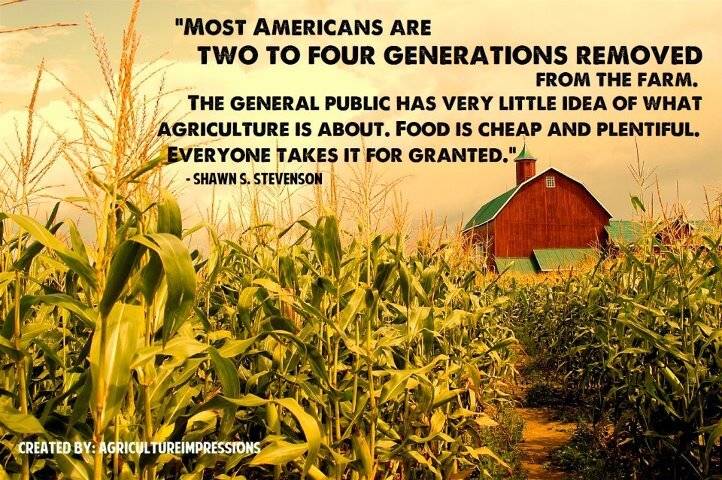
    You know the old saying, “A picture is worth a thousand words?”  Apparently some pictures are worth several thousand words!

    When I posted this picturesque farm image on my Facebook page last week, I had no idea that it would strike such a cord with some of my friends.  This one photo prompted one of my Facebook friends, Janice Person, to pen a couple of blogs about it.   She even created her own thought-provoking photo.  Here’s an excerpt from JP’s personal blog:

    At the end of the day, it’s hard to feel removed from something that not even your grandparents felt a connection to… that’s something we share whether we’re urban or rural. We share a deep interest in wanting our children to have the best the world can offer but maybe our perspective guides us to think of those things differently. We all value relationships with the people we count on day in and day out and almost all of us could find room for a few more friends at dinner time.

    If farmers continue to view city folks as removed from the reality farmers know and city folks continue to see farmers as insulated from today’s world, can we move the conversation forward on things we all care about? Or do you think by taking some of the initial steps to understand the other’s perspective…. by focusing on the fact that we don’t understand things from another person’s point of view or by trying to see the world from where they sit, do you think we may change our own way of thinking?

    My abbreviated response to Janice was this, “That is a great point, and it’s why I have said that farmers must first listen.”  By listening to Janice and others who share similar viewpoints, it helps me see things from a completely different perspective.  Listening helps create understanding.  My sentiments were shared by Anne Burkholder (aka Feed Yard Foodie), who posted this comment May 24 on Janice’s blog site:

    Janice, you are so very right – thank you so much for sharing. We must all “listen to understand, instead of listening to respond.” Empathy is a powerful tool and a good conversation cannot occur without it. I spent the first 22 years of my life in a city and the last 15 on a farm in rural Nebraska. Urban dwellers and rural folks have more in common than they sometimes think. At the very least, we all are interested in “where our food comes from” and that is certainly an important reason to have a good conversation that results in both of us learning from each other.

    If you find this dialogue interesting, I’d like to invite you to read Janice’s full post on Just Farmers entitled, “Any Benefits from a Change in Perspective?” You might even feel compelled to join in the conversation!

    Larry Sailer, Musings of a Pig Farmer

    May 29, 2012
    Agriculture, General, Industry News
  • Latham Hi‑Tech Seeds

    Versatility is What Ground Beef is All About!

    Guest blog by Michelle Baumhover,
    Director of Consumer Marketing, Iowa Beef Industry Council

    Memorial Day marks the start of the serious grilling season.  The long, holiday weekend is a good time to try your hand at outdoor cooking with new recipes.  It’s also the perfect time to celebrate May Beef Month with ground beef!

    Ground beef is all about versatility.  It can be used in countless ways with various cooking methods.  In fact, there are so many ground beef options that many consumers have asked me for tips on how to choose the type of ground beef that will best fit their needs.

    When should you use regular ground beef?  How can you make juicy burgers from lean ground beef?  Ground beef is labeled according to leanness levels, ranging from 70 to 96+ percent lean.  Below is a summary of leanness levels and their best uses:

    Regular Ground Beef (Leanness Level of 70%-77%)
    Regular ground beef contains the most fat and the most flavor!  When properly cooked, it’s moist and juicy.  It can be used for burgers or for any recipe that calls for “browned” ground beef such as for chili, tacos and meat sauce for spaghetti or lasagna.  Remove excess drippings or fat from browned crumbles.

    Ground Beef or Ground Chuck (Leanness Level of 78%-84%)
    This grind is a balance of flavor and leanness.  It’s perfect for burgers and also is works well for meatballs, meatloaf or Salisbury Steak.  When properly cooked, it’s moist, juicy and has a slightly firm texture.

    Ground Round or Ground Sirloin (Leanness Level of 90%-93%)
    The highest leanness levels are ideal for recipes when you can’t drain off drippings, like in casseroles or stuffed peppers.  It also works well for recipes that call for browned ground beef as there is very little excess fat that needs to be drained.  When properly cooked, it has a firm, dense texture.

    Lean Ground Beef (Leanness Level of 95%+)
    95%+ ground beef meets the USDA guideline for lean, which means it contains less than 10 grams of total fat per 3-oz. serving.  While 95% lean is generally too dry to make juicy burgers, you can add a few  ingredients to help retain the juiciness.  Check out today’s featured recipe for Lean Mean Cheeseburgers.

    In honor of May Beef Month, a long holiday weekend and the beginning of the summer grilling season, we’ve assembled some of our favorite related recipes:

    • Memorial Day Barbecue
    • Pickle Beef Dip
    • Prime Rib Pot Roast
    • Scrumptious Hamburgers
    • Select the Steak That’s Right for You

    Team Latham

    May 25, 2012
    Beef, General, Recipes
  • Latham Hi‑Tech Seeds

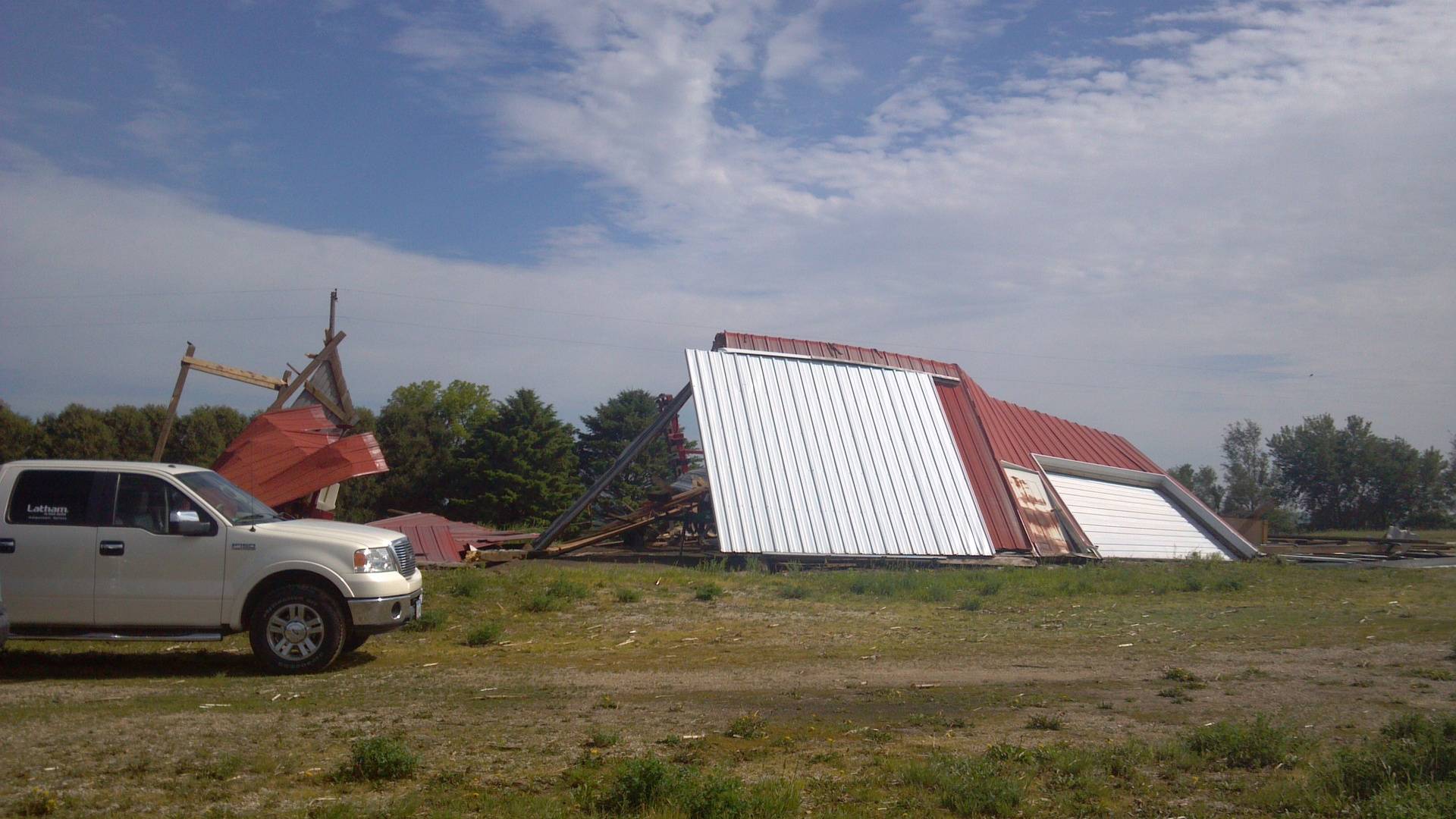
    Storm Damage in Northeast Iowa

    Yesterday, strong storms made their way through the Northeast, Iowa territory.  The band started at Hawkeye and moved up to Ossian bringing within 50 to 60 mph winds.  Nearby farm sites and fields didn’t fare well in the storm.

    I give this advice to farmers wondering what to do next after large storm events take their toll on growing plants:  The main thing to do right now is wait.  Wait for the corn to grow out of the injury.  Wait to spray until the plants have recovered to avoid herbicide damage.  Most importantly, continue to keep an eye out for diseases and consider a fungicide application later on in the growing season.  Baby those plants and do all you can to save yield as they continue to develop.

    Webspec Admin

    May 25, 2012
    Agriculture, General, Industry News
  • Latham Hi‑Tech Seeds

    Time to Turn Our Attention to Early Season Weed Control

    5 Larry 1


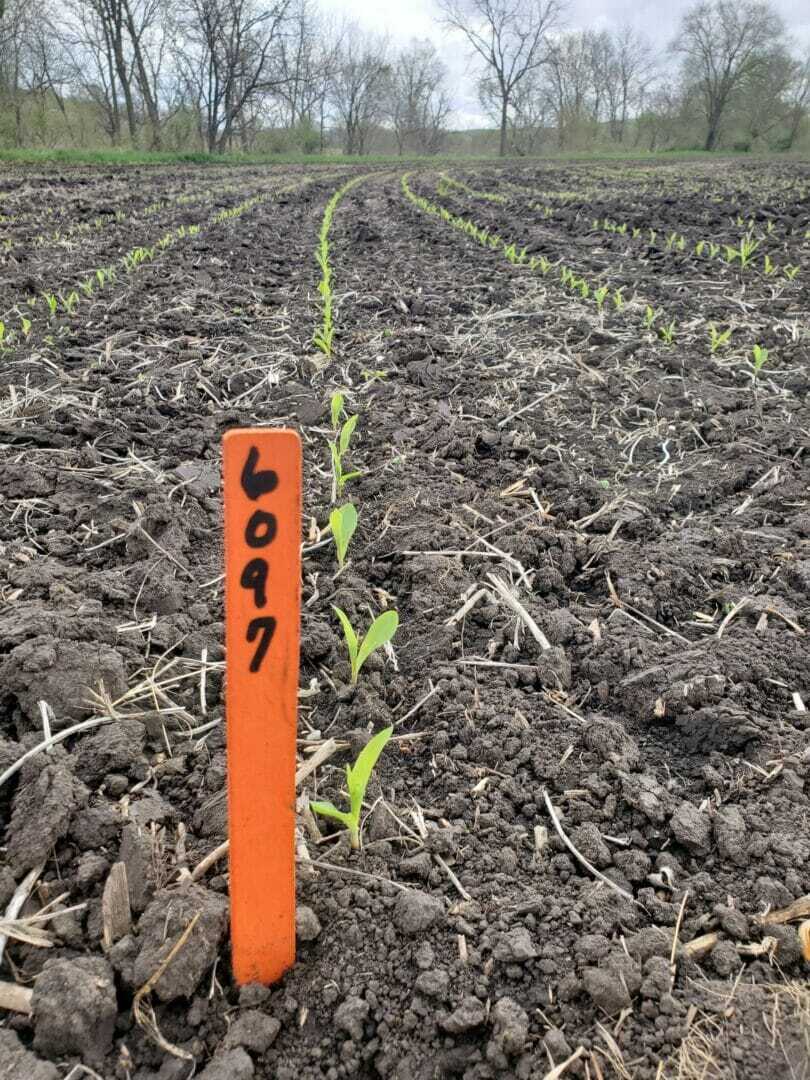
    It’s time to turn our attention to early season weed management.  It’s important for farmers to walk fields right after emergence and at least once weekly thereafter, so they can keep ahead of the insect and weed pressure.

    Be on the lookout for large-seeded weeds like giant ragweed, sunflower and cocklebur.  These weeds are always tough to control and should never be allowed to get established.  There were several weed species that took advantage of the early warm temperatures and got an early start: lambsquarters, waterhemp and other pigweeds.  Check your fields as soon as possible to see how successful your weed control measures have been.

    Additional measures like increased rates of post-emergent herbicides, spot-spraying or even hand weeding may be necessary to keep these from becoming an ongoing problem.  I’ve also noticed a lot of foxtail and other grasses as well as volunteer corn starting to show up in area fields.  Now’s the time to be scouting your fields for these potential problems so that you stay ahead of them in your efforts to keep your fields clean.

    Existing weed vegetation should be controlled with tillage, herbicides, or a combination of tactics, so the crop can become well established under weed-free conditions. Early-season weeds rob yields you cannot see at harvest. Crops have a better chance of reaching optimal yield when they’re not competing with weeds for sunlight, water and nutrients.

    Walking fields and noting where there is weed pressure will help you determine an action plan.  Take field notes and indicate where you’re seeing the pressure.  Depending on your findings, you may need to change modes of action.  Weed resistance is a growing concern.  Literally.  That’s why Latham Hi‑Tech Seeds offers farmers choices.

    Be proactive and manage your weeds before they become a problem.  Also manage herbicide resistance before it becomes a major problem.  Know what herbicides you are using, what they control as well as what they do not control, what replant restrictions exist and whether there is significant potential for crop injury.

    Webspec Admin

    May 24, 2012
    Agronomics, General, Weed Control
  • Latham Hi‑Tech Seeds

    Thoughts Filled with Farming, Family and Forkfuls of Food

    Musings of a Pig Farmer
    by Larry Sailer

    What’s the first thing that comes to mind when you think of celebrating?  Many people may think “cake and ice cream.”  I have to admit that I most often think “pork” first – more specifically grilled pork.

    Grilling pork means a feast for our family, and that’s how we spent Mother’s Day and my wife, Janice’s, birthday last weekend.  It’s also how we plan to celebrate our 30th wedding anniversary and my birthday today.  (Yes, my birth date and my wedding date are one in the same.   When you get married on your birthday, you never have an excuse to forget your anniversary!)

    We have had a lot to be thankful this week.  My seed is all in the ground, thanks to great help from my family over the past week.  Our youngest son, Corey, took a few days of vacation.  He’s a conductor for the Union Pacific Railroad but enjoys spending a few days every spring driving tractor.  My grandson, Devin, had a week-long break between the end of his spring semester at Iowa State University of the start of football practice / summer school.  He also had a blast running the tractor, and I was also glad for his help doing hog chores.  My granddaughter, Jessie, and grandson, Darin, helped do some yard work.

    Many hands make light work, whether you’re farming or grilling.  Last weekend my grandsons, Devin and Darin, helped me grill approximately 300 pork burgers for Mort’s Water Company of Latimer, Iowa. As we were flipping patties, I couldn’t help but think once again how government regulations could impact my farm.

    We must keep a close eye on the Department of Labor’s proposed regulations that could limit the extent to which the younger generation gets involved.  We must follow the Farm Bill debate as it, in a lot of ways, dictates how we farm.  We must also keep a close watch on organizations like the Humane Society of the United States (HSUS) that try to influence how we produce the safety, most abundant food in the world.  Americans also enjoy one of the most economical food supplies in the world. That’s not just my opinion, it’s fact.

    Regulation, specifically over regulation, costs money.  Duplication of laws and regulations creates added expense for government, businesses, farmers and even consumers!

    Larry Sailer, Musings of a Pig Farmer

    May 22, 2012
    Agriculture, General, Industry News
  • Latham Hi‑Tech Seeds

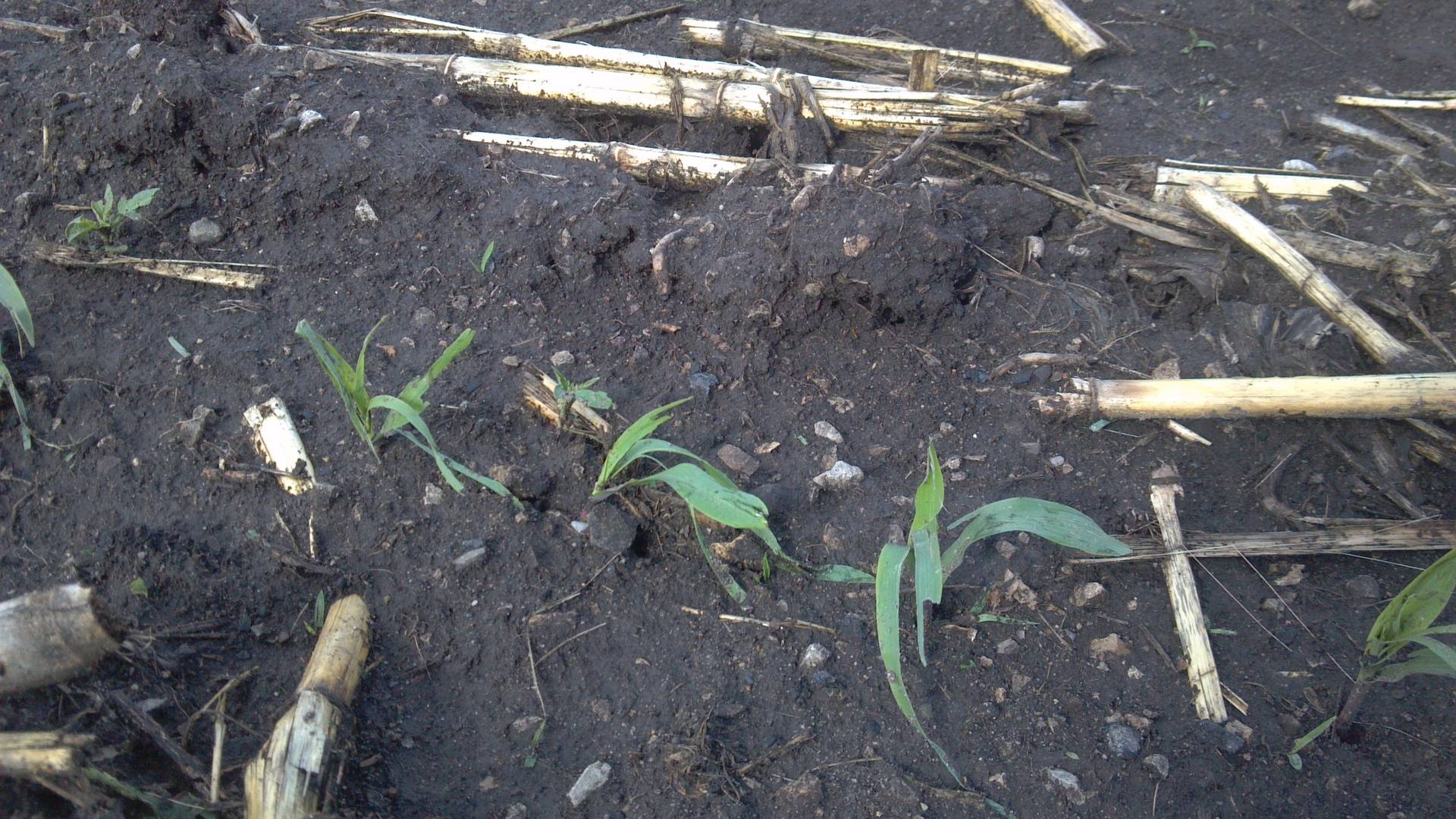
    Black Cutworms have surfaced in Northeast, Iowa

    Black Cutworm larvae have begun feeding in several areas across the Northeast Iowa territory.  Farmers are urged to begin scouting fields now and monitoring them closely.  UNL agronomists lend the following guidelines for cutworm pressure and treatment:

    If larvae found in the field are smaller than ¾ inch, then a threshold of 2 to 3 percent wilted or cut plants indicates an insecticide application is warranted. If larvae are longer than ¾ inch, the threshold increases to 5 percent cut plants. Remember to take into consideration the plant population in a particular field and adjust threshold numbers accordingly.

    Cutworm damage to corn plant
    Black Cutworm curled in soil

    Webspec Admin

    May 22, 2012
    Agronomics, General, Insects
  • Latham Hi‑Tech Seeds

    Latham Welcomes Summer Interns

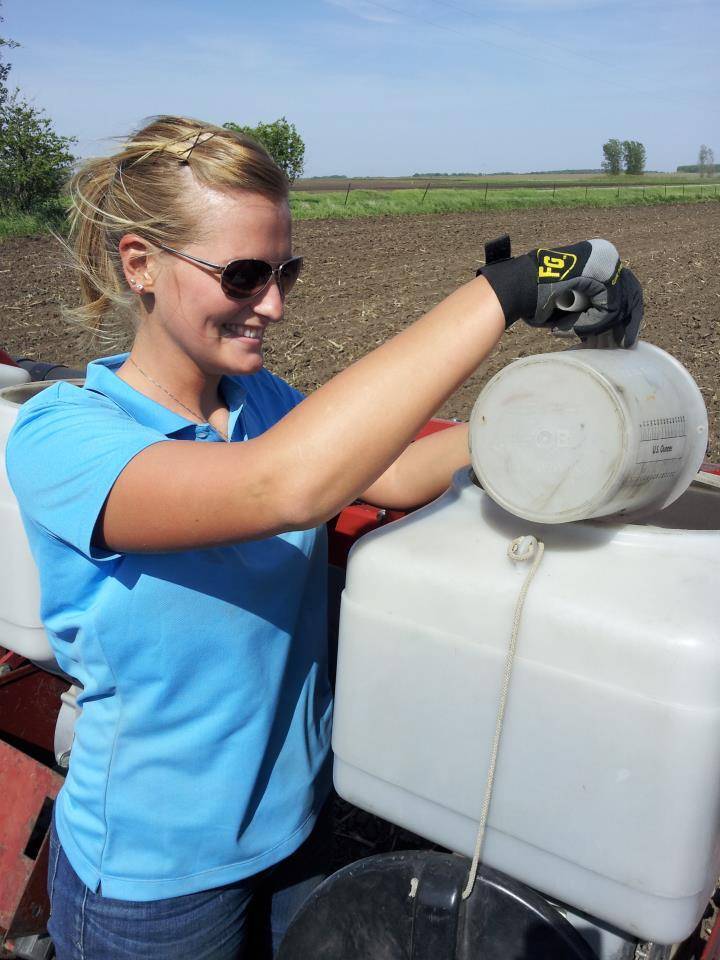
    School’s out for the summer!  That means we have more hands to help us this season as two Iowa State University students, Rachel Norby and Kourtney Determan, are interning with us.  Their first day on the job was Monday, May 14.  It was a busy first week as they met several Latham team members and began tackling their summer-long projects.

    Rachel says she’s looking forward to learning about the seed industry and building on her agronomy skills while working with the Latham and our Seed-2-Soil® program this summer. She grew up on a farm in Osage, Iowa, where her family raises corn, soybeans and Morgan horses. With a major in Agricultural Studies with a minor in Agronomy, this summer Rachel will be responsible for helping provide marketing support for Seed-2-Soil and our many research efforts across Latham country.  During Week 1, she helped RSM Chad Meyer plant a soybean showcase plot outside Sheffield.  She also helped Forage Products Manager Corey Catt plant some research plots in Alexander.  Now that these plots are in the ground, Rachel will begin early season crop scouting in Latham Country.  She’ll also be bringing us crop updates “From the Field.”  Look for future blogs on Rachel’s projects throughout the summer.

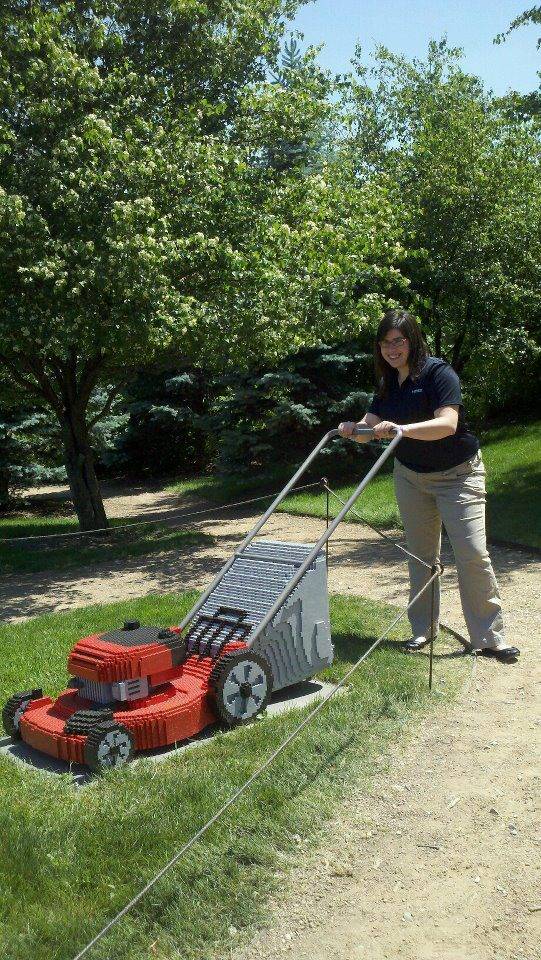
    Kourtney spent time during Week 1, getting familiar with Franklin County and its residents.  She also road-tripped to Blair, Nebraska, and visited a new Latham® dealer there during one of our “From the Field” remote broadcasts.  Kourtney is a Sac County native and is looking forward to getting acquainted with other regions in Iowa.  As an agricultural communications major, Kourtney’s primary responsibility will be writing farm families features for Friday blog posts on TheFieldPosition.com and then turning those feature stories into a book.  She’s also helping coordinate special events related to Latham’s 65th anniversary and our company’s annual sales meeting.  Since our sales meeting will be in Ames this July, she also traveled there this week to get some ideas of what families might enjoy during their free time.  It looks like the LEGO® exhibit at Reiman Gardens is worth a stop!

    Team Latham

    May 21, 2012
    Agriculture, General, Industry News
  • Latham Hi‑Tech Seeds

    Burger Basics: Tips to Create Perfect Patties

    Guest blog post by
    Michelle Baumhover, Director of Consumer Marketing 
    Iowa Beef Industry Council

    Burgers sizzling on the grill is a classic sign of summer.  By following a few simple steps, it will be easy to enjoy juicy, flavorful burgers this summer.

    Selecting the beef:

    • Select an 80/20 lean to fat ratio for optimum flavor and juiciness.
    • If fat is of concern keep in mind excess fat drips away during grilling.  You can also blot cooked burgers with a paper towel to remove any excess fat.

    Preparation:

    • Lightly shape burgers to ¾ inch thickness.  Overworking ground beef will result in a compact firm textured burger that could be dry.
    • Gently indent or form a well in the center of the burger to keep the burger from swelling in the middle during cooking.  The burger will flatten during cooking.

    Grilling:

    • Cook patties over medium heat for even cooking. Burgers grilled over too high of heat could overcook or char on the exterior before the center reaches the desired doneness.
    • Use a spatula or tongs to turn burgers.  Don’t press or pierce patties during cooking as that will cause flavorful juices to escape!
    • Cook burgers to an internal temperature of 160°F. The most accurate way to determine doneness is by using an instant-read thermometer.

    Get good, quality ground beef from a local locker or from a retail shop you trust, advises Sutter Homes Chef Starr. “Make sure it’s cold and fresh.  We like to use an 80/20 mix with 20 percent fat.  Fat is flavor!”

    To make a juicy burger, Chef Starr cautions cooks to avoid over-handling the ground beef.  Try your hand at grilling this weekend and put a new twist on the classic American burger!  More recipes are available from www.beefitswhatsfordinner.com.

    Team Latham

    May 18, 2012
    Beef, General, Recipes
  • Latham Hi‑Tech Seeds

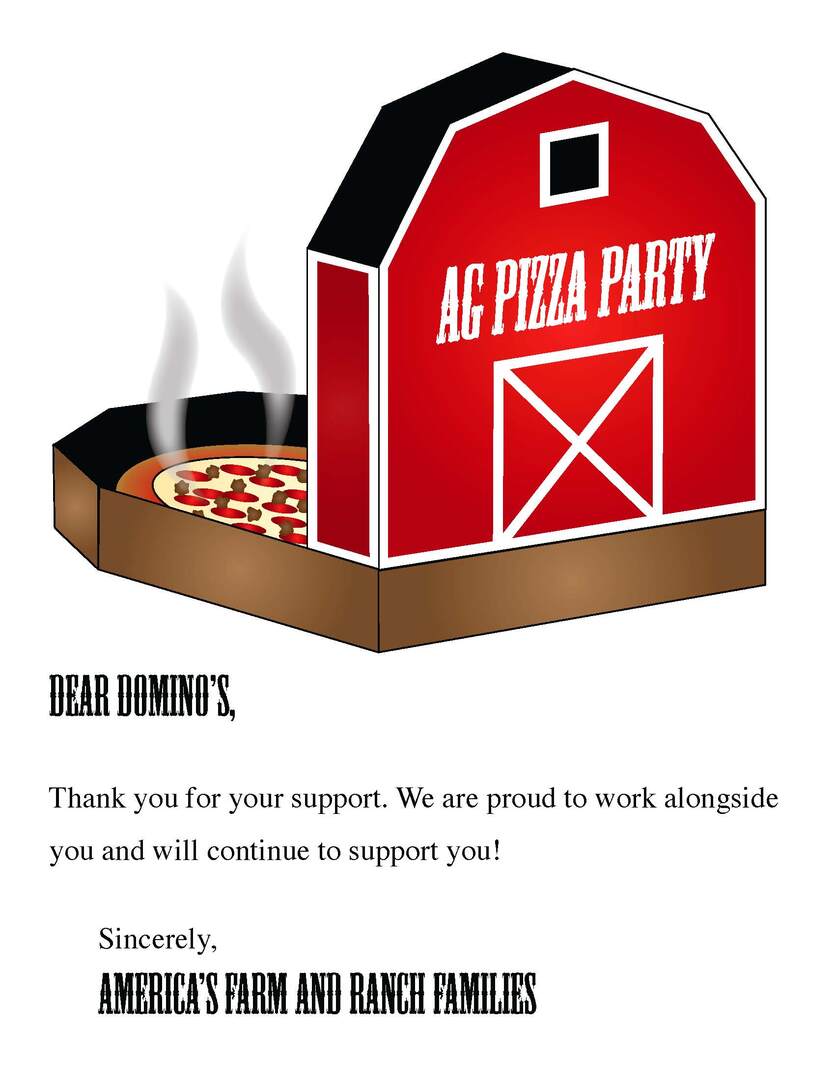
    Create a Domino’s Effect – Join the Party, May 18-20

    It’s truly a treat for our kids when our family spends the night in a hotel where Domino’s Pizza delivers pool-side.  One reason Domino’s is reserved for “special occasions” is because there isn’t one located nearby.  This weekend, however, I’ll drive 19.5 miles – or approximately 31 minutes – just for the principle of it.  I want to say, “Thank You, Domino’s” for supporting America’s farmers.  Why?

    Last month Domino’s shareholders had the fortitude to reject a request by the Humane Society of the United States (HSUS) to stop buying pork produced with the crates.  Domino’s spokesman Tim McIntyre said, “We rely on animal experts to determine what is the best way to raise an animal that’s being used for food.”

    Fifth generation Missouri farmer Chris Chinn was so encouraged to hear that the stockholders of Domino’s Pizza share her stand on animal care that she launched a grassroots movement on the Just Farmers blog.  “As a farmer, I respect Domino’s for its common sense decision and for trusting the experts in animal care,” she writes.  “Domino’s decision speaks volumes to me as a farmer.  It shows they trust the experts I trust.  It shows they trust me.  I appreciate that.”

    “We, in agriculture, need to make sure that we start showing appreciation to those companies that are willing to take some time to look into situations before jumping on a sensationalism bandwagon,” writes Mike Davelaar on The Truth About Agriculture blog.  “I’m going to pick up a couple pizzas and leave a note for the management of Domino’s.  I’d encourage all of you to do the same.”

    Order a pizza pie between May 18-20 and “pay it forward with pizza.”  Join the worldwide Ag Pizza Party.  You can bet it’s going to be a “special occasion” at the Latham house sometime this weekend.  And special occasions call for Domino’s!

    • A printable PDF flier for farmers & ranchers to give to their local Domino’s!
    • A printable PDF for any agvocate to give to Domino’s!
    • Mike Davelaar’s post on The Truth About Agriculture Blog
    • Chris Chinn’s Blog on Just Farmers

    Team Latham

    May 17, 2012
    Agriculture, General, Industry News
  • Latham Hi‑Tech Seeds

    Conservation, Compaction and Compliance: How the Farm Bill Influences Farm Management

    “Musing of a Pig Farmer”
    by Larry Sailer

    After getting a late start planting my crops, I pushed a little too fast and planted ground that was a little too wet. I thought about tilling the ground to work in the hog manure that I applied as fertilizer and to also help dry the soil. Wet soil at planting can cause a crusted layer to form, which may delay or prevent seedling emergence. Light tillage would’ve helped the seedlings break through the soil. However, I decided to stick with no-till to fight erosion. Now it looks like my yields are going to be reduced significantly because I didn’t work the ground and create a more suitable seedbed.

    The debate over whether to conserve soil and be in compliance or suffer a yield loss from compaction is taking center stage in this year’s Farm Bill debate. Politicians and activists insist on tying conservation efforts to farmer’s benefits, such as crop insurance. The government pushes us farmers to have this insurance and threaten to take it away if we fall “out of compliance.” If I would till my acres in an effort to produce more crops to feed a growing world, I would lose my crop insurance. Even though I’d be farming the most efficient, least risky way possible, tilling those acres is not allowed by the Farm Bill as it’s now written.

    Farmers have been producing food to feed the world since the beginning of the human race. The agricultural revolution of the 17th-19th centuries happened naturally and mostly without government intervention. Agriculture changed the world. Advances in technology and farming methods have allowed us to increase production while decreasing labor resources needed. For the first time in history, average income finally rose above subsistence level around the end of the 18th century.

    Just think what might’ve happened instead if the government had gotten involved around this time and mandated what farmers could and couldn’t do. I’m guessing we wouldn’t have the incredible quality of life that we do now. Regulations lead to less production, which leads to higher prices. So the government burden doesn’t just affect farmers. Government regulations on agriculture end up affecting consumers, local communities, and the world at large.

    Larry Sailer, Musings of a Pig Farmer

    May 15, 2012
    Agriculture, General, Industry News
Previous Page
1 … 107 108 109 110 111 … 159
Next Page

Latham Hi‑Tech Seeds

131 180th Street | Alexander, IA 50420

(641) 692-3258

SIGNUP FOR OUR NEWSLETTER
  • Contact
  • Legal
  • Dealer Center
  • Seedware Login
  • Latham Gear

© 2025 Latham Hi‑Tech Seeds. All rights reserved. | Iowa Web Design by Webspec | Privacy Policy

Latham® Hi-Tech Seeds is a trademark of M.S. Technologies, L.L.C., 103 Avenue D, West Point, IA 52656.