
Latham Hi-Tech Seeds

(641) 692-3258

  • Home
  • Products
    • Corn
    • Soybeans
    • Alfalfa
    • Corn Silage
    • Seed Guide
  • Performance
  • Find a Rep
  • Media
    • Blog
    • News
    • Videos
    • Podcasts
    • TECHTalk
  • About Us
    • Company History
    • Our Mission
    • Careers
    • Become a Rep
    • Sowing Seeds of Hope
  • Contact Us
  • Latham Hi‑Tech Seeds

    Crop Scouting Can Lead to Seed Selection in 2018

    Feature Tech Tuesday 01

    Tech Tuesday Header-01

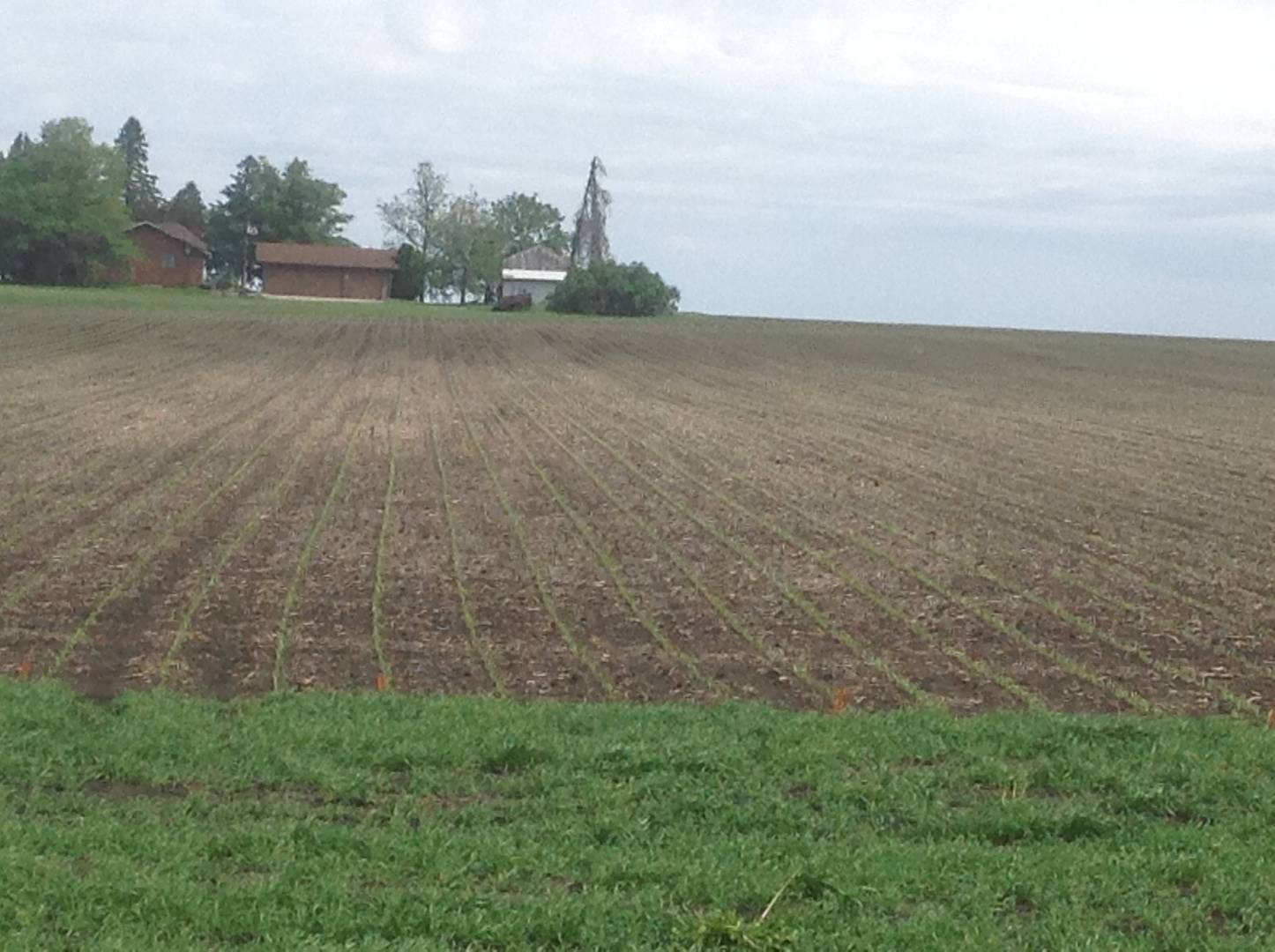
    While you may not get paid directly to walk your fields, I can say without a doubt that it will pay for itself. Mid-season crop scouting is important for two reasons: (1) different weed, insect and disease pressures become evident this time of year; and (2) summer months are a crucial time to decide which traits to implement when buying seed for the next crop year.

    By walking fields, you can catch any type of stress early that enhances the likelihood of opportunistic insects such as corn leaf aphids, European corn borer and armyworms. High humidity and heavy dew creates ideal conditions for diseases like we saw last season with Northern Corn Leaf Blight (NCLB).

    Black cutworm could be a larger problem this year as they’re known to cause more damage in fields where corn is planted later, and quite a few acres were replanted due to heavy spring rains and ponding. Fields of higher risk also include those that are poorly drained and low-lying; those next to areas of natural vegetation; and those that are weedy or have reduced tillage.

    The wide variance in planting dates also may cause rootworm beetles to move between fields. A late-maturing corn field may attract large numbers of beetles if neighboring corn stopped producing pollen, for example. Rootworm beetles may also move into corn and/or soybean fields that have an abundance of pollen-producing weeds, including volunteer corn, ragweed or foxtails.

    Controlling weeds will help control corn rootworm populations, as well as other insects like Two-spotted Spider Mites and aphids. Mites and aphids begin feeding along field edges, especially in weedy areas, before eventually developing into a field-wide infestation.

    Noting weed infestations can provide you with an opportunity to discuss this with your Latham Dealer and allow them give you to suggestions to mix up modes of action when selecting next year’s seed products. Latham’s Regional Field Days display the trait options available for 2018 planting. Make plans now to attend one of these regional plot days and discover more about the options Latham has to offer next year! Stay tuned for updated information about field day dates and locations in the coming editions of TECHtuesday.

    Webspec Admin

    June 13, 2017
    Corn, Insects, Tech Tuesday
  • Latham Hi‑Tech Seeds

    Podcast: Soybean & Corn Replant

    LIBSYN header 4

    LIBSYN header 2-01

    http://traffic.libsyn.com/fromthefield/ATA_Week_6.mp3

    Welcome back to our Ask the Agronomist Podcast! Phil is traveling across Latham Country this week and gives us a update form the field, with an emphasis on replant.

    0:45 — From the Field update

    1:30 — Is replant still on the minds of famers in Latham Country?

    4:30 — Weed Pressure

    5:15 — Stand counts & uniformity

    7:25 — When does replant date compromise yield?

    9:10 — Interplanting in your fields?

    Thanks again for tuning in! Find us on Facebook, Twitter or Instagram to submit your agronomy questions. See you back next week!

    Webspec Admin

    June 8, 2017
    #AskTheAgronomist, Corn, Crop, Podcast, Soybeans
  • Latham Hi‑Tech Seeds

    From the Field Crop Report: Week of June 7

    James 2

    Eastern North Dakota

    Brain McNamee

    We talk about the importance of field-by-field placement, and here’s a textbook example. I was driving around my territory when I saw this field and stopped to visit with the farmer about his situation.

    Given the weed pressure in this field, different soybean seed technology should have been used. One advantage of working with independent Latham Hi‑Tech Seeds is that we sell all technology platforms, so we can work with farmers to help them chose the best system for a given situation.

    If this particular farmer could have a do-over, he would have selected a different pre-emergence herbicide. A full quart of Powermax® and Authority® Assist did nothing to this marestail. Fortunately, an agronomist found a recipe to take care of 90% or better of these glyphosate-resistant buggers.


    Northeast South Dakota

    James Keltgen

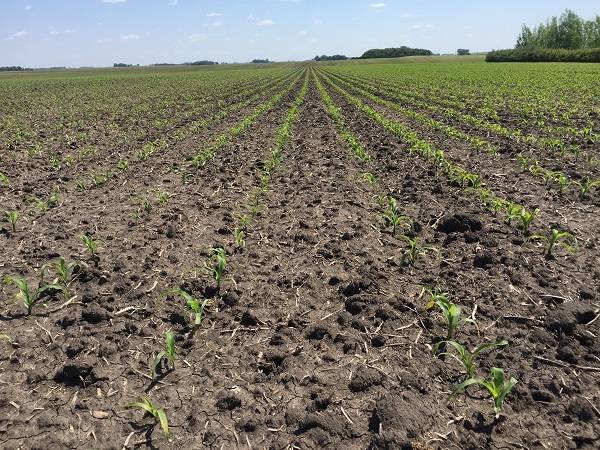
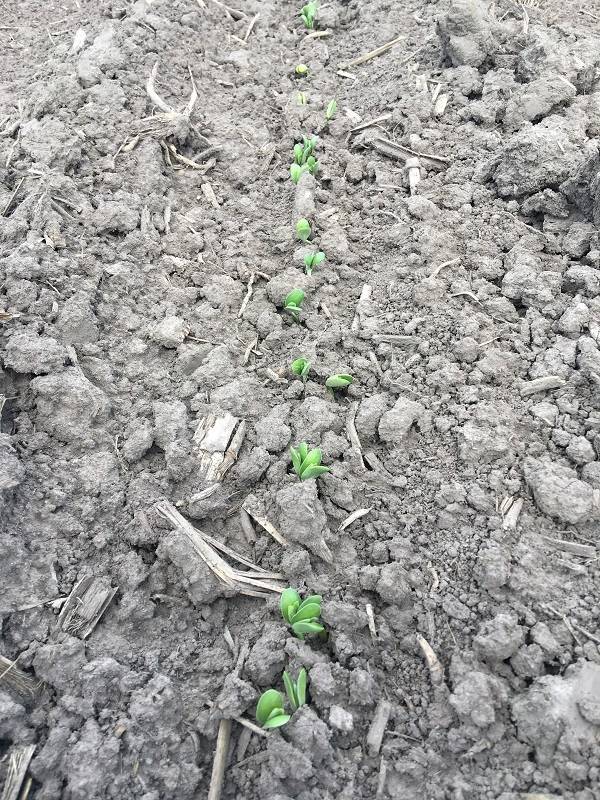
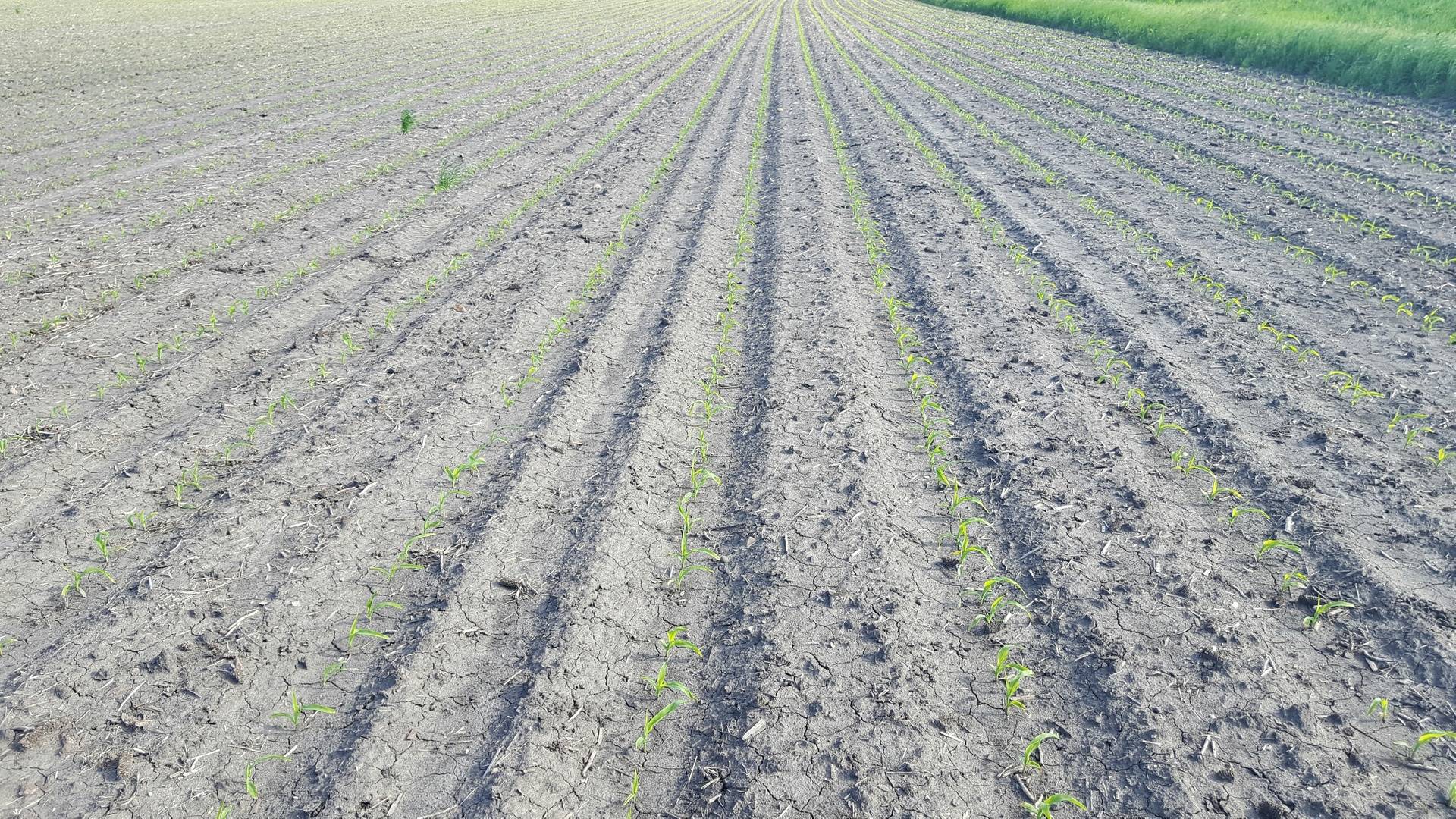
    Rain has yet to fall in the areas where it’s needed the most. Rain is desperately needed as both corn and soybeans have yet to emerged due to dry soils. In areas that received moisture, the heat is moving corn development along. Soybeans range in stages. Wet spring weather in some areas delayed planting, so farmer there are working to finish now.

    James 1

    Photo 1: LH5095VT2 nearing V5 stage

    James 2

    Photo 2: Soybeans aren’t poking through yet

    Southeast South Dakota

    Ramie Coughlin

    We’re starting to be able to row soybeans. Some plants even have the first trifoliate. Click here to see what each stage of plant growth looks like.


    Northern Minnesota

    Ken Highness

    My grandson Braxton and I were scouting a soybean field near Glyndon, Minnesota, for emergence and symptoms of any seedling diseases.

    Ken Highness

    Southern Minnesota

    Brandon Wendlandt

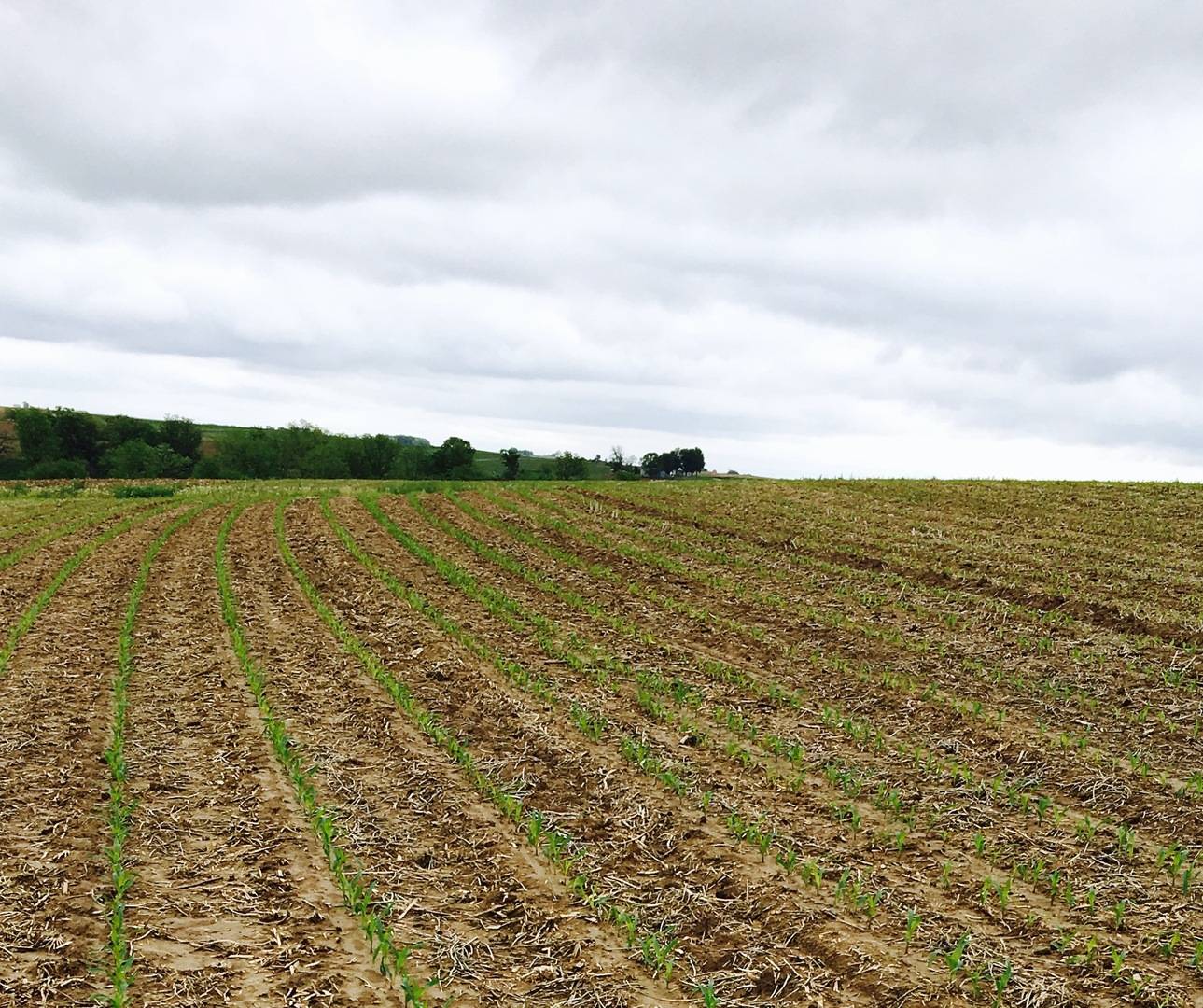
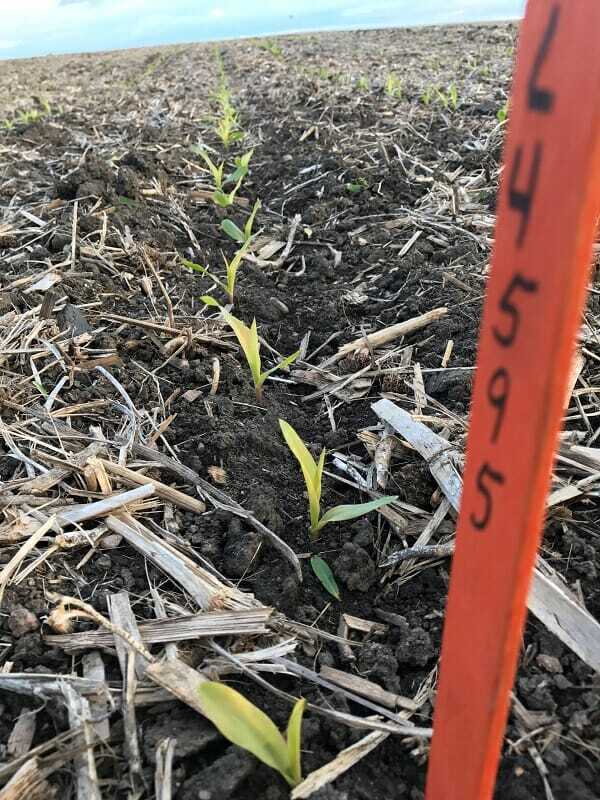
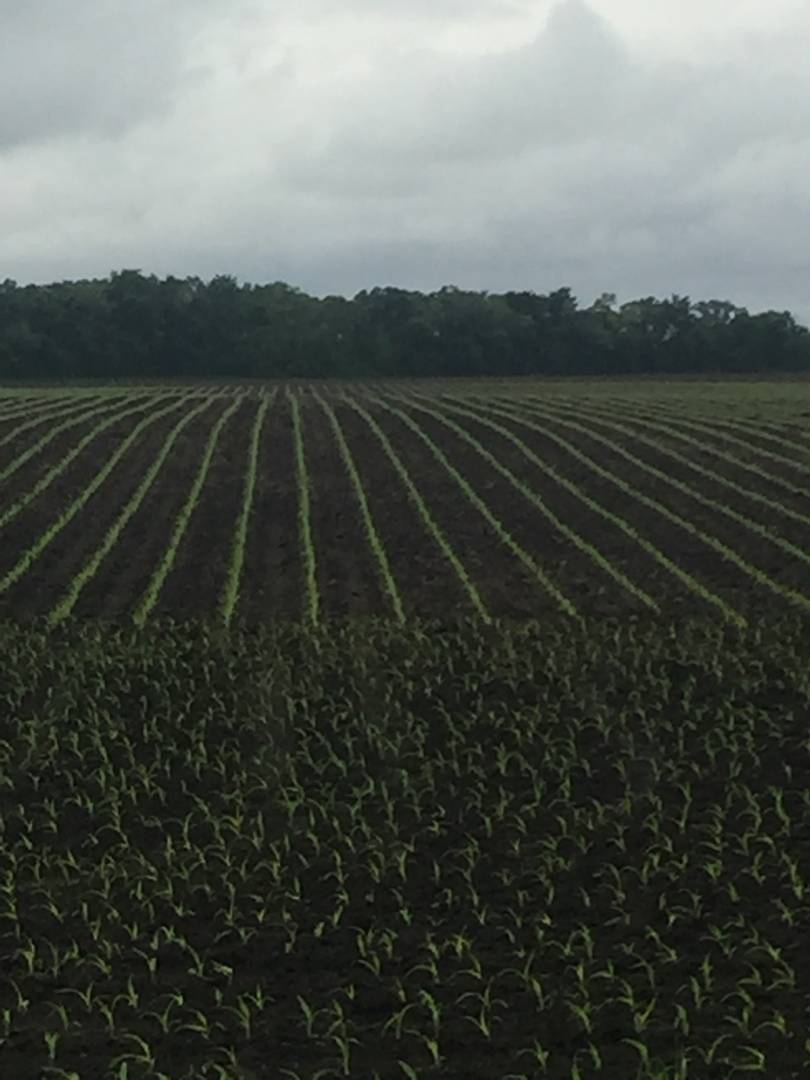
    A customer invited me to walk this field with him late last week. He was very impressed with his Latham® hybrids and was excited to show me the emergence of LH 4455 VT3 PRO RIB. This field was planted April 20 with a population at 35,500. The right half of this picture shows LH 4455 VT3 PRO RIB, and we assessed stand counts at 35,000 plants! The left half of the picture shows the competitor at 26,000 plants.
    Brandon

    Southern Wisconsin

    Greg Mair

    Wisconsin’s wet and cold weather has straightened out! We’re finally getting sun and heat. I can’t believe I am saying this, but some of the later planted fields could actually use a shower.   Around Janesville, Wisconsin, almost all of the soybeans are popping through the soil. This field of Latham® IroncladTM 2084 R2 Soybeans, which was planted on May 31, shows great growth in just one week.

    Greg

    Northwest Iowa

    Darin Chapman

    Following another wet spring, farmers in Northwest Iowa are in a position where they have to make the difficult decision whether or not to replant due to heavy rains, drowned outs, and crusting. The timing of rainfall is key, and we could use a gentle shot of rain here in Northwest Iowa!

    Darin

    South Central Minnesota & North Central Iowa

    Cory Greiman

    You see some interesting things while scouting fields.  Pink colored seed treatment shell is still on cotyledons of this emerged soybean plant.


    Southeast Minnesota & Northeast Iowa

    Craig Haaland

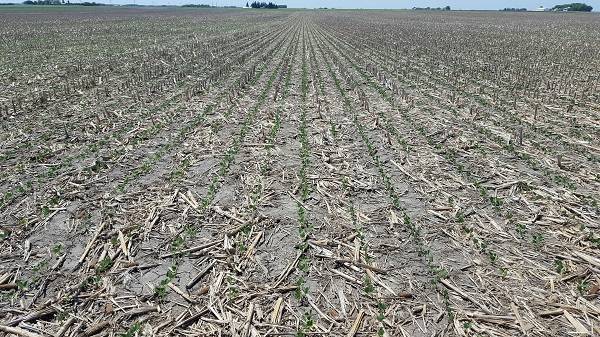
    This field of Latham® 2084 R2s was planted May 14 in 7.5-inch rows at 140,000 population into no-till. It’s looking good considering no rain has fallen since then in Mitchell County. Our crops could really use a drink.

    Craig Haaland

    West North Central Iowa

    Bart Peterson

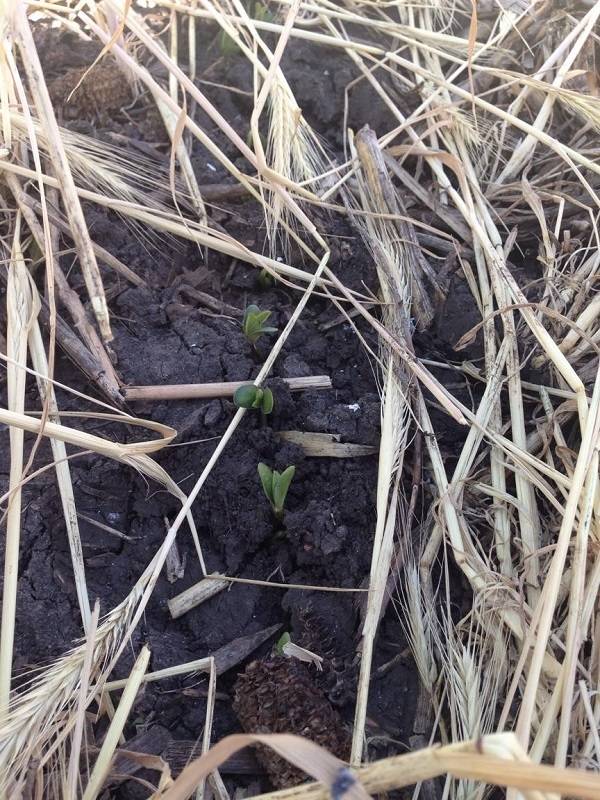
    If you look closely, you can see soybeans poking their heads above the ground into the dead rye cover crop. Marvin Beneke, a Latham dealer from Palmer Iowa, sent to pic to me last week.

    Bart 1

    Eastern Iowa

    Jerry Broders

    Many farmers are apply post-emerge herbicides on corn and soybeans. For best results, it’s important to follow label directions on all post-herbicide applications. Remember, it’s is not the height of the corn that matters but rather the stage of growth.

    Also be sure to keep an eye on your crops for cutworms and army worms. They are out there and can be devastating on your corn crop.


    Central Iowa

    Bryan Rohe

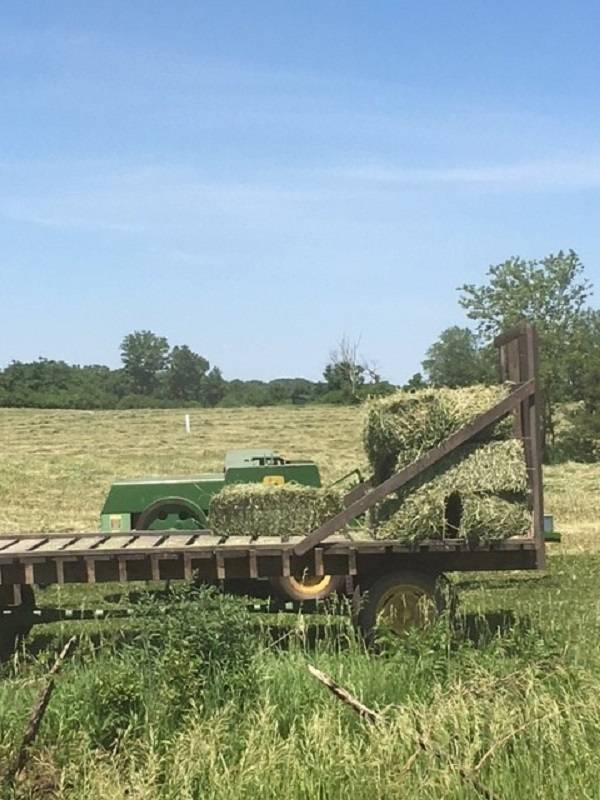
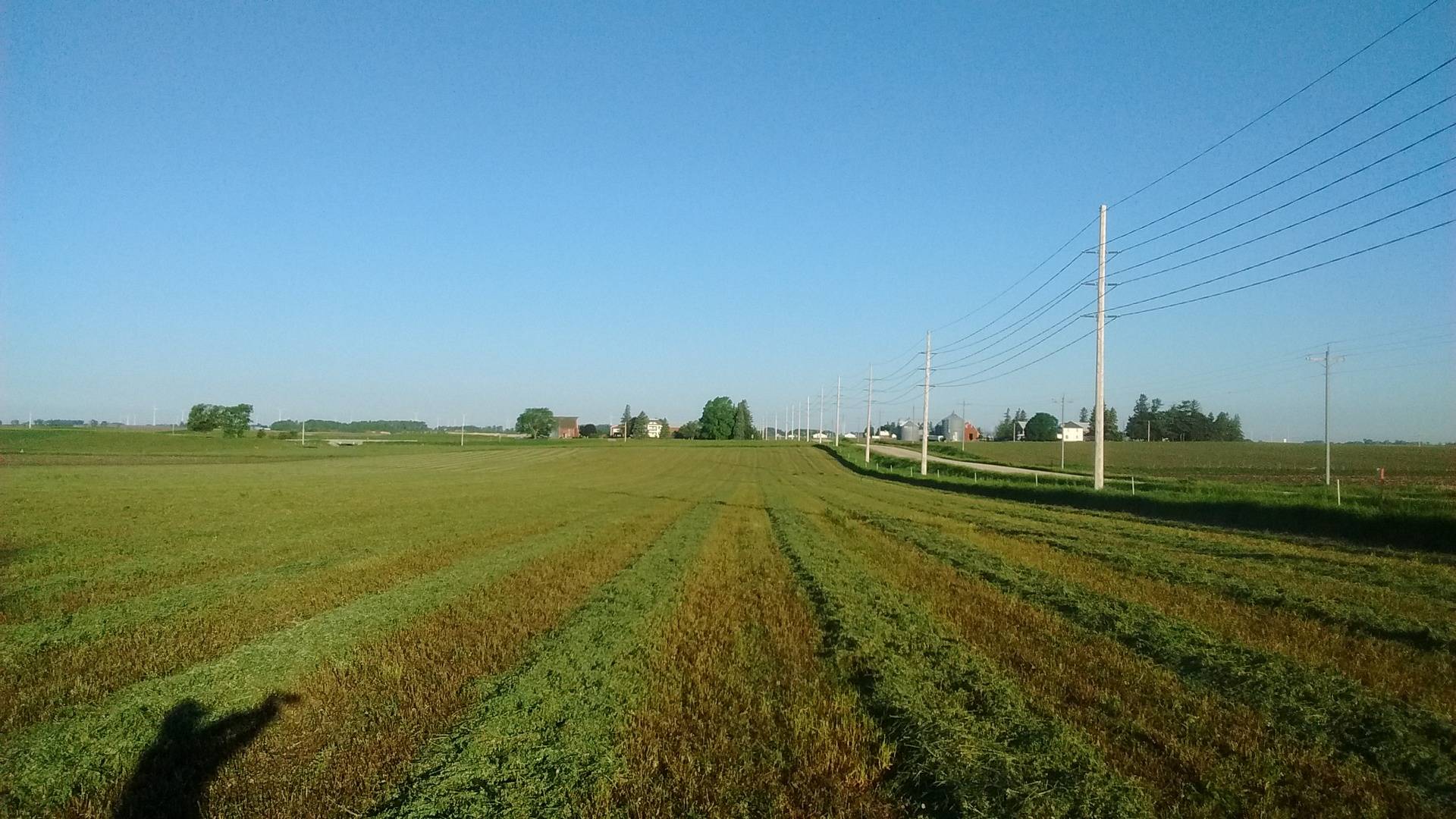
    You know what they say, “make hay when the sun shines.” This week lots of mowing, raking and baling is being done across Central Iowa.

    Rohe

    Webspec Admin

    June 7, 2017
    Corn, Crop, Season, Summer
  • Latham Hi‑Tech Seeds

    Plant into the Best Seedbed Possible

    Feature Tech Tuesday 01

    Tech Tuesday Header-01

    One of the things I like most about spring is you get to enjoy all four seasons in just a few days. In mid-April, we had snow flurries with an overnight low of 16 on a Sunday. A warm wind brought temperatures into the 70s by mid-week, and that weekend rain fell. That’s why I always tell people to plant by the conditions, not the date on the calendar!

    Soil conditions are far more important than planting date. Rather than mudding in your seed to say that it was planted early, you’ll have a better chance of achieving maximum yield by planting into properly tilled soil. Working soils that are too wet leads to yield loss and more problems during the growing season from soil compaction. Restricted root development, nutrient deficiency and reduced infiltration rate are among the top 10 reasons to avoid soil compaction.

    Adapted full-season corn hybrids can compensate somewhat for later plantings. As planting is delayed, hybrids shorten the time between planting and silking. Research shows that development and final yield of these hybrids will not be largely affected unless frost occurs especially early in the fall. That’s why we recommend waiting until May 15 in North Dakota and May 25 in Iowa before switching to an earlier maturing corn hybrid or switching to soybeans.

    Patience is also key when planting soybeans. Planting into a field that is too wet will reduce emergence and plant population, which most often leads to reduced yield. Another cause of reduced yield is weed pressure. Make sure the sprayer is right behind the planters. Otherwise, soybeans might poke through the ground before your pre-emerge was applied.

    We get one chance every spring to create the best seedbed possible for planting, so let’s take advantage of it! This may require a different piece of tillage equipment than originally planned, but taking the time to make the equipment switch will pay big dividends by resulting in better seed-to-soil contact that enhances germination and early growth.

    Webspec Admin

    June 6, 2017
    Corn, Crop, Soil, Soybeans, Tech Tuesday
  • Latham Hi‑Tech Seeds

    Podcast: Early Season Crop Scouting

    LIBSYN header 4

    LIBSYN header 2-01

    http://traffic.libsyn.com/fromthefield/ATA_Week_5.mp3

    Welcome back to week 5 of our Ask the Agronomist Podcast! Today, Phil explains the difference between abiotic and biotic issues in the field throughout Latham Country.

    0:35 – What are abiotic & biotic stresses?

    1:10 – Abiotic Issues: Herbicide Damage

    3:15 – Abiotic Issues: Crusted Soil & Compaction

    4:10 – Abiotic Issues: Emergence

    4:45 – Abiotic Issues: Yield Loss

    5:45 – Biotic Issues: Seedling Diseases & Insect Pressure

    6:40 – Replant Decisions

    9:00 – Corn & Soybean Growth

    Remember to submit your questions to us on social media! Find us on Facebook, Twitter or Instagram. Thanks for tuning in!

    Webspec Admin

    June 1, 2017
    #AskTheAgronomist, Corn, Crop, Podcast, Soybeans
  • Latham Hi‑Tech Seeds

    From the Field Crop Report: May 31

    Bart 28

    Eastern North Dakota

    Brain McNamee

    Brian

    Most of North Dakota is starting to look arid as we have gone all spring without moisture. We’ve been chasing the moisture down with seed placement and have hit our limits. The ground has hardened, and soil conditions are growing worse by the day. Later planted corn and tens of thousands of acres of soybeans have been planted into dry soils. With the widespread use of pre-emergence chemicals, there’s potential seedling loss to due chemical activation and plant emergence all at once. We need rain in the worst way and we need it soon!

    Northeast South Dakota

    James Keltgen

    James

    This field of Latham® Hi‑Tech Hybrids at Hermosa is looking great! Due to cooler than average temperatures, heat units are lacking in Northeast South Dakota. Central and North Central parts of the state are extremely dry. Soybeans need moisture to germinate in many areas of the state. 

    Southeast South Dakota

    Ramie Coughlin

    Ramie

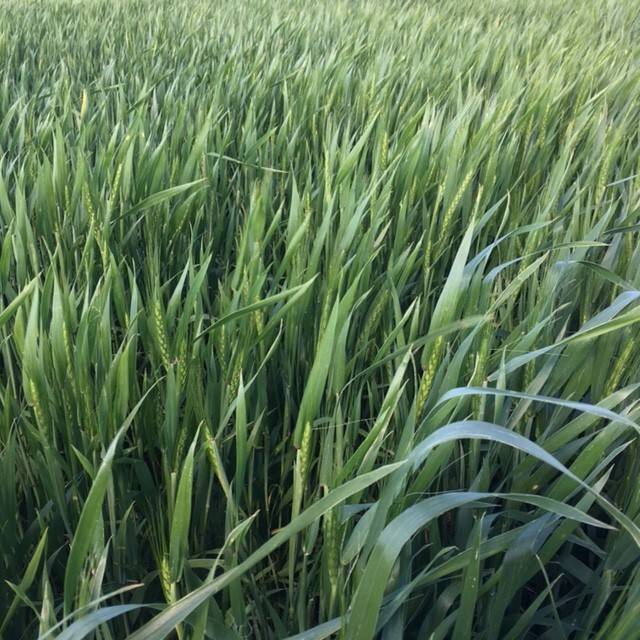
    After a few days of some much needed rain and warmer weather, the crops are growing vigorously. Wheat is heading, and the first cutting of hay is down.

    Northern Minnesota

    Ken Highness

    Ken

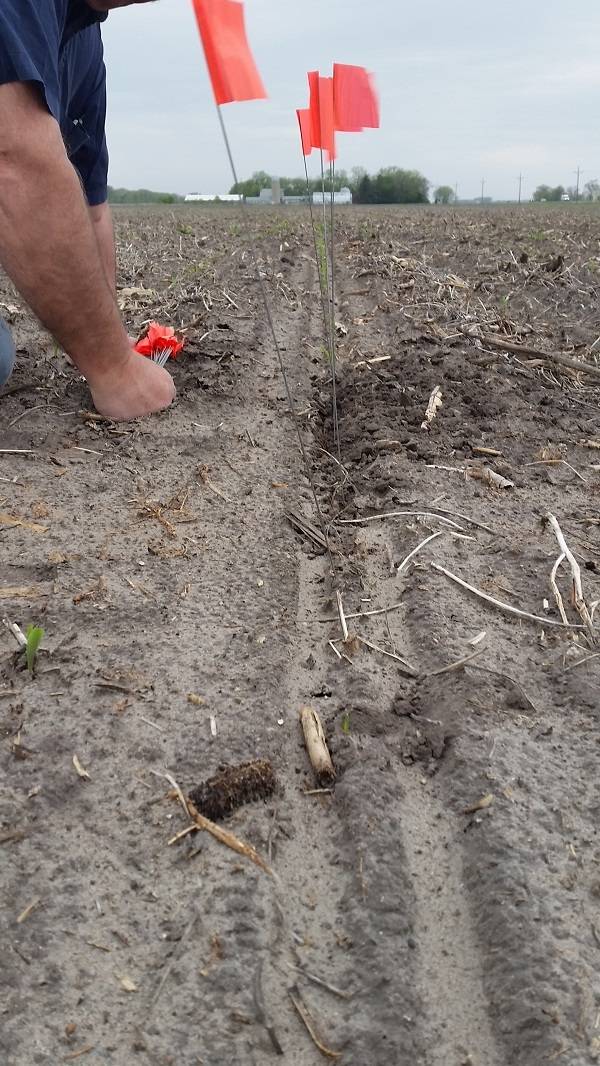
    It’s been a tough spring! Cold temperatures and rain after planting affected emergence, especially in low areas of the field. The red flags represent poor emergence or no emergence at all. Click here for tips on assessing corn and soybean stands.

    Southern Minnesota

    Brandon Wendlandt

    Brandon

    Yesterday Latham’s regional Technology Showcase Plot was planted near Mountain Lake, Minnesota. This soybean plot features Roundup Ready 2, Roundup Ready Xtend, and Balance GT. Come see them yourself at our plot day on Aug. 22!

    Southern Wisconsin

    Greg Mair

    Greg 1

    It’s been another wet week across Wisconsin. While many farmers across the Corn Belt are talking about replants, we’re just praying we can get good enough weather to get the crops in once! 

    This field of Latham® LH 5335 VT2 PRO was planted April 25.  It was in the ground about 18 days before it emerged, but the stand looks great.  The forecasted warmer temps should help improve plant health. 

    Northwest Iowa

    Darin Chapman

    Darin

    Brian and Adam Schaffer, Latham Hi‑Tech Seeds dealers in Sheldon, Iowa, are finishing up their soybean plot. There are some concerns of replant following heavy rains and crusting. A small shower and sunshine greatly benefit crops across Northwest Iowa!

    North Central Iowa & South Central Minnesota

    Cory Greiman

    Cory G

    You know what they say, “The time to make hay is when the sun is shining!” Fortunately, it looks like farmers in North Central Iowa are going to catch a break from an especially wet spring in time to bale first cutting.

    Southeast Minnesota & Northeast Iowa

    Craig Haaland

    Craig H

    This field of Latham® LH 5175 VT2 DG RIB DroughtGard® was planted May 5 by Lime Springs, Iowa. This tough hybrid that got hailed on, but it’s starting to turn green after the recent warmer weather.  It’s important to keep scouting fields, assessing stands and controlling weeds.

    West North Central Iowa

    Bart Peterson

    Hail and straight line winds on Tuesday, May 16, caused this 200-acre field southwest of West Bend, Iowa, to be replanted. Click here for tips on assessing hail damage.

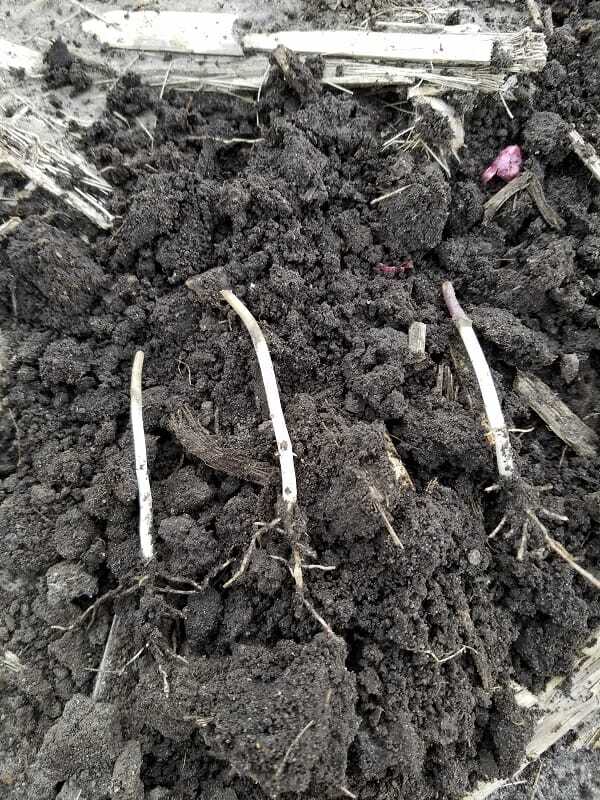
    After digging seed from the ground, I saw hypocotyls and the cotyledons missing. It’s sad to say that more than 50% of the field looked like this. 

    Eastern Iowa

    Jerry Broders

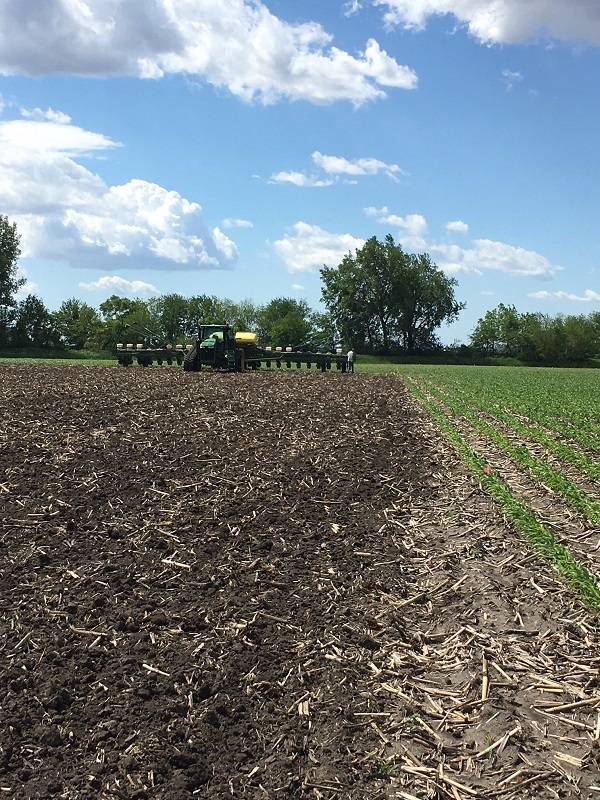
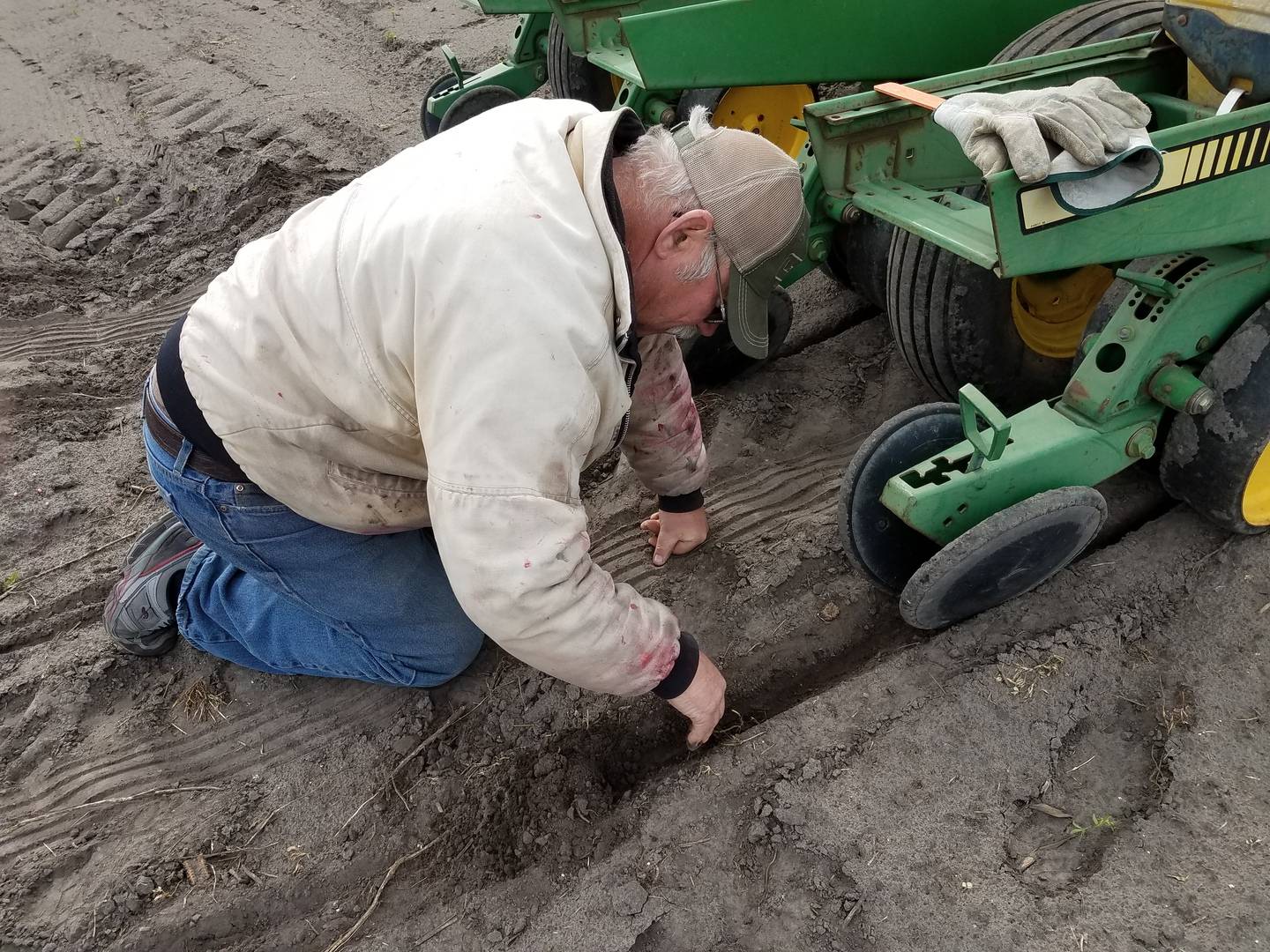
    Picket fence stands and uniform emergence begins at the planter. While planting, farmers need to get out of the cab periodically to check: (1) seed-to-soil contact; (2) planting depth and (3) seed spacing.

    Planter adjustments are key when planting. Missing plants will decrease yield. Finding too many doubles is not only a waste of seed, it can also mean that your planting units are in need of adjustment or repair.

    SuperStrips are exclusive to Latham Hi‑Tech Seeds and play an important role in our internal research program. The same group of soybean varieties and hybrids are planted in several locations across Latham Country, so we can gather data on how they perform across different environments and soil types. This data is then used to help our farmer-customers make product selections on a field-by-field basis.

    Latham® Dealer David Boeding plants a Latham SuperStrip on his farm in eastern Iowa. Planter boxes are cleaned before a different variety or hybrid is planted, so we can be sure that row is pure.

    Central Iowa

    Bryan Rohe

    Bryan

    A two-day window before rain is forecasted is allowing many Central Iowa farmers to finish planting. This week we planted a Latham® soybean plot near Cambridge.

    Webspec Admin

    May 31, 2017
    Corn, Crop, Season, Spring
  • Latham Hi‑Tech Seeds

    From the Field Crop Report: May 24

    James 12

    Southeast North Dakota

    Gary Geske

    Cool, wet weather has slowed root development and some plants are showing a yellowing or purplish leaf color. Warm weather should enhance development of the roots. Normally, there is no yield reduction from plant discoloration at this time in the growing season unless it’s fertility driven by low nutrient levels.

    Southeast South Dakota

    Ramie Coughlin

    We have cold saturated soils in Southeast South Dakota on the 23rd of May. Most corn fields are up and can be rowed on a drive by. Unfortunately, when you stop and look closely it, there is a bit of a yellow tint to it. These crops need sunshine and warm temps.

    Northeast South Dakota

    James Keltgen

    Things have really changed in the last week. Many areas received decent levels rainfall, which halted planting. Areas in Central South Dakota are still very dry, and areas in East Central South Dakota are very wet as more than 3″ of rain fell. Cool, cloudy weather slowed growth as you can see slight yellowing in corn. Emergence looks very good and even in corn and many soybeans are starting to crack.

    Northern Minnesota

    Ken Highness

    Ken

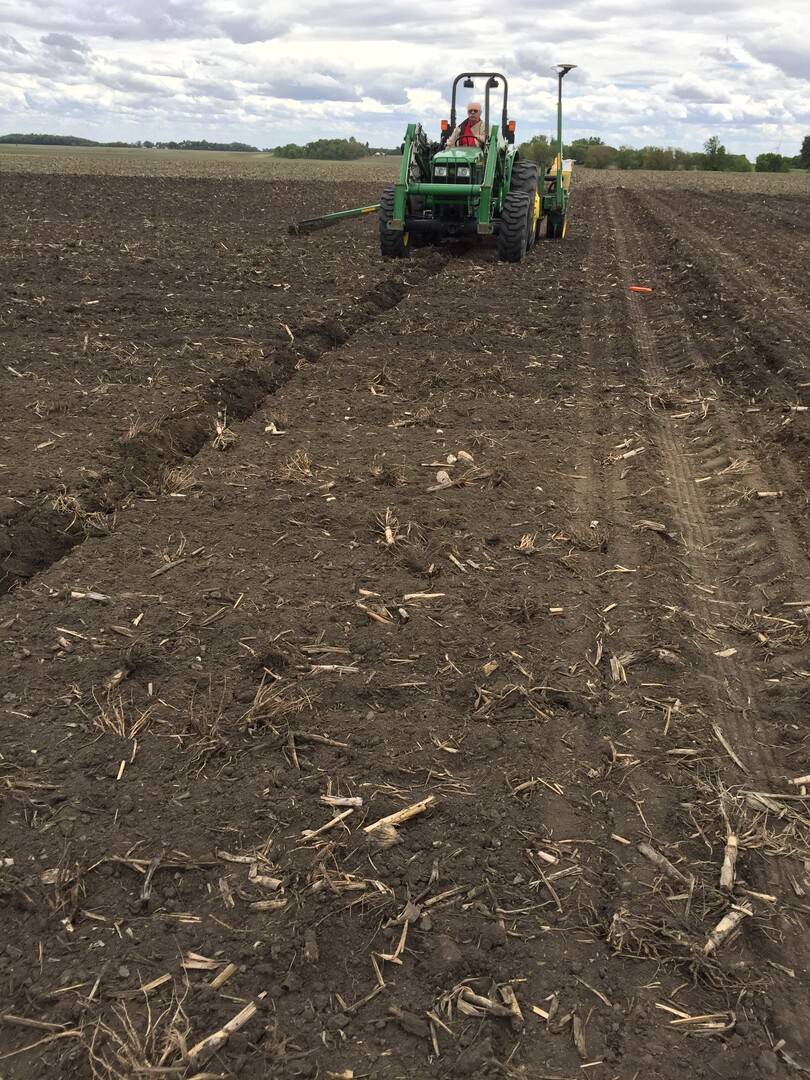
    Gary Geske and I planted Latham’s regional corn and soybean plot on May 23. Gary is pictured here, checking seed depth. The plot is located on the southwest corner of State HWY 10 and State HWY 9 near Glyndon, Minnesota.

    Southern Minnesota

    Brandon Wendlandt

    brandon

    This field of LH 5095 VT2 was planted April 23. Rain, clouds and low temperatures this past week hasn’t promoted much growth. Once the sun returns, just watch that corn grow!

    Even with our cloudy, cool spring weather we are only running 10 GDU days behind the historic mark for may according to the University of Minnesota Outreach Center in Lamberton.

    Southern Wisconsin

    Greg Mair

    Mair

    If we could get a string of sunny days, corn planting could wrap up in Wisconsin. Sunshine and warmer temperatures are also needed to push along crop development.

    Latham® Hybrid LH 5099 SS was planted May 8 in Ripon, Wisconsin. This field shows uniform emergence and growth, but that’s not the case everywhere. Unfortunately, cooler temps are hampering growth across the region. 

    With the significant rainfall we have had, it is important that growers get out and walk fields as conditions allow. 

    Call your local Latham seed supplier or RSM at 1.877.GO.LATHAM if you would like a second opinion as to whether replant is needed. Additional tips are available online here.

    Southeast Minnesota & Northeast Iowa

    Craig Haaland

    Craig

    It was a beautiful, sunny day with temps near 70 degrees in early May when Latham dealers Frank and Matt Wyatt of Hudson, Iowa, planted their corn plot. We’ve received a lot of cold, rainy days ever since. Warmer days are in the forecast, so we these crops should turn the corner with sunshine and heat.

    West North Central Iowa

    Bart Peterson

    Due to rotator cuff surgery, Latham® dealer Marvin Beneke needed a helping hand picking up empty hard boxes from his customer’s farms. I thought was quite the neat collection of antiques at one of the stops we made.

    Eastern Iowa

    Jerry Broders

    Craig Christians, Latham Territory Sales manager, rode with me to visit Latham® Dealer Chris Chriss’ farm in western Illinois. Crop scouting and plant evaluation is part of my job at Latham Hi‑Tech Seeds. This plot emerged 8 days after planting.

    Central Iowa

    Bryan Rohe

    Bryan

    Busy time collecting hard boxes and pallets. Few areas talking about replanting as well. Check your fields as soon as possible.

    Western Iowa & Eastern Nebraska

    Larry Krapfl

    Parked equipment is a common site since we’ve experienced 7 days of rain. Fields are too wet to enter. We’re seeing a lot of ponding. With more rain on the way, it’s likely replant will be needed. Click here for replanting tips.

    Northwest Iowa

    Darin Chapman

    Phil Long, technical agronomist manager for Latham Hi‑Tech Seeds, and Darin Chapman, Latham regional sales manager in Northwest Iowa, are performing on-farm research with a multi-hybrid planter while flying our drone. In addition to studying multi-hybrid performance throughout the field, they also studying tillage practices and planter performance using FieldView. These studies will pair well with Latham’s Seed-2-Soil® agronomic services!

    North Central Iowa & South Central Minnesota

    Cory Greiman

    Cory G

    Sourced by usclimatedata.com
    Sourced by usclimatedata.com

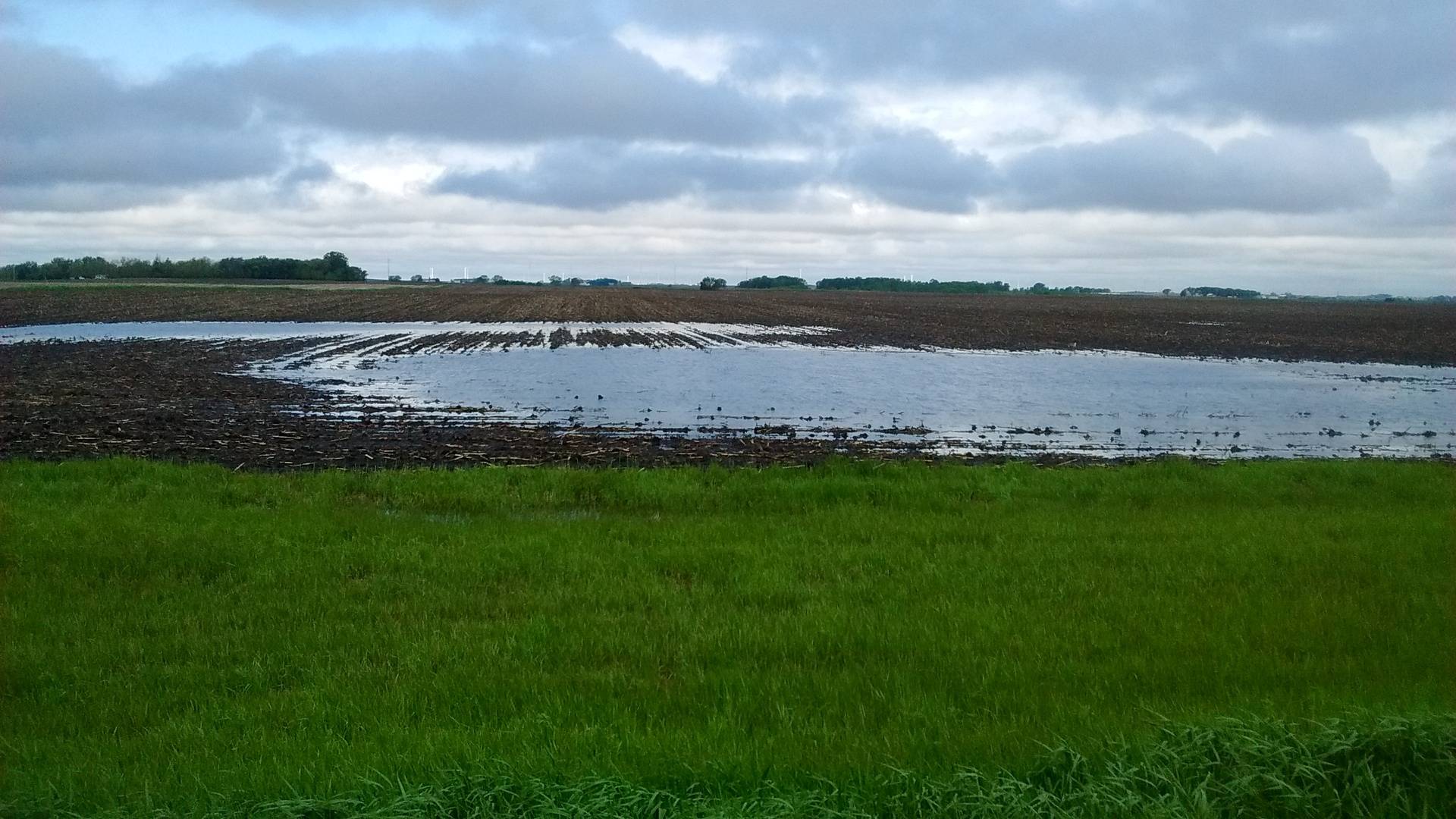
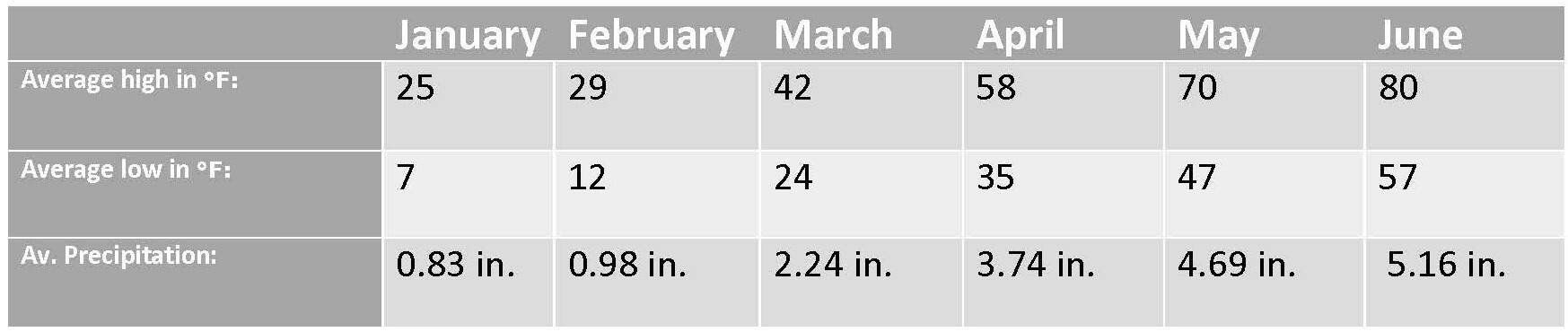
    Due to excessive rainfall, ponding is a common​ sight in fields throughout my territory. More than 16 inches of rain has fallen this season. On average, North Iowa receives about 7.7 inches of precipitation from January through May. Farmers will be busy checking fields and evaluating where replants are needed.

    Eastern North Dakota

    Brain McNamee

    alfalfa

    This is a picture of newly established field of Latham 400HVX Roundup Ready Alfalfa in western North Dakota. This field is very sandy/rocky. Overall, this field is a poor producer with a weed problem. This alfalfa was recently sprayed with Roundup, so we’ll be monitoring it to see how it controls weeds and yields. 

    Webspec Admin

    May 24, 2017
    Corn, Crop, Season, Soybeans, Spring, Weather
  • Latham Hi‑Tech Seeds

    It Pays to Watch Crops Pop Up in Rows

    Feature Tech Tuesday 01

    Tech Tuesday Header-01

    Plant15 row your cornThere are more than 1,000 variables that can affect crop development throughout the growing season. Soil conditions, planter settings, seed spacing and seed planting depth are of utmost importance at the time the crop goes into the ground.
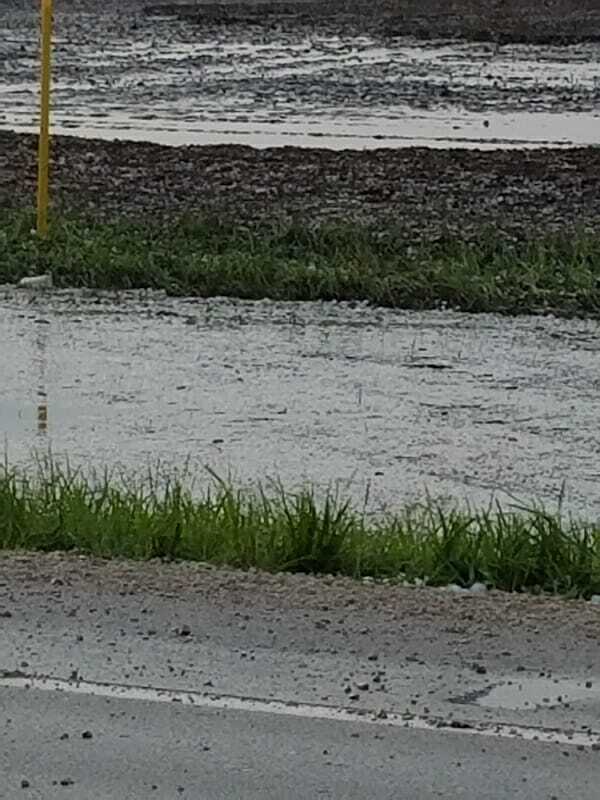
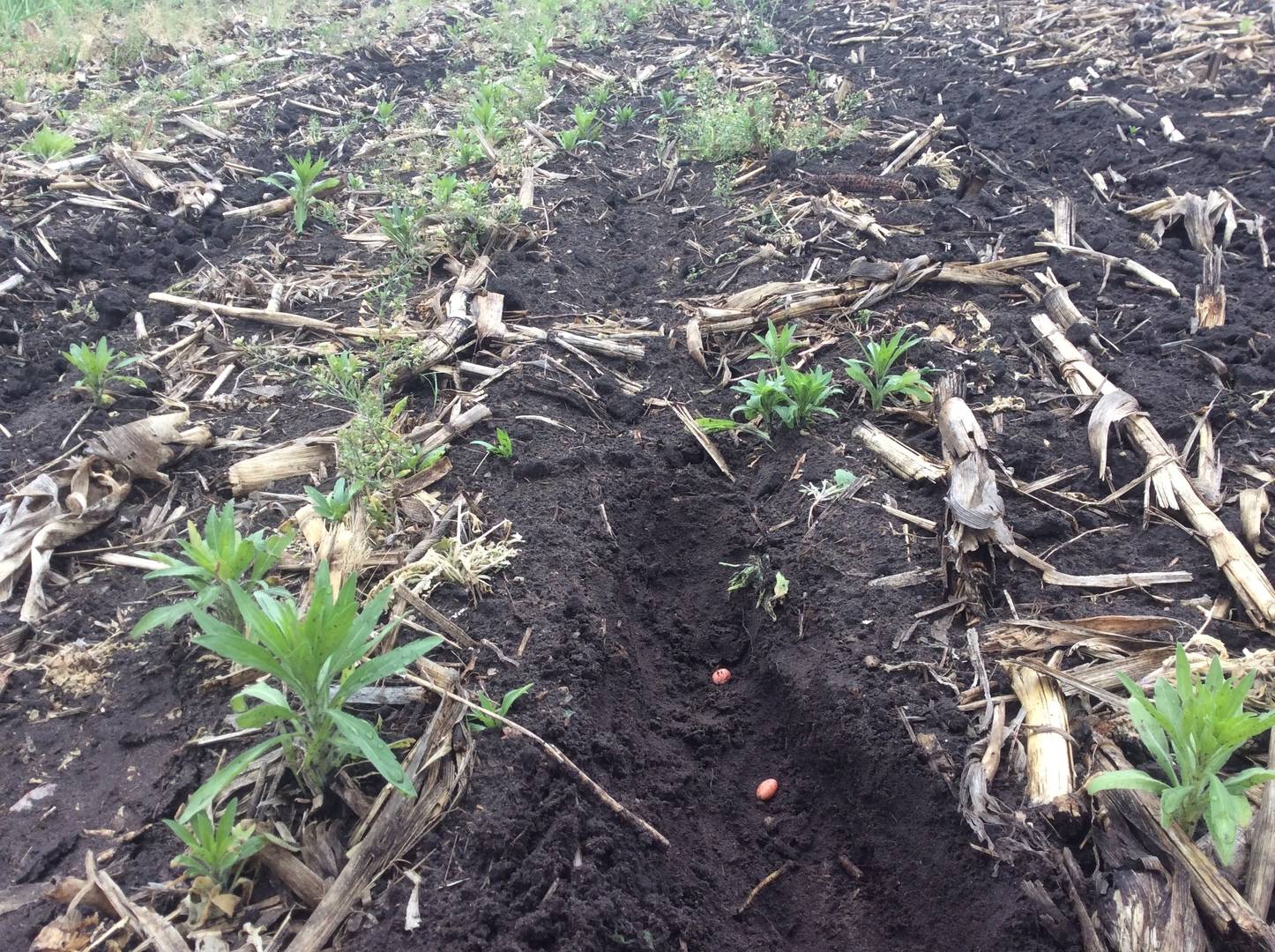
    Frequent rain showers delayed planting longer than farmers across the Upper Midwest would like. Some are feeling additional pressure to get the seed in the ground as fast as possible. Keep in mind that haste makes waste! Take the time to:

    • Verify correct depth and kernel spacing at planting time.
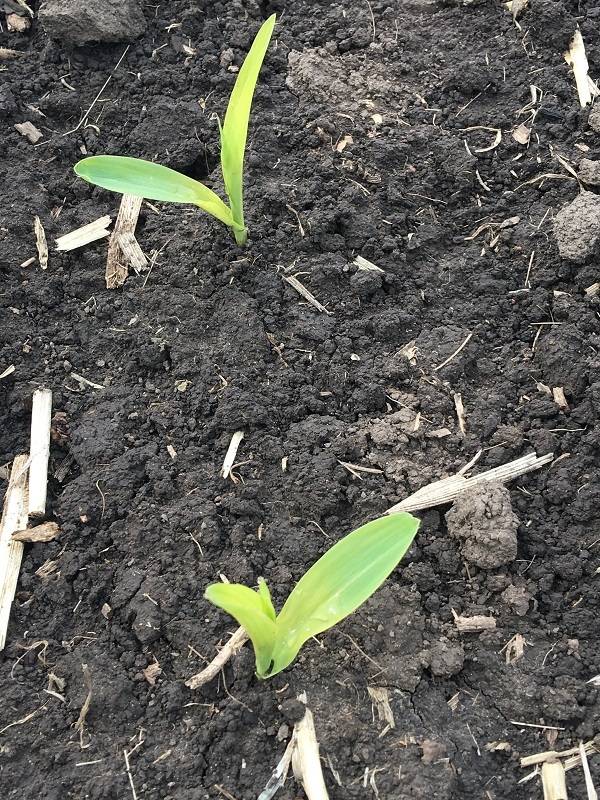
    • Check germination and early seedling growth for problems.
    • Assess early emergence scores for adequate final stand numbers if soil conditions weren’t ideal.

    Also keep in mind that spring rains might have created crusting issues in some of the earlier planted fields, especially in fields without residue. To help break up the crust and improve seedling emergence, many farmers will use a rotary hoe.

    If you decide to till the soil, wait until soils have dried to avoid exacerbating the situation with soil compaction.  Use a quick field test to check soil moisture.

    Starting with clean fields, and keeping the fields clean, is most important. A pre-plant or pre-emerge herbicide application:

    • Aids in controlling resistant or tolerant weeds.
    • Helps keep the field clean all season long.
    • Helps your crops reach their maximum yield potential as they’re not competing with weeds for water, sunlight and nutrients.

    Once plants have emerged, it’s time to:

    • Identify any early season stresses on young plants.
    • Look at plants’ visual appearance for nitrogen or other nutrient deficiencies.
    • Look for weed escapes. Make a plan for a season long weed-free field!

    Watch for additional agronomic tips and tricks to be shared each Tuesday & Thursday during the growing season on TheFieldPosition.com

    Webspec Admin

    May 23, 2017
    Crop, Soil, Tech Tuesday
  • Latham Hi‑Tech Seeds

    From the Field Crop Report: Week of May 17

    Bart 12

    Eastern North Dakota

    Brain McNamee

    Brian photo 1

    This field of Latham Hi‑Tech Seeds’ LH 3877 VT2 PRO RIB was planted May 4. Planting depth and spacing looked good. It also emerged really well.

    Southeast North Dakota

    Gary Geske

    Gary

    A nice rain fell Tuesday morning, so moisture is reaching planting depth. Warm, moist soils will lead to quick germination and emergence. It’s important to get pre-emerge herbicide applied before the crop emerges in no-till and minimum-till fields.

    Southeast South Dakota

    Ramie Coughlin

    Ramie 1

    A lot of planting progress was made this past week. We got plots planted for Estelline Co-op Grain in Estelline and B&B Sales at Dell Rapids.

    Northeast South Dakota

    James Keltgen

    James

    Beautiful weather prevails! Crops are being planted at a record pace in Northeast South Dakota. Corn is all but finished, and soybeans are closing in on the finish line. Warm, sunny weather has given us a great window to get crops planted and moisture is expected this week to give them a drink.

    Northern Minnesota

    Ken Highness

    Ken

    Latham® Dealer Ray Beutz and his son, Matthew, planted a Latham corn SuperStrip plot on May 12 near Albany, Minnesota.

    Southern Minnesota

    Brandon Wendlandt

    Brandon

    This Latham Hybrid SuperStrip was planted Monday by Sanborn, Minnesota. While these plots are also good ways to promote local dealerships, SuperStrip plots are primarily used for in-house research. SuperStrips help us determine which products to keep, remove or add to our product lineup. Field notes are taken throughout the growing season and information is analyzed after harvest.

    Southern Wisconsin

    Greg Mair

    Greg 1

    Almost 50% of corn acres and 15% of soybean acres are planted in Wisconsin.  While we have a ways to go to finish #plant17, good weather should allow a lot of acres to be completed soon.

    Latham® corn and soybean SuperStrip plots went in on all corners of the region this past week. We also planted a Latham Corn Silage plot in Barron County.

    Fields that were planted between April 20-27 have finally pushed through the soil surface after poor growing conditions delayed emergence.  This photo taken of LH 5885 VT2 PRO shows great emergence and early vigor when planted in a no-till situation.

    Northwest Iowa

    Darin Chapman

    Darin 1

    Other Brothers Inc. recently joined that Latham® dealer team, and we’re excited to see them hit the ground running! Here Matt Saboe is pictured getting their Latham Hi‑Tech Hybrids SuperStrip plot ready.

    South Central MN & North Central IA

    Cory Greiman

    We’re able to row this field of LH 5099 SS RIB. This SmartStax Refuge in the Bag hybrid has earned Latham’s designation as a Gladiator hybrid, which means it has dual modes of action for above-ground insects including: Corn Earworm, Fall Armyworm, European Corn Borer and Southwestern Corn Borer. This particular hybrid also is a boss on Goss’s Wilt.

    Southeast Minnesota & Northeast Iowa

    Craig Haaland

    Craig

    A Latham customer near Osage, Iowa, put LH 5509 SS in the ground on Friday, May 12. The weather was absolutely beautiful. It was one of those days when you’re glad to have a reason to spend it outside.

    Eastern Iowa

    Jerry Broders

    Latham® dealer Kevin Squires is passing on the farming tradition to his son, Adam. The duo worked Monday to plant a Latham plot.

    One advantage of working with family-owned, independent Latham Hi‑Tech Seeds is the variety of options we provide. Here a farmer cooperator puts in a Latham® SuperStrip plot, which showcases different traits and technologies including LibertyLink soybeans.

    West North Central Iowa

    Bart Peterson

    It’s been a crazy week of weather! Late Monday afternoon, May 15, storms moved across West Central and North Central Iowa. I was driving by the junction of Highways 3 and 17 just east of Goldfield when marble- to golf ball-sized hail began to fall. You could’ve snow plowed the hail because it was that heavy.

    Central Iowa

    Bryan Rohe

    It’s time to check emergence and stand. From what I have seen so far, the stand looks pretty good. Be sure to check all of your fields as recent rains may have caused some ponding and flooding in areas. Click here for tips on evaluating corn replant options.

    Western Iowa & Eastern Nebraska

    Larry Krapfl

    Look at all the technology going into this plot! We planted a Latham soybean plot near Friend, Nebraska, with the following:

    8 Roundup Ready 2 products
    4 Balance GT*
    6 R2 Xtend
    1 ILEVO

    **Balance™ GT Soybeans are not currently for sale by Latham Hi‑Tech Seeds until Balance Bean herbicide (Isoxaflutole) receives full regulatory approval.

    Webspec Admin

    May 17, 2017
    Corn, Crop, Season, Soybeans, Spring
  • Latham Hi‑Tech Seeds

    More Updates to XtendiMax® Herbicide Label

    Feature Tech Tuesday 01

    Tech Tuesday Header-01

    Last November the U.S. EPA approved the use of XtendiMax® with VaporGrip® technology on Roundup Ready 2 Xtend® soybeans. It didn’t take long for competitors and opponents of the Xtend technology to point out the limitations, but many of their talking points are now moot.

    The U.S. EPA, as promised, has allowed a number of significant changes to the XtendiMax herbicide label. First and foremost, Roundup PowerMAX® and WeatherMAX® formulations have been added. In addition, 34 (and counting) other herbicides are approved for tank-mixing with XtendiMax! There are now more than 110 approved adjuvants that may be added, plus the number of approved nozzles had grown to 26 as of early April.

    For farmers who intend to use XtendiMax herbicide, visit their website often to stay abreast of the latest developments.

    A section under the TANK MIX tab titled “REQUIRED DRIFT REDUCING ADJUVANTS (DRA’s)” lists products that minimize particle drift if used in combination with certain herbicides and other adjuvants.  Products needing DRA’s are clearly spelled out in the herbicide and adjuvant sections.

    Screenshot (145)

    Visit the XtendiMax website for the latest developments: http://www.xtendimaxapplicationrequirements.com

    Another very critical section of the website is “APPLICATION REQUIREMENTS.”  Here, farmers can learn what is needed to minimize drift, volatilization and off-target applications of this important herbicide technology.

    I’m excited to see so many early-adopters planning to use both Roundup Ready 2 Xtend soybeans, and the subsequent use of the XtendiMax with VaporGrip technology herbicide to help control tough-to-kill weeds in 2017.  At Latham Hi‑Tech Seeds, we believe this will be just one of the many new and exciting soybean technologies that farmers will need to combat resistant weeds in the future.

    Webspec Admin

    May 16, 2017
    Soybeans, Tech Tuesday
Previous Page
1 … 40 41 42 43 44 … 62
Next Page

Latham Hi‑Tech Seeds

131 180th Street | Alexander, IA 50420

(641) 692-3258

SIGNUP FOR OUR NEWSLETTER
  • Contact
  • Legal
  • Dealer Center
  • Seedware Login
  • Latham Gear

© 2025 Latham Hi‑Tech Seeds. All rights reserved. | Iowa Web Design by Webspec | Privacy Policy

Latham® Hi-Tech Seeds is a trademark of M.S. Technologies, L.L.C., 103 Avenue D, West Point, IA 52656.