Will your planted fields be affected by imbibitional chilling? Tune in the hear symptoms of the chilling effect.


Will your planted fields be affected by imbibitional chilling? Tune in the hear symptoms of the chilling effect.
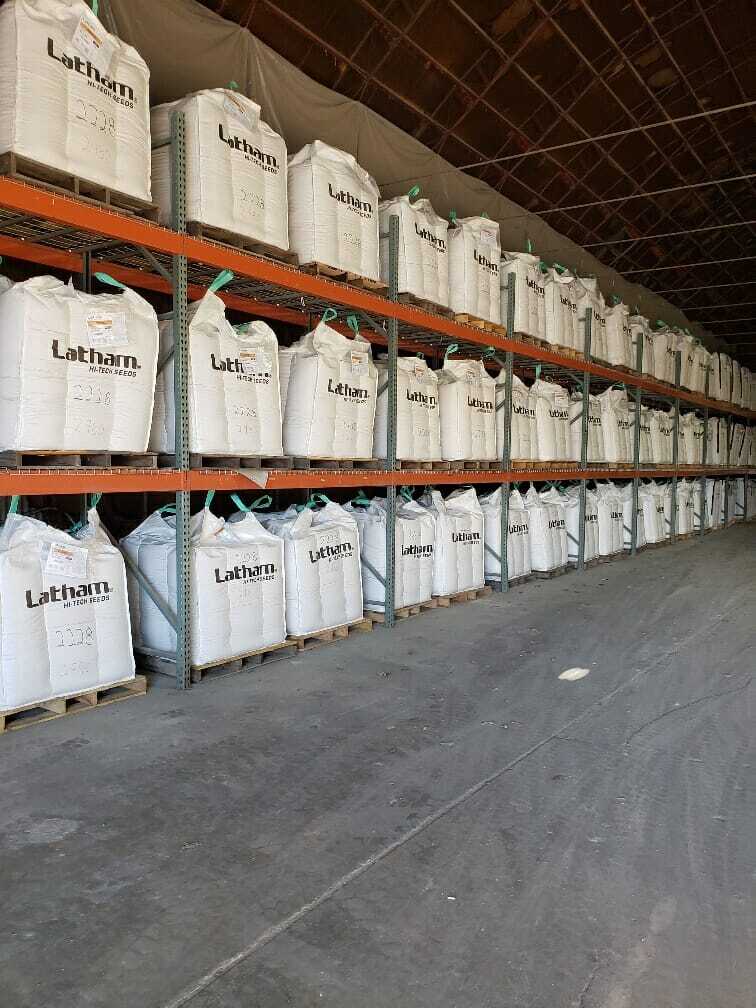
Each day we turn the calendar, I receive more calls from Latham® dealers and farmers asking whether they should change maturities. Keep in mind, the object is to achieve maximum yield potential for this crop. When you switch maturities, you forfeit maximum potential and have essentially decided to lower your yield expectations!
Based on my experiences over the past 40 years – as well as research findings from many Midwest land grant institutions – I can tell you with confidence that full-season hybrids and varieties outperform early maturing hybrids and varieties. Most people jump the gun and make the switch way too soon. Corn planted in mid-June can make decent yields, and there’s no need to switch from corn to soybeans until after that.
There becomes a point in time where the advantages of planting a full-season hybrid diminishes to the point where shifting to a shorter-season hybrid or variety will generally result in drier corn and higher yields come fall. Below is a summary of factors to consider when deciding whether to switch corn or soybean maturities.
I’ll use northern Iowa and southern Minnesota as an example. If your maturity range is 98- to 109-days (which is what I use for the Latham Research Farm), then you should generally not deviate from those maturities until at least May 25. If all you have left to plant is your 98-day hybrids, then you can safely extend your planting window to about June 7-10. On the other hand, if you only have your 109-day hybrids left to plant, you’ll probably be better off switching to 95- or 99-day products.
That brings us to the next subject… if you must switch, how early of a hybrid is needed? You don’t need to take it to extreme and switch from 109 RM to an 85-day hybrid or something equally silly! Research has proven that it pays to stay closer to your “normal” maturity. Switch to hybrids that are about 5 to 7 relative maturity units earlier than full season for the region. Yields in this scenario will be greatly improved if northern Iowa and southern Minnesota farmers (from the example above) move toward a 92- to 95-day hybrid that is more closely adapted to the area.
The decision to switch maturity with delayed corn planting is difficult because of so many variables including: available GDUs, first frost date and fall drying conditions. With this in mind, here are some general guidelines for Iowa farmers:
| Location within Iowa |
Full Season RM | Switch to on May 25 |
Switch to on June 10 |
| South of U.S. 92 | 114-117 | 108-111 | 105-109 |
| Central | 108-115 | 104-110 | 100-106 |
| North of U.S. 20 | 100-109 | 96-105 | 94-100 |
For your convenience, below are few links to related articles: Adjust this information depending on where you farm, but make your decision is based on sound research and not “coffee shop facts.” Just because your neighbor is switching doesn’t mean it’s the best decision. Conduct a little research of your own before deciding what might be best for your operation.
There is absolutely no reason to start switching soybean maturities until at least mid-June. I use June 20 as our cutoff here in North Central Iowa, but again, it depends on what you were planning to plant in the first place. In this area, bean maturities range from 1.8 to 2.7. L 2482 R2’s are still good to plant in this region until mid-June as we’ve done it before with great results.
Soybeans have even more resiliency when it comes to maturity stretch. Because soybeans are more “photo period” sensitive, they actually adjust based on the length of the nighttime. A planting date of June 20 in southern Wisconsin and June 15 in northern Wisconsin, using early maturing varieties, was considered to be the latest practical date by the University of Wisconsin. Soybeans can be planted in our area as late as the Fourth of July with decent yield results as long as we don’t go into a dry period.
 The 2019 planting season will certainly test our patience! It’s tough to turn pages off the calendar without putting any seed in the ground, but it’s better to wait a few more days than to mud seed into the ground. Experts warn that compaction and/or inadequate seed-to-soil contact from planting in wet conditions cause yield reductions for soybean farmers. During a wet year, it’s even more important for soybean growers to pay close attention to machinery. Avoiding soil compaction and obtaining good soil closure over seeds will help increase yields. For more soybean planting tips to boost yields, click here.
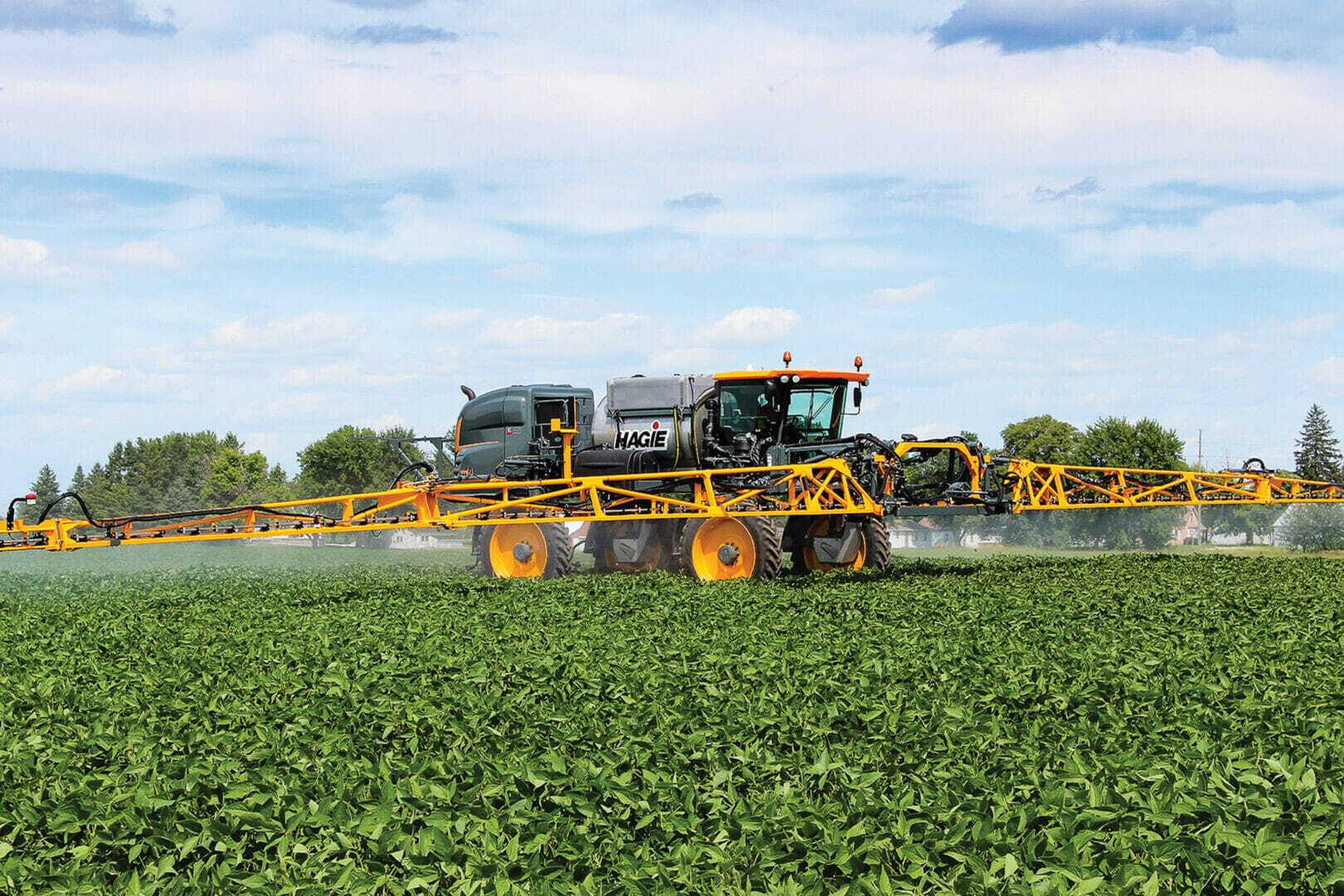
In 2018, the EPA extended the registration for over-the-top use of select dicamba products to control weeds in soybean and cotton fields that are genetically engineered to resist dicamba. This registration included label updates which add certain measures to further minimize the potential of off-target damage. This registration will automatically expire on December 20, 2020, unless the EPA extends it further. Listed below are some of the FEDERAL updates now in effect:
Minnesota: Must not apply dicamba herbicides after June 20th. There will be no temperature restriction for 2019.
North Dakota: Must not apply dicamba after June 30th. Keeping records of dicamba applications is required and will be strictly enforced.
South Dakota: Must not apply dicamba after June 30th, 45 days after planting or the R1 (beginning bloom) stage of soybeans, whichever comes first. Applicators must also pass a short exam after training is completed.
Illinois: Must not apply dicamba after June 30th. Do not apply when the wind is blowing toward adjacent residential areas. Before spraying, the applicator must consult the FieldWatch sensitive crop registry. Further restrictions apply when spraying near the downfield edge of any Illinois Nature Preserves Commission Site.
These are just some of the new requirements for the application of dicamba over-the-top of soybeans in 2019. There may be additional restrictions from the states not mentioned above or from local authorities. If you will be applying any of the dicamba products in 2019, make certain you attend the required ANNUAL training and conform to what the label requires. Please make these restrictions a high priority so we can continue to use this valuable tool in the fight against weed resistance!

Join us this morning on #AskTheAgronomist as we discuss pertinent planting tips with the recent addition of snow in the forecast. #LathamSeeds

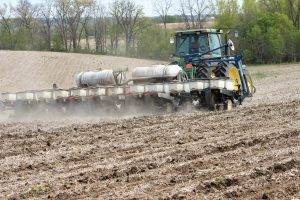 As prices have dropped over the last two months, farmers are second guessing planting intentions. They are looking to cut costs, and often times cost cutting starts at cutting seed costs. Keeping the hybrids with top yield and proven performance versus picking up a cheaper option is key to end-of-year profit. Cheap seed options can be older genetics, poor performing genetics or even discontinued genetics reaching the end of their life and viability.
It doesn’t take much to make up for inferior genetics as in perceived seed savings. Cutting $50 a bag is only saving $20 an acre, or roughly seven bushels. One cost savings that may be applicable to North Dakota farmers would be changing from a VT2 PRO to a Roundup Ready 2 trait. Keep the genetic that performs on that particular field and save the difference in trait costs. However, It may require more attention to pests throughout the growing season and an additional cost of an aerial application with insecticide. Check with your Latham® dealer on availability and your agronomist about the rising potential for future pest issues in your area.
Farmers can add fertility after the crop is established. They can also add weed control after the crop. However, there’s only once chance to place the right seed on the right acre. Seed is truly the foundation for every successful crop. Why limit net farm profitability from the onset?

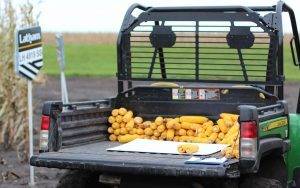 Webster’s Dictionary defines “risk” in many ways, including a chance that an investment will lose value or something that creates a hazard.
No matter how one defines risk, it’s a reality of production agriculture. Each decision farmers make comes with varying degrees of risk. That’s why it’s helpful to take an annual inventory of details in your own crop production. Bottom line: Check your production-limiting factors to set yourself up for success.
“Trust but verify,” is a famous quote by President Ronald Regan that appeals to my data-driven personality. This quote applies to crop production because now is a good time to verify that the seed corn you ordered early is the right hybrid for the majority soil type on the field in which you will plant it. Now is also a good time to ensure you have enough genetic diversity in your crop plan. On page 12 of Latham Seeds 2019 Product Guide, there is a corn placement chart to help you verify that the genetics you have selected for that soil type is the best fit.
Margins are super tight, and we’re looking for ways to cut costs. If we cut fertility, we risk losing potential yield. Many researchers suggest that up to 60% of yield is dependent upon fertility. If we plant inferior genetics, or place the genetics on the wrong soil type, we run the risk of yield reduction. While this is a review for most, my point is that plant genetics are critical to managing risk.
Understanding – and acknowledging – the depth of the genetics will pay dividends. I’m a very big believer in planting agronomically-stable products on a percentage of your acres. As margins thin, I look for hybrids with proven stability. I know each farmer has his or her own beliefs, but one thing we have in common is that we’re all trying to manage risk.
My hope is that you go into the spring planting season with a sense of confidence, knowing you have done the best job you could with product selection, product placement, fertility and planting conditions. Have a little fun this season and remember to take care of yourself, too!

Click below to hear Phil Long address winter survival in alfalfa! #AskTheAgronomist
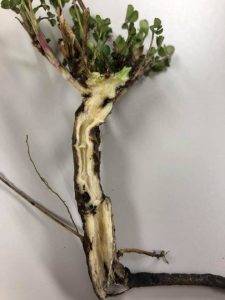

Evaluating alfalfa stands is a spring-time ritual for every alfalfa grower. This winter presented several challenges to strong, hardy alfalfa varieties. This includes above average soil moisture going into winter, soil temps that dipped below 15 degrees Fahrenheit in areas without snow cover and below average snowfall followed by above average snowfall in February.
Remember, patience is a virtue. Winter-injured plants are often slow to recover in the spring, so avoid making a quick decision to destroy a winter-injured stand. Allow the alfalfa to green up.
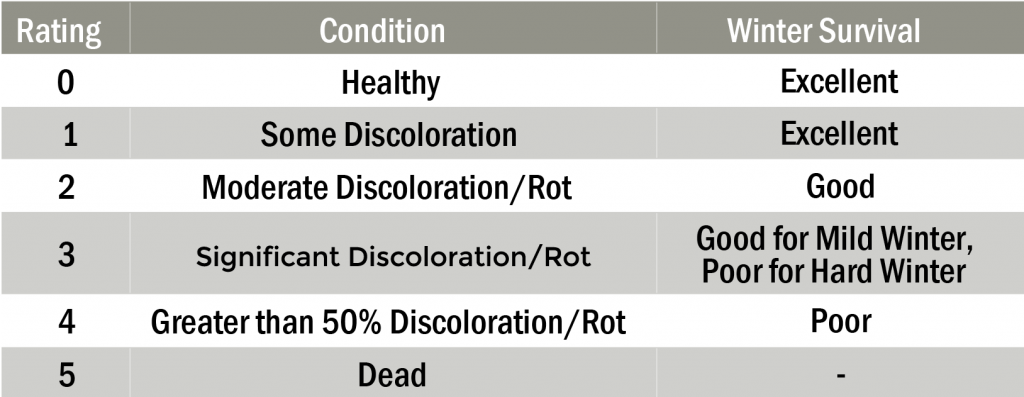

For additional information, feel free to contact me or your Latham regional manager. We’d also love an opportunity to talk with you about the placement for Latham Seeds’ outstanding lineup of high-quality forage products.
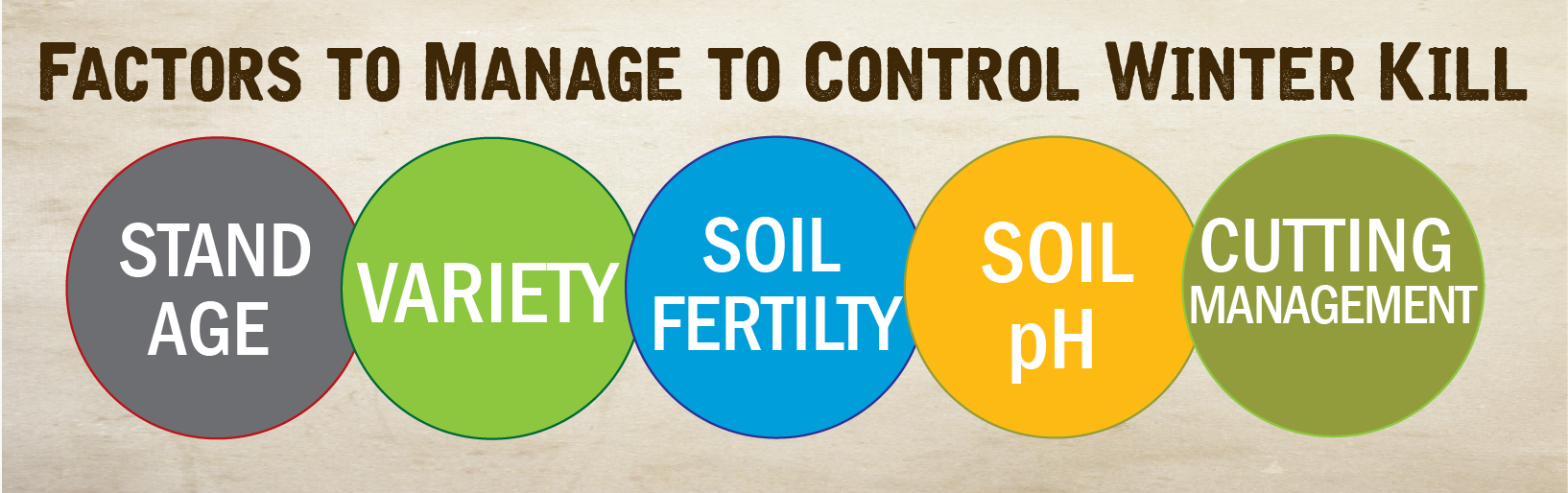
While we obviously can’t control the weather, there are other factors we can manage to help reduce the risk of winter kill in the future.
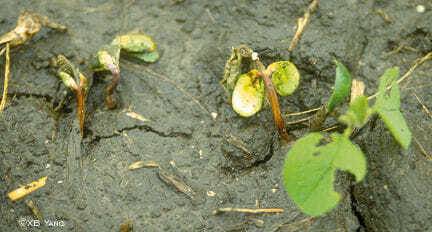
 Rotting of soybean stem and root tissue, or “damping off,” can jeopardize stand quality and reduce yield. The Phytophthora fungi can impact seedlings both before and after emergence. Even if seedlings successfully emerge above the soil, they will have poor vigor and slow early growth.
Poor stand is one of the primary consequences of damping off, though replanting may be possible. North Dakota State University research cites that Phytophthora-related yield loss has reached up to 30% in states throughout the Midwest.
Cool weather is a major cause of damping off as it slows germination and stifles growth. Phytophthora thrives in soil temperatures between 70 and 77°F but can also survive in extremely cold temperatures. Warm temperatures, poor drainage and/or clay soils create a susceptible environment for damping off.
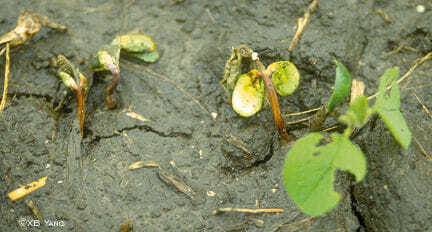 Before seedlings emerge, the fungi can cause seeds to rot. Rotten seeds will appear to be caked in soil with discolored roots. Roots may not be fully developed or even exist.
Wilting can occur in emerged seedlings as the cotyledons will appear brown and saturated. Plants that developed leaves before showing signs of damping off will begin to turn a grayish color before turning brown.
Damping off can sometimes be confused with herbicide injury. Whereas fields impacted by herbicide injury will have uniform damage, damping off will create inconsistent patches of impacted crops.
With the overwintering nature of the Phytophthora fungi, controlling the amount of field residue can make the environment less conducive for fungal growth. Also, when planting early or in fields with poor drainage consider using fungicide seed treatments to protect seedlings.
Varieties equipped with genes resistant to Phytophthora will protect plants after they emerge and later in the season as well. Contact your local Latham® representative to determine which varieties will work best for your needs.
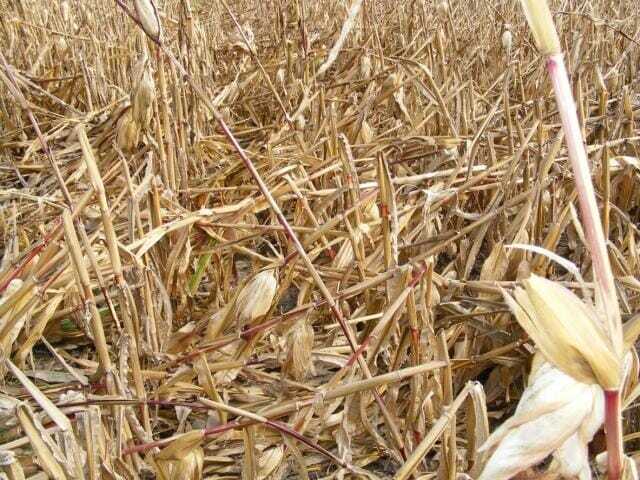
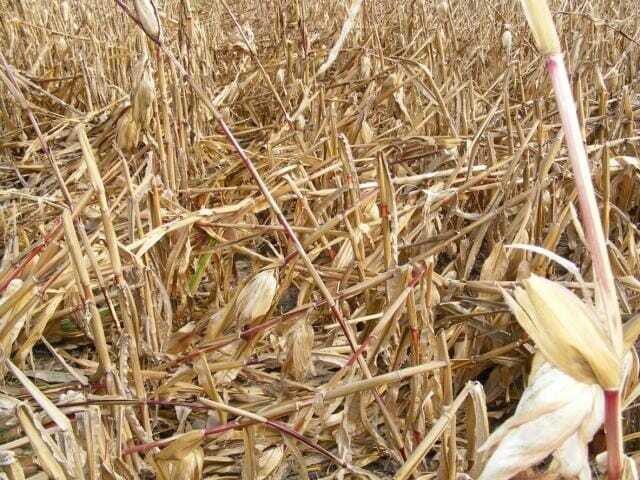
Stalk lodging can lead to reduced yield and grain quality. Lodging refers to the breakage of the stalk below the ear and is often connected with stalk rots, soil-borne pathogens and other environmental stressors that occur after pollination.
Carbohydrate demand during grain fill is the primary driver of stalk lodging. When carbohydrate reserves in corn leaves are depleted during ear development, the plant will begin sourcing the macronutrient from stalks and roots. Environmental stresses can feed into this cycle. For example, warm weather and high temperatures increase plant growth which can lead to high demand for carbohydrates.
While energy demand during grain fill is the primary cause of lodging, fungal pathogens can reduce stalk vigor. Stalk rot pathogens can also weaken stalks and are another major cause of lodging. Generally, if more than 10 to 15% of stalks exhibit rotting, stalk lodging is likely to be a significant problem.
As it relates to weather, high winds and heavy rainfall can also cause stalks to become physiologically weak and eventually lodge. Injuries from hail or frost damage, or insect feeding that creates lesions on leaves, can reduce the amount of energy created by plants. This leads to a higher use of stalk carbohydrate reserves.
Nutrient deficiencies are also a major cause of stalk lodging. Excess nitrogen and low levels of potassium have been associated with reduced stalk quality. Maintaining sufficient potassium levels in corn is especially important as it is the building block for leaf and stalk tissue.
When scouting for stalk lodging, choose ten consecutive plants across ten different areas of the field. Check for signs of lodging by pinching the stalk at the first or second internode above the ground, or by pushing the plant over 8 to 12 inches at ear level. If the plant fails to stay standing upon exerting force, it is considered lodged.
Adjust your harvest plan to harvest lodged corn first before lodging becomes more widespread. Selecting the right corn hybrid for your farm can mitigate issues with insect feeding that would otherwise reduce stalk quality. The level of resistance to stalk lodging among hybrids is highly variant and some have genetically stronger stalks than others. Be sure to consult with your local Latham representative to determine the best management strategy for stalk lodging.