Latham Hi-Tech Seeds

(641) 692-3258

  • Home
  • Products
    • Corn
    • Soybeans
    • Alfalfa
    • Corn Silage
    • Seed Guide
  • Performance
  • Find a Rep
  • Media
    • Blog
    • News
    • Videos
    • Podcasts
    • TECHTalk
  • About Us
    • Company History
    • Our Mission
    • Careers
    • Become a Rep
    • Sowing Seeds of Hope
  • Contact Us
  • Latham Hi‑Tech Seeds

    Planting Depth Matters

    Planting Depth 1

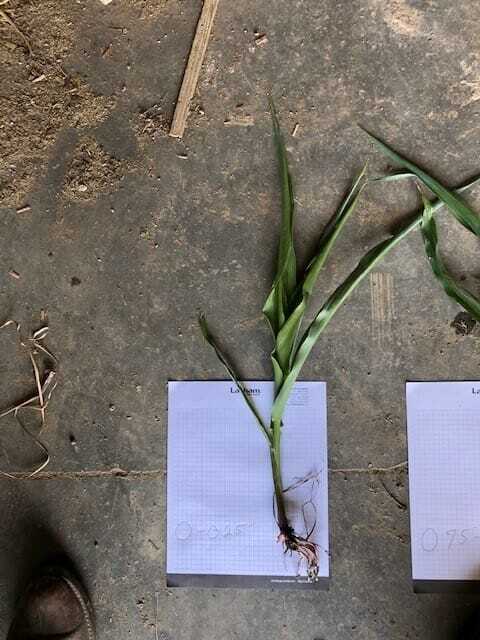
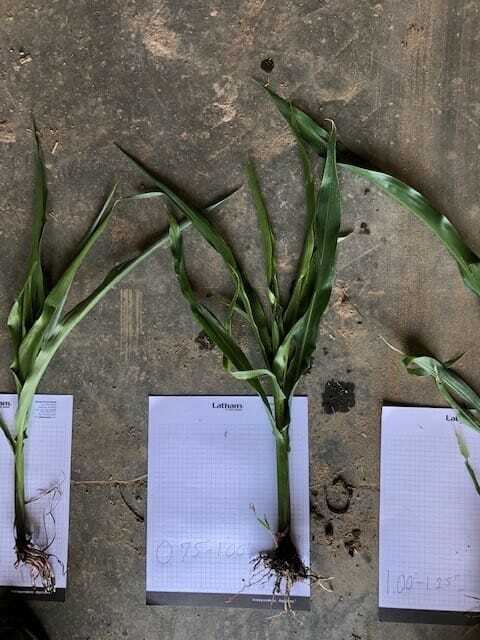
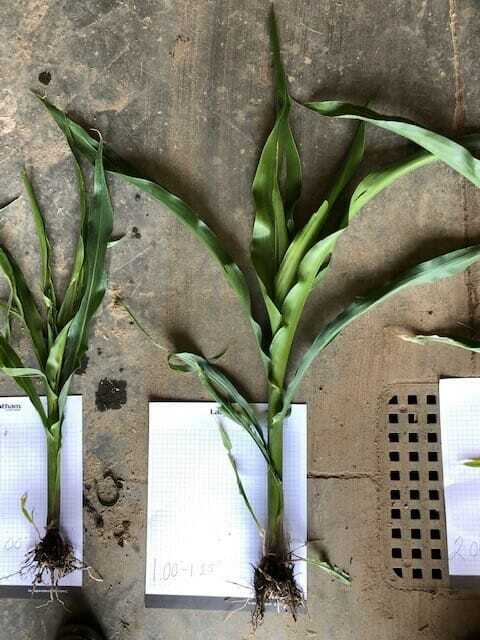
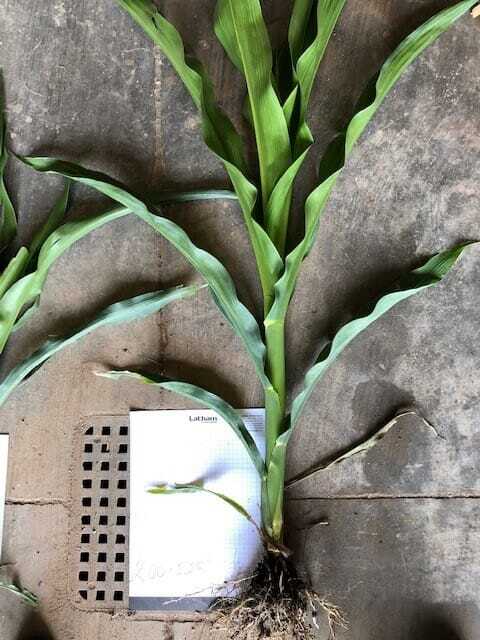
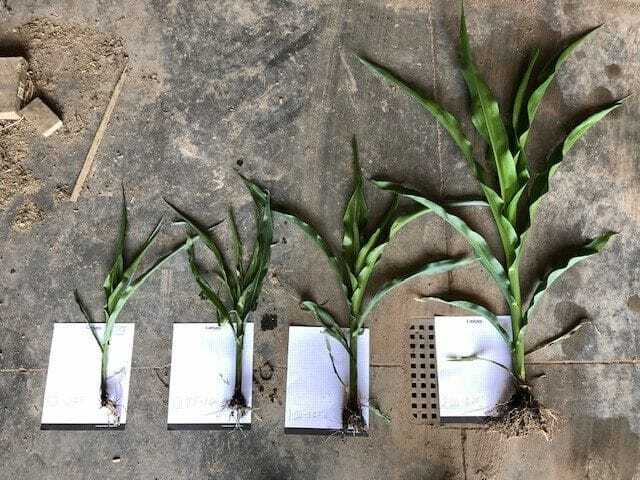
    The below is a look at an on-farm planting depth study conducted by our sales representative from southeast Iowa. Photos were taken in the same field, the same location, planted the same day with the same hybrid. The only variation between each is planting depth. The hybrid shown is LH 6477 VT2 PRO planted on May 12 and the photos are from the last week of June.

    Planting depths are as follows:

    1. On top of the ground to ¼-inch planting depth
    2. ¾ to 1-inch planting depth
    3. 1 to 1 ¼-inch planting depth
    4. 2 to 2 ¼-inch planting depth

    Those planted at optimal depth have much better nodal roots and root mass to anchor that plant into the rapid growth stages we’re observing now.

    Planting Depth 1
    Comparison of planting depth using hybrid LH 6477 VT2 PRO planted May 12 at the same field and location.
    Planting Depth 2
    On top of the ground to ¼-inch planting depth
    Planting Depth 3
    ¾ to 1-inch planting depth
    Planting Depth 4
    1 to 1 ¼-inch planting depth
    Planting Depth 5
    2 to 2 ¼-inch planting depth

    Webspec Admin

    July 14, 2021
    Agronomics, Corn, Crop, From the Field, Season, Summer
  • Latham Hi‑Tech Seeds

    #AskTheAgronomist: Pollination and Silk Growth, Part 2

    Hqdefault (1)

    In Part 2 of this series on pollination and silk growth, Latham’s Pre-Commercial Product Manager Bob Foley further explains how the silk to pollen interaction translates into final yield. Watch Part 1 of the series here.

    Webspec Admin

    July 14, 2021
    #AskTheAgronomist, Agronomics, Corn, Crop, Season, Summer
  • Latham Hi‑Tech Seeds

    #AskTheAgronomist: Pollination and Silk Growth, Part 1

    Hqdefault

    Latham Pre-Commercial Manager Bob Foley explains silking and pollen growth with a look at development over a multiday time frame. Knowing the stages of growth can help you understand how various stressors affect your crop. Watch Part 2 of the series here.

    Webspec Admin

    July 14, 2021
    #AskTheAgronomist, Agronomics, Corn, Crop, Season, Summer
  • Latham Hi‑Tech Seeds

    #AskTheAgronomist: Fungicide Considerations in Dry Weather

    Maxresdefault

    To apply fungicide or not to apply fungicide? This question is on the minds of many growers as we continue through a relatively dry growing season. Precision Agronomist Phil Long discusses the pros and cons of fungicide in both corn and soybeans.

    Webspec Admin

    July 7, 2021
    #AskTheAgronomist, Agronomics, Corn, Crop, Drought, Fungicide, Season, Soybeans, Summer, Weather
  • Latham Hi‑Tech Seeds

    The SoyShield Plus Saltro Difference

    SW Iowa Comparison

    These photos, submitted from a field in southeast Iowa, show a side-by-side comparison of Latham SoyShield Plus with Saltro against eight competitor entries. Click here for more information on Latham’s Seed Treatment offerings.

    SW Iowa Comparison 2
    Eight competitor entries.
    SW Iowa Comparison
    Latham SoyShield Plus with Saltro.

    Webspec Admin

    July 2, 2021
    Agronomics, Crop, Seed Treatment, Soybeans
  • Latham Hi‑Tech Seeds

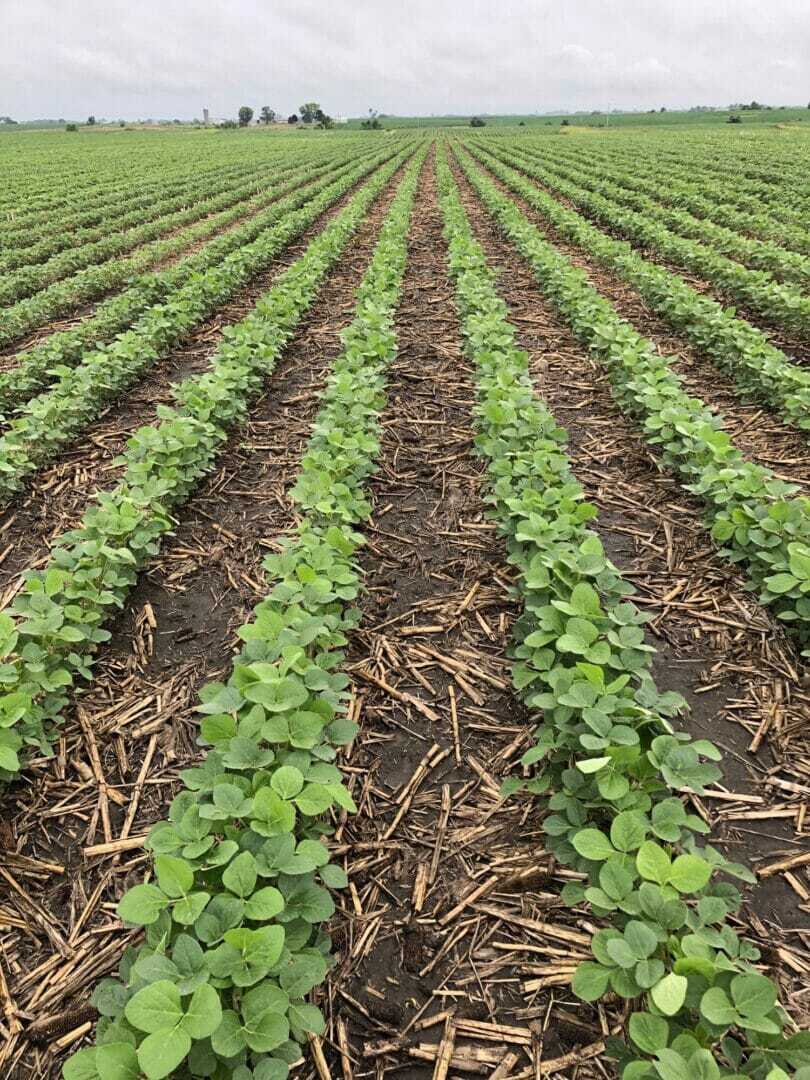
    #AskTheAgronomist: Mid-Season Soybean Pests

    IMG 2926

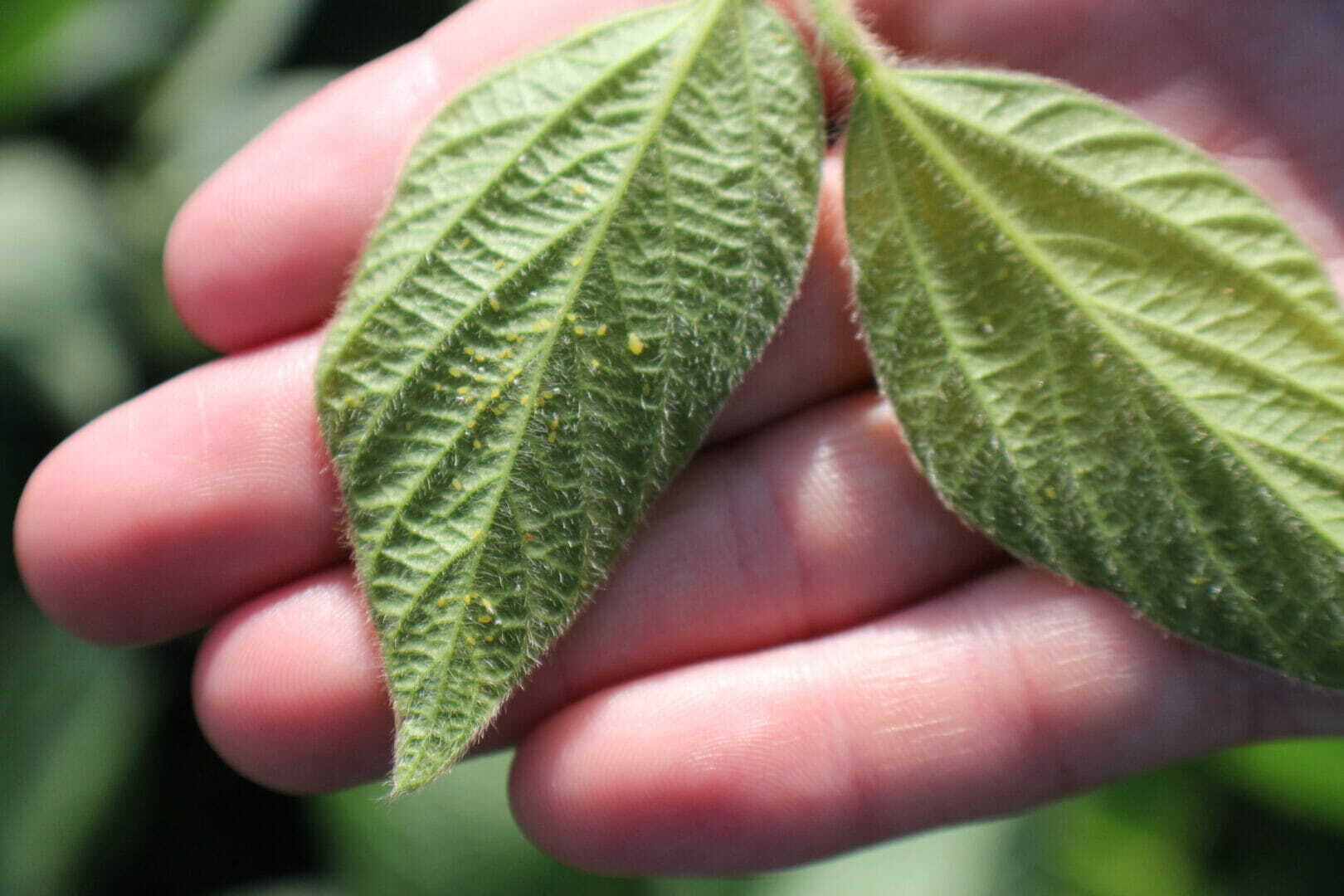
    It’s time to start looking between rows to see what stressors, outside of dry weather, may be impacting your soybean crop. In this week’s #AskTheAgronomist, Latham Precision Agronomist Phil Long shares how to identify and address mid-season pests such as soybean aphids, soybean gall midge and spider mites.

    Webspec Admin

    June 30, 2021
    #AskTheAgronomist, Agronomics, Crop, Insects, Season, Soybeans, Summer
  • Latham Hi‑Tech Seeds

    #AskTheAgronomist: Long-Term Heat Stress in Soybeans

    Maxresdefault

    In part two of our #AskTheAgronomist series on heat stress, Precision Agronomist Phil Long covers how hot, dry conditions affect soybean growth and decision-making moving forward.

    Webspec Admin

    June 22, 2021
    #AskTheAgronomist, Agronomics, Crop, Drought, Season, Soybeans, Summer, Weather
  • Latham Hi‑Tech Seeds

    Invest in a Tissue Test

    IMG 0484

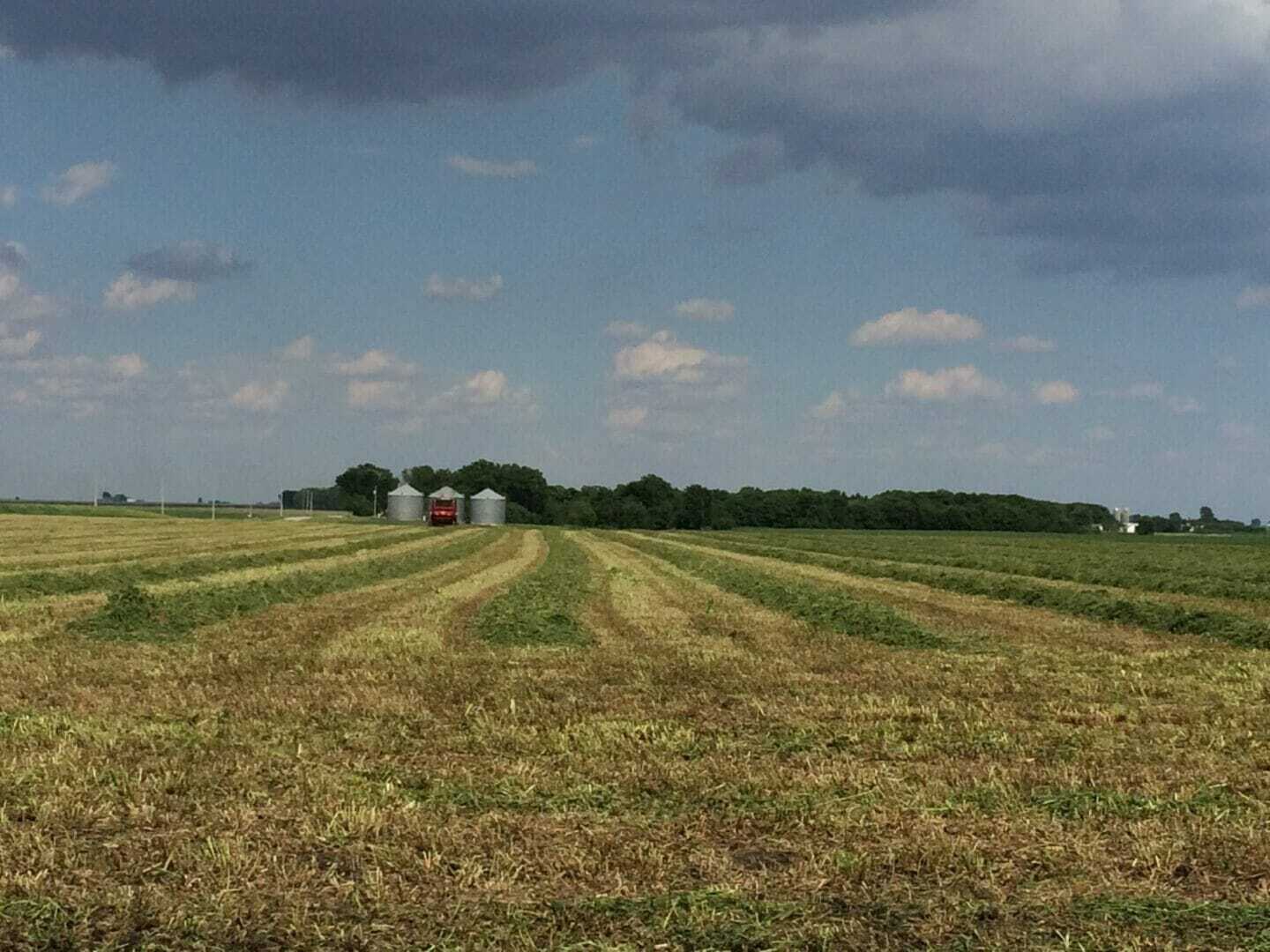
    Leaving no yield in the field is always an important goal, but it’s especially important when commodity prices are as strong as they are. It literally pays to harvest more tonnage! In-season testing will verify whether your growing plants’ nutritional needs are all met, which helps your alfalfa and corn silage crops reach their full potential.

    It’s more challenging to determine actual alfalfa and corn silage yield and correlate yield to plant nutrient removal than it is to do so for corn or soybeans. A more accurate way to determine soil and plant needs for alfalfa is in-season soil sampling combined with plant tissue sampling.

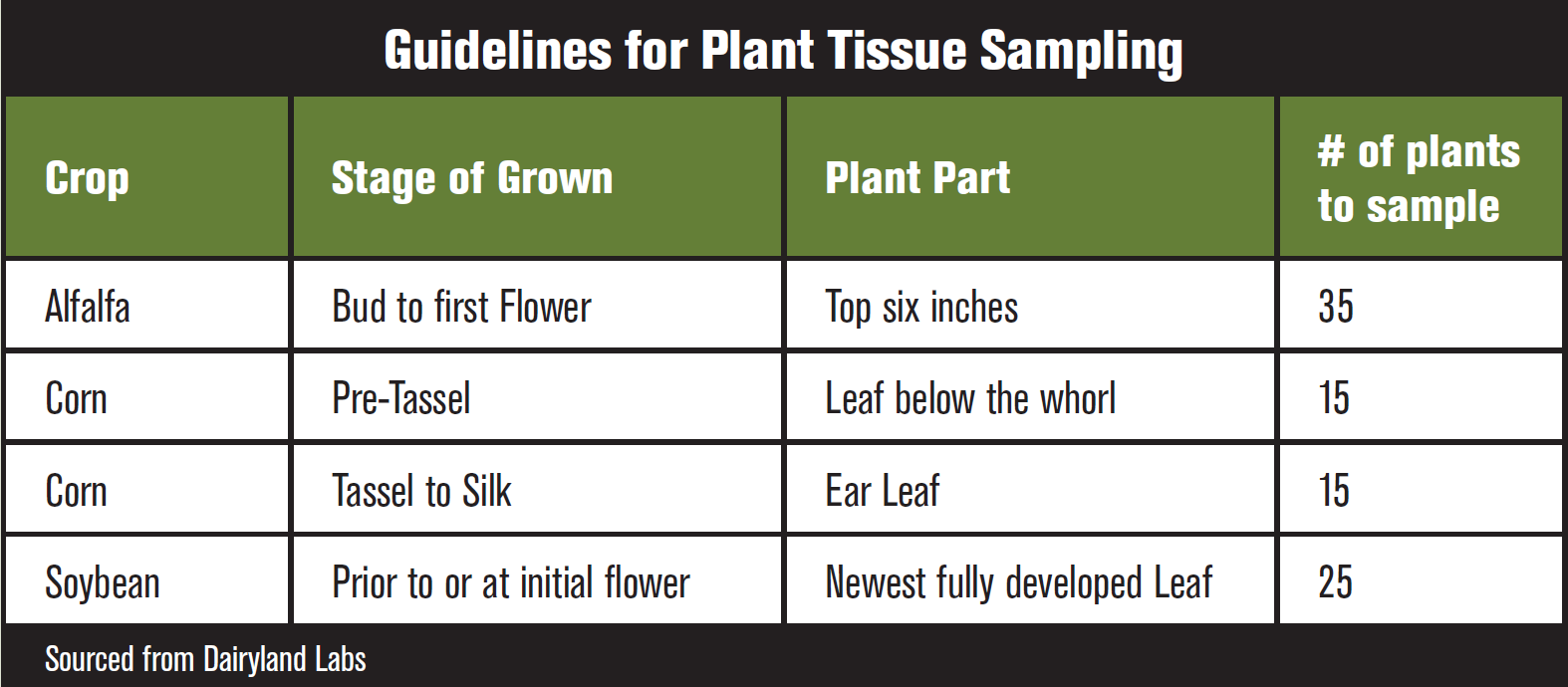
    The chart below provides examples of tissue sampling methods. You will find a link to full descriptions here: www.dairylandlabs.com/agronomy-services/plant-tissues. I like to add this layer of fidelity on at least a few acres as it gives me a sense that I have done my best. The lab results you get will indicate if a nutrient is still lacking and the amount to supplement. NOTE: It’s helpful to provide a soil sample (at least 10 cores) from area of tissue sample.

    Tissue Sampling

    For Best Results

    Modern alfalfa plant genetics have a lot of capacity to yield, but plant nutrition is key to achieving those top yields. Potash, phosphorus, boron and sulfur are key nutrients. The top yield-driving nutrient is potassium. Split-applying potassium to alfalfa tends to provide the best results.

    Alfalfa will remove 50 to 55 pounds of potassium per dry matter (DM) ton, so a total of 300 pounds may be removed per acre in one season. A split application of 150 pounds of potash per acre will help avoid any leaching potential. NOTE: Alfalfa consumes more potash than it needs, a condition called luxury consumption. If you apply more than 200 pounds of potash per acre in one application, there is a high potential for luxury consumption. The plant can only use a certain amount for yield, but an alfalfa plant will continue to consume as much potash as it can. Potash will increase plant tissue concentrations. As a result, it can cause negative animal health issues when the forage is fed.

    To maintain maximum animal health, as well as plant health, it’s important to study both data from your field and from your alfalfa plants. Mosaic® fertilizer has a great nutrient removal chart, which correlates expected yield with critical nutrient removal rates.

    Maintaining peak nutrition keeps alfalfa plants healthier, so they live longer. More live plants when you plan to rotate to corn can provide up to 100 pounds of nitrogen credit or even greater. It pays to keep alfalfa happy!

    Webspec Admin

    June 16, 2021
    #AskTheAgronomist, Agronomics, Alfalfa, Corn Silage, Crop, Season, Summer, Tech Tuesday
  • Latham Hi‑Tech Seeds

    Walk Fields for a Better Bottomline

    Soybeans June 28 2017

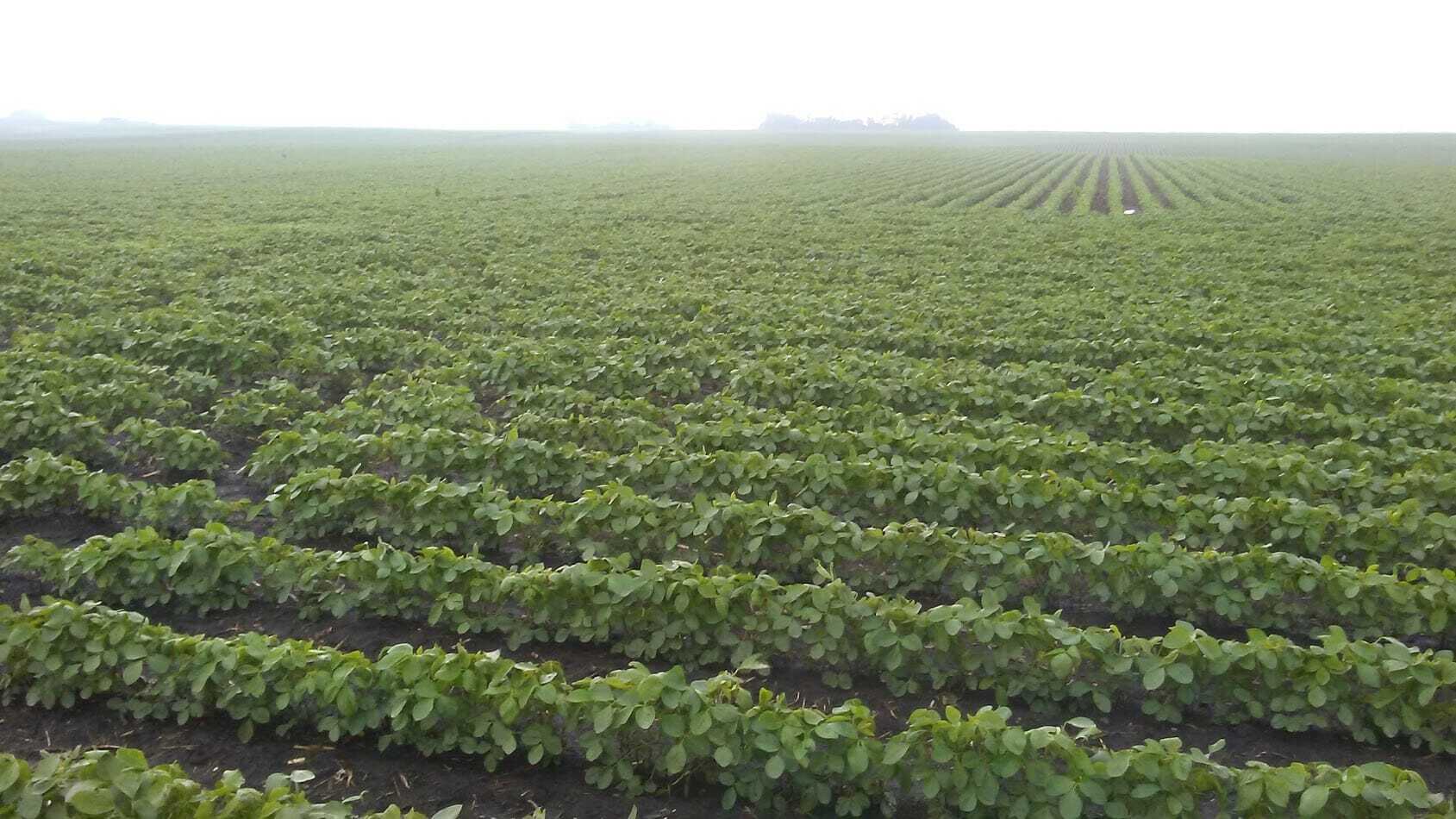
    The 55 mile-per-hour drive-by is one of the most common ways farmers check how crops are doing, but there are some things you just can’t see from the pickup. It really can pay to walk through fields.

    Call your Latham® Dealer and ask him or her to walk through your Latham products. That way you can both monitor how the products are doing. You can note whether you need to adjust which products are planted on each field next year.

    Crop Health and Uniformity

    Corn: Uniform stand and growth stage are more important than seeing dark green seedlings. There is a direct relationship between the amount of productive leaf area and yield. How healthy are the plants in general? How many leaves does a plant have compared to its neighboring plants? Leaves are the factory that produces the ear, so you want leaves to stay green and unimpeded by insects or diseases, which decrease the leaves production. Take stand counts and compare those counts to the counts you get when you walk fields in August for yield estimates.

    Soybeans: Soybean yield is all about the August rains and potential pods. What is there to see now? The row should be closed by R1 (beginning flower) or as close to it as possible. The second most important thing to evaluate in June is how many nodes it has before R1. Our soybeans are all indeterminate, which means they keep putting on more nodes after R1. Your goal is for soybeans to produce as many nodes as possible, so you get as many pods as possible. Early planted soybeans should show more nodes than fields planted later.

    Early Season Stressors

    Corn: Be sure to bring a shovel. Dig some plants up and evaluate whether the nodal root system is developing well, or whether it has hit any compaction or shows signs of insect feeding. By this time, Corn Rootworm larvae are getting started. Although you won’t see the full extent of their damage, which is closer to pollination, this is still a great time to compare different corn traits and potentially in-furrow insecticide treatment. If your roots aren’t healthy, the plant won’t yield to its full potential regardless how green it looks on top. Note foliar diseases like Anthracnose or insect damage because you will want to follow up on those areas closer to pollination.

    Soybeans: The shovel should go into the soybean field, too. Dig some plants and evaluate what the roots look like. Brush off the soil, and use your knife to split some of the nodules. You should see some that are red (producing nitrogen) and some that are green (getting ready to produce nitrogen). The lateral roots off the main taproot should reach across 30-inch rows by now. Although they are very small, Soybean Cyst Nematodes should be a focus at this point in the season. They are often confused with nutrient deficiencies, so take a deeper look. Wash some roots or send some samples to your land grant university because SCN can rob 20% of your yield without you even knowing it. Planting the right genetics protects yield.

    Remember: Green above ground and white below ground or inside the stem means the plant is healthy. Use the Data Forward App or another tool to record specific areas of a field, so you can come back to those spots later in the season and again the following year. Noting trends from season to season will guide you into better management. Field-by-field planning leads to higher profits.

    Phil Long

    June 16, 2021
    #AskTheAgronomist, Agronomics, Corn, Crop, Soybeans, Tech Tuesday
  • Latham Hi‑Tech Seeds

    Call in Your A-Team

    9734676 xl

    The most successful farmers are those who spend substantial time checking for disease, insects, stand uniformity and plant health. When things don’t look good, it’s time to call in your A-Team!

    The Oxford online dictionary defines A-Team as “a group of elite soldiers or top advisors or workers in an organization.” Your A-Team needs to be a group of expert advisors, who can help you diagnose problems and make recommendations to solve those issues. This group might include your Latham® Dealer or RSM, an agronomist from your chemical retailer or local co-op, a county or state Extension expert, or a private consultant that you’ve hired for this specific purpose. Do not rely only on “coffee shop talk” or advice from neighbors or friends.

    With your A-Team in mind, below are five things to watch for as we approach soybean pollination:

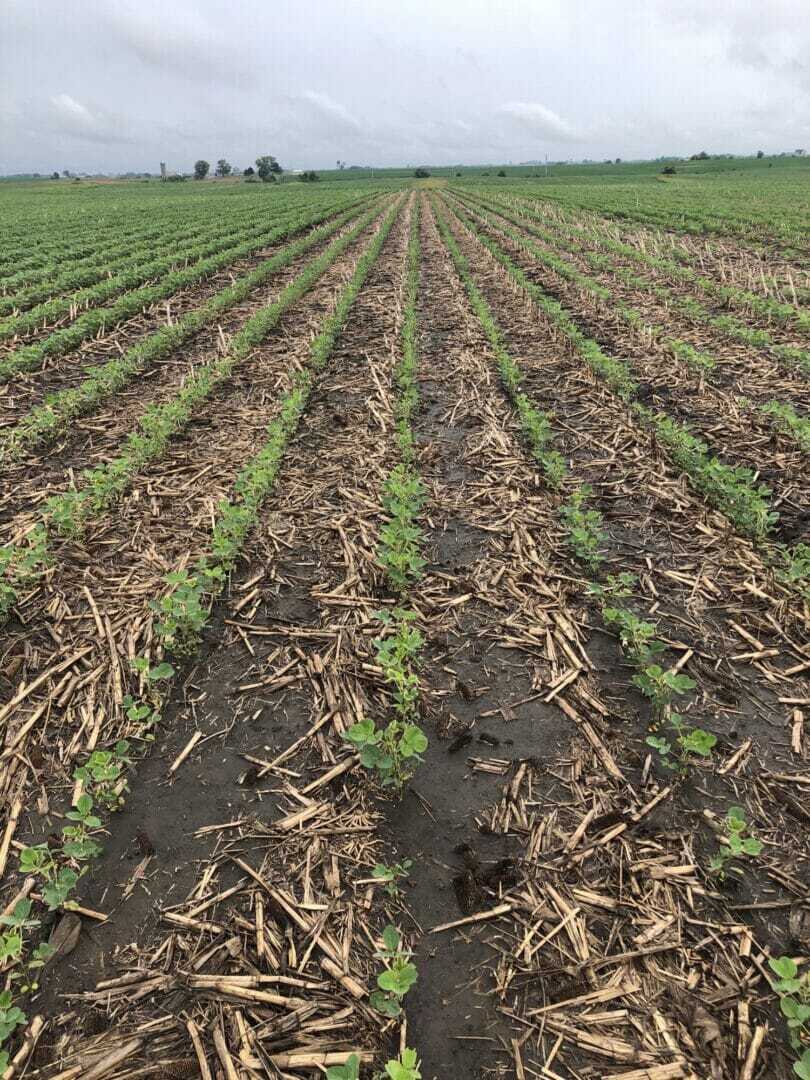
    1. Overall population and stand. I believe that the period between planting and first bloom is the most critical time for soybean growers. Across most of Latham Country, Spring 2021 was dry enough to plant early yet too cool to stimulate consistent growth and vigor. Stands were uneven. Seedlings had a sick, yellow appearance, which can lead to the onset of diseases and pests.

    2. Yellow soybeans. Soybeans can turn yellow (or chlorotic) for many reasons, including Iron Deficiency Chlorosis (IDC), Soybean Cyst Nematode (SCN), high soluble salts, chemical burns, insects and diseases. Your A-Team can help determine what has caused this.

    3. Soybean Aphid. I venture to say the Soybean Aphid is still the #1 insect pest across Latham Country. This insect overwinters in our region as eggs laid on the buckhorn species of trees and shrubs. Winged adults will move to soybeans in early to mid-June. Throughout the summer, most soybean aphids are females that reproduce asexually and rapidly. They can infest a whole field in a matter of days.

    4. Soybean Gall Midge. This new insect species is causing damage in areas of southeast South Dakota, southwest Minnesota, eastern Nebraska, western Iowa and more recently in Northwest Missouri. Researchers expect to see adults in early to mid-June, however, information and management for this pest are still in the discovery stage.

    5. Hail. Farmers don’t need to look for hail, but it too often finds them! Knowing what to look for and how to react is key when deciding what to do after a hailstorm. Soybean plants that are cut off below the cotyledon node have no chance of surviving. Plants that are severely bruised and easily fold over at the impact site have a very poor chance of surviving. However, plants that are only missing one cotyledon or missing both with the growing point still intact have a very good chance of survival. My best advice is to abstain from evaluating fields that received hail as soon as it is dry enough to do so. Instead, give the plants at least a week to see if new growth will occur. That way you can see what you have for a viable population.

    Mark Grundmeier, Product Manager

    June 16, 2021
    #AskTheAgronomist, Agronomics, Crop, Disease, Emergence, Insects, Season, Soybeans, Summer, Tech Tuesday
Previous Page
1 … 11 12 13 14 15 … 67
Next Page

Latham Hi‑Tech Seeds

131 180th Street | Alexander, IA 50420

(641) 692-3258

SIGNUP FOR OUR NEWSLETTER
  • Contact
  • Legal
  • Dealer Center
  • Seedware Login
  • Latham Gear

© 2025 Latham Hi‑Tech Seeds. All rights reserved. | Iowa Web Design by Webspec | Privacy Policy

Latham® Hi-Tech Seeds is a trademark of M.S. Technologies, L.L.C., 103 Avenue D, West Point, IA 52656.