Latham Hi-Tech Seeds

(641) 692-3258

  • Home
  • Products
    • Corn
    • Soybeans
    • Alfalfa
    • Corn Silage
    • Seed Guide
  • Performance
  • Find a Rep
  • Media
    • Blog
    • News
    • Videos
    • Podcasts
    • TECHTalk
  • About Us
    • Company History
    • Our Mission
    • Careers
    • Become a Rep
    • Sowing Seeds of Hope
  • Contact Us
  • Latham Hi‑Tech Seeds

    Notes from the Field – PreHarvest 2021

    Mark soybean article image

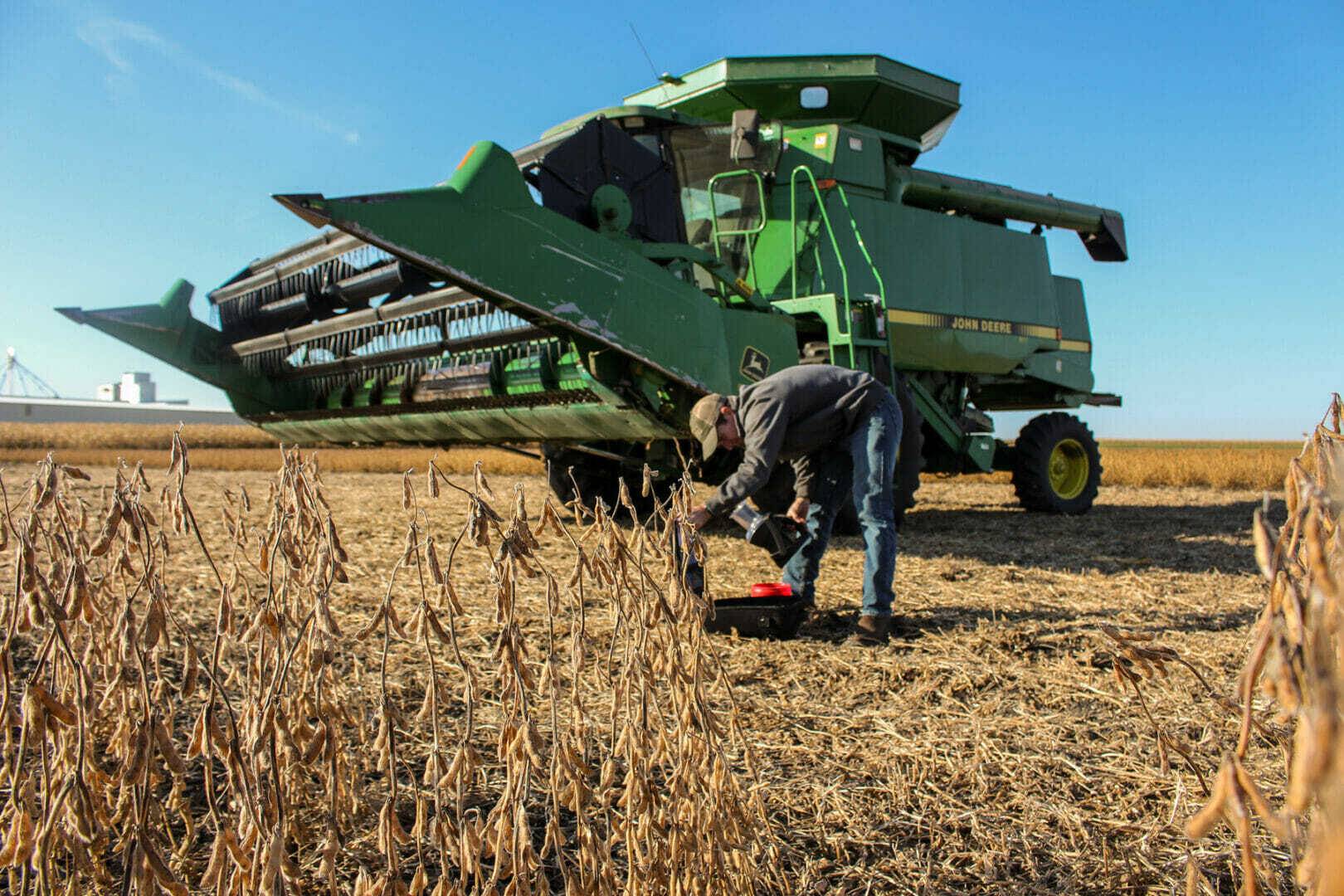
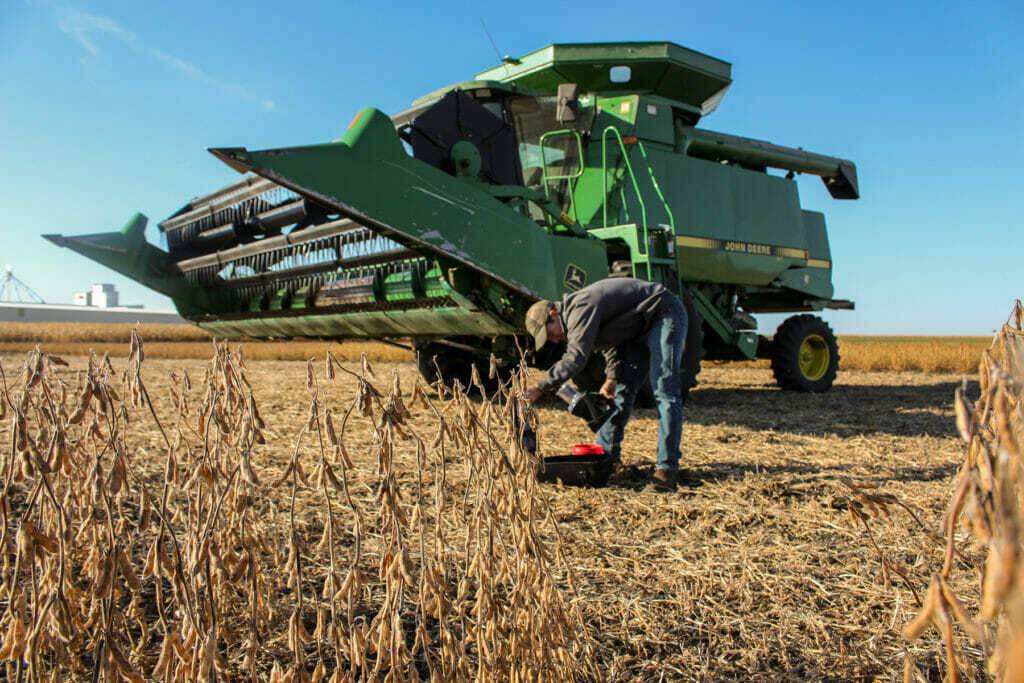
    Mark soybean article imageI’m very hopeful that – even with the dry weather – our production fields can achieve an overall average year for production with sufficient seed for soybean sales in 2022.

    Most soybean farmers’ biggest concern across Latham Country has been lack of moisture. Many have noticed aborted flowers, dropped pods, and restricted pod fill. Thankfully, our production fields in South Central Minnesota received a nice two-inch rain during the first week of August. Most of the growers in our area around Alexander, Iowa, got a nice one- or two-inch rain on August 20-21. That rain will help those fields fill out pretty well. Some of our fields in northern Minnesota also got a nice inch or more that weekend.

    Rainfall has been extremely variable throughout the summer. On August 20, the Des Moines airport reported no rain but most cities throughout the metro got about 1.5 inches! “Spotty” rains have been the norm rather than the exception this season.

    Besides the drought, infestations of two-spotted spider mites are popping up almost everywhere across Latham Country. This is common in periods of dry weather. Most growers seem to be willing to apply pesticides for control, especially when the market price for soybeans is high. Farmers in a few areas have reported Bean Leaf Beetles and Soybean Aphids at very low levels, so insecticide applications have not been necessary.  Grasshoppers also flourish in dry conditions, and I have heard of farmers spraying to control this pest.

    On the disease side, I’ve seen and heard of Sudden Death Syndrome (SDS) and White Mold this season. Dry weather usually hinders huge outbreaks of diseases, but it’s not unexpected that some areas will see things like this. Remember, SDS CANNOT be controlled with a foliar application of fungicide but there are some that can help on White Mold. I’ve also seen some Frogeye Leaf Spot (FLS) in a few fields but not enough to warrant a fungicide except in Southeast Iowa. I’m hearing about and seeing FLS in regions further north than usual, which is evidence this disease is moving farther north every year.

    Call the Latham Team if you need help to diagnose situations or to recommend solutions. Be sure to keep field notes from these problem areas because that will be useful when you select seed in the future.


    Mark Grundmeier, Product Manager

    September 24, 2021
    Agronomics, Crop, Disease, Drought, Fall, Fungicide, General, Insects, Season, Soybeans, Weather
  • Latham Hi‑Tech Seeds

    #AskTheAgronomist: How to Sample for Soybean Cyst Nematode

    Maxresdefault

    This season’s high-stress growing conditions gave light to areas across Latham Country facing high pressure from Soybean Cyst Nematode (SCN). A silent yield-robber, SCN can largely impact final yield and many universities are providing compensation for samples to help get a handle on egg counts across the Midwest. In today’s episode, Precision Agronomist Phil Long explains how to take a representative sample and evaluate pressure in your fields.

    Webspec Admin

    September 22, 2021
    #AskTheAgronomist, Agronomics, Crop, Disease, Fall, Insects, Season, Soybeans
  • Latham Hi‑Tech Seeds

    #AskTheAgronomist: How Do Corn Roots Effect Stalk Development

    Maxresdefault

    How does proper establishment of corn root systems affect late-season stalk development and plant health? Precision Agronomist Phil Long breaks down the how and why with a demonstration of how to evaluate corn plants in your fields.

    Webspec Admin

    September 15, 2021
    #AskTheAgronomist, Agronomics, Corn, Crop, Fall, Season
  • Latham Hi‑Tech Seeds

    Test for Aflatoxin Before Feeding Moisture-Stressed Corn

    Aflatoxin Enhanced

    It could be a matter of life and death.

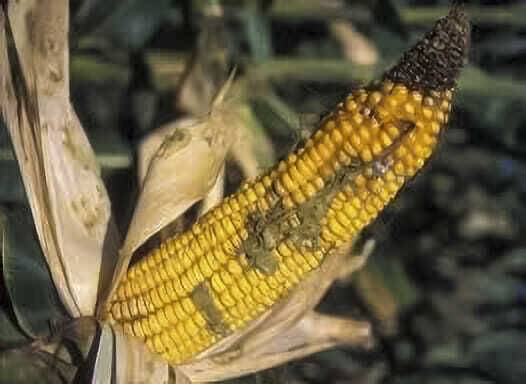
    Hot, dry summers like we’ve seen throughout the 2021 growing season stress plants and create the perfect environment for fungal growth and toxins. Test for nitrate levels and mycotoxin before you feed moisture-stressed corn silage or grain to livestock. If you plan to graze corn stubble, it is a good idea to test the lower one-third of plant in the area you plan to graze.

    Even one highly contaminated kernel in a five-pound sample could result in more than 20 parts per billion (ppb) aflatoxin. If you see olive green or graygreen fungus on corn kernels, contact a feed testing lab like DairyLandLabs.com or IowaGrain.org.

    Aflatoxins cause various animal health problems, including death in some cases. Most commonly, feeding contaminated corn reduces the animals’ feed efficiency and reproductivity. Aflatoxin also suppresses an animal’s immune system, making it more susceptible to infectious diseases. In addition, aflatoxin can appear in the milk produced by dairy cows that were fed contaminated corn.

    Prime conditions for the fungus to produce toxin are warm nights, when temperatures stay above 70 degrees Fahrenheit, during the latter stages of grain fill (August/September) in a period of drought. As kernel moisture decreases, aflatoxin production increases. Toxin production is highest at 18 to 20 percent kernel moisture and usually stops around 15 percent kernel moisture. Ensiling corn usually does not reduce aflatoxin concentrations, but concentrations are unlikely to increase in properly managed silage.

    Below are guidelines from the Food and Drug Administration (FDA) for acceptable aflatoxin levels in corn based on intended use. I also encourage you to work with a livestock nutritionist.

    Aflatoxin table

    Webspec Admin

    September 10, 2021
    Agronomics, Corn, Corn Silage, Crop, Disease, Drought, Season, Summer, Weather
  • Latham Hi‑Tech Seeds

    2021 Latham Field Day

    Field Day

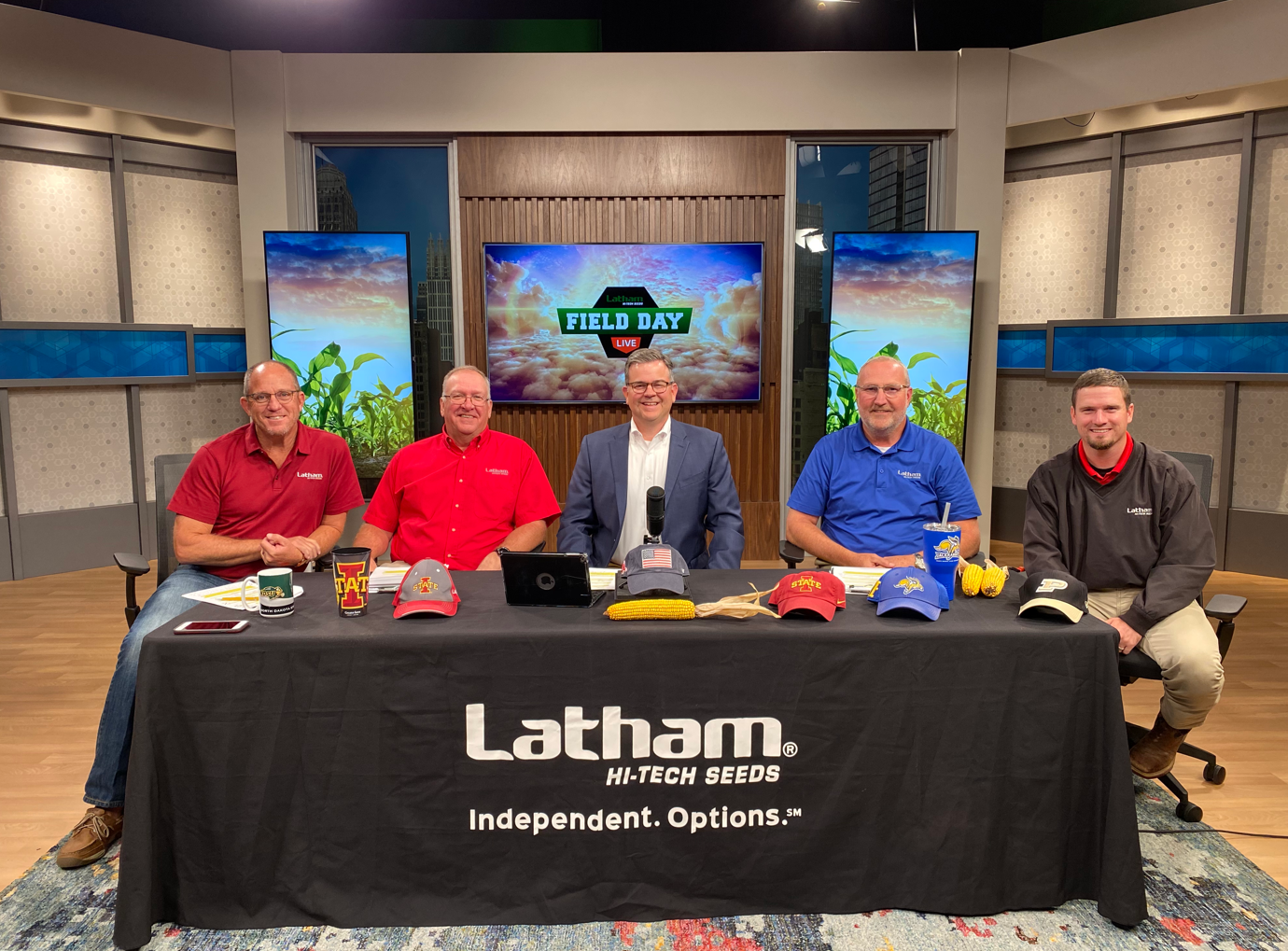
    Join us for Latham Field Day LIVE!

    Like all farm families, we know what it feels like to win big. We also know the agony of defeat. We watched helplessly, like so many of you during the last week of August, as winds reaching 92 miles per hour wreaked havoc across the Upper Midwest. When the skies cleared, we saw that our brand NEW Premier Agronomy Center had taken a terrific beating. Which was so unfortunate for our traditional live-on-the-farm Field Day.

    The spirit of agriculture and America’s farmers is strong. Thankfully, technology allows us to share some of those research highlights with you. The program lineup includes our premier agronomy center, discussion on what we are seeing around the Midwest and new technologies and how to best use them.

    Webspec Admin

    September 10, 2021
    Agronomics, Crop, Fall, From the Field, General, Season
  • Latham Hi‑Tech Seeds

    #AskTheAgronomist: Planting Depth Effect on Ear and Root Development

    Hqdefault

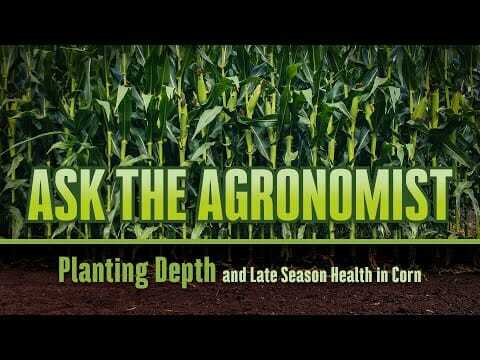
    Planting depth matters! In this week’s #AskTheAgronomist, our special guest Corn Product Manager Lyle Marcus shows results from some on-farm studies on the effects of planting depth on plant, root and ear development.

    Webspec Admin

    September 8, 2021
    #AskTheAgronomist, Agronomics, Corn, Crop, Fall, Season
  • Latham Hi‑Tech Seeds

    #AskTheAgronomist: Late-Season Scout Now to Create Success Next Season

    Maxresdefault

    Recent heavy rains combined with high temperatures can create isolated cases of soybean disease. In this episode of #AskTheAgronomist, Precision Agronomist Phil Long addresses the basics of the big six and the benefits of late-season scouting to create success for next season.

    Webspec Admin

    September 1, 2021
    #AskTheAgronomist, Agronomics, Crop, Disease, Fall, Season, Soybeans
  • Latham Hi‑Tech Seeds

    AlfaShield Gives Seed a Competitive Edge

    Alfashield logo

    What gives you a competitive edge?

    There are many clever practices that can give athletes an edge. When drug testing became a standard, athletes had to discover legal ways to get an edge. It was noted that athletes who trained at higher elevations tended to perform better. As science progressed, they discovered the oxygen concentration is less at high elevations. Over a long period of time, our bodies will release a hormone to stimulate the production of more red blood cells because red blood cells carry oxygen in the blood. When the athletes returned to lower elevations to perform, they had more capacity to perform because they had significantly more red blood cells.

    Alfashield logoHow in the world does this relate to alfalfa? Think of the seed as an athlete of the acre, competing to germinate quickly and yield more. When we add AlfaShield seed treatment, the alfalfa seed has a performance-enhancing advantage. AlfaShield provides a distinctive winning edge as it combines a list of highly researched ingredients and incorporates them into an osmotic protective type coat.

    Think of AlfaShield as wrapping your alfalfa seed in a sponge. It helps protect the fragile germ of the seed. It also helps draw moisture to the seed, which is particularly important when seeding into moisture-stressed soils. Summers-seeded alfalfa is up against the time clock to get four to six weeks of significant growth to develop the crown. That’s why it’s so important for the seed to germinate quickly. If there isn’t any rain, this delay could be costly. You’ll see in the 2022 Latham® product guide that we have added a dry matter (DM) ton advantage of AlfalfaShield compared to the old industry standard. AlfaShield has a bigger advantage in moisture-stressed soils.

    We had scheduled alfalfa research trials, including seed treatments, for 2021. Unfortunately, this has been delayed because the university was unable to run it due to Covid-19. Because I already had the seed, I did a quick home study. All the seed came from the same lot: raw seed, old industry-standard treatment, and AlfaShield. I got three flower pots and used regular potting soil for consistency. Then I counted 100 seeds of each.

    Note that in the first 65 hours, AlfaShield had ten times more seeds emerge than the other two treatments! Seeds with the other two treatments eventually emerged because this was an ideal situation. However, a farm field is not ideal. We know Mother Nature can be brutal, and the risk to the seed is high.  AlfaShield is a tough seed treatment. It helps manage the risk of the acre better than the rest, and it shows up in the yield and quality. Emerge fast. Grow strong. Yield more!

    Webspec Admin

    August 27, 2021
    Agronomics, Alfalfa, Crop, Drought, General, Seed Treatment, Soil, Weather
  • Latham Hi‑Tech Seeds

    How to Hand Make a Hybrid

    Maxresdefault

    Pre-Commercial Manager Bob Foley and President John Latham demonstrate the steps to create new crosses and “hand make a hybrid” in Latham’s Central Iowa Corn Nursery.

    Webspec Admin

    August 25, 2021
    Agronomics, Corn, Crop, Industry News, Season, Seed Technology, Summer
  • Latham Hi‑Tech Seeds

    Prepare Now for a Fight Next Season

    Weed Resistance

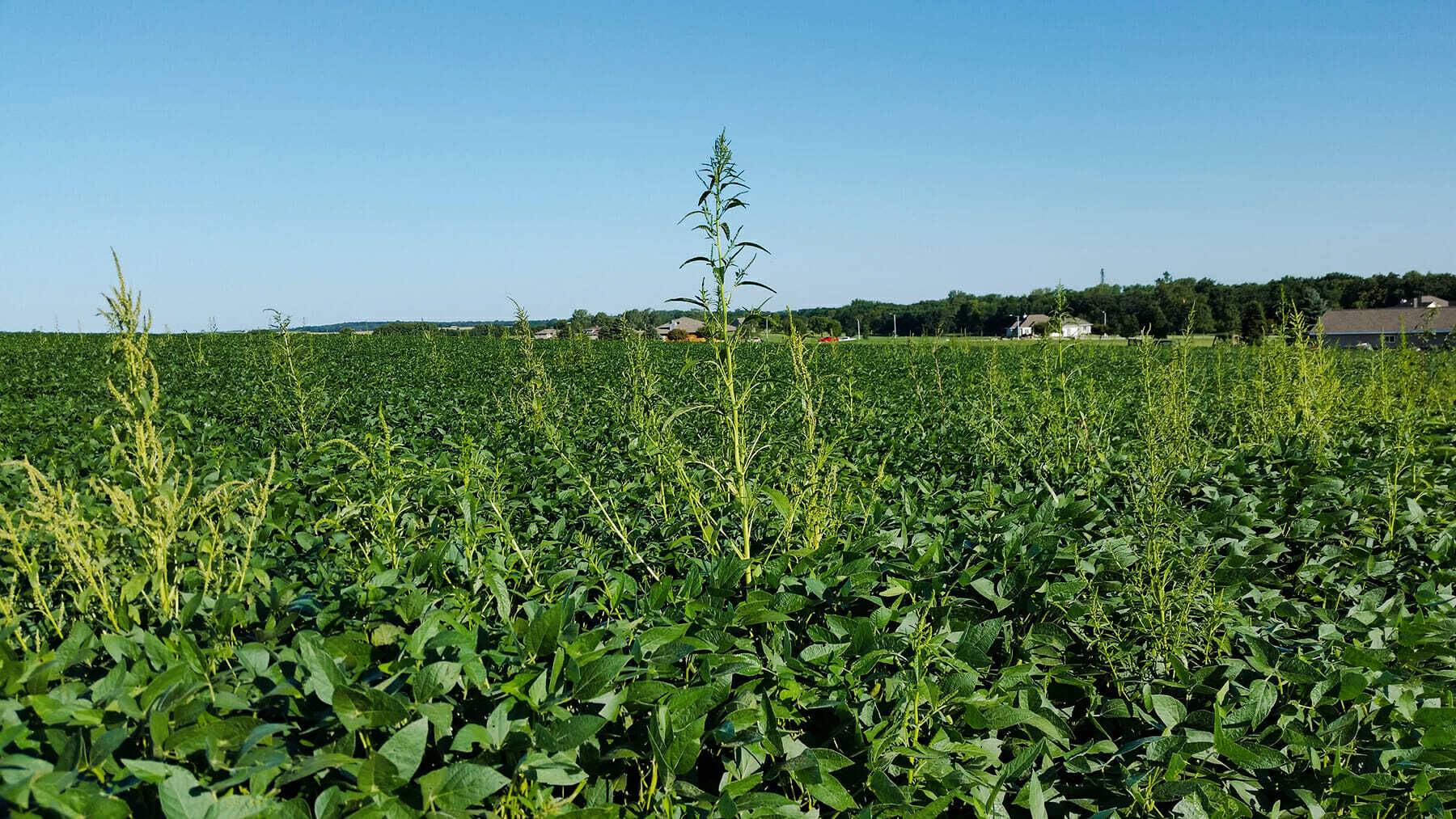
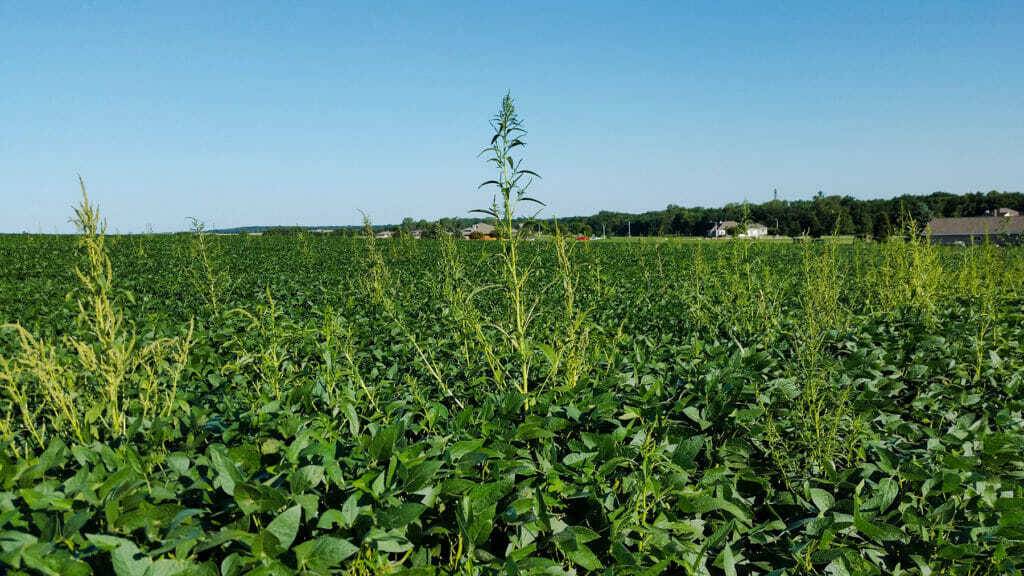
    Weed ResistanceMother Nature throws a few curveballs each season and 2021 is no exception. Our crops are suffering from drought, but weeds are thriving across Latham Country. Herbicides are not as effective when weeds are not “actively growing” as has been the case this season. Grass herbicide tank mixes were much less effective this year due to dry growing conditions and antagonism in the plant.

    Because weeds always find a way to succeed and survive, we need an integrated approach to manage them. Below are few things you can do this year to combat weeds next year:

    1. Document the worst fields. Latham’s FREE Data Forward® app scouting tool allows you to drop a pin in the field where you see weed escapes. Late summer is the best time to do this as you’re doing yield estimates and late-season field visits. As the crops mature, you can easily see those green weeds poking though. Then later this fall make sure you’re selecting the right herbicide- resistant traits in your soybeans to put up the best fight against them in 2022.
    2. Spray early and layer residuals. Don’t go away from applying residual herbicides just because Latham is offering Enlist® E3 and Xtend® traits. No matter which soybean traits you’re planting, residual herbicides should be part of the program. Layering herbicides in the early season and then in your post application will be most beneficial. In 2021, we sprayed taller weeds. Then drought prevented soybean rows from closing quickly enough, so we had late flushes of weeds after a rain. Prepare to spray weeds when they are small, regardless of soybean growth.
    3. Try cover crops. Cereal rye reduces the density of waterhemp early in the growing season, which in turn allows herbicides to be more effective on smaller weeds, according to a multi-state study funded by the United Soybean Board. If you have a field with strong waterhemp pressure in corn this year, cereal rye is an excellent tool to help prevent your fields from being overrun by waterhemp next year.
    4. Dig out the iron. I saw row cultivators appear this year in areas to help slow down the weeds and allow the soybeans to close the rows. Extra tillage is not advantageous for the soil structure and limiting runoff, but in a year when herbicides are less effective, sometimes we must drag the iron to the battlefield.

    It’s all about an integrated approach. No matter how many options we have for herbicide traits, weeds will always foil our best efforts. It’s time to put on our fighting gloves and manage each field based on its weed control needs.

    Phil Long

    August 20, 2021
    Agronomics, Crop, Drought, Herbicide Technology, Industry News, Season, Soybeans, Spring, Summer, Weather, Weed Control
Previous Page
1 … 9 10 11 12 13 … 67
Next Page

Latham Hi‑Tech Seeds

131 180th Street | Alexander, IA 50420

(641) 692-3258

SIGNUP FOR OUR NEWSLETTER
  • Contact
  • Legal
  • Dealer Center
  • Seedware Login
  • Latham Gear

© 2025 Latham Hi‑Tech Seeds. All rights reserved. | Iowa Web Design by Webspec | Privacy Policy

Latham® Hi-Tech Seeds is a trademark of M.S. Technologies, L.L.C., 103 Avenue D, West Point, IA 52656.