Latham Hi-Tech Seeds

(641) 692-3258

  • Home
  • Products
    • Corn
    • Soybeans
    • Alfalfa
    • Corn Silage
    • Seed Guide
  • Performance
  • Find a Rep
  • Media
    • Blog
    • News
    • Videos
    • Podcasts
    • TECHTalk
  • About Us
    • Company History
    • Our Mission
    • Careers
    • Become a Rep
    • Sowing Seeds of Hope
  • Contact Us
  • Latham Hi‑Tech Seeds

    Spring Management Decisions

    Phil Planting

    IMG 5301Written by Darin Chapman, Latham Agronomy Adviser

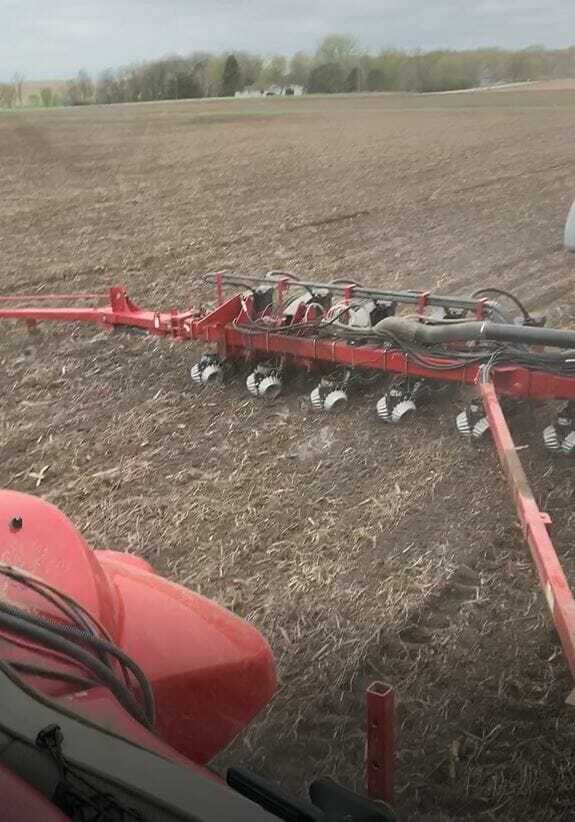
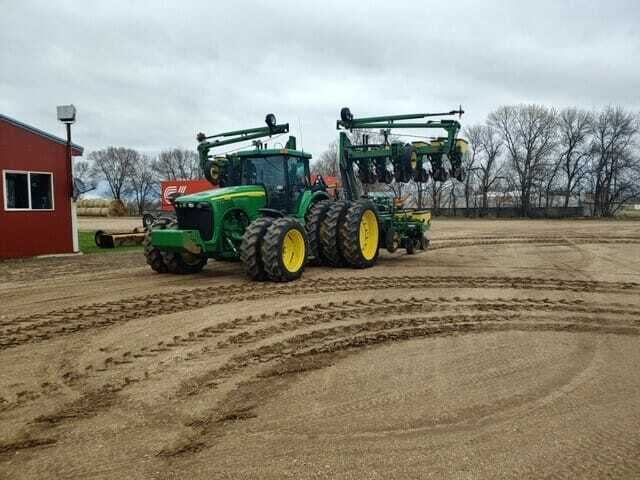
    Having a plan, and the execution of that plan with corn planting is critical to maximizing the yield potential with today’s high yielding hybrids, and many of these management decisions are made well before planting.  Some of these choices may be hybrid, crop rotation, tillage, nutrient placement, target planting rate, and even planter upgrades.

    One of the most crucial key management decisions to look at is achieving uniform plant emergence. If we do not achieve even emergence throughout the field, everything else we worked hard to achieve such as singulation, target population, and spacing will not matter if they don’t have even emergence.

    Consider three things when trying to achieve stellar emergence: Simultaneous, quick, and secure. Consistent heat and moisture are two things needed when a seed is planted. Tillage, residue management, downforce, and closing the furrow, are just a few variables to manage attaining even emergence.

    1. TILLAGE. If making a tillage pass in the spring prior to planting, it is important to make sure both dry and moist soil are not mixed in the seed zone. This could cause the seeds to experience variances in moisture causing different emergence timing.
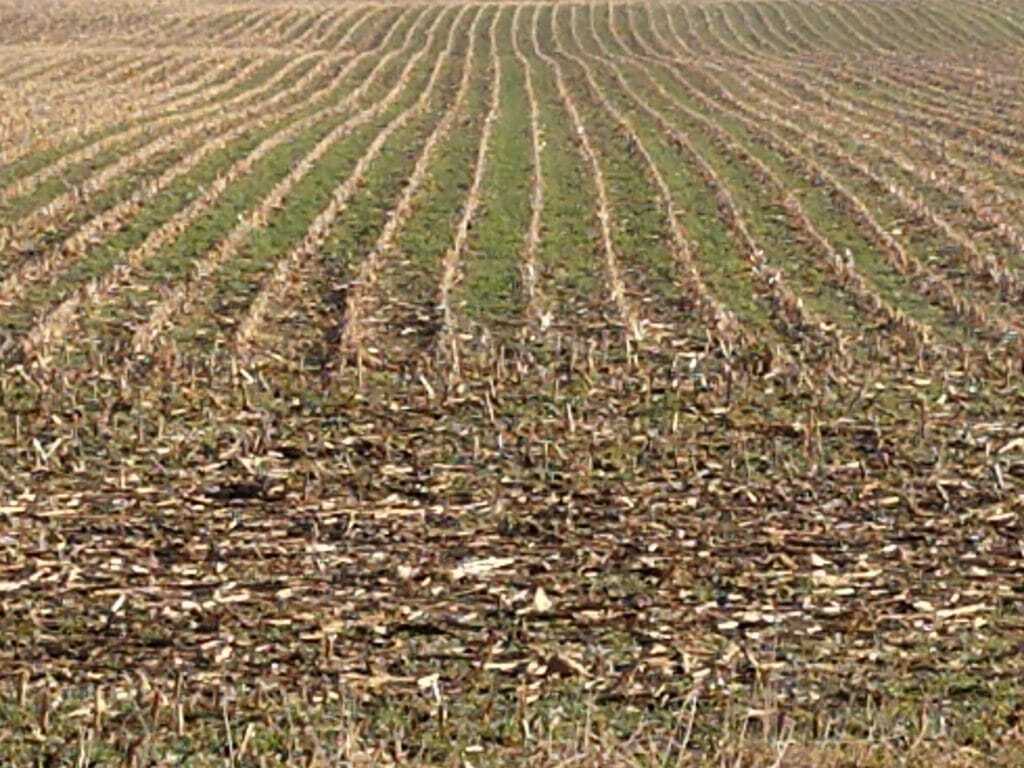
    2. RESIDUE MANAGEMENT. Leaving crop residue on the surface of the soil is an investment and saves from wind and water erosion.  Although residue being very valuable, it needs to be managed.  If residue isn’t properly managed, it can cause late emergence, seedling blights, and nutrient deficiencies.
    3. DOWNFORCE. This is probably one of the more crucial aspects that affect emergence and yield but is often overlooked. The proper weight on a planter gauge wheel determines we are planting at the correct depth.  To control this, we need adequate down pressure on the gauge wheel. Side walls can collapse if there isn’t enough weight applied to the gauge wheels. If there is too much weight applied, compaction can be an issue. Studies have shown that lift force on a planter row unit plays as big of a part in even emergence as downforce.  Lift force will help avoid side wall compaction while still maintaining adequate seed depth.

    Let us help you with these management decisions to attain even emergence and a picket fence stand.  Call 1-877-GO-LATHAM to schedule a Data Forward Needs Assessment.

    Webspec Admin

    May 3, 2019
    Agronomics, Precision Ag, Season, Spring, Tech Tuesday
  • Latham Hi‑Tech Seeds

    #AskTheAgronomist: Row Cleaners

    5.2.19 Phil

    LIBSYN header 2 01

    What’s the proper height adjustment for your row cleaners? Tune in to find out! We will go over three scenarios: no-till, reduced till and conventional till. #AskTheAgronomist

    https://www.facebook.com/LathamSeeds/videos/347855382746136?sfns=mo

    Laura Cunningham

    May 2, 2019
    #AskTheAgronomist, Agronomics, Precision Ag, Season, Spring
  • Latham Hi‑Tech Seeds

    May 1, 2019 Crop Reports

    Larry

    Eastern North Dakota

    Brain McNamee

    Almost every farm I drive has equipment parked. Farmers are itching to get going. Over the weekend, rain and snow fell across the region. The moisture was appreciated but came with cold temperatures. Mid-April temps in the 70s and 80s were quite the teasers! Soil temps are below 40 degrees again and below-normal highs are in the forecast. Periodic rains are also in the forecast, so hopefully that changes for the better. We have been moving seed in preparation of these weather possibilities, so please call your Latham® dealer.

    Brian 1

    Southeast North Dakota

    Gary Geske

    Cool, wet soils are creating challenges for farmers to get in the fields, but this weather isn’t preventing early season broadleaves and grasses from emerging on lighter soils. If you use a conventional tillage system, the field cultivator does a pretty good job of removing these weeds before planting. However, if you use minimum till or no till, you must use a burndown herbicide or a combination of burndown and pre-emergence application to prevent early competition or worse weeds that become too big for herbicides to work properly.

    Gary 1


    Southeast South Dakota

    Ramie Coughlin

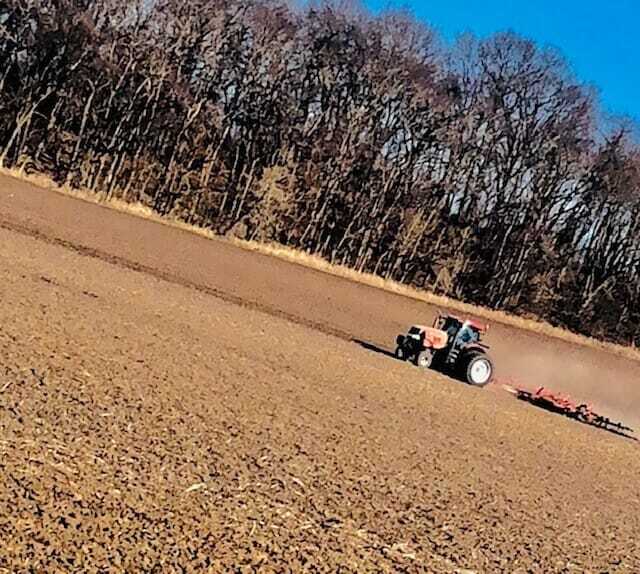
    Sunshine and dry weather last week got farmers itching to get in the field. I saw some tillage equipment in fields last Thursday and Friday. A few fields of small grain got planted, however, the rain that fell over the weekend and during the first part of this week has slowed progress once again. Hopefully, drier weather is on it way so we can all go farming soon.

    Ramie 1


    Northern Minnesota

    Ken Highness

    Field work is very slow in my region because of cool, wet soil conditions. Most farmers have everything in place, so they’re ready to roll when Mother Nature cooperates. I stopped to see Todd Toppen and found his dog, Patton who was named after the general, guarding the seed.

    Ken

    Southern Minnesota

    Justin Prokosch

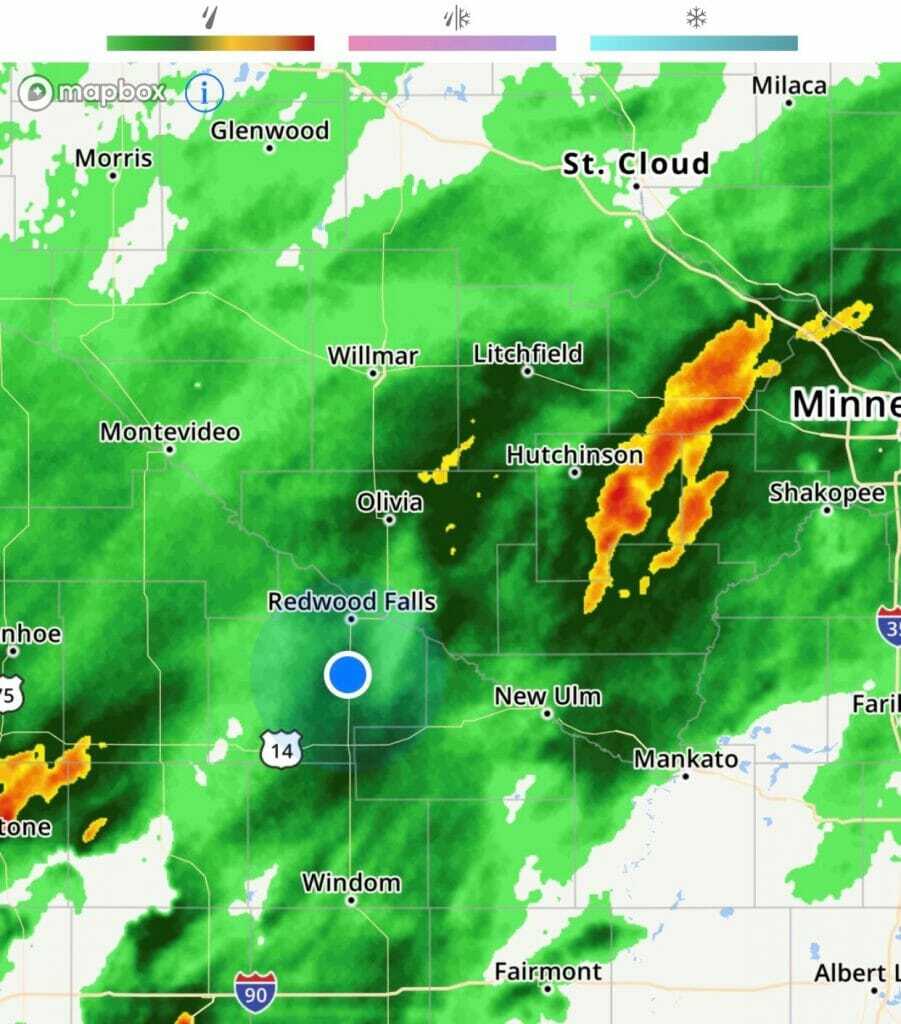
    With the snow and rain that fell across many parts of southern Minnesota last weekend, planting is still at a halt. We hope and pray warmer and drier days.

    Justin 1

    Justin 2

    Justin 3

    Justin 4


    Northern Wisconsin 

    Joe Salter

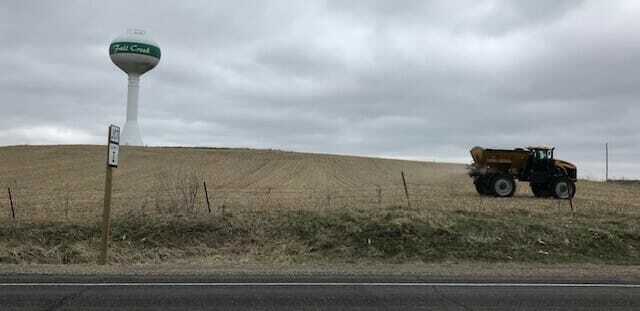
    Field work is finally under way in Northern Wisconsin. Fertilizer was spread recently in a field where a Latham® SuperStrip plot will be planted. Several corn plots will be planted during the next few weeks, so be sure to check out some local plots this year!

    Alfalfa has been hit hard with winter kill as is evident in this field along Hwy 29 in Clark County.  Many producers will need to adjust their crop plans for these damaged fields.  For more information on alfalfa and winter kill, check out this link: https://www.facebook.com/LathamSeeds/videos/577684892726656?sfns=mo

    Joe 1

    Joe 2

    Joe 3

    Southern Wisconsin

    Greg Mair

    Conditions were nearly perfect for planting in southern Wisconsin last week. Then rain and snow moved in Saturday. Seven to eight inches of snow fell in some areas, but it didn’t stick around long.

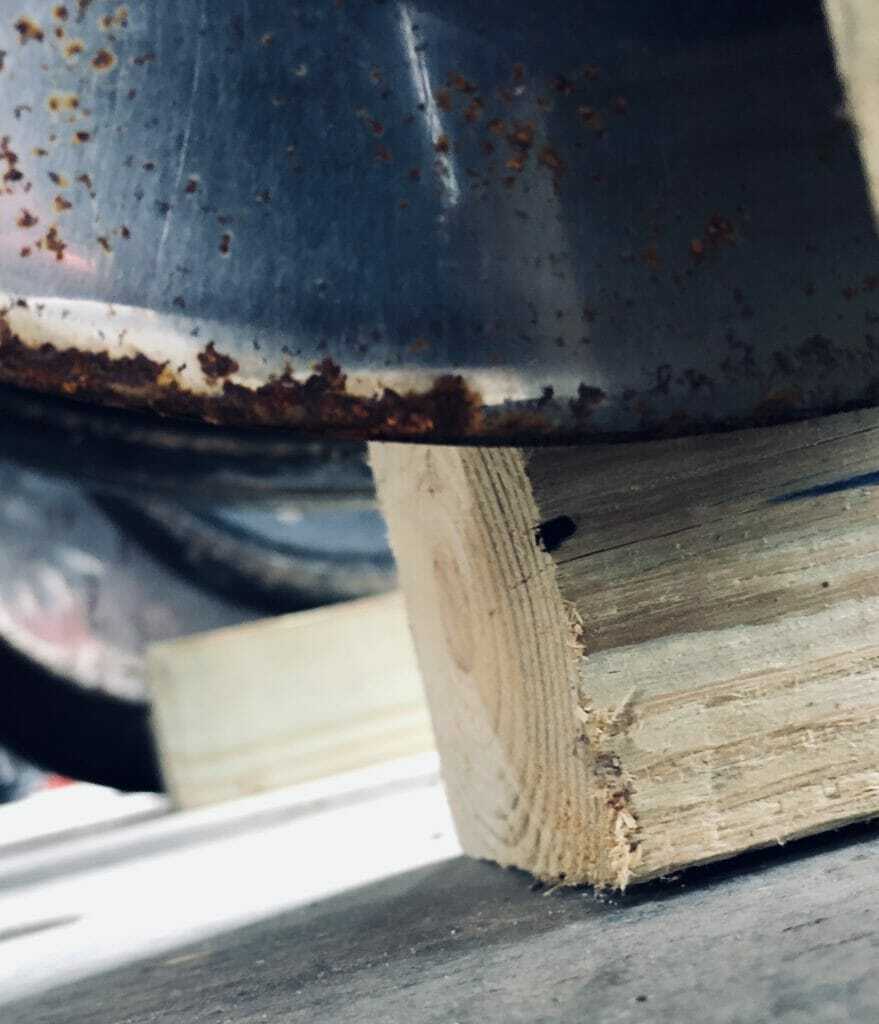
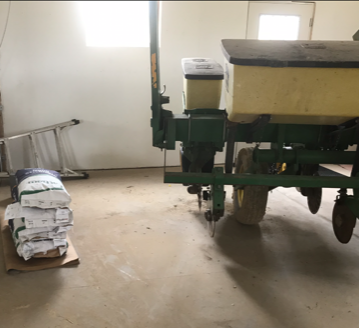
    Wet conditions are giving farmers extra time to check their planters. One farmer was checking and adjusting the seed depth on his machine on Monday when I stopped by his shop. Everyone wants to make sure the machinery and equipment is in working condition we finally get back into the fields.

    Greg 1

    Greg 2


    North Central Iowa

    Cory Greiman

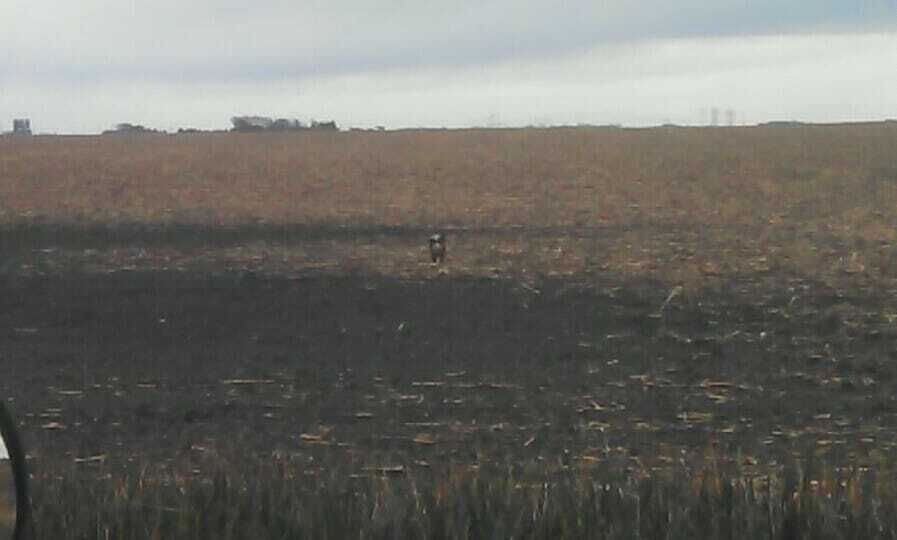
    Fields are too wet for field work in North Iowa, but you can see interesting things – like a rogue pig in the middle of a field – while driving down country roads on a rainy spring day.

    Cory 1

    Northeast Iowa

    Craig Haaland

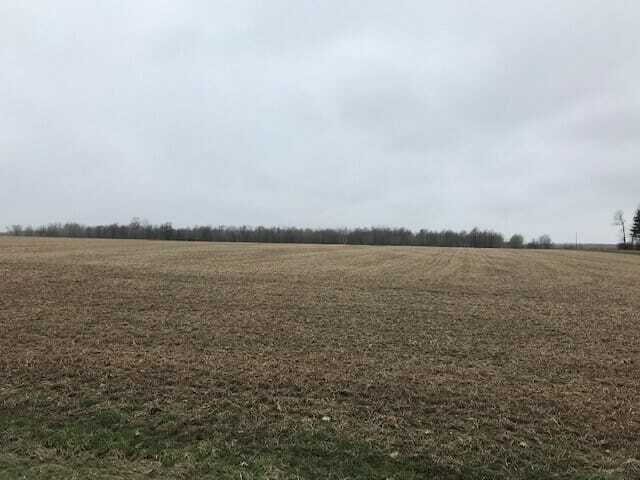
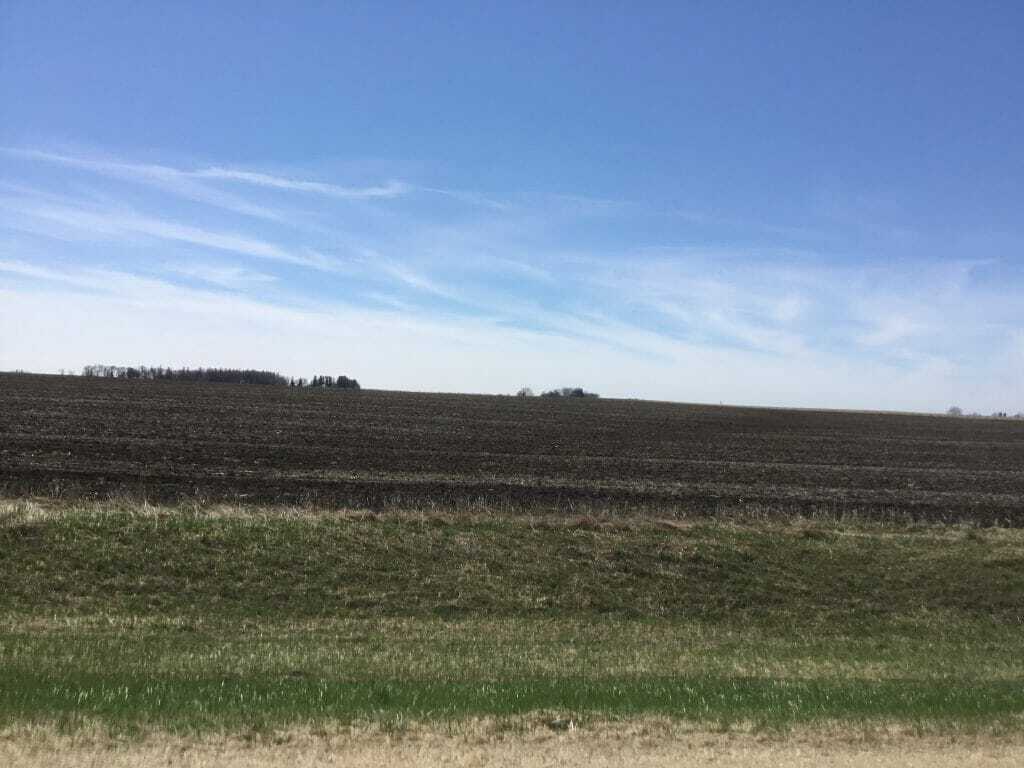
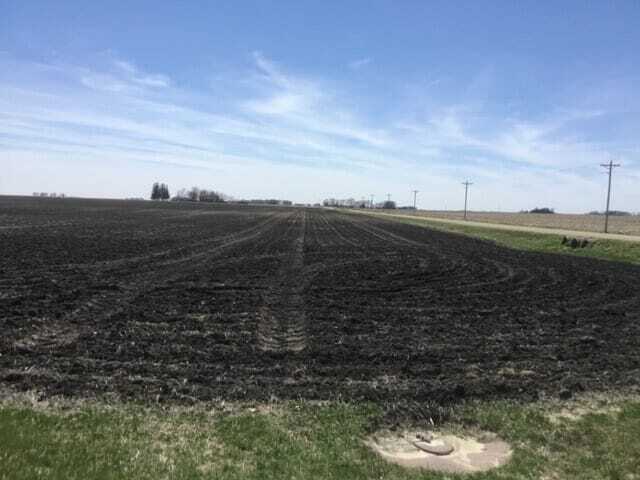
    This field in Mitchell County, Iowa, is ready for planting once the weather cooperates. A few fields got planted last weekend before rain and then snow moved in Saturday. More rain is in the forecast, so all we can do is be patient and be ready to roll once the conditions are fit. It’s May 1, so there’s still time to make a great crop.

    Craig 1

    Northwest Iowa

    Darin Chapman

    I really enjoy helping customers make sure their planters are field ready by running health checks and making sure that seeding prescriptions are successfully loaded through our cloud-based system. This is all part of our advisory service offered by Latham Hi‑Tech Seed’s Data ForwardTM precision ag services.

    Eastern Iowa

    Jerry Broders

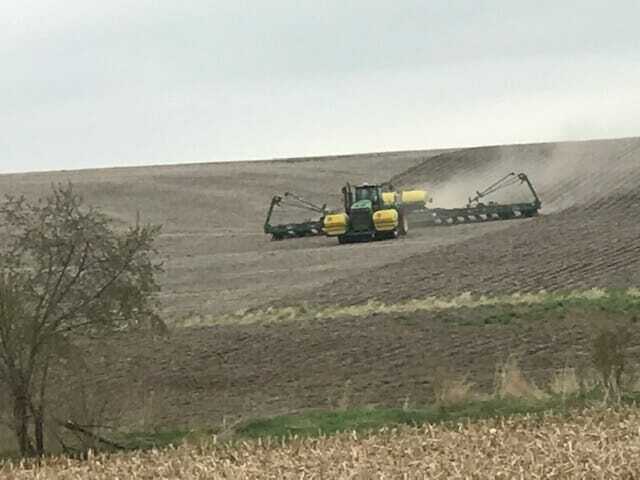
    Planting corn by Center Point last Thursday.

    Jerry 2

    The 3.9 inches of rain that from Saturday through Tuesday brought field work to a standstill.

    Jerry 1

    Western Iowa

    Larry Krapfl

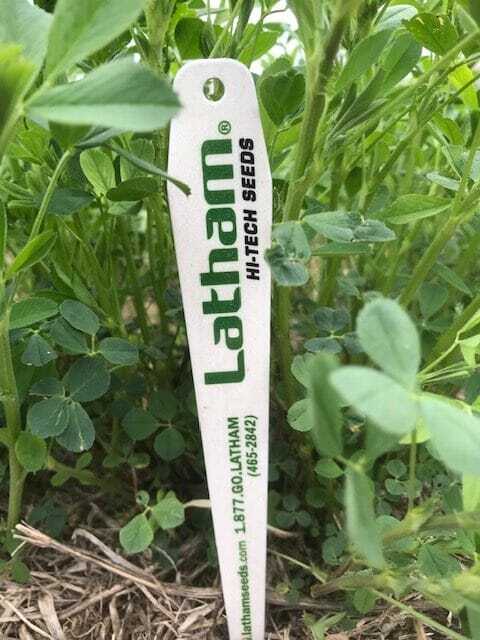
    Latham 455TQ alfalfa is growing strong. It already measures 9 inches. I can’t wait for first cutting smell!

    Larry

    West North Central Iowa

    Bart Peterson

    Sunrise with fog on Tuesday morning near the river in Fort Dodge, Iowa, made a beautiful picture.

    Bart 2


    Central Iowa

    Bryan Rohe

    The end of planting corn is in sight. Several Central Iowa farmers finished corn last Thursday and Friday. A few farmers went straight from planting corn to soybeans, but the majority switched the planter over but are waiting for the cool rain to pass. Temperatures dropped Saturday as rain moved into the area. Some areas had received 1.25 inches as of Monday. Wet soils will keep farmers out of the field most of this week. Stay safe on the county roads because they’re a mess!

    Bryan 1


    Laura Cunningham

    May 1, 2019
    #FromTheField Crop Reports, Season, Spring
  • Latham Hi‑Tech Seeds

    Follow the Rules to Keep the Dicamba Tool

    STS14 2014 004

    In 2018, the EPA extended the registration for over-the-top use of select dicamba products to control weeds in soybean and cotton fields that are genetically engineered to resist dicamba. This registration included label updates which add certain measures to further minimize the potential of off-target damage. This registration will automatically expire on December 20, 2020, unless the EPA extends it further. Listed below are some of the FEDERAL updates now in effect:

    • Only certified applicators may apply dicamba over-the-top; applicators working under the direct supervision of certified persons are no longer qualified.
    • Post-emerge applications to soybeans are prohibited 45 days after planting or later.
    • Applications are allowed only from 1 hour after sunrise to 2 hours before sunset.
    • In counties where endangered species exist the downwind buffer will remain at 110 feet and there is a new 57-foot buffer around the other sides of the field.
    • Training periods for 2019 and beyond will be clarified, ensuring more consistency across all three registered products: XtendiMax®, Engenia® and FeXapan®.
    • Tank clean-out instructions will be
      further enhanced.
    • Enhanced labels to improve the awareness of the impact of low pH’s on volatility.
    • Label clean up and consistency to improve compliance and enforceability.
    In addition to these updates, some state Departments of Agriculture have additional restrictions. Here are a few standouts from states in Latham Country:

    Minnesota: Must not apply dicamba herbicides after June 20th. There will be no temperature restriction for 2019.

    North Dakota: Must not apply dicamba after June 30th. Keeping records of dicamba applications is required and will be strictly enforced.

    South Dakota: Must not apply dicamba after June 30th, 45 days after planting or the R1 (beginning bloom) stage of soybeans, whichever comes first. Applicators must also pass a short exam after training is completed.

    Illinois: Must not apply dicamba after June 30th. Do not apply when the wind is blowing toward adjacent residential areas. Before spraying, the applicator must consult the FieldWatch sensitive crop registry. Further restrictions apply when spraying near the downfield edge of any Illinois Nature Preserves Commission Site.

    These are just some of the new requirements for the application of dicamba over-the-top of soybeans in 2019. There may be additional restrictions from the states not mentioned above or from local authorities. If you will be applying any of the dicamba products in 2019, make certain you attend the required ANNUAL training and conform to what the label requires. Please make these restrictions a high priority so we can continue to use this valuable tool in the fight against weed resistance!

    Mark Grundmeier, Product Manager

    April 30, 2019
    Agronomics, Crop, Herbicide Technology, Industry News, Season, Soybeans, Spring, Summer, Tech Tuesday, Weed Control
  • Latham Hi‑Tech Seeds

    Planting Tips with Snow in the Forecast

    57251394 376280106561983 3185295454933876736 n

    LIBSYN header 2 01

    Join us this morning on #AskTheAgronomist as we discuss pertinent planting tips with the recent addition of snow in the forecast. #LathamSeeds

    https://www.facebook.com/LathamSeeds/videos/376269313229729?sfns=mo

    Laura Cunningham

    April 25, 2019
    #AskTheAgronomist, Corn, Crop, Frost, Season, Soybeans, Spring, Weather
  • Latham Hi‑Tech Seeds

    April 24, 2019 Crop Reports

    Cory 1

    Eastern North Dakota

    Brain McNamee

    Planting conditions are very favorable, especially in the north and in the west. Even where it has been very wet this spring, tillage is underway. Farmers and those working in agribusiness are extremely busy. Lots of equipment is moving, so it’s imperative that we all stay aware and vigilant during these next few weeks. Let’s all have a wonderful, safe spring!

    Brian M

    Southeast North Dakota

    Gary Geske

    Some areas are still too wet to get in the field, but a few planters are rolling. Soil conditions will remain colder than normal for sometime yet, so planting depth is critical for even emergence. Seed treatments, which protect seeds during germination and through their early growth stages, are even more important on years like this.

    Gary G


    Southeast South Dakota

    Ramie Coughlin

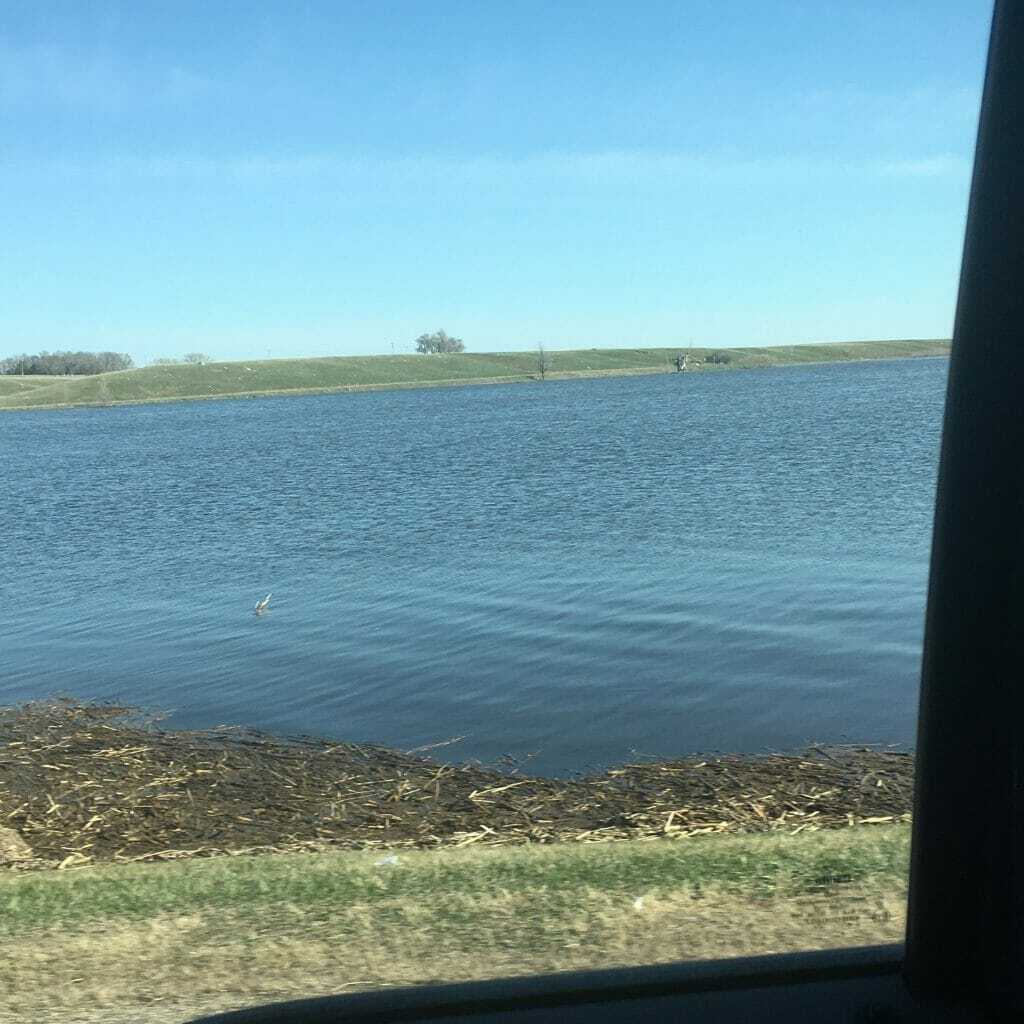
    This past week the sun came out, temperatures rose, and the snow melted. All that good news means more flooded rivers. Pictured here is the James River near Huron, South Dakota. You can see this river is flowing outside its banks and into a field of corn stalks. Fortunately, the forecast calls for sun and wind with a few slight chances of rain. We’re hopeful fields will begin to dry out, so machines can start moving.

    Ramie


    Northern Minnesota

    Ken Highness

    The picture was taken Monday near Appleton, Minnesota, which is about 150 miles south of Fargo, North Dakota. This is very typical site on farms throughout my region. We’re eagerly waiting for the snow to disappear from the tree claims, rivers to recede, and soils to dry, so planting may begin.

    Ken

    Southern Minnesota

    Justin Prokosch

    More than an inch of rain fell the past week in many parts of southern Minnesota, so field work is still at a standstill. Also during the past week, soil temps have gradually increased University of Research station in Lamberton. Depending whether we receive the precipitation that’s in this weekend’s forecast, we may see some activity in fields early next week.

    Justin P


    Northern Wisconsin 

    Joe Salter

    The past few weeks have been interesting in Northern Wisconsin from blowing and drifting snow to flash flood warnings followed by more rain and more flash flooding. Last week we finally caught a break in the weather with sunshine and temps in the 60s. Although we are not planting yet, we are moving in the right direction.

    Joe 1
    This has been a very exciting week as we approach the start of planting season! I delivered my first bags of Latham® corn seed as an RSM last Friday.

    Southern Wisconsin

    Greg Mair

    Planters started rolling last weekend in Southern Wisconsin.  While the soil temps are still below where we would like to see them, it is getting warmer by the day. The soil worked up nicely and is creating a nice seed bed for the corn that’s going in the ground.  With this nice weather we’re experiencing, farmers are running and gunning. Remember to take time to check planted spacing and depth, especially when switching fields. We want that corn seed 2” in the ground for adequate moisture and plant health.

    Greg 1

    Greg 2


    North Central Iowa

    Cory Greiman

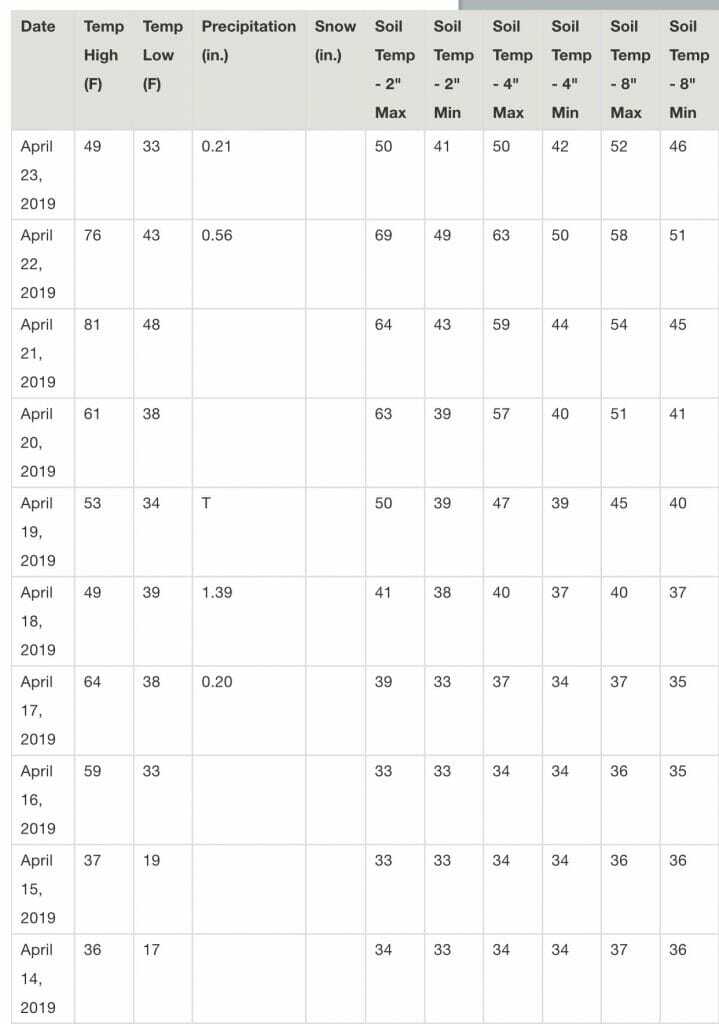
    Ground temperature at the 4-inch level at 7:00 am on April 23 was 43° F. To increase your chances for even emergence, wait to plant until the soil temperature is 50. Also delay tilling and planting until the soil is dry to minimize compaction.

    Cory 1

    Northeast Iowa

    Craig Haaland

    Anhydrous was applied over the weekend to this customer’s field in Mitchell County (Iowa). Quite a few fields got worked before the rain came on Monday. Soil temps in Northern Iowa yesterday were 50 degrees at 5 inches deep, but soils are still a little mucky to be planting. We could see planters rolling later in this week. It pays to have patience. Set up your crop to reach its full potential by waiting for soils to dry.

    Craig H

    Northwest Iowa

    Darin Chapman

    Seed is going out the door in Northwest Iowa! We’re hoping to miss some rain, so we can plant.

    Lots of fertilizer is being applied this spring due since wet fall weather prohibited much fertilizer from getting spread. While we wait for this to get done now, it gives us time to focus on getting the planter field-ready. The planter pass is where it all begins. If we don’t get it right at the planter, the rest of the things we do throughout the growing season won’t be as effective.

    Darin 2

    Darin 1

    Eastern Iowa

    Jerry Broders

    Rain in the north slowed down field work and planting. Customers south of interstate are planting full speed ahead.

    Jerry 1

    Jerry 3

    Jerry 2

    Western Iowa

    Larry Krapfl

    Planting is in full swing near Emerson, Nebraska, where this field is being planted to LH 6285 VT2 PRO RIB. Corn planting is about 25% done; and soybean planting also is underway.

    Larry 1

    West North Central Iowa

    Bart Peterson

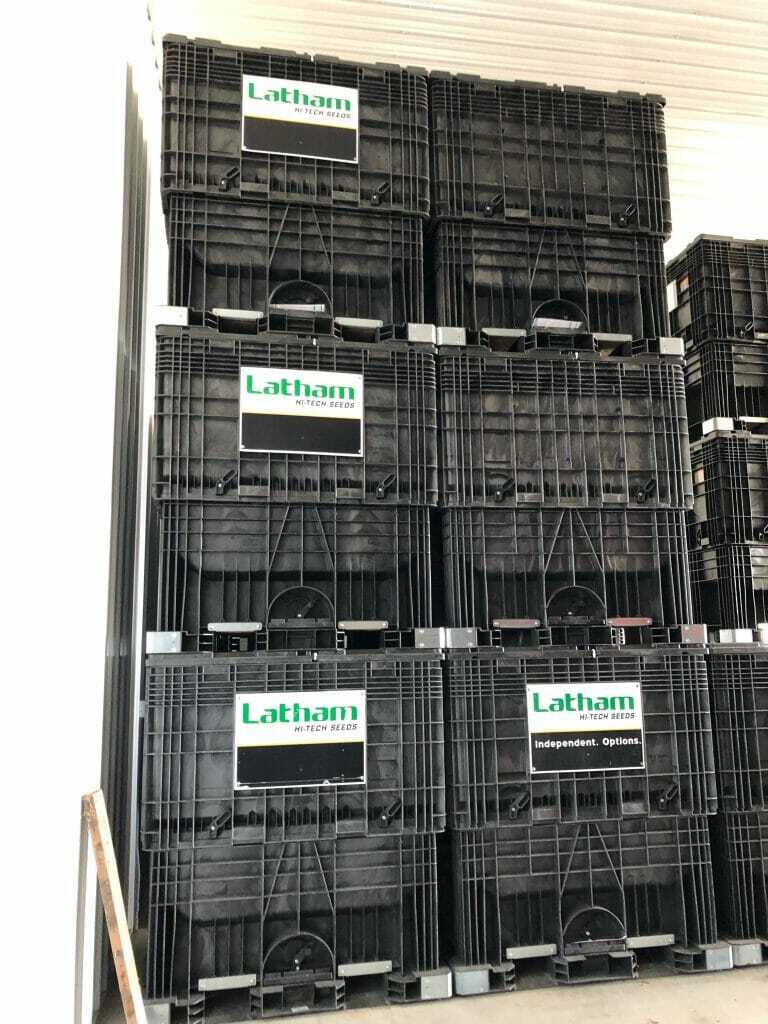
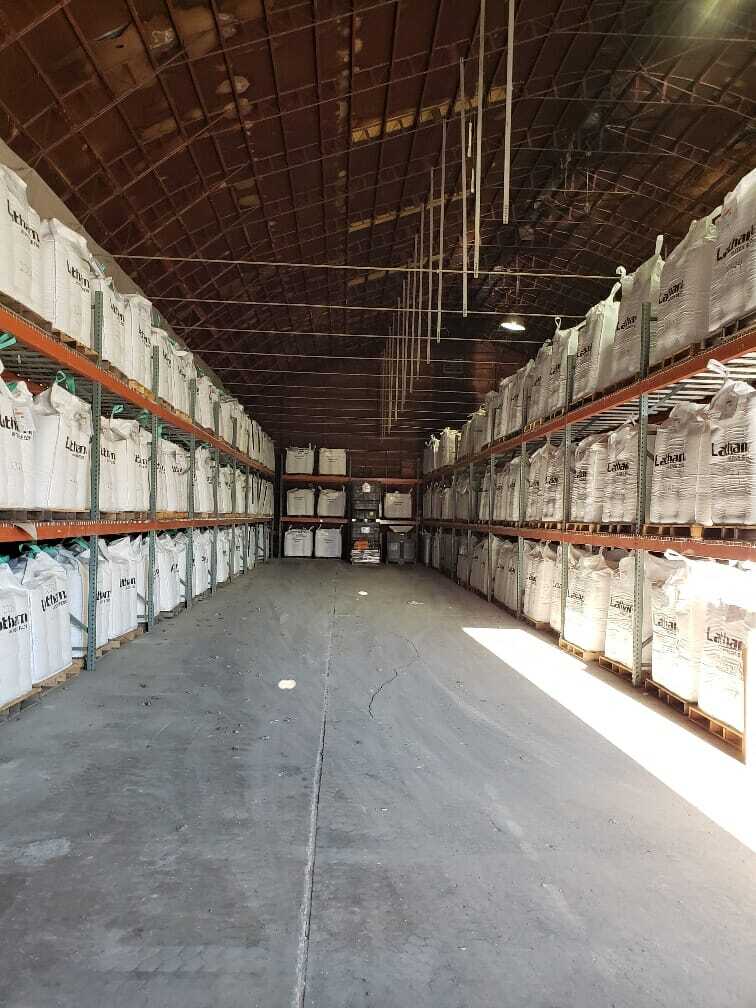
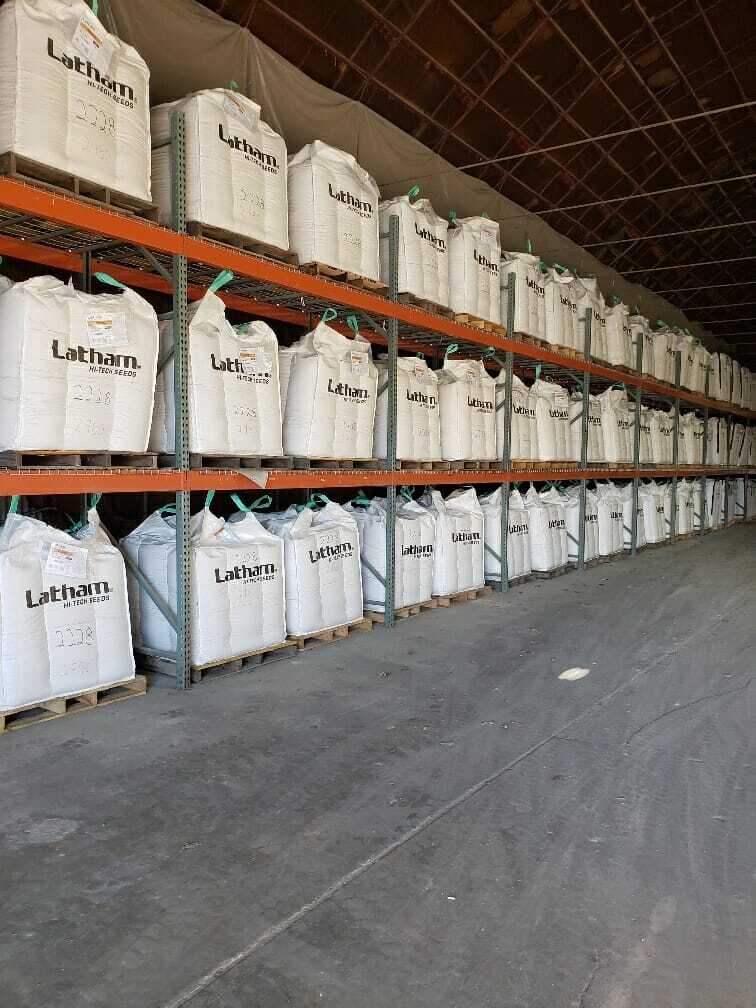
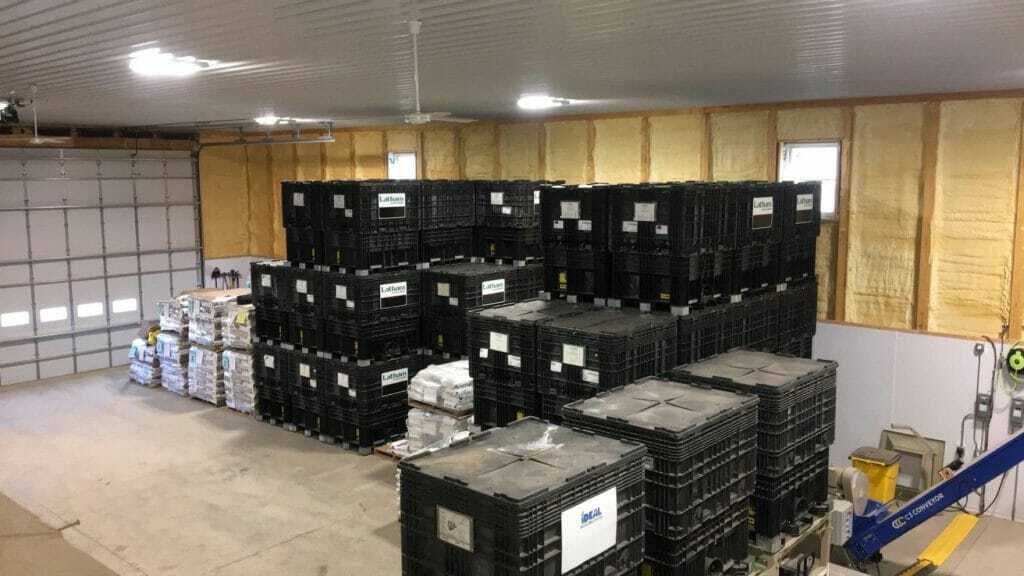
    This warehouse in Goldfield, Iowa, is fully stocked with Latham® soybeans that will soon be planted.

    Bart 1

    Bart 2


    Laura Cunningham

    April 23, 2019
    #FromTheField Crop Reports, Season, Spring
  • Latham Hi‑Tech Seeds

    Cutting Costs in Production

    IMG 2324

    Planting ROIAs prices have dropped over the last two months, farmers are second guessing planting intentions. They are looking to cut costs, and often times cost cutting starts at cutting seed costs. Keeping the hybrids with top yield and proven performance versus picking up a cheaper option is key to end-of-year profit. Cheap seed options can be older genetics, poor performing genetics or even discontinued genetics reaching the end of their life and viability.

    It doesn’t take much to make up for inferior genetics as in perceived seed savings. Cutting $50 a bag is only saving $20 an acre, or roughly seven bushels. One cost savings that may be applicable to North Dakota farmers would be changing from a VT2 PRO to a Roundup Ready 2 trait. Keep the genetic that performs on that particular field and save the difference in trait costs. However, It may require more attention to pests throughout the growing season and an additional cost of an aerial application with insecticide. Check with your Latham® dealer on availability and your agronomist about the rising potential for future pest issues in your area.

    Farmers can add fertility after the crop is established. They can also add weed control after the crop. However, there’s only once chance to place the right seed on the right acre. Seed is truly the foundation for every successful crop. Why limit net farm profitability from the onset?

    Laura Cunningham

    April 17, 2019
    Agronomics, Corn, Crop, Industry News, Season, Seed Technology, Spring, Winter
  • Latham Hi‑Tech Seeds

    April 17, 2019 Crop Reports

    Larry 7

    Eastern North Dakota

    Brain McNamee

    Seed is packaged and prepped for delivery. No year is truly the same in this business, but I can honestly say that 2019 has been the most uncertain. I still cannot believe the amount of acres across this region that still are in flux.

    It looks like it will be one of those oddball years when the northern zone goes to the field weeks before the south. The hardcore no-till farmers in the western part of the state are rolling on peas and small grains. Rain in the short-term forecast will mellow everything and should make ideal planting conditions.
    Brian 1

    Southeast North Dakota

    Gary Geske

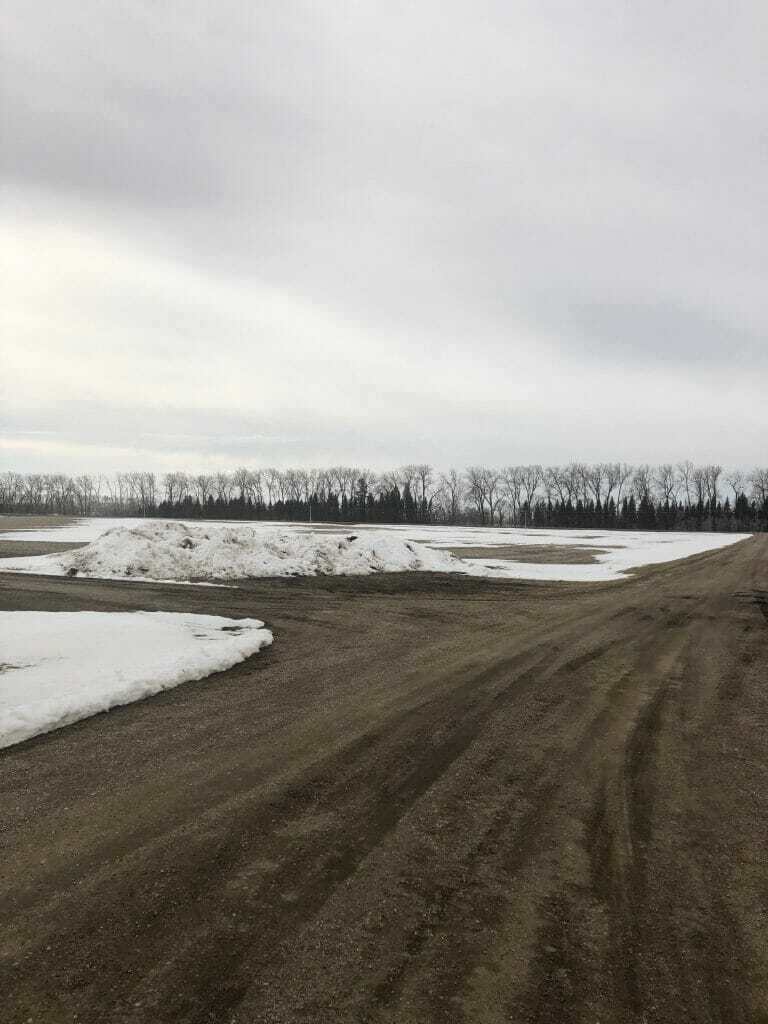
    While the calendar wants us to plant, Mother Nature is asking us to be patient. Use this time to ensure all equipment is ready. Make a plan, so you can be as efficient as possible when the soil conditions are fit for us to get into the field. Everyone will be busy, but safety should come first.
    Gary 1


    Northeast South Dakota

    James Keltgen

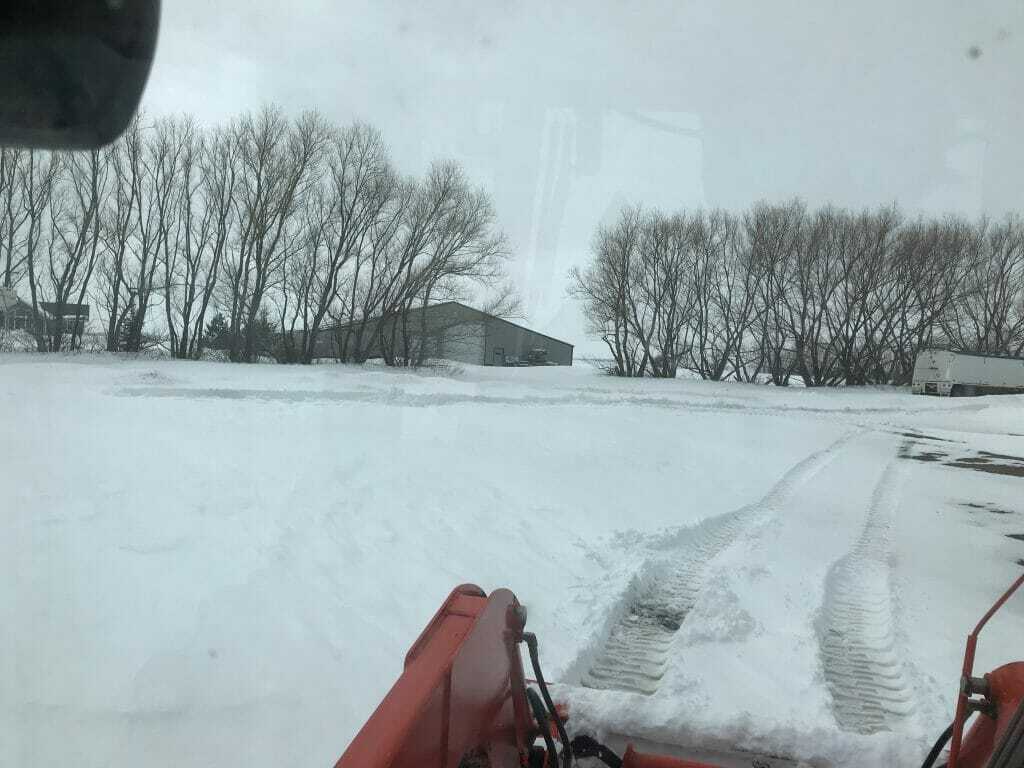
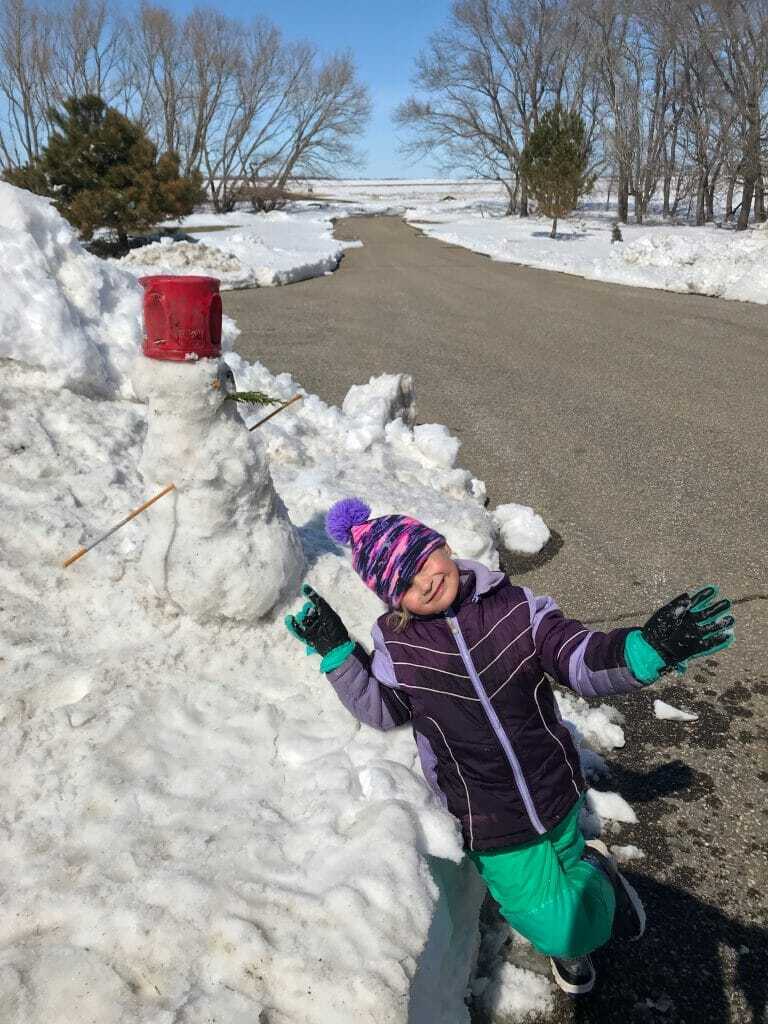
    The start of a new crop year has not yet brought us spring weather! Many areas in Northeast South Dakota (NESD) received two feet of snow during the past week; Wallace, SD received 30 inches. Snowfall totals this year reached over 80 inches, which is prolonging planting. There’s no need to rush to earlier maturities as there is still plenty of time to plant your full maturities. The weather pattern looks to be drier and warmer, so get those planters ready to go!
    James 1

    James 2

    Southeast South Dakota

    Ramie Coughlin

    This photo was taken April 11 in Carthage, SD.

    The calendar says it’s spring, but Mother Nature reminded us who’s running the show. Last week much of South Dakota was blanketed by snow, ice, and rain. Some areas received as much as 24 inches of snow while others dealt with ice and strong winds that knocked out power for days. With warmer temps and rain forecast for this week, hopefully much of the snow will melt by Monday. Unfortunately, that means there will be flood waters. Many areas were flooded before the storm, so people there will continue to deal with more water as the snow melt flows south. However, 50-degree temps have planters pulled up to shops and getting serviced. We will be ready when the time comes!

    Ramie 1


    Northern Minnesota

    Ken Highness

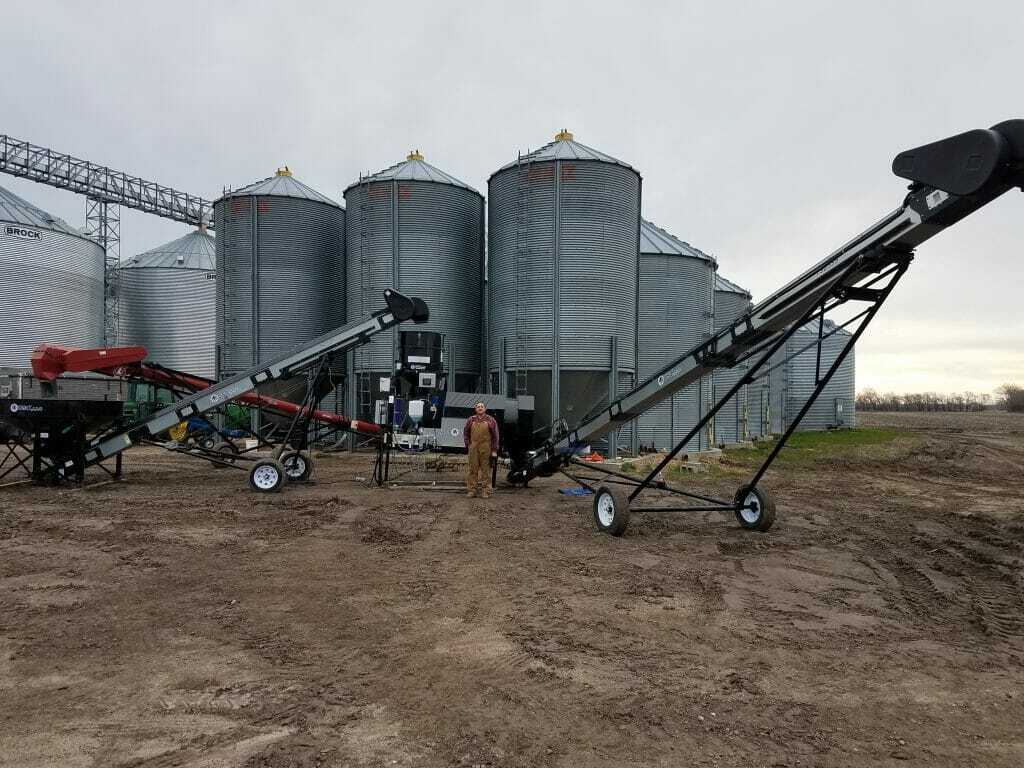
    This picture was taken at Riverton Seed near Glyndon, Minnesota, where the Johnsons are busy moving and calibrating their seed treatment equipment. Cool, wet soil conditions at planting time increase the likelihood of seedling diseases. When seed lies in these soils for longer periods of time, there’s more time for the pathogens to attack the plant. Growers should consider starting with a solid seed treatment to help seedlings emerge as quickly as possible.
    Ken 1

    Southern Minnesota

    Justin Prokosch

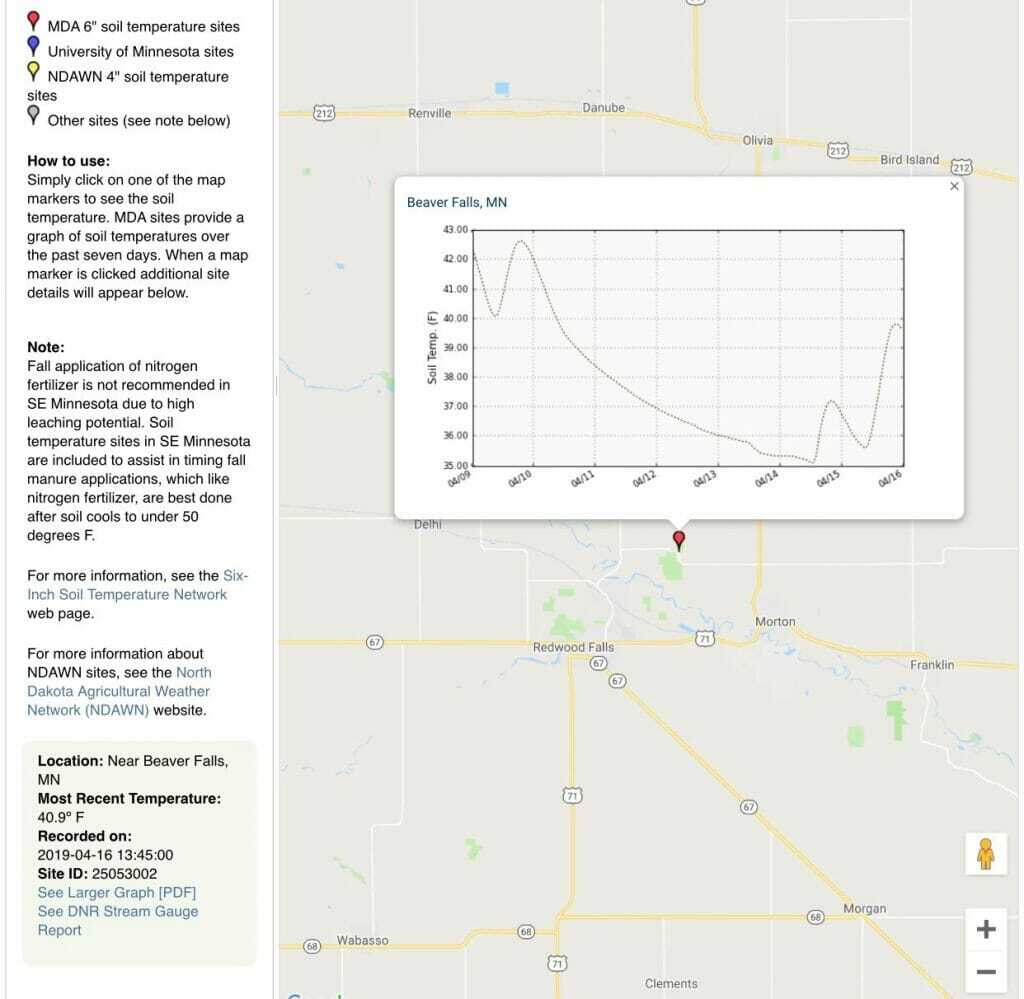
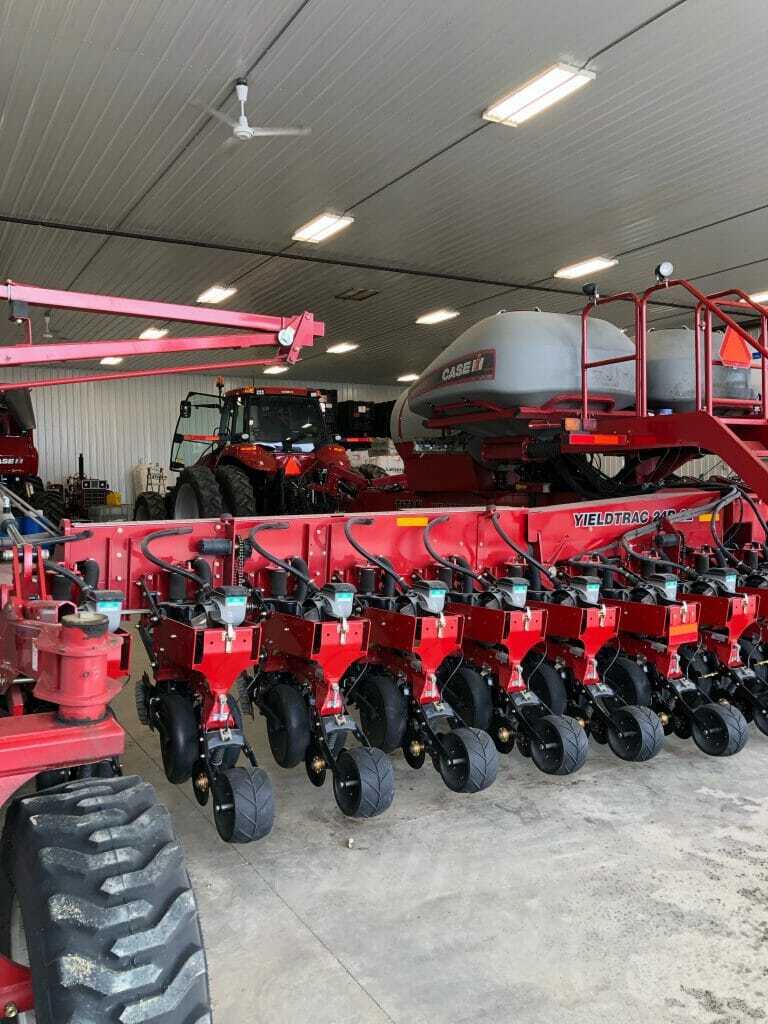
    Soil temps are hanging around that 40-degree mark after 8 to 10 inches of snow fell five days ago in Redwood and Renville Counties. Planters remain in the shed, waiting for fit conditions to plant Latham® seed.
    Justin 1

    Justin 2


    Northern Wisconsin 

    Joe Salter

    It could be a few weeks before planters roll as Northern Wisconsin is still blanketed with snow. Last week we received more than one foot of snow. With that snow storm, we set a new snow total record of 98.9 inches.  I was hoping for another inch and half to break the 100″ mark!

    These photos give you an idea of the challenges we faced cleaning up from last week’s storm. Drifts were as high as 7 feet. The first picture is my driveway; look closely and you’ll see a plow truck about half way up the lane. The second photo is what’s left of a machine shed after the roof caved. Several hundred farmers in this area experienced the loss of a shed, machine shop or barn.

    Joe 1

    Joe 2

    Southern Wisconsin

    Greg Mair

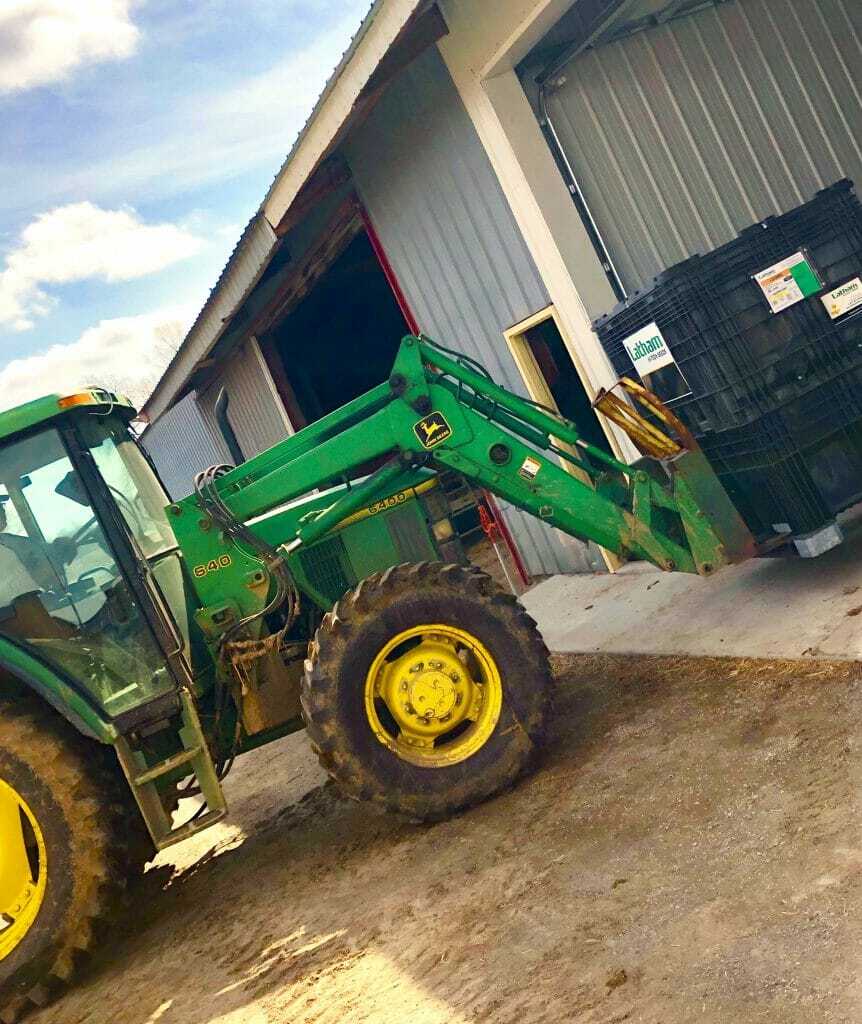
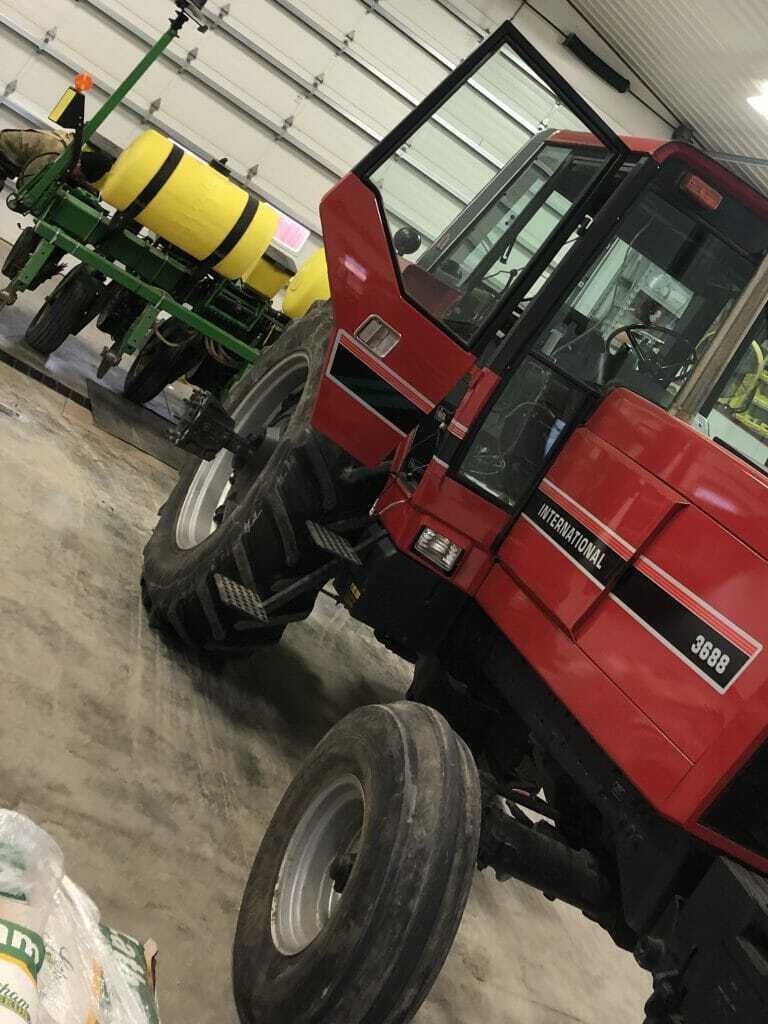
    Depending on what Wednesday’s forecast brings, we might be able to turn planters loose on Monday in southern Wisconsin.  As the weather turns for the better, Latham® dealers are busy getting seed delivered and doing their final planter inspections before they hit the fields. This John Deere 1750 planter is in the shop, getting upgraded to a Precision SeedSense 20/20 monitor and Climate Fieldview.
    Greg 1

    Greg 2


    North Central Iowa

    Cory Greiman

    Cover crops are starting to grow now that we’ve experienced some warmer temps in North Central Iowa.
    Cory 1

    Northeast Iowa

    Craig Haaland

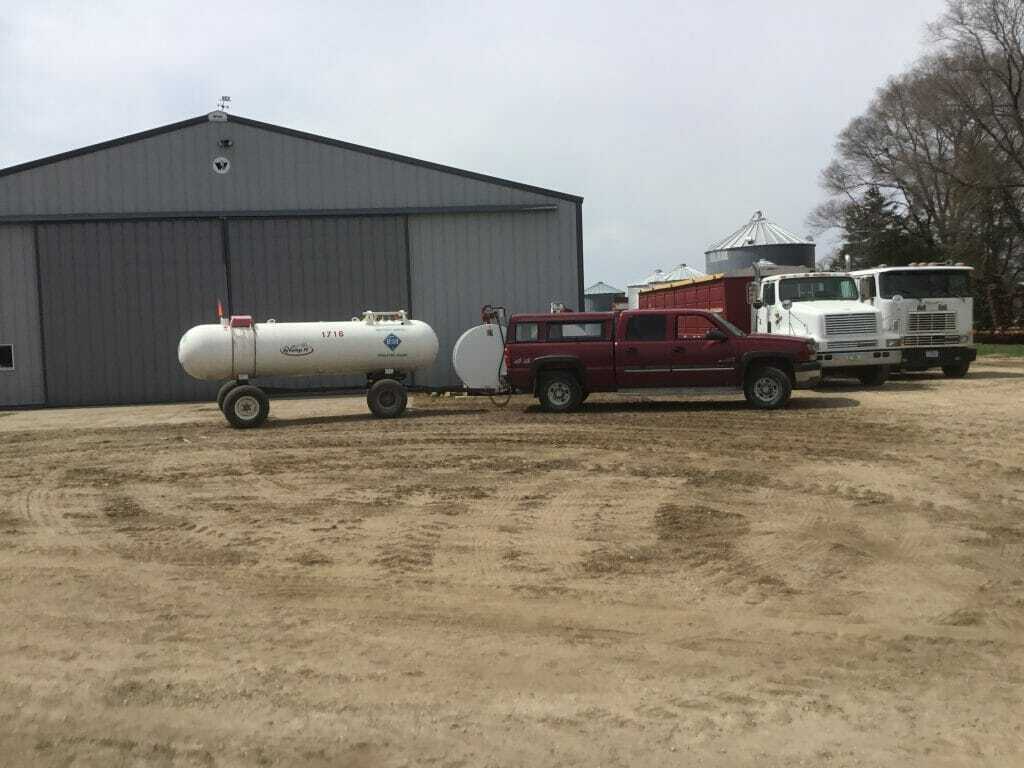
    This farmer in Black Hawk County applied anhydrous this week. The soil temp is around 45 degrees in Black Hawk and surrounding counties, but soil temperatures aren’t that warm yet in northern Iowa and southern Minnesota. With rain in the forecast this week, it should get the rest of the frost out of the ground. I expect to see tillage underway and anhydrous going on next week in the more northern part of my territory.
    Craig 1

    Northwest Iowa

    Darin Chapman

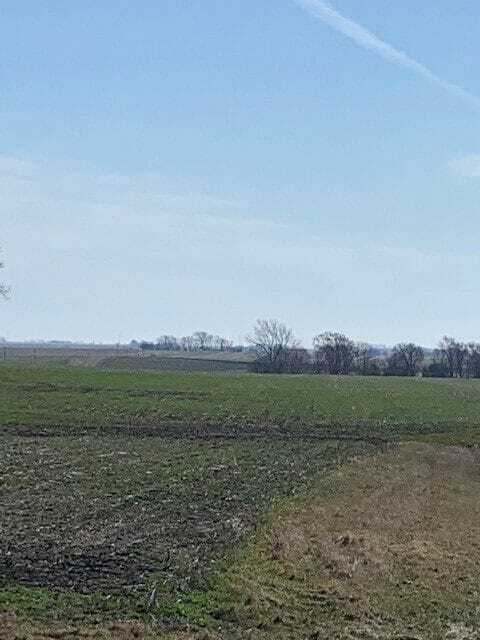
    With plenty of moisture and a few days of sunshine, this field of Latham® cereal rye and Daikon Radish is coming along nicely. This grower has been using a cover crop program for six years credits this practice for his increasing soybean yields.
    Darin


    Eastern Iowa

    Jerry Broders

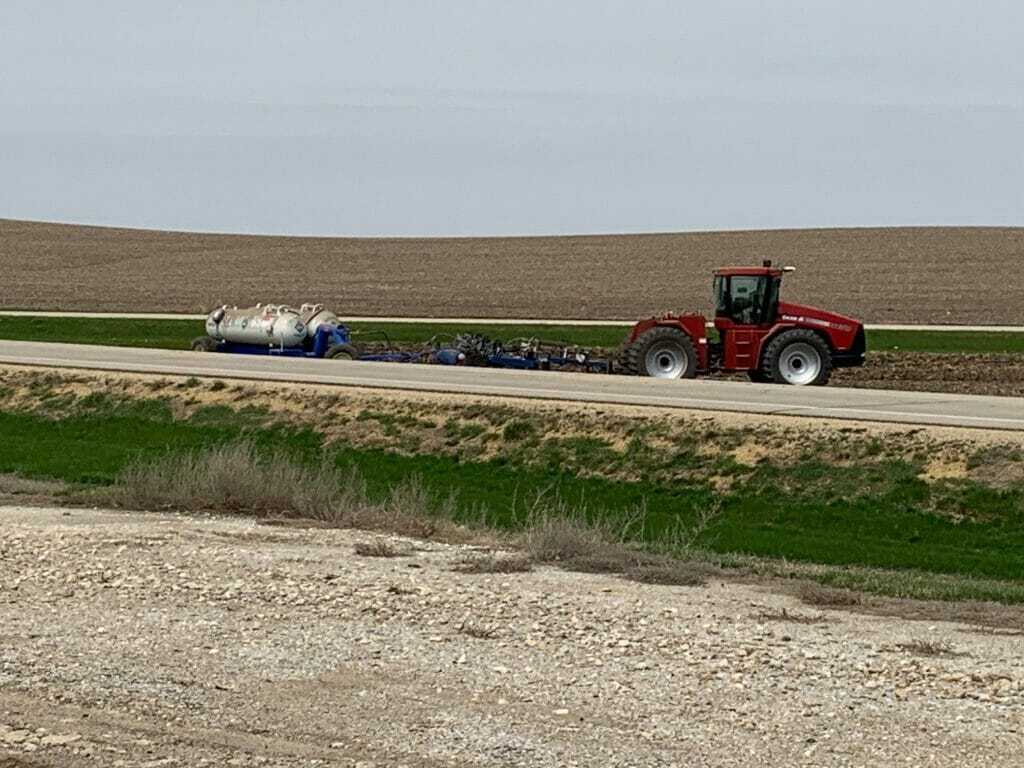
    Field work is underway in Eastern Iowa. Anhydrous is being applied, and Latham® seed is being delivered.
    Jerry 1

    Jerry 2

    Western Iowa

    Larry Krapfl

    These photos help show why Iowa Gov. Kim Reynolds issued a disaster proclamation for 21 counties in response to flooding and severe weather that began March 13 and continues. Here you can see some of the residue left in the fields after flood waters receded.

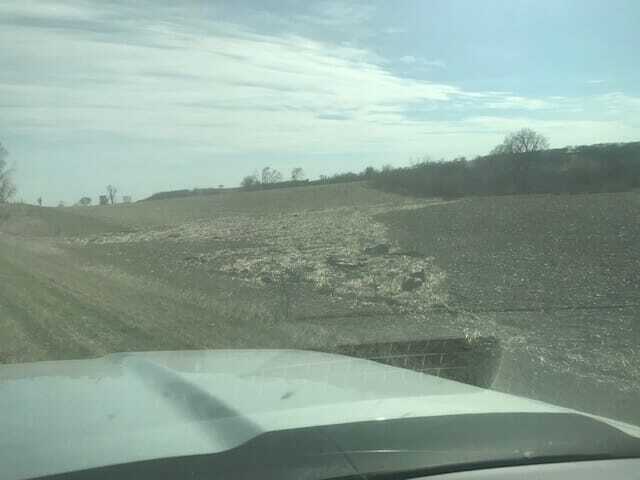
    Larry 1

    Larry 2

    It’s common to see roads closed after flood waters wreaked havoc in western Iowa and eastern Nebraska.

    Larry 3

    Controlled burns were used to remove corn stalks and soybean after the flood waters receded. These photos show corn stalks and soybean stubble burning.

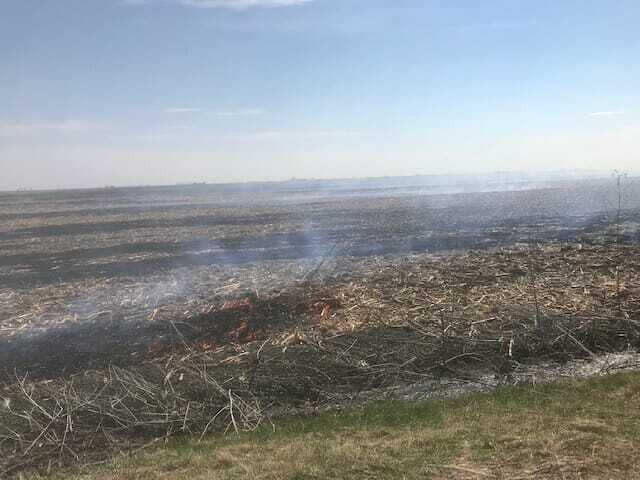
    Larry 4

    Larry 5

    Grain bins collapsed when grain swelled during the flood.
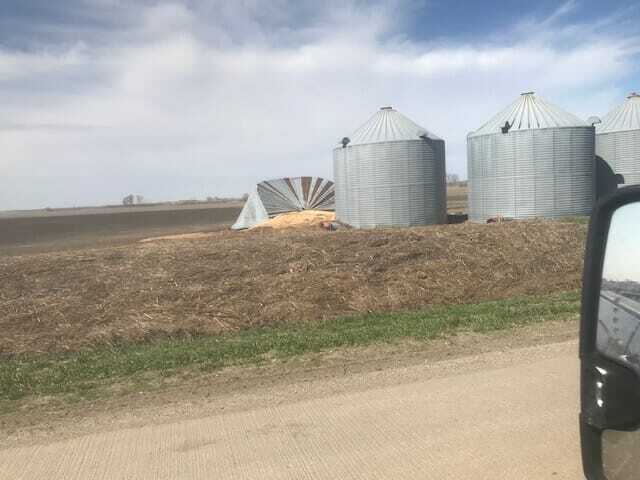
    Larry 6

    Now that cleanup is done, field work has begun! We’re grateful for sunshine and warm temperatures.
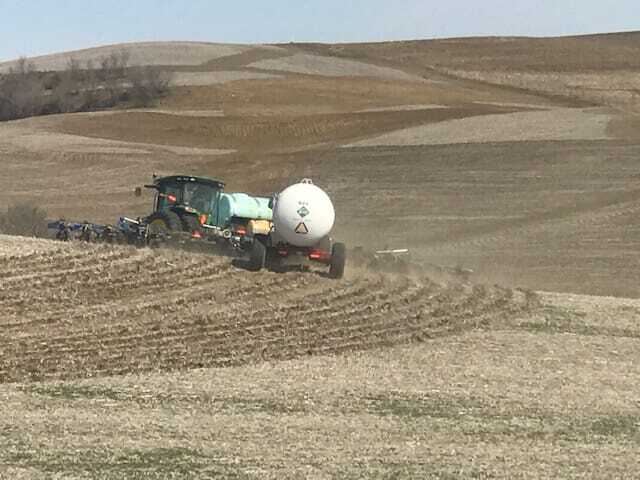
    Larry 7


    West North Central Iowa

    Bart Peterson

    Latham Dealer Jenna Ricklefs and her husband, Jon, on April 16 started planting corn north of Rolfe in West Central Iowa. The first number that went in the ground was Latham’s LH 6175 VT2 PRO.
    Bart

    Central Iowa

    Bryan Rohe

    Temperatures have been in the high 60s and low 70s across Central Iowa, so farmers have been busy. This week they have put on anhydrous, done some tillage and a little spraying. Planting even got underway, although it may come to a halt soon as rain is in the forecast for the rest of this week.

    Bryan 1
    Bryan 2
    Bryan 3


    Laura Cunningham

    April 17, 2019
    #FromTheField Crop Reports, Season, Spring
  • Latham Hi‑Tech Seeds

    Select Plant Genetics to Help You Manage Risks

    IMG 6880

    IMG 6880Webster’s Dictionary defines “risk” in many ways, including a chance that an investment will lose value or something that creates a hazard.

    No matter how one defines risk, it’s a reality of production agriculture. Each decision farmers make comes with varying degrees of risk. That’s why it’s helpful to take an annual inventory of details in your own crop production. Bottom line: Check your production-limiting factors to set yourself up for success.
    “Trust but verify,” is a famous quote by President Ronald Regan that appeals to my data-driven personality. This quote applies to crop production because now is a good time to verify that the seed corn you ordered early is the right hybrid for the majority soil type on the field in which you will plant it. Now is also a good time to ensure you have enough genetic diversity in your crop plan. On page 12 of Latham Seeds 2019 Product Guide, there is a corn placement chart to help you verify that the genetics you have selected for that soil type is the best fit.

    Margins are super tight, and we’re looking for ways to cut costs. If we cut fertility, we risk losing potential yield. Many researchers suggest that up to 60% of yield is dependent upon fertility. If we plant inferior genetics, or place the genetics on the wrong soil type, we run the risk of yield reduction. While this is a review for most, my point is that plant genetics are critical to managing risk.

    Understanding – and acknowledging – the depth of the genetics will pay dividends. I’m a very big believer in planting agronomically-stable products on a percentage of your acres. As margins thin, I look for hybrids with proven stability. I know each farmer has his or her own beliefs, but one thing we have in common is that we’re all trying to manage risk.

    Some risks are outside our control, but we can reduce risk with our input choices.
    • Disease– Select hybrids with superior disease resistance, especially to foliar leaf diseases, if you aren’t planning on investing in a foliar fungicide.
    • Drought– Plant a portfolio of seed products, including planting a percentage of your total acres to a hybrid with unapparelled drought tolerance. It’s about building a system of risk management and finding that delicate balance of hybrids to give you the best “team” possible.
    • Fertility– Some hybrids use nutrients more efficiently than others. Suggestions are shown in the Latham® product guide, and you can talk with your Regional Sales Manager (RSM).

    My hope is that you go into the spring planting season with a sense of confidence, knowing you have done the best job you could with product selection, product placement, fertility and planting conditions. Have a little fun this season and remember to take care of yourself, too!

    Webspec Admin

    April 15, 2019
    Corn, Crop, Industry News, Season, Seed Technology, Spring, Tech Tuesday
  • Latham Hi‑Tech Seeds

    #AskTheAgronomist: What’s the Right Nitrogen Application Rate?

    4.4.19

    LIBSYN header 2 01

    Join us this morning as we discuss the final “R” in our nitrogen application series! #AskTheAgronomist

    https://www.facebook.com/LathamSeeds/videos/320955165207264?sfns=mo

    Laura Cunningham

    April 4, 2019
    #AskTheAgronomist, Agronomics, Fertility, Growth Stages, Season, Spring, Summer
Previous Page
1 … 6 7 8 9 10 … 18
Next Page

Latham Hi‑Tech Seeds

131 180th Street | Alexander, IA 50420

(641) 692-3258

SIGNUP FOR OUR NEWSLETTER
  • Contact
  • Legal
  • Dealer Center
  • Seedware Login
  • Latham Gear

© 2025 Latham Hi‑Tech Seeds. All rights reserved. | Iowa Web Design by Webspec | Privacy Policy

Latham® Hi-Tech Seeds is a trademark of M.S. Technologies, L.L.C., 103 Avenue D, West Point, IA 52656.