Latham Hi-Tech Seeds

(641) 692-3258

  • Home
  • Products
    • Corn
    • Soybeans
    • Alfalfa
    • Corn Silage
    • Seed Guide
  • Performance
  • Find a Rep
  • Media
    • Blog
    • News
    • Videos
    • Podcasts
    • TECHTalk
  • About Us
    • Company History
    • Our Mission
    • Careers
    • Become a Rep
    • Sowing Seeds of Hope
  • Contact Us
  • Latham Hi‑Tech Seeds

    Our “Secret Sauce” is Saltro® Fungicide

    9.17.19 Tech Tuesday Image

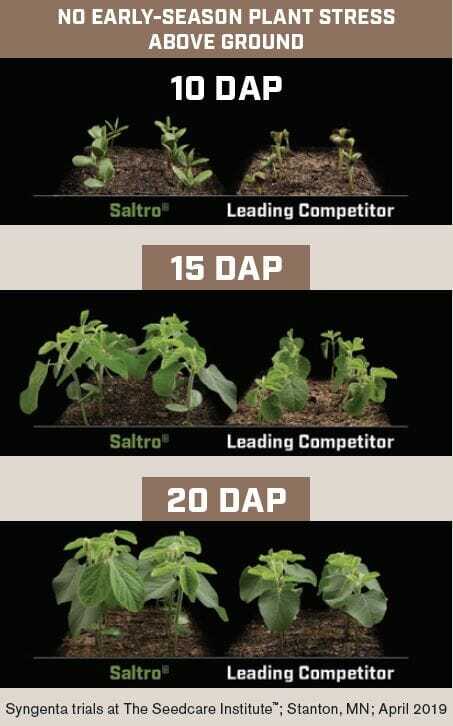
    One of the reasons we use Saltro is because it protects early-season plant health, plus protects plants against Soybean Cyst Nematode (SCN) and Sudden Death Syndrome (SDS). Soybeans treated with Saltro have strong emergence, better stands, healthier leaves and develop more robust early-season root mass. As a result, soybean plants treated with Saltro can reach their full genetic and yield potential.

    Saltro also doesn’t cause additional plant stress, like the halo effect we’ve seen with older chemistries. Soybeans can outgrow the side effects from early-season, above-ground stress, but they may not fully recover from the lower yield potential caused by below-ground stress.

    While touring the Syngenta Seedcare Institute in Minnesota, a group of Latham representatives were told Saltro is safer and more effective than the current standard seed treatment. More than three years of research shows that soybeans treated with Saltro have a 3-bushel per acre yield advantage over the leading SDS competitor in heavy SDS pressure and a 1.8-bushel yield improvement under low SDS pressure.

    Another advantage we saw first-hand on our tour is that Saltro has 22% better wet seed flow than its leading competitor. Saltro has a much lower use rate. In addition, the leading competitor creates 63% more buildup and 100% more dust than Saltro.

    Improved handling and treatment efficiency, higher yields, no plant stress, as well as superior SDS and SCN protection are the reasons why Latham Seeds is making our unique Saltro blend available for the products we’re selling for next planting season. Ask your Latham® representative for more information!

    9.17.19 Tech Tuesday Image

    Mark Grundmeier, Product Manager

    September 17, 2019
    Agronomics, Cover Crops, Crop, Season, Seed Treatment, Spring, Tech Tuesday, Winter
  • Latham Hi‑Tech Seeds

    Scouting soybeans after a cool wet spring

    Small Soybean1

    If you’re fortunate to be done with planting your crops, it’s time to get back out there and check your stands. This year I’m especially concerned with soybean stands for three main reasons:

    1. Cold soils. Many fields were planted when soil temperatures were below the recommended 60° Fahrenheit. (This link goes into more detail about the importance of soil temperatures: https://bit.ly/2JuHTkO) Cool, wet conditions can lead to severe disease infestation and reduced stands. Seed treatments protect the seedlings before and just after emergence. Historical data shows that not using a seed treatment can cause yield loss of 2½ to 3 bushels per acre if damping off occurs, but many farmers cut back on seed treatments this season to lower their input costs.
    2. Wet soils. Farmers felt like they were racing against the calendar during an especially wet spring, so some seed was planted into unfit soils. Planting into wet soils can lead to both sidewall and overall field compaction. Delayed emergence may cause uneven stands and reduce yield. Nutrient deficiency, reduced crop productivity and restricted root development are three of the top 10 reasons to avoid compaction. (Click here for the rest of the story: https://bit.ly/2VS06zo)
    3. Soybean Gall Midge. This new insect pest was especially damaging last season in Northeast Nebraska, Northwest Iowa, Southeast South Dakota and Southwest Minnesota. Ask your local Extension Agronomist if any of these pests have been reported in your area. (You can learn more about Soybean Gall Midge in this blog post: https://bit.ly/2JSLetw)

    Walking fields right after emergence gives you the most time to make corrections or to replant. Stand reductions rarely occur evenly across a field. That’s why I recommend taking 10 stand counts in the area where the problem is the worst, as well as taking 10 counts in an area that was not affected or is slightly affected. Most university researchers recommend keeping a final stand of at least 100,000 plants per acre.

    University trials also indicate that planting soybeans on or before June 1 in northern Iowa and southern Minnesota gives 95% of expected yield. It is usually June 15 before soybean yields drop below 85% of what is expected. Over the years, we have seen decent soybean yields when soybeans were planted around the 4th of July.

    Scouting early and often is the best advice I can give, so you can remedy the situation as soon as possible. Different insects, diseases and pests may be present due to weather conditions and stage of crop development. Scout diligently all growing season long!

    Mark Grundmeier, Product Manager

    June 10, 2019
    Agronomics, Crop, Disease, Rain, Season, Soybeans, Spring, Tech Tuesday, Weather, Weed Control
  • Latham Hi‑Tech Seeds

    #AskTheAgronomist: Delayed Soybean Planting

    62041134 476066029800373 4652420665083691008 n

    LIBSYN header 2 01

    Tune in to hear how delayed planting will affect your soybean crop.
     
    1:03 – #Plant19 soybean update across Latham Country
    2:18 – Deciding factors for delayed soybean planting
    4:10 – Yield penalty associated with late planted soybeans
    5:18 – Switching soybean maturities
    7:02 – Canopy closure and seeding rate
     
    #AskTheAgronomist

    Laura Cunningham

    June 6, 2019
    #AskTheAgronomist, Crop, Flooding, Rain, Season, Soybeans, Spring, Weather
  • Latham Hi‑Tech Seeds

    Factors of Sidewall Compaction

    Sidewall compaction 1 a

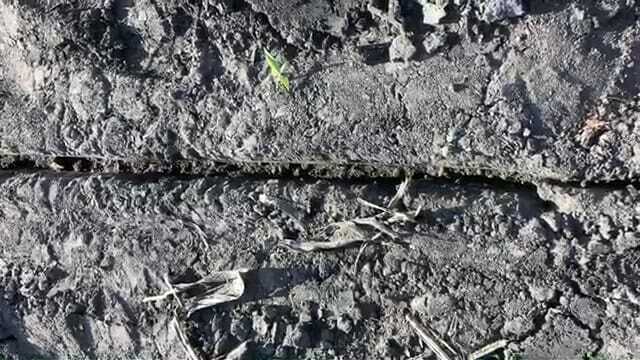
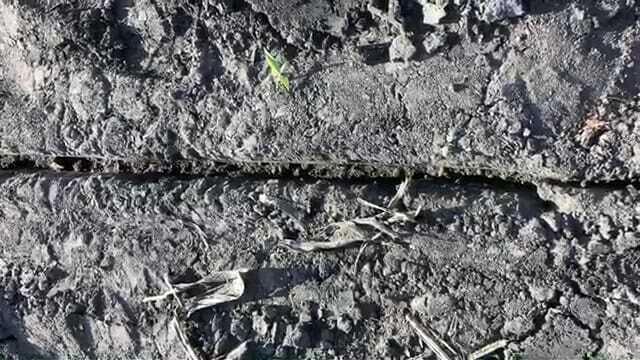
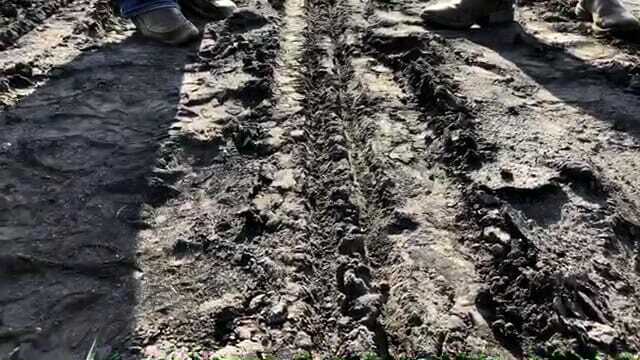
    Many farmers are pushing the envelope to get their crop in the ground this season. With moisture continuing to be a real issue, we run into problems with sidewall compaction. We have three examples below of scenarios that can lead to sidewall compaction issues later on: open trench, rubber closing wheels and spiked closing wheels.

    Sidewall compaction can result from V-openers “smearing” through wet soil. Gauge wheels or planter lift wheels will then compound the problem. When the soil dries it becomes too hard for roots to penetrate through and develop the root system.

    If you see an open trench, the key takeaway is to decrease your unit down pressure and increase closing wheel down pressure. During a seed’s crucial growth stage, it transitions from growing seedling roots into developing its nodal root system. This tends to be around V2 and V3 and is when you can see implications of sidewall compaction. When the seedling shuts down those seedling roots the nodal root system starts to grow horizontally along the trench searching for water. You may start to see nutrient deficiency symptoms, yellowing corn, stunted growth or floppy corn.

    The University of Kentucky released a study showing a 50 percent yield reduction when corn is planted in a completely open trench. We recommend avoiding sidewall compaction by either staying out of the field until conditions are suitable, staggering your closing wheels or investing in the spiked closing wheels. The spiked wheels leave a zippered pattern in the soil that breaks down the sidewalls to ensure seed to soil contact.

    Sidewall compaction is not something you can see from your planter, so we encourage you to jump out and look at what’s happening with your seed to soil contact. Dig few plants and wash off the roots to determine how growth is proceeding. Knowing this information early on will be important for late season windy and wet weather, and for evaluating stalk quality when harvest approaches later in the season.


    Sidewall compaction 1 a
    Example 1 – Open Trench


    Sidewall compaction 2
    Example 2 – Rubber Closing Wheels


    Sidewall compaction 3
    Example 3 – Spiked Closing Wheels

    Phil Long

    June 4, 2019
    Agronomics, Emergence, Rain, Season, Spring, Tech Tuesday, Weather
  • Latham Hi‑Tech Seeds

    #AskTheAgronomist: Is It Time to Switch Corn Maturities?

    60190993 473775090032290 7744821225855123456 n

    LIBSYN header 2 01

    Is it time? Tune in to hear Phil Long discuss the question of the season. Is it time to switch corn maturities? #AskTheAgronomist

    Map 2 zoomed with key

    Laura Cunningham

    May 30, 2019
    #AskTheAgronomist, Corn, Crop, Flooding, Rain, Season, Spring, Weather
  • Latham Hi‑Tech Seeds

    #AskTheAgronomist: 2019 Planting Season Continues to be Delayed

    59674742 2047743118684585 8036236058263814144 n

    LIBSYN header 2 01

    Tune in this morning as Phil Long discusses different options for farmers to consider as we wait to get back in the field. #AskTheAgronomist

    Laura Cunningham

    May 23, 2019
    #AskTheAgronomist, Rain, Season, Spring, Weather
  • Latham Hi‑Tech Seeds

    #AskTheAgronomist: Crusting Soils

    59532994 2268247053397539 3457397893881659392 n

    LIBSYN header 2 01

    How does crusting and rolling soybeans go hand in hand this season? Phil Long talks about these two topics in reference to this year’s growing season.

    Laura Cunningham

    May 16, 2019
    #AskTheAgronomist, Agronomics, Drought, Emergence, Rain, Season, Soil, Spring, Weather
  • Latham Hi‑Tech Seeds

    #AskTheAgronomist: Imbibitional Chilling or Chilling Injury?

    58719974 460225254519200 1315929768486502400 n

    LIBSYN header 2 01

    Will your planted fields be affected by imbibitional chilling? Tune in the hear symptoms of the chilling effect.

    Laura Cunningham

    May 9, 2019
    #AskTheAgronomist, Agronomics, Corn, Crop, Emergence, Frost, Season, Soybeans, Spring, Weather
  • Latham Hi‑Tech Seeds

    May 8, 2019 Crop Reports

    Bryan 1

    Eastern North Dakota

    Brain McNamee

    Many farmers had planned to start planting after the weekend, but all it took was one farmer to roll. Then another one. And another. All of the sudden, it’s time to go! Farmers here are rolling on corn. Remember, it’s important to look at the short-term forecast before planting. Next week calls for daytime highs in the 60’s and 70’s with lows in the 40’s with minimal moisture. Soils look to be warmer, which helps with germination and faster emergence.

    Brian 1

    Southeast North Dakota

    Gary Geske

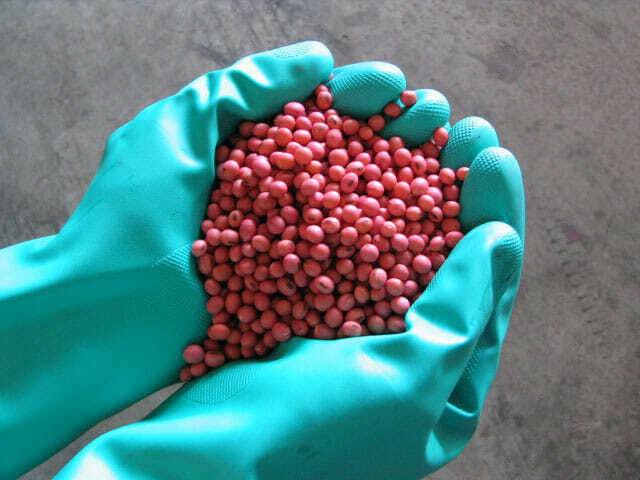
    Although soil temps are still below 50 degrees, farmers are considering planting soybeans. Seed treatments, like Latham SoyShield™ Plus, have fungicides to protect the seed from germination through early growth stages plus insecticide with additional growth promoters to help protect and enhance early growth. Check with your Latham® dealer or RSM to see if the varieties you’re looking for are still available.
    Geske 1


    Southeast South Dakota

    Ramie Coughlin

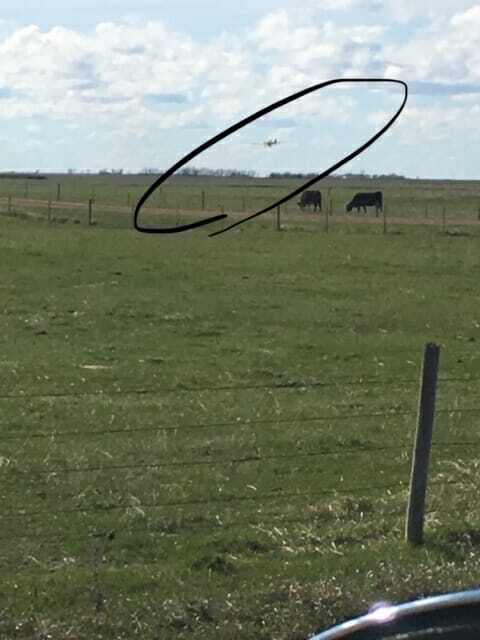
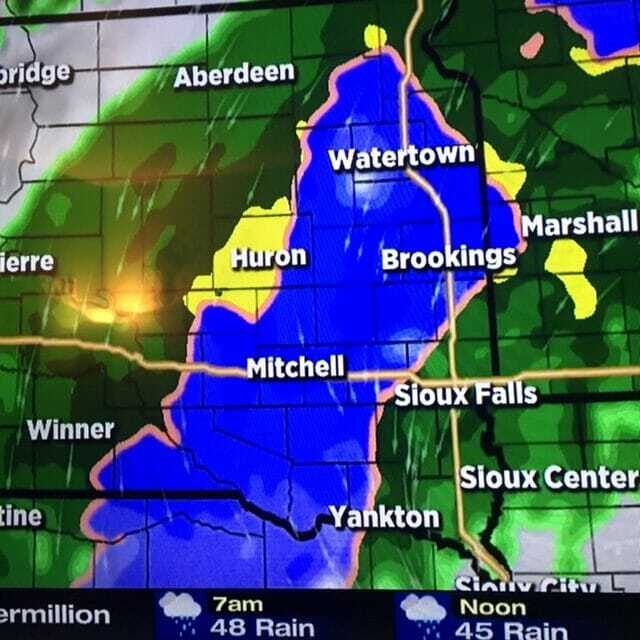
    Things haven’t changed much this past week in Southeast South Dakota. We got a few dry days of weather, which allowed some small grains to get planted. This sky has been full of spray planes. We’re still fighting moisture every few days. Rain fell across the whole state at the beginning of this week. Soaking rain and even snow is in the forecast for Wednesday.
    Ramie 1

    Ramie 2


    Northern Minnesota

    Ken Highness

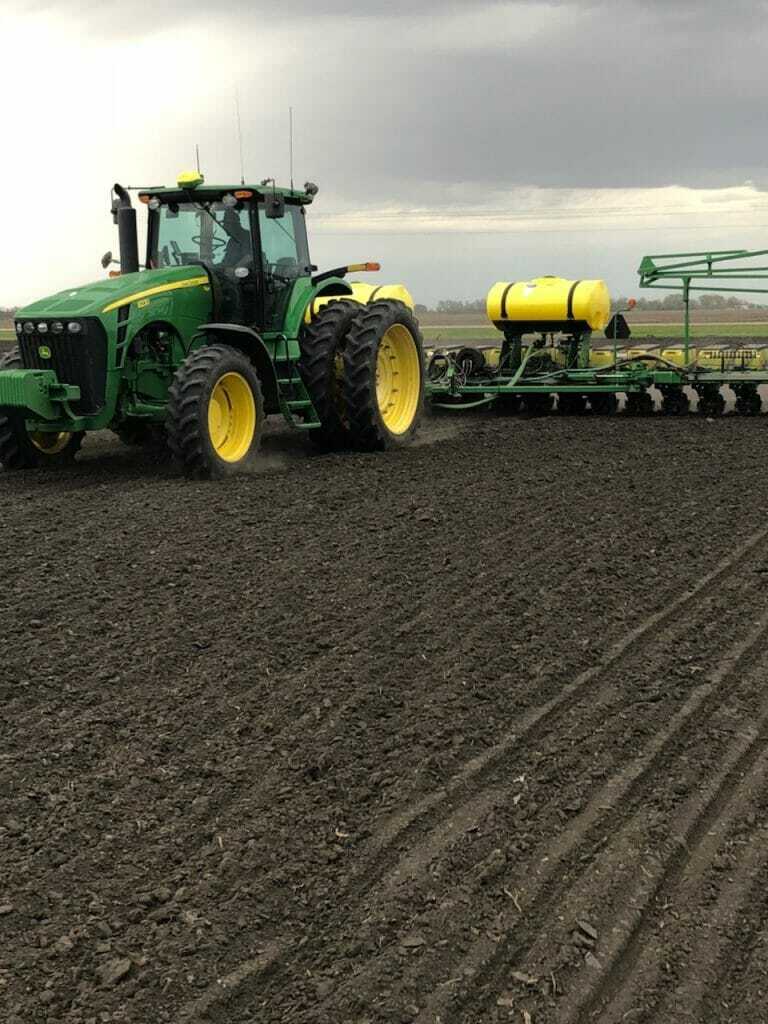
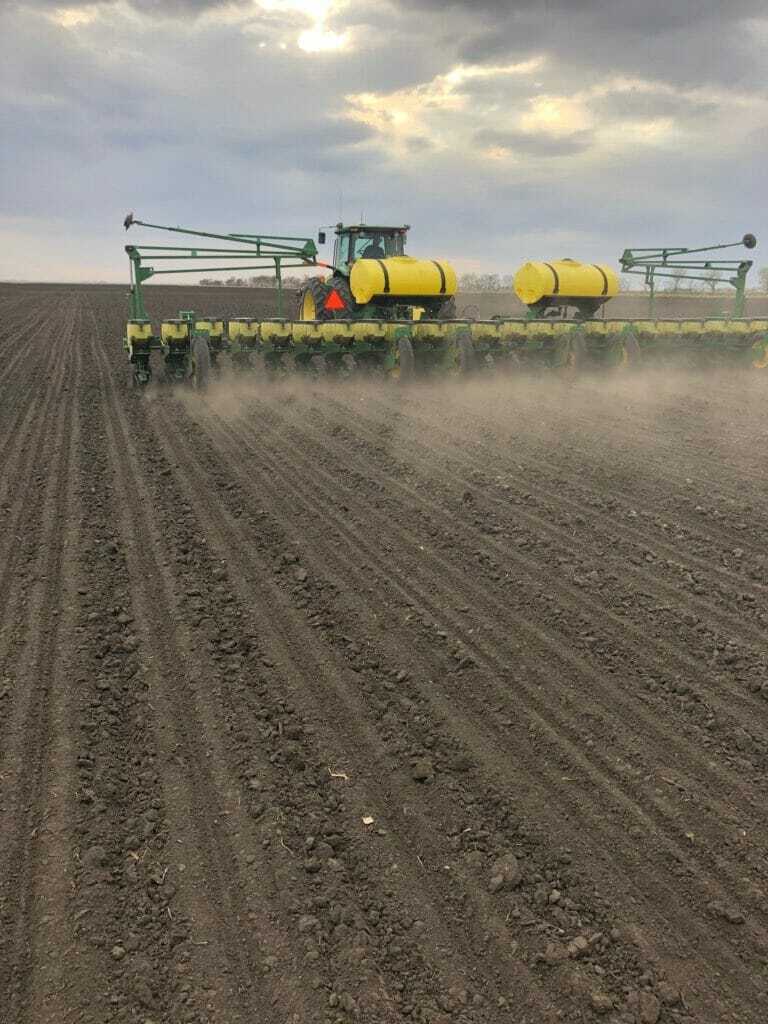
    This picture was taken near Foxholm, Minnesota. Despite planting delays, wheat, sugar beets and some corn seed is in the ground. Keep in mind, field conditions should be the main consideration. To get good plant stands, you must plant into good soil conditions. The worst thing we can do is plant in wet soils! Working soils that are too wet can have these negative impacts on your crop all growing season: stunted plant growth, slowed infiltration of water, poor root system development, and nutrient deficiency.
    Ken 1

    Ken 2

    Southern Minnesota

    Justin Prokosch

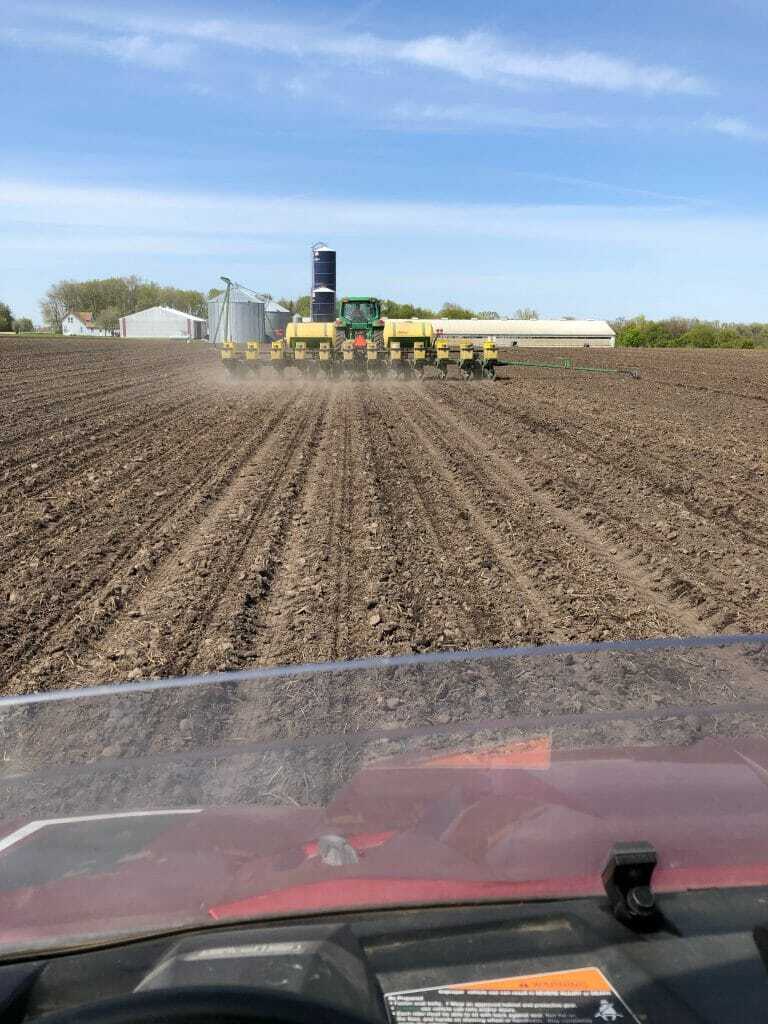
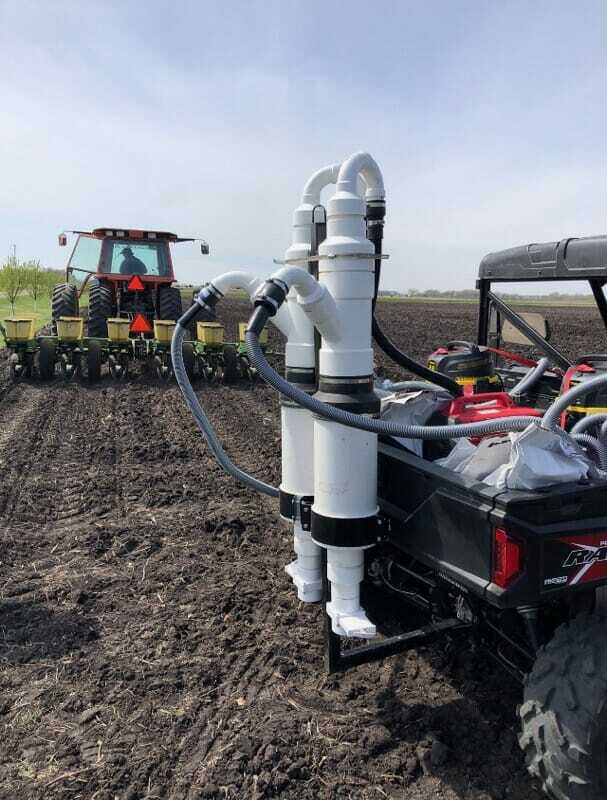
    With favorable drying weather last weekend across southern Minnesota, many farmers put corn in the ground on Monday and Tuesday. Three of my Latham® corn plots were planted Tuesday near Mountain Lake, Hanska, and Vernon Center. Farmers in the north are still trying to find dry fields to plant; tile is sure paying off this spring. More wet weather looks like it’s headed our way for the next couple of days, so we are praying we don’t get too much.
    Justin 2

    Justin Prokosch 1 Plot season has begun!

    Justin 3


    Northern Wisconsin 

    Joe Salter

    Planting season is off to a slow start across Northern Wisconsin due to frequent rains, and more rain is in the forecast. The poor planting weather is giving local dealers time to breath and reorganize inventory.
    Joe 1

    Southern Wisconsin

    Greg Mair

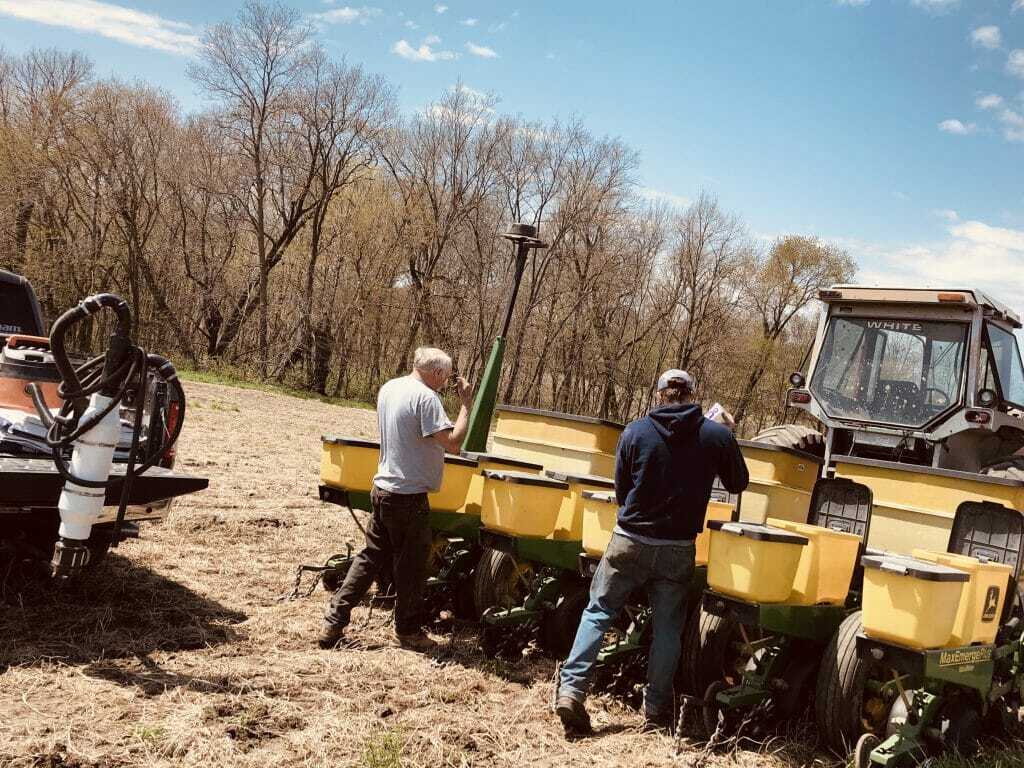
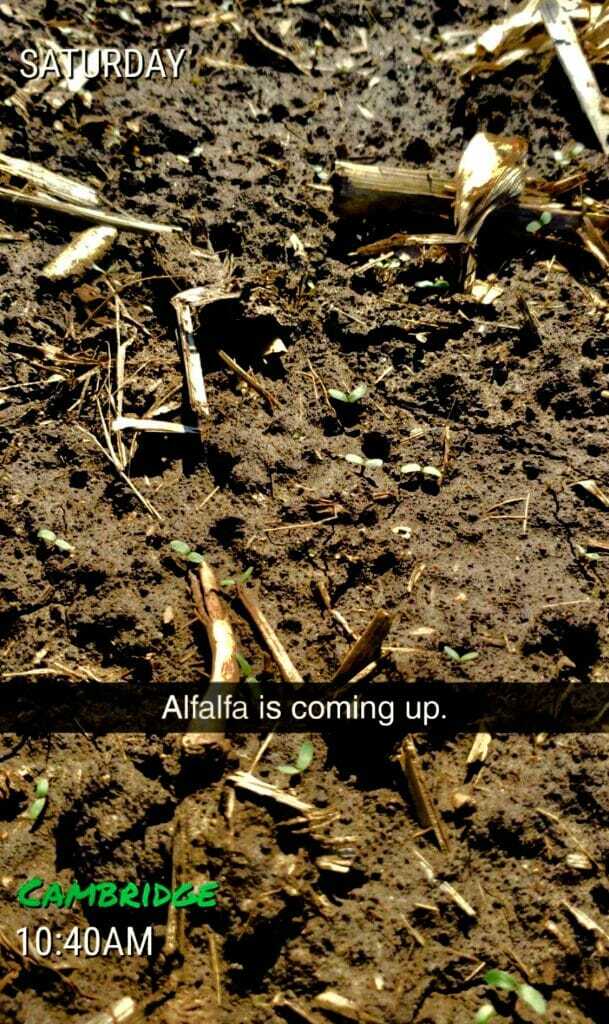
    This new seeding of HarvXtra is emerging in Cambridge, Wisconsin.  Conditions were perfect April 22 when this field was planted. Our first Latham® Corn SuperStrip in the ground near Monroe on May 5.  Conditions were perfect when we planted this no-till field, and we were able to finish a few hours before the next rain fell. Scattered showers are forecast for this week, but the forecast improves on Friday with six days of sunshine IN A ROW!
    Greg 1

    Greg 2


    North Central Iowa

    Cory Greiman

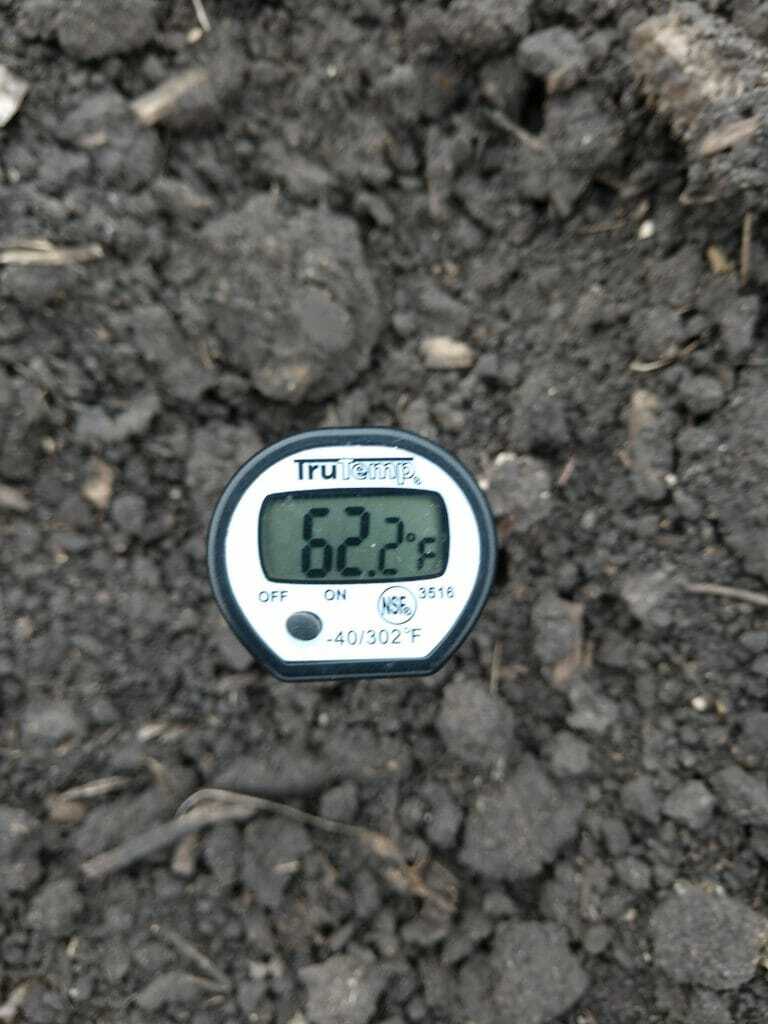
    Temperatures are rising! The soil temperature at 4-inch depth within the seed furrow of a SuperStrip corn plot near Garner on Tuesday read 62 degrees at 6:30 PM.
    COry 1

    Northeast Iowa

    Craig Haaland

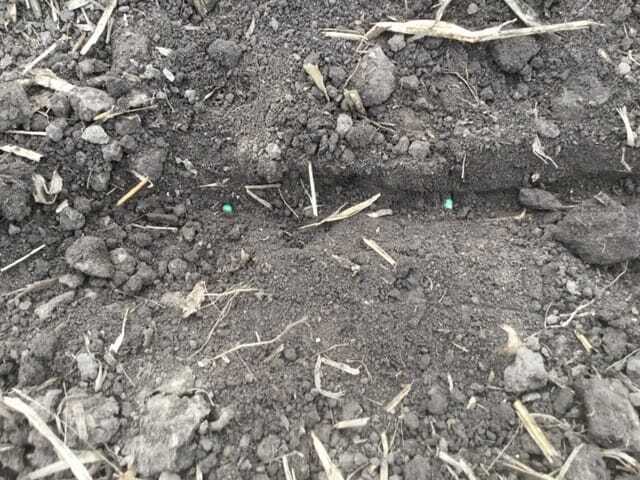
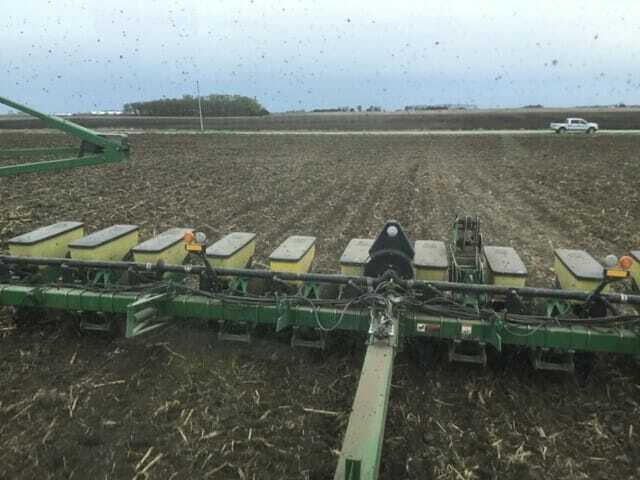
    This field in Cerro Gordo County is being planted to LH 5099 SS. Planting depth is 2 inches, and good seed-to-soil contact is critical. Many farmers planted last weekend through Monday. Area farmers backed off from planting yesterday with rain and cooler temps in the short-term forecast.
    Craig 1

    Craig 2

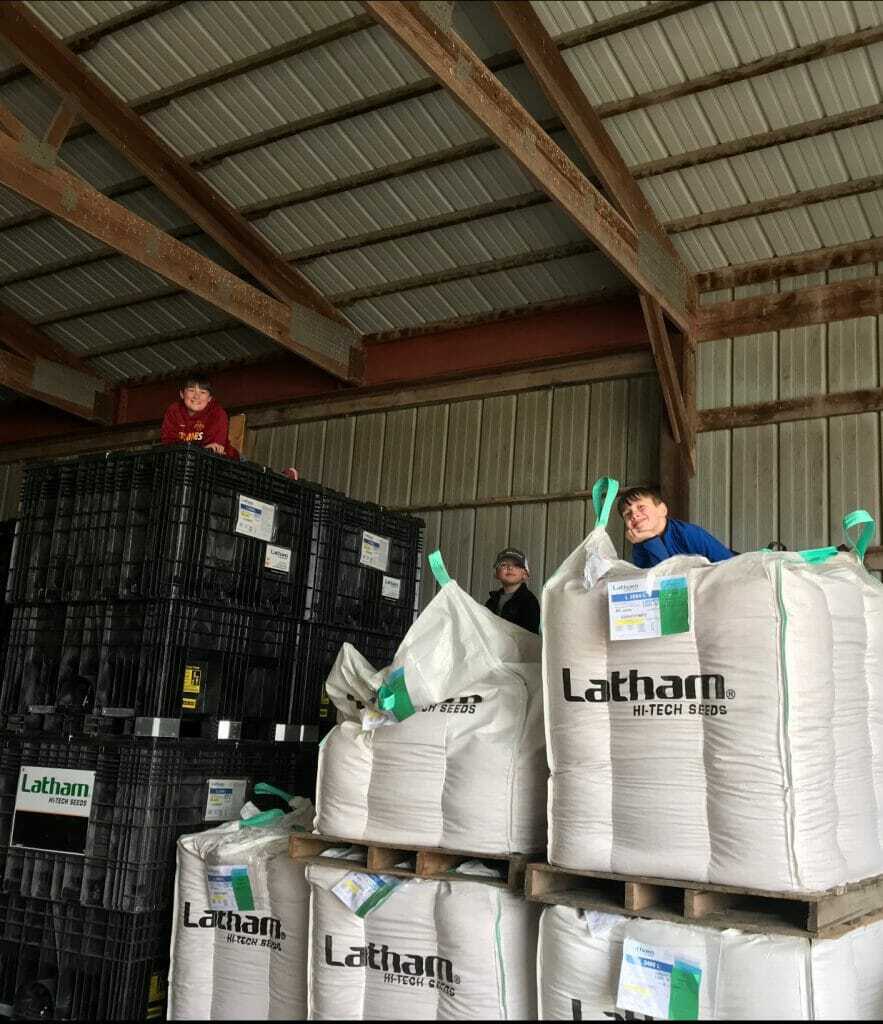
    Pitzenberger Farms crew sorting seed for planting.
    Craig 1

    Northwest Iowa

    Darin Chapman

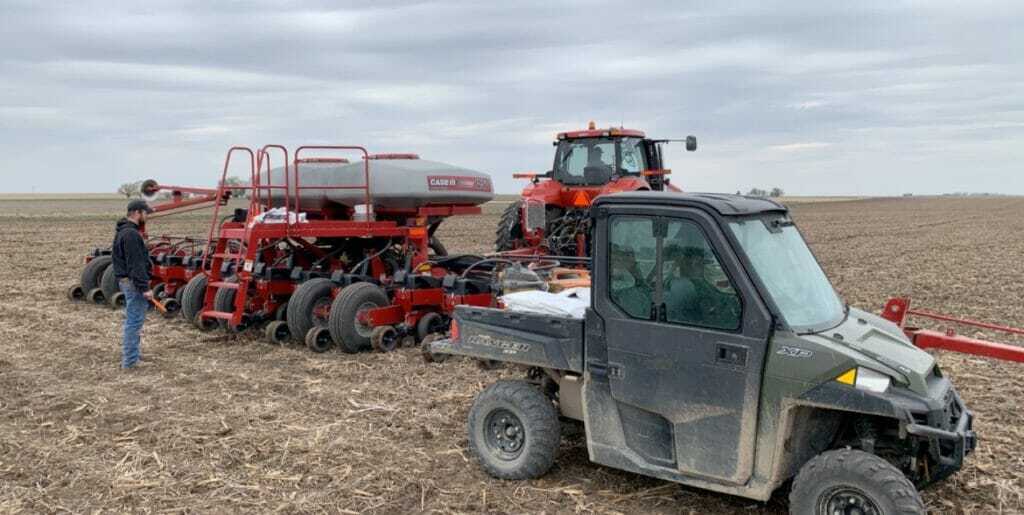
    The weather finally allowed us to get our first Latham SuperStrip corn plot of the season planted in Alta, Iowa. The forcast shows a chance of an inch of rain with cool temperatures for the next couple of days. Bring on that sunshine and heat units!
    Darin 1

    Darin 2

    Eastern Iowa

    Jerry Broders

    Anywhere from .5 to 4.5 inches of rain fell last week in Eastern Iowa. As a result, there was various field work underway. I saw everything from tillage work to parked planters. Farmers in the western part of my territory got going again late Saturday while those south of Dubuque have yet to start.

    Jerry 1

    Jerry 2

    Western Iowa

    Larry Krapfl

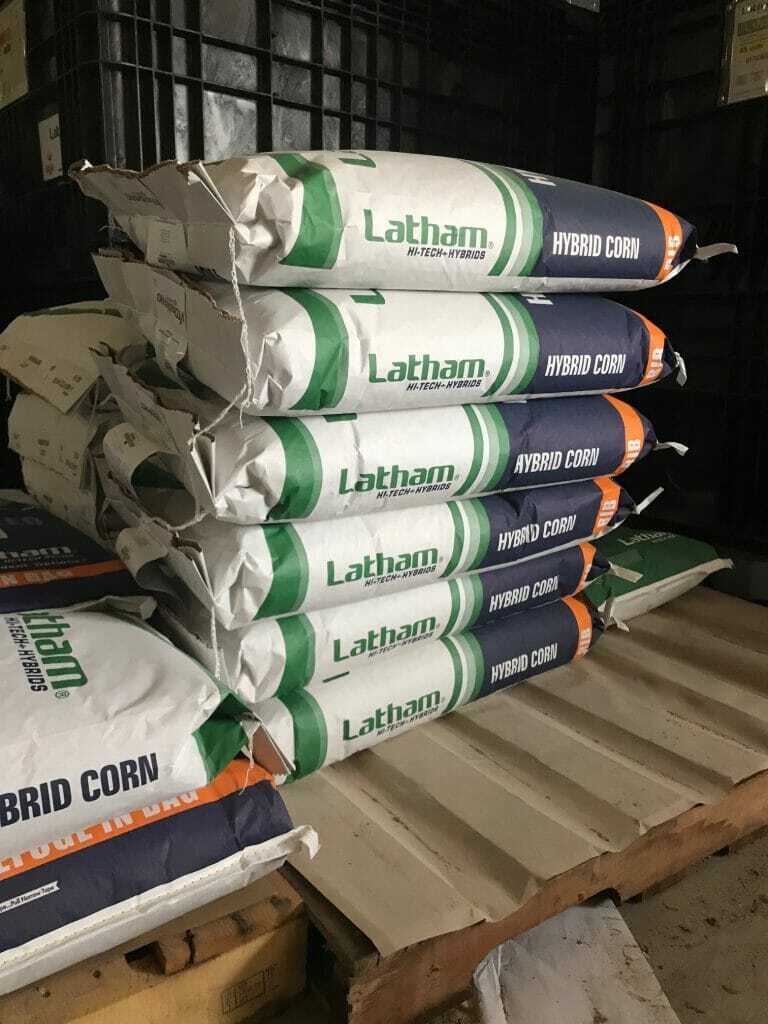
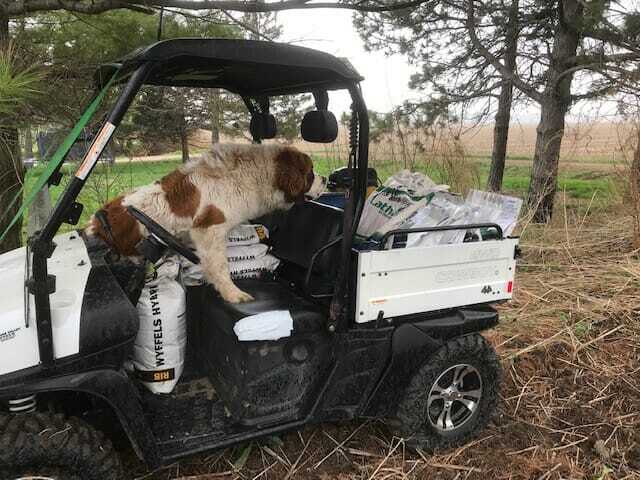
    We attempted to plant a corn plot but got rained out before we even started. The rain didn’t stop this curious visitor from checking out the Latham bags.
    Larry 1


    West North Central Iowa

    Bart Peterson

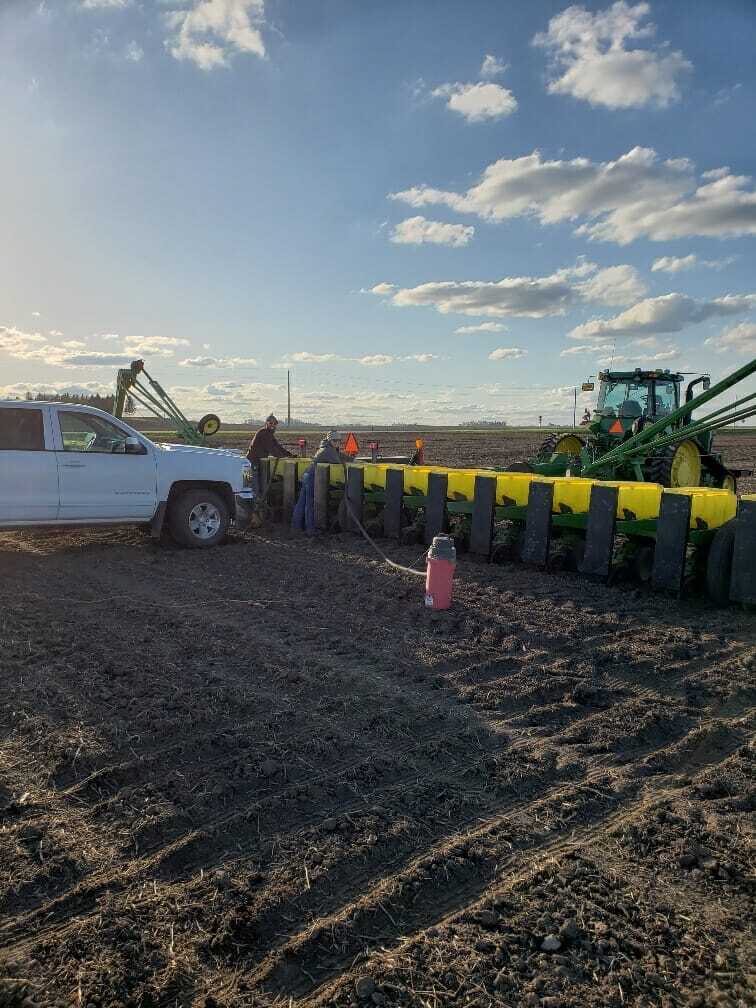
    This engaged couple is working together to plant their first Latham® SuperStrip plot near Hardy, Iowa, on May 3. Here they’re shop vacuuming plot seed before we plant the next hybrid.

    Bart 2

    Jon and Jenna running shop vacs before the next hybrid is planted in this Latham® SuperStrip plot.
    Bart 3

    Central Iowa

    Bryan Rohe

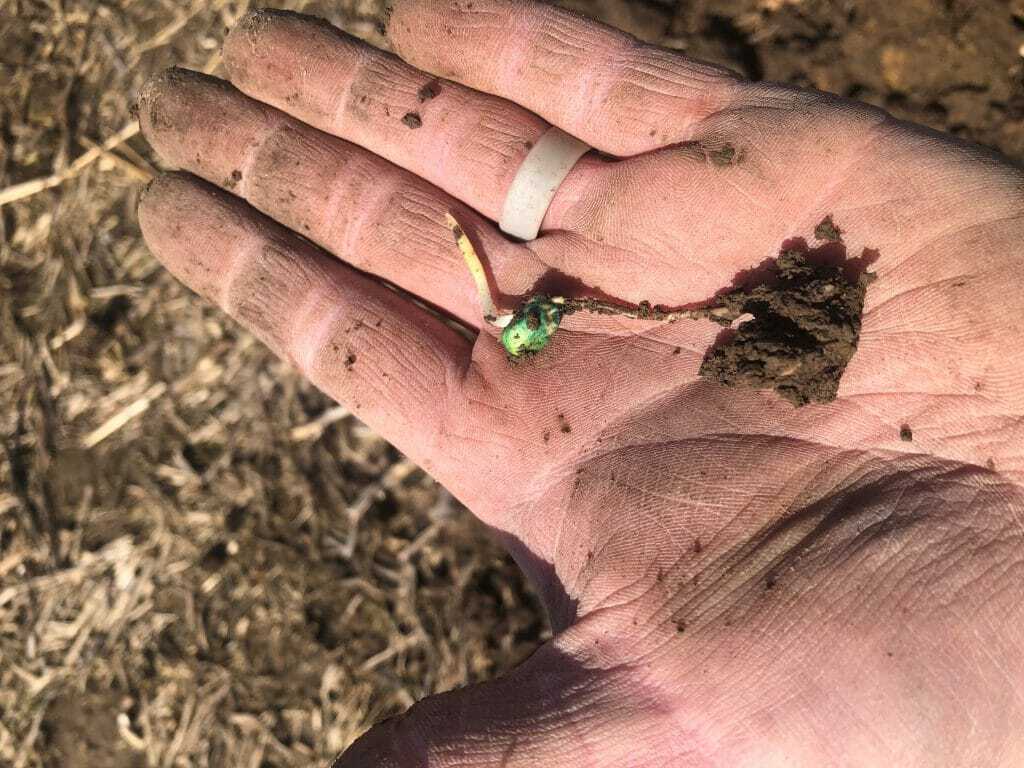
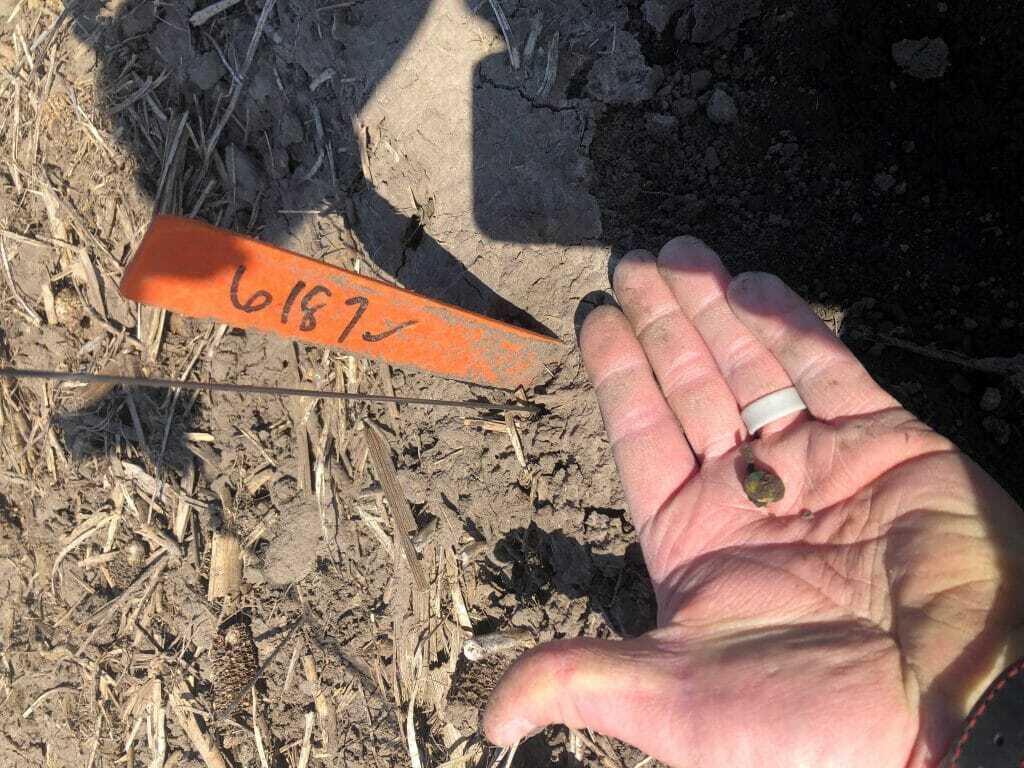
    Planting resumed Saturday, May 5, across Central Iowa. More showers fell Monday. Cooler weather with heavy rain is expected Wednesday, which is keeping a majority of farmers from planting. This photos shows Latham 5965 that was planted April 20 in Oskaloosa, Iowa. Then other two photos show LH 6187 corn plot planted April 25.

    Be sure to watch for un-even stand and for corn that’s growing downward as heat units are significantly lower than were needed when some farmers planted. Exercise patience and wait for soils to dry before re-entering fields.
    Bryan 1

    Bryan 2

    Bryan 3


    Laura Cunningham

    May 8, 2019
    #FromTheField Crop Reports, Season, Spring
  • Latham Hi‑Tech Seeds

    Key Dates for Switching Maturities

    Bart 2

    Each day we turn the calendar, I receive more calls from Latham® dealers and farmers asking whether they should change maturities.  Keep in mind, the object is to achieve maximum yield potential for this crop.  When you switch maturities, you forfeit maximum potential and have essentially decided to lower your yield expectations!

    Based on my experiences over the past 40 years – as well as research findings from many Midwest land grant institutions – I can tell you with confidence that full-season hybrids and varieties outperform early maturing hybrids and varieties.  Most people jump the gun and make the switch way too soon.  Corn planted in mid-June can make decent yields, and there’s no need to switch from corn to soybeans until after that.

    There becomes a point in time where the advantages of planting a full-season hybrid diminishes to the point where shifting to a shorter-season hybrid or variety will generally result in drier corn and higher yields come fall.  Below is a summary of factors to consider when deciding whether to switch corn or soybean maturities.

    CORN

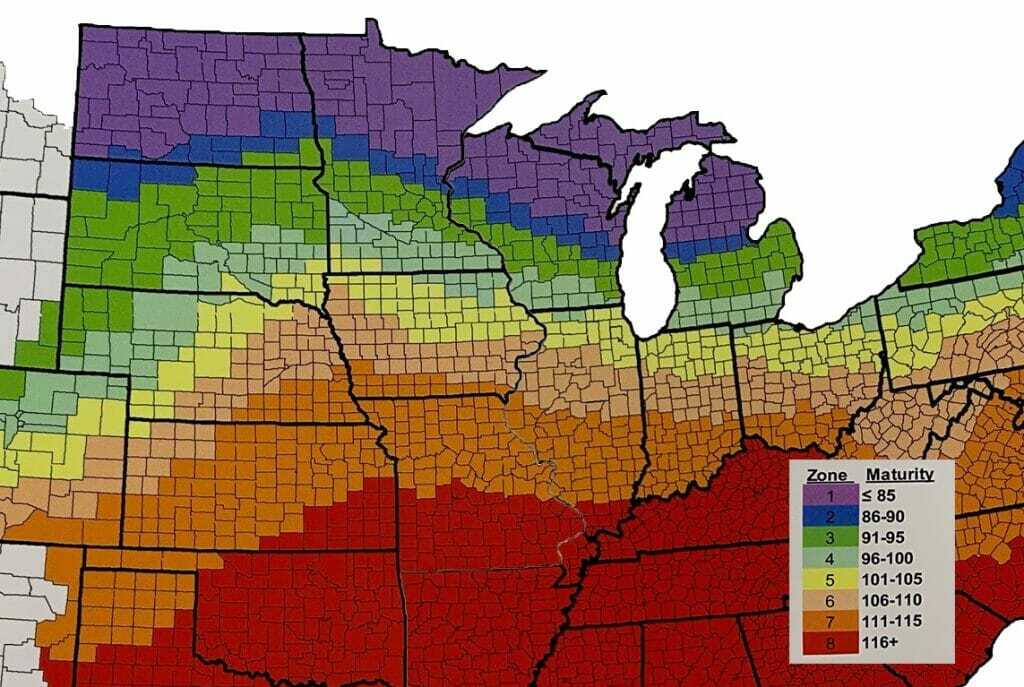
    I’ll use northern Iowa and southern Minnesota as an example.  If your maturity range is 98- to 109-days (which is what I use for the Latham Research Farm), then you should generally not deviate from those maturities until at least May 25.  If all you have left to plant is your 98-day hybrids, then you can safely extend your planting window to about June 7-10.  On the other hand, if you only have your 109-day hybrids left to plant, you’ll probably be better off switching to 95- or 99-day products.

    That brings us to the next subject… if you must switch, how early of a hybrid is needed?  You don’t need to take it to extreme and switch from 109 RM to an 85-day hybrid or something equally silly!  Research has proven that it pays to stay closer to your “normal” maturity.  Switch to hybrids that are about 5 to 7 relative maturity units earlier than full season for the region.  Yields in this scenario will be greatly improved if northern Iowa and southern Minnesota farmers (from the example above) move toward a 92- to 95-day hybrid that is more closely adapted to the area.

    The decision to switch maturity with delayed corn planting is difficult because of so many variables including: available GDUs, first frost date and fall drying conditions.  With this in mind, here are some general guidelines for Iowa farmers:

    Location
    within Iowa
    Full Season RM Switch to
    on May 25
    Switch to
    on June 10
    South of U.S. 92 114-117 108-111 105-109
    Central 108-115 104-110 100-106
    North of U.S. 20 100-109 96-105 94-100

    For your convenience, below are few links to related articles: Adjust this information depending on where you farm, but make your decision is based on sound research and not “coffee shop facts.”  Just because your neighbor is switching doesn’t mean it’s the best decision.  Conduct a little research of your own before deciding what might be best for your operation.

    • Soybean Planting Decision Tool by Iowa State University Extension
    • Late Corn Planting Options by Iowa State University Extension
    • Corn Planting Guide by South Dakota State Extension
    • Considerations for Late Planted Corn by North Dakota State University
    • Soybean Planting Date and Maturity Considerations by University of Wisconsin-Madison Extension
    • Considerations for Late-Planted Corn in Minnesota by University of Minnesota Extension

    SOYBEANS

    There is absolutely no reason to start switching soybean maturities until at least mid-June.  I use June 20 as our cutoff here in North Central Iowa, but again, it depends on what you were planning to plant in the first place.  In this area, bean maturities range from 1.8 to 2.7.  L 2482 R2’s are still good to plant in this region until mid-June as we’ve done it before with great results.

    Soybeans have even more resiliency when it comes to maturity stretch.  Because soybeans are more “photo period” sensitive, they actually adjust based on the length of the nighttime.  A planting date of June 20 in southern Wisconsin and June 15 in northern Wisconsin, using early maturing varieties, was considered to be the latest practical date by the University of Wisconsin.  Soybeans can be planted in our area as late as the Fourth of July with decent yield results as long as we don’t go into a dry period.

    The 2019 planting season will certainly test our patience!  It’s tough to turn pages off the calendar without putting any seed in the ground, but it’s better to wait a few more days than to mud seed into the ground.  Experts warn that compaction and/or inadequate seed-to-soil contact from planting in wet conditions cause yield reductions for soybean farmers.  During a wet year, it’s even more important for soybean growers to pay close attention to machinery.  Avoiding soil compaction and obtaining good soil closure over seeds will help increase yields.  For more soybean planting tips to boost yields, click here.

    Mark Grundmeier, Product Manager

    May 6, 2019
    Corn, Crop, Rain, Season, Soybeans, Spring, Tech Tuesday, Weather
Previous Page
1 … 5 6 7 8 9 … 18
Next Page

Latham Hi‑Tech Seeds

131 180th Street | Alexander, IA 50420

(641) 692-3258

SIGNUP FOR OUR NEWSLETTER
  • Contact
  • Legal
  • Dealer Center
  • Seedware Login
  • Latham Gear

© 2025 Latham Hi‑Tech Seeds. All rights reserved. | Iowa Web Design by Webspec | Privacy Policy

Latham® Hi-Tech Seeds is a trademark of M.S. Technologies, L.L.C., 103 Avenue D, West Point, IA 52656.