Latham Hi-Tech Seeds

(641) 692-3258

  • Home
  • Products
    • Corn
    • Soybeans
    • Alfalfa
    • Corn Silage
    • Seed Guide
  • Performance
  • Find a Rep
  • Media
    • Blog
    • News
    • Videos
    • Podcasts
    • TECHTalk
  • About Us
    • Company History
    • Our Mission
    • Careers
    • Become a Rep
    • Sowing Seeds of Hope
  • Contact Us
  • Latham Hi‑Tech Seeds

    Which came first, the Easter bunny or Easter eggs?

    IMG 8991

    Decorating eggs for Easter is a tradition that dates to at least the 13th century. It is believed German immigrants brought the egg-laying hare to Pennsylvania in the 1700s. Their children made nests where this fabled creature could lay its colored eggs. As this custom spread across the nation, Easter morning deliveries expanded to include chocolate and other types of candy and gifts.

    It has been 60+ years since my mom hosted her family’s first egg hunt, and our tradition is still strong and growing through five generations. Mom also makes an Easter egg tree annually, so I asked her to help us make a fresh one. She cut a branch from her lilac tree, cemented it into a coffee can and painted the branches white. Then she showed our Italian exchange student how to carefully use a needle to make a small hole at the top of the egg and a larger hole at the bottom, so we could blow out the yolks. (Anyone else do this and then make an angel food cake?)

    When I was a kid, we couldn’t purchase Easter tree decorations at the store. We had to color real chicken eggs and then decorate the tree branches with silk flowers and ribbons. Now our tree contains a mixture of handmade and store-bought decorations.

    In years’ past, we dyed hard-boiled eggs that were then turned into my mom’s legendary potato salad. I remember standing on a kitchen chair as a little girl, so I could reach the kitchen counter where Mom would help me make an Easter bunny cake. Another one of my favorite memories is when a live bunny was left in my Easter basket.

    Now that my kids are adults our traditions continue to evolve. My daughter will tell you that Easter dinner isn’t complete without ham and a side of macaroni and cheese with corn. My cousin makes the absolute best homemade version of this, using our grandma’s recipe for frozen sweet corn. Today I’m sharing a similar recipe from our hometown church cookbook.

    Macaroni & Cheese with Corn

    Print Recipe Pin Recipe
    Prep Time 10 minutes mins
    Cook Time 1 hour hr

    Equipment

    • 1 Large bowl
    • 1 2-quart casserole dish

    Ingredients
      

    • 1 15.25 ounce can whole kernel corn, including water
    • 1 14.75 ounce can cream style corn
    • 1 cup uncooked small shell pasta or elbow macaroni
    • 1 cup Velveeta cheese cubed
    • ½ cup butter melted

    Instructions
     

    • Preheat oven to 350 degrees F.
    • Stir together corn, uncooked pasta, cheese, and butter in a large bowl until well combined. Transfer mixture to 2-quart casserole dish.
    • Bake, covered, for 30 minutes. Uncover, stir, and continue baking for 30 more minutes or until pasta is tender.

    Shannon Latham

    April 10, 2025
    General, Recipes, Season, Sides, Spring
  • Latham Hi‑Tech Seeds

    Go wild! Go Hunting Gor Asparagus And Mushrooms

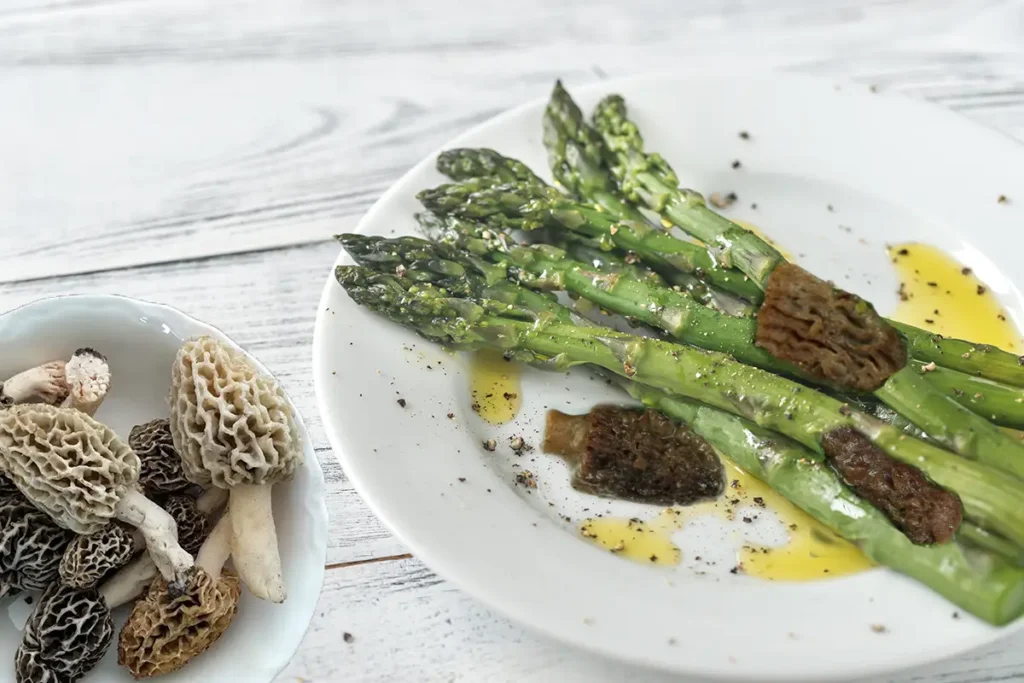
    As a kid, I couldn’t wait for the warm spring weather to produce wild asparagus and mushrooms. I loved trekking through the woods with my dad, in search of morels. I also loved traipsing through the road ditches in search of tender, young asparagus.  Most of all, I looked forward to eating my fill of both!

    My favorite way to eat morels is dipping them in eggs, rolling them in crushed saltine crackers and frying them in real butter. If you’re lucky enough to find some yet this spring, check out these 10 amazing recipe ideas at https://www.midwestliving.com/food/fruits-veggies/morel-mushroom-recipes/.

    While morel season in Iowa typically ends around Mother’s Day, there is still asparagus to be harvested. One of my favorite uses for asparagus is in a casserole with ham and noodles. This easy-to-make recipe is perfect for a formal Sunday brunch or a casual weeknight supper. Give it a try and let me know what you think. Also feel free to share your favorite asparagus recipes with me. I’d love to try some new ways to fix asparagus!

    Asparagus and Ham Casserole

    Print Recipe Pin Recipe
    Prep Time 20 minutes mins
    Cook Time 10 minutes mins

    Equipment

    • 1 Food processor
    • 1 Large pot
    • 1 Medium bowl
    • 1 Medium saucepan
    • 1 Large bowl
    • 1 2-quart casserole dish

    Ingredients
      

    • 1 slice white bread or ½ c. bread crumbs
    • 3 3/4 c uncooked extra braod egg noodles or pasta of your choice
    • 2 ½ c sliced asparagus 1 ½”
    • ¼ c all purpose flour
    • ½ tsp dried thyme
    • ¼ tsp salt
    • 1/8 tsp black pepper
    • 1 c whole milk
    • 1 c chicken broth fat free, less sodium
    • 1 Tbs butter
    • ¾ c onion finely chopped
    • 1 Tbs fresh lemon juice
    • 1 ½ c cubed ham 1/2” square – about 8 oz
    • ¼ c chopped fresh flat-leaf parsley
    • 2 Tbs grated fresh Parmesan cheese

    Instructions
     

    • Preheat oven to 450 degrees.
    • Place bread into food processor, pulse 10 times or until coarse crumbs form to measure ½ cup.
    • Cook pasta in boiling water 7 minutes, omitting salt and fat in water. Add asparagus, cook 1 minute.
    • Drain.
    • Lightly spoon flour into a dry measuring cup and level with a knife.
    • Place flour, thyme, salt and pepper into medium bowl.
    • Gradually add milk and broth, stirring with a whisk until well blended.
    • Melt butter in a medium saucepan over medium-high heat.
    • Add the onion, sauté 4 minutes.
    • Add milk mixture, cook until thick (about 4 minutes), stirring constantly.
    • Remove from heat and stir in lemon juice.
    • Combine pasta mixture, milk mixture, ham and parsley in a large bowl, spoon into a 2-quart casserole dish.
    • Sprinkle with bread crumbs and cheese.
    • Bake at 450 degrees for 10 minutes or until filling is bubbly and topping is golden.

    Shannon Latham

    April 2, 2025
    Appetizers, Food & Family, Pork, Recipes, Sides, Spring
  • Latham Hi‑Tech Seeds

    Your Planting Questions Answered

    Planting 4

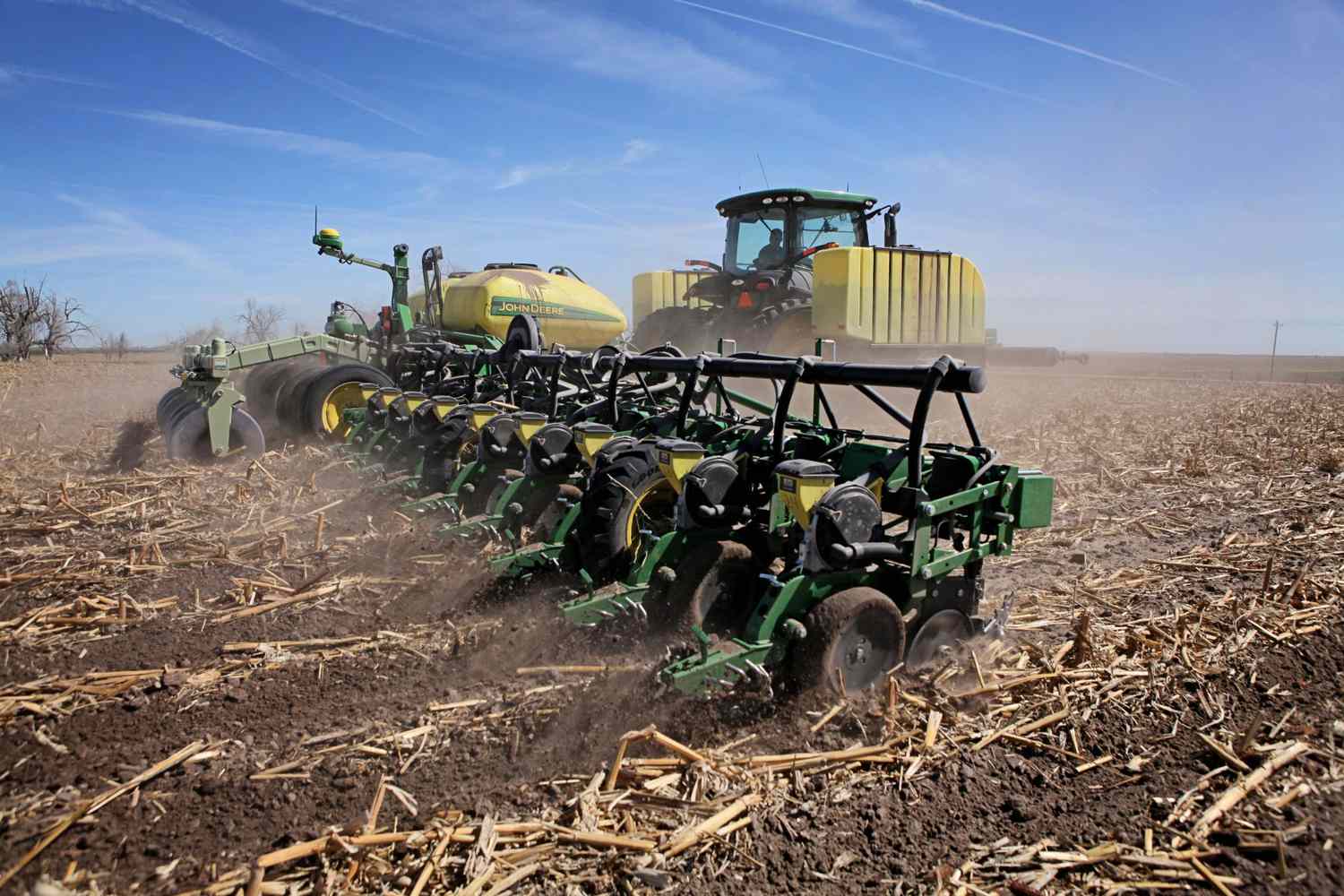
    It’s hard to believe that spring is right around the corner, and planters will be rolling in two months’ time. There are many questions to consider before that first seed goes in the ground. Let’s take a closer look at three of them:

    1. How early is too early?
    2. Is the soil temperature warm enough to start planting?
    3. What depth should I be planting?

    Q1: Generally, farmers maximize corn yield when they plant in late April or early May.
    This holds true IF conditions are fit for planting. A mid-April planting date produces similar yield if young plants are not damaged by a freeze in May. In years with few growing degree days in late April and the first half of May, farmers can maximize corn yield when planting in mid-May.

    When spring arrives early, farmers should weigh the risks and benefits of planting earlier than usual. Farmers with federal crop insurance will lose replant coverage if they plant before the earliest allowable planting dates specified by the United States Department of Agriculture (USDA) Risk Management Agency — even if they must replant due to factors other than freeze damage or poor emergence.

    Seed treatments and planting high quality seed are a must with early planting.

    Q2: Before planting, check the weather forecast and soil temperatures for your area.

    It’s wise to check the soil temperature early in the morning of each field that you intend to plant. Wet soils and fields with more crop residue tend to have lower soil temperatures relative to drier soils or fields with less crop residue. Check the seed tag or talk to your seed dealer about the cold tolerance of your corn hybrids. Be aware that hybrids vary in cold tolerance.

    Certainly, plant hybrids that have more tolerance for colder temperatures first. However, be aware that “imbibitional chilling” is a physical phenomenon that can override genetics. Imbibitional water uptake occurs within the first 48 hours after a seed is planted.

    Once planted, corn seeds need a two-day (48-hour) window when the soil temperature at planting depth does not drop much below 50°F. When soil temperatures drop much lower than 50°F within that 48-hour time frame, chilling injury may affect seed germination and subsequent seedling growth.

    During the osmotic phase of water uptake, which starts about 48 hours after the initial imbibitional phase of water uptake ends, the risk of chilling injury approaches zero. Thereafter, temperatures below 50°F can slow germination and delay seedling emergence. This can result in a longer exposure to soil-borne pathogens, particularly in soggy wet soils. If you expect the latter, use fungicide seed treatment for at least your earliest planted corn fields.

    When corn seeds imbibe (take up) water, cell membranes stretch and cells expand. When a damaged cell membrane rehydrates, it may not return to its normal shape and size. This can create a “leaky” cell. Water is at its densest at about 39°F, so when cold water is imbibed additional membrane damage occurs. These ruptured membranes may occur in the cell walls and in the mitochondria. In the plant, this action may disrupt the embryo/endosperm enzymatic conversion to energy. It likely interferes with the emerging seedling’s development and reduces the plant’s growth rate.

    • Debate exists about what specific temperature and timing causes imbibitional chilling. However, corn seeds that imbibe cold water (in the low 40s) in the first 48 hours after planting undoubtedly are affected.
    • Planting when soil temperatures are above 50°F — and are not anticipated to drop much below this during the following 48 hours — alleviates concerns of imbibitional chilling affecting corn emergence.

    Q3: Check seed depth and seed depth consistency across your planter units.

    The “set it and forget it” approach to seed depth isn’t the best idea. To get corn off to the best start, it is important to achieve both rapid and consistent emergence following planting.

    Planting 4

    One aspect of achieving rapid and consistent plant emergence is by choosing the correct seeding depth and ensuring there is adequate and uniform moisture at the chosen seeding depth. The most common seeding depths recommended for corn range between 2.0 and 2.5 inches deep, and these planting depths can work very well within most conditions. However, certain soil moisture conditions at planting may warrant further examination/change in seeding depth.

    A corn seed imbibes soil moisture within the first 24 to 48 hours after planting, therefore maintaining both adequate and uniform moisture at seeding depth (not too wet and not too dry) within the first 48 hours is important. If the soil remains too dry, then the seed may be delayed in emergence until precipitation occurs. Furthermore, if the soil remains saturated after planting, the seed may rot and die.

    Contact your local Latham® representative to find out more information about ideal planting depth for your area, or call 1.877.GO.LATHAM.

    steve-sick

    March 5, 2024
    Agronomics, Corn, Crop, Emergence, General, Growth Stages, Soybeans, Spring
  • Latham Hi‑Tech Seeds

    Latham Proof Points – Episode 5

    Proof Points Snip

    This week, Ken talks about what’s happening in the Red River Valley — and changes he’s seen in the industry that are relevant today.

    Enjoyed listening? Check out other podcasts on Latham’s YouTube Channel. 

    Webspec Admin

    June 6, 2023
    Podcast, Proof Points Podcast, Spring, Summer
  • Latham Hi‑Tech Seeds

    #FromtheField – Week of May 29, 2023

    Kody Snip

    Take a look across Latham Country! We’re coming to you every week.

    Did you enjoy these videos? We want to (TECH)talk with you! Sign up for our newsletter to receive agronomy videos (and delicious recipes) in your inbox! We’ll TALK soon.

    Webspec Admin

    June 1, 2023
    #FromTheField Crop Reports, Agronomics, Corn, Crop, Emergence, Growth Stages, Season, Soybeans, Spring, Summer, Weed Control
  • Latham Hi‑Tech Seeds

    #FromtheField – Week of May 15

    Corn emergence 1

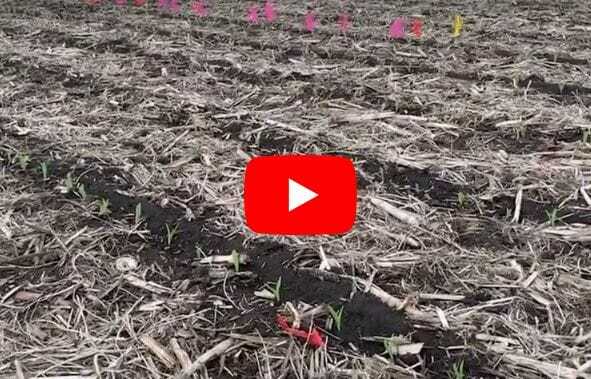
    Take a look across Latham Country! We’re coming to you every week.

    Did you enjoy these videos? We want to (TECH)talk with you! Sign up for our newsletter to receive agronomy videos (and delicious recipes) in your inbox! We’ll TALK soon.

    Team Latham

    May 18, 2023
    #FromTheField Crop Reports, Spring
  • Latham Hi‑Tech Seeds

    Seed Treatment Pays

    Seedware

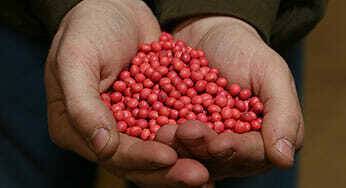
    Benefits of seed treatment include protecting seed from rot, seedling blights and insects, as well as improved germination. Seed treatments also help prevent the spread of plant diseases and reduce the risk of replant.

    Seed treatments are one of the most efficient crop protection technologies as they reduce farmers’ need for foliar spray applications. They also offer some certainty because field and weather conditions can prevent farmers from entering the field to apply fungicide and/or insecticide after seeding.

    Applying treatment directly on the seed before planting protects seeds and young plants, regardless of field conditions. Because seed treatment is a targeted, one-time application of pesticides to seeds, seedlings are protected during their most vulnerable stages of growth. Spraying fungicides or insecticides during these early growth stages is unlikely to be as effective because sprays are less targeted.

    Treated seeds carry a precise amount of pesticide that protects the seed during early growth, which is the critical growth period before and during germination. Seed treatments also are a “curative treatment,” protecting plants against seed-borne diseases.

    Research shows that seed treatments deliver more robust seedlings to farmers, protect plant stands and maximize yield potential. Conversely, farmers not using seed treatments in high pest pressure areas can see yield losses of 50% or more.

    Help secure a return on your seed investment with seed treatment! But don’t just take our word for it… take crop notes this growing season and compare data from multiple years. The Latham Team is here to answer your questions at 1-877-GO-LATHAM (877-465-2842).

    Did you enjoy this article? We want to (TECH)talk with you! Sign up for our newsletter to receive agronomy articles (and delicious recipes) in your inbox! We’ll TALK soon.

    steve-sick

    May 11, 2023
    Agronomics, Corn, Crop, Seed Treatment, Soybeans, Spring
  • Latham Hi‑Tech Seeds

    #FromtheField – Week of May 1, 2023

    Dan Thumbnail

    Take a look across Latham Country! We’re coming to you every week.

    Latham Hi‑Tech Seed’s Corn Plot going in Northern Iowa!

    Webspec Admin

    May 4, 2023
    Agronomics, Corn, Crop, Emergence, From the Field, Growth Stages, Season, Soybeans, Spring
  • Latham Hi‑Tech Seeds

    This Could Be THE Year!

    Print

    Optimism and grit are two qualities every farmer I’ve ever met has in common.

    Family, farming, food and faith are the four themes that kept emerging as Iowa author Darcy Maulsby wrote the book, Iowa Agriculture: A History of Farming, Family and Food.

    “For generations, American farmers have lived by an unwritten code centered around hard work, courage, perseverance, teamwork, personal responsibility and concern for the community,” Maulsby says.

    This unwritten code is also the Latham way. You’ll find the words “teamwork” and “community” hanging on the wall of our company’s conference room, which is in the former home of Latham Seeds’ founders Willard and Evelyn Latham. We’re proud that our company headquarters is located on the Latham family’s Iowa Century Farm in Franklin County. Our office is surrounded by crops, which are our products.

    My husband John, my brother-in-law Chris, and I are proud to be the third generation to own and operate our family-owned seed business. Each year we enter the spring planting season filled with hope and optimism. Each spring John says – and truly means it – that he is more excited than ever to watch our products emerge from the ground and see the crop develop throughout the growing season.

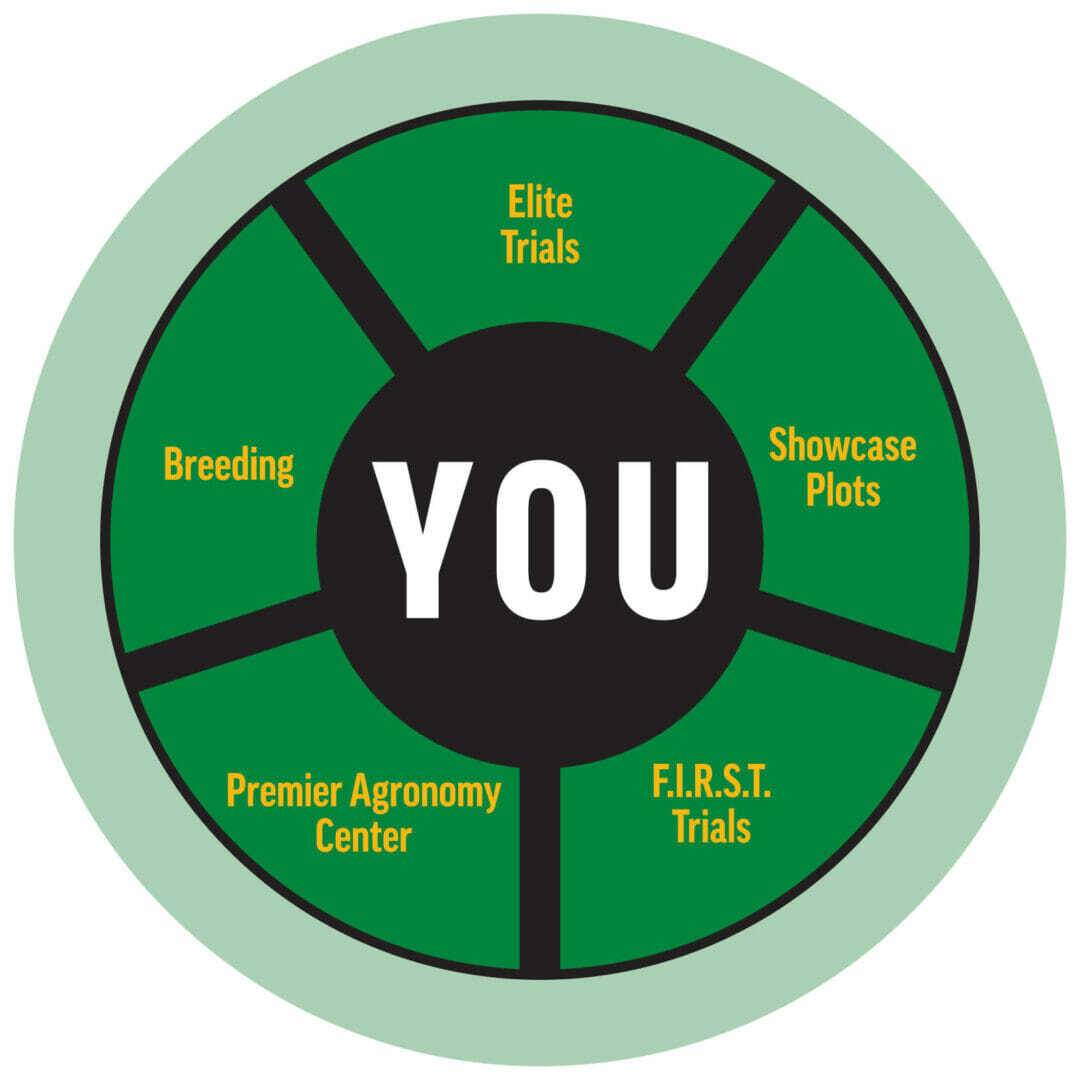
    Keep in mind that a seed company grows its products one year in advance. This year we announced our 2024 product lineup to our local Latham® dealers earlier than ever because we’re so excited! All growing season long, our dealers will help us take product notes and evaluate performance. Latham Product Manager Steve Sick will be traveling across the Upper Midwest, meeting with our dealers and taking more notes on our products throughout the growing season. Our product selection begins with YOU, the American farmer.

    Print

    From our family to yours, we wish you a safe planting season. To help you power through the long hours ahead, we’re sharing links to a few recipes that are easy to eat in the field or in the cab:

    • 7 Tractor-Friendly Meal Ideas from This Farm Girl Cooks
    • On-the-Go Lunch Ideas from This Farm Girl Cooks
    • Farmer-Approved Tractor Meals from Prairie Californian
    • Six Week Muffins from Corn, Beans, Pigs & Kids
    • Sweet & Salty Corn Chips from Corn, Beans, Pigs & Kids

    I’m also including a bonus recipe featuring pecans because today is National Pecan Day. Did you know a snack of one pecan serving (about 19 halves) provides loads of antioxidants, vitamins, and minerals?

    Shannon Latham

    April 13, 2023
    Desserts, Food & Family, General, Recipes, Season, Spring
  • Latham Hi‑Tech Seeds

    Tips for Assessing Winterkill in Alfalfa

    Alfalfa3

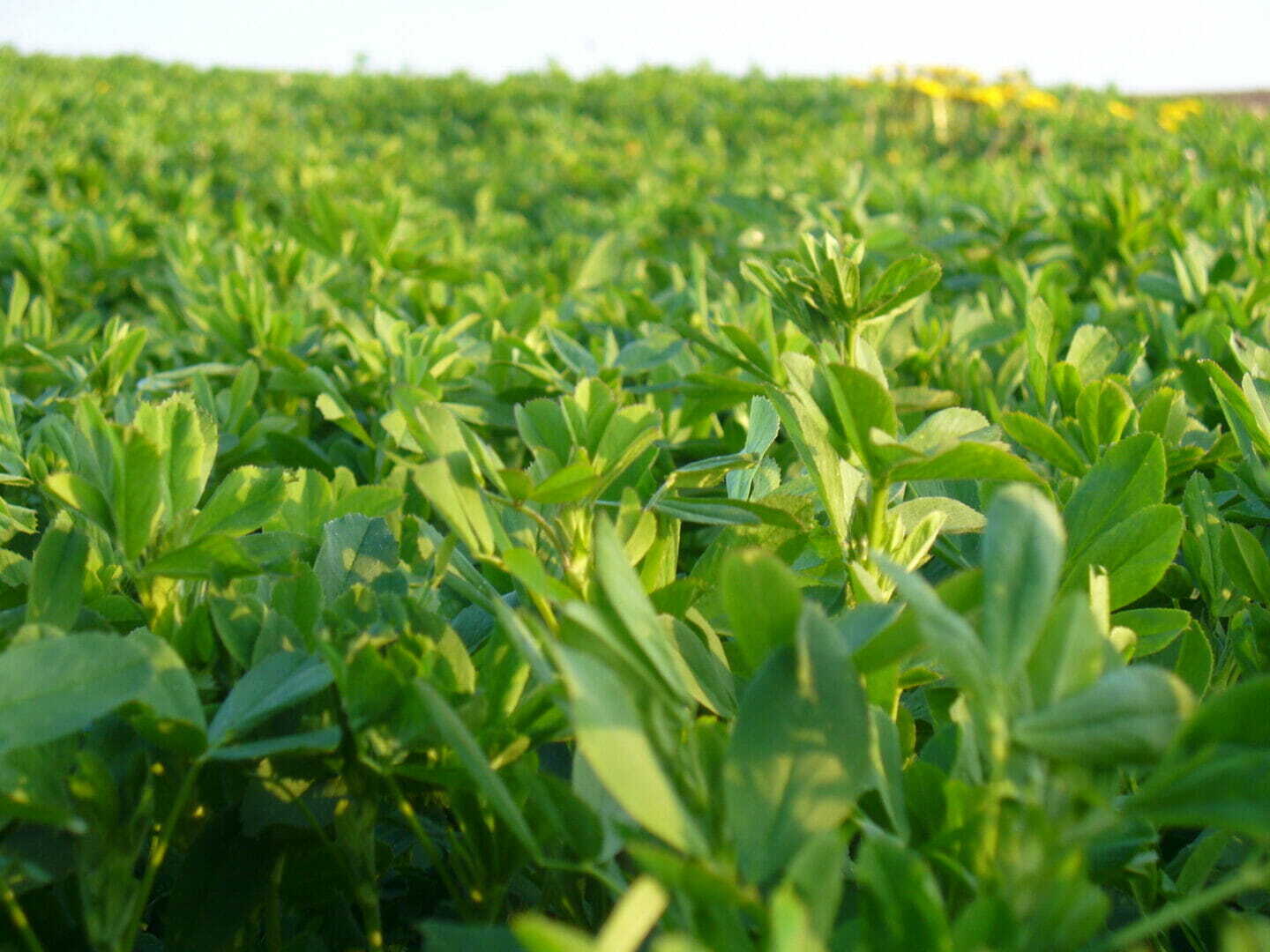
    When soils thaw in early spring, we can see how our alfalfa crop fared. You can get a pretty good indication of your alfalfa crop’s health from the road. If your field is still brown and the neighbor’s field is green, check for injury or death.

    The best way to diagnose winter injury is by digging four to six inches deep and then examining the plants’ roots. Healthy roots should be firm and white in color with little evidence of root rot. Winter-killed roots will have a gray, water-soaked appearance early.

    If your alfalfa stand has suffered winter injury, assess the field’s yield potential by determining the number of stems per square foot:

    Yield (tons/acre) = (Stems/ft2 x 0.1) + 0.38

    This calculation should only be used as a guideline as many factors determine yield. Factors that influence winter injury and yield in alfalfa stands include:

    • Stand age. Older stands are more likely to winterkill than younger ones.
    • Variety. Varieties with superior winter-hardiness ratings and a high disease resistance index are less likely to experience winter injury.
    • Soil pH. Stands growing on soil with a pH about 6.6 are less likely to experience winter injury.
    • Soil Fertility. Stands with high fertility, particularly potassium, are less likely to experience winter injury than those with low fertility.
    • Soil moisture. Alfalfa grown on well-drained soils is less prone to winter injury.
    • Fall soil moisture status. As dehydration is the primary means of tolerating freezing temperatures, stands that go into winter with low soil moisture are better able to lose moisture and are less likely to winterkill.
    • Cutting management. Both harvest frequency and timing of fall cutting affect alfalfa winter hardiness. The shorter the interval between cuttings, the greater the risk of winter injury. Stands where the last cutting was taken between Sept. 1 and Oct. 15 are at greater risk, as plants are unable to replenish root carbohydrate reserves before winter.
    • Snow cover. Snow is an excellent insulator. Four inches of snow can result in a 10°F difference in soil temperatures. Stands that were not cut after Sept. 1 or that have at least six inches of stubble retain more snow cover and are less susceptible to winter injury.

    While we cannot control what Mother Nature delivers during the winter months, we can take steps to control or reduce alfalfa winter injury. Contact your local Latham® dealer or call our office at 877-GO-LATHAM (877-465-2842); we’d love to assist you with any questions you may have.

    Did you enjoy this article? We want to (TECH)talk with you! Sign up for our newsletter to receive agronomy articles (and delicious recipes) in your inbox! We’ll talk soon.
    steve-sick

    April 5, 2023
    #AskTheAgronomist, Agronomics, Alfalfa, Crop, From the Field, Growth Stages, Season, Spring, Tech Tuesday, Winter
1 2 3 … 18
Next Page

Latham Hi‑Tech Seeds

131 180th Street | Alexander, IA 50420

(641) 692-3258

SIGNUP FOR OUR NEWSLETTER
  • Contact
  • Legal
  • Dealer Center
  • Seedware Login
  • Latham Gear

© 2025 Latham Hi‑Tech Seeds. All rights reserved. | Iowa Web Design by Webspec | Privacy Policy

Latham® Hi-Tech Seeds is a trademark of M.S. Technologies, L.L.C., 103 Avenue D, West Point, IA 52656.